Imagine entrusting your beloved car to a professional, expecting nothing but the best care for your four-wheeled companion. The vast majority of mechanics are knights in shining armor for our vehicles, but lurking in the shadows are a few who wield their wrenches with less than noble intentions.
As you hand over your keys, a niggling question arises: will you be swept off your feet with stellar service, or will you fall prey to the sly tricks of the trade designed to dip into your wallet? Arming yourself with knowledge is your shield against the potential deception in the automotive underworld.
Join us as we venture into the world of car maintenance, where the line between honest work and cunning overcharge is as fine as the edge of a well-oiled gear.
The Neverending Repair

When you take your car in for a repair, beware of the cycle of ‘just one more thing.’ Mechanics might claim your car needs endless repairs, each leading to another ‘urgent’ issue. To avoid this trap, always ask for a written estimate and seek a second opinion if the repair list keeps growing.
A trustworthy mechanic will prioritize repairs and won’t pressure you into immediate fixes unless they’re essential for safety. Just when you think your car is fixed, something else “mysteriously” needs attention.
Fuel Injection Cleaning Scam

Watch out for suggestions to clean your fuel injectors if your car isn’t showing signs of clogs. Some mechanics may offer this service routinely without it being necessary. Regular fuel from reputable stations often contains enough detergents to keep injectors clean. Only consider cleaning if you’re experiencing engine problems related to dirty injectors.
Oil Change Deceptions

Be wary when a mechanic suggests an oil change every 3,000 miles. Modern oils last longer; check your manual for the accurate interval. Avoid paying for premium oils if your car doesn’t require them. If you’re quoted for a high price on a standard oil change, it could be a rip-off.
Kickbacks for Referrals

When you patronize some mechanics, they may get payments or perks for steering you towards certain services. These kickbacks encourage mechanics to recommend services that you might not need. Always ask for clear reasons why a service is necessary.
Misdiagnosing Issues

When mechanics misdiagnose problems, they might replace parts that don’t fix your car. This can lead to unnecessary expense and further inconvenience. To guard against this, always seek a second opinion and ask for old parts after replacements.
Overcharging for Parts

When you visit a mechanic, be aware of part markups. You might be charged more than the retail price for replacement parts. Mechanics may add a markup on parts, reflecting service and handling costs.
This isn’t inherently dishonest, but excessive markups are unfair. Always ask for a breakdown of costs, and if a part price seems inflated, don’t hesitate to question it.
Inflating the Price of Tires

When you take your car in for tire service, be wary of significant price hikes. How can you tell? Well, it’s reported that the average price of tires has risen significantly, sometimes over 20% in a two-year period, much more than core inflation rates. For a tire that once cost $100, you might now see a price tag of $120 or more.
Inflating Labor Costs

When you get your car serviced, watch out for inflating labor costs. Mechanics may bill for more hours than the job actually takes. Here’s a quick breakdown:
- Estimated Time: Jobs have a standard time.
- Actual Time: It might take less.
- Billed Time: You’re charged the estimated time, not actual.
Always ask for a time estimate upfront and compare it with the final bill.
Additional Services during Routine Maintenance

When you’re in for an oil change or tire rotation, stay alert. Mechanics may suggest extra, unnecessary services like an engine flush. Your car’s manual is your best defense, detailing precisely what services you need and when.
Brake Replacement Rip-offs

When getting your brakes serviced, watch for unnecessary replacements. Mechanics may suggest new calipers, but often, you only need new brake pads. Learn how to protect yourself from brake job cost rip-offs and save money.
Used Parts Sold as New

Sometimes, mechanics may tell you they’re installing new parts when they’re actually using used ones. This can be hard to spot.
To avoid this, ask to see the parts in their original packaging before they’re installed in your car. Learn more about how to protect yourself from this type of dishonesty.
Hidden Fees (Like ‘Shop Supplies’)

When you visit a mechanic, keep an eye out for unjustified charges. These could be listed as shop supplies, disposal fees, or vague service charges. Always ask for a breakdown and justification of these additional costs.
Complicated Jargon to Confuse Customers

When you visit a mechanic, be aware of the complex terms they might use meant to confuse and prevent questions. Mechanics may mention things like transaxle or ABS without explaining these terms, hoping to make repairs seem necessary or complicated.
It’s crucial to ask for clarification in plain language to understand the service. An informed choice helps you avoid being misled.
The Air Filter Up-sell
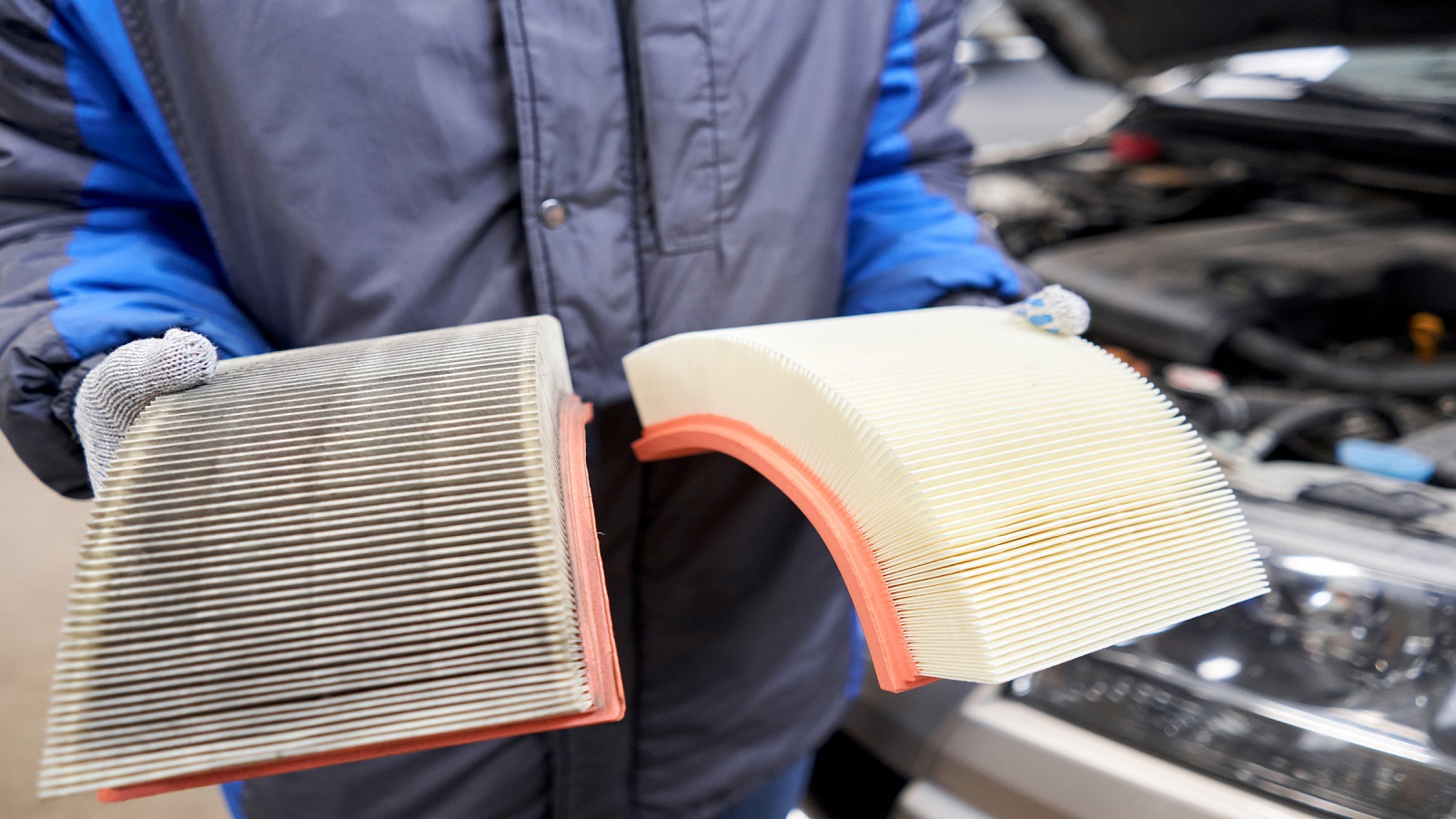
When you take your car for service, watch out for the air filter up-sell. Mechanics may show you a dirty air filter, suggesting your car needs a new one immediately. However, it’s standard for filters to accumulate some dirt, and they don’t always require immediate replacement. Check your vehicle’s manual for the recommended change intervals, and inspect the air filter yourself to assess its condition. If it’s not time for a replacement or it’s not as dirty as claimed, avoid this up-sell.
Suspension, Tie Rods, and Ball Joints Scams

Beware of unnecessary suspension work. Repairs might be sold that aren’t needed. When it comes to tie rods, some mechanics falsely claim they’re worn.
Ball joints may not require replacement as often as suggested, resulting in an overpriced service. Confirm issues with a reliable second opinion.
Ignoring Warranty Coverage

Always remember your warranty can cover certain issues at no extra cost. Yet, some mechanics might not mention your warranty, leading to unnecessary charges. Keep your warranty documentation handy and inquire about coverage yourself.
Fake / Inferior Replacement Parts

Occasionally, mechanics may use low-quality or counterfeit parts instead of genuine ones, charging you as if they are authentic. Always ask to see your replaced components and consider having parts’ serial numbers checked. Becoming familiar with your vehicle helps spot these dodgy tactics.
Unnecessary Wheel Alignment Service

When your car’s handling is off, a mechanic might suggest a wheel alignment. But if your car drives straight without pulling to one side, or the tires show no signs of uneven wear, you probably don’t need one. Watch out for those suggesting an alignment with every tire change, as it’s often unnecessary. Always ask for a clear explanation and evidence that justifies the alignment before agreeing to the service.
Billing for Unperformed Services
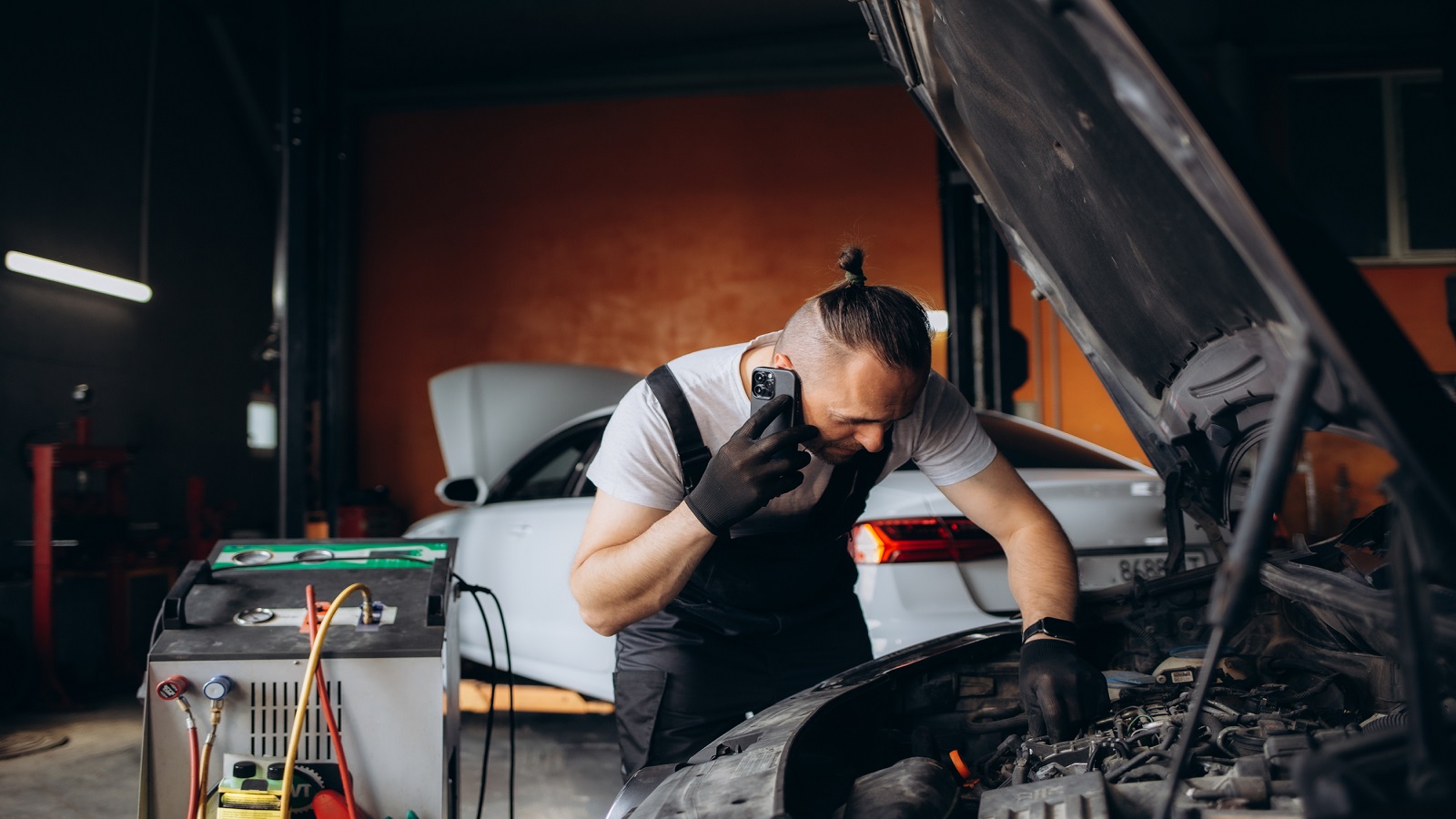
Beware of mechanics billing for more time than a repair takes. You might be charged for services or parts you never received. Always ask for itemized invoices and question any discrepancies.
Manipulating Mileage Readings

If you’re in the market for a used car, beware of odometer fraud. Unscrupulous mechanics might manipulate mileage to inflate the value. Always verify with inspection records or check for mismatched maintenance stickers to ensure accuracy.
Fluid Flush Scams
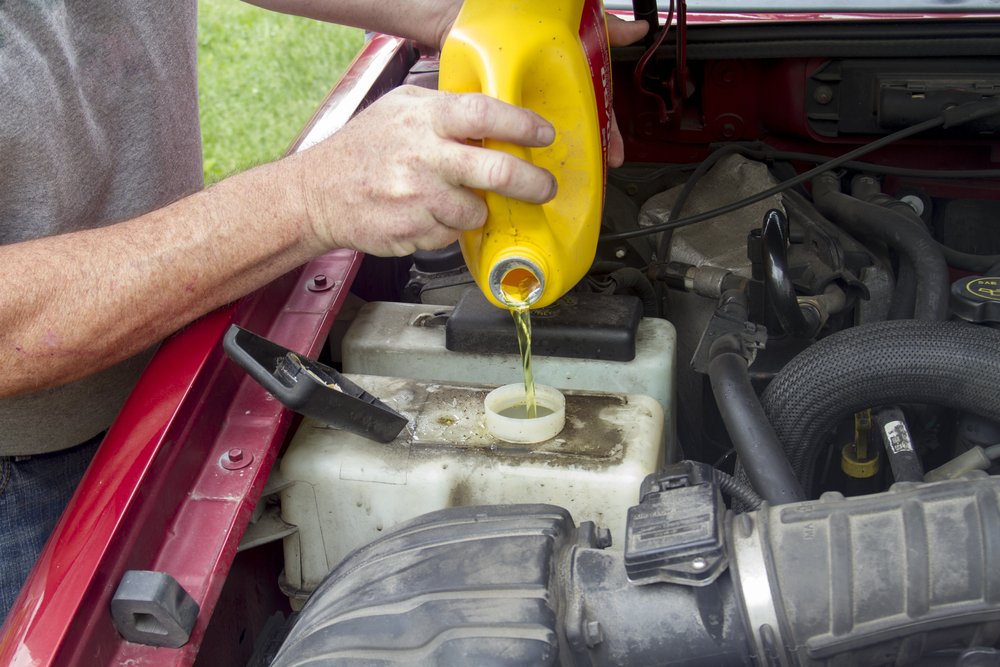
Watch out for unnecessary fluid flushes. Your car may not need them as often as suggested. Mechanics might insist on a flush for brake, transmission, or coolant systems, claiming it’s preventive maintenance.
However, these services are often over-recommended. Always verify against your vehicle’s maintenance schedule; if in doubt, get a second opinion.
False ‘Extra Faults’ during an MOT or Inspection

When you take your car in for an MOT or inspection, beware of mechanics claiming they’ve found unexpected issues. It’s crucial to understand that some might inform you of extra faults simply to increase the repair bill. Always request to see the supposed problems, and don’t hesitate to get a second opinion from another mechanic.
Familiarize yourself with your vehicle’s condition and consult the manufacturer’s guidelines for specific maintenance schedules. If a mechanic insists on immediate repairs for issues you haven’t noticed before, it’s a red flag.
Unnecessary Warranties or Service Contracts

Beware of mechanics pushing extended warranties or service contracts that you might not need. These offers may seem like a safety net for your car’s future, but often, they cover less than you’d expect. Check the fine print and understand what’s included before agreeing to any additional coverage. It’s important to assess whether these warranties provide real value or are just extra profit for the repair shop. Always compare with your manufacturer’s warranty to avoid overlap.
Inflated Diagnostic Fees

Diagnostic fees are standard – but watch out! Some mechanics might inflate these costs, turning them into a profit center. Always ask how fees are applied and if they’re credited toward your repair.

Be cautious of mechanics who might include charges for services you didn’t agree to. It’s essential to review your bill carefully:
- Check each item: Ensure every service listed was discussed.
- Question extras: If you spot unfamiliar charges, ask for clarification.
- Approval needed: Verify that consent was given for all work completed.
The Free Inspections Deception

Beware when mechanics offer a free inspection. They may claim you need repairs that aren’t necessary. Always double-check any suggested issues with your vehicle’s manual or get a second opinion.
Replace a ‘Lifetime’ Part
Be wary of claims that your ‘lifetime’ parts, like some engine belts or spark plugs, need replacing. Often, these parts are designed to last for the vehicle’s lifespan. If a mechanic insists they’re worn out without showing clear evidence, it’s a red flag. Always seek a second opinion before proceeding with costly replacements. Remember, ‘lifetime’ in auto parts typically means the component’s expected life, not forever.
False Certifications

ASE Certification may influence decision of repair persons. However, beware of false claims of certification. Mechanics may dishonestly display outdated or counterfeit certification just to seem trustworthy. Always verify the validity of any presented credentials with the ASE’s official site to ensure they’re current and genuine.
Sabotaging Vehicles

If you’re worried that your mechanic might be dishonest, consider some of the known scams. Mechanics have been caught tampering with brakes, a dangerous act. Always ask for your old parts back to prevent this. Stay informed, stay safe!
Not Returning Old Parts
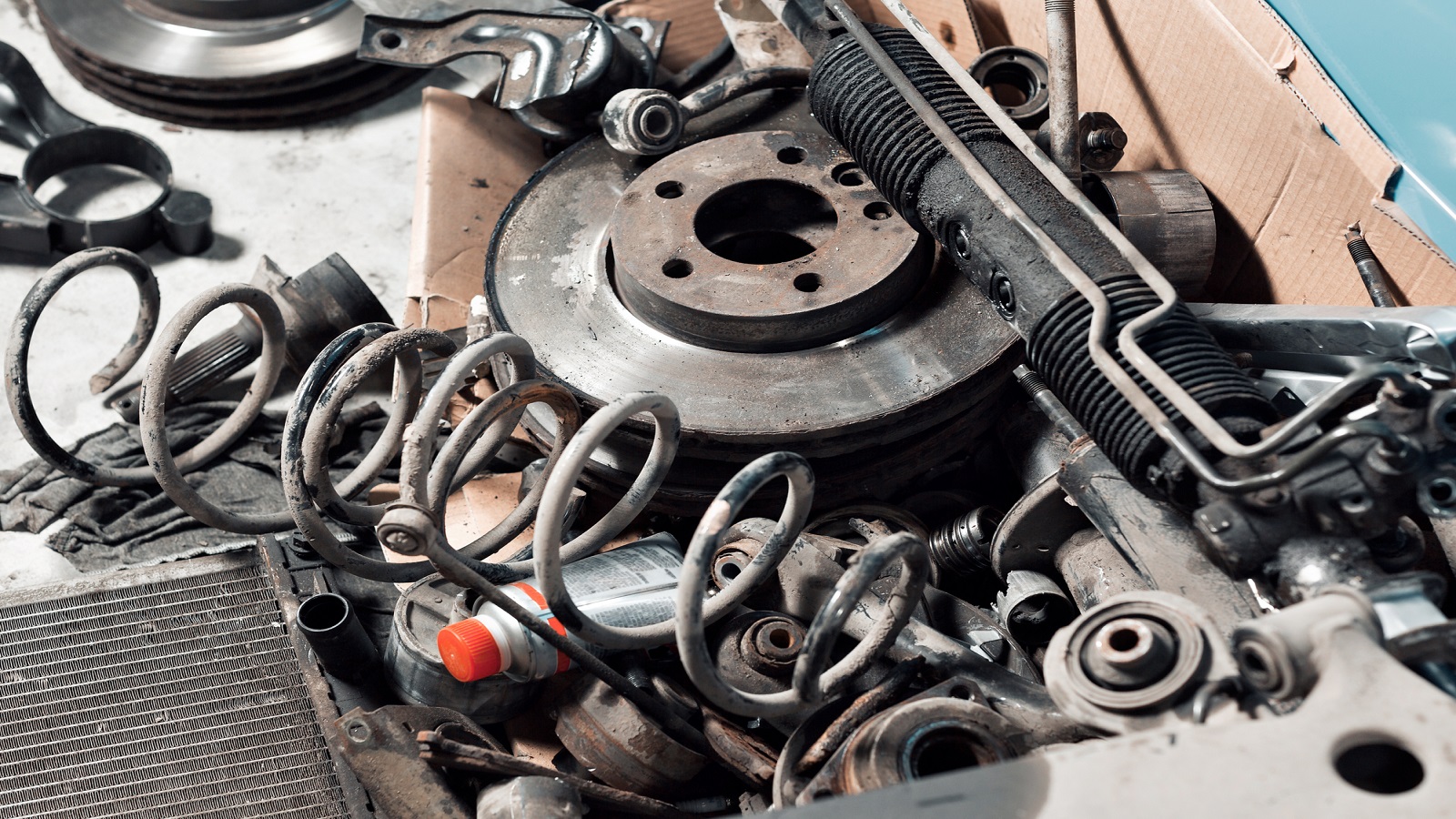
When you get your car repaired, every part replaced is still yours. Mechanics may try to avoid returning your old parts, but you have the right to request them.
Doing so ensures transparency, revealing whether the parts were truly replaced. Always ask for your old components back and verify the work done.
Vehicle is Unsafe Lies

Beware when mechanics suggest urgent repairs, claiming safety concerns. You have the right to a second opinion, and often, your vehicle is safe to drive to another shop for this. If you’re pressured to approve immediate, costly repairs based on safety claims, consider seeking a second opinion. Your safety is paramount, but so is an honest service.
Preying on Fear

When your check engine light flickers on, it’s normal to feel anxious about potential car troubles and costs. Some mechanics may exploit your concern, suggesting immediate, costly repairs. It’s crucial to stay calm, seek a trustworthy mechanic, and avoid hasty decisions.
Charging for a Full Tank of Gas on a Repair

If your vehicle’s repair task didn’t involve the fuel system, yet your invoice shows a charge for refueling, question this cost. This is a common overcharge that you can contest.
High-Pressure Sales

Watch for mechanics using tactics to rush you into services. They might say your car is unsafe without immediate repairs, pushing you to decide quickly. Stay informed and only agree to necessary work after consulting trustworthy guides or a second opinion.
Fake Warnings / Scare Tactic

When you visit your mechanic, stay alert for unnecessary scare tactics. Mechanics might warn of imminent car failure to pressure you into hasty, often costly, decisions. It’s always OK to seek a second opinion if something feels off.
Overfilling Fluids and Charging for the Excess
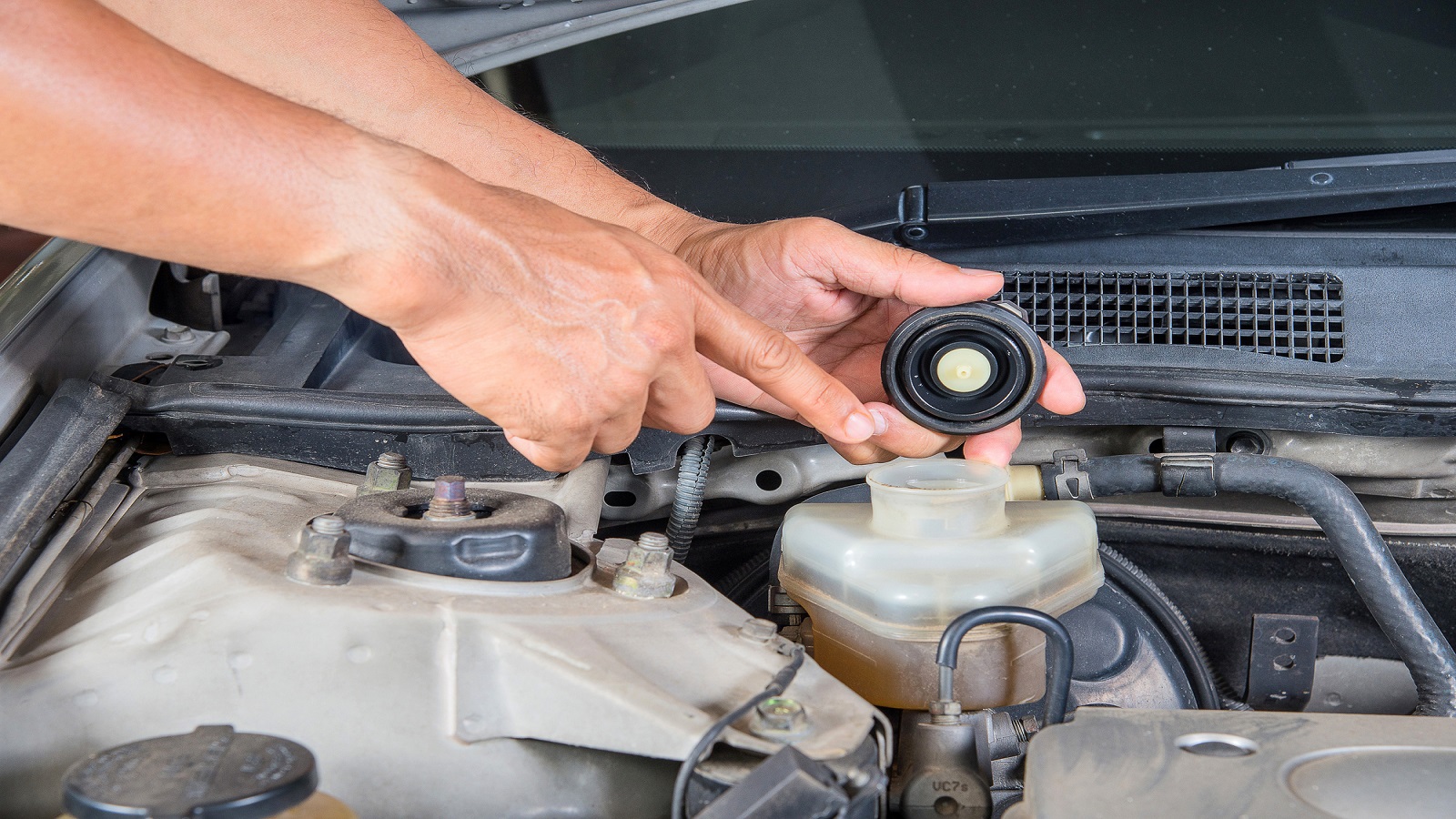
When maintaining your car, be wary of mechanics who fill fluids past the necessary level and bill you for it. They might claim this is precautionary, but your car manual knows best. Always double-check against it.
Signs of Trustworthy Auto Professionals

- Clear Communication: You should understand all services provided.
- Certifications: Look for ASE certification or manufacturer endorsements.
- Transparent Pricing: No hidden fees or unexpected charges.
- Warranty on Parts/Services: Confirms quality work and parts.
Choose mechanics who insist on showing you removed parts – it reflects honesty.