
Attention all used car buyers: beware the notorious Ford Focus! This seemingly reliable car has been plagued with issues, particularly in certain model years.
Don’t get stuck with a lemon – read on to discover which years to avoid and increase your chances of finding a dependable and enjoyable ride.
The 2012, 2013, and 2014 Ford Focus models have been hit the hardest with engine and transmission problems.
The 2012 model, in particular, is a disaster waiting to happen. But wait, there’s more!
Don’t be fooled by the older Focus models either. The 2007 and 2008 models have also had their fair share of issues.
Don’t make the mistake of choosing one of these problematic years – do your research and make a confident choice. You deserve one of the Ford Focus best years that won’t give you headaches!
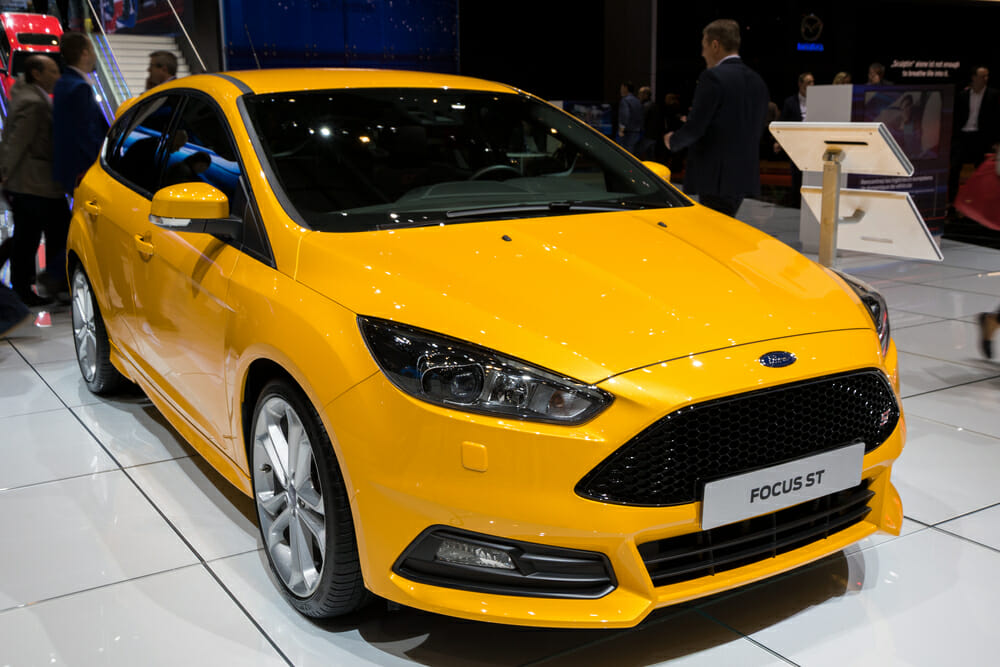
Ford Focus Years to Avoid
First Generation Issues
During the first generation of the Ford Focus, the 2000 and 2001 models were particularly problematic.
For the 2000 Ford Focus, common issues included a blown engine, ignition key problems, transmission failure, as well as problems with interior accessories, AC, and the suspension system.
Similarly, the 2001 Ford Focus experienced problems with the engine, interior accessories, windows, and the fuel system.
Second Generation Issues
Although the second generation had fewer notorious issues, the 2002 and 2003 Ford Focus models still faced some problems.
The most common issue reported across these years was the “key won’t turn in the ignition.” These models earned the “beware of the clunker” and “avoid like the plague” badges at CarComplaints.com.
Third Generation Issues
When it comes to the third generation of Ford Focus, the years 2012 and 2013 are the ones to be cautious about.
The 2012 Ford Focus is considered one of the worst due to numerous reliability issues such as transmission and steering problems and is listed as #13 on CarComplaints’ worst vehicles list.
Although the 2013 Ford Focus is not as problematic as the 2012 model, it still suffers from some reliability issues, making it a year to avoid as well.
Early third-generation Focus models also had issues with their EcoBoost petrol engines, which were mainly from 2011 to 2013.
In summary, here’s a brief list to help you remember the Ford Focus years to avoid:
- 2000: Blown engine, ignition key issues, transmission failure, and other minor issues.
- 2001: Engine problems, interior accessories, windows, and fuel system.
- 2002-2003: Key won’t turn in the ignition.
- 2011-2013: Issues with EcoBoost petrol engines, transmission and steering problems in 2012 and 2013 models.
Common Problems in Problematic Years
This section covers the most frequent issues found in problematic Focus years, such as transmission troubles, engine issues, and electrical system glitches.
Transmission Issues
The Ford Focus, particularly from the 2012 to 2014 models, often faced various transmission-related problems. Some of the common transmission issues you may encounter in these models include:
- Faulty powershift transmissions
- Difficulty changing gears
- Sudden transmission failure
These issues could lead to expensive repair costs, making them crucial to consider when looking into purchasing a used Ford Focus.
Engine Problems
Engine problems plague Ford Focus models from 2000 to 2003, as well as 2007 and 2008. They often manifest as:
- Overheating
- Sudden engine failure
- Faulty ignition systems
The 2000 Ford Focus, in particular, had issues with the 2.0L Zetec engine, resulting in catastrophic failures due to dropping valve seats. It’s essential to be cautious about these engine problems when considering a Ford Focus from those years.
Electrical System
Another aspect of the Ford Focus that may present problems is the electrical system.
While not as prevalent as the transmission or engine issues, some Focus models have experienced electrical malfunctions or failures, including:
- Dashboard light flickering
- Problems with headlights or taillights
- Faulty wiring
Tips to Identify a Reliable Ford Focus
In this section, you will find helpful tips to identify a reliable Ford Focus to become a more informed buyer.
Proper Maintenance Records
One of the first things you should look for is a well-documented maintenance history. This includes regular oil changes, tire rotations, and any scheduled service intervals completed by the previous owner.
A well-maintained Ford Focus will be more likely to have fewer problems and will potentially last longer.
Don’t hesitate to ask the seller for maintenance documentation and ensure that everything is in order before making a decision.
Recall History
Another crucial factor to investigate is the recall history of the Ford Focus you’re interested in purchasing.
Some recalls address significant safety concerns or major component failures, while others may be smaller fixes.
Either way, it’s essential to verify that all recalls have been addressed for the specific vehicle.
You can quickly check this information using the car’s Vehicle Identification Number (VIN) through the National Highway Traffic Safety Administration website.
Consult a Trusted Mechanic
Finally, before committing to a purchase, consider having a trusted mechanic inspect the Ford Focus.
Their expertise can help identify any potential issues that might not be evident during a test drive.
A pre-purchase inspection by a professional can give you peace of mind and help you make a more informed decision on whether the Ford Focus is indeed a reliable choice for you.
Ford Focus Competitors
In this section, we will be comparing the Ford Focus with four of its main competitors: Mazda3, Honda Civic, Toyota Corolla, and Chevy Cruze.
Mazda3
The Mazda3 is a popular choice for those looking for a compact car with a sporty feel. It offers agile handling and an upscale, comfortable interior.
However, it falls short when compared to Ford Focus in terms of fuel efficiency, but fuel usage for the newer and most reliable Mazda 3 years come with vast improvements. Key problems associated with the Mazda3 include brake noise and infotainment system glitches.
Honda Civic
The Honda Civic is another well-known competitor in the compact car market. With Civic high reliability ratings and a reputation for excellent fuel efficiency, it’s a great option for budget-conscious drivers.
On the downside, you may find the styling to be somewhat polarizing, and some owners have reported issues with the touchscreen interface.
Toyota Corolla
The Toyota Corolla is a long-standing favorite in the compact car segment, the Corolla is famous for its reliability and longevity. Its cabin is spacious, with plenty of room for passengers.
However, it might not offer the same level of driving engagement as the Ford Focus, as its acceleration and handling are comparatively lackluster.
The Corolla has experienced problems with the continuously variable transmission (CVT) and reports of excessive oil consumption.
Chevy Cruze
The Chevy Cruze is a solid compact car option that provides a comfortable ride and a quiet cabin.
Its fuel efficiency is quite competitive, but you may find the Chevy Cruze base engine to be underpowered when compared to other competitors like the Ford Focus.
Common issues with the Cruze include water pump failures and transmission problems.


