
Imagine an engine’s roar that ends in a whisper, a sleek design that blends into obscurity, and advanced features that leave us unimpressed. The car industry is where new models aim for the spotlight, yet not every vehicle earns acclaim. Despite the immense effort and investment, some cars emerge from the assembly line only to underwhelm. Here’s the story of 29 such models that aimed high but barely made a dent.
Why do some cars fade into obscurity? Is it a design that doesn’t resonate, lackluster performance, or an exorbitant cost? Perhaps it’s the brutal nature of a market where only the exceptional stand out. Let’s delve into the tales of these 29 cars that fell short of their lofty ambitions.
Toyota Prius C
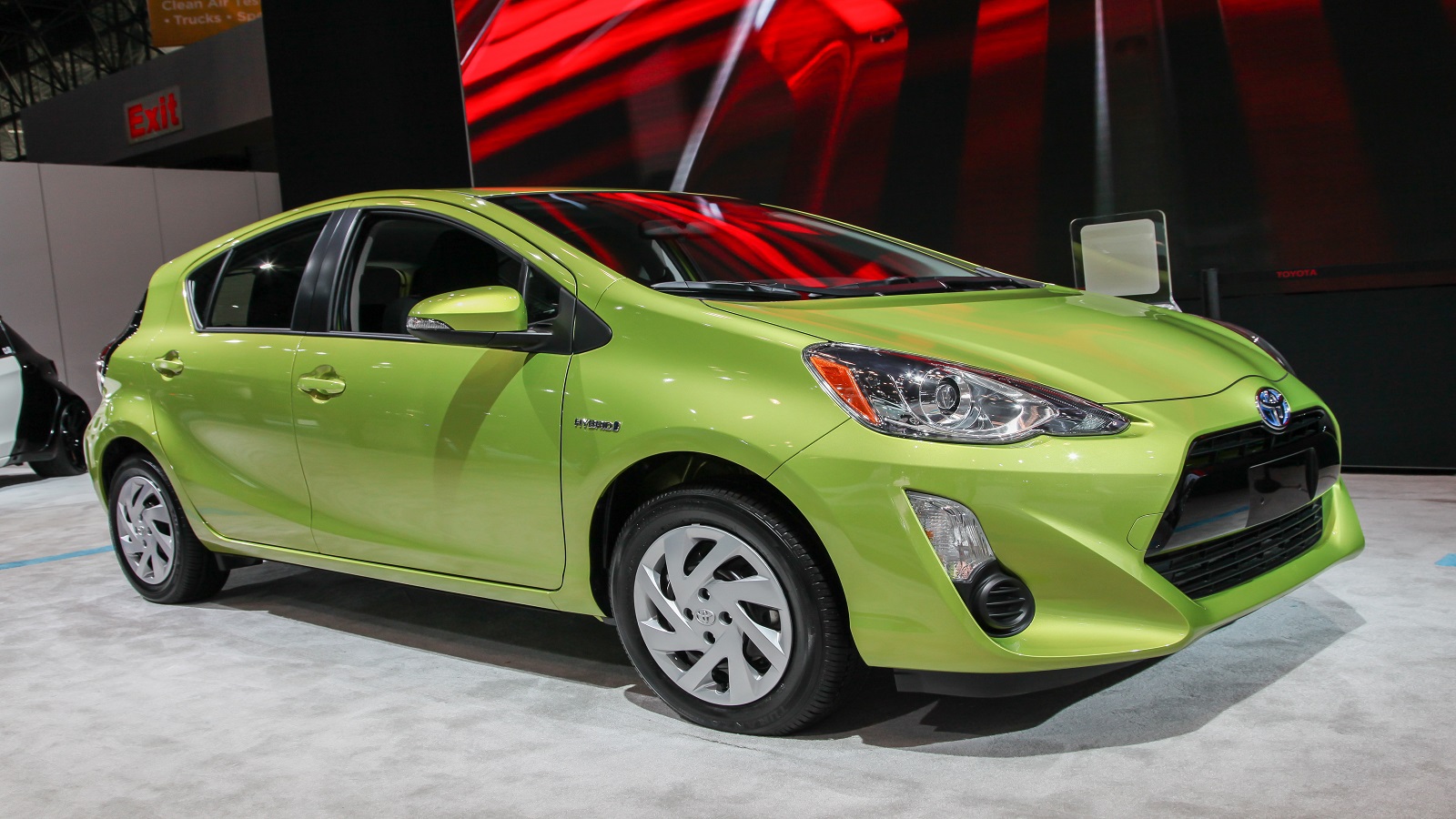
The Toyota Prius C, presented as an economical, fuel-efficient hybrid, aimed to replicate the success of its Prius relatives. However, with a sluggish 11.4-second 0-60 mph acceleration, it falls short of delivering an exciting drive. Its design and interior quality also disappoint, with a lackluster exterior and cheap interior materials compared to rivals.
Ford Contour

The Ford Contour, designed as an affordable, sporty midsize sedan, targeted families and driving enthusiasts. Its SVT variant was fast, reaching 0-60 mph in 7.5 seconds, yet its high-speed soft suspension disappointed purists.
The Contour’s quality and features didn’t measure up to competitors, with inferior interior materials and a tight cabin causing discomfort. It also fell behind in fuel economy and safety, deterring eco-friendly buyers and families. Priced above comparable sport compacts, it failed to attract consumers, leading to its discontinuation after a brief production period.
2023 Cadillac CT5
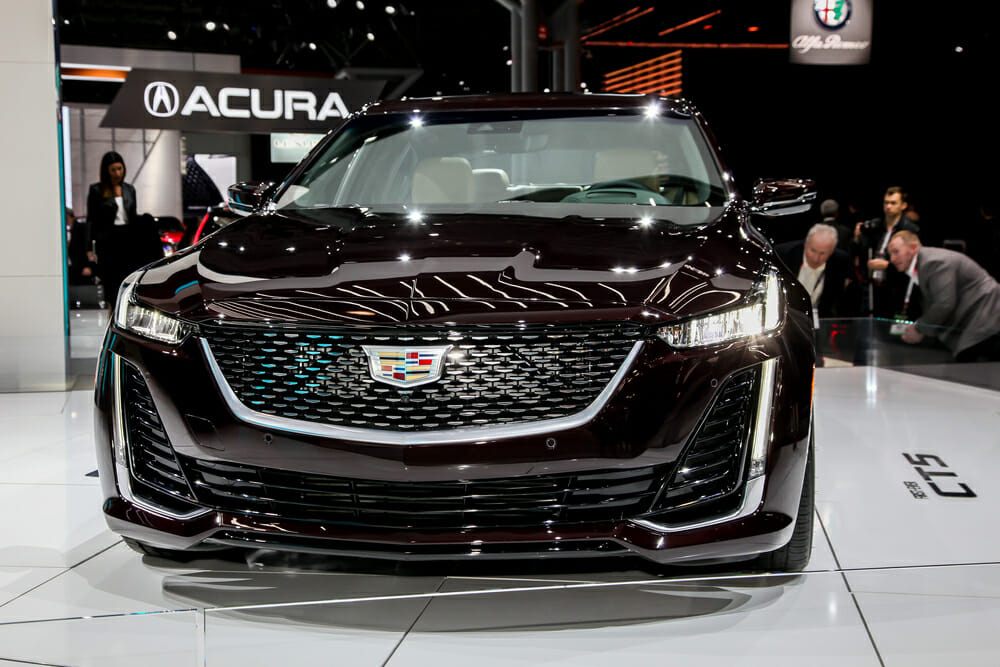
The 2023 Cadillac CT5 strives for luxury and performance but doesn’t stand out in its class. Critics say the engines are unimpressive, the ride rough, and the cabin quality mediocre. The CT5-V’s twin-turbo V6 falls short of the BMW M3 and Audi S4 in horsepower. Its suspension underperforms, affecting ride comfort. Additionally, the CUE infotainment system is less intuitive compared to German rivals.
2023 Nissan Pathfinder

The 2023 Nissan Pathfinder, marketed as a high-performance, fuel-efficient SUV with a luxury interior, disappoints with an actual mileage of just 21 mpg, missing its fuel efficiency targets. Despite the Pathfinder touted luxury features and entertainment system, users find the SL model’s 9-inch touchscreen and leather seats less user-friendly than expected.
Maserati Ghibli

The Maserati Ghibli, known for luxury and performance, falls short with a turbocharged 3.0-liter V6 engine offering only 345 horsepower, trailing behind competitors. Its suspension also lacks the sophistication of German rivals, leading to a less smooth ride. Despite Maserati’s reputation for elegance, the Ghibli’s interior features lower-quality materials and lacks the expected level of craftsmanship.
2023 Honda Pilot

The 2023 Honda Pilot, praised for increased cargo space and comfort, falls short with cramped third-row seating that trails behind class leaders. Rivals offer better experiences for back-row passengers. Additionally, the Pilot’s performance doesn’t stack up to competitors, diminishing its allure for those wanting a sportier drive.
2001 Pontiac Aztek
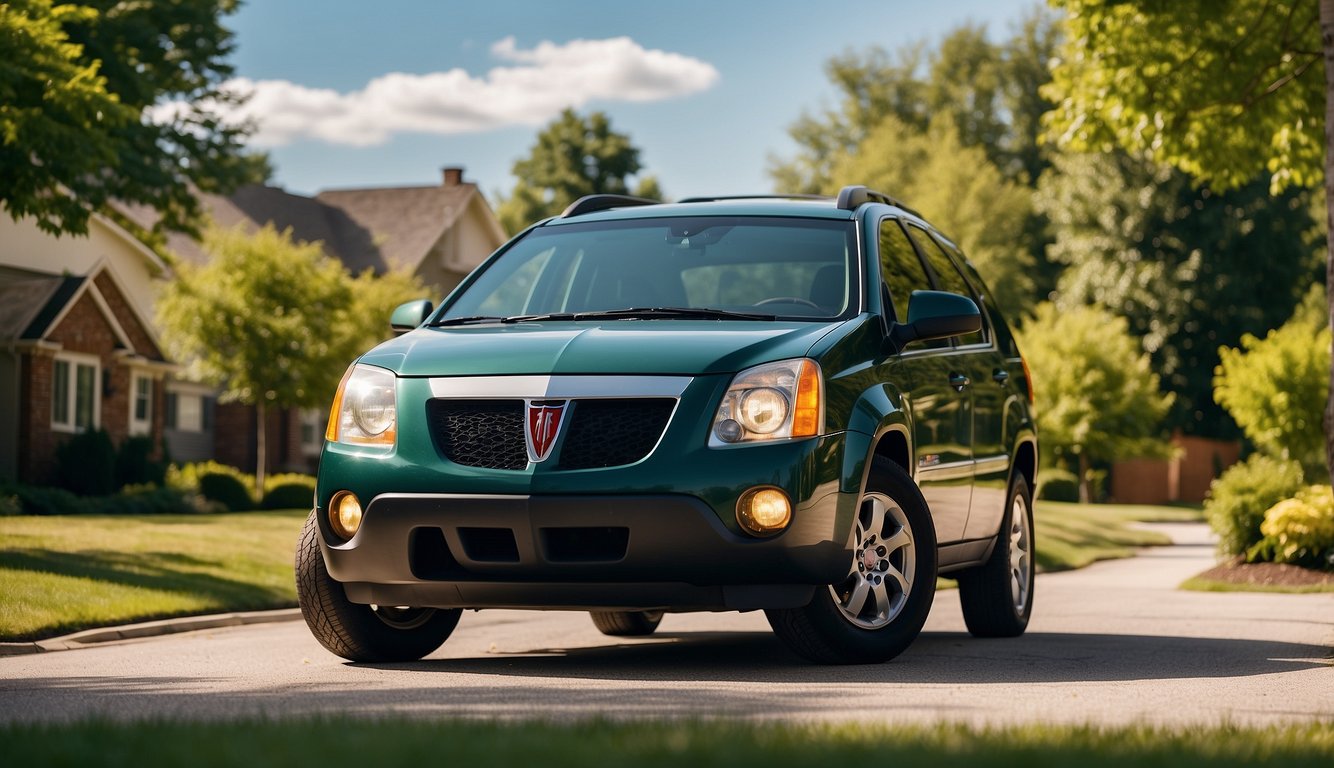
The 2001 Pontiac Aztek, marketed as a cutting-edge crossover, aimed to attract adventurous consumers with its unique look and versatile features. Despite a marketing push emphasizing its novel design and practical extras like a built-in cooler and sliding cargo door, it fell flat because of its polarizing style, weak engine, and high cost.
2023 Toyota Crown

The 2023 Toyota Crown arrived with high expectations, touting luxury, performance, and fuel efficiency. Yet, it hasn’t fully delivered on these promises. Its performance is adequate, but rivals surpass it in hybrid efficiency, driving dynamics, and distinctive design. Critics and drivers report that it lacks the driving excitement of its competitors.
Ford Pinto

The Ford Pinto was pitched as an economical and efficient car for the average buyer. Ford’s goal was to produce a budget-friendly vehicle with solid fuel economy. Yet, a hasty design resulted in a poorly placed fuel tank, prone to rupturing in rear collisions.
Sales of the Pinto were strong at first, peaking in 1974 during the OPEC oil crisis as buyers sought fuel-saving options. However, growing safety concerns damaged its reputation, leading to its phase-out in 1980.
Audi A2

The Audi A2, known for its fuel efficiency, style, and innovation, promised 46 mpg with its 1.4-liter gas engine and 67 mpg with the turbodiesel. Yet, it underperformed, with customers deeming it slower than other small cars. Its steep price, due to sophisticated materials and engineering, deterred buyers who found more attractive, affordable options among competitors.
Nissan Z series

Since its debut in 1969 with the Fairlady Z, the Nissan Z series has evolved significantly, offering high performance, advanced engineering, and superior handling. The 370Z (Z34), with its 330HP engine and 0-60 mph acceleration in 4.9 seconds, is the fastest in the series. Yet, despite its performance, critics point out the model’s outdated interior and shortage of modern tech features, suggesting it doesn’t fully live up to its excitement.
Kia Sorento Hybrid

The Kia Sorento Hybrid, known for its fuel efficiency, performance, and features, promised significant savings at the pump. However, its actual fuel economy often misses the mark, a letdown for buyers who valued efficiency when selecting this model.
2023 BMW M4 CSL
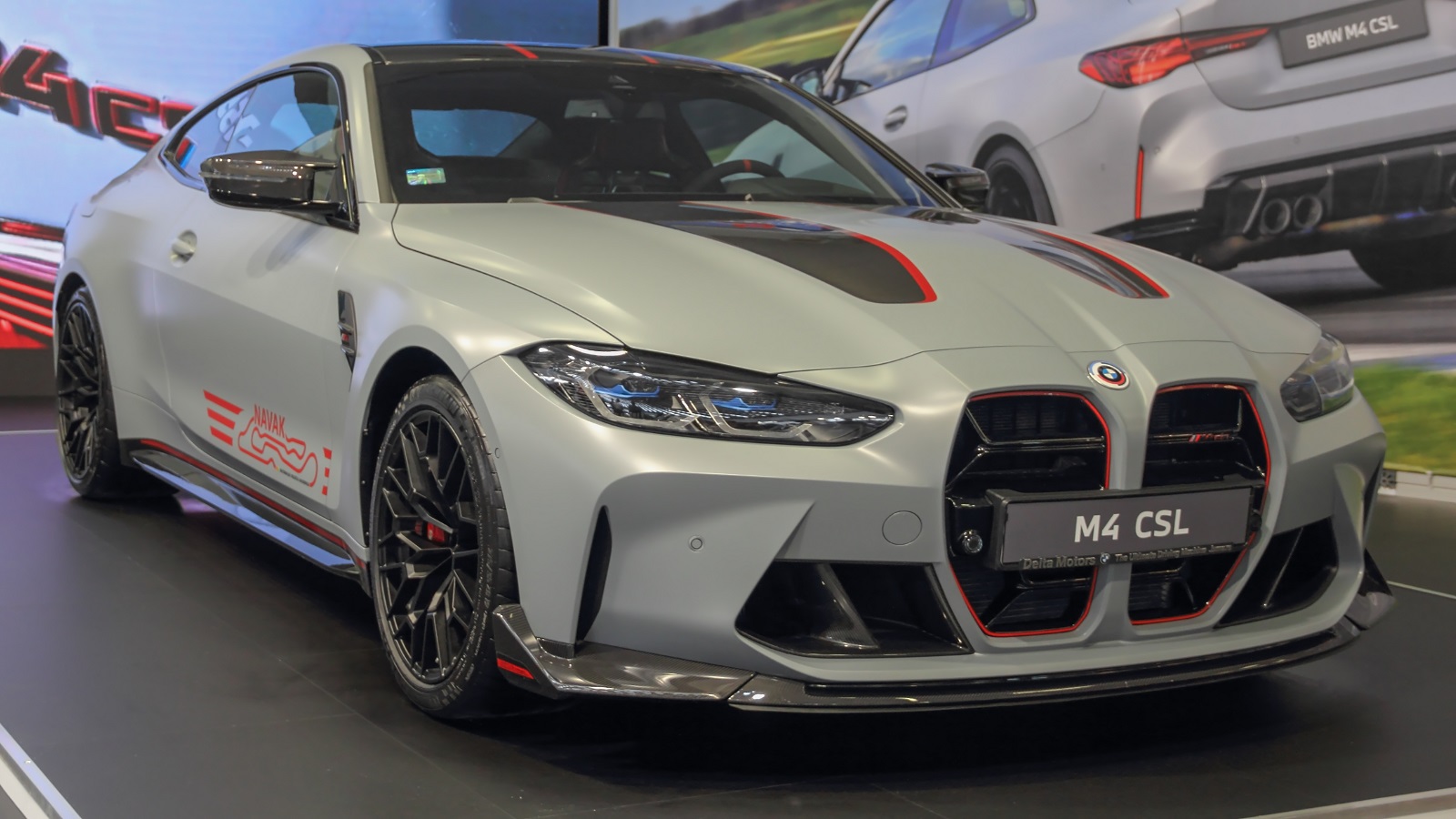
The 2023 BMW M4 CSL, praised as a track monster, underwhelms in acceleration; its twin-turbo six-cylinder engine, despite having 40 more horsepower than the M4 Competition, achieves a 0-60 mph time of 3.2 seconds, lagging behind the M3 Competition’s 3.0 seconds.
It also can’t keep up with rivals like the Porsche 911 GT3 and Mercedes-AMG C63 S E-Performance. Moreover, its divisive design has been criticized for not living up to BMW’s refined expectations.
Ford Fiesta 1.5 TDCI
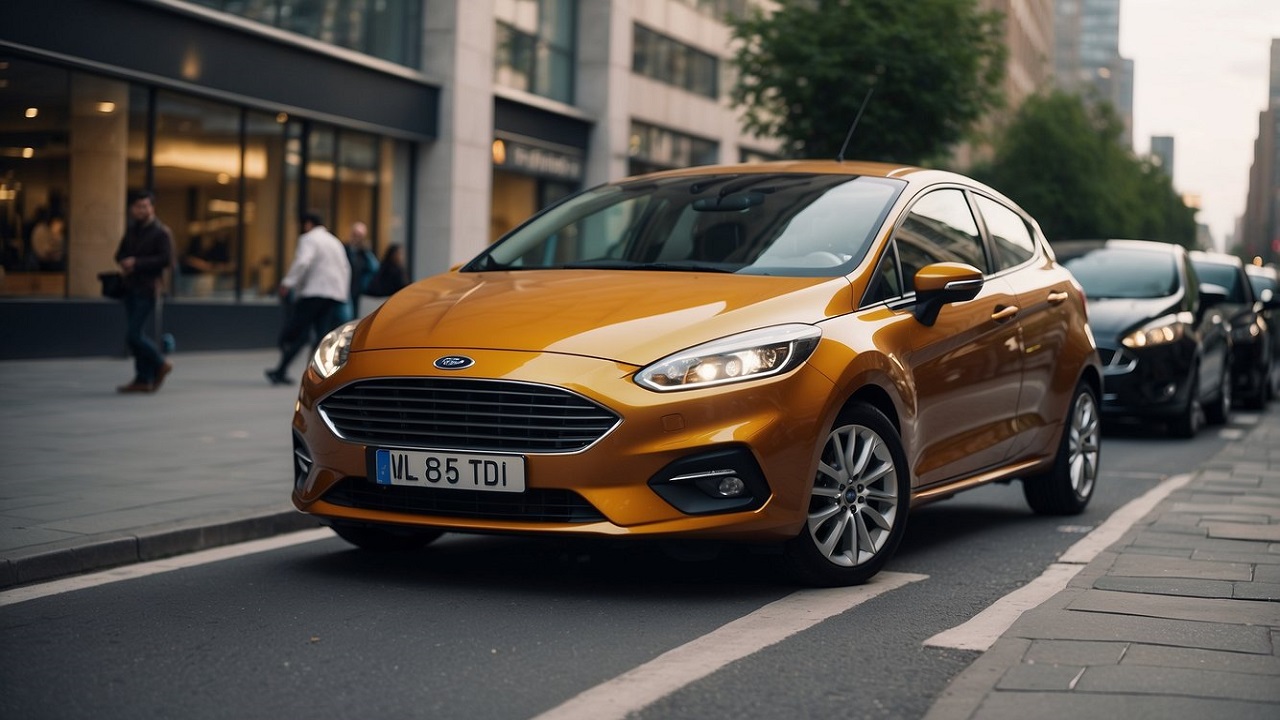
The Ford Fiesta 1.5 TDCI aimed to be a top eco-friendly supermini with its diesel engine, great fuel efficiency, and low emissions. While the engine is decently powerful, it doesn’t deliver the exciting performance anticipated from its reputation. The diesel engine also isn’t well-suited for city driving, reducing its urban practicality. It didn’t surpass its rivals, especially in the eco-friendly sector.
Chrysler TC by Maserati

The Chrysler TC by Maserati was marketed as a luxury grand tourer with Italian finesse but didn’t live up to its premium pricing. About 7,300 units were made from 1989 to 1990, born from a collaboration between Chrysler and Maserati to fuse American engineering with Italian style. Yet, the car drew criticism for its high cost and similarity to other Chrysler vehicles.
Jeep Compass

The Jeep Compass, touted for its off-road prowess and comfort at a low cost, falls short with standard features that don’t measure up to its rivals. Its 180-horsepower four-cylinder engine is underpowered for off-roading, especially against other Jeeps like the Grand Cherokee. Overall, the Compass disappoints with mediocre performance, an unpolished interior, and no standout features or capabilities.
Volkswagen Taos

The Volkswagen Taos was marketed as a versatile and well-equipped crossover at an affordable price. However, the base S model starts at $23,995, pricey for its class. Despite including adaptive cruise control and a 6.5-inch infotainment touchscreen, the cost may not fully warrant these features. Additionally, the Taos underperforms in fuel efficiency relative to competitors, leading to potentially higher running costs.
2023 Mercedes-AMG C 43

The 2023 Mercedes-AMG C 43 was expected to offer exceptional performance, luxury, and technology. However, its 0-60 mph acceleration time of 4.4 seconds and a quarter-mile run of 12.7 seconds at 108.1 mph don’t set new standards in its class. The C 43 was also thought to feature multiple body styles, but the absence of coupe and convertible options could let down buyers interested in these variants.
Toyota 86

The Toyota 86 was promoted as a well-balanced, affordable driver’s car, but it underperforms with a weak engine compared to its rivals. Its 2.4-liter flat-four engine only produces 228 horsepower and 184 lb-ft of torque. The base model’s driving experience is merely sufficient and doesn’t stack up to other sports cars at similar prices. Additionally, the Toyota 86’s stiff ride can be harsh for everyday use, and its tight interior offers limited practicality.
Nissan Rogue

The Nissan Rogue aimed to be a dependable, efficient, and smooth-riding vehicle but disappointed with transmission problems, cabin noise, and ride discomfort.
Starting at $28,750, with mid-tier trims near $38,530, the 2023 Rogue tries to offset its reliability issues with a robust set of standard features and driver aids. Yet, reviews highlight noticeable cabin noise and a rougher ride than its rivals, as noted on Edmunds.
Alpina XB7

The Alpina XB7 was expected to offer standout performance and luxury, but its heft hampers its nimbleness. This performance-focused luxury SUV, built to merge the BMW X7’s comfort with Alpina’s tuning, features a 4.4-liter twin-turbo V8 with 612 horsepower. Yet, at 5,860 pounds, its weight restricts its performance capabilities.
Daihatsu Charade

The Daihatsu Charade was marketed as a budget-friendly, fuel-efficient car for city drivers. Reintroduced in 2003 after a three-year hiatus in Britain, the Charade’s low cost couldn’t make up for its quality and reliability shortcomings, diminishing its appeal. Daihatsu not only withdrew from the British market but also ceased its Australian operations in 2005.
Chevrolet Vega

The Chevrolet Vega aimed to be America’s top affordable small car with notable performance and handling. At launch, it was praised for its sleek design and positioned as an industry innovator. Key features included:
- Advanced aluminum engine
- Unique powertrain improvements
- Superior suspension design
Yet, the Vega quickly disappointed due to widespread issues. Notable problems included:
- Engine Failures: The innovative aluminum engine was prone to overheating and warped cylinder heads, leading to costly repairs.
- Rust: The Vega’s poor rustproofing and build quality led to the early appearance of corrosion in critical areas.
- Handling: Despite the promotion of superior suspension and ride quality, the Vega fell short in providing a smooth, enjoyable driving experience.
Customer dissatisfaction soon damaged the Vega’s and General Motors’ reputations. Despite a strong start with nearly 395,000 sold in 1972, the Vega’s problems overshadowed its early success.
Nissan IDx

The Nissan IDx was anticipated as an affordable, rear-wheel-drive coupe to rejuvenate Nissan’s sports cars. However, production challenges led to its cancellation. The Tochigi plant in Japan was the only facility equipped to build the IDx, and the absence of a shared platform with other Nissans made production costs hard to justify. The IDx will be remembered as a lost chance for Nissan to update its sports car range with a distinctive, budget-friendly rear-wheel-drive coupe.
Chevrolet Sonic

The Chevrolet Sonic was marketed as a budget-friendly, fuel-efficient subcompact with cutting-edge tech. However, its performance was lackluster. The 1.4L turbocharged engine provided only adequate acceleration, lacking excitement. Its handling was also unremarkable, diminishing the driving experience.
Furthermore, the Sonic didn’t meet its fuel efficiency claims, achieving just 26 city/34 highway MPG. Competitors like the Honda Fit and Toyota Yaris surpassed the Sonic in fuel economy.
AMC Pacer

Introduced in 1975 by American Motors Corporation (AMC), the Pacer struggled with fuel efficiency, launching just before an energy crisis. With an initial 18-20 mpg, it fell short for a compact car when fuel economy became a priority for buyers. The Pacer’s performance was underwhelming. Despite being marketed as compact, its added width and weight hindered its agility, earning it the moniker “The Flying Fishbowl” for its unusual design.
Hummer H2

Introduced in the early 2000s, the Hummer H2 was marketed as a tough, luxury SUV with off-road prowess and a commanding road presence. However, its fuel efficiency was notably poor. The massive 6.0L V8 engine guzzled gas, making it one of the least environmentally friendly vehicles available.
Rising gas prices made the H2 expensive to operate. The H2’s large size also made it cumbersome in tight spaces and city driving, leading to practicality issues for many owners and waning popularity in urban areas.
Chevrolet SSR

The Chevrolet SSR, a retro-styled pickup, promised performance and utility but fell short, selling just 22,000 units in four years. It faced several issues: a high price point at $42,000, lackluster performance, limited payload and towing capacity, and a brief production span.
Dodge Nitro

The Dodge Nitro aimed to be a stylish, versatile compact SUV but was marred by poor reliability. The 2008 and 2009 models suffered from transmission, electrical, air conditioning, and brake problems, hurting its market appeal.
Performance-wise, the 4.0L V6’s 258 HP couldn’t compensate for its awkward handling and rough ride. Poor fuel economy and an outdated interior further dampened its prospects.
[ie-slider id=’1′]


