
Mercedes-Benz has a rich history and legacy as a luxury automaker, producing some of the world’s most iconic and innovative vehicles. With a focus on design, performance, and technology, the brand has established itself as a leader in the automotive industry.
Over the decades, Mercedes-Benz has introduced various models that capture the essence of elegance and power. This article will explore 28 of the most iconic Mercedes-Benz cars, showcasing their unique features and impact on automobile luxury and performance.
1886 Benz Patent Motorwagen

The 1886 Benz Patent Motorwagen is considered the first practical modern automobile. Designed by German inventor Karl Benz, the car had a single-cylinder, water-cooled engine that produced 0.75 horsepower. It was the first car put into production and had a top speed of 10 miles per hour. With its revolutionary design, the Motorwagen laid the groundwork for the future of the automobile industry.
1928-1932 Mercedes-Benz SSK

Extremely rare and sought after, the Mercedes-Benz SSK, produced between 1928 and 1932, was an impressive roadster of its time. Designed by Ferdinand Porsche, its goal was to merge sports car agility with luxury sedan opulence.
The abbreviation SSK stands for “Super Sport Kurz,” which translates to “Super Sport Short.” This name represents the car’s development as a short wheelbase variant of the Mercedes-Benz Modell S. With an unmistakable roar, the SSK achieved top speeds of around 120 mph.
1934 Mercedes-Benz W25
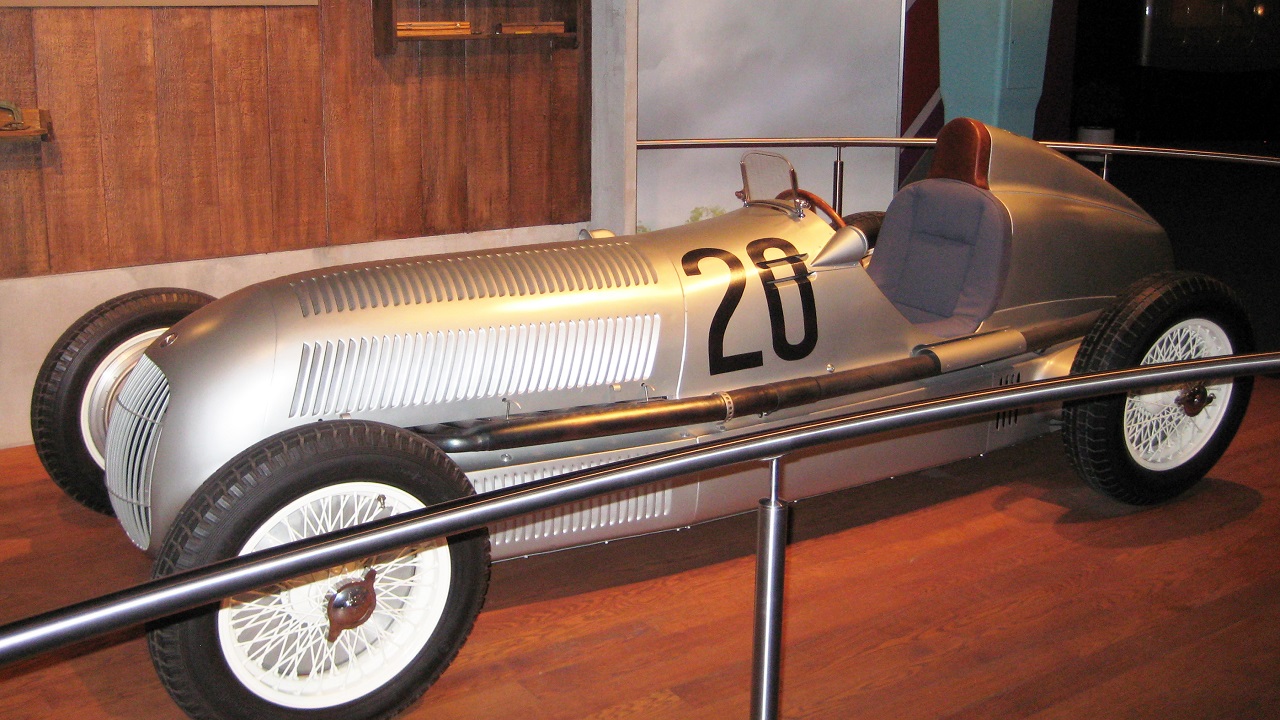
The 1934 Mercedes-Benz W25 was a legendary Grand Prix racing car. Designed by Daimler-Benz AG, it dominated the 1934 racing season. This remarkable car laid the foundation for the renowned “Silver Arrow” nickname. Competing until 1937, the W25 garnered 16 victories in major races and secured its place as an iconic Mercedes-Benz vehicle.
1936 Mercedes-Benz 540K
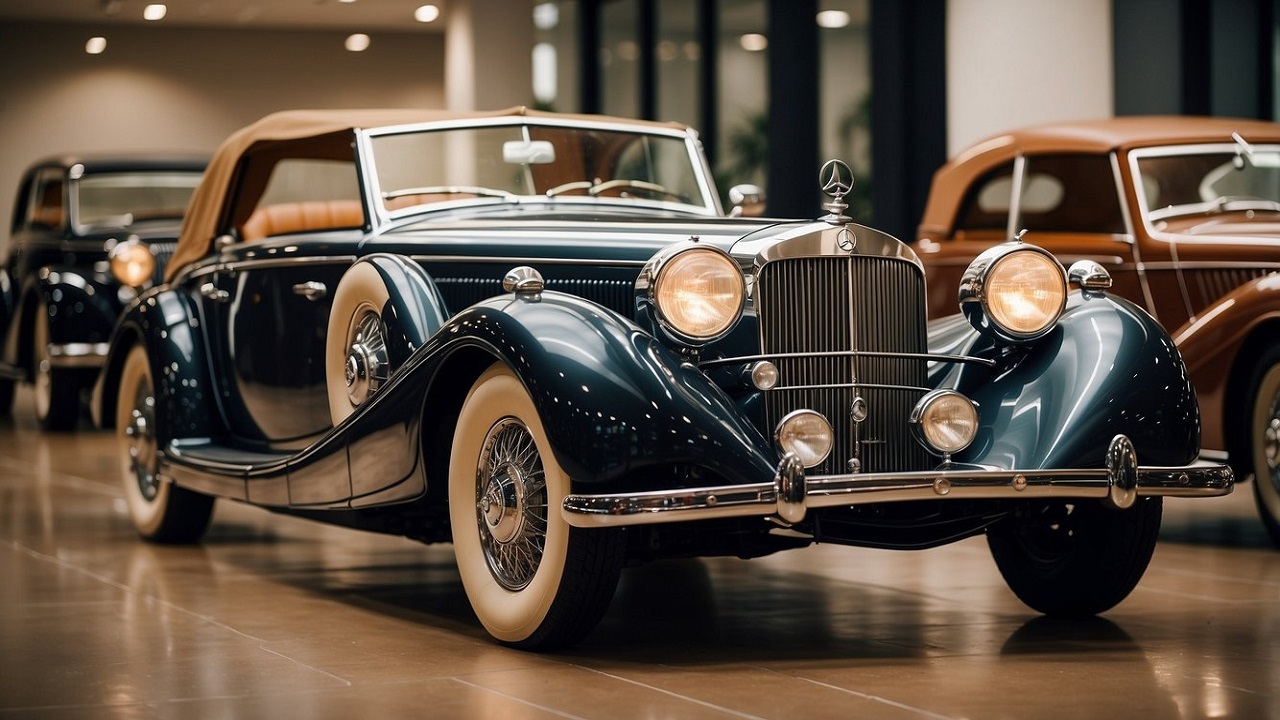
Introduced at the 1936 Paris Motor Show, the Mercedes-Benz 540K was a beautiful and iconic car. Designed by Friedrich Geiger, this luxurious vehicle was a development of the 500K.
The 540K was available in various body styles, such as two-seat and four-seat cabriolets, four-seater coupé, and even a seven-seater limousine. Only around 25 of the 1936 Mercedes-Benz 540K Special Roadsters were produced, making it a rare gem. Its timeless elegance and masterful craftsmanship continue to captivate collectors and enthusiasts today.
1954 Mercedes-Benz 300 SL Gullwing
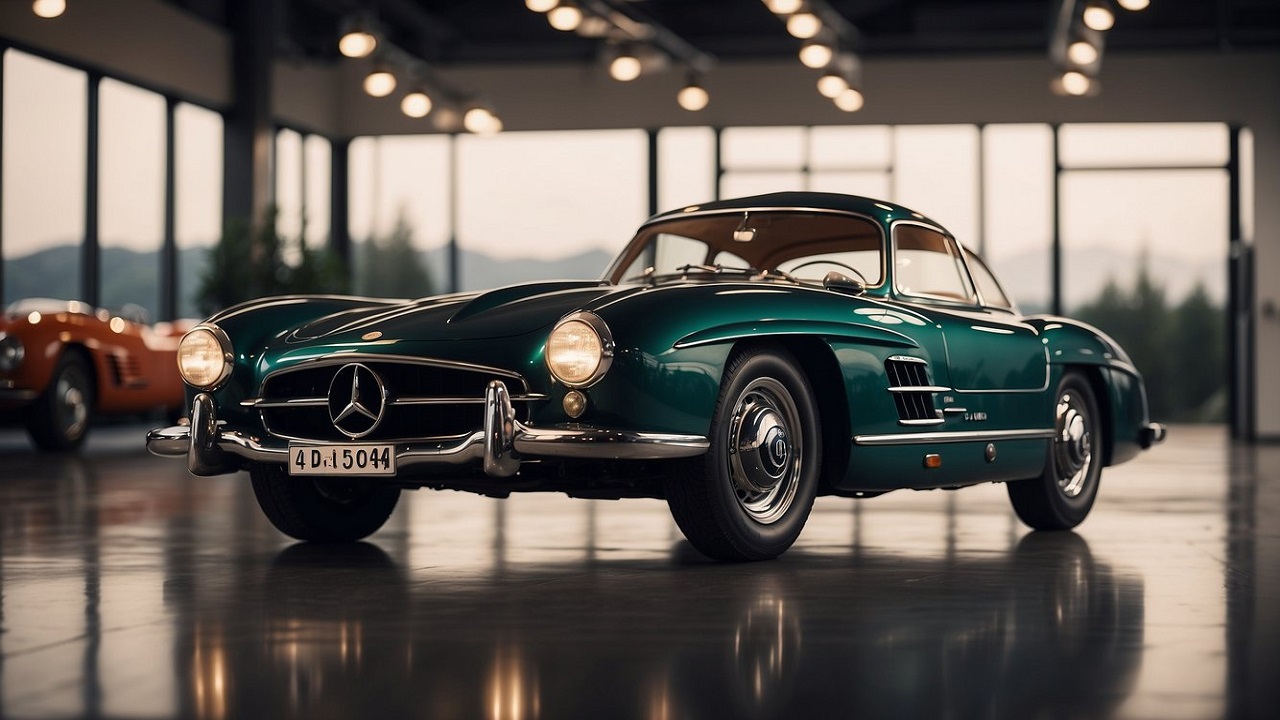
The 1954 Mercedes-Benz 300 SL Gullwing was a groundbreaking sports car, featuring a gullwinged coupé from 1954 to 1957 and a roadster from 1957 to 1963. Its origins can be traced back to the W194 racing car.
Equipped with mechanical direct fuel injection, this car significantly increased power output. The 300 SL Gullwing captured hearts and minds due to its unique design and extraordinary performance. With just 1,400 units produced, it became an icon in the automotive world. Interestingly, the development of the 300 SL Gullwing was primarily driven by the demands of the US market.
1954-1955 Mercedes-Benz W196
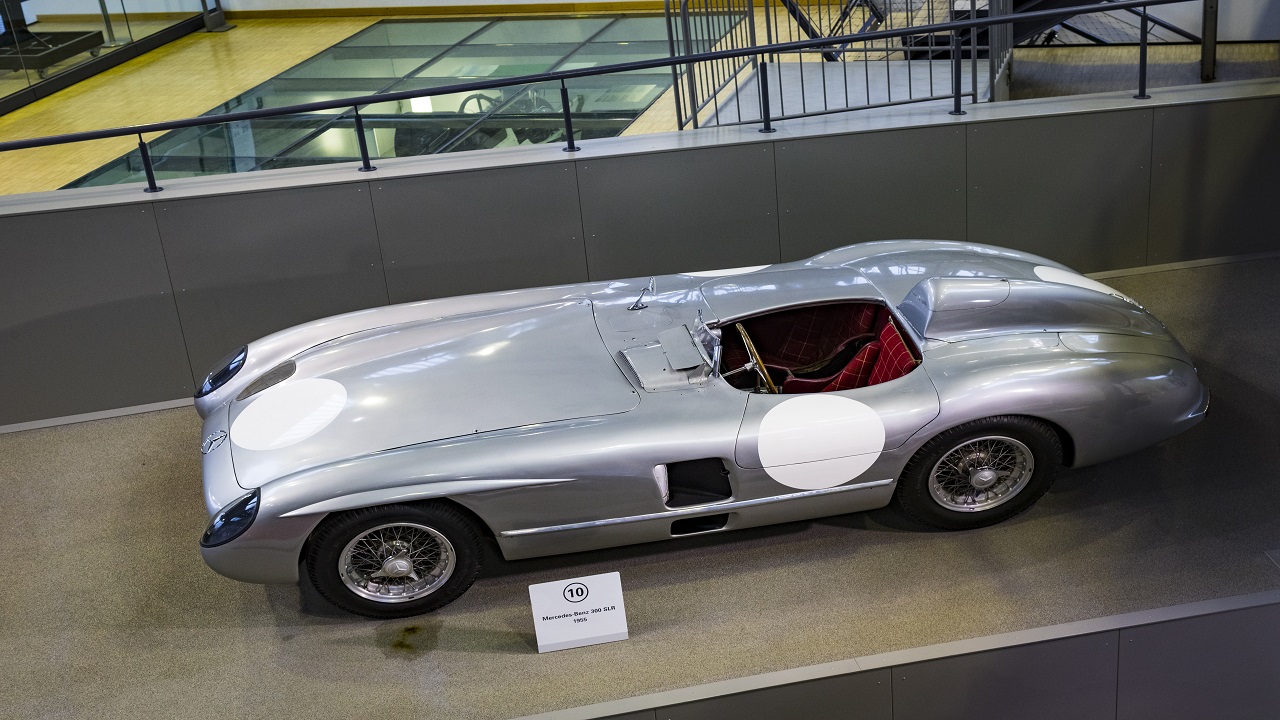
The W196 Formula One race car, driven by legendary racer Juan Manuel Fangio, won 9 out of 12 races it entered. The W196 boasted unique technological innovations, such as its desmodromic valve system. It had a top speed of over 300 km/h.
1955 Mercedes-Benz 300 SLR

The 1955 Mercedes-Benz 300 SLR is an iconic sports racing car in the Mercedes-Benz lineup. This lightweight, powerful vehicle dominated the 1955 World Sportscar Championship. Its innovative design and performance features helped establish Mercedes-Benz as a world-renowned automaker.
1955-1963 Mercedes-Benz 190 SL

The Mercedes-Benz 190 SL was a luxury roadster produced from 1955 to 1963. Known for its enduring styling, exceptional engineering, and spirited handling, it perfectly blends elegance with sportiness. Featuring a removable hardtop, this model appeals to those seeking an affordable yet iconic classic car. With approximately 25,881 units made, the 190 SL remains a remarkable piece of Mercedes-Benz history.
1959 Mercedes-Benz 220 SE (W111)
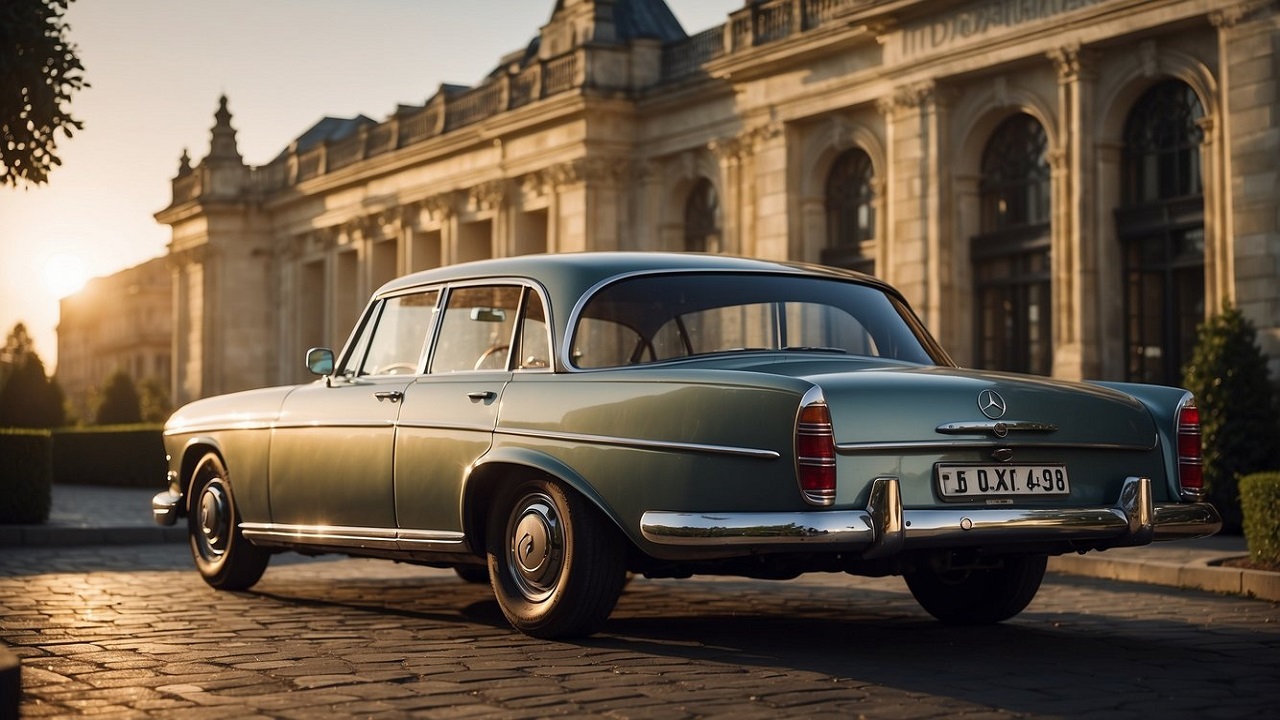
The 1959 Mercedes-Benz 220 SE, a part of the W111 series, showcased a blend of elegance and innovation. A flagship model during the late 1950s, this iconic sedan captivated discerning drivers globally, including royals and celebrities. The car’s timeless design coupled with Mercedes’ commitment to excellence made it truly remarkable in the automotive world.
1963 Mercedes-Benz 600 (W100)

It was produced until 1981, offered in both short and long wheelbase variants. This 600 series gained its reputation for its customization options, and sumptuous interiors fit for world leaders and celebrities alike. At the time, the 600 was known as one of the most expensive automobiles on the market. The car’s opulent design and performance make it a truly iconic model in Mercedes-Benz’s history.
1968 Mercedes-Benz 300 SEL 6.3 (W109)
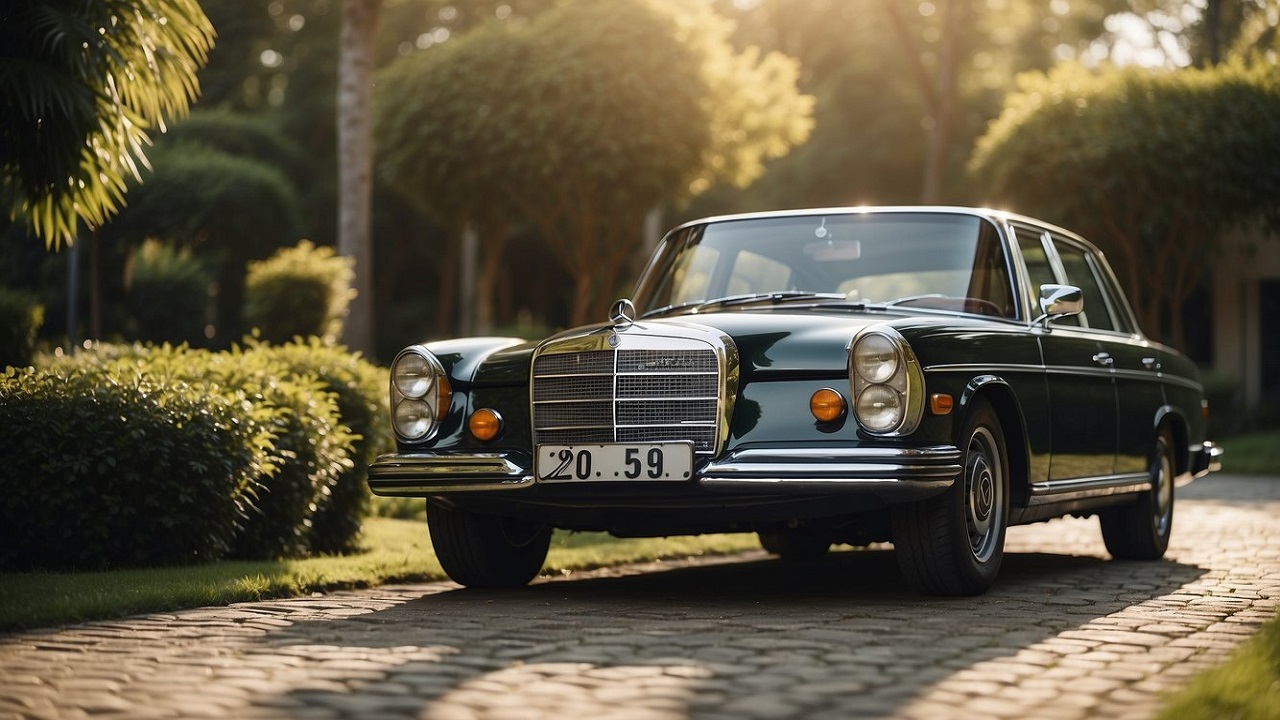
The 1968 Mercedes-Benz 300 SEL 6.3 (W109) was an exceptional performance luxury sedan. Powerful yet elegant, it boasted a 6.3-liter V8 engine from the flagship 600 limousine, resulting in an impressive muscle-car like performance.
With 250 horsepower on tap, this sedan could achieve 0-62mph in 6.5 seconds and a top speed of 136mph. It also featured air suspension and automatic transmission, blending comfort and speed effortlessly.
1972 Mercedes-Benz S-Class (W116)
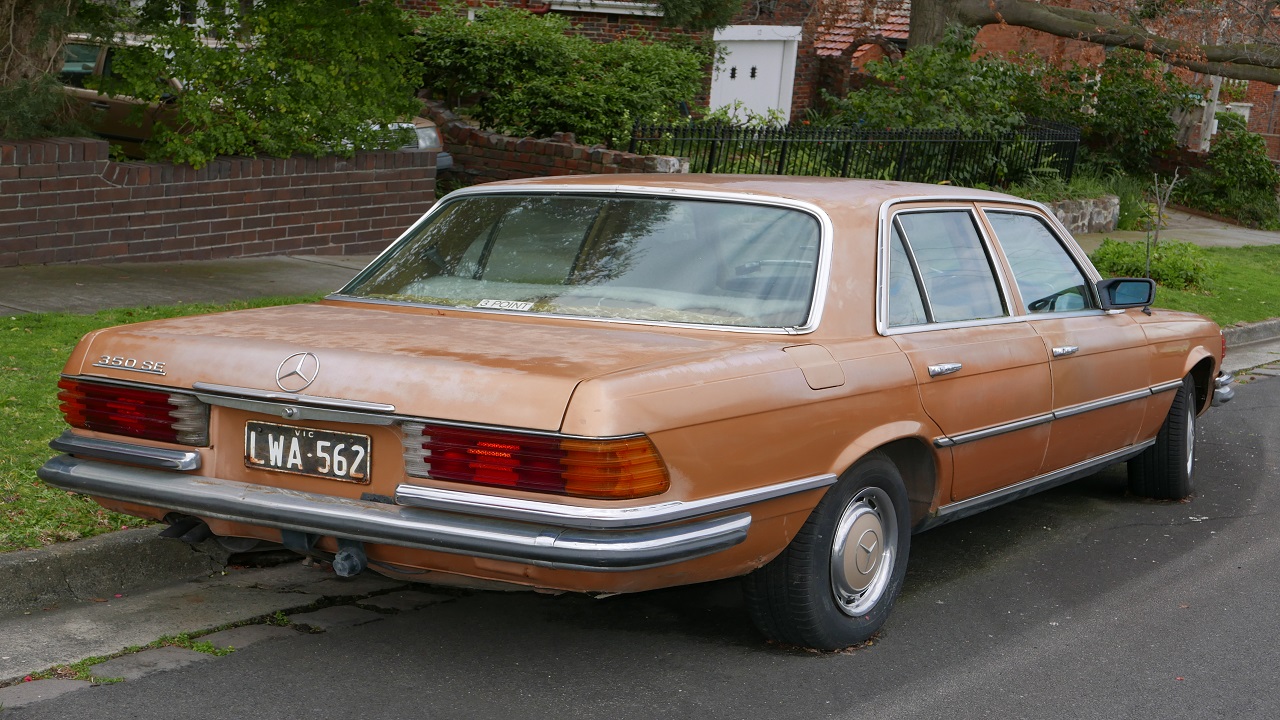
The 1972 Mercedes-Benz S-Class, known as the W116 model, was a groundbreaking luxury vehicle for its time. Equipped with a powerful eight-cylinder engine, the W116 could accelerate from 0-62mph in just 7.4 seconds. Its diesel engine variant was the first of its kind in luxury saloons. Despite overshadowing by newer models, the W116 remains a true icon in the Mercedes-Benz lineage.
1976-1985 Mercedes-Benz E-Class (W123)

With its over-engineered and highly reliable nature, this generation of E-Class had various body styles, sdans (W123), coupes (C123) and wagons (S123). It also offered a long wheelbase version, the V123 Limousine. The car provided impressive performance, durability, and style, contributing to its iconic status.
1983 Mercedes-Benz 190E (W201)
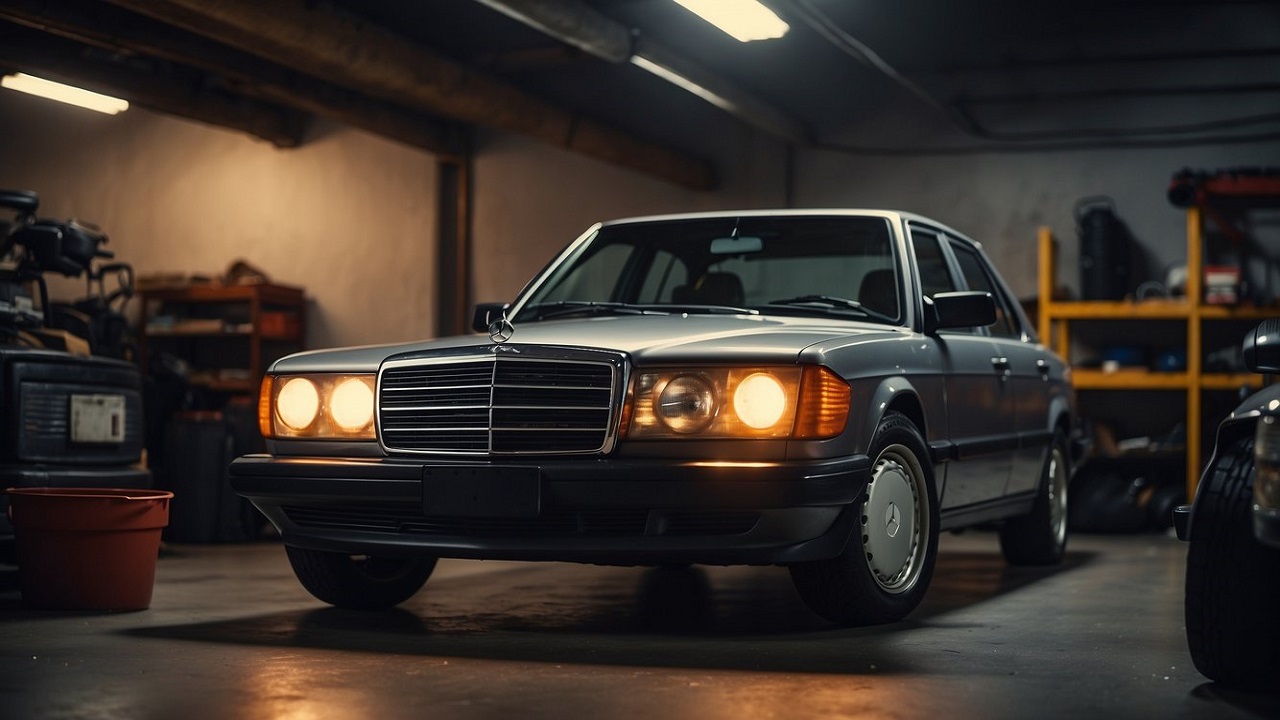
The 1983 Mercedes-Benz 190E (W201) marked a significant milestone for the brand. It featured a comfortable interior and impressive handling. A standout variant of the 190E is the 2.3-16 performance model. Using a Cosworth-tuned engine, this sporty version quickly became an icon amongst Mercedes-Benz enthusiasts.
1990 Mercedes-Benz 500E (W124)

Introduced in 1990, the Mercedes-Benz 500E quickly became an iconic vehicle. Featuring a V8 engine and discreetly muscular design, it was a top-of-the-line model in the series. Significantly, Porsche was involved in its production, making it a sought-after, young classic. This masterpiece boasted enhanced components and a genuinely unique driving experience.
1991 Mercedes-Benz 600SEL (W140)

Its striking exterior design houses an opulent, spacious interior, making it an epitome of luxury. The long wheelbase variant features a 6.0L V12 engine, generating 390hp for smooth, powerful driving experience.
Boasting impressive dimensions, the 600SEL’s lavish rear seating area creates an ambiance of a mobile living room. The W140 S-Class was presented in 1991 and remained in production until 1998, selling over 400,000 units. A true testament to Mercedes-Benz’s dedication to quality and luxury.
1995 Mercedes-Benz SLK (R170)

Introduced in April 1996, this luxury roadster became popular for its innovative folding vario-roof. This unique feature allowed it to switch between a coupe and a convertible effortlessly.
Mercedes-Benz designed the R170 by using a shortened variant of the W202 C-Class platform. It offered a range of engines, from naturally aspirated to supercharged inline-fours, producing between 136 and 190 hp. Mercedes-Benz continued to manufacture more than 300,000 units of the first-generation SLK before replacing it with the R171 SLK in 2004.
1960 Mercedes-Benz 220SE Cabriolet (W128)
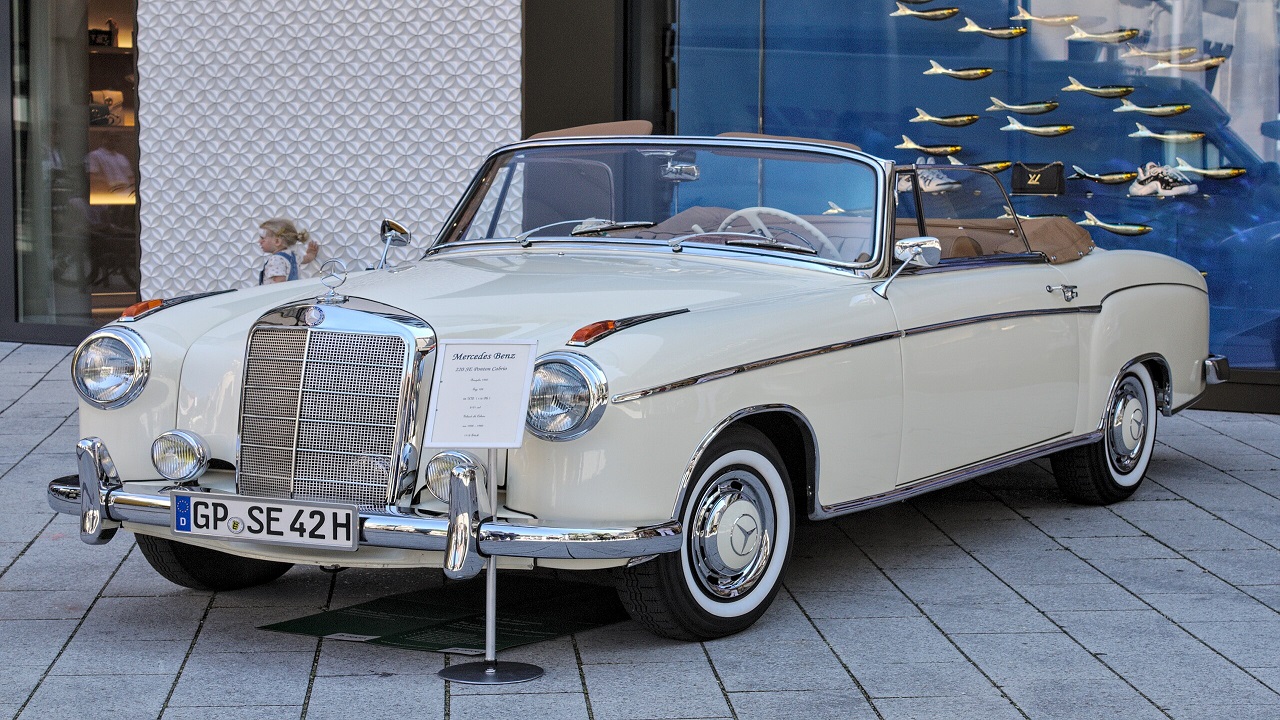
The 1960 Mercedes-Benz 220SE Cabriolet (W128) is an iconic luxury convertible car. It features a 2.2L inline-six engine with a mechanical fuel injection, producing 137 bhp power. The 220SE Cabriolet is known for its combination of elegance and performance.
1967 Mercedes-Benz 250SL “Pagoda” (W113)
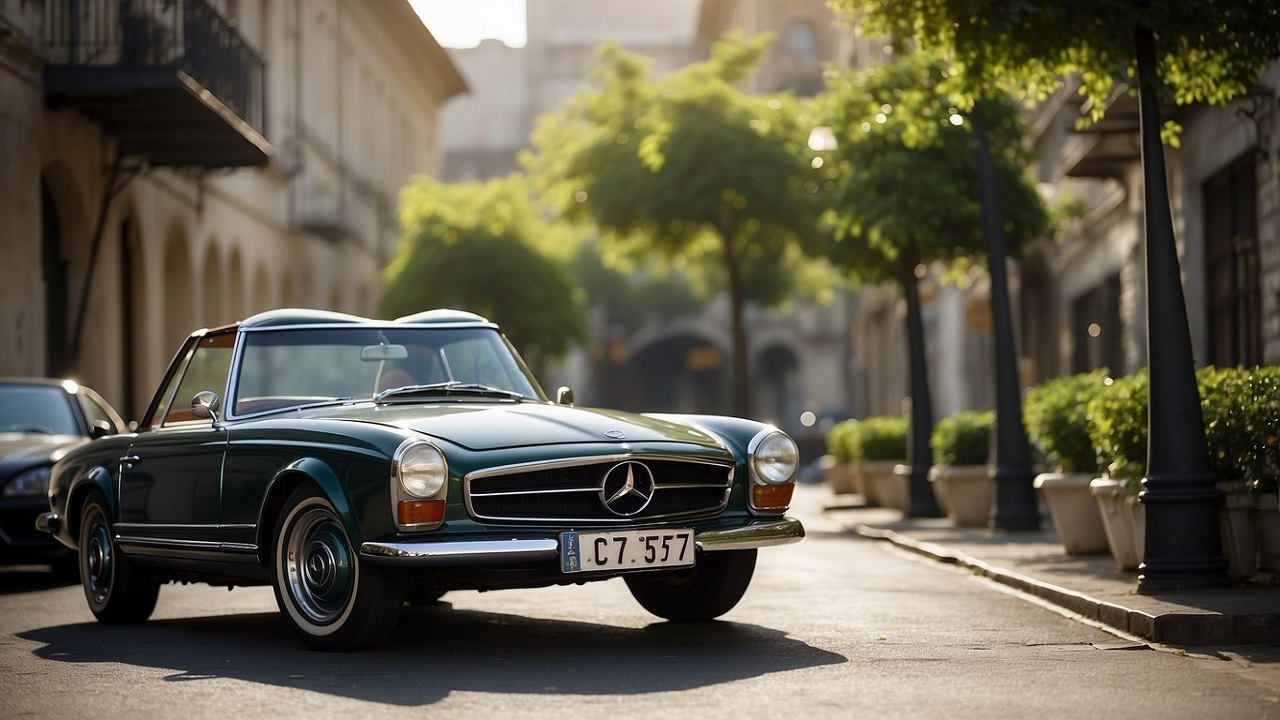
A classic from the 1960s, well-preserved examples of the 280 SL with its distinctive “Pagoda” hardtop have become increasingly valuable. With a brief one-year production, only 5,196 units were made, giving it collectible appeal. This elegant Pagoda features an eye-catching design by Paul Bracq and a standout California Coupé 2+2 body style. Boasting both comfort and speed, the 250SL is a true icon in Mercedes-Benz history.
1969-1970s Mercedes-Benz C111

The Mercedes-Benz C111 was an experimental car from the ’60s and ’70s. Its eye-catching orange-metallic paint, called weissherbst, made it unique. This vehicle showcased advanced technologies like, wankel engines, diesel engines, turbochargers and multi-link rear suspension. The C111 was both an engineering marvel and a design breakthrough for the era.
1971 Mercedes-Benz 280SE 3.5 Coupe (W111)
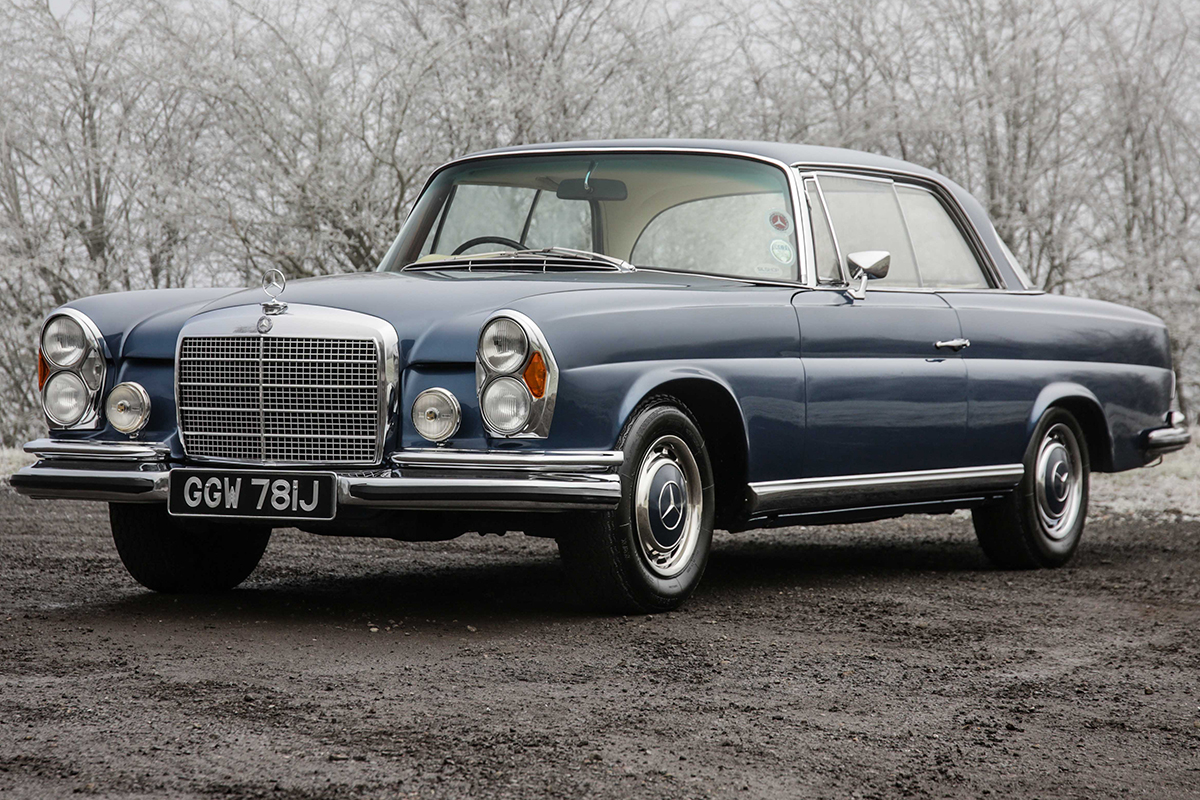
The 1971 Mercedes-Benz 280SE 3.5 Coupe (W111) was a stylish and powerful car. It featured a 3.5-liter V8 engine and a sleek design. This vehicle was one of the ultimate versions in the W111 range.
1979-present: Mercedes-Benz G-Class (G-Wagen)
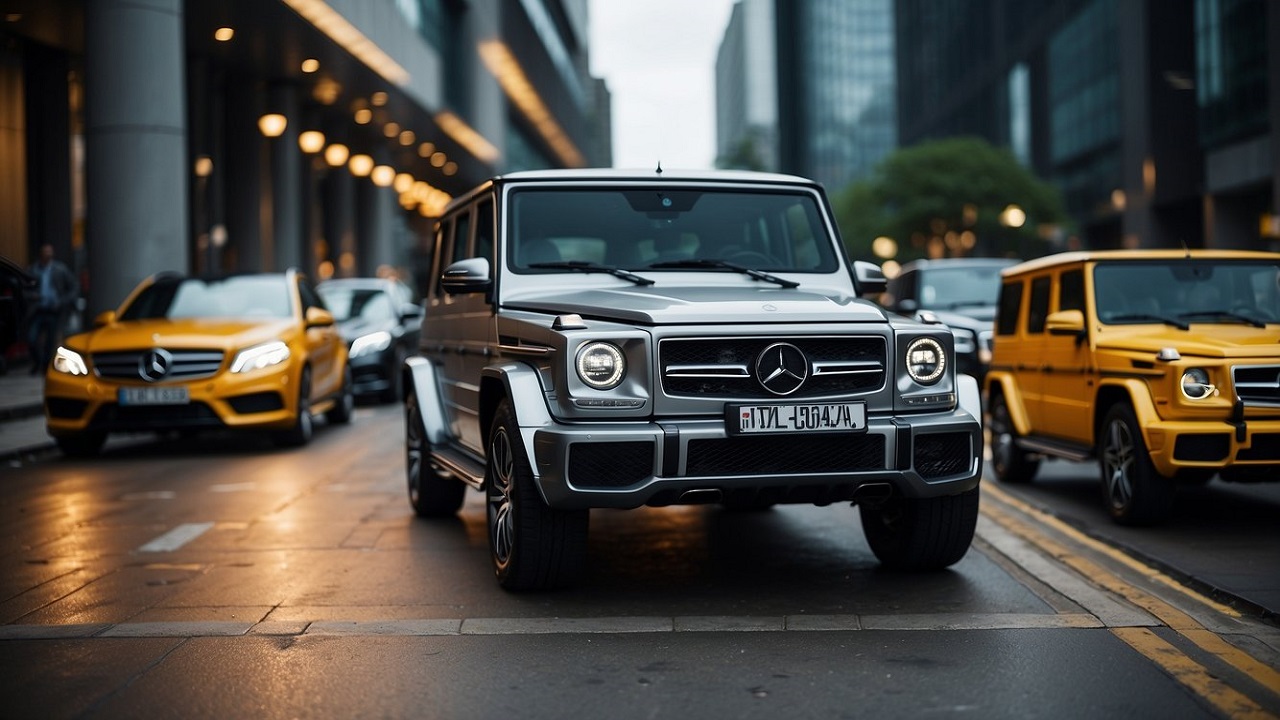
The Mercedes-Benz G-Class, also known as the G-Wagen, first appeared in 1979. Initially designed as a military off-roader, it later evolved into a luxurious four-wheel drive vehicle. The G-Wagen’s iconic design and off-road capabilities have made it a popular choice for both celebrities and off-road enthusiasts.
1989 Mercedes-Benz 560SEC (C126)

It features a 5.6L V8 engine, delivering excellent performance and comfort. Classic Cars states that the 560SEC was a highly desired model during its production from 1986 to 1991. This sleek car boasts plush Palomino leather interiors and modern amenities like automatic climate control and cruise control.
1989-2001 Mercedes-Benz SL (R129)

Replacing the previous R107, it offered significant upgrades in design and technology. Features like the electro-hydraulic convertible roof and detachable hardtop made it stand out. This model came with various engine options, starting with a 3.0L inline-6 to a powerful 6.0L V12. The AMG versions became official for the first time, adding performance and sportiness to the luxury line.
1996 Mercedes-Benz E-Class (W210)
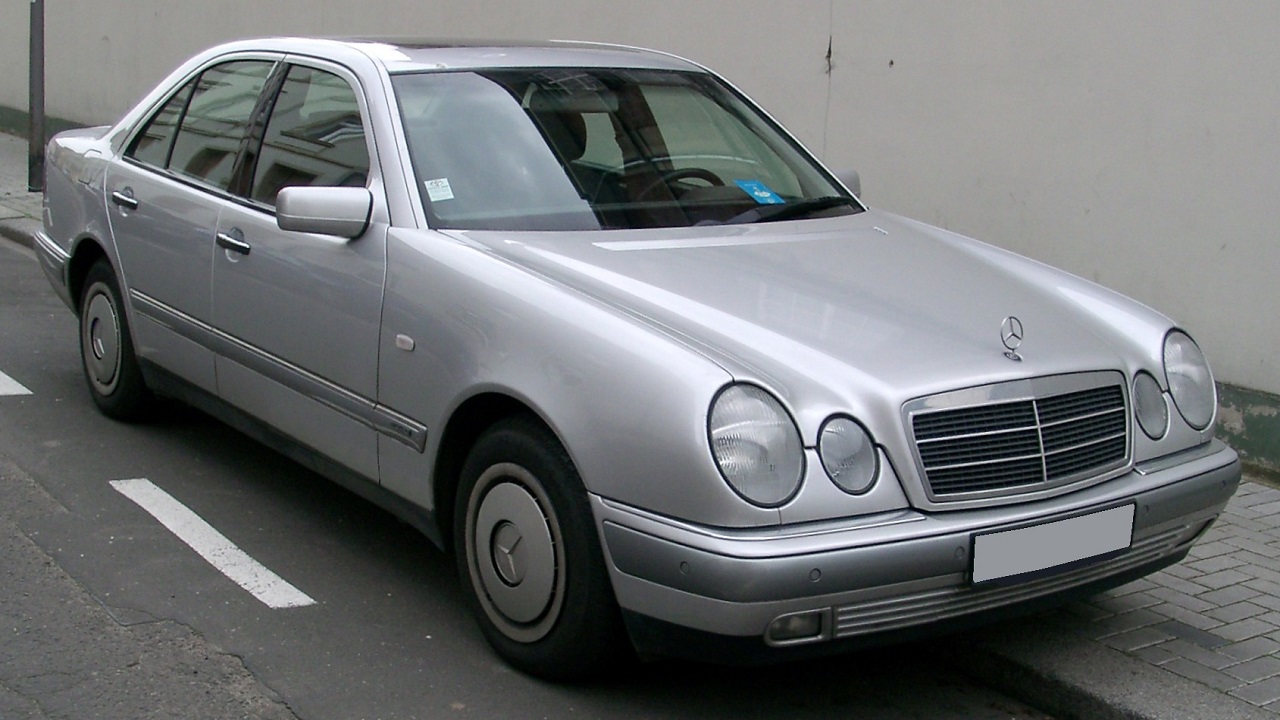
The W210 E-Class introduced a sleeker body style and a refreshed, distinctive look for Mercedes-Benz. These iconic cars are now highly sought after by collectors, as they marked a turning point in Mercedes-Benz design and engineering. In fact, the E-Class W210 is regarded as one of Mercedes-Benz’s most memorable vehicles of the 1990s!
1997-1998 Mercedes-Benz CLK GTR

It was developed in a record-breaking 128 days and was intended for racing in the FIA GT Championship series. Inspired by the C 208 series CLK Coupé, the CLK GTR was the first production racing car from Mercedes-Benz with a mid-engine. Loyal fans were in for a treat when the limited, street-legal version called the AMG CLK GTR Strassenversion was released, with only 25 units in existence. This rare beauty continues to captivate enthusiasts and collectors alike.
1997-2004 Mercedes-Benz A-Class (W168)

Introduced in 1997, these subcompact cars featured front-wheel drive, a short wheelbase, and a tall body. Despite the compact size, W168 models were equipped with an impressive level of standard equipment, such as power steering, central locking, and electric windows.
The A-class offered a unique “sandwich floor” design, improving crash safety. Overall, the W168’s distinctive design and features contributed to its iconic status in the Mercedes-Benz lineup.
2004-2010 Mercedes-Benz CLS-Class (W219)
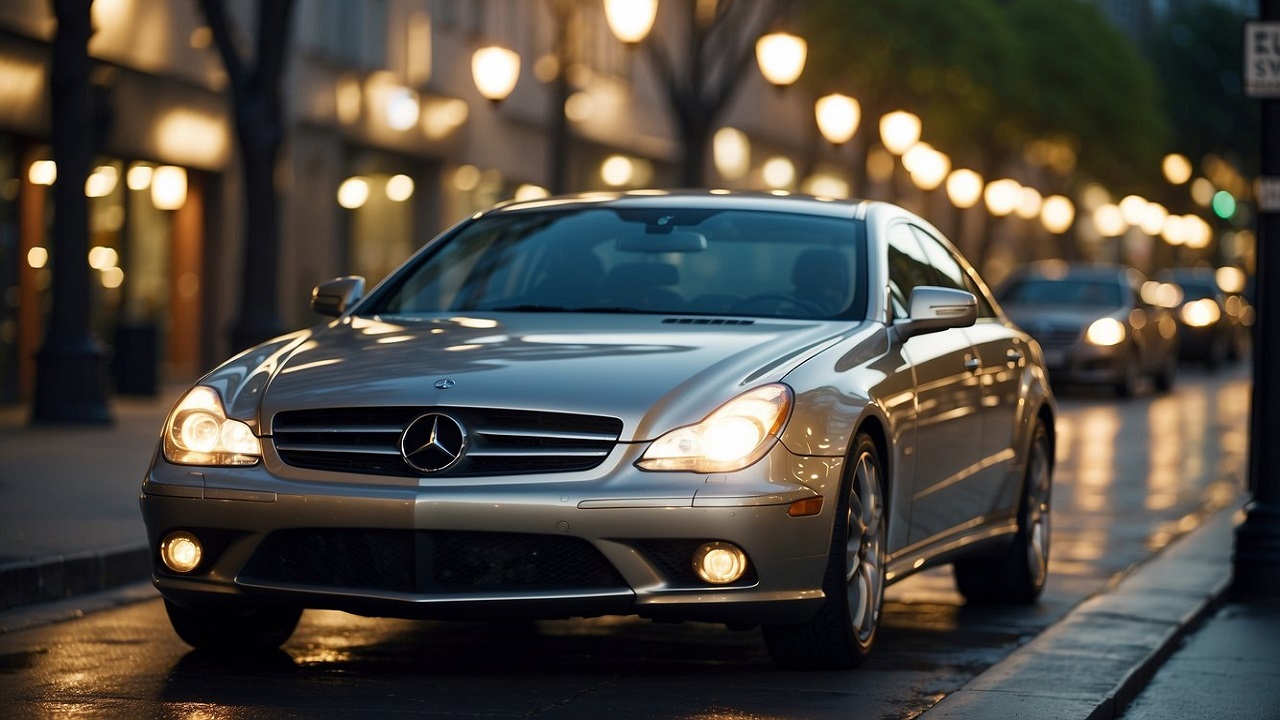
Launched in 2004, it combined luxury, comfort, and performance, making it an attractive option for car enthusiasts. Built on the E-Class platform, the CLS-Class seats four passengers, offering a unique blend of elegance and sportiness. One of the most reliable used Mercedes-Benz models, the W219 is still a popular choice today.
Closing Thoughts
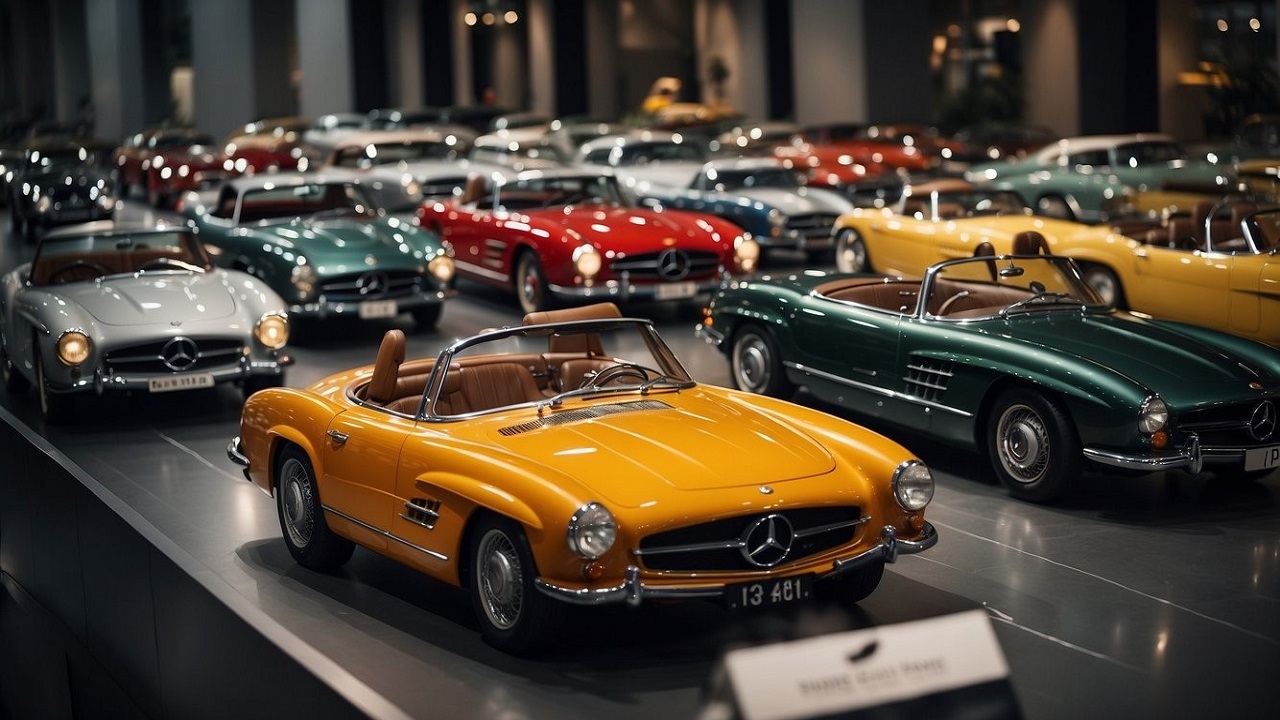
In its remarkable journey, Mercedes-Benz has created an undeniable legacy of success. These iconic cars have had a significant historical impact, shaping the automotive industry with their legendary designs and advancements.
The Legacy Continues: Mercedes-Benz continues to thrive, offering new and innovative vehicles to uphold its standing as a pioneering luxury brand. By cherishing its past, the future for Mercedes-Benz remains bright and full of potential.
20 Iconic Cars Boasting the Most Devoted CULT Followings

Cars reflect our identity and beliefs. Some have a devoted fan base and are considered cult classics. We’re showcasing 20 of these cars and the reasons for their enthusiastic followings.
READ GUIDE: Top 20 Iconic Cars Boasting the Most Devoted CULT Followings!


