
The 1970s was a truly remarkable decade for automobiles, leaving a lasting impression on car enthusiasts worldwide. This era saw the introduction of new designs and technology that have since become iconic.
In this guide, we’ll explore 35 of the most remarkable cars from the 1970s that continue to captivate hearts and minds today. With their unique style and innovative features, these vehicles embody the spirit of their era and remain popular favorites among collectors and enthusiasts alike.
Lamborghini Countach: A 70s Icon
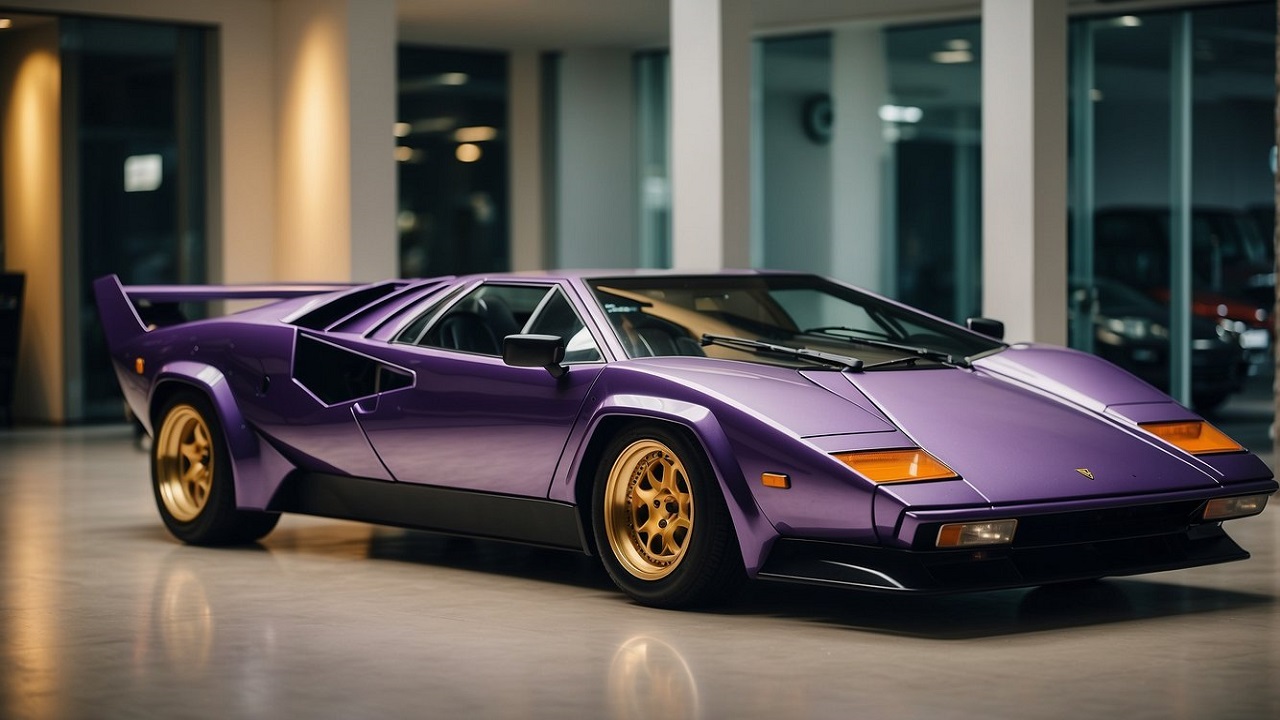
The Lamborghini Countach is an Italian supercar, designed by Marcello Gandini that became an icon of automotive design. With its wedge-shaped, sharply angled look, it was a dramatic departure from the curvaceous Miura it succeeded. The Countach was not only a poster car for many but also a technological marvel of its time.
Ferrari 308 GTB/GTS: Italian Excellence
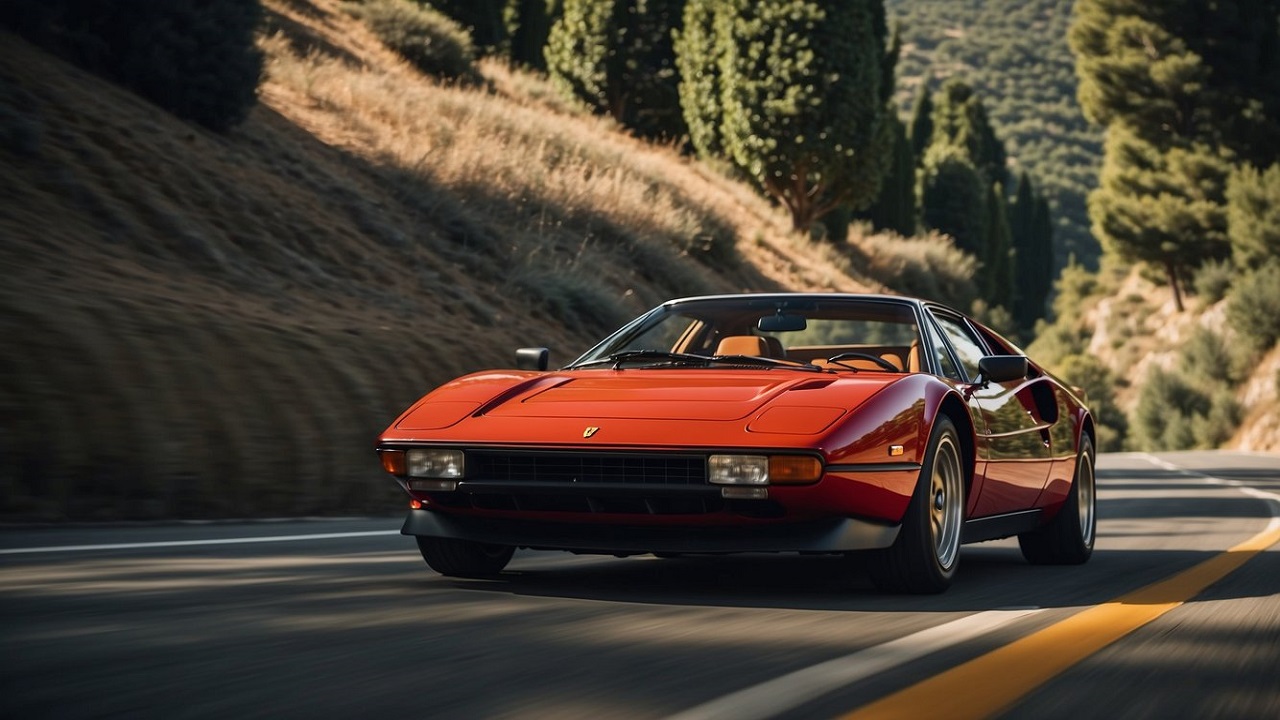
Introduced in 1975, the Ferrari 308 GTB featured a mid-engine V8 layout and was recognized for its striking Pininfarina design. It gained fame on the television series “Magnum, P.I.” and became one of Ferrari’s most recognizable models. This iconic Italian sports car remains a symbol of excellence and a true classic today.
Porsche 911 Carrera RS 2.7 (1973)
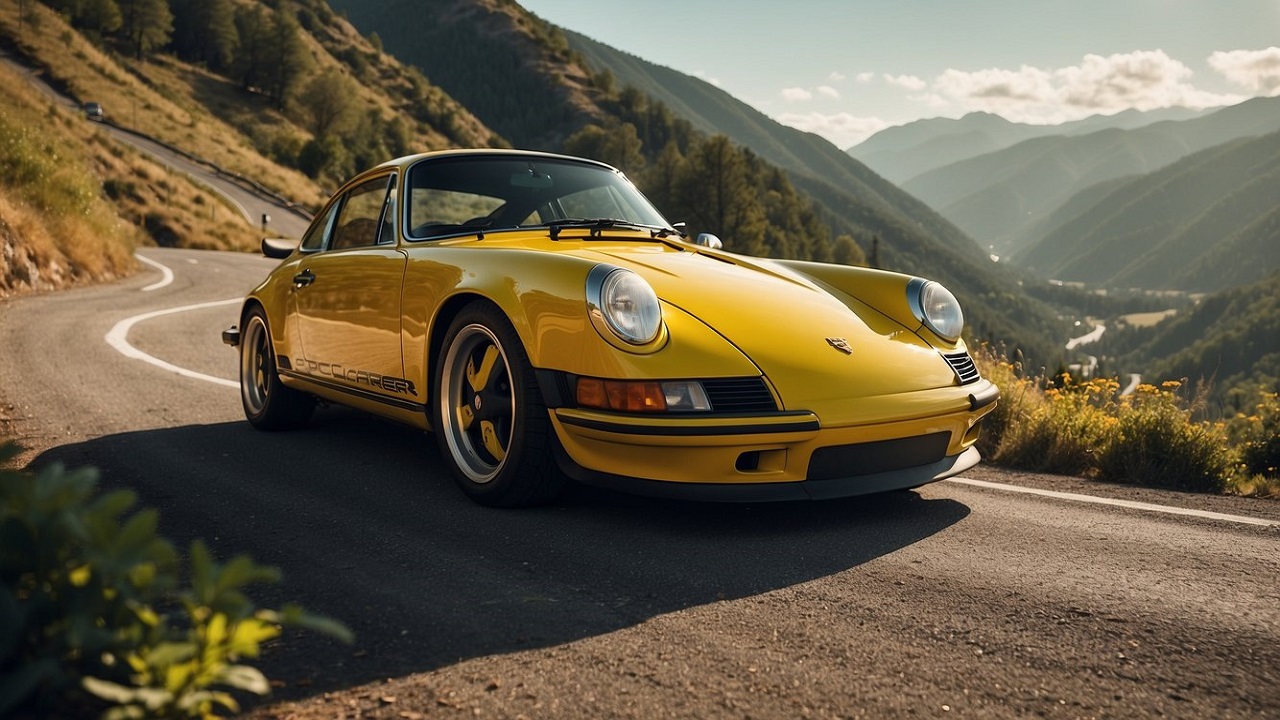
The 911 Carrera RS 2.7 is often regarded as one of the most classic Porsches ever made. It was lighter and more powerful than the standard 911 and featured the distinctive “ducktail” rear spoiler. With a powerful 2.7-liter engine, it offered impressive performance and stunning looks. It was available in both Touring and Lightweight versions, catering to different driving preferences.
Chevrolet Camaro Z28 (1970-1981)
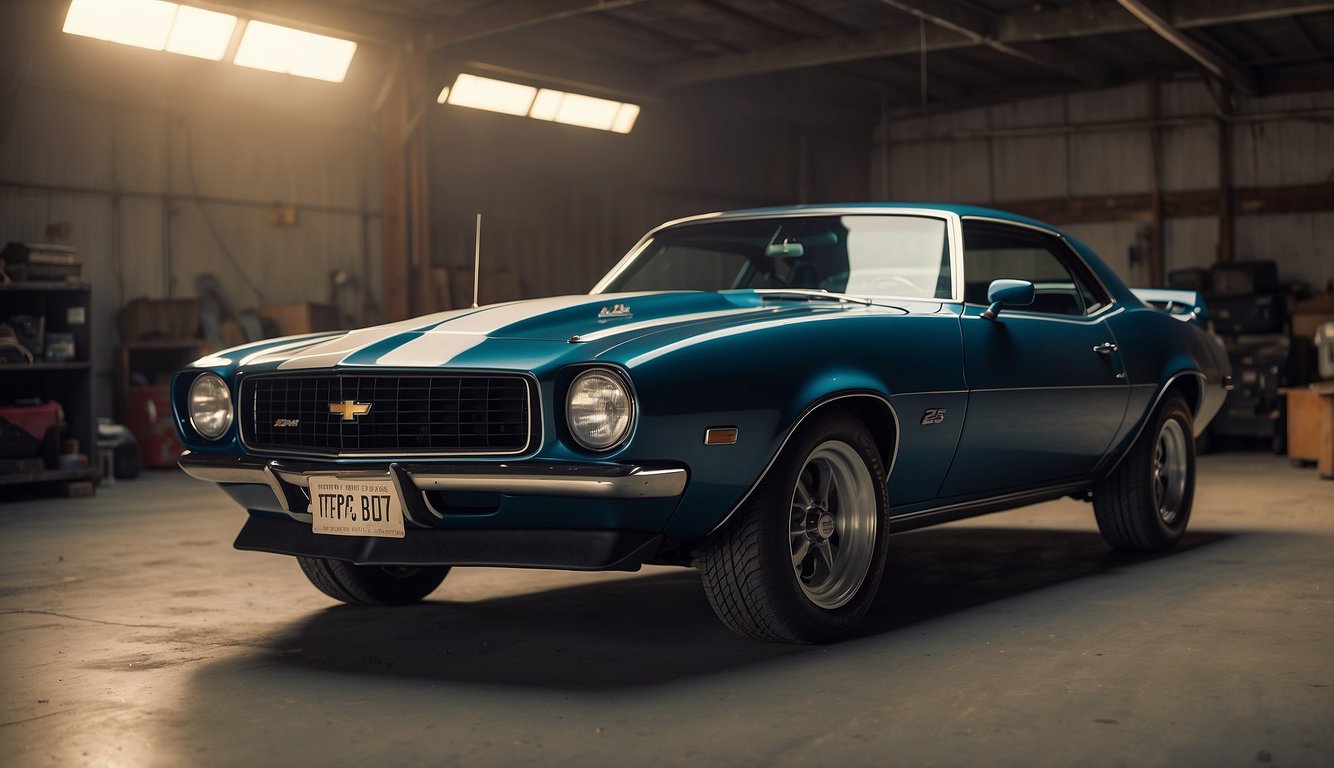
The 1970 Chevrolet Camaro Z28, a famed muscle car, debuted with a sleeker, more compact design and dropped the “/” from its name. It featured powerful V8 engines and an optional automatic transmission, broadening its appeal. The Z28 combined style and performance, securing its status as a classic collectible.
Datsun 240Z (1970-1973)

The Datsun 240Z (known as the Nissan Fairlady Z in Japan) was a breakthrough for Japanese sports cars, offering performance and styling that could compete with European sports cars at a more affordable price. It was Japan’s first volume sports car effort, making its debut in the United States in 1970. It is credited with changing perceptions of Japanese automakers in the United States.
Pontiac Firebird: A True Muscle
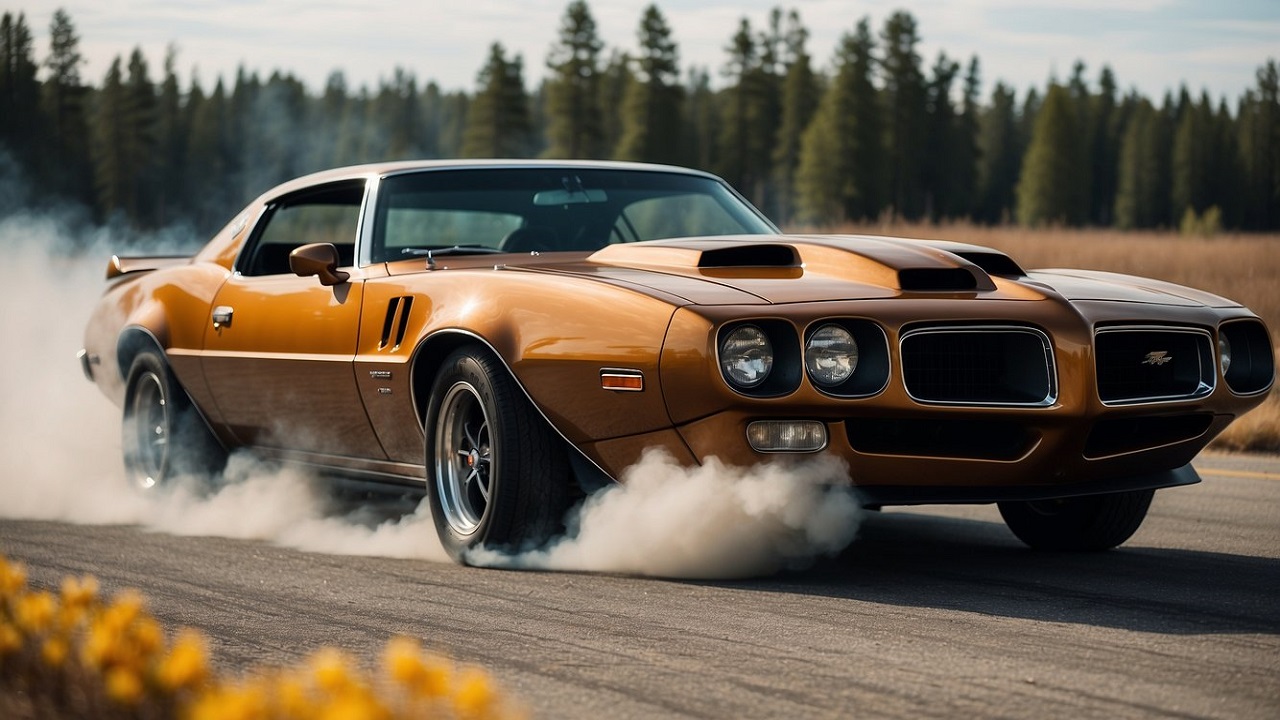
The 1970s was a notable era for remarkable cars, and the Pontiac Firebird stands out as a true muscle car. During this time, the Firebird boasted power, performance, and style. In the early ’70s, the Pontiac Trans Am 455 became popular, featuring a high-powered, legendary engine. With its bold design, the Firebird remained a fan favorite throughout the decade.
Volkswagen Golf Mk1 (1974-1983)
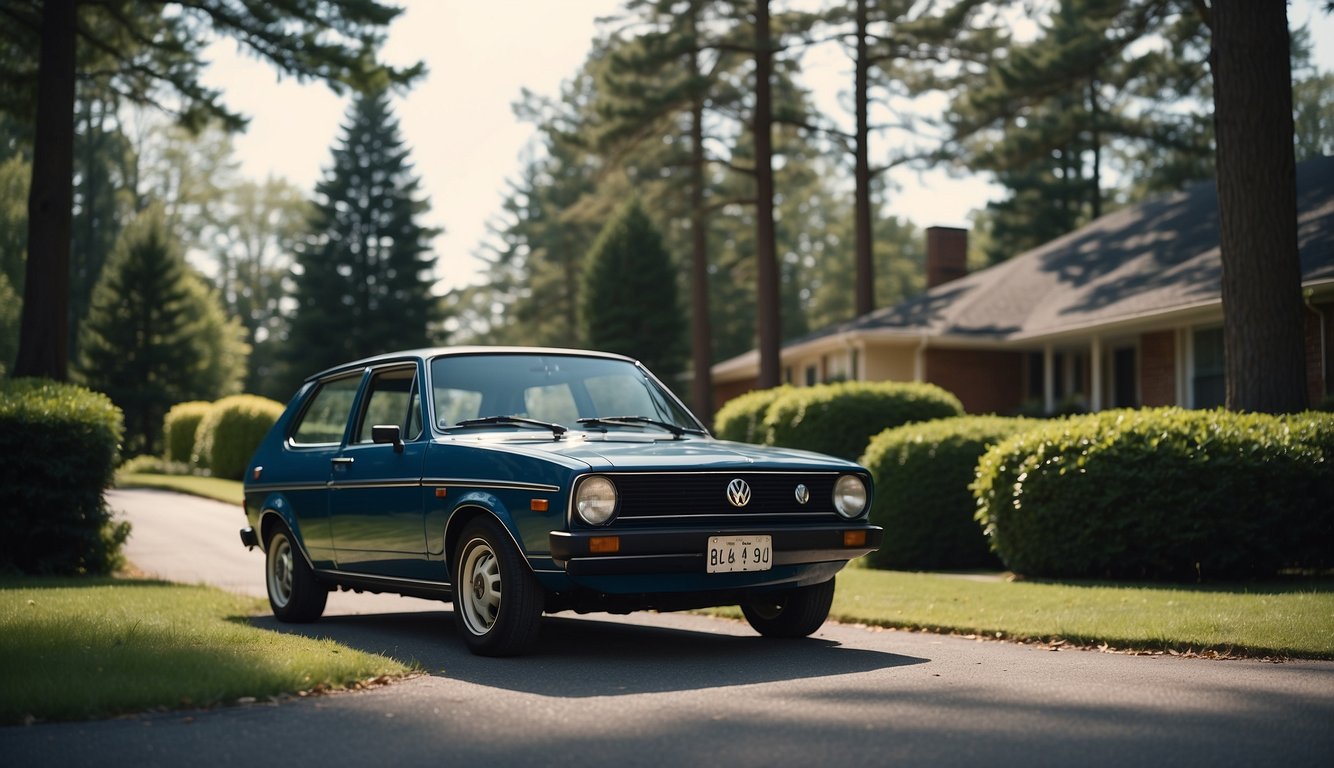
The Volkswagen Golf Mk1, introduced in 1974, marked a shift from Volkswagen’s older rear-engine, air-cooled designs to a water-cooled front engine with front-wheel drive. Its practical hatchback shape won over Europe. Economical and dependable, the Golf Mk1 delivered a notable drive in a small form, with variations like the GTI appealing to diverse preferences.
Ford Mustang II (1974-1978)

Launched in 1974, the Mustang II was a departure from its predecessors, featuring a smaller, more fuel-efficient build in response to the oil crisis and evolving consumer tastes. The 1978 Mustang II King Cobra stood out with its vibrant color options and stylish design. Although less powerful, it remained popular and earned Motor Trend’s Car of the Year title.
Honda Accord: Reliability Pioneer
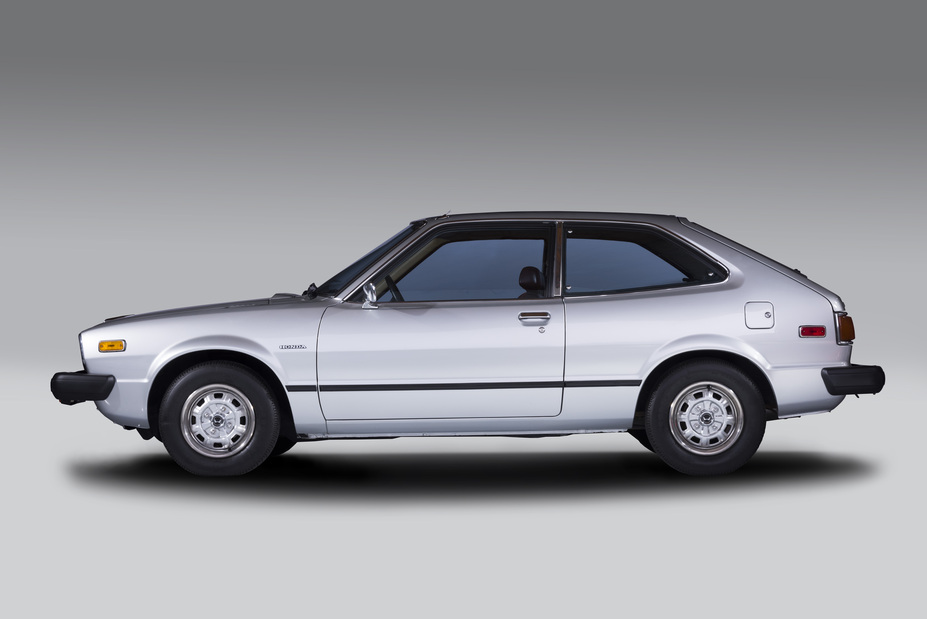
Introduced in 1976, the Honda Accord quickly became a benchmark for fuel-efficient, midsize sedans with its compact design and affordability. Known for its simple engineering and dependability, the Accord marked a significant achievement in Honda’s history and was celebrated for its reliability at a time when economical cars were sought after.
Lancia Stratos: Rally Masterpiece
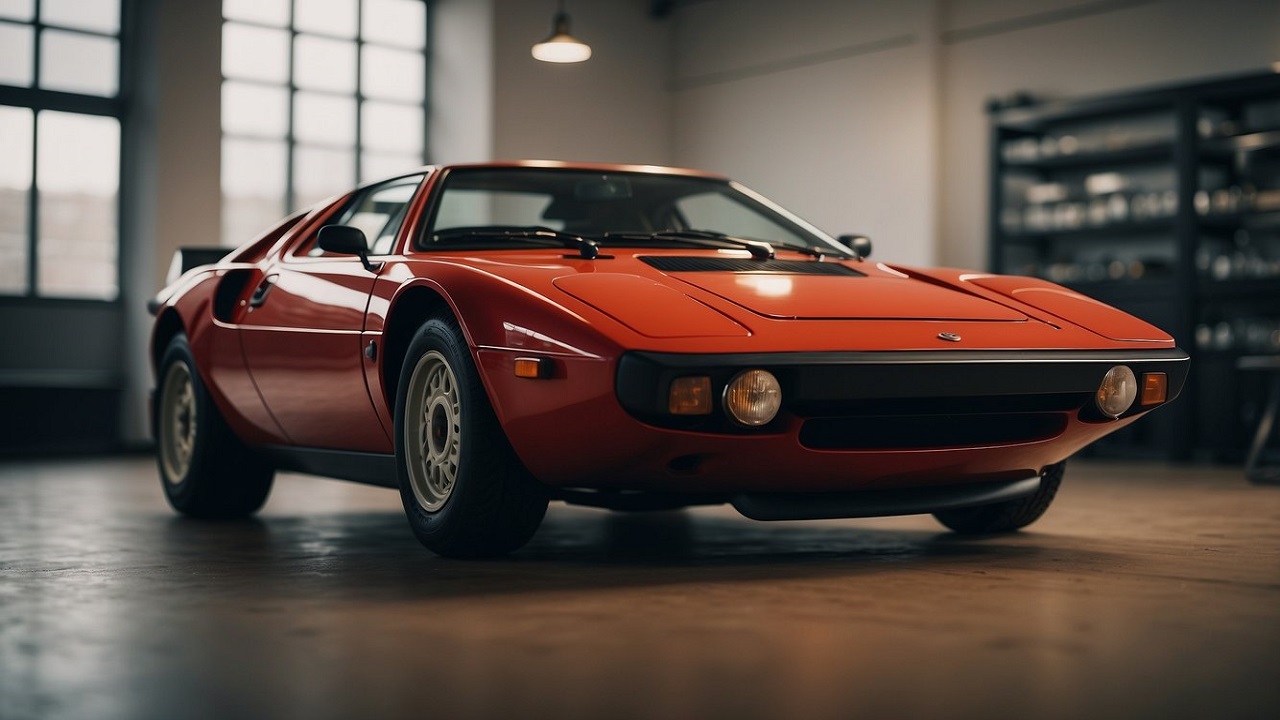
The Lancia Stratos revolutionized 1970s rally racing with its mid-engine design, delivering superior handling and performance. Dominating the World Rally Championship with three straight titles from 1974 to 1976, its Lancia-developed chassis housed a potent Ferrari engine. Bertone designed the car’s aerodynamic shape, cementing the Stratos as a legendary force in motorsport.
Rover SD1: European Car of the Year
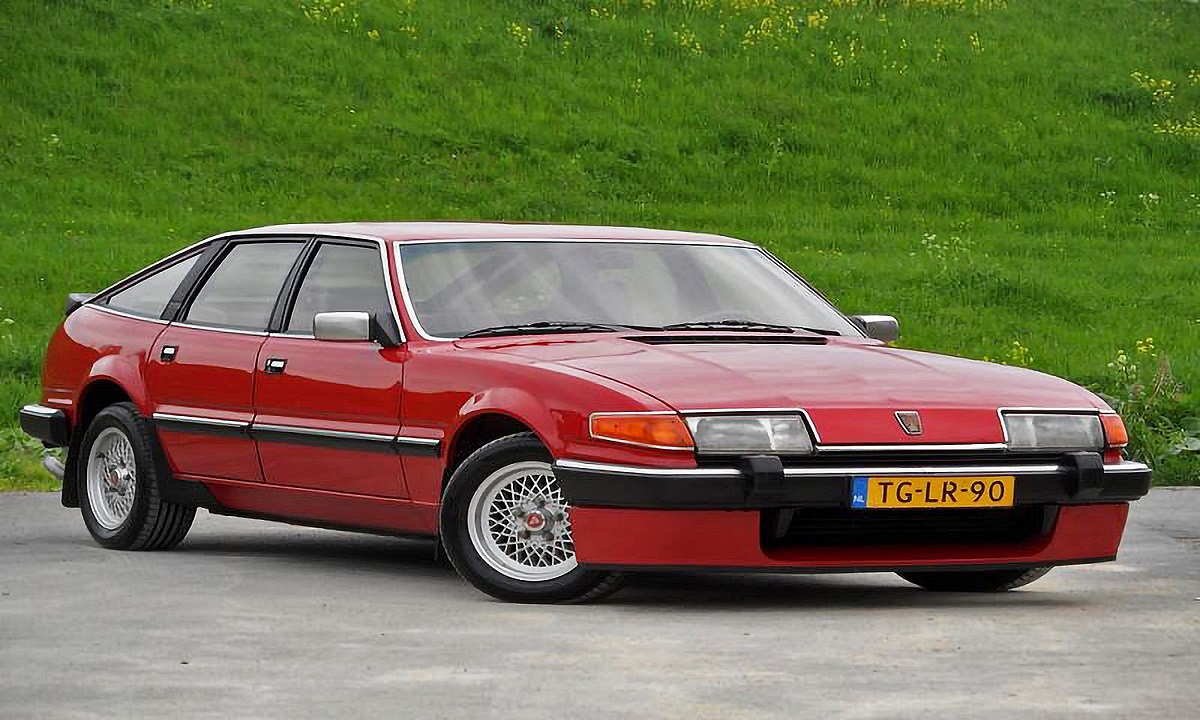
The Rover SD1, a standout executive car from the late 1970s, clinched the European Car of the Year award in 1977. British Leyland crafted this model with cutting-edge design and engineering. Sporting a sleek look and a robust V8 engine, the SD1 featured a roomy interior, smooth ride, and sharp handling, securing its status as a notable 1970s icon.
BMW 3 Series (E21) (1975-1983)
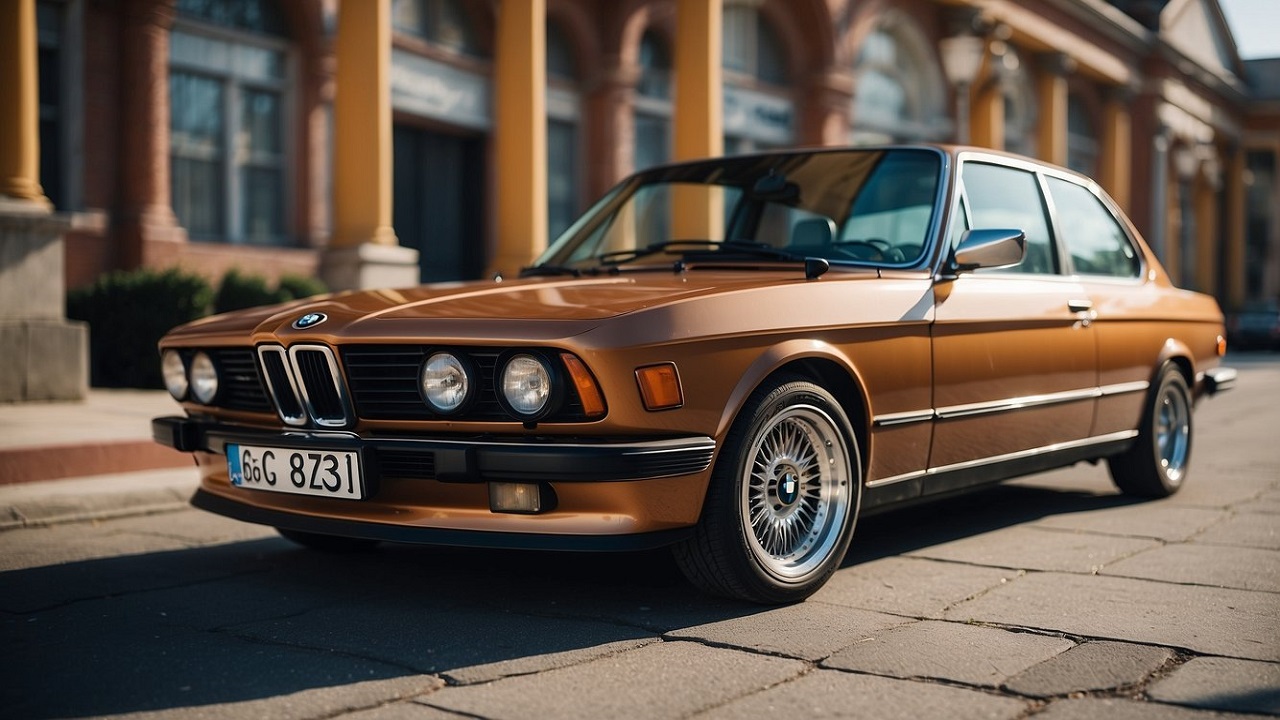
The inaugural BMW 3 Series defined the compact executive car market with its superior handling, performance, and build quality, setting a precedent for BMW’s enduring approach. As the successor to the BMW 02 Series, it initially came as a two-door coupé, including unique Baur convertibles, and offered rear-wheel drive.
The E21 boasted potent inline-four and inline-six engines, with notable models like the 320, 320i, 316, 318, 320is, 315, 318i, 320/6, and 323i. Its adaptability was further demonstrated by conversions into race cars for track use.
Citroën DS (1955-1975)
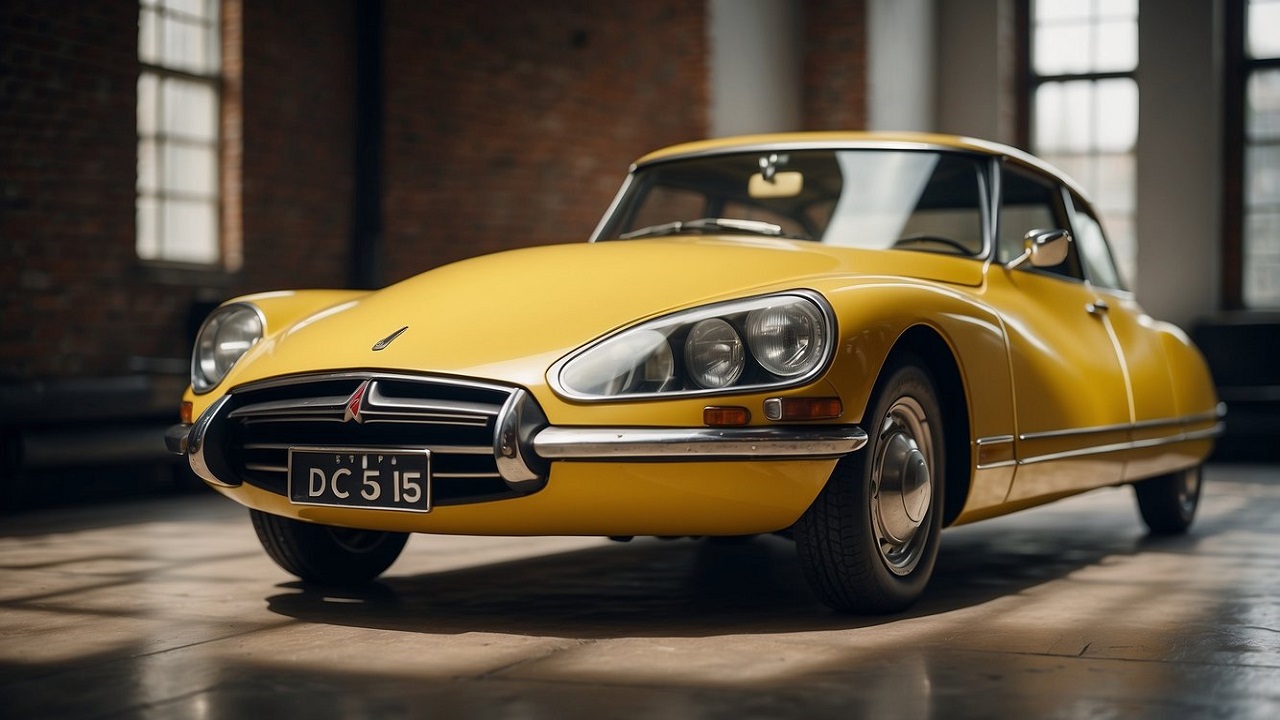
Although introduced in the 1950s, the Citroën DS remained in production until 1975 and continued to influence automotive design throughout the 1970s. It was known for its futuristic bodywork and innovative hydropneumatic suspension system.
Porsche 930 Turbo: The German Rocket
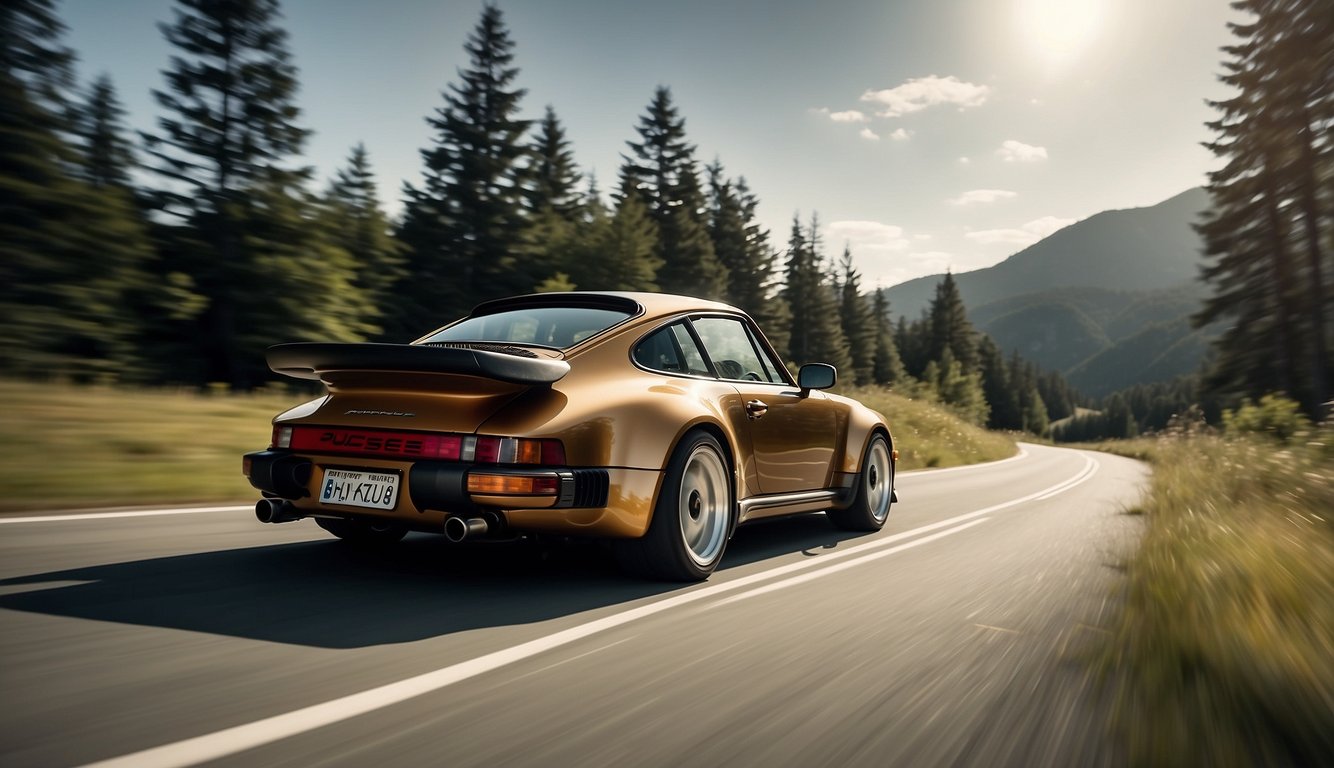
The Porsche 930 Turbo, revealed in 1974 at the Frankfurt Motor Show, earned legendary status in the 1970s. With a turbocharged 3-liter flat-six engine producing 260 horsepower, derived from the 917/30 Can-Am car, it offered an exhilarating drive, earning the moniker “The Widowmaker.” The 930 Turbo combined iconic design with thrilling performance, making it a hallmark of 1970s automotive excellence.
Ford Pinto: A Reputation Crumbled

The Ford Pinto, released in 1970, was fast-tracked to compete with foreign subcompacts but became infamous for safety concerns in rear-end collisions. Under President Lee Iacocca’s direction, the Pinto aimed for compactness, affordability, and clear superiority. However, its flawed safety design, particularly the exposed fuel tank, led to catastrophic fires and a significant scandal for Ford.
Chevrolet Corvette C3 (1968-1982)
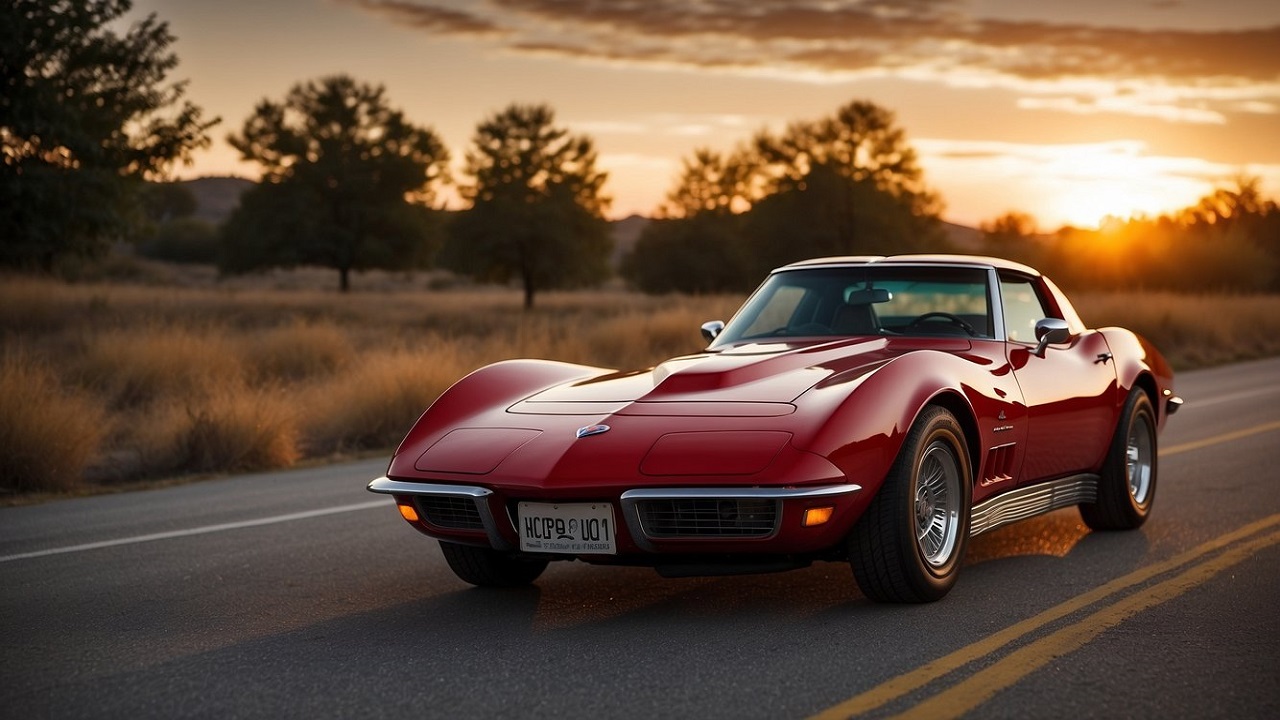
The C3 Corvette featured a bold, low, wide, and heavy design, with horsepower between 190 to 200 due to new fuel injection. Despite the Oil Crisis, it became the era’s most popular Corvette, adapting well to changes in the automotive industry and cementing its historical significance.
Toyota Celica (1970-1977)
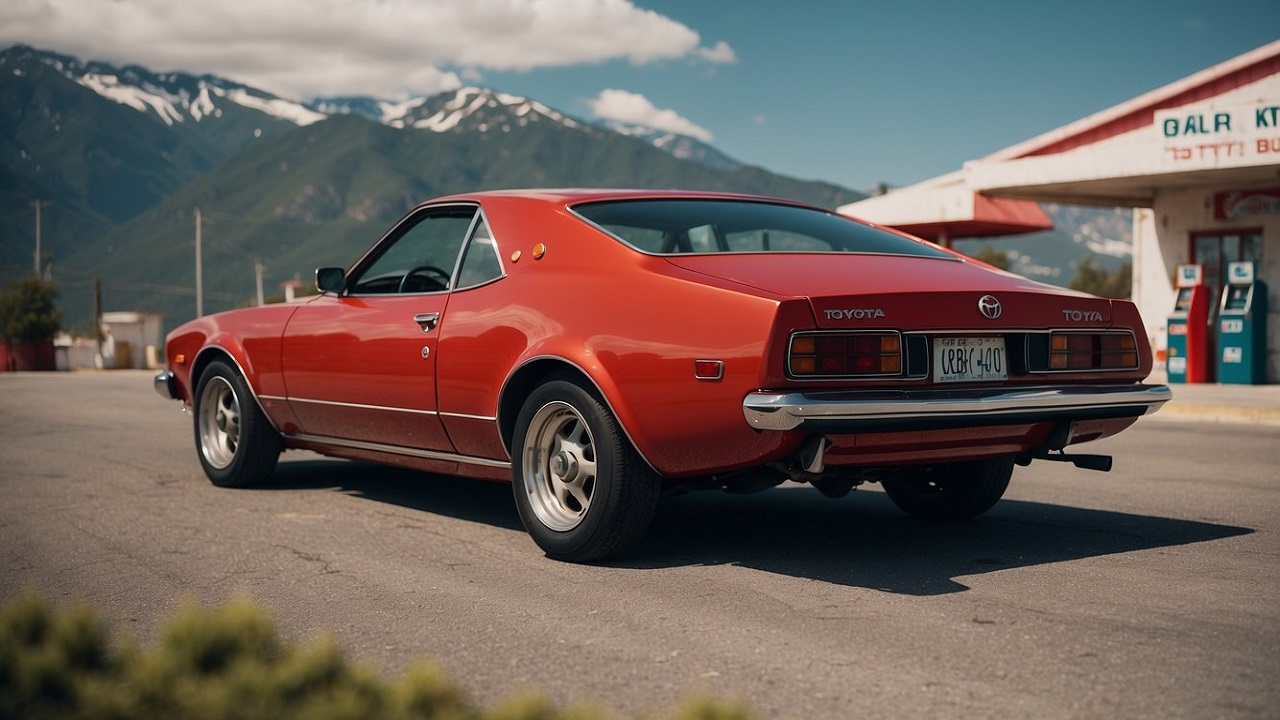
The Toyota Celica, launched in 1970, turned heads with its striking design and driving dynamics. Available in ET, LT, ST, GT, and GTV trims, it appealed to those desiring both style and performance. Sharing a platform with the Toyota Carina, the Celica showcased its adaptability. It quickly amassed a loyal following, becoming a quintessential 1970s car and paving the way for seven generations and a 36-year production run, securing its legacy in automotive history.
Dodge Challenger (1970-1974)
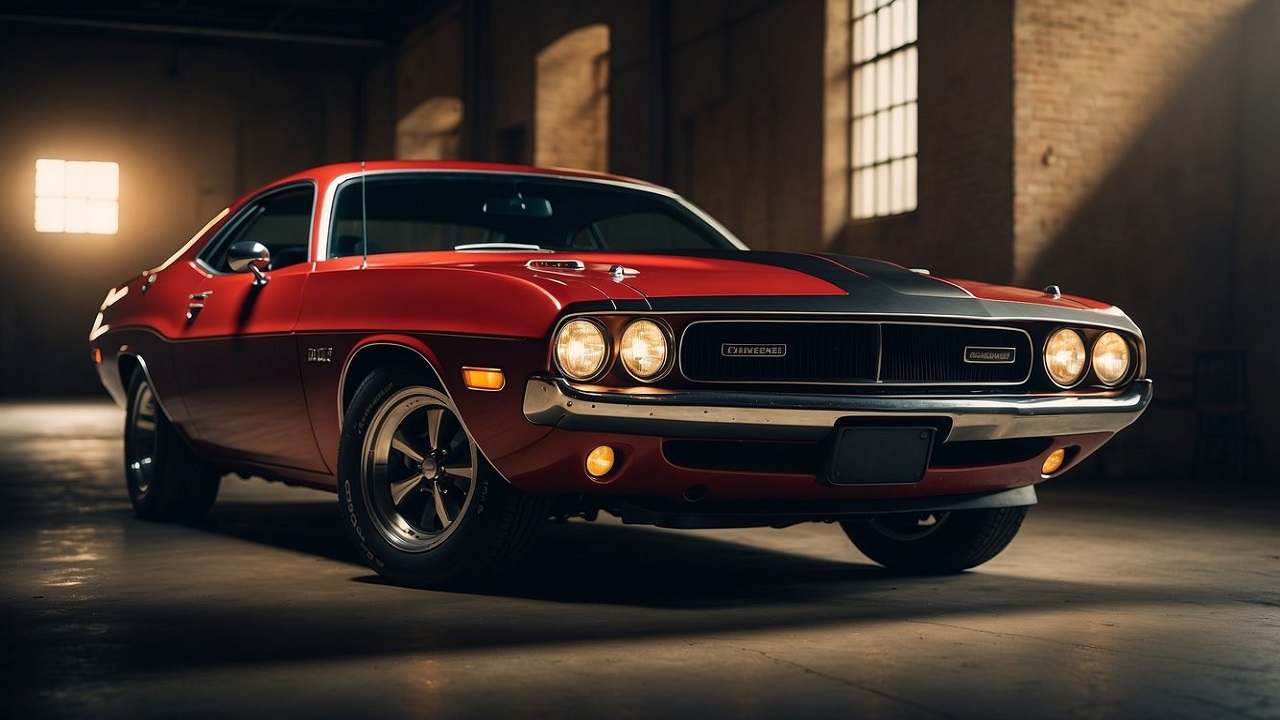
During the 1970s, the Dodge Challenger made a lasting impact in the automotive industry. It offered a variety of engine options, with the powerful 440 cu. in. RB V8 being a popular choice. These muscle cars featured impressive performance, with some variants boasting 0-60 times under 12 seconds. The 1970s Dodge Challenger remains a prized possession for car enthusiasts today.
Pontiac Firebird Trans Am (1970-1981)
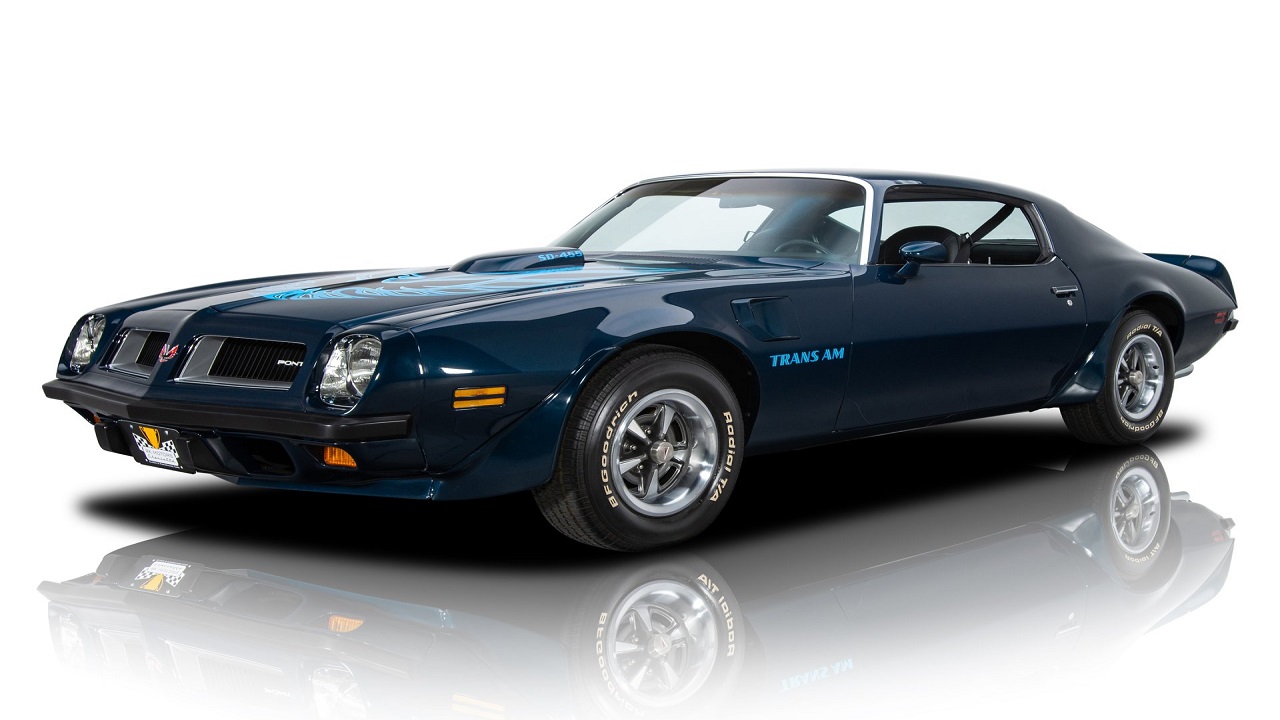
The Pontiac Firebird Trans Am emerged as a remarkable car during the 1970s. Its eye-catching design, powerful engines, and iconic bird decal helped it leave a lasting impression. Available in both coupe and convertible, this car was highly popular among car enthusiasts.
Lancia Stratos HF (1973-1978)
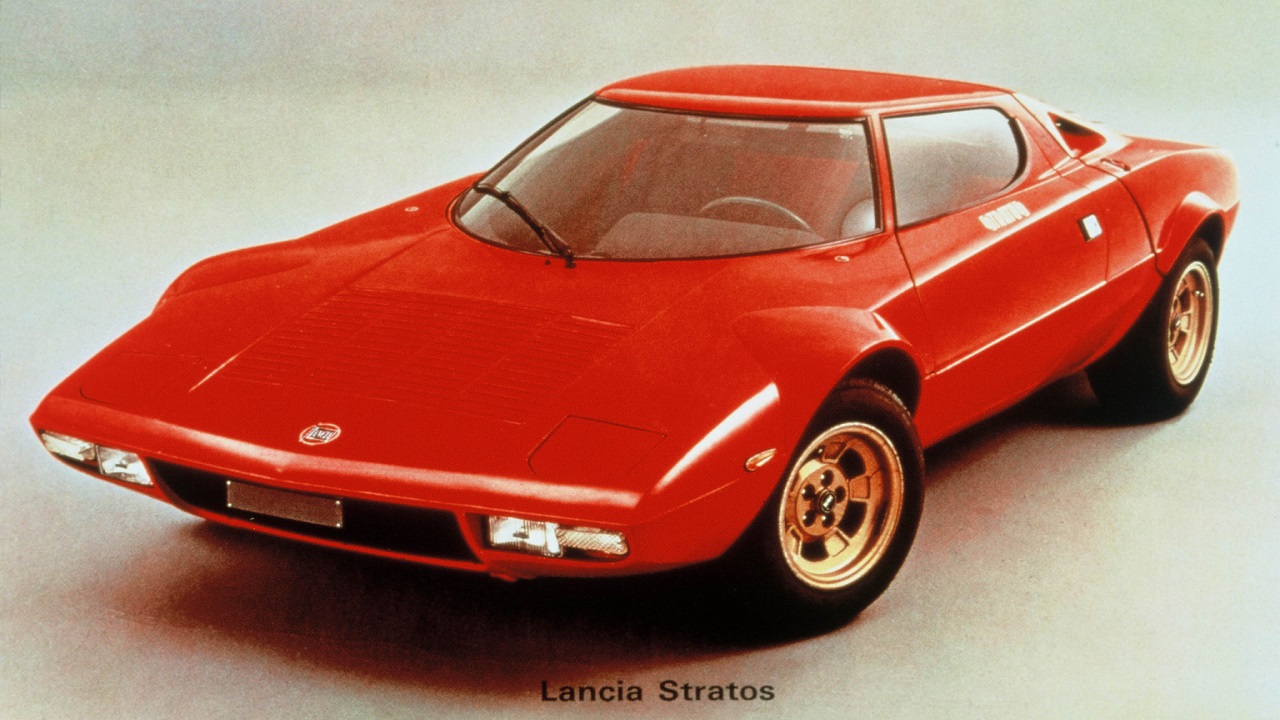
The Lancia Stratos HF, a pioneering mid-engined sports car, transformed rallying in the 1970s with its compact size, distinctive Bertone styling, and rally dominance. Its short wheelbase and broad stance enhanced its nimbleness, while the robust Ferrari Dino V6 engine propelled it to three straight World Rally Championships from 1974 to 1976. Lancia manufactured the street-legal HF Stradale, which is now a coveted collector’s item.
Range Rover Classic (1970-1996)
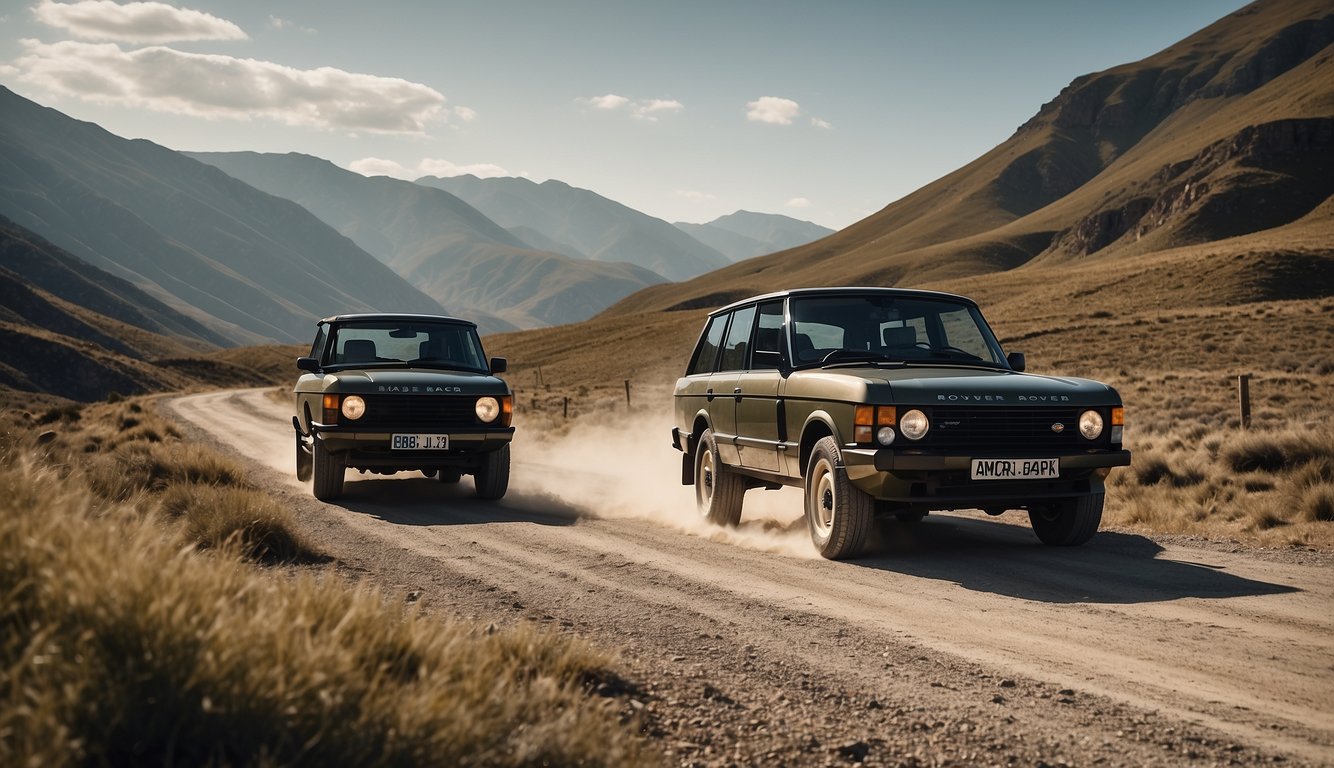
The Range Rover Classic, launched in 1970 and produced until 1996, emerged as an iconic luxury 4×4 with notable off-road prowess, becoming an industry staple. Initially a two-door model, it underwent updates that enhanced its functionality and aesthetics. Successive versions introduced improved engines and suspension systems, appealing to 1970s car enthusiasts.
Volvo 240 (1974-1993)
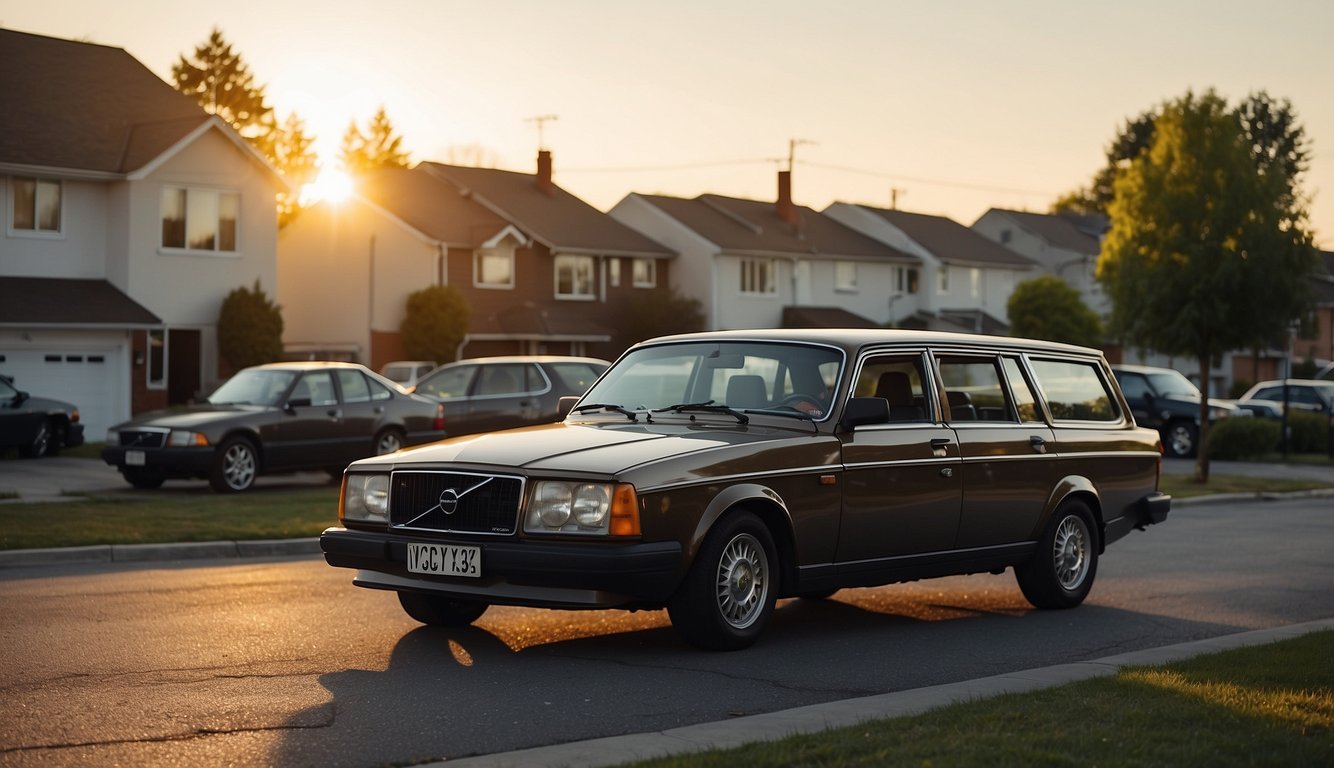
Produced from 1974 to 1993, the Volvo 240 was a Swedish automotive icon, celebrated for its angular design, safety, and dependability, appealing to drivers valuing practicality. The 240 series, with a 2.640-meter wheelbase, included sedans and wagons across multiple trims. Its design, with a pronounced front and large bumpers, drew from Volvo’s VESC study. Features like power front windows, a roof rack, and an optional rear-facing third-row seat made the 240 a versatile option in the 1970s.
Aston Martin V8 (1972-1989)
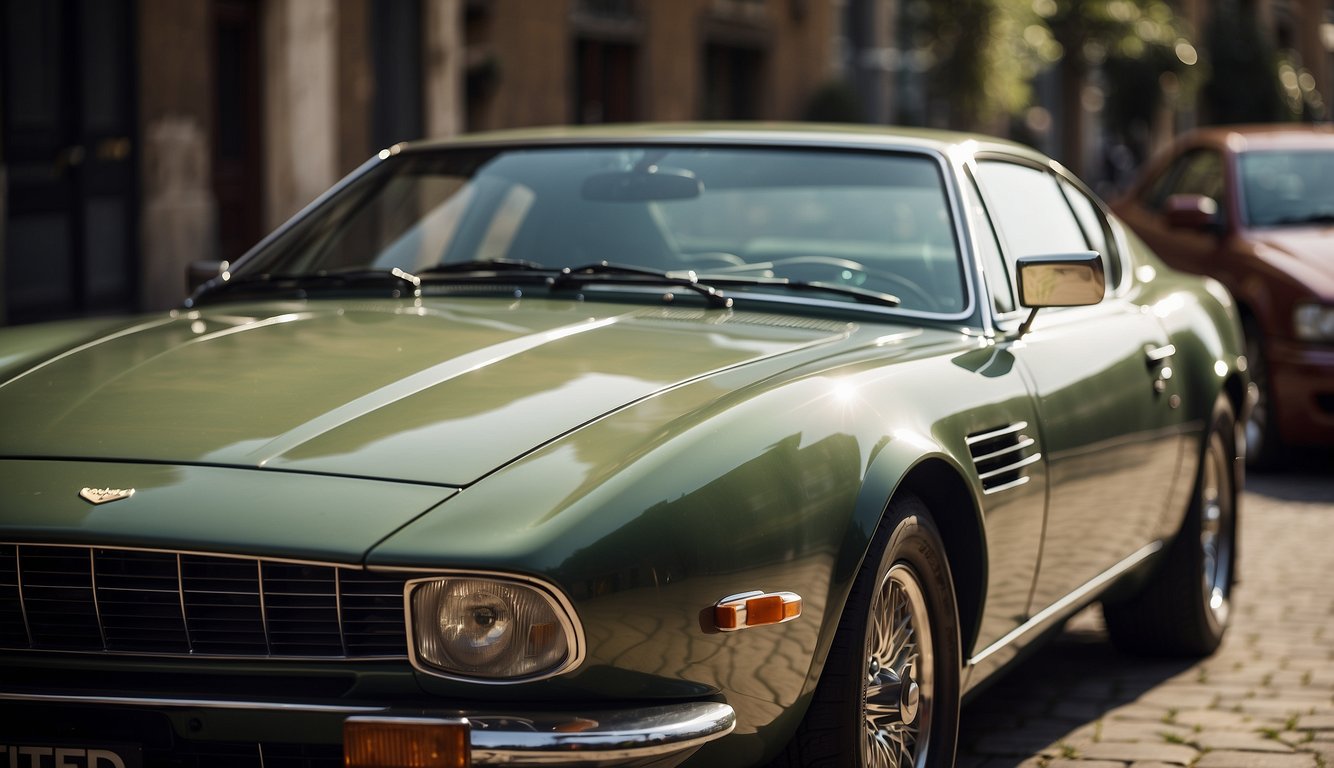
The Aston Martin V8, a 1970s icon, was a handbuilt grand tourer, each taking 1,200 man-hours to complete. Following the DBS V8, it continued Aston Martin’s tradition of luxury and performance. The V8 saw many updates, including the notable 1979 V8 Volante, or “Oscar India.” Collectors still highly prize these vehicles, underlining the enduring legacy of the Aston Martin V8.
Mazda RX-7 (1978-1985)
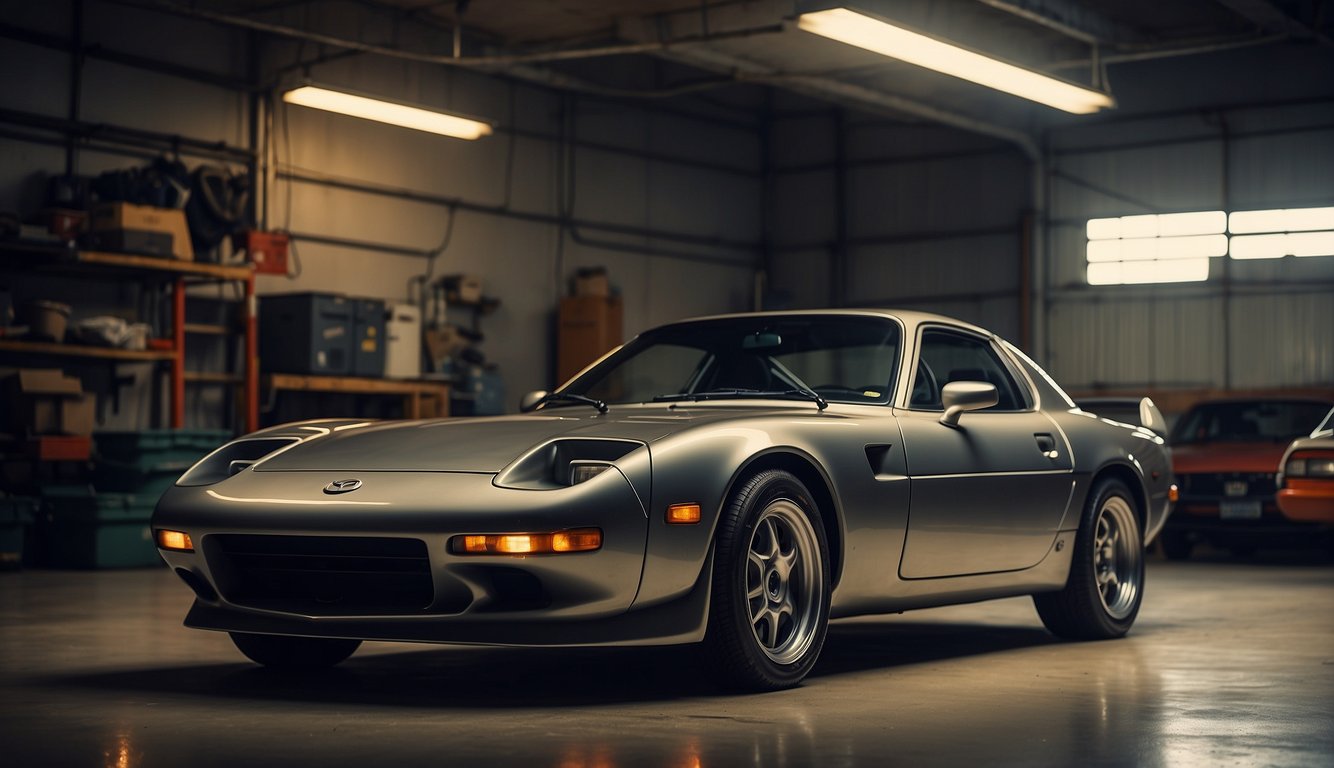
The Mazda RX-7 emerged in the late 1970s. As a sports car, it offered a sleek design and innovative engineering. The RX-7 became Mazda’s pride, transforming into a best-selling car. The first-generation RX-7 featured a rotary engine, providing smooth acceleration and power. It is celebrated for its impressive handling and iconic design making it an automotive legend.
Fiat 124 Spider (1966-1985)
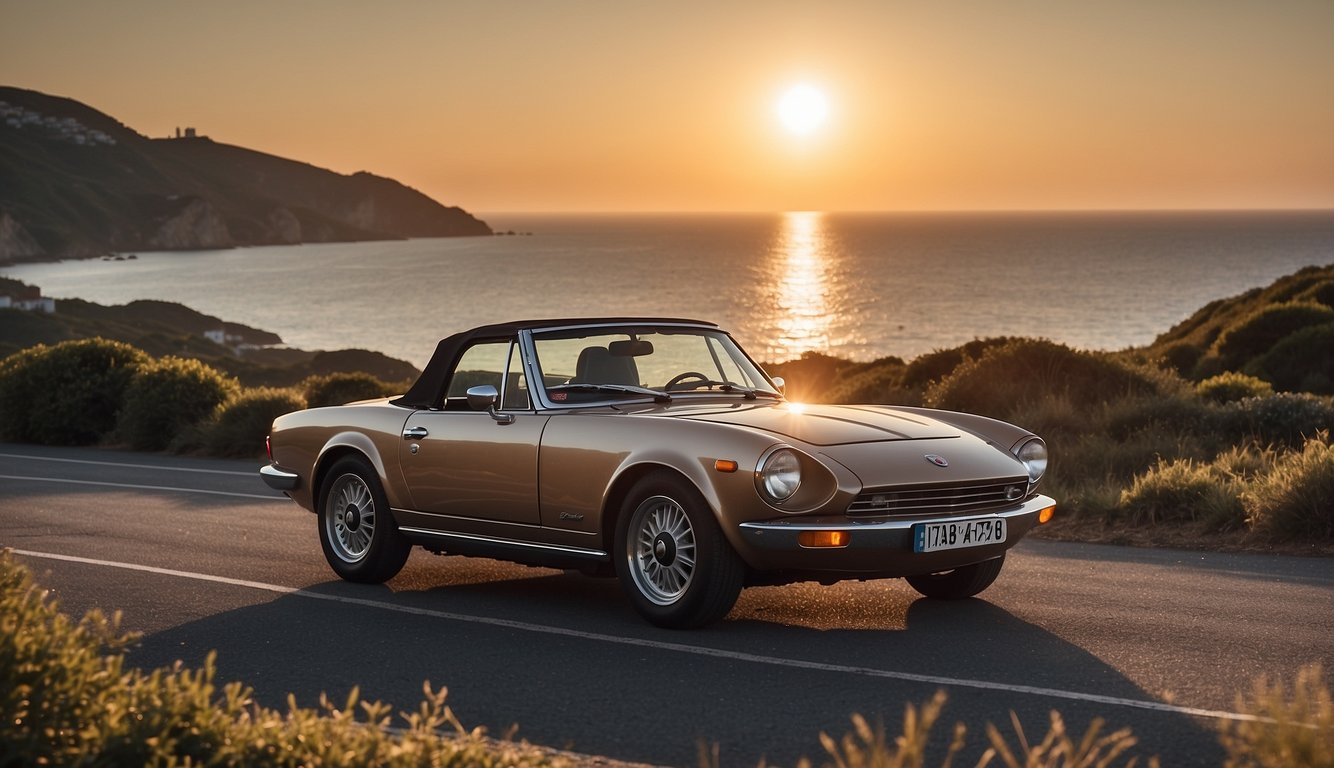
The Fiat 124 Spider, a hit from 1966 to 1985, was designed by Tom Tjaarda and built by Pininfarina. Its combination of style and performance made it a standout of its time. The car, with a monocoque body and rear-wheel drive, debuted at the 1966 Turin Auto Show and saw updates over its lifespan, including a rebrand to Spider 2000 from 1979 to 1982. Now seen as a future collectible, its value is climbing, and it remains beloved by classic car aficionados.
Mercedes-Benz W116 (1972-1980)
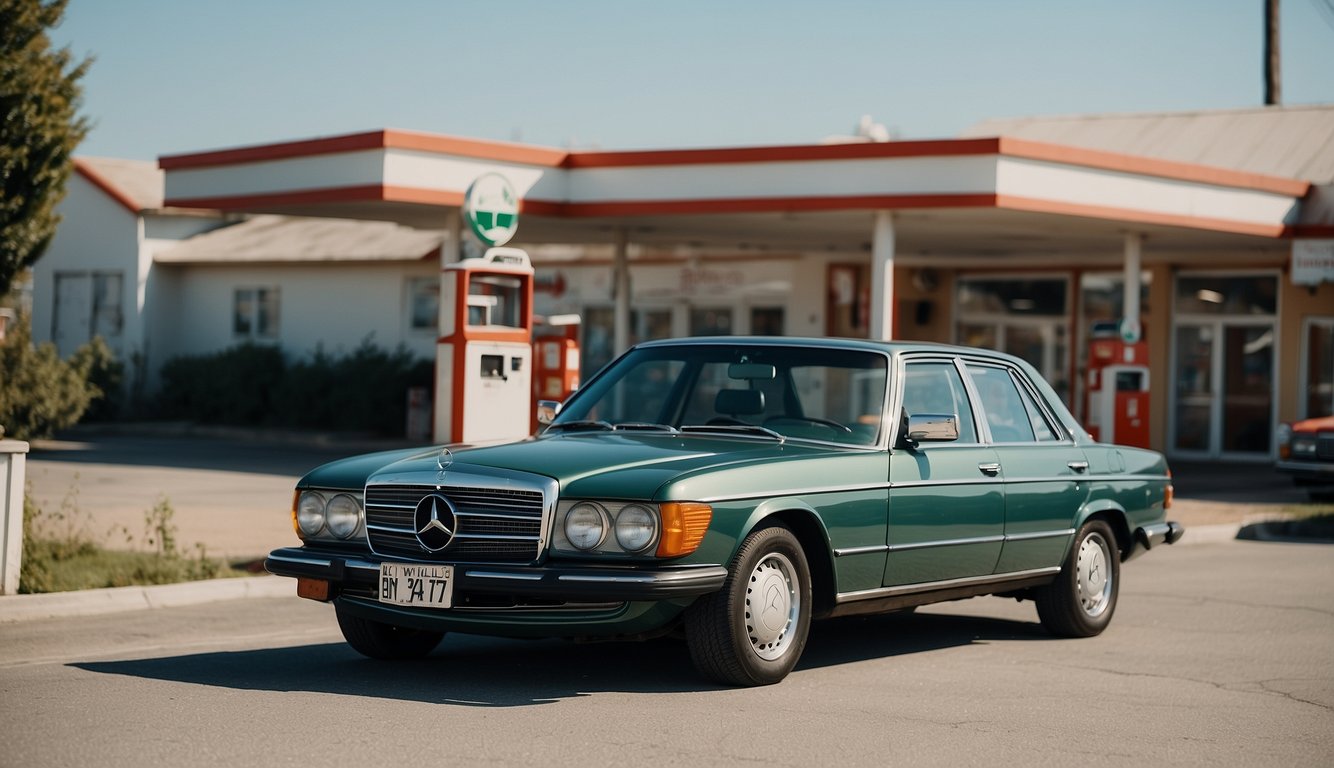
The Mercedes-Benz W116, produced from 1972 to 1980, was the original S-Class model and a luxury sedan pioneer. Its sleek design, advanced safety features, and options like ABS brakes made the W116 Best of the Best W116 among cars of that era. It gained respect and continues to be a cherished classic.
Jaguar XJS (1975-1996)
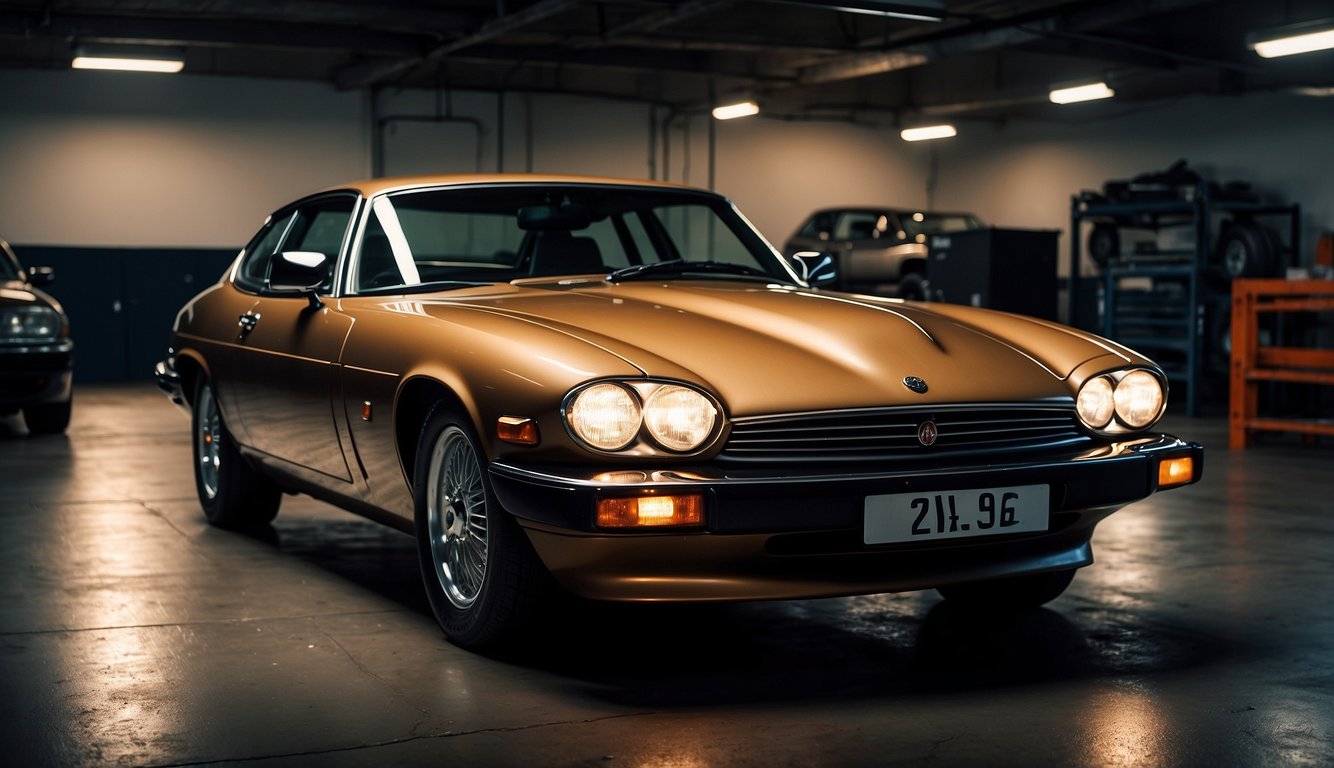
The Jaguar XJS, a luxury grand tourer introduced in 1975, had a 20-year production span with coupé, fixed-profile, and convertible variants. Built on the XJ saloon’s platform, it featured a unique design and powerful engines. Over three generations, it evolved into an emblem of British car history. In the 1970s, the XJS was seen as the E-type’s fitting heir due to its comfort and performance.
Ford Gran Torino (1972-1976)
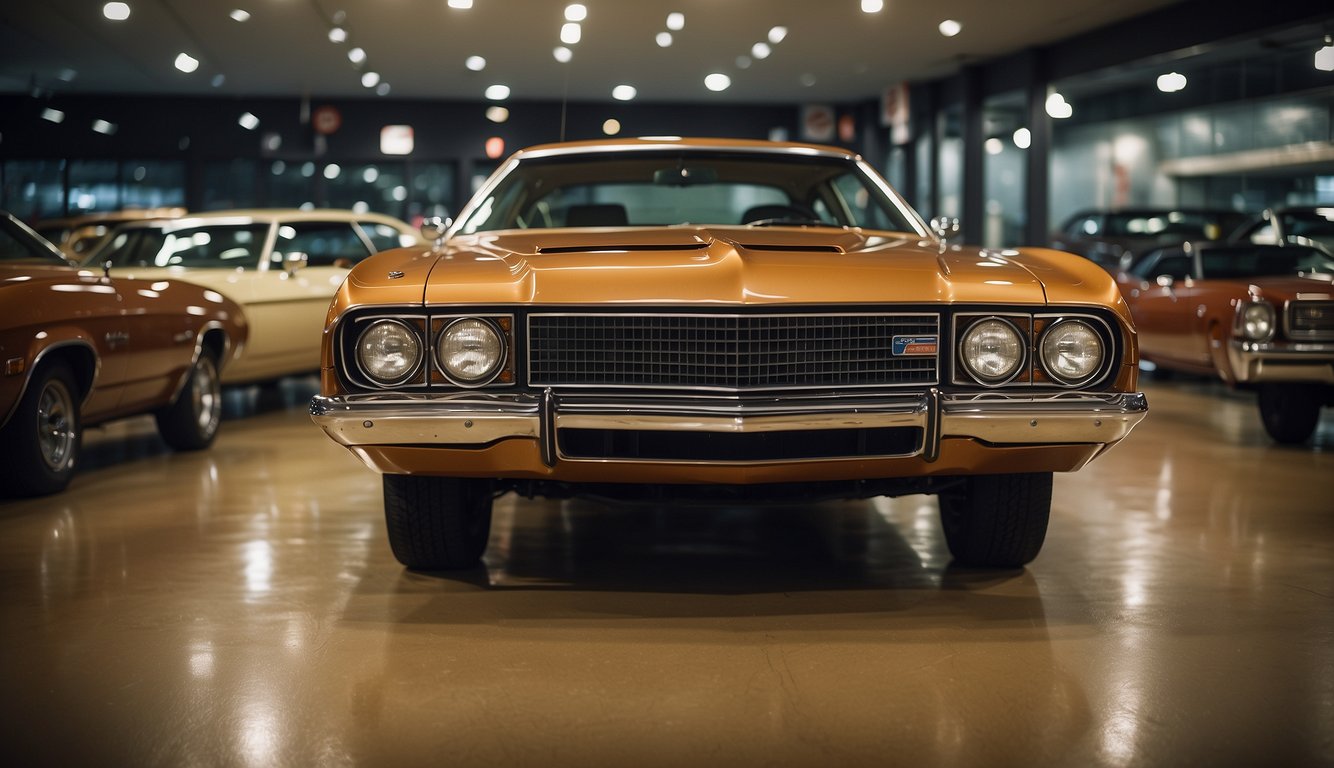
Produced from 1972 to 1976, the Ford Gran Torino was a standout American classic with robust engines, like the Cobra Jet 429 V8. It delivered rapid 0-60 mph acceleration and high triple-digit top speeds. The Gran Torino, a muscle car, featured a sleek design with bold lines. The 1972 Gran Torino Sport could hit 0-60 mph in 6.9 seconds and top out at 140 mph, epitomizing the era’s muscle car prowess.
AMC Gremlin (1970-1978)
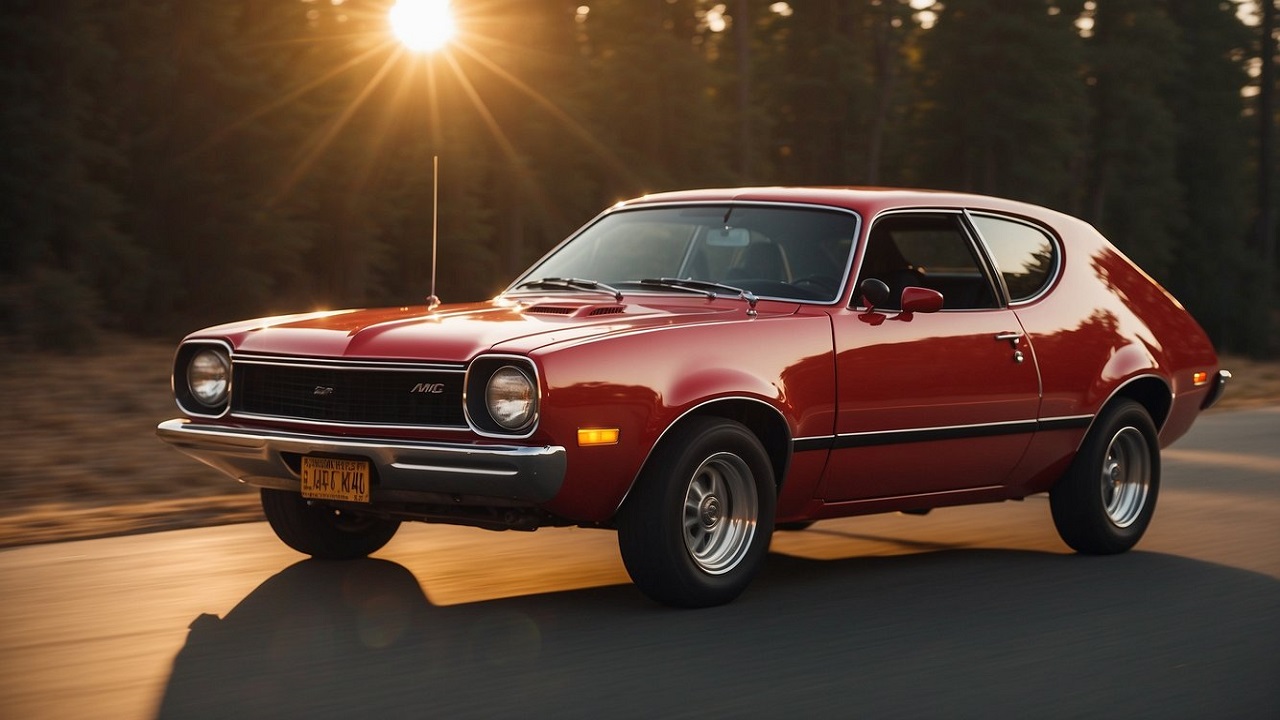
The AMC Gremlin was a subcompact automobile introduced in 1970, produced until 1978. Known for its distinctive style, it featured a pronounced kammback tail. During its run, over 670,000 units were built. Values for well-kept Gremlins can range from $5,000 to $20,000, depending on condition and rarity.
Lotus Esprit (1976-2004)
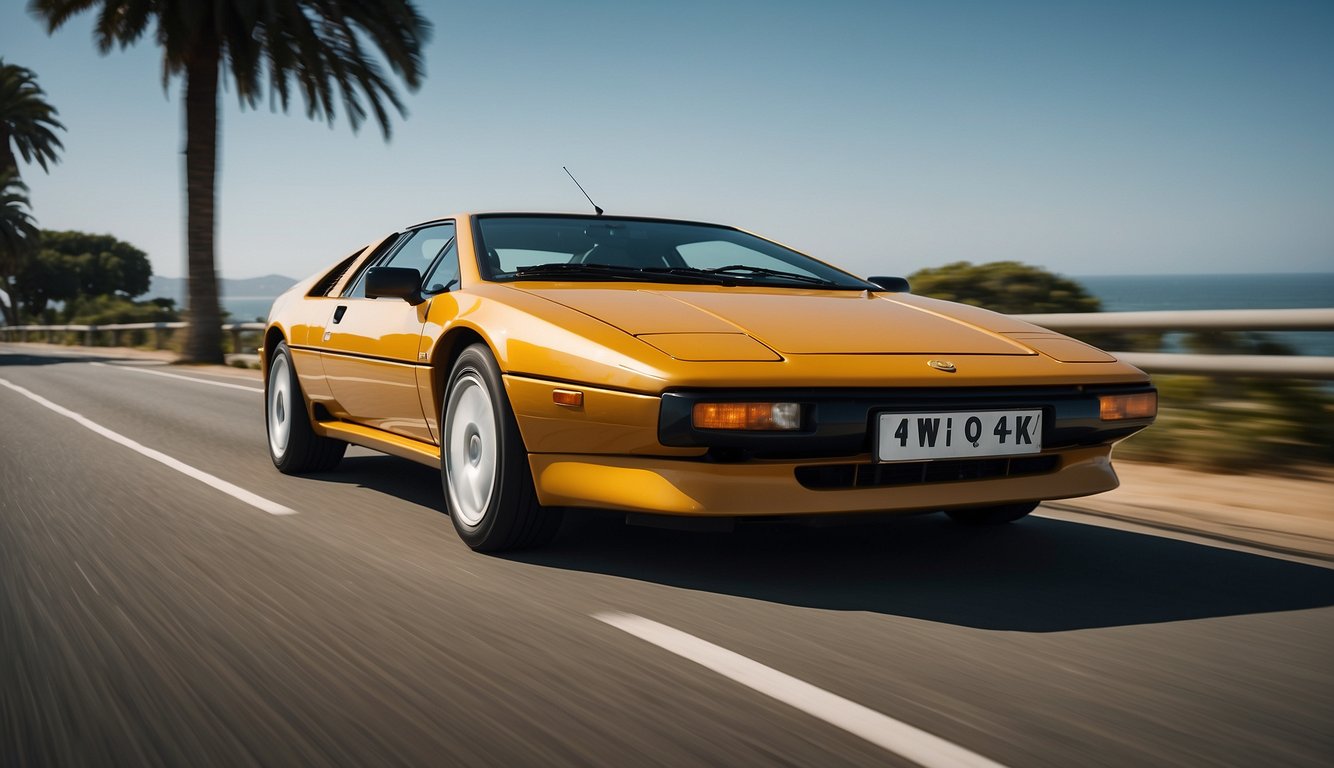
The Lotus Esprit first appeared in 1976 as a sports car, establishing itself as an iconic vehicle of the ’70s. Produced for 28 years, over 10,000 units were manufactured, cementing its place as a remarkable car. Initially developed with a Lotus-Ford 2.0-liter engine, it gradually increased to 2.2 liters. Its unique design, featuring a rear mid-engine, made it stand out among its peers.
Triumph TR7 (1975-1981)
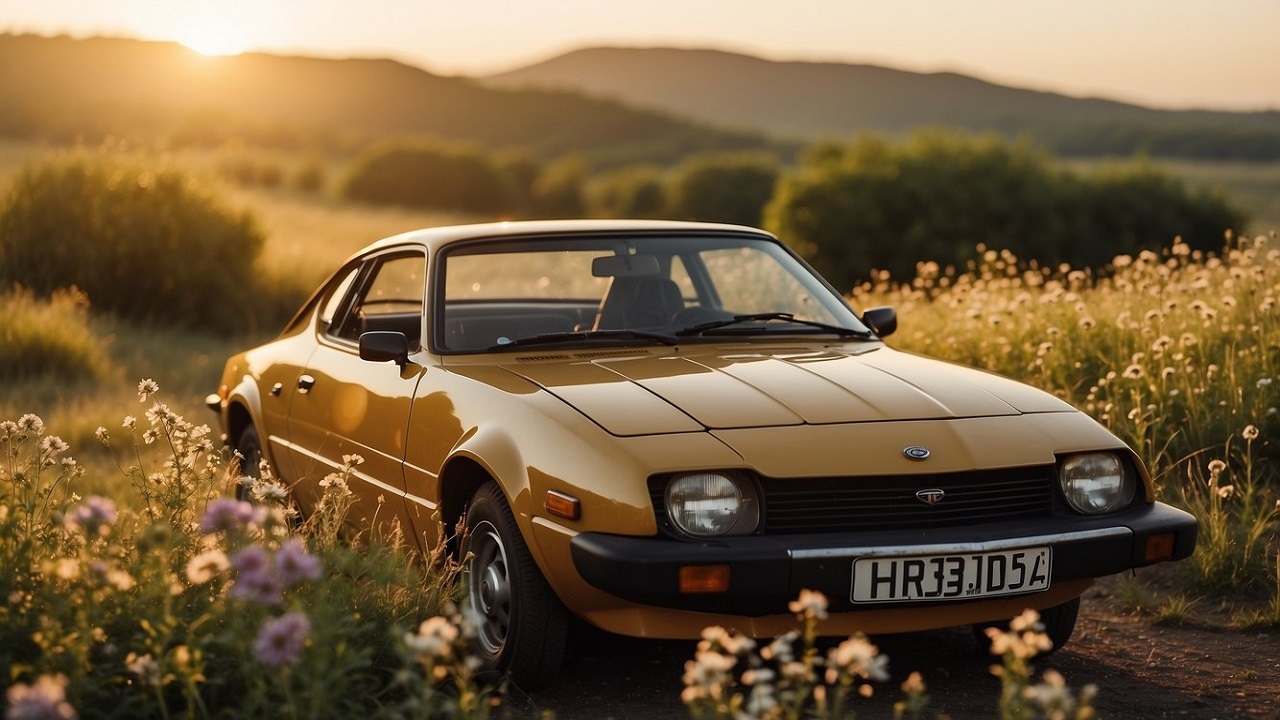
The Triumph TR7, a British sports car made by British Leyland from 1974 to 1981, featured a bold design by Harris Mann, breaking from traditional Triumph styles. It debuted in the US in January 1975, with its UK launch postponed due to strong demand. Despite mixed reception and some purists’ resistance, the TR7 stands out as a significant 1970s vehicle, representing an audacious move to transform the British sports car market.
Peugeot 504 (1968-1983)
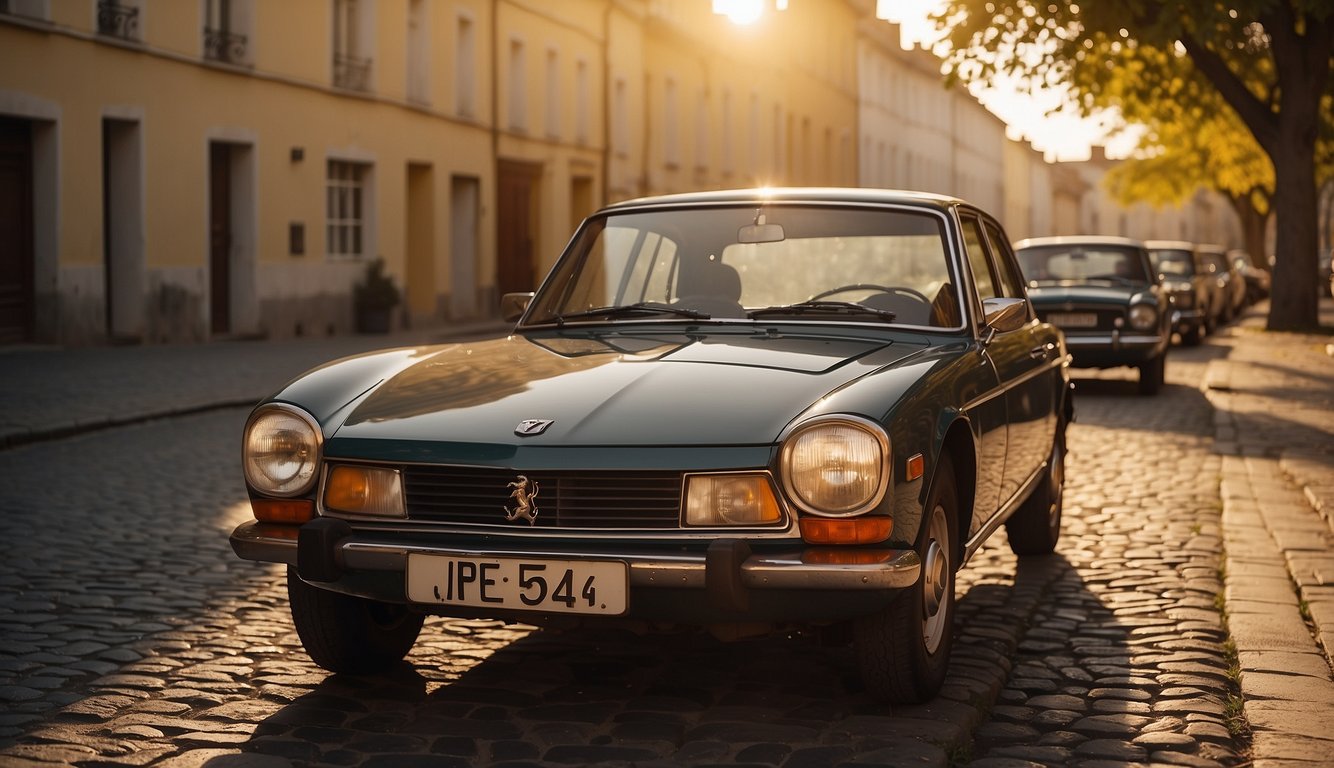
The Peugeot 504, a mid-size, front-engine, rear-wheel-drive automobile, was manufactured from 1968 to 1983. Its main body styles were sedans and wagons, but also available in coupé, cabriolet, and pickup truck variants. The 504 was known for its comfort, Euro-chic style, and near-extinct status in the UK. This French sedan from the late 1960s to early 1970s was often overshadowed by the Citroen CX.
Alfa Romeo Alfetta (1972-1987)
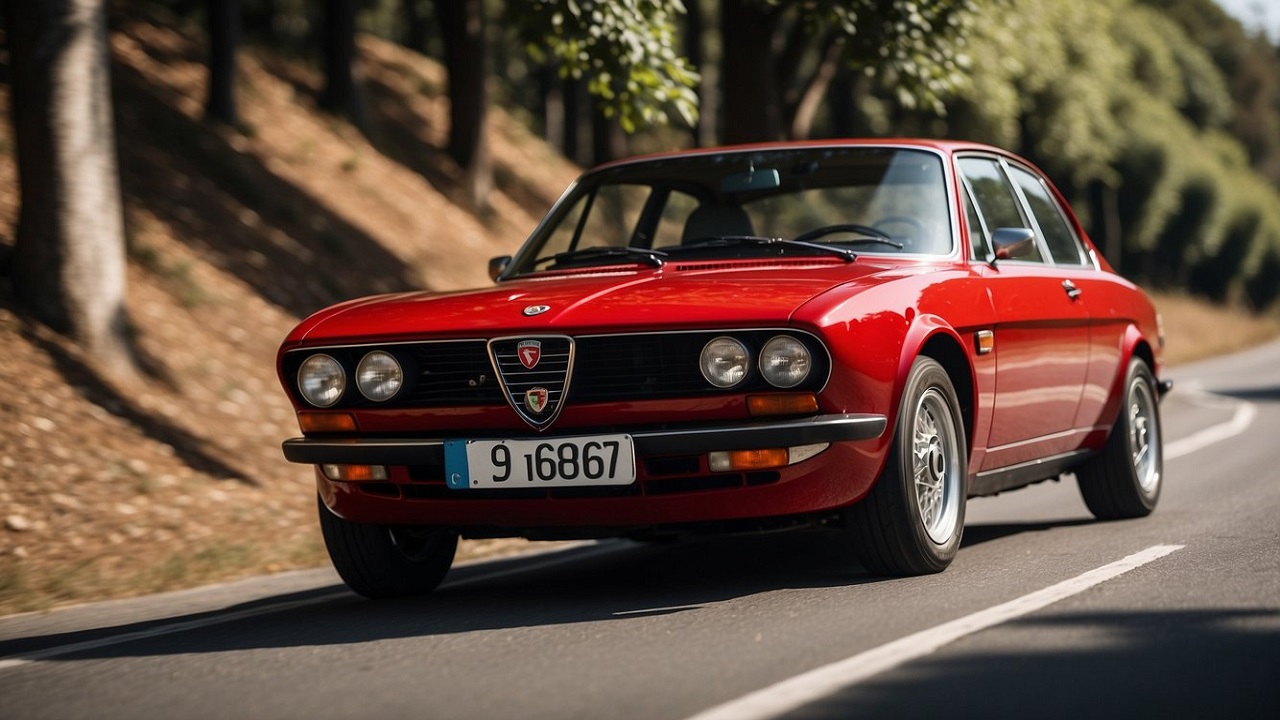
The Alfetta was known for its sporty performance and handling, thanks to its balanced weight distribution and rear transaxle. It was a popular choice for those who appreciated Italian engineering and design. A front-engine sedan and fastback coupé, it combined style with performance.
Cadillac Eldorado (1967-1978)
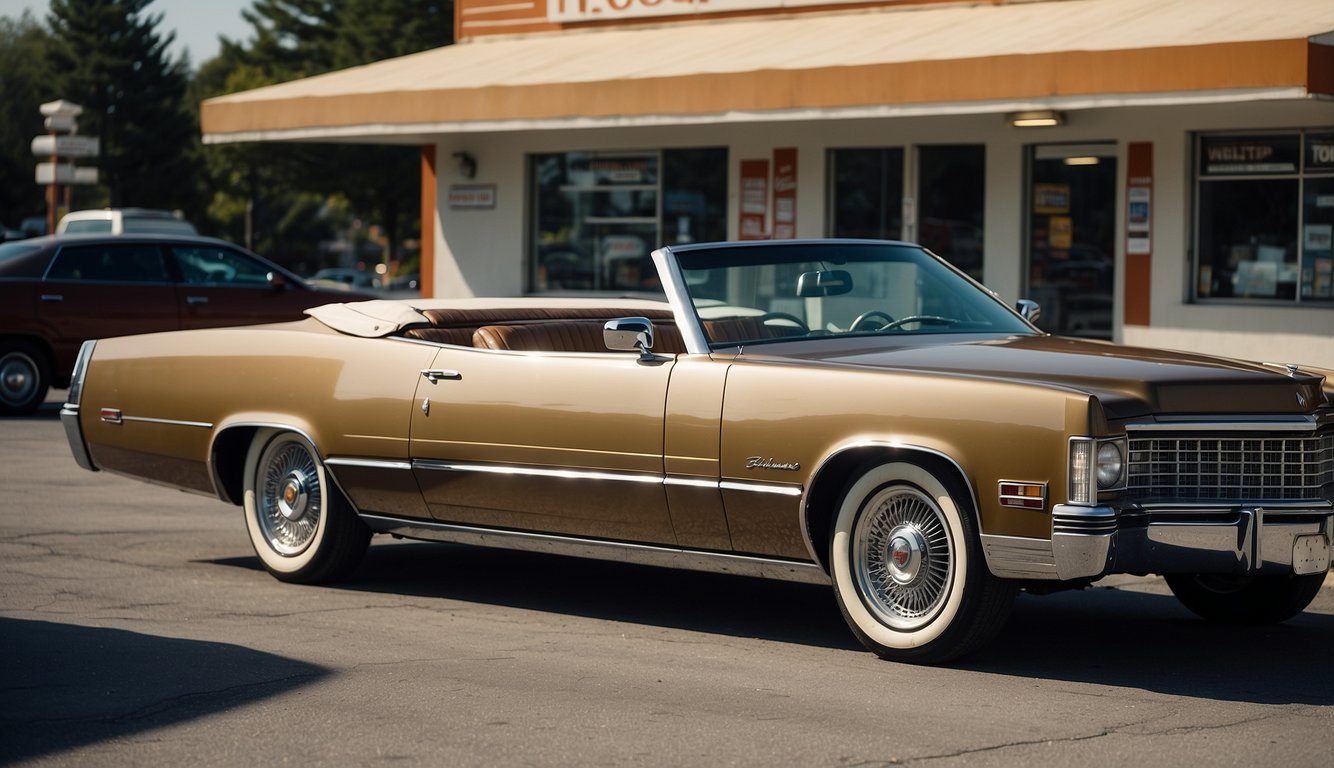
The Cadillac Eldorado is a true icon of the 1970s. Introduced in 1967, the Eldorado morphed into a symbol of American luxury and innovation. They offered bold design, advanced technology and robust performance. These classic cars stand testament to 1970s automotive masterpieces.
Saab 99 (1968-1984)
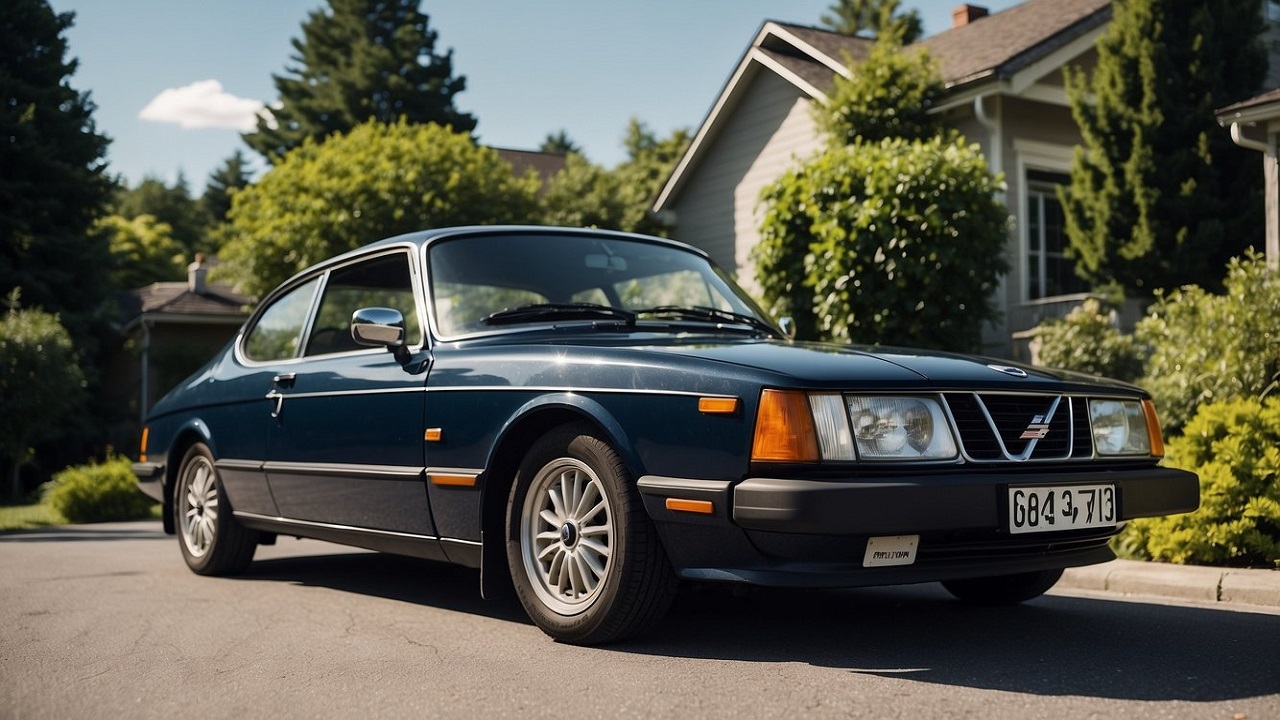
As Saab’s first venture into a larger class than the Saab 96, this vehicle grabbed attention in various markets. In Scandinavia, it was a popular large family car, while it was marketed as a niche compact executive car in most other regions.
Notable features of the Saab 99 included its technical advancements and comfortable driving experience. The launch of the 99 Turbo in the 1970s was particularly groundbreaking, as it was the world’s first mass-produced family car with a turbocharged engine. The Saab 99 was eventually succeeded by the Saab 900, yet both models continued to be produced side by side for some time.
Alfa Romeo Montreal (1970-1977)
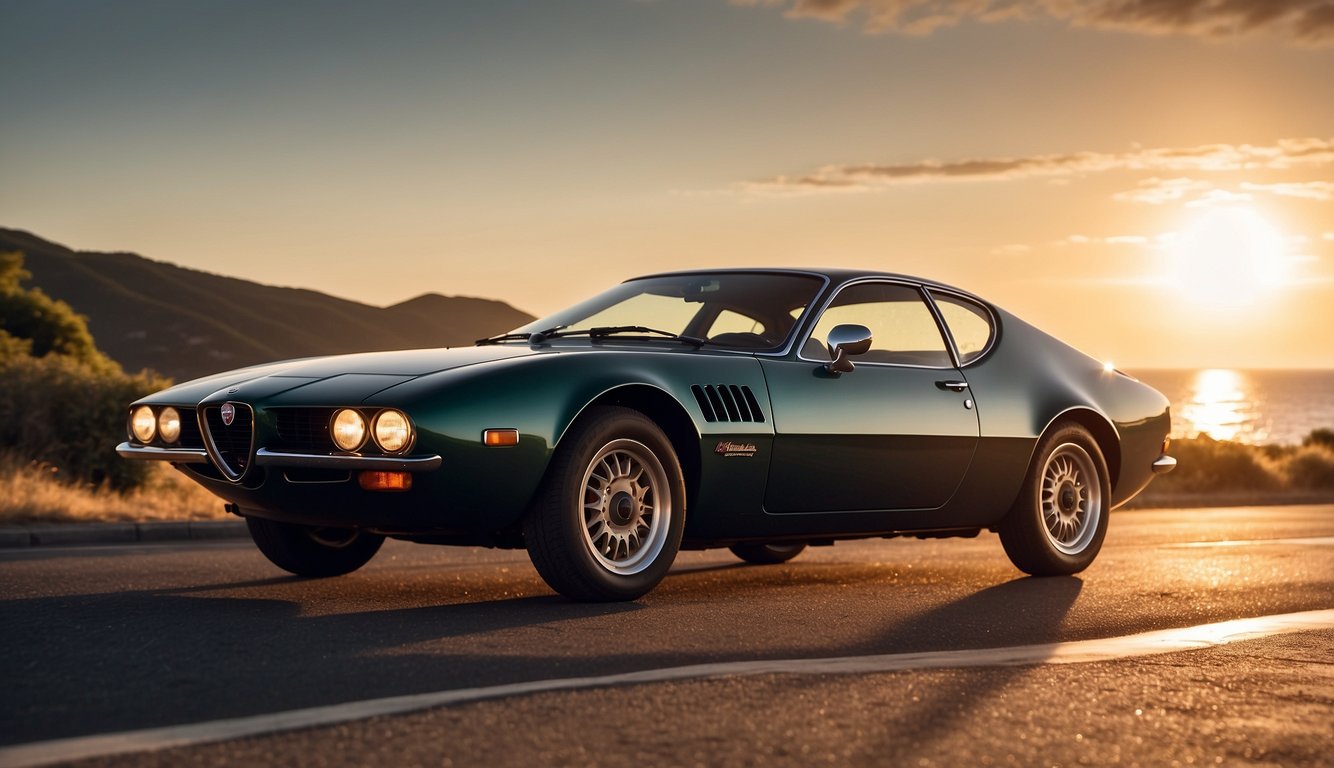
The Alfa Romeo Montreal was a unique car introduced in the 1970s. Showcased first as a concept in Expo 67, it gained fame for its distinctive design by Marcello Gandini at Bertone. Under the hood, this 2+2 coupe housed an impressive V8 engine. It was known for its headlight treatment and limited-slip differential, offering drivers a thrilling experience on the road. The Montreal stands as a remarkable car of the 1970s era.


