Liberals often embrace electric vehicles (EVs) as part of a broader commitment to environmental sustainability and combating climate change.
The push for EVs aligns with liberal values that prioritize reducing carbon emissions and transitioning to renewable energy sources. This is reflected in various policy proposals and incentives designed to encourage the adoption of EVs.
However, many Americans remain hesitant about EVs for several reasons. Some concerns include the cost of EVs, which can be higher upfront than traditional internal combustion engine vehicles, although this is changing as technology advances and economies of scale are achieved.
Additionally, there are concerns about the availability and convenience of charging infrastructure, especially for long-distance travel or for those living in apartments or homes without dedicated charging options.
Environmental Advocacy

Liberals often prioritize environmental sustainability and combating climate change. EVs produce fewer greenhouse gas emissions compared to traditional internal combustion engine vehicles, especially when charged using renewable energy sources
Clean Energy Agenda
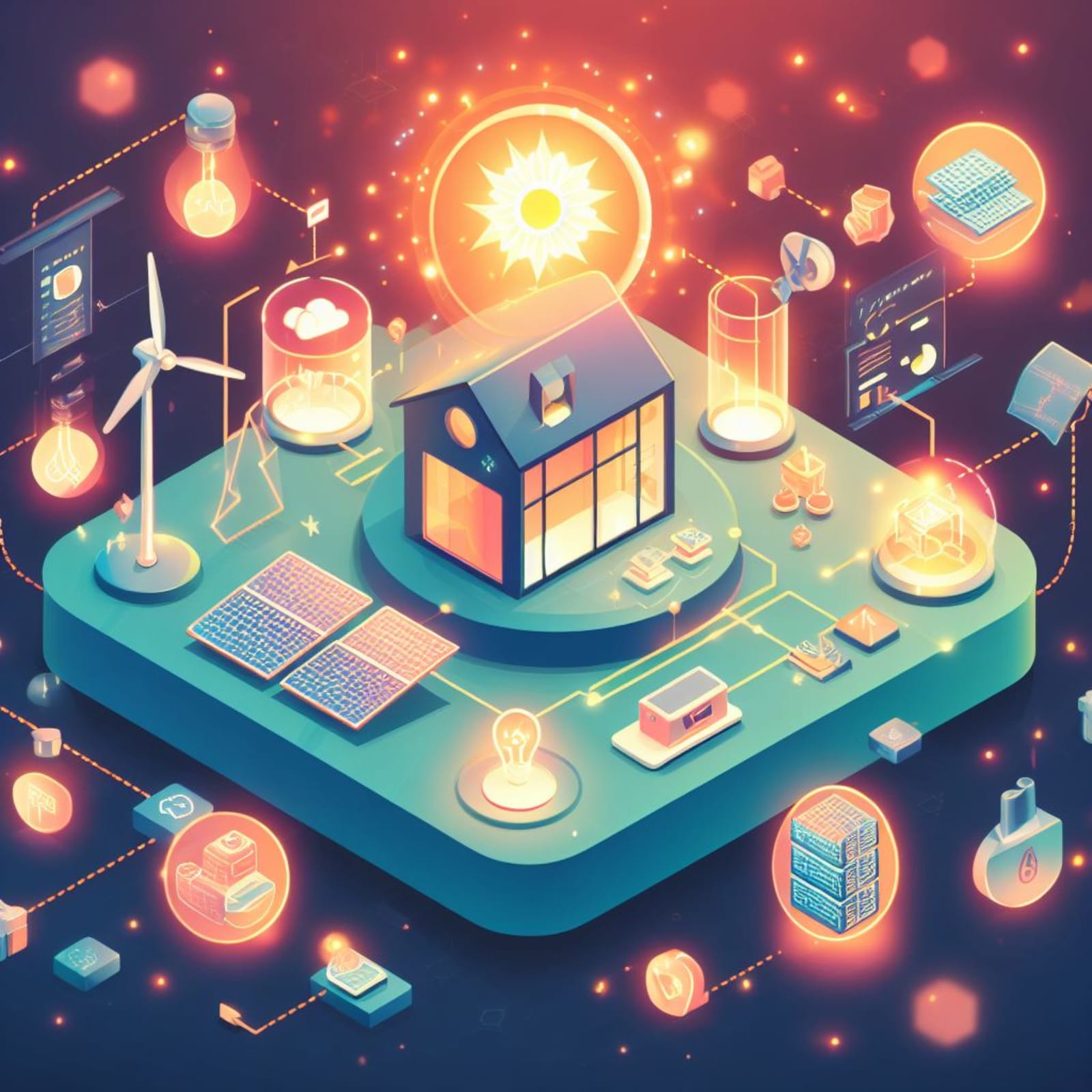
Liberals may view the promotion of electric vehicles as part of a broader clean energy transition. This transition aims to reduce dependence on fossil fuels, decrease air pollution, and promote the use of renewable energy sources.
Global Climate Change Initiatives

Supporting EVs is part of a global initiative to combat climate change. As a liberal, you might agree that driving an EV indicates active participation in these worldwide efforts.
Public Health Concerns

Electric vehicles contribute to better air quality by producing zero tailpipe emissions. Liberals concerned about public health and the impact of air pollution on communities may see EVs as a solution to improve local air quality.
Innovation and Technology Support

Liberals often support technological advancements and innovation. The development and adoption of electric vehicles represent a shift toward more advanced and sustainable transportation technologies.
Energy Independence

Promoting electric vehicles can be seen as a way to reduce dependence on imported oil and enhance energy independence. This aligns with liberal goals of promoting domestic energy sources and reducing reliance on non-renewable resources.
Job Creation in Renewable Energy Sector

Liberals may support the growth of the renewable energy sector, including the manufacturing and maintenance of electric vehicles. This can lead to job creation in industries related to clean energy technologies.
Incentives for Low-Income Communities

Some liberals advocate for policies that provide incentives for electric vehicle adoption, particularly in low-income communities. This may include financial incentives, subsidies, or programs aimed at making EVs more accessible to a broader range of people.
Global Leadership in Sustainable Practices

Adopting EVs positions a nation as a leader in sustainable practices. You might take pride in your country pioneering the movement towards greener transportation options.
Reasons Most Americans Are Hesitant
While electric vehicles (EVs) offer a path toward a more sustainable future, you’ll find that many Americans still approach them with caution. Dive into the specific concerns and factors contributing to this hesitancy.
Cultural Attachments to Traditional Vehicles

You might find comfort in the familiar roar of a gasoline engine over the silence of an EV. This cultural attachment to traditional vehicles, with their longstanding presence in American life, can influence your vehicle choices.
Political Ideological Divides
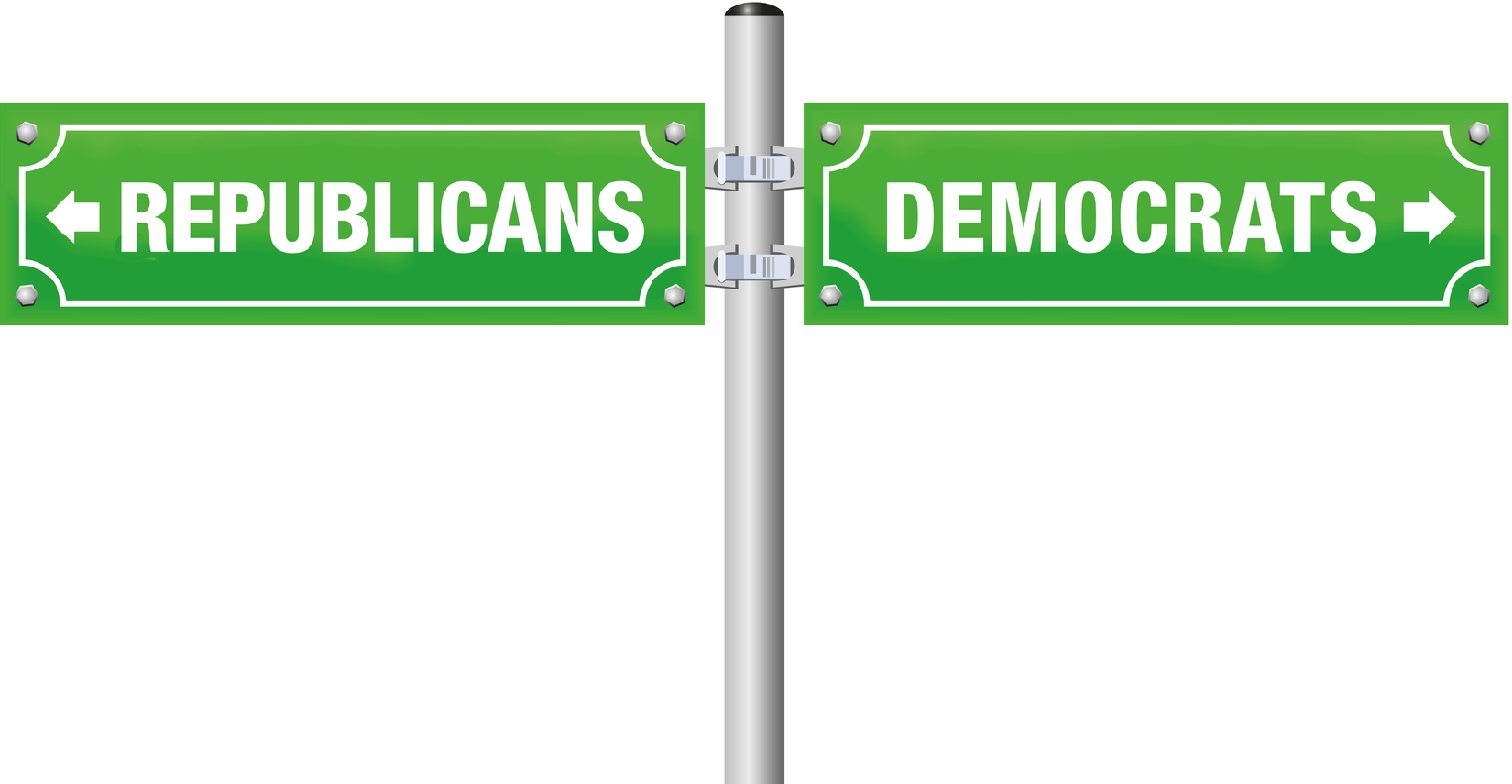
Your political viewpoints may affect your willingness to transition to an electric vehicle. If you view EVs as a symbol of liberal policies, this might clash with your personal ideologies, causing hesitancy.
Skepticism Toward Change

You might be naturally inclined to question new technologies, including EVs. This skepticism can lead to hesitation, as you weigh the promised benefits against potential risks and unknowns.
Practical Concerns

For you, the practicality of using an EV every day plays a crucial role. Concerns about vehicle reliability, the complexity of their technology, and their suitability for various climates and terrains linger in your mind.
Perceptions of Government Intervention

You could see the push for EVs as government overreach, making you wary. The idea of being compelled to switch can provoke resistance, particularly if you value personal choice in your consumer decisions.
Access to Information and Education

With the right information and education, you might be more open to EVs. However, if you feel that clear and reliable information is not readily available, it can hinder your move toward embracing new automotive technologies.
Economic Considerations

Your financial concerns are valid, as you ponder the long-term savings of an EV against the upfront costs. You’re balancing your budget with the potential economic benefits of owning an electric vehicle.
Range Anxiety

You may worry about how far an EV can travel on a single charge. This “range anxiety” can be a significant deterrent, especially if you frequently take long trips or lack confidence in the battery technology.
Charging Infrastructure

Your concerns about the availability and convenience of charging stations are understandable. Hesitation arises when you imagine the practicality of charging an EV compared to the ease of finding a gas station.
Initial Cost

The initial cost of purchasing an EV can be daunting for you. If you’re used to the price range of traditional vehicles, the sticker shock of many electric models might be a significant barrier.
Lack of Model Variety

You enjoy having a wide range of options to choose from. With a perceived lack of variety in the EV market, you might feel forced to compromise on style, features, or functionality.