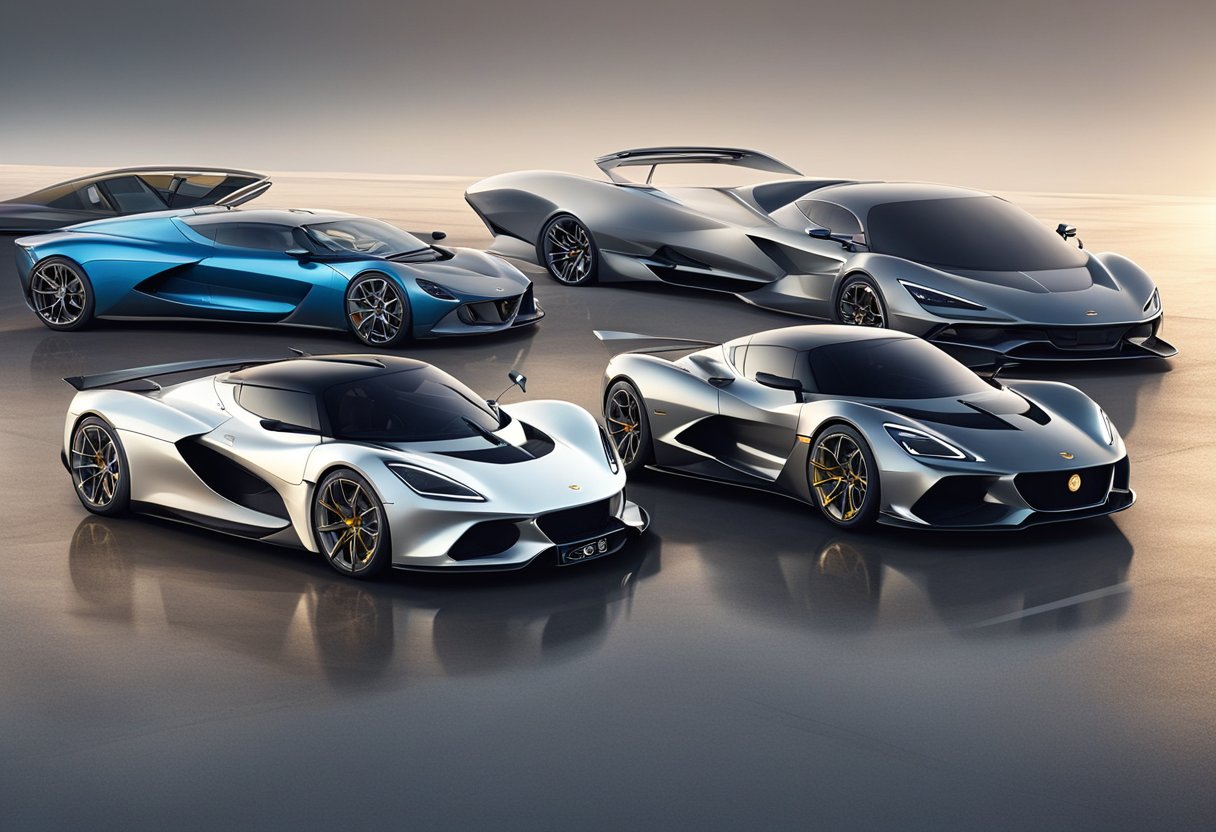
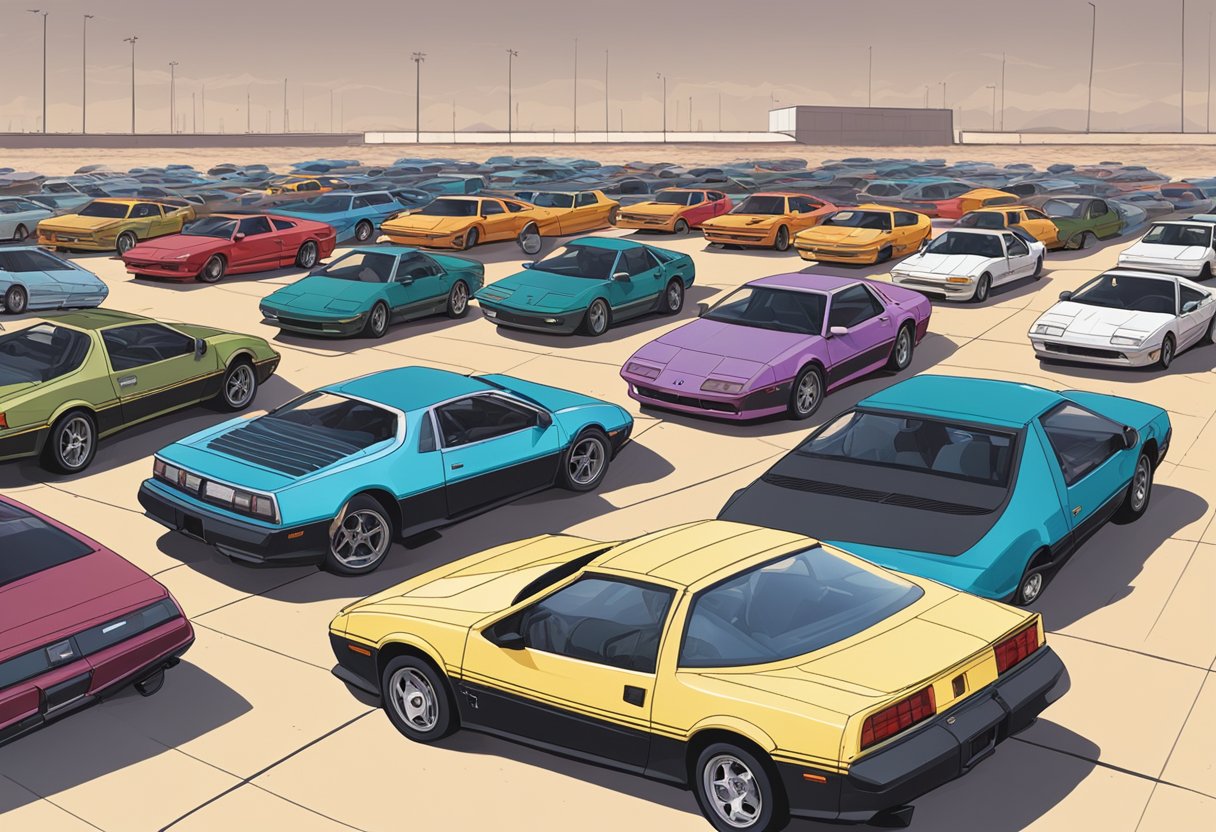
Imagine soaring above the clouds in the plush comfort of your private jet—now picture a luxury that transcends even that high-flying indulgence. We’re venturing into a realm where the world’s most opulent cars eclipse the extravagance of private aviation, commanding price tags that rival the cost of wings.
These aren’t mere vehicles; they are the zenith of opulence on wheels, a rarified breed of machines that redefine the essence of wealth and prestige. Prepare to be enthralled as we unveil automotive marvels so lavish, they make cruising the earth’s boulevards a journey more enviable than owning the skies.
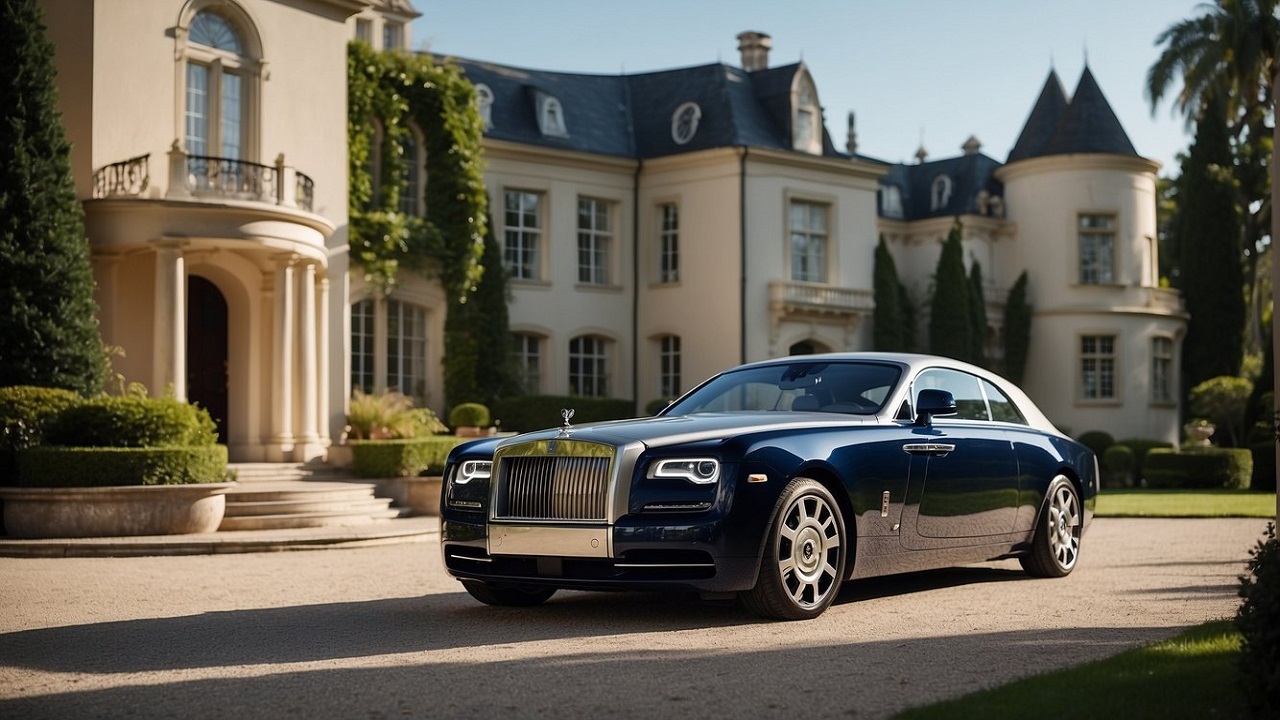
Experience the pinnacle of luxury with the Rolls-Royce Boat Tail, an exclusive masterpiece with only three ever made. This car isn’t just transportation; it’s a bold declaration of elegance and rarity on the road.
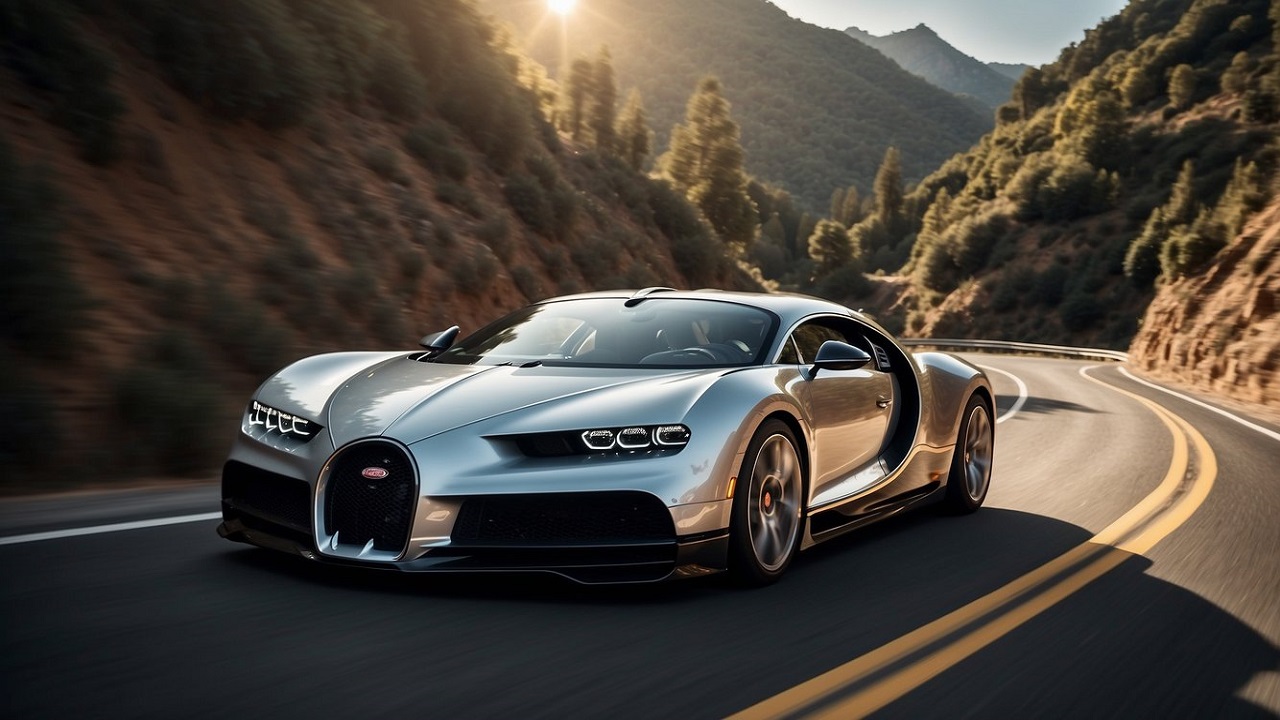
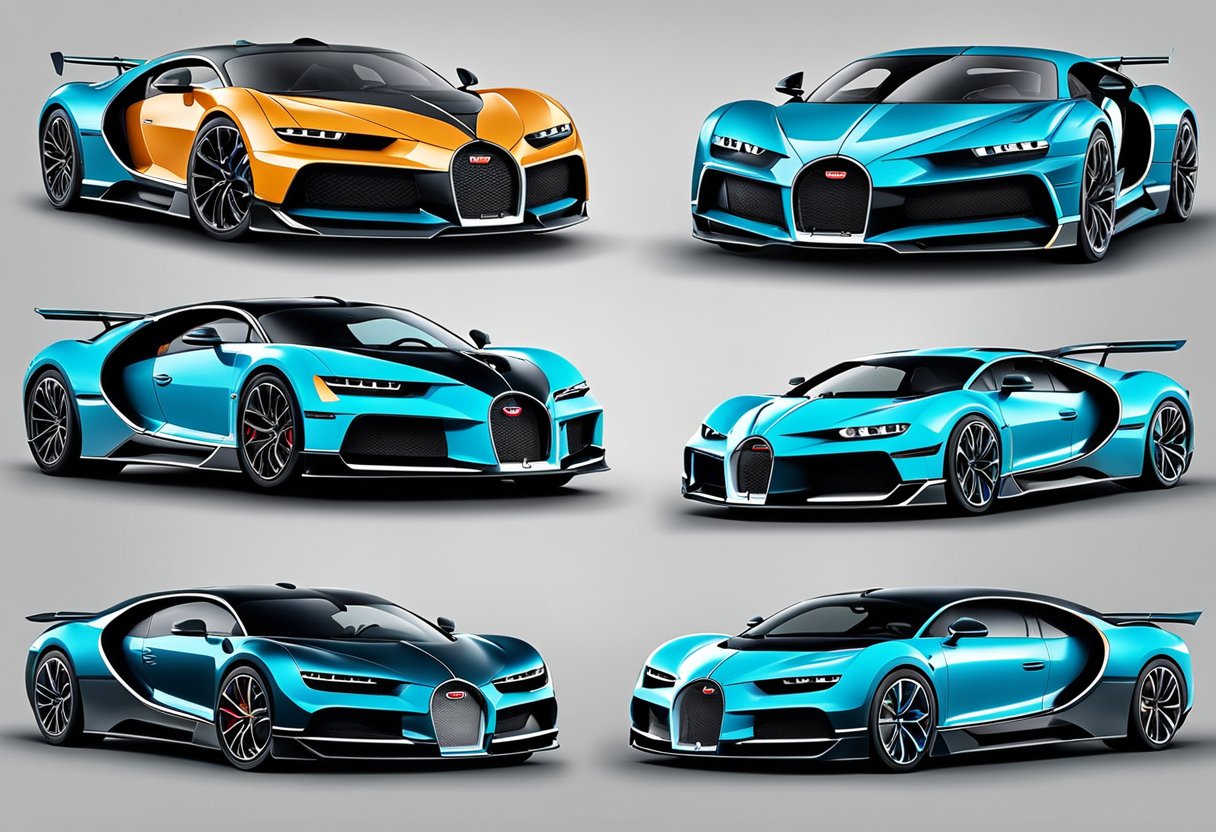
Your quest for the ultimate in opulence leads you to the Bugatti La Voiture Noire, a car that epitomizes exclusivity. Priced at $19 million, it stands among the most expensive vehicles in the world.
This isn’t just any car; it’s a custom-tailored work of art that resonates with Bugatti’s storied legacy, powered by an incredible 1,500 horsepower engine. Envision the sheer force at your fingertips—both mesmerizing and mighty.
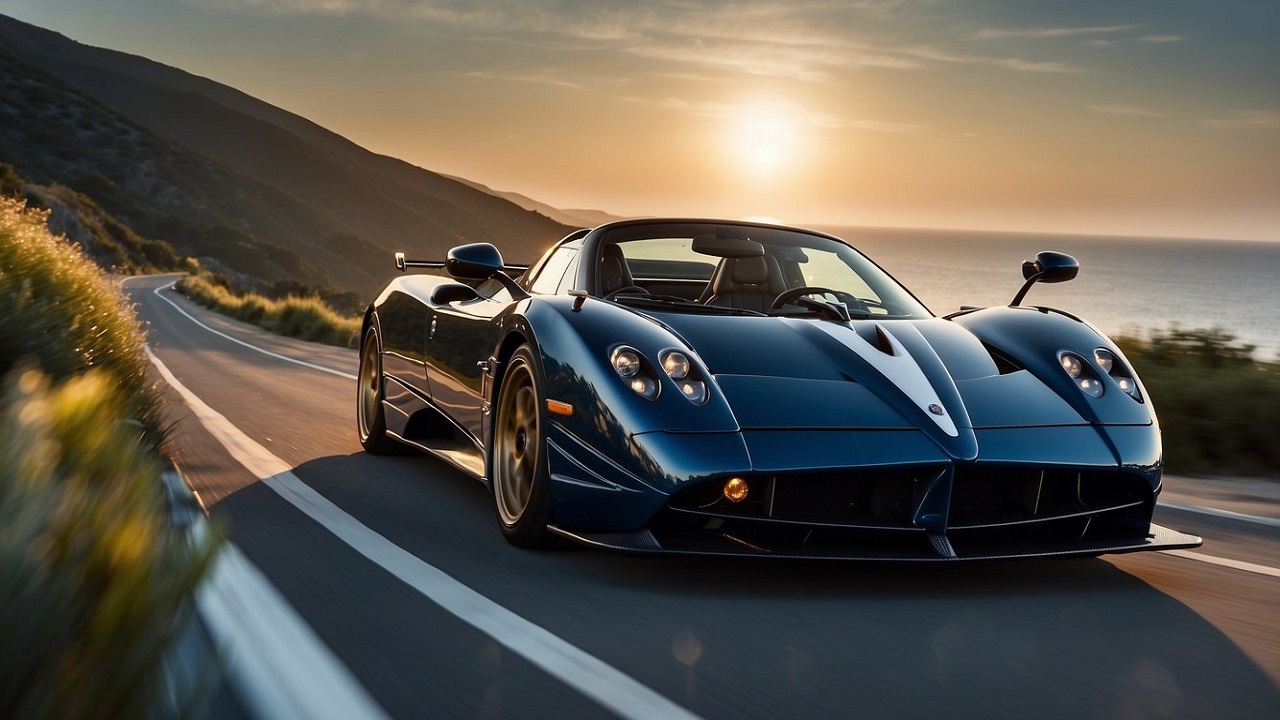
Only three Pagani Zonda HP Barchettas exist, ranking them among the world’s most expensive cars, with an astonishing price range of $17 million to $23.65 million.
Engine: 7.3L V12 Horsepower: 789 hp Top Speed: 221 mph
This vehicle is more than just a mode of transportation; it’s a mobile work of art, meticulously designed to optimize both performance and aesthetics.
You have the opportunity to possess a symbol of automotive magnificence with the Rolls-Royce Sweptail. Its design, inspired by the elegance of yachts and featuring a distinctive glass roof, stands as a testament to luxury and individuality. This bespoke wonder is available to only an exclusive few.
You’ll be in awe of the Bugatti Centodieci, carrying a jaw-dropping price tag of $9 million to $12 million. As the quintessence of luxury, only ten of these cars have been made, each serving as an homage to Bugatti’s iconic EB110. Equipped with an 8.0-liter W16 engine and an impressive 1,600 horsepower, the Centodieci delivers unparalleled exclusivity and thrilling performance.
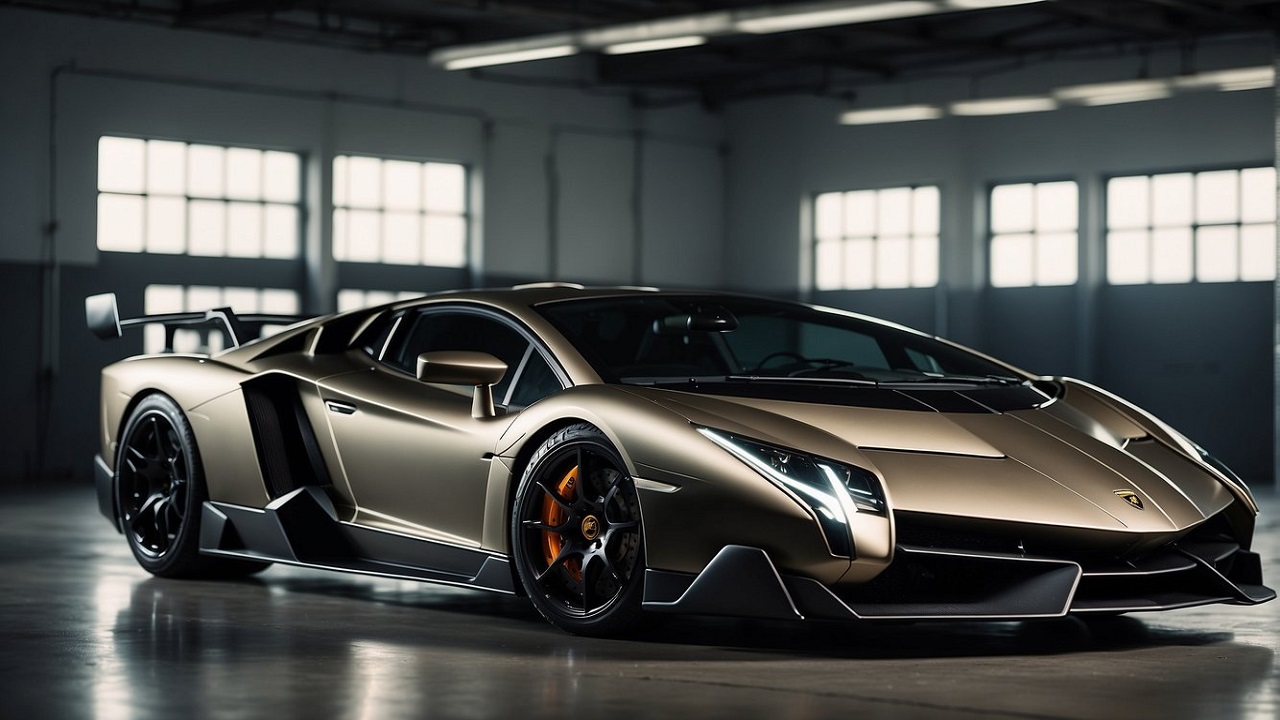
Envision yourself at the helm of the Lamborghini Veneno, a rare find priced between $4.5 million and $8.3 million. Its 6.5-liter V12 engine provides unmatched power and velocity. Embrace the excitement.
The Bugatti Divo commands attention with its substantial $5.8 million price tag. This ultra-luxury hypercar isn’t solely focused on speed; it’s a celebration of superior craftsmanship and exclusivity. What sets it apart and makes it pricier than many private jets includes:
Exclusivity: Limited to 40 units.
Performance: Track-optimized with bespoke aerodynamic design.
Design: Unique, aggressive styling tailored to perfection.
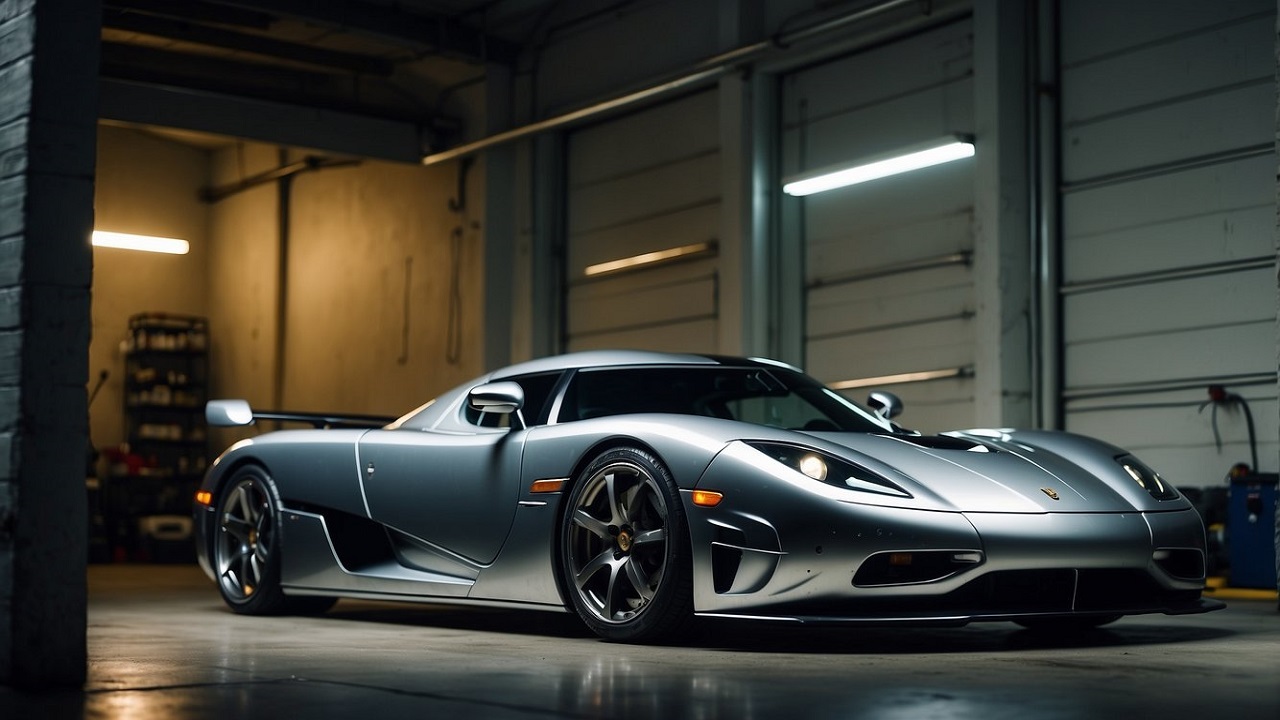
You’ve uncovered a treasure in the car industry with the Koenigsegg CCXR Trevita, a vehicle that goes beyond ordinary luxury. Its body features a distinctive carbon weave that glints with a silvery-white sheen, enhancing its charm. Accelerating to 60 mph in just 2.9 seconds, you’re in control of a rare hypercar capable of an astonishing top speed of 254 mph.
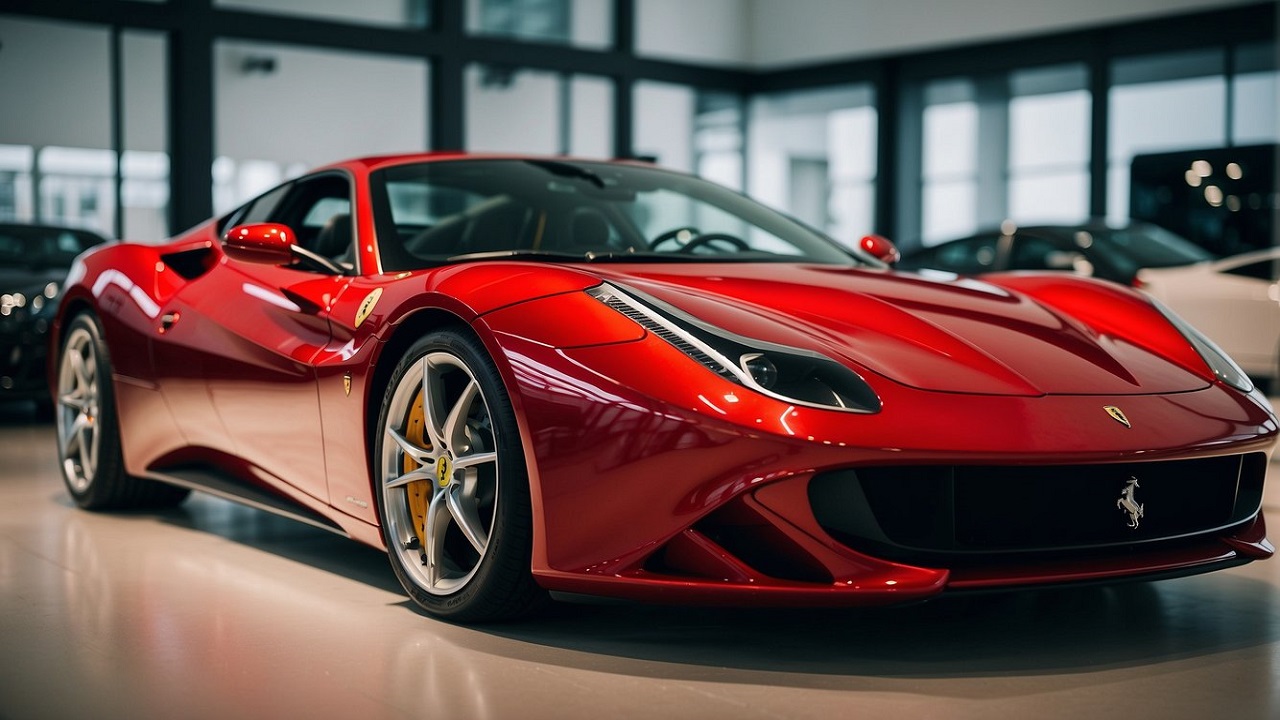
Are you interested in a rare treasure? The Ferrari F60 America might be your dream car. Commemorating Ferrari’s 60 years in the USA, only ten were made. It features a 6.3-liter V12 engine with 730 horsepower. Each unit was sold for an impressive $2.6 million.
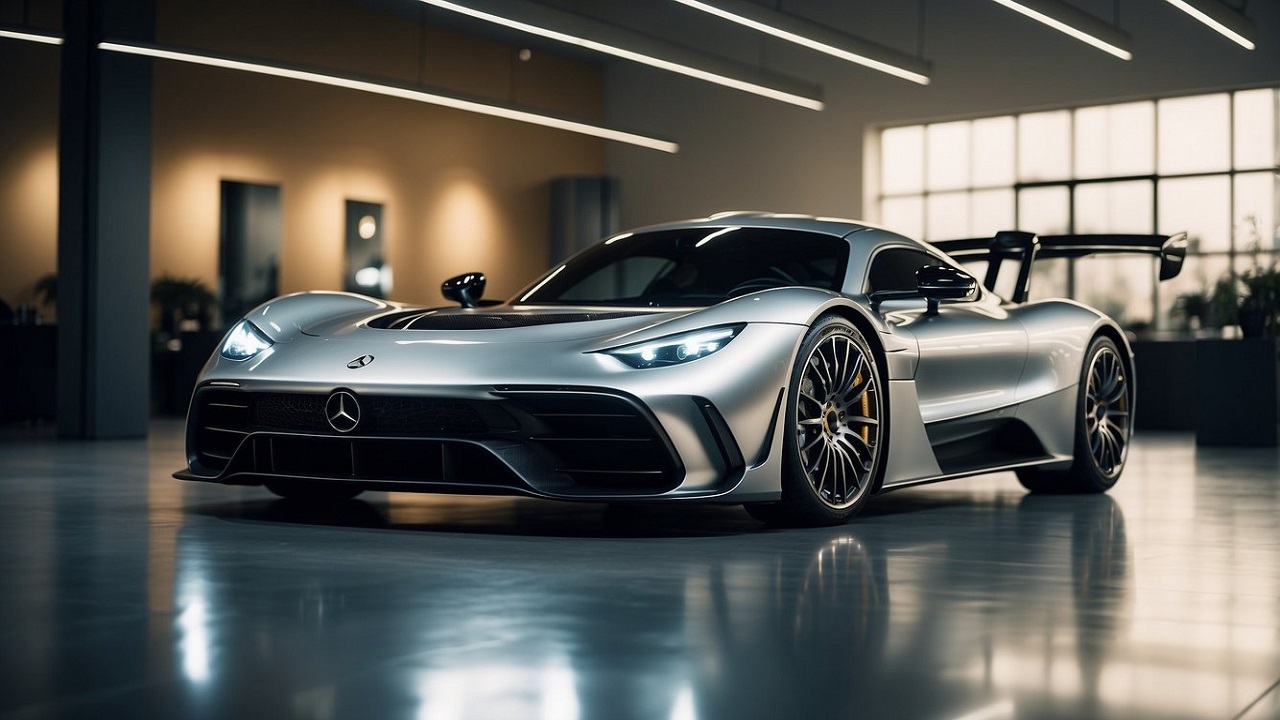
Your passion for speed and luxury converge in the Mercedes-AMG One. Every journey in the AMG One is a testament to meticulous engineering and exclusivity. This high-performance hypercar delivers Formula 1 technology to the public roads.
Your interest in top-tier electric vehicles brings you to the Lotus Evija. With a price tag of approximately $2.3 million, it represents more than mere transportation; it’s a bold expression of style and intent. Weighing just over 3,700 pounds and capable of top speeds over 200 mph, this car offers a preview of the future of high-performance electric vehicles.
The Evija is not solely about velocity; it provides a customizable driving experience with five modes, including Range and City, to seamlessly align with your travel needs. Picture yourself accelerating to 62 mph in under three seconds, in a vehicle whose design is as stunning as its performance. The Evija is more than a car; it’s a reflection of your refined preference for cutting-edge technology and opulence.
Envision dominating the streets in your McLaren Speedtail, a hybrid hypercar that embodies luxury at electrifying speeds. With only 106 units in existence, it’s as rare as it is fast. Strap in; a ride capable of reaching a top speed of 250 mph awaits you.
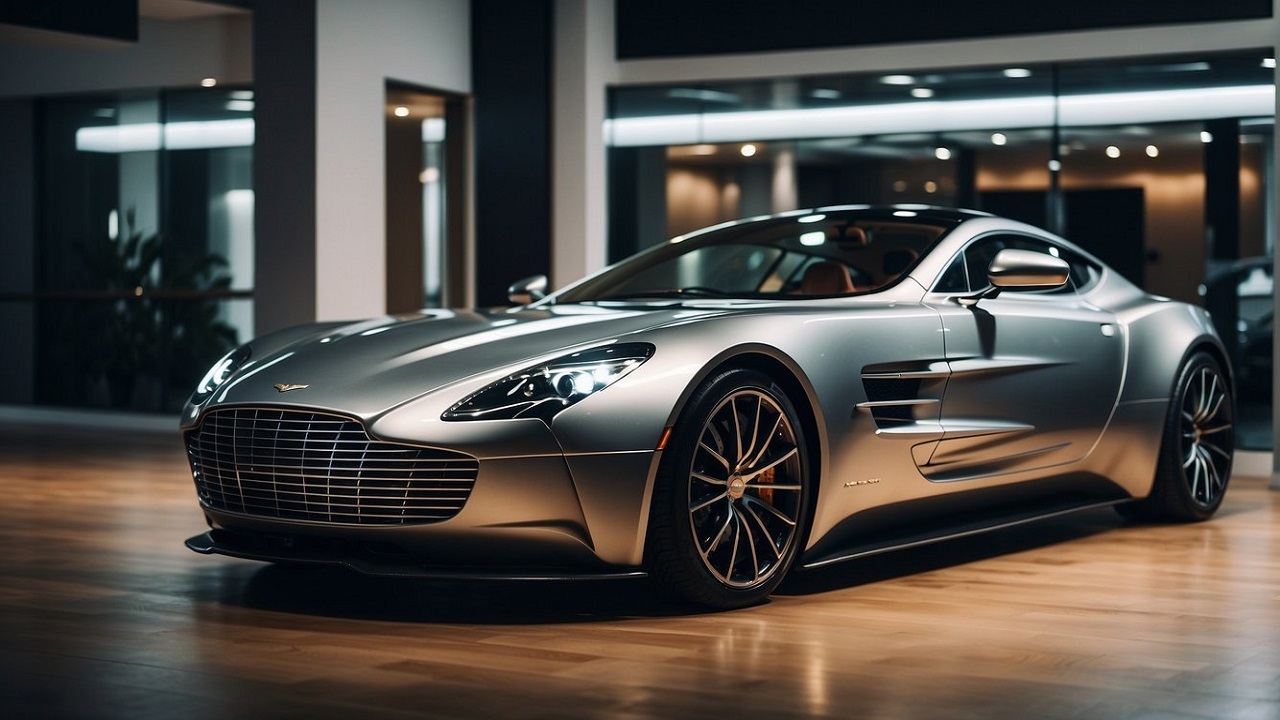
Aston Martin One-77 transcends mere luxury; it’s a masterpiece of high-performance engineering. Priced at a smooth $1.85 million, you’re acquiring a scarce artifact, as only 77 were ever crafted. Its 7.3-liter V12 engine launches you from 0 to 60 in an exhilarating 3.5 seconds, accompanied by a roaring auditory experience.
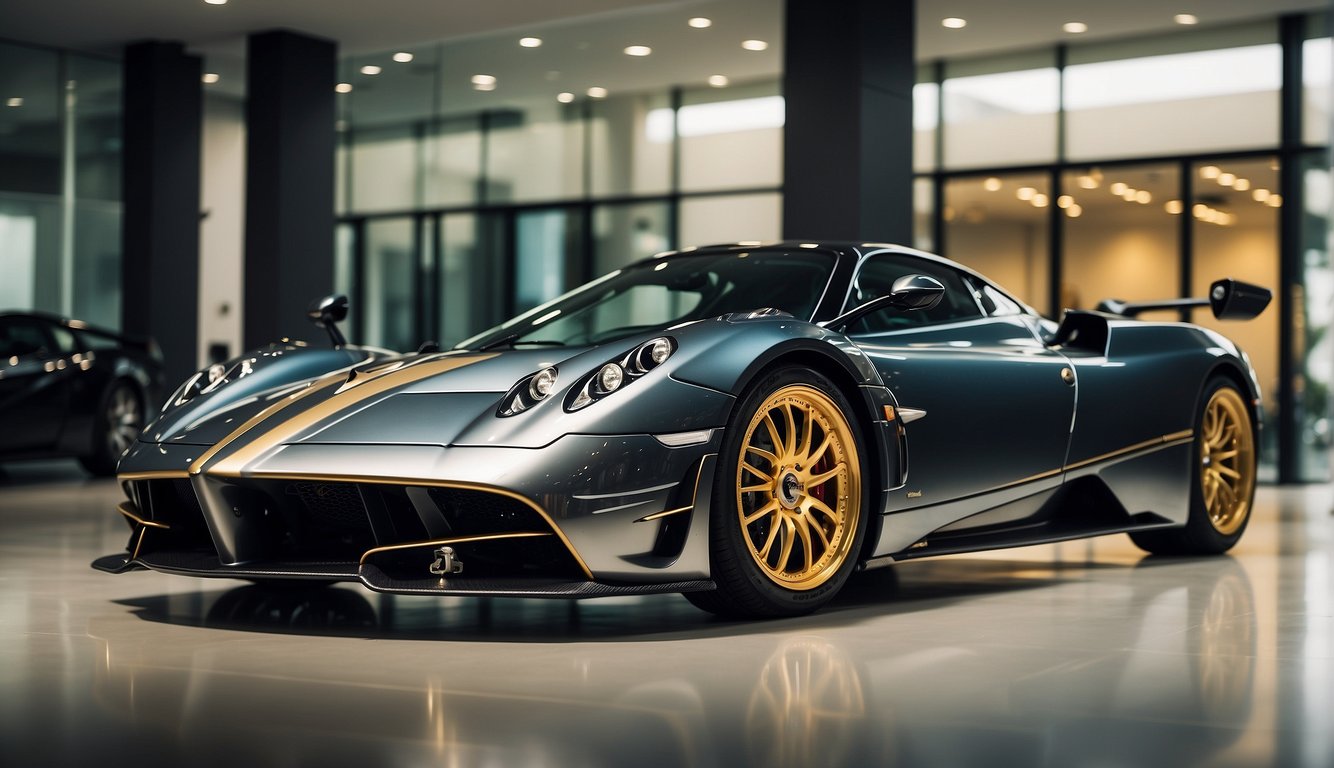
Driving the Pagani Huayra BC is like observing a symphony of engineering and design excellence. Created with meticulous attention to detail, the Huayra BC’s charm is unmistakable, elevating its owner to a level of exclusivity that’s reserved for the most sophisticated car aficionados. Here’s a look at what sets it apart:
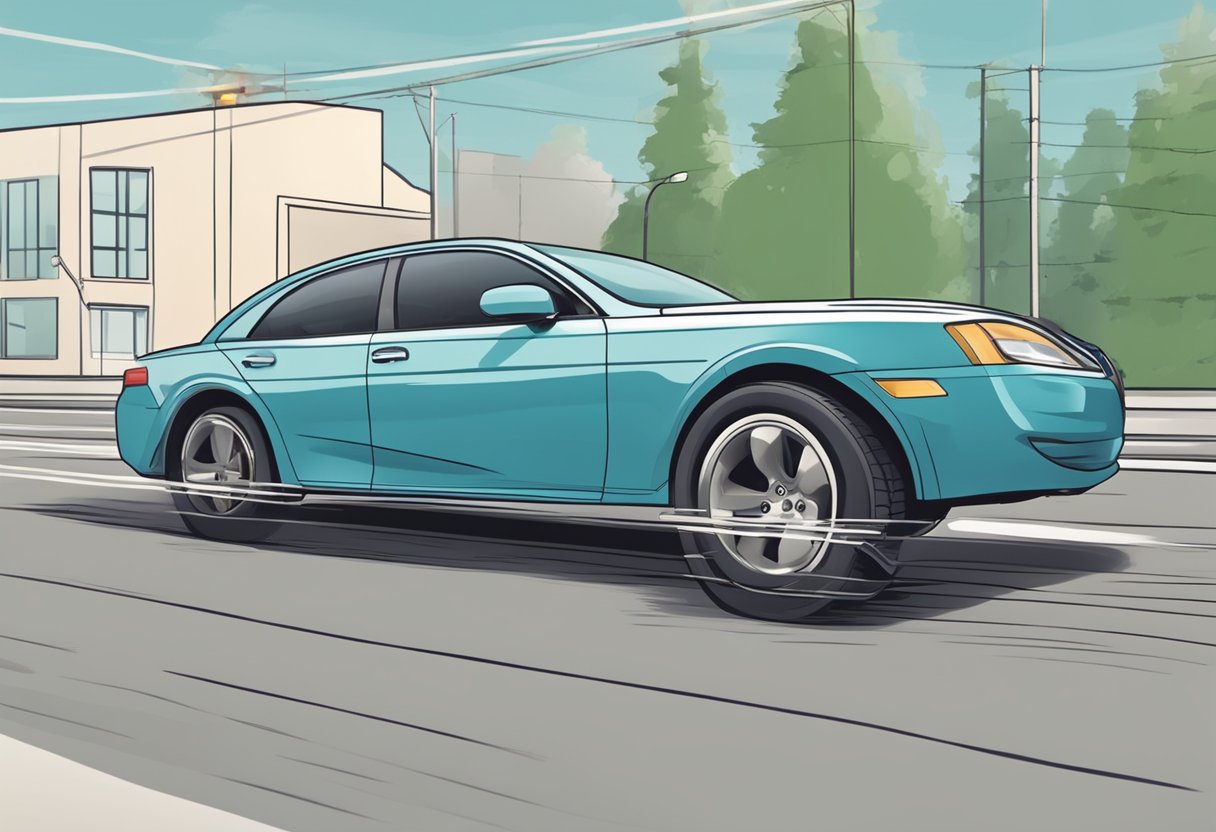
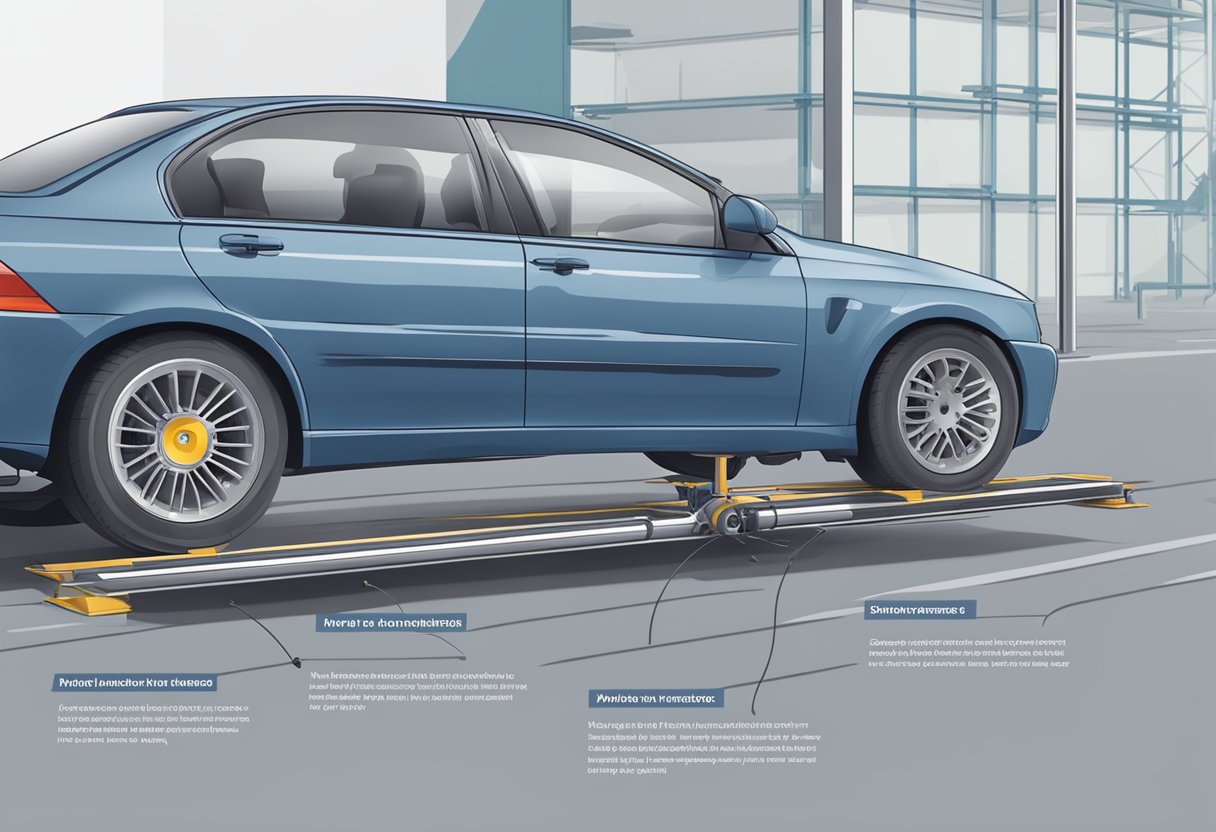
Ensuring your car’s wheel alignment is crucial for a smooth ride. Neglecting it can lead to a variety of issues that not only affect your vehicle’s performance but can also hit your wallet hard. From uneven tire wear to compromised handling, the consequences of skipping regular alignment checks are noticeable and can be costly.
Misaligned wheels can lead to uneven tire wear, as your tires don’t make even contact with the road. You may notice your steering wheel is off-center even when driving straight.
Your car might start pulling to one side, requiring constant correction.
Rapid tire wear is common, as the uneven pressure wears down your tires quicker.
You may feel vibration in the steering wheel, indicating your wheels are pulling against each other.
By avoiding misalignment, your tires can last longer, and you maintain better fuel efficiency, ensuring a smoother, safer ride. Misalignment may cause more steering corrections, uneven tire wear, and a pull to one side.
When your car’s wheels are misaligned, it can lead to increased rolling resistance. This means your engine has to work harder, using more fuel to keep you moving at the same speed. Proper alignment helps optimize your fuel consumption, saving you money at the pump.
For instance, as tire wear becomes uneven due to misalignment, your vehicle might consume more fuel. Keeping your wheels aligned can, therefore, contribute to better fuel economy.
Your car’s misalignment puts extra stress on steering parts, causing faster wear and tear. This strain leads to more frequent replacements and repairs, escalating your vehicle’s maintenance costs. Keep an eye on your steering’s performance.
When your car’s alignment is off, uneven tire wear is a common issue. You’ll notice some tires degrade faster than others. This uneven wear can lead to a need for premature tire replacement, affecting your car’s handling and safety. Regular alignment checks help ensure tire longevity and balanced driving.
If your car consistently drifts or pulls to one side, it’s a classic symptom of misaligned wheels. This can occur from everyday wear or after hitting a pothole. Your steering wheel may also appear off-center when driving straight. It’s crucial to address this to maintain optimal control of your vehicle.
When your car’s wheel alignment is off, vibrations may occur while driving. This is due to uneven tire wear, which can also cause your steering wheel to become off-center when driving straight. Regular alignment checks can prevent these issues.
If your car wheels are misaligned, you may hear increased tire noise while driving. It’s commonly referred to as a ‘womp womp’ sound, indicating irregular tire wear due to alignment issues. These distinctive noises suggest it’s time for a wheel check-up!
When your car’s alignment is off, it affects handling. The vehicle may pull to one side, challenging your control. Tires wear unevenly, potentially compromising grip. In wet or slippery conditions, this can lead to skidding or hydroplaning, increasing accident risk.
If your car’s alignment is off, you’ll likely feel vibrations. This discomfort affects your steering wheel or seat. Proper wheel alignment helps ensure a smoother, more comfortable drive.
When your car’s wheels are misaligned, it can lead to uneven wear on your brakes. This is because the vehicle’s uneven stance forces the brakes to work harder on one side. Remember, regular wheel alignment checks are crucial to avoid this.
When your car’s alignment is off, your tires don’t wear evenly. Imagine rolling a bit sideways with every turn—a surefire way to wear them down faster. Keep ’em aligned, and they’ll last you way longer!
When your vehicle’s alignment is off, your tires can wear unevenly, leading to premature replacement. Plus, misalignment might cause poor fuel economy and strain on your car’s suspension components over time.
When your car’s wheels aren’t aligned, it forces your powertrain to work harder. This extra effort needed to propel your vehicle can lead to premature wear. Regular wheel alignment ensures your powertrain doesn’t endure unnecessary stress.
Neglecting wheel alignment can lead to a voided warranty, meaning certain repair costs may come out of your pocket. It’s essential to adhere to the terms of your warranty to avoid such situations.
Looking to trim your electric bill? You’re in luck. Embracing energy-efficient practices can lead to substantial savings.
From innovative gadgets to simple habit tweaks, these unique strategies cater to a greener lifestyle while keeping your wallet happy. Let’s explore some ingenious ways to save on electricity costs across the USA.
Adjusting your thermostat can significantly cut energy costs. Aim for a comfortable yet lower indoor temperature in winter. USA TODAY suggests not overheating your home.
Even a small decrease can save on your electric bill. Remember, layers are your friend! For personalized warmth, consider a Sharper Image Personal Space Heater instead of cranking up the central heat.
Switching to LED lights can be a smart move for your wallet and the environment. They last longer and use less energy than traditional bulbs. Consider these options for your home:
Longevity: LEDs can outlast others, with a lifespan of about 100,000 hours, reducing replacement costs.
Efficiency: They use less power, potentially saving about $225 annually on energy bills.
Rebates: Look for LED lighting rebates to reduce upfront costs.
To save on electricity costs, consider using an ENERGY STAR certified dishwasher, which is 12% more energy-efficient than standard models. Enhance savings by:
Running Full Loads: Save water and energy.
Air-Dry Dishes: Skip the heat-dry setting.
Eco-Mode: Use this setting if available.
Time your dishwasher to operate during off-peak hours for lower rates.
Investing in Energy Star appliances can lead to notable savings on your electricity bills. These products meet stringent efficiency standards set by the EPA. Here’s how they can benefit you:
Lower Energy Bills: By using appliances like Energy Star rated refrigerators, dishwashers, or air conditioners, you consume less power, leading to reduced electricity costs.
Environmental Impact: You’re also contributing to the environment by mitigating energy waste and reducing greenhouse gas emissions.
Possible Rebates: Check out incentives offered for these eco-friendly purchases that can further offset the initial costs.
Using a rain barrel is a smart move to reduce your water bill. It collects rainwater from your roof, which you can use for landscaping and gardening. This simple act can save money on your monthly utilities. To get started:
Purchase a rain barrel suitable for your needs.
Install it under a downspout.
Utilize the water for outdoor purposes.
Remember, it’s free water for your plants and lawn!
Incorporating smart power devices can significantly cut your electricity costs. Consider smart outlets and power strips to manage your electronics efficiently. Options like:
Smart Outlets: Automate turning devices off.
LED Bulbs: They use less energy than traditional bulbs.
Investing in a new, energy-efficient water heater can lead to significant savings on your electricity bill. Models such as ENERGY STAR® qualified units optimize power use. If your water heater is over a decade old, upgrading could save you upwards of $135 annually.
Planting fast-growing shade trees near your home can reduce cooling costs. For instance, a strategically placed shade tree could lower your energy bill by cooling your house naturally.
Growth: Choose species with rapid growth.
Placement: Best on the west or south sides.
Savings: Anticipate a cut in energy use by up to 12% over 15 years.
When you’re looking to cut down your electricity bills, paying attention to appliance usage timing can be a game-changer. Most utilities charge higher rates during peak hours when the demand for electricity is highest. You can take advantage of off-peak hours to run your appliances, which typically fall during the night and early morning.
Here’s how to best manage your appliance usage:
Kitchen Appliances
Dishwasher: Run it right before you go to bed or early in the morning.
Oven and Stove: Prepare meals during off-peak hours when possible.
Laundry
Washer: Load it up and run it during the early morning hours.
Dryer: Bulk your laundry and dry it late at night to save on costs.
Heating and Cooling
Heating/Air Conditioning: Pre-heat or cool your home before peak hours start.
Use smart home devices or timers to automate these processes, so you can enjoy convenience without having to keep track of time. By shifting your energy consumption to off-peak times, you not only reduce your electricity bill but also help balance the demand on the grid, contributing to a more sustainable environment.
Remember, every appliance has its own energy profile so consider which ones are the most thirsty for electricity and focus on shifting those to off-peak times. Smarter usage equates to noticeable savings over time.
As you reminisce about the 1980s and 90s, it’s like flipping through a vivid scrapbook of cultural icons and experiences. Your heart may long for the simple joys of arcade games, mixtapes, and Saturday morning cartoons, which defined a generation’s childhood and teen years.
These decades were a time of bold fashion, groundbreaking music, and unforgettable moments that have since become the epitome of nostalgia.
One cannot help but reminisce about the golden era of music that was the 1980s and 90s. From the iconic beats of Michael Jackson to the groundbreaking sounds of Madonna, the music scene was diverse, innovative, and undeniably better than ever.
Back in the 1980s and 90s, the emphasis on a healthier lifestyle was gaining traction. Aerobics, jazzercise, and fitness videos became a cultural phenomenon, contributing to a generation that prioritized physical well-being.
Statistics show that the institution of marriage was more robust in the 1980s and 90s. Couples seemed to stay together longer, fostering stability and family values that are often yearned for in today’s fast-paced world.
Complementing the stability in marriages, divorce rates were significantly lower during these decades. The commitment to long-term relationships and the value placed on marriage contributed to a more secure social fabric.
The economic prosperity of the 1980s and 90s is legendary. The United States experienced unparalleled growth, leading to increased wealth and prosperity for many citizens. The idea of a wealthier America is a sentiment many wish could be revived.
Families and communities were tightly knit during this era, fostering a sense of togetherness and belonging. The extended bond between relatives and neighbors was a cornerstone of society that many feel has diminished over time.
Social dynamics in the 1980s and 90s were characterized by a more respectful and empathetic approach. Instances of misogyny and narcissism were fewer, creating a more harmonious social environment.
The emphasis on organic and natural foods gained momentum during this period. Locally sourced produce and whole foods were not just a trend but a way of life, contributing to a healthier populace.
The King of Pop, Michael Jackson, ruled the music industry during the 1980s and 90s. His unparalleled talent, innovative music videos, and global impact are aspects that are sorely missed in today’s music landscape.
Classic sitcoms from the 1980s and 90s, such as “Friends,” “Seinfeld,” and “The Fresh Prince of Bel-Air,” provided timeless entertainment that resonates with audiences even today. The humor, relatable characters, and engaging storylines are a testament to the golden age of television.
The thrill of browsing through aisles of VHS tapes at the local video rental store is a memory etched in the minds of many. The anticipation of finding the perfect movie for the weekend is an experience that streaming services have yet to replicate.
Arcades were the social hubs of the 1980s and 90s. The joy of playing classic arcade games like Pac-Man and Street Fighter with friends in a vibrant, neon-lit space is a cherished memory that contrasts with today’s isolated gaming experiences.
The allure of waterbeds as a symbol of comfort and luxury is a nostalgic memory. While they may not be the most practical choice, the sheer indulgence and uniqueness of waterbeds are missed in an era dominated by standard mattresses.
The simplicity and addictiveness of handheld brick games provided endless entertainment. The hours spent trying to beat high scores on these portable devices are a fond memory of a time when gaming was more straightforward.
The ritual of inserting a video cassette into the VCR, complete with the satisfying clunk as the tape loaded, is a sensory experience lost in the age of instant streaming. The tangible connection to movies is something that digital formats can’t quite replicate.
The nostalgic charm of dialing a rotary telephone is a sentiment lost in the age of touchscreens and smartphones. The deliberate, rhythmic motion of dialing a number added a tangible connection to communication.
Collecting and trading Beanie Babies was a craze that swept through the 1990s. The anticipation of new releases and the thrill of hunting for rare editions created a unique subculture that has yet to be replicated.
The iconic image of someone carrying a boom box on their shoulder, blasting music for all to hear, is a symbol of the 1980s. The communal aspect of music-sharing through boom boxes is a social experience overshadowed by personal earphones.
Sending and receiving postcards was a common practice, adding a personal touch to communication. In an era dominated by instant messaging, the art of handwritten postcards and the anticipation of receiving one in the mail is a lost tradition.
The simplicity and nostalgia of using floppy disks for data storage is a stark contrast to the cloud-based storage solutions of today. The tangible nature of these disks is a reminder of a time when technology had a physical presence.
Pagers were the epitome of communication efficiency in the 1980s and 90s. The anticipation of receiving a message and the art of deciphering codes added an element of mystery and excitement to daily life.
The comforting warmth provided by radiators is a memory associated with winter in the 1980s and 90s. The hissing sounds and the ritual of adjusting the temperature knobs are part of a heating experience that modern systems lack.
The excitement of returning home to check messages on the answering machine, complete with personalized voicemails, is a nostalgic memory. The anticipation and personal touch of hearing a loved one’s voice on a tape are unmatched.
While outdated in today’s digital age, fax machines were once a revolutionary means of quick communication. The distinctive sounds of a fax transmission and the urgency associated with sending important documents are part of a bygone era.
The limitations of film cameras added a sense of value to every photograph taken. The anticipation of developing film and the surprise of seeing the captured moments for the first time are experiences lost in the age of instant smartphone photography.
The charm of traditional alarm clocks, complete with winding mechanisms or distinctive tones, is a memory of waking up in a simpler time. The ritual of setting an analog alarm clock is a tangible connection to the start of each day.
The allure of tuning into radio stations for the latest music and news is a sentiment lost in today’s on-demand streaming. The curated playlists and personal connections offered by radio hosts added a communal aspect to music consumption.
The act of inserting a VHS tape into the VCR, complete with the mechanical whirring sounds, is a memory associated with movie nights at home. The tangible connection to physical media and the anticipation of watching a film are aspects lost in the era of digital streaming.
In reflecting on these 30 amazing experiences from the 1980s and 90s, it’s evident that the nostalgia associated with that era is not merely a longing for the past but a recognition of the unique cultural elements and societal dynamics that shaped a generation. While we may have moved forward in many aspects, there’s an undeniable charm and simplicity to the experiences of yesteryears that continue.
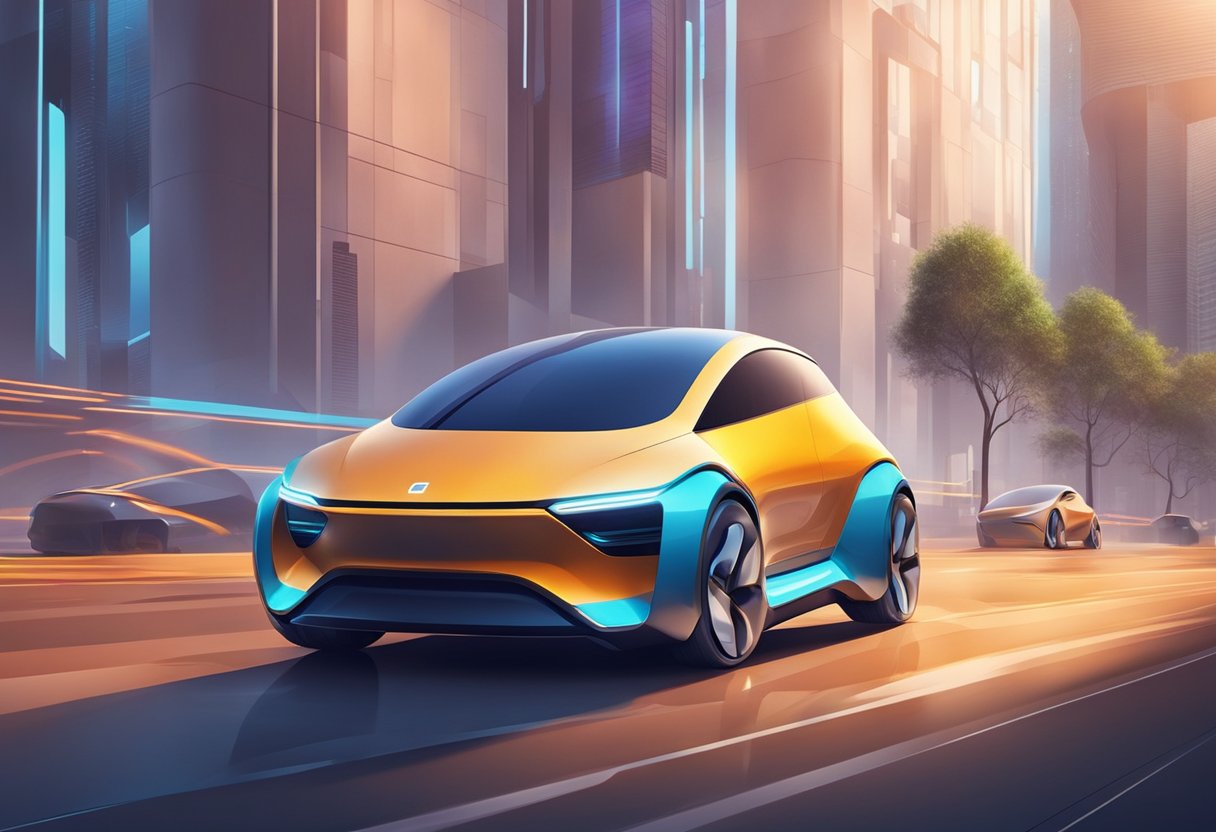
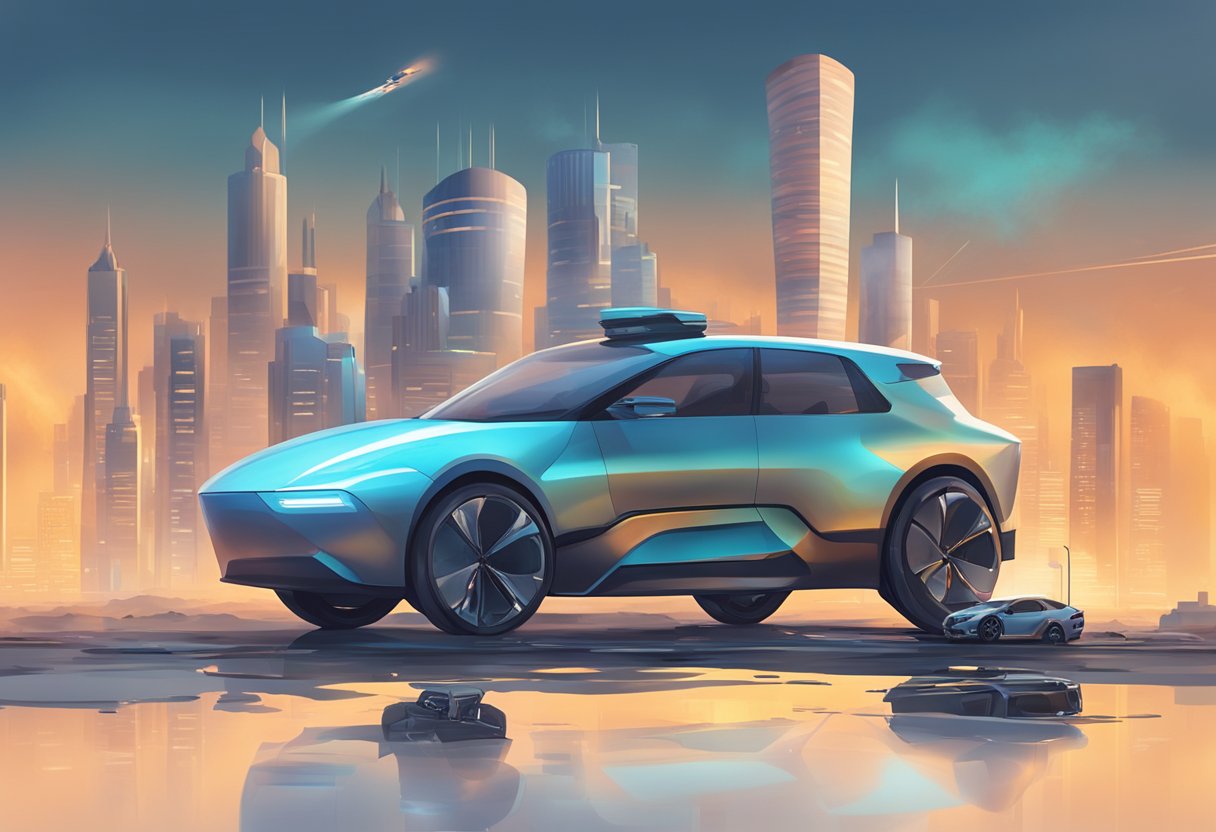
The future of driving is knocking on our door, and it’s not asking politely — it’s demanding change. The electric vehicle revolution has arrived, and the latest designs are enough to make even the most stubborn petrol-heads turn their heads.
Welcome to the new era, where sleek and shiny electric cars promise to change the way you think about hitting the road.
As technological advancements continue to accelerate, automotive industries have been refining their electric offerings. This new, revolutionary electric car design might just change what you believe is possible when it comes to driving and switch your loyalty from gas-guzzlers to battery-powered beasts.
Are you ready for a glimpse of the future? With the introduction of impressive electric cars, our roads will never look the same. You have only seen the tip of the revolutionary iceberg, so buckle up and let’s explore this brave new world of electric vehicles together.
Electric vehicles (EVs) are rapidly evolving, and your experience with them is about to get even better. Solid-state batteries are on the horizon, promising longer lifespans and faster charging intervals. Imagine charging your car nearly as quickly as you fill up a gas tank—this is the potential that quick charging capabilities bring to the table.
And as we move further into 2023, look out for other innovations that may soon make the leap from research to reality and enhance your drive.
Electric vehicles (EVs) are pivotal in reducing driving emissions. Your electric car has a smaller carbon footprint compared to traditional vehicles, primarily because it emits no tailpipe pollutants. This significant reduction in greenhouse gases is crucial, considering transportation is a major contributor to climate pollution.
Using renewables to charge your EV furthers environmental benefits. For instance, when electric cars are powered by solar or wind energy, your impact on nature diminishes even more, making your choice to drive an EV a genuinely eco-conscious one.
In the realm of electric vehicles (EVs), innovative materials are key to enhancing performance and sustainability. Lightweight plastics now feature in battery casings and panels, improving energy efficiency. These advancements promise a greener future as you enjoy electric driving with less environmental impact.
Electric cars like the Audi e-tron are designed with sleek contours to reduce drag. Your drive becomes smoother, quieter, and energy-efficient with cutting-edge aerodynamics that enhance range. Smooth underbodies and refined shapes are key.
In your electric vehicle, intelligent energy management systems are a game-changer. They fine-tune the power flow, harmonizing battery usage with your driving patterns.
It’s your unseen co-pilot, working tirelessly to ensure efficiency and extend vehicle range. With this smart system, your electric car adapts instantly, dedicating energy where and when it’s needed the most.
Imagine your electric car’s battery getting a boost every time you brake. Regenerative braking does just that by converting kinetic energy into electric energy, recharging your battery, especially during stop-and-go city driving. Modern electric vehicles enhance this feature to maximize efficiency and extend your driving range.
With innovations in braking strategies, your car smartly distributes braking energy, keeping the battery in its optimal state. Techniques like One-Pedal Driving make regenerative braking more intuitive, allowing you to control both acceleration and braking with just the accelerator pedal, as explained by GM Financial.
This advancement represents a significant step towards a more sustainable driving future. Your driving habits, paired with enhanced regenerative braking, mean you’re actively contributing to a greener world every time you’re behind the wheel.
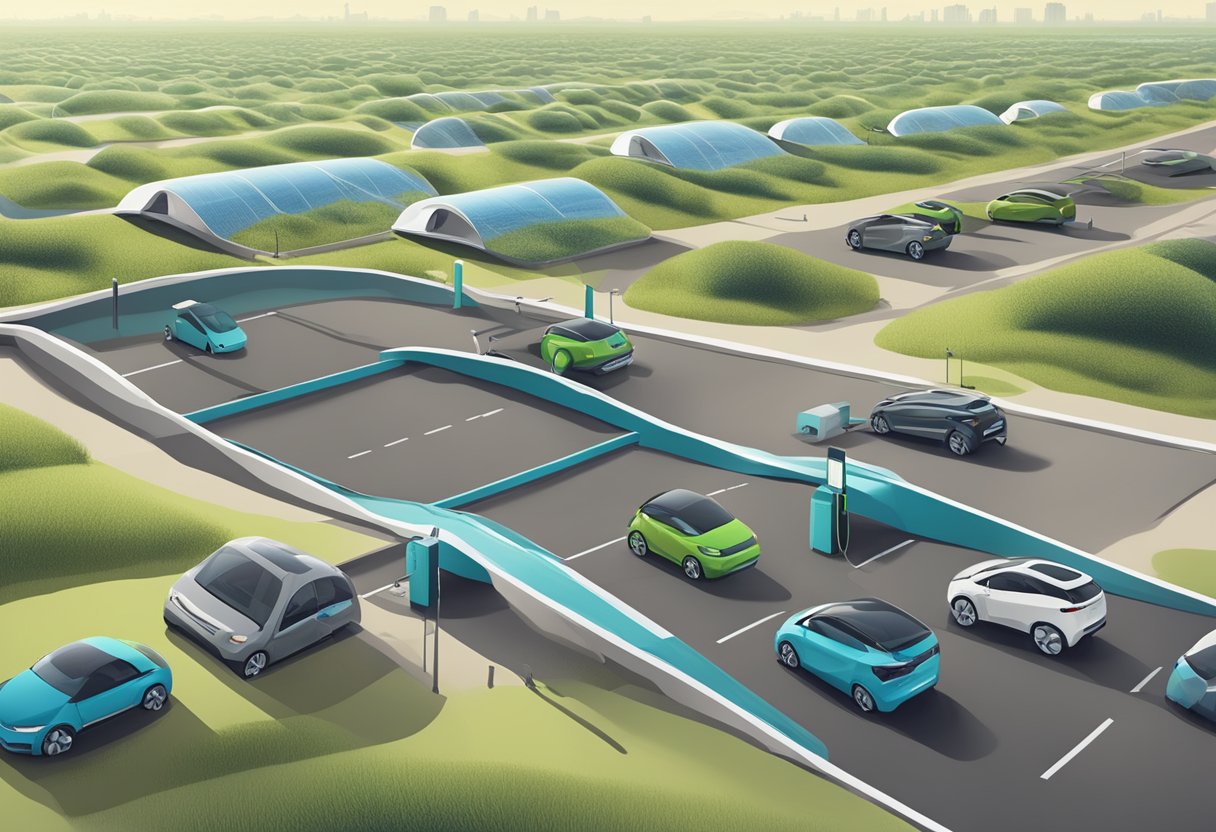
Imagine the convenience of charging your electric car just like you do your smartphone—cordlessly. Wireless EV charging technology is emerging as a seamless way to power up. You’ll simply park over a charging pad, and energy is transferred from the pad to your vehicle via an inductive charge.
This tech transforms parking spaces into charging stations, making the process hassle-free. As you enjoy this simplicity, the roads are also transforming. Embedded charging strips in the asphalt could charge your car as you drive over them. Your drive becomes the charge.
Embrace the change in your automotive experience with modular electric vehicle designs! These designs allow you to easily upgrade components like the battery pack and motor. Stay current with technological advancements without needing to purchase a new vehicle.
It’s cost-effective, sustainable, and positions you at the forefront of the electric revolution. Your car evolves as you do, promising a continually fresh driving experience without the hassle.
Electric vehicles (EVs) are integrating ADAS to enhance your safety. These systems can include features like automatic emergency braking and lane departure warnings, assisting in accident avoidance.
As autonomous technology evolves, future EVs may offer hands-free driving capabilities, especially on highways, making your drives more comfortable and secure.
Your future electric car will boast enhanced connectivity. It’ll sync with your devices for real-time traffic updates, effortlessly integrate with smart home systems, and even schedule its own maintenance checks.
Imagine the convenience of a car that’s always communicating, always ready to serve your needs, and designed to fit seamlessly into your digital lifestyle.
Imagine your electric car not just taking energy, but giving it back. V2G technology allows your vehicle to return power to the grid. When demand hits a peak, your car can offer a helping hand.
It’s essentially treating your car’s battery as a two-way street – charging up when demand is low, and providing energy back when it’s high. This way, you actively help balance the grid and promote the use of renewable energy. Plus, it could even mean some savings for you on your energy bill or financial incentives!
Your future electric car will include various driving modes tailored to your preference and road conditions. Eco mode optimizes battery use, Sport gives you a performance boost, and Comfort ensures a relaxed ride. Each setting adjusts your car’s behavior for a personalized experience.
Your future car’s windshield might double as a smart screen. Augmented Reality (AR) in vehicles integrates real-time information with your view of the road, enhancing both driving safety and navigation.
Imagine AR turn-by-turn directions floating over the actual lanes you need to follow, or safety alerts that draw your attention to potential hazards directly on the windshield.
Imagine a city where your commute is a breeze with electric vehicles (EVs) leading the way. Charging infrastructure is key; convenient stations will be as common as streetlights. Electrified public transport complements the system, reducing traffic and emissions. Embrace the change!
Embrace blockchain in your electric car to enhance security. Your vehicle’s data integrity is paramount; blockchain ensures information, like your car’s maintenance records and software updates, remains unaltered and traceable. This immutable design fosters trust and security.
With V2X technology, your electric car can communicate seamlessly with its surroundings. This tech enhances safety and efficiency on the road by empowering vehicles to transmit data to and receive information from various entities. Here are key features:
Intersection Assistance: Alerts you to nearby vehicles, even when not in direct sight.
Emergency Vehicle Alerts: Notifies you of oncoming emergency vehicles, enabling timely yielding.
Collaborating with technology companies, your future electric vehicle (EV) will likely feature cutting-edge innovations. Imagine the ease of over-the-air updates enhancing your car’s performance, similar to downloading the latest smartphone OS.
Your drive could be transformed by seamless integration with your digital ecosystem, making it a hub for both transportation and connectivity.
Imagine being able to iterate car designs with ease. Through rapid prototyping, you can trial and test parts quickly without the need for costly tooling.
3D printing takes your concepts from the drawing board to physical models, revolutionizing customization and boosting the manufacturing process of electric vehicles.
When you drive an electric vehicle (EV), you’ll notice a quieter cabin experience. The focus on reducing noise, vibration, and harshness (NVH) has led to advanced noise cancellation technologies. Some of these innovations include:
Active Sound Management: Just like noise-canceling headphones enhance your audio experience by blocking unwanted sound, similar systems are used in vehicles to provide a peaceful interior.
Manufacturers are incorporating systems that produce sound waves to counteract noise, making your ride even more tranquil.
Acoustic Insulation: Materials and design techniques help dampen road and wind noise, which can be more noticeable without a traditional combustion engine’s hum.
Your car’s smoother and quieter ride not only enhances comfort but also benefits your focus and reduces fatigue.
Your future electric vehicle may feature customizable exterior lighting, allowing for personalization and improved visibility. With advancements in LED technology, you could choose lighting colors and patterns that match your style or mood. This innovation also serves a functional purpose, enhancing your vehicle’s visibility to other drivers for increased safety.
If you own an electric vehicle (EV) in the future, imagine powering your home during a blackout with energy from your car. With V2H technology, your EV won’t just take you places; it’ll become a reliable power source for your house when needed.
This smart innovation allows you to use the electricity stored in your EV’s battery to run your essential home appliances, providing a sense of security and utility unlike ever before.
General Motors has announced intentions that by 2026, all of its EVs will incorporate V2H charging capabilities, transforming the way you utilize your vehicle.
Electric cars are enhancing your safety on the road. Integrated control systems improve your vehicle’s grip, even during a skid. Simulations have shown notable advancements in driving force and adhesion stability, ensuring a secure journey regardless of road conditions.
Your car recognizes you as you approach. With biometric technology, keys become obsolete. Simply touch a sensor or rely on facial recognition, and your electric car will unlock and start. It’s personalized security meeting convenience. Welcome to your seamless driving future.
Innovative wheel technologies, like Hyundai’s Uni Wheel system, are set to transform your drive, freeing up space and offering new design possibilities.
Your EV’s suspension adapts to various driving conditions, providing comfort and extending vehicle range, with systems like Audi’s eROT hinting at energy regeneration capabilities.
Improved space and enhanced efficiency are just a ride away!
The future of driving is electrifying, with sustainability and mobility at the core. You’ll witness significant shifts as electric vehicles (EVs) take center stage in transforming how we move.
Long-Term Industry Forecasts
By 2030, you could see a dramatic increase in EV adoption, with major automakers committing to electrify their fleets.
The Role of Electric Cars in Urban Mobility
Expect smarter city planning with EVs integrated into public transport systems, reducing congestion and pollution.
Innovations on the Horizon
Battery technology will advance, enhancing the range and efficiency of your future electric car.
How We Arrived Here
The Rise of Electric Vehicles
Ah, the good old days of gas-guzzling beasts ruling the roads. But now, my dear friends, we’re living in a time where electric vehicles (EVs) are gaining momentum.
In the US, EV sales have surged like a jackrabbiton espresso, pushing aside those sluggish internal combustion engines. You can thank the growth of eco-consciousness and the drive (pun intended) to reduce emissions for this transition.
EVs first seemed like a utopian dream, a far-fetched idea to make our roads a little greener. But with a determination that would put an Olympic athlete to shame, they carved their path, cutting through the noise of the auto industry.
The transformation from gas-powered to electric vehicles could be compared to a fairy godmother waving her wand and turning Cinderella’s pumpkin carriage into a sleek, eco-friendly machine.
But let’s face it, the shift was more than simple hocus pocus. Below, we take a quick look at some of the key factors that led to this evolution:
Government policies: Numerous governments, including the US, have introduced policies that encourage or mandate EV adoption. These magic spells have taken the form of financial incentives for EV buyers, hefty penalties for gas-guzzlers, and plans to ban internal combustion engine vehicles altogether by set dates.
Technology advancements: Battery breakthroughs have significantly improved the driving range of EVs, giving them an extra boost on long journeys. Gone are the days of “range anxiety,” making the switch to electric more appealing than ever.
Infrastructure development: Charging stations are popping up faster than wildflowers in the springtime, making the life of an EV owner easier and free from the burden of a never-ending search for chargers. So, your beloved electric steed can now easily recharge and gallop away into the green sunset.
Volkswagen, Volvo, and Jaguar have teamed up to create an all-electric car, bringing a fresh perspective to the automotive world. This isn’t your typical electric car – it’s a humorous, futuristic delight.
Breaking Down the Prototype
Feast your eyes on this prototype that pushes the boundaries of technology. Some key features to note (wink, wink):
All-electric: Say goodbye to fossil fuels, and hello to a cleaner future with this technology.
Volkswagen, Volvo, and Jaguar: A triple-threat collaboration for the ultimate driving experience.
Remember, this isn’t just any electric car, it’s the electric car to watch out for. So buckle up, charge up, and get ready to drive towards a hilarious, electrifying future.
Let’s take a look at how different parts of the world are reacting to this game-changing invention!
Europe
In Europe, they are all abuzz with excitement! Governments and citizens alike are marveling at the ingenuity, with national leaders from London to Lisbon haste to incorporate this new technology into their transportation plans.
European roads are about to get a whole lot greener, and maybe even funnier!. According to this BBC report, European electric vehicle sales have been skyrocketing lately, and this revolutionary design is expected to drive those numbers even higher.
United States
Oh my stars, the folks there are just as fired up as their European counterparts! They can’t stop talking about how this innovative design will change the future of driving, discussing at backyard BBQs and elaborate dinner parties. With electric vehicle sales soaring, Americans seem ready to leave their gas-guzzling days behind.
But, it doesn’t stop there; the World Economic Forum itself is all in, speaking of electric cars swooping in and taking over like some unstoppable force. The potential for positive environmental impact and the ease of parking these sleek machines make them more attractive than a plate of freshly baked chocolate chip cookies!
So, let’s talk batteries! This game-changing electric vehicle (EV) uses next-gen solid-state batteries, offering you improved longevity, better power densities, and overall safety. You’ll be zooming past your friends with ease, without any battery anxiety.
We all love a car with a great range, and this revolutionary EV has got you covered. With its impressive range, you can go on those long-awaited road trips without fretting about finding a charging station every 100 miles.
Imagine a world where you glide into a charging station like a boss, plug in your electric car, and voilà, you’re all juiced up in a blink! Governments are ramping up the charging infrastructure game, so you won’t have to worry about running out of electrons on the road.
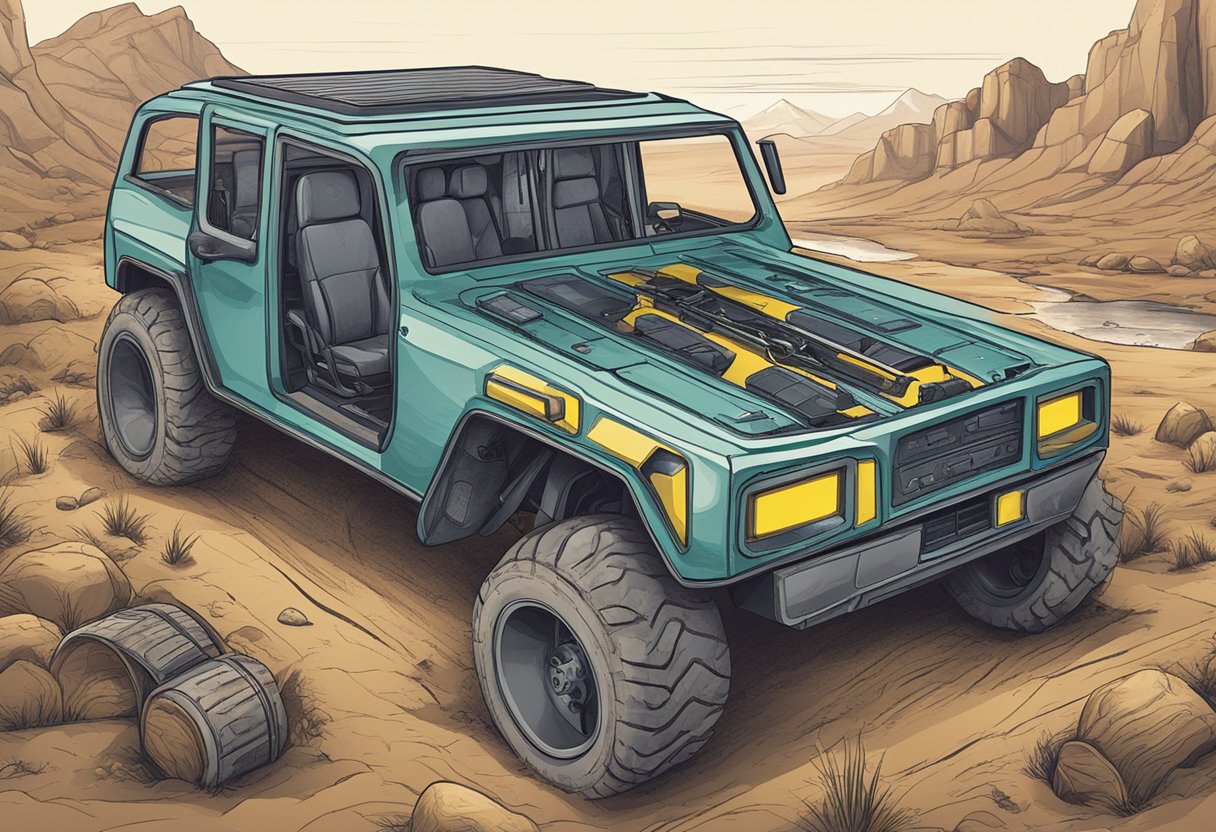
No Road? No Problem!
Tired of the same old roads? Welcome to a future where mobility knows no bounds. When traditional roads can’t handle your electric vehicle, your revolutionary ride laughs in the face of obstacles and says, “Bring it on!”
In this brave new world, your transportation options are as electrifying as the car itself. Get ready for a truly “shocking” experience!
As you cruise down the highway of the electric vehicle revolution, you might notice some familiar faces joining the party. Giants like Ford and General Motors have buckled up and decided to take a spin in the EV lane.
As you ogle these sleek machines, don’t be surprised to find out that these bigwigs aren’t alone. Swanky brands like Audi are also joining the fun, bringing their A-game to shake things up.
Ford: They’re revving up their engines with the Mustang Mach-E and F-150 Lightning.
General Motors: With the Chevrolet Bolt and Hummer EV, they’re making sure they don’t miss the electrifying party.
Audi: They’re stepping on the gas with the refined elegance of the e-Tron series.
Now, you may be wondering how the newcomers plan to catch up with Elon Musk’s brainchild, Tesla. Well, these companies have been taking some serious notes. Armed with deep pockets and tech-savvier than a pack of millennial smartphones, they’re investing heavily in research and development.
In fact, investment bank UBS predicts that by 2025, there could be a total of 40 million electric vehicles globally, with some serious contenders battling for the EV crown.
To stay ahead of the game and ensure your EV experience is nothing short of electrifying, keep an eye on these companies as they navigate the EV race and attempt to catch up with Tesla in performance, innovation, and style.
Ah, the sweet sound of a rumbling engine in the morning, as you try to sneak out of your driveway without waking up the neighbors. Alas, those days are numbered, my friend.
You see, climate change has reared its ugly head, and the planet is crying out for relief. As a direct result, we find ourselves in quite the pickle with our beloved gas-powered vehicles.
However, fear not, intrepid and environmentally conscious driver, for the electric vehicle (EV) revolution is coming to the rescue. EVs are primed to set the stage on fire (figuratively, of course) as they push us toward a future of net-zero emissions. So say goodbye to your combustion engines, because the times, they are a-changin’!
The Dawn of a New Era
Imagine a future where your car virtually drives itself, as autonomous driving becomes the new norm. This is no mere pipe dream – it’s actually on its way to becoming a reality sooner than you might think.
And as this EV revolution continues to expand, it’s not just your own driving experience that will change. We’re talking about a whole new world, where charging stations become as common as gas stations, and “range anxiety” becomes a thing of the past.
In conclusion, buckle up (you eco-warrior, you), and prepare to enjoy the ride as we witness the dawn of a new era in driving. Paved with zero-emission electric dreams, the future of our roads has never looked – or sounded – so promising.
Conclusion
You’ve reached the finish line! Thanks to the fast-paced technology of electric cars, the future of driving is zipping right along.
Buckle up, because soon your ride might be sailing on the seas or soaring in the skies with President Joe Biden’s American electric car revolution.
Farewell, tailpipe emissions! With these revolutionary designs, your car will be cleaner and greener than ever before. Just imagine cruising down the road in your self-driving, autonomous vehicle, enjoying the sights and sounds of America. You’ve never had it so good!
So, remember to embrace the waves of change and keep an eye on the horizon. After all, it’s not every day that driving gets a makeover this electrifying. Prepare to be shocked!
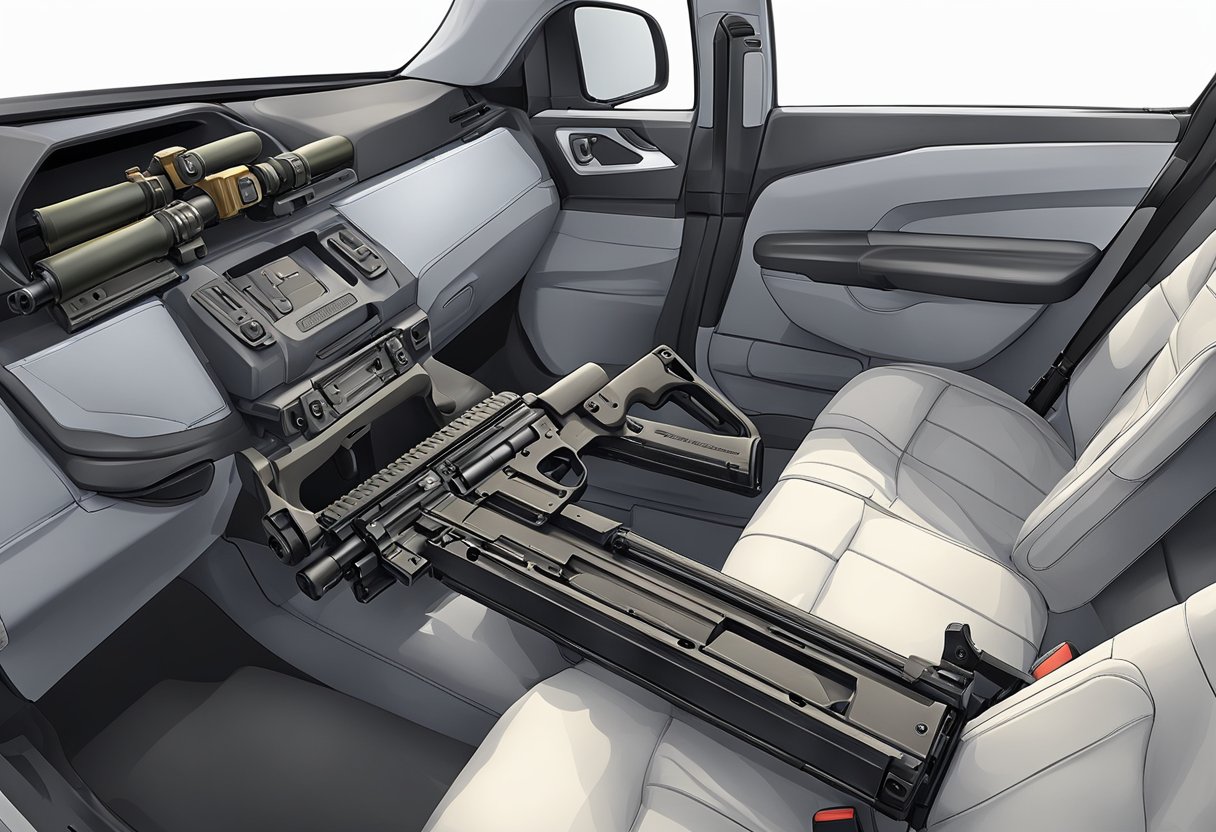
When it comes to self-defense and travel, it’s important to be prepared. Having the right firearm handy in your vehicle can make all the difference in an emergency situation. In this article, we’ll explore 15 rifles designed specifically for self-defense use within your car.
These rifles are tailored for both ease of access and effectiveness, making them the ideal choice for protecting yourself while traveling. Stay tuned as we dive into the features and benefits of these essential tools, empowering you to drive safely and defend smartly.
In the United States, the legal landscape of carrying firearms in your car varies by state and local jurisdiction. It’s essential to familiarize yourself with any local and state regulations that apply to you, as non-compliance could lead to legal trouble with law enforcement authorities.
Factors Affecting Firearm Choice for Vehicles
When choosing a self-defense weapon for your car, several factors should influence your decision, including:
Legislation: Ensure your chosen firearm complies with all applicable laws in your jurisdiction.
Carrying Options: Consider practical options for carrying and storing firearms within easy reach.
Size and Weight: Compact and lightweight rifles are more suitable for vehicle use and storage.
The AR-15 platform offers versatility and customization, making it a great choice for self-defense in your car. Due to its popularity, there are many models available suited for close-quarters protection. Here are a few options:
Daniel Defense DDM4 V7
Palmetto State Armory (PSA) Complete AR-15s
Aero Precision M4E1
With your safety in mind, you can confidently choose a reliable AR-15 platform rifle for your car’s self-defense needs. Practice and know your firearm, and always prioritize responsible gun ownership.
The Mossberg Maverick 88 with top-folding stock is a great option for self-defense in your car. This 12-gauge shotgun has a 7+1 capacity and a 20″ barrel, providing powerful protection in a compact size.
The top-folding stock allows for easy storage in tight spaces, and the chrome plating ensures corrosion resistance. So, next time you’re on the road, remember the Maverick 88 has your back.
The Brownells BRN-180 is an innovative choice for self-defense in your car. This rifle combines the best features of the AR-15 and AR-18, providing you with a reliable and efficient firearm.
Some benefits of the BRN-180 include:
Easy cleaning
Compatibility with standard AR-15 lowers
Unique upper receiver design
Always remember to drive safely and defend smartly with your Brownells BRN-180.
The CZ Scorpion EVO 3 S1 Carbine is a great option for self-defense in your car. With its ergonomic design, you’ll find it comfortable to grip and easy to control. The 16.2″ barrel offers improved accuracy and stability.
Additionally, this 9mm firearm is praised for its simplicity and quick disassembly, thanks to the easily removable trigger mechanism. With various options available, the CZ Scorpion will give you confidence in protecting yourself on the road. Stay safe!
The Savage Scout Rifle is a versatile, lightweight, and highly reliable firearm for self-defense in your vehicle. With its compact design and .308 Winchester chambering, it packs a powerful punch. Its forward-mounted scope allows for fast target acquisition, making it an ideal choice to keep in your car.
Remember to store the rifle safely and stay aware of your surroundings. Happy shooting!
The BCM Recce-16 MCMR is an excellent choice for your car self-defense needs. Its lightweight design and reliability are top-notch. Enjoy its user-friendly MLOK handguard while maintaining peace of mind during travels.
The Daniel Defense V11 SLW is a lightweight, easy-to-handle rifle suitable for self-defense in your car. Weighing only 6 pounds, it offers speed and precision when needed.
This particular rifle features a 14.5″ Cold Hammer Forged lightweight profile barrel. Combined with an extended flash suppressor, you can expect excellent performance.
The Smith & Wesson M&P 15 is an excellent choice for self-defense in your car. This AR-15 style rifle offers reliability and accuracy, with a compact design.
Caliber: 5.56 NATO
Barrel length: 16″
Weight: 6.5 lbs
To make it your ideal self-defense partner, consider adding a tactical light or laser sight for improved targeting in low-light situations. Remember to always practice safe handling and storage when using it in your vehicle. Stay safe and be prepared with the M&P 15!
The Kel-Tec SUB-2000 is a unique option for your car self-defense needs. This 9mm folding carbine is compact when folded, allowing for easy storage in your vehicle.
Weighing in at 4.25lbs, it’s also quite lightweight, making it easier for you to quickly grab and maneuver in case of an emergency. Plus, its compatibility with Glock magazines gives you various capacity options, from 15 to 33 rounds.
Remember, staying safe and defending smartly on the road is your top priority, and the Kel-Tec SUB-2000 is designed to help you achieve just that.
When it comes to self-defense rifles for your car, the SIG Sauer MPX is a reliable choice. It features familiar AR controls and is adaptable to your needs. In fact, you can even change the barrel length and stock configuration.
SIG’s MPX-P offers home defense firepower with flip-up sights and a top Picatinny rail for optics. Add a Romeo 5 optic, and you’re ready for any situation.
Remember, when choosing a self-defense rifle, prioritize reliability and adaptability. The SIG Sauer MPX provides both, helping you to defend smartly and drive safely.
The Beretta CX4 Storm is a fantastic option for self-defense in your car. With its lightweight and compact design, it’s perfect for tight spaces. This semiauto pistol-caliber carbine is reliable and accurate, thanks to its cold-hammer forged barrel.
You’ll appreciate its compatibility with Beretta handgun magazines, as well as its user-friendly controls. It’s no wonder the CX4 Storm has been popular for almost 20 years. Stay safe and defend yourself with confidence!
The Henry AR-7 Survival Rifle is a top choice for self-defense in your car. It’s lightweight, making it easy to handle and store in limited spaces. Its takedown design allows for quick assembly and fits entirely within the stock for compact storage.
This semi-automatic .22 LR rifle provides reliable performance for personal protection and small-game hunting. With adjustable sights, you can fine-tune your aim for accurate shots. The Henry AR-7 comes in various finishes, ensuring there’s a style that appeals to you.
The Marlin Model 1895 is a great option for self-defense in your car. This lever-action rifle is chambered in the powerful .45-70 Gov’t cartridge, providing you with ample stopping power.
Featuring a 16.17-inch barrel, the 1895 is compact, making it easy to maneuver within your vehicle. Its radial muzzle brake helps reduce recoil, allowing for quick follow-up shots when needed.
The Springfield Armory Saint AR-15 is a great option for self-defense in your car. It’s lightweight and agile, making it easy to maneuver in tight spaces.
This rifle features a mid-length gas system and pinned gas block for optimized reliability. Additionally, it comes with useful flip-up sights for quick target acquisition.
Remember to always handle firearms responsibly and with care. Stay safe and defend smartly with the Springfield Armory Saint.
The Kriss Vector Gen II CRB is a fantastic option for car self-defense. This pistol-caliber carbine offers recoil mitigation technology and a bore axis below the trigger, ensuring smooth operation for you.
Available in 9mm, .40 S&W, .45 ACP, and 10mm, this 47-state compliant rifle is ideal for recreational use and competition too. Remember, stay safe and defend smartly with the Kriss Vector Gen II CRB!
The IWI Tavor X95 is a compact and reliable self-defense option for your car. Since you’re opting for a high-quality bullpup design, it’s perfect for tight spaces and quick action.
Notably, this rifle features a lighter 5-6 pound trigger and an ambi mag release. As you keep safety in mind on the road, the Tavor X95 is your trusty companion in self-defense situations.
Going for a compact yet powerful option in your car? The FN SCAR PDW is perfect for you! This compact 5.56x45mm NATO rifle offers excellent penetration power, even against armor.
Built with a short-stroke piston system, it features:
6.75-inch barrel
Non-reciprocating charging handle
Quad-rail forend
Collapsible stock
Your car-defense arsenal will be complete with this reliable, compact powerhouse!
The LWRCI SMG-45 is a compact and powerful firearm, perfect for self-defense in your car. Its unique design offers user-configurable rail system, 8.5″ cold hammer forged barrel, and accepts .45 ACP cartridges. You’ll appreciate its dependability and performance.
If you’re looking for a reliable self-defense rifle, you should consider the Palmetto State Armory AK-V. This 9mm AK pistol combines the classic AK-47 design with the affordability of 9mm Parabellum ammunition[^1^].
The AK-V is a blowback-operated firearm, ensuring smooth cycling action[^1^]. Ideal for self-defense, competition, or just some fun at the range, it’s a versatile addition to your collection[^5^]. Enjoy a friendly, easy-to-use rifle perfect for your vehicle self-defense needs.
Looking for a compact and reliable firearm for self-defense in your car? Meet the Brugger & Thomet APC9! This weapon is easy-to-use with its dual auto-folding, non-reciprocating charging handle.
Equipped with improved lower receiver ergonomics and M-Lok accessory slots, you can customize it to fit your needs. Remember, stay safe and choose wisely!
Seeking a self-defense rifle suitable for your car? The H&K SP5K may be a great choice. This roller-delayed blowback firearm is a civilian-legal iteration of the classic MP5K, renowned for its reliability and accuracy.
In terms of specs, the SP5K comes chambered in 9mm and a 4.53″ barrel. You’ll benefit from its adjustable 6.74-10.11 lb trigger pull and 30-round capacity.
Its compact size of only 13.9″ makes it easy for you to store and access in your car. Considering the ergonomic handguard and safety features, the H&K SP5K ensures you can defend smartly and drive safely.
The Angstadt Arms UDP-9 is a top-of-the-line AR-9 rifle uniquely designed for self-defense in your car. It offers user-friendly controls, resembling the familiar AR-15 platform. Crafted from 7075-T6 aluminum, the UDP-9 boasts phenomenal accuracy and seamless integration with most AR9/AR15 parts and components.
The lessened recoil and noise make it a great choice for close quarters usage. Additionally, the UDP-9 features a flared magwell for faster reloads as well as a last round bolt hold open on an empty magazine, making it an ideal self-defense weapon for your vehicle.
Liberals often embrace electric vehicles (EVs) as part of a broader commitment to environmental sustainability and combating climate change.
The push for EVs aligns with liberal values that prioritize reducing carbon emissions and transitioning to renewable energy sources. This is reflected in various policy proposals and incentives designed to encourage the adoption of EVs.
However, many Americans remain hesitant about EVs for several reasons. Some concerns include the cost of EVs, which can be higher upfront than traditional internal combustion engine vehicles, although this is changing as technology advances and economies of scale are achieved.
Additionally, there are concerns about the availability and convenience of charging infrastructure, especially for long-distance travel or for those living in apartments or homes without dedicated charging options.
Liberals often prioritize environmental sustainability and combating climate change. EVs produce fewer greenhouse gas emissions compared to traditional internal combustion engine vehicles, especially when charged using renewable energy sources
Clean Energy Agenda
Photo Credit: Unlimphotos
Liberals may view the promotion of electric vehicles as part of a broader clean energy transition. This transition aims to reduce dependence on fossil fuels, decrease air pollution, and promote the use of renewable energy sources.
Global Climate Change Initiatives
Photo Credit: Deposit Photos
Supporting EVs is part of a global initiative to combat climate change. As a liberal, you might agree that driving an EV indicates active participation in these worldwide efforts.
Public Health Concerns
Photo Credit: Unlimphotos
Electric vehicles contribute to better air quality by producing zero tailpipe emissions. Liberals concerned about public health and the impact of air pollution on communities may see EVs as a solution to improve local air quality.
Innovation and Technology Support
Photo Credit: Unlimphotos
Liberals often support technological advancements and innovation. The development and adoption of electric vehicles represent a shift toward more advanced and sustainable transportation technologies.
Energy Independence
Photo Credit: Unlimphotos
Promoting electric vehicles can be seen as a way to reduce dependence on imported oil and enhance energy independence. This aligns with liberal goals of promoting domestic energy sources and reducing reliance on non-renewable resources.
Job Creation in Renewable Energy Sector
Photo Credit: Unlimphotos
Liberals may support the growth of the renewable energy sector, including the manufacturing and maintenance of electric vehicles. This can lead to job creation in industries related to clean energy technologies.
Incentives for Low-Income Communities
Photo Credit: Unlimphotos
Some liberals advocate for policies that provide incentives for electric vehicle adoption, particularly in low-income communities. This may include financial incentives, subsidies, or programs aimed at making EVs more accessible to a broader range of people.
Global Leadership in Sustainable Practices
Photo Credit: Unlimphotos.
Adopting EVs positions a nation as a leader in sustainable practices. You might take pride in your country pioneering the movement towards greener transportation options.
Reasons Most Americans Are Hesitant
While electric vehicles (EVs) offer a path toward a more sustainable future, you’ll find that many Americans still approach them with caution. Dive into the specific concerns and factors contributing to this hesitancy.
Cultural Attachments to Traditional Vehicles
Photo Credit: Unlimphotos
You might find comfort in the familiar roar of a gasoline engine over the silence of an EV. This cultural attachment to traditional vehicles, with their longstanding presence in American life, can influence your vehicle choices.
Political Ideological Divides
Photo Credit: Deposit Photos
Your political viewpoints may affect your willingness to transition to an electric vehicle. If you view EVs as a symbol of liberal policies, this might clash with your personal ideologies, causing hesitancy.
Skepticism Toward Change
Photo Credit: Unlimphotos
You might be naturally inclined to question new technologies, including EVs. This skepticism can lead to hesitation, as you weigh the promised benefits against potential risks and unknowns.
Practical Concerns
Photo Credit: Unlimphotos.
For you, the practicality of using an EV every day plays a crucial role. Concerns about vehicle reliability, the complexity of their technology, and their suitability for various climates and terrains linger in your mind.
Perceptions of Government Intervention
Photo Credit: Unlimphotos
You could see the push for EVs as government overreach, making you wary. The idea of being compelled to switch can provoke resistance, particularly if you value personal choice in your consumer decisions.
Access to Information and Education
Photo Credit: Unlimphotos.
With the right information and education, you might be more open to EVs. However, if you feel that clear and reliable information is not readily available, it can hinder your move toward embracing new automotive technologies.
Economic Considerations
Photo Credit: UnlimPhotos
Your financial concerns are valid, as you ponder the long-term savings of an EV against the upfront costs. You’re balancing your budget with the potential economic benefits of owning an electric vehicle.
Range Anxiety
Photo Credit: Unlimphotos
You may worry about how far an EV can travel on a single charge. This “range anxiety” can be a significant deterrent, especially if you frequently take long trips or lack confidence in the battery technology.
Charging Infrastructure
Photo Credit: Unlimphotos.
Your concerns about the availability and convenience of charging stations are understandable. Hesitation arises when you imagine the practicality of charging an EV compared to the ease of finding a gas station.
Initial Cost
Photo Credit: Unlimphotos.
The initial cost of purchasing an EV can be daunting for you. If you’re used to the price range of traditional vehicles, the sticker shock of many electric models might be a significant barrier.
Lack of Model Variety
Photo Credit: Deposit Photos.
You enjoy having a wide range of options to choose from. With a perceived lack of variety in the EV market, you might feel forced to compromise on style, features, or functionality.
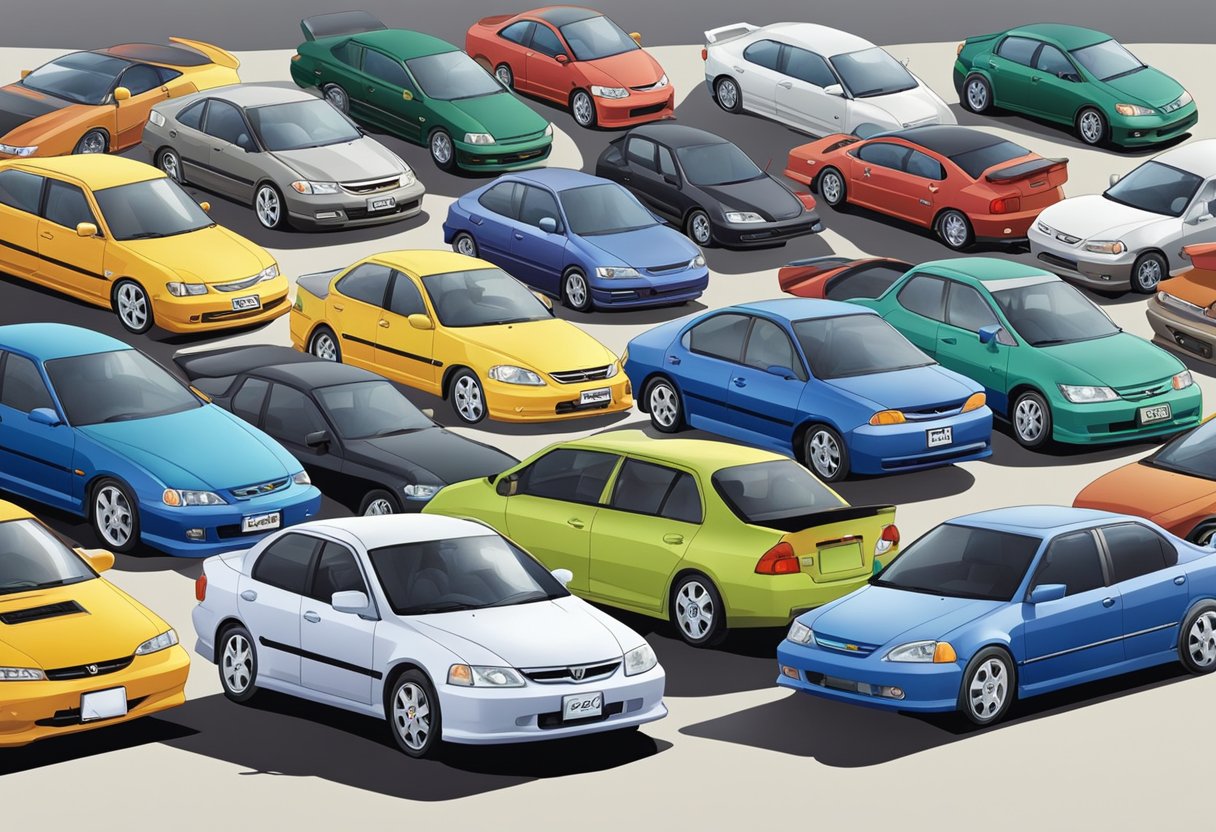
When you think of Japanese cars, you might picture reliability and high quality. However, like all vehicles, they’re not without their issues.
From Takata’s infamous airbag recall affecting millions globally to less severe but annoying quirks, some models just don’t live up to the stellar reputation.
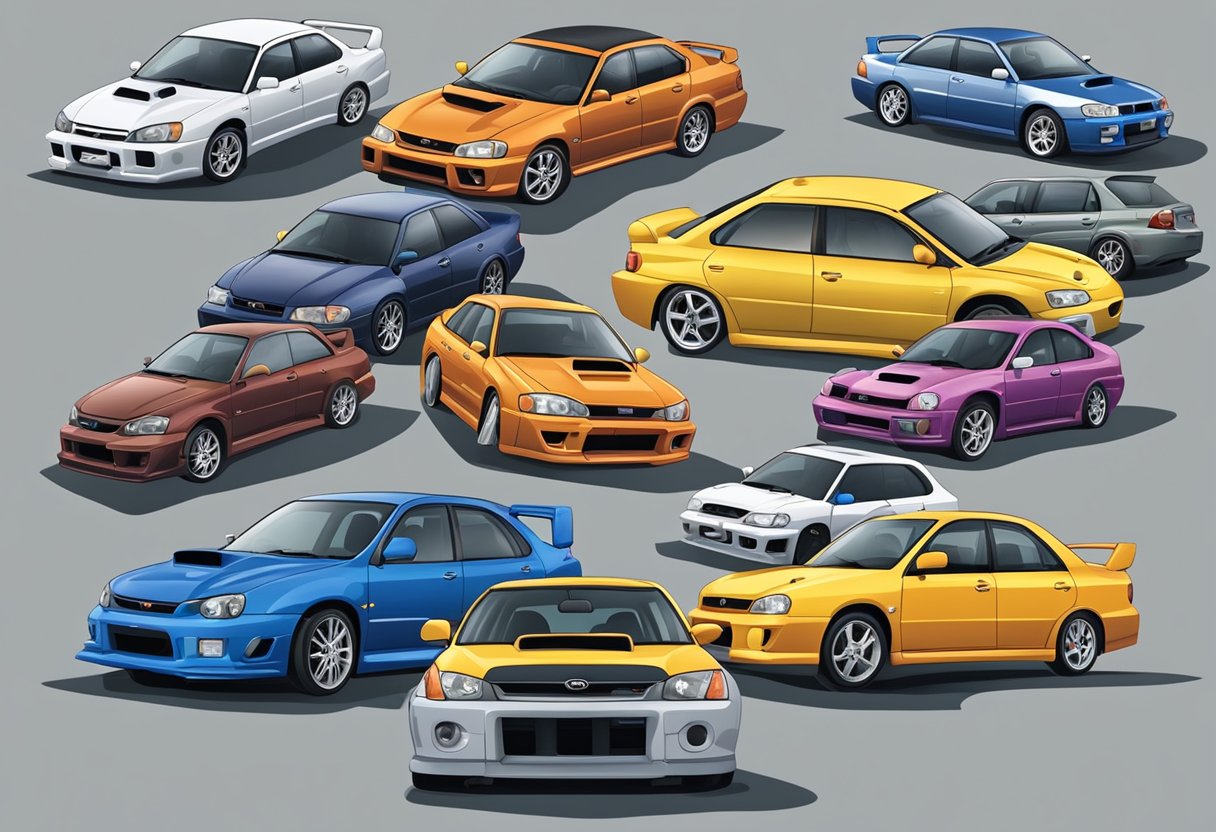
For your 2002-2005 Subaru Impreza WRX, you should be aware of a few notable concerns. Notoriously, the head gaskets may fail, potentially leading to costly repairs. Here’s a quick rundown:
Head Gasket: Prone to leaks, averaging around $1,900 for repairs (2002 issues).
Engine Issues: Stalling and cooling problems, particularly with turbocharged engines.
Fuel System: Instances of clogged gas tanks and fuel pumps with the 2002 model.
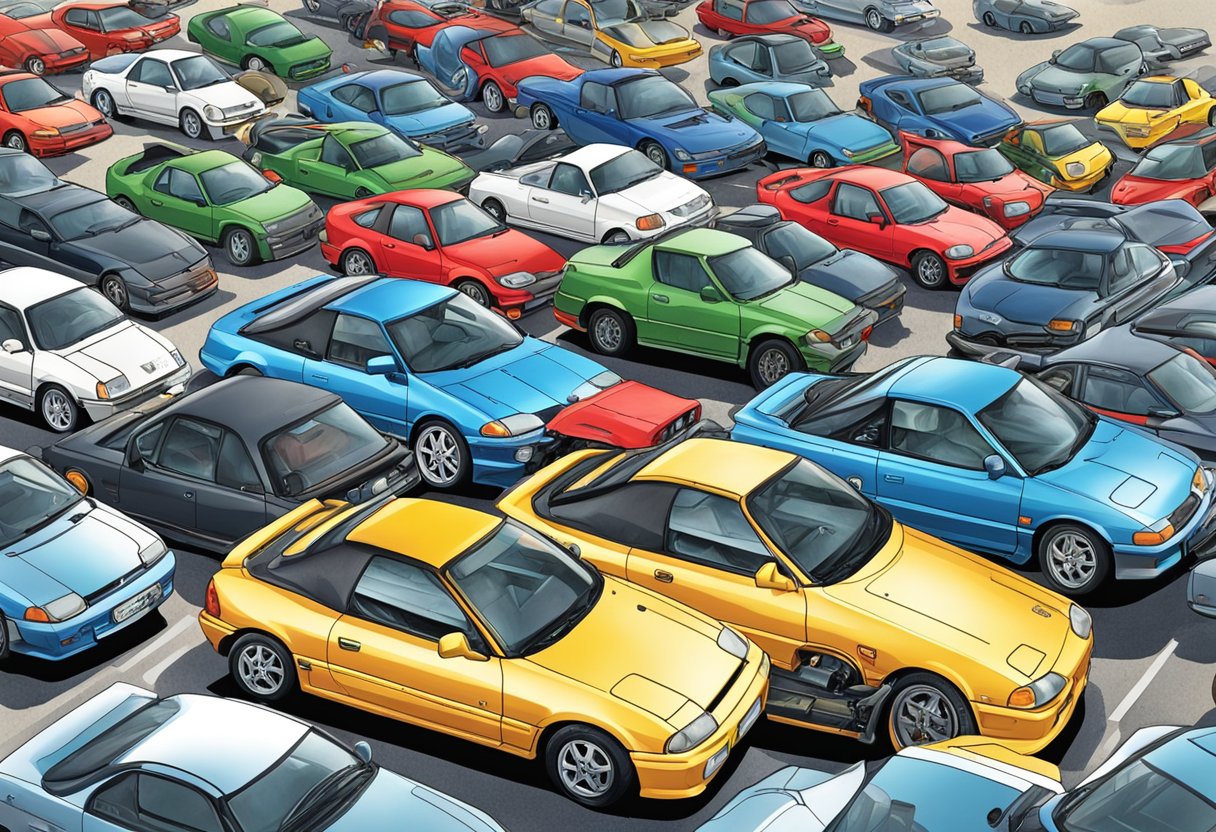
The Honda CRX Del Sol, a successor to the CRX, might charm you with its sporty design and targa top. However, as it ages, you could notice issues such as:
When considering a pre-owned Toyota Prius, keep in mind that certain model years between 2004 and 2009 have been known for specific issues. Here’s what you might encounter:
Common Issues:
Battery life: Some models may suffer from reduced battery performance.
Oil consumption: High oil usage, notably in the 2011 model.
Headlights: Problems with headlight longevity and functionality.
Recalls: Your 2001-2003 Honda Civic may have experienced recalls, particularly due to transmission failure and airbag issues.
Maintenance Costs: It’s worth noting transmission rebuilds could cost between $2,000 to $2,600. Always verify the maintenance history before purchasing.
2005-2007 Models: These are particularly problematic.
Transmission issues with an average failure at around 90,000 miles.
Repair costs can be substantial, averaging about $3,500.
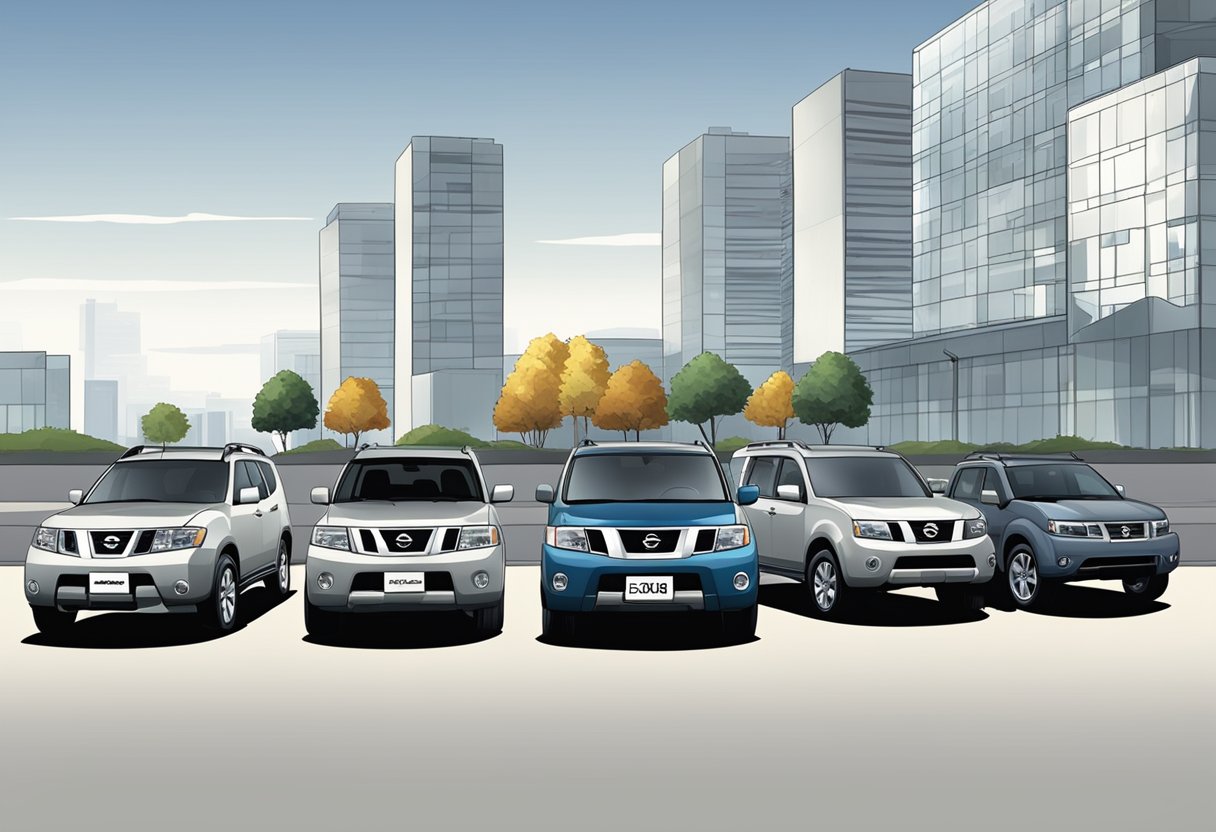
For more detailed information on these issues, have a look at Nissan Pathfinder Problems – Avoid The 2005 Model. Additionally, the 2015 Pathfinder is known for faults in its air conditioning system, which is a concern shared by other models in this range.
Your Subaru XT might have charm, but owners often mention a few quirks. Engine choices include less powerful four-cylinders or a heftier six-cylinder, which provided a bit more pep.
The XT6 model, interestingly, came with 145 horsepower. If you’ve got an XT, keeping an eye on the engine’s performance is wise.
You might find the Nissan Cherry Europe GTi intriguing. It’s a hybrid of Japanese and Italian automotive styles from the mid-1980s. Although created with ease of use in mind, the car had some issues.
Its lackluster reputation is discussed in a detailed article on Curbside Classic. Your interest in this vehicle may stem from its quirky heritage or from a keenness on unusual cars with a story.
Your Nissan Sentra between 2000 and 2006 may have several common issues. Notably:
Transmission problems: Often leading to expensive repairs.
Brakes and exhaust system issues: Safety and performance can be compromised.
Faulty trunk latch: An annoyance that affects usability.
For specific insights and repair costs, refer to 2006 Nissan Sentra complaints or issues reported for Nissan Sentra’s common problems. Remember, informed ownership helps in maintaining your car’s longevity.
When you’re in the market for a car, the reliability of your vehicle is a key concern. Japanese brands like Toyota, Honda, Nissan, Subaru, Mazda, and Mitsubishi have built reputations for solid performance but they’ve also had their share of problems. Let’s take a look at some specific models from these makers and the challenges they’ve faced.
Toyota’s Recalled Models
Toyota is known for durability, but even they have encountered issues leading to recalls. Notably, the Toyota 4Runner faced recalls related to its safety equipment and structural integrity. Checking for outstanding recalls should be part of your purchase process.
Honda’s Engineering Hiccups
Honda has maintained a strong reputation with vehicles like the Honda Accord, yet they’ve seen engineering hiccups that resulted in challenges like transmission failures and high oil consumption in some models, which are worth keeping in mind when considering an older Accord.
Nissan’s Problematic Lineup
Nissan offers a range of vehicles, but the Nissan Armada and Nissan 370Z have seen their share of issues. The Armada faced problems ranging from brake concerns to suspension issues, while the 370Z has had reports of clutch problems.
Subaru’s Head Gasket Woes
Subaru’s boxer engines give them a unique place in the market, but have been notorious for head gasket failures. This expensive repair is something to look out for, especially in models from the early to mid-2000s.
Mazda’s Rotary Engine Dilemma
Mazda’s innovation is exemplified by their rotary engines, which equip models like the RX-7 and RX-8. However, these unique engines can face dilemmas such as seal wear and oil leakage, leading to high maintenance costs.
Mitsubishi’s Reliability Dip
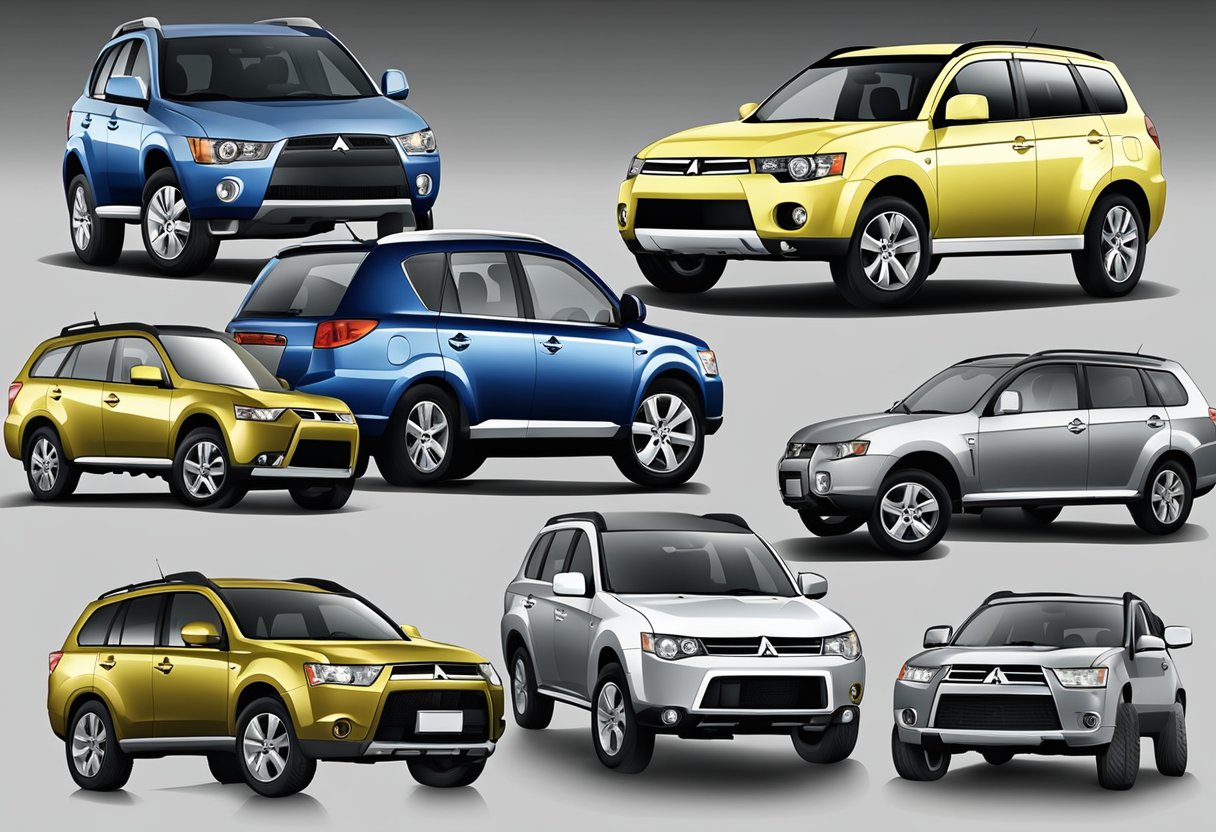
Known for their affordability, Mitsubishi cars like the Mitsubishi Mirage have sometimes faced a reliability dip, with some drivers reporting issues like premature wear of components and less refined driving dynamics. It’s worth researching specific model years for potential recalls or known issues.
As winter approaches, you might want to think twice about what you leave in your car. Cold temperatures can wreak havoc on items you might casually toss in the backseat or trunk.
From freezing liquids to damaged electronics, the chill of winter is often underestimated, and keeping the wrong things in your vehicle could lead to regret when you discover the costly or inconvenient aftermath.
Storing your medicines in your car during winter can lead to reduced efficacy. Cold can alter their composition, effectiveness, or even freeze liquid forms. Always check storage guidelines on labels and keep them indoors.
Leaving your pets in your car during winter can be harmful, as exposed in an American Kennel Club article. Even with a fur coat, your pets can suffer from cold-related health issues. Always ensure they’re safe and warm indoors.
In winter, leaving electronics in your car can cause battery damage or affect functionality. Devices can endure low temperatures, but persistently cold conditions are detrimental. Always take your electronics with you to avert potential issues.
When temperatures plunge, canned goods in your car are at risk. Freezing can cause cans to swell, potentially leading to health problems. Always remember to bring your canned items inside to avoid spoilage and ensure safety.
USDA advice highlights the hazards of frozen cans. Swollen cans need careful handling—thaw them in the fridge before use.
Stowing your chocolate or candy in the car during winter might lead to a gooey mess. Cold initially hardens them, but as your car warms up, they melt. Plus, cleanup is a sticky ordeal! Keep sweets with you to avoid surprises.
When temperatures plummet, any plastic items in your car, such as water bottles or takeout containers, can become brittle and crack. Avoid leaving these behind to prevent messes or losing valuables. Always remember to bring any plastic items inside.
Leaving your makeup in the car during winter can lead to cracked powders and separated liquids. Lipstick, for instance, might freeze and break or melt if exposed to car heaters. Remember to grab your cosmetic bag before leaving the car!
Leaving perishables in your car during winter can lead to freezing and spoilage. Temperature fluctuations may cause foods like eggs to crack or spoil, so it’s best to take groceries inside promptly.
Your car battery dislikes cold weather, as it can reduce its life and performance. Keep a charger handy and avoid leaving extra batteries in the car. Stay charged!
Keep your identity safe by not leaving sensitive documents like passports or bank statements in your car. Thieves target such valuables, even in cold weather. Always take these items with you to avoid potential identity theft.
When temperatures plummet, your aerosol cans are at risk. They can explode if left in your car during winter due to the extreme pressure caused by cold. Always take them inside to avoid a dangerous situation.
Be mindful to remove your glasses and sunglasses from your car during cold spells. The frigid temperatures can render the materials brittle, leading to potential damage or breakage. Keep them safe and maintain their longevity by bringing them indoors with you.
When winter hits, your car’s interior can experience extreme temperature changes. Leather goods such as jackets or purses can suffer. They risk drying out, cracking, or warping with the cold. Always take your cherished leather items with you rather than risking damage by leaving them in your car.
Be mindful not to leave your houseplants in the car during winter. They’re sensitive to cold and can perish in the chilling temperatures. Always bring them inside to ensure they stay warm and protected.
Storing propane tanks in your car during winter is risky. Temperatures drop, and a leak could be disastrous. Keep them out of enclosed spaces, including your vehicle. For safety tips, see guidelines on storing propane tanks. Always prioritize your safety.
If you cherish your vinyl records, remember they’re sensitive to extreme cold. Vinyl can become brittle and, in some cases, even crack when exposed to low temperatures. It’s best to keep them out of your car in winter.
Keeping a fire extinguisher in your car is wise, especially to tackle unexpected fires. Ensure it’s in good condition and readily accessible. However, extreme cold can impact its functionality. Check guidelines on proper storage during winter to prevent damage. Safely store your extinguisher.
Leaving reading materials in your car during winter can cause them to suffer. Cold and moisture may warp pages and lead to a faded cover. Keep your books and magazines inside to preserve your treasured readings.
1Your winter hobbies deserve care. Snowboards, skis, and other pastime gear can suffer from the cold and moisture found in a car during winter. To avoid damage:
Dry everything before storage.
Keep gear in a temperature-controlled environment.
As you consider upgrading to an electric vehicle (EV), it’s essential to weigh the road ahead. While EVs promise a greener future, there are several hurdles that could slow their progress.
From the current infrastructure limitations to the environmental impact of battery production, your journey toward electric transportation may face several challenges. Understanding these potential drawbacks is crucial for an informed decision on the rise of EVs.
You might be curious about how policy could shape the future of electric vehicles (EVs). President Joe Biden has set ambitious goals, reflected in policymaking efforts aimed at accelerating EV adoption.
For instance, Biden’s executive order envisages 50% of all new passenger cars sold being electric by 2030, as per a Politico article. Yet, numerous states have voiced concerns, calling these goals potentially unlawful and unsustainable, highlighted by the Washington Examiner.
Concerns also arise around infrastructure readiness. The speed of this transition is being questioned by car dealers who argue the current profit model and consumer demand don’t fully support a rapid shift away from gasoline-powered cars. They urge a slower rollout, citing economic and practical challenges in meeting the aggressive targets.
While aiming to cut emissions, Biden’s plan faces a balancing act between environmental goals and economic realities. Transition to EVs isn’t just about building cars; it’s about building consensus.
If Donald Trump were to become president again, he might hinder the electric vehicle (EV) industry’s progress. His earlier policies favored fossil fuels, and his criticism of EVs could translate into less supportive legislation for electric vehicles in the future.
Potential actions could include reduced incentives for EV buyers and manufacturers, prioritizing traditional energy sources over renewable ones.
You might find your electric vehicle’s range doesn’t quite take you as far as you’d hoped. A mixture of factors like driving habits, weather, and your car’s model affect this.
Plus, if you’re on the road and need to charge, encountering insufficient charging stations may add to your travel time. It’s vital to consider these aspects when planning long trips or commutes.
Your electric vehicle (EV) relies heavily on battery technology, which requires specific metals like lithium and cobalt. The growing demand for EVs could lead to a bottleneck in the supply of these critical materials. This dependency raises concerns:
When you consider electric vehicles (EVs), it’s vital to examine the environmental toll of their batteries. The production process of these batteries contributes to a significant portion of EV’s carbon emissions, especially when juxtaposing with internal combustion engine vehicles. As found in a 2021 study, production makes up 46% of EV emissions.
Batteries require materials like cobalt, lithium, and rare earth elements. Extracting these raw materials can cause environmental strain—from habitat disruption to water pollution.
Awareness is key—and your choices matter in shaping a sustainable future.
When you charge your electric vehicle (EV), the source of the electricity matters. Charging primarily using renewable energy can dramatically reduce your EV’s environmental footprint. However, charging EVs using electricity from fossil fuels can still lead to significant CO2 emissions and may not considerably reduce the overall environmental impact compared to traditional vehicles.
To lean towards sustainability, it’s crucial that energy for charging EVs comes from cleaner sources, like wind or solar power. Remember that your charging habits have a huge environmental impact, so choosing green energy makes a difference!
When you’re eyeing an electric vehicle (EV), sticker shock can be real. The average new EV might set you back over $50,000. For many, this price remains a significant barrier to entry, despite your enthusiasm for going green.
High Purchase Price:
Average EV cost: Over $50,000
Affordability: Out of reach for average buyers
As you consider electric cars, you’ll find affordability is a pressing issue, with many hopeful owners expecting to spend less than $50,000. The challenge is clear: cost matters to you, the consumer.
When you buy an electric vehicle (EV), you face the possibility of technological obsolescence. Advancements in EV technology are rapid, which can make your EV outdated sooner.
Particularly, improvements in battery technology could mean that the battery capacity and range of new models may surpass your vehicle significantly, reducing its relative value and functionality.
Notably, the median range of EVs has grown substantially over the past decade. Additionally, with EVs evolving, replacement parts for older models could become scarce, adding a level of inconvenience to ownership.
When you’re in the market for an electric vehicle (EV), you might notice less variety compared to gas-powered models. Currently, your choices are mainly limited to smaller sedans or luxury cars.
Trucks and larger SUV options are expanding but still not as plentiful. Opting for an EV means you may have to compromise on the style or type of vehicle that best fits your lifestyle.
Scarcity of Recycling Plants: You might find it tough because there are few facilities equipped to handle the complex recycling process of EV batteries.
Expensive Recycling Methods: The cost to recycle can be higher than producing new materials, making it less economically viable.
Limited Battery Lifespan: EV batteries don’t last forever, and handling their disposal en masse could become a logistical challenge.
When you consider electric vehicles (EVs), it’s clear that acceptance isn’t universal. Here’s why:
Cost Concerns: EVs can be pricey upfront.
Charging Infrastructure: Limited charging stations can deter.
Some folks worry about the longevity of EV batteries and their replacement costs. There’s also a segment hesitant about new technology, preferring to stick with familiar combustion engines.
You might find your electric vehicle (EV) experience heavily influenced by government policies. EV’s success often leans on:
Subsidies: Financial incentives like tax rebates.
Regulations: Mandates such as zero-emission vehicle requirements.
But what happens if these incentives vanish or policies change? Your investment could be at risk. With government support being uncertain over the long term, your reliance on such policies could become a significant downside to EV ownership. Keep a close eye on the political landscape as it may dictate the affordability and viability of your EV.
Electric vehicles (EVs) herald a green revolution, but you may encounter some obstacles. Supply chain issues impact the EV market in crucial ways:
Raw Material Scarcity: EVs rely on rare materials like lithium and cobalt, which are susceptible to geopolitical tensions and market fluctuations.
Supplier Bottlenecks: With soaring demand, there’s pressure on Tier 1 suppliers to control the value chain. Securing long-term raw material agreements is key for consistency.
Tech Innovation Pace: Rapid advancements in EV technology mean suppliers must continuously adapt, risking delays.
When you opt for an electric vehicle (EV), it’s crucial to consider the weight and performance trade-offs. Heavier batteries are needed to increase range, but this added weight can affect the vehicle’s handling and efficiency.
Range vs. Weight: The heavier the battery, the more energy needed to move.
Handling: Extra weight impacts your car’s agility and braking distance.
Understanding these trade-offs is essential for making an informed decision about EVs.
Your journey with electric vehicles (EVs) may face obstacles such as battery longevity concerns and limited charging infrastructure. You might also note slower charge times compared to fueling a gasoline vehicle. These technology gaps must close for EVs to become more viable.
Your electric vehicle’s battery won’t last forever. When it’s time to dispose of it, the recycling infrastructure may not be ready.
Currently, the capacity to recycle batteries is limited, meaning there’s a risk of harmful materials not being recovered effectively. Keep this in mind as electric vehicles become more popular.
When choosing your vehicle, you often consider its look and feel. Electric vehicles (EVs), with their novel architectures, might challenge traditional design aesthetics you’ve grown fond of. They offer sleek, futuristic contours but may lack the classic car charisma.
Additionally, the absence of a traditional engine frees up space, leading to unconventional layouts that can alter the vehicle’s fundamental character, sometimes straying from the timeless designs that evoke nostalgia for car enthusiasts.
Given the current trajectory for electric vehicles (EVs), your purchase might be heavily dependent on government incentives. The high cost of EVs often means significant subsidies are required to make them affordable. Tax credits have been crucial, but they may not always be available.
Key Considerations:
Affordability: Without incentives, EV prices may remain out of reach.
Policy Changes: Subsidies are subject to government decisions.
When you consider an electric vehicle (EV), it’s important to think about potential resale value. Studies suggest EVs can lose nearly half their value in just five years.
Factors such as technology advancements and battery life expectancy play significant roles in determining an EV’s resale value. Tax incentives that lower initial purchase prices can also reduce future resale values, since they may not apply to subsequent owners.
You might find it surprising that despite the benefits of electric vehicles (EVs), public hesitation remains. Concerns about evolving technology and misinformation can influence your view. For instance, there’s a belief that EVs are less eco-friendly than conventional cars, yet studies consistently show otherwise.
Skepticism: Pew Research finds a decline in the number of U.S. adults considering an EV purchase.
Myths: Forbes disputes the misinformation around EVs, including exaggerated environmental impacts.
Understanding and dispelling these myths is key to making informed decisions about the future of transport.
When you ponder the shift to electric vehicles (EVs), consider the governmental role. Policies may promise an electric future, yet often they’re not holistic. Subsidies, for example, might incentivize EV purchases, but overlook broader factors like infrastructure or trade implications.
Lack of coordination between sectors can lead to unintended negative impacts on both the environment and the economy. For instance, a plan to subsidize EVs has raised concerns among trade partners and could pose unforeseen ecological issues.
You’ve explored various challenges ahead for electric vehicles (EVs). From charging infrastructure woes to the environmental impact of battery materials, it’s clear your journey with EVs will be transformative but complex. Stay informed and drive the change.
In the 1970s, you might have witnessed the allure of classic cars with their iconic designs and the roar of American engines. Yet, despite their charm, many of these automobiles harbored hidden dangers, from questionable safety features to reliability issues that made them risky choices for drivers.
As you reminisce about these vehicles, it’s important to recognize the potential hazards they posed during a transformative era for the automobile industry.
You’ll find the ’70s a transformative era for American cars, marked by distinctive design philosophies and advancing technology, despite the challenges.
Historical Overview
During the 1970s, the automobile industry experienced a dramatic shift. The decade began with robust sales but soon faced pressures from rising fuel prices and safety demands from the public, pushing manufacturers to seek more efficient vehicles.
Technological Advances and Design Philosophy
American cars of the ’70s often boasted larger glass areas and heavier designs. However, car designs evolved with technology, eventually promoting smaller, more fuel-efficient models. The infamous fuel tank risks led to significant safety overhauls in the industry.
The Chevrolet Corvair attracted attention in the ’60s, notably for its handling characteristics. Ralph Nader criticized its safety in his book, Unsafe at Any Speed, contributing to its controversy. Despite a redesigned suspension, the Corvair’s reputation had been impacted.
Pre-1965: Handling concerns
Post-1965: Improved but stigmatized
Enthusiasts still cherish your Corvair for its unique air-cooled engine and historical significance.
You might recall the AMC Gremlin as a distinctive car from the ’70s era. Introduced on April 1, 1970, it stood out with its unique design, often sparking varied opinions. Despite ambitions to offer something different, the Gremlin faced criticism for its lack of a hatchback or trunk lid, a decision aimed at maintaining body stiffness.
Yet, in a time when build quality was a concern, the Gremlin’s unconventional approach grabbed attention in a market dominated by larger automakers. This car has since nestled into a unique place in automotive history, regarded with a mix of nostalgia and notoriety.
Manufactured by Chevrolet from 1970 to 1977, the Chevrolet Vega was marketed as an innovative and technologically advanced American subcompact car. Despite its strong initial sales and winning a small car comparison in 1971, it garnered a reputation for reliability issues over time.
The Vega, available in several body styles like the hatchback and wagon, featured a lightweight aluminum engine. However, it’s notorious for problems such as engine failure and corrosion, which overshadowed its potential and led to its inclusion on lists of automobiles known for negative reception.
You’d notice the Fiat 850 was an evolution of the Fiat 600 with its rear-mounted engine design. Your experience might vary, as it wasn’t touted as the sportiest despite being a two-seater sports car.
It’s wise to remember these small cars offered simplicity rather than high performance, and the Fiat 850 Spider, a variant renowned for its uniqueness, was part of this lineup.
Keep in mind, though, with nearly 2.3 million produced, finding one in excellent condition today could be quite challenging.
Your Renault R5, affectionately known as Le Car in the US, was the epitome of ’70s compact design. Its modest beginnings with longitudinal engine mountings and torsion bar suspension from the era’s Renault 4 made it unique.
Whether you opted for the 782 cc or 956 cc engine models, this car was all about practicality fused with a touch of French flair.
Remember the 5-door hatchback that promised efficiency and a certain je ne sais quoi? That was your Le Car. Despite its charm, it’s worth noting its performance in safety which was reflective of the times, and by today’s standards, might raise an eyebrow. Still, Le Car remains an iconic nod to automotive history.
The Chevrolet Chevette debuted in 1973 in Brazil and by 1975, you could find it in North American showrooms. As a subcompact, it promised economy during a fuel-sensitive era. Despite achieving good sales, it was known for its lack of power and bare-bones interior.
You may also recognize the Chevette as one of the most dangerous cars of the ’70s due to its poor safety features by today’s standards. Your appreciation for classic cars might include the Chevette, but it’s wise to be aware of its historical drawbacks.
During the ’70s, you might’ve seen the Dodge Dart Swinger on the road, recognized for its style and performance. Notably, the Swinger 340 appealed to those desiring a spry V-8 in a compact frame. However, safety features were minimal compared to modern standards.
You might have heard the Ford Mustang II doesn’t get much love, but it was crucial in the ’70s. Smaller than predecessors, designed during the oil crisis for efficiency, this ride became Motor Trend’s 1974 Car of the Year despite mixed feelings from enthusiasts.
During the ’70s, you may have come across the Pontiac Astre, available from 1975 to 1977. You’d notice it shared its design with the well-known Chevrolet Vega, introduced to cater to the American market’s need for smaller, fuel-efficient cars during the oil crisis.
With production limited, it achieved a certain rarity, especially the notchback coupes, which featured a closed trunk rather than a hatchback.
Produced during an era when safety regulations were less stringent, your concern might lie in its safety features, which, by today’s standards, are considered minimal.
Your Triumph TR7, produced from 1974 to 1981, was a bold British sports car. It’s noted for its distinctive wedge shape and often critiqued reliability. Despite its controversial reputation, it holds a unique place in automotive history.
You might adore the classic look of the Volkswagen Beetle, but your safety’s a concern with models before 1975. They lacked basic features by today’s standards, such as:
Proper seatbelts
Effective crumple zones
Reliable anti-lock brakes
These shortcomings put you at higher risk in collisions. If you’re keen on Beetles, consider later models or upgraded safety features to ensure a safer ride.
The Chevrolet Citation was introduced as innovation in efficiency in automotive design during the 80’s. Heralded for its front-wheel drive, this compact car replaced the Chevrolet Nova.
Despite initial high sales, your Citation’s reputation was tarnished by reports of mechanical and safety problems, leading to its withdrawal from the market.
During the 1980s, you might recall the Ford Bronco II was notable for its safety concerns, particularly related to its rollover risk. Your interest in classic SUVs may lead you to discover that between 1986 and 1990, the Bronco II exhibited a higher rollover-related death rate compared to other vehicles of the time. Despite this, the Bronco II remains a topic of conversation among classic car enthusiasts.
You might find the 1975 AMC Pacer distinct with its wide, rounded body. Despite its ambition as a compact car, your comfort in this unique vehicle may vary. Produced by the American Motors Corporation, the Pacer was a response to the oil crisis, emphasizing smaller, fuel-efficient designs.
Remember, if you’re into classic cars with a story, the AMC Pacer might just spark your curiosity!
The Reliant Robin became infamous for its distinctive three-wheeled design. Despite being a symbol of British automotive engineering, it’s often remembered for stability issues. Interestingly, the Reliant Rialto was an evolution intended to rectify earlier flaws.
In the ’70s, you might recall the Chevrolet Monza’s impactful design. It was launched with rectangular headlights and boasted a resilient polyurethane nose.
Despite its sporty appearance, its safety features lagged behind. Keep in mind, side window louvers were not just for show; they were part of a functional ventilation system.
Your journey with the Chevrolet Monte Carlo starts in the ’70s, where it first cruised the streets with style. Despite its charm, this era’s Monte Carlo had its perils:
1970 Model: Equipped with an Automatic Level Control suspension, your ride aimed to be smooth, yet this feature posed longevity issues.
Performance vs Safety: Your Monte Carlo, blending luxury and performance, sometimes compromised on safety enhancements common in today’s cars.
During the 1970s, the Ford Granada was marketed as an affordable luxury car, but it faced criticism over its handling and build quality. Critics noted issues like numb steering and poor fuel economy. Despite its aim to mimic European styling, the Granada’s performance was underwhelming, often recalled for its subpar road handling, especially on rough terrain.
Safety concerns also arose, as it lacked the advanced safety features we expect today. To read about its comparisons and historical context, visit Automotive History/Vintage Review and for more on its North American history.
The Pontiac Fiero was a mid-engined sports car you might remember. During its production from 1984 to 1988, you’d have seen it boasting a sleek design.
Years: 1984-1988
Engine Placement: Mid-engined
Sales: High
Initially, your Fiero might be celebrated for its affordability and fuel efficiency, but it faced issues. Concerns over reliability did mar its reputation, despite being a hit in the showrooms.
Your interest in the Morris Marina might stem from its infamous reputation in the ’70s automotive industry. Produced from 1972 to 1980, this family car, while aiming to fulfill the needs of the average driver, faced challenges.
It’s been critiqued over time for its handling, with some citing lackluster design affecting its overall performance. Despite this, it holds a place in British car history.
Reflecting on the 1970s automobiles, it’s key to acknowledge their legacy in car culture. While classic cars from that era come with character, your safety should take precedence. Remember, their charm doesn’t guarantee safety standards we take for granted today.
Car preferences are subjective, but there’s consensus on some models that stir up strong feelings. You might be surprised which vehicles have earned a less-than-stellar reputation among drivers and the public.
From lackluster driving experiences to persistent mechanical issues, these are the vehicles that have driven their way onto the most hated cars list.
You’ve probably heard of the Pontiac Aztek, produced by General Motors from 2001 to 2005. Its infamous reputation stems from its unconventional design and performance issues.
Designed by Tom Peters, it was a mid-size crossover with the intention of versatility and practicality. Despite its roomy interior and innovative features like a removable cooler and tent option, its aesthetics were often criticized.
Production Years: 2001-2005
Design: Unconventional, widely criticized
Key Features:
Removable cooler
Tent option
Sales: Low due to design & performance
Even with the practical features, the Aztek struggled to win over the public. It is frequently mentioned in discussions about poorly received vehicles.
You might wonder why some folks don’t warm up to Mustangs. They’re often viewed as polarizing; people tend to either love them or have little interest. Mustangs carry with them a reputation that can attract both admirers and detractors. Curious about the specific reasons?
Experiencing frustration with your Smart ForTwo? You’re not alone. This tiny car, while great for squeezing into small parking spots, has met with its share of criticism. Some drivers find it less-than-optimal for fuel economy, and its size can be impractical.
Size: Compact, but perhaps too much so
Performance: Not the sportiest ride
Reputation: Often listed as embarrassing to drive
Safety Concerns: Visibility issues for pedestrians and other drivers
There have been moments of sheer frustration expressed by owners online, even after only a couple of days owning one. Despite its challenges, some owners embrace its uniqueness. Where do you stand?
Your unique taste might just find a match with the Fiat Multipla. Labeled as one of the world’s ugliest cars, it’s also an enthusiast’s quirky dream with surprisingly practical space!
Production Years: 1998 to 2010
Seating: You get a roomy interior for six.
Visibility: Elevated position with large windows.
Despite its exterior, the Multipla offers a rewarding driving experience and practical benefits. Embrace its uniqueness and drive something truly different.
You might recall the Hummer H2’s unmistakable presence on the road, a representation of sheer size and power. However, its relationship with buyers has seen ups and downs. Here‘s how many came to view the H2 as a “grand and opulent bad idea,” perceiving it as an impractical choice with its considerable dimensions and thirst for fuel.
Its reputation for poor fuel efficiency makes it a less favored option in today’s environmentally conscious society. Plus, it’s argued that despite its rugged looks, the H2 doesn’t offer substantial off-road capabilities as one might expect.
You may find the Nissan Cube has a polarizing design. It’s uniquely boxy shape garners both fans and detractors.
Pros:
Comfortable seating
Easy to park
Cons:
Poor fuel efficiency
Noisy at highway speeds
It also has a CVT transmission that some find problematic. Your tastes will ultimately determine if this car’s distinctive style is right for you. If you’re curious, dig into the quirky nature of the Nissan Cube.
You may remember the Chevrolet SSR, a retro-styled truck blending elements of a pickup with the sleekness of a sports car. It housed a strong V8 engine with 300 horsepower, promising quite the thrill. However, it struggled to find its identity, which ultimately impacted its sales and perception.
Despite its bold attempt, it seemed ahead of its time, or perhaps misplaced, which led to its downfall. It’s one of those vehicles that makes you ponder, “what if?”.
Your recollection of the Chrysler PT Cruiser might evoke strong feelings of dislike, which isn’t uncommon. Here are a few reasons you might not be a fan:
Design: Some say it’s an awkward blend of retro and modern.
Performance: It didn’t excel with its underwhelming acceleration.
Reliability: Frequently mentioned repairs can really add up.
Despite intentions to spark a nostalgia wave, similar to the Volkswagen New Beetle, it received a chilly reception.
You might recall the Suzuki X-90, an ambitious but unusual vehicle. It was a two-seater SUV produced from 1995 to 1997, featuring a removable T-bar roof. Its design was quite distinct and not in line with typical SUV norms of the day.
Production Years: 1995-1997
Seats: 2
Roof: Removable T-section
Notable: Unique styling
Despite its rarity, the X-90 didn’t manage to win over the masses. It was a bold attempt by Suzuki, but their venture into the two-door SUV market with the X-90 remains an interesting chapter in automotive history.
Your curiosity about the Lincoln MKT might stem from its reputation. Despite sharing a platform with the Ford Explorer and the Ford Flex, the MKT didn’t garner the same acclaim. If you’re browsing used models, be mindful of which year models to avoid.
For a comprehensive view from owners, the 2019 Lincoln MKT consumer reviews can offer personal insights. Remember, maintaining awareness of known issues, such as premature tire wear, can be crucial in your decision-making process.
When you spot a BMW X6 on the street, it’s hard to look away. This bold SUV possesses a 335-hp inline-six engine or a 523-hp V8, both promising impressive performance. Its design, distinct with a sloping roofline, often sparks debate.
While it packs a punch power-wise, and comes with BMW’s luxury feel, its polarizing style and practicality may deter you if you’re after a traditional SUV experience.
You might find the Chevrolet HHR evoking mixed feelings. Critics often describe the drive as uninspired and dull, with notable body roll and lackluster steering feel. Despite this, it’s recognized for its reliability and economy.
It might not stand out, but you can count on its practicality and spaciousness for everyday use. The Chevrolet HHR blends into the crowd of vehicles deemed unexceptional, yet it may very well meet your basic needs without fuss.
Your experience with the Fiat 500L might be quite unique. It’s a car that’s been met with mixed feelings. You may appreciate its idiosyncratic practicality, standing out as it does from the aggressive SUV crowd.
Reviews: Reactions vary with some owners expressing satisfaction.
You’ve likely noticed the Mitsubishi Mirage receiving strong opinions online. It’s recognized for its fuel efficiency, boasting an EPA-estimated 43 mpg highway and 36 mpg in the city. Despite its budget-friendly nature, with a sub-$20,000 price tag, it seems to stir quite a bit of controversy among drivers.
Fuel Efficiency: 43 mpg highway / 36 mpg city
Affordability: Under $20,000
Warranty: 10-year/100,000-mile
Critics often point to its driving experience and perceived build quality. However, its existence in the market might be fleeting, as rumors suggest its discontinuation.
You might wonder why the Chrysler PT Cruiser garners so much dislike. Its design mimics older cars with 1930s and ’40s design cues, which isn’t everyone’s taste. Despite this, the PT Cruiser once enjoyed popularity.
If you’re eyeing a used SUV, you might want to steer clear of the first generation Jeep Compass. Debuting in 2007, it failed to impress with underwhelming interior quality and lackluster performance. Your research should highlight:
Performance: On the slow side
Interior: Less than premium feel
Reliability: Question marks linger
Before you commit, check out issues reported during those model years. Your due diligence could save you from headaches down the road.
Despite its bold design and ample luxury, your views on the Cadillac Escalade may align with some drivers who find it less appealing. Criticism often stems from its size, fuel efficiency, and visibility concerns.
Curiously, this has not dampened its popularity, with loyal fans and celebrities frequently seen behind the wheel. Certainly, it’s a vehicle that evokes strong opinions.
Size: Could be bulky for your city driving
Fuel Economy: Might make your wallet lighter at the pump
Visibility: Rear views may be challenging for you.
Renault’s Avantime, conceived as an innovative blend of coupe and MPV, struggled to win over the market. Its novel design and roomy interior were overshadowed by its limited practicality and niche appeal. Despite its rarity, you might find its quirkiness rather charming.
You might recall the Dodge Caliber as the compact car with a bold stance aiming to be your economical runabout. Despite its practical aspirations, it gathered a fair share of criticism for its performance and build quality. Reliability issues and a lackluster interior design often topped the list of grievances.
Critics frequently mentioned the Caliber’s poor handling and noisy cabin. However, it held a certain appeal for those seeking a budget-friendly vehicle with ample cargo space. If you were looking for a car during its production years from 2007 to 2012, you might have come across enthusiasts who appreciated its affordability and utility, despite the flaws.
You may find the Subaru Baja polarizing. Its unique car-truck hybrid design gets mixed opinions. Either hailed for distinctiveness or criticized for looks, it’s a conversation starter. Does its utility win you over, or is it a pass for you?
Despite its notorious reputation, there’s a cult following around the Allegro. You might find its quirkiness endearing, much like a loveable misfit in the car world.
Despite your love for innovation, the Volkswagen Phaeton likely didn’t capture your heart. Engineered with the intent to cruise at high speeds, its sales didn’t match ambitions.
Years in the US: 2004-2006
Notable Feature: Ability to maintain controlled cabin temperature at 155mph
Although technologically advanced, it became recognized as a misstep. Its high concept failed to resonate with your expectations of the Volkswagen brand.
Some car enthusiasts express discontent with the 4th Gen Acura TL. While you might appreciate its performance, issues noted include a polarizing design and a lack of manual transmission availability across the range manual-equipped cars aren’t as common.
Design: Views on the aesthetic of these models are subjective but often discussed.
Transmission: Less common to find a manual which can be a downside for enthusiasts.
Despite this, your experience with the Acura TL may still be positive, as others have enjoyed their reliability, especially in certain model years first and fourth years were most reliable.
If you prefer aesthetics reminiscent of jet fighters, your admiration for the Acura TL’s beak-like grille design may vary. Your 4G TL features Acura’s Super Handling All-Wheel Drive (SH-AWD), praised for its performance. Yet, you might find the fuel economy less than desirable; you average about 20 mpg.
From discussions among enthusiasts, the 2009-2011 models stir debate, contrasting with updated 2012-2014 styles in your community. Still, you may feel the thrill; the 4G TL SH-AWD is indeed an enjoyable ride.
The Nissan Juke often garners strong feelings. You might know it for its unique design, which stands out but has also faced criticism. While it offers sporty handling and a turbocharged engine, its light steering and controversial aesthetics both inside and out, have led to divided opinions.
Moreover, some drivers have issues with its transmission feel. Those who appreciate originality may like it, but if you prefer conventional styling, it might not be the vehicle for you.
You might remember the Pontiac Fiero as a car that sparked debates. Released in the 1980s, it features a mid-engine, rear-wheel drive layout, similar to the Toyota MR2. While it boasted a sporty look, early models particularly faced issues, leading to mixed feelings among car enthusiasts. Its performance was considered lackluster due to its weight and power.
Despite its controversial reputation, the Fiero has a dedicated fan base that appreciates its unique characteristics. The later 1988 models are often considered more reliable, with fewest complaints according to the NHTSA. This quirky car embodies a bold experiment in American automotive design.
You might remember the 1991 Chevy Caprice, often criticized for its bulbous design, which departed sharply from the boxier shape of its predecessors. Its appearance was so polarizing that it earned nicknames like “whale” and “beached whale”.
Engine: Often equipped with an underpowered 305 engine.
Styling: Radical design change from previous models.
Reception: Controversial looks led to mixed feelings.
Despite its solid build, you either love or hate its unique styling. It’s clear the ’91 Caprice is an acquired taste.
When you recall the first-generation Renault Twingo, think of its distinctive, frog-like appearance that charmed many upon its debut in 1992. Underneath its quirky exterior, you’ll have found a modestly powered engine generating around 75 horsepower.
Despite its slow 0 to 60 mph acceleration, the Twingo’s playful driving dynamics offered a sense of enjoyment behind the wheel which wasn’t tied to sheer speed. Your experience with the Twingo might’ve been marked by its compactness and efficiency – a car from a simpler era but a notable mention among the vehicles some drivers have an aversion towards today.
SUBSCRIBE TODAY
Sign up now to get the email newsletter and exclusive deals weekly.

 Patrick Oziegbe