Think about a world where sleek, shiny cars zip down the highway with an almost space-age grace, their aluminium bodies glinting in the sun. At first glance, it seems like a no-brainer to craft vehicles from this lightweight, fuel-saving metal.
Yet, the reality of automotive design is far more complex than it appears. Beneath the shimmering surface of aluminium lies a web of engineering challenges, economic decisions, and trade-offs that have steered manufacturers.
Engineering Challenges

Using aluminum in car manufacturing presents engineering challenges, such as more complex assembly and the need for specialized techniques and equipment compared to steel. Nevertheless, automakers are increasingly adopting aluminum for its lightness and fuel efficiency benefits. Collaboration between the aluminum industry and car manufacturers is key to overcoming these challenges and improving future vehicles.
Cost Implications

Aluminum costs more than steel, increasing production costs that may be passed on to consumers. Joining aluminum parts is also more complex and costly. It’s important to consider the financial implications of opting for aluminum vehicles.
Low Melting Point

Cars aren’t made entirely of aluminum because it has a lower melting point than metals such as iron and steel, weakening at high temperatures and potentially damaging the engine or compromising safety.
Melting points:
- Aluminum: 660°C
- Iron: 1530°C
- Cast Iron: 1260°C
- High Carbon Steel: 1353°C.
Thermal Expansion
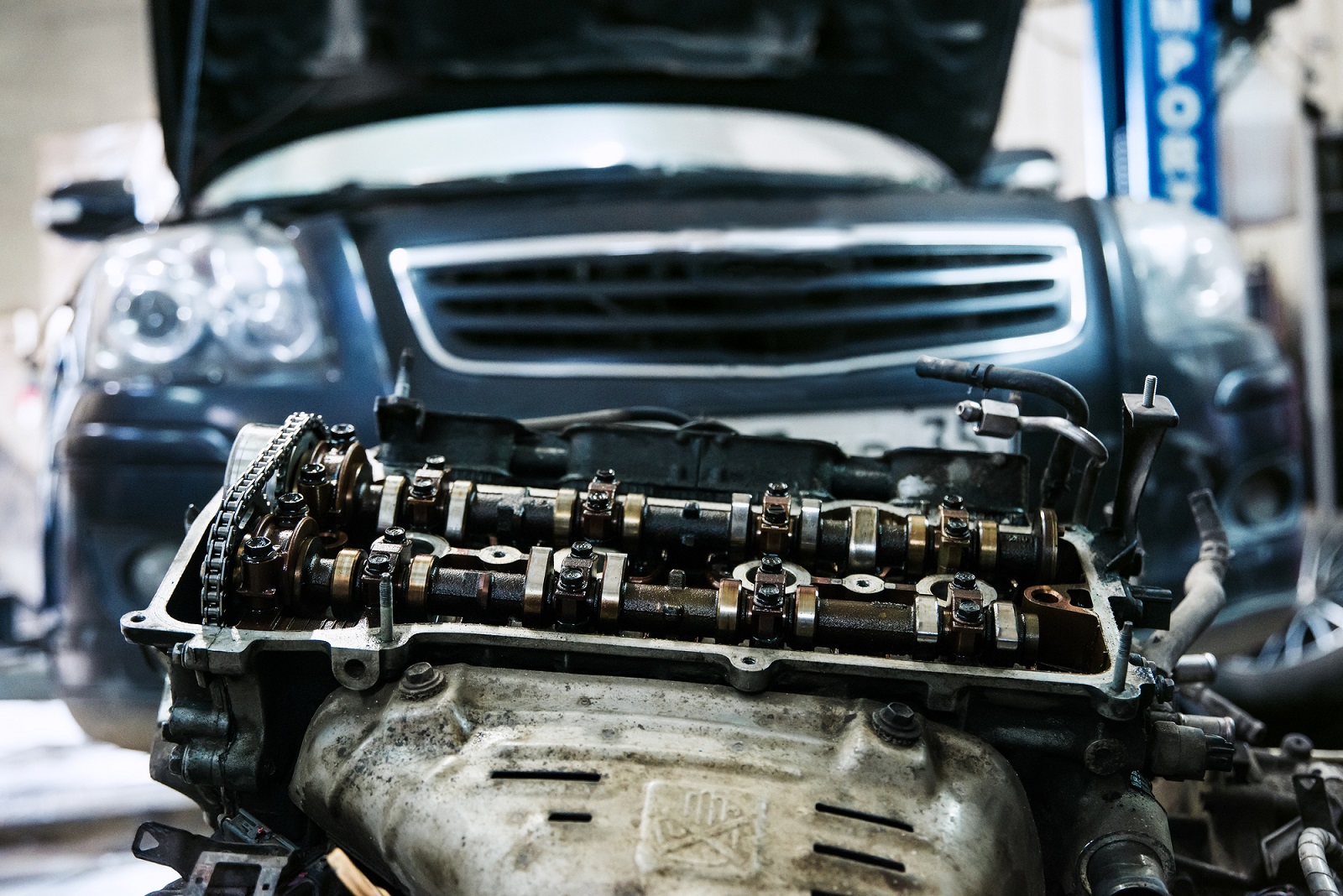
Aluminum has a higher coefficient of thermal expansion, which can lead to dimensional stability issues in varied temperature conditions. Aluminum’s thermal expansion coefficient is higher than steel’s, which means it expands more when heated. This difference in thermal expansion can lead to misalignments in car components, affecting its safety and performance over time.
Strength and Durability
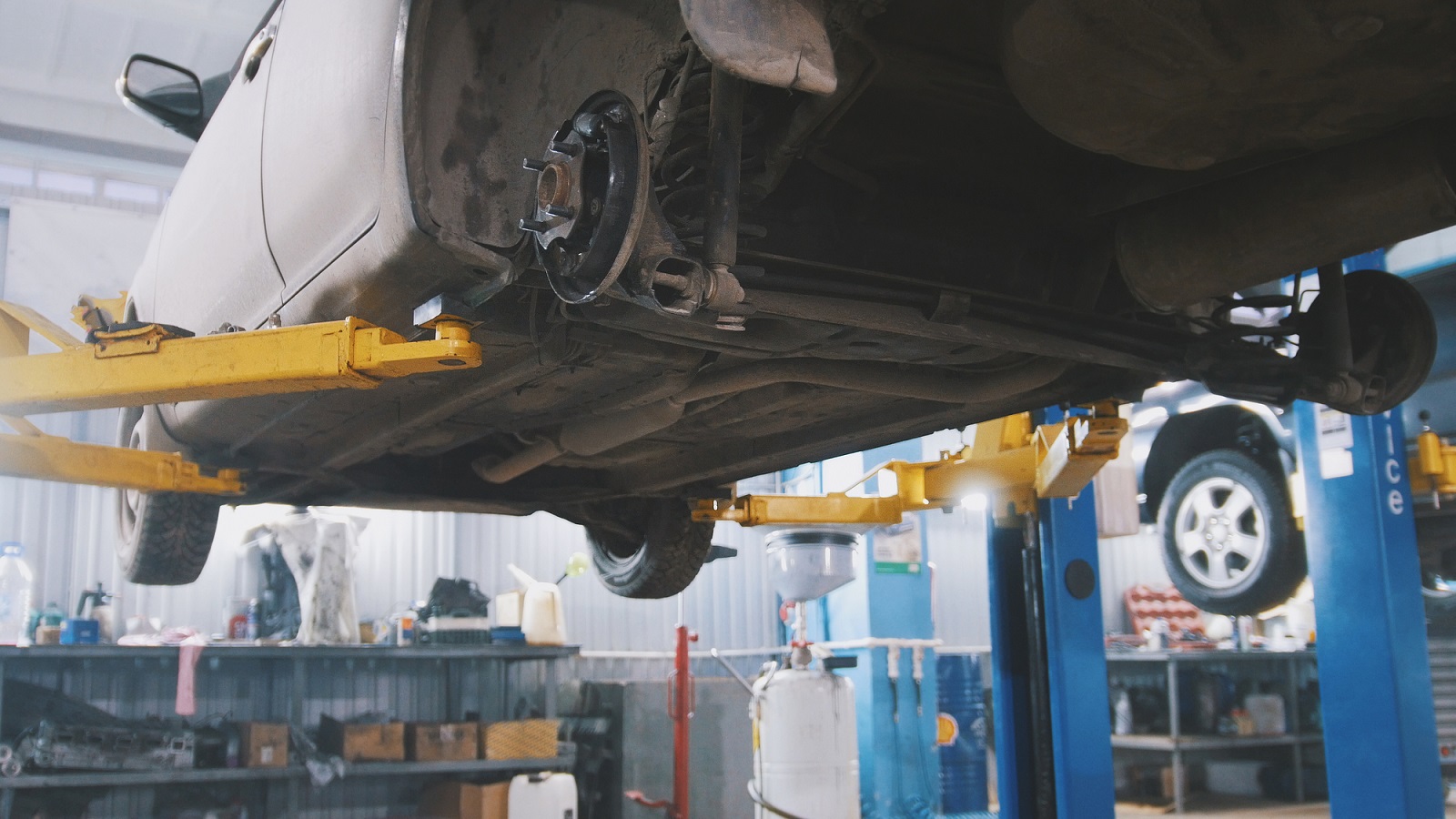
Steel’s strength and energy absorption make it ideal for durable, accident-resistant cars and it resists daily wear better than aluminum. However, aluminum’s lighter weight improves fuel efficiency and performance, advantages that are significant in electric vehicles.
Manufacturing Complexity
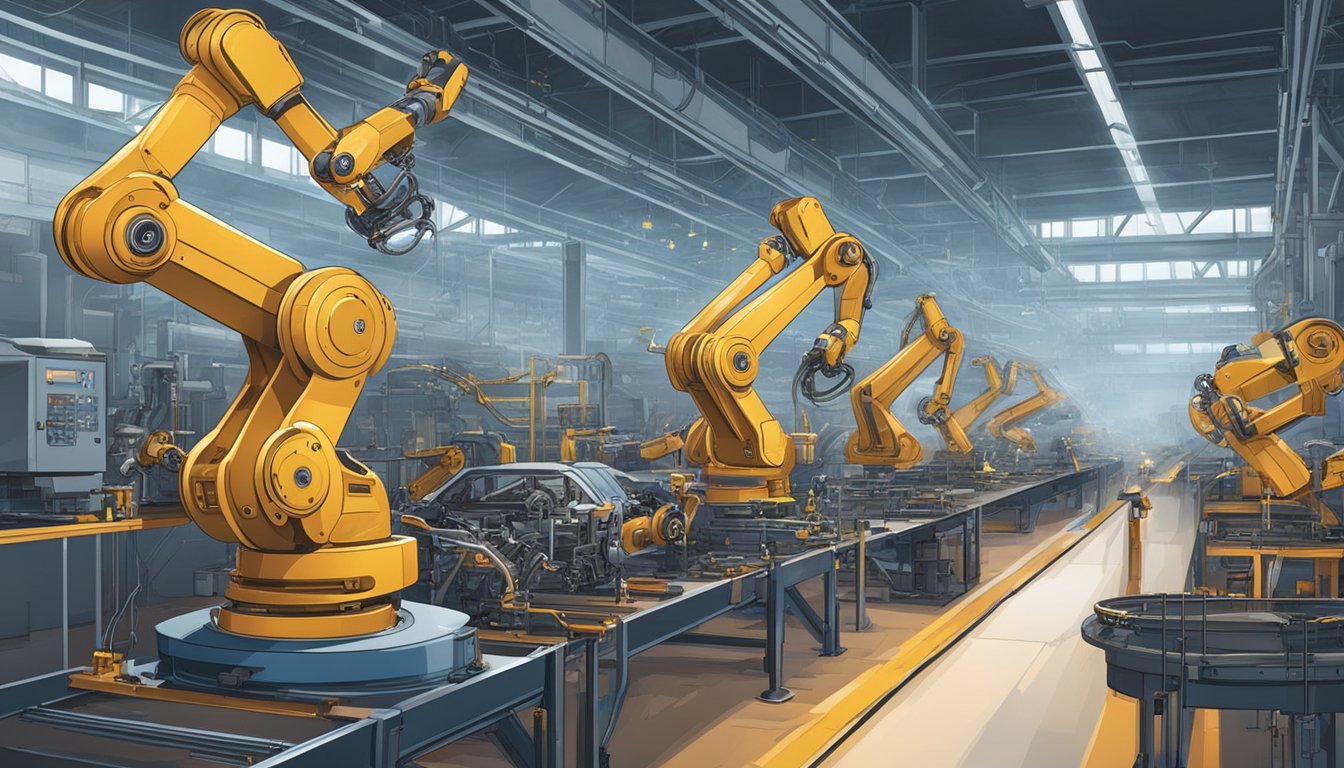
Aluminum parts necessitate specific manufacturing techniques like forging or extrusion, complicating production. With vehicles combining steel, aluminum, and carbon fiber, the variety of material grades and gauges grows, adding complexity to design and manufacturing. Manufacturers must select the right aluminum alloys for different car parts. For instance, Tesla uses an 8-mm extruded aluminum sheet to protect its battery compartment.
Noise and Vibration

Aluminum may not dampen noise and vibration as effectively as steel, potentially leading to a noisier ride. You might hear more road noise, and feel vibrations from the engine or suspension while driving.
Market Demand

Consumer preference for steel-bodied cars is high, driven by cost-effectiveness, especially as aluminum prices have risen. Automakers choose alternative materials to keep cars affordable. Buyers often seek the traditional feel of steel. Moreover, aluminum production emits more greenhouse gases, raising environmental concerns.
Material Sourcing

Refining aluminum for automotive use is more energy-intensive than producing steel. For electric vehicles, manufacturers often use new aluminum to avoid contamination and downcycling issues, resulting in higher embodied GHG emissions.
Repair and Maintenance

Aluminum is harder and costlier to repair than steel, impacting total ownership costs. Its sensitivity to heat requires repair shops to use special tools and methods to prevent further damage or corrosion. Because aluminum is less pliable than steel, even minor dent repairs can be more complex, potentially necessitating more preventive maintenance to sidestep hefty repair bills.
Rust Resistance

Aluminium offers excellent rust resistance for your car. This lightweight metal forms a protective layer, called aluminium oxide, when exposed to air. This layer acts as a barrier, preventing corrosive substances from reaching the car’s surface. However, it can still corrode or experience galvanic corrosion when in contact with other metals, which can lead to maintenance issues.
Recycling Infrastructure
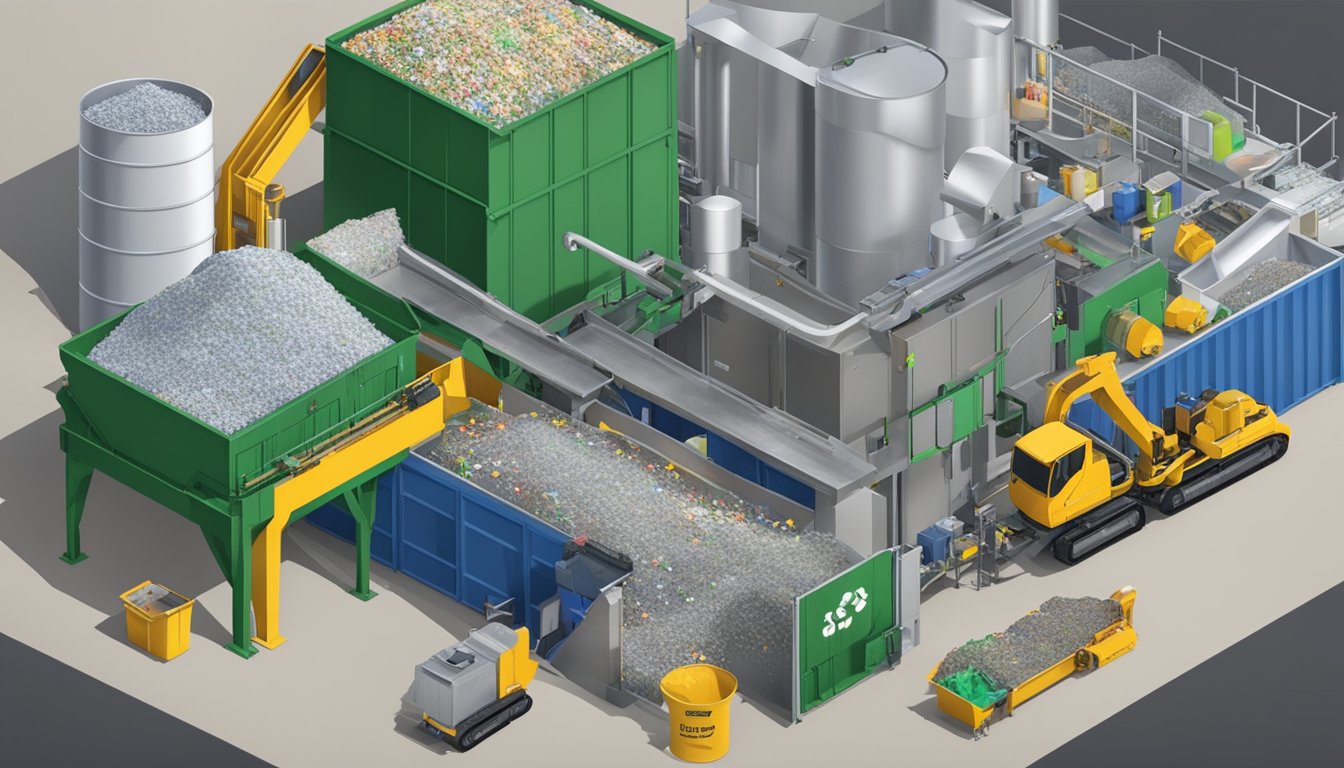
The existing recycling infrastructure is more optimized for steel than for aluminum, which can affect the end-of-life vehicle processing. The REALCAR project made significant strides in recycling aluminium in cars. However, many other materials commonly used in vehicles may not have as efficient recycling processes.
Material Stiffness
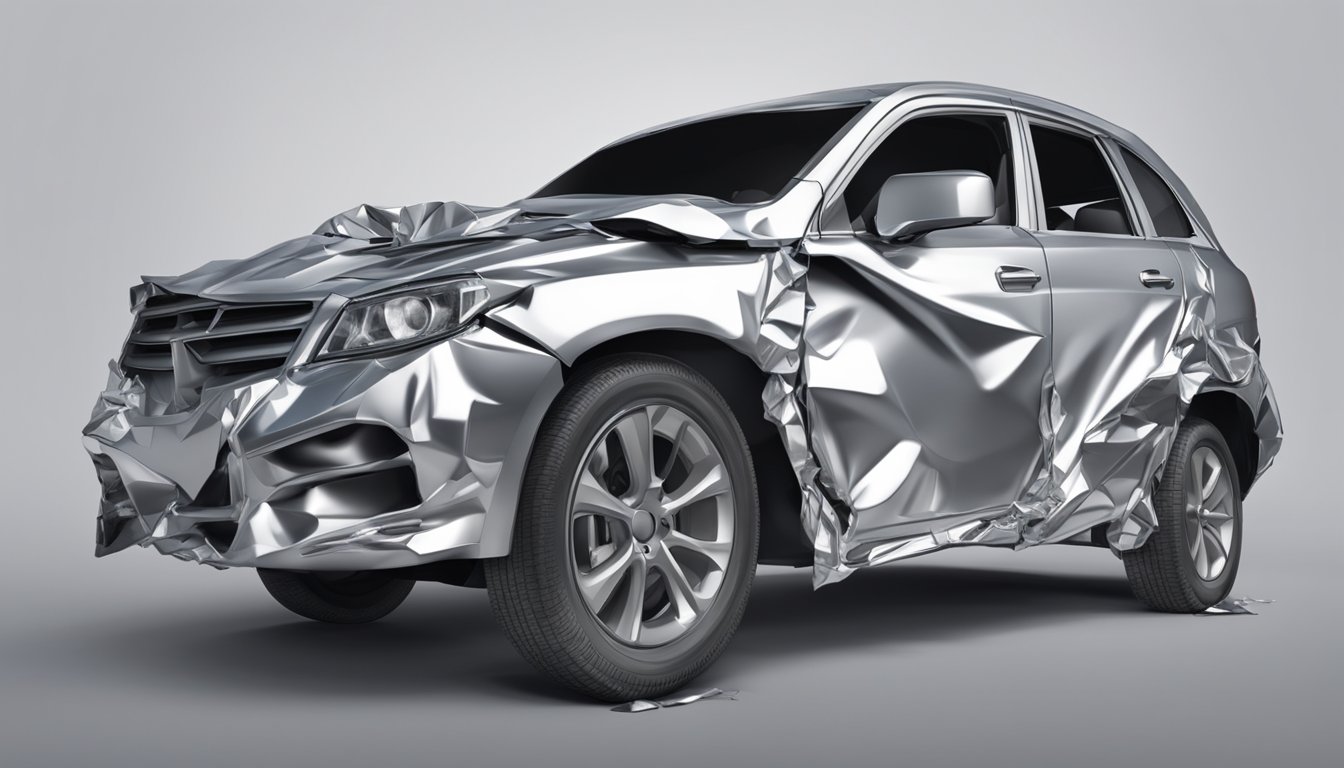
Steel typically provides greater stiffness, crucial for a vehicle’s structural integrity, as aluminum deforms more easily under force. Stiffness is key in cars for safety and performance, with stiffer materials like steel offering better durability against wear and tear over time.
Design Flexibility

Steel provides a broad array of design possibilities, beneficial for automakers. Achieving complex shapes is more challenging with aluminum than with steel, and aluminum offers fewer joining options, complicating assembly. Also, aluminum-intensive vehicles need more gauge/grade combinations, adding to the complexity. These factors explain why cars aren’t usually made entirely of aluminum.
Painting and Coating
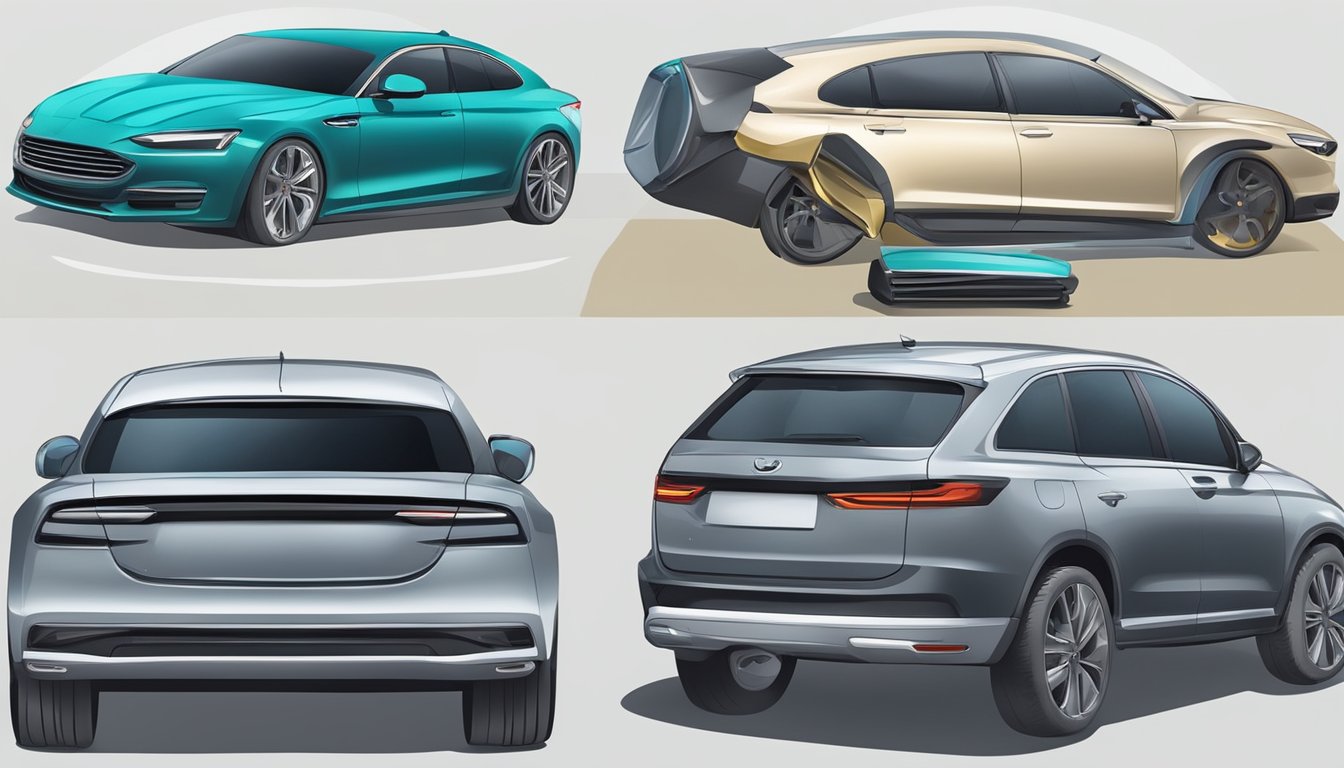
Applying paint and coatings to aluminum can be more challenging due to its surface properties, which can have a significant impact on their longevity. Properly applied paint adds a layer of protection, preventing moisture from reaching the metal and causing rust.
Impact on Tooling

Manufacturing with aluminum may necessitate specialized tooling, resulting in extra investment. Tools and dies wear out quicker with aluminum, requiring more frequent replacements. Choosing the right lubricants and coolants is critical to minimize tool wear and ensure quality results.
Combustion Engine Vehicles
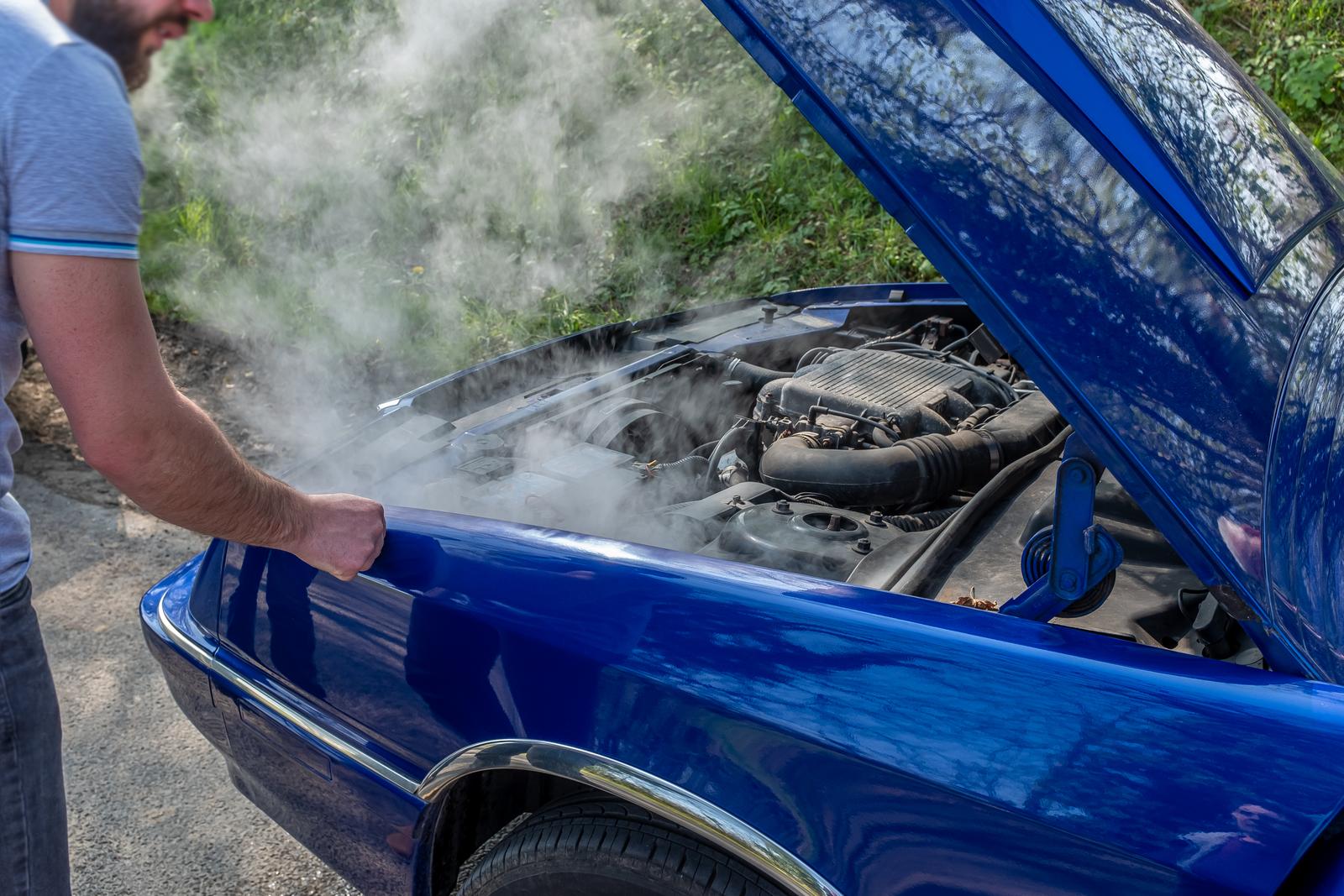
For traditional internal combustion engine vehicles, the weight savings from aluminum might not justify the cost, though this is changing with the rise of electric vehicles. Traditional ICE cars rely on heavy steel frames, making them heavier than electric vehicles (EVs). In contrast, aluminium is a cost-effective and environmentally friendly material that can help to make vehicles lighter and more efficient.
Industry Standards

The automotive industry is built on steel, and switching to aluminum would mean overhauling standards and regulations.
Cars aren’t primarily made of aluminum due to, Cost: Aluminum often costs more than steel. Fabrication: Aluminum manufacturing can demand new methods and equipment. Yet, aluminum’s presence in vehicles is increasing, so watch for evolving industry standards.
Availability of Skilled Labor

Manufacturers often struggle to find workers skilled in aluminum fabrication, as labor expertise greatly influences material choice in car production. Fortunately, alternatives like steel or carbon fiber exist, each requiring unique skills. Investing in workforce training is vital for efficient and sustainable production.
Weight Distribution

Although aluminum is lighter than steel, it complicates achieving optimal weight distribution in a car, which is key for handling and performance. Balanced weight is essential for stability and control, contributing to the decision not to make cars entirely of aluminum.
Supply Chain
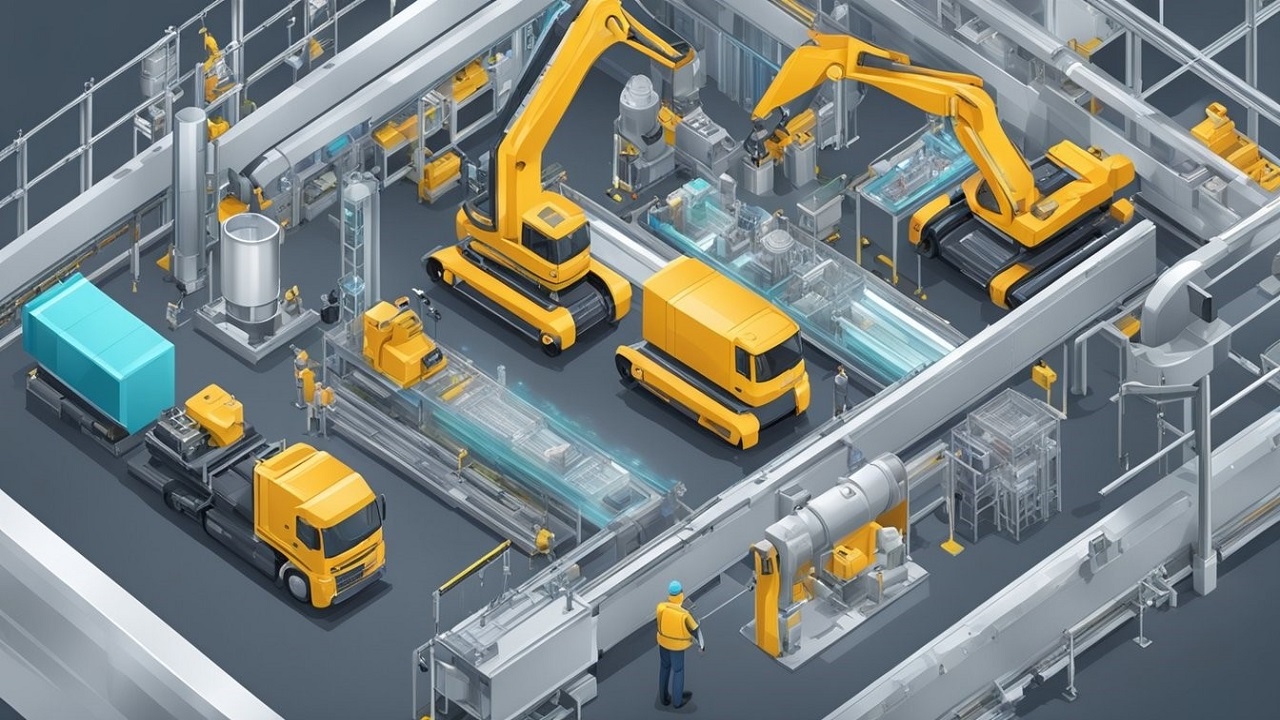
The steel supply chain is more established, often providing greater stability and predictability than aluminum’s. Despite aluminum’s popularity for being lightweight, it faces ethical concerns, including reports of forced labor in its production. These ethical issues are important to consider, and the complexity of the aluminum supply chain can complicate sourcing and material management.
Energy Absorption

In collisions, steel often absorbs more energy than aluminum, although advancements in engineering have enhanced aluminum’s protective capabilities. Research from SaeMobilus indicates that “steel absorbed up to 20 times more energy than reinforced plastics and twice that of aluminum for the same thickness. While aluminum absorbed more energy by weight, steel proved to be more cost-effective.”
Tradition and Heritage

Electric Vehicles and Aluminum Use
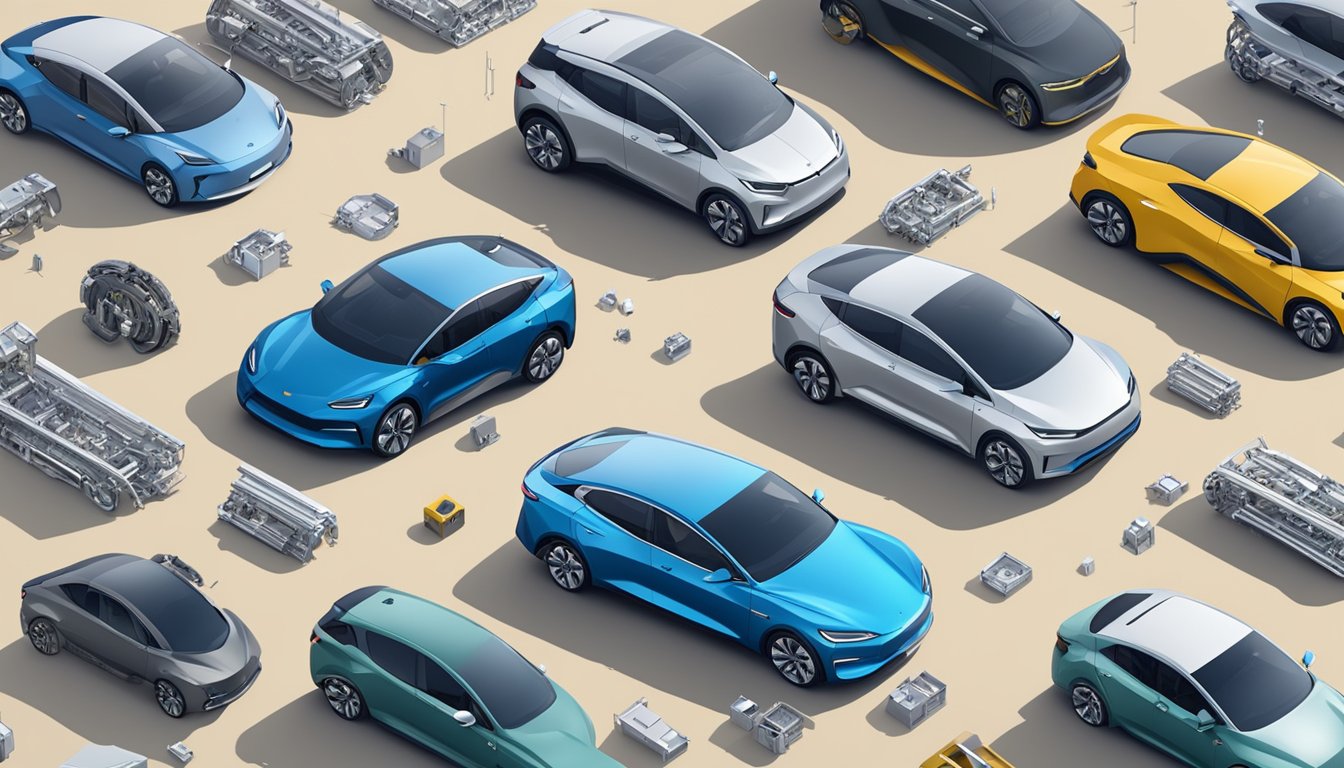
Aluminum is poised to be crucial in electric vehicles (EVs), especially for battery technology. Lighter aluminum parts can make batteries more advanced, enhancing EV energy efficiency and range.
In terms of sustainability, aluminum is beneficial for EV production due to its light weight, durability, and recyclability, contributing to a more eco-friendly automotive industry. This allows EV drivers to appreciate a reduced environmental impact.