Car Experts Reveal Automakers with the Most Overhyped Models

Welcome to the world of car marketing, where promises of performance and innovation often outshine reality. Automakers spend big to hype their latest models, but some fall flat, failing to deliver on their bold claims.

We’ve put together a list of 20 car brands known for overhyping their vehicles, promising more than they deliver. This list will strip away the marketing gloss to show you what these cars are really like. Remember, not all models from these brands will disappoint. But in a market filled with lofty claims, it’s wise to look past the hype. That way, you can choose a car that truly performs well, not just in ads, but on the road.

Ford

Ford Logo
©Photo Credit: MiramarSpeedCircuit

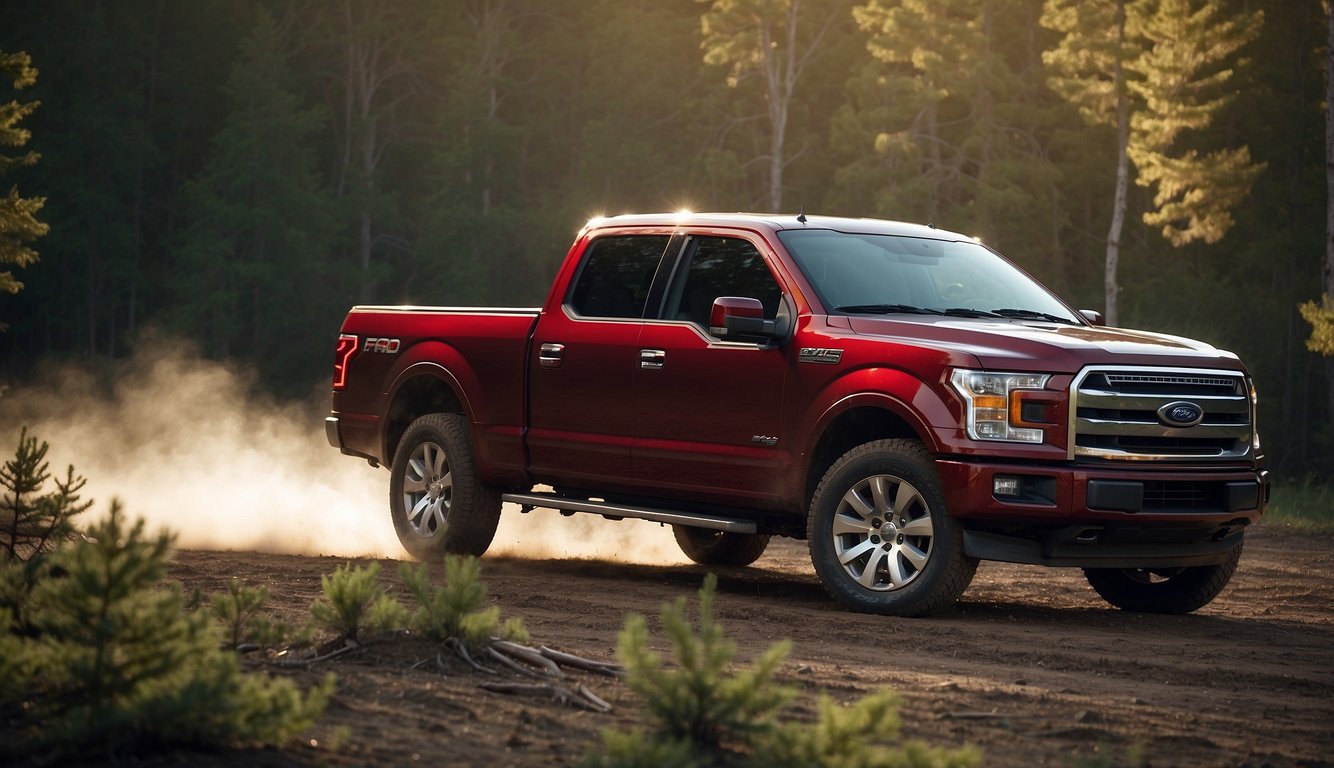
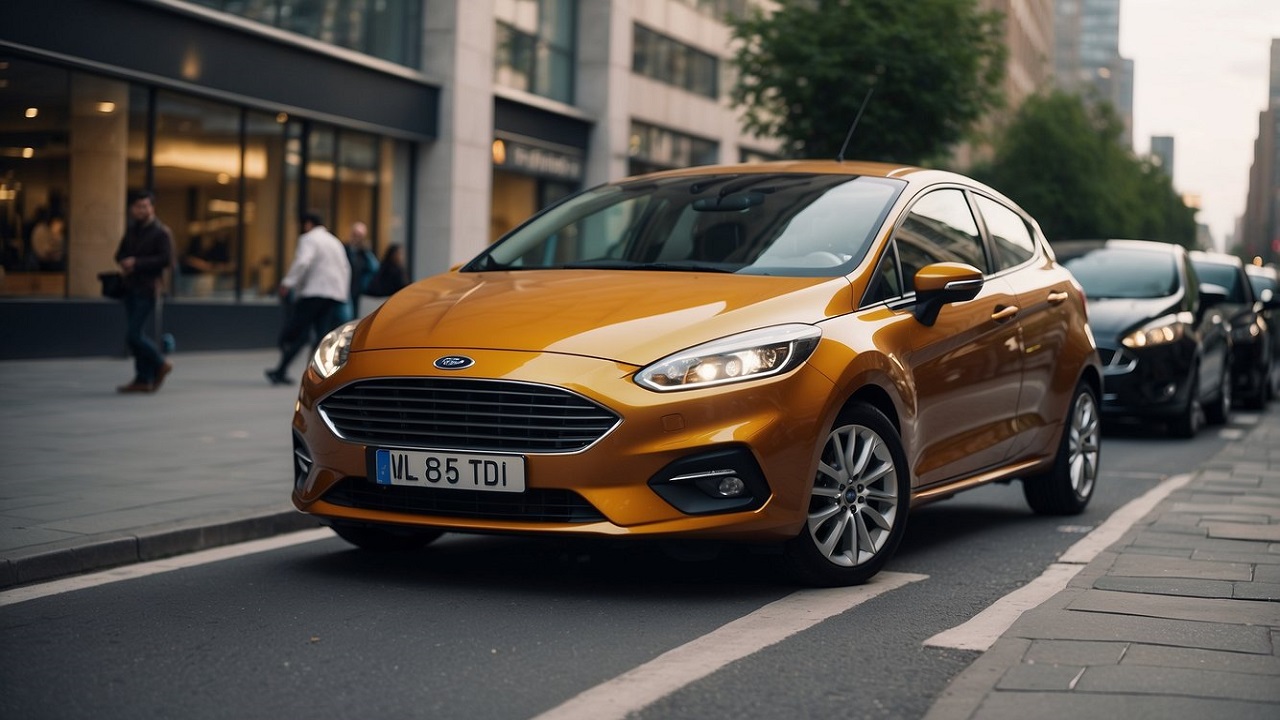
Ford has a track record of releasing overhyped vehicles, such as the Ford Edsel and Ford Explorer, which fell short of expectations due to production and reliability issues. The Ford Pinto and Mustang II also failed to meet the hype, with safety and performance concerns. Despite these missteps, Ford has made significant contributions to the auto industry.

Renault

Renault
©Photo Credit: MiramarSpeedCircuit

Renault, a French carmaker, has launched several popular models, but some have been criticized for not meeting the hype. The Renault Dauphine, for instance, fell short of expectations. The Renault Vel Satis, aimed at the luxury market, received a tepid reception. Though noted for its distinct style and comfort, it failed to match the luxury and performance of its rivals.

The Renault Avantime, a two-door coupé, sought to cement Renault’s premium status but drew mixed reactions for its unique look and steep price. Poor sales led to its production ending quickly. Other Renault models seen as overhyped include the Laguna, Koleos, Fuego, Renault 14, 18, Fluence, and 21.

Land Rover

Range Rover Evoque
©Photo Credit: MiramarSpeedCircuit

Land Rover, a British automaker, is known for its luxury SUVs and off-roaders. The Range Rover Evoque, a subcompact luxury crossover, is lauded for its style and high-end features, yet some deem it overpriced for its size and limited off-road ability.

The Discovery Sport, marketed as a versatile family SUV, has faced reliability and build quality issues. The 2024 Range Rover, starting at $108,875, raises doubts about its off-road prowess, challenging the brand’s core of rugged vehicles despite its luxury appeal.

Peugeot
Peugeot Cars
©Photo Credit: MiramarSpeedCircuit

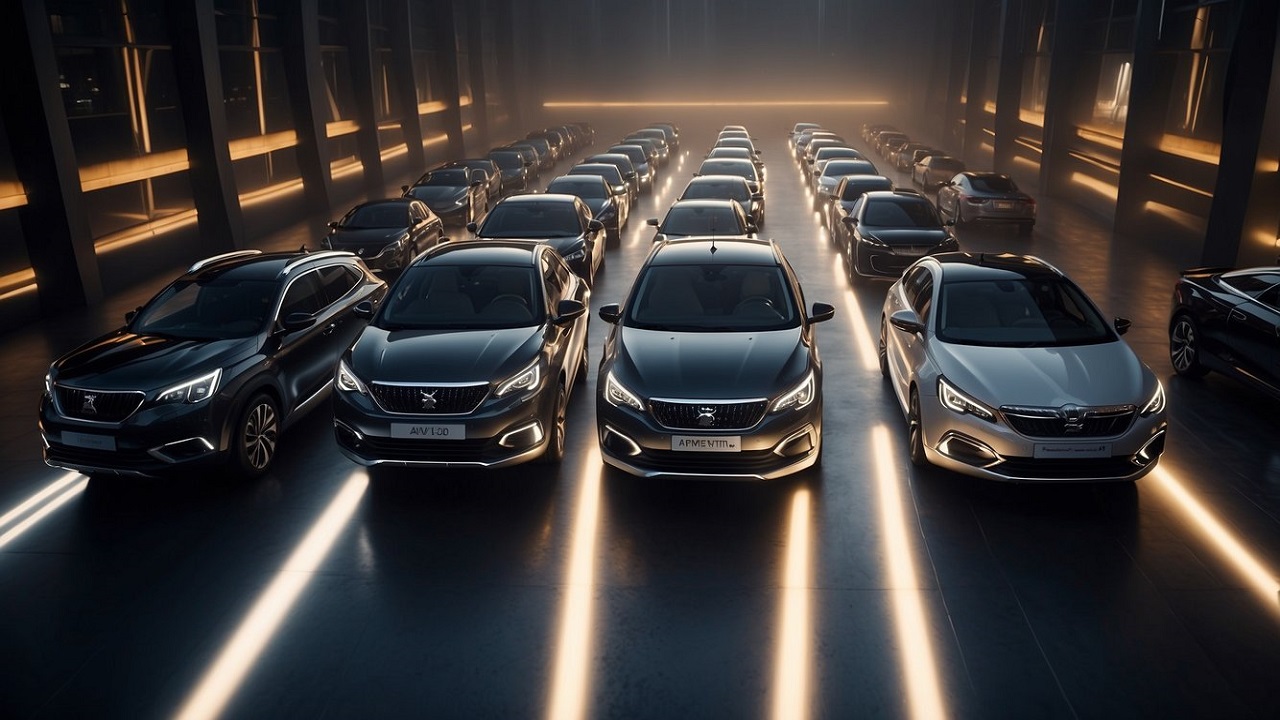
Peugeot, under Stellantis, features striking designs that don’t always deliver the promised thrill. The Peugeot 3008, a crossover known for its appearance, provides comfort and innovation but has faced criticism for its mediocre performance.

The Peugeot RCZ sports coupe, celebrated for its looks, set high expectations but fell short in performance for some. Its handling and style received compliments, yet the base engines didn’t provide the expected excitement. Peugeot’s bold advertising has contributed to the overhyped status of certain models, with claims that often surpass the real driving experience.

Nissan
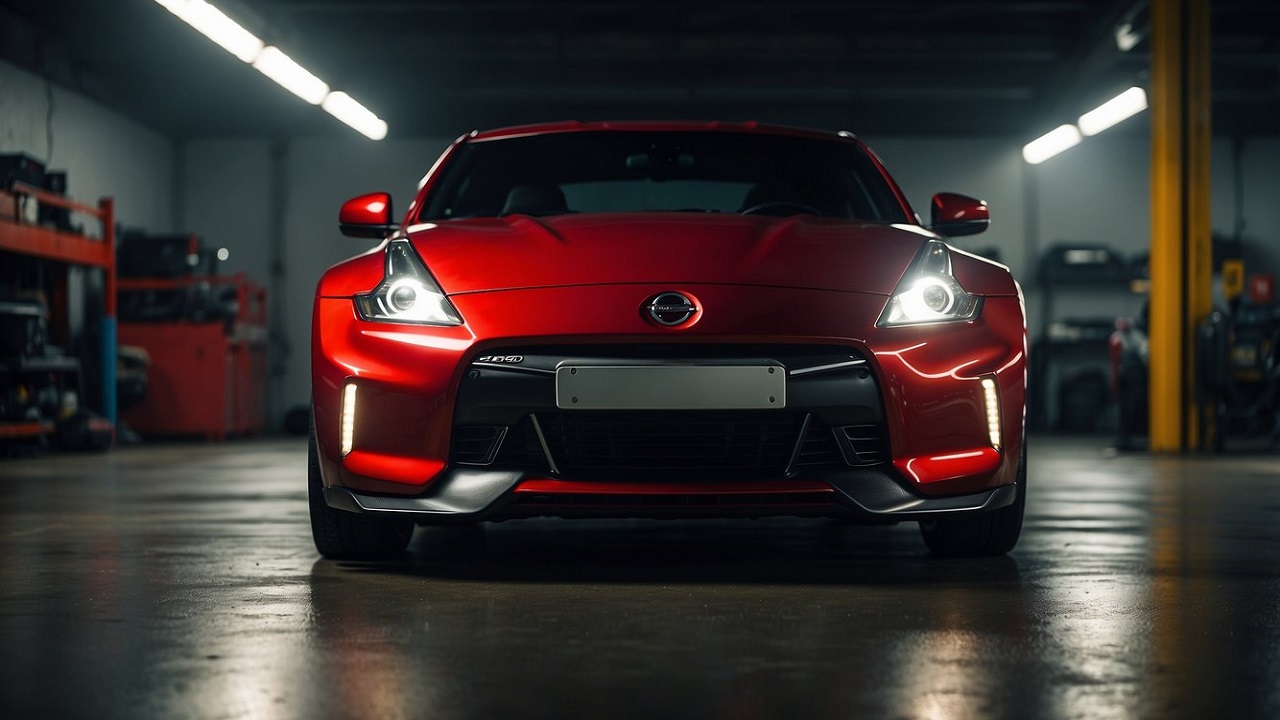
Nissan Z 2023
©Photo Credit: MiramarSpeedCircuit

Nissan, a leading Japanese car manufacturer, has released some overrated models, largely due to aggressive marketing. The 2023 Nissan Z, despite the hype from its renowned Z series, struggles to keep up with competitors in performance.

The Nissan GT-R, despite its performance and technology, has been called overpriced, alienating many enthusiasts. Its prolonged market presence has also led to views of it being dated compared to fresher alternatives.

Porsche

Porsche Cars
©Photo Credit: MiramarSpeedCircuit

Porsche, renowned for its luxury sports cars, occasionally produces models that are seen as overhyped. The 718 Cayman GT4 (991) has its fans but some enthusiasts feel it doesn’t justify its cost, especially when compared to other Porsche offerings. The Porsche 911 Speedster, launched as a concept for Porsche’s 70th anniversary, also faced criticism for not meeting expectations, largely due to its premium pricing.

Acura

Acura TLX Type S
©Photo Credit: MiramarSpeedCircuit

Acura, Honda’s luxury division, has made impressive cars but has faced overhype accusations. The 2021 Acura TLX Type S, starting at $52,300, fell short of high expectations, leading some to favor more budget-friendly cars like the 2021 Volkswagen Jetta.

The 2017 Acura ILX is another model that didn’t live up to the luxury hype, scoring just 7.6 out of 10. While it had a decent engine, it lacked the expected luxury flair, and rivals like the Alfa-Romeo Giulia and BMW 4-Series surpassed it in performance and appeal.

Aston Martin
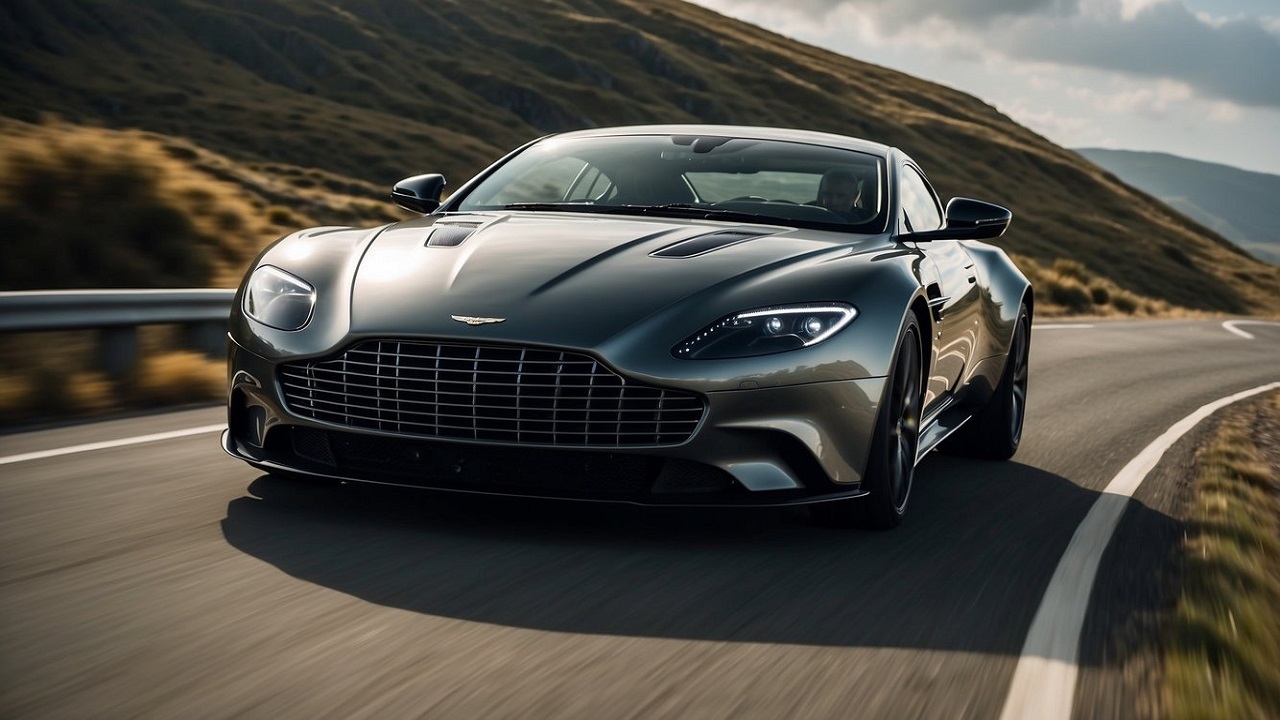
Aston Martin
©Photo Credit: MiramarSpeedCircuit

Aston Martin, a British luxury sports car maker established in 1913, is known for its coveted vehicles, though some are seen as overhyped. For example, the Aston Martin DB11 has been critiqued for subpar handling and ride quality.

The limited-edition Aston Martin Vanquish Zagato, despite its stunning Zagato-designed exterior, uses the same mechanics as the regular Vanquish. This led to disappointment among enthusiasts who expected more than just aesthetic enhancements from the hyped collaboration.

Toyota
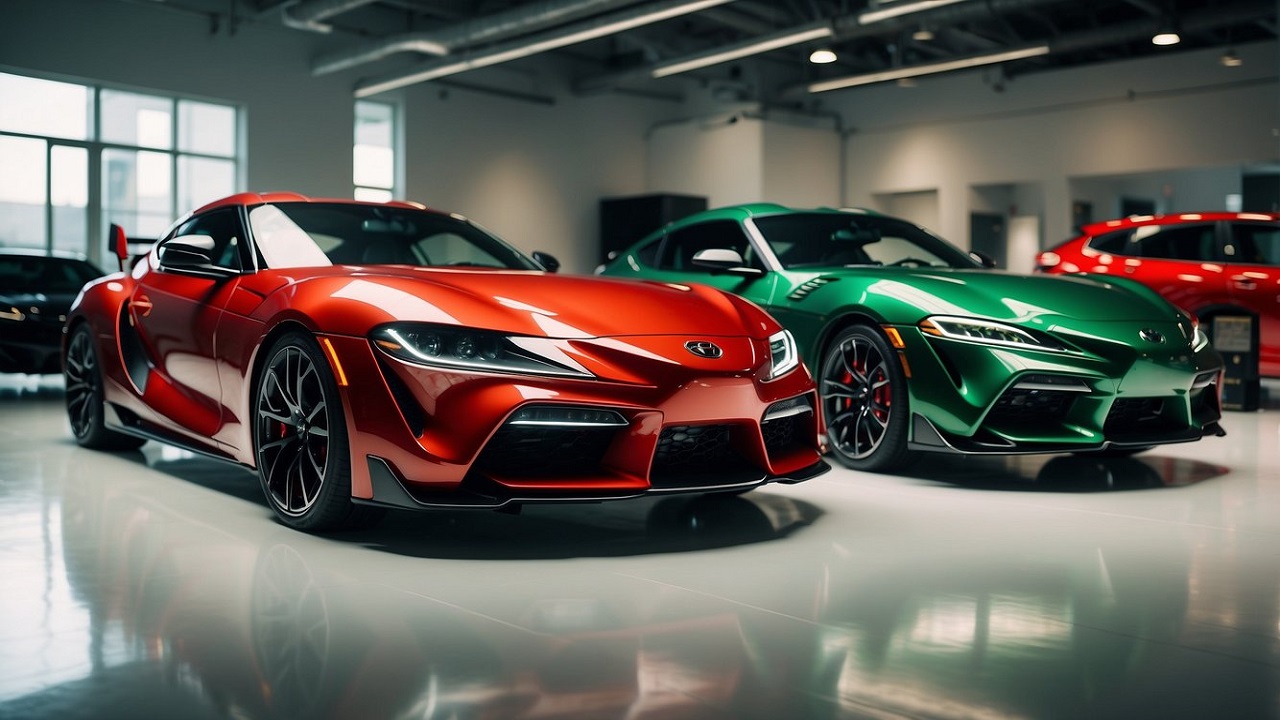
Toyota Supra
©Photo Credit: MiramarSpeedCircuit

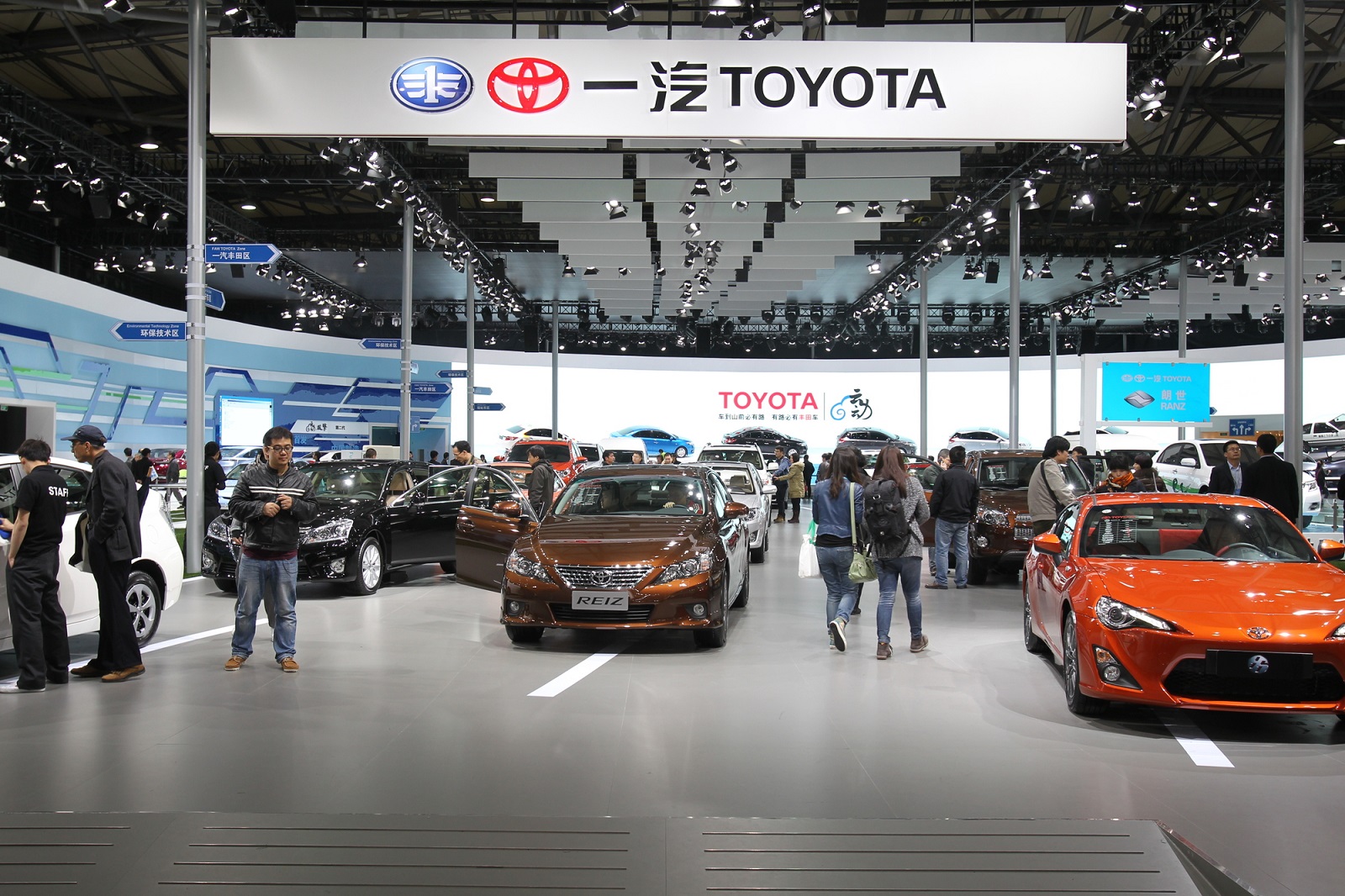
Toyota, a well-established automaker, has a history of producing models that don’t always live up to the hype. Although Toyota’s cars are known for their durability, some have been marketed with excessive fanfare, leading to consumer letdowns.

The Toyota Supra, reintroduced in 2019, is one such model that fell short of its storied reputation due to its shared platform and engine with BMW, diverging from an all-Toyota design. Toyota’s entry into the electric vehicle space has also been cautious, lagging behind despite the Prius’s success as an early hybrid. Other models like the RAV4 Prime Plug-in Hybrid, Mirai Hydrogen Fuel Cell Vehicle, C-HR Subcompact SUV, and Camry TRD Sports Sedan have also been criticized for not meeting their hyped expectations.

BMW
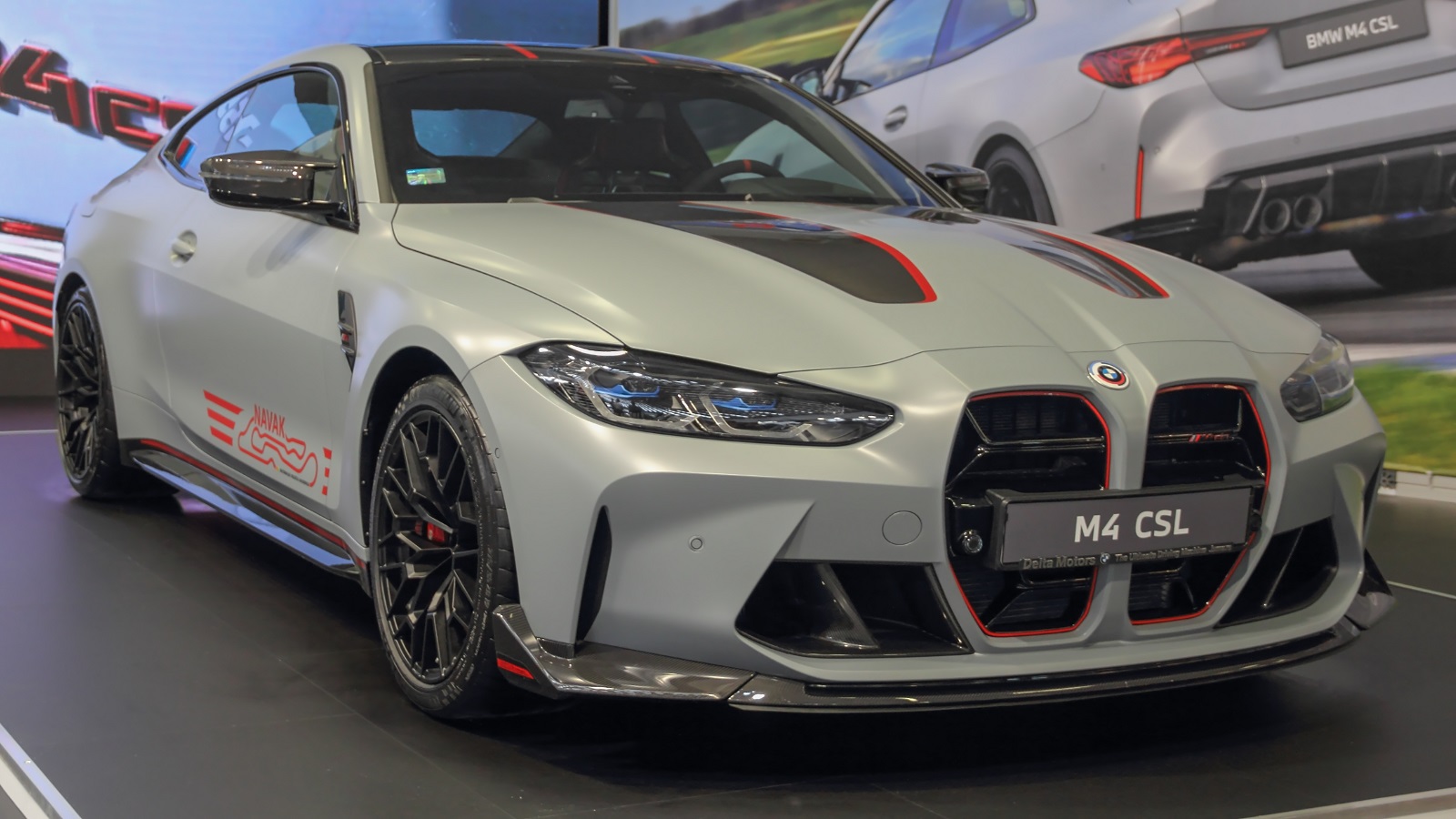
BMW M4 CSL
Editorial credit: Bascar / Shutterstock.com

BMW, known for its performance-oriented vehicles, has produced some models that are considered overhyped. The BMW M1, an iconic first performance car for the brand, didn’t meet its lofty expectations. Similarly, the BMW i8, with its eye-catching design and scissor doors, didn’t deliver the supercar performance suggested by its looks, due to its small 1.5-liter engine and 357 horsepower. Other BMWs perceived as overhyped include the M4, Z4, and X6.

Tesla

Tesla Model 3 EV
©Photo Credit: DepositPhotos

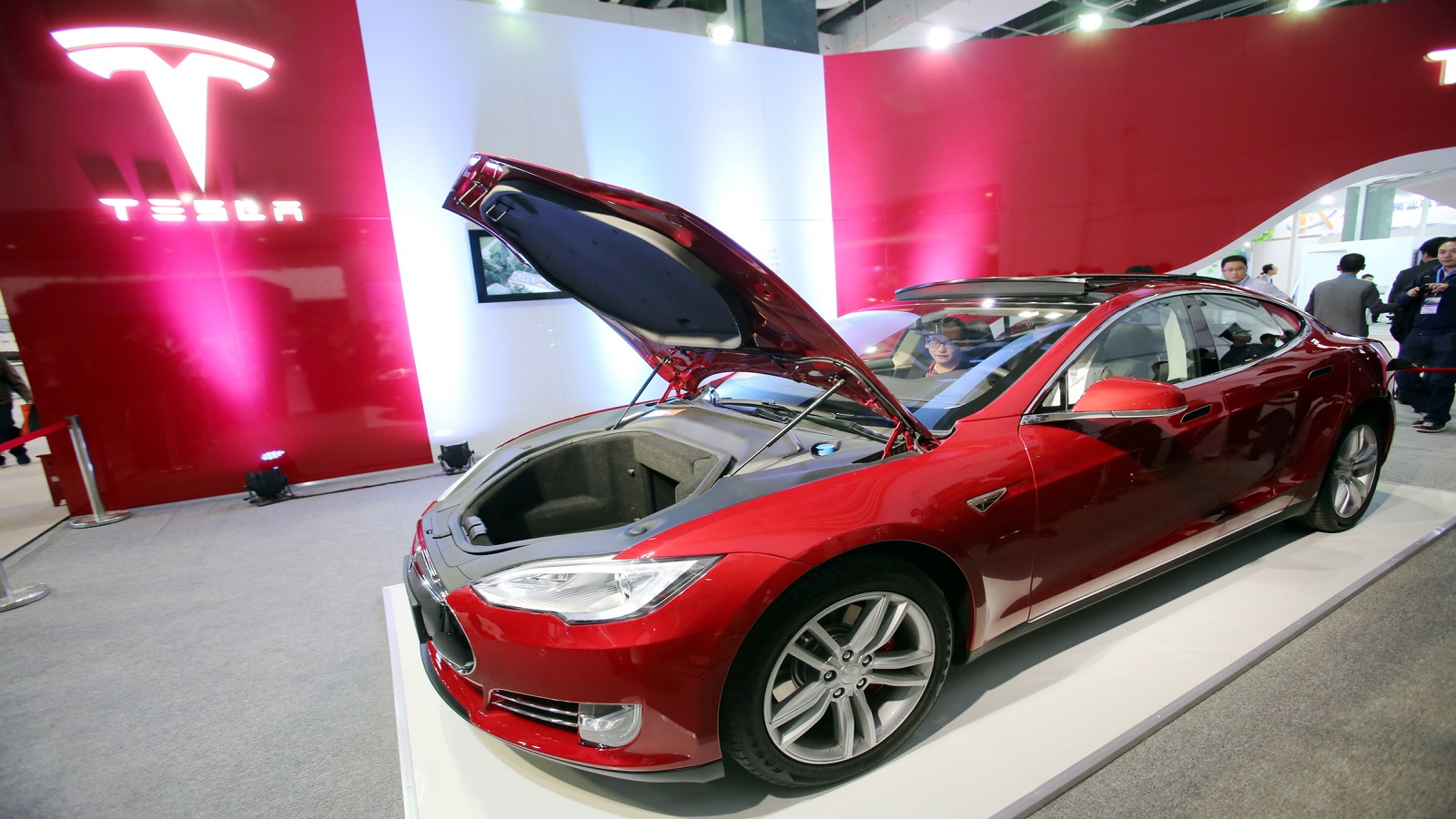
Tesla, recognized for its electric vehicles and dedicated following, often touts the performance of cars like the Model 3. Although the Performance model boasts 480 hp, some argue it’s not standout compared to other performance cars, such as the A90 Toyota Supra with its 382 hp 3.0-liter 6-cylinder engine, questioning if the Model 3’s edge justifies its hype.

Concerns have also been raised about Tesla’s software features and updates. Despite acclaim for its range, acceleration, speed, charging capabilities, and network, the reliability and necessity of Tesla’s software approach are under scrutiny. Some suggest that traditional automakers provide a more consistent and less software-dependent driving experience.

Maserati
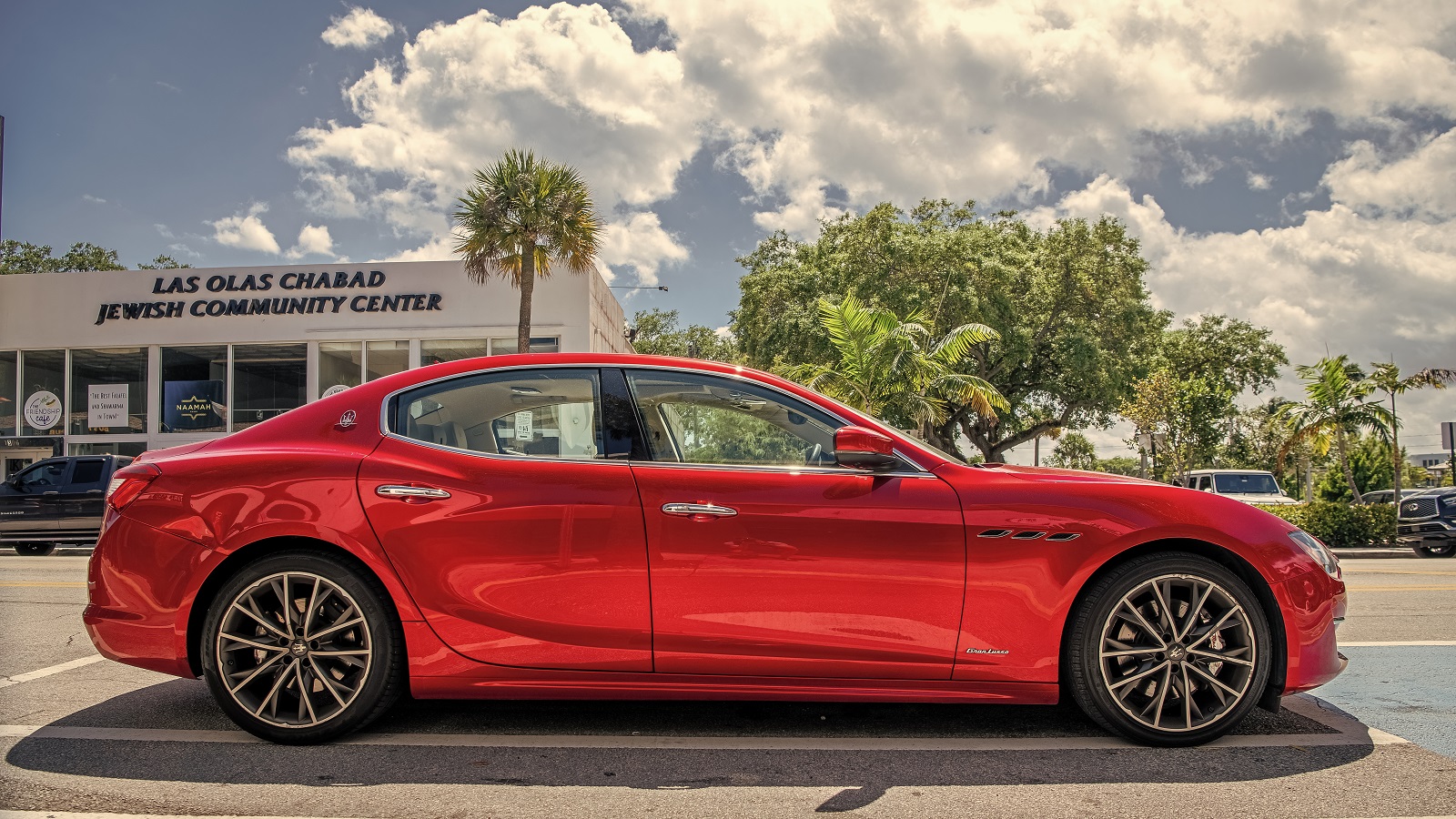
Maserati Ghibli
©Photo Credit: DepositPhotos

Maserati, an Italian luxury car maker established in 1914, is known for its performance vehicles but not all models have matched expectations. The Maserati Ghibli, aimed to rival the BMW 5-Series, has faced criticism for poor build quality and a rough ride. The brand’s SUV, the Levante, similarly has been criticized for construction, reliability, and maintenance costs.

Maserati has released limited-edition models targeting enthusiasts, like the MC12, a supercar with a Ferrari-derived V12 engine. While highly praised, the MC12’s rarity and high cost add to its perception as overhyped.

Mercedes-Benz
Mercedes-Benz Models
©Photo Credit: MiramarSpeedCircuit

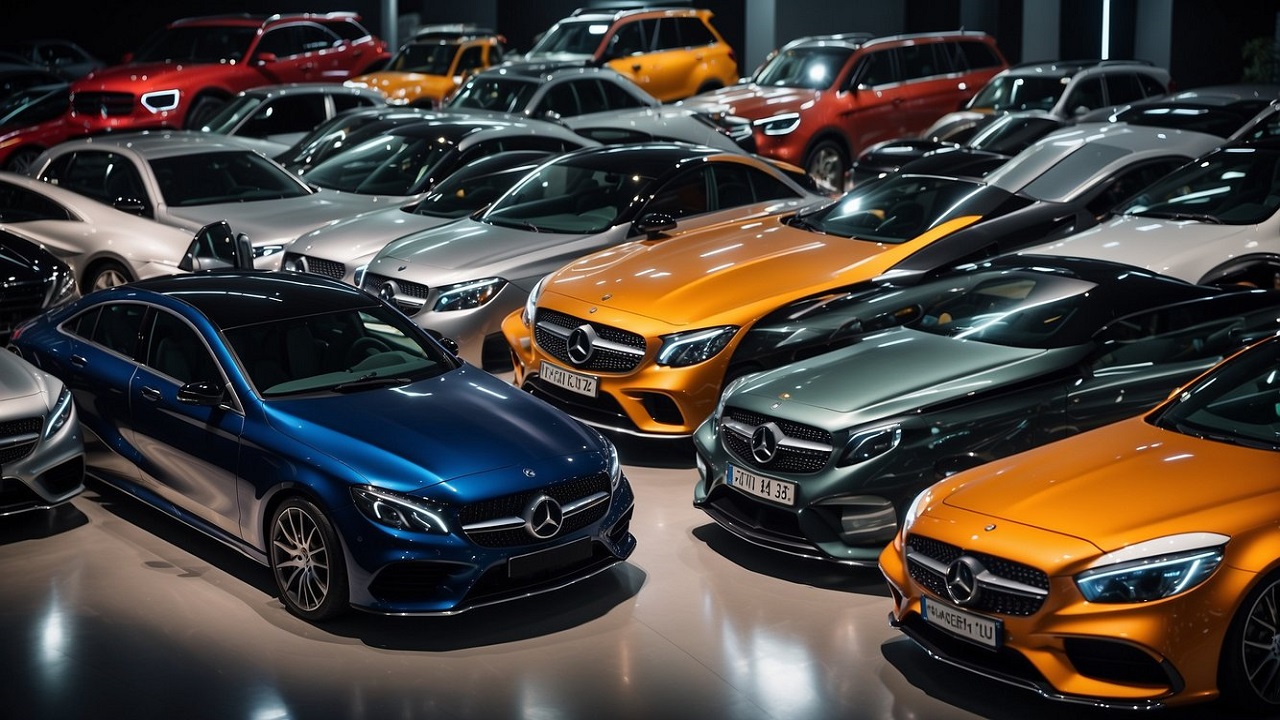
The German company’s dedication to technology is clear, yet some of its models have been criticized as overrated. For example, the Mercedes-Benz 300 TD is often called overrated, partly because of its negative association with a character from controversial movies. Like BMW, Mercedes-Benz is sometimes considered overrated in the American market compared to its reception in Europe.

Cadillac

Cadillac Models
©Photo Credit: MiramarSpeedCircuit

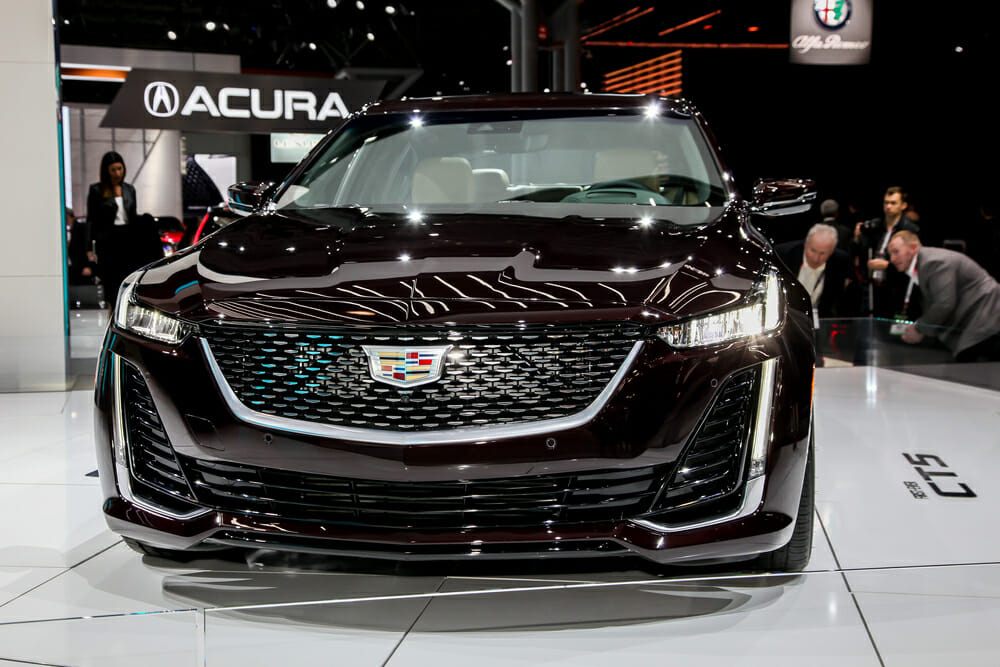
Cadillac, known for luxury cars, has produced models that haven’t always met expectations. The Cadillac XLR (2004-2009), intended to rival high-end sports cars, didn’t achieve its goal. The Cadillac ELR, a luxury plug-in hybrid available from 2013 to 2016, was overpriced and underperformed, leading to its discontinuation.

Recently, Cadillac’s reliability has been rated as average by Consumer Reports in its 2024 Reliability Report. The brand is striving to enhance its vehicles, yet some models are still viewed skeptically due to past overhyped debuts.

Jaguar

Jaguar Logos and Models
©Photo Credit: MiramarSpeedCircuit

Jaguar, long associated with luxury and performance, has seen a 15.8% drop in global car sales in 2021 as it struggles to keep up with competitors. The Jaguar XE sedan, despite a decent reliability rating, was launched to great excitement but is often deemed overhyped next to its rivals. Similarly, the Jaguar F-PACE SUV faces criticism for offering fewer features, lower reliability, and less build quality than other luxury SUVs.

Alfa Romeo
Alfa Romeo Models
©Photo Credit: MiramarSpeedCircuit

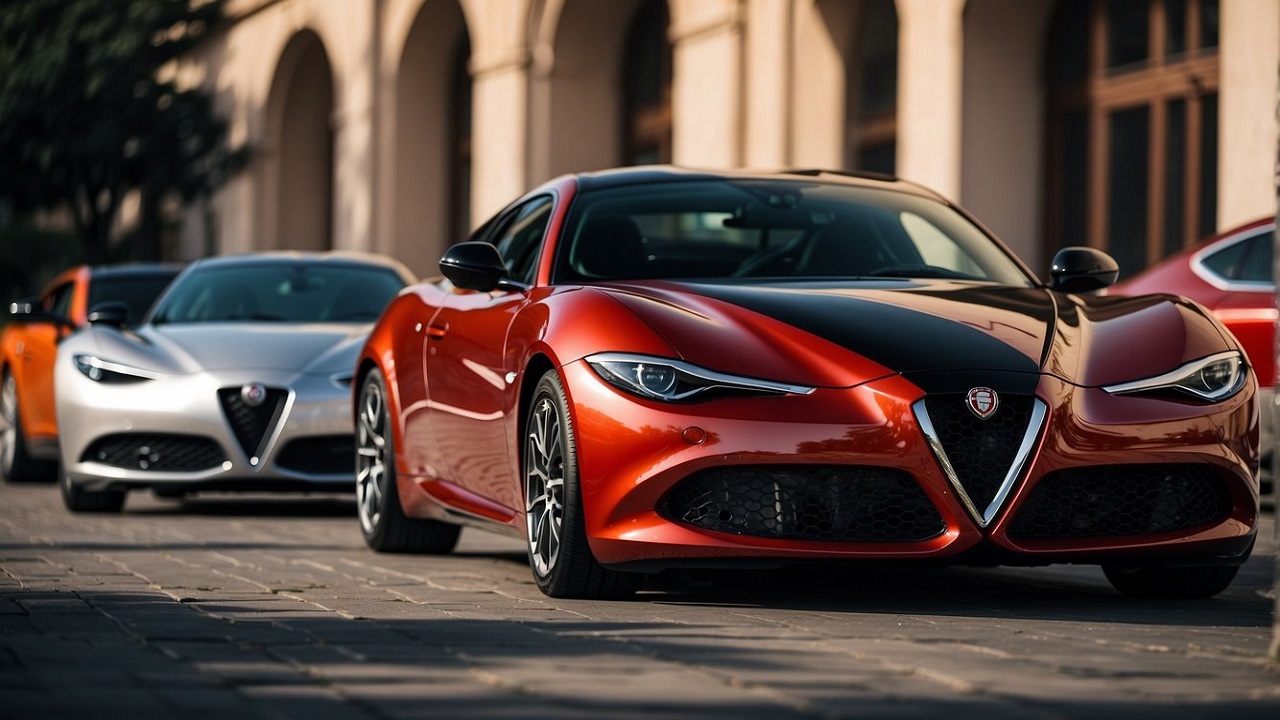
Alfa Romeo is an Italian car manufacturer known for its stylish and sporty vehicles. However, critics argue that Alfa Romeo’s models are often overhyped due to reliability concerns. For example, the Alfa Romeo MiTo, a sporty supermini car, was first introduced in 2008 but didn’t manage to generate substantial sales or cultivate a loyal following.

Chevrolet
Chevrolet C5 Corvette
©Photo Credit: MiramarSpeedCircuit

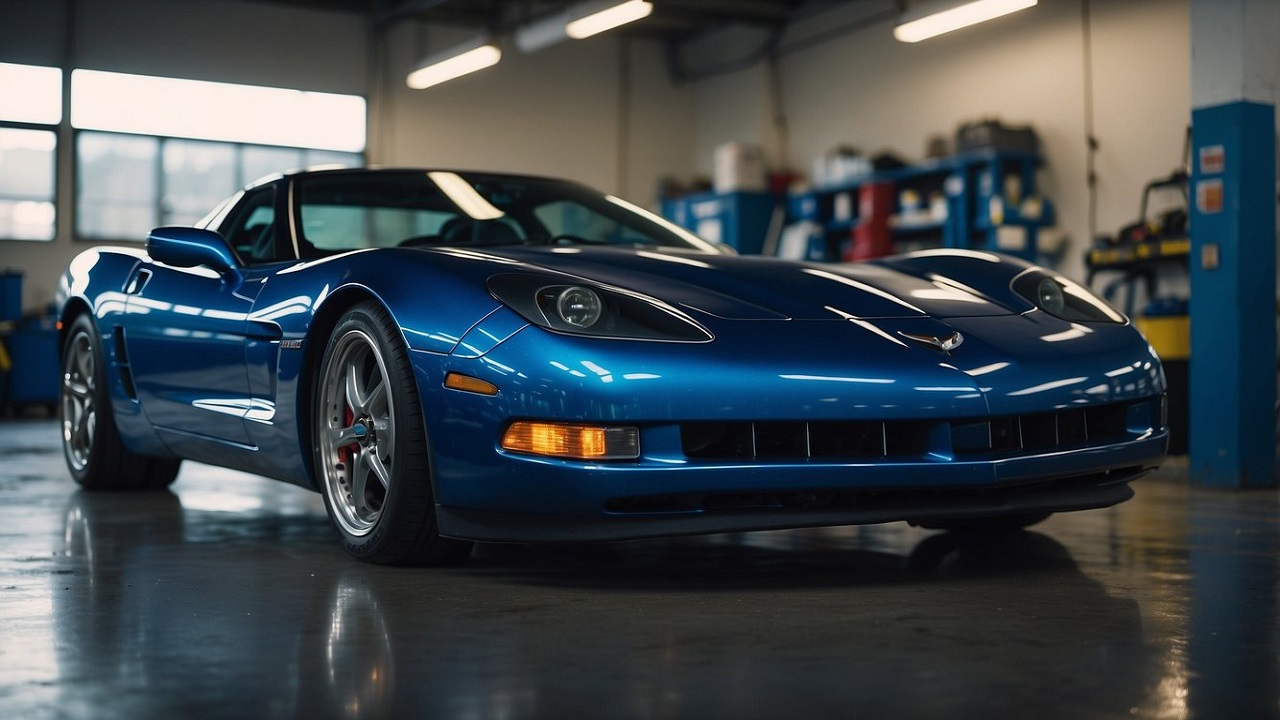
Chevrolet, a well-known American automaker, has created many iconic cars, but some have been called overrated. The C5 Corvette has divided enthusiasts, with some considering it underrated and others feeling it falls short of the Corvette reputation. The 2017 Chevrolet Bolt also faced scrutiny, with critics saying it’s less fun to drive than rivals, sparking debates over its worthiness of the hype.

Dodge

Dodge Viper
©Photo Credit: MiramarSpeedCircuit

Dodge, an American car brand known for muscle cars, trucks, and SUVs, has produced some models that are considered overhyped. The Dodge Charger has been criticized for its large size and poor fuel economy.

The Dodge Viper, while popular for its raw power and distinctive style, faced competition due to subpar interior quality, limited storage, and outdated features. The 2021 Durango SRT Hellcat, billed as Dodge’s most extreme SUV, has been critiqued for its excessive performance and horsepower, which some see as overkill for an SUV, potentially contributing to its overhyped status.

Bugatti

Bugatti Chiron
©Photo Credit: MiramarSpeedCircuit

Bugatti, a luxury automaker, is famed for its high-performance vehicles, exclusivity, and advanced technology, with iconic models like the Veyron and Chiron. The Bugatti Veyron, a standout in the early 2000s, held the title of “fastest production car” for a period. However, speed enthusiasts have deemed it overhyped, pointing to its massive eight-liter W-16 engine and hefty price tag.

Ferrari
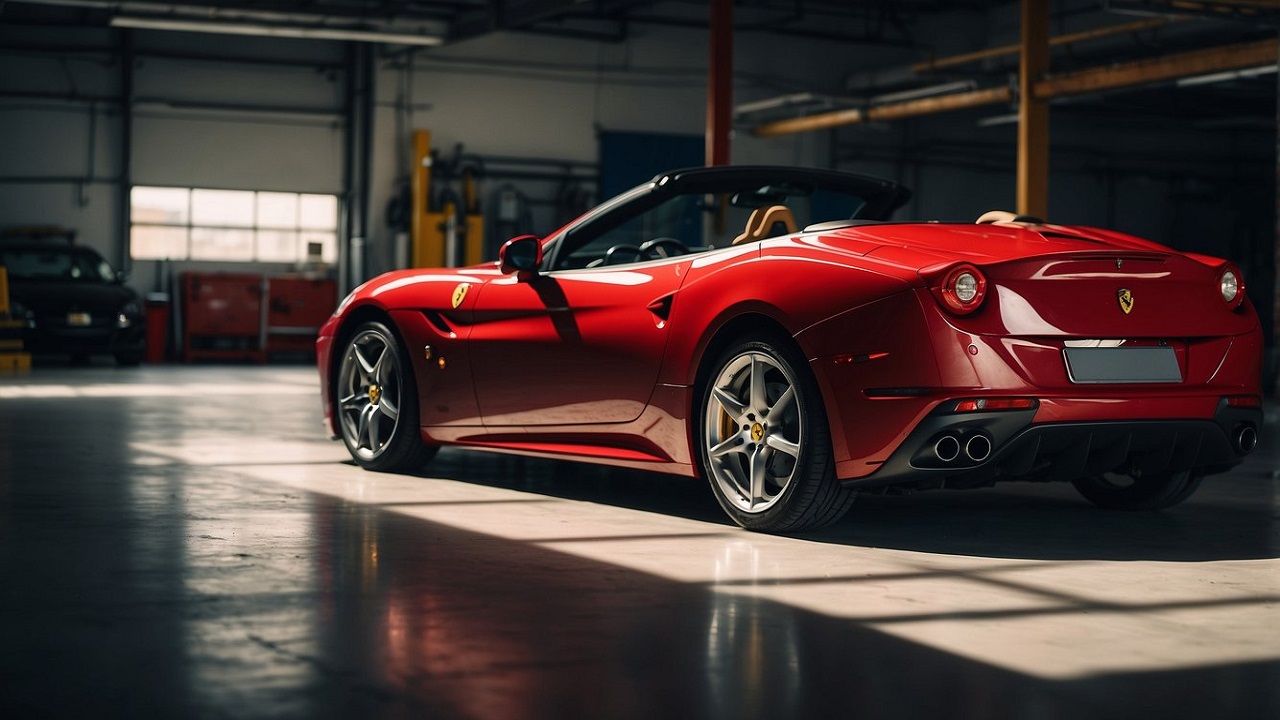
Ferrari California
©Photo Credit: MiramarSpeedCircuit

Ferrari has excelled in sales, moving over 12,000 cars annually since 2020, but not all models have met the hype. The 2008 Ferrari California, for instance, received criticism for lackluster performance compared to other Ferraris.

The 2015 Ferrari 488 GTB, replacing the 458 Italia, sparked debate with its switch from a naturally aspirated V8 to a twin-turbocharged 3.9-liter V8 with 661 horsepower. While some praised the power increase, others felt it strayed from Ferrari’s essence and tradition.

[ie-slider id=’1′]
12 Overpriced Sedan Cars That Aren’t Worth Your Money

Slide behind the wheel of a sleek sedan and you might expect luxury and innovation. But what if that sedan falls short of its high price? Style, comfort, performance, and efficiency don’t always align, and we’re spotlighting 20 sedans that don’t justify their cost.

The car market is filled with new models and their latest features, yet not all are wise purchases. We’re stripping down the hype to show which luxury sedans don’t deliver on their promise, risking your investment. Join us as we dissect overpriced sedans to avoid regret. We’ll guide you through car valuation challenges, from depreciation to maintenance costs, cutting through the showroom glitz and advertising.

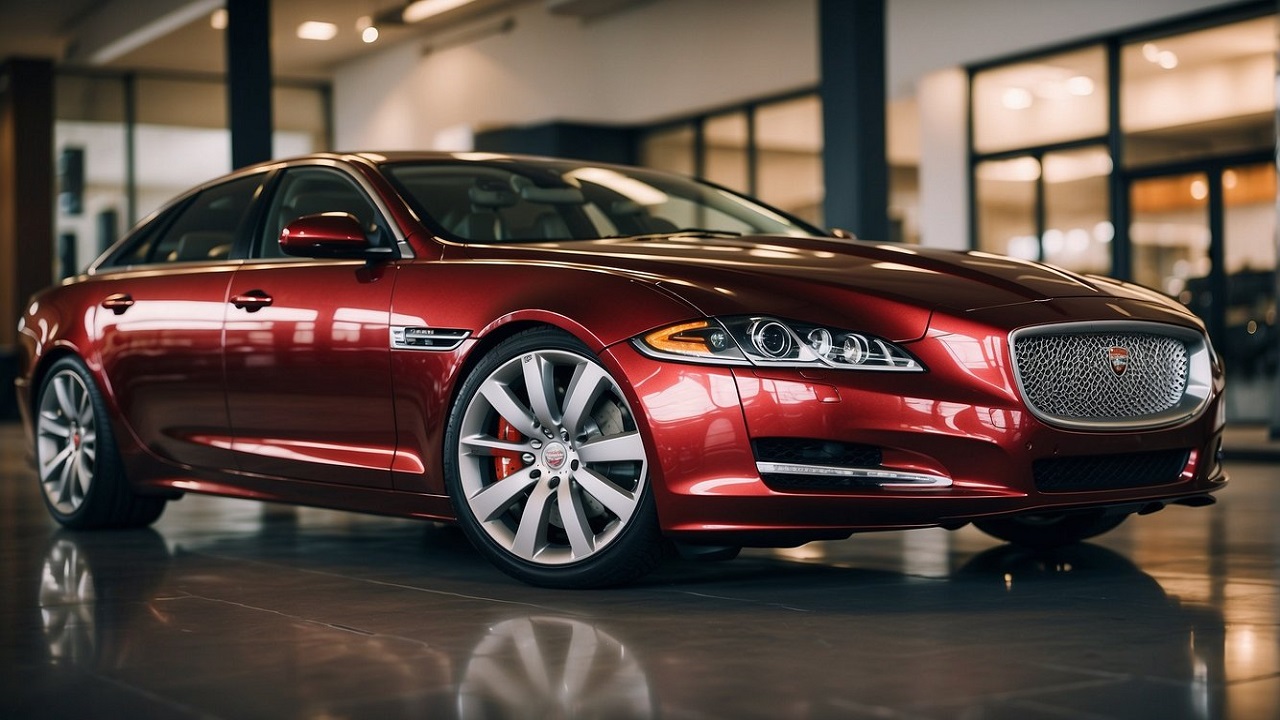
Jaguar XJ

Jaguar XJ
©Photo Credit: MiramarSpeedCircuit

The Jaguar XJ, a luxury full-size sedan, has a starting price of around $85,000. Despite its appealing design and performance, it falls short in providing a compelling value proposition against rivals like the Lexus RX 350L or Mercedes-Benz S-Class that offer better technology and advanced safety features.

Maserati Ghibli

Maserati Ghibli
©Photo Credit: DepositPhotos

Starting at around $74,390, the Maserati Ghibli is considered overpriced due to its outdated infotainment system and lower-than-expected reliability. In comparison, the Mercedes-Benz E-Class provides a more refined experience with its cutting-edge technology and unmatched comfort.

Genesis GV80

Genesis GV80
©Photo Credit: MiramarSpeedCircuit

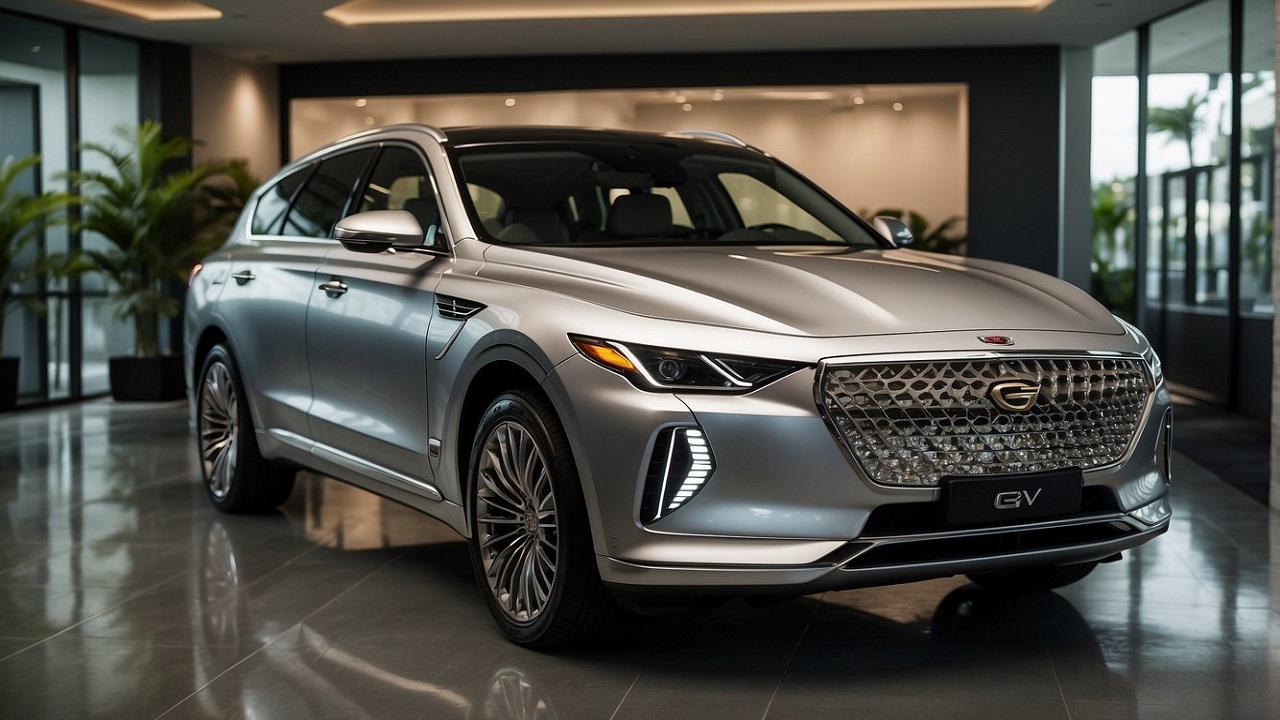
Priced at around $48,900, the Genesis GV80 underwhelms with its unimpressive fuel economy and limited rear-seat space. Competitors like the Acura MDX and Lexus RX 350 offer better value for money with more efficient powertrains and spacious cabins.

Related: Here Are the Hyundai Genesis Best Year and Models With Problems!

Bentley Flying Spur

Bentley Flying Spur
©Photo Credit: MiramarSpeedCircuit

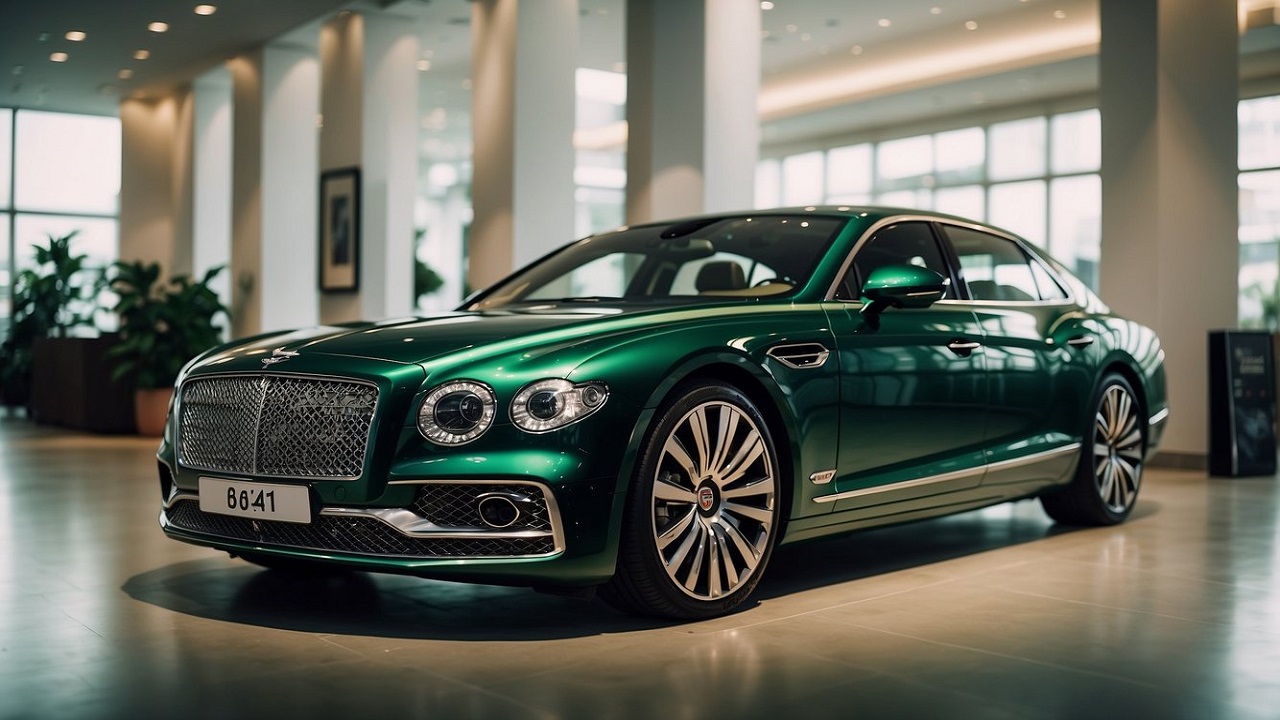
The Bentley Flying Spur is an opulent luxury sedan, however, its high price of around $200,000 may not justify its offerings. With high-end competitors such as Tesla Model S or Porsche Panamera, buyers might find better value in these options.

Audi A6

Audi A6
©Photo Credit: MiramarSpeedCircuit

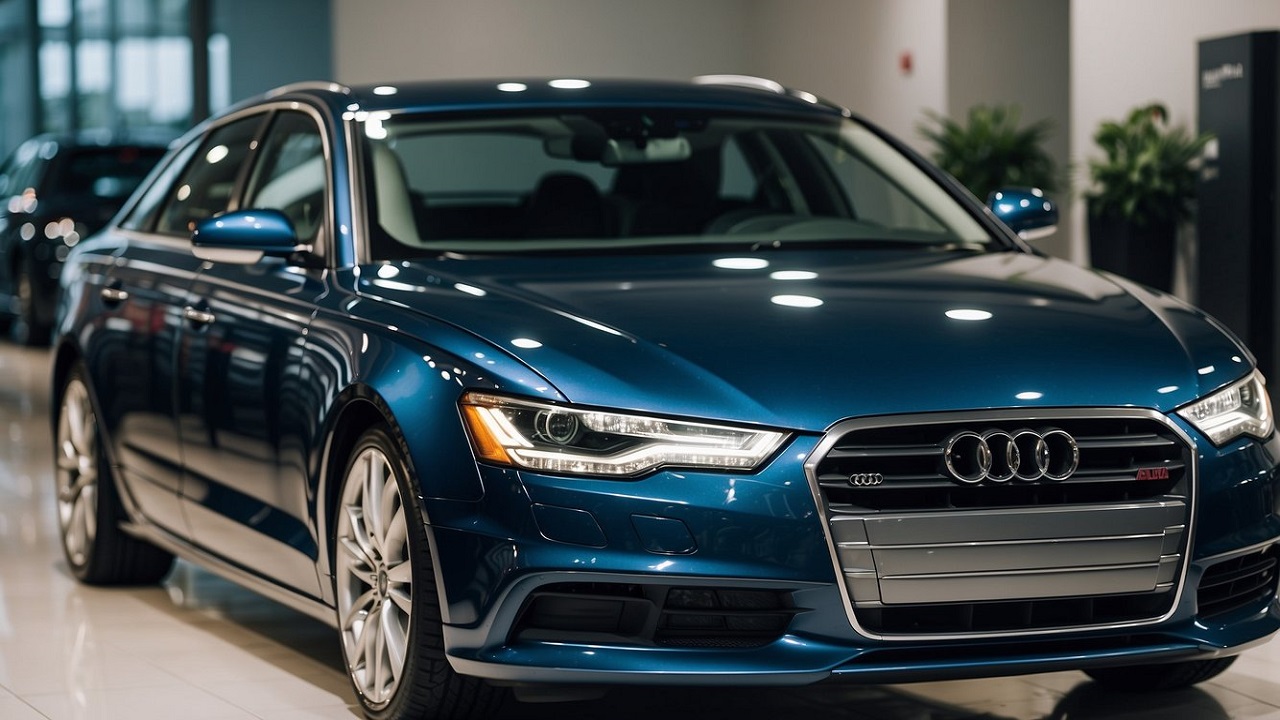
The Audi A6, despite having a starting price range of around $56,000, also falls short when compared to other luxury midsize sedans like the Genesis G80 or Lexus ES 350. The A6’s higher price tag may not deliver the same level of performance or features as its rivals.

RelatedHere Are The Best Year Audi A6 and Very Reliable A6 Used Models!

Lexus RX 350L

Lexus RX 350L
©Photo Credit: MiramarSpeedCircuit

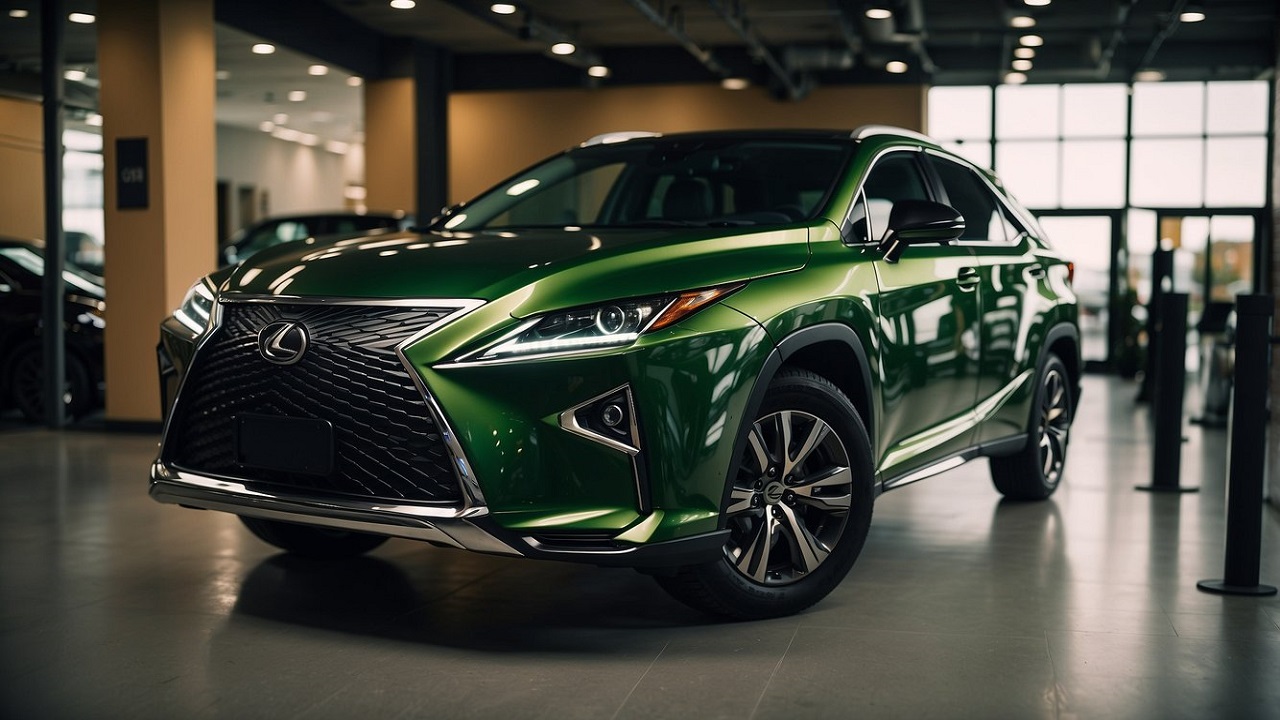
Starting at around $47,820, the Lexus RX 350L struggles to justify its price due to its cramped third-row seating and lackluster performance. The Acura MDX, with its versatile cabin and engaging driving experience, presents a superior alternative in the luxury SUV segment.

Volvo S60 and the S90

Volvo S60
©Photo Credit: MiramarSpeedCircuit

Volvo’s S60 and S90 are luxury sedans available in 2024, with base prices of $43,645 and $59,695, respectively. However, they struggle to justify their price tags when contenders like Cadillac CT5 or Audi A4 offer a more refined driving experience and advanced features at lower prices.

Tesla Base Model 3

Tesla Model S
©Photo Credit: DepositPhotos

Tesla’s Base Model 3 has an affordable entry price of around $35,000, but it may not meet the expectations of its potential buyers. Shoppers in this price range might find better performance and technology in competitors such as the Genesis GV80 or Maserati Ghibli.

Genesis G90

Genesis G90
©Photo Credit: MiramarSpeedCircuit

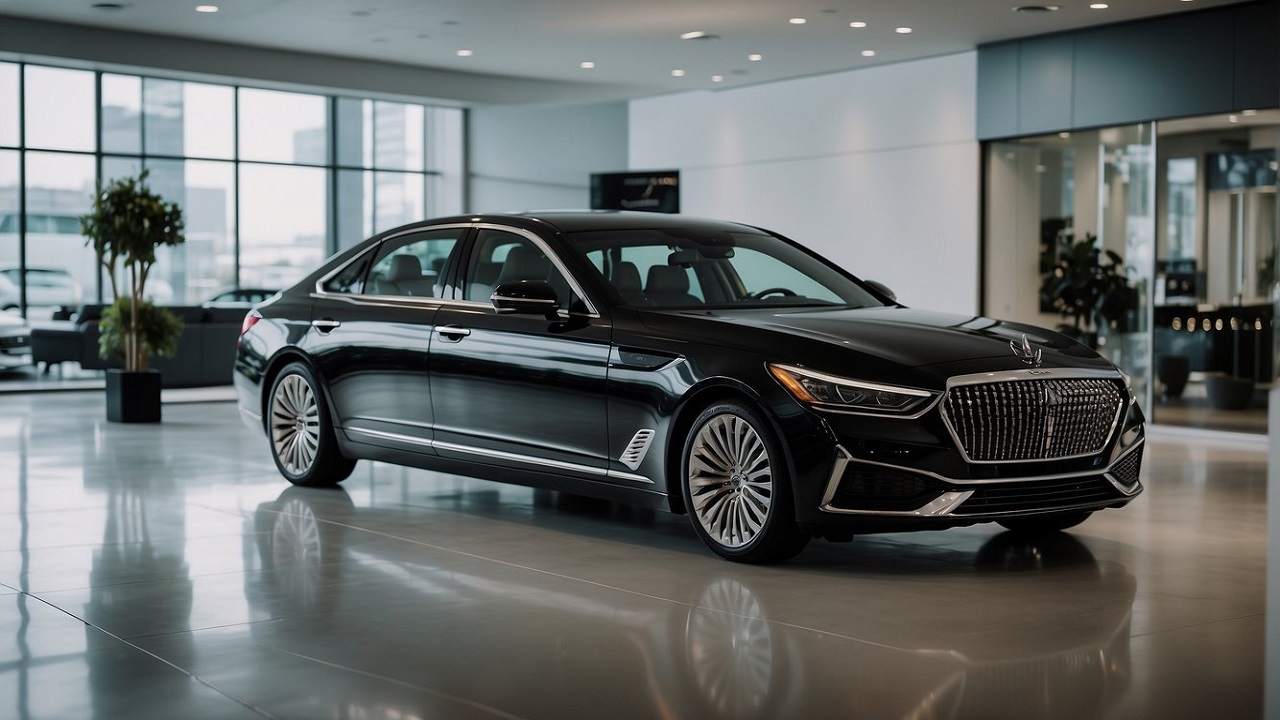
The Genesis G90, with a starting price of around $75,000, may be considered overpriced for a luxury large car. Its premium may not be justified when compared to top competitors like Lexus LS or BMW 7-Series, providing more engaging handling and a luxurious interior.

Chrysler 300

Chrysler 300M
©Photo Credit: MiramarSpeedCircuit

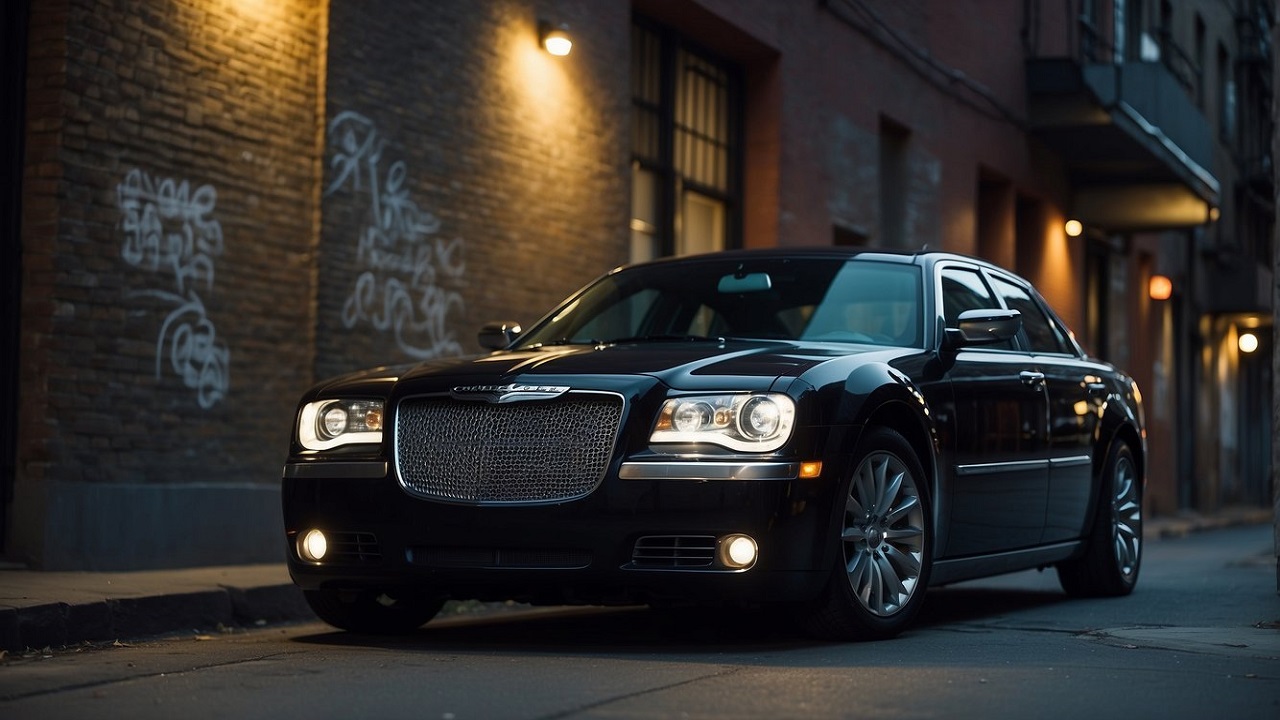
The Chrysler 300 has a base price of around $31,000. While the price may seem appealing to some, the 300’s outdated design and underwhelming performance make it a less desirable choice when compared to fresher options in the midsize sedan segment like Honda Accord or Toyota Camry.

Audi A4

Audi A4
©Photo Credit: DepositPhotos

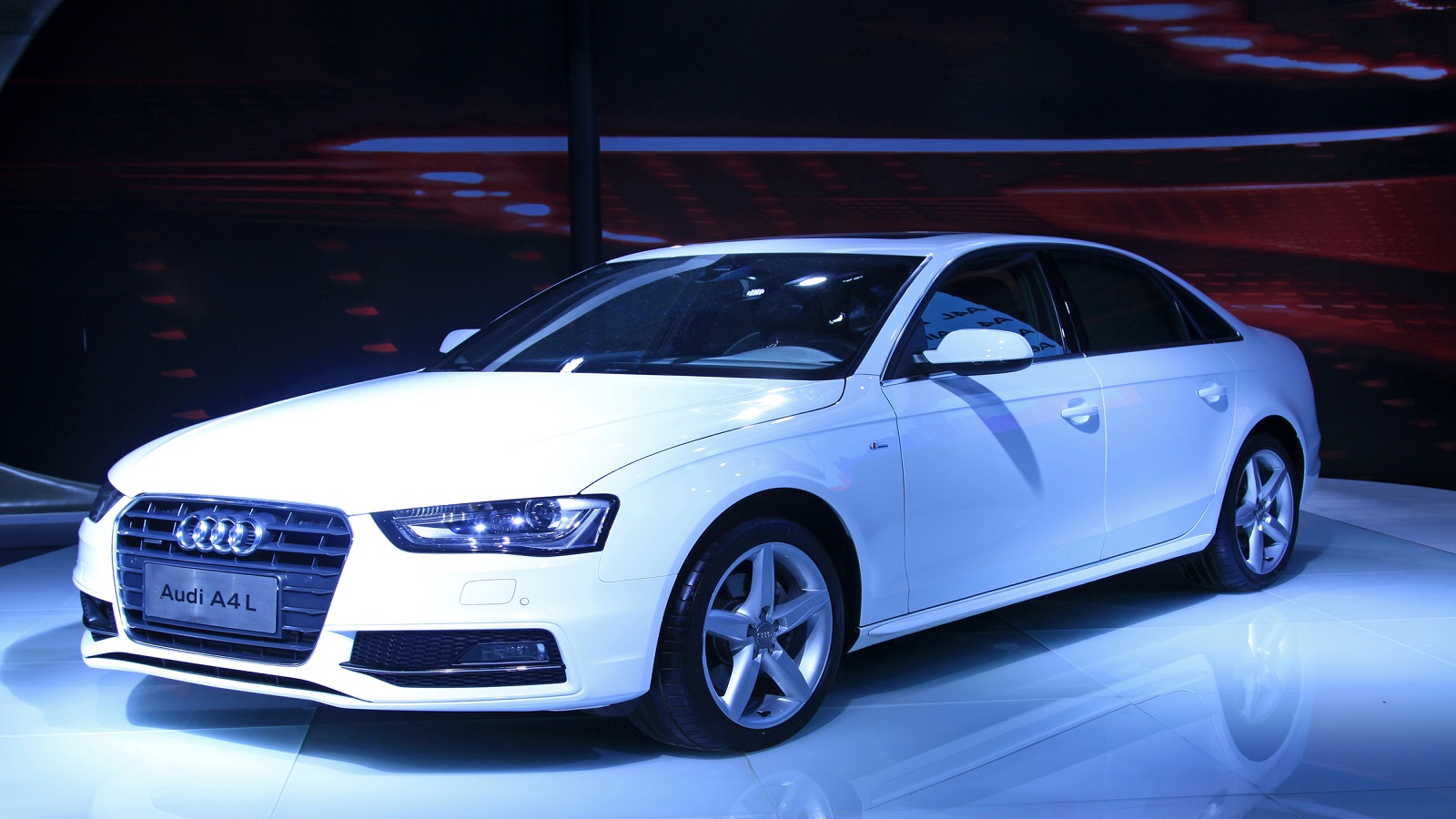
Although the Audi A4 starts at a reasonable $39,900, it falls short in terms of performance and handling when compared to sportier alternatives like the BMW 3 Series and Alfa Romeo Giulia.

Cadillac CT5

Cadillac CT5
©Photo Credit: MiramarSpeedCircuit

The Cadillac CT5 has a starting price of around $37,990. It falls short due to its subpar interior quality and lack of standard safety features compared to its competitors. For instance, the BMW 3 Series offers superior handling and a better interior at a similar price point.

[ie-slider id=’1′]

These Are the Older FORD Cars Built to Last FOREVER

Hit the road in a Ford, and you’re not just driving – you’re steering a piece of history. Known for crafting durable vehicles, Ford’s older models are more than just cars; they’re icons. We’ve lined up 20 of the most reliable older Fords that are still favorites today.

Looking for a quality used car means focusing on performance, value, and longevity. Ford’s lineup excels in these areas, blending strong performance with classic design. These cars have proven their worth over the years. Whether you need a dependable truck or a timeless sedan, Ford’s got a reliable, older model that fits the bill. So, get ready to discover the lasting allure of Ford’s most reliable rides.

1995 Ford F-150

Ford F-150 1995
©Photo Credit: MiramarSpeedCircuit

The 1995 Ford F-150 stands out as a reliable classic, thanks to its solid build and lasting power. Its robust 4.9-liter inline-six engine ensures steady performance for work or everyday driving. With proper care, the 1995 F-150 often exceeds owner expectations. Its affordable parts also make maintenance and repairs straightforward.

2005 Ford Escape

2005 Ford Escape
©Photo Credit: MiramarSpeedCircuit

The 2005 Ford Escape stands out for its dependable performance, powered by a 153-horsepower, 2.3-liter four-cylinder engine. This compact SUV balances power with efficiency, offering 22/25 mpg city/highway for the standard model and 20/25 mpg for the 200-horsepower Limited model.

While not the most fuel-efficient in its category, the 2005 Escape is competitive. It’s valued for its affordability, delivering quality and features at a reasonable price. The Escape also offers a variety of features and options, allowing for a tailored driving experience. It’s important to consider its capabilities in the context of its era.

2003 Ford Expedition

2003 Ford Expedition
©Photo Credit: MiramarSpeedCircuit

The 2003 Ford Expedition is praised for its reliability, offering ample space and a comfortable ride. It comes equipped with a robust 4.6L V8 engine that provides smooth performance.

Key advantages include significant cargo space, with 20.6 cubic feet behind the third row, and strong towing capabilities. It also features important safety options, catering to family needs. While not the most fuel-efficient, the Expedition’s dependable engine and low maintenance needs offer owner assurance.

2004 Ford Crown Victoria

Ford Crown Victoria 2004
©Photo Credit: MiramarSpeedCircuit

The 2004 Ford Crown Victoria is revered for its durable 4.6L V8 engine and roomy interior. It’s known for the Police Interceptor version, which boasts improved performance and handling used by law enforcement nationwide.

Safety-wise, the Crown Victoria includes ABS brakes, traction control, and side-impact airbags. Its sturdy frame design offers added crash protection. Affordable and easy to fix, the 2004 Crown Victoria’s parts are readily available.

1999 and 2000 Ford Taurus

1999-2000 Ford Taurus
©Photo Credit: MiramarSpeedCircuit

The 1999 Ford Taurus earns its reputation as a reliable car with a strong 3.0-liter V6 engine and sturdy build. Owners often note its longevity and low need for repairs. It offers a comfortable, roomy interior and a straightforward dashboard layout for ease of use. Safety-wise, the 1999 Taurus received high marks from the NHTSA, reflecting its focus on occupant protection.

2000 Ford Ranger

Ford Ranger 2000
©Photo Credit: MiramarSpeedCircuit

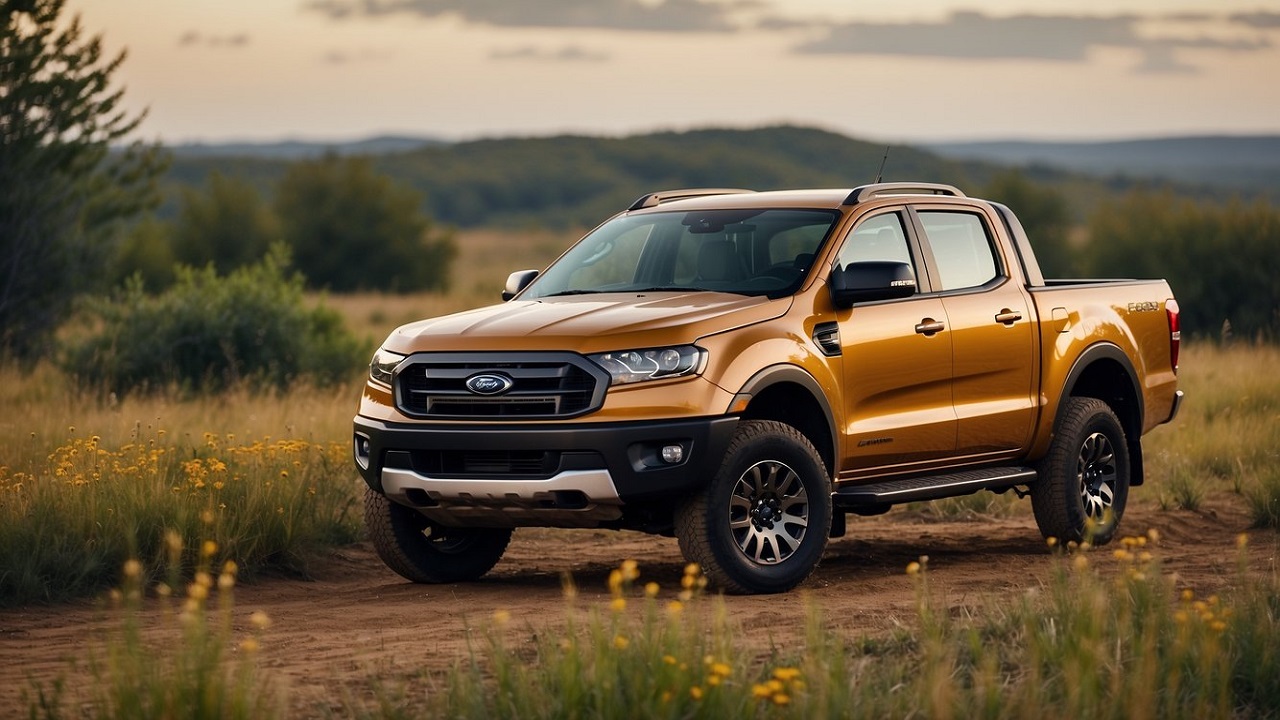
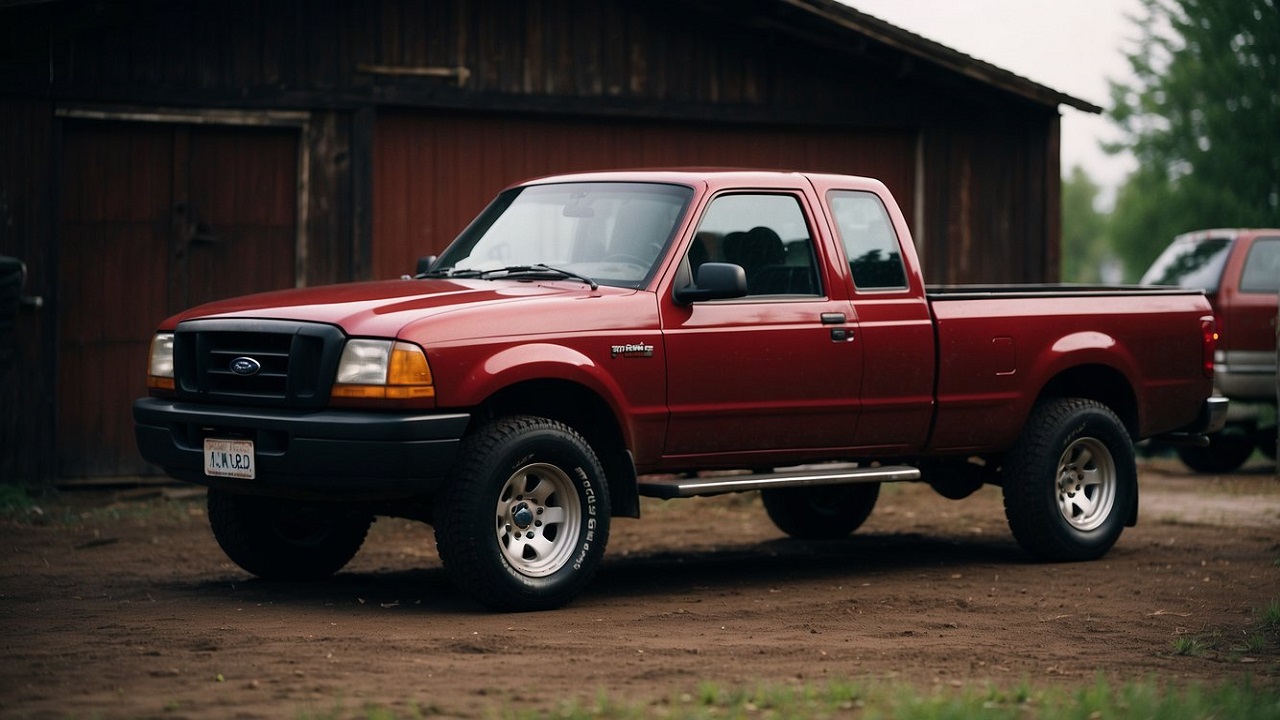
The 2000 Ford Ranger earns high marks for reliability, thanks to its solid construction and the 4.0L OHV V6 engine known for its longevity and power. This model is favored for its fuel efficiency, comfortable interior, and smooth handling. It’s also equipped for towing and hauling, making it ideal for work-related tasks.

With its strong market reputation, the 2000 Ford Ranger is a great choice for anyone looking for a reliable used truck that meets a variety of needs and budgets.

2006 Ford Fusion

2006 Ford Fusion
©Photo Credit: MiramarSpeedCircuit

The 2006 Ford Fusion is known for its reliability, with durable build quality and long-lasting engines, including a 2.3L inline-4 or 3.0L V6 option. It features a 6-speed automatic transmission, ABS brakes, and traction control, enhancing its safety and comfort.

The inline-4 engine also delivers up to 26 MPG combined, making it efficient for daily use or travel. Inside, the Fusion offers a spacious and well-appointed interior with quality materials and a user-friendly control layout.

1994 Ford Mustang

1994 Ford Mustang
©Photo Credit: MiramarSpeedCircuit

The 1994 Ford Mustang is renowned for its solid construction, quality parts, and a reliable 5.0L V8 engine. Its interior offers comfortable seating and straightforward controls, with amenities like power windows, cruise control, and an AM/FM stereo for a pleasant driving experience.

Safety-wise, it includes dual airbags and ABS, enhancing control in emergencies and bolstering its dependable reputation. Despite older technology, the 1994 Mustang remains a favorite for its timeless style and robust performance.

1996 Ford F-150

1996 Ford F-150
©Photo Credit: MiramarSpeedCircuit

The 1996 Ford F-150 stands out for its reliability and suitability for family use. Its 5.0-liter V8 engine option is particularly popular for its towing capacity and everyday performance. This model is practical, with a spacious interior and plenty of storage, and it’s known for its durability, thanks to:

  • Multiple body styles, including regular, extended (SuperCab), and crew cabs (SuperCrew)
  • Sturdy steel frames for protection and durability
  • Anti-lock brakes (ABS) for safer driving
  • Durable suspension for good handling and off-road use

The 1996 F-150 is also known for its ease of maintenance with simple mechanical parts that keep repair costs down, adding to its reputation for dependability. Lacking modern tech, the 1996 F-150 excels in reliability and longevity, making it a solid pick for those needing a durable vehicle.

2001 Ford Explorer

2001 Ford Explorer
©Photo Credit: MiramarSpeedCircuit

The 2001 Ford Explorer was a standout SUV, known for its reliability and fewer issues compared to other models. It came with a robust 4.0L V6 engine that delivered both performance and longevity.

Built to last, the 2001 Explorer featured a sturdy body-on-frame design and safety upgrades like anti-lock brakes and side-curtain airbags, making it a safe family vehicle. Key features of the 2001 Ford Explorer included a refined suspension, 5-speed automatic transmission, and a spacious, comfortable cabin.

2007 Ford Edge

2007 Ford Edge
©Photo Credit: MiramarSpeedCircuit

The 2007 Ford Edge is noted for its reliability, largely free from the problems seen in other years. It features a 3.5L V6 engine that offers a solid mix of power and fuel economy. It’s important to mention that some 2007 models had issues with windshield seal quality due to subpar adhesive, but these are generally simple fixes.

1997 Ford F-250 Heavy Duty

1997 Ford F-250
©Photo Credit: MiramarSpeedCircuit

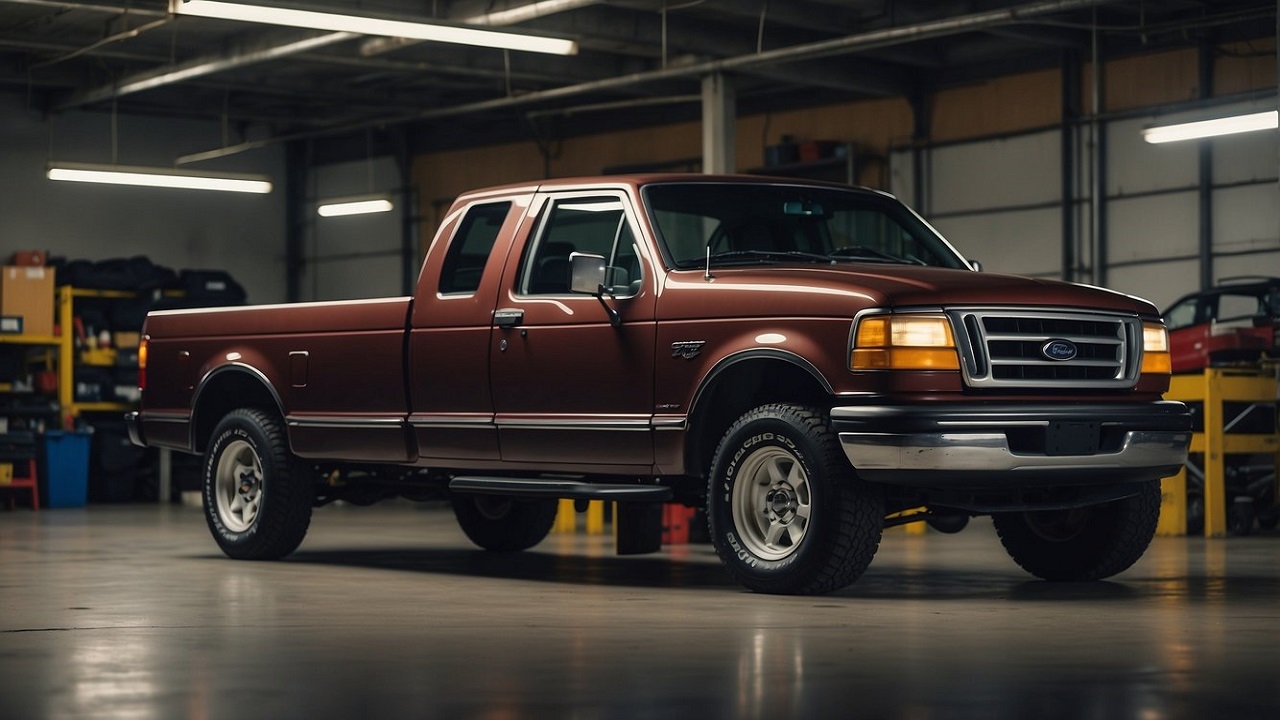
The 1997 Ford F-250 Heavy Duty stands out for its reliability, powered by a robust 5.8L V8 engine that provides ample torque and horsepower. This model features an extended cab and 4-wheel drive, offering good control across different terrains. It’s well-suited for demanding work or recreational activities thanks to its high payload and towing capacities.

Key attributes of the truck include, A strong 5.8L V8 engine, Four-wheel drive system, Extended cab for additional space, durable suspension to support heavy loads and considerable towing capability. Even as an older model, the 1997 Ford F-250 remains a dependable option, with solid build quality and engine reliability that meet current standards. Owners often commend its enduring performance and versatility.

1998 Ford Expedition

1998 Ford Expedition
©Photo Credit: MiramarSpeedCircuit

The 1998 Ford Expedition is known for its reliability, credited to sturdy construction and a robust Triton 5.4L V8 engine.

This SUV is designed for comfort, with a roomy interior that seats up to nine people and offers ample cargo space. Its suspension system is built to smooth out various road conditions. Safety features like antilock brakes (ABS) and dual front airbags make the 1998 Expedition a family-friendly choice. Additionally, its maintenance and repair costs are reasonable, enhancing its dependability.

2004 Ford Taurus

2004 Ford Taurus Wagon
©Photo Credit: MiramarSpeedCircuit

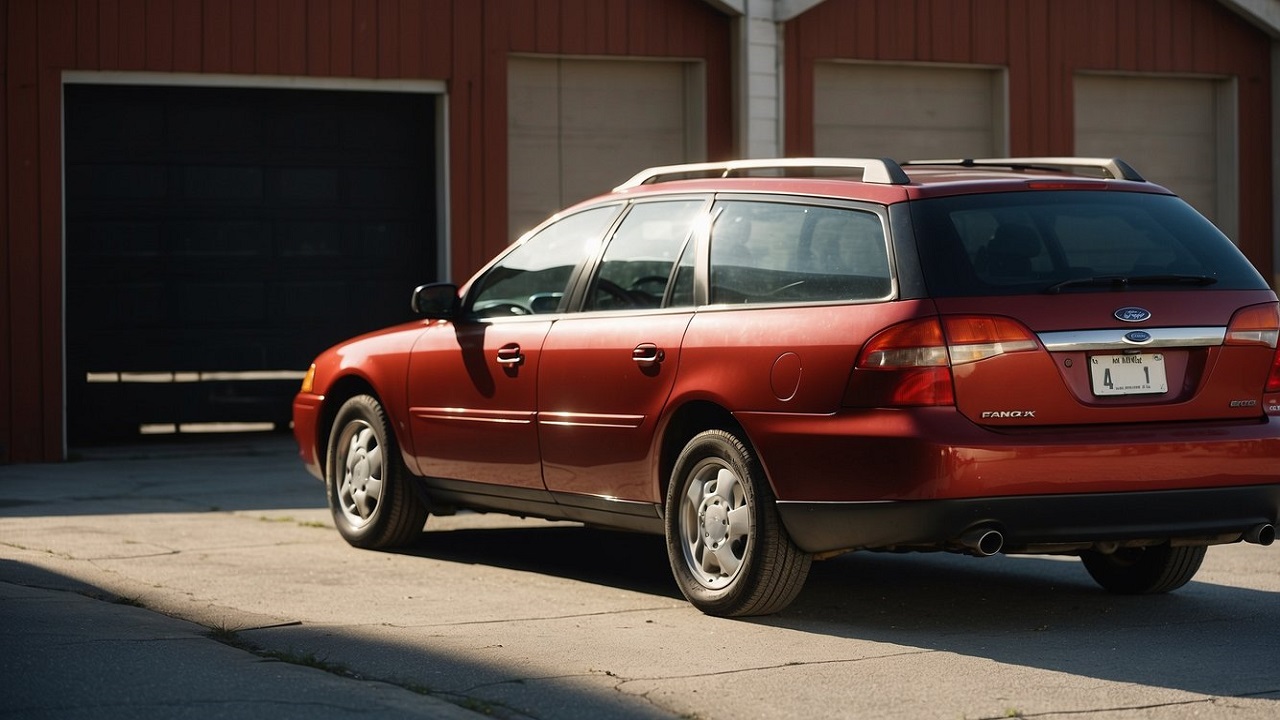
The 2004 Ford Taurus is recognized for its reliability, powered by a strong 3.0L V6 engine. It’s favored for its comfortable ride and spacious interior, making it a go-to sedan for used car buyers. The Taurus is also fuel-efficient and well-built, contributing to its long service life. Safety features like airbags, anti-lock brakes, and pre-tensioned seatbelts provide added security for occupants.

1995 Ford Bronco

1995 Ford Bronco
©Photo Credit: MiramarSpeedCircuit

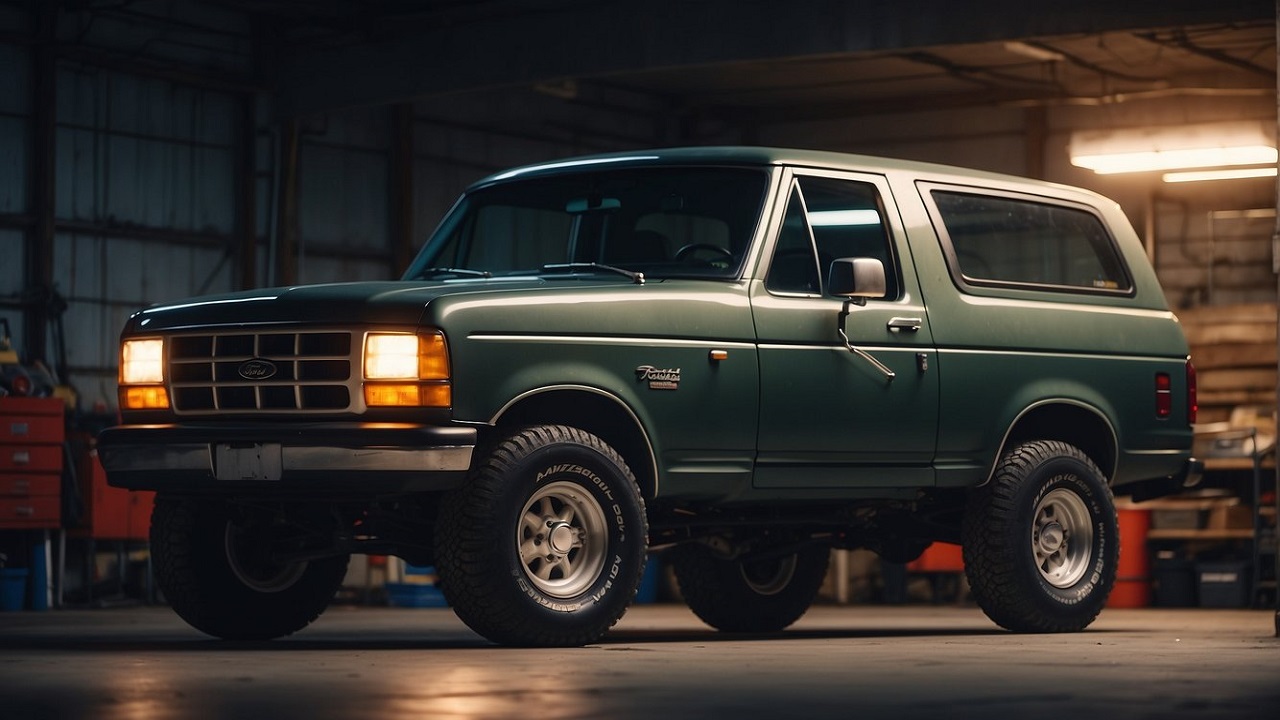
The 1995 Ford Bronco is known for its reliability and strong performance, featuring a durable 351 Windsor V8 engine. Its solid construction and simple mechanics make it a popular choice for those who want a vehicle that lasts.

The Bronco’s reliability is boosted by its minimal technology, which reduces potential issues and simplifies maintenance. Ford’s sturdy engineering ensures it can handle daily wear and user reviews confirm its comfort and practicality. Key features of the 1995 Bronco include – A robust 351 Windsor V8 engine, Low-complexity, maintainable technology, Tough build quality and Durable parts and components.

2000 Ford Focus

2000 Ford Focus
©Photo Credit: MiramarSpeedCircuit

The 2000 Ford Focus is celebrated for its reliable performance and agile handling. It delivers an enjoyable drive with a sturdy feel and low road noise. Powered by a 2.0-liter 4-cylinder engine, it strikes a balance between power and fuel economy. Edmunds commends its design and appealing hatchback look.

Features of the 2000 Focus include – A modern exterior, A comfortable, well-visibility interior and Sharp steering and braking. Consumer Reports indicates the 2000 Focus has strong reliability, with many owners reporting their cars have endured over time, making it a smart pick for a dependable older Ford.

2003 Ford Mustang

2003 Ford Mustang
©Photo Credit: MiramarSpeedCircuit

The 2003 Ford Mustang is a standout for reliability in the fourth-generation Mustangs, thanks to its refined engine and fewer owner complaints. It features a sturdy 3.8L V6 engine that provides solid performance.

Its reliability is reflected in a 4.5/5 rating on Edmunds and Consumer Reports, with drivers valuing its dependability and driving experience. The 2003 Mustang benefits from a MacPherson strut suspension and a four-bar link solid axle, which have been honed since 1994 for better handling and ride quality, endearing it to Mustang fans.

1999 Ford Ranger

1999 Ford Ranger
©Photo Credit: MiramarSpeedCircuit

The 1999 Ford Ranger is deemed reliable for its sturdy engine and build quality, with a 2.5L inline-four gasoline engine and a robust body. Though there have been reports of electrical system issues, these haven’t overshadowed the truck’s reliability. Many owners report driving their 1999 Rangers for extensive miles without significant problems.

2001 Ford Crown Victoria

Ford Crown Victoria
©Photo Credit: DepositPhotos

The 2001 Ford Crown Victoria is praised for its dependable 4.6L V8 engine and longevity, with many surpassing 200,000 miles with regular upkeep. Its durability stems from a robust body-on-frame structure, typical of older Fords, offering a solid base and simpler repairs. The Crown Victoria provides a roomy interior and comfortable seating, popular for those prioritizing comfort and utility. Its rear-wheel drive and strong suspension ensure smooth handling across different terrains.

2002 Ford Focus

2002 Ford Focus
©Photo Credit: MiramarSpeedCircuit

The 2002 Ford Focus is a reliable option in the used car market, known for its solid build, good performance, and fewer issues compared to other models. It comes with a 2.0L 4-cylinder engine that ensures a smooth ride.

With its nimble handling and comfortable driving experience, it’s suitable for long drives and daily commutes. The Focus also boasts notable fuel efficiency, which helps lower operating costs. The design of the 2002 Focus is straightforward but appealing, with a roomy interior that comfortably seats passengers and holds cargo. Standard features include an AM/FM radio and air conditioning, contributing to a pleasant cabin environment.

2006 Ford Five Hundred

2006 Ford Five Hundred
©Photo Credit: MiramarSpeedCircuit

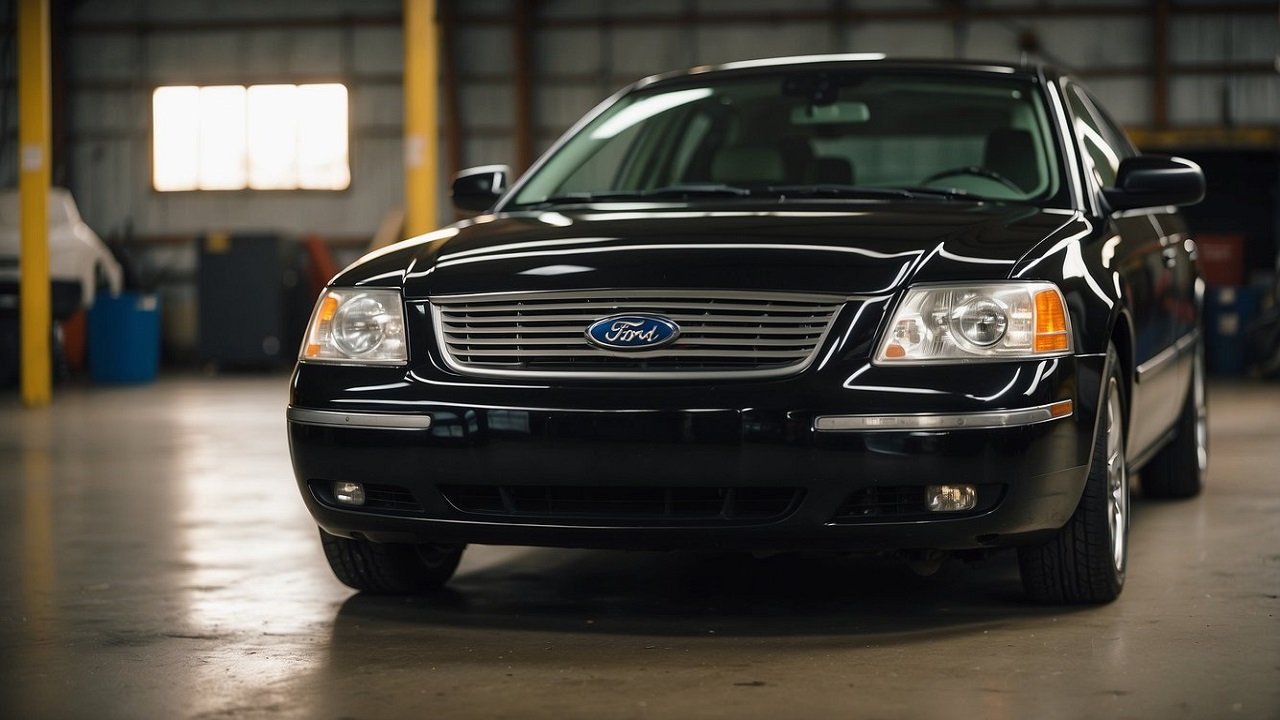
The 2006 Ford Five Hundred is recognized for its reliability, anchored by a 3.0L V6 engine. Edmunds reports that owners have seen high mileage with minimal issues. Its spacious interior and fuel efficiency are highlights for owners, as noted by VehicleHistory, making it suitable for families and travel.

Safety is a strong point, with front and side airbags, ABS, and traction control. A Cars.com review credits these features with protecting occupants in a serious crash. However, some downsides include a paint job prone to fading and peeling, and unusually large tires.

Honda vs. Toyota Engines: Experts Reveal 30 Surprising Facts Unfamiliar to Owners

Deciding between Honda and Toyota engines can be a car buyer’s dilemma. Renowned for their quality and reliability, these automotive giants still have distinct features that give each an edge.

Dive into our comprehensive guide where we dissect 30 similarities and differences between Honda and Toyota engines. Your perfect engine match awaits, tailored to your unique driving desires. Read on to steer your decision in the right direction for your next vehicle investment.

Engine Specifications and Performance

Car engine
©Photo Credit: DepositPhotos

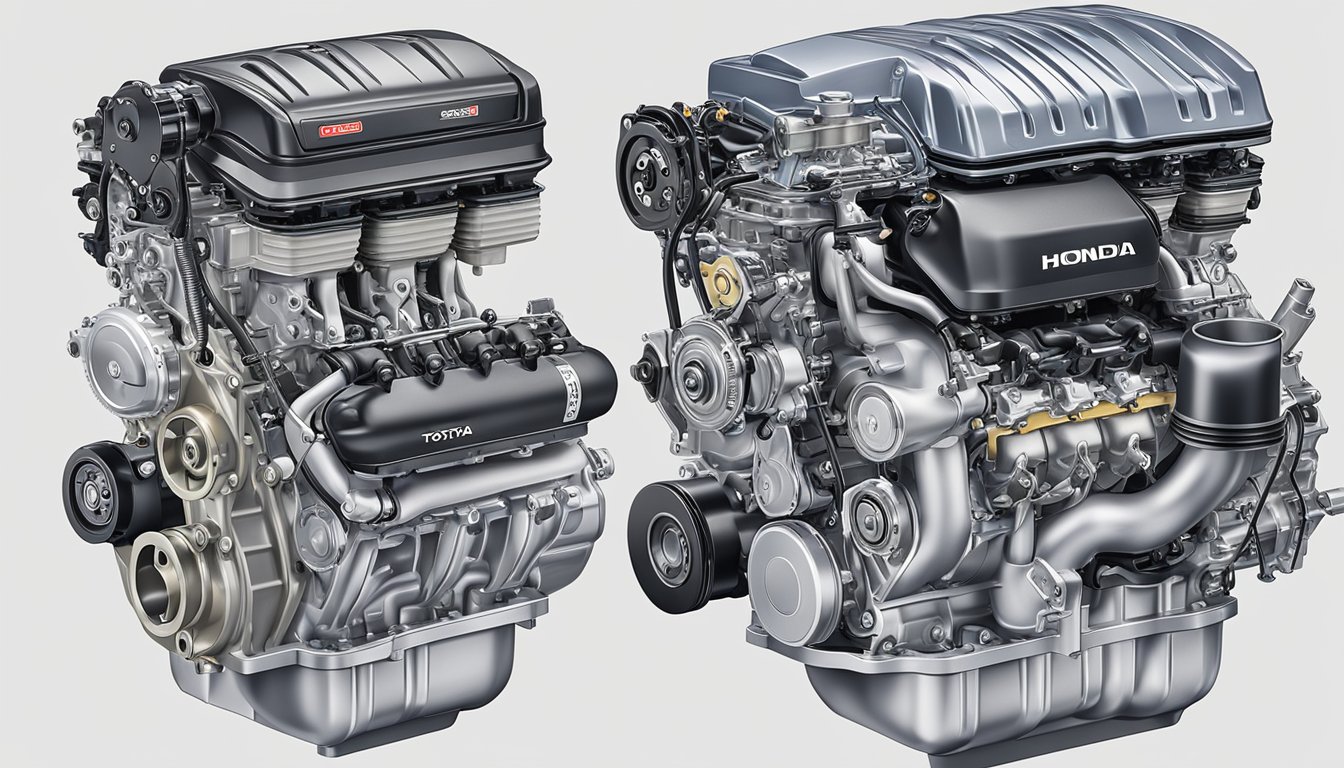
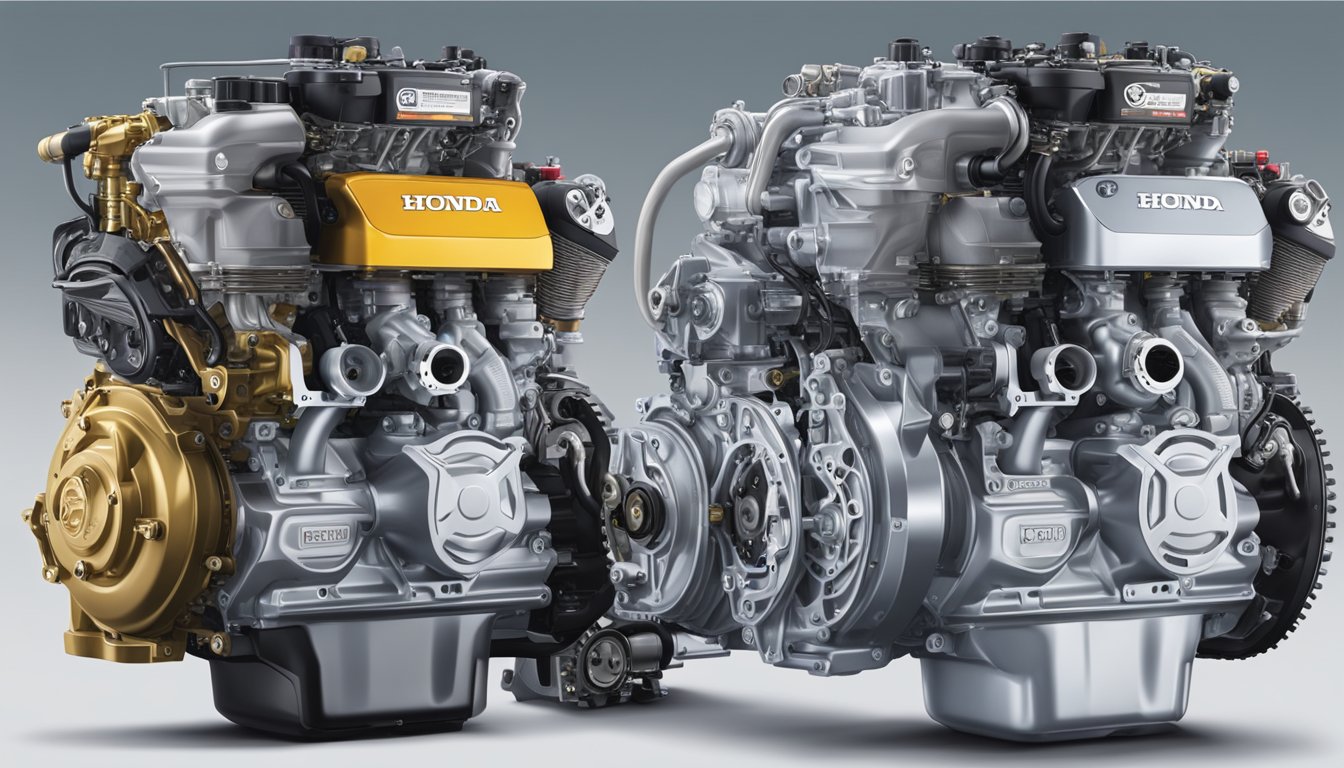
Comparing Honda and Toyota engines reveals differences in performance and efficiency. Honda’s engines are typically sportier, built for high performance, while Toyota focuses on reliability. A Honda 3.5L V6 engine provides an aggressive drive, while Toyota’s 3.5L V6 ensures steady performance.

Both brands embrace hybrid technology, with Honda’s 2.0L HEV engine and Toyota’s 4-cylinder HEV models boosting fuel efficiency. Consider horsepower, handling, and performance, which vary by model, to find a vehicle that meets your needs and budget.

Reliability and Durability

Manufacturing
©Photo Credit: DepositPhotos

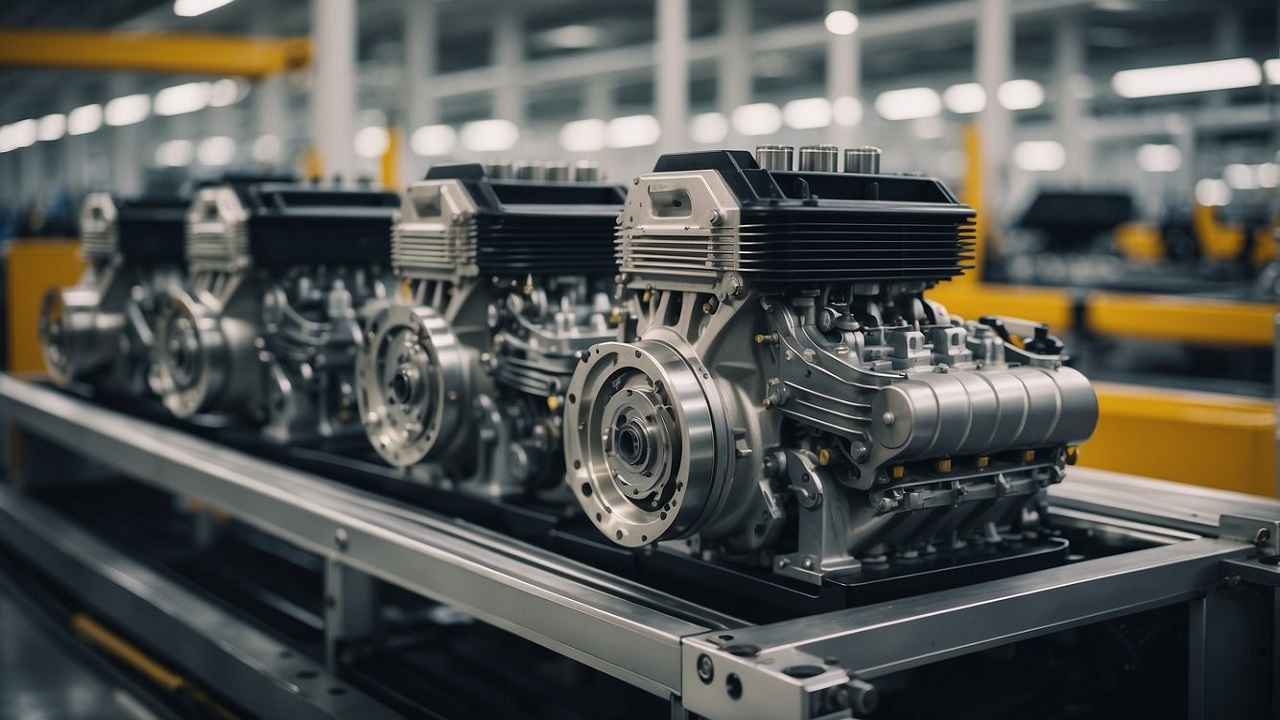
Reliability and durability are crucial when considering Honda and Toyota, as both brands boast long-lasting engines. They have consistently delivered reliable, high-quality vehicles in the U.S. market for years. Torque News cites the 3.5L V6 engines from Honda and Toyota as exceptionally reliable, often exceeding 300,000 miles. Here are key points of comparison in terms of reliability and durability:

Similarities:

  • Both brands have a reputation for dependable cars.
  • Both meet demands for fuel efficiency and eco-friendliness.
  • Both provide a variety of vehicle types, from compacts to trucks.

Differences:

  • Toyota is often associated with greater durability, with engines frequently reaching beyond 200,000 miles.
  • Honda engines are known for smooth performance and a refined driving feel.
  • In Consumer Reports, Toyota ranks as the most reliable brand, with Honda at number five.

Fuel Efficiency and Economy

Fuel Efficiency and Economy
©Photo Credit: MiramarSpeedCircuit

Honda engines tend to be slightly more efficient. For example, the 2023 Toyota Prius has a 57 MPG rating whereas Honda boasts better performance. However, you may pay a bit more for a Honda vehicle. Explore both brands to find your perfect fuel-efficient car!

Horsepower and Handling

Turbo Engine
©Photo Credit: MiramarSpeedCircuit

Honda engines generally boast higher performance ratings across multiple models. For instance, Honda Civics offer more horsepower than Toyota Corollas. Although there are exceptions, like the Toyota Camry. Don’t forget to test drive and experience each car’s handling to find your perfect fit!

Engine Types and Models

Toyota Corolla engine
©Photo Credit: DepositPhotos

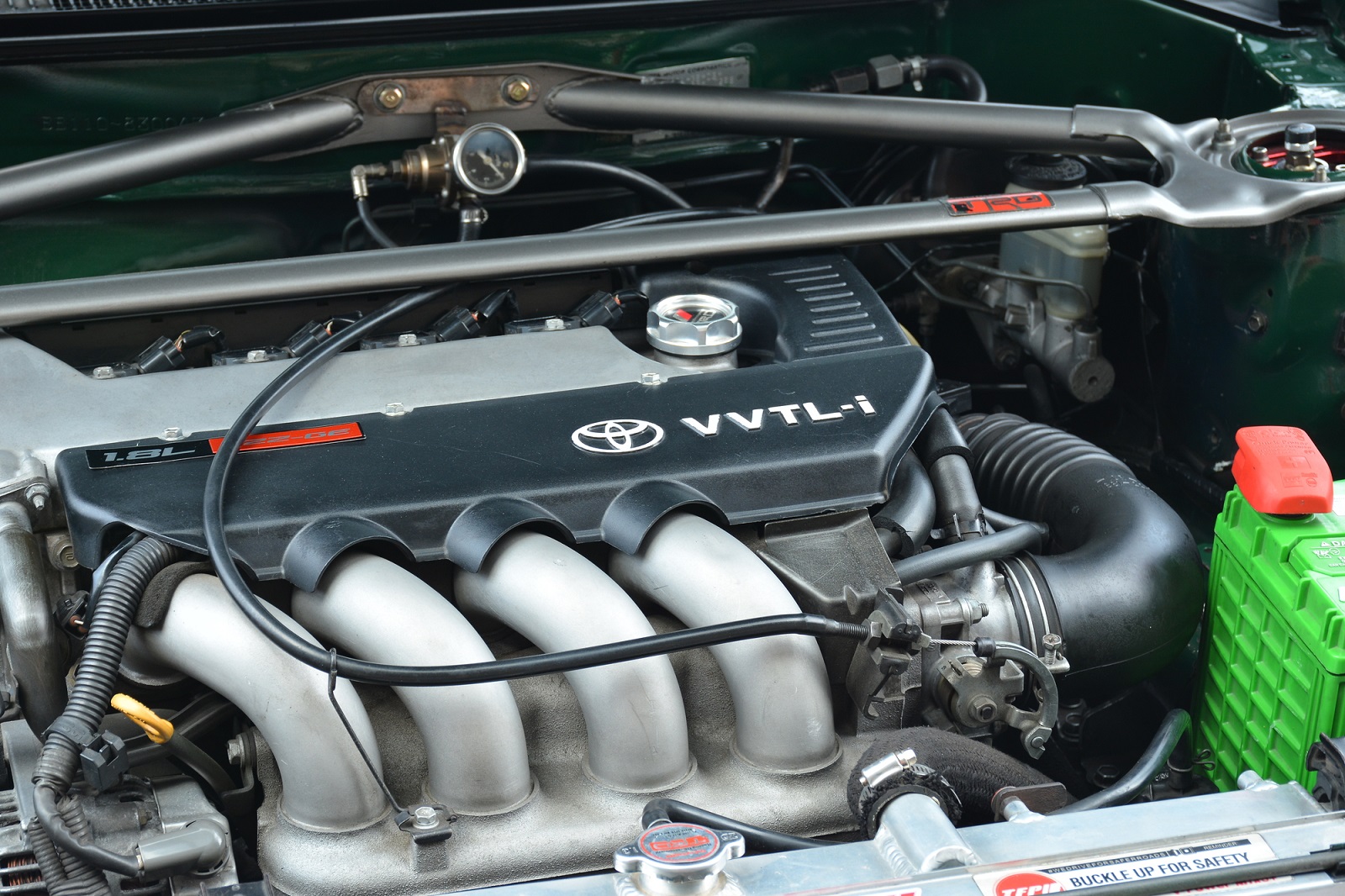
Honda engines utilize VTEC technology for improved performance, with popular options like the 1.5L, 2.0L, and 3.5L V6.  Toyota engines, featuring VVT-i technology, focus on durability and include models such as the 2.5L 4-cylinder and 3.5L V6.

Vehicle Aesthetics and Body

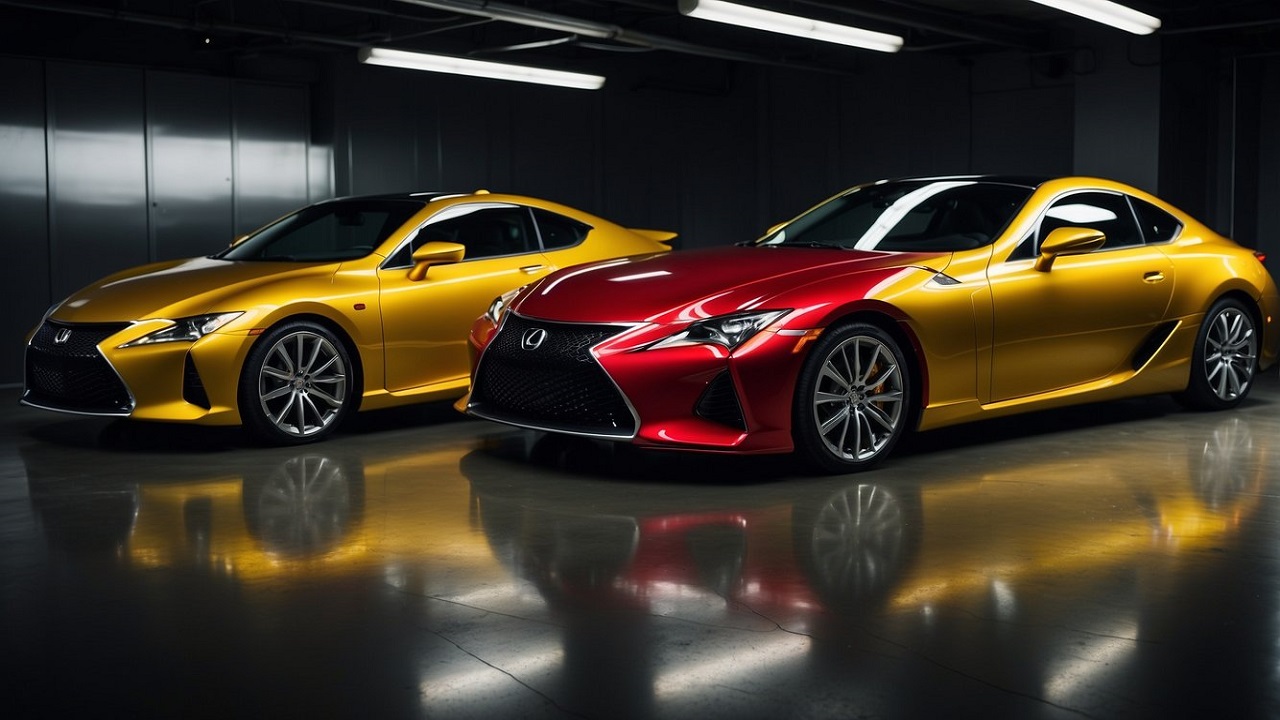
Honda, Lexus and Toyota
©Photo Credit: MiramarSpeedCircuit

When considering aesthetics, both brands cater to varying tastes. Honda vehicles typically sport a bold, aggressive style, while Toyota prefers a classic, elegant look. Honda showcases sharp lines and curves, while Toyota aims for sleek refinement. The decision rests on your personal style preference.

Design and Technology

©Photo Credit: MiramarSpeedCircuit

Comparing Honda and Toyota engines reveals design and technological differences. Honda employs VTEC technology, and Toyota uses VVT-i. Honda: Sporty designs, numerous safety features, Apple CarPlay compatible. Toyota: Built for durability and low maintenance, prioritizes reliability and safety, offers hybrids and EVs.

Innovation in Safety Features

Innovation in Safety Features
©Photo Credit: UnlimPhotos

Honda and Toyota both emphasize safety with distinct approaches. Honda’s Honda Sensing technology offers Lane Keeping Assist and Collision Mitigation Braking. Meanwhile, Toyota’s Safety Sense system combines a camera and radar for enhanced safety. Evaluate how these safety features meet your driving requirements.

Hybrid and Electric Vehicles

Honda Accord Hybrid
©Photo Credit: MiramarSpeedCircuit

Both companies offer a range of environmentally friendly options. Toyota has more affordability and variety in their line-up, with popular models like the Prius and RAV4 Hybrid. In contrast, Honda offers models like the Insight and CR-V Hybrid which are known for their quieter cabins and slightly better handling.

Infotainment and Connectivity

Infotainment and Connectivity
©Photo Credit: Deposit Photos

Both Honda and Toyota offer user-friendly options – Honda uses the HondaLink system, while Toyota offers the Toyota Multimedia System. Drivers enjoy features like voice recognition, Apple CarPlay, Android Auto, and navigation in both. However, Toyota has more advanced options, like a 34-inch driver-facing display in the Lucid Air.

Model Range and Vehicle Types

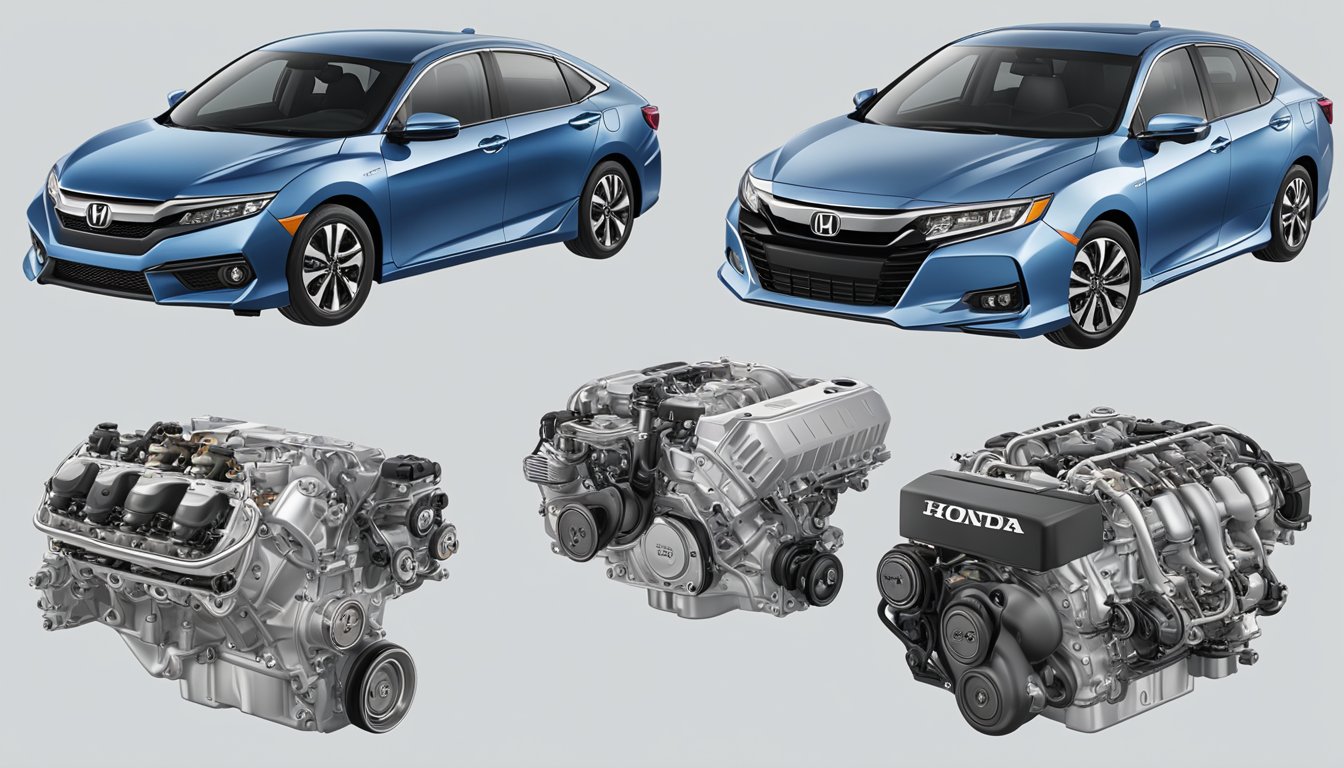
Honda and Toyota Cars
©Photo Credit: MiramarSpeedCircuit

In the sedan category, Toyota offers the popular Camry and Corolla, while Honda has the Civic which is sportier. For SUVs, Toyota’s RAV4 is a bestselling option. If you’re interested in trucks or sports cars, Honda may have fewer options. However, both brands excel in providing quality vehicles with various models to choose from.

Sedans and Compacts

Honda and Toyota Compact Cars
©Photo Credit: MiramarSpeedCircuit

Honda and Toyota are both known for their quality in the production of their sedans and compacts. Similarities: Both are known for their reliability, fuel efficiency, and safety features. Differences: Honda tends to focus on sportier designs and advanced technology, while Toyota is praised for long-term reliability.

SUVs, Trucks, and Minivans

Honda and Toyota Minivans
©Photo Credit: MiramarSpeedCircuit

In the minivan category, the Honda Odyssey competes closely with the Toyota Sienna, both scoring high on reliability. The Sienna, however, includes more standard features like a bigger touchscreen and additional USB ports.

Among SUVs, the Honda CR-V and Toyota RAV4 are leading compact SUVs with solid track records. Performance is similar, but the RAV4 often outperforms in safety ratings. In the truck arena, Toyota’s Tacoma and Tundra are celebrated for off-road capability, whereas Honda’s Ridgeline is recognized for its versatility and comfort.

Sports Cars and Performance Models

Toyota GR Supra and Green Honda Civic Si
©Photo Credit: MiramarSpeedCircuit

Honda is celebrated for speed and handling, evident in the Civic Si, while Toyota sports cars, such as the GR Supra, are lauded for reliability. Both brands boast a legacy of innovative sports cars, dating back to the Honda S600 and Toyota 2000GT of the late 1960s. Their current models maintain this tradition, providing thrilling driving experiences tailored to individual tastes.

Cost and Value Proposition

Family energy use
©Photo Credit: Unlimphotos

Both brands have affordable models which offer a great balance between performance and price. Maintenance costs for both Honda and Toyota engines tend to be low due to their well-known reliability. However, Hondas are known for having higher performance across multiple models. In terms of resale value, both brands maintain their value well over time.

Ownership Costs

Ownership
©Photo Credit: Deposit Photos

Both brands are recognized for reliability. Toyota’s average maintenance cost over ten years is about $6,000, with Honda’s slightly higher at $7,500. In the first five years, Honda’s repair costs average $203, mainly for routine maintenance and minor repairs.

As cars age, costs can rise due to wear on critical parts like engines or transmissions. While maintenance for both Honda and Toyota is generally affordable, Toyota has a slight advantage in long-term ownership costs.

Resale Value and Depreciation

Resale Value
©Photo Credit: UnlimPhotos

A friendly reminder: Toyota Camry has a lower initial selling price and 42% depreciation in five years, making it a budget-friendly option. On the other hand, Honda Accord tends to hold its value better for those unconcerned about budget. In general, Honda and Lexus perform well in J.D. Power’s Residual Value Awards, while Toyota maintains a strong 83.09% resale value after 5 years.

Price Value and Affordability

Are Used Car Prices Dropping?
©Photo Credit: Deposit Photos

Toyota vehicles usually have a lower starting price compared to Honda. For instance, the 2023 Toyota RAV4 has an MSRP starting at $27,575, while the 2023 Honda CR-V starts at $31,610. Toyota’s pricing strategy often strikes a balance between quality and cost-effectiveness. Still, consider the variations in features, performance, and reliability to determine the best option for you.

Consumer-Centric Factors

Consumer-Centric Factors
©Photo Credit: Deposit Photos

Honda engines typically prioritize power and performance, while Toyota engines are designed for fuel efficiency, which could influence your choice based on priorities. Toyota vehicles are known for their smooth and quiet ride, providing a comfortable driving experience. Both brands offer models with substantial cargo space.

Safety Ratings and Dependability

Car Safety Ratings
©Photo Credit: MiramarSpeedCircuit

Both Honda and Toyota excel in safety, with Honda having ten vehicles on the 2023 IIHS Top Safety Pick+ list and Toyota with nine. Their high safety scores stem from features such as adaptive cruise control, automatic emergency braking, and lane departure warnings. In terms of dependability, Honda and Toyota are renowned for their reliable vehicles, a reputation built over many years, earning them widespread trust.

Comfort and Cargo Space

Honda Pilot Years to Avoid
©Photo Credit: Deposit Photos

Honda Accord offers 16.7 cubic feet of trunk space. The Toyota Camry, on the other hand, provides you with 15.1 cubic feet of cargo space.

Brand Loyalty and Perception

©Photo Credit: MiramarSpeedCircuit

Brand loyalty and consumer perception are key factors. Both Toyota and Honda are recognized for quality, safety, and reliability. Despite a J.D. Power study showing Subaru with higher loyalty, Toyota and Honda still rank well. As brand differentiation narrows in consumers’ eyes, consider the nuances between Honda and Toyota engines.

Environmental Impact and Efficiency

Environmental Impact
©Photo Credit: Deposit Photos

Both brands offer hybrids: Toyota with their popular Prius, and Honda with their efficient Insight. These fuel-efficient vehicles help reduce your carbon footprint. Emissions tend to be lower in hybrids than in standard gas engines, contributing to a cleaner environment.

Fuel-Efficient Practices

Honda Gas Station Fuel Efficiency
©Photo Credit: MiramarSpeedCircuit

In recent comparisons, Honda engines have shown a slight edge over Toyota’s. However, Toyota is also known for being fuel-efficient, with a focus on hybrid and electric options.

Honda:

  • Better fuel economy in certain models
  • More power

Toyota:

  • Wide range of eco-friendly options
  • Slightly lagging behind in fuel economy

Eco-Friendly Innovations

Eco-Friendly Technologies
©Photo Credit: MiramarSpeedCircuit

Both Honda and Toyota have made significant strides in eco-friendly technologies. Honda introduced the CR-V Hybrid, while Toyota leads with the RAV4 Hybrid and the well-known Prius. Both manufacturers prioritize eco-friendly innovations, making it easier for you to choose a vehicle that aligns with your values.

  • Honda CR-V Hybrid: Offers impressive fuel efficiency and a comfortable drive.
  • Toyota RAV4 Hybrid: Combines fuel-saving technology with an appealing design and practical versatility.

Maintenance and Longevity

Dishonest mechanics
©Photo Credit: DepositPhotos

Both brands design models with longevity, however, Toyotas have a slight edge in real-world longevity. Regarding maintenance costs – Honda: moderate expenses and Toyota: slightly lower costs.

Service and Repair

reliable engine
©Photo Credit: Unlimphotos

Toyota takes the lead as the number one most reliable brand, while Honda ranks fifth. Both brands share similarities, such as using durable engines and quality materials in their vehicles. To compare, Toyota has eight of the top 23 longest-lasting vehicles, while Honda has four. But remember, your maintenance habits also play a crucial role in your vehicle’s longevity.

Honda engines:

  • Easier to work on,
  • More accessible components
  • Slightly more expensive parts.

Toyota engines:

  • Longer intervals between services,
  • Generally lower repair costs
  • Components may be more difficult to access.

Market Competition and Brand Strengths

Honda and Toyota Brand
©Photo Credit: MiramarSpeedCircuit

Toyota is known for its strong performance in the US market, leading with an Index score of 35.6. In contrast, Honda follows closely with a score of 30.1. Toyota: Best-selling SUV: RAV4, Index score: 35.6. Honda: Healthy brand score: 30.1

Comparative Analysis

©Photo Credit: MiramarSpeedCircuit

Here is a brief comparative analysis of Honda and Toyota engines:

  • Performance: While Honda focuses on powerful and durable engines, Toyota emphasizes fuel efficiency.
  • Ride Quality: Toyota engines generally provide a smoother, quieter ride compared to Honda.
  • Technology: Honda models tend to offer more advanced technology features.

Key Differences in Engineering

Female Engineers
©Photo Credit: DepositPhotos

Honda engines tend to be more performance-oriented and are known for their high horsepower and durability, while Toyota engines focus on fuel efficiency and a smooth ride.

Honda:

  • High-performance, durable engines
  • More horsepower across multiple models

Toyota:

  • Fuel-efficient engines
  • Quieter engines and smoother rides.

Customer Satisfaction

©Photo Credit: Deposit Photos

Customer satisfaction is high among Honda and Toyota owners. Reliability ratings from Consumer Reports and JD Power are crucial; Toyota recently ranked second to Mazda, underscoring their dedication to dependability.

Ownership costs are comparable between the brands. A Honda Civic averages $24,230, and a Toyota Corolla is $23,921 over five years. Both offer a mix of performance and technology, as evidenced by models like the Honda CR-V and Toyota RAV4.

23 Reasons Toyota and Lexus Dominate Global Reliability, Year After Year

Year after year, Toyota and Lexus emerge as the champions of reliability, captivating the hearts of car buffs and earning the nod of approval from industry connoisseurs. With a relentless pursuit of excellence, these automotive giants have crafted a legacy of trustworthiness that rivals can only aspire to.

Embark on a journey with us as we unveil 23 compelling reasons Toyota and Lexus remain unrivaled in the realm of reliability. Prepare to be enthralled by the intricate blend of efficient engineering and cutting-edge technology that sets these brands apart. Get ready to see why Lexus and Toyota don’t just lead the race – they redefine it.

The Legacy of Quality and Dependability

Turbo Engine
©Photo Credit: MiramarSpeedCircuit

Toyota and Lexus are renowned for reliability, often outperforming the industry average in problems per 100 vehicles. Toyota’s Total Quality Management ensures excellence throughout production, making their cars a dependable choice for consumers.

Conservative Approach

toyota Regular Updates
©Photo Credit: DepositPhotos

Toyota and Lexus prioritize reliability by carefully testing new technologies before release, unlike brands that rapidly adopt new features. This cautious approach helps their vehicles retain value even after five years, and avoid depreciation from failed tech. They focus on performance and efficiency without compromising durability, using high-quality materials and solid engineering. Opting for Toyota or Lexus means choosing a vehicle with proven, tested technology designed for longevity.

With this conservative approach, you can expect your Toyota or Lexus vehicle to have:

  • High-quality materials used in construction,
  • Solid engineering principles applied throughout,
  • Strategic use of technology that has undergone thorough testing.

Japanese Total Quality Management Principles

Quality Control Management Japan
©Photo Credit: Unlimphotos

Toyota and Lexus are renowned for reliability, partly due to their Total Quality Management (TQM) principles. Their vehicles are crafted with quality as a core principle from inception. TQM ensures consistent monitoring at each production stage, upholding high standards. The cornerstone of their quality management, the Toyota Production System (TPS), aims to minimize waste and enhance efficiency.

Durability Testing

Durability testing
©Photo Credit: DepositPhotos

Toyota and Lexus conduct rigorous durability testing, exposing their vehicles to extreme temperatures, rough terrains, and simulated severe weather to guarantee resilience. Key tests include:

  • Temperature endurance
  • Saltwater corrosion resistance
  • Road vibration assessment
  • Braking and handling tests

This stringent testing underpins the exceptional reliability of Toyota and Lexus vehicles, ensuring durable and reliable performance for buyers.

Manufacture to Suit Customers Region

Car Engines
©Photo Credit: MiramarSpeedCircuit

Toyota and Lexus’s reliability stems from their manufacturing approach, which includes tailoring vehicles to regional needs. They adapt cars for local climates, driving conditions, and preferences, enhancing suitability and use. Features like fuel efficiency or specific safety options are adjusted based on market demands, ensuring performance, reliability, and customer satisfaction.

Highly Reliable Transmission Parts

Transmission Parts
©Photo Credit: DepositPhotos

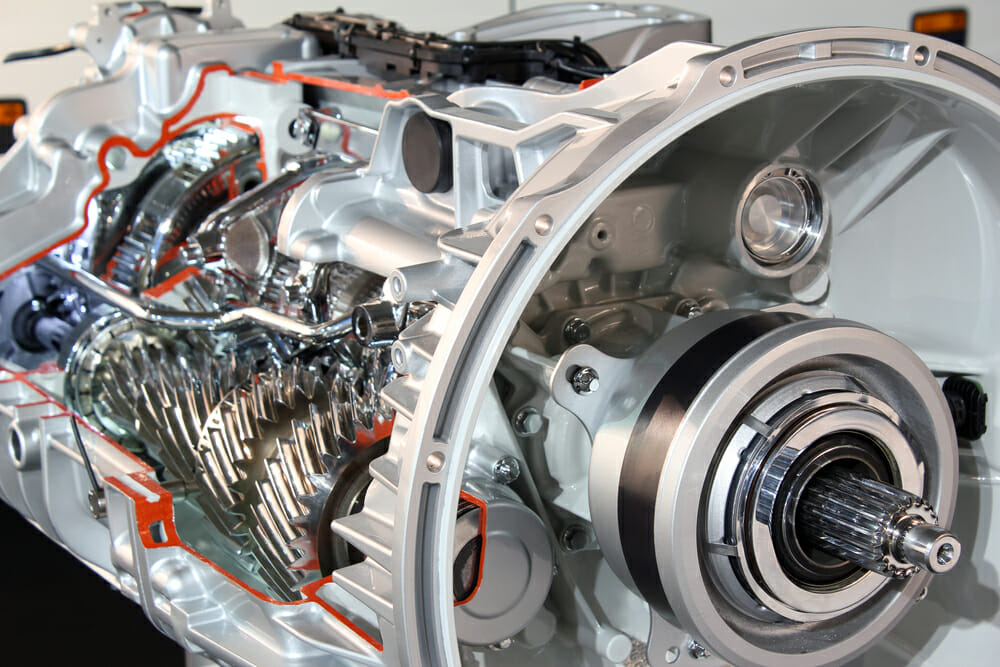
Toyota and Lexus vehicles are globally recognized for their reliability, partly due to high-quality transmission components like the A750 automatic transmission, in use since 2003. Known for exceptional durability and proven reliability, these transmissions are well-suited for large SUVs and off-road vehicles. This reliability helps Toyota and Lexus secure top rankings in Consumer Reports’ annual reliability surveys, reinforcing consumer confidence in these brands’ automotive excellence.

Superior Manufacturing Processes

High standard cars
©Photo Credit: DepositPhotos

Toyota and Lexus are renowned for their high-quality manufacturing and reliability. Employing Total Quality Management (TQM), these brands ensure thorough oversight during production, as noted by SBI Motor Japan. Their meticulous approach to quality control means you can rely on a Toyota or Lexus to be durable and well-crafted.

Consistency Across Factories

Car Modern Factory
©Photo Credit: MiramarSpeedCircuit

Toyota and Lexus achieve consistent quality through the Toyota Production System (TPS), focusing on efficiency and continual improvement. TPS principles, applied across all factories, ensure uniform high standards for their vehicles. By reducing waste and refining processes, they produce notably reliable cars, offering drivers confidence and peace of mind.

Dedication to Perfection

Toyota Perfection
©Photo Credit: MiramarSpeedCircuit

Toyota and Lexus prioritize quality and precision in their vehicles, focusing on efficient engine design and thorough testing. Their commitment includes:

  • Continuous innovation
  • Strict quality standards
  • Focus on customer satisfaction

This dedication to excellence establishes Toyota and Lexus as highly reliable car brands. Enjoy your dependable vehicle!

Industry-Leading Safety Standards

Toyota and Lexus vehicles surrounded by safety symbols and awards, showcasing their industry-leading safety standards
©Photo Credit: miramarspeedcircuit

Toyota and Lexus are synonymous with reliability and safety, consistently integrating advanced safety features. In a single year, Toyota produced over 1.8 million vehicles with Automatic Emergency Braking (AEB). By 2020, the Camry, Highlander, and Mirai featured standard Toyota Safety Sense (TSS) 2.5+, and all Lexus vehicles came with the Lexus Safety System+ as standard. Safety is a top priority for these brands.

Cultivating Owner Satisfaction

Owner Satisfaction
©Photo Credit: Deposit Photos

Toyota and Lexus prioritize reliability and owner satisfaction to improve the driving experience. They incorporate driver feedback into vehicle design, resulting in cars with notable features and performance. Choosing a reliable vehicle from these brands ensures peace of mind and long-term satisfaction.

Customer-Focused Design

Toyota Cars Fuel Efficiency
©Photo Credit: MiramarSpeedCircuit

Toyota and Lexus focus on customer satisfaction by designing vehicles that meet your needs. They use driver feedback and thorough testing to ensure comfort, safety, and enjoyment. Key features include:

  • Roomy interiors
  • User-friendly controls
  • Advanced safety and driver assistance systems.

High Resale Value

Toyota Highlander Hybrid
©Photo Credit: MiramarSpeedCircuit

Toyota and Lexus are known for their high resale value, making them smart investments. When buying a car, you want it to retain as much value as possible.

Top 10 for Best Resale Value in 2024:

  • 2024 Ford Bronco: 66.7%
  • 2024 Toyota Tacoma

A higher resale value not only puts more money back in your pocket at sale or trade-in but also reflects the enduring quality of Toyota and Lexus vehicles. Studies show that some models from these brands preserve a greater portion of their original value over five years compared to rivals.

A Wide Range of Reliable Models

Toyota Lineup Cars
©Photo Credit: MiramarSpeedCircuit

Toyota and Lexus provide a range of reliable models, from sleek sedans and versatile SUVs to efficient hybrids and sporty convertibles, all known for dependability. Popular models include:

  • Toyota: Camry, Corolla, RAV4, Prius, Tacoma
  • Lexus: ES, RX, LS, UX, SC 430

With a variety of options, you can easily find a vehicle to suit your preferences and lifestyle. Explore Toyota and Lexus’s selection of high-quality, dependable vehicles.

SUVs and Trucks Built to Last

Lexus RX 350L
©Photo Credit: MiramarSpeedCircuit

Toyota and Lexus consistently produce reliable SUVs and trucks, with models like the Toyota 4Runner and Lexus NX 300h known for their durability.

Key reliability factors include:

  • Robust construction using quality materials and engineering.
  • Investment in advanced technology for greater efficiency and reliability.
  • Strong safety ratings, ensuring longevity and road safety.

Exceptional Sedans and Hatchbacks

Toyota and Lexus sedans and hatchbacks
©Photo Credit: miramarspeedcircuit

Toyota and Lexus are celebrated for their reliable and high-quality sedans and hatchbacks, such as the Toyota Camry and Lexus ES. These vehicles offer roomy seating, user-friendly tech, and strong performance.

Features of these dependable vehicles include, Fuel efficiency, Comfortable interiors, Smooth handling and Low maintenance needs.

Luxurious and Dependable Lexus Lineup

Lexus ES 300h hybrid
©Photo Credit: DepositPhotos

Exploring the Lexus lineup reveals a steadfast dedication to luxury and reliability, with the brand frequently ranking high in reliability surveys like those from Consumer Reports. Notably, the Lexus ES sedans excel in performance, comfort, and fuel efficiency. The Lexus GS also stands out for its lower maintenance costs compared to competitors.

Leadership in Electric Vehicles

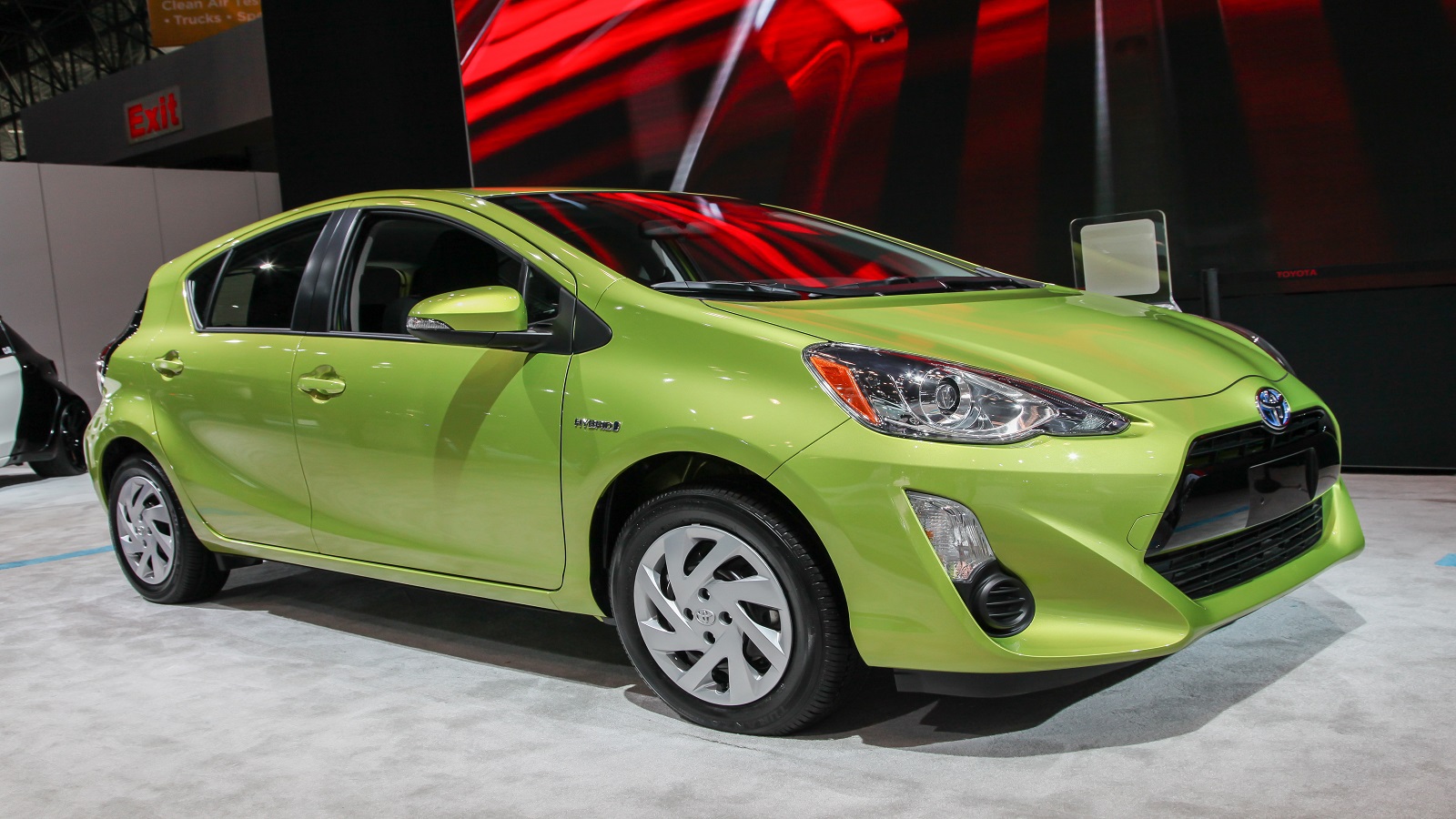
Toyota Prius c
©Photo Credit: DepositPhotos

Toyota and Lexus are leaders in hybrid and electric vehicle technology, marked by the iconic Toyota Prius and other models. Opting for their efficient vehicles joins you with millions of content drivers globally, offering fuel savings, reduced emissions, and comfort. Their prominence in the field cements Toyota and Lexus as reliable automotive brands.

Pioneering Hybrid Models

Toyota Camry
©Photo Credit: DepositPhotos

Toyota and Lexus are pioneers in reliable hybrid technology, with vehicles like the Prius and Camry recognized for their durability and performance. These hybrids stand out as some of the most reliable older sedans, showcasing the effectiveness of hybrid technology. Choosing Toyota or Lexus means selecting advanced hybrids that offer longevity and eco-friendliness.

Advancement in Electric Mobility

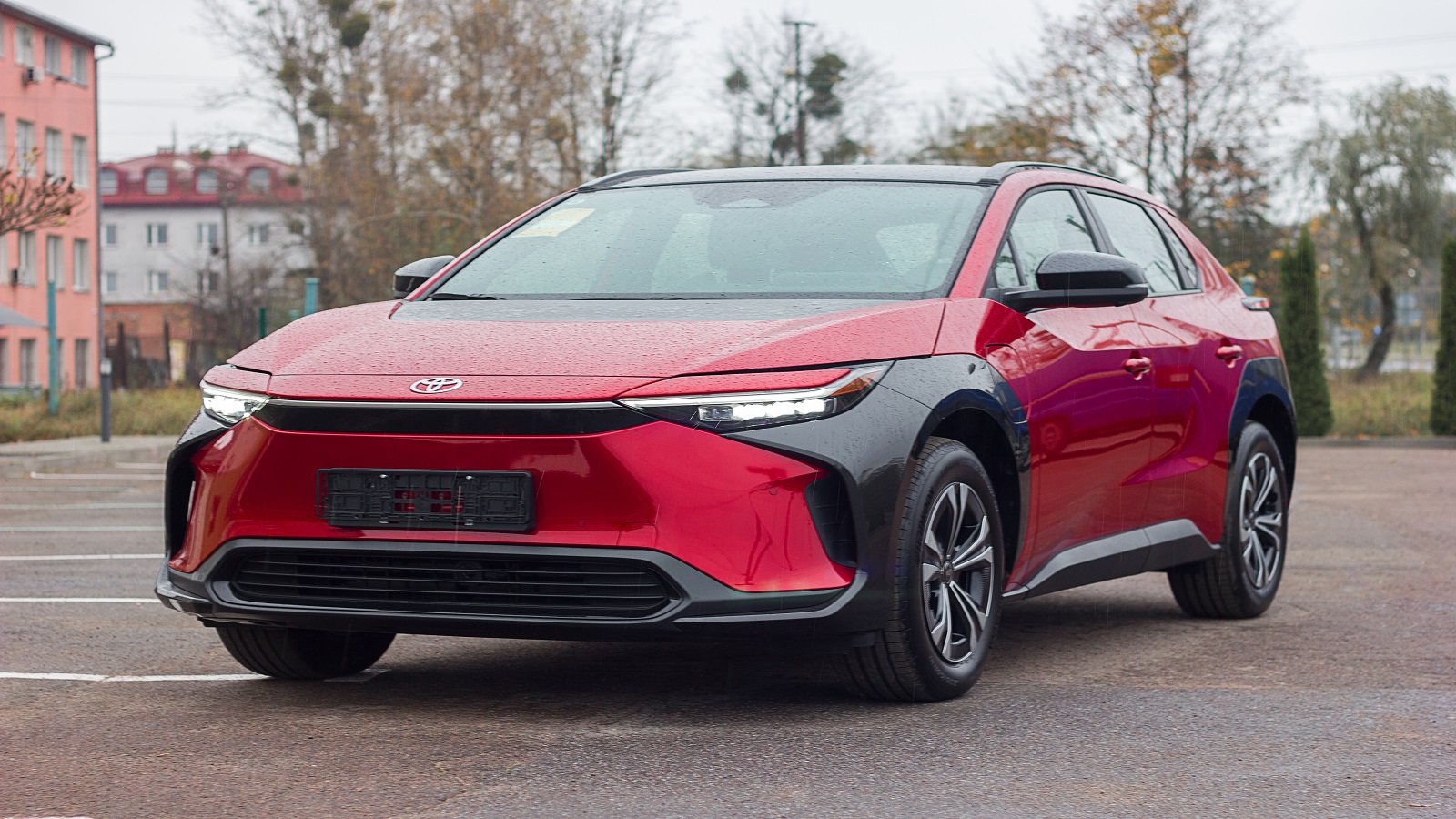
Toyota bZ4X
©Photo Credit: DepositPhotos

Toyota and Lexus enthusiasts will appreciate their strides in electric mobility. Their Beyond Zero initiative expands their lineup to include hybrids, plug-in hybrids, and all-electric models. Models like Toyota’s bZ4X and Lexus’s RZ 450e represent the reliable all-electric options they’re introducing. They’re also enhancing vehicle connectivity for better safety and driving experiences.

Longevity and Low Running Costs

Low Running Costs
©Photo Credit: Deposit Photos

Toyota and Lexus vehicles are celebrated for their durability and affordability. Owners benefit from their long-lasting designs that require minimal maintenance, even after hundreds of thousands of miles. Their efficient engines lead to reduced fuel consumption, saving money at the pump. These models also consistently score well in reliability surveys, providing added confidence on the road.

Building on Trust and Brand Loyalty

Trust and Brand Loyalty
©Photo Credit: Unlimphotos

Toyota and Lexus uphold their status as world-class reliable vehicles through a focus on trust and brand loyalty. Their steadfast commitment to quality and innovation fosters consumer confidence. Key contributors to this trust include:

  • A focus on customer satisfaction.
  • The production of high-quality, reliable vehicles.
  • Consistent ranking as top reliable car brands.

Standing Out in the Mainstream Market

Top Car Market
©Photo Credit: DepositPhotos

Toyota and Lexus stand out in the auto industry with reliable, quality vehicles, thanks to innovative engineering and customer satisfaction. Both brands rank as highly reliable in the J.D. Power US Vehicle Dependability Study, reflecting their commitment to long-lasting vehicles. Their range of models and features meet various consumer needs, ensuring confidence in the reliability of Toyota or Lexus vehicles.

The Top 22 Best-Selling Cars of 2024, According to Experts

Engine roars and sleek designs dominate the highways in 2024, as cars symbolize the American dream in cities and suburbs alike. Which models do Americans favor? We’ll guide you through the top 22 cars of 2023-24, showcasing the favorites that define our roads and culture, and suggest what’s next in driving.

Toyota Camry

Toyota Camry
©Photo Credit: MiramarSpeedCircuit

In 2023, Toyota sold 287,684 Camry models in the United States, affirming the enduring appeal of this versatile family sedan. The 2024 Toyota Camry remains a leading choice for those seeking a stylish, efficient, and comfortable midsize car.

Honda Accord

Honda Accord
©Photo Credit: DepositPhotos

The 2024 Honda Accord upholds its reputation as a favored midsize sedan in America, featuring a roomy interior, notable fuel efficiency, and cutting-edge safety features. With record sales surpassing 197,000 in 2023, the Accord’s popularity in 2024 is partly attributed to its high rankings in the midsize car category and earning the title of 2024 Best Midsize Car for the Money from U.S. News.

Tesla Model 3

Tesla Model 3 EV
©Photo Credit: DepositPhotos

The Tesla Model 3, an updated electric sedan, has gained popularity in America for its impressive features and affordability. With increasing awareness, the Model 3 ended the year 2023 in style, with a robust 220,910 units sold.

Ford F-Series

Ford F-150
©Photo Credit: MiramarSpeedCircuit

The Ford F-Series has been a popular choice among American consumers for decades, holding the title of best-selling truck in America for 46 consecutive years. In 2023, Ford F-Series trucks boasted an impressive sales figure with 676,989 total registrations, accounting for 4.5% of all vehicle registrations. With a range of configurations and features, there’s a perfect fit for everyone, whether for work or leisure.

Honda Civic

Honda Civic
©Photo Credit: DepositPhotos

The Honda Civic continues to be one of America’s favorite cars in 2024, appreciated for its reliability, fuel efficiency, and user-friendly technology. With sales exceeding 200,381 units in 2023, its popularity remains strong. The 2024 Civic is available in various trims, including the LX, Sport, EX, and Touring. The Honda Civic Sport Sedan is the most popular model among these.

Hyundai Sonata

Hyundai Sonata
©Photo Credit: DepositPhotos

The 2024 Hyundai Sonata, a well-liked midsize sedan in America, is frequently compared to the Honda Accord. With over 40,000 units sold in 2023, the Sonata remains a preferred choice among American consumers for its mix of affordability, style, and performance.

Nissan Sentra

Nissan Sentra
©Photo Credit: MiramarSpeedCircuit

Nissan posted a whopping record of 109,000 Sentra units sold in 2023. Known for its excellent fuel efficiency and enjoyable handling, the Sentra’s success is bolstered by its affordability, with the base S model starting at $20,890, and its reputation for dependability.

Subaru Crosstrek

Subaru Crosstrek
©Photo Credit: DepositPhotos

The Subaru Crosstrek has continued to see soaring sales in the USA, peaking at 159,193 units sold, which represents a three percent growth. Known for its reliability and practicality, the Crosstrek offers a comfortable ride with ample space and amenities.

Honda CR-V

Honda CR-V
©Photo Credit: MiramarSpeedCircuit

The Honda CR-V, a popular midsize SUV, has been a staple in the American market for many years. In 2023, it boasted impressive sales with 361,457 units sold in the American market. Consistently one of the best-selling compact SUVs, the CR-V reflects its reliability and broad appeal among buyers.

Toyota RAV4

Toyota RAV4 Prime
©Photo Credit: DepositPhotos

In 2023, with a massive 434,900 vehicles sold, the Toyota RAV4 has become an increasingly popular choice among American drivers in 2024, thanks to its versatility and spacious interior. The RAV4 Prime, a notable addition to the lineup, offers a plug-in hybrid option for eco-conscious drivers.

Subaru Forester

Subaru Forester
©Photo Credit: MiramarSpeedCircuit

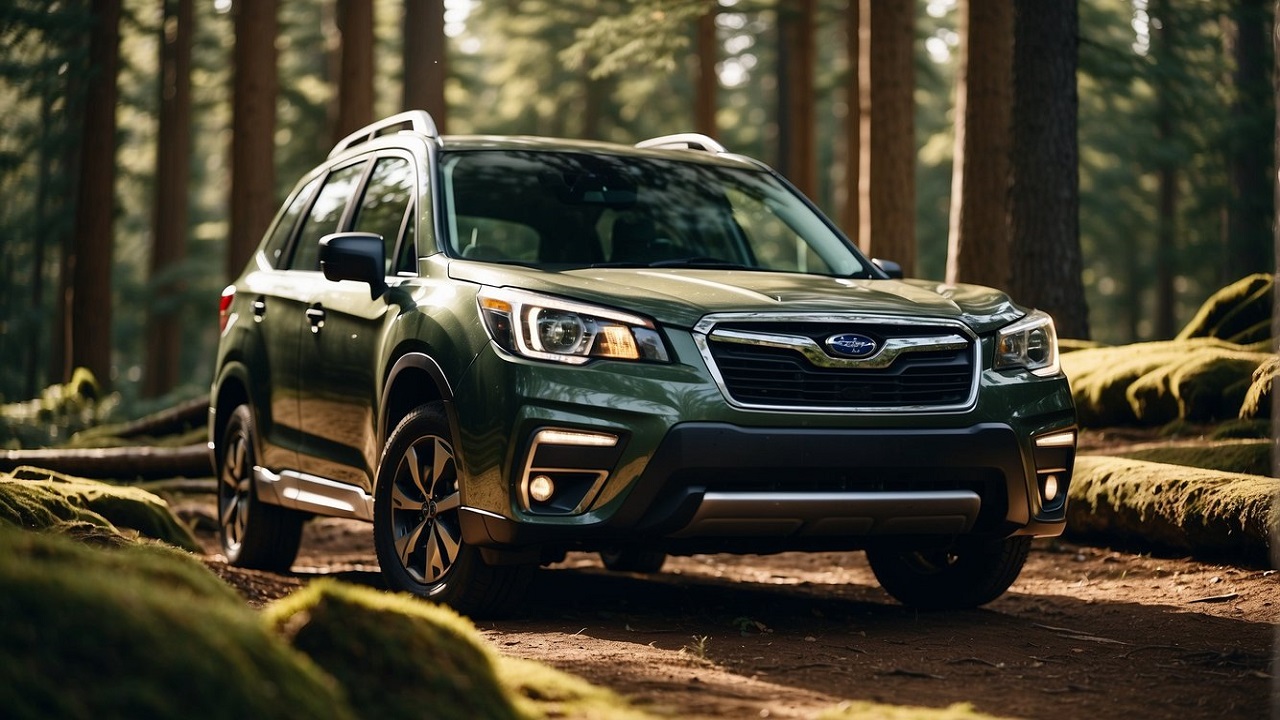
With sales climbing to 152,566 in 2023, the Subaru Forester has become one of the most popular and widely discussed models in 2024. This versatile and family-friendly crossover SUV has gained popularity among American drivers for its comfortable ride, all-wheel drive, and modern technology features.

Kia Telluride

Kia Telluride
©Photo Credit: MiramarSpeedCircuit

Kia reported selling a total of 110,765 Tellurides in the USA in 2023, making it one of the country’s most popular cars, thanks to its impressive design, advanced technology, and top-notch performance. With a starting price of $35,990 for the base LX trim, it presents an affordable option for those seeking a stylish and feature-rich SUV.

GMC Sierra

GMC Sierra
©Photo Credit: MiramarSpeedCircuit

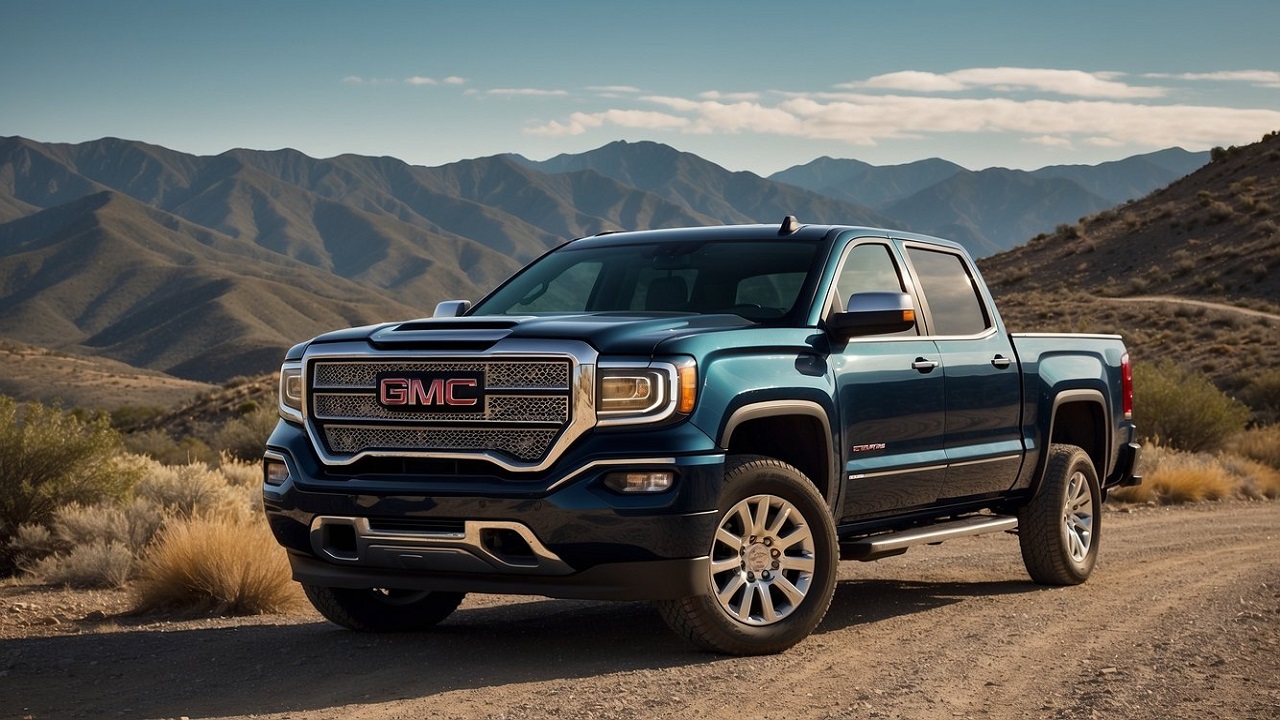
The GMC Sierra 1500, known for its versatility and towing capability, is a popular full-size pickup truck in America. General Motors reported that 295,738 Sierra 1500s were sold in 2023. The Sierra 1500 lineup is also abundant in safety features and driver assistance technology. Consumers can expect features such as forward collision warning, automatic emergency braking, and lane-keeping assist, which help enhance the driving experience and reduce the risk of accidents.

Chevrolet Colorado

Chevrolet Colorado
©Photo Credit: Deposit Photos

The Chevrolet Colorado, a popular midsize pickup truck, offers versatile performance and features. Regarding sales figures, the Colorado maintains a strong presence among American car buyers, with a robust 71,082 units sold. Its popularity can be attributed to a blend of performance, capability, and value.

Toyota Tacoma

Toyota Tacoma
©Photo Credit: DepositPhotos

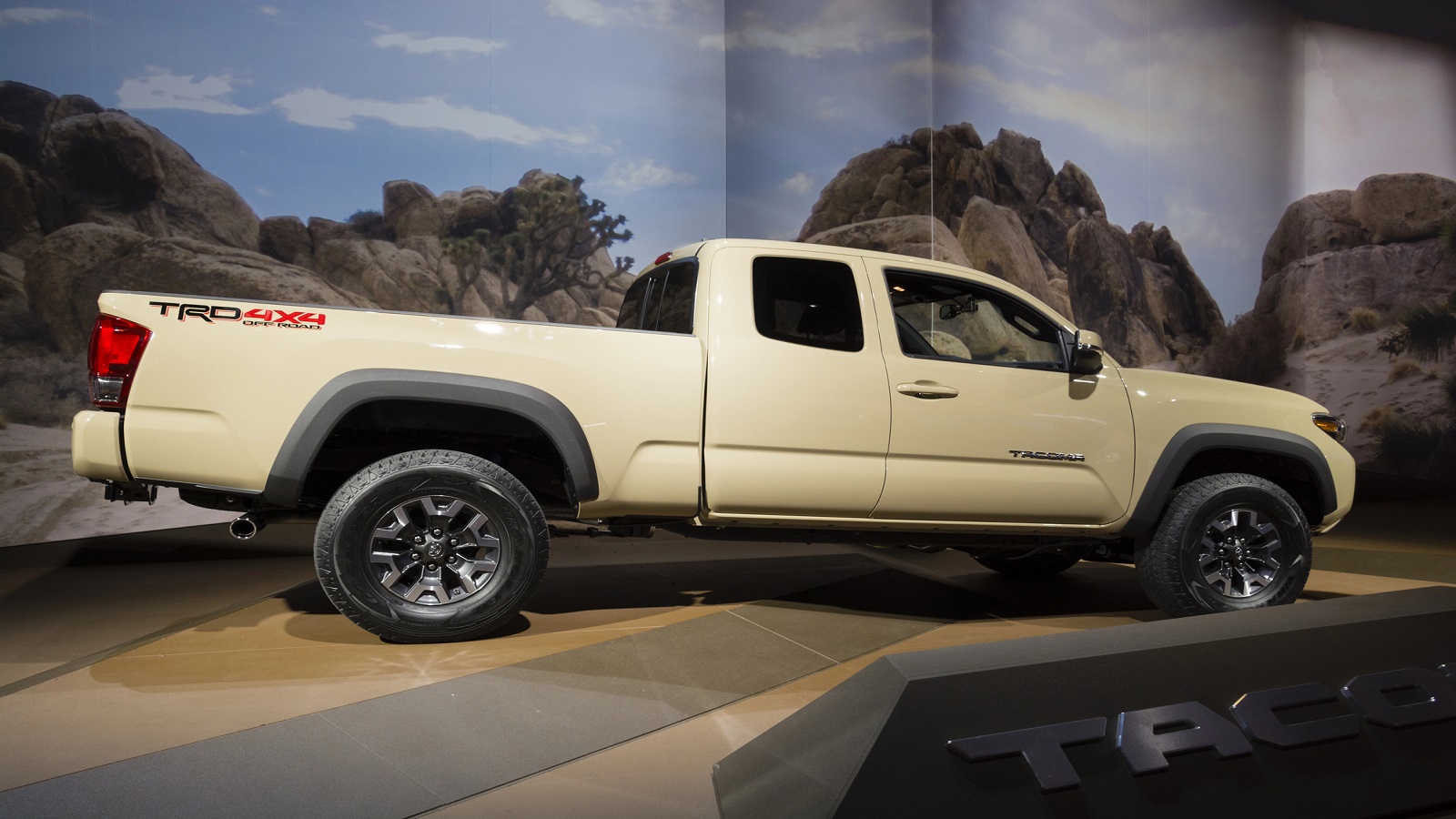
Known for its versatility and off-road capabilities, the Tacoma has gained considerable attention among car enthusiasts. In terms of sales figures, officials reported 234,768 units sold for the year ending 2023, reflecting its status as one of the most popular cars in America.

Honda Ridgeline

Honda Ridgeline
©Photo Credit: DepositPhotos

The Honda Ridgeline, a popular midsize pickup truck in America, is known for blending utility with comfort. In 2023, the Honda Ridgeline concluded with impressive sales of 52,001 units, marking a whopping 21.6 percent increase compared to 2022. With its practicality, comfort, and array of features, the 2024 Ridgeline is undoubtedly one of the most common vehicles in America today.

Tesla Model Y

Tesla Model Y
©Photo Credit: MiramarSpeedCircuit

In 2023, Tesla produced an astounding 1,137,885 Model Y units, surpassing other popular models such as the Toyota RAV4 and the Ford F-Series. This impressive figure underscores the growing demand for electric vehicles in the United States.

Moreover, the Tesla Model Y earned recognition as one of Consumer Reports’ Best Cars of 2024, further cementing its status as a top choice among consumers. Its meteoric rise in the American market demonstrates how it has gradually achieved and sustained its position as one of the most prevalent cars in America today.

Chevrolet Bolt

Chevrolet Bolt
©Photo Credit: Unlimphotos

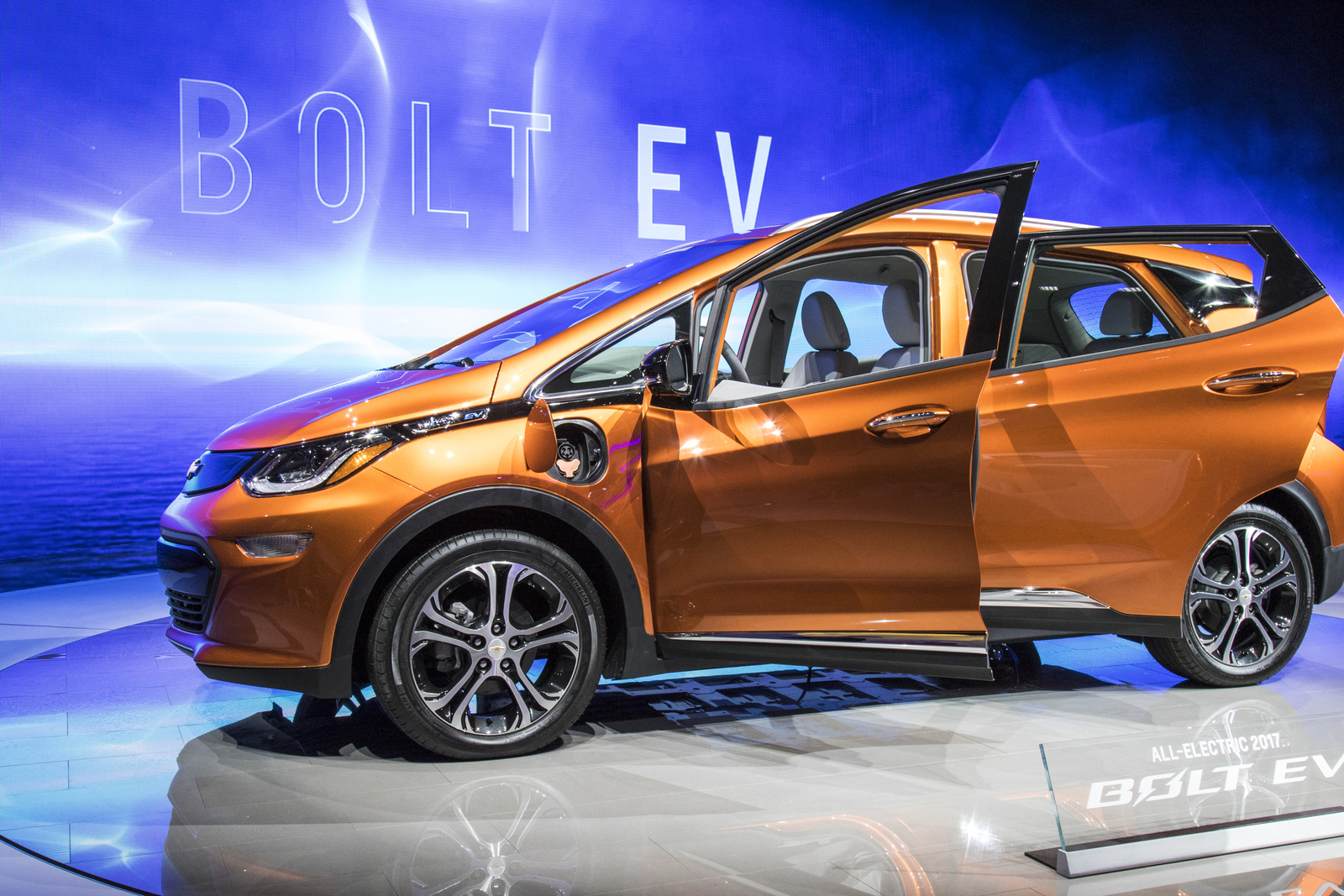
Introduced in 2016, the Bolt has become a strong contender in the electric vehicle (EV) market, offering drivers significant savings on fuel costs and contributing to a greener transportation future. Sales figures have been impressive, with about 23,200 units sold in 2023.

Toyota RAV4 Hybrid

Toyota RAV4 Hybrid
©Photo Credit: DepositPhotos

The Toyota RAV4 Hybrid, which combines performance and efficiency, is a popular choice among American drivers. Its popularity is reflected in the growing sales of 2023, with 161,125 units sold. It offers a spacious and practical cabin, ideal for families and daily commuters. Additionally, the RAV4 Hybrid exceeds expectations in fuel economy, making it a cost-effective choice over time.

Toyota Prius

Toyota Prius c
©Photo Credit: DepositPhotos

The Prius remains one of the most common cars on the road, thanks to its fuel efficiency, reliability, and eco-friendly features. In 2023, Toyota Prius sales were robust, with 35,816 units sold, indicating the ongoing preference for the Prius among American drivers seeking a dependable, environmentally friendly vehicle.

Honda Accord Hybrid

Honda Accord Hybrid
©Photo Credit: MiramarSpeedCircuit

The Honda Accord Hybrid was one of the most common cars in America in 2023, primarily due to its ideal balance of performance, efficiency, and advanced technologies. With a sales figure of 96,323 in 2023, it set an all-time record for Honda. This popularity is evident in the increasing number of Honda Accord Hybrids seen on roads across the nation.

Toyota Highlander Hybrid

Toyota Highlander Hybrid
©Photo Credit: MiramarSpeedCircuit

As a midsize SUV, the Highlander Hybrid competes with vehicles like the Ford Explorer. It features a 2.5L 4-cylinder gas/electric hybrid engine, making it an eco-friendly option for families and those seeking extra space. The sales figures and popularity of the Toyota Highlander Hybrid have been promising and continue to grow, with sales surpassing expectations in the US market.

11 Popular Cars Designed for Maximum Road Trips Adventures

Imagine cruising the freeway with the windows down, music up, and the open road ahead. The right car transforms a road trip from just another drive to an epic experience. Choosing the ideal road trip car from the many options available can be daunting.

We’ve done the legwork to identify the top 11 cars that offer more than transport; they enhance your road trip. Whether it’s the luxury of a sedan or the toughness of an SUV, our picks cater to the adventurous spirit. Get ready to explore cars that do more than get you from A to B – they’re essential to your travel story.

Honda CR-V

Honda CR-V
©Photo Credit: MiramarSpeedCircuit

Another excellent option among the best road trip cars is the Honda CR-V. This compact SUV combines the practicality and efficiency of the Honda Civic with the roominess of a larger vehicle. It’s perfect for families or travelers seeking extra cargo space. Also, the CR-V is available with all-wheel-drive, which can be helpful for navigating challenging terrain or unpredictable weather.

Subaru Outback

Subaru Outback
©Photo Credit: MiramarSpeedCircuit

The Subaru Outback is perfect for adventurous road trippers who enjoy outdoor activities. This versatile wagon offers plenty of cargo space, comfortable seating, and a smooth ride. With its all-wheel-drive system and off-road capabilities, the Outback is ready to handle various terrains. Plus, it provides excellent fuel efficiency, saving you money on those long drives.

Kia Telluride

Kia Telluride
©Photo Credit: MiramarSpeedCircuit

The Kia Telluride is a stylish and spacious SUV with three rows of seating, making it perfect for families or groups of friends. This vehicle offers a quiet and comfortable ride, along with a range of advanced safety and technology features. Its excellent fuel efficiency also makes it an eco-friendly choice for long drives.

Honda Civic

Honda Civic
©Photo Credit: DepositPhotos

The Honda Civic is a compact car that offers a great balance of performance, comfort, and fuel efficiency. Its spacious interior and smooth ride quality make it a popular choice for road trips. Plus, it is packed with advanced safety features to keep you and your passengers safe on the road.

Toyota Prius

Toyota Prius c
©Photo Credit: DepositPhotos

For road trippers concerned about fuel efficiency and environmental impact, the Toyota Prius is an excellent choice. This hybrid vehicle delivers exceptional fuel economy, allowing you to save money on gas while enjoying a comfortable ride. Its quiet cabin and ample cargo space make the Prius a practical option for long drives.

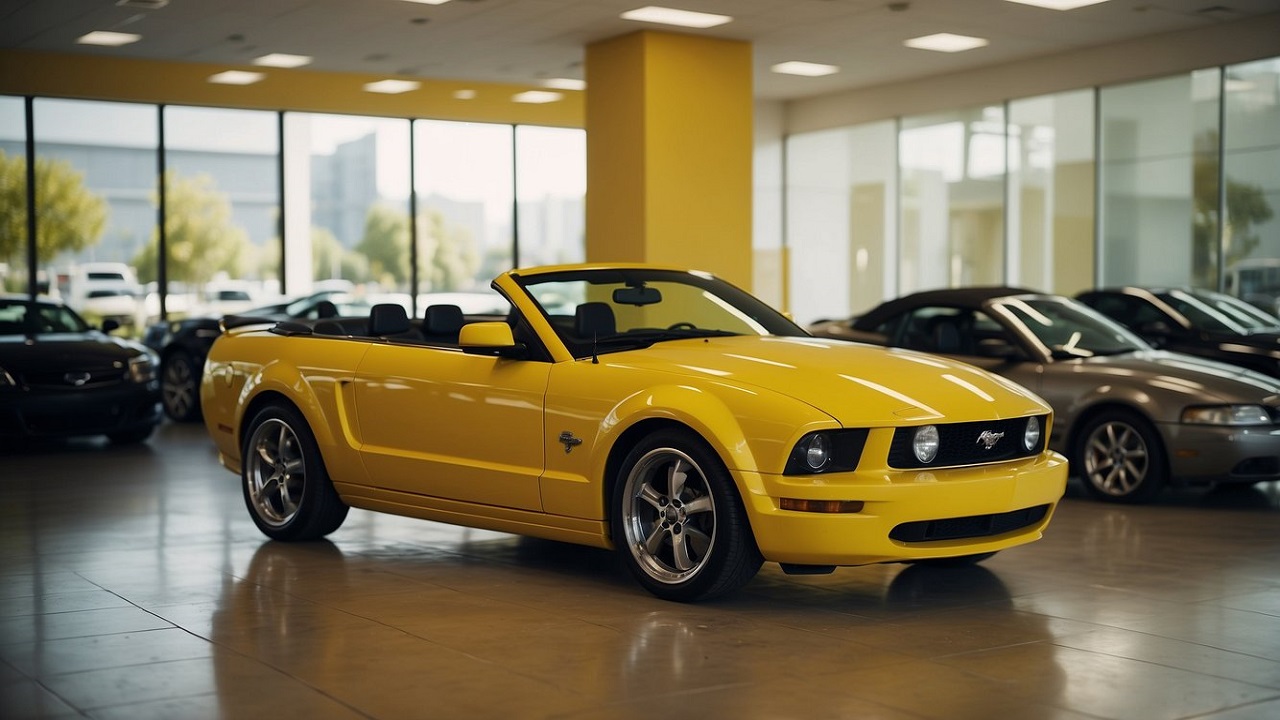
Ford Mustang Convertible

Ford Mustang Convertible
©Photo Credit: MiramarSpeedCircuit

For those who enjoy a more spirited drive and don’t require as much space, the Mustang Convertible offers fun and freedom on the open road, perfect for scenic routes and sunny days.

Honda Accord

Honda Accord
©Photo Credit: DepositPhotos

The Honda Accord is a fantastic choice for road trip vehicles, known for its reliability and comfort. With its spacious interior and impressive fuel efficiency, it’s perfect for long drives. The Accord’s responsive handling ensures a smooth ride, and its advanced safety features can ease your worries on those extended journeys.

Toyota Camry

Toyota Camry
©Photo Credit: DepositPhotos

The Toyota Camry is a solid choice for those seeking a dependable and comfortable road trip vehicle. Its spacious cabin, smooth ride, and fuel efficiency make it ideal for long-distance travel. Plus, the Camry’s reputation for reliability and low maintenance costs adds an extra layer of ease for road trippers.

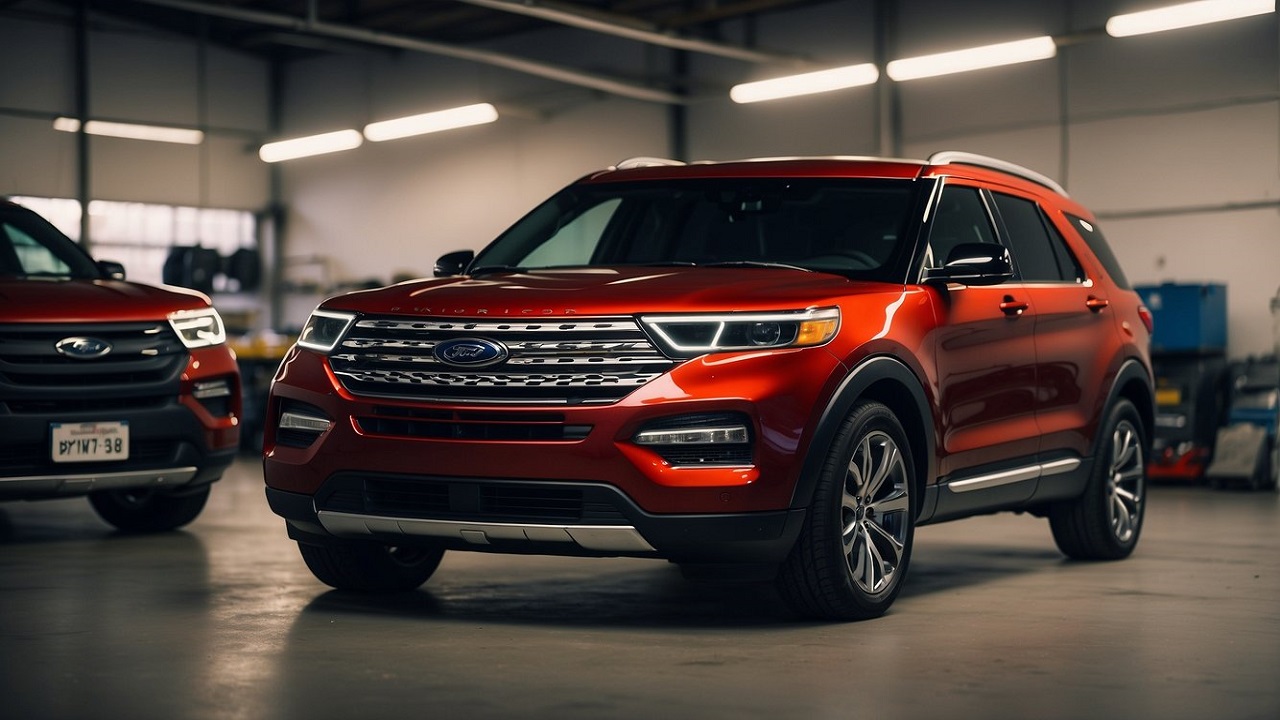
Ford Explorer

Ford Explorer
©Photo Credit: MiramarSpeedCircuit

According to Consumer Report, the Ford Explorer offers plenty of space for passengers and cargo alike. With its available four-wheel drive and powerful engine, the Explorer is well-suited for tackling various terrains and weather conditions, making it an excellent option for adventurous road trippers.

Volkswagen Atlas

Volkswagen Atlas
©Photo Credit: MiramarSpeedCircuit

If you’re planning a road trip with a large group or need extra cargo space, the Volkswagen Atlas may be your best bet. This midsize SUV offers generous seating for up to seven passengers, ample cargo space, and a smooth, comfortable ride. Its modern infotainment system and advanced safety features can enhance the driving experience, making the Atlas a top-choice for road-trip enthusiasts.

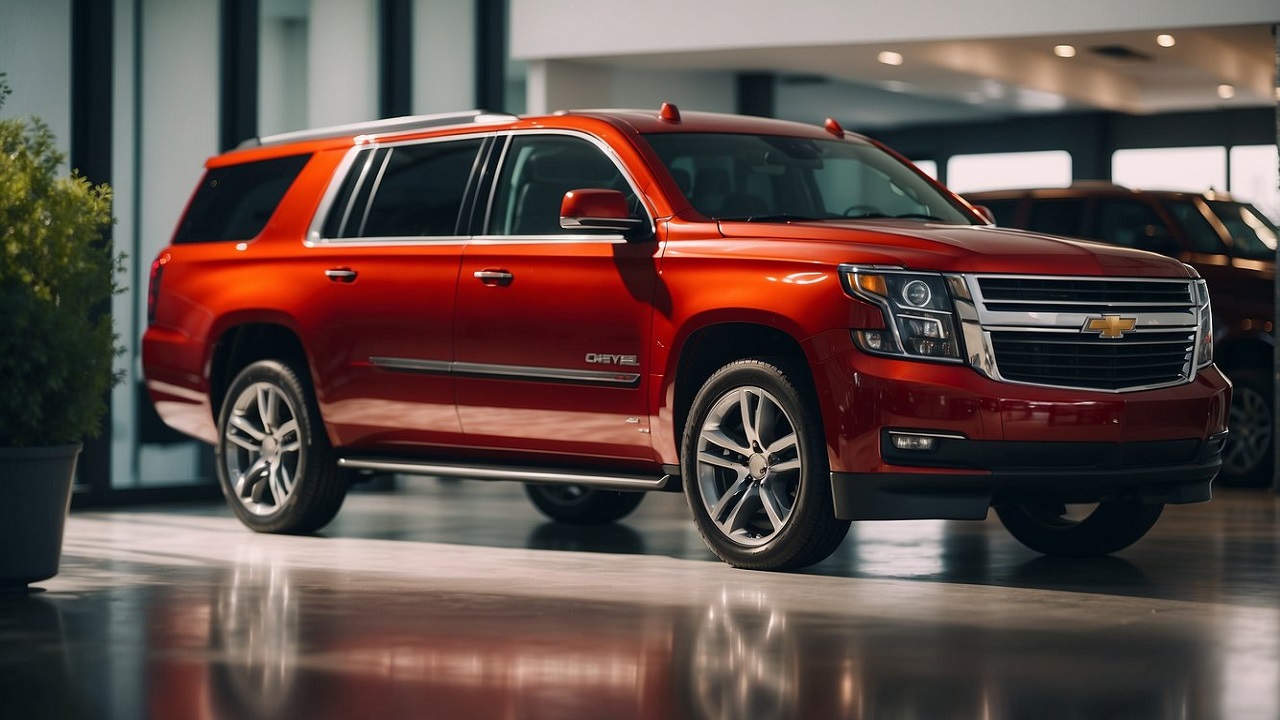
Chevrolet Suburban

Chevrolet Suburban
©Photo Credit: MiramarSpeedCircuit

If you’re traveling with a large group, the Chevrolet Suburban is the ideal road trip vehicle. This spacious SUV accommodates up to 9 passengers comfortably and offers an impressive cargo capacity. Its powerful engine ensures a smooth driving experience, while its suite of safety features keeps you and your passengers secure on the road.

[ie-slider id=’1′]
23 Must-Have Car Accessories That Will Save You In An Emergency

Whether you’re hitting the open road or navigating city streets, emergencies wait for no one. The right car accessories can turn a crisis into a mere hiccup on your journey. Dive into our list of 23 essential car accessories that will arm you for any mishap, ensuring you’re always safe, prepared, and tackling emergencies with ease.

Durable Flashlight & Batteries

Car Flashlight Woman Emergency
©Photo Credit: Unlimphotos

Include a reliable flashlight in your car’s emergency kit, such as the Evelots Hand Crank Emergency Flashlight, ideal for power outages or roadside emergencies. Opt for a flashlight that doesn’t need batteries, like the HydraLight Emergency LED Flashlight, which is water-powered or solar-charged, ensuring light availability during emergencies.

Reliable Jumper Cables

Jumper cables
©Photo Credit: DepositPhotos

A dead battery can be a major hassle, but with reliable jumper cables like the TopDC, which are 25.2 feet long, it’s just a small setback. Keep in mind, they’re heavy. Alternatively, the Cartman Booster Cable is sturdy and suitable for most drivers. Store your cables neatly in the trunk for emergencies.

Portable Fire Extinguisher

Portable Fire Extinguisher
©Photo Credit: Unlimphotos

A portable fire extinguisher is crucial for car emergencies. Equip your vehicle with one to tackle sudden fires. Choose the appropriate type and size of fire extinguishers, blankets, or sprays for your car, and service them regularly to maintain functionality. Your safety is at stake.

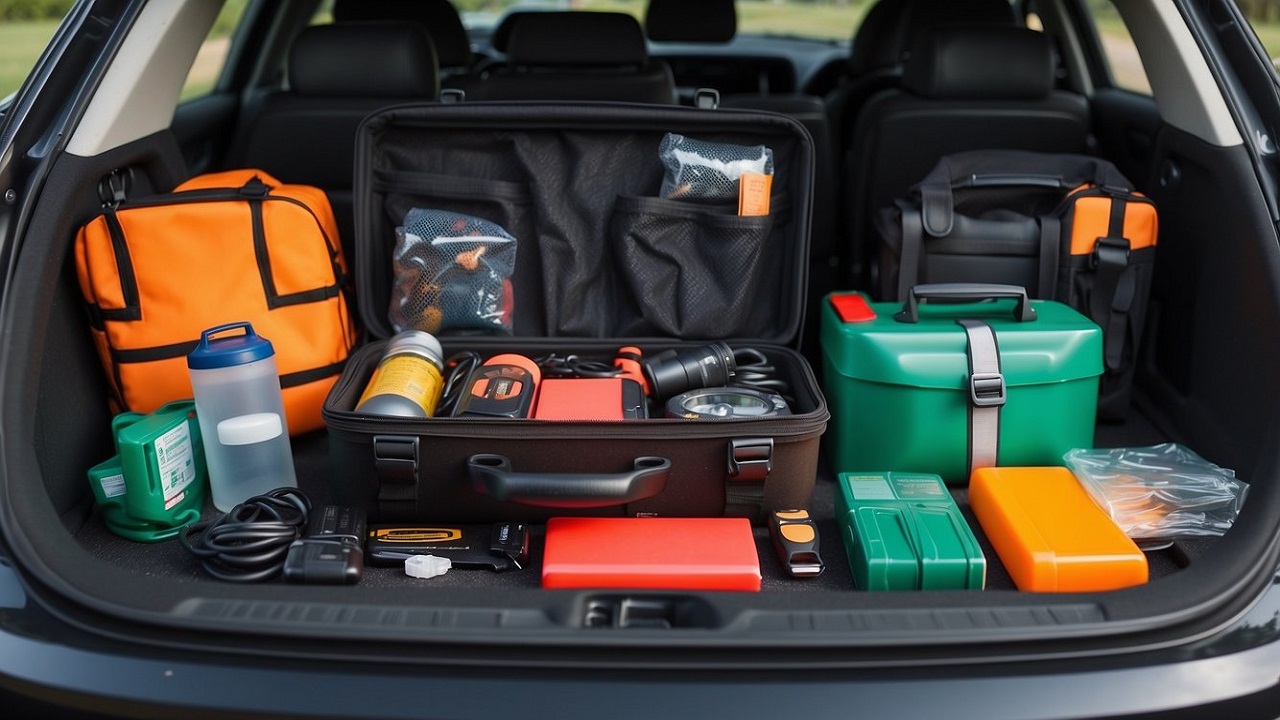
Multifunctional Emergency Kit

Multifunctional Emergency Kit
©Photo Credit: MiramarSpeedCircuit

Keep your emergency car kit well-stocked with essential items. A Leatherman Wave Plus Multitool can be a great addition. Equip yourself with jumper cables, a mini air compressor, and a solar battery charger. In need of sanitation? Have some hand wipes, sanitizer, and trash bags too. You’ll be thankful when these lifesavers are at hand during an emergency.

Emergency Blankets to Retain Body Heat

Blankets Wearing By Couple
©Photo Credit: Unlimphotos

In emergencies, it’s crucial to stay warm and protected. That’s when emergency blankets come in handy. These thermal blankets are designed to retain up to 90% of body heat. They’re waterproof, windproof, and moisture-proof, making them perfect for damp and cold situations.

Sturdy Tire Repair Kit

Tire Repair Kit
©Photo Credit: DepositPhotos

Keep a solid tire repair kit in your car for emergencies to handle punctures without a mechanic. Ensure it includes plugs, patches, adhesive, and other necessary tools for various tire problems. Learn to use the kit to easily manage flat tires on the go.

Emergency Tire Inflator

Emergency Tire Inflator Air Compressor
©Photo Credit: DepositPhotos

A portable tire inflator is a must-have accessory for emergencies. It ensures you’re never stranded due to a flat or underinflated tire. With a variety of options available such as the Best Portable Tire Inflators of 2024, you’ll find one that suits your needs.

First Aid Essentials

First Aid Essentials
©Photo Credit: Unlimphotos

An emergency car kit should have a first-aid kit with essentials like gauze, adhesive bandages, antiseptic wipes, latex gloves, and scissors for minor injuries. Include a CPR face shield and pain relievers for comprehensive preparedness. Stay safe on the road!

Window Breaker and Seatbelt Cutter

Car Seatbelt Cutter
©Photo Credit: DepositPhotos

In emergencies, a window breaker and seatbelt cutter can be life-saving accessories for your car. Having these tools handy can help you escape quickly in case of an accident. One great option is the Stinger Super Duty Car Emergency Escape Tool. It has a non-slip rubber grip, making it easy to use. For more options, you can visit Amazon’s selection of window breakers and seatbelt cutters.

Maps and Compass

A map and compass
©Photo Credit: miramarspeedcircuit

Keep a map and compass in your car for emergencies, in case you get lost or your GPS fails. Opt for a user-friendly, durable compass like the Suunto M3-G or Suunto MC-2, which have illuminated markings for use in emergencies. Be prepared.

Whistle

Whistle For Help
©Photo Credit: Unlimphotos

A loud emergency whistle is a must-have accessory for your car. The Fox 40 Sonik Blast CMG Whistle is an excellent choice. It has a high loudness and durability, so it will work when you need it. Place the whistle in your car’s glove compartment or attach it to your keychain. If you’re lost or in danger, it can gain attention and potentially save your life.

LED Flares and Reflective Triangles

Reflective Triangles on Car Emergency
©Photo Credit: Unlimphotos

In emergencies, LED flares and reflective triangles are crucial for visibility. LED flares, visible in low light and with various flashing modes, can last up to 36 hours to alert other drivers. Reflective triangles enhance visibility day and night, are simple to set up, and can be positioned around your car. These tools help ensure you’re seen from afar, significantly increasing your safety during roadside emergencies.

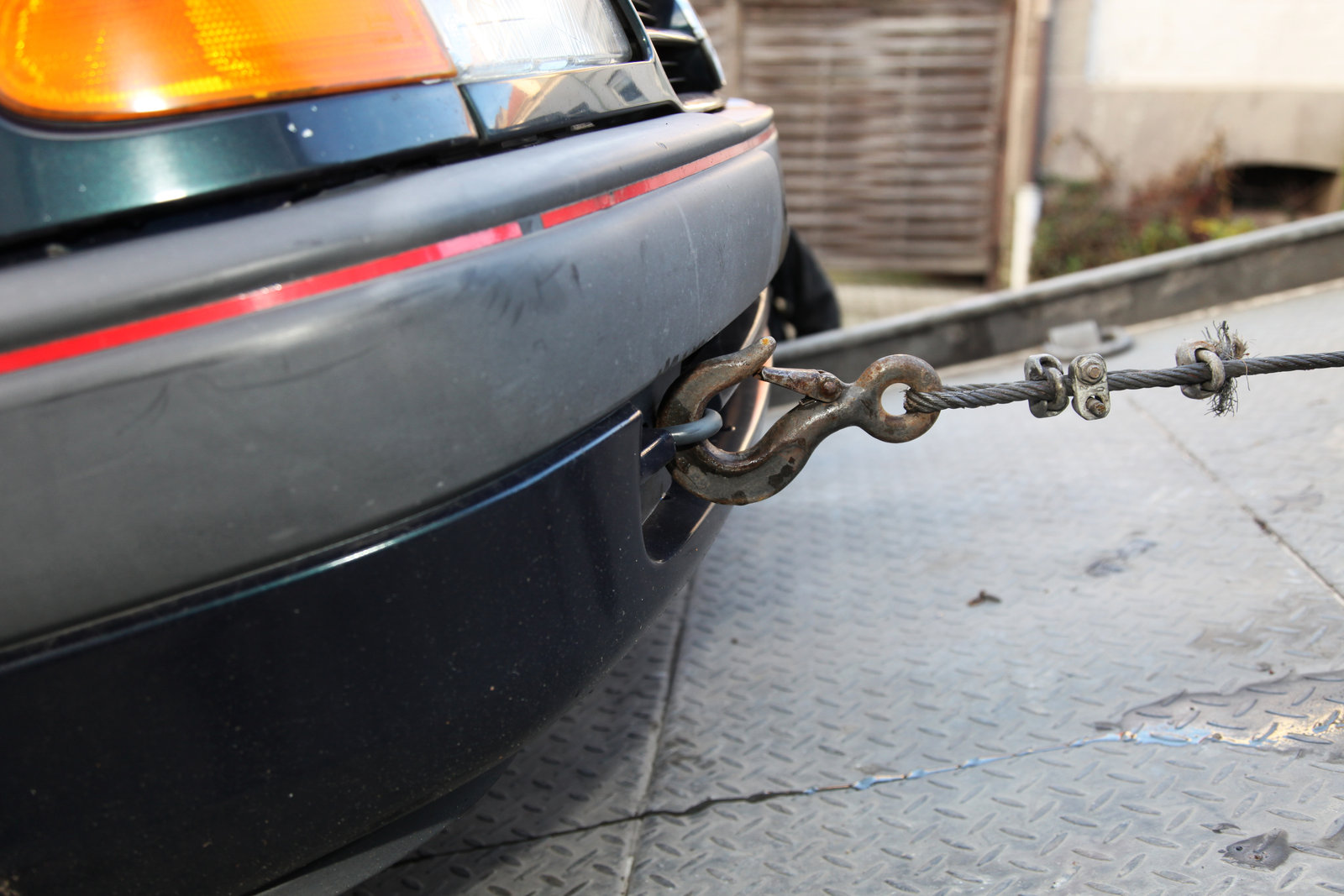
Tow Rope or Tow Strap

Tow Rope or Tow Strap
©Photo Credit: Unlimphotos

A tow rope or strap is essential for car emergencies, useful when your vehicle is stuck or needs towing. Select one that matches your car’s weight. Popular choices include the Keeper 2″ x 25′ Emergency Vehicle Towing and Recovery Strap and the JACO 4X4 TowPro Recovery Tow Strap.

Ice Scraper and Snow Shovel

Compact Shovel
©Photo Credit: Unlimphotos

A reliable ice scraper and snow shovel are essential for winter car emergencies, helping clear snow and ice from your vehicle. Consider a compact, foldable 5-in-1 car snow shovel kit with a snow brush and ice scraper to handle frosty conditions. These tools are key to staying safe and prepared in winter.

Tire Chains for Snowy Roads

Tire Chains for Snow
©Photo Credit: Unlimphotos

If you’re stuck in snow, tire chains like the SZ143 Cable Tire Chain and AutoSock 697 can be crucial. Choose based on your vehicle and budget; the König XG-12 Pro 235 is versatile, while the Security Chain Company Radial Chain SC1032 is more affordable. The right tire chains keep you safe on snowy roads.

Ponchos

rain Ponchos
©Photo Credit: Unlimphotos

Rain can surprise you while driving, but a rain poncho can help. Store a lightweight, compact emergency poncho in your glove box for sudden showers. Disposable ponchos protect you during roadside emergencies and are handy for outdoor activities like festivals or camping. Keep a poncho in your car to stay dry and ready.

Sunscreen and Hats

Covering Hats Couple
©Photo Credit: Unlimphotos

In emergencies, guard against sunburn by including high-SPF sunscreen and a wide-brimmed hat in your car kit. Opt for long-lasting, water-resistant sunscreen and a foldable hat for easy storage. These items offer comfort and protection during unexpected roadside situations.

Car Fuses and Mini Toolkit

Car Fuses
©Photo Credit: Unlimphotos

Having a set of car fuses in your emergency kit can be a lifesaver. These tiny devices protect your car’s electrical systems and can prevent further issues if a circuit fails. You can find a comprehensive car fuse kit online.

Water and Nonperishable Food Supplies

Water and Nonperishable Food Supplies
©Photo Credit: MiramarSpeedCircuit

In emergencies, keep water and non-perishable food in your car. Stock bottled water for hydration and long-lasting items like dried fruit, jerky, and canned beans to stay nourished during unforeseen events.

Heavy-Duty Gloves

Heavy-Duty Gloves
©Photo Credit: MiramarSpeedCircuit

When driving, hand protection is crucial in emergencies. Keep a pair of heavy-duty gloves, like Mechanix Wear, in your car for tasks like dealing with hot engine parts or changing tires. A good pair of gloves can turn a potential delay into a swift repair.

Emergency Contact Information

Contact Information
©Photo Credit: MiramarSpeedCircuit

Keep emergency contact information in your car, including family, doctors, and roadside assistance numbers. Write it down and place it in the glove compartment or another accessible spot. Regularly update this list and add your own contact details in case of an accident when you’re not with your car.

Preparation for Remote or Long-Distance Trips

Car Items By Family
©Photo Credit: Unlimphotos

Preparing for a long-distance or remote road trip is crucial; pack essentials like a satellite phone, extra water, and a compass for emergencies.

Reflective Vest

Reflective Vest
©Photo Credit: MiramarSpeedCircuit

A reflective vest is a vital car accessory for emergencies. It boosts your visibility in low light or during a roadside breakdown. Wear it to make sure other drivers see you, lowering the chance of accidents. Keep one in your car for safety in unexpected situations.

Understanding Car Accessories Pricing and Quality

Car Accessories Pricing
©Photo Credit: UnlimPhotos

When choosing car emergency accessories, balance cost and quality. Prices vary from $5 to $50. Typically, higher-priced items, such as the 1Up USA bike rack recommended by AAA, provide better quality and durability. Read user reviews and look for products tested or approved by reputable organizations to make informed decisions on the best accessories for your needs.

17 Unique Reasons Why Toyota Engines Are So Reliable and Long-Lasting

You might be wondering why Toyota engines are so reliable and long-lasting. It’s a well-known fact that Toyota vehicles are considered some of the most dependable in the automotive world.

One of the primary reasons behind this is the exceptional reliability of their engines. Let’s dive into 17 reasons why Toyota engines tend to outlast those of other automakers, providing you with peace of mind in your investment.

Engineering Excellence

Toyota Engineering Excellence
©Photo Credit: Deposit Photos

Toyota’s design philosophy emphasizes reliability, fuel efficiency, and durability, using advanced materials and methods for improved performance and lightweight construction for comfort and safety.

The brand’s dedication to continuous improvement, or Kaizen, refines processes and products, reducing waste and increasing efficiency. Toyota’s robust research and development efforts result in innovative technologies and strict Total Quality Management (TQM), making their vehicles a byword for excellence and durability.

Quality and Durability of Materials

Car Engine Materials Parts
©Photo Credit: MiramarSpeedCircuit

Toyota engines boast superior build quality, contributing to their reliability. Precision-engineered components, exemplified by the 2ZZ-GE engine, highlight Toyota’s commitment to excellence.

Selection of Materials: The brand’s focus on durability is unwavering, utilizing high-quality materials to extend engine life. This approach, visible even in older models like the 3VZ-FE, ensures peak performance and enhances the dependability and driving experience of Toyota vehicles.

Manufacturing Processes

Manufacturing
©Photo Credit: DepositPhotos

Quality Control: Toyota’s reliability stems from its total quality management (TQM) approach, rigorously overseeing production to meet high standards, evident in the meticulous craftsmanship of their vehicles.

Production Techniques: Their manufacturing processes emphasize practicality and performance, yielding reliable vehicles designed for longevity. Toyota also employs robots to enhance the precision of its high-quality engine production, guaranteeing consistent performance and durability.

Toyota’s Approach to Maintenance

Maintain Car Engine
©Photo Credit: MiramarSpeedCircuit

Toyota stresses the need for regular maintenance to prolong engine lifespan. Adhering to a maintenance schedule safeguards against wear and enhances longevity, supported by the use of durable materials in their engines. The company’s vast dealership network provides easy access to professional maintenance, ensuring expert care for your vehicle. Toyota’s research and development efforts further refine engine reliability.

Toyota Models and Their Track Records

High standard cars
©Photo Credit: DepositPhotos

Iconic Reliability Standouts: Toyota’s lineup includes notably reliable models such as the durable Camry and Corolla, and the extensively tested and reinforced Tundra. Consistent reliability is a hallmark across Toyota’s range, with models like the Prius, Sequoia, Avalon, 4Runner, Sienna, Hilux, and Land Cruiser all boasting strong track records, reflecting Toyota’s dedication to quality in every vehicle.

Consumer Satisfaction and Reviews

Customer Reviews
©Photo Credit: Deposit Photos

Toyota’s reliability is closely tied to customer satisfaction, with the brand consistently scoring well in Consumer Reports. Owners value the build quality, affordable maintenance, and strong resale value. Studies by iSeeCars also indicate Toyotas typically outlive their competitors. Choosing a Toyota means investing in a vehicle that promises long-term satisfaction.

Economic Efficiency

Toyota Cars Fuel Efficiency
©Photo Credit: MiramarSpeedCircuit

Toyota’s engines are celebrated for their fuel efficiency, with ongoing innovation in hybrid technology and combustion engines ensuring superior gas mileage.

Cost of Ownership: The cost of owning a Toyota is relatively low, thanks to its reliability, which typically results in fewer repair and maintenance expenses. Plus, the reduced fuel consumption offers additional savings, making a Toyota a cost-effective investment.

The Role of Turbo Engines and Advanced Features

Turbo Engine
©Photo Credit: MiramarSpeedCircuit

Recently, Toyota has adopted turbo engines to enhance efficiency and performance, offering:

  • Higher power output
  • Better fuel efficiency
  • Superior driving experience

Toyota’s dedication to innovation results in reliable and long-lasting turbo engines, providing a dynamic drive along with the brand’s renowned dependability.

Safety as a Priority

Safety Features
©Photo Credit: UnlimPhotos

Toyota focuses on safety and engine reliability, using premium materials for durability and minimizing breakdown risks. Their innovation brings you the newest safety technologies. Choosing Toyota means selecting a vehicle crafted for your protection.

Regular Updates

toyota Regular Updates
©Photo Credit: DepositPhotos

Maintaining a Toyota engine is easy thanks to the brand’s dedication to updates and improvements, including adopting new technologies and refining designs, which keeps your engine at the forefront of reliability and performance. Toyota uses Six Sigma principles to minimize errors and inconsistency, resulting in high-quality, dependable engines built to last.

Thorough Testing

Quality Control Management Japan
©Photo Credit: DepositPhotos

Toyota is known for its commitment to thorough testing to ensure top performance. In their engine development process, they focus on:

  • Quality materials: Using prime components, which improve the engine’s long-term durability.
  • Repeated evaluations: Various engine simulations and testing on real tracks to make sure you get high-quality engines.

Efficient Cooling Systems

cooling system
©Photo Credit: Unlimphotos

Toyota engines feature efficient cooling systems to maintain the right temperature, preventing overheating and prolonging engine life. Essential parts like the radiator, water pump, and thermostat facilitate coolant flow and heat dissipation, keeping Toyota engine performing well and lasting longer. Regular maintenance of the cooling system is crucial for its effectiveness.

Durable Seals and Gaskets

Seals and Gaskets
©Photo Credit: MiramarSpeedCircuit

Toyota engines are reliable partly due to their durable seals and gaskets, which prevent leaks and contribute to engine longevity. Made from high-quality materials, these seals are crucial for maintaining engine reliability. Consistent maintenance can help preserve these components, extending engine life and reducing issues. Rely on your Toyota’s seals and gaskets for smooth operation.

Proactive Recalls

Safety recalls
©Photo Credit: Deposit Photos

Toyota’s reliability can be attributed to their proactive approach to recalls. When issues are identified, Toyota ensures swift and efficient solutions to maintain their vehicles’ high-quality standards. This approach not only keeps your Toyota vehicle running smoothly but also develops customers’ trust. Learn more about Toyota’s practices here.

High Resale Value

High Resale Value
©Photo Credit: Unlimphotos

The reliability of Toyota engines boosts their cars’ resale value, with fewer mechanical issues than other brands. Owning a Toyota likely means better value retention over time, making it a smart investment.

Lean Manufacturing

Car Engine Assembly
©Photo Credit: DepositPhotos

Toyota’s lean manufacturing, central to the Toyota Production System (TPS), eliminates waste and enhances efficiency, ensuring engines of high quality and durability. Continuous improvement and meticulous production processes result in the reliable Toyota engines found in their vehicles.

Comparative Reliability

©Photo Credit: MiramarSpeedCircuit

Toyota vs. Other Brands: Toyota is known for its reliability, often outdoing brands like Honda, BMW, Mazda, and Mercedes-Benz, thanks to its focus on quality and safety. In industry reliability rankings, Toyota frequently scores well, securing the second spot among 26 automakers in 2020 by Consumer Reports. This recognition reflects Toyota’s commitment to superior vehicle performance, ensuring long-lasting engines.

The SUV Revolution: 15 Vehicles That Sparked the Sport Utility Trend

Imagine a world without the familiar sight of SUVs on every corner – hard to picture, isn’t it? Today, these versatile giants rule the roads, offering the perfect blend of style, space, and comfort that has captured the hearts of drivers worldwide. But where did it all begin? How did the SUV evolve from a niche vehicle to a global sensation?

Believe it or not, the story of the SUV stretches back much further than you might think, and it’s a tale of innovation, adventure, and the relentless pursuit of the ultimate driving experience. Buckle up as we take a thrilling ride through the history of the Sports Utility Vehicle and uncover the iconic models that drove us into the age of the SUV.

Chevrolet Suburban Task Force

Photo Credit: American Dream Machines

It is incredible that the Suburban nameplate has been around since the late 30s, and it was always some kind of people carrier on the truck chassis. But in the 50s, the Suburban became a forebearer of the SUV idea. With the introduction of the legendary “Task Force” generation, the Suburban got a new body style, more comfort and features, an optional V8 engine, and an all-wheel drive. This made it a proper Sports Utility Vehicle since it could carry six passengers, had massive trunk space, and could go pretty much anywhere. It is very similar to today’s modern Suburban.

Willys Jeep Station Wagon

Photo Credit: Jeep

Introduced just after World War II, the Willys Station or Utility Wagon was a testament to the pioneering spirit of its time. It combined the rugged mechanics of a military Jeep with a wagon body style, reasonable comfort, and practicality. This innovative blend and an optional all-wheel-drive laid the foundation for future SUV models. The Willys Jeep Station Wagon’s popularity and global export marked a significant transition for Jeep from military production to civilian off-road vehicles.

International Travelall

Photo Credit: IH

Realizing that there is significant potential in sturdy, all-wheel-drive station wagons, International introduced the Travelall model in the early 50s. However, in its third generation (1961 to 1969), the Travelall really evolved into a proper SUV. It was a massive 5-door wagon with room for six passengers, plenty of space, a tough pickup truck chassis, and a long list of optional engines. The Travelall was a bit more expensive, but it was a very dependable and tough machine that was a favorite with construction workers and remote services for its all-terrain capability and quality.

Jeep Wagoneer

Photo Credit: Motor Trend

Most car historians claim that the 1963 Jeep Wagoneer is the first proper SUV in the world. This could be true since the Jeep specifically engineered Wagoneer to combine the practicality of the station wagon, comfort, and features of a family sedan with the ruggedness and off-road capabilities found in Jeep vehicles. The combination worked perfectly, and Wagoneer soon had a cult following and buyers that kept Jeep in business for decades. Amazingly, the last of those original Wagoneer (or Grand Wagoneer) models left the factory in 1990 after almost three decades on the market.

Ford Bronco

Photo Credit: Ford

Although Ford used the Scout’s idea, it elevated it further with the 1966 Bronco. Built on a compact chassis with numerous features and even a Roadster option (fold-down windshield), the Bronco was an instant hit and remained in production for 30 years. It was a very inexpensive but dependable compact SUV that could be had with powerful V8 engines. Some say that Bronco singlehandedly created the off-road community in the US, and it even had a remarkable racing career. It is an immensely influential compact SUV, and it is no wonder that Ford decided to resurrect Bronco for the 2021 model year.

Jeepster Commando

Photo Credit: Jeep

This forgotten Jeep was one of the forerunners of the SUV class with its upscale features, powerful engines, and more comfortable interior. Introduced in 1966, Jeep answered the criticisms that its CJ5 range was too rugged, uncomfortable, and had to live with. The Jeepster Commando didn’t only come with a new name but a longer list of options and features and fought hard with International Scout and Ford Bronco for the title of the best compact SUV on the market.

Chevrolet Blazer

Photo Credit: GM

Chevrolet might have been a little late to the compact SUV market with the 1969 Blazer, but it set new standards in class when this model arrived. Built on a shortened truck chassis, this model inherited a rugged all-wheel-drive system, powerful V8 engines, and a long list of options, making it an instant hit. The Blazer and its GMC cousins were among the most popular models in the off-road segment for years to come and are still one of the most sought-after classic SUVs.

Land Rover Series I Wagon

Photo Credit: Auto WP

The Land Rover debuted in 1948 as an innovative, all-aluminum body off-road model with incredible capabilities. However, in the late 50s, the Series I got a five-door wagon body and offered some comfort. Primarily a military vehicle, the Series I Wagon was used as a dependable workhorse worldwide. Still, the popularity of this body style and the constant evolution of the form influenced Land Rover’s engineers and designers. Over the years, the Series I evolved into Series II, III, and Defender models and remained a tough but loveable SUV.

Range Rover

Photo Credit: JLR

Introduced in 1970, the Range Rover was the first luxury SUV ever made. It combined the off-road capabilities of the Land Rover models with a plush interior, a modern but timeless design, and a 3.5-liter Rover V8 engine. It was an instant hit used equally as a luxury cruiser for jumping the sand dunes. The Range Rover proved very influential as a model and is still in production over half a century later. The original models remained in demand by collectors as bona fide classic cars.

Toyota Land Cruiser FJ40

Photo Credit: Toyota

The Land Cruiser debuted in the early 50s as a no-frills, off-road rig for various purposes. But, the FJ40 model put Toyota on the SUV map when it was released in the early ’60s. This highly dependable, easy-to-use, off-road-capable model was sold in numerous versions and became famous worldwide. It could be a two- or four-door version, as a pickup or station wagon, with multiple options and engines. The versatility, signature qualities, and Toyota build quality promoted this model and kept the Toyota on the SUV path towards the current models.

Toyota 4Runner

Photo Credit: Toyota

Toyota was a brand name in the emerging SUV market when it introduced the 4Runner in the mid-80s. The idea was brilliant: Offer a smaller, more colorful, and easier-to-use model compared to full-size Land Cruisers and FJs and attract younger, more active buyers who will appreciate the capability and coolness of this model. It worked perfectly, creating an SUV legend that is still going strong and influencing numerous other brands to do the same, creating a solid market.

Jeep Cherokee XJ

Photo Credit: Jeep

Just as the Jeep invented the SUV class in 1963 with the Wagoneer, it did it again in the early 80s with the Cherokee XJ. It was a modern-looking, very practical, efficient, and capable SUV that resonated perfectly with the 80s suburban families and was an ideal family hauler with plenty of features and versions. It redefined the essence of what the modern SUV should be and became very successful, selling millions. Also, it didn’t compromise its off-road heritage and was still more than capable on the trail: a true modern classic and one of the main reasons for today’s SUV popularity.

Lamborghini LM002

Photo Credit: Lamborghini

You might think that high-performance SUVs are the 21st-century thing, but you’re mistaken. As contradictory as it is, combining stellar performance with off-road capabilities was invented in the mid-80s when Lamborghini introduced the insane LM002. Powered by a V12 engine from a Countach supercar, the LM002 was a luxury off-road monster with a plush interior, a small truck bed, and crazy performance. It was also extremely expensive, and Pirelli made a tire just for it since no other commercial tire could handle the power and requirements. Even though it was produced in just 301 examples, its legacy lives on in modern Lamborghini Urus.

International Scout

Photo Credit: IH

Before the International Scout, the compact SUV market was nonexistent. Suppose you don’t count the Jeep CJ5, which was very small. International realized that affordable compact 4×4 has enormous potential with weekend campers and hunters and introduced the Scout in 1961. It was a hit since Scout had a modern design, dependable mechanics, a removable roof, and could be had even with a cabin and a truck bed. The Scout proved immensely influential since it started the revolution of compact and fun SUVs, showing that the off-road model doesn’t need to be bare-bone and uncompromising like the Jeep.

Mercedes G-Class

Photo Credit: Mercedes

The story of the Mercedes G-Class is the story of the evolution of the SUV class. Introduced in 1979, the Mercedes G-Class was an abandoned military vehicle project released to civilian buyers with minimal comfort and maximum off-road usability. Over the years, it gradually evolved from its basic form to a luxury SUV with oversized wheels and twin-turbo V8 engines. It moved away from the Alps and deserts to boulevard lights, becoming a status symbol bigger than the S-Class sedan. However, underneath all that glitz and glamour, the G-Class is still a competent off-road model and SUV legend.

Categories SUV

These 29 Hyped Cars Failed and Drivers Were Disappointed

Imagine an engine’s roar that ends in a whisper, a sleek design that blends into obscurity, and advanced features that leave us unimpressed. The car industry is where new models aim for the spotlight, yet not every vehicle earns acclaim. Despite the immense effort and investment, some cars emerge from the assembly line only to underwhelm. Here’s the story of 29 such models that aimed high but barely made a dent.

Why do some cars fade into obscurity? Is it a design that doesn’t resonate, lackluster performance, or an exorbitant cost? Perhaps it’s the brutal nature of a market where only the exceptional stand out. Let’s delve into the tales of these 29 cars that fell short of their lofty ambitions.

Toyota Prius C

Toyota Prius c
©Photo Credit: DepositPhotos

The Toyota Prius C, presented as an economical, fuel-efficient hybrid, aimed to replicate the success of its Prius relatives. However, with a sluggish 11.4-second 0-60 mph acceleration, it falls short of delivering an exciting drive. Its design and interior quality also disappoint, with a lackluster exterior and cheap interior materials compared to rivals.

Ford Contour

Ford Contour SVT
©Photo Credit: MiramarSpeedCircuit

The Ford Contour, designed as an affordable, sporty midsize sedan, targeted families and driving enthusiasts. Its SVT variant was fast, reaching 0-60 mph in 7.5 seconds, yet its high-speed soft suspension disappointed purists.

The Contour’s quality and features didn’t measure up to competitors, with inferior interior materials and a tight cabin causing discomfort. It also fell behind in fuel economy and safety, deterring eco-friendly buyers and families. Priced above comparable sport compacts, it failed to attract consumers, leading to its discontinuation after a brief production period.

2023 Cadillac CT5

Cadillac CT5
©Photo Credit: DepositPhotos

The 2023 Cadillac CT5 strives for luxury and performance but doesn’t stand out in its class. Critics say the engines are unimpressive, the ride rough, and the cabin quality mediocre. The CT5-V’s twin-turbo V6 falls short of the BMW M3 and Audi S4 in horsepower. Its suspension underperforms, affecting ride comfort. Additionally, the CUE infotainment system is less intuitive compared to German rivals.

2023 Nissan Pathfinder

Nissan Pathfinder
©Photo Credit: MiramarSpeedCircuit

The 2023 Nissan Pathfinder, marketed as a high-performance, fuel-efficient SUV with a luxury interior, disappoints with an actual mileage of just 21 mpg, missing its fuel efficiency targets. Despite the Pathfinder touted luxury features and entertainment system, users find the SL model’s 9-inch touchscreen and leather seats less user-friendly than expected.

Maserati Ghibli

Maserati Ghibli
©Photo Credit: Deposit Photos

The Maserati Ghibli, known for luxury and performance, falls short with a turbocharged 3.0-liter V6 engine offering only 345 horsepower, trailing behind competitors. Its suspension also lacks the sophistication of German rivals, leading to a less smooth ride. Despite Maserati’s reputation for elegance, the Ghibli’s interior features lower-quality materials and lacks the expected level of craftsmanship.

2023 Honda Pilot

SUV Honda Pilot
©Photo Credit: DepositPhotos

The 2023 Honda Pilot, praised for increased cargo space and comfort, falls short with cramped third-row seating that trails behind class leaders. Rivals offer better experiences for back-row passengers. Additionally, the Pilot’s performance doesn’t stack up to competitors, diminishing its allure for those wanting a sportier drive.

2001 Pontiac Aztek

Car Pontiac Aztek
©Photo Credit: MiramarSpeedCircuit

The 2001 Pontiac Aztek, marketed as a cutting-edge crossover, aimed to attract adventurous consumers with its unique look and versatile features. Despite a marketing push emphasizing its novel design and practical extras like a built-in cooler and sliding cargo door, it fell flat because of its polarizing style, weak engine, and high cost.

2023 Toyota Crown

Toyota Crown XLE
©Photo Credit: DepositPhotos

The 2023 Toyota Crown arrived with high expectations, touting luxury, performance, and fuel efficiency. Yet, it hasn’t fully delivered on these promises. Its performance is adequate, but rivals surpass it in hybrid efficiency, driving dynamics, and distinctive design. Critics and drivers report that it lacks the driving excitement of its competitors.

Ford Pinto

Ford Pinto
©Photo Credit: Deposit Photos

The Ford Pinto was pitched as an economical and efficient car for the average buyer. Ford’s goal was to produce a budget-friendly vehicle with solid fuel economy. Yet, a hasty design resulted in a poorly placed fuel tank, prone to rupturing in rear collisions.

Sales of the Pinto were strong at first, peaking in 1974 during the OPEC oil crisis as buyers sought fuel-saving options. However, growing safety concerns damaged its reputation, leading to its phase-out in 1980.

Audi A2

Audi A2
©Photo Credit: DepositPhotos

The Audi A2, known for its fuel efficiency, style, and innovation, promised 46 mpg with its 1.4-liter gas engine and 67 mpg with the turbodiesel. Yet, it underperformed, with customers deeming it slower than other small cars. Its steep price, due to sophisticated materials and engineering, deterred buyers who found more attractive, affordable options among competitors.

Nissan Z series

Nissan 370Z (Z34)
©Photo Credit: DepositPhotos

Since its debut in 1969 with the Fairlady Z, the Nissan Z series has evolved significantly, offering high performance, advanced engineering, and superior handling. The 370Z (Z34), with its 330HP engine and 0-60 mph acceleration in 4.9 seconds, is the fastest in the series. Yet, despite its performance, critics point out the model’s outdated interior and shortage of modern tech features, suggesting it doesn’t fully live up to its excitement.

Kia Sorento Hybrid

Kia Sorento Turbo Hybrid
©Photo Credit: DepositPhotos

The Kia Sorento Hybrid, known for its fuel efficiency, performance, and features, promised significant savings at the pump. However, its actual fuel economy often misses the mark, a letdown for buyers who valued efficiency when selecting this model.

2023 BMW M4 CSL

BMW M4 CSL
Editorial credit: Bascar / Shutterstock.com

The 2023 BMW M4 CSL, praised as a track monster, underwhelms in acceleration; its twin-turbo six-cylinder engine, despite having 40 more horsepower than the M4 Competition, achieves a 0-60 mph time of 3.2 seconds, lagging behind the M3 Competition’s 3.0 seconds.

It also can’t keep up with rivals like the Porsche 911 GT3 and Mercedes-AMG C63 S E-Performance. Moreover, its divisive design has been criticized for not living up to BMW’s refined expectations.

Ford Fiesta 1.5 TDCI

Ford Fiesta 1.5 TDCI
©Photo Credit: MiramarSpeedCircuit

The Ford Fiesta 1.5 TDCI aimed to be a top eco-friendly supermini with its diesel engine, great fuel efficiency, and low emissions. While the engine is decently powerful, it doesn’t deliver the exciting performance anticipated from its reputation. The diesel engine also isn’t well-suited for city driving, reducing its urban practicality. It didn’t surpass its rivals, especially in the eco-friendly sector.

Chrysler TC by Maserati

Chrysler TC by Maserati
©Photo Credit: MiramarSpeedCircuit

The Chrysler TC by Maserati was marketed as a luxury grand tourer with Italian finesse but didn’t live up to its premium pricing. About 7,300 units were made from 1989 to 1990, born from a collaboration between Chrysler and Maserati to fuse American engineering with Italian style. Yet, the car drew criticism for its high cost and similarity to other Chrysler vehicles.

Jeep Compass

Jeep Compass
©Photo Credit: DepositPhotos

The Jeep Compass, touted for its off-road prowess and comfort at a low cost, falls short with standard features that don’t measure up to its rivals. Its 180-horsepower four-cylinder engine is underpowered for off-roading, especially against other Jeeps like the Grand Cherokee. Overall, the Compass disappoints with mediocre performance, an unpolished interior, and no standout features or capabilities.

Volkswagen Taos

Volkswagen Taos
Editorial credit: quiggyt4 / Shutterstock.com

The Volkswagen Taos was marketed as a versatile and well-equipped crossover at an affordable price. However, the base S model starts at $23,995, pricey for its class. Despite including adaptive cruise control and a 6.5-inch infotainment touchscreen, the cost may not fully warrant these features. Additionally, the Taos underperforms in fuel efficiency relative to competitors, leading to potentially higher running costs.

2023 Mercedes-AMG C 43

Mercedes-AMG C 43
©Photo Credit: DepositPhotos

The 2023 Mercedes-AMG C 43 was expected to offer exceptional performance, luxury, and technology. However, its 0-60 mph acceleration time of 4.4 seconds and a quarter-mile run of 12.7 seconds at 108.1 mph don’t set new standards in its class. The C 43 was also thought to feature multiple body styles, but the absence of coupe and convertible options could let down buyers interested in these variants.

Toyota 86

Toyota 86
©Photo Credit: MiramarSpeedCircuit

The Toyota 86 was promoted as a well-balanced, affordable driver’s car, but it underperforms with a weak engine compared to its rivals. Its 2.4-liter flat-four engine only produces 228 horsepower and 184 lb-ft of torque. The base model’s driving experience is merely sufficient and doesn’t stack up to other sports cars at similar prices. Additionally, the Toyota 86’s stiff ride can be harsh for everyday use, and its tight interior offers limited practicality.

Nissan Rogue

Nissan Rogue
©Photo Credit: Deposit Photos

The Nissan Rogue aimed to be a dependable, efficient, and smooth-riding vehicle but disappointed with transmission problems, cabin noise, and ride discomfort.

Starting at $28,750, with mid-tier trims near $38,530, the 2023 Rogue tries to offset its reliability issues with a robust set of standard features and driver aids. Yet, reviews highlight noticeable cabin noise and a rougher ride than its rivals, as noted on Edmunds.

Alpina XB7

BMW Alpina XB7
©Photo Credit: MiramarSpeedCircuit

The Alpina XB7 was expected to offer standout performance and luxury, but its heft hampers its nimbleness. This performance-focused luxury SUV, built to merge the BMW X7’s comfort with Alpina’s tuning, features a 4.4-liter twin-turbo V8 with 612 horsepower. Yet, at 5,860 pounds, its weight restricts its performance capabilities.

Daihatsu Charade

Daihatsu Charade
©Photo Credit: MiramarSpeedCircuit

The Daihatsu Charade was marketed as a budget-friendly, fuel-efficient car for city drivers. Reintroduced in 2003 after a three-year hiatus in Britain, the Charade’s low cost couldn’t make up for its quality and reliability shortcomings, diminishing its appeal. Daihatsu not only withdrew from the British market but also ceased its Australian operations in 2005.

Chevrolet Vega

Chevrolet Vega
©Photo Credit: MiramarSpeedCircuit

The Chevrolet Vega aimed to be America’s top affordable small car with notable performance and handling. At launch, it was praised for its sleek design and positioned as an industry innovator. Key features included:

  • Advanced aluminum engine
  • Unique powertrain improvements
  • Superior suspension design

Yet, the Vega quickly disappointed due to widespread issues. Notable problems included:

  • Engine Failures: The innovative aluminum engine was prone to overheating and warped cylinder heads, leading to costly repairs.
  • Rust: The Vega’s poor rustproofing and build quality led to the early appearance of corrosion in critical areas.
  • Handling: Despite the promotion of superior suspension and ride quality, the Vega fell short in providing a smooth, enjoyable driving experience.

Customer dissatisfaction soon damaged the Vega’s and General Motors’ reputations. Despite a strong start with nearly 395,000 sold in 1972, the Vega’s problems overshadowed its early success.

Nissan IDx

Nissan IDx
Editorial credit: Steve Lagreca / Shutterstock.com

The Nissan IDx was anticipated as an affordable, rear-wheel-drive coupe to rejuvenate Nissan’s sports cars. However, production challenges led to its cancellation. The Tochigi plant in Japan was the only facility equipped to build the IDx, and the absence of a shared platform with other Nissans made production costs hard to justify. The IDx will be remembered as a lost chance for Nissan to update its sports car range with a distinctive, budget-friendly rear-wheel-drive coupe.

Chevrolet Sonic

Chevrolet Sonic
©Photo Credit: DepositPhotos

The Chevrolet Sonic was marketed as a budget-friendly, fuel-efficient subcompact with cutting-edge tech. However, its performance was lackluster. The 1.4L turbocharged engine provided only adequate acceleration, lacking excitement. Its handling was also unremarkable, diminishing the driving experience.

Furthermore, the Sonic didn’t meet its fuel efficiency claims, achieving just 26 city/34 highway MPG. Competitors like the Honda Fit and Toyota Yaris surpassed the Sonic in fuel economy.

AMC Pacer

Car AMC Pacer
©Photo Credit: DepositPhotos

Introduced in 1975 by American Motors Corporation (AMC), the Pacer struggled with fuel efficiency, launching just before an energy crisis. With an initial 18-20 mpg, it fell short for a compact car when fuel economy became a priority for buyers. The Pacer’s performance was underwhelming. Despite being marketed as compact, its added width and weight hindered its agility, earning it the moniker “The Flying Fishbowl” for its unusual design.

Hummer H2

Hummer H2
©Photo Credit: DepositPhotos

Introduced in the early 2000s, the Hummer H2 was marketed as a tough, luxury SUV with off-road prowess and a commanding road presence. However, its fuel efficiency was notably poor. The massive 6.0L V8 engine guzzled gas, making it one of the least environmentally friendly vehicles available.

Rising gas prices made the H2 expensive to operate. The H2’s large size also made it cumbersome in tight spaces and city driving, leading to practicality issues for many owners and waning popularity in urban areas.

Chevrolet SSR

Chevrolet SSR
©Photo Credit: DepositPhotos

The Chevrolet SSR, a retro-styled pickup, promised performance and utility but fell short, selling just 22,000 units in four years. It faced several issues: a high price point at $42,000, lackluster performance, limited payload and towing capacity, and a brief production span.

Dodge Nitro

Dodge Nitro
©Photo Credit: DepositPhotos

The Dodge Nitro aimed to be a stylish, versatile compact SUV but was marred by poor reliability. The 2008 and 2009 models suffered from transmission, electrical, air conditioning, and brake problems, hurting its market appeal.

Performance-wise, the 4.0L V6’s 258 HP couldn’t compensate for its awkward handling and rough ride. Poor fuel economy and an outdated interior further dampened its prospects.

[ie-slider id=’1′]

Report Reveals 12 Riskiest States for Drivers Aged 15-20

American roads pose significant risks, especially for drivers aged 15 to 20. The CDC reports that teenage drivers are almost three times more likely to be in a fatal crash than those over 20, often due to inexperience and risky driving habits.

The cities in this article were chosen for their high rates of fatal accidents involving young drivers. Awareness among parents, teens, and local officials is crucial to enhance road safety in these areas. Recognizing the challenges young drivers encounter can guide families and communities in bolstering road safety efforts. Continue reading to discover the deadliest U.S. cities for young drivers and how understanding these risks can lead to safer roads nationwide.

Understanding the Risk Factors

Police Flash Blue Lights Accident Damaged Car
©Photo Credit: DepositPhotos

Alcohol’s Impact on Young Drivers: Young drivers often downplay alcohol’s risks. The CDC states that drivers aged 15-20 are at a higher risk of fatal crashes when drinking. Drunk driving endangers everyone on the road since alcohol slows reaction time, decision-making, and coordination needed for safe driving.

Distracted Driving and Technology: Distracted driving is another hazard for young drivers, exacerbated by smartphones and in-car entertainment. Texting while driving, prevalent among youths, can lead to accidents. A driver who texts looks away from the road for about 5 seconds, long enough to travel the length of a football field at 55 mph.

Urban Traffic and Safety: In busy cities, young drivers face increased accident risks due to crowded streets, heavy traffic, and complex intersections.

Texas – A Rise in Youth Fatalities

Texas
©Photo Credit: DepositPhotos

Texas has seen a rise in fatal accidents involving young drivers, with 106 deaths in 2016. Local Child Fatality Review Teams (CFRTs) examined 56 crashes, finding that 36% of the deaths were drivers and 28.5% passengers, with speed and reckless driving as major causes. Immediate action is necessary to reduce youth fatalities in Texas. Collaboration among government, community groups, and families is essential to create protective measures for young drivers and children.

California’s Risk Zones

California's
©Photo Credit: DepositPhotos

Emeryville, near Oakland, is California’s most dangerous city per a 2023 FBI report, with high crime rates and heavy traffic posing risks for young drivers.

Redding in Northern California has experienced a crime surge, with violent and property crime rates of 9.16 and 70.02 per 1,000 residents, respectively. Needles, in San Bernardino County, also ranks high in danger due to its isolated Mojave Desert location. Other hazardous areas for young drivers in California include:

  • Oakland
  • Commerce
  • Signal Hill
  • Marysville
  • Vallejo
  • Stockton
  • Modesto

Michigan

Michigan
©Photo Credit: DepositPhotos

Michigan is the most dangerous state for teen drivers, with traffic deaths exceeding 1,100 in 2021. Inexperience, distraction, speeding, and seatbelt neglect are key risks. Michigan’s Graduated Driver Licensing (GDL) aims to improve new driver safety with a phased licensing approach. Risk varies by city; Saginaw and Detroit have high violence rates, while Port Huron is lower. Yet, vigilance is essential for young drivers statewide.

Florida’s Hazardous Roads

Florida
St Johns Pass, FL: ©Photo Credit: DepositPhotos

Florida’s beautiful climate belies its dangerous roads for young drivers. The state’s dense population and traffic make several highways among the deadliest in the U.S. Interstate 4, linking Tampa and Daytona Beach, is the most lethal with 34 fatal crashes per 100 miles, posing significant risks to drivers 15-20 years old.

A segment of Interstate 95 in Miami’s Little River area is notably perilous, with 27 deaths over 3.85 miles, a rate of 7.01 fatalities per mile. Also, U.S. Route 19 in Pinellas County, with daily traffic exceeding 80,000 vehicles, has the highest fatality rate per mile in Florida. These hazardous conditions stem from, Intense traffic, Regular storms and rain and Driver inexperience or distraction

Wyoming

Wyoming
Yellowstone, Wyoming: ©Photo Credit: DepositPhotos

Wyoming’s high-speed limits, road infrastructure, and drunk driving rates make it one of the most dangerous states for drivers. Its alcohol-related traffic fatality rate is nearly twice the national average, posing a significant risk to young, inexperienced drivers.

Statistics show Wyoming as one of the deadliest states for teen drivers, with crashes involving 15- to 19-year-olds leading to thousands of deaths annually. Drivers aged 16 to 19 are almost three times as likely to die in car crashes compared to those over 20.

Mississippi

Mississippi
©Photo Credit: DepositPhotos

Mississippi ranks as one of the deadliest states for drivers aged 15 to 20, likely due to poor roads, risky driving, and inadequate safe driving education.

From 2010 to 2014, it had the highest death rate for this group nationally, at 3.23 per 100,000 residents, underscoring the need for better road safety and targeted education for young drivers. Most teen traffic deaths in Mississippi involve young males, who represent 72 percent of these fatalities, indicating a potential need for gender-specific driving interventions.

The Dangers of Driving in Illinois

Illinois
©Photo Credit: DepositPhotos

Illinois poses several risks for drivers aged 15 to 20. According to a CrimeData.io report, Evergreen Park has a crime rate of 3,416 per 100,000, above the national average of 2,912.43.

Another study of 2,976 fatal motor vehicle accidents in Illinois from 2018 to 2020, covering 1,812 roads, highlighted speeding, drunk driving, and distracted driving as key dangers. Factors making Illinois roads hazardous include, Speeding, Drunk driving and Distracted driving.

Rhode Island

©Photo Credit: DepositPhotos

Drivers aged 16 to 24 represented 19.81 percent of all driver fatalities in Rhode Island over five years, nearly one in five road accidents.

In Rhode Island, car crashes are the top cause of death for teens 15-17, with the first year of licensed driving being the riskiest. The state enforces laws to protect young drivers, including strict cell phone restrictions for those under 18.

Louisiana

Louisiana
©Photo Credit: DepositPhotos

In 2021, Louisiana had 113 fatal and 9,781 injury crashes involving 15-20-year-old drivers. High crime rates in cities like Lake Charles, with 2,382 crimes per 100,000 people, and West Monroe, with 1,097 violent crimes per 100,000, may affect young driver safety.

In a recent ranking, EastFeliciana ranks as Louisiana’s 4th most dangerous area for drivers, with Allen and Desoto at 9th and 10th. Knowing these risky areas can guide young drivers and their families in making safer choices for living and commuting.

Florida

Florida
St Johns Pass, FL: ©Photo Credit: DepositPhotos

Florida is in the top ten deadliest states for teen drivers. From 2017 to 2021, there were 84,167 crashes involving teens, with 369 deaths and 1,927 serious injuries in 2021—alarming for a state with over 800,000 teen drivers aged 15 to 19.

Cities like Jacksonville, Tampa, and Orlando are especially dangerous for drivers, with about 1 in 5 Florida drivers uninsured, 54% higher than average. This lack of insurance adds to road risks. Inexperience, texting while driving, and impaired driving are key factors in Florida’s high teen accident rate. Collaboration among parents, educators, and legislators is crucial to enhance teen driving safety.

Colorado

Colorado
©Photo Credit: DepositPhotos

In Denver, 56.32% of fatal crashes involve drivers aged 15-20, with 156 out of 277 deadly accidents involving young drivers. Pueblo is one of Colorado’s most dangerous cities, with a crime rate of 70 per 1,000 residents, ranking it more perilous than 98% of the state’s communities.

South Dakota

Sioux Falls , South Dakota
©Photo Credit: DepositPhotos

A recent RoadSnacks analysis highlights dangers for young drivers, including speeding, which is the leading cause of teen driving fatalities. Bumper’s data shows that speeding is involved in 39.3% of these fatal accidents, versus 28.7% for other age groups, indicating young drivers in South Dakota and nationwide should strictly adhere to speed limits.

Understanding the Impact on Families and Communities

Grieving Family
©Photo Credit: MiramarSpeedCircuit

Deadly accidents involving young drivers deeply affect families and communities, leading to both socioeconomic and psychological repercussions.

Economically, the death of a young driver can burden families with medical and funeral expenses and lost future earnings, which in turn can affect the broader community and local economy. High accident rates can also deter new residents, harming property values and economic growth.

Psychologically, the loss inflicts profound grief on families, friends, and community members. This grief can lead to mental health issues like depression, anxiety, and PTSD, with lasting effects on personal relationships and life quality.

Support Resources for Affected Families

Supporting A Grieving Person
©Photo Credit: MiramarSpeedCircuit

Counseling and Support Services: After a young driver’s loss or serious injury, families often require emotional support. Grief counseling and services from organizations like The Compassionate Friends offer a space for sharing and healing. Local community centers and therapists also provide counseling to help families cope with their loss.

Legal Recourse and Rights: Families may seek legal advice post-accident to understand their rights. Consulting with a personal injury or wrongful death attorney experienced in traffic accidents is crucial. They can guide legal actions and claims for compensation.

Families should learn their state’s traffic laws and may use resources from the NHTSA for information on accident prevention and victim rights.

SUBSCRIBE TODAY

Sign up now to get the email newsletter and exclusive deals weekly.