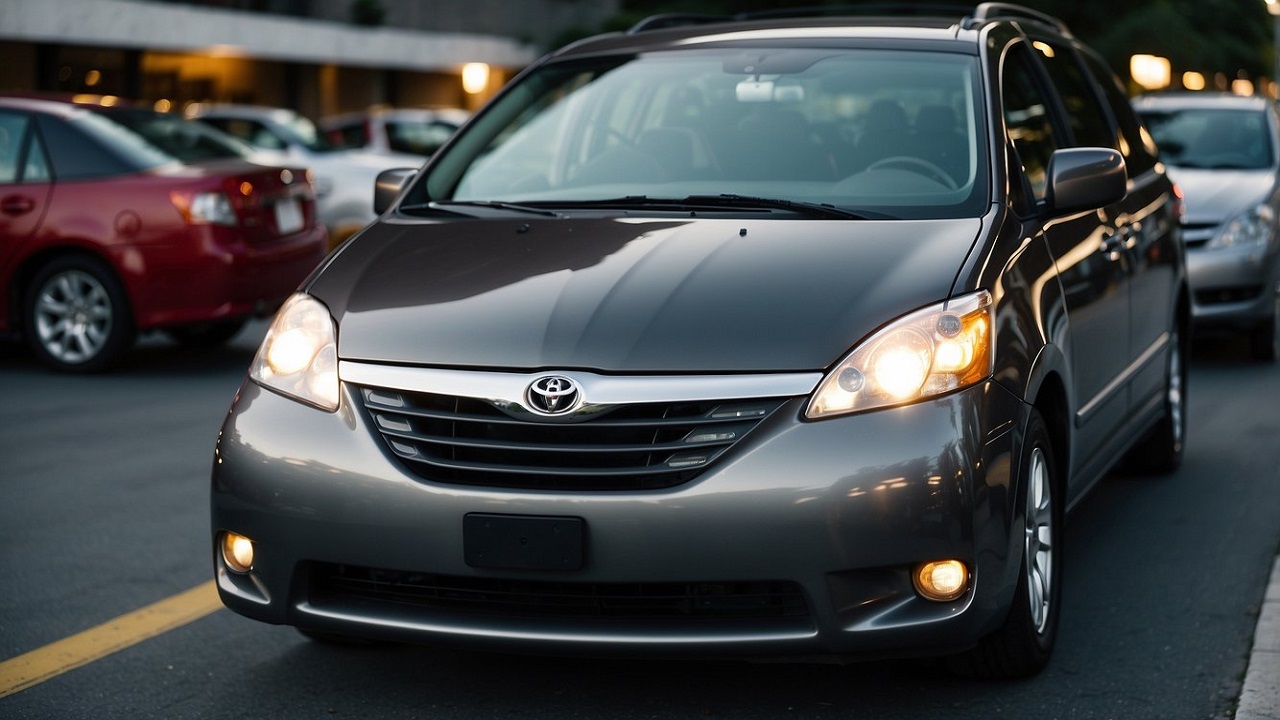
I’m a Mechanic: These 20 Used Cars Will Drain Your Wallet

New cars lose value quickly once driven. Used cars provide a reliable option without breaking the bank. The vast used car market offers numerous choices to fit your needs and style.

However, some models, despite their initial low price, can become maintenance headaches. Complex parts, difficult-to-reach components, or a history of costly repairs can make these used cars more trouble than they’re worth.

7 Series BMW

BMW 7 Series
©Photo Credit: DepositPhotos

The 7 Series BMW is impressive, but be cautious with used models featuring the 62 and 63 engines. Timing chains and valve stem seals often fail prematurely. Repairs are costly, with a broken timing chain potentially ruining the engine and leaky valve stem seals causing oil burning, affecting both performance and finances.

Land Rover Discovery I or II

SUV Land Rover Discovery
©Photo Credit: Unlimphotos

The Land Rover Discovery I and II are ideal for those who enjoy working on cars. However, if you prefer less maintenance, these may not be the best choice. They are known for oil leaks, blown head gaskets, and transmission issues, leading to expensive repairs. Fuel efficiency is also poor, averaging 10-12 miles per gallon, which isn’t economical.

Chrysler

Chrysler 200
©Photo Credit: DepositPhotos

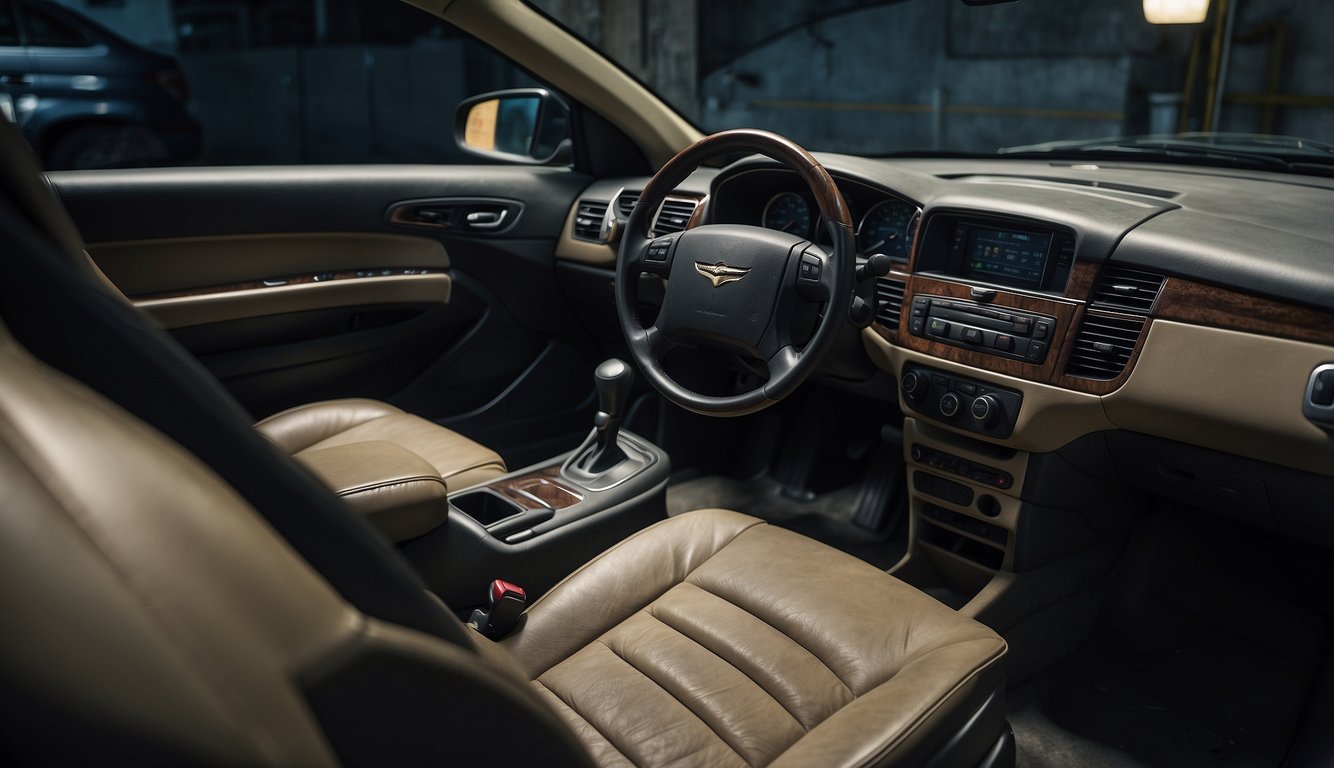
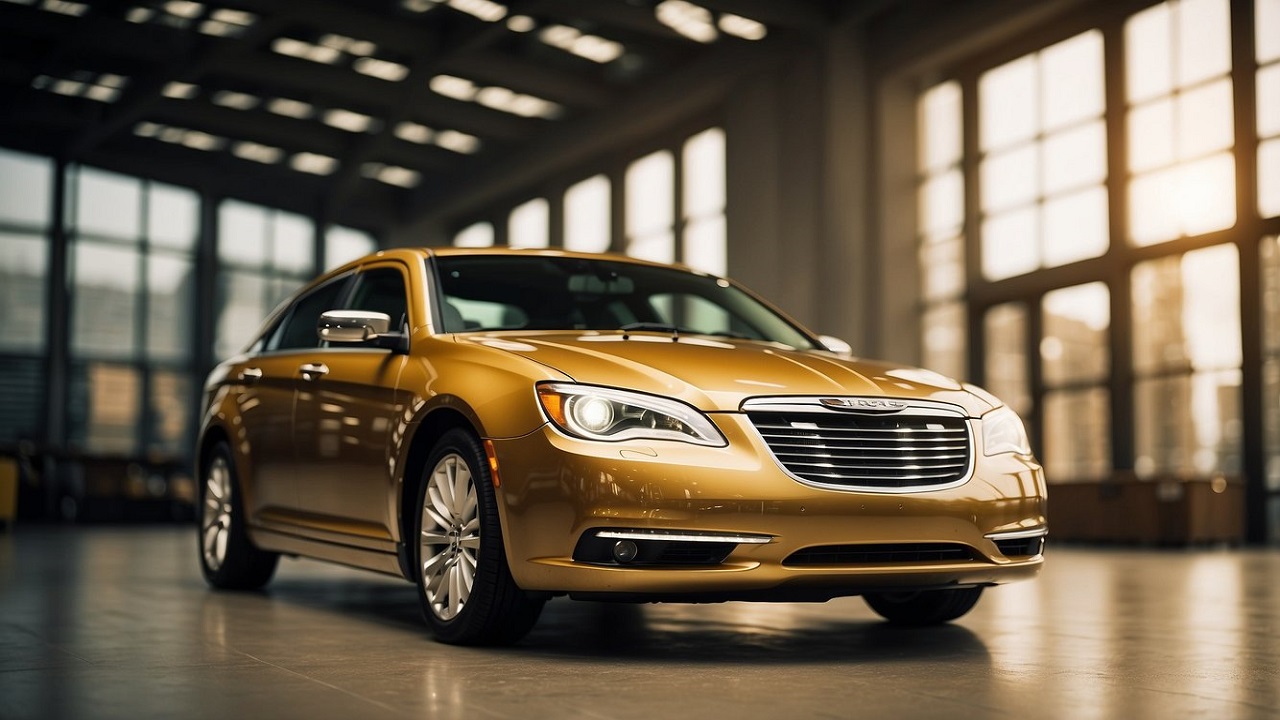
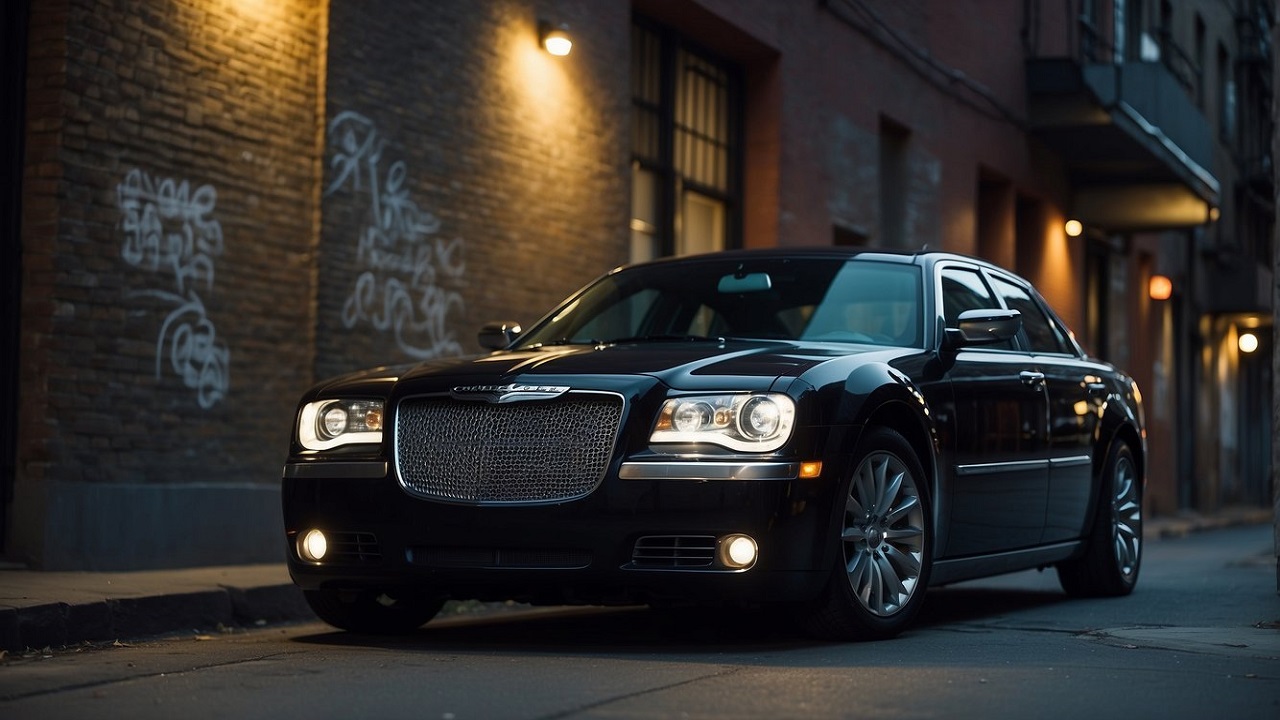
Car experts warn against buying Chryslers for several reasons. While not all are bad, they can become money pits. Many have unreliable transmissions that jerk during shifts. The infotainment system can be erratic, often malfunctioning when you need it most. Additionally, some Chrysler engines consume excessive oil, requiring frequent top-ups.

Mini Cooper

Mini Cooper 
©Photo Credit: Unlimphotos

For a worry-free ride, avoid used Mini Coopers. They are costly to maintain, with common issues like valve system problems and oil burning. Some models also have timing chain troubles, leading to expensive repairs. Though fun to drive, the frequent repairs can make you feel more like a mechanic than a driver.

Hyundai Tucson

Hyundai Tucson New
©Photo Credit: Unlimphotos

While many Tucson owners are satisfied, used Hyundai Tucson models from 2012 to 2014 have issues. Engine knocking can lead to failure, and speed sensor glitches cause jerky shifting and check engine lights. Engine stalling is also a concern.

Kia Optima

Kia Optima
©Photo Credit: DepositPhotos

Kia has faced trouble since a 2022 viral TikTok challenge showed how to easily steal models made from 2010 to 2021. Cook County Sheriff Tom Dart noted an 11-year-old was a prolific thief, highlighting the ease of theft.

Beyond theft, used Optimas have repair issues. Mechanics charge high fees due to difficult access to parts. Reports include major engine failures, faulty starters, doors that won’t latch, weak alternators, and even fire risks. Avoid the hassle and skip used Optimas.

Nissan Maxima

Nissan Maxima
©Photo Credit: Unlimphotos

Imagine you’re in your Maxima, ready to go, but the interior lights start flickering. This can disrupt navigation and other controls, and repairs might be costly, especially if rewiring is needed. Older models also suffer from noisy wheel bearings. Maximas require specialized tools and parts, making potential repair bills high and that attractive price less appealing.

Nissan Sentra

Nissan Sentra
©Photo Credit: DepositPhotos

I once considered a used Nissan Sentra, but after some research, I decided against it. Experts advise avoiding older models with continuously variable transmissions (CVT). These can have issues like slipping, jerking, and strange noises, leading to costly repairs.

Hyundai Sonata

Hyundai Sonata
©Photo Credit: DepositPhotos

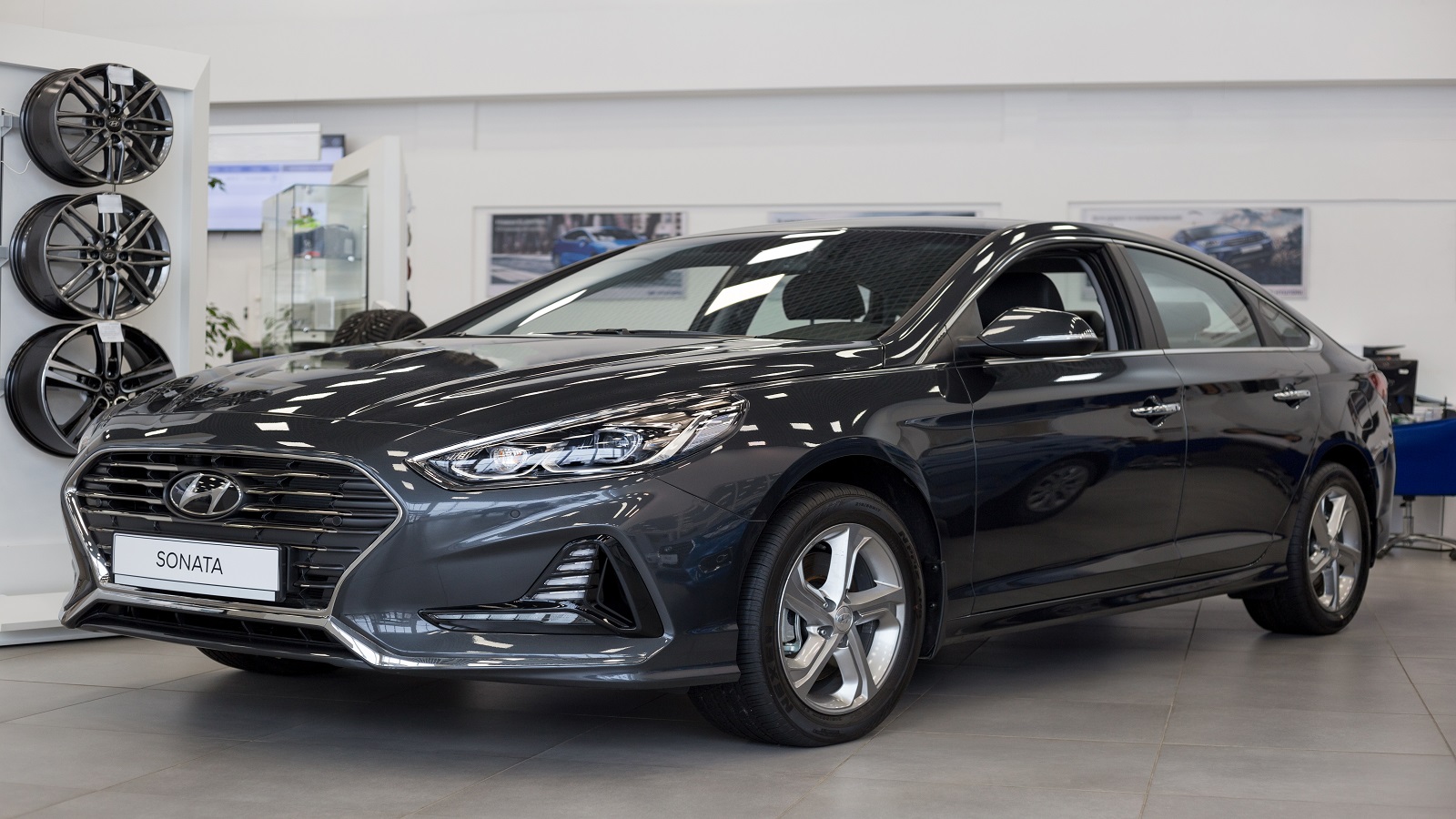
Considering a used Hyundai Sonata from 2011 to 2013? Experts warn of red flags. In 2023, Hyundai recalled millions of models, including the Sonata, due to a fire hazard. Michael Brooks from the Center for Auto Safety criticized Hyundai’s response, saying they addressed symptoms without fixing the design issue. Additionally, engine failure can cause loss of power steering and brakes, posing a serious safety risk.

Volkswagen

Volkswagen Jetta Car
©Photo Credit: DepositPhotos

After the 2015 Volkswagen emissions scandal, the company lost consumer trust. They cheated on emissions tests using software that detected when a vehicle was being tested.

Beyond this, some Volkswagen models have electrical issues, and without a warranty, repairs can be expensive. Problems with spark plugs and ignition coils can cause jerky rides and engine misfires. Fixing these often requires specialized parts and a knowledgeable mechanic.

Kia Forte

Kia Forte
©Photo Credit: DepositPhotos

The Kia Forte often appears on lists of used cars to avoid. Despite being budget-friendly, they can have significant issues. Reports include fire risks, major engine failures, faulty electrical components, leaky interiors, and lighting problems. It’s not the best choice for a safe and reliable ride.

Hyundai Elantra

Hyundai Elantra Blue
©Photo Credit: Unlimphotos

Experts advise against buying a used Hyundai Elantra. Some models have transmission issues, causing gear shifting problems, acceleration hesitation, and stalling. They also suffer from starter problems, odd noises, and are prone to theft. This car could make your morning drive a nightmare.

Nissan Altima
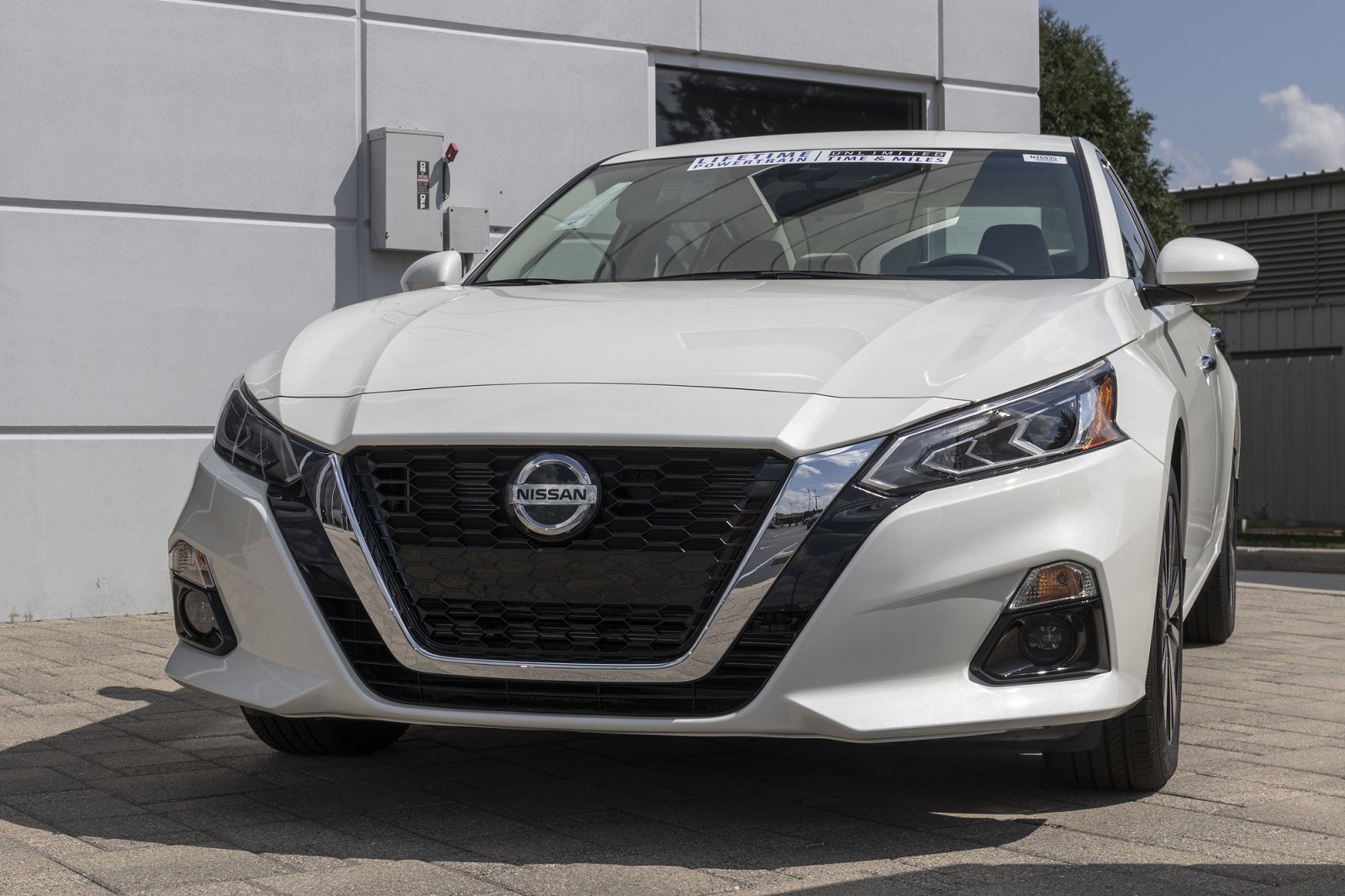
Nissan Altima
©Photo Credit: DepositPhotos

Thinking of an older Nissan Altima? Think again. While it’s a veteran on the road, some models, like the 2013s Altima, have a less-than-stellar track record. Their CVTs can cause stalling, slow acceleration, and choppy gear shifts. And it doesn’t stop there—from noisy power steering pumps to finicky air conditioners and steering wheel lock failures, you might end up spending more time at the shop than on the road. 

Range Rover Sport 2.0-Liter Petrol
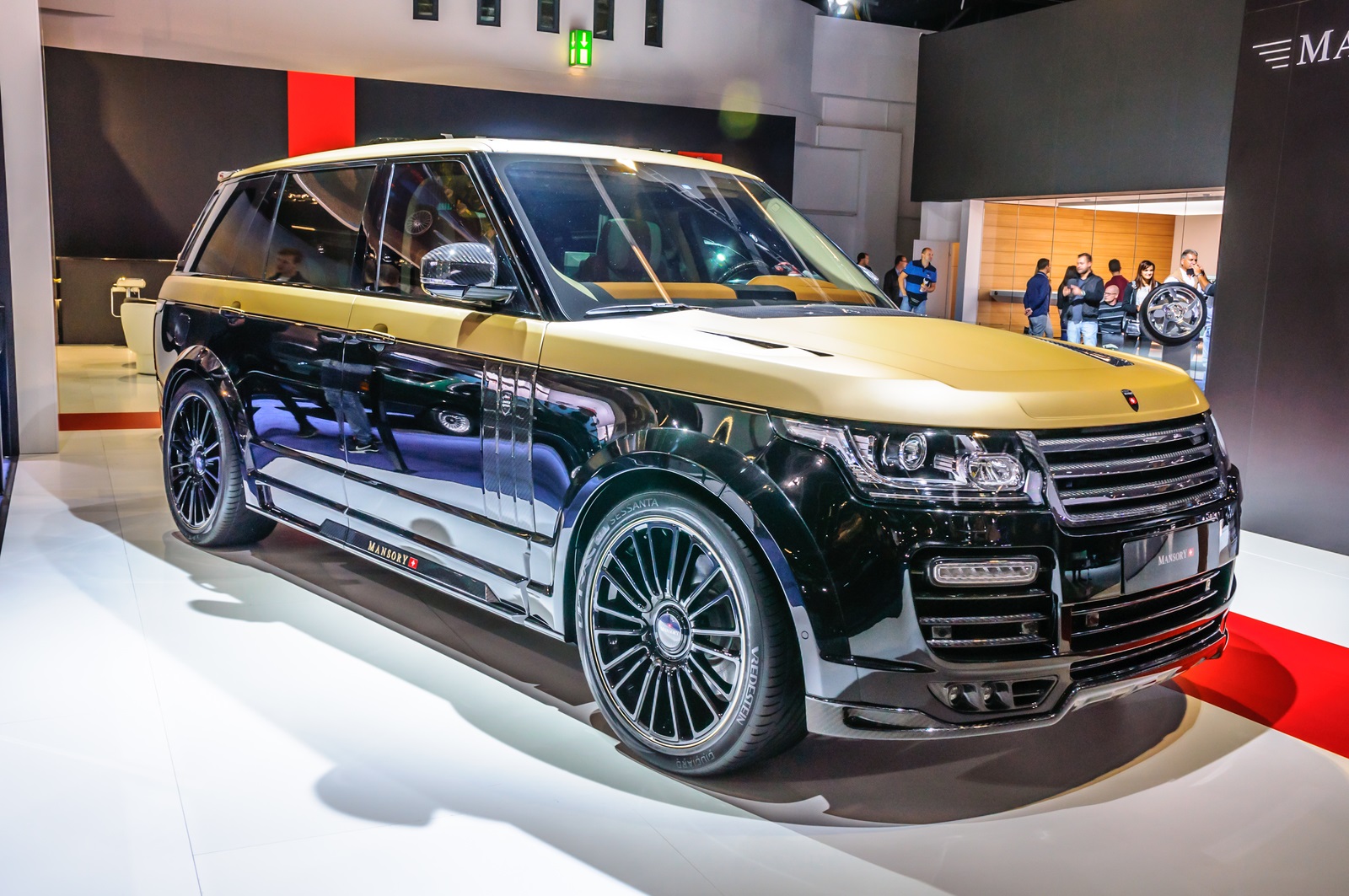
Range Rover Sport SUV
©Photo Credit: Unlimphotos

The Range Rover Sport 2.0-liter petrol seems like a head-turner, but experts warn it can be a bit of a money pit down the road. Despite its powerful engine and plush interior, it’s notorious for pricey issues like phaser system malfunctions, water pump woes, and timing chain glitches. Factor in coolant leaks and brake troubles, and you’ve got a recipe for headache-inducing expenses. 

Ford Escape

Ford Escape
©Photo Credit: Deposit Photos

Car experts say these Escapes can be plagued with engine problems, which can leave you stranded or shelling out big bucks for repairs. Transmission issues can hit hard, especially for Escape models from 2006 to 2009, costing you anywhere from $2,000 to $4,000 to fix. And to add to the headache, finding parts for these repairs can be a challenge. 

Ford Focus

Ford Focus
©Photo Credit: Unlimphotos

Ford Focus models are praised for their sporty feel and fuel efficiency. However, maintenance isn’t always easy. The 2008 Focus ST, for example, has had issues with power steering, alternators, water leaks, and brakes. These problems often require full replacements, not just quick fixes, which can be costly.

Ford Fiesta

Ford Fiesta Blue
©Photo Credit: Unlimphotos

The Ford Fiesta sounds like a fun little car! But hey, even cool cars can have baggage (according to the car experts). Suspension wear, fluid leaks, and corroded parts are common culprits, and fixing these in Fiesta cars can cost a lot. So, before you hit the road, buckle up for potential maintenance costs that could put a dent in your plans.

BMW with xDRIVE All-Wheel Drive

BMW ith xDRIVE
©Photo Credit: DepositPhotos

Let’s be honest—it sounds like a pretty sweet ride—a BMW known for performance with a fancy all-wheel drive system for all-weather grip. So, what’s the catch? From oil leaks to electrical glitches, engine hiccups, and dodgy transmissions, it’s far from a smooth ride. Fixing these snags can feel like handing over stacks of cash to your mechanic, especially since German car parts and labor don’t come cheap. 

Ram Trucks

Dodge Ram
©Photo Credit: Unlimphotos

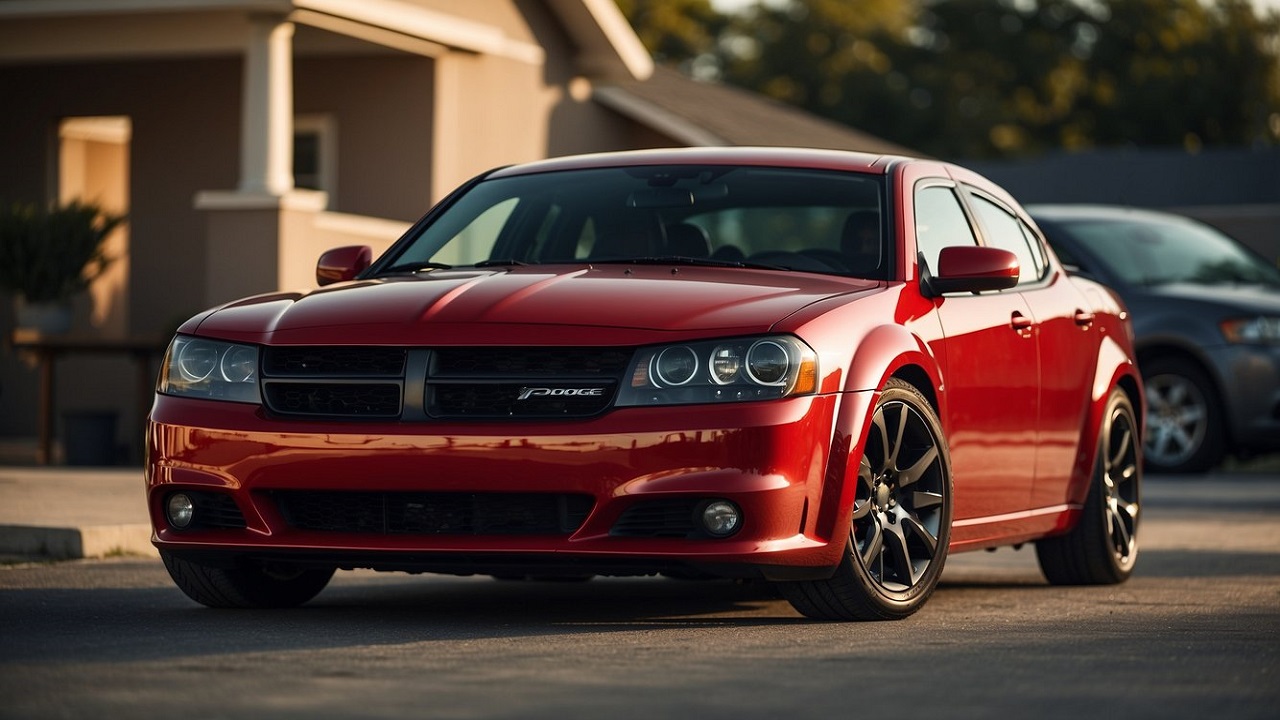
Rams are known for their strength and reliability, but buying a used one can feel like rolling the dice, especially with older models. Timing chain troubles in Dodge Ram can spell disaster, leaving you stranded and facing hefty repair bills. You’ll also have to watch out for electrical gremlins lurking under the hood. 

Jeep Compass

Jeep Compass
©Photo Credit: Unlimphotos

The Jeep Compass may look appealing, but its CVTs are known for problems. If the CVT fails, smooth gear shifts disappear, and replacements are expensive. A blown CVT can quickly drain your savings.

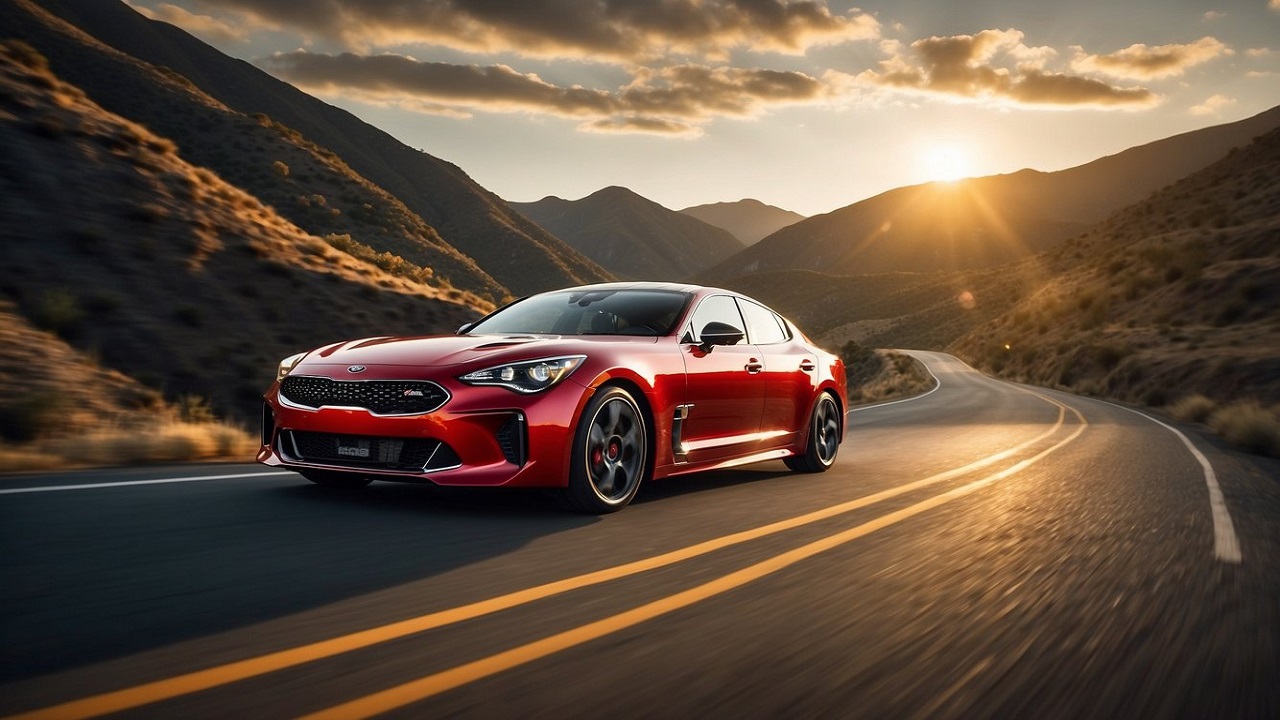
28 Popular Cars to Avoid Buying in 2024
Car Kia Stinger
©Photo Credit: MiramarSpeedCircuit

In 2024, a fleet of new cars dazzles with allure and fresh features, but many come with significant drawbacks that could spoil your driving experience and strain your finances. This list of 28 popular new cars reveals models that may be more trouble than they’re worth, urging caution before making a purchase.

READ GUIDE HERE:  28 Popular Cars to Avoid Buying in 2024!

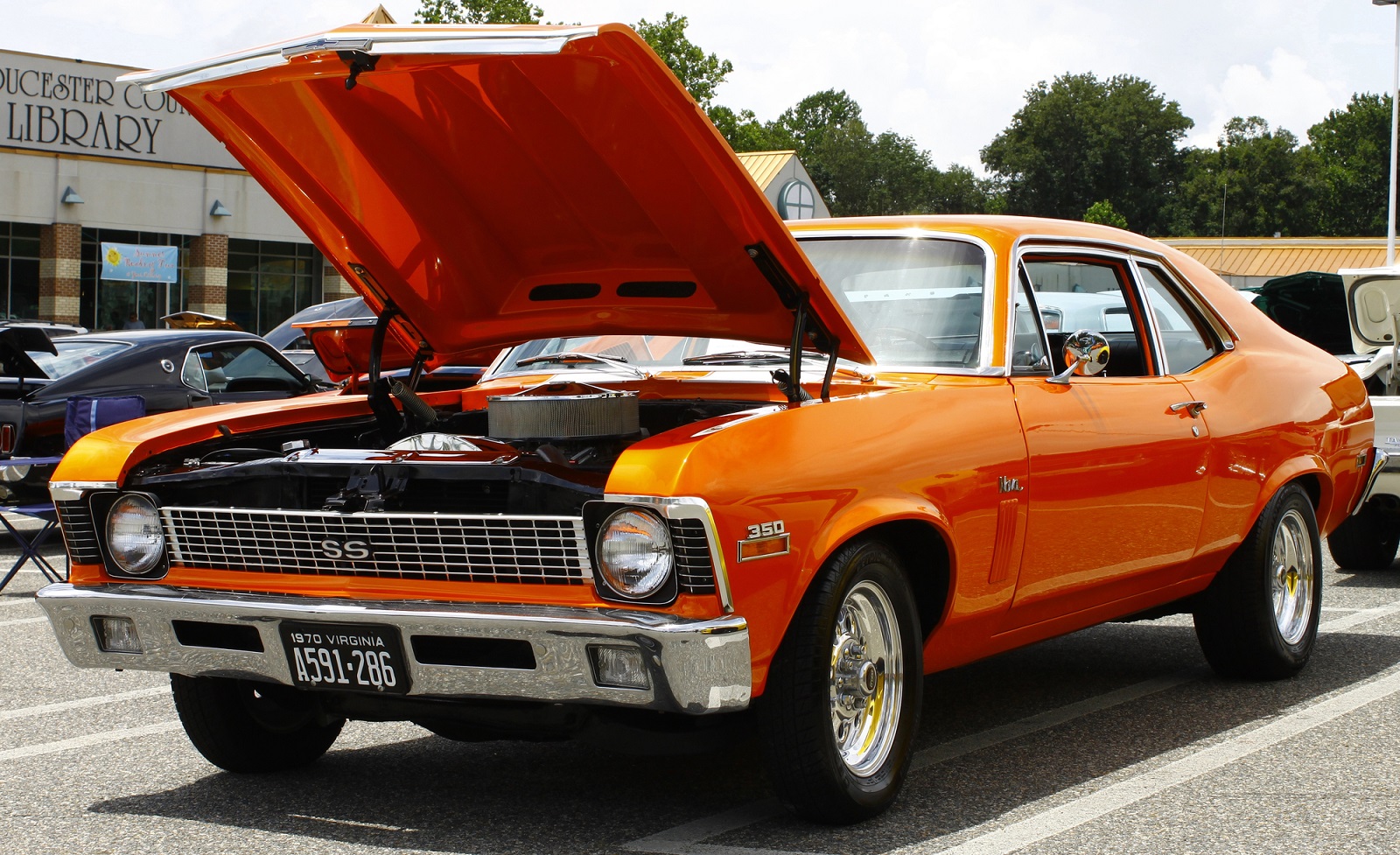
20 Classic Cars That Are The Market’s Best-Kept Secrets
Chevy Nova
©Photo Credit: DepositPhotos

Classic cars are admired for their timeless design, nostalgia, and unique features absent in modern vehicles. Some of the best second-hand deals are American-made classics. This list highlights affordable vintage cars you may not know about, perfect for restoration projects without breaking the bank.

READ GUIDE HERE:  20 Affordable Classic Cars That Are Hidden Gems In The Market!
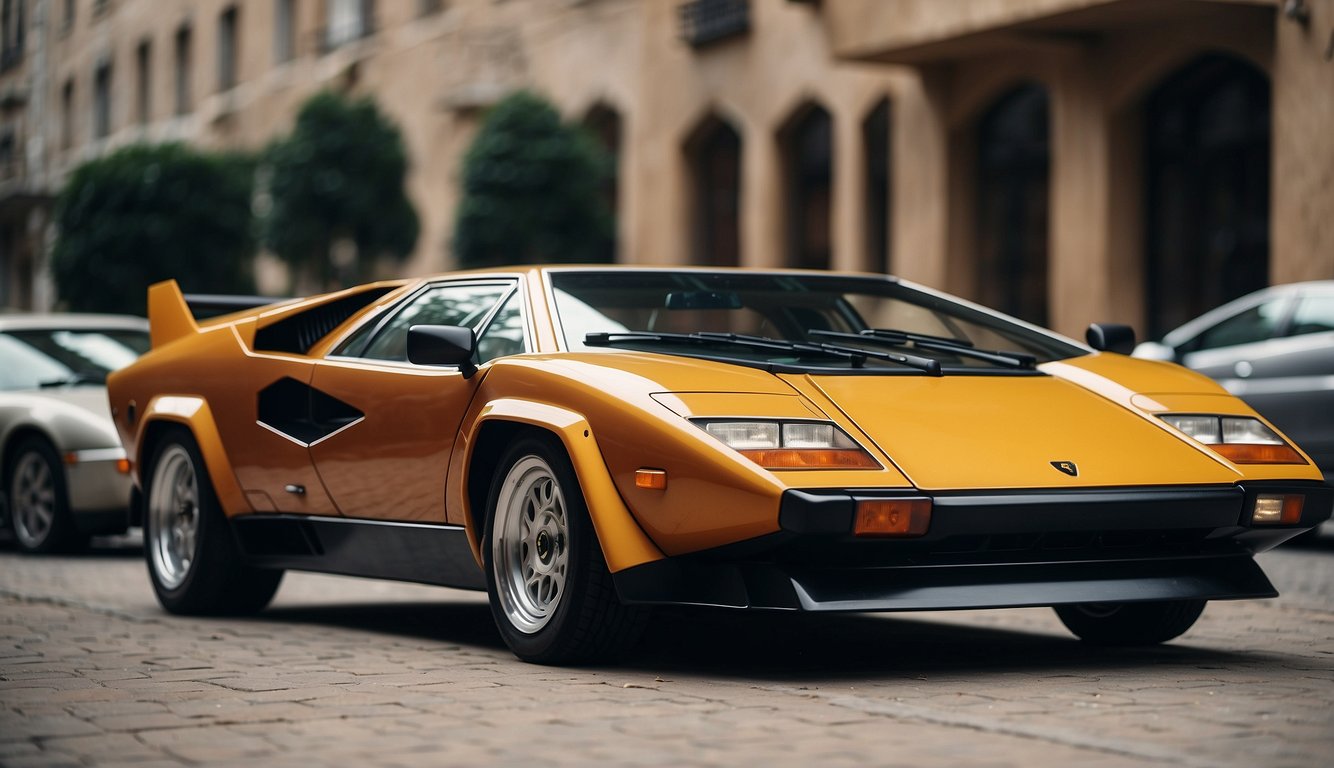
27 Unforgettable 1970s Wedge-Shaped Cars

The 1970s revolutionized automotive design with the advent of wedge-shaped cars. These sleek, futuristic vehicles captivated car enthusiasts and became cultural icons. From concept cars to production models, the wedge shape symbolized innovation and ambition in the automotive industry.

Explore how these designs influenced sports cars and shaped modern trends. This list of 27 wedge-shaped cars from the 1970s showcases some of the most memorable and groundbreaking examples.

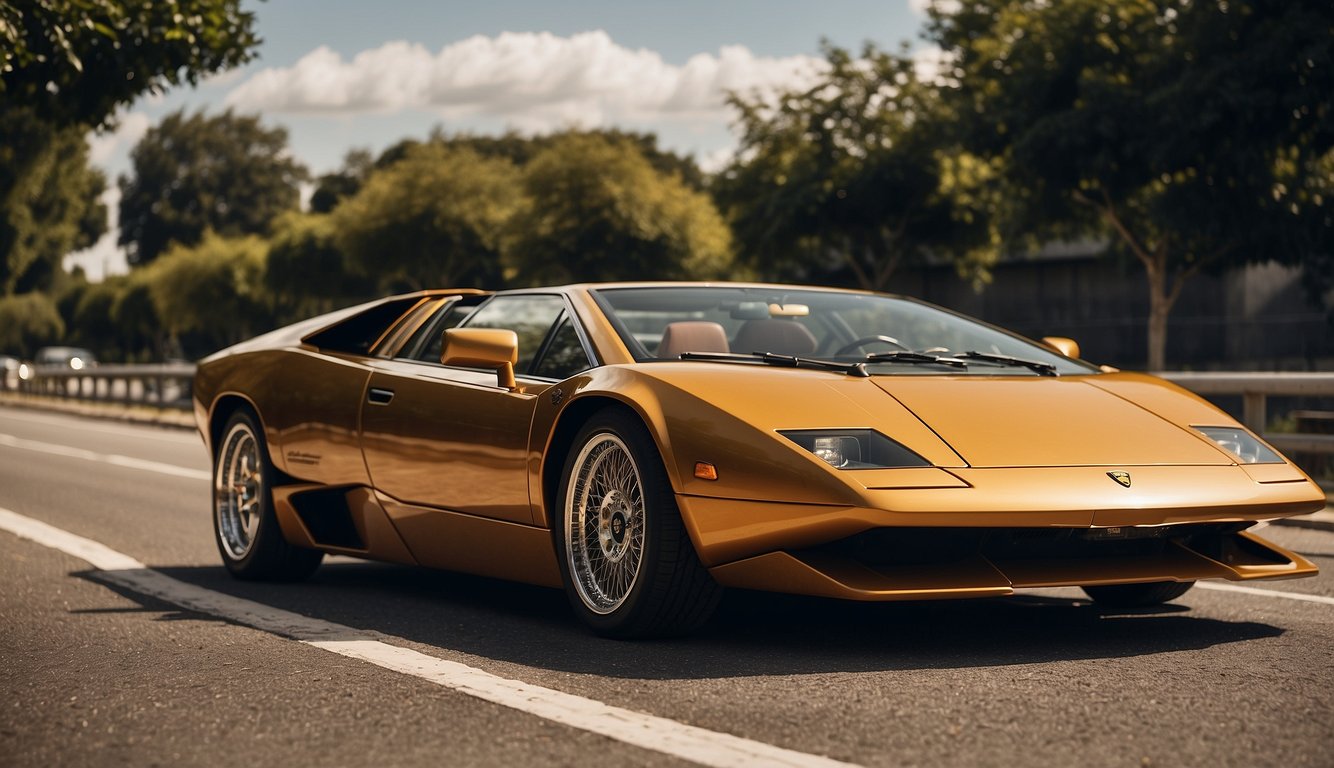
Lamborghini Countach

Lamborghini Countach
©Photo Credit: MiramarSpeedCircuit

The Lamborghini Countach stood out with its radical, futuristic unique wedge shape and scissor doors. Produced from 1974 to 1990, it redefined supercar design and became an icon of 1970s supercars.

Lotus Esprit

Lotus Esprit
©Photo Credit: MiramarSpeedCircuit

The Lotus Esprit, built from 1976 to 2004, gained fame for its angular design by Giorgetto Giugiaro and its appearance as a submarine car in the James Bond film “The Spy Who Loved Me” and many more movies and on TV.

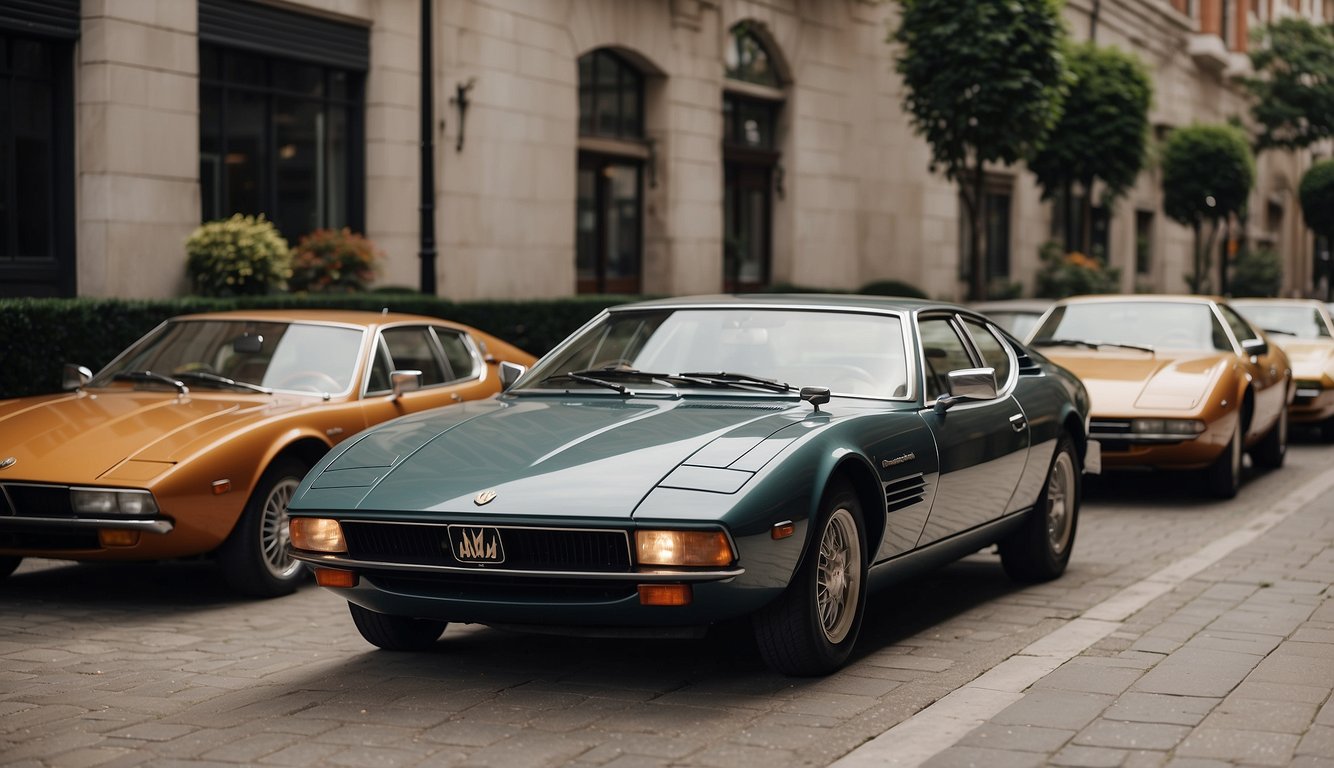
Maserati Khamsin

Maserati Khamsin
©Photo Credit: MiramarSpeedCircuit

The Maserati Khamsin was a grand tourer produced from 1974 to 1982, designed by Marcello Gandini. With only 435 units made, it featured a wedge-shaped design. The Khamsin was named after a hot, violent wind in the Egyptian desert.

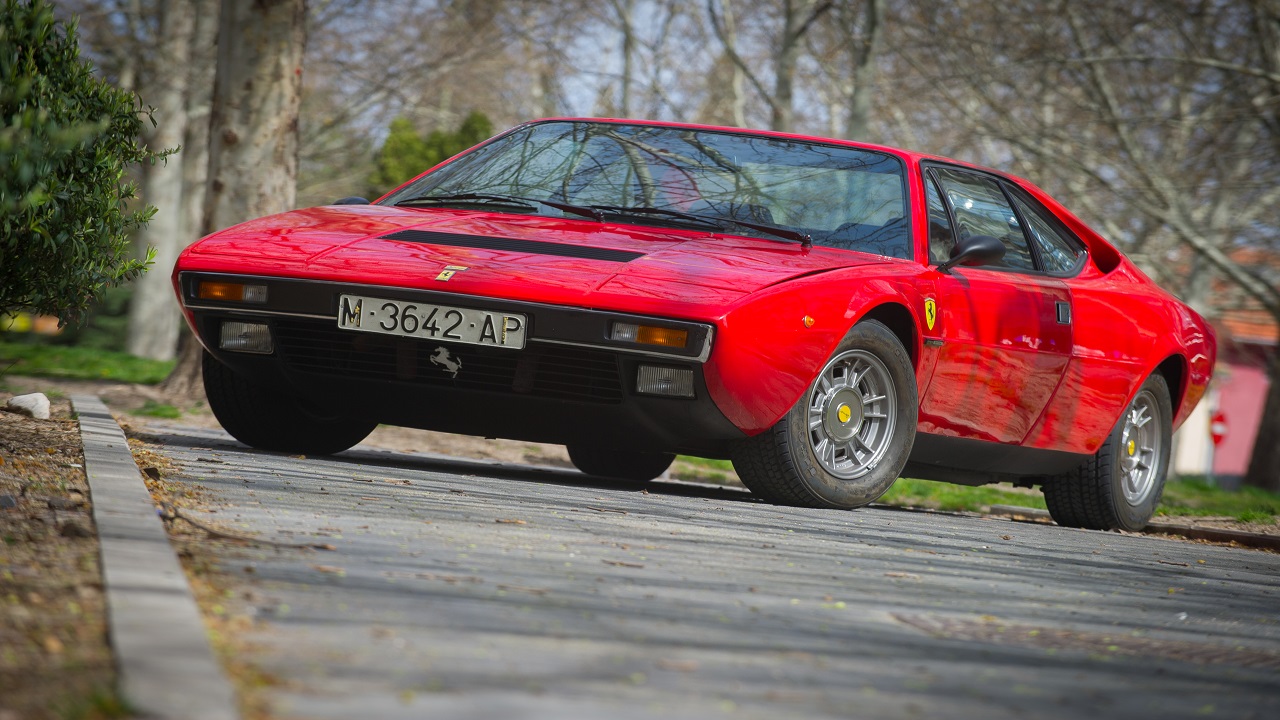
Ferrari 308 GT4

Ferrari 308 GT4
Editorial credit: FernandoV /Shutterstock.com

Ferrari’s first production car with a mid-engine V8 layout and the first Ferrari designed by Bertone. It boasts a 3.0-liter V8 engine. It achieves a top speed of 155 mph, displaying superb performance and sleek design. The iconic wedge shape enhances its aerodynamic profile.

Lancia Stratos

Lancia Stratos
Editorial credit: GUIDO BISSATTINI /Shutterstock.com

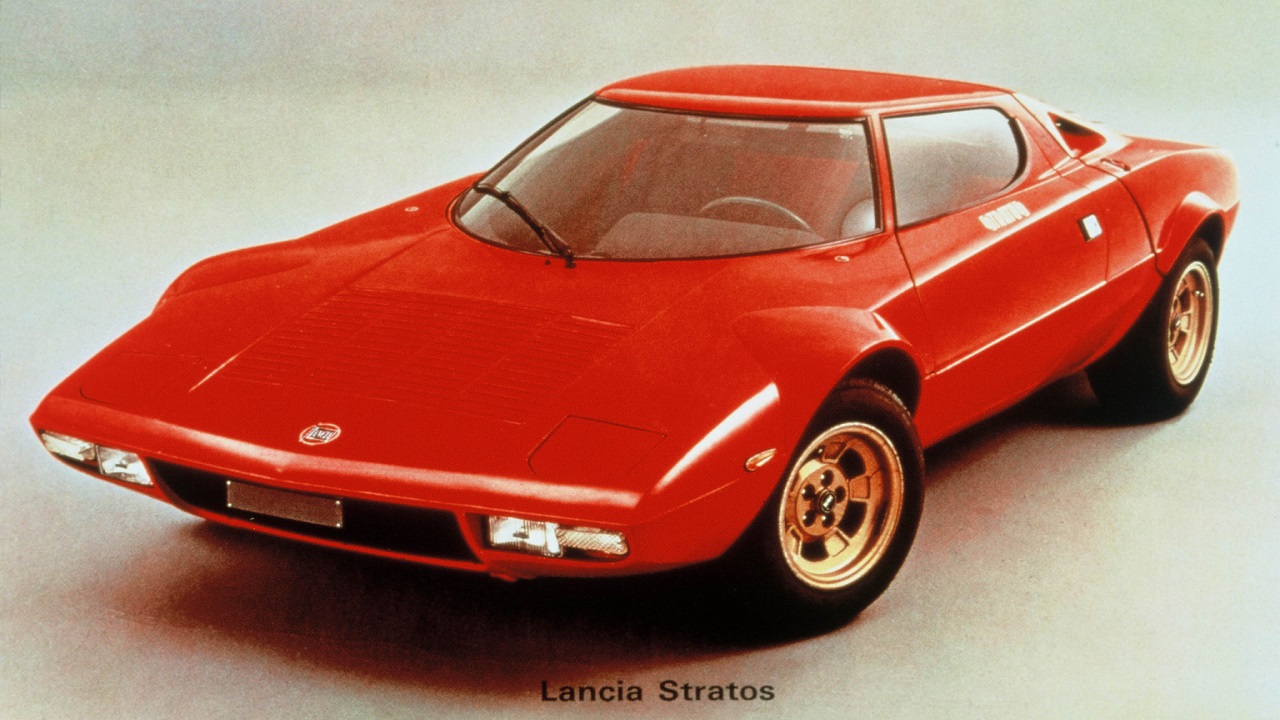
A rally legend with its compact, distinctive wedge-shaped body and powerful V6 engine, designed designed by Bertone for optimal performance in rally racing. It sports a Ferrari Dino 2.4-liter V6 engine, boasting 187 hp.

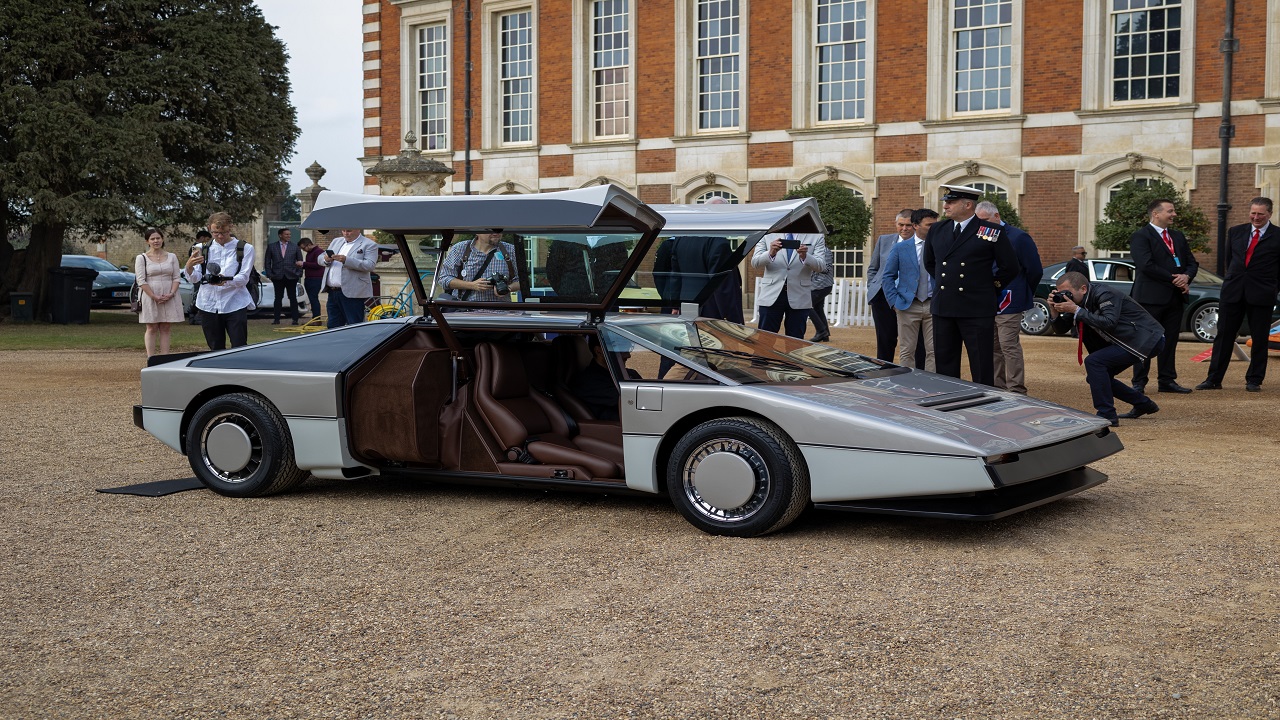
Aston Martin Bulldog

Aston Martin Bulldog
Editorial credit: Adrian Victory Daly /Shutterstock.com

The Aston Martin Bulldog is a unique wedge-shaped car designed by William Towns in 1979. It aimed to be the world’s fastest production car. Styled with sharp angles, the Bulldog featured a twin-turbo V8 engine.

De Tomaso Pantera

De Tomaso Pantera
Editorial credit: mikeforemniakowski /Shutterstock.com

The De Tomaso Pantera offers a sleek 1970s wedge shape. A blend of Italian design by Ghia and American muscle with its Ford V8 engine, making it a unique hybrid of styles.

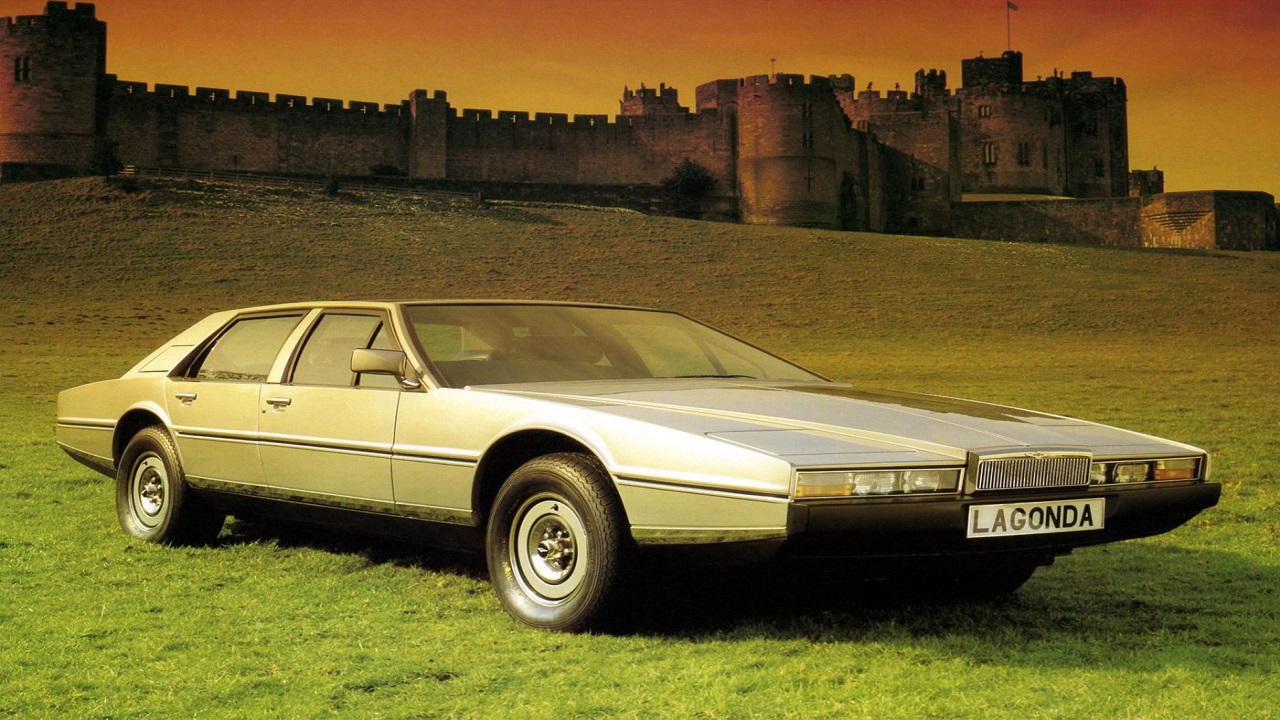
Aston Martin Lagonda

Aston Martin Lagonda
©Photo Credit: DepositPhotos

The Aston Martin Lagonda is a luxury four-door saloon produced between 1974 and 1990. Designed by William Towns, the car features a unique wedge shape and advanced digital instruments that were initially unreliable.

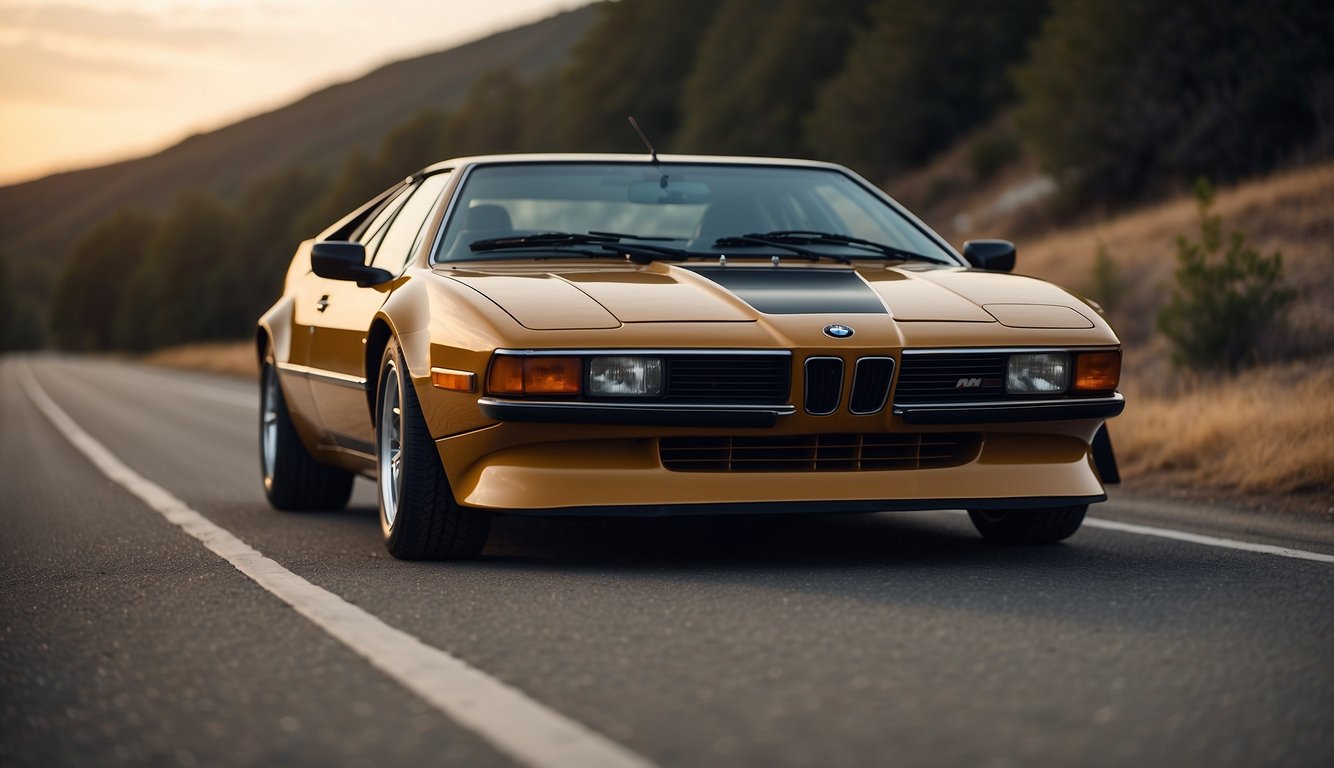
BMW M1

BMW M1
©Photo Credit: MiramarSpeedCircuit

The BMW M1 debuted in 1978 with a striking wedge design. Giugiaro designed the M1, making it an iconic supercar. BMW’s M1 Hommage celebrated its 30th anniversary. It excelled in Group 4 and Group 5 racing.

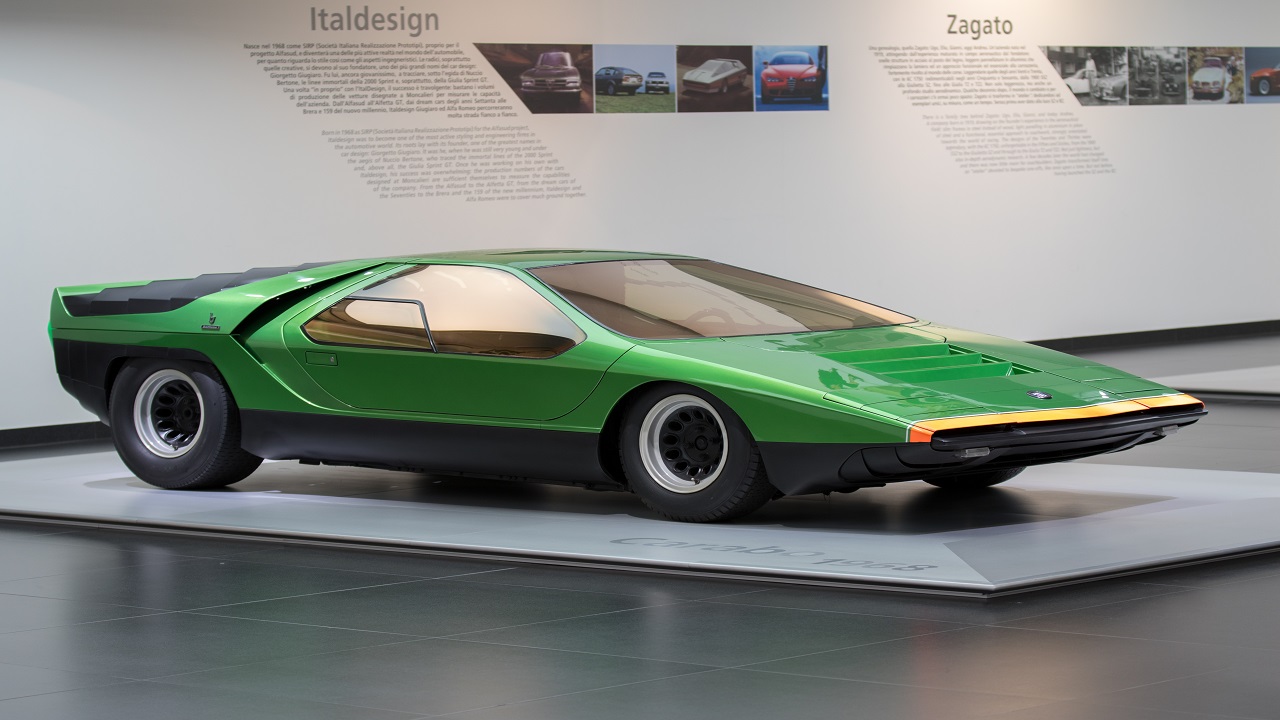
Alfa Romeo Carabo

Alfa Romeo Carabo
Editorial credit: Fabio mazzarotto /Shutterstock.com

The Alfa Romeo Carabo, designed by Marcello Gandini, debuted at the 1968 Paris Motor Show. Its wedge shape and scissor doors influenced many 1970s supercars.

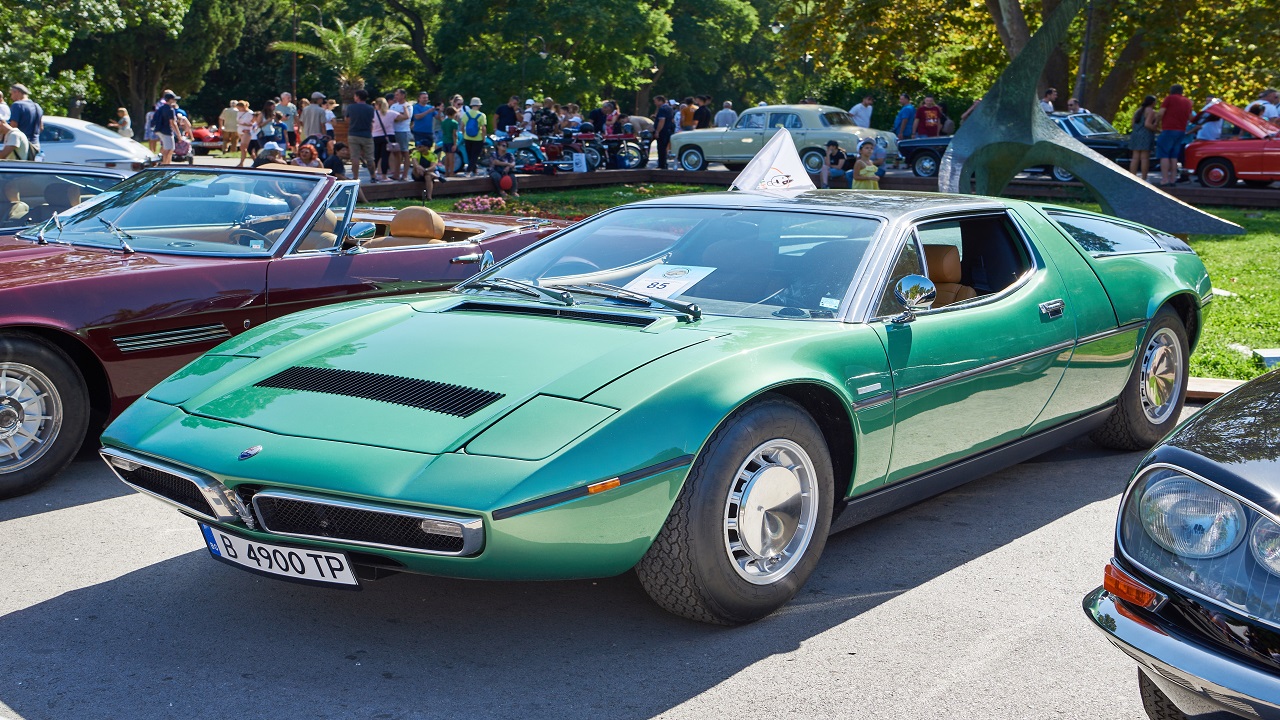
Maserati Bora

Maserati Bora
Editorial credit: Sergey Ryzhov /Shutterstock.com

The Maserati Bora stands out in the 1970s with its distinctive wedge-shaped profile designed by Giorgetto Giugiaro. Produced from 1971 to 1978, this classic sports car can reach an impressive top speed of 171 mph. Only 524 units were built, making it a rare gem.

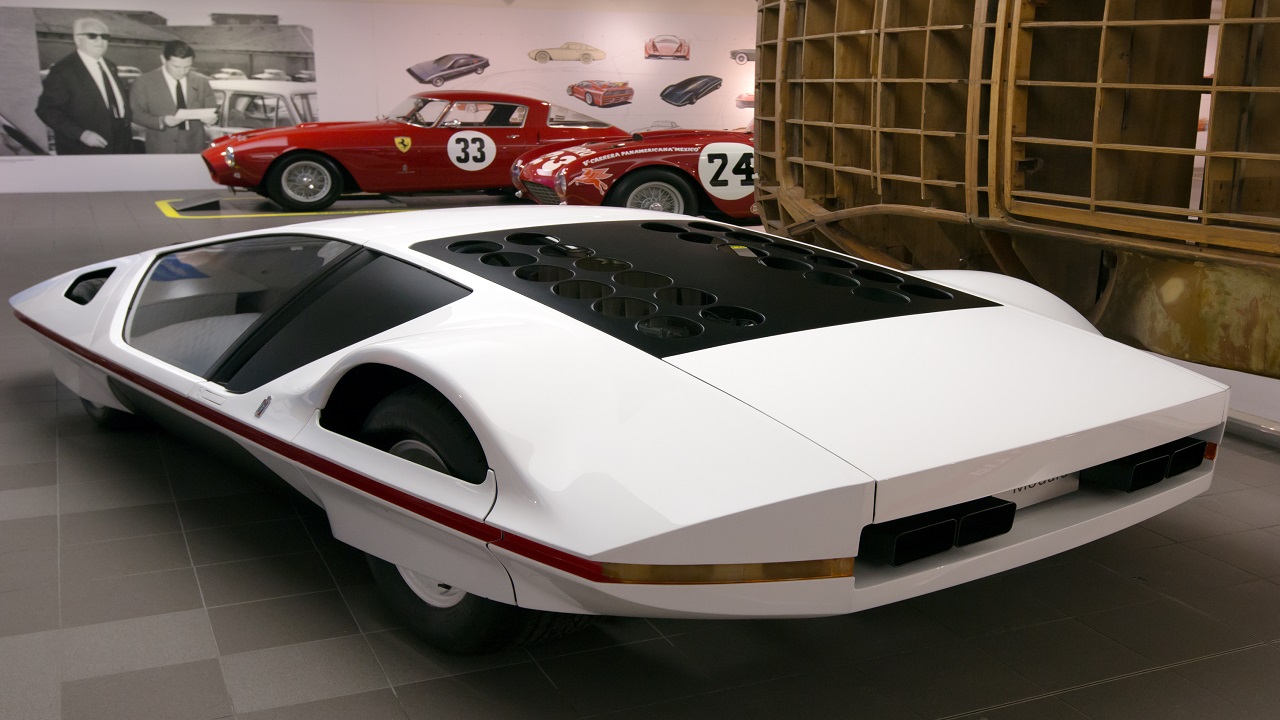
Ferrari 512S Modulo

Ferrari 512S Modulo
©Photo Credit: Morio/Wikimedia Commons

The Ferrari 512S Modulo, designed by Paolo Martin, debuted in 1970. It featured a sleek, futuristic concept car with an extremely low profile and canopy-style doors, that was revolutionary.

Lamborghini Bravo

Lamborghini Bravo
©Photo Credit: MiramarSpeedCircuit

The Lamborghini Bravo, a concept car, first appeared in 1974. Marcello Gandini designed it for Lamborghini. Key details includes, showcased at the Turin Auto Show, built on a shortened Urraco chassis and intended to replace the Urraco. It exhibited many stylistic elements reminiscent of the Countach.

Lancia Beta Montecarlo

Lancia Beta Montecarlo
Editorial credit: Simlinger /Shutterstock.com

The Lancia Beta Montecarlo was initially to feature a 3.0-liter V6. It eventually received a 2.0-liter engine due to the oil crisis of the 1970s. It shared design elements with the Fiat X1/9.

Maserati Boomerang

Maserati Boomerang
©Photo Credit: Herranderssvensson/Wikimedia Commons

The Maserati Boomerang, designed by Giorgetto Giugiaro, debuted at the 1971 Turin Motor Show. Its extreme wedge shape made it an iconic 1970s concept car. The Boomerang’s innovative design influenced many later vehicles.

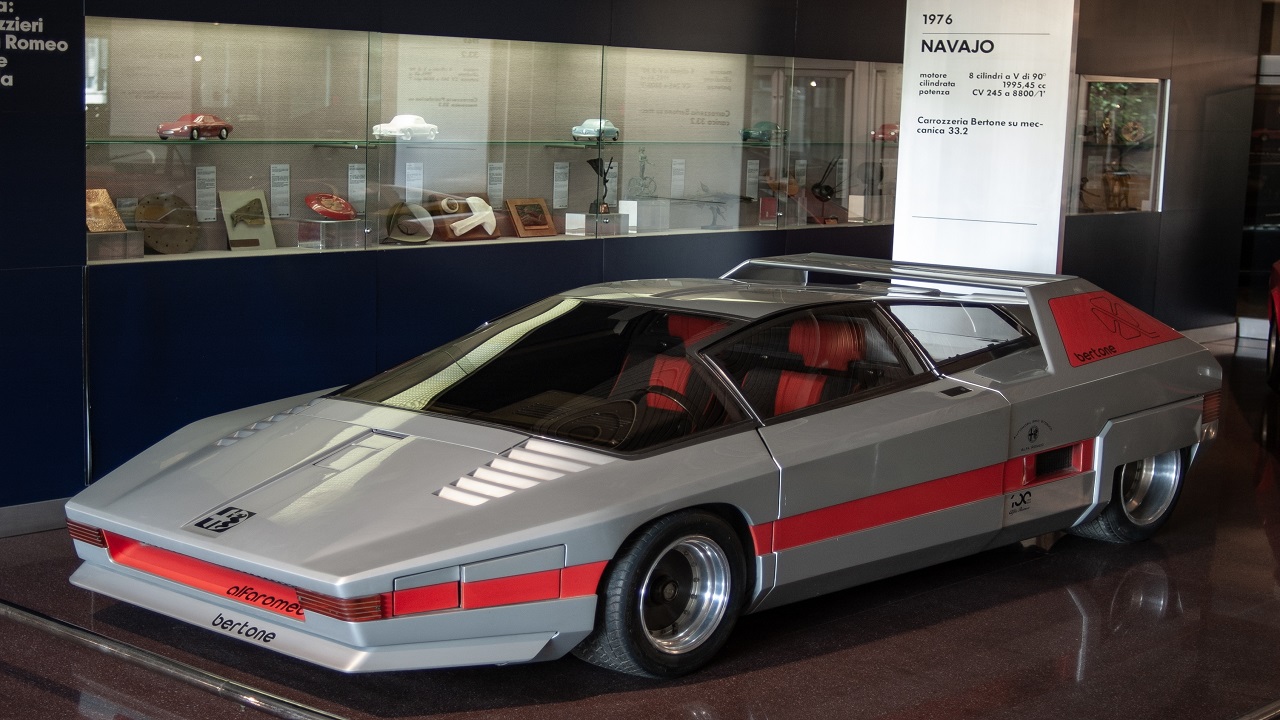
Alfa Romeo Navajo

Alfa Romeo Navajo
Editorial credit: S.Candide /Shutterstock.com

The Alfa Romeo Navajo, designed by Bertone, debuted in 1976. This concept car featured a distinctive wedge shape and an aerodynamic rear wing, making it stand out. Its design drew inspiration from sci-fi aesthetics, resembling futuristic vehicles.

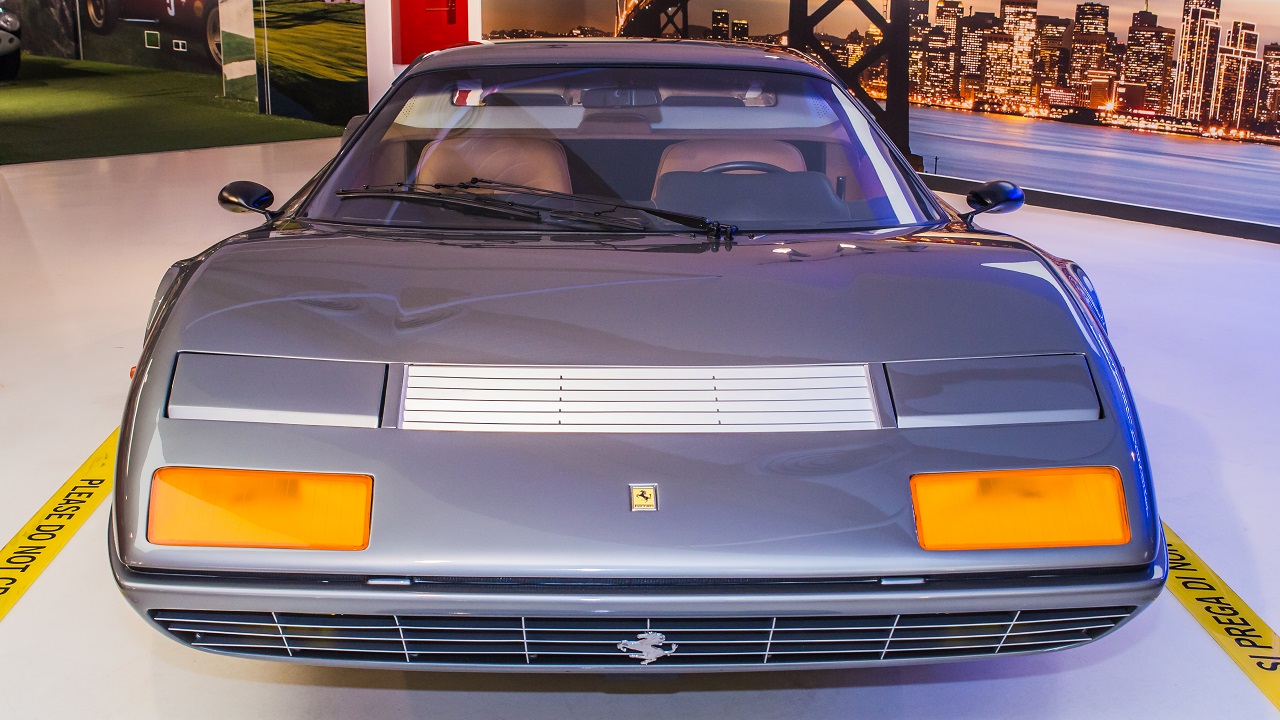
Ferrari 365 GT4 BB

Ferrari 365 GT4 BB
Editorial credit: John_Silver /Shutterstock.com

The Ferrari 365 GT4 BB featured a mid-engine design. Introduced in 1971, it was Ferrari’s first mid-engine production car. With its wedge-shaped nose and hidden headlights, it was quite the head-turner. It sported dual overhead camshafts and a 4390cc engine.

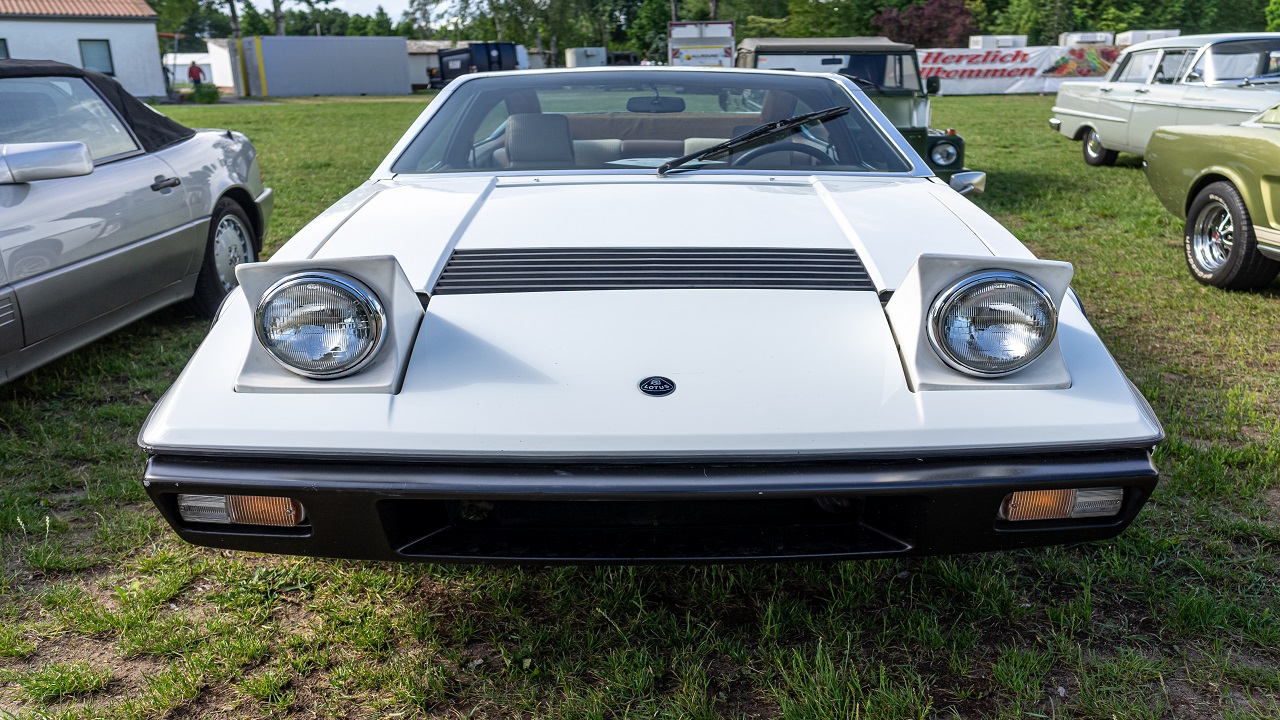
Lotus Eclat

Lotus Eclat
Editorial credit: Sergey Kohl /Shutterstock.com

The Lotus Eclat was produced from 1975 to 1982. It featured a fastback design and was powered by a 2.0-liter Type 907 engine. The Eclat offered practicality with its hatchback style.

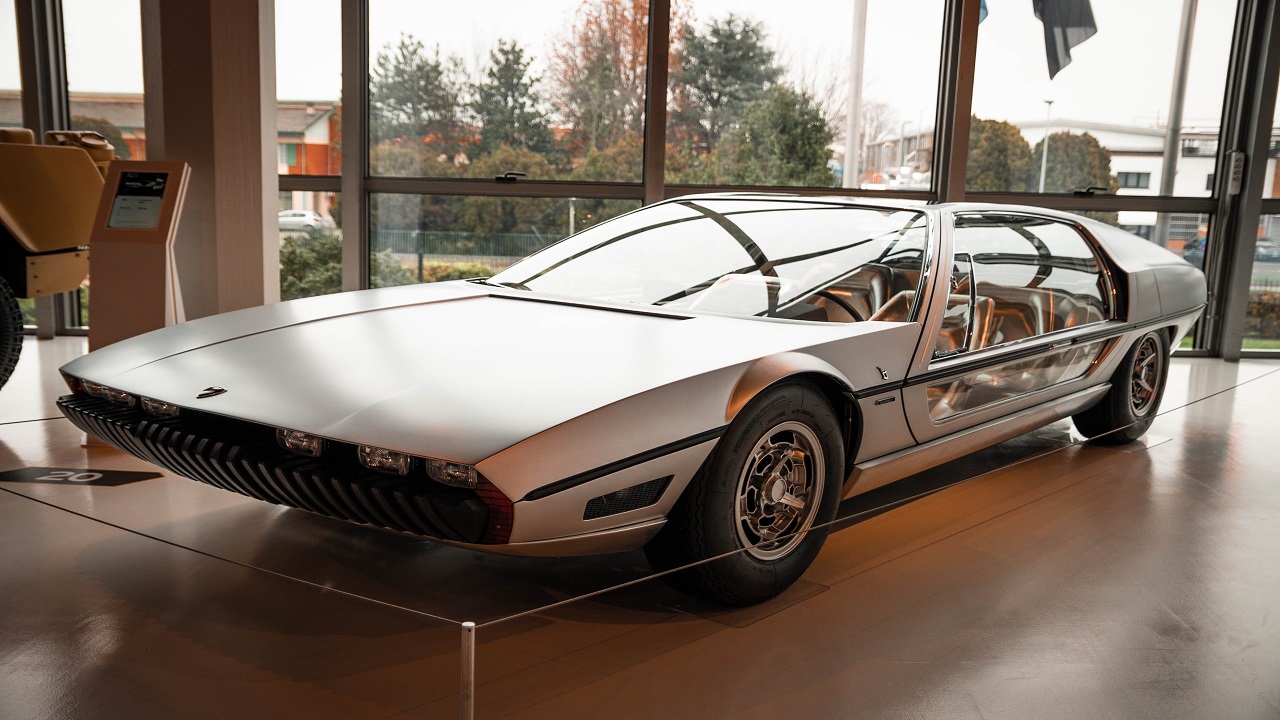
Lamborghini Marzal

Lamborghini Marzal
Editorial credit: Gabriel Nica /Shutterstock.com

The Lamborghini Marzal, introduced in 1967, was a stunning concept car featuring a wedge-shaped design and gullwing doors. This unique vehicle captured the imagination of car enthusiasts with its futuristic style and innovative glazing on the roof.

Bricklin SV-1

Bricklin SV1
©Photo Credit: MiramarSpeedCircuit

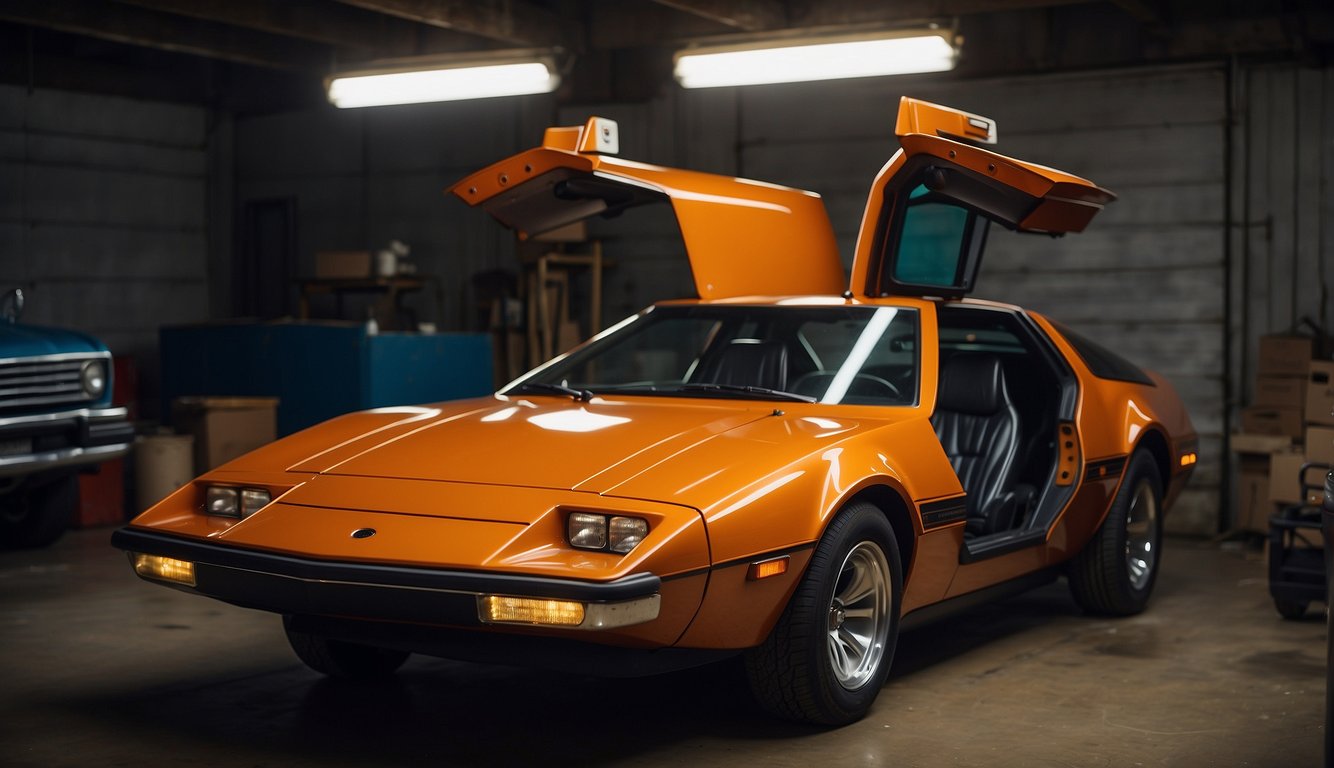
The Bricklin SV-1 is a two-seat sports car produced from 1974 to 1975. It’s known for its distinctive gull-wing doors and composite bodywork. The car was introduced by American businessman Malcolm Bricklin. Approximately 2,850 units were built.

Fiat X1/9

Fiat X1-9
©Photo Credit: Hemmings


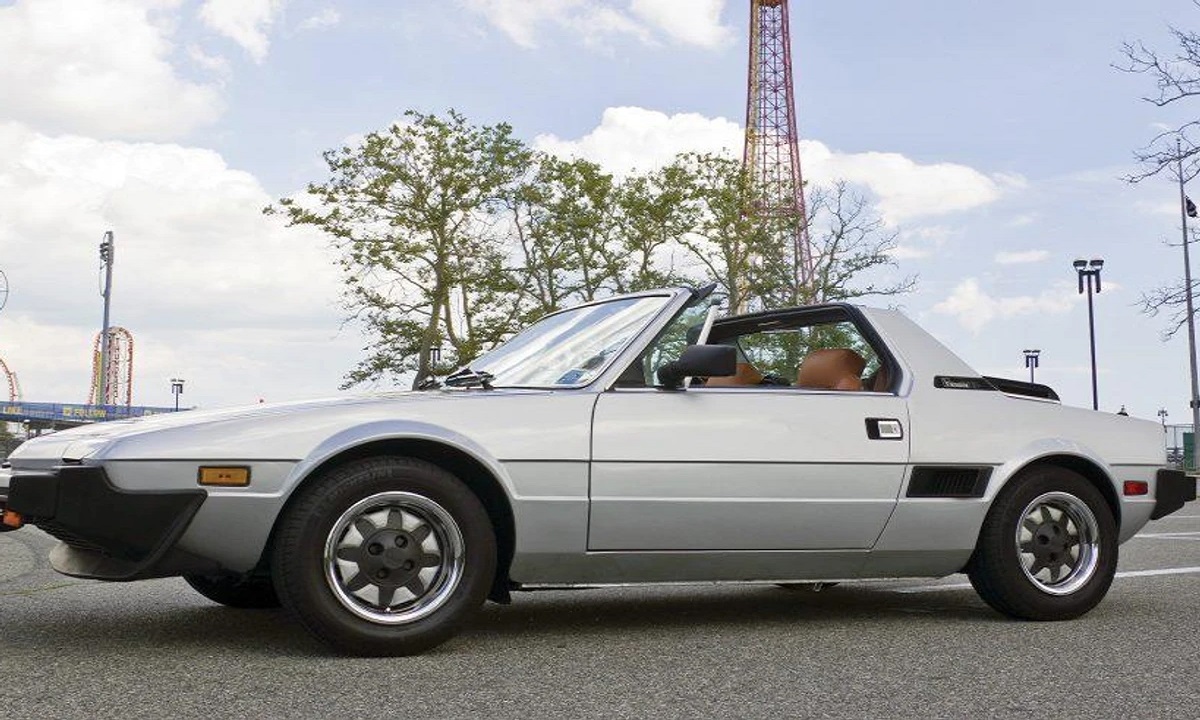
The Fiat X1/9 was introduced in 1972. Designed by Marcello Gandini at Bertone, it featured a striking wedge shape and mid-engine layout. This rear-wheel-drive sports car offered affordable supercar-like performance for everyday driving enthusiasts.

Triumph TR7

Triumph TR7
©Photo Credit: MiramarSpeedCircuit


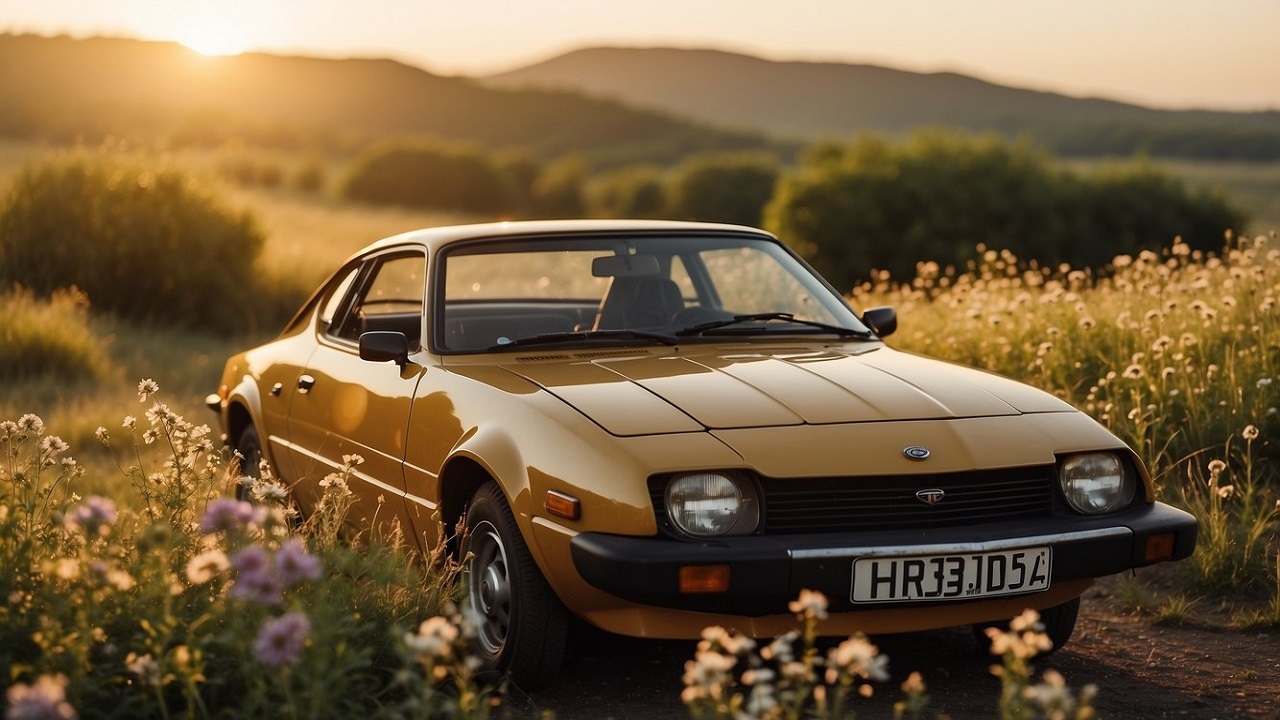
The Triumph TR7, produced from 1974 to 1981, was known for its striking wedge shape designed by Harris Mann. This model featured a length of 160 inches, a width of 66 inches, and a wheelbase of 85 inches.

Lotus Elite

Lotus Elite
©Photo Credit: DepositPhotos

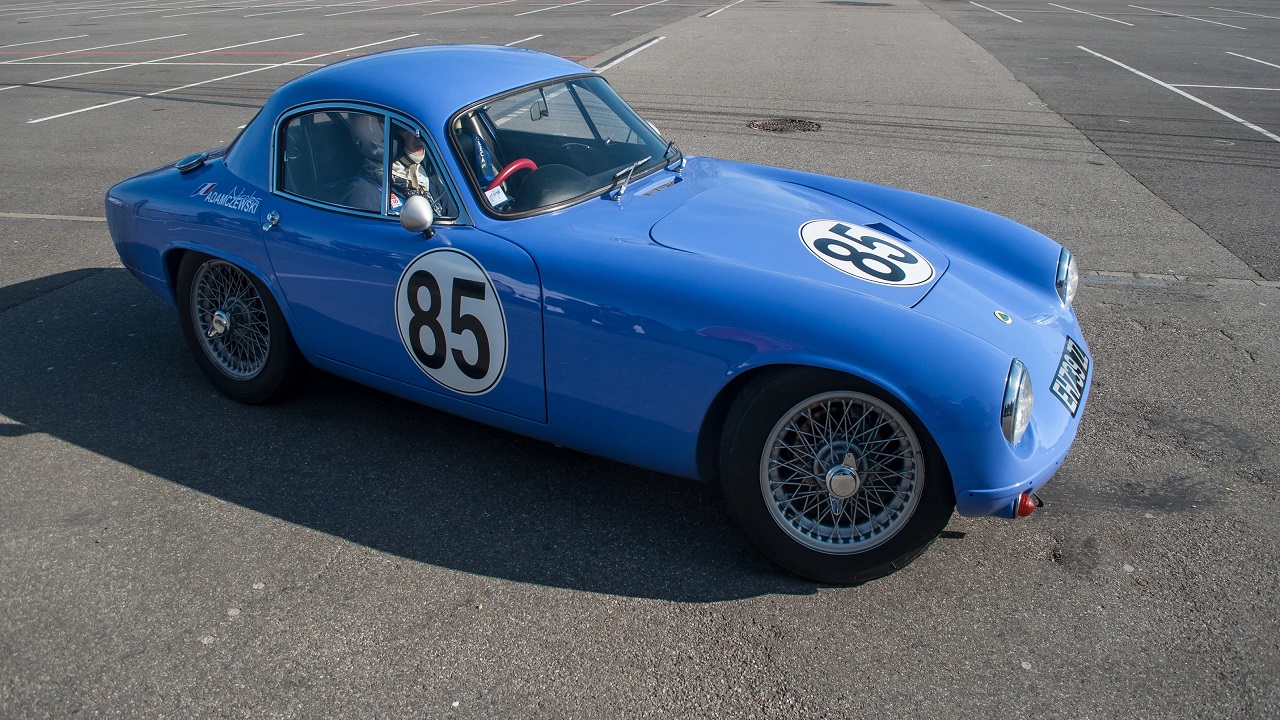
The Lotus Elite, debuting in 1974, featured a distinctive wedge shape. It housed a 2.0-liter Type 907 engine with 150 bhp. The car hit 0-60 mph in 8.1 seconds and had a top speed of 125 mph. The interior, designed by Italdesign, offered ample space.

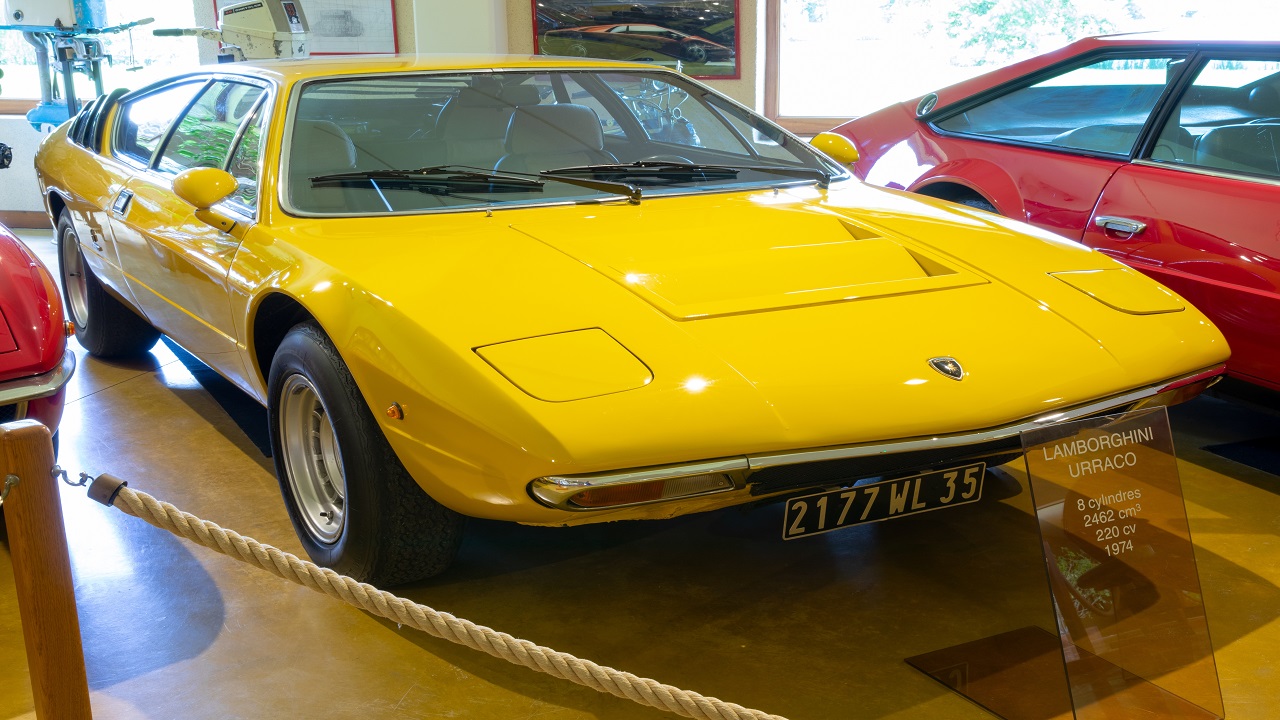
Lamborghini Urraco

Lamborghini Urraco
Editorial credit: Traveller70 /Shutterstock.com

The Lamborghini Urraco, designed by Marcello Gandini, debuted at the 1970 Turin Auto Show. It featured a unique wedge shape. The Urraco was intended as a more affordable option. A 2+2 coupe with various engine options over the years.

Vector W2


Vector W2
©Photo Credit: WWyss/Wikimedia Commons

The Vector W2 was a 1970s concept car with twin-turbo V8 power. It could accelerate from 0 to 60 mph in about four seconds. It was designed by Jerry Wiegert to showcase American engineering.

Maserati Merak

Maserati Merak
Editorial credit: Art Konovalov /Shutterstock.com

The Maserati Merak featured a compact 3.0L V6 engine, enhancing cabin space. Known for its elegant design and remarkable handling, it stood out among 1970s wedge-shaped cars.

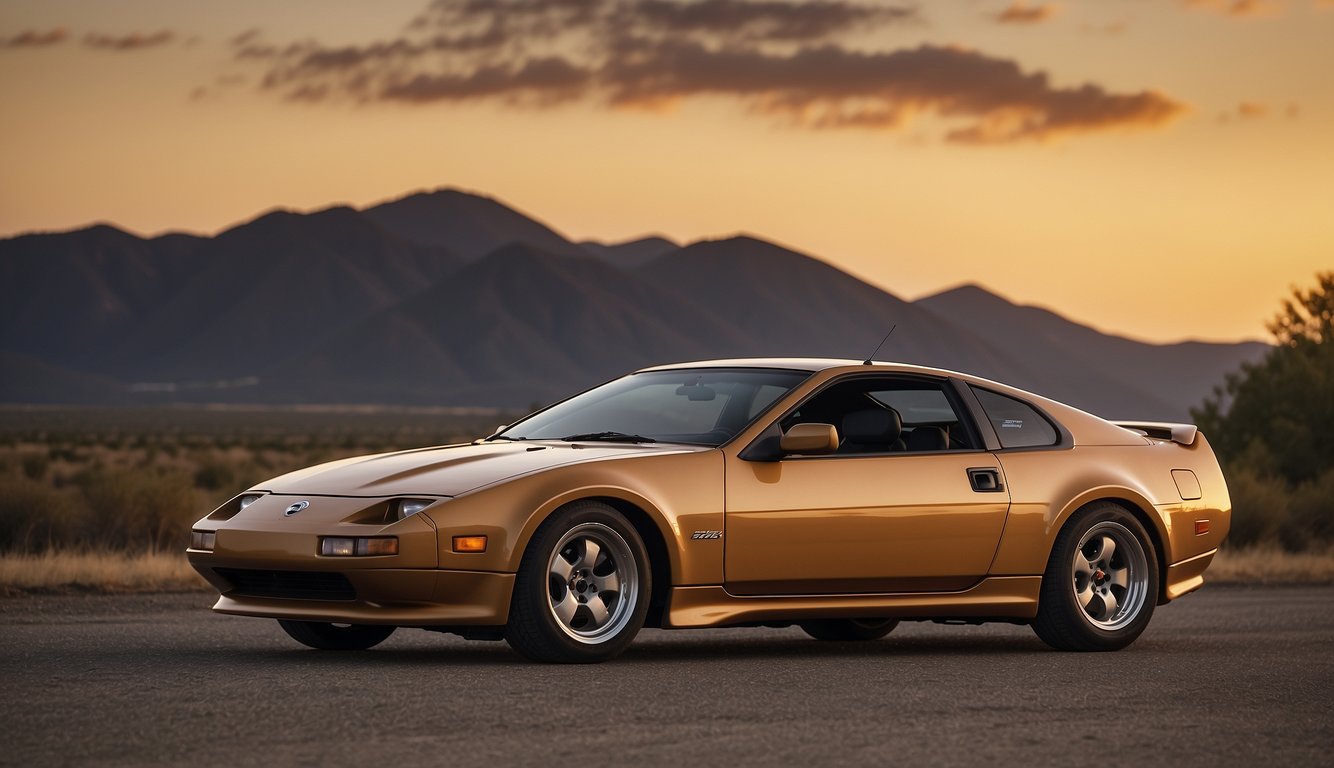
Nissan 300ZX

Nissan 300ZX
©Photo Credit: MiramarSpeedCircuit

The Nissan 300ZX, introduced in 1983, was built on the Z31 chassis. It featured aerodynamic design and increased power. It marked the transition from Datsun to Nissan.

Mazda RX-7

Mazda RX-7
©Photo Credit: MiramarSpeedCircuit

The Mazda RX-7, introduced in 1978, is renowned for its wedge shape and rotary engine. The first-generation model, identified as the “FB” platform, was compact and sporty. Its lightweight design and unique engine enhanced performance and driving pleasure, offering a thrilling experience.

50 America’s Forgotten Postwar Sports Cars

Kurtis Sport Car
Editorial credit: Philip Pilosian / Shutterstock.com

After World War II, returning American soldiers brought back an interest in sleek European sports cars, sparking innovation in the U.S. This led to the creation of many unique but often forgotten American sports cars from the 1940s and 1950s. Here, we highlight 50 standout icons of postwar America, exploring their stories and celebrating the golden age of American sports cars.

READ GUIDE HERE:  50 America’s Forgotten Postwar Sports Cars!

28 Most Iconic Mercedes-Benz Cars Since 1880s

Mercedes-Benz 540K 1936
©Photo Credit: MiramarSpeedCircuit

Mercedes-Benz, known for its luxury and innovation, has produced some of the world’s most iconic vehicles. Focusing on design, performance, and technology, the brand leads the automotive industry. This article highlights 28 of the most iconic Mercedes-Benz models, showcasing their unique features and impact on luxury and performance.

READ GUIDE HERE:  28 Most Iconic Mercedes-Benz Cars Since 1880s!

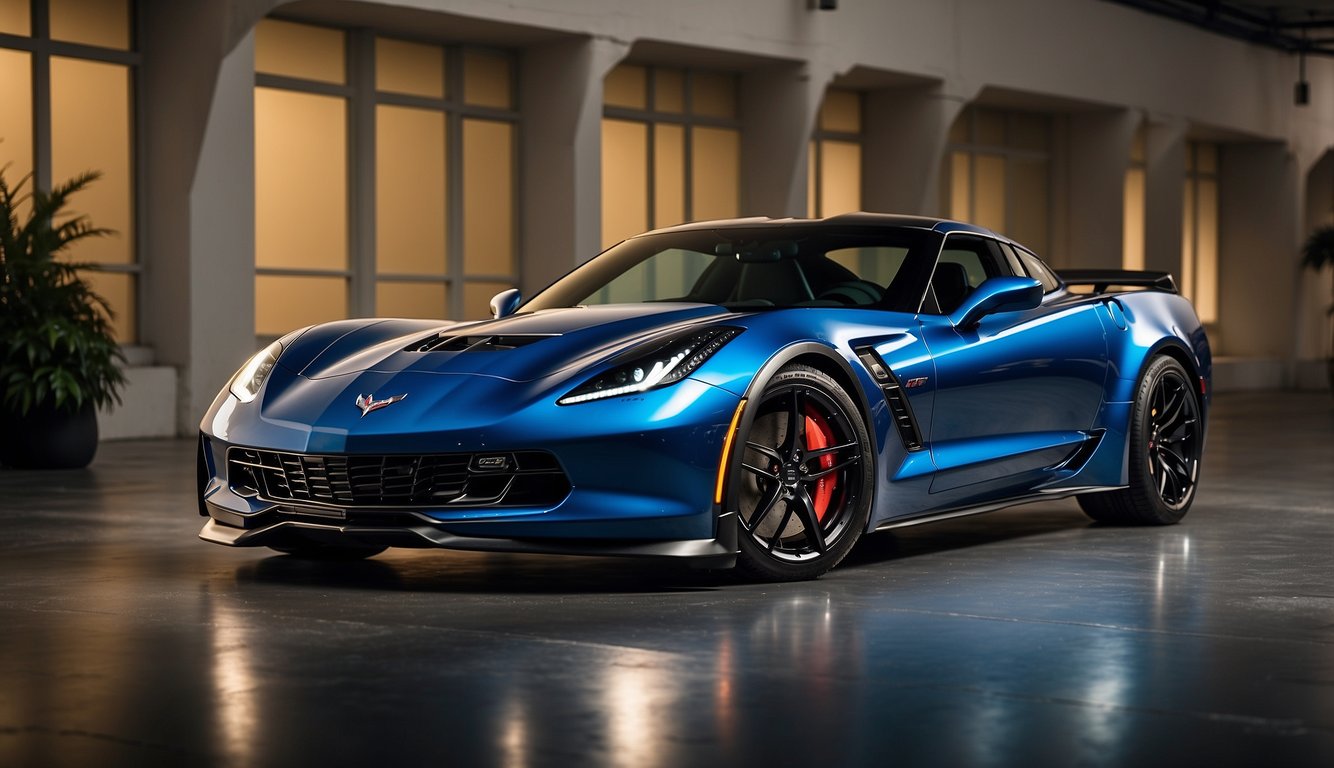
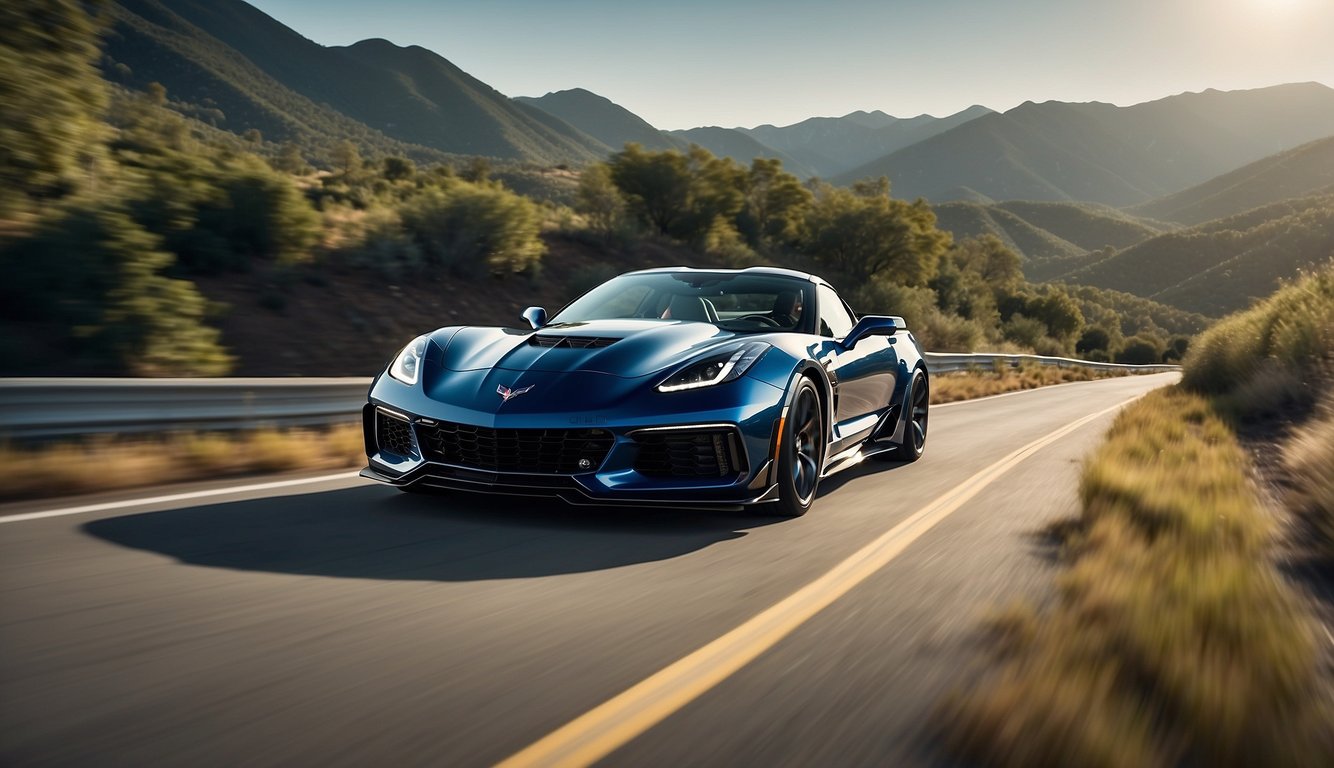
24 Most Popular Corvette Cars Ever Designed

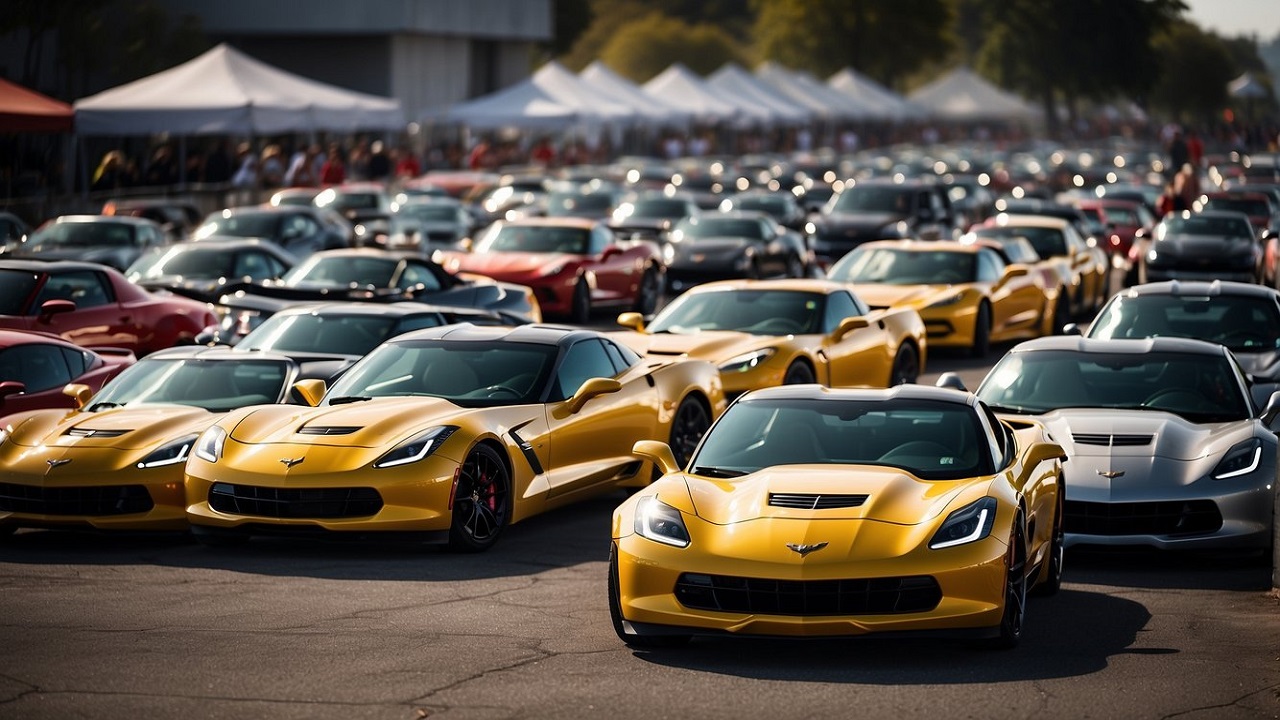
The Corvette is an iconic sports car, blending performance, style, and history. Chevrolet has consistently pushed automotive engineering and design boundaries, creating some of the most desired models in the industry.

The 1955 C1 Corvette V8 introduced the 265 cubic-inch V8 engine, saving the Corvette line and laying the groundwork for its legendary status. The 2019 Corvette ZR1, with its supercharged 6.2-liter V8 engine producing 755 horsepower, showcases modern engineering excellence.

The 1990 Corvette ZR-1 featured a high-tech, 32-valve LT5 V8 engine designed by Lotus and built by Mercury Marine, highlighting Chevrolet’s innovation. From classic collector cars to cutting-edge designs, these Corvettes demonstrate the brand’s remarkable journey and enduring appeal.

1953 Corvette C1

1953 Corvette C1
©Photo Credit: MiramarSpeedCircuit

The 1953 Corvette C1 is iconic. This model is widely admired among car enthusiasts. Only 300 units were produced. It features a bold design and a six-cylinder engine. Its rarity adds to its allure. The top speed was 108 mph.

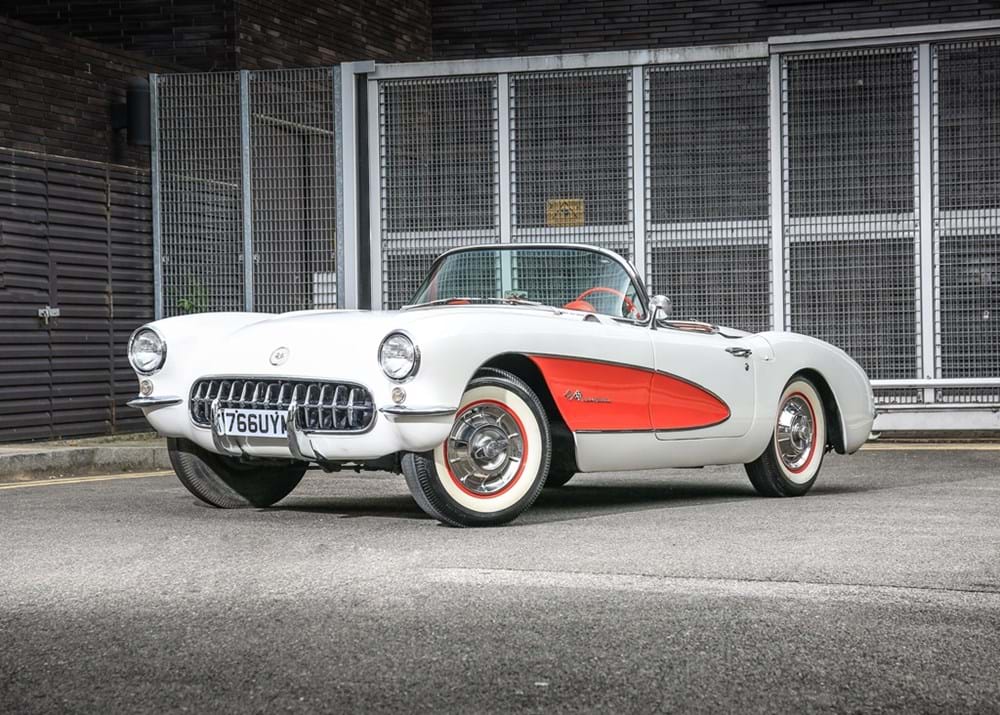
1957 Corvette C1 Fuelie

Corvette C1 Fuelie 1957
©Photo Credit: Historics Auctioneers

The 1957 Corvette C1 “Fuelie” featured a 283ci V8 engine with fuel injection, boosting performance significantly. With only 240 units produced, it is a rare collectible.

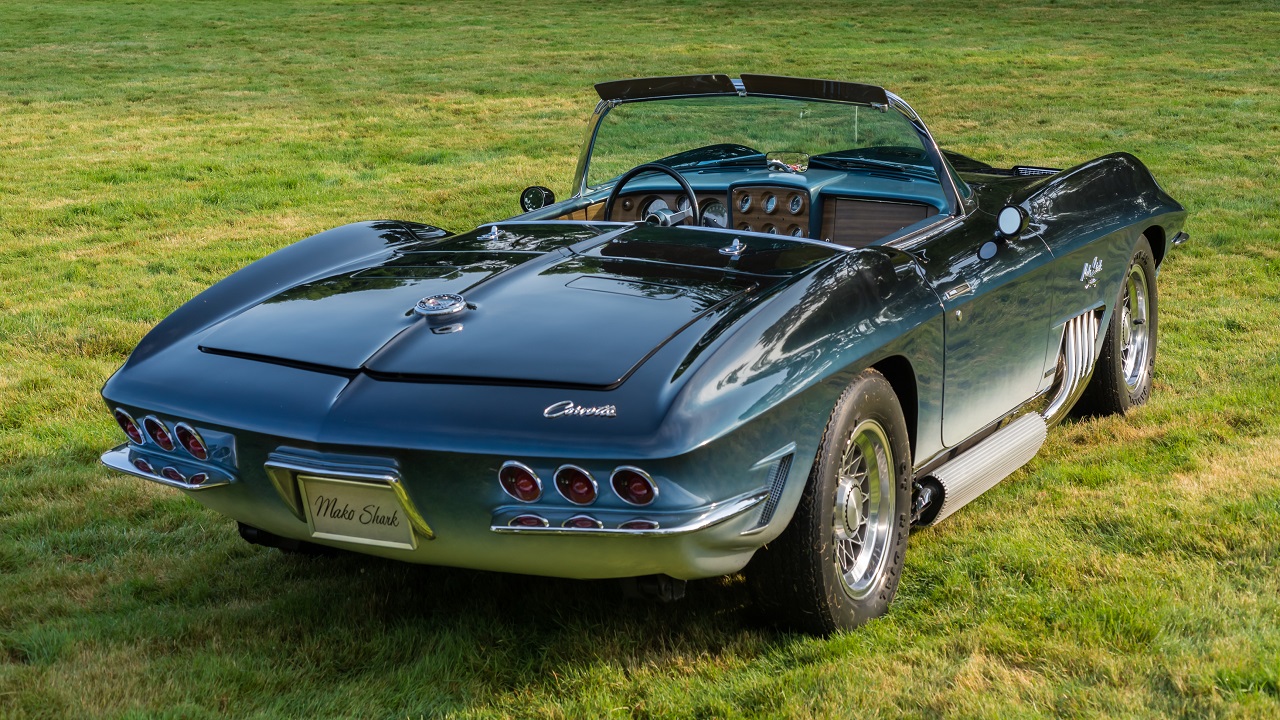
1961 Corvette Mako Shark

Corvette Mako Shark 1961
Editorial credit: Steve Lagreca /Shutterstock.com

The 1961 Corvette Mako Shark concept car was inspired by a mako shark caught by Bill Mitchell. Designed by Larry Shinoda, the car’s sleek lines influenced the styling of future Corvettes, including the 1963 Corvette Sting Ray.

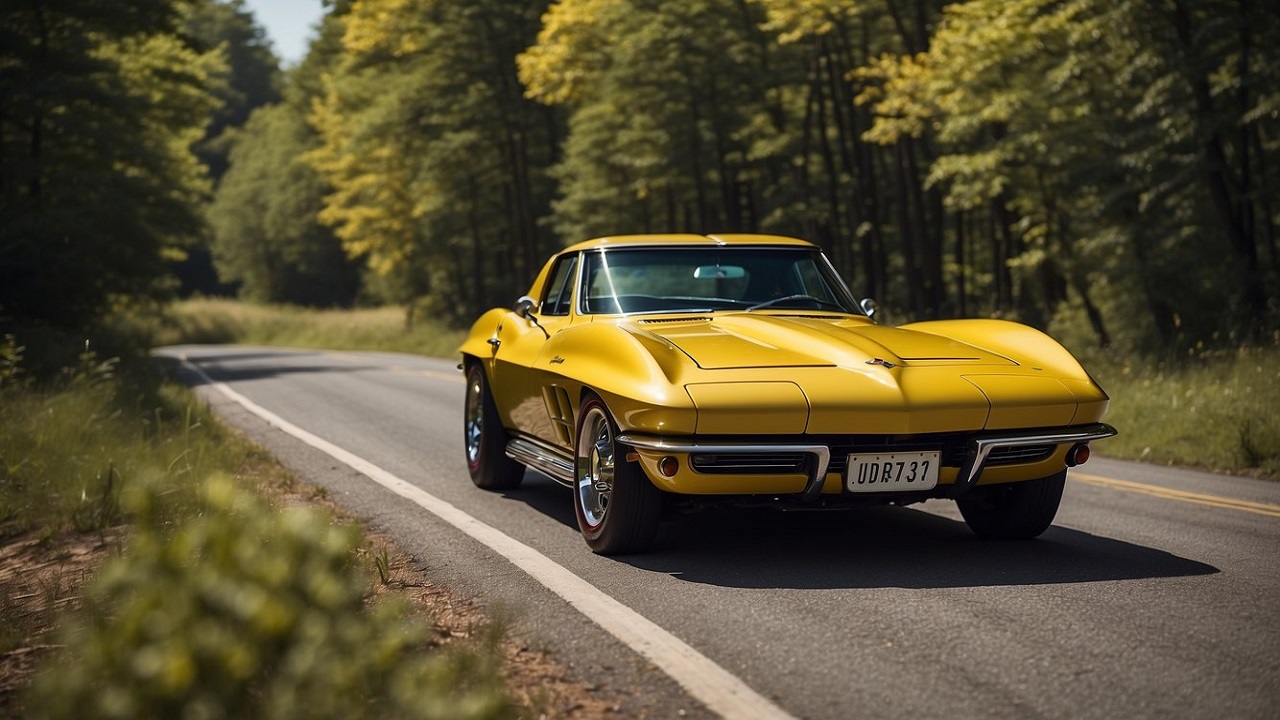
1963 Corvette Sting Ray Split-Window Coupe

Chevrolet Corvette Stingray Convertible
©Photo Credit: DepositPhotos

The 1963 Corvette Sting Ray Split-Window Coupe is famous for its unique split rear window, available for just one year. Designed by Larry Shinoda, it features aerodynamic styling, hidden headlights, and a new ladder-type frame, combining aggressive looks with advanced engineering.

With 10,594 units produced, the 1963 model is highly collectible and a favorite among Corvette enthusiasts. It marks the start of the second generation of Corvettes.

1965 Corvette C2

1965 Corvette C2
©Photo Credit: MiramarSpeedCircuit

The 1965 Corvette C2 boasted impressive performance with its 396ci/425hp engine, achieving 0-60 mph in just 5.7 seconds. Classic and collectible, it remains a favorite among enthusiasts.

1967 Corvette L88

Corvette L88 1967
©Photo Credit: MiramarSpeedCircuit

The 1967 Corvette L88 is a rare gem with only 20 units produced, making it a coveted classic car. Featuring a modified 427-cubic-inch V-8 engine, it was built for high performance. Race heritage and unique design add to its allure.

1969 Corvette ZL1

1969 Corvette ZL1
©Photo Credit: MiramarSpeedCircuit

The 1969 Corvette ZL1 is an iconic muscle car known for its rare, powerful engine. It’s often dubbed as one of the most collectible Corvettes ever produced. With only two units made, its rarity commands high auction prices.

1970 Corvette LT-1

1970 Corvette LT-1
©Photo Credit: MiramarSpeedCircuit

The 1970 Corvette LT-1 boasts a powerful 370hp engine introduced by Zora-Arkus Duntov. This model is renowned for its small-block V8, making it highly regarded among enthusiasts. Its production numbers were notably lower due to late showroom arrivals, enhancing its rarity.

1984 Corvette C4

1984 Corvette C4
©Photo Credit: MiramarSpeedCircuit

The 1984 Corvette C4 brought a major redesign, introducing a sleeker, more modern look. This model was praised for its enhanced performance and significantly lighter weight compared to previous generations. Equipped with a digital dashboard, it was a leap forward in automotive technology.

1988 Callaway Corvette

1988 Callaway Corvette
©Photo Credit: MiramarSpeedCircuit

The 1988 Callaway Corvette, known as the Sledgehammer, reached an impressive top speed of 254.76 mph. It boasted a powerful twin-turbocharged engine producing 898 bhp. This made it one of the fastest street-legal cars of its time.

1990 Corvette ZR-1

1990 Corvette ZR-1
©Photo Credit: MiramarSpeedCircuit

The 1990 Corvette ZR-1 stunned car enthusiasts with its 375-horsepower LT5 V8 engine. This model achieved 0 to 60 mph in 4.5 seconds. Its production ran from 1990 to 1995.

1997 Corvette C5

1997 Corvette C5
©Photo Credit: MiramarSpeedCircuit

The 1997 Corvette C5 introduced a longer and wider body. The C5 was capable of reaching speeds up to 172 mph.

2001 Corvette Z06

Corvette Z06 2001
©Photo Credit: Bring a Trailer

The 2001 Corvette Z06 stands out for its impressive performance. It features a high-output LS6 engine producing 385 horsepower. The car’s lightweight design enhances speed and agility. Called the Z06, it boasts a comprehensive package of upgrades designed to make it the highest-performance production Corvette ever built.

2009 Corvette ZR1

Corvette ZR1 2009
Editorial credit: Gestalt Imagery /Shutterstock.com

The 2009 Corvette ZR1 is renowned for its power and speed, achieving 638 horsepower. It features specialized 20-spoke alloy rims and Michelin Pilot Sport 2 tires. The ZR1 recorded an impressive Nürburgring lap time of 7:26.4. Its acceleration capabilities are top-notch, boasting a zero to 60 mph time of 3.6 seconds.

2014 Corvette C7 Stingray

2014 Corvette C7 Stingray
©Photo Credit: MiramarSpeedCircuit

The 2014 Corvette C7 Stingray features a powerful 6.2-liter LT1 V8 engine with 450 horsepower. This model is known for its impressive performance and striking “Laguna Blue” color. The car’s design drew inspiration from racing, emphasizing both speed and style.

2013 Corvette C6 427 Convertible

2013 Corvette C6 427 Convertible
©Photo Credit: Hemmings

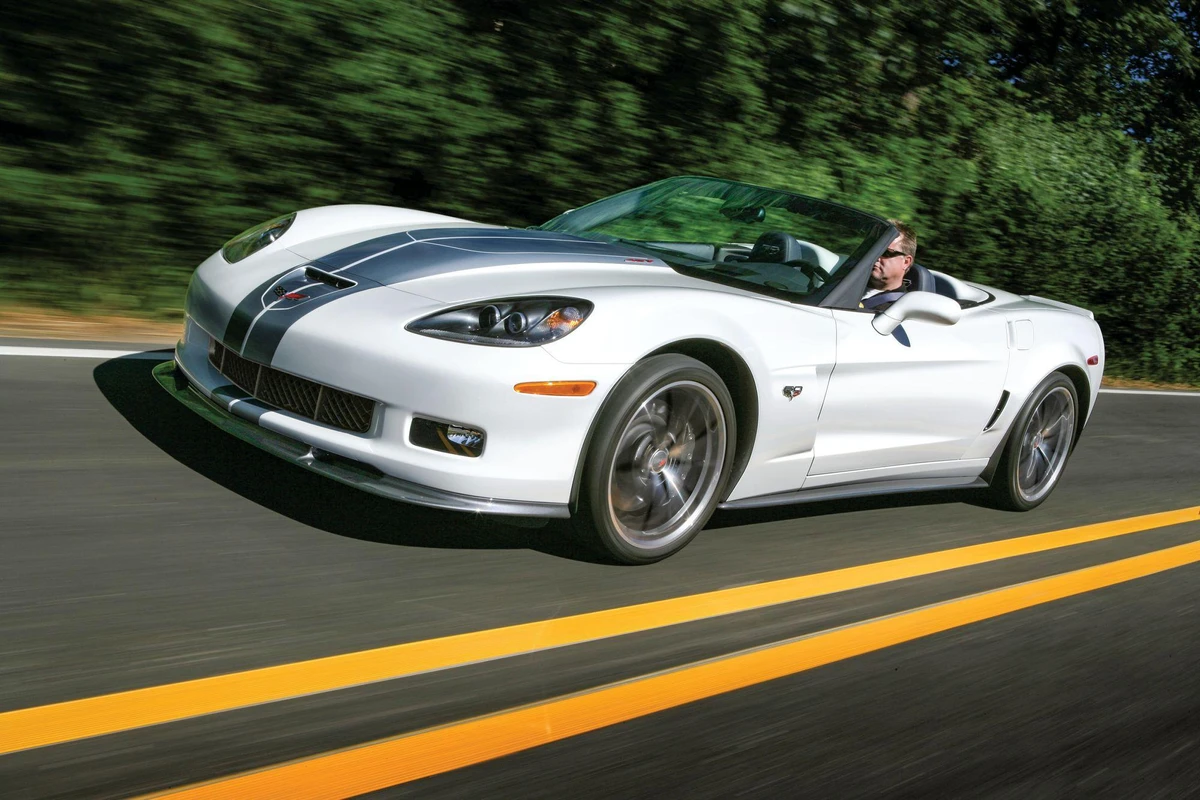
The 2013 Corvette C6 427 Convertible combines the best elements of the Corvette line. Powered by an LS7 V8 engine with 505 horsepower, it accelerates from 0 to 60 mph in 3.9 seconds. It also turns corners with impressive precision.

2015 Corvette Z06

2015 Corvette Z06
©Photo Credit: MiramarSpeedCircuit

The 2015 Corvette Z06 boasts a supercharged 6.2-liter V8 engine producing 650 horsepower. With a top speed of 186 mph, it is one of the fastest Corvettes ever. It features an aggressive design and advanced aerodynamics, ensuring maximum performance on the track.

2017 Corvette Grand Sport

2017 Corvette Grand Sport
©Photo Credit: MiramarSpeedCircuit

The 2017 Corvette Grand Sport impresses with its agility and speed, capturing attention at automotive awards. It achieved a remarkable zero-to-60-mph time of 3.6 seconds.

2019 Corvette ZR1

2019 Corvette ZR1
©Photo Credit: MiramarSpeedCircuit

The 2019 Corvette ZR1 houses a supercharged 6.2-liter V8 engine delivering 755 horsepower and 715 lb-ft of torque.

2020 Corvette C8

2020 Corvette C8
©Photo Credit: MiramarSpeedCircuit

The 2020 Corvette C8 features a mid-engine design. The 6.2-liter V8 engine generates 495 horsepower. The C8 ranks eighth on Cars.com’s 2020 American Made Index.

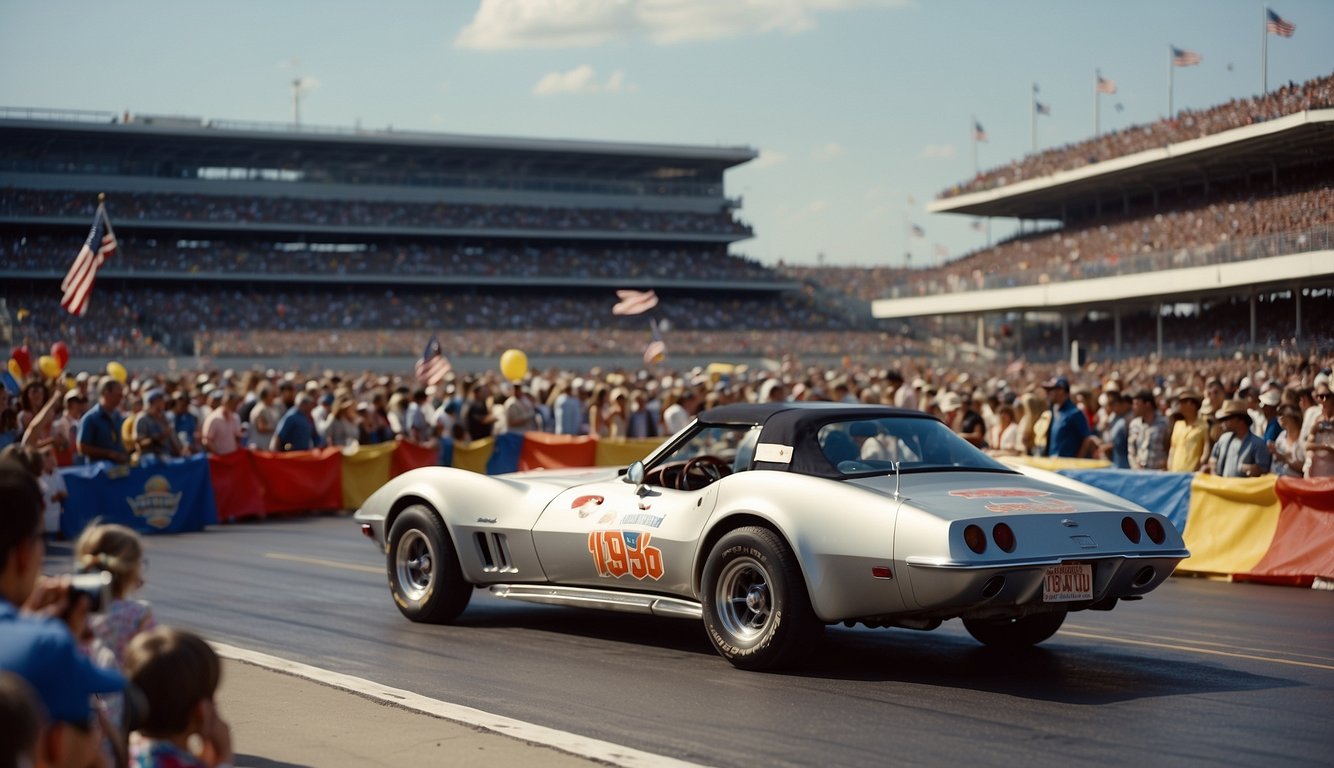
1978 Corvette C3 Indy 500 Pace Car

1978 Corvette C3 Indy 500 Pace Car
©Photo Credit: MiramarSpeedCircuit

The 1978 Corvette C3 Indy 500 Pace Car was driven by Jim Rathmann. This iconic car marked the first time a Corvette was used as the official pace car for the Indianapolis 500.

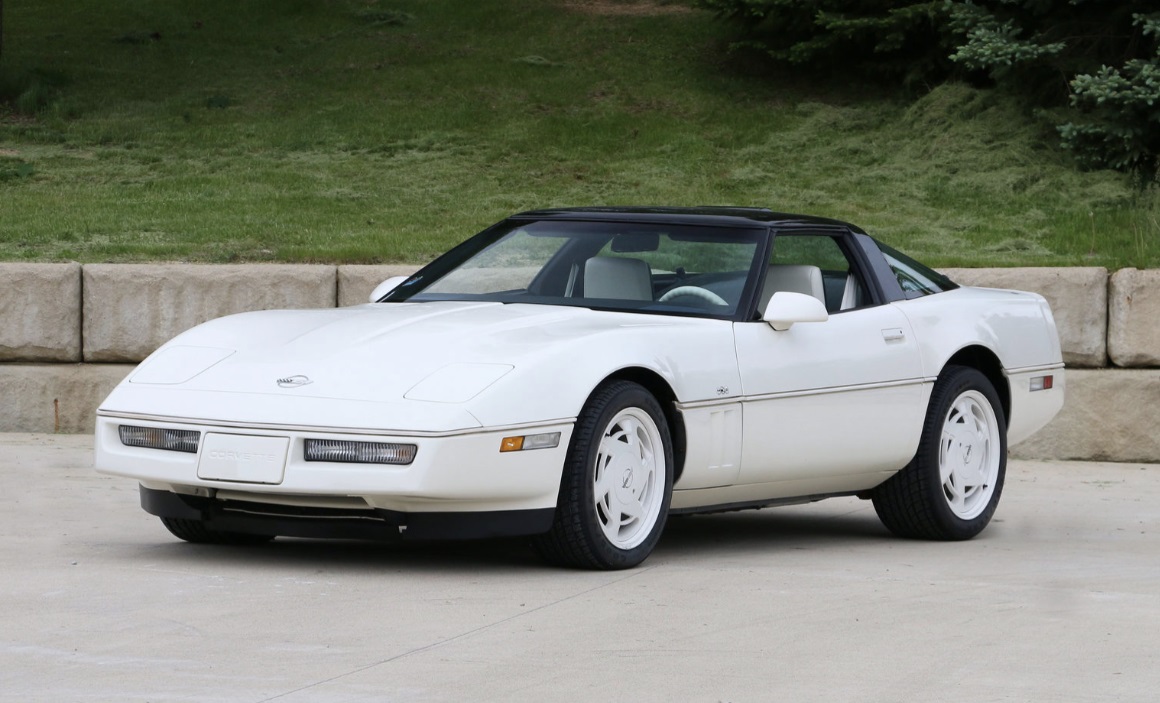
1988 Corvette 35th Anniversary Edition

Corvette 35th Anniversary Edition
©Photo Credit: CorvSport.com

The 1988 Corvette 35th Anniversary Edition was a special model commemorating 35 years of Corvette production. Priced at an additional $4,795, the coupe featured an Arctic White finish, unique white wheels, and a white leather interior. Only 2,050 were produced.

1996 Corvette Grand Sport

Corvette Grand Sport
©Photo Credit: CorvSport.com

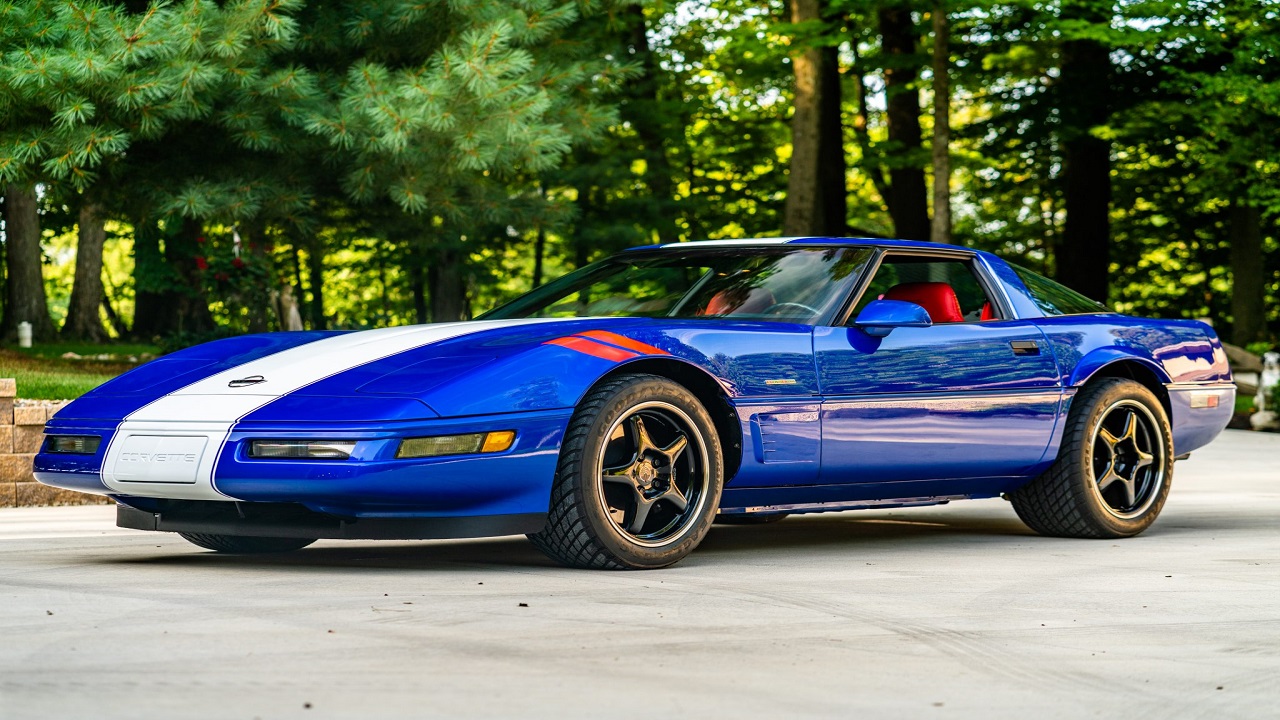
The 1996 Corvette Grand Sport is a standout with its powerful performance and distinctive blue paint job featuring a white stripe. Its performance specifications include a 0-60 mph time of 5.1 seconds and a top speed of 168 mph. Only 1,000 units were produced, making it a collector’s item.

2004 Corvette Commemorative Edition

2004 Corvette Commemorative Edition
©Photo Credit: MiramarSpeedCircuit

The 2004 Corvette Commemorative Edition celebrates Corvette’s racing victories at Le Mans. It features a unique LeMans Blue paint with red-edged silver stripes. Available in coupe, convertible, and Z06 variants, it embodies both performance and style. Through these enhancements, it stands as a special tribute on Corvette’s rich history.

Here Are The Most Reliable Corvette Years to Consider

Chevrolet Corvette
©Photo Credit: MiramarSpeedCircuit

For reliability, choose the best Corvette. Some used years are particularly dependable and high-quality, ideal for your collection or daily use. We’ve identified the most reliable Corvette years for you: 1963, 1995, and 2019.

READ GUIDE HERE:  The Most Reliable Corvette Years to Consider!

10 Oldest Car Models Still in Production Today

vintage-car
©Photo Credit: DepositPhotos

Since Ford’s Model T in 1908, car makers have produced thousands of models, but few remain on the roads today. Here are the models that have endured by evolving with customer tastes.

READ GUIDE HERE:  10 Oldest Car Models Still in Production Today!

50 America’s Forgotten Postwar Sports Cars

The postwar era in America brought a renewed interest in sports cars, as returning soldiers from World War II encountered sleek European designs. These impressive vehicles inspired a wave of innovation in the United States, giving birth to numerous unique and largely forgotten American sports cars from the 1940s and 1950s.

Among these fascinating creations, 50 of them stand out as true icons of postwar America. In this article, we will explore the stories behind these captivating vehicles and celebrate the golden age of American sports cars.

Notable Postwar Sports Car Models

A lineup of iconic postwar sports cars
©Photo Credit: MiramarSpeedCircuit

In the postwar era, several sports cars became significant in automotive history. The Kaiser Darrin stood out with its sliding doors and fiberglass body. The Woodill Wildfire also featured a fiberglass body, and the Maverick Sportster impressed with a V8 engine. The small but powerful Crosley Hotshot became a favorite among racing enthusiasts. These models highlighted American innovation in the sports car industry.

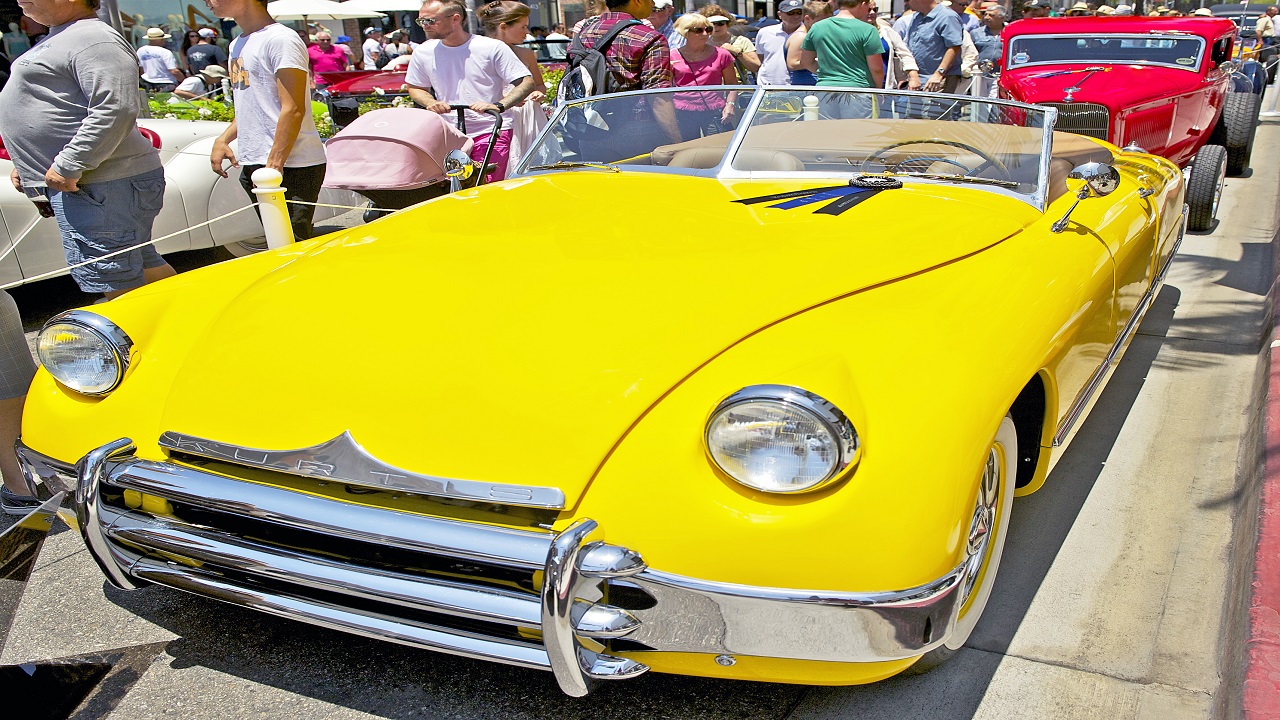
The Kaiser Darrin

Kaiser Darrin
Editorial credit: Dmitry Eagle Orlov / Shutterstock.com

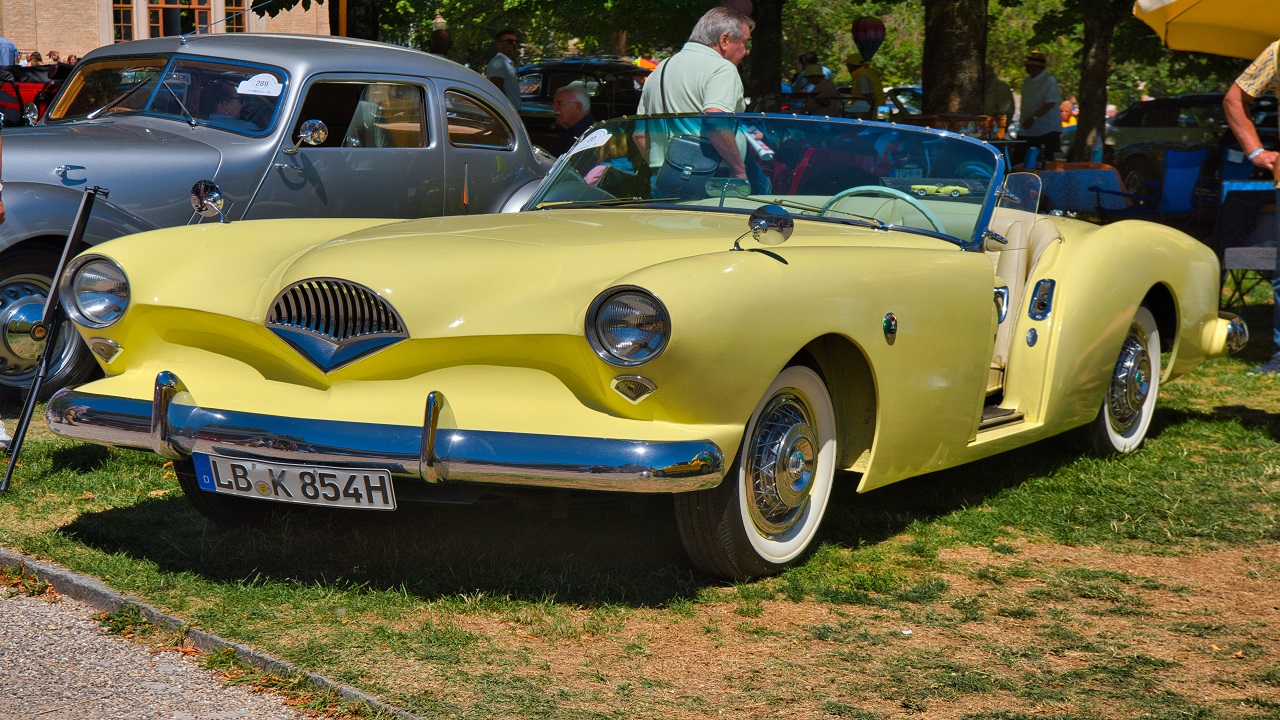
The Kaiser Darrin, designed by Howard “Dutch” Darrin in the 1950s, is a forgotten American sports car. Featuring a lightweight fiberglass body and unique sliding doors, it aimed to compete with European models. Only 435 units were produced, making it a rare collectible. With two engine options, it reached speeds up to 124.5 mph. Despite its innovation, sales struggled due to competition and Kaiser Motors’ financial instability.

The Crosley Hotshot

Crosley Hotshot
Editorial credit: Barbara Ash / Shutterstock.com

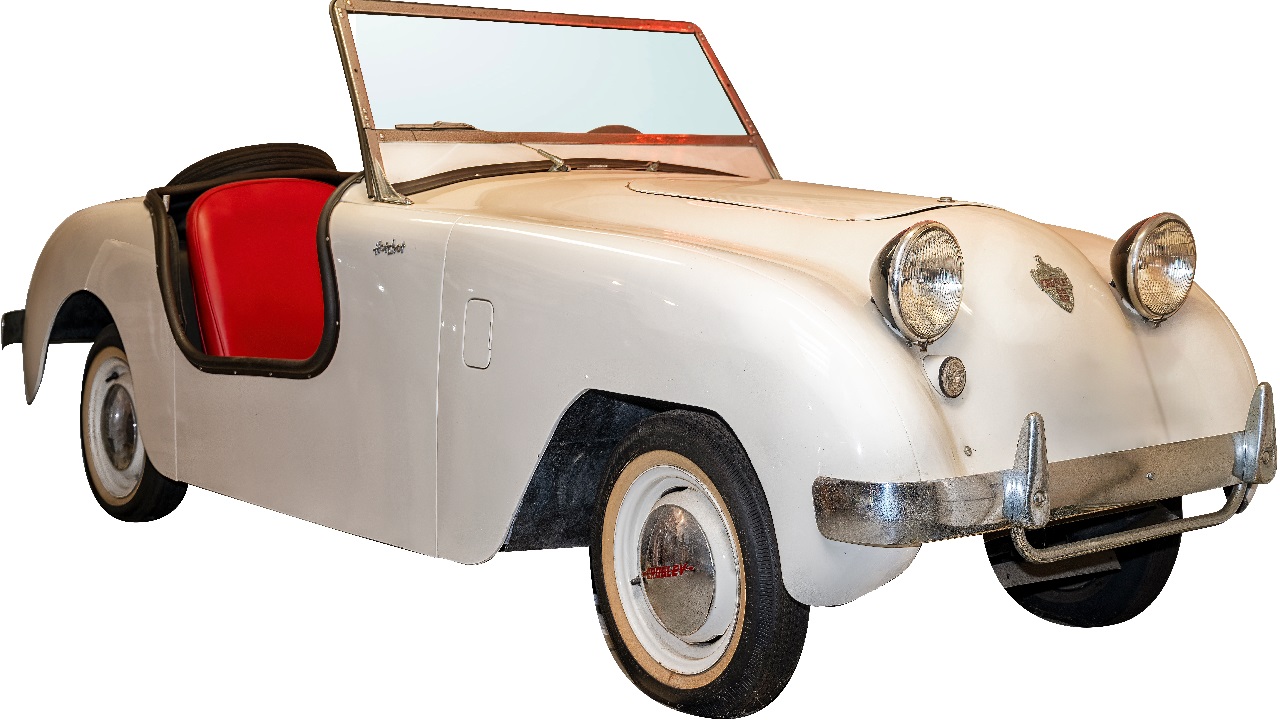
The Crosley Hotshot, America’s first postwar sports car, debuted in 1949. Designed by Powel Crosley and engineer Paul Klotsch, it marked a departure from Crosley’s minimalist vehicles.

With an 85-inch wheelbase, it was 5 inches longer than earlier models and had drop-down side panels instead of traditional doors. Produced from 1949 to 1952, nearly 2,500 Hotshots were built, along with variations like the Super Hotshot, Super Sports, and Super Sport. These compact sports cars paved the way for the Chevrolet Corvette.

Glasspar G2

Glasspar G2
©Photo Credit: MiramarSpeedCircuit

The Glasspar G2, introduced by Bill Tritt in 1949, was America’s first production all-fiberglass sports car, predating the Corvette by two years. Produced from 1951 to 1955, only about 100 were built. These historic cars remain a cherished part of America’s postwar sports car era.

Edwards R-26

Edwards R-26
©Photo Credit: Undiscovered Classics

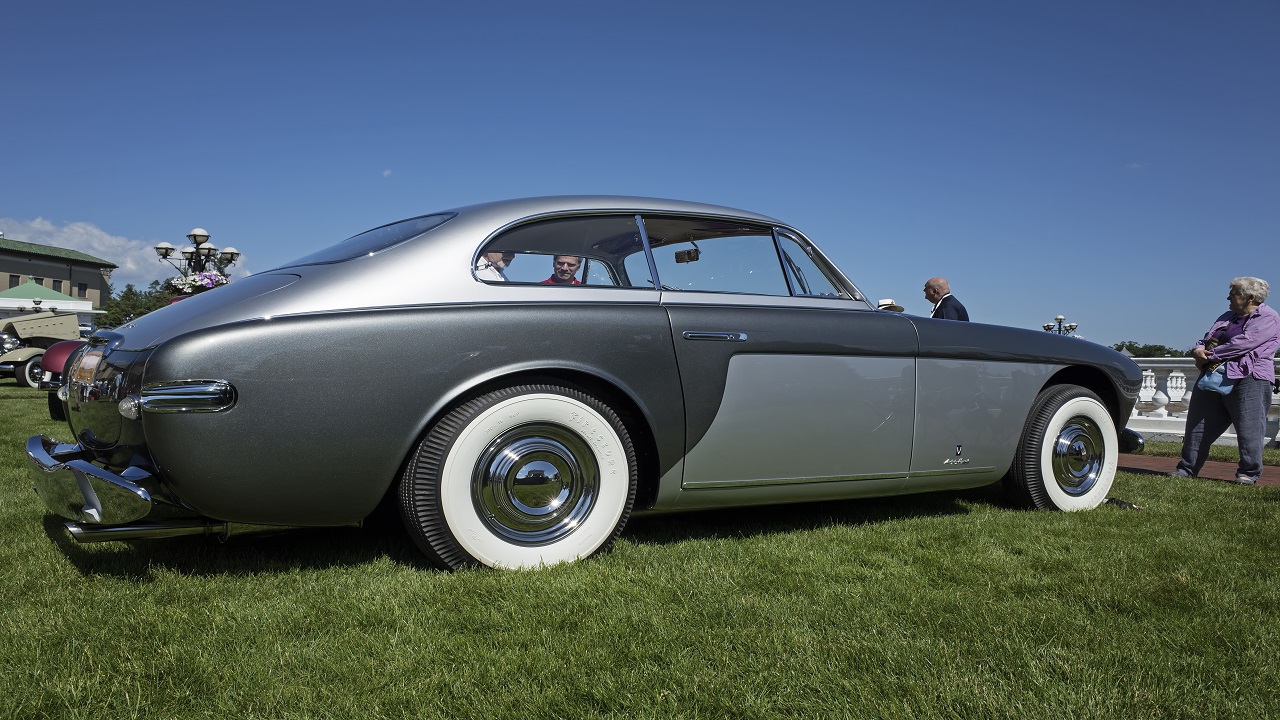
The Edwards R-26 was a remarkable postwar American sports car. Created in 1949, it was designed and built by Sterling Edwards. As an elegant and high-performance vehicle, the R-26 gained popularity quickly. This early coachbuilt sports car managed to race and win the Del Monte Trophy Race. Interestingly, the R-26 also won the inaugural Pebble Beach Concours d’Elegance, a prestigious honor.

Cunningham C-3

Cunningham c-3 Coupe
Editorial credit: Michael G McKinne / Shutterstock.com

The Cunningham C-3, a Grand Tourer from the early 1950s, was built by the B. S. Cunningham Company to homologate Briggs Cunningham’s racing cars for the 24 Hours of Le Mans. This rare American car featured a HEMI engine and an Italian body. Only 26 units were produced between 1952 and 1955, blending American power with European design.

The Woodill Wildfire

Woodill Wildfire
©Photo Credit: Hemmings

The Woodill Wildfire, built from 1952 to 1958 by Dodge and Willys dealer Blanchard Robert “Woody” Woodill, featured a Glasspar fiberglass body. It is credited as the first complete fiberglass car, with around 15 produced and 285 sold as kits.

Willys nearly mass-produced it as the Willys Wildfire, but Kaiser Motors’ 1953 acquisition of Willys altered its fate. Despite limited production, the Woodill Wildfire remains an iconic example of America’s postwar sports cars.

Muntz Jet

Muntz Jet
Editorial credit: Philip Pilosian / Shutterstock.com

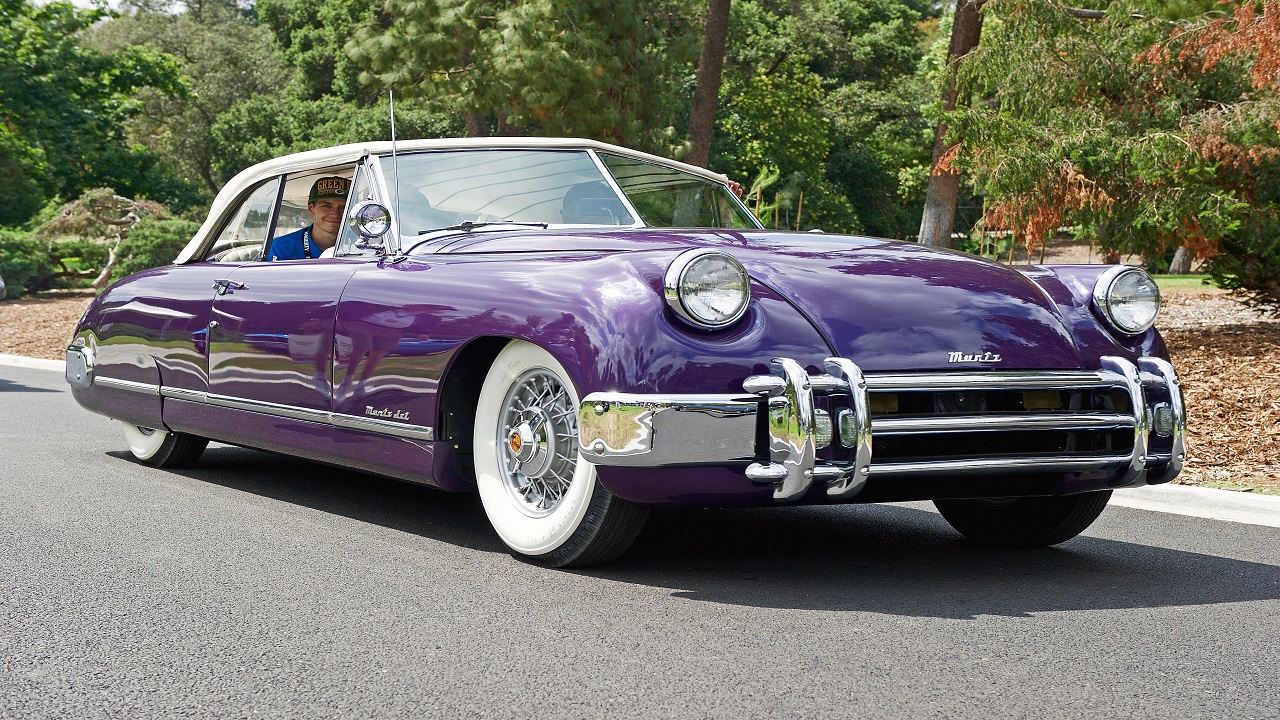
The Muntz Jet, produced from 1949 to 1954, is a notable American sports car developed by Frank Kurtis and later Earl “Madman” Muntz. Often seen as America’s first personal luxury car, it featured a two-door hardtop convertible design.

Despite its short production run, the Muntz Jet is a key part of postwar automotive history. With a V8 engine delivering up to 160 hp, it aimed to compete with European sports cars. Though production was brief, the Jet symbolizes American automotive ingenuity and remains a classic.

Maverick Sportster

Maverick Sportster
©Photo Credit: Hemmings

The Maverick Sportster, designed by H. Sterling Gladwin in 1952, is a notable example of America’s forgotten postwar sports cars. With its elegant look, it quickly gained popularity. Only seven boat-tail speedsters were produced from 1952 to 1968.

Featuring a fiberglass body, the Maverick Sportster was marketed as the “world’s largest fiberglass-bodied car.” Maverick Motors used postwar Cadillac chassis and 331 cubic inch Cadillac engines for their limited production. The car made history by appearing in the 1953 and 1955 Pebble Beach Concours d’Elegance.

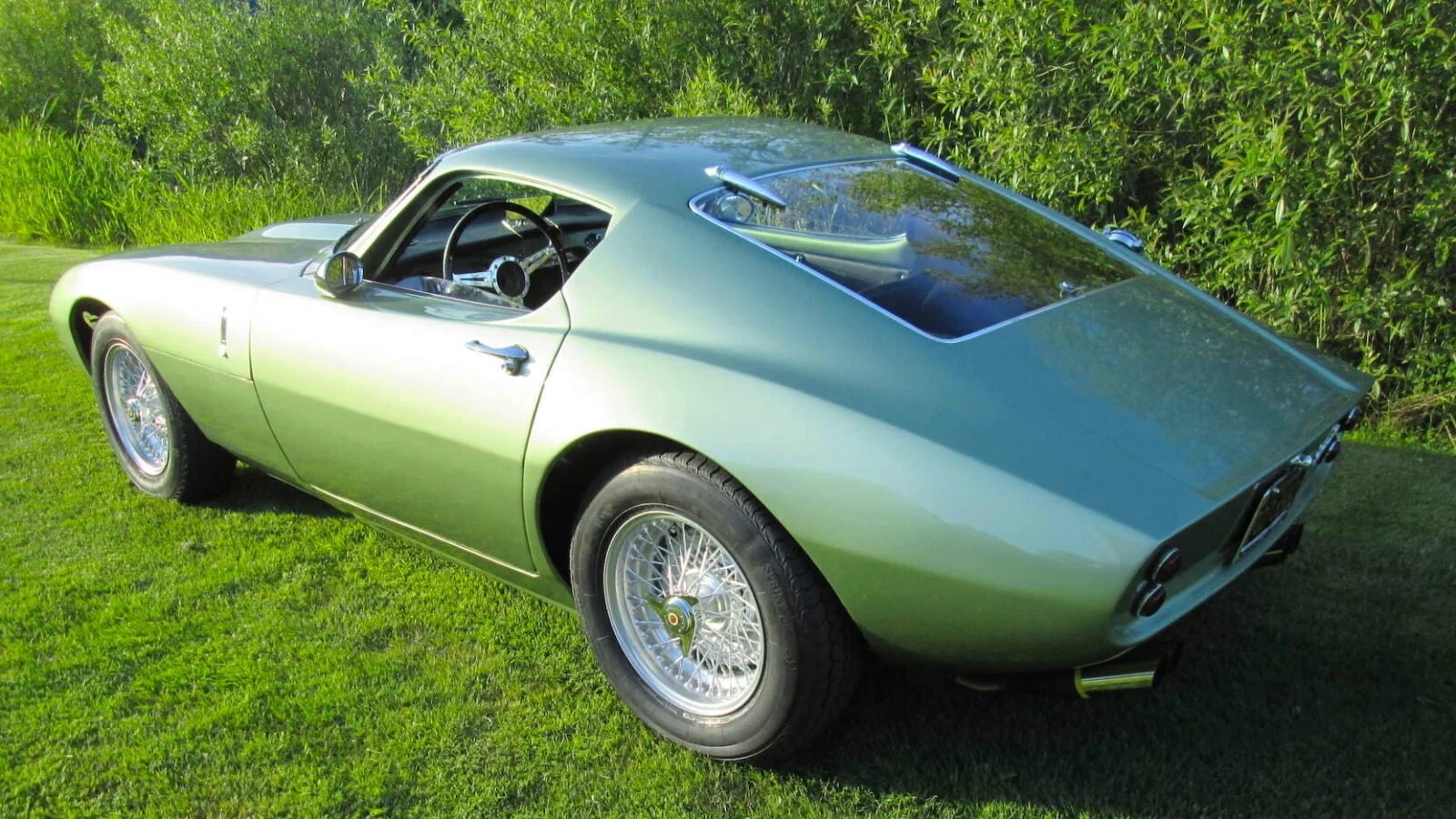
Allard J2

Allard J2
Editorial credit: Roberto Cerruti / Shutterstock.com

The Allard J2, a British-American sports car from the postwar era, was designed for the American market and achieved motorsport success. Powered by various American V8 engines, the J2 gained attention for its racetrack performance. Notable drivers like Carroll Shelby and Zora Duntov found early success with the Allard J2.

Arnolt-Bristol

Arnolt-Bristol
Editorial credit: ghiz / Shutterstock.com

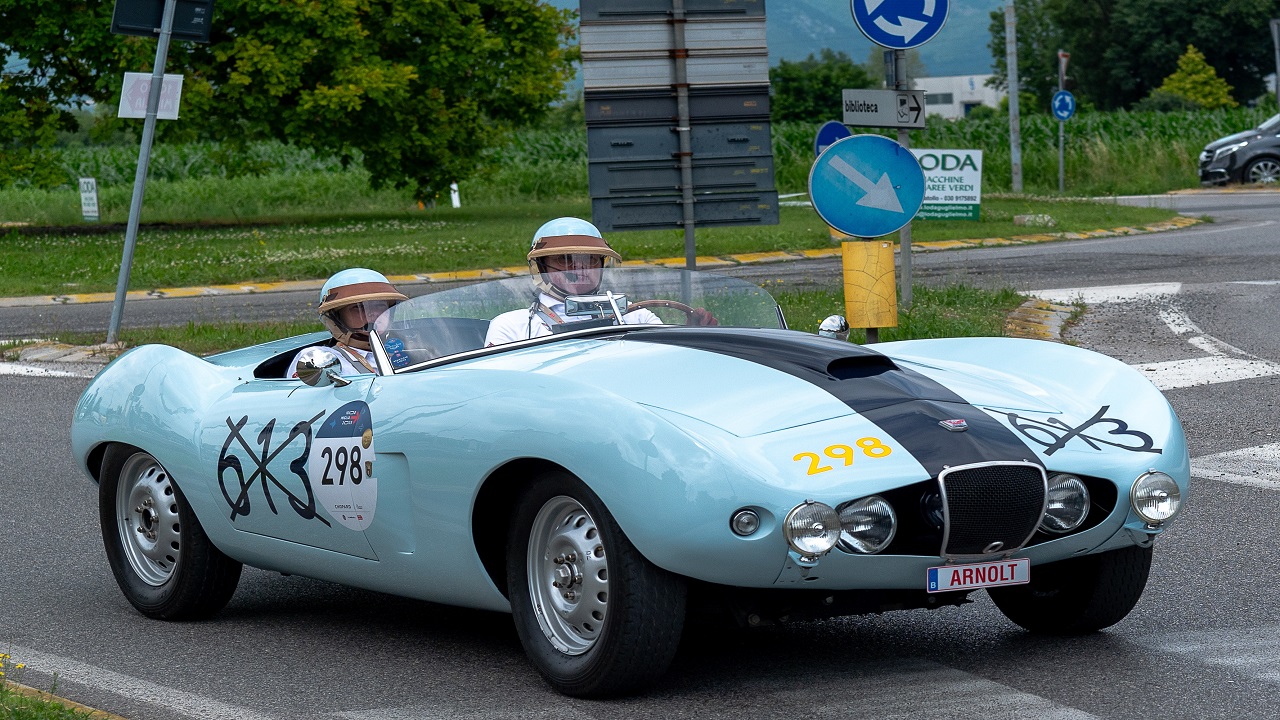
The Arnolt-Bristol, a collaboration between American engineer Stanley “Wacky” Arnolt and British manufacturer Bristol, was produced from 1953 to 1959. This stylish and powerful sports car featured a 2-liter Bristol inline six-cylinder engine, delivering 130 horsepower and weighing around 2,100 pounds.

With smooth, curving lines, the car had an elegant look. A total of 142 units were produced, including six coupés and two special models. Today, the Arnolt-Bristol remains a notable piece of automotive history, symbolizing the creative ingenuity of its era.

Nash-Healey

Nash-Healey
Editorial credit: photoBeard / Shutterstock.com

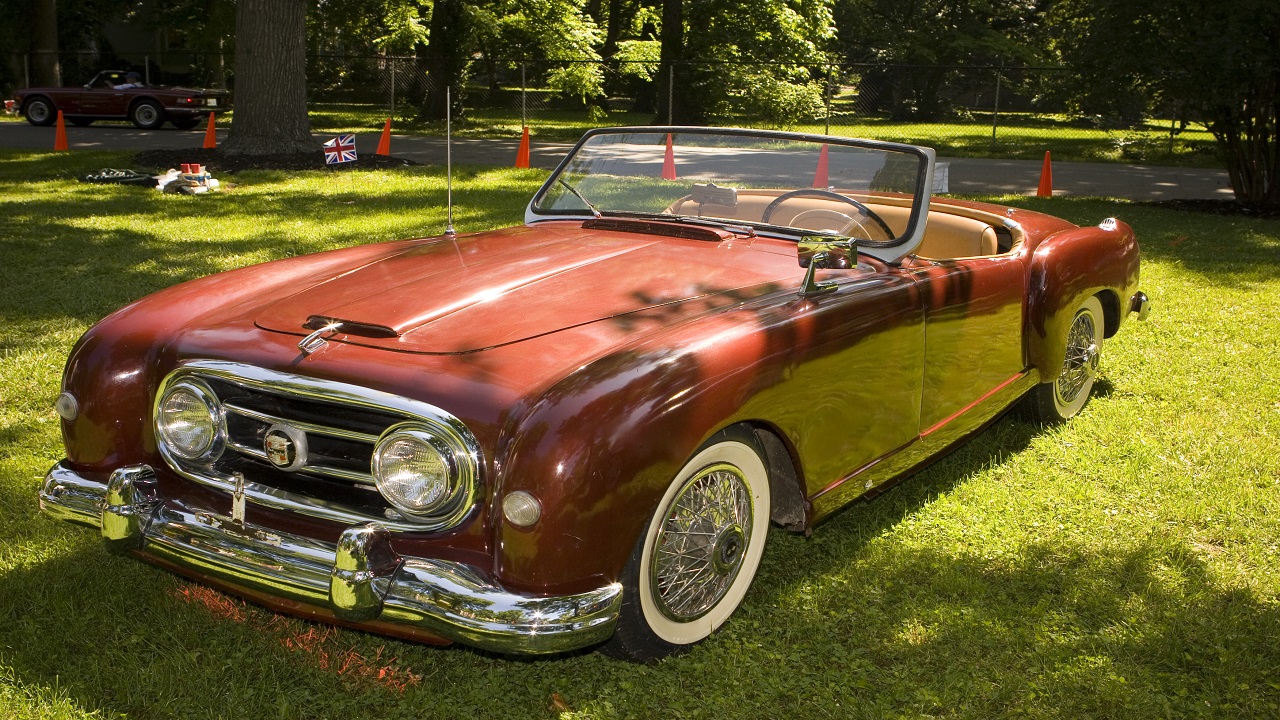
The Nash-Healey, produced from 1951 to 1954, was America’s first postwar sports car. This three-seater luxury vehicle was a collaboration between Nash-Kelvinator and the British Donald Healey Motor Company. It used components from the Nash Ambassador, including a 3.8-liter inline-six engine with an aluminum cylinder head and two SU carburetors, producing 125 hp. Paired with a three-speed manual gearbox, the Nash-Healey offered a thrilling driving experience. It remains an iconic part of America’s automotive history.

Powell Sport Wagon

Powell Sport Wagon
©Photo Credit: Hemmings

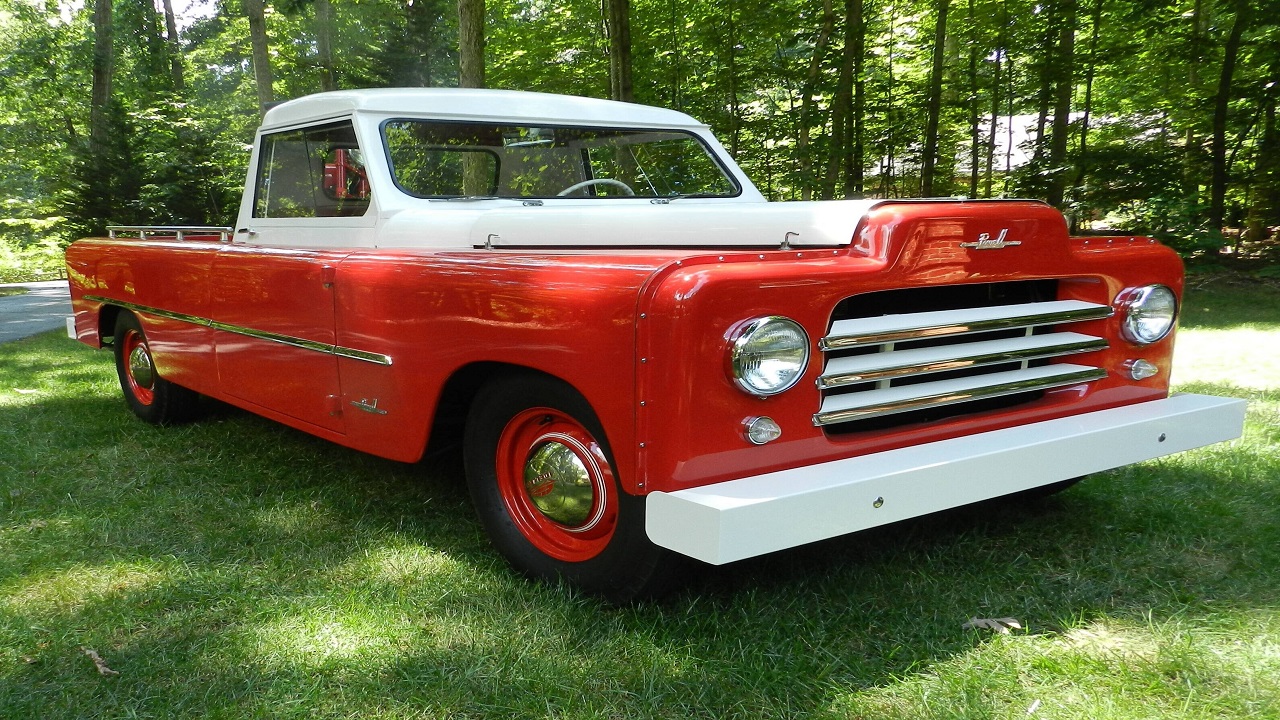
The Powell Sport Wagon, created by brothers Hayward and Channing Powell in the mid-1950s, was an innovative and affordable “sportsman’s car.” Initially involved in radio production, they later moved to motor scooters and eventually cars.

Assembled in Compton, California, the car aimed to sell for under $1,000 (around $10,900 today). Using recycled Plymouth chassis from the 1940s, the Powell Sport Wagon offered a more refined ride and came in both station wagon and pickup truck formats.

Excalibur J

Excalibur J
©Photo Credit: RacingJunk

The Excalibur J, designed by Brooks Stevens in the 1960s, was an American sports car priced at $2,000. It used inline-six engines from Willys and Henry J. Inspired by Stevens’ 1928 Mercedes SS roadster, the Excalibur J holds a unique place in post-war American sports car history. Despite its limited fame, its stylish design and powerful performance make it a notable example of America’s automotive past.

Bocar XP-5

Bocar XP-5
©Photo Credit: Mr.choppers/Wikimedia Commons

The Bocar XP-5, launched in 1959, is an American V8 sports car developed to rival European models. It featured a high-strength chromoly steel space frame and a suspension from the Porsche 356/VW Beetle. Typically equipped with a Chevrolet 283 or 327-cubic inch V8 engine, it produced 290 hp and weighed between 1,650 and 2,100 lbs.

Designed for racing enthusiasts, the XP-5 had a low-profile high windscreen and stood just 34 inches tall. While an average example might fetch around $160,000, the prized Meister Bräuser III sold for $412,500 at a 2016 auction. The Bocar XP-5 remains a symbol of American engineering and passion for sports cars.

Devin SS

Devin SS
Editorial credit: Bob Cullinan / Shutterstock.com

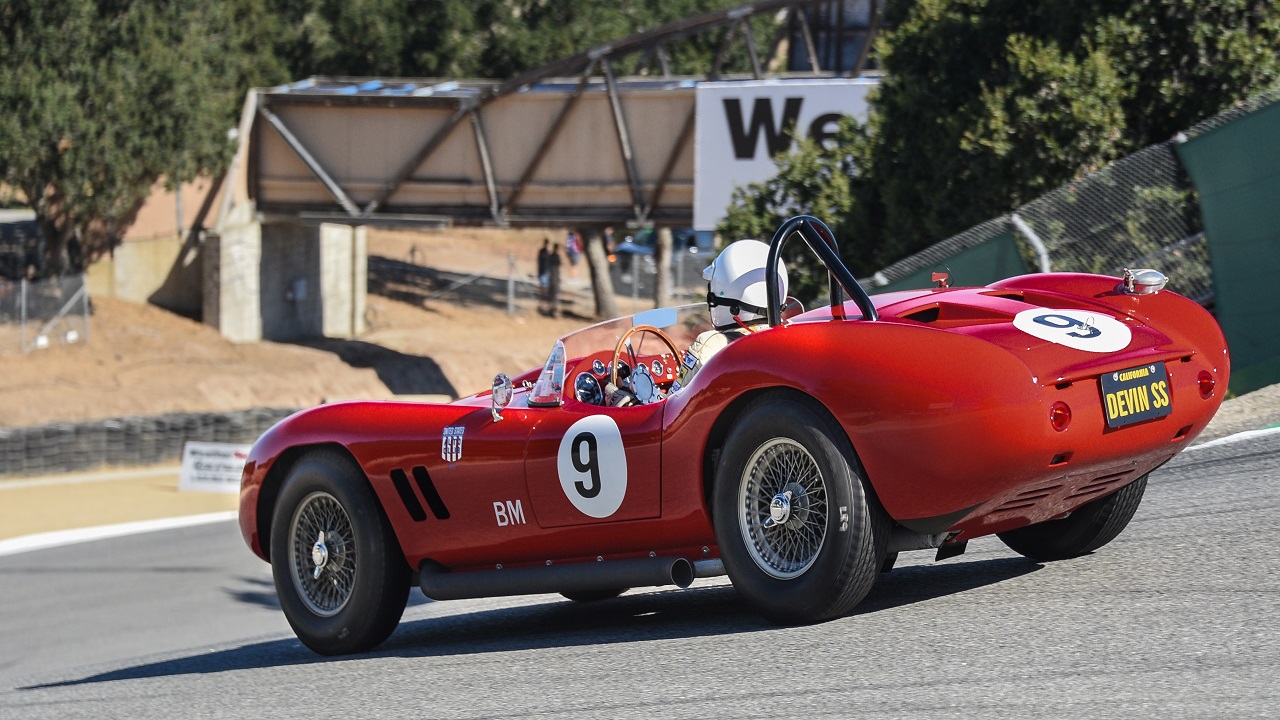
The Devin SS was a lightweight, high-performance sports car that emerged in the postwar era. With its sleek design and powerful engine, it captured the attention of racing enthusiasts. Weighing under 2,000 lbs, the Devin SS boasted impressive 0-60 times in 4.8 seconds and 0-100 mph in 12.9 seconds. Performance seekers found the combination of Chevrolet V-8 engines and nimble handling irresistible.

Griffith Series 200

Griffith Series 200
©Photo Credit: MiramarSpeedCircuit

The Griffith Series 200, a lightweight fiberglass sports car from the 1960s, combined a British-built TVR body with an American Ford V-8 engine to rival the Shelby Cobra.

Developed by New York Ford dealer Jack Griffith, only 192 units were produced, making it a rare and coveted car. It could accelerate from 0 to 60 mph in about 4 seconds and reach a top speed of 150 mph. The Griffith Series 200 remains a notable piece of U.S. automotive history.

Apollo GT

Apollo GT
Editorial credit: Philip Pilosian / Shutterstock.com

The Apollo GT, produced from 1962 to 1964, was an Italian-American sports car designed by Ron Plescia and engineered by Milt Brown. Featuring Italian bodywork and chassis by Intermeccanica, it came in two styles: a two-seater convertible and a fastback.

Powered by an American V8 engine, the Apollo GT offered both stunning looks and solid performance. Its rarity and distinctive design make it a notable, though often forgotten, piece of postwar automotive history.

Panoz Esperante

Panoz Esperante
Editorial credit: woodsnorthphoto / Shutterstock.com

The Panoz Esperante is an American sports car that deserves more recognition. It boasts a 3.7 second 0-60 mph time and a top speed of 172 mph. A descendant of the Panoz Roadster, this car has a limited production history, with only a handful of its GTLM variants made. With its Ford-powered engine and impressive performance, the Panoz Esperante represents a true American gem.

Vector W8

Vector W8
©Photo Credit: Audrain Auto Museum

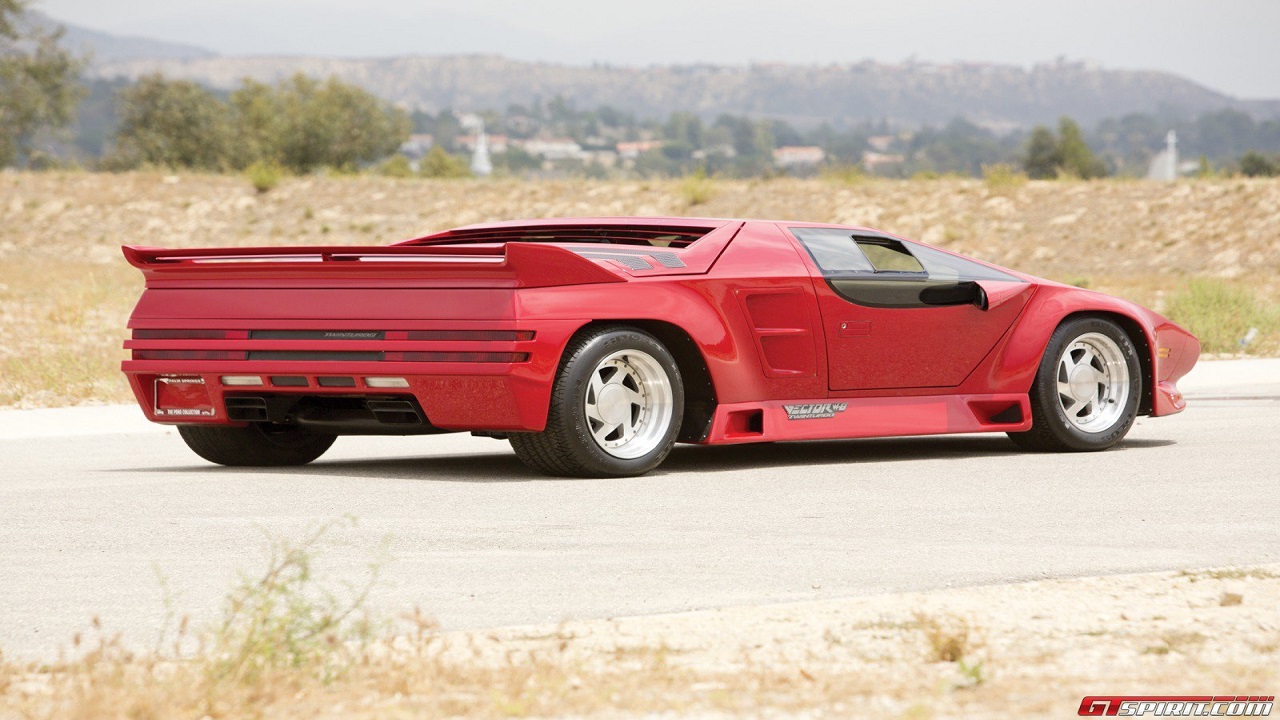
The Vector W8 is a rare American sports car produced between 1989 and 1993 by Vector Aeromotive Corporation. Its unique design and powerful performance made it an iconic but often overlooked gem. Featuring a twin-turbocharged V8 engine and wedge-shaped body, the W8 was ahead of its time. Only 19 units were ever built, making it a coveted collectible among car enthusiasts.

Chaparral Cars

Chaparral Cars
Editorial credit: chrisjj / Shutterstock.com

Chaparral Cars, founded in 1962 by Hap Sharp and Jim Hall, was an innovative American racing team active from 1963 to 1970. Known for groundbreaking designs, they created the Chaparral 2J with a 650-horsepower Chevrolet engine.

Their cars featured cutting-edge technology, such as the 2F racing coupe and the Chaparral 2 with a Powerglide-derived two-speed transmission. Chaparral left a significant mark on postwar American sports car history.

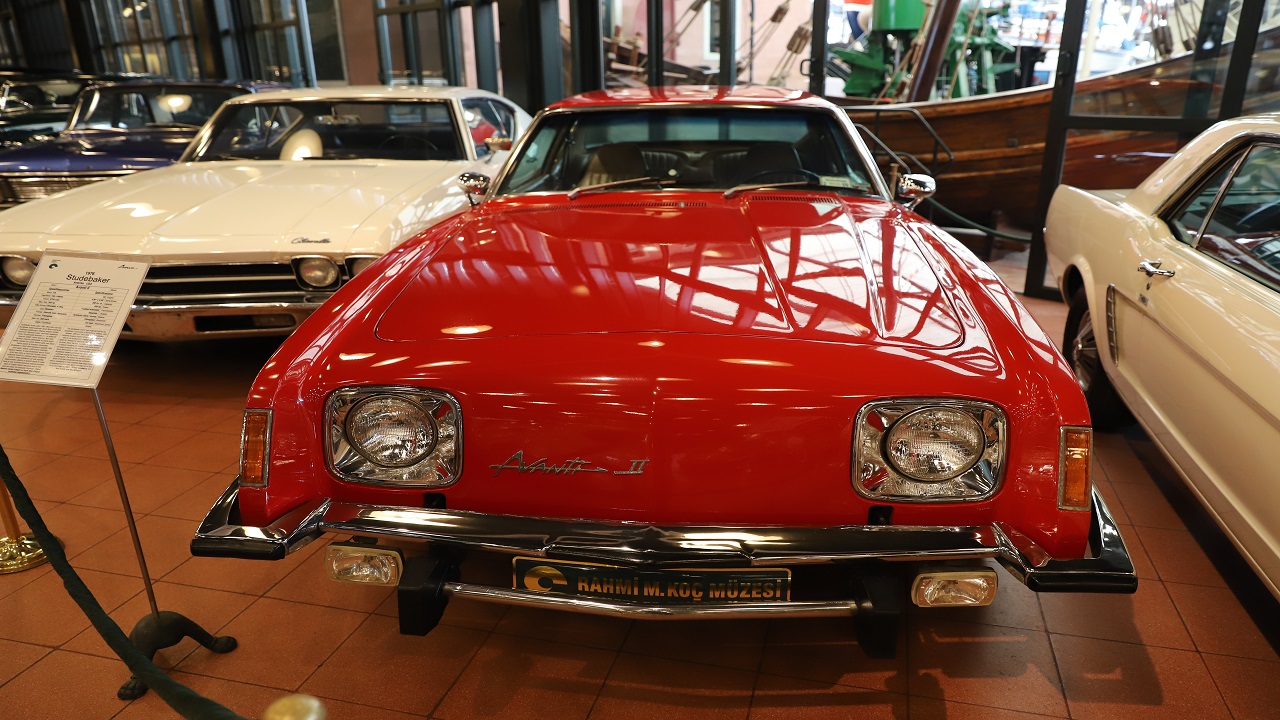
Studebaker Avanti

Studebaker Avanti
Editorial credit: SunflowerMomma / Shutterstock.com

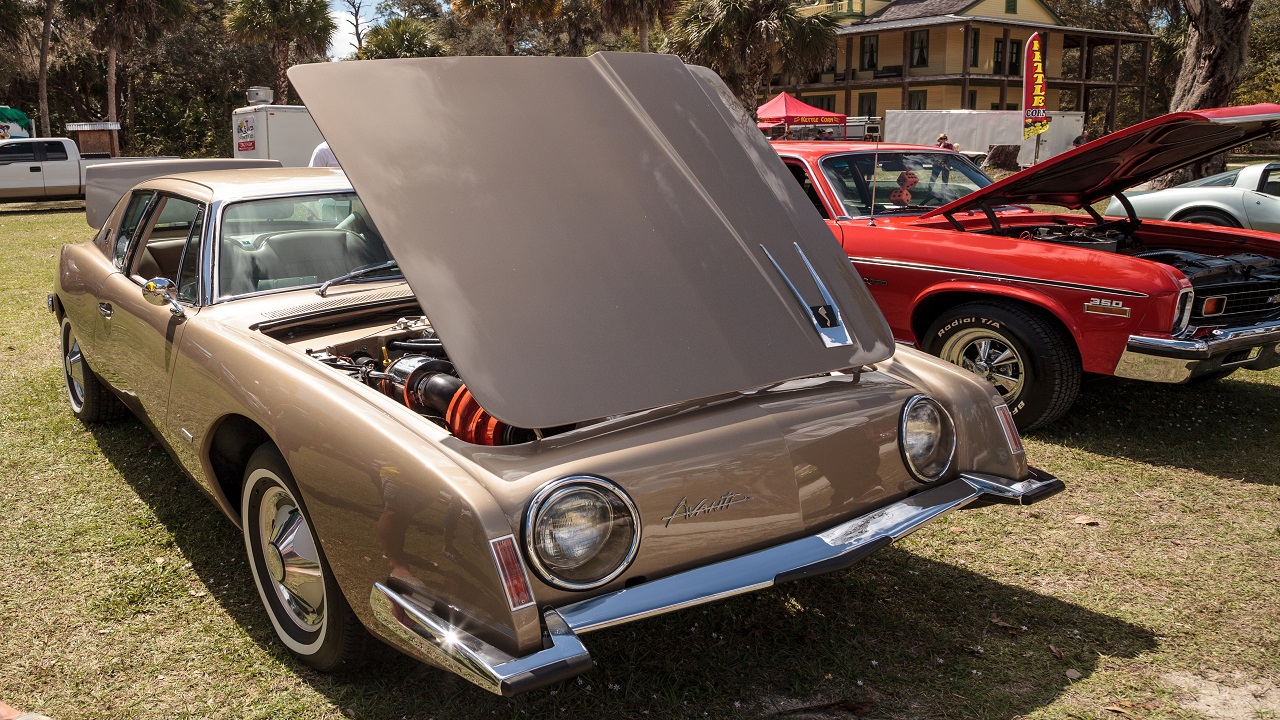
The Studebaker Avanti, a personal luxury coupe designed by Raymond Loewy, was produced from June 1962 to December 1963 to compete with Ford and Chevy. It broke multiple land speed records and featured innovative safety features. Despite production issues and funding problems, it remains a cult classic.

Shelby Cobra

Shelby Cobra
©Photo Credit: MiramarSpeedCircuit

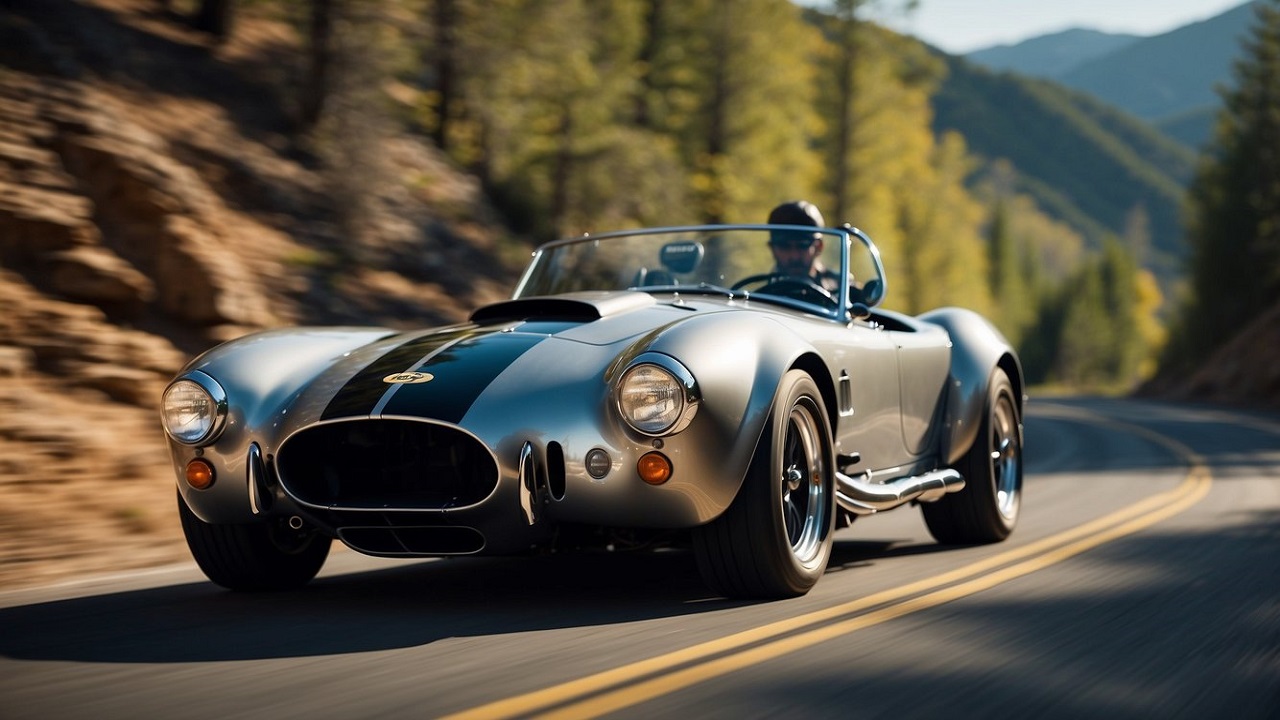
The Shelby Cobra, an American classic, resulted from a collaboration between Carroll Shelby and British automaker AC Cars. It featured a lightweight AC Ace body and powerful Ford V8 engines. This sports car challenged major competitors like the Chevrolet Corvette and the Bill Thomas Cheetah. Today, the Cobra’s legacy continues to inspire enthusiasts and collectors worldwide.

Bricklin SV-1

Bricklin SV1
©Photo Credit: MiramarSpeedCircuit

The Bricklin SV-1, produced from 1974 to 1975, was an American sports car focused on safety and design. Named “Safety Vehicle One,” it featured gull-wing doors and a composite body made of acrylic resin bonded to fiberglass. With only about 2,850 units made, the Bricklin SV-1 remains a unique piece of American automotive history.

Cheetah

Bill Thomas Cheetah
Editorial credit: Little Vignettes Photo/ Shutterstock.com

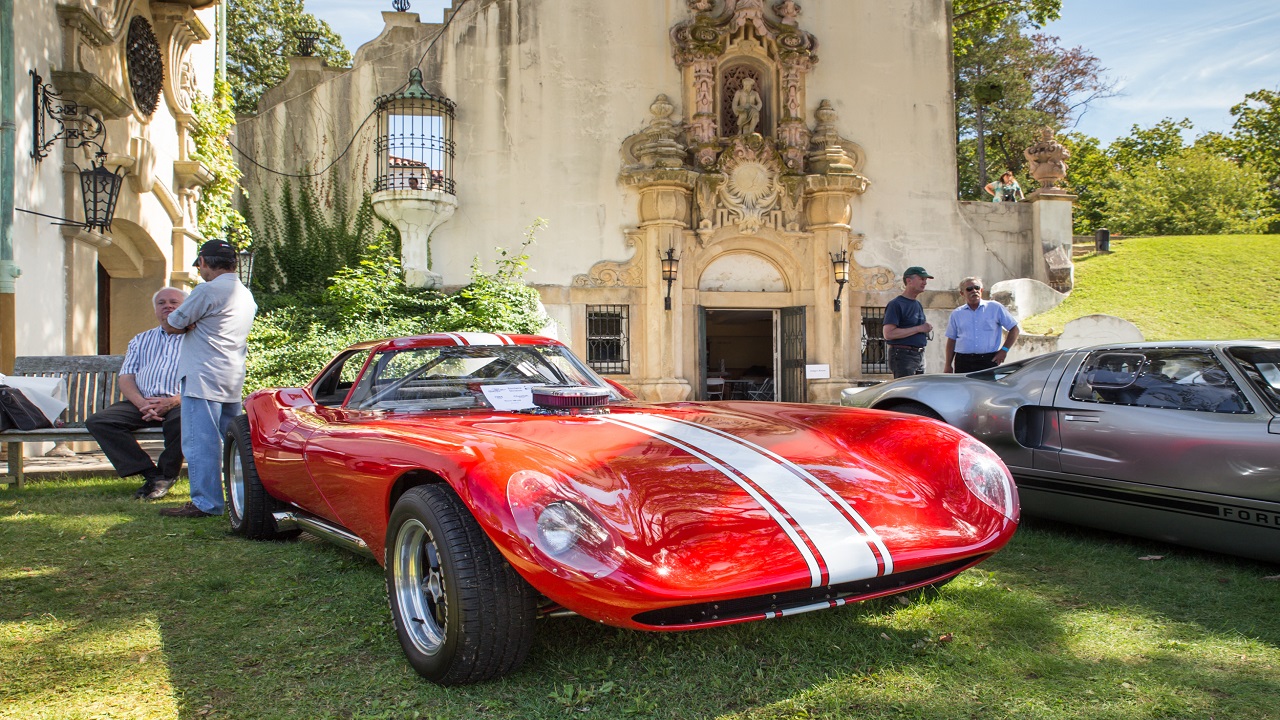
The Cheetah, built from 1963 to 1966, is an American sports car designed by Chevrolet tuner Bill Thomas to compete with the Shelby Cobra. Featuring an aluminum body, chrome-moly tube-frame chassis, and a 90-inch wheelbase, it was a formidable competitor. Today, the Cheetah remains an intriguing and often-overlooked piece of automotive history.

Mosler MT900

Mosler MT900
©Photo Credit: J Q/Wikimedia Commons

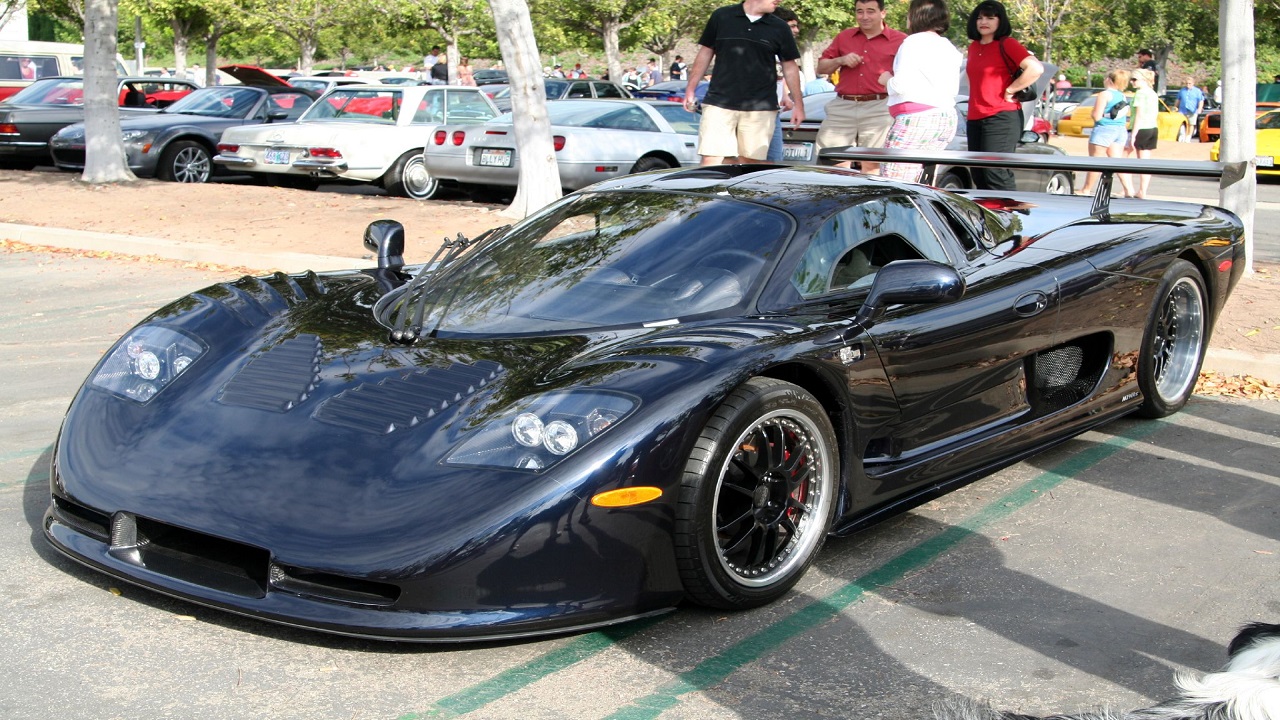
The Mosler MT900 is a high-performance sports car introduced in 2001 by the now-defunct Mosler Automotive. It has three submodels: the MT900R (racing version), the updated MT900S (2005), and the MT900S Photon (performance package).

Saleen S7

Saleen S7
©Photo Credit: DepositPhotos

The Saleen S7 is an American-made high-performance sports car designed by Saleen Automotive Inc. Produced from 2000 to 2009, it remains one of the most underrated modern supercars. Known as a “beast that needed taming”, the S7 was developed for the global racing scene and has earned its place among the sports car legends.

Hennessey Venom GT

Hennessey Venom GT
Editorial credit: Agia/Shutterstock.com

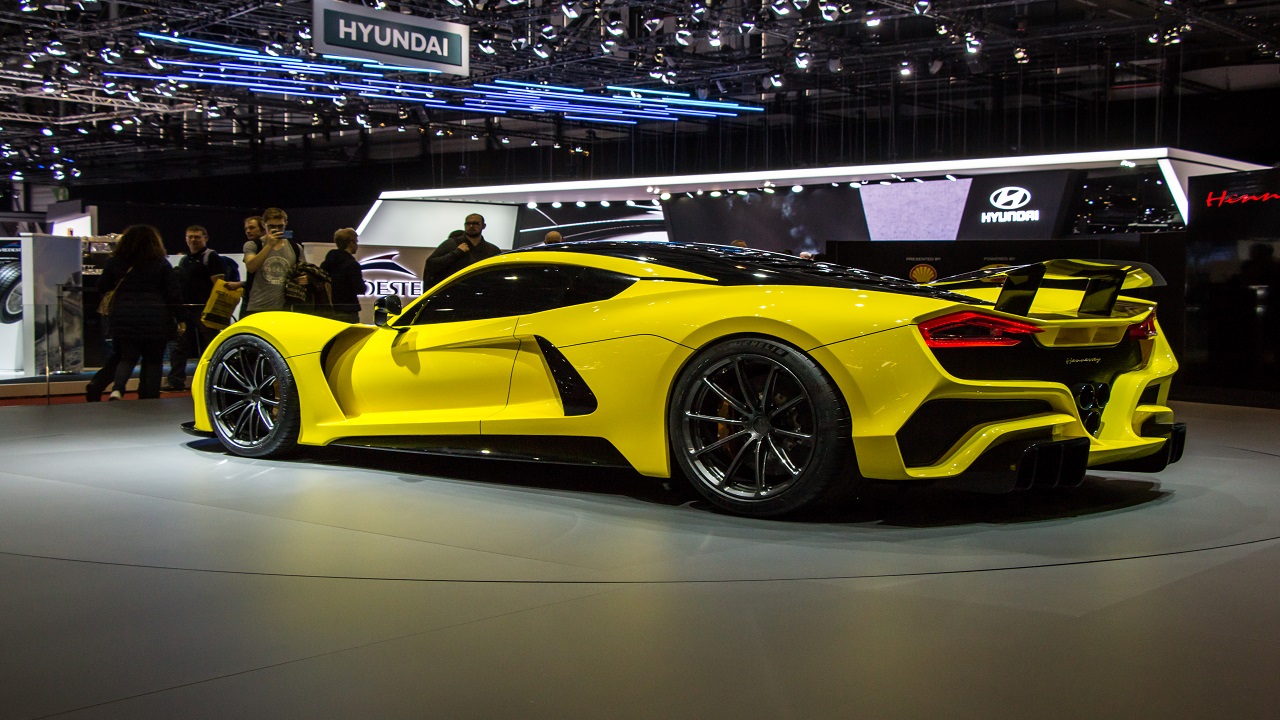
The Hennessey Venom GT is a unique American-made postwar sports car. In 2014, it became the world’s fastest car, reaching speeds over 270 mph. With a powerful 1,817bhp engine, the Venom GT is designed for both speed and style.

SSC Ultimate Aero

SSC Ultimate Aero
©Photo Credit: DepositPhotos

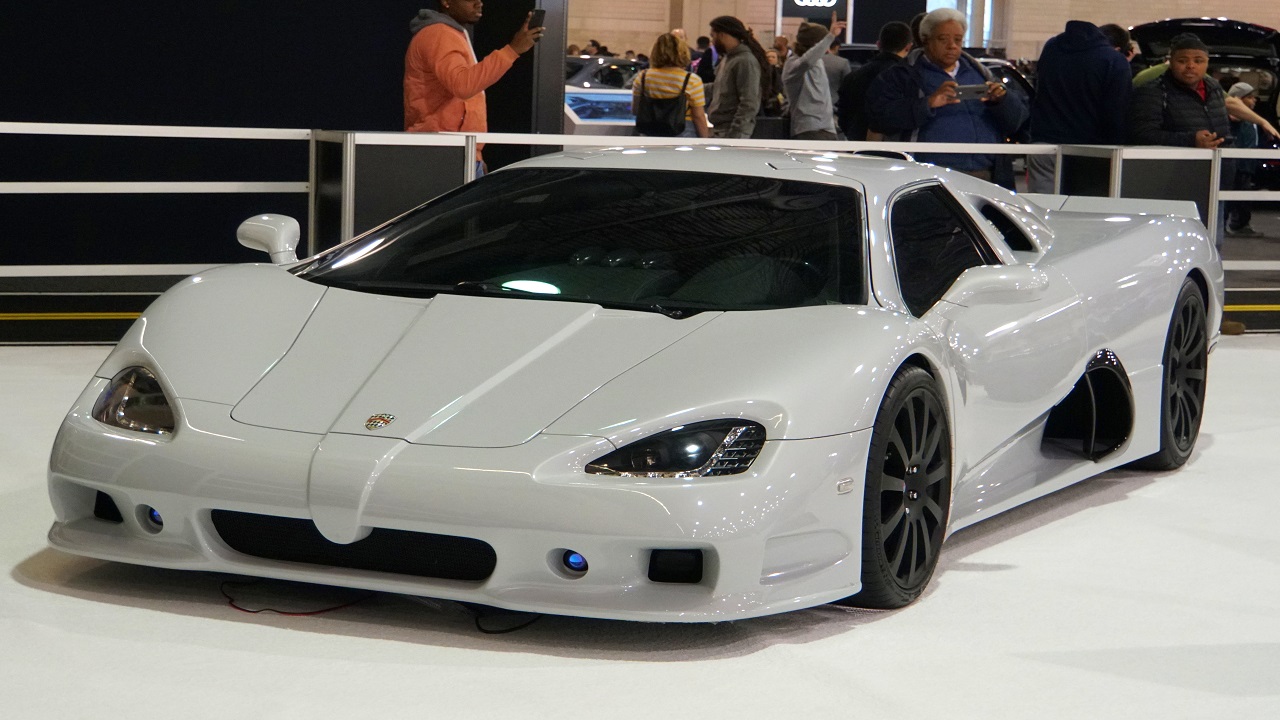
The SSC Ultimate Aero, produced by SSC North America from 2004 to 2013, is a mid-engined sports car that held the world speed record from 2007 to 2010. It features a turbocharged 6.3-liter V8 engine producing 1,183 horsepower.

Fisker Karma

Fisker Karma
©Photo Credit: MiramarSpeedCircuit

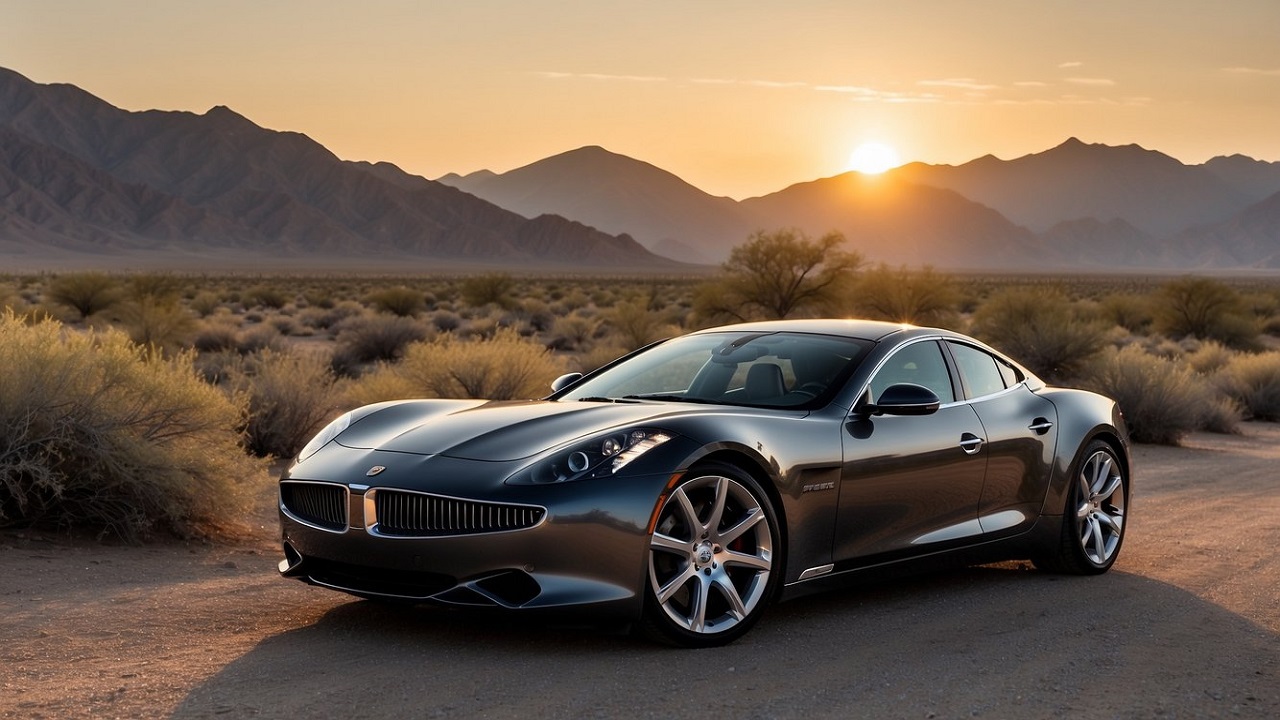
The Fisker Karma is a luxury plug-in hybrid sports sedan produced from 2011 to 2012. Known for its innovative design, it pioneered hybrid luxury vehicles. Measuring nearly 196 inches long and 78 inches wide, it’s slightly smaller than a 2018 Mercedes S-Class but classified as a sub-compact due to interior space.

Zimmer Golden Spirit

Zimmer Golden Spirit
Editorial credit: Philip Pilosian/Shutterstock.com

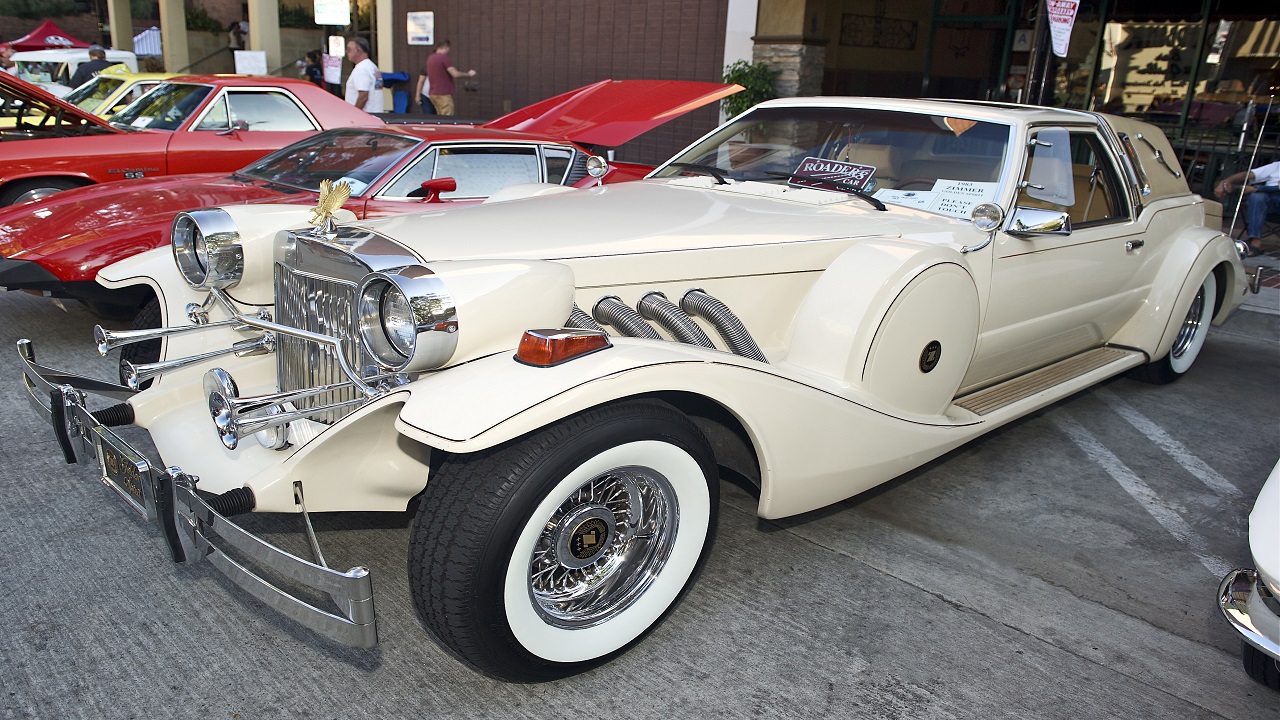
The Zimmer Golden Spirit is an American neoclassical car produced from 1978 to 1988. Designed to resemble 1930’s luxury vehicles, it was built on a Ford Mustang foundation. The Golden Spirit’s interiors came with deluxe features like leather Recaro seats and Nardi steering wheels. Under the hood, the Ford’s fuel-injected 5-liter engine added modern performance to its vintage look.

Spectre R42

Spectre R42
Editorial credit: Vivid Brands/Shutterstock.com

Manufactured by British boutique automobile manufacturer, Spectre Supersports Ltd, the R42 was a remarkable 2-seater, mid-engined, rear-wheel-drive sports car. Powered by a Ford Mustang Cobra’s 4.6L V8, it boasted impressive performance figures such as 350hp, a 0-60mph time of 4.5 seconds, and a top speed of 175mph.

Byers SR100

Byers SR100
©Photo Credit: Hemmings

The Byers SR100, a fiberglass sports car from the 1950s, was designed by Jim Byers. Its striking design led Road & Track editor John Bond to ask, “Is the Byers SR100 the World’s Most Beautiful Sports Car?” Built on various chassis with different engines, it was popular among racers and car enthusiasts. Today, the Byers SR100 is a cherished classic, embodying mid-century American innovation and style.

Scarab Sports Car

Scarab Motorsports MKI
©Photo Credit: MiramarSpeedCircuit

Built by Lance Reventlow, heir to the Woolworth fortune, it was designed to compete with European racing giants. During its heyday from 1958 to 1963, the front-engine Scarabs achieved impressive results in races, including 39 overall wins and 32 podium finishes. Featuring an aluminum body and powerful engine, the Scarab redefined racing excellence.

Victress S1A

Victress S1A
©Photo Credit: MiramarSpeedCircuit

Designed in the early 1950s, it features a fiberglass body and often used early Ford mechanicals. With a wheelbase between 99 and 102 inches, the Victress S1A is a sleek, nimble vehicle that represented America’s growing enthusiasm for sports cars. Notably, the 1954 “Motor Trend” Victress S1A connects with influential figures like George Barris and Wally Parks. Fast and stylish, the Victress S1A perfectly exemplifies America’s postwar sports car era.

La Dawri Conquest

La Dawri Conquest
©Photo Credit: Hemmings

The La Dawri Conquest was a postwar American sports car designed by Les Dawes. It was known for its stylish fiberglass body and lightweight construction. Dawes’ company, LaDawri Coachcraft, produced Conquest bodies for various chassis and engine configurations. One example is the Olds Rocket V8-powered Conquest, which used a Henry J chassis at a 100-inch wheelbase.

Fiberfab Jamaican

Fiberfab Jamaican
©Photo Credit: Silodrome

The Fiberfab Jamaican is a rare American sports car built in the late 1960s. Its sleek design features a lightweight fiberglass body on a tubular steel chassis. Its design was influenced by coachbuilt Italian sports cars of the era, making it a unique American automotive gem. Notably, only 250-300 of the Jamaican II variant were produced, adding to its rarity and appeal.

Kellison J-4

Kellison J-4
©Photo Credit: Kellison Classic Cars

The Kellison J-4 was a sleek and powerful sports car from the 1950s. Its fiberglass body and race-inspired design made it stand out from other vehicles of the era. The J-4 was designed by Jim Kellison, a USAF veteran and hot rod builder, and was a direct competitor to the Corvette. The car was not only stylish but also engineered for strength and performance.

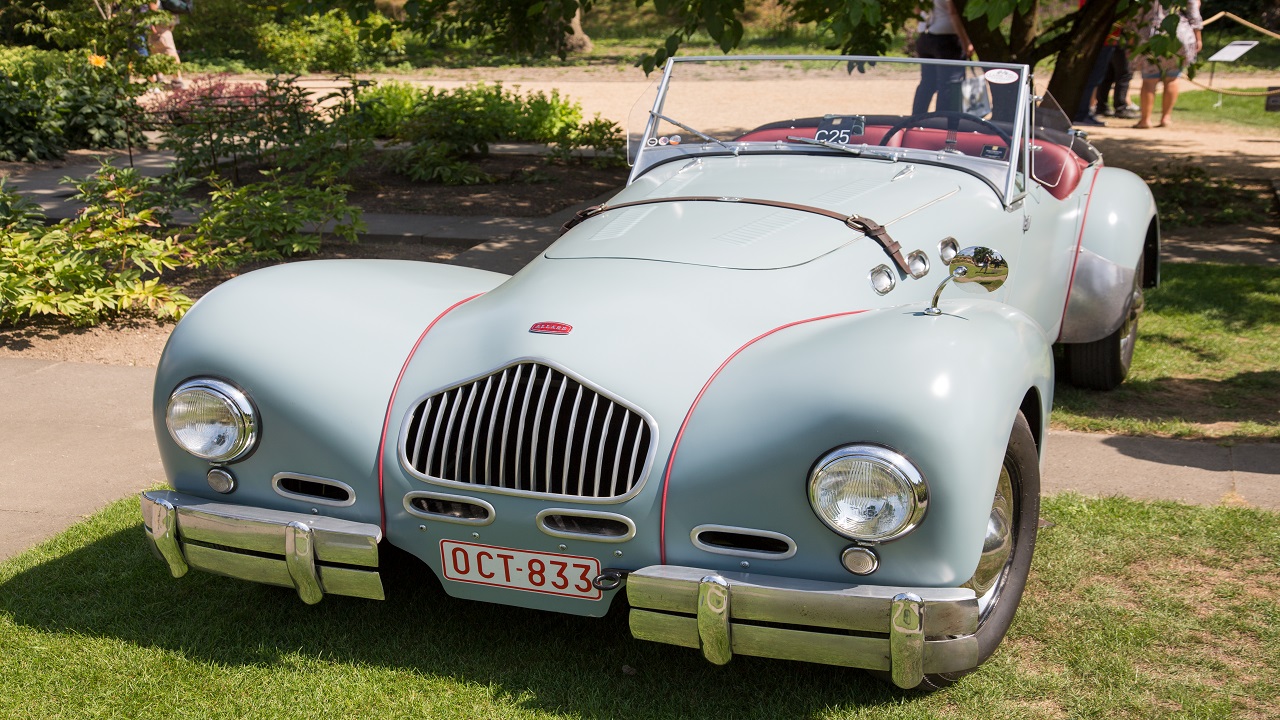
Allard K2

Allard K2
Editorial credit: Fortgens Photography/Shutterstock.com

The Allard K2 was a unique sports car produced between 1950 and 1952. It married American V-8 engines with lightweight English chassis and became a pioneer in postwar sports roadsters. This car boasted impressive performance on both roads and tracks. With its distinctive styling, the K2 remains an exclusive automobile for collectors.

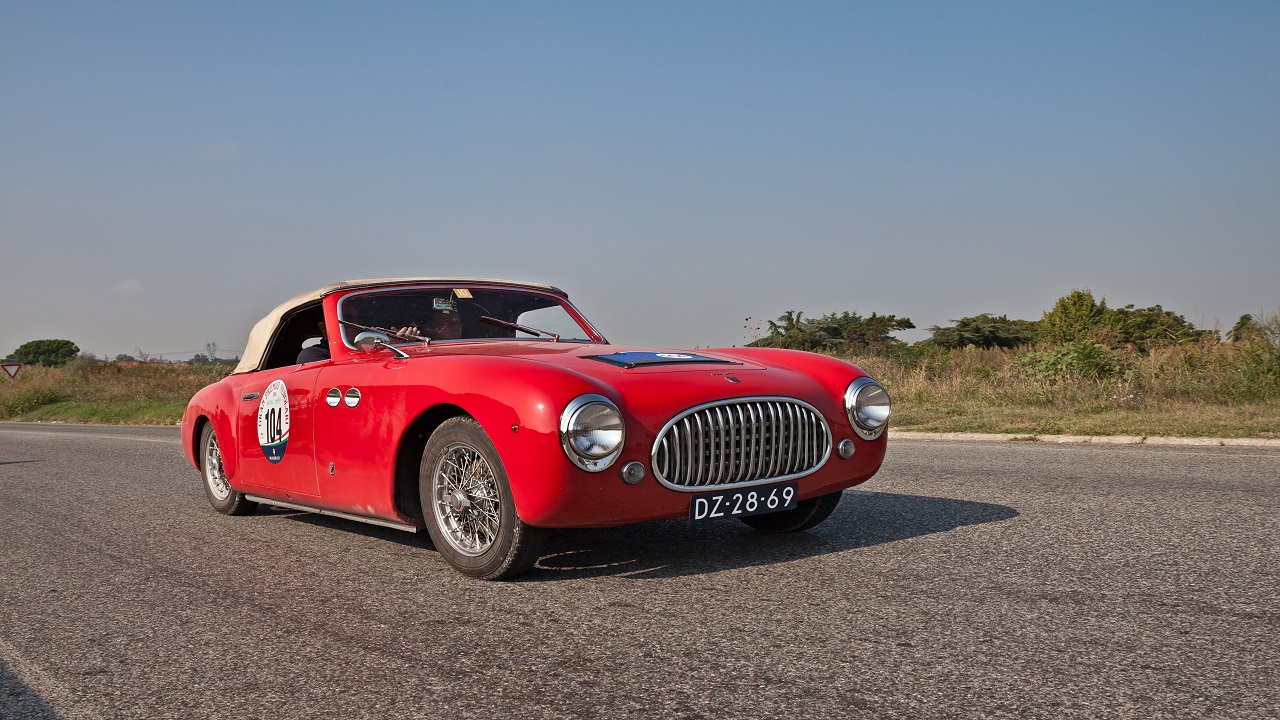
Cisitalia 202

Cisitalia 202
©Photo Credit: DepositPhotos

With a sleek, unified body, it became an influential part of the Italian automotive design movement. Featuring a 1.1-liter engine that produced up to 70 horsepower, the 202 offered impressive performance. Its design even earned it a place in the New York MoMA for fifty years.

Devaux Coupe

Devaux Coupe
Editorial credit: Annalucia/Shutterstock.com

Devaux produced only 52 of their 6-75 Sports Coupe models, with only seven of those being in the Sports Coupe configuration. Featuring an L-head six engine, the Devaux Coupe boasted unusual features for a modestly priced car in its era. The car’s production began in Grand Rapids, Michigan, in 1931 but unfortunately, by 1932, the DeVaux-Hall company faced financial difficulties and ceased operation.

Fibersport Meteor

Fibersport Meteor
©Photo Credit: Undiscovered Classics

The Fibersport Meteor was a unique American postwar sports car, created by John Mays and John Burmaster. These craftsmen from Bloomington, Illinois, designed a fiberglass-bodied sports car in 1953. Their creation showcased fiberglass technology, a popular material for car enthusiasts then. The Meteor’s sleek design and smooth curves earned it a place among America’s forgotten sports cars.

Sorrell SR-100

Sorrell SR-100
Editorial credit: GEORGE STAMATIS /Shutterstock.com

Designed by Bob Sorrell, the Sorrell SR-100 debuted in November 1953 at the Petersen Motorama in Los Angeles. Initially made from aluminum, it later switched to fiberglass for production. Its eye-catching bodywork won much admiration at the event.

With a sleek, racing-oriented style, the SR-100 was mounted on a Kurtis 500KK chassis, leading to the production of fiberglass versions for customers.

Stanford Vanguard Roadster

Stanford Vanguard Roadster
©Photo Credit: National Motor Museum

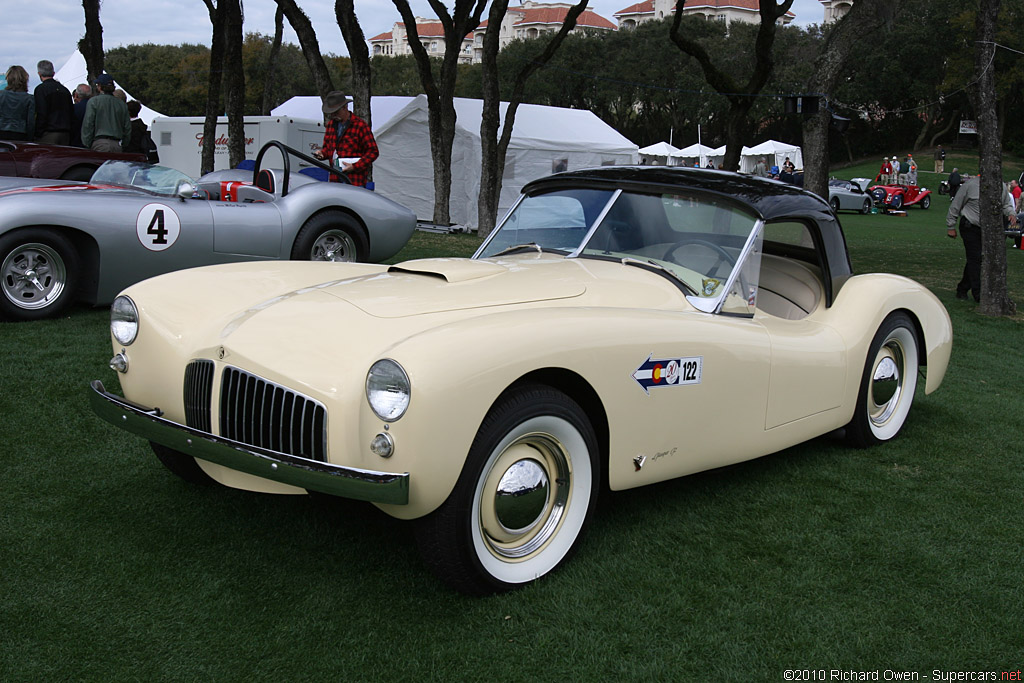
The Stanford Vanguard Roadster is a rare postwar sports car, boasting a sleek design and performance-oriented features. It winked at car enthusiasts in the late 1940s, a perfect reemergence of passion and invention after wartime.

Sabra Sport

Sabra Sport
Editorial credit: Traveller70 /Shutterstock.com

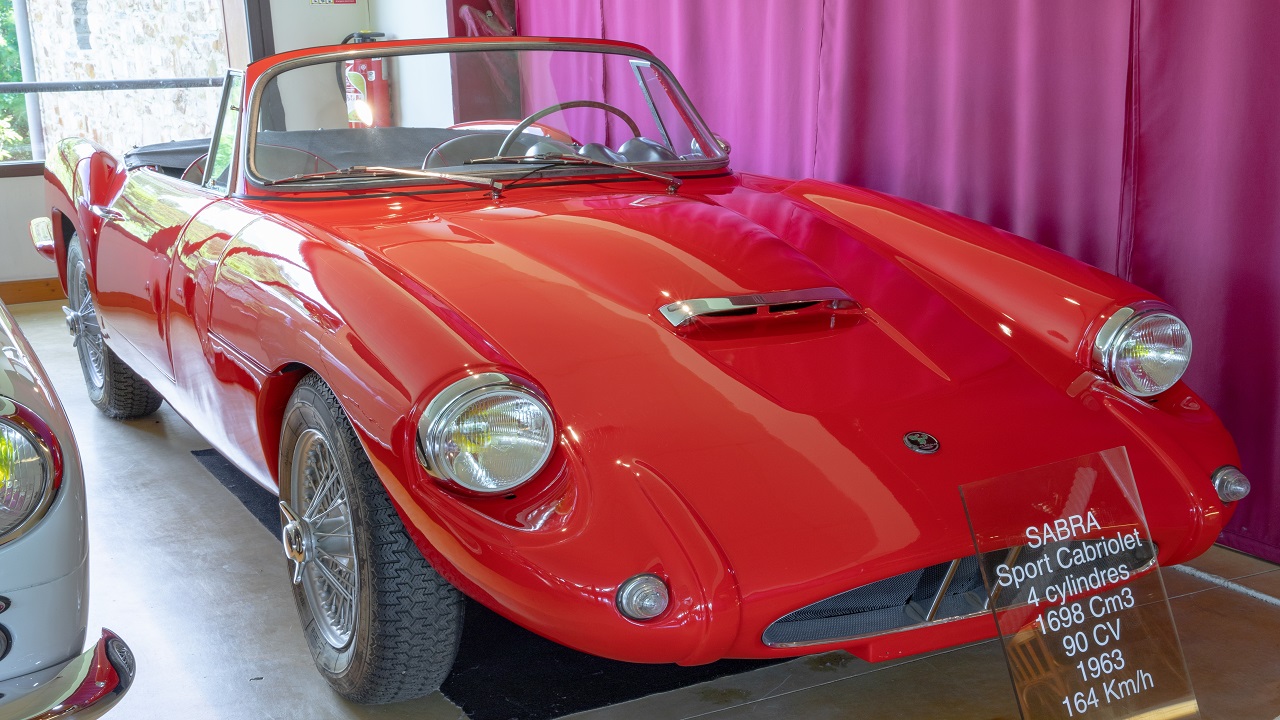
The Sabra Sport was a unique sports car hailing from Israel in the 1960s. Featuring a sleek design, it came in two models: roadster and the rarer hardtop GT. In 1963, with the help of the Alexander Tuning kit, the horsepower increased to 90. Production ran from 1961-1968, with a total of 379 Sabra Sports built. Today, the Sabra Sport is cherished by collectors and remembered as a fascinating piece of automotive history.

Sabre Six

Reliant Sabre Six Coupé
©Photo Credit: Bonhams Cars

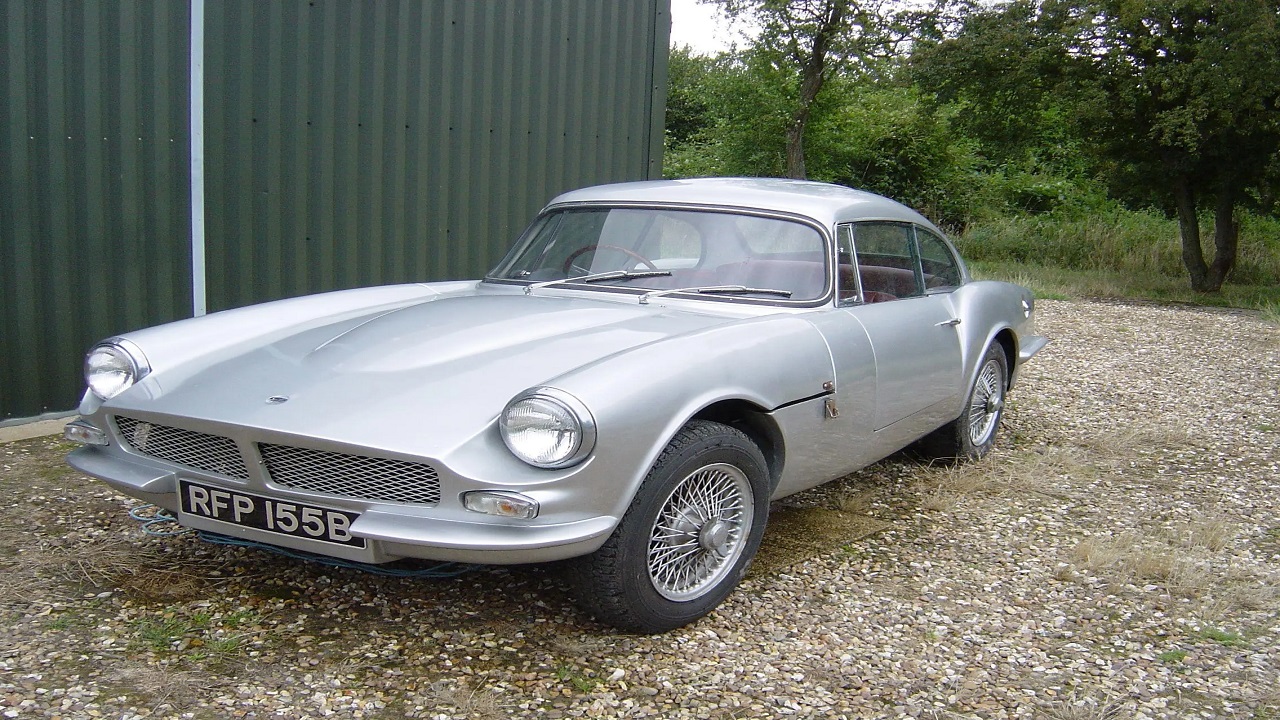
The Sabre Six was a unique postwar sports car by Reliant. With a bold, innovative design, it stood out among its contemporaries. Its friendly demeanor and performance earned it a special place in automotive history.

Shay Model A Roadster

Shay Model A Roadster
©Photo Credit: DepositPhotos

Produced by Shay Motors Corporation around 1980, this fiberglass-bodied sports car features a rumble seat and a side-mounted spare wheel, giving it a charming vintage appearance. With its beige paint and black soft top, the Shay Model A Roadster manages to capture the essence of the original while offering updated performance and reliability.

TVR Grantura

TVR Cars Lineup
Editorial credit: Vivid Brands /Shutterstock.com

The TVR Grantura is a classic British sports car built between 1958 and 1967. This vehicle marked the beginning of TVR’s production cars and went through five generations – Mark I to Mark IV, including the 1800S.

With roots in Blackpool, England, this lightweight sports car featured front engine, rear-wheel drive (FR) layout. Boasting a fiberglass body, the Grantura offered excellent power-to-weight ratio, especially when its American counterpart, known as the Griffith 200 and 400 models, employed a Ford 289 V8 engine.

Kurtis Sport Car

Kurtis Sport Car
Editorial credit: Philip Pilosian / Shutterstock.com

The Kurtis Sport Car was designed by Frank Kurtis and emerged in 1949. It featured a flathead Ford V8 engine and used Ford brakes, steering, and suspension components. Cunningham The 1948 Kurtis-Omohundro Comet is a notable model. These vehicles are rare and highly sought after by collectors today.

Westfield XI

Westfield XI - Eleven
Editorial credit: Sue Thatcher /Shutterstock.com

Known for its fiberglass body and enjoyable build process, the Westfield XI offers a chance for individuality in the finished result. The car trades modern features for pure connection, resulting in an attention-grabbing sports car.

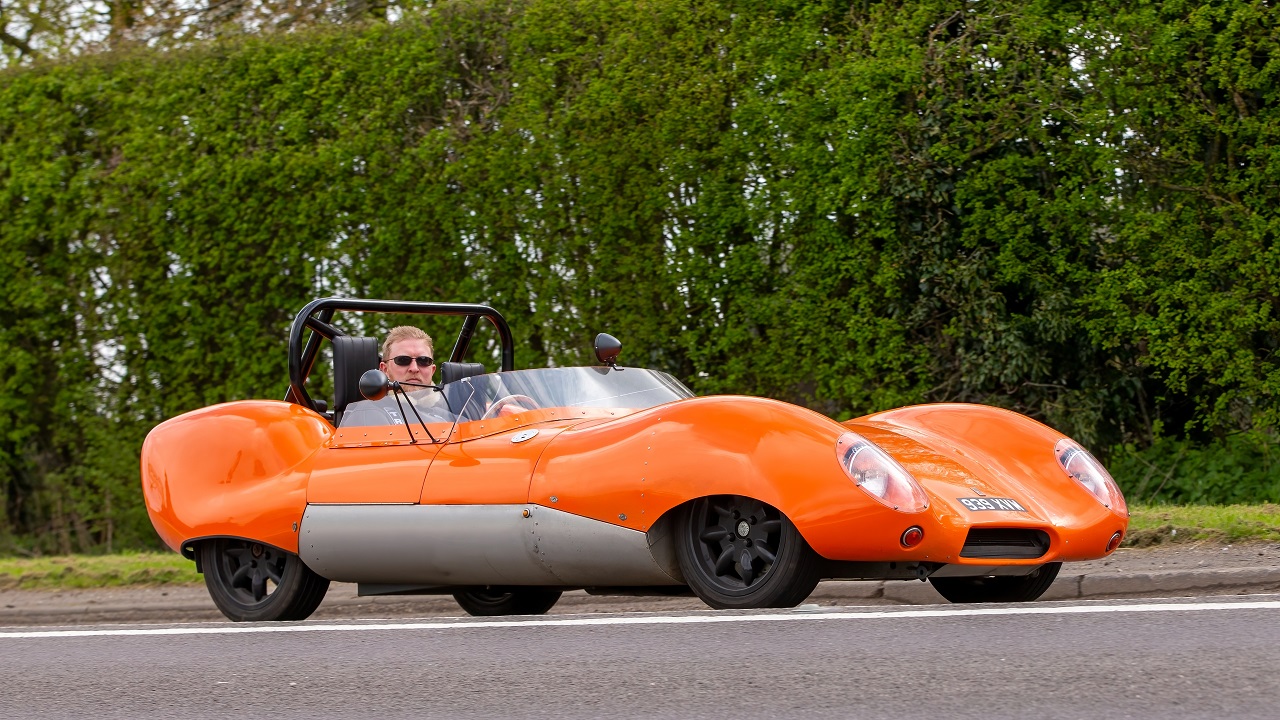
This faithful reproduction of the Lotus Eleven originated in 1982. Today, Westfield Chesil Ltd continues to produce the Westfield XI 2024, an opportunity to build the British sports car of your dreams.

Yankee Clipper

Yankee Clipper
©Photo Credit: MyCarQuest.com

Based on the Glasspar G2 chassis, it featured a sleek design and innovative materials. Its creator, Paul Strassberger, aimed to build a high-quality vehicle using advanced fiberglass techniques. This sports car was a rarity, as production numbers remained low, making it a true hidden gem in automotive history.

Avanti II

Avanti II
Editorial credit: EvrenKalinbacak /Shutterstock.com

The Avanti II was a sports coupe, marketed through various ownership from 1965 to 2006. A successor to Studebaker’s original Avanti, it aimed to combine design and performance in an innovative package. Its unique design and land-speed records attracted attention, but fell short due to production issues.

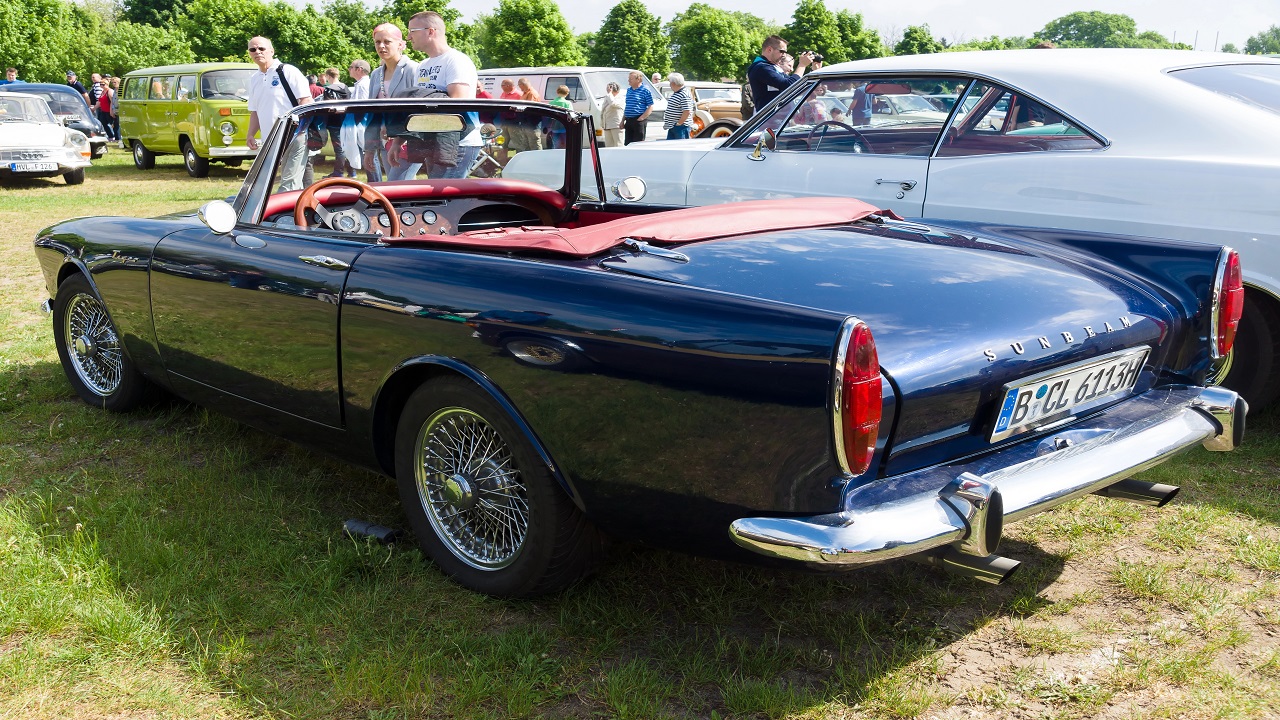
Saber Tiger

Sunbeam Tiger
©Photo Credit: DepositPhotos

The Saber Tiger is one of America’s forgotten postwar sports cars from the late 1940s to early 1950s. This unique vehicle featured a fiberglass body and an eye-catching design. These elements made the car a rare gem in the world of American sports cars. Today, the Saber Tiger remains a remarkable piece of automotive history.

Victress C2

Victress C2 Coupe
©Photo Credit: Mike leicester / Wikimedia Commons

The Victress C2 was an innovative sports car from the mid-1950s. Designed by Merrill Powell, it showcased a sleek fiberglass body and Italian-inspired styling. Notably, the C2’s design was considered ahead of its time. The Victress Manufacturing company produced various sports car models, gaining popularity during the 1950s.

20 Classic Cars That Are The Market’s Best-Kept Secrets

Classic Antique Car
©Photo Credit: DepositPhotos

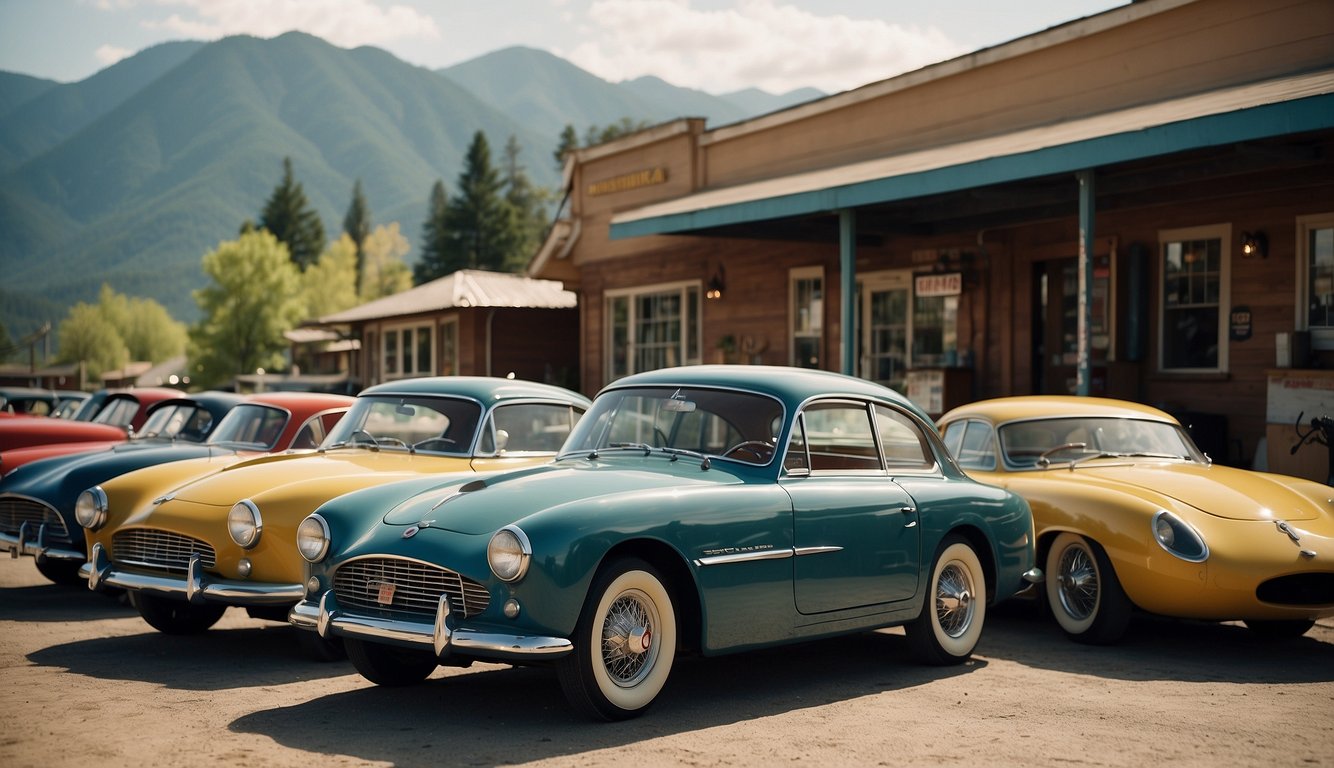
Classic cars are admired for their timeless design, nostalgia, and unique features absent in modern vehicles. Some of the best deals in the second-hand market are American-made cars. You might be surprised by the list of affordable vintage cars you haven’t heard of. If you’re looking to restore a classic car without spending a fortune, these are great options to consider.

READ GUIDE HERE:  20 Classic Cars That Are The Market’s Best-Kept Secrets!

28 Most Iconic Mercedes-Benz Cars Since 1880s

Mercedes-Benz has a rich history and legacy as a luxury automaker, producing some of the world’s most iconic and innovative vehicles. With a focus on design, performance, and technology, the brand has established itself as a leader in the automotive industry.

Over the decades, Mercedes-Benz has introduced various models that capture the essence of elegance and power. This article will explore 28 of the most iconic Mercedes-Benz cars, showcasing their unique features and impact on automobile luxury and performance.

1886 Benz Patent Motorwagen

Benz Patent Motorwagen
©Photo Credit: DepositPhotos

The 1886 Benz Patent Motorwagen is considered the first practical modern automobile. Designed by German inventor Karl Benz, the car had a single-cylinder, water-cooled engine that produced 0.75 horsepower. It was the first car put into production and had a top speed of 10 miles per hour. With its revolutionary design, the Motorwagen laid the groundwork for the future of the automobile industry.

1928-1932 Mercedes-Benz SSK

Mercedes-Benz SSK
©Photo Credit: DepositPhotos

Extremely rare and sought after, the Mercedes-Benz SSK, produced between 1928 and 1932, was an impressive roadster of its time. Designed by Ferdinand Porsche, its goal was to merge sports car agility with luxury sedan opulence.

The abbreviation SSK stands for “Super Sport Kurz,” which translates to “Super Sport Short.” This name represents the car’s development as a short wheelbase variant of the Mercedes-Benz Modell S. With an unmistakable roar, the SSK achieved top speeds of around 120 mph.

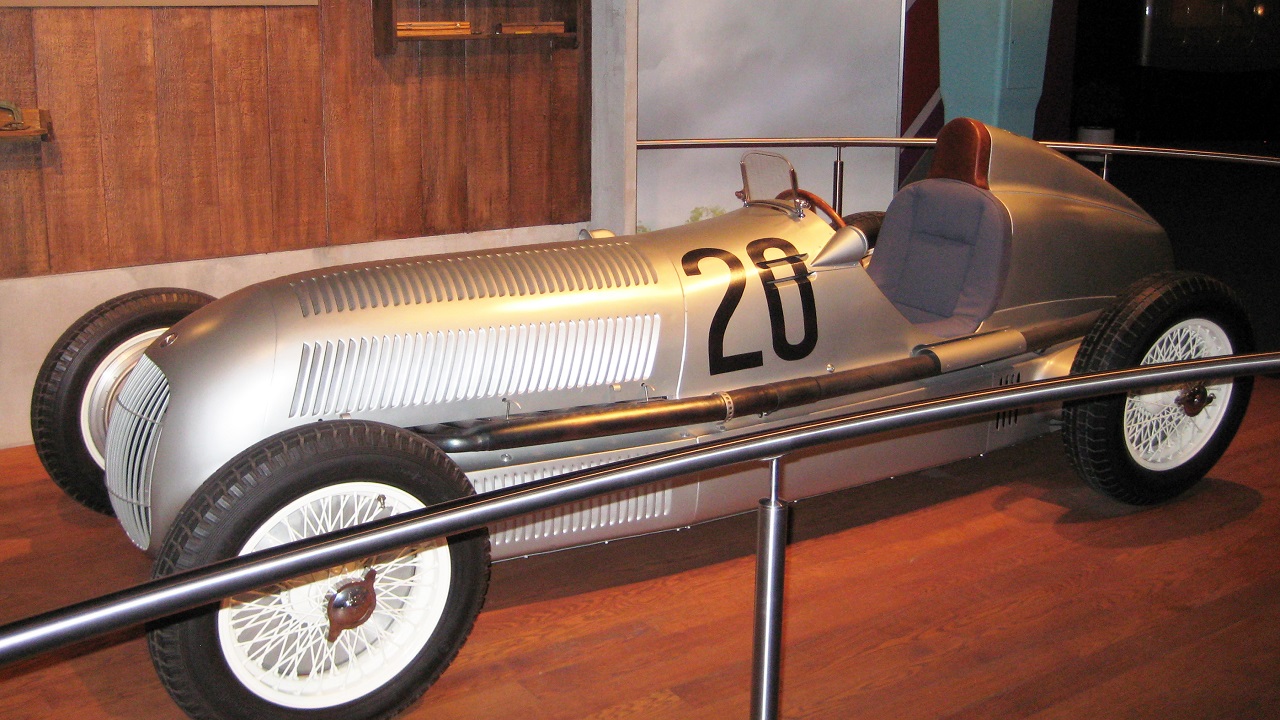
1934 Mercedes-Benz W25

Mercedes-Benz W25 1934
©Photo Credit: Michael Wolf/Wikimedia Commons

The 1934 Mercedes-Benz W25 was a legendary Grand Prix racing car. Designed by Daimler-Benz AG, it dominated the 1934 racing season. This remarkable car laid the foundation for the renowned “Silver Arrow” nickname. Competing until 1937, the W25 garnered 16 victories in major races and secured its place as an iconic Mercedes-Benz vehicle.

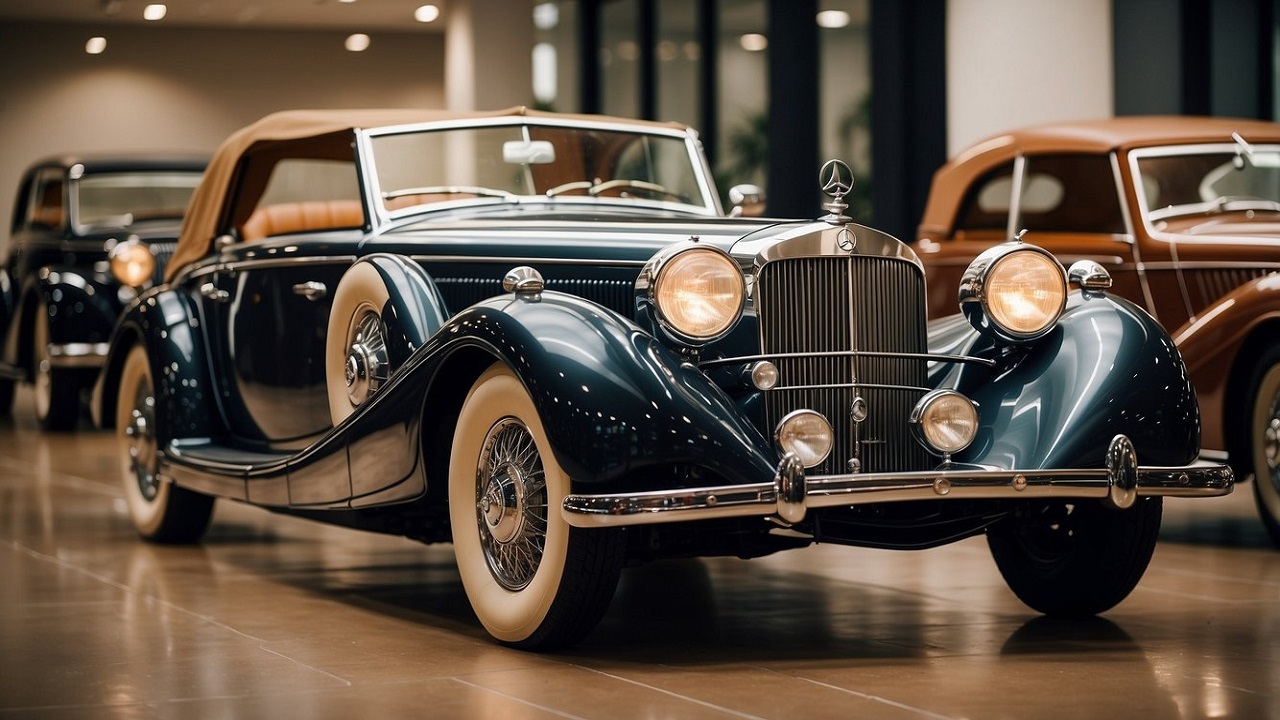
1936 Mercedes-Benz 540K

Mercedes-Benz 540K 1936
©Photo Credit: MiramarSpeedCircuit

Introduced at the 1936 Paris Motor Show, the Mercedes-Benz 540K was a beautiful and iconic car.  Designed by Friedrich Geiger, this luxurious vehicle was a development of the 500K.

The 540K was available in various body styles, such as two-seat and four-seat cabriolets, four-seater coupé, and even a seven-seater limousine. Only around 25 of the 1936 Mercedes-Benz 540K Special Roadsters were produced, making it a rare gem. Its timeless elegance and masterful craftsmanship continue to captivate collectors and enthusiasts today.

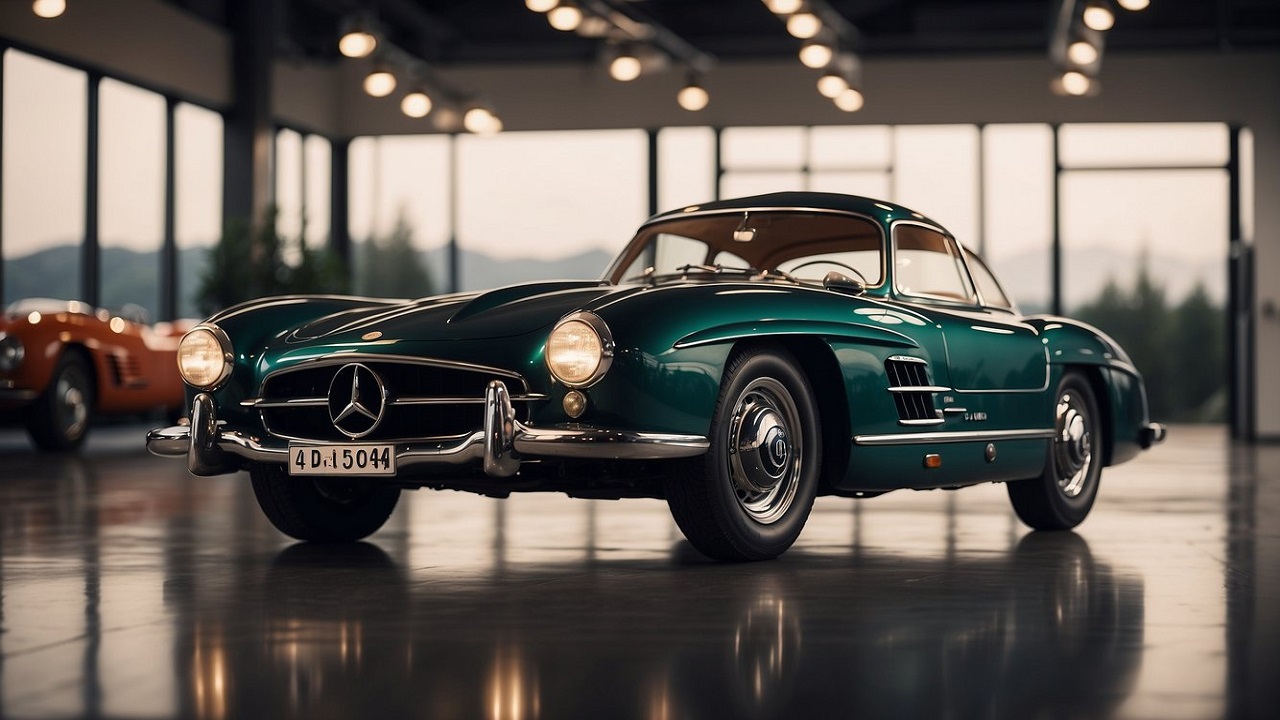
1954 Mercedes-Benz 300 SL Gullwing

Mercedes-Benz 300 SL Gullwing 1954
©Photo Credit: MiramarSpeedCircuit

The 1954 Mercedes-Benz 300 SL Gullwing was a groundbreaking sports car, featuring a gullwinged coupé from 1954 to 1957 and a roadster from 1957 to 1963. Its origins can be traced back to the W194 racing car.

Equipped with mechanical direct fuel injection, this car significantly increased power output. The 300 SL Gullwing captured hearts and minds due to its unique design and extraordinary performance. With just 1,400 units produced, it became an icon in the automotive world. Interestingly, the development of the 300 SL Gullwing was primarily driven by the demands of the US market.

1954-1955 Mercedes-Benz W196

Mercedes-Benz W196 1954-1955
©Photo Credit: DepositPhotos

The W196 Formula One race car, driven by legendary racer Juan Manuel Fangio, won 9 out of 12 races it entered. The W196 boasted unique technological innovations, such as its desmodromic valve system. It had a top speed of over 300 km/h.

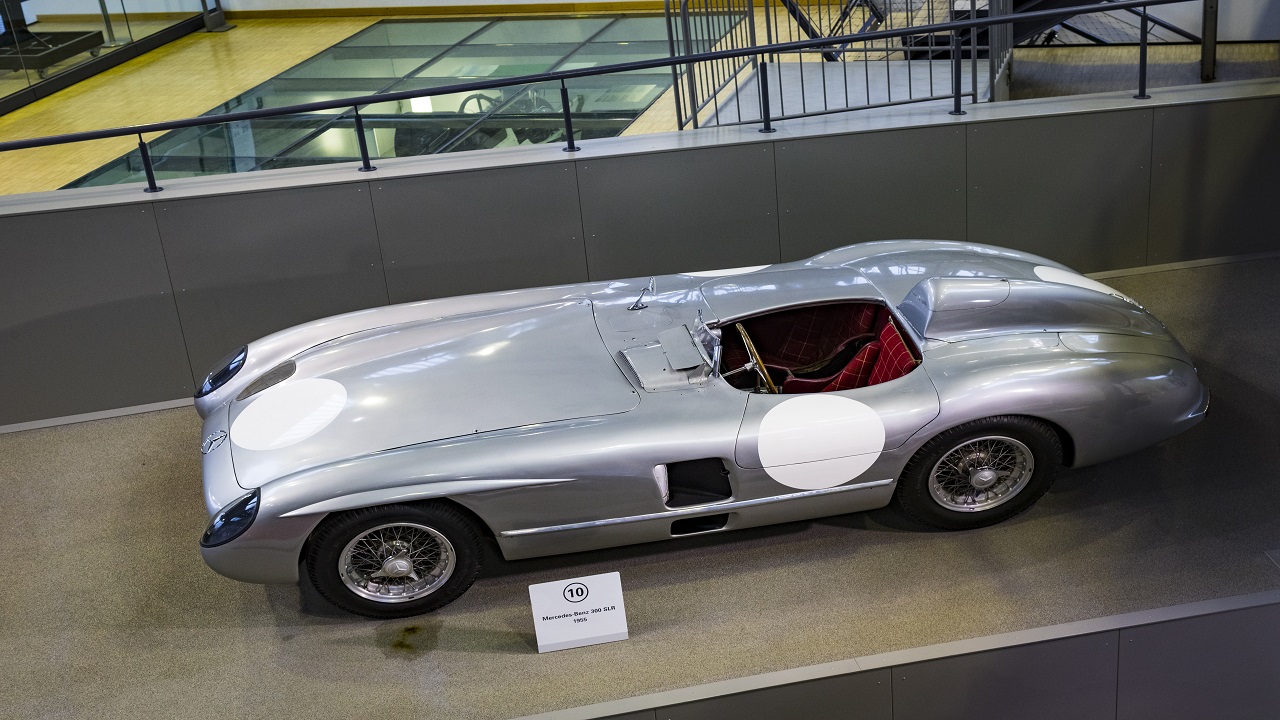
1955 Mercedes-Benz 300 SLR

Mercedes-Benz 300 SLR 1955
©Photo Credit: DepositPhotos

The 1955 Mercedes-Benz 300 SLR is an iconic sports racing car in the Mercedes-Benz lineup. This lightweight, powerful vehicle dominated the 1955 World Sportscar Championship. Its innovative design and performance features helped establish Mercedes-Benz as a world-renowned automaker.

1955-1963 Mercedes-Benz 190 SL

Mercedes-Benz 190 SL 1955-1963
©Photo Credit: MiramarSpeedCircuit

The Mercedes-Benz 190 SL was a luxury roadster produced from 1955 to 1963. Known for its enduring styling, exceptional engineering, and spirited handling, it perfectly blends elegance with sportiness. Featuring a removable hardtop, this model appeals to those seeking an affordable yet iconic classic car. With approximately 25,881 units made, the 190 SL remains a remarkable piece of Mercedes-Benz history.

1959 Mercedes-Benz 220 SE (W111)

Mercedes-Benz 220 SE (W111) 1959
©Photo Credit: MiramarSpeedCircuit

The 1959 Mercedes-Benz 220 SE, a part of the W111 series, showcased a blend of elegance and innovation. A flagship model during the late 1950s, this iconic sedan captivated discerning drivers globally, including royals and celebrities. The car’s timeless design coupled with Mercedes’ commitment to excellence made it truly remarkable in the automotive world.

1963 Mercedes-Benz 600 (W100)

1963 Mercedes-Benz 600 (W100)
©Photo Credit: DepositPhotos

It was produced until 1981, offered in both short and long wheelbase variants. This 600 series gained its reputation for its customization options, and sumptuous interiors fit for world leaders and celebrities alike. At the time, the 600 was known as one of the most expensive automobiles on the market. The car’s opulent design and performance make it a truly iconic model in Mercedes-Benz’s history.

1968 Mercedes-Benz 300 SEL 6.3 (W109)

Mercedes-Benz 300 SEL 6.3 (W109) 1968
©Photo Credit: MiramarSpeedCircuit

The 1968 Mercedes-Benz 300 SEL 6.3 (W109) was an exceptional performance luxury sedan. Powerful yet elegant, it boasted a 6.3-liter V8 engine from the flagship 600 limousine, resulting in an impressive muscle-car like performance.

With 250 horsepower on tap, this sedan could achieve 0-62mph in 6.5 seconds and a top speed of 136mph. It also featured air suspension and automatic transmission, blending comfort and speed effortlessly.

1972 Mercedes-Benz S-Class (W116)

Mercedes-Benz S-Class (W116) 1972
©Photo Credit: OSX / Wikimedia Commons

The 1972 Mercedes-Benz S-Class, known as the W116 model, was a groundbreaking luxury vehicle for its time. Equipped with a powerful eight-cylinder engine, the W116 could accelerate from 0-62mph in just 7.4 seconds. Its diesel engine variant was the first of its kind in luxury saloons. Despite overshadowing by newer models, the W116 remains a true icon in the Mercedes-Benz lineage.

1976-1985 Mercedes-Benz E-Class (W123)

Mercedes-Benz E-Class (W123) 1976-1985
©Photo Credit: MiramarSpeedCircuit

With its over-engineered and highly reliable nature, this generation of E-Class had various body styles, sdans (W123), coupes (C123) and wagons (S123). It also offered a long wheelbase version, the V123 Limousine. The car provided impressive performance, durability, and style, contributing to its iconic status.

1983 Mercedes-Benz 190E (W201)

Mercedes-Benz 190E 1983
©Photo Credit: MiramarSpeedCircuit

The 1983 Mercedes-Benz 190E (W201) marked a significant milestone for the brand. It featured a comfortable interior and impressive handling. A standout variant of the 190E is the 2.3-16 performance model. Using a Cosworth-tuned engine, this sporty version quickly became an icon amongst Mercedes-Benz enthusiasts.

1990 Mercedes-Benz 500E (W124)

Mercedes-Benz 500E (W124) 1990
©Photo Credit: MiramarSpeedCircuit

Introduced in 1990, the Mercedes-Benz 500E quickly became an iconic vehicle. Featuring a V8 engine and discreetly muscular design, it was a top-of-the-line model in the series. Significantly, Porsche was involved in its production, making it a sought-after, young classic. This masterpiece boasted enhanced components and a genuinely unique driving experience.

1991 Mercedes-Benz 600SEL (W140)

Mercedes-Benz 600SEL (W140) 1991
©Photo Credit: MiramarSpeedCircuit

Its striking exterior design houses an opulent, spacious interior, making it an epitome of luxury. The long wheelbase variant features a 6.0L V12 engine, generating 390hp for smooth, powerful driving experience.

Boasting impressive dimensions, the 600SEL’s lavish rear seating area creates an ambiance of a mobile living room. The W140 S-Class was presented in 1991 and remained in production until 1998, selling over 400,000 units. A true testament to Mercedes-Benz’s dedication to quality and luxury.

1995 Mercedes-Benz SLK (R170)

Mercedes-Benz SLK (R170) 1995
©Photo Credit: MiramarSpeedCircuit

Introduced in April 1996, this luxury roadster became popular for its innovative folding vario-roof. This unique feature allowed it to switch between a coupe and a convertible effortlessly.

Mercedes-Benz designed the R170 by using a shortened variant of the W202 C-Class platform. It offered a range of engines, from naturally aspirated to supercharged inline-fours, producing between 136 and 190 hp. Mercedes-Benz continued to manufacture more than 300,000 units of the first-generation SLK before replacing it with the R171 SLK in 2004.

1960 Mercedes-Benz 220SE Cabriolet (W128)

1960 Mercedes-Benz 220SE Cabriolet (W128)
©Photo Credit: Wikimedia Commons

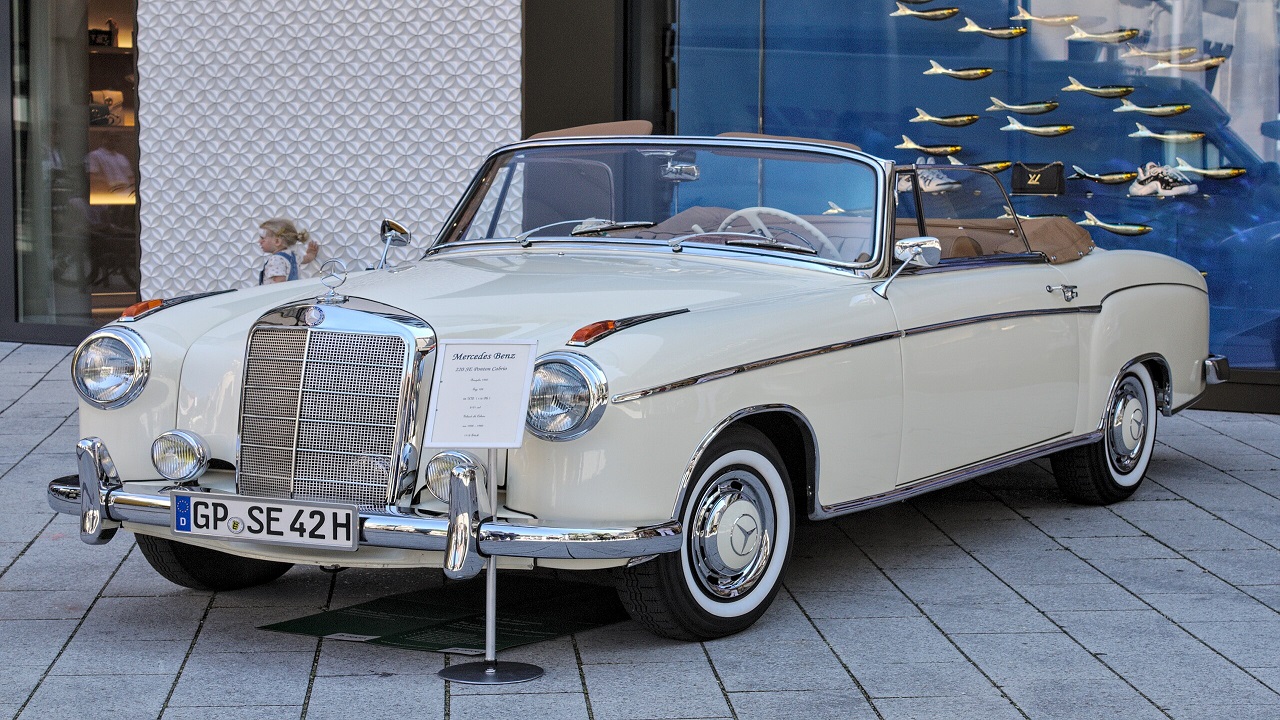
The 1960 Mercedes-Benz 220SE Cabriolet (W128) is an iconic luxury convertible car. It features a 2.2L inline-six engine with a mechanical fuel injection, producing 137 bhp power. The 220SE Cabriolet is known for its combination of elegance and performance.

1967 Mercedes-Benz 250SL “Pagoda” (W113)

Mercedes-Benz 250SL Pagoda (W113) 1967
©Photo Credit: MiramarSpeedCircuit

A classic from the 1960s, well-preserved examples of the 280 SL with its distinctive “Pagoda” hardtop have become increasingly valuable. With a brief one-year production, only 5,196 units were made, giving it collectible appeal. This elegant Pagoda features an eye-catching design by Paul Bracq and a standout California Coupé 2+2 body style. Boasting both comfort and speed, the 250SL is a true icon in Mercedes-Benz history.

1969-1970s Mercedes-Benz C111

1969-1970s Mercedes-Benz C111
©Photo Credit: Forza Forums

The Mercedes-Benz C111 was an experimental car from the ’60s and ’70s. Its eye-catching orange-metallic paint, called weissherbst, made it unique. This vehicle showcased advanced technologies like, wankel engines, diesel engines, turbochargers and multi-link rear suspension. The C111 was both an engineering marvel and a design breakthrough for the era.

1971 Mercedes-Benz 280SE 3.5 Coupe (W111)

Mercedes-Benz 280SE 3.5 Coupe (W111) 1971
©Photo Credit: The SLSHOP

The 1971 Mercedes-Benz 280SE 3.5 Coupe (W111) was a stylish and powerful car. It featured a 3.5-liter V8 engine and a sleek design. This vehicle was one of the ultimate versions in the W111 range.

1979-present: Mercedes-Benz G-Class (G-Wagen)

1979 Mercedes-Benz G-Class (G-Wagen)
©Photo Credit: MiramarSpeedCircuit

The Mercedes-Benz G-Class, also known as the G-Wagen, first appeared in 1979. Initially designed as a military off-roader, it later evolved into a luxurious four-wheel drive vehicle. The G-Wagen’s iconic design and off-road capabilities have made it a popular choice for both celebrities and off-road enthusiasts.

1989 Mercedes-Benz 560SEC (C126)

Mercedes-Benz 560SEC (C126) 1989
©Photo Credit: MiramarSpeedCircuit

It features a 5.6L V8 engine, delivering excellent performance and comfort. Classic Cars states that the 560SEC was a highly desired model during its production from 1986 to 1991. This sleek car boasts plush Palomino leather interiors and modern amenities like automatic climate control and cruise control.

1989-2001 Mercedes-Benz SL (R129)

Mercedes-Benz SL (R129) 1989-2001
©Photo Credit: MiramarSpeedCircuit

Replacing the previous R107, it offered significant upgrades in design and technology. Features like the electro-hydraulic convertible roof and detachable hardtop made it stand out. This model came with various engine options, starting with a 3.0L inline-6 to a powerful 6.0L V12. The AMG versions became official for the first time, adding performance and sportiness to the luxury line.

1996 Mercedes-Benz E-Class (W210)

Mercedes-Benz E-Class (W210) 1996
©Photo Credit: Rudolf Stricker / Wikimedia Commons

The W210 E-Class introduced a sleeker body style and a refreshed, distinctive look for Mercedes-Benz. These iconic cars are now highly sought after by collectors, as they marked a turning point in Mercedes-Benz design and engineering. In fact, the E-Class W210 is regarded as one of Mercedes-Benz’s most memorable vehicles of the 1990s!

1997-1998 Mercedes-Benz CLK GTR

1997 Mercedes-Benz CLK GTR
©Photo Credit: DepositPhotos

It was developed in a record-breaking 128 days and was intended for racing in the FIA GT Championship series. Inspired by the C 208 series CLK Coupé, the CLK GTR was the first production racing car from Mercedes-Benz with a mid-engine. Loyal fans were in for a treat when the limited, street-legal version called the AMG CLK GTR Strassenversion was released, with only 25 units in existence. This rare beauty continues to captivate enthusiasts and collectors alike.

1997-2004 Mercedes-Benz A-Class (W168)

Mercedes-Benz A-Class (W168) 1997-2004
©Photo Credit: Reedhawk/Wikimedia Commons

Introduced in 1997, these subcompact cars featured front-wheel drive, a short wheelbase, and a tall body. Despite the compact size, W168 models were equipped with an impressive level of standard equipment, such as power steering, central locking, and electric windows.

The A-class offered a unique “sandwich floor” design, improving crash safety. Overall, the W168’s distinctive design and features contributed to its iconic status in the Mercedes-Benz lineup.

2004-2010 Mercedes-Benz CLS-Class (W219)

Mercedes-Benz CLS-Class (W219) 2004-2010
©Photo Credit: MiramarSpeedCircuit

Launched in 2004, it combined luxury, comfort, and performance, making it an attractive option for car enthusiasts. Built on the E-Class platform, the CLS-Class seats four passengers, offering a unique blend of elegance and sportiness. One of the most reliable used Mercedes-Benz models, the W219 is still a popular choice today.

Closing Thoughts

Mercedes-Benz Iconic Models
©Photo Credit: MiramarSpeedCircuit

In its remarkable journey, Mercedes-Benz has created an undeniable legacy of success. These iconic cars have had a significant historical impact, shaping the automotive industry with their legendary designs and advancements.

The Legacy Continues: Mercedes-Benz continues to thrive, offering new and innovative vehicles to uphold its standing as a pioneering luxury brand. By cherishing its past, the future for Mercedes-Benz remains bright and full of potential.

20 Iconic Cars Boasting the Most Devoted CULT Followings

Citroën 2CV
©Photo Credit: MiramarSpeedCircuit

Cars reflect our identity and beliefs. Some have a devoted fan base and are considered cult classics. We’re showcasing 20 of these cars and the reasons for their enthusiastic followings.

READ GUIDE:  Top 20 Iconic Cars Boasting the Most Devoted CULT Followings!

45 Cars Hated for their Poor Interior Designs

Car enthusiasts often have strong opinions about vehicle performance, exterior design, and interiors. Over the years, many cars have had interiors that left drivers and passengers feeling uncomfortable or bothered. This article examines 45 cars known for their poor interior designs.

Some vehicles had awkwardly placed controls or bad ergonomics, making driving frustrating. Others used cheap materials and uninspiring designs, leaving owners dissatisfied. We have compiled this list to showcase some of the most notoriously poorly designed car interiors.

Case Studies: Notorious Models

A cluttered, cramped car interior
©Photo Credit: MiramarSpeedCircuit

The Chevrolet Lumina, a discontinued model, faced criticism for its dull interior design. Another infamous example is the Dodge Journey, which received complaints regarding its cramped and outdated cabin. The Yugo was also poorly received due to both its design and build quality. These vehicles remind us of the importance of ergonomics and aesthetics in interior design for successful car models.

Dodge Journey: A Missed Opportunity

Dodge Journey
©Photo Credit: MiramarSpeedCircuit

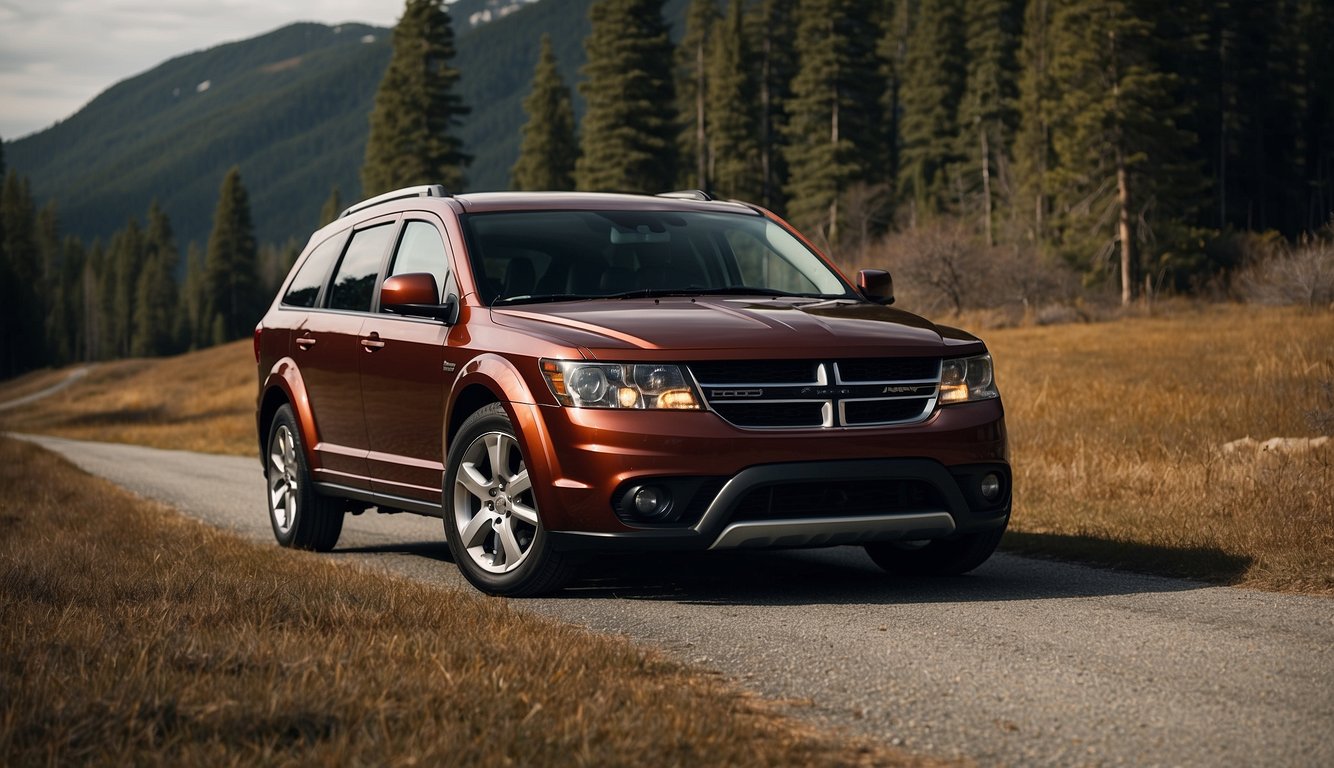
The Dodge Journey, especially the 2009 model, is criticized for its poor interior. Issues include low-quality materials and small cargo space. The 2020 model lacks smartphone integration and has a cramped third row. While affordable, the Dodge Journey fails to deliver a comfortable and functional interior.

The Yugo Saga: What Went Wrong?

Car Yugo GV
©Photo Credit: MiramarSpeedCircuit

The Yugo, often called the worst car in history, briefly attracted American buyers in the mid-1980s with its low price. Inside, it featured poor-quality fabric upholstery and carpeting that disappointed discerning customers.

Its subpar layout further contributed to its negative reputation. Competing with more refined options, the Yugo’s interior ultimately sealed its fate. It now serves as a cautionary tale in the automotive industry.

Chevrolet Lumina: Design Pitfalls

Chevrolet Lumina's cramped and outdated interior
©Photo Credit: MiramarSpeedCircuit

The Chevrolet Lumina was introduced as a modern replacement for the Celebrity, but its interior design left many disappointed. The Lumina’s interior borrowed outdated elements, failing to resonate with customers. While functionality was adequate, the Lumina’s design simply wasn’t appealing compared to competitors.

Dodge Caliber’s Reception

Dodge Caliber Lineup
©Photo Credit: MiramarSpeedCircuit

The Dodge Caliber has faced criticism for its interior design such as, limited comfort, poor materials quality and subpar radio reception. Nonetheless, Caliber enthusiasts appreciate the car’s other features and performance.

RelatedWhat are Dodge Caliber Problems and Common Complaints!

Chevrolet Cavalier (Early 2000s)

A Chevrolet Cavalier
©Photo Credit: MiramarSpeedCircuit

The early 2000s Chevrolet Cavalier often received criticism for its subpar interior design. Common complaints include the use of cheap materials, unappealing design, and lack of comfort. Despite its affordability, the Cavalier’s interior left many drivers unsatisfied.

Chrysler PT Cruiser

Chrysler PT Cruiser
©Photo Credit: MiramarSpeedCircuit

Despite its retro-styled exterior, the PT Cruiser disappointed buyers with its cheap plastics and dated fabric patterns inside. Critics felt its ergonomics and practicality were sacrificed for nostalgia. While it gained a fanbase for its exterior styling and versatility, its interior is a notable example of poor design.

Smart ForTwo (1st Generation)

The Smart ForTwo (First Generation)
©Photo Credit: MiramarSpeedCircuit

The first generation of Smart ForTwo, launched in 1998, had a some notable interior design flaws. Despite its compact size, the interior was uncomfortable and cramped. Additionally, the plastic materials used lacked quality, while the layout was unappealing. Overall, this model’s interior couldn’t win many fans.

Fiat 500L

Fiat 500L
©Photo Credit: MiramarSpeedCircuit

The Fiat 500L, launched in 2013, is often criticized for its interior. Despite its tall greenhouse and large glass areas meant to reduce claustrophobia, the cluttered dashboard with numerous buttons and knobs detracts from its appearance. Some also question the cabin’s quality.

RelatedWorst Fiat 500 Years to Avoid and Common Reliability Problems!

Saturn Ion and its Interior Shortfalls

Saturn Ion's cramped and cheap interior
©Photo Credit: MiramarSpeedCircuit

The Saturn Ion, produced from 2003 to 2007, is infamous for its poor interior. It featured cramped space, cheap materials, and basic tech. Reports also noted disappointing performance and poor heating in cold weather. These issues contributed to its bad reputation and poor sales.

Jeep Compass/Patriot (Before 2017 Redesign)

cluttered and outdated interior of a Jeep Compass/Patriot
©Photo Credit: MiramarSpeedCircuit

The pre-2017 Jeep Compass and Patriot faced criticism for their lackluster interiors. Featuring cheap materials and uncomfortable seating, users found them disappointing. MotorTrend reported that redesign in 2017 brought improvements, giving the Compass a more refined, upscale feel.

RelatedThe Best Year for Jeep Compass and Most Reliable Models!

Pontiac Aztek

Pontiac Aztek's cluttered and unappealing interior
©Photo Credit: MiramarSpeedCircuit

The Pontiac Aztek is often criticized for its poor interior design. It featured cheap plastics and a confusing layout. However, its ugliness has become endearing for some, and it has gained a cult following in recent years.

Lincoln Blackwood

Lincoln Blackwood (2002)
©Photo Credit: MiramarSpeedCircuit

The Lincoln Blackwood was a luxury pickup truck that had a short-lived existence in 2002. One common criticism was its interior design. This truck had a 5.4-liter V-8 engine and was based on the Ford F-150 SuperCrew and Lincoln Navigator. However, it failed to impress customers with its peculiar design elements.

Ford EcoSport

Ford EcoSport
©Photo Credit: MiramarSpeedCircuit

Some owners of the compact SUV EcoSport find its build quality lacking, citing rattling noises, loose panels, and durability concerns. Potential buyers should consider these issues. However, many still enjoy its comfort, making it a mixed bag for interior design.

Chrysler’s Missed Opportunities

Chrysler Interior
©Photo Credit: MiramarSpeedCircuit

Chrysler has faced a few problems related to poor interior design in their cars. as some models were disliked for their cheap materials and overall lackluster design. This led to Chrysler suffering a decline in their reputation.

Toyota Echo (2000-2005)

Toyota Echo 2000
©Photo Credit: MiramarSpeedCircuit

Introduced in 2000, it was often criticized for its poor interior design. The Echo’s cabin featured cheap materials and a distinct lack of refinement. Its main drawbacks included a center-mounted instrument cluster and sparse equipment. Despite its budget-friendly price, the Echo’s interior design left many drivers feeling underwhelmed.

Chevrolet Aveo (2004-2011)

Chevrolet Aveo
©Photo Credit: DepositPhotos

Produced between 2004 and 2011, the Aveo had its share of drawbacks. One issue was the lack of storage compartments, often leaving drivers and passengers with limited space for their belongings. Additionally, the instrument panel and dashboard materials appeared low-quality and unrefined.

Ford Mustang (2005-2009)

Ford Mustang
©Photo Credit: MiramarSpeedCircuit

The 2005-2009 Ford Mustang’s interior design left some room for improvement. A common issue was an unresponsive center console, causing frustration for drivers. Additionally, some encountered a squeaky clutch pedal, which could be quite annoying.

Dodge Nitro (2007-2012)

Dodge Nitro (2007-2012)
©Photo Credit: MiramarSpeedCircuit

The Dodge Nitro, produced from 2007 to 2012, is known for its poor interior. It features retro instrumentation and low-quality plastics. Despite decent off-road capabilities, the cabin is underwhelming. The basic layout and subpar materials make it a poor choice for those who value interior design.

Jeep Wrangler (JK before 2011 refresh)

Jeep Wrangler 2010
©Photo Credit: MiramarSpeedCircuit

The cabin was cramped and cluttered, featuring low-quality materials and ergonomic shortcomings. These issues were ultimately addressed in the later refreshed version. Considering its off-roading capabilities, the interior flaws were minor but noticeable.

Chevrolet Spark (Early Generations)

Cluttered and cramped interior of a Chevrolet Spark
©Photo Credit: MiramarSpeedCircuit

The Chevrolet Spark’s early generations faced criticism for their interior designs. Their cabins featured hard plastics, faux aluminum, and subpar fabrics. The cargo space was limited, with awkward folding seats. These shortcomings led many to dislike early Spark models for their cumbersome interiors.

Nissan Versa (1st Generation)

Nissan Versa (First Generation)
©Photo Credit: MiramarSpeedCircuit

The first generation Nissan Versa faced criticism for its interior design. Despite being fairly roomy on the inside, there were several drawbacks. Thin materials were used for seats and doors, which felt cheap. The cabin was also quite noisy.

Chrysler Sebring (2007-2010)

A Chrysler Sebring interior
©Photo Credit: MiramarSpeedCircuit

One issue was the placement of some minor controls, leading to inconvenience for the driver. While the car provided good support with its front seats, the rear was considered tight for three adults. However, it did have a smooth ride and a large trunk for storage.

Suzuki SX4 (2007-2013)

Suzuki SX4 (2007-2013)
©Photo Credit: MiramarSpeedCircuit

The Suzuki SX4, a subcompact crossover produced between 2006 and 2014, offers affordability and utility. However, its interior quality leaves much to be desired. Owners often complained about hard plastics, an outdated dashboard design, and lackluster materials.

Mitsubishi Mirage (2014-present)

Mitsubishi Mirage Interior
©Photo Credit: MiramarSpeedCircuit

The Mitsubishi Mirage’s interior has been criticized for using cheap materials, a basic and dated design, minimal features, uncomfortable seats, poor noise insulation, and a lackluster infotainment system in earlier models.

Subaru Tribeca (2006-2014)

Subaru Tribeca
©Photo Credit: DepositPhotos

The Subaru Tribeca, produced from 2006 to 2014, faced criticism for its interior design. Drivers experienced poor comfort due to the lack of a tilt-and-telescoping steering wheel and limited seat adjustability. Despite being a mid-size SUV, it didn’t quite meet families’ expectations in terms of design and functionality.

Lincoln Town Car (2003-2011)

Car Lincoln Town Car
©Photo Credit: MiramarSpeedCircuit

The Lincoln Town Car from 2003 to 2011 had a few interior design flaws that garnered criticism. One significant issue was the poor radio reception, which was addressed in a technical service bulletin. The car’s overall styling remained mostly unchanged for years, which made it feel somewhat outdated.

Cadillac Escalade EXT (2002-2013)

Cadillac Escalade EXT (2002-2013)
©Photo Credit: MiramarSpeedCircuit

The Cadillac Escalade EXT, with production from 2002 to 2013, had faced several criticisms for its interior design. Its ungainly appearance was often mentioned by Car and Driver. The comfort and functionality, however, were noteworthy in the model.

Chrysler Sebring (2007-2010)

Chrysler Sebring (2007-2010)
©Photo Credit: MiramarSpeedCircuit

The Chrysler Sebring (2007-2010) had significant interior issues. The cabin materials felt tacky, and the layout was impractical with limited storage. The infotainment system was outdated and hard to use, and owners often complained about uncomfortable seating positions.

Hyundai Accent (2000-2005)

Hyundai Accent
©Photo Credit: Unlimphotos

The Hyundai Accent from 2000 to 2005 is known for subpar interior design. The car does manage to still appear relatively stylish, however, the overall build is below standard. The inferior finish and use of low-quality materials made it one of the most criticized cars for interior design.

Kia Rio (1st and 2nd Gen)

Kia Rio (First Generations)
©Photo Credit: MiramarSpeedCircuit

Complaints included the use of low-quality materials and an unattractive layout. In the second generation (2007-2008), the Rio’s interior improved but still lagged behind its competitors. The materials, though better, lacked refinement, and ergonomic aspects needed enhancements. This resulted in an unimpressive user experience.

Chevrolet Cobalt (2005-2010)

Chevrolet Cobalt
©Photo Credit: MiramarSpeedCircuit

With cramped seating and a low-quality feel, it wasn’t a fan favorite for comfort. Despite this downside, Cobalt featured a smooth ride and a sporty appearance. Still, many drivers found the compromised interior a significant drawback.

Dodge Avenger (2008-2014)

Dodge Avenger (2010)
©Photo Credit: MiramarSpeedCircuit

The cabin was smaller than it appeared from the outside and had lower-quality materials, which affected overall comfort and aesthetics. Drivers encountered heating problems and struggles with interior accessories, making the car less enjoyable.

Toyota Yaris (1st Gen, 2005-2011)

Toyota Yaris (First Generation)
©Photo Credit: MiramarSpeedCircuit

The first-generation Toyota Yaris is known for its fuel efficiency and easy maneuverability. However, its reputation suffered due to poor interior design. The materials felt cheap, the seating was uncomfortable, and storage was limited. Despite its compact size, passengers experienced cramped conditions and inadequate legroom.

Chrysler 200 (2011-2014)

Chrysler 200 (2011)
©Photo Credit: MiramarSpeedCircuit

The Chrysler 200 (2011-2014) received backlash for its poor interior designs. Complaints include, lackluster materials, cluttered layout and limited passenger space.

Pontiac Sunfire (1995-2005)

Pontiac Sunfire 2000
©Photo Credit: MiramarSpeedCircuit

It showcased cheap materials and an outdated style. Key issues found in this model included, uncomfortable seats, limited headroom and poorly placed controls. Despite these flaws, the Sunfire offered decent performance and fuel efficiency.

Nissan Juke

Nissan Juke (2011-2013)
©Photo Credit: MiramarSpeedCircuit

The Nissan Juke’s interior lacks aesthetics and comfort. Its unconventional styling and excessive plastics failed to impress most users. While the raised driving position was appreciated, the limited rear space made the back seats cramped, affecting long-distance travel.

Dodge Dart

Dodge Dart (2013-2016)
©Photo Credit: MiramarSpeedCircuit

The Dodge Dart had potential with its Alfa chassis and MultiAir Turbo engine. Sadly, the interior design fell short. The Dart’s cabin is filled with low-quality plastics and a cramped layout. Reliability issues also plague this car, affecting users’ overall perception of its interiors.

Ford Fiesta

Ford Fiesta ST
©Photo Credit: MiramarSpeedCircuit

Many drivers find its interior design lacking. Issues like the limited rear kneeroom due to chunky seats make it less comfortable for passengers. Additionally, the Fiesta has experienced problems with window mechanisms, where the entire unit would come loose from its fixings.

Subaru Impreza (Pre-2017)

Subaru Impreza (2008-2009)
©Photo Credit: MiramarSpeedCircuit

The Subaru Impreza, particularly models before 2017, faced criticism for their interior design. Quality issues include poor interior fit and finish and outdated shared parts. A friendly reminder to research vehicles before purchasing!

Chevrolet Sonic

Chevrolet Sonic
©Photo Credit: MiramarSpeedCircuit

The limited cabin space and small cargo capacity are notable issues. Though the sedan offers 14.9 cubic feet of trunk space, it may not meet the needs of those seeking more utility. Additionally, the design aesthetics and material quality are unimpressive, leaving Chevy Sonic buyers wanting a more refined interior.

Toyota Corolla (Pre-2019)

Toyota Corolla
©Photo Credit: MiramarSpeedCircuit

The pre-2019 Toyota Corolla had some unimpressive interior features. Space was rather limited, with a 13-cubic-foot trunk in the sedan model. At the same time, the hatchback version wasn’t much better. A key issue was its forgettable design compared to competitors, making it known as an appliance-like car.

Mitsubishi Outlander Sport

Mitsubishi Outlander Sport
©Photo Credit: MiramarSpeedCircuit

The Mitsubishi Outlander Sport has been praised for its reliability; however, its interior design may leave some drivers dissatisfied. Some common complaints are related to uncomfortable seats and a dated dashboard design.

Ford Taurus (Pre-2019)

1999-2000 Ford Taurus
©Photo Credit: MiramarSpeedCircuit

The pre-2019 Ford Taurus often faced criticism for its interior design. Passengers found that it lacked the airiness and spaciousness it should have. Despite sporting a huge trunk and a gentle ride, it struggled to compete with rivals in terms of agility, cabin quality, and rear-seat roominess.

Hyundai Veloster

Hyundai Veloster N
©Photo Credit: MiramarSpeedCircuit

Some users may find the Veloster’s cabin cramped and uncomfortable as well, limited rear visibility, small backseat and underpowered engine.

Chevrolet Malibu (Pre-2016)

2003 Chevrolet Malibu
©Photo Credit: MiramarSpeedCircuit

The Chevrolet Malibu had a reputation for its lackluster interior before 2016. The interior plastics looked cheap and seemed like a step back in design. However, post-2016 models show significant improvements in this area.

Nissan Rogue Sport

Nissan Rogue Sport
©Photo Credit: MiramarSpeedCircuit

The layout seems cluttered and materials feel cheap, making the driving experience less enjoyable. While the car offers versatility with its cargo space, the overall disappointment in its interior design remains a major drawback for those who prioritize aesthetics and comfort.

20 Classic Cars That Are The Market’s Best-Kept Secrets

Classic Antique Car
©Photo Credit: DepositPhotos

Classic cars are admired for their timeless design, nostalgia, and unique features not found in modern vehicles. Some of the best deals in the used car market are American-made. You might be surprised by this list of affordable vintage cars you probably haven’t heard of.

READ GUIDE: 20 Affordable Classic Cars That Are Hidden Gems In The Market!
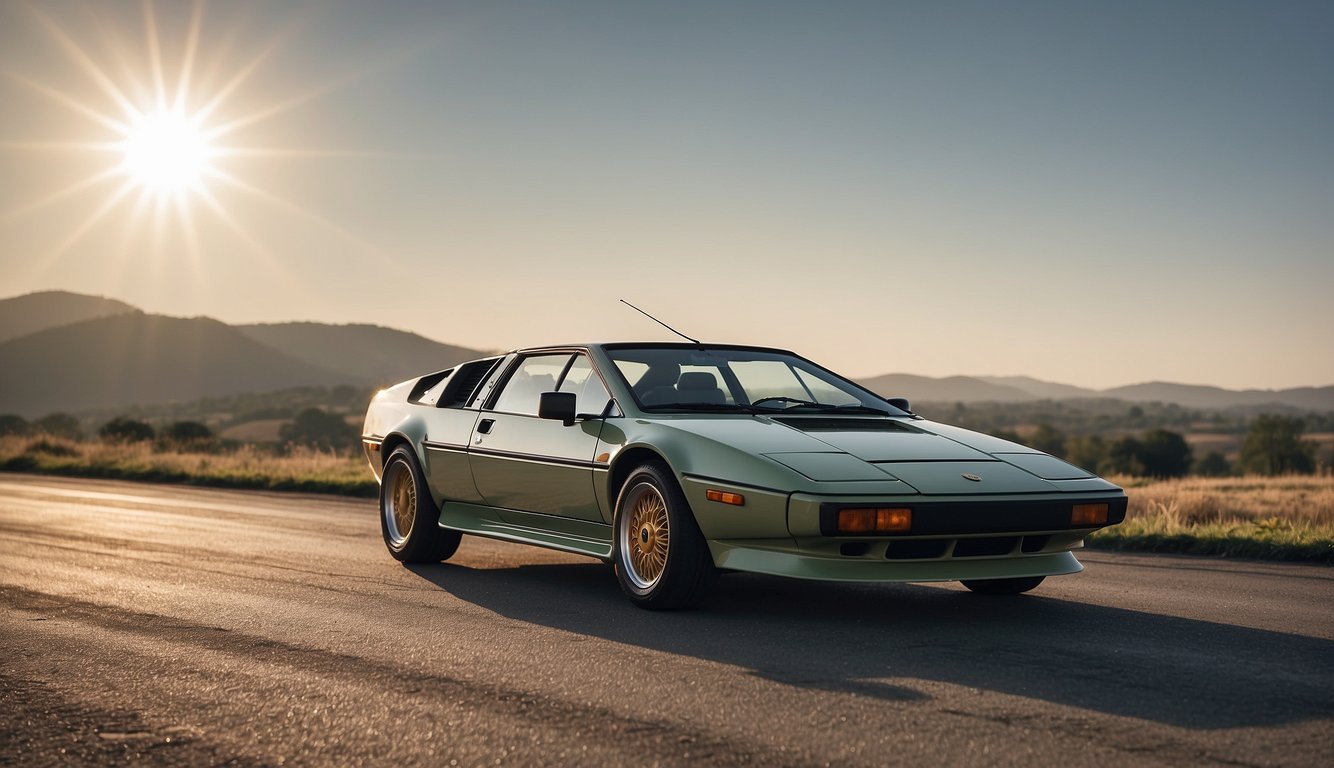
32 Most Reliable Japanese Cars Model Years Ever Made

When it comes to reliability, Japanese car manufacturers have set the bar high throughout the years. Numerous models have earned a reputation for their longevity and performance. This list gathers the top 32 most reliable Japanese car model years ever made, showcasing the best this industry has to offer.

From family sedans to sporty roadsters, these Japanese cars have proven to be dependable choices for drivers worldwide. Continue reading to discover the models that have stood the test of time and continue to impress today.

Iconic Reliable Japanese Car Models

Japanese Cars
©Photo Credit: MiramarSpeedCircuit

Japan is known for its reliable car brands like Toyota, Honda, Mazda, Lexus, and Subaru. Some of their most iconic models include the Toyota Camry and Honda Accord. The Mazda MX-5 Miata is popular with sports car enthusiasts, while the Lexus ES is a luxury option. The Toyota Camry Hybrid is a good choice for eco-friendly drivers.

Honda Civic (1990s – 2000s)

Honda Civic (2001-2005)
©Photo Credit: MiramarSpeedCircuit

These Civics are economical, durable, and practical, making them a top choice among reliable Japanese cars. Standout years include: 1991-1995: Fifth-generation Civic with improved fuel efficiency at 48/55 MPG. 1996-2000: Sixth-generation Civic with low complaint numbers and high dependability.

Honda Accord (2000s)

Honda Accord V6
©Photo Credit: MiramarSpeedCircuit

The 2000s saw a mix of reliable and not-so-reliable Honda Accords. The early 2000s models were relatively dependable, with the 2003 Accord being a standout. Recent years like the 2015 model are more reliable options.

Lexus LS 400 (1990-2000)

Lexus LS 400 (1990-2000)
©Photo Credit: MiramarSpeedCircuit

The Lexus LS 400, launched in 1989, quickly earned a reputation for reliability, low repair costs, and high durability. From 1998 to 2000, the LS 400 saw a power increase from 260 hp to 290 hp due to variable valve timing. It also gained a new five-speed automatic transmission and improved fuel economy.

Toyota Camry and Camry Hybrid

Toyota Camry
©Photo Credit: MiramarSpeedCircuit

 The best model years are 2023, 2022, and 2021, known for their build quality and efficient powertrains. The Camry Hybrid excels in fuel efficiency and has a reliability score of 4/5. It features a well-designed interior, comfortable seats, strong safety ratings, and low maintenance costs. These cars are known for their longevity, making them ideal for long-term ownership.

Mazda MX-5 Miata (1990s-2000s)

Mazda MX-5 Miata (1990s-2000s)
©Photo Credit: MiramarSpeedCircuit

The Mazda MX-5 Miata became popular in the 1990s and 2000s for its reliability and sporty design. The first generation (1990-1997) is noted for its reliability, despite some issues from 1990-1992. The 2010 model is considered one of the best in MX-5 history.

Subaru Forester (2000s)

Subaru Forester (2000s)
©Photo Credit: MiramarSpeedCircuit

The 2000 Subaru Forester is one of the greatest in the 2000s. For utmost reliability, considering the 2003-2005 models is wise, as they boast high-reliability scores. The 2005 Subaru Forester, in particular, scored a decent 3.0 out of 5.0 in both reliability and customer satisfaction.

Toyota Corolla (1990s – 2000s)

Toyota Corolla 1990s-2000s
©Photo Credit: MiramarSpeedCircuit

The Toyota Corolla has a long history of reliability. The eighth generation in the late 1990s introduced fuel efficiency and affordability, with the 1997-1999 models being particularly reliable. The ninth generation in the early 2000s, especially the 2000-2002 models, continued this legacy and are highly recommended by experts.

Lexus ES

Lexus ES
©Photo Credit: MiramarSpeedCircuit

The Lexus ES stands out as a highly reliable Japanese luxury sedan. Specifically, the 2010-2012 and 2017 model years excel in dependability. These cars boast a perfect reliability score of 5.0/5.0. Their 3.5L V6 engine delivers a robust 272 hp while the 6-speed transmission ensures smooth shifting.

Subaru Legacy

Subaru Legacy
©Photo Credit: MiramarSpeedCircuit

The 2004 Subaru Legacy is one of its most reliable years, along with 2003, 2007, 2009, 2014, 2018, and 2019. The Legacy is known for fuel efficiency, safety features, and Subaru’s all-wheel drive system, making it a popular and reliable choice.

Toyota Highlander (2000s)

Toyota Highlander (2000s)
©Photo Credit: MiramarSpeedCircuit

The Toyota Highlander, launched in the early 2000s, quickly gained popularity for its reliability and performance. The first generation (2000-2006), particularly the 2004 and 2005 models, is highly dependable with a 4 out of 5 reliability score and perfect owner satisfaction. The 2007 model is also praised for its dependability.

Nissan Maxima (2000s)

Nissan Maxima (2004-2008)
©Photo Credit: MiramarSpeedCircuit

The Nissan Maxima from the 2000s has had its ups and downs. A popular choice, the post-facelift 2003 model emerged as the best year, with improved reliability. It’s crucial to research and choose wisely when buying from this era.

Acura TL (2000s)

Acura TL (2003-2007)
©Photo Credit: MiramarSpeedCircuit

The Acura TL had notable years in the 2000s, with the 2004, 2007 Type-S, and 2009 models being especially reliable. These cars received outstanding reviews and were popular among owners. Overall, the early to mid-2000s Acura TL lineup is a great choice for a reliable Japanese car.

Toyota 4Runner (1990s-2000s)

Toyota 4Runner (1990s-2000s)
©Photo Credit: MiramarSpeedCircuit

The Toyota 4Runner is known for its reliability and durability. The 1999 and 2000 third-generation models are particularly strong, with 1999 ranking as the fourth most reliable year. Key features include body-on-frame construction, I4 or V6 engines, and independent front suspension.

Honda CR-V (2000s)

Honda CR-V (2000s)
©Photo Credit: MiramarSpeedCircuit

The 2000s introduced a reliable line-up of Honda CR-V models. Some of the best years during this period include the 2001, 2005-2006, and 2009 models. These iterations showcased enhanced performance, safety features, and fuel efficiency.

Lexus RX (2000s)

Lexus RX (2000s)
©Photo Credit: MiramarSpeedCircuit

In the 2000s, several model years stood out with impressive performance and dependability. The 2002 Lexus RX300 is considered one of the best with minimal issues.

Toyota Prius (2000s)

Toyota Prius (2010-2011)
©Photo Credit: MiramarSpeedCircuit

The Toyota Prius, launched in the early 2000s, revolutionized the auto industry with its hybrid technology. The best years are 2002, 2003, and 2013-2015, known for reliability and few owner complaints. The 2002 and 2003 models introduced the Hybrid Synergy Drive, offering a reliable and eco-friendly driving experience.

Toyota Tacoma (2000s-2010s)

Toyota Tacoma (2000s-2010s)
©Photo Credit: MiramarSpeedCircuit

Toyota Tacomas from 2000 to 2004 are known for their toughness, comfort, and reliability. The 2005 and 2010 models are among the best, while 2006 and 2007 had frame rust issues. The 2017-2021 models addressed common problems, making them good options for used car buyers.

Nissan Altima (2000s)

Nissan Altima (2000s)
©Photo Credit: MiramarSpeedCircuit

The 2011 Altima, rated 80 out of 100, is highly reliable with stylish design and modern tech. The 2010-2012 models also received high J.D. Power ratings and offer two engine options. These Altimas are solid, reliable choices in the Japanese car market.

Toyota Tundra (2000s)

Toyota Tundra (2000s)
©Photo Credit: MiramarSpeedCircuit

Notable years include the first generation models, specifically 2000, 2002, and 2006. The 2000 model stands out for its exceptional durability. In the second generation, the 2007, 2010, and 2014 models are also considered reliable.

Honda Odyssey (2000s)

Honda Odyssey (1999-2004)
©Photo Credit: MiramarSpeedCircuit

In the 2000s, some model years stood out as more reliable than others especially the 2017 and 2013 models.

Mazda3 (2000s-2010s)

Mazda3 (2000s-2010s)
©Photo Credit: MiramarSpeedCircuit

In the 2000s, 2008 and 2009 were standout years for the Mazda3, featuring high owner satisfaction and the Sport trim. With proper maintenance, a Mazda3 can last 200,000 – 250,000 miles, or 13-17 years.

Subaru Outback (2000s-2010s)

Subaru Outback
©Photo Credit: MiramarSpeedCircuit

The best Subaru Outback model years include 2012, 2009, 2007, 2004, and 2003. These years were praised for their reliability and performance.

Toyota Avalon (2000s)

Toyota Avalon (2000s)
©Photo Credit: MiramarSpeedCircuit

The Toyota Avalon from the 2000s has been known for its reliability. The best years of this era were 2011 and 2012, showcasing a robust 3.5-liter V6 engine.

Acura MDX (2000s)

Acura MDX (2000s)
©Photo Credit: MiramarSpeedCircuit

The best years for the Acura MDX include 2007 and 2013, known for comfort, value, and features. The 2005 and 2006 models are also reliable, with a 3.5-liter V6 engine and improved transmission. Consider these years carefully when buying.

Nissan Frontier (2000s)

Nissan Frontier (2000s)
©Photo Credit: MiramarSpeedCircuit

The Nissan Frontier from the 2000s is a reliable mid-sized pickup. The 2009-2011 and 2013-2015 models are especially dependable, with the 2014 model highly praised for reliability and driving experience. The 1999 Frontier also stands out for its solid performance.

Lexus GX (2000s)

Lexus GX (2000s)
©Photo Credit: MiramarSpeedCircuit

The first-generation Lexus GX (2003-2009) is known for luxury and off-road capabilities. Standout models include the 2006-2009 GX 470 and the 2017 GX 460. These SUVs have high owner satisfaction and few reported issues, making them reliable and enjoyable choices.

Honda Fit (2000s-2010s)

Honda Fit
©Photo Credit: MiramarSpeedCircuit

The Honda Fit, a popular Japanese car, has been known for its reliability and efficiency. Over the years, several models stood out due to their performance and durability. For example, the 2007 Honda Fit was fuel-efficient and practical.

Mazda6 (2000s)

Mazda6 (2000s)
©Photo Credit: MiramarSpeedCircuit

The Mazda6, a popular midsize car, experienced both reliability highs and lows during the 2000s. The best model years include, 2013, 2017 and 2019-2021. These have improved reliability and advanced safety features.

Toyota Sienna (2000s-2010s)

Toyota Sienna (2004-2010)
©Photo Credit: MiramarSpeedCircuit

1998-2003 models display solid performance, with a small dip until 2009. From there on, Siennas saw an upward trend in reliability, excluding the 2011 model. A noteworthy mention is the well-reviewed 2019 Sienna, praised for ticking all reliability boxes.

Subaru Impreza (2000s-2010s)

Subaru Impreza (2008-2009)
©Photo Credit: MiramarSpeedCircuit

The Subaru Impreza has seen various reliable model years during the 2000s and 2010s. Among the most reliable Subaru Impreza years are 2000, 2001, 2004, 2006, 2010, 2011, 2017 and 2020.These models have shown great engine performance and fewer problems in cooling systems.

Infiniti G35 (2006)

Infiniti G35 (2006)
©Photo Credit: MiramarSpeedCircuit

The 2006 Infiniti G35 is a popular model in the Japanese car market due to its reliability and performance. This vehicle offers a powerful 3.5-liter V6 engine coupled with a striking design. Buyers also appreciate its comfortable interior. With a history of positive customer feedback, this specific model year stands out among the other Infiniti editions.

Nissan Murano (2017)

Nissan Murano (2017)
©Photo Credit: MiramarSpeedCircuit

The 2017 Nissan Murano is a reliable midsize SUV known for its comfortable ride, spacious cabin, and modern features. It offers excellent fuel efficiency at 21 city and 28 highway MPG. Its safety features enhance passenger security, and owners praise its reliability, making it a top choice among Japanese vehicles.

Suzuki SX4 (2009)

Suzuki SX4 (2007-2013)
©Photo Credit: MiramarSpeedCircuit

The 2009 Suzuki SX4 garnered praise for its crisp handling, making it a fun car to drive. Perfect for various drivers, it has a 2.0-liter four-cylinder engine. Despite its low curb weight, this model year offers a decent fuel economy while featuring a high level of cabin tech.

35 Worst Sports Cars Ever Designed

Imagine the thrill of a sports car: sleek lines, roaring engines, and unmatched speed. Now, picture the opposite – a high-performance vehicle that misses the mark. Intrigued?

This article spotlights 35 of the worst sports cars ever made, showing how even promising designs can fail due to poor decisions and unforeseen pitfalls. Buckle up for a ride through the most notorious failures in sports car history.

Iconic Failures in Sports Car History

Failed Sports Cars
©Photo Credit: MiramarSpeedCircuit

The world of sports cars has had its share of disappointments. Notable examples include the Lamborghini Urraco, Ferrari Mondial, and Maserati Biturbo. These models often suffer from poor performance or reliability issues, damaging their brands. For instance, the Ford Mustang II failed to meet expectations, leaving enthusiasts underwhelmed.

Jaguar XJ220

Jaguar XJ220
©Photo Credit: MiramarSpeedCircuit

The Jaguar XJ220, produced from 1992 to 1994, is often considered one of the worst sports cars despite its impressive top speed. Designed for the track, its unpowered steering and heavy handling made it unappealing for casual drivers. Additionally, it lacked luxurious amenities, failing to meet expectations.

The Lamborghini Urraco

Lamborghini Urraco
©Photo Credit: MiramarSpeedCircuit

The Lamborghini Urraco, a 2+2 coupé designed by Marcello Gandini, debuted in 1970 as an affordable alternative to the Ferrari Dino and Maserati Merak. The P200 model, with its 2.0-liter engine, struggled in acceleration and top speed, tarnishing its reputation and failing to make a mark in the sports car world.

The Ferrari Mondial

Ferrari Mondial
©Photo Credit: MiramarSpeedCircuit

The Ferrari Mondial, introduced in 1980 as a compact Grand Turismo sports car, featured a 2+2 seating configuration and a mid-engine layout. However, it was heavier (3,459 lbs) than other Ferrari models, and its V8 engine produced only 214 horsepower. This led to lackluster performance, making the Mondial a black sheep in the Ferrari lineup. Despite its stylish design, the car’s reputation fell short of expectations.

Maserati Biturbo

Maserati Biturbo
©Photo Credit: MiramarSpeedCircuit

The Maserati Biturbo, introduced in the 1980s as a luxury sports car, is infamous for its frequent mechanical and electrical issues. Despite its front-engine, RWD layout, and V6 Biturbo engine, the car suffered from breakdowns and engine failures, disappointing many owners and enthusiasts.

Ford Mustang II

Ford Mustang II
©Photo Credit: MiramarSpeedCircuit

The Ford Mustang II made its debut during the U.S. fuel crisis and faced stricter emission regulations. Unfortunately, this Mustang was a lackluster sports car. The earlier Mach 1, known for its power with a 351CI V8, was severely underwhelming in 1974. Mustang enthusiasts were left disappointed.

Porsche 914

Porsche 914
©Photo Credit: MiramarSpeedCircuit

The Porsche 914 was a collaboration between Porsche and Volkswagen, aiming to create an affordable mid-engine sports car. However, its quirky design and underwhelming performance left many disappointed. The 2.0-liter flat-four engine generated only 101 horsepower. The 914 was criticized for being underpowered, overpriced, and un-Porsche-like in appearance, but is considered by some as a forgotten treasure.

Nissan 350Z

Nissan 350Z
©Photo Credit: MiramarSpeedCircuit

The Nissan 350Z is a popular sports car, known for its sleek design and thrilling performance. However, it’s also notorious for some reliability issues, especially in the 2005 model year. This car faced problems with airbags and the engine, leading to unwanted repair expenses.

Pontiac Fiero

A Pontiac Fiero
©Photo Credit: MiramarSpeedCircuit

The Pontiac Fiero debuted in 1984 as an affordable mid-engine sports car. However, it was plagued by various issues, such as slow performance due to its weight and poor quality control. Engine fires and suspension problems further marred its reputation. Despite GM’s efforts to solve these issues, Fiero remains one of the worst sports cars ever designed.

Chevrolet Corvette C3 (late models)

A Chevrolet Corvette C3
©Photo Credit: MiramarSpeedCircuit

The later models of the Chevrolet Corvette C3 experienced criticisms over their performance. Specifically, the 1979 Corvette L48 featured a weak engine, generating only 195 horsepower. They were also often regarded as one of the worst Corvette C3 years, falling behind the earlier models.

Triumph TR7

Triumph TR7
©Photo Credit: MiramarSpeedCircuit

The Triumph TR7, launched in 1974, featured a mix of Euro-American design that made it stand out. However, purists criticized it as not being a true Triumph. Its 2.0-liter inline-four engine delivered disappointing performance, making the TR7 slow despite its sports car appearance.

Bricklin SV-1

Bricklin SV1
©Photo Credit: MiramarSpeedCircuit

The Bricklin SV-1 was a peculiar sports car from the 1970s. Created by Malcolm Bricklin, it featured gullwing doors and a fiberglass body. It suffered from manufacturing problems and a high price tag, causing it to be listed amongst some of the worst sports cars ever designed. Only 3,000 units were sold before production ceased abruptly.

AMC AMX

A red AMC AMX
©Photo Credit: MiramarSpeedCircuit

The AMC AMX, a two-seat GT-style muscle car, was produced by American Motors Corporation from 1968 to 1970. It competed directly with the Chevrolet Corvette but at a lower price. With a shorter wheelbase than the Javelin, the AMX aimed to maximize performance. However, the Javelin outlasted the AMX, which ended production in 1974.

Cadillac XLR

A Cadillac XLR
©Photo Credit: MiramarSpeedCircuit

The Cadillac XLR is considered one of the worst sports cars due to its heavy retractable hardtop and unimpressive performance. Its 4.6-liter Northstar V8 engine produced 320 hp, resulting in a 0-60 mph time of around six seconds. Although unique and visually appealing, the XLR failed to deliver true sports car performance.

Chrysler Crossfire

Chrysler Crossfire
©Photo Credit: MiramarSpeedCircuit

The Chrysler Crossfire is a sports car known for its unique design and impressive features. Produced from 2004 to 2008, this car has its share of pros and cons. The Crossfire has been considered a flop in the sports car market, and thus, one of the worst sports cars ever designed.

Cizeta-Moroder V16T

Cizeta-Moroder V16T
©Photo Credit: MiramarSpeedCircuit

The Cizeta-Moroder V16T, an Italian sports car, was created by Claudio Zampolli, Giorgio Moroder, and Marcello Gandini. Produced from 1991 to 1995, it was the sole product of the Cizeta company. Despite its potential, it faced stiff competition from Lamborghini and Ferrari, resulting in limited production.

Lotus Elite (Type 75 and 83)

The Lotus Elite (Type 75 and 83)
©Photo Credit: MiramarSpeedCircuit

The Lotus Elite was produced from 1974 to 1982, with only 2,535 units made. This unique 2+2 sports car combined style and practicality. With a luxurious interior, and an easy-to-drive nature, the Elite (Type 75 and 83) was quite enjoyable. However, the fiberglass body raised concerns for durability and safety.

Mercedes-Benz SLR McLaren

Mercedes-Benz SLR McLaren
©Photo Credit: MiramarSpeedCircuit

The Mercedes-Benz SLR McLaren is a grand tourer with a distinctive look and impressive performance. Its supercharged V8 engine accelerates from 0-60 mph in 3.1 seconds, with a top speed over 200 mph. However, critics argue its handling is unwieldy due to the 2.8m distance between the steering wheel and nose, making it a controversial sports car.

Mitsubishi 3000GT VR-4

Mitsubishi 3000GT VR-4
©Photo Credit: MiramarSpeedCircuit

The Mercedes-Benz SLR McLaren is a grand tourer with a distinctive look and impressive performance. Its supercharged V8 engine goes from 0-60 mph in 3.1 seconds and reaches over 200 mph. However, critics find its handling unwieldy due to the 2.8m distance between the steering wheel and nose, making it a controversial sports car.

Saab Sonett III

Saab Sonett III
©Photo Credit: MiramarSpeedCircuit

The Saab Sonett III is a sports car produced by the Swedish automaker between 1970 and 1974. It was a quirky and obscure model, designed with a fiberglass body and built on a Saab 95 chassis. It evolved from the Sonett II and V4 models, featuring a more streamlined design and a long, pointy hood.

TVR Sagaris

TVR Sagaris
©Photo Credit: MiramarSpeedCircuit

The TVR Sagaris is a British sports car known for its raw driving experience. Launched in 2003, it was based on the TVR T350 with an aggressive design. Despite its incredible performance, the Sagaris struggled with reliability, leading to its inclusion in the list of worst sports cars. Nevertheless, it remains an iconic part of British automotive history.

Vector W8

Vector W8
©Photo Credit: MiramarSpeedCircuit

The Vector W8, produced from 1989 to 1993, was an American sports car designed by Gerald Wiegert with refinements by David Kostka. Powered by a 5.7-liter V8 engine with 600 hp and 600 lb-ft of torque, it was inspired by the 1968 Alfa Romeo Carabo but was far from a replica.

Zenvo ST1

Zenvo ST1
©Photo Credit: MiramarSpeedCircuit

The Zenvo ST1 is a Danish high-performance sports car. It boasts a massive 7L LS7 V8 engine, with both supercharging and turbocharging. Despite its powerful specs, it hasn’t gained much traction in the hypercar market. Its aggressive design and handcrafted build made it a unique entry, but it ultimately lands on the list of worst sports cars ever designed.

Aston Martin Lagonda

Aston Martin Lagonda
©Photo Credit: amazingclassiccars.com

The Aston Martin Lagonda, introduced in 1976, featured a sleek, pencil-box design by William Towns. Its four-door, exotic look made a strong impression. However, the Lagonda struggled with high price, low demand, and its controversial design.

Jensen Interceptor

Jensen Interceptor
©Photo Credit: MiramarSpeedCircuit

The Jensen Interceptor debuted in 1966 with a seductive Italian design, American V8 engine, and luxurious British interior. However, its high price and reliability issues led to its failure. The Interceptor’s hand-built nature often led to inconsistent build quality, resulting in unforeseen repairs. The car gained a reputation for having a poor fuel efficiency, yet it still captured hearts with its stunning appearance.

Iso Grifo

Iso Grifo
©Photo Credit: MiramarSpeedCircuit

The Iso Grifo, an Italian grand tourer made from 1965 to 1974, aimed to compete with Ferrari and Maserati but struggled to do so. Designed by Giorgetto Giugiaro at Bertone, it had a sleek, elegant look. However, its use of dated American powertrains and components hindered its performance compared to rivals.

Subaru SVX

Subaru SVX
©Photo Credit: MiramarSpeedCircuit

The Subaru SVX, launched in 1991, struggled in the sports car market. Designed by Giorgetto Giugiaro’s Ital Design, it featured a unique aircraft-inspired window and all-wheel drive. However, its 230 hp flat-six engine and luxury focus made it more of a grand tourer. Reliability issues and a high price further limited its appeal. Today, fans can find models in top condition for under $10,000.

Rover SD1 Vitesse

Rover SD1 Vitesse
©Photo Credit: MiramarSpeedCircuit

The Rover SD1 Vitesse was an ambitious attempt by British Leyland to create a stylish, powerful sports car. Unfortunately, it became known more for its flaws than its strengths. It suffered from poor reliability and quality issues, partly due to problems within British Leyland at the time.

Smart Roadster

Smart Roadster
©Photo Credit: MiramarSpeedCircuit

The Smart Roadster, launched in the early 2000s, aimed to be a sports car but fell short. Available in Roadster and Roadster Coupe versions, both featured two seats and a retractable roof. With only 80 horsepower, it lacked a sporty driving experience. Its cramped interior and limited storage further made it impractical for daily use. The Smart Roadster clearly failed to meet expectations.

Lamborghini Jalpa

Lamborghini Jalpa
©Photo Credit: MiramarSpeedCircuit

The Lamborghini Jalpa was a sports car produced from 1981 to 1988. Intended to compete with lower-tier Ferrari models and the Porsche 911, its design boasted sharp, angular lines. Unfortunately, with only 420 units produced, the Jalpa didn’t make a significant impact. The vehicle’s performance couldn’t quite live up to its aggressive appearance, making it one of the worst sports cars designed.

Sterling 827SLi

Sterling 827SLi
©Photo Credit: MiramarSpeedCircuit

The Sterling 827SLi, considered one of the worst sports cars, was essentially an Acura Legend by Rover. Initially, it featured Honda’s 2.5L V6 with 151 horsepower and 157 lb-ft of torque. In 1989, it upgraded to a 2.7L V6 with 161 horsepower and 162 lb-ft of torque. However, quality issues damaged its reputation.

Marcos Mantis

Marcos Mantis, Marcos Cars
©Photo Credit: MiramarSpeedCircuit

The Marcos Mantis, a British sports car from the 1970s, featured a unique design and fiberglass body. However, it faced challenges like design flaws, including poorly sealing doors, and was considered unattractive by some. Financial distress and bankruptcy further impacted its production and sales, leading to its failure.

Covini C6W

Covini C6W
©Photo Credit: commons.wikimedia.org

The Covini C6W, a six-wheeled supercar designed by Ferruccio Covini in 1974, featured four front wheels and a 4.2-liter V8 engine producing 430 hp and 350 lb-ft of torque. Despite its unique design, it failed to succeed and was often criticized for its unconventional six-wheel setup.

Yugo GV Sport

The Yugo GV Sport
©Photo Credit: MiramarSpeedCircuit

Launched in 1985, this car had a lackluster performance and subpar build quality, which led to its dismal reputation. With a base price of only $3,990, the Yugo GV Sport indeed offered affordability. However, its durability and reliability were highly questionable. The car was produced in Soviet-bloc Yugoslavia, and it had a distinct feeling of something assembled at gunpoint.

Infamous Models Beyond Redemption

A chaotic junkyard filled with rusted, mangled sports cars
©Photo Credit: MiramarSpeedCircuit

Sports car history has its share of disappointments. The 1953 Chevrolet Corvette C1 had a troubled launch with rushed production and many issues. The 2002 Nissan 350Z was notorious for reliability problems. Even Lamborghini’s Urraco, with its underwhelming performance, joins this list. These models serve as cautionary tales in the sports car world.

Delorean DMC-12

DeLorean DMC-12
©Photo Credit: MiramarSpeedCircuit

The DeLorean DMC-12, produced from 1981 to 1983, became iconic thanks to its role in “Back to the Future.” Despite its fame, it was criticized for poor performance, with a weak V6 engine producing only 130 horsepower. Many believe its unique design, including the stainless-steel exterior and gull-wing doors, is overshadowed by its underwhelming driving experience.

Crosley Hotshot

©Photo Credit: Hemmings

The Crosley Hotshot, first produced in 1949, was America’s first postwar sports car, weighing just 1,100 lbs. It gained a reputation for being slow and unreliable, but it was a pioneer. Its design philosophy later inspired smaller, fuel-efficient vehicles.

Renault Dauphine

Renault Dauphine
©Photo Credit: MiramarSpeedCircuit

The Renault Dauphine, debuting in 1956, is a prime example of a poorly designed sports car. With only 32 horsepower in its rear engine, it was slow and unreliable. Despite this, it was produced for over a decade and is now considered one of the worst sports cars ever made.

The 35 Most Remarkable Iconic Cars of the 1970s

The 1970s was a truly remarkable decade for automobiles, leaving a lasting impression on car enthusiasts worldwide. This era saw the introduction of new designs and technology that have since become iconic.

In this guide, we’ll explore 35 of the most remarkable cars from the 1970s that continue to captivate hearts and minds today. With their unique style and innovative features, these vehicles embody the spirit of their era and remain popular favorites among collectors and enthusiasts alike.

Lamborghini Countach: A 70s Icon

Lamborghini Countach
©Photo Credit: MiramarSpeedCircuit

The Lamborghini Countach is an Italian supercar, designed by Marcello Gandini that became an icon of automotive design. With its wedge-shaped, sharply angled look, it was a dramatic departure from the curvaceous Miura it succeeded. The Countach was not only a poster car for many but also a technological marvel of its time.

Ferrari 308 GTB/GTS: Italian Excellence

Ferrari 308 GTB
©Photo Credit: MiramarSpeedCircuit

Introduced in 1975, the Ferrari 308 GTB featured a mid-engine V8 layout and was recognized for its striking Pininfarina design. It gained fame on the television series “Magnum, P.I.” and became one of Ferrari’s most recognizable models. This iconic Italian sports car remains a symbol of excellence and a true classic today.

Porsche 911 Carrera RS 2.7 (1973)

Porsche 911 Carrera RS 2.7
©Photo Credit: MiramarSpeedCircuit

The 911 Carrera RS 2.7 is often regarded as one of the most classic Porsches ever made. It was lighter and more powerful than the standard 911 and featured the distinctive “ducktail” rear spoiler. With a powerful 2.7-liter engine, it offered impressive performance and stunning looks. It was available in both Touring and Lightweight versions, catering to different driving preferences.

Chevrolet Camaro Z28 (1970-1981)

Chevrolet Camaro Z28 from the 1970s
©Photo Credit: MiramarSpeedCircuit

The 1970 Chevrolet Camaro Z28, a famed muscle car, debuted with a sleeker, more compact design and dropped the “/” from its name. It featured powerful V8 engines and an optional automatic transmission, broadening its appeal. The Z28 combined style and performance, securing its status as a classic collectible.

Datsun 240Z (1970-1973)

Datsun 240Z
©Photo Credit: MiramarSpeedCircuit

The Datsun 240Z (known as the Nissan Fairlady Z in Japan) was a breakthrough for Japanese sports cars, offering performance and styling that could compete with European sports cars at a more affordable price. It was Japan’s first volume sports car effort, making its debut in the United States in 1970. It is credited with changing perceptions of Japanese automakers in the United States.

Pontiac Firebird: A True Muscle

Pontiac Firebird 1970s
©Photo Credit: MiramarSpeedCircuit

The 1970s was a notable era for remarkable cars, and the Pontiac Firebird stands out as a true muscle car. During this time, the Firebird boasted power, performance, and style. In the early ’70s, the Pontiac Trans Am 455 became popular, featuring a high-powered, legendary engine. With its bold design, the Firebird remained a fan favorite throughout the decade.

Volkswagen Golf Mk1 (1974-1983)

Volkswagen Golf Mk1 1970s
©Photo Credit: MiramarSpeedCircuit

The Volkswagen Golf Mk1, introduced in 1974, marked a shift from Volkswagen’s older rear-engine, air-cooled designs to a water-cooled front engine with front-wheel drive. Its practical hatchback shape won over Europe. Economical and dependable, the Golf Mk1 delivered a notable drive in a small form, with variations like the GTI appealing to diverse preferences.

Ford Mustang II (1974-1978)

Ford Mustang II 1974
©Photo Credit: MiramarSpeedCircuit

Launched in 1974, the Mustang II was a departure from its predecessors, featuring a smaller, more fuel-efficient build in response to the oil crisis and evolving consumer tastes. The 1978 Mustang II King Cobra stood out with its vibrant color options and stylish design. Although less powerful, it remained popular and earned Motor Trend’s Car of the Year title.

Honda Accord: Reliability Pioneer

Honda Accord 1970s
©Photo Credit: Hondanews

Introduced in 1976, the Honda Accord quickly became a benchmark for fuel-efficient, midsize sedans with its compact design and affordability. Known for its simple engineering and dependability, the Accord marked a significant achievement in Honda’s history and was celebrated for its reliability at a time when economical cars were sought after.

Lancia Stratos: Rally Masterpiece

Lancia Stratos 1970s
©Photo Credit: MiramarSpeedCircuit

The Lancia Stratos revolutionized 1970s rally racing with its mid-engine design, delivering superior handling and performance. Dominating the World Rally Championship with three straight titles from 1974 to 1976, its Lancia-developed chassis housed a potent Ferrari engine. Bertone designed the car’s aerodynamic shape, cementing the Stratos as a legendary force in motorsport.

Rover SD1: European Car of the Year

Rover SD1 1977
©Photo Credit: Wikipedia

The Rover SD1, a standout executive car from the late 1970s, clinched the European Car of the Year award in 1977. British Leyland crafted this model with cutting-edge design and engineering. Sporting a sleek look and a robust V8 engine, the SD1 featured a roomy interior, smooth ride, and sharp handling, securing its status as a notable 1970s icon.

BMW 3 Series (E21) (1975-1983)

BMW 3 Series (E21) (1975-1983)
©Photo Credit: MiramarSpeedCircuit

The inaugural BMW 3 Series defined the compact executive car market with its superior handling, performance, and build quality, setting a precedent for BMW’s enduring approach. As the successor to the BMW 02 Series, it initially came as a two-door coupé, including unique Baur convertibles, and offered rear-wheel drive.

The E21 boasted potent inline-four and inline-six engines, with notable models like the 320, 320i, 316, 318, 320is, 315, 318i, 320/6, and 323i. Its adaptability was further demonstrated by conversions into race cars for track use.

Citroën DS (1955-1975)

Citroën DS (1955-1975)
©Photo Credit: MiramarSpeedCircuit

Although introduced in the 1950s, the Citroën DS remained in production until 1975 and continued to influence automotive design throughout the 1970s. It was known for its futuristic bodywork and innovative hydropneumatic suspension system.

Porsche 930 Turbo: The German Rocket

A sleek Porsche 930 Turbo
©Photo Credit: MiramarSpeedCircuit

The Porsche 930 Turbo, revealed in 1974 at the Frankfurt Motor Show, earned legendary status in the 1970s. With a turbocharged 3-liter flat-six engine producing 260 horsepower, derived from the 917/30 Can-Am car, it offered an exhilarating drive, earning the moniker “The Widowmaker.” The 930 Turbo combined iconic design with thrilling performance, making it a hallmark of 1970s automotive excellence.

Ford Pinto: A Reputation Crumbled

Ford Pinto (1978)
©Photo Credit: MiramarSpeedCircuit

The Ford Pinto, released in 1970, was fast-tracked to compete with foreign subcompacts but became infamous for safety concerns in rear-end collisions. Under President Lee Iacocca’s direction, the Pinto aimed for compactness, affordability, and clear superiority. However, its flawed safety design, particularly the exposed fuel tank, led to catastrophic fires and a significant scandal for Ford.

Chevrolet Corvette C3 (1968-1982)

Chevrolet Corvette C3 (1968-1982)
©Photo Credit: MiramarSpeedCircuit

The C3 Corvette featured a bold, low, wide, and heavy design, with horsepower between 190 to 200 due to new fuel injection. Despite the Oil Crisis, it became the era’s most popular Corvette, adapting well to changes in the automotive industry and cementing its historical significance.

Toyota Celica (1970-1977)

Toyota Celica (1970-1977)
©Photo Credit: MiramarSpeedCircuit

The Toyota Celica, launched in 1970, turned heads with its striking design and driving dynamics. Available in ET, LT, ST, GT, and GTV trims, it appealed to those desiring both style and performance. Sharing a platform with the Toyota Carina, the Celica showcased its adaptability. It quickly amassed a loyal following, becoming a quintessential 1970s car and paving the way for seven generations and a 36-year production run, securing its legacy in automotive history.

Dodge Challenger (1970-1974)

Red Dodge Challenger (1970-1974)
©Photo Credit: MiramarSpeedCircuit

During the 1970s, the Dodge Challenger made a lasting impact in the automotive industry. It offered a variety of engine options, with the powerful 440 cu. in. RB V8 being a popular choice. These muscle cars featured impressive performance, with some variants boasting 0-60 times under 12 seconds. The 1970s Dodge Challenger remains a prized possession for car enthusiasts today.

Pontiac Firebird Trans Am (1970-1981)

Pontiac Firebird Trans Am (1970-1981)
©Photo Credit: forums.forza

The Pontiac Firebird Trans Am emerged as a remarkable car during the 1970s. Its eye-catching design, powerful engines, and iconic bird decal helped it leave a lasting impression. Available in both coupe and convertible, this car was highly popular among car enthusiasts.

Lancia Stratos HF (1973-1978)

Lancia Stratos HF (1973-1978)
©Photo Credit: Supercars.net

The Lancia Stratos HF, a pioneering mid-engined sports car, transformed rallying in the 1970s with its compact size, distinctive Bertone styling, and rally dominance. Its short wheelbase and broad stance enhanced its nimbleness, while the robust Ferrari Dino V6 engine propelled it to three straight World Rally Championships from 1974 to 1976. Lancia manufactured the street-legal HF Stradale, which is now a coveted collector’s item.

Range Rover Classic (1970-1996)

Two Range Rover Classic Cars
©Photo Credit: MiramarSpeedCircuit

The Range Rover Classic, launched in 1970 and produced until 1996, emerged as an iconic luxury 4×4 with notable off-road prowess, becoming an industry staple. Initially a two-door model, it underwent updates that enhanced its functionality and aesthetics. Successive versions introduced improved engines and suspension systems, appealing to 1970s car enthusiasts.

Volvo 240 (1974-1993)

Volvo 240 (1974-1993)
©Photo Credit: MiramarSpeedCircuit

Produced from 1974 to 1993, the Volvo 240 was a Swedish automotive icon, celebrated for its angular design, safety, and dependability, appealing to drivers valuing practicality. The 240 series, with a 2.640-meter wheelbase, included sedans and wagons across multiple trims. Its design, with a pronounced front and large bumpers, drew from Volvo’s VESC study. Features like power front windows, a roof rack, and an optional rear-facing third-row seat made the 240 a versatile option in the 1970s.

Aston Martin V8 (1972-1989)

Aston Martin V8 (1972-1989)
©Photo Credit: MiramarSpeedCircuit

The Aston Martin V8, a 1970s icon, was a handbuilt grand tourer, each taking 1,200 man-hours to complete. Following the DBS V8, it continued Aston Martin’s tradition of luxury and performance. The V8 saw many updates, including the notable 1979 V8 Volante, or “Oscar India.” Collectors still highly prize these vehicles, underlining the enduring legacy of the Aston Martin V8.

Mazda RX-7 (1978-1985)

A Mazda RX-7 (1978-1985)
©Photo Credit: MiramarSpeedCircuit

The Mazda RX-7 emerged in the late 1970s. As a sports car, it offered a sleek design and innovative engineering. The RX-7 became Mazda’s pride, transforming into a best-selling car. The first-generation RX-7 featured a rotary engine, providing smooth acceleration and power. It is celebrated for its impressive handling and iconic design making it an automotive legend.

Fiat 124 Spider (1966-1985)

Fiat 124 Spider (1966-1985)
©Photo Credit: MiramarSpeedCircuit

The Fiat 124 Spider, a hit from 1966 to 1985, was designed by Tom Tjaarda and built by Pininfarina. Its combination of style and performance made it a standout of its time. The car, with a monocoque body and rear-wheel drive, debuted at the 1966 Turin Auto Show and saw updates over its lifespan, including a rebrand to Spider 2000 from 1979 to 1982. Now seen as a future collectible, its value is climbing, and it remains beloved by classic car aficionados.

Mercedes-Benz W116 (1972-1980)

Mercedes-Benz W116 (1972-1980)
©Photo Credit: MiramarSpeedCircuit

The Mercedes-Benz W116, produced from 1972 to 1980, was the original S-Class model and a luxury sedan pioneer. Its sleek design, advanced safety features, and options like ABS brakes made the W116 Best of the Best W116 among cars of that era. It gained respect and continues to be a cherished classic.

Jaguar XJS (1975-1996)

Jaguar XJS (1975-1996)
©Photo Credit: MiramarSpeedCircuit

The Jaguar XJS, a luxury grand tourer introduced in 1975, had a 20-year production span with coupé, fixed-profile, and convertible variants. Built on the XJ saloon’s platform, it featured a unique design and powerful engines. Over three generations, it evolved into an emblem of British car history. In the 1970s, the XJS was seen as the E-type’s fitting heir due to its comfort and performance.

Ford Gran Torino (1972-1976)

Ford Gran Torino (1972-1976)
©Photo Credit: MiramarSpeedCircuit

Produced from 1972 to 1976, the Ford Gran Torino was a standout American classic with robust engines, like the Cobra Jet 429 V8. It delivered rapid 0-60 mph acceleration and high triple-digit top speeds. The Gran Torino, a muscle car, featured a sleek design with bold lines. The 1972 Gran Torino Sport could hit 0-60 mph in 6.9 seconds and top out at 140 mph, epitomizing the era’s muscle car prowess.

AMC Gremlin (1970-1978)

AMC Gremlin (1970-1978)
©Photo Credit: MiramarSpeedCircuit

The AMC Gremlin was a subcompact automobile introduced in 1970, produced until 1978. Known for its distinctive style, it featured a pronounced kammback tail. During its run, over 670,000 units were built. Values for well-kept Gremlins can range from $5,000 to $20,000, depending on condition and rarity.

Lotus Esprit (1976-2004)

Lotus Esprit (1976-2004)
©Photo Credit: MiramarSpeedCircuit

The Lotus Esprit first appeared in 1976 as a sports car, establishing itself as an iconic vehicle of the ’70s. Produced for 28 years, over 10,000 units were manufactured, cementing its place as a remarkable car. Initially developed with a Lotus-Ford 2.0-liter engine, it gradually increased to 2.2 liters. Its unique design, featuring a rear mid-engine, made it stand out among its peers.

Triumph TR7 (1975-1981)

Triumph TR7
©Photo Credit: MiramarSpeedCircuit

The Triumph TR7, a British sports car made by British Leyland from 1974 to 1981, featured a bold design by Harris Mann, breaking from traditional Triumph styles. It debuted in the US in January 1975, with its UK launch postponed due to strong demand. Despite mixed reception and some purists’ resistance, the TR7 stands out as a significant 1970s vehicle, representing an audacious move to transform the British sports car market.

Peugeot 504 (1968-1983)

Peugeot 504 (1968-1983)
©Photo Credit: MiramarSpeedCircuit

The Peugeot 504, a mid-size, front-engine, rear-wheel-drive automobile, was manufactured from 1968 to 1983. Its main body styles were sedans and wagons, but also available in coupé, cabriolet, and pickup truck variants. The 504 was known for its comfort, Euro-chic style, and near-extinct status in the UK. This French sedan from the late 1960s to early 1970s was often overshadowed by the Citroen CX.

Alfa Romeo Alfetta (1972-1987)

Alfa Romeo Alfetta (1972-1987)
©Photo Credit: MiramarSpeedCircuit

The Alfetta was known for its sporty performance and handling, thanks to its balanced weight distribution and rear transaxle. It was a popular choice for those who appreciated Italian engineering and design. A front-engine sedan and fastback coupé, it combined style with performance.

Cadillac Eldorado (1967-1978)

Cadillac Eldorado (1967-1978)
©Photo Credit: MiramarSpeedCircuit

The Cadillac Eldorado is a true icon of the 1970s. Introduced in 1967, the Eldorado morphed into a symbol of American luxury and innovation. They offered bold design, advanced technology and robust performance. These classic cars stand testament to 1970s automotive masterpieces.

Saab 99 (1968-1984)

Saab 99 (1968-1984)
©Photo Credit: MiramarSpeedCircuit

As Saab’s first venture into a larger class than the Saab 96, this vehicle grabbed attention in various markets. In Scandinavia, it was a popular large family car, while it was marketed as a niche compact executive car in most other regions.

Notable features of the Saab 99 included its technical advancements and comfortable driving experience. The launch of the 99 Turbo in the 1970s was particularly groundbreaking, as it was the world’s first mass-produced family car with a turbocharged engine. The Saab 99 was eventually succeeded by the Saab 900, yet both models continued to be produced side by side for some time.

Alfa Romeo Montreal (1970-1977)

Alfa Romeo Montreal (1970-1977)
©Photo Credit: MiramarSpeedCircuit

The Alfa Romeo Montreal was a unique car introduced in the 1970s. Showcased first as a concept in Expo 67, it gained fame for its distinctive design by Marcello Gandini at Bertone. Under the hood, this 2+2 coupe housed an impressive V8 engine. It was known for its headlight treatment and limited-slip differential, offering drivers a thrilling experience on the road. The Montreal stands as a remarkable car of the 1970s era.

26 Cars Involved in the Most Fatal Crashes in USA

Imagine driving down the highway with your favorite song playing when suddenly, a crash. It’s a grim part of driving in America – some cars are just more prone to fatal accidents. We’re highlighting the 26 cars that have become notorious for their involvement in deadly crashes.

This article goes beyond naming cars. We’re providing essential insights into automotive safety and how different models stack up in severe crashes. As we explore car safety and crash statistics, we aim to guide you toward making smart choices. Choosing the right car is about safety, not just looks or power. It’s about picking a vehicle that keeps you safe, every journey.

Chevrolet Silverado

Chevrolet Silverado Crashed
©Photo Credit: MiramarSpeedCircuit

The Chevrolet Silverado, a top-seller in the U.S., has a concerning record with 8,777 fatal crashes from 2016 to 2020. Safety features such as airbags and antilock brakes are standard, but it’s crucial to drive safely to minimize accident risks.

Toyota Corolla

Toyota Corolla
©Photo Credit: MiramarSpeedCircuit

With 3,430 incidents reported, it demands attention to safety features. Equipped with standard safety technology, Corolla offers driver assistance systems to help mitigate risks in accidents.

Ford Explorer

Ford Explorer
©Photo Credit: MiramarSpeedCircuit

The Ford Explorer has been involved in a significant number of fatal accidents. Between 2016 and 2020, it was part of 3,139 accidents. The Explorer’s popularity could be a factor in these statistics.

Ford F-150

Ford F-150 Crashes
©Photo Credit: MiramarSpeedCircuit

The Ford F-150 is one of the deadliest vehicles in the US, with 10,845 fatal crashes in five years, leading the list. Although pickups like the F-150 only make up 21% of road vehicles, they’re involved in a high number of accidents.

Nissan Altima

Nissan Altima (2002-2006)
©Photo Credit: MiramarSpeedCircuit

With 3,267 cases reported, the Altima’s statistics are concerning. Despite this, it remains a popular choice for many drivers. Utilizing advanced safety features and staying alert can help reduce the risk of accidents.

Honda Accord

Honda Accord Crashed Accidented
©Photo Credit: MiramarSpeedCircuit

With its popularity, it also ranks as the third-deadliest vehicle overall. Its involvement in fatal crashes is the highest among passenger cars. Despite this, the Accord is known for its reliability, efficiency, and family-friendly features.

Toyota Camry

Toyota Camry Crash Accident
©Photo Credit: MiramarSpeedCircuit

The Toyota Camry is one of the top vehicles involved in fatal crashes in the U.S. According to a report, it has been associated with 4,734 cases. Despite its popularity and reputation for reliability, the Camry is not immune to accidents.

GMC Sierra

GMC Sierra Crash
©Photo Credit: MiramarSpeedCircuit

The GMC Sierra ranks among the top deadliest vehicles in the US. Between 2016 and 2020, it was involved in 3,567 accidents. GMC Sierras typically have a bold design and powerful engines.

Ram Trucks

Dodge Ram Crash Accidented
©Photo Credit: MiramarSpeedCircuit

Ram Trucks, durable and powerful, rank among the deadliest vehicles in the U.S. with 5,897 fatal crashes. These incidents often result from road conditions, driving habits, and vehicle safety features.

Nissan Sentra

Nissan Sentra Crashed Accidented
©Photo Credit: MiramarSpeedCircuit

From 2013 to 2018, it was involved in 1,561 fatal crashes. Unfortunately, this makes it a significant contributor to the nationwide problem of fatal car accidents.

Hyundai Sonata

Hyundai Sonata
©Photo Credit: DepositPhotos

According to Horwitz, Horwitz & Associates, this popular sedan ranks 18th with 152 fatalities. Despite these statistics, the Sonata remains a popular choice for many drivers due to its affordability, fuel efficiency, and attractive design.

Jeep Grand Cherokee

Jeep Grand Cherokee
©Photo Credit: MiramarSpeedCircuit

The Jeep Grand Cherokee is one of the vehicles with higher involvement in fatal crashes in the U.S. Despite this statistic, the Grand Cherokee offers advanced safety features. For instance, it has adaptive cruise control, blind-spot monitoring, and lane-departure warning.

Honda Civic

Honda Civic
©Photo Credit: DepositPhotos

It is known for its popularity among car buyers and is frequently involved in fatal accidents. Despite its performance, safety features are continuously improved in newer models.

Chevrolet Tahoe

2005 Chevrolet Tahoe
©Photo Credit: MiramarSpeedCircuit

Although a popular vehicle in the United States, it is not without potential safety concerns. A study from 2020 ranked the Tahoe among the deadliest cars in the country, with a reported 278 fatal accidents involving this vehicle.

Ford Escape

Ford Escape Crashed Accident
©Photo Credit: MiramarSpeedCircuit

From 2016 to 2020, it was involved in roughly 1,700 fatal accidents, raising concerns for buyers. The vehicle’s safety features, or lack thereof, could contribute. Adding emergency braking and lane assist systems may lower the risk of fatal crashes.

Chrysler 300

Chrysler 300M
©Photo Credit: MiramarSpeedCircuit

The Chrysler 300 is a stylish full-size sedan known for its powerful engine and luxurious features. However, it also has a concerning side, as it has been involved in a significant number of fatal accidents in the US. According to a report by Horwitz, Horwitz & Associates, the Chrysler 300 was involved in 158 fatal crashes during their study period.

Ford Ranger

Ford Ranger Crash Accident
©Photo Credit: MiramarSpeedCircuit

This compact pickup truck has been a popular choice for many drivers. Despite its popularity, it has seen its share of accidents. While not as high as some other vehicles on the list, it’s still worth noting.

Ford Mustang

Ford Mustang Ecoboost
©Photo Credit: MiramarSpeedCircuit

While it’s admired for its looks and performance, statistics show that it has been involved in a significant number of fatal crashes. A recent report identifies the Ford Mustang as one of the deadliest vehicles in the United States.

Chevrolet Malibu

Chevrolet Malibu Crashed Accidented
©Photo Credit: MiramarSpeedCircuit

It offers a balance of luxury, safety, and affordability for families. Despite its focus on safety, it has an unfortunate distinction of being involved in a significant number of fatal crashes.

Ford Focus

Ford Focus Crashed Accidented
©Photo Credit: MiramarSpeedCircuit

The Ford Focus has been involved in numerous fatal crashes in the US. With 2,256 accidents, it is important to raise awareness about safety while driving this model.

Chevrolet Impala

Chevrolet Impala
©Photo Credit: MiramarSpeedCircuit

The Chevrolet Impala have been involved in some of the most fatal crashes in the U.S. Although it is a popular and stylish car, the Impala’s safety record is a concern for drivers and passengers alike.

Ford Taurus

Ford Taurus Crashed Accidented
©Photo Credit: MiramarSpeedCircuit

With its comfortable design and advanced safety features, it has attracted the attention of many buyers. However, it is also one of the deadliest vehicles in the country. During the study period, Taurus was found involved in a significant number of fatal accidents.

Honda CR-V

Honda CR-V Crashed Accident
©Photo Credit: MiramarSpeedCircuit

The CR-V has been involved in fatal accidents throughout the years. In a recent study, it was listed among the top 25. The CR-V offers drivers safety features aimed at preventing accidents, such as Honda Sensing.

Toyota Tacoma

Toyota Tacoma
©Photo Credit: MiramarSpeedCircuit

Recent test results have shown that it has some safety concerns. The Insurance Institute for Highway Safety (IIHS) gave it poor ratings, compared to other midsize crew cab pickups.

Mazda 3

Mazda 3 Accidented crash
©Photo Credit: MiramarSpeedCircuit

According to IIHS-HLDI, the driver death rate of this compact car is worth noting. It offers multiple safety features but is crucial to stay vigilant on the road.

Dodge Charger

Dodge Charger Crashes Accidented
©Photo Credit: MiramarSpeedCircuit

With a powerful engine and aggressive design, it attracts drivers craving performance. However, these impressive features may contribute to the Charger’s high involvement in fatal accidents.

[ie-slider id=’1′]

2024 Toyota Scandal: the Whole Truths and Consequences for Drivers

In 2024, Toyota encountered a significant scandal with its subsidiary, Toyota Industries Corp, involving falsified data and altered diesel engine power in various vehicle models, impacting the company and its customers.

Key Figures and Entities

  • Toyota Motor Corp – the largest automaker hit by the scandal due to group company misconduct.
  • Toyota Industries Corp – a Toyota subsidiary, falsified diesel engine data in some Toyota vehicles.
  • Hino Motors Ltd – another group company possibly impacted by its ties to Toyota Industries.

Timeline

  • Early 2024 – Diesel engine data tampering discovered, involving 10 Toyota models globally, traced to Toyota Industries Corp.
  • January 29, 2024 – Toyota stops shipments of the 10 models after finding test irregularities in three diesel engines.
  • Later in 2024 – Toyota broadens its Takata airbag recall to include about 50,000 U.S. vehicles, urging immediate service for affected owners.

Impact on Vehicle Quality and Safety

Toyota Car Crash Body Damaga
©Photo Credit: MiramarSpeedCircuit

Safety Concerns and Compliance Failures

The 2024 Toyota scandal spotlighted safety and quality issues in vehicles like the Land Cruiser 300, where manipulated diesel engine data led to certification test passes. Customers now question the safety compliance of these vehicles.

Airbag Malfunctions and Recalls. Toyota’s airbags, with problems causing unintended deployment or failure to deploy, have prompted recalls of several models, including the RAV4, Corolla, and Fortuner.

Recall Details

Toyota’s recall addresses the Land Cruiser 300, Hiace van, and other diesel engine models:

  • Land Cruiser 300
  • Hiace van
  • Fortuner
  • Hilux
  • RAV4
  • Corolla

These recalls and safety test issues have eroded customer trust. As a leading automaker, Toyota must restore confidence by ensuring vehicle safety and quality.

Legal Repercussions and Trial Proceedings

Court Room
©Photo Credit: MiramarSpeedCircuit

Regulatory Investigations. Regulatory agencies, including the Transport Ministry, are probing Toyota’s manipulated data issue, following Hino Motors Ltd’s 2022 emissions scandal.

Investigative Goals. Regulators aim to uncover the extent of the scandal and its impact on consumers and the market. Toyota Industries Corp. is under scrutiny to determine how widespread the diesel engine data tampering is.

Executive Accountability. Key executives like Koichi Ito of Toyota Industries Corp. face legal consequences, potentially including fines or jail time. Chairman Akio Toyoda has acknowledged the company’s missteps, indicating a commitment to rectify practices and comply with industry standards.

Consumer Response and Market Reaction

Consumer response
©Photo Credit: DepositPhotos

Toyota’s Communication to Customers and Public

Toyota held a press conference to apologize for the inconvenience and assured customers of corrective actions.

Actions Taken:

  • Expanded recalls, including Corolla and RAV4.
  • Initiated a comprehensive internal investigation.
  • Pledged to enhance quality control to prevent future data tampering.

Sales and Stock Impact

Toyota maintained robust sales and production through March, mitigating the scandal’s potential sales impact. After an initial drop, Toyota’s shares rebounded as global sales grew, securing its spot as the top vehicle-seller for the fourth year in 2023.

Industry Perspective and Competitive Analysis

Toyota Lineup Cars
©Photo Credit: MiramarSpeedCircuit

Comparisons with Other Automakers

Other global automakers have faced recalls and scandals, including Tesla with its Autopilot system. Recalls and controversies span across American, European, and Asian car manufacturers, not just Japanese ones.

Toyota’s Global Market Standing

Despite the scandal, Toyota retained its status as the world’s largest automaker in 2023, with significant sales, including 1.6 million Daihatsu vehicles. The company hit record output and sales in the fiscal year ending March 2024. Toyota’s resilience is likely due to its strong reputation, diverse portfolio, and ongoing innovation. The company actively addresses issues and improves processes to rebuild consumer trust.

Global Impact and International Implications

Toyota Car Global Acceptance
©Photo Credit: MiramarSpeedCircuit

European, U.S., and Asian Responses

Europe’s regulators and industry experts have questioned Toyota’s quality control after the diesel engine data scandal, affecting sales and market share. In the U.S., the scandal has triggered official investigations into Toyota’s safety certifications, leading to concerns about vehicle reliability and safety, potentially reducing demand.

In Asia, particularly Japan, the government is probing Toyota’s practices to gauge the scandal’s scope and decide on penalties. While the Middle East has seen less impact, the issue still concerns consumers and investors in the region.

Automotive Industry Standards Revisions

Following the 2024 Toyota scandal, the automotive industry is poised for changes to avert similar issues. This includes a stronger focus on transparency regarding safety and emissions data, with regulators likely to enforce stricter monitoring of manufacturers’ claims.

Industry leaders are also expected to enhance quality assurance and resist profit-driven shortcuts. Past incidents and scandals, such as the 2022 Hino scandal, have not sufficiently deterred poor practices. Prioritizing customer safety and trust is now more essential than ever.

Long-Term Effects and Industry Reforms

Toyota and Lexus cars
©Photo Credit: MiramarSpeedCircuit

Toyota’s Remediation and Reform Efforts

Toyota is actively working to rectify the 2024 scandal and rebuild trust. The company has admitted to falsifying power output data and has created a third-party panel for transparent and objective internal reviews. This panel will evaluate and suggest enhancements to Toyota’s quality control and compliance procedures. Additionally, Toyota is collaborating with government agencies throughout the investigation process.

Compliance and Certification Enhancements

The Toyota scandal has prompted industry and regulatory talks on improving compliance and certification. Automakers are expected to tighten internal quality controls and emphasize transparency.

Tougher regulations, including random audits and new monitoring technologies, might be implemented to check compliance with standards. Automakers could also work with third-party groups for external quality assessments. These measures are designed to prevent future scandals and assure customers of the quality, safety, and reliability of vehicles from Toyota and other industry players.

23 Car Brands with Ownership Benefits Worth Dying For

Owning a car is vital in today’s world. A suitable vehicle can significantly enhance your daily routine. With a constantly changing market and numerous brands available, knowing which ones provide superior ownership benefits is crucial.

This guide highlights the top 23 car brands known for reliability, performance, customer satisfaction, and after-sales service. We’ve compiled these brands based on research and customer reviews, ensuring you get the best ownership experience. Whether you value efficiency, luxury, or innovation, there’s a brand for you on this list.

Cadillac

Cadillac CT5
©Photo Credit: MiramarSpeedCircuit

Cadillac provides a 4-year/50,000-mile warranty, a 6-year/70,000-mile powertrain warranty, exclusive Cadillac Premium Care maintenance services, and concierge assistance, all part of the Cadillac Shield ownership program.

Mercedes-Benz

Mercedes-Benz Models
©Photo Credit: MiramarSpeedCircuit

Mercedes provides a 4-year/50,000-mile warranty, optional prepaid maintenance plans, and is known for excellent customer service. As a leader in automotive safety, Mercedes-Benz equips its cars with advanced safety features and smart driver-assist systems, prioritizing driver safety.

Chevrolet

Chevrolet Cars Logo Design
©Photo Credit: MiramarSpeedCircuit

Chevrolet offers a 3-year/36,000-mile basic warranty, a 5-year/60,000-mile powertrain warranty, and a free first maintenance visit within one year. They also provide customer incentives like cashback and low-interest financing to make purchasing a new Chevrolet more affordable.

Buick

2008 Buick Enclave
©Photo Credit: MiramarSpeedCircuit

Known for their premium vehicles, Buick provides customers with a comprehensive Owner Center that includes maintenance schedules, assistance services, and warranty information.

Honda

Honda Cars Lineup
©Photo Credit: MiramarSpeedCircuit

Honda offers a 3-year/36,000-mile basic warranty and a 5-year/60,000-mile powertrain warranty. Not only do they offer long-lasting performance, but they also have low ownership costs and a reputation for high resale value.

Related20 Reasons Honda Engines Are Superior and So Good!
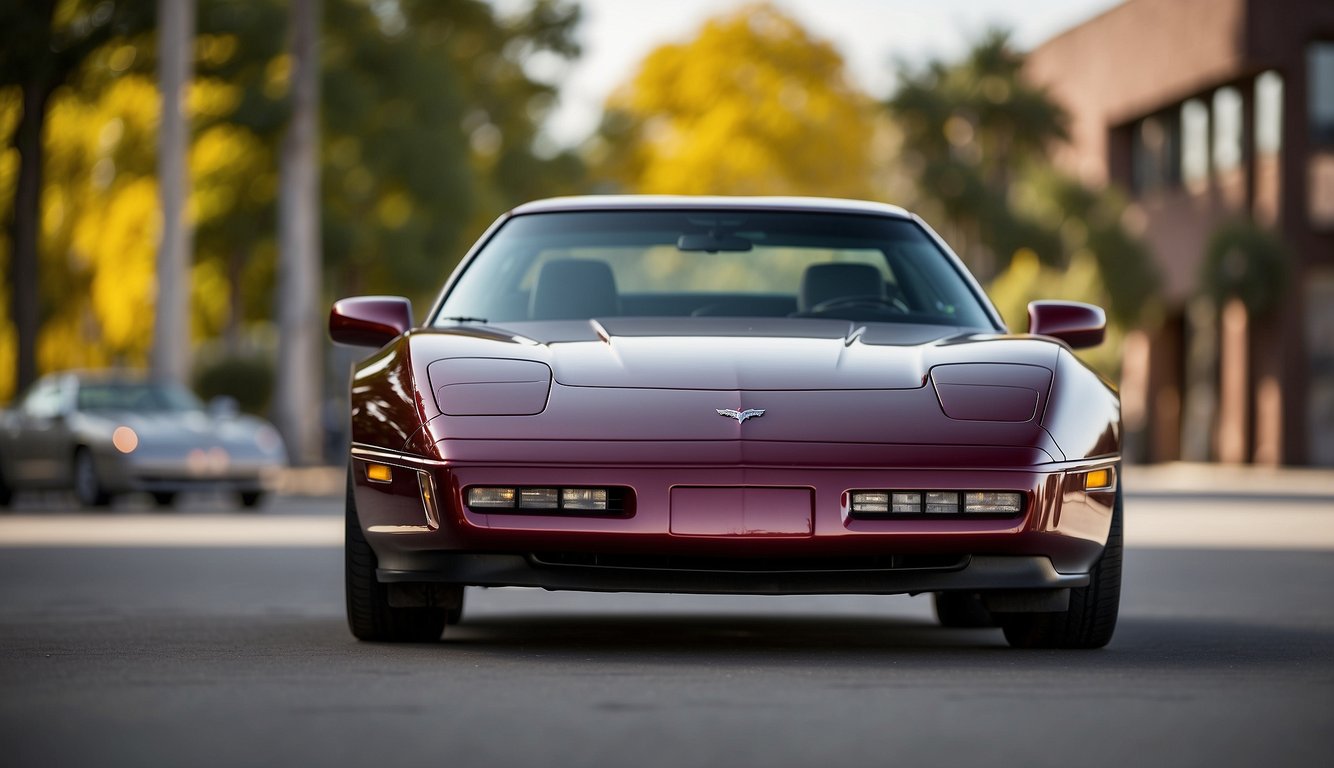
Ford

Ford Focus ST
©Photo Credit: MiramarSpeedCircuit

Ford offers a 3-year/36,000-mile basic warranty and a 5-year/60,000-mile powertrain warranty, along with FordPass Rewards which can be used towards maintenance. Ford supports its customers with flexible financial programs. They offer attractive loan and lease options to suit various budget needs, making it easier for drivers to own a Ford vehicle.

Lexus

Lexus LC
©Photo Credit: MiramarSpeedCircuit

Lexus delivers a 4-year/50,000-mile basic warranty and a 6-year/70,000-mile powertrain warranty, along with perks such as free maintenance, service loaners, and exclusive event access via the Lexus Owner Benefits program.

RelatedIs Lexus the Fancy Version of Toyota? A Quick Comparison Guide!
Hyundai

Hyundai Veloster N
©Photo Credit: MiramarSpeedCircuit

Hyundai offers one of the best warranties in the business, with a 5-year/60,000-mile basic warranty and a 10-year/100,000-mile powertrain warranty. They also provide 5 years of complimentary roadside assistance.

BMW

BMW 8 Series
©Photo Credit: MiramarSpeedCircuit

BMW’s Ultimate Care offers a complete maintenance plan for the first 3 years or 36,000 miles, extended warranty options, and robust roadside assistance. Owners enjoy perks like free scheduled maintenance and a commitment to outstanding customer service from a dedicated dealership network.

RelatedM5 vs M5 Competition: Ultimate BMW Showdown!

Audi

Audi R8 Red
©Photo Credit: MiramarSpeedCircuit

Audi provides a 4-year/50,000-mile warranty and Audi Care, a prepaid plan covering routine service. Audi drivers benefit from advanced driver-assist and infotainment features.

Kia

Kia Forte GT
©Photo Credit: MiramarSpeedCircuit

Kia offers a leading warranty program with a 5-year/60,000-mile basic warranty and a 10-year/100,000-mile powertrain warranty, plus ownership perks like UVO link services, ensuring comprehensive coverage and strong customer support.

Genesis

Genesis GV80
©Photo Credit: MiramarSpeedCircuit

As Hyundai’s luxury arm, Genesis provides a luxury ownership experience with a 5-year/60,000-mile basic warranty, a 10-year/100,000-mile powertrain warranty, and a 3-year/36,000-mile complimentary maintenance plan. Their commitment to customer satisfaction continues to draw new buyers.

GMC

GMC Yukon XL
©Photo Credit: MiramarSpeedCircuit

Along with impressive vehicle capabilities, GMC offers its customers peace of mind through their Pro Grade Protection plan, which includes complimentary maintenance and other perks.

Volvo

Volvo S60
©Photo Credit: MiramarSpeedCircuit

Volvo offers a 4-year/50,000-mile warranty, free scheduled maintenance for 3 years or 36,000 miles, and roadside assistance, ensuring a safe and comfortable driving experience.

Tesla

Tesla Model X Plaid
©Photo Credit: MiramarSpeedCircuit

Known for their electric vehicles, Tesla offers a comprehensive warranty program that varies depending on the model, with up to 8 years or 120,000 miles for the battery and drive unit. They also provide over-the-air software updates.

Toyota

Toyota Prius (2010-2011)
©Photo Credit: MiramarSpeedCircuit

Toyota has a 3-year/36,000-mile basic warranty and a 5-year/60,000-mile powertrain warranty. They also have a reputation for high reliability, which can reduce long-term ownership costs.

Subaru

Subaru BRZ
©Photo Credit: MiramarSpeedCircuit

Subaru provides a 3-year/36,000-mile basic warranty and a 5-year/60,000-mile powertrain warranty. They also offer Subaru Starlink for safety and security services. With a strong focus on safety and reliability, Subaru owners can trust that their vehicles are built to last in various driving conditions.

Acura

Acura ZDX (2010-2013)
©Photo Credit: MiramarSpeedCircuit

Acura offers a 4-year/50,000-mile basic warranty, a 6-year/70,000-mile powertrain warranty, and connected features through AcuraLink. The Acura Total Luxury Care program includes maintenance, roadside assistance, and concierge services.

Mazda

Mazda RX-8 2004
©Photo Credit: MiramarSpeedCircuit

Mazda has a 3-year/36,000-mile basic warranty and a 5-year/60,000-mile powertrain warranty. They also offer Mazda Connected Services for a more interactive ownership experience.

Jaguar

Jaguar X-Type (2001-2009)
©Photo Credit: MiramarSpeedCircuit

Jaguar provides a top-tier 5-year/60,000-mile warranty, covering basic and powertrain, free scheduled maintenance, and roadside assistance, delivering a luxurious and high-performance driving experience with standout vehicles.

Nissan

2000 Nissan Titan
©Photo Credit: MiramarSpeedCircuit

Nissan is a popular choice for drivers seeking value and reliability. The brand offers a diverse lineup of vehicles with competitive prices and performance to suit various driving needs.

Land Rover

Land Rover Defender
©Photo Credit: MiramarSpeedCircuit

Similar to Jaguar, Land Rover provides a 4-year/50,000-mile warranty and also includes complimentary scheduled maintenance and roadside assistance. Owners can expect top-tier performance paired with exceptional style and comfort.

Porsche

Porsche Cars
©Photo Credit: MiramarSpeedCircuit

Porsche includes a 4-year/50,000-mile warranty with their vehicles. While their maintenance costs can be higher, they offer Porsche Assistance and Porsche Connect services. Owners of Porsche vehicles enjoy an unparalleled driving experience, along with the prestige of owning a piece of automotive history.

SUBSCRIBE TODAY

Sign up now to get the email newsletter and exclusive deals weekly.