Here Are The Main VW Touareg Years to Avoid and Serious Issues

Are you in the market for a luxury SUV that offers impressive performance and sleek design?

The Volkswagen Touareg might be on your radar. But before you take the plunge, it’s important to know which years to avoid to save yourself from potential disappointment and costly repairs.

While the Touareg has a reputation for being a reliable and well-performing SUV, some models have experienced issues that could impact your ownership experience.

In this article, we’ll give you the inside scoop on which years of the Touareg you should approach with caution, helping you make an informed decision before committing to a specific model.

So, buckle up and let’s take a closer look at the years to avoid and why they might not be the best fit for you.
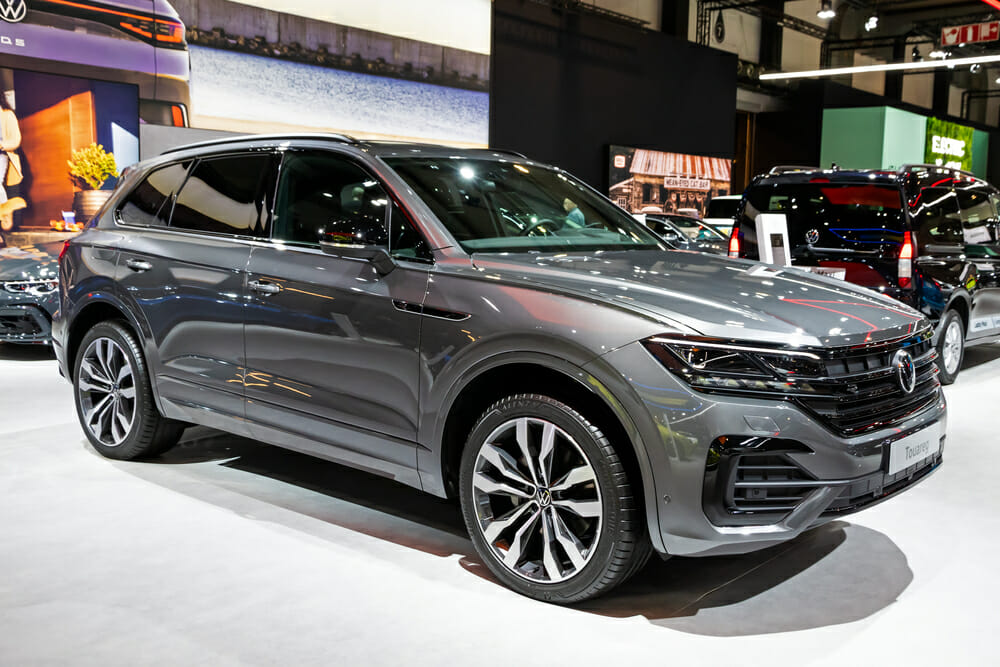
VW Touareg years to avoid

The Worst Years to Avoid

Here’s a breakdown of the worst years and what makes them problematic.

2004-2005

These early years of the Touareg experienced transmission issues, expensive repairs, and poor fuel economy. These models are best avoided for their lack of reliability.

2007

The 2007 Volkswagen Touareg is another year to stay away from. Often cited as the worst model year, the 2007 Touareg experienced engine and EPC light issues around the 79,000-mile mark. This model was rated as “really awful” due to the high cost of repairs.

2008

The 2008 Touareg had its share of problems as well, with reported loud noise underneath the car. Apart from the noise issue, there were some other minor problems that made it a less-than-ideal choice.

2016

Lastly, you would want to avoid the 2016 VW Touareg. This year suffered from a combination of previously mentioned issues, along with receiving lackluster auto industry reviews and consumer feedback.

By steering clear of these problematic years, you’ll vastly improve your chances of enjoying a positive Volkswagen Touareg experience.

Reliability and Performance

In this section, we’ll discuss the reliability ratings from Consumer Reports, as well as the best and worst years for the Touareg based on available data.

Consumer Reports Ratings

The Volkswagen Touareg scored well in aspects such as agility, solid build, and overall ride quality, especially after its 2011 redesign.

  • Best years: The Touareg’s best model years, are 2010-2011 and 2017. These years feature improved technology, more standard features, and excellent ride quality.
  • Worst years: On the other hand, the years to avoid are 2004-2005, 2007, and 2016. These model years have been reported to suffer from transmission issues, expensive repairs, and poor fuel economy.

Reliability and Maintenance

It’s worth noting that the Volkswagen Touareg has a strong performance in terms of premium quality and luxurious features.

Proper maintenance plays a crucial role in prolonging your SUV’s life and sustaining its performance. Regular service intervals and timely repairs can significantly affect the reliability of your vehicle.

When selecting a Touareg, it’s essential for you to evaluate your priorities if you value reliability and performance above all else.

Known Issues and Recalls

Drive Shaft Problems

One common problem with VW Touareg models in the years to avoid, specifically the 2008 Touareg, is the loud noise coming from underneath the vehicle. This is usually caused by issues with the drive shaft.

When you encounter this problem, it’s essential to have it checked and repaired by a professional mechanic.

A faulty drive shaft can lead to more severe issues, impacting your vehicle’s performance and potentially putting your safety at risk.

Engine and Transmission Issues

Apart from drive shaft problems, the VW Touareg, particularly the 2016 model, has been known to have engine and transmission issues. Some common complaints include:

  • Intake manifold explosion
  • Check engine light turning on

When you experience any of these problems, it’s crucial to address them as soon as possible. Engine-related issues can severely impact your car’s performance, and in some cases, even lead to costly repairs if not taken care of promptly.

Transmission issues are also noteworthy concerns of VW Touareg. A malfunctioning transmission can cause erratic shifting, reduced fuel efficiency, and decreased overall vehicle performance.

As with any other car problem, prompt attention and repair from a qualified mechanic are essential to ensure your VW Touareg remains in good condition.

In addition to the known issues, it’s essential to keep an eye out for any recalls associated with your VW Touareg model year.

Fuel Economy and Emissions

Diesel Vs. Gasoline Models

Diesel models, like the 2002 Touareg V6 TDI, have a reputation for better fuel economy and lower CO2 emissions compared to their gasoline counterparts.

The Touareg V10 TDI from 2004 is known to have some issues with its transmission and is not considered very fuel-efficient. On the other hand, the 2018 Touareg with a diesel engine has comparatively lower CO2 emissions of 203 g/km.

To give you an idea of the fuel economy difference between diesel and gasoline models, here’s a simple comparison:

  • Diesel: 2018 Touareg SUV with a Diesel engine, Automatic transmission: 203 g/km CO2 emissions,
  • Gasoline: 2019 Touareg SUV with a Gasoline engine, Automatic transmission: 340 hp, 448.80 miles range (city), 607.20 miles range (highway)

As you can see, diesel models tend to have lower emissions than gasoline models, while still offering you good power output and driving range.

Hybrid Model

The VW Touareg also has a hybrid option, the 2011 Touareg Hybrid, which aims to provide a more environmentally friendly alternative to the traditional fuel models.

Although this hybrid model doesn’t come with a diesel engine like the V6 TDI variant, it still offers a blend of performance and fuel-efficiency, making it an attractive choice for eco-conscious drivers.

Here are some quick facts about the 2011 Touareg Hybrid model:

  • Powered by a 3.0 L V6 engine with an electric motor, producing a combined output of 380 hp
  • Has a fuel economy rating of 20 mpg in the city and 24 mpg on the highway
  • Accelerates from 0 to 60 mph in just 6.2 seconds

To maintain optimal fuel efficiency and reduce emissions, it’s important to keep up with regular maintenance on your VW Touareg, such as timely oil changes, checking the fuel system, and ensuring the proper functioning of the emissions control systems.

How Reliable is VW Touareg?

When it comes to the reliability of the VW Touareg, you might be happy to know that it has a good track record. In fact, the Touareg has an excellent record in various reliability surveys.

In one of the most recent surveys, it finished first place in the luxury SUV class. This shows that the vehicle has a reputation for being dependable and well-built.

Some of the best VW Touareg model years include 2017, 2015, 2011, 2010, and 2007, while the worst model years are 2004, 2005, 2008, and 2016. These rankings are based on factors such as NHTSA statistics, reported problems, and consumer feedback.

If you’re considering purchasing a VW Touareg, here are some key aspects of its reliability:

Engine

The Touareg offers a range of engines, including the powerful V6 and V8 diesel options. These engines are known to be durable, providing a smooth and enjoyable driving experience.

The V6 TDI engine featured in the 2007 to 2010 models is particularly noteworthy for its reliability.

Interior and Comfort

The vehicle boasts a plush interior, with comfortable seats and various amenities such as power windows and adjustable seats. This makes it a great choice for drivers seeking a luxurious yet reliable ride.

Handling and Performance

The 2011 redesign of the Touareg resulted in an agile, solid, and well-finished SUV. Its performance is further enhanced by the availability of an eight-speed transmission, especially when combined with the turbodiesel engine.

The Best VW Touareg

The best years for VW Touareg are 2010-2011 and 2017. In this section, you’ll learn the reasons these years stand out among others.

2010-2011 VW Touareg

The 2010-2011 models are noted for their reliability. These years brought improved technology, more standard features, and excellent ride quality to the Touareg lineup.

When you’re driving a Touareg from these years, you can enjoy a smooth, comfortable driving experience while also benefiting from the increased technological offerings.

Here are some of the key features that make the 2010-2011 VW Touareg an excellent choice:

  • Updated technology: In these_years, Volkswagen introduced an improved infotainment system, navigation, and other advanced features to enhance your driving experience.
  • Comfortable ride: The Touareg’s impressive ride quality in these_years makes for an enjoyable driving experience.
  • Dependable performance: These_years bring reliability to the table, which gives you peace of mind when investing in a pre-owned vehicle.

2017 VW Touareg

The 2017 VW Touareg is another standout_year. A more recent model, this_year offers an upgrade in features and performance, making it a top choice among Touareg enthusiasts.

Some highlights of the 2017 VW Touareg include:

  • Modern technology: This_year’s Touareg features a state-of-the-art infotainment system, advanced driver-assistance technologies, and a host of connectivity options, making it a compelling option for those who value cutting-edge tech in their vehicles.
  • Refined driving experience: The 2017 Touareg is known for its smooth and agile handling, solid performance, and comfortable cabin – perfect for both long road trips and daily commutes.

Comparison to Similar Vehicles

Porsche Cayenne

When comparing the Volkswagen Touareg to the Porsche Cayenne, you’ll notice some similarities in design, as both vehicles share the same platform.

However, the Cayenne is more performance-oriented and has a higher price tag. If you’re looking for a sportier, more luxurious SUV, the best Cayenne models might be a better fit for you.

One key problem with the Cayenne is that it can be quite expensive to maintain and repair, especially as it ages.

Audi Q7

Another vehicle to compare with the Touareg is the Audi Q7. These two SUVs share the same platform as well, and their engines and interiors are quite similar.

The Q7 offers more seating capacity with its standard third-row seating, which is a benefit if you need to accommodate more passengers.

The Q7 has been reported to experience issues with its transmission, which may cause you to rethink your choice.

BMW X5

The BMW X5 also competes with the Volkswagen Touareg in the luxury SUV market. While the X5 has a strong reputation for performance and handling, it may not outshine the Touareg when it comes to off-road capabilities.

Additionally, the X5 can be costlier to maintain and repair.

One notable issue that some X5 owners have faced is related to the cooling system, which can be an expensive fix if it fails.

Jeep Wrangler

If you’re more interested in off-road adventures, you might be considering the Jeep Wrangler reliability along with the Touareg.

While the Wrangler’s off-road capabilities are impressive, it lacks the luxury and refined driving experience offered by the Touareg.

Keep in mind that the Wrangler can be a bit noisy and uncomfortable on long road trips. A common problem with the Wrangler is its tendency to develop rust, so keep an eye out for corrosion on older models.

In summary, when comparing the Volkswagen Touareg to its competitors like the Porsche Cayenne, Audi Q7, BMW X5, and Jeep Wrangler, you should consider factors like performance, luxury, off-road capabilities, and potential maintenance costs.

Categories SUV

The Mercedes GLC Reliability Issues, Complaints and Common Problems Revealed

Are you in the market for a luxury crossover SUV that offers both style and performance? The Mercedes GLC might be at the top of your list.

However, before you make your final decision, it’s important to know about the potential reliability issues that this popular SUV has faced in recent years.

While the GLC has a reputation for being a well-performing and luxurious vehicle, it has also experienced some common issues reported by owners, such as rough rides from factory-equipped run-flat tires and software glitches affecting the infotainment system.

In this article, we’ll provide vehicle search insights on how to do your research and consider factors such as dealership support, manufacturer warranty, and repair costs when making your decision.

So, keep reading to learn more about the potential reliability issues of the Mercedes GLC and how to make an informed purchase.

Mercedes GLC reliability issues

Common Mercedes GLC Reliability Issues

If you own a Mercedes GLC, you may have experienced some of the common reliability issues that many GLC owners face. In this section, we will discuss some of these issues and provide you with some helpful information.

Engine Issues

One of the most common issues that GLC owners face is engine problems. Some GLC models, such as the GLC 250 and GLC 300, have been known to experience engine misfires, which can cause the engine to run rough or stall.

In addition, some GLC models have reported oil leaks, which can cause serious engine damage if not addressed promptly.

Air Suspension Issues

Another common issue that GLC owners face is air suspension problems. Some GLC models have reported issues with the air suspension system, which can cause the vehicle to ride rough or even bottom out.

If you are experiencing air suspension problems, it is important to have them checked out by a qualified mechanic as soon as possible.

Battery Issues

GLC owners have also reported issues with the battery. Some GLC models have been known to experience battery drain, which can cause the vehicle to not start or have electrical issues.

If you are experiencing battery issues, it is important to have the battery checked and replaced if necessary.

Towing Capacity and Equipment

GLC owners who use their vehicle for towing may experience issues with towing capacity and equipment. The GLC SUV has a tow rating of up to 3,500 pounds, but it is important to ensure that you have the best towing equipment for your GLC to avoid any issues.

If you plan to tow a 2-tonne boat, for example, it is important to ensure that your GLC is equipped to handle the weight.

Mercedes GLC Engine Recall

If you own a Mercedes GLC, you may have heard about the engine recall that affected some models. The recall was issued in 2019 and affected GLC models produced between 2016 and 2018.

The issue was related to the engine’s balance shaft, which could fail and cause the engine to stall.

If you own a GLC that was affected by the recall, you should have received a notice from Mercedes. The company will replace the balance shaft and associated parts free of charge.

The repair should take a few hours, and you can schedule an appointment with your local Mercedes dealer.

It’s important to note that not all GLC models were affected by the recall.

If you’re not sure whether your vehicle was included, you can check with your local Mercedes dealer or use the National Highway Traffic Safety Administration’s VIN lookup tool.

However, the GLC has generally been a reliable vehicle. According to Consumer Reports, the 2020 GLC has a predicted reliability rating of 3.5 out of 5, which is above average for its class.

If you’re concerned about the reliability of your GLC, you can also consider purchasing an extended warranty or service plan. These plans can help cover the cost of repairs and maintenance beyond the manufacturer’s warranty period.

Mercedes GLC Plug-in Hybrid

Now, you might be interested in the plug-in hybrid version, the GLC300e. This model combines the traditional gasoline engine with an electric motor, offering a more environmentally friendly option.

Plug-in Hybrid GLC300e

The GLC300e plug-in hybrid has a 2.0-liter four-cylinder engine paired with an electric motor, delivering a total output of 315 horsepower.

It comes with a 13.5 kWh battery pack that can be charged in about two hours with a Level 2 charger. The electric-only range is about 30 miles, which can be extended with the gasoline engine’s help.

One of the main benefits of the GLC300e is its fuel efficiency. According to Mercedes, it can achieve up to 67 miles per gallon equivalent (MPGe) and has a combined range of 320 miles. It also qualifies for federal tax incentives, which can help offset the higher price tag.

However, there are a few downsides to consider. The GLC300e is heavier than the standard GLC, which can affect handling and performance. The battery pack also takes up some cargo space, reducing the available room in the trunk.

Australian Engines Mild-Hybrids

In Australia, Mercedes offers mild-hybrid versions of the GLC, which use a 2.0-liter four-cylinder engine with an integrated starter-generator.

This system can provide a small power boost and improve fuel efficiency by shutting off the engine when coasting or idling.

The mild-hybrid system is less expensive than the plug-in hybrid and doesn’t require any charging infrastructure. However, it doesn’t offer the same level of electric-only driving or fuel savings as the plug-in hybrid.

Overall, if you’re looking for a more eco-friendly version of the GLC, the plug-in hybrid GLC300e is worth considering.

Mercedes GLC Safety Features

When it comes to safety, the Mercedes GLC is packed with features that can help keep you and your passengers safe on the road.

Here are some of the key safety features you can expect from this luxury SUV.

Seatbelt Issues

One important safety feature that you should always pay attention to is your seatbelt. The Mercedes GLC comes equipped with front and rear seatbelt pretensioners, which can help keep you and your passengers securely fastened in the event of a collision.

Some GLC owners have reported issues with their seatbelts, including difficulty buckling and unbuckling, as well as the seatbelt warning light staying on even when the seatbelt is properly fastened.

If you experience any issues with your seatbelt, it’s important to have it inspected by a qualified technician to ensure that it’s working properly.

In addition to seatbelt pretensioners, the GLC also comes with a range of other safety features, including:

  • Adaptive cruise control
  • Blind spot monitoring
  • Lane departure warning
  • Forward collision warning
  • Automatic emergency braking

All of these features work together to help keep you safe on the road, whether you’re cruising on the highway or navigating through city traffic.

Overall, the Mercedes GLC is a safe and reliable luxury SUV that’s packed with features designed to keep you and your passengers protected on the road.

Mercedes GLC vs Competitors

It’s always important to compare it to its competitors to see how it stacks up. Here are some comparisons between the Mercedes GLC and some of its top competitors.

Mercedes GLC vs BMW X3

The BMW X3 is one of the main competitors to the Mercedes GLC. In terms of performance, the X3 has a slight edge with its more powerful engine options.

However, the GLC offers a smoother ride and more comfortable interior. In terms of dimensions, the X3 is slightly larger, but the GLC has more cargo space.

One key problem with the GLC is that it has had some issues with its infotainment system, while the X3 has been known to have problems with its transmission.

Vs Audi Q5

The Audi Q5 is another popular choice in the luxury compact SUV market. The Q5 has a more modern and sleeker design than the GLC, but the GLC has a more comfortable interior.

In terms of performance, the Q5 has a more powerful engine option, but the GLC has better fuel efficiency.

The Q5 also has a slightly larger cargo space. One key problem with the GLC is that it has had some issues with its suspension, while the Q5 has been known to have problems with its engine.

Vs C-Class

The Mercedes GLC is often compared to the C-Class sedan, as they share many similarities. The C-Class has a more sporty and agile feel, while the GLC offers a smoother and more comfortable ride.

In terms of dimensions, the GLC is larger and has more cargo space. One key problem with the GLC is that it has had some issues with its electrical system, while the C-Class has been known to have problems with its engine.

Vs Volvo XC60

The Volvo XC60 is another popular choice in the luxury compact SUV market. The XC60 has a more modern and sleeker design than the GLC, but the GLC has a more comfortable interior.

In terms of performance, the XC60 has a more powerful engine option, but the GLC has better fuel efficiency. The XC60 also has a slightly larger cargo space.

One key problem with the GLC is that it has had some issues with its brakes, while the XC60 has been known to have problems with its transmission.

Vs Jeep Wrangler

The Jeep Wrangler is not a direct competitor to the Mercedes GLC, but it is a popular choice in the SUV market.

The Wrangler is known for its off-road capabilities, while the GLC is more focused on comfort and luxury. In terms of dimensions, the Wrangler is larger and has more cargo space.

One key problem with the GLC is that it has had some issues with its steering, while the Wrangler has been known to have problems with its engine and transmission.

Overall, the Mercedes GLC has its strengths and weaknesses compared to its competitors.

It offers a comfortable ride and luxurious interior, but has had some issues with its infotainment system, suspension, electrical system, brakes, and steering.

Categories SUV

These Are The 8 Lincoln Nautilus Issues for Used Models

Are you seeking a luxury SUV with exceptional transmission and braking performance?

If so, the Lincoln Nautilus might be at the top of your list. But before you decide, knowing about any potential issues that could impact your ownership experience is important.

While the Nautilus has a reputation for reliability, there are a few lesser-known problems that you should be aware of.

In this article, we’ll look closely at some of the reported issues with the 2022 Lincoln Nautilus, helping you make an informed decision about your potential purchase. So, buckle up, and let’s dive in!

Lincoln Nautilus issues

Common Issues

Transmission Problems

The 2021 Lincoln Nautilus received a 5 / 5 rating for its transmission; I suggest you still be aware that problems can arise with any vehicle.

As a driver, you should regularly check your luxury SUV for symptoms of transmission issues, such as slipping gears or difficulty shifting.

Braking Concerns

The Lincoln Nautilus has also received praise for its braking system. However, caution is still crucial when it comes to ensuring the safety of your vehicle.

Regularly inspect your brake pads, rotors, and fluid levels to maintain optimal performance. Addressing any problems can keep you and your vehicle safe on the road if you notice any problems.

Lighting and Visibility Issues

Proper lighting and visibility are essential for safe driving in any vehicle, including the Nautilus. Be sure to periodically check your headlights, tail lights, and turn signals for proper functioning.

Regularly clean your vehicle’s windows, mirrors, and exterior lenses to ensure maximum visibility.

Electronics and Audio Malfunctions

With the growing dependence on electronic and audio systems for comfort and convenience, it’s important to be prepared for possible malfunctions.

Potential issues could include display malfunctions, GPS inaccuracies, or audio system disruptions. To avoid frustration, stay on top of software updates and be ready to address any electronics or audio issues specific to your Lincoln Nautilus.

As a responsible driver, being mindful of these common issues in your luxury SUV will help you maintain your vehicle’s safety, performance, and value.

Model Year-Specific Problems

We’ll cover the 2019, 2021, and 2022 model years and provide information on what to look out for and which years to avoid.

2019 Lincoln Nautilus

The 2019 Lincoln Nautilus was a transition year since it changed from being called the MKX. This model year needs to have significant recalls or widespread issues.

However, it’s always essential to do your due diligence when purchasing a used vehicle.

2021 Lincoln Nautilus

The 2021 Lincoln Nautilus has proven to be one of the better model years, with no recalls. This model year shows substantial improvements in safety and reliability.

When researching and shopping for a 2021 Nautilus, you can have more confidence in its build and performance. However, as with any used vehicle, inspecting it carefully for any potential issues is crucial.

2022 Lincoln Nautilus

The 2022 Lincoln Nautilus does not have any significant concerns. However, it’s worth noting that this model year doesn’t offer some luxurious finishes typical of other premium automakers.

While the 2022 Nautilus boasts plenty of soft-touch materials, it lacks the upscale feel found in some competing vehicles.

Reliability and Safety

Consumer Reports Findings

According to Consumer Reports, the Lincoln Nautilus is a revamped version of the SUV known as the MKX.

Based on the Ford Edge, it offers a pleasant driving experience among luxury SUVs. The ride’s comfort in the Nautilus is firm, planted, composed, and steady.

The cabin remains tranquil even when hitting bumps and ruts, making your drive a smoother experience.

NHTSA Recalls and Investigations

The National Highway Traffic Safety Administration (NHTSA) has not issued any safety recalls for the 2023 Lincoln Nautilus.

This lack of recalls suggests that the Nautilus performs well regarding safety and reliability. However, it’s essential to remember that recalls can occur for various reasons, and staying updated with your vehicle’s status is always best.

Potential Units Affected

Your Lincoln Nautilus might be among a few units affected by some potential issues. It is estimated that around 19 vehicles may experience certain problems, but it’s important to note that not all vehicles will face the same issues.

One common problem reported by the 2019 Lincoln Nautilus owners is transmission jerking during automatic shifting and at slow speeds.

The vehicle may unexpectedly accelerate forward, which could cause concern. Dealers have acknowledged the problem but have yet to provide a definitive solution.

If you’re experiencing this issue, monitoring it and following up with your dealer for updates or possible fixes is essential.

Aside from the transmission problem, there have also been reports of hood issues with potential safety implications.

Some owners of the 2019 Nautilus have experienced problems related to the hood’s functioning and alignment. While this may not be a widespread issue, paying attention to any unusual signs or symptoms with your vehicle’s hood is still important.

Performance and Specifications

Engine and Performance

The Lincoln Nautilus offers two engine options to suit your driving preferences. The base engine is a turbocharged 2.0-liter four-cylinder, providing enough pep for most driving situations.

If you crave more power, the available twin-turbo 2.7-liter V6 engine delivers quicker acceleration, which is especially useful when merging or passing on the highway.

TheNautilus with the V6 can reach 0-60 mph in around 6.1 seconds, which is quite impressive for a luxury SUV.

Regarding fuel efficiency, the Nautilus manages respectable numbers for its class. The four-cylinder model achieves an estimated MPG of 21 city / 26 highway, while the V6 offers slightly lower figures of 19 city / 26 highway.

Comfort and Interior Features

You’ll find various luxurious features and amenities inside the cabin to enhance your driving experience.

The spacious seating accommodates up to five passengers, with ample head- and legroom. For added convenience, the rear seats feature a 60/40 split, so you can easily configure the space to accommodate cargo.

Regarding tech, the Nautilus is well-equipped to keep you connected and entertained. The user-friendly instrument cluster is easily read and displays important information such as safety system warnings and driving assistance features.

Active safety features, such as lane center assist, ensure additional peace of mind on the road.

As you’d expect from a luxury SUV, the Nautilus offers plenty of premium interior options, such as:

  • Leather upholstery
  • Heated and ventilated front seats
  • Power-adjustable front seats
  • Heated rear seats
  • Ambient lighting
  • Massaging seats

Regarding dimensions, the Nautilus offers a spacious cargo area with a total capacity of 68.8 cubic feet when rear seats are folded down, making it a practical choice for those weekend getaways and shopping trips.

Overall, the Lincoln Nautilus balances performance and luxury, offering drivers a spirited driving experience and a comfortable, well-appointed cabin with a host of features to ensure a pleasant ride.

Comparisons to Close Rivals

In this section, we’ll compare the Lincoln Nautilus to some of its closest competitors, focusing on their key differences and similarities and mentioning one key problem for each vehicle.

BMW X5

The BMW X5 is a popular luxury SUV known for its sporty driving experience and advanced technology. While the Nautilus offers a smooth, comfortable ride, the X5 delivers a more engaging driving experience.

A common issue with the X5 is its higher cost of maintenance, which may put off some potential buyers.

Lincoln Aviator

The Lincoln Aviator is another luxury SUV from the same manufacturer as the Nautilus. Sharing a similar design and features, the main difference between the two is their size.

The Aviator is larger, seating up to seven passengers, while the Nautilus accommodates five.

A key problem with the Aviator is its overall weight, leading to lower fuel efficiency than the Nautilus. See more about Lincoln Aviator years to avoid and other issues!

Genesis GV80

The Genesis GV80 is a luxury SUV that has positioned itself as a strong competitor to the Nautilus.

Offering similar levels of refinement and technology, the GV80 distinguishes itself with a more aggressive design and an optional third row of seating.

However, some have found the GV80’s infotainment system less intuitive than the one in the Nautilus.

Lexus RX 350

The Lexus RX 350 stands out with its distinctive design and reputation for reliability. Like the Nautilus size, the RX 350 offers a comfortable ride and a well-appointed interior.

However, a key issue with the RX 350 is its polarizing exterior design, which might differ from everyone’s taste.

Volvo XC60

The Volvo XC60 is a luxury SUV known for its safety features and minimalist Scandinavian design. Compared to the Nautilus, the XC60 has a slightly smaller cargo area but offers a plug-in hybrid powertrain for those interested in a more eco-friendly option.

One potential problem with the XC60 is its infotainment system, which some users find less user-friendly than the system in the Nautilus.

Categories SUV

Here Are the Best and Worst Lincoln Aviator Model Years to Avoid

Are you ready to hit the road in a luxurious and reliable midsize SUV? Before you get behind the wheel of a Lincoln Aviator, it’s important to know which years to avoid.

While this vehicle has a reputation for excellence, there are certain model years that have caused headaches for many owners.

But don’t worry, the Auto Renting Tutors team of researchers are here to help you steer clear of the problem years and save yourself from potential expenses down the road.

So, let’s dive into which Lincoln Aviator model years to avoid and which ones to consider for a smooth ride.

Lincoln Aviator years to avoid

Lincoln Aviator Worst Years

According to CarComplaints, the Aviator has had its fair share of issues over the years. Here are the worst Lincoln Aviator years and the problems associated with each:

2003 Lincoln Aviator

The 2003 Lincoln Aviator is one of the worst years to avoid. It had the most number of complaints, with most of them related to powertrain problems.

It also suffered from a large number of body and paint problems. If you’re considering a 2003 Aviator, be aware that you may encounter issues with the transmission, engine, and drivetrain.

2020 Lincoln Aviator

Surprisingly, the 2020 Lincoln Aviator is another year to avoid. Despite being a newer model, it had the worst possible overall reliability metric, according to Ford Authority.

The most common complaints were related to the engine, transmission, and electrical system. If you’re considering a 2020 Aviator, be sure to have it thoroughly inspected before making a purchase.

2021 Lincoln Aviator

The 2021 Lincoln Aviator is another year to avoid, with similar complaints to the 2020 model. According to Consumer Reports, the most common issues were related to the engine, transmission, and fuel system.

If you’re considering a 2021 Aviator, be sure to check for any signs of engine problems or transmission issues.

Other Years

While the 2003, 2020, and 2021 Aviators are the worst years to avoid, that doesn’t mean that other years are problem-free.

Other years have had complaints related to engine problems, transmission issues, and rust or corrosion. If you’re considering a used Aviator, be sure to do your research and have it inspected by a trusted mechanic before making a purchase.

Lincoln Aviator Model Years

In this section, we’ll take a closer look at the first and second generations of the Lincoln Aviator and highlight the years you should steer clear of.

First Generation

The first generation of the Lincoln Aviator was produced from 2003 to 2005. While this luxury SUV was a popular choice for many, there were some issues that plagued certain model years.

Here are the years to avoid:

  • 2003: This was the first year of production for the Lincoln Aviator, and it had the most reported problems. Many owners experienced issues with the transmission, engine, and suspension.
  • 2004: While not as problematic as the 2003 model year, the 2004 Lincoln Aviator still had its fair share of issues. Owners reported problems with the brakes, transmission, and electrical system.
  • 2005: The final year of production for the first generation Lincoln Aviator, the 2005 model year had fewer reported problems than the previous two years. However, owners still reported issues with the transmission and electrical system.

Second Generation

The second generation of the Lincoln Aviator was introduced in 2020 and is still in production today. While this generation is generally more reliable than the first, there are still some years to avoid:

  • 2020: The first year of production for the second generation Lincoln Aviator, the 2020 model had some reported problems with the electrical system and powertrain.
  • 2021: The 2021 Lincoln Aviator had fewer reported problems than the 2020 model year. However, some owners still experienced issues with the electrical system and powertrain.
  • 2022: The most recent model year for the Lincoln Aviator, the 2022 model has had very few reported problems. However, it’s still too early to tell if there will be any long-term issues with this model.

We averred tat the second generation is generally more reliable, it’s still a good idea to steer clear of the 2020 and 2021 model years if possible.

RELATED:  A close rival model is the Lincoln Nautilus SUV. Go here to see complete issues reported about Lincoln Nautilus models – some are same as Aviator.

Lincoln Aviator Engine and Transmission

When it comes to the Lincoln Aviator, the engine and transmission are two of the most critical components to consider. Here’s what you need to know about them:

Engine

The Lincoln Aviator comes with two engine options – a V8 and an Ecoboost engine. While both engines are powerful, the Ecoboost engine is more fuel-efficient and provides better performance.

The V8 engine is a bit of a gas guzzler, so if you’re looking for a more fuel-efficient option, the Ecoboost is the way to go. However, if you’re looking for raw power, the V8 is the better choice.

Transmission

The Lincoln Aviator comes with a 10-speed automatic transmission that provides smooth and seamless shifts. It’s a great transmission that works well with both engine options.

However, some owners have reported issues with the transmission, specifically with shifting and hesitation. Make sure to test drive it thoroughly to ensure that the transmission is working correctly.

Fuel System

The fuel system is an essential component of any vehicle, and the Lincoln Aviator is no exception. The fuel system is responsible for delivering fuel to the engine, and if it’s not working correctly, you’ll experience poor performance and fuel economy.

Make sure to keep your Lincoln Aviator’s fuel system clean and well-maintained to avoid any issues.

Spark Plugs

The spark plugs are responsible for igniting the fuel in the engine, and if they’re not working correctly, you’ll experience poor performance and fuel economy.

Make sure to replace your Lincoln Aviator’s spark plugs regularly to ensure that the engine is running at its best.

Overall, the Lincoln Aviator is a great vehicle with a powerful engine and a smooth transmission.

Lincoln Aviator Suspension and Brakes

One area to pay attention to is the suspension and braking system. Here’s what you need to know:

Suspension

The Lincoln Aviator’s suspension system is designed to provide a smooth and comfortable ride. However, some models have had issues with their suspension, which can lead to a bumpy ride and even safety concerns.

Specifically, the air suspension system has been known to fail, causing the vehicle to sag or lean to one side. This can make it difficult to control the vehicle and can even cause accidents.

Look for any signs of sagging or leaning, and take the vehicle for a test drive to see how it handles on the road.

Brakes

The Lincoln Aviator’s braking system is designed to provide reliable stopping power. However, some models have had issues with their brakes, which can lead to safety concerns.

Specifically, some owners have reported that the brakes feel spongy or unresponsive, which can make it difficult to stop the vehicle quickly.

It’s important to check the brakes carefully. Look for any signs of wear or damage, and take the vehicle for a test drive to see how it handles in different driving conditions.

To ensure the safety of your vehicle, do keep up with regular maintenance and inspections. This includes having your suspension and braking system checked by a qualified mechanic on a regular basis.

Lincoln Aviator Safety and Recalls

You should be aware of potential safety concerns and recalls when considering which year to purchase.

Safety Features

The Lincoln Aviator offers a range of safety features to ensure the protection of its passengers. Some of these features include:

  • Side airbags: These airbags are designed to protect passengers in the event of a side-impact collision. They are located in the front and rear of the vehicle.
  • Visibility: The Lincoln Aviator has a range of visibility features, including a rearview camera, blind spot monitoring, and automatic high beams. These features help drivers to see their surroundings more clearly and avoid accidents.

Recalls

Over the years, there have been several recalls issued for the Lincoln Aviator. It’s important to be aware of these recalls and ensure that any necessary repairs have been made before purchasing a used vehicle.

Some of the most significant recalls include:

  • 2020-2023 Explorer, Lincoln Aviator, and 2020-2022 Lincoln Corsair vehicles equipped with a 360-degree camera: The video output may fail, which could result in the loss of a rearview image while backing up. This could increase the risk of a crash.
  • 2020-2021 Lincoln Aviator vehicles: The image processing module may be unable to provide video feed to the display, which could result in the loss of a rearview image while backing up. This could increase the risk of a crash.
  • 2023 Lincoln Aviator vehicles: An audible warning chime that does not properly alert of an unbelted seat belt can increase the risk of injury during a crash.

Please, note that these recalls have been addressed by the manufacturer, and any necessary repairs should have been made.

But ensure to double check the vehicle’s history and ensure that all recalls have been addressed before purchasing a used Lincoln Aviator.

Lincoln Aviator Interior and Comfort

The interior of the Lincoln Aviator is designed to provide you with a comfortable and enjoyable driving experience. Let’s take a closer look at the seats and comfort features of the Lincoln Aviator.

Seats

The Lincoln Aviator comes with three rows of seats, which can accommodate up to seven passengers. The seats are comfortable and supportive, and they are covered in high-quality materials.

The front seats are heated and ventilated, which means that you can adjust the temperature to your liking.

The second-row seats are also comfortable, and they can slide and recline to provide more legroom and comfort for your passengers.

The third-row seats are suitable for children or smaller adults, and they can be folded down to provide more cargo space.

Comfort

The Lincoln Aviator is designed to provide you with a smooth and comfortable ride. The suspension system is tuned to absorb bumps and road imperfections, which means that you can enjoy a comfortable ride even on rough roads.

The cabin is also well-insulated, which means that you can enjoy a quiet ride even at high speeds. It also comes with several comfort features that can enhance your driving experience.

For example, the tri-zone automatic climate control system allows you to adjust the temperature in three different zones, which means that you and your passengers can enjoy a comfortable temperature regardless of where you are sitting.

The panoramic sunroof provides plenty of natural light and fresh air, which can make your driving experience even more enjoyable.

In terms of driving dynamics, the Lincoln Aviator provides a smooth and responsive driving experience.

The steering is precise, and the brakes are strong and responsive. The available adaptive suspension system can adjust the suspension settings based on your driving style and road conditions, which means that you can enjoy a comfortable and engaging driving experience.

Lincoln Aviator Reliability and Ownership

Dependability

According to J.D. Power, the Lincoln Aviator has a good reliability rating. This means that you can expect the Aviator to be a reliable vehicle for you.

Ownership

When it comes to ownership, the Lincoln Aviator offers a comfortable and luxurious experience. The interior is spacious and comfortable, and the ride is smooth and quiet.

This SUV is a larger vehicle, so it may not be the best choice if you frequently navigate tight city streets or have a small garage.

Though relatively easy to care for routine maintenance such as oil changes and tire rotations should be performed according to the manufacturer’s recommendations, and any issues should be addressed promptly to prevent further damage.

Lincoln Aviator Rivals and Comparison

Here’s how the Lincoln Aviator stacks up against some of its top rivals:

BMW X7

The BMW X7 offers a more powerful engine than the Lincoln Aviator, but it comes at a higher price point. The X7 also has a larger cargo capacity and a more spacious third row.

However, the Lincoln Aviator has a more modern interior design and a smoother ride quality. Here are the model years to avoid foe BMW X7!

Audi Q7

The Audi Q7 offers a more fuel-efficient engine than the Lincoln Aviator, but it has less cargo space and a smaller third row. The Q7 also has a higher starting price than the Lincoln Aviator.

However, it offers a more engaging driving experience and more advanced technology features. Discover which Auid Q7 with most reported complaint!

Infiniti QX-60

The Infiniti QX-60 is a more affordable option than the Lincoln Aviator, but it has a less powerful engine and a less luxurious interior.

The QX-60 also has a smaller cargo capacity and less advanced safety features. However, it does offer a more comfortable and spacious third row.

Lincoln Navigator

The Lincoln Navigator is a larger SUV than the Lincoln Aviator, with more cargo space and a more powerful engine.

However, it comes at a higher price point and has a less fuel-efficient engine. The Navigator also has a less modern interior design and a less advanced infotainment system. Discover which used Navigator SUV models experiencing reliability issues!

Volvo XC90

The Volvo XC90 offers a more fuel-efficient engine than the Lincoln Aviator, but it has less cargo space and a smaller third row.

The XC90 also has a higher starting price than the Lincoln Aviator. However, it offers a more luxurious interior and more advanced safety features.

Overall, the Lincoln Aviator offers a good balance of luxury, performance, and value compared to its rivals.

Categories SUV

Discover the Worst Used Lincoln Navigator Years to Avoid

Are you seeking a luxury SUV that exudes class and comfort? Look no further than the Lincoln Navigator.

However, it’s crucial to do your homework and identify the years that might need to live up to the high expectations associated with this luxury SUV.

But don’t worry – we’ve got you covered as we’ll reveal the Lincoln Navigator years that have been known to cause issues for owners and how you can make a more informed decision in your search for the perfect SUV.

So, what are you waiting for? Let’s dive in and find the perfect SUV car for you.

Navigator Years to Avoid

Here’s a breakdown of the worst years for the Lincoln Navigator, so you can make an informed decision when purchasing one.

1998-2002 Models

The first generation of Lincoln Navigators (1998-2002) had a fair share of problems.

While the 1998 model didn’t have many reported issues, the number of complaints rose significantly in 1999 with 265 complaints and remained relatively high through 2000 and 2001 with 173 and 128 complaints, respectively.

Although the 2002 model had a significant drop to 90 complaints, it’s still worth exercising caution if considering one of these vehicles.

2003 Lincoln Navigator

The 2003 model year is considered the worst among all the Navigator models. This year had the most reported issues and should be avoided if possible.

Some common problems with the 2003 Navigator include air suspension failures, transmission issues, and various electrical problems.

2004 Model

The 2004 Lincoln Navigator, although less problematic than the 2003, still had its fair share of reported issues.

Similar to the 2003 model, it experienced transmission problems and air suspension failures. It’s advisable to be cautious when considering this year as well.

2015-2017 Models

Although the newer Lincoln Navigator models are generally considered more reliable, the 2015, 2016, and 2017 models have been reported to be more problematic than other years.

Some common issues in these models include powertrain problems and glitches in the infotainment system.

Common Complaints

Air Suspension Problems

One common complaint with specific Lincoln Navigator models is air suspension problems. The second-gen models experience more issues compared to the third-generation.

Fortunately, these concerns were addressed when the 2009 to 2014 models were produced.

You might notice some irregularities in ride height, rougher ride, or even hear some air escaping. It’s essential to have the suspension system checked by a professional for any signs of wear or damage.

Transmission Issues

Another issue you may encounter is transmission-related problems, which can lead to delayed or rough gear shifting. Although not as common as air suspension issues, they can cause inconveniences for Lincoln Navigator owners.

As with any other vehicle, it’s crucial to maintain your transmission system appropriately to avoid unnecessary repairs and expenses.

Leaking Oil

Leaking oil is never a good sign and can lead to more severe engine issues if not caught early.

Some Lincoln Navigator models have reported oil leaks, specifically those from the 2004 model year.

It’s vital to check your vehicle regularly for any signs of oil leakage and address it promptly to avoid potential damage to other components.

EGR System

The EGR (Exhaust Gas Recirculation) system is another aspect of the Lincoln Navigator that has seen its fair share of complaints.

If your vehicle’s EGR system starts to experience failures or technical issues, it can lead to engine overheating or reduced performance.

Look for any warning signs, and don’t hesitate to consult a professional mechanic when necessary.

RELATED: A smaller premium Lincoln model is the Nautilus SUV. Here is full info about the Lincoln Nautilus problems – some are the same as Navigators, and others are unique!

Recalls and Safety Concerns

Defective Fuel System

One safety concern owners of older Lincoln Navigators should know is the potential for defective fuel systems in specific model years.

There have been incidents involving fuel leakage, leading to a fire risk. It’s essential to check if your Lincoln Navigator is affected by any related recalls and take the necessary actions to address this issue.

Lack of Amber Side Reflectors

Another problem with some Lincoln Navigators is the need for more amber side reflectors in specific model years.

These reflectors are crucial in increasing vehicle visibility to other drivers, particularly during nighttime or in low-light conditions.

Ensure your Navigator complies with federal motor vehicle safety standards and has the appropriate reflectors installed. If not, consult your dealership or a mechanic to have them added.

Brake System Issues

Brake system issues have been another concern in specific Lincoln Navigator model years. Some owners have reported problems with the anti-lock braking system (ABS), which can affect the vehicle’s stopping ability.

Ensuring that your Navigator’s brakes are in good working order and any ABS concerns are addressed promptly is critical.

Keep an eye on recall information and technical service bulletins (TSB) related to your vehicle’s braking system to help prevent potential issues.

Comparisons and Alternatives

We will focus on 2003–2006 and 2007-2017, analyzing critical aspects such as efficiency and innovation.

Lincoln Navigator vs. Cadillac Escalade

When considering luxury SUVs, the Cadillac Escalade has always been a fierce competitor to the Lincoln Navigator.

Each model has its strengths and weaknesses, so it is essential to evaluate them based on your specific needs and preferences.

Performance

In terms of performance, the Cadillac Escalade offers more horsepower, leading to faster acceleration than the Lincoln Navigator.

In the 2003-2006 models, the Escalade came equipped with a 6.0-liter V8 engine producing 345 to 403 horsepower, while the Navigator had a 5.4-liter V8 engine with 300 to 310 horsepower.

However, later models of the Lincoln Navigator from 2007-2017 have closed this gap, offering improved performance.

Efficiency

Fuel efficiency is an essential factor for many car buyers, and in this area, the Lincoln Navigator tends to outperform the Cadillac Escalade.

The Navigator traditionally offers better gas mileage, allowing you to save some money in the long run. This advantage applies to the 2003-2006 and 2007-2017 models.

Reliability

Reliability is a significant factor when investing in a luxury car, and, unfortunately, both the Lincoln Navigator and Cadillac Escalade have had their fair share of issues.

For the Navigator, the 2003 model is the one to avoid due to frequent problems.

Meanwhile, the Escalade, years 2007-2014, had several reliability concerns, including faulty air suspension systems and electronic issues.

Interior and Features

Inside the cabin, the Lincoln Navigator and Cadillac Escalade offer spacious seating and luxurious materials.

The Escalade provides a more premium feel owing to its refined design and quality materials.

Both SUVs, however, come with plenty of innovative features, such as advanced infotainment systems, navigation, adaptive cruise control, and safety technology.

Maintenance and Care

Air Filters and Oil-Coated Elements

Proper care of your Lincoln Navigator involves regularly checking and maintaining its air filters, as they ensure optimal engine performance.

A clean air filter helps maintain fuel efficiency, reduces harmful emissions, and prevents engine wear.

Under usual driving conditions, you should replace your vehicle’s air filter every 15,000-30,000 miles.

When inspecting your vehicle’s air filters, keep an eye on oil-coated elements, which can hinder airflow and decrease performance. If you notice excessive oil on the filter, cleaning it and checking for possible issues with your vehicle’s PCV system is a good idea.

Damaged Repeller

Another important aspect of your Lincoln Navigator’s maintenance is inspecting and addressing issues with the repeller.

A damaged repeller can lead to decreased performance and even engine damage. Regularly inspect the repeller for physical harm, such as cracks or deformity.

To ensure the longevity and performance of your vehicle, keep track of the recommended maintenance intervals, and address any potential issues as soon as they arise.

This will help you avoid costly repairs and improve the overall performance of your Lincoln Navigator.

Lincoln Navigator Competitors

In this section, we’ll look at some popular luxury SUVs that can be compared to the Lincoln Navigator.

These include the BMW X7, Infiniti QX80, and Land Rover Range Rover. Let’s dive in and learn more about these competitors and their features.

BMW X7

The BMW X7 is an excellent alternative to the Lincoln Navigator. As a luxury SUV, it offers impressive performance, high comfort, and exceptional build quality.

Here are a few highlights:

  • Powerful engine options, ranging from a 3.0-liter inline-six to a 4.4-liter V8
  • A spacious and luxurious cabin with seating for up to seven passengers
  • Plenty of advanced technology, such as driver assistance features and a user-friendly infotainment system

However, remember that the BMW X7 tends to be more expensive than the Navigator, which may not appeal to you if you’re on a tighter budget. Read more BMW X7 cons many owners complained about!

Infiniti QX80

Another noteworthy competitor is the Infiniti QX80. This full-size luxury SUV boasts powerful performance, a comfortable interior, and a competitive price.

Here’s what you need to know about the QX80 and get more worst QX80 years here!

  • Comes with a 5.6-liter V8 engine that delivers 400 horsepower
  • Features a well-appointed cabin with high-quality materials and plenty of space for passengers and cargo
  • Offers user-friendly technology, including a dual-screen infotainment system and a comprehensive suite of driver assistance features.

Are you interested in discovering similarities vs. differences between the Infiniti QX80 and Nissan Armada SUV cars?

Land Rover Range Rover

The classic Land Rover Range Rover is also worth considering as an alternative to the Lincoln Navigator.

As a luxury SUV, it provides unparalleled refinement, performance, and off-road capabilities.

Key highlights of Land Rover Range Rover include:

  • A selection of potent engine choices, including a turbodiesel V6 and a supercharged V8
  • An opulent and well-built interior with high-quality materials and plenty of space for passengers
  • Outstanding off-road ability due to its advanced four-wheel drive system and a variety of terrain settings

When comparing these luxury SUV options, remember to evaluate your budget, performance preferences, and desired features to find the right vehicle for you.

Categories SUV

Here Are The Worst Range Rover Years to Avoid and Why

Are you in the market for a luxury SUV? If so, consider a Range Rover.

But before you purchase, there’s one crucial step you need to complete: research. Knowing which years to avoid can save you from headaches and costly repairs.

Lucky for you, we’ve done the digging for you. In this article, we’ll reveal the Range Rover years that have proven to be less reliable, so you can make an informed decision and drive off with confidence in your dream car.

Do Range Rovers have a lot of problems?

Range Rover Years to Avoid

In this section, we’ll discuss some of the Range Rover years known for having issues that should be avoided if you’re considering purchasing a used one.

2001 – P38 Model

The 2001 Range Rover, part of the P38 model line, is known for its power, durability, and reliability.

However, it has been reported to have certain problems, such as air suspension issues, which can lead to the vehicle sagging to one side after about six to ten years.

Consider this if you’re considering a 2001 Range Rover, as you might spend more on repairs.

2009 – LR3 Model

The 2009 Range Rover LR3 model also deserves mention, as it has been flagged in some online discussions with reliability concerns.

While specific information is limited, it’s still an important year to be cautious about when considering a used Range Rover.

2012-2013 Models

The 2012 and 2013 Range Rovers have yet to be rated highly regarding reliability.

While some Consumer Reports suggest that these years offer below-average reliability, it’s important to note that these ratings can vary depending on the specific vehicle’s condition and maintenance history.

Inspect any 2012 or 2013 Range Rover carefully and verify its maintenance records before purchasing.

2017 and 2018 Models

The 2017 and 2018 Range Rover models are relatively recent but have already displayed some concerns about reliability.

Some experts suggest even a lightly used 2014 model can bring potential issues to your wallet regarding repairs.

This information should prompt you to approach any used 2017 or 2018 models with caution, as they could also present significant repair costs in the future.

Common Problems

Here are some common issues associated with various Range Rover years that you should remember when choosing your vehicle.

Air Suspension Issues

Air suspension has been a standard feature on all Range Rover SUVs since the early 1990s. It offers an improved ride, adjustable ground clearance, and a comfortable driving experience.

However, the air suspension system has its drawbacks. With time, typically around six to ten years, you may face problems, such as a sagging suspension, causing your vehicle to tilt to one side.

To avoid facing these issues, be sure to inspect and maintain the air suspension system regularly.

Electrical Problems

Range Rovers from certain years, particularly 2006 to 2008 and 2014, have been known to experience electrical issues.

These problems can prove troublesome and affect various aspects of the vehicle, including the lighting system, power windows, and infotainment system.

To prevent inconvenience and possible safety hazards, it’s important that you perform regular maintenance checks and promptly address any electrical problems.

Mechanical Issues

While Range Rovers are generally known for their reliability, some years, such as 2003 and 2004, have had mechanical issues. Common mechanical problems to look out for include:

  • Power loss in diesel models due to blocked EGR or DPF valves or split hoses.
  • Steering problems are caused by low tire pressure, a damaged steering rack, a low-power steering fluid, or a damaged power steering belt.

Being aware of these frequent mechanical issues and conducting regular maintenance checks will help you keep your Range Rover running smoothly and prevent costly repairs.

RELATED: Discover specific Range Rover Velar problems to avoid and why!

Range Rover Reliability by Year to Purchase

Are you looking to know the best Range Rover reliability by year to buy? One of the most popular and reliable models is the 2001 Range Rover.

This year is known for its power, durability, and dependability, essential when purchasing a used vehicle.

Before finalizing your decision, assess your budget, vehicle mileage, and condition.

Additionally, consider the vehicle’s features, such as its engine size, transmission, and drivetrain.

Generations of Range Rovers

Second Generation – P38

The second generation Range Rover, the P38, was produced between 1994 and 2002. This luxurious off-road vehicle offered better engine options, upgraded suspension, and revamped interior and exterior designs.

However, the P38 faced some reliability issues due to its complex air suspension system and electronic components.

If you are looking for a vintage Range Rover, you must be mindful of these potential problems and invest in proper maintenance.

Third Generation – L322

The third-generation Range Rover, the L322, was produced between 2002 and 2012. This generation introduced further refinements in design, technology, and driveability.

Nonetheless, certain model years, such as 2003, 2004, and 2006-2008, experienced setbacks in terms of reliability.

During these years, potential issues included faulty air suspensions, failing electronic components, and costly maintenance. Do thorough research, and ensure you get a well-maintained example if you opt for the L322 generation.

Fifth Generation – L405

The present-day Range Rover finds itself in its fifth generation, named L405.

From its launch in 2013, the modern iteration has seen multiple updates and improvements, culminating in the highly-rated 2019-onwards models.

Despite marked progress in reliability and performance compared to previous generations, some years within the L405 generation – particularly 2014 – still need to be more desirable due to ongoing reliability concerns.

Range Rover Sport Models

Let’s also discuss the issues with some Range Rover Sport models, focusing on the 2nd generation Range Rover Sport.

The worst Range Rovers to avoid are 2014, 2006, 2007, 2008, 2004, and 2003 model years. While the 2nd generation Range Rover Sport was introduced in 2013, the 2014 model year showed some common issues.

One of the main concerns with the 2014 Range Rover Sport is its reliability. This model is known for having mechanical issues and breakdowns, which may be hard for you as an owner.

It is important to note that not all 2nd generation Range Rover Sport models are problematic.

In some model years, they gained a better reputation, with improvements in overall reliability. For instance, after the 2014 model year, Land Rover made significant changes to ensure better reliability and performance.

While considering various models, always remember to:

  • Check the maintenance history and records of the vehicle
  • Take the car for a thorough test drive
  • Obtain a pre-purchase inspection from a trusted mechanic

Range Rover Competitors

When considering a Range Rover, it’s also essential to know about its competitors in the market. This section will discuss five popular alternatives to the Range Rover: Audi Q7, BMW X5, Acura RDX, Lexus RX 350, and Infiniti QX60.

Audi Q7

The Audi Q7 is a luxury SUV with impressive interior and cutting-edge technology features.

Compared to the Range Rover, the Q7 offers more seating capacity with a standard third row, making it a better option for larger families.

However, one key issue with the Audi Q7 is its higher maintenance cost compared to other luxury SUVs.

BMW X5

As one of the Range Rover’s closest competitors, the BMW X5 offers an excellent blend of performance, comfort, and style.

The X5 has an extensive list of standard features and agile handling that outperforms the Range Rover. However, some BMW X5 owners have reported concerns about the BMW X5 vehicle’s reliability, especially in the long run.

Acura RDX

The Acura RDX is a smaller luxury SUV that offers a more budget-friendly option compared to the Range Rover without compromising on features or performance.

Despite its lower price tag, the RDX comes with a spacious interior and a long list of standard safety technology, among other RDX reliable features.

A key issue with the Acura RDX is its turbo lag, which can negatively impact driving performance.

Lexus RX 350

The Lexus RX 350 could be an excellent alternative to the Range Rover for those seeking a reliable luxury SUV.

The RX 350 is well-known for its industry-leading reliability and comfortable ride, making it a solid choice for long-term ownership.

However, the Lexus RX 350 may need more off-road capabilities that make the Range Rover a popular choice.

Infiniti QX60

Lastly, the Infiniti QX60 is another SUV that provides a more budget-conscious option in the luxury market.

The QX60 offers a spacious interior and a comfortable ride, making it suitable for families prioritizing practicality and comfort over outright performance.

On the downside, the Infiniti QX60 needs to improve in terms of advanced technology features compared to its competitors, including the Range Rover.

Categories SUV

These Are The Ford Ranger Years to Avoid and Ranger Problems

Are you in the market for a pickup truck that’s reliable and has stood the test of time?

Look no further than the Ford Ranger – a popular choice for decades. But before you make your purchase, it’s important to know that not all Ranger model years are created equal.

Don’t worry, though – by doing your research and avoiding these problematic years, you can ensure that you’re getting the quality, best years for Ford Ranger truck for your hard-earned money.

So, what are you waiting for? Start planning and find the Ford Ranger that suits your needs and budget.

Ford Ranger years to avoid

Worst Ford Ranger Years

1998-2001 Models

During the late 90s and early 2000s, some Ford Ranger models faced issues that you might want to consider before purchasing one from these years.

Specifically, the years 1999 and 2001 have been noted as ones to avoid. The 1999 Ford Ranger suffered from problems like transmission failure, which often led to costly repairs.

In the 2001 model, similar transmission issues were also encountered, with an average repair cost of around $1,800. Be cautious when looking at Ford Rangers from this period.

2004-2009 Models

Although the Ford Ranger improved during the mid-2000s, certain models still exhibited some issues.

For example, the 2008 Ford Ranger received complaints regarding transmission problems, engine cooling system defects, and timing chain failures.

Such problems could lead to expensive repair bills and decreased vehicle reliability.

During this period, specifically between 2000-2006, the Ranger experienced some problematic years, with various reported issues from industry reviews, NHTSA statistics, and consumer feedback.

2020-2022 Models

Although newer Ford Ranger models tend to have better overall quality, there are still some concerns that you should be aware of.

The 2019 Ford Ranger has been identified as another year to avoid due to reported issues with the transmission, engine, and powertrain.

However, the 2022 Ford Ranger has received positive reviews and is considered a good choice for those interested in the latest models.

Common Problems

Engine Issues

One problem you might face with certain Ford Ranger models is engine misfire, particularly in models from 2004 to 2006.

This issue can lead to power loss, slight tremors, and stalls. Ford released the TSB 05-26-3, noting that the problems were due to exhaust valve seat recession.

Transmission Problems

Fifth-generation Ford Rangers, especially the 1999 and 2001 models, are notorious for experiencing transmission issues.

Some reported problems include surging or jerking forward when trying to come to a stop, delayed shifting, hard shifts, and the vehicle lugging when driving up inclines.

Additionally, owners of the 2001 and 2002 Rangers complained about O/D lights flashing, transmission failure, and rough shifting.

Suspension and Steering Issues

Moving on to suspension and steering issues, some Ford Rangers have encountered problems with their suspension systems.

Although not as widespread as engine and transmission challenges, it’s essential to consider any potential suspension and steering issues when evaluating the overall reliability of a Ford Ranger.

Electrical System Issues

Lastly, some Ford Ranger owners have faced electrical system problems. The 2003 Ford Ranger, in particular, experienced issues such as loose wheel bearings, loss of acceleration, and shifting problems related to the electrical system.

Performance and Quality

Throughout the Ford Ranger’s history, there have been a few model years that stand out as having more issues than others.

As you look for a Ford Ranger to buy, it’s crucial to be aware of these years to ensure you’re choosing a reliable and safe vehicle.

One of the most problematic Ford Ranger years is 1999. This model year experienced significant engine, wheel, brakes, and electrical problems. NHTSA records show that the 1999 edition was unreliable and potentially even more problematic now than it was back then.

In addition to 1999, the 2001-2004 and 2008 models have been reported to have more issues than other years. Among the problems encountered, some key areas include:

  • Brakes: In particular, the 1999 model had significant brake issues. Ensuring that the brakes are in good condition is vital for your safety on the road.
  • Engine Misfire: The 2004 to 2006 Ranger models have been reported to experience engine misfires, resulting in power loss, tremors, and stalling. Ford addressed these issues with the TSB 05-26-3, indicating that the problems were due to the exhaust valve seat recession.

When searching for a Ford Ranger, prioritize performance and comfort. Opt for the model years reported to have fewer complaints and better reliability, such as the 1998, 2007, 2009, 2010, 2020, 2021, and 2022 models.

These years are known to offer better power, comfort, safety, and overall performance.

Best Ford Ranger Years

As a Ford Ranger enthusiast, it’s important to know the best years of this popular model. Some standout years are identified through industry reviews, NHTSA statistics, reported problems, and consumer feedback.

One of the best Ford Ranger years is the 2022 model. This latest version comes with updated features and enhanced performance capabilities, ensuring a smooth and enjoyable ride.

Another reliable year is the 2021 model, which received strong ratings in various safety categories and boasted respectable fuel efficiency. This model continues the Ranger’s legacy as a well-built, dependable midsize truck.

The 2010 model is also among the best Rangers. Owners find it to be a sturdy and long-lasting vehicle, excelling in areas like towing, hauling, and off-roading.

Similarly, the 2009 and 1998 models are also highly praised by consumers. Their durability and performance help them stand out as some of the top-ranking Ford Rangers.

Choosing a Used Truck

This section will guide you through the key aspects of choosing a reliable used truck.

Safety Features

Safety should be your top priority when selecting a used truck. The Ford Ranger has a history of strong safety features, but some model years are better than others.

For instance, the 2022, 2021, and 2020 models offer reliable safety features, while the 1999 model is considered one of the worst.

Be sure to examine the safety features of the specific truck you are considering and check for recalls or common issues.

Resale Value

The resale value of a used Ford Ranger can vary depending on the model year and the truck’s condition. To ensure a good investment, try to find a Ranger with a solid resale value.

According to industry reviews and consumer feedback, models from 2007, 2009, and 2010 have shown to retain their value well. Keep this in mind when browsing different trucks.

Comfort and Space

Your comfort should not be overlooked when choosing a used truck. Some Ford Ranger models offer more space and better ergonomics than others.

The fourth-generation Rangers, for example, provide a towing capacity of up to 7,500 pounds and legitimate off-road capabilities.

Make sure to check the interior space, seat comfort, and storage options to ensure the truck meets your needs.

Remember, when selecting a used Ford Ranger, it’s essential to consider safety features, resale value, and comfort and space.

Take your time while browsing different trucks, and don’t hesitate to ask the seller questions about the truck’s history.

Ford Ranger Competitors

GMC Canyon

The GMC Canyon is a worthy competitor in the midsize pickup truck segment. This truck offers several engine options, including a gas V6 and a turbodiesel.

One key problem with the Canyon is its lower fuel efficiency when compared to some rivals like the Ford Ranger.

However, the Canyon offers upscale interior and a smooth ride, which makes it a good option for you if you need a comfortable daily driver.

Ford Maverick

Ford’s latest addition to the small pickup segment, the Maverick, offers a compact yet capable truck that brings hybrid technology to the table.

While the Maverick is smaller than the Ranger and may not match its towing and payload capabilities, it’s highly fuel-efficient and has a lower starting price. It’s an appealing option for those looking for an affordable and fuel-efficient truck.

Chevy Colorado

The Chevy Colorado provides strong engine options, including an available diesel engine, which sets it apart from the Ford Ranger. See our comprehensive most reliable Colorado models.

One key problem with the Colorado, however, is its lower reliability ratings compared to some of its competitors.

Despite that, its off-road capabilities can be impressive, especially with the ZR2 trim, making it a solid contender for your off-road adventures.

Toyota Tacoma

Toyota Tacoma is known for its reliability and ruggedness. With the TRD Pro trim, it excels in off-road performance.

However, Tacoma’s major issue is the cramped interior, especially in the rear seats. But still, if you prioritize long-term dependability and off-road prowess, the Tacoma best model years could be a great pick for you.

Nissan Frontier

The Nissan Frontier has recently been redesigned, providing a more modern and competitive option in the midsize truck market.

Equipped with a standard V6 engine, it offers good towing and payload capacities, however we advice you avoid investing in 2005, 2006 years with radiator systems.

However, its fuel efficiency is not as competitive as Ford Ranger’s. Nevertheless, the new Frontier brings a refreshed design and respectable capabilities that make the Frontier an option worth considering.

Range Rover Velar Problems: Top Issues and Solutions Explored

Are you the proud owner of a Range Rover Velar, but noticing a few common problems creeping up Well, fear not, because you’re not alone.

While the Velar is a high-performance vehicle that boasts luxury and style, it’s not immune to some common issues that can arise during ownership.

In this article, we’ll take you through some of the most common concerns that Velar owners have faced, from stuck door handles to transmission failures, and provide insight into their causes, effects, and potential remedies.

By staying informed, you can be better prepared to address any issues that may arise and ensure that your Range Rover Velar continues to deliver the exceptional driving experience you have come to expect.

Range Rover Velar Problems

Common Range Rover Velar Problems

Door Handle Issues

One common problem you may face with your Range Rover Velar is related to the door handles.

You might deal with stuck or crooked handles, making it difficult to open your car door, especially in colder temperatures.

This issue has been reported by multiple owners, so it’s something to be prepared for when considering this luxury SUV.

Infotainment and Connectivity Problems

Another area where the Velar may fall short is with its infotainment system and connectivity. Issues such as Bluetooth pairing and the screen going blank are known to occur.

While these may not be dealbreakers for some, it’s essential to be aware of potential frustrations while using these features.

Fuel Rail Recall

Range Rover Velar has had some recalls, including the fuel rail recall. This problem was due to a possibility of the fuel rail cracking, leading to a fuel leak and increasing the risk of fire.

If you’re considering a used model, make sure to check for any pending recalls and ensure necessary repairs have been completed.

Fogged Windshield and Visibility Concerns

Visibility is crucial while driving, and the Range Rover Velar has had some fogged windshield issues. These problems occur due to condensation, making it difficult to see the road clearly.

Proper defogging measures and potential repairs might be needed to address this concern effectively.

Consumer Reports and Reliability Studies

Consumer Reports Findings

According to Consumer Reports, the 2023 Land Rover Range Rover Velar has been recalled 1 time by NHTSA.

When it comes to reliability data, Consumer Reports collects information from a questionnaire sent to subscribers. The data helps them evaluate and rate various car brands’ reliability.

Keep in mind that the sample size and statistical confidence may vary depending on the number of subscribers who respond to the questionnaire.

It is essential to consider the samples’ quality when assessing a car brand’s reliability based on this data.

Long-Term Reliability Issues

When looking into long-term reliability issues, it is helpful to take note of reports which mentioned several common problems faced by Range Rover Velar owners, including:

  • Stuck door handles
  • Vehicle getting stuck in Park
  • Battery draining overnight
  • Bluetooth pairing issues
  • Black screen while using the infotainment system
  • Screen getting stuck on the rearview camera
  • Transmission failures

To give a well-rounded perspective on the Range Rover Velar’s long-term reliability, examining these problems, reported by real-world users, is helpful.

Along with Consumer Reports’ findings, this information can provide valuable insight into the potential issues you might face with the Range Rover Velar over time.

RELATED: Discover the worst Range Rover years to avoid and other issues!

Safety Concerns and NHTSA Recalls

There have been some safety concerns and recalls related to the Range Rover Velar. One of the main issues has been the seat belt automatic retractors.

According to the National Highway Traffic Safety Administration (NHTSA), a potential malfunctions with the seat belt retractors could compromise the effectiveness of the seat belts in a crash.

This recall affects certain 2020 and 2021 Land Rover Range Rover Velar models.

The NHTSA also provides a website where you can check for any recalls related to your specific Velar by entering your Vehicle Identification Number (VIN). This helps in determining if your vehicle needs to be repaired as part of a recall.

As far as other safety concerns go, some complaints have been reported on the NHTSA website regarding the Velar’s mechanical issues.

For example, owners have reported that the vehicle loses its motive power without any prior symptoms.

Although it may not be a direct safety concern, it can potentially cause serious inconveniences and even dangerous situations when driving.

Another aspect to consider is exterior lighting. While not mentioned as a specific concern in recent recalls or complaints, it is always a good idea to regularly inspect your headlights, taillights, and turn signals to ensure they are functioning properly.

Properly functioning lights can greatly improve your visibility and the ability of other drivers to see your vehicle, thus reducing the risk of accidents.

In conclusion, keep an eye on any recall notices issued by the NHTSA and take necessary action as needed.

Ensure your Velar’s seat belts, exterior lighting, and other safety features are in good working order to provide you with a safe driving experience.

Additionally, stay informed about any potential safety concerns or complaints that may arise in the future.

How to Avoid a Lemon Car

First, do thorough research on the car brands and models you’re interested in. This will help you become familiar with common issues and problems associated with them.

For instance, there are some known Range Rover Velar problems that you should be aware of before making a purchase decision.

Next, check the reliability record of the specific car you’re considering. Websites like Consumer Reports provide valuable information on car reliability and can guide you in choosing a vehicle with a good track record for dependability.

To ensure the car you’re purchasing is not a lemon, follow these steps:

  • Inspect the car personally or have a trusted mechanic do so for you.
  • Obtain a vehicle history report to check for any previous accidents or issues.
  • Verify the car’s warranty and ensure it covers potential problems.

When considering a used car, pay special attention to the following aspects:

  • Signs of wear and tear, rust, or repairs that may indicate a problematic past.
  • Any odd noises or smells that could hint at underlying issues.
  • The smoothness of the ride, and whether the car accelerates, brakes, and steers properly.

Most importantly, don’t rush into a purchase. Take your time and gather as much information as possible. Consult with trusted friends or family members before making a decision.

Remember, your goal is to choose a car that matches your needs, offers good value for money, and won’t leave you stranded with unexpected problems down the road.

By following these steps, you’ll have a better chance of avoiding a lemon car and enjoy a more satisfying car-buying experience.

Dealing with Range Rover Velar Issues

Software Updates

To address concerns like loss of Bluetooth connection and lagging display screens, you should regularly update your vehicle’s software.

Make sure to visit the official Land Rover website or contact your dealership for the latest updates.

Keeping your Velar’s software up to date not only fixes known issues but also enhances the overall performance and security of your luxury SUV.

Working with Dealerships

When dealing with various Range Rover Velar problems, working closely with your dealership is crucial.

They can help you address issues like stuck door handles or air suspension leaks. Since they’re familiar with your specific model and its common problems, they’re more equipped to provide solutions.

Quality

Ensure your dealership is an authorized Land Rover service center to guarantee the quality of service and repairs.

These centers follow guidelines and service protocols that cater to the uniqueness of luxury SUVs like the Velar.

Cost

Keep in mind that dealership repairs and services come at a cost. However, considering the high standard of work provided, it’s often worth it.

Regularly maintaining your vehicle with proper care can potentially save you from more expensive issues down the line.

Failure

In the rare event that your dealership is unable to resolve a specific problem, don’t hesitate to escalate the issue to a higher authority within the organization.

They’re committed to customer satisfaction and will likely address the issue swiftly.

As a Range Rover Velar owner, always make sure you are attentive to these issues, update your software regularly, and maintain a good relationship with your dealership.

How Many Miles Does Range Rover Velar Last?

When it comes to the longevity of your Range Rover Velar, many factors can influence its lifespan.

In general, Velars can last well over 100,000 miles as long as they are properly maintained and used under normal conditions.

To ensure your Range Rover Velar lasts, it’s crucial to keep up with regular maintenance, including oil changes and tire rotations.

By doing so, you can potentially avoid common problems and extend the life of your vehicle. Of course, individual experiences may vary, and some Velars have reported needing repairs earlier.

Here are a few key factors to consider in taking care of your Velar:

  • Keep track of recommended service intervals and follow them to avoid premature wear and tear.
  • Change the oil and filter every 7,500 miles, or according to the manufacturer’s recommendation.
  • Rotate the tires every 10,000 miles to ensure even wear.
  • Inspect and replace the brake pads and rotors as necessary.

It’s important to note that for a 2018 Range Rover Velar long-term test, the vehicle reportedly had a few minor issues but still managed to perform well after accumulating 40,000 miles.

There are also reports that the vehicle faced only a few minor problems after 24,000 hard miles in 10 months.

Range Rover Velar Competitors

BMW X5

The BMW X5 is a strong competitor for the Range Rover Velar, offering a blend of luxury, performance, and technology.

One major difference you’ll notice between the two is the driving experience, as the X5 focuses on sportier driving dynamics.

However, a common issue with the BMW X5 is the costly repairs, especially as the vehicle ages. This might be a concern considering the premium price point of these vehicles.

Audi Q7

The Audi Q7 is another luxury SUV that competes with the Range Rover Velar. It has a well-appointed interior, filled with high-quality materials and modern technology.

In terms of driving performance, the Q7 provides a comfortable ride, but it may not be as sporty as the BMW X5 or as off-road capable as the Velar.

A common problem you should be aware of with the Audi Q7 is the failure of the infotainment system, which may require expensive repairs.

Jeep Grand Cherokee

The Jeep Grand Cherokee is known for its off-roading capabilities, making it a suitable rival for the Range Rover Velar.

While the Grand Cherokee may be rougher around the edges compared to the Velar in terms of interior refinement, it offers impressive performance on and off the road and much more benefits if you buy a reliable Grand Cherokee model year.

However, one key problem with the Grand Cherokee is its mechanical issues, which constitutes higher repair costs and more frequent issues than some of its competitors.

Volvo XC60

For those who prioritize safety and sustainability, the Volvo XC60 is an appealing option. This luxury SUV has a reputation for safety features, elegant design, and comfortable interiors.

While the XC60 is not as performance-oriented as the Velar, it offers a refined ride and impressive fuel efficiency. A potential issue with the Volvo XC60 is the complex infotainment system that may require time and patience to master.

Mercedes-Benz GLC-Class

The Mercedes-Benz GLC-Class stands out as a competitor to the Velar due to its luxurious interior, advanced tech features, and smooth ride.

It is not as off-road capable as the Velar, but it compensates with a plethora of cutting-edge amenities.

However, the GLC-Class is known to have engine and battery issues which may leads to higher maintenance costs, which might be something to consider when comparing it to other luxury SUVs like the Range Rover Velar.

Categories SUV

Vw Atlas Years to Avoid – Why You Must Steer Clear of These Nagging Problems

Are you in the market for a used Volkswagen Atlas but feeling overwhelmed by the many model years available? Well, fear not, because we’re here to help you make an informed decision.

As a relatively new and high-quality SUV, the Volkswagen Atlas can be an excellent choice for anyone in search of a reliable vehicle.

However, not all model years are created equal, and some have been reported to have issues that could cause you headaches down the road.

But don’t worry, we’ve got the inside scoop on which years to avoid and which ones to consider. In this article, we’ll take you through the different model years of the VW Atlas, highlighting the years with known problems and the ones that received higher reliability ratings from Consumer Reports.

So, buckle up and let’s explore which VW Atlas years are worth considering and which ones to steer clear of.

Vw Atlas years to avoid

Common Problems and Model Years to Avoid

In this section, we’ll focus on the 2018 and 2019 Volkswagen Atlas models and highlight the issues you may encounter.

2018 Volkswagen Atlas

The 2018 Volkswagen Atlas has experienced a range of problems, affecting its overall reliability. Some of the key issues include:

  • Fuel line leaks and poor fuel tank assembly: This problem can lead to fuel leaks and potential safety hazards and has really affected the reliability of this model.
  • Unlubricated brake caliper pins: This issue can cause excessive wear on the brake pads, leading to reduced braking performance and potential safety risks.
  • Airbag inflator issues: A malfunction in the airbags can pose a serious risk to passengers if the airbags don’t deploy properly during an accident.
  • Seatbelt buckle assembly problems: Specifically for the passenger’s side anchor, this issue can compromise passenger safety in the event of a crash.
  • Fractured coil springs: Suspension problems caused by fractured coil springs have been reported, which may lead to a bumpy and uncomfortable ride.

Considering these problems, the 2018 Volkswagen Atlas may not be the best model year to purchase.

RELATED: How Many Miles Will A VW Atlas Last and Average Atlas Life Expectancy?

2019 Volkswagen Atlas

While the 2019 VW Atlas might have some improvements compared to its 2018 counterpart, it’s still not exempt from issues. Some common problems for the 2019 model include:

  • Emergency brakes activating while driving: Reports state that this frightening problem has occurred for no apparent reason, posing safety concerns.
  • Transmission-related noises: Grinding noises and issues with the torque converter in 2019 models have been reported, potentially indicating transmission issues.
  • Wind noise: Some owners have complained about wind noise seeping into the cabin at higher speeds, which may be bothersome and distracting.

Keep in mind that every vehicle can experience some issues, but being informed about these common problems should help you make a more informed decision when considering a VW Atlas.

Comparison with Similar Vehicles

When comparing the VW Atlas to other vehicles in its segment, you’ll notice a few similarities and differences with some popular models, such as the Kia Telluride, Hyundai Palisade, Chevrolet Traverse, Hyundai Santa Fe, and Honda Pilot.

Kia Telluride

The Kia Telluride is a stylish and spacious offering that competes well against the VW Atlas. Both the Telluride and the Atlas are known for their roomy interiors and comfortable rides.

However, a key problem for the Telluride can be its transmission, with some users reporting minor hesitation issues.

Hyundai Palisade

Next up is the Hyundai Palisade, another strong competitor in the midsize SUV segment. The Palisade offers many similar features to the Atlas, such as generous passenger space and impressive ride quality.

One of the main issues you might encounter with the Palisade relates to its infotainment system, which can be glitchy and slow to respond at times.

Chevrolet Traverse

The Chevrolet Traverse is another option to consider. It boasts ample cargo space, making it quite similar to the Atlas in terms of practicality. Further your research on this article, best years for the Chevy Traverse cars.

However, the Traverse has faced some reported problems with its transmission, which could be a concern for potential buyers.

Hyundai Santa Fe

While the Hyundai Santa Fe is slightly smaller than the Atlas, it still offers a comfortable cruise for passengers.

One downside to the Santa Fe, however, can be its comparatively smaller third-row space, which may not be as accommodating for taller passengers.

Honda Pilot

Finally, the Honda Pilot is another capable midsize SUV, offering a smoother ride and similar amenities to the VW Atlas.

Although the Pilot is a strong option, one area needing improvement is its nine-speed automatic transmission, which can feel jerky and unrefined at times.

As you explore your options, keep in mind the differences and similarities between these vehicles and the VW Atlas as well vs Pilots best models to order.

Comparing potential issues can help you make an informed decision about which midsize SUV is right for you.

Key Features and Pros

One aspect that you’ll appreciate is the spacious interior that provides ample room and comfort for all passengers.

With its intuitive infotainment system and straightforward interior design, navigating and enjoying your ride will come easy.

Another significant advantage of the Atlas is its excellent handling. The SUV is designed to provide an agile and smooth driving experience, ensuring that you feel confident behind the wheel.

When it comes to towing capacity, the Atlas doesn’t disappoint. Capable of handling your larger hauling needs, the SUV is perfect for road trips and outdoor adventures.

Practicality is a key component of the Atlas, with plenty of cargo space available for any situation.

Regardless of whether you’re taking a short trip or embarking on a lengthy journey, you won’t have to worry about running out of room for your belongings.

If you’re considering a 2021 Volkswagen Atlas or later model years like the 2022 or 2023 Volkswagen Atlas, know that they come with good warranty terms.

This coverage ensures that you’ll have peace of mind during ownership and help mitigate any maintenance costs that may arise.

The seating in the Atlas ranks high in comfort, making long rides more enjoyable for both you and your passengers.

With ample legroom and interior space, the Atlas accommodates everyone’s needs so that you can travel in comfort.

However, it’s important to remember that some model years of the Atlas might fare better than others. The 2019 and 2020 Volkswagon Atlas are considered the best years based on Consumer Reports reliability ratings.

Ultimately, as you evaluate the VW Atlas, you’ll find that it offers a mix of features and advantages designed to cater to your needs, from interior space to towing capabilities.

Safety and Recalls

Between 2018 and 2020, there were several recalls related to the braking system and suspension of the Atlas.

While some years experienced more issues than others, being informed will help you make a better decision on which model year to avoid.

In 2018, the VW Atlas faced multiple recalls, with the NHTSA reporting 13 recalls for this year.

One notable safety issue was related to exterior lighting. A large number of vehicles were affected, with some 662,185 vehicles being recalled due to faulty lighting.

Another concern in the 2018 model was airbag functionality. In fact, 143,000 Atlas SUVs were recalled in the US because a faulty sensor on the front passenger side could switch the airbag system off under certain conditions.

While model years 2019 and 2020 saw improvements, there were still recalls to note.

In 2021, there were seven recalls for the VW Atlas, and this trend continued to some extent the following year with six recalls in 2021. These recalls mainly revolved around safety systems such as airbags, brakes, and suspension.

When it comes to performance and practicality, the VW Atlas offers a good mix of engines and fuel economy. However, keep in mind the earlier years encountered more safety issues and recalls.

The 2020 Volkswagen Atlas, in particular, addresses many previous concerns and offers improved cargo space and practicality.

This model year fares well in terms of safety, offering features such as exterior lighting, back-over prevention, and advanced driver assistance systems.

Despite the recalls, the Atlas has built a reputation for providing ample cargo space and practicality, making it a desirable choice for families.

Technology and Equipment

When considering the VW Atlas, you should be aware of the technology and equipment provided in different models, especially in the first-generation Atlas (2018-2019 model years) as it had some common issues.

The SEL Premium trim is the top-of-the-line model and comes with a plethora of features that can enhance your driving experience. Some notable amenities available in this trim include:

  • Volkswagen Digital Cockpit
  • Premium audio system
  • Heated and ventilated front seats
  • Advanced driver assistance features

Speaking of driver assistance, technology in the VW Atlas includes features such as Adaptive Cruise Control, Lane Keeping Assist, and Park Assist.

These features are aimed at providing you with a more comfortable and safer driving experience.

It’s worth noting that some owners have reported issues with the windows in the 2021 Atlas, including erratic electrical operation leading to unexpected rolling up or down.

Regarding equipment, the Atlas comes with varying wheel options depending on the model and trim level.

Some Atlas trims come with 18-inch wheels, while others offer 20-inch alloy wheels. This can affect the overall look and performance of your Atlas, so it’s essential to consider this when making a decision.

The towing capacity in the Atlas can be considered above average in its class. Depending on the engine option you choose, the Atlas can tow up to 5,000 pounds. This could come in handy for those weekend adventures or moving small trailers.

Audi, being a part of the Volkswagen Group, shares some technology and design elements with the VW Atlas.

This could make your Atlas experience feel more premium and upscale while still maintaining the practicality and affordability that Volkswagen is known for.

Categories SUV

G-Wagon Years to Avoid – Common Problems of G Wagon Used Models

Are you on the hunt for the ultimate luxury SUV, the Mercedes G Wagon? Well, before you make that significant investment, there are some crucial factors you need to consider.

Not all G Wagons are created equal, and some years have been plagued with issues that could leave you with a hefty repair bill and frustration. But fear not. We’re here to help you navigate the tricky waters of G Wagon ownership.

In this article, we’ll deeply dive into the years of the G Wagon that have raised red flags among experts and owners alike so you can make an informed decision.

From electrical failures to suspension issues, we’ll give you the inside scoop on what to avoid when shopping for your dream G Wagon.

So, buckle up, and let’s explore which G Wagon years to steer clear of.

G Wagon Years to Avoid

Why We Avoid Certain G-Wagons

Firstly, the 2015, 2016, and 2017 G Wagons have been reported as less reliable than other years.

These models underwent several upgrades, redesigns, and technological advances but needed to be more flawless.

By avoiding these years, you’ll save yourself from potential issues with your G Wagon purchase.

Another year to steer clear of is the 2001 G Wagon, the first year of production for this iconic vehicle.

Many early models needed help with quality control, electrical problems, rust, and paint defects. You’re better off choosing a different model year with improved quality and fewer potential concerns.

The 2004 G Wagon model year is also one to avoid due to similar issues as the 2001 model. If you want to own a G Wagon with fewer problems, staying away from the 2004 version is best.

Finally, G Wagons produced between 2002 and 2020 have been known to experience door handle failure. This issue has been more frequently reported in models from 2015 to 2020, but it’s worth considering when looking at any G Wagon from this time frame.

Additional concerns with window regulators and lock actuators further reinforce the need to be cautious when selecting a G Wagon model year. TIPS: Here are the best years for Mercedes ML350 models.

Years to Avoid

Early G-Class Models

In the early years of the G-Wagon, Mercedes-Benz was still refining its design and build quality. One of the specific years to avoid is the 1993 model year.

This was the first year the G-Wagon was offered in the United States, and its poor build quality led to complaints about doors falling off, windows leaking, and generally shoddy construction.

Common Problematic Years

Looking at more recent models, a few years stand out as having more problems than others. The years you should avoid are:

  • 2015
  • 2016
  • 2017
  • 2019
  • 2020

These specific years have been flagged as having more frequent failures and issues. By avoiding these years, you can minimize the risk of encountering problems with your G-Wagon.

The years mentioned above might have issues such as:

  1. Premature wear and tear
  2. Electrical issues
  3. Engine problems
  4. Transmission troubles

Considering these problematic years, you can make a more informed decision when shopping for a used G-Wagon.

Common Issues

Electrical Problems

Many G Wagon owners have reported electrical problems with their vehicles. Some of the common issues include door handle and door lock failures, especially in models produced from 2002 to 2020.

Window regulators and lock actuators also tend to fail at an average of 90,000 miles. It’s essential to be aware of these potential issues and regularly monitor the functioning of your door handles, locks, and windows.

Engine Issues

G Wagons also faces several engine-related problems. One of the most common issues is a faulty fuel delivery system, which can lead to leaks and poor performance.

Another known issue is a failing crankshaft position sensor, which affects engine timing and overall performance.

On top of these, engine oil leaks are also a concern. To mitigate these problems, it is essential to perform regular engine maintenance and have your G Wagon checked by a professional mechanic if you notice any irregularities.

G Wagons reliable

Rust Issues

Rust and corrosion are another set of common G Wagon problems. In almost all released models, excess corrosion has been reported by consumers as a significant issue. Some areas where you may find rust in your G Wagon include:

  • Undercarriage
  • Prop shaft
  • Wheel arches

To address rust and corrosion issues, it’s crucial to inspect these areas regularly and take any necessary steps to prevent or treat rust spots. This may include regular washing and waxing, applying rustproof coatings, or repairing rust damage.

Are G Wagons Reliable? Discover The Best Years

This section will explore the ideal years to consider and what to inspect before purchasing.

Ideal Years to Consider

According to various sources, the most reliable years for the Mercedes G-Wagon are between 1996-2002 and the 2011 model.

The 2021 Mercedes G-Class is considered the best due to its modern upgrades, luxurious interior, and powerful twin-turbo V8 engine.

On the other hand, it’s recommended to avoid the following G Wagon years:

  • 2015
  • 2016
  • 2017
  • 2019
  • 2020

These years are associated with frequent failures and should be avoided when buying used.

Inspecting Before Purchase

Before purchasing a used G Wagon, complete a thorough inspection to ensure the vehicle is in good condition.

Here are the key areas to focus on:

  • Exterior: Check for dents, scratches, and rust. Pay close attention to the undercarriage, as G Wagons are often used off-road, leading to excessive wear and tear.
  • Interior: Inspect the upholstery, carpets, and headliner for signs of damage or excessive wear. Test all electronic components, such as the infotainment system, air conditioning, and power windows.
  • Engine and Transmission: Listen for any unusual noises or vibrations from the engine and transmission while driving. Check for any leaks or other issues that may indicate potential problems.
  • Tires and Suspension: Examine the tires for uneven wear and ensure sufficient tread remains. Test the suspension by pushing down on each vehicle corner and checking for proper rebound and stability.
  • Service Records: Request the vehicle’s service records to ensure regular maintenance has been performed and check for any outstanding recalls or technical service bulletins.

G-Wagon Competitors

BMW X7

The BMW X7 is another luxury full-size SUV with premium interior and exterior design. One great advantage of the X7 is its impressive handling and robust performance.

However, despite its luxurious feel, the X7’s quality might be different from the G Wagon, as it sometimes faces reliability issues that could be bothersome down the road.

Lincoln Navigator

If you’re leaning towards an American luxury SUV, the Lincoln Navigator is a strong contender. Besides offering abundant features, the Navigator has a spacious and comfortable interior.

However, regarding off-roading capabilities, the G Wagon has the edge with its remarkable performance compared to the Navigator’s capability.

Jeep Wrangler

For those seeking adventure, the Jeep Wrangler is a popular choice. Well-known for its off-roading prowess, the Wrangler is more affordable than the G Wagon.

However, it needs more luxury and upscale feel the G Wagon is renowned for, and its on-road performance could be more refined.

Toyota Land Cruiser

The Toyota Land Cruiser offers luxury and off-road capabilities as an alternative to the G Wagon. The Land Cruiser’s best years are known for being reliable and long-lasting, giving you peace of mind on your journeys.

However, regarding styling and the latest tech features, the Land Cruiser is less appealing to modern tastes.

Land Rover Range Rover

Last but not least, the Land Rover Range Rover is another competitor in the luxury SUV market. With its sophisticated design and elegant cabin, the Range Rover often comes close to the G Wagon in terms of luxury features.

One downside is the sometimes questionable reliability of Range Rovers, which is worth considering when deciding.

Categories SUV

Here Are The Best Year for Mercedes ML350

Are you ready to indulge in the luxury of a Mercedes ML350 but unsure which year to go for? Well, you’re not alone in this dilemma.

The ML350 has been a favorite midsize SUV for years, and with several redesigns over time, it’s easy to understand which year is the best fit for you. But don’t worry; I got you covered!

In this article, we’ll take you on a journey through the ML350’s generations, from its inception in 2002 to its discontinuation in 2015, and help you find the perfect year to make your dream of owning a Mercedes ML350 a reality.

So, get ready to read our report and buy your dream cars!

best year for mercedes ML350

History of the Mercedes ML350

First Generation

The Mercedes ML-Class was first introduced in 1997 as a midsize luxury SUV. The first generation, the W163, was produced from 1997 to 2005.

The ML350 was introduced in 2003 as part of the facelifted W163 lineup. It was powered by a 3.7-liter V6 engine that produced 232 horsepower.

The W163 was known for its off-road capabilities and was one of the first luxury SUVs to offer stability control and side airbags. However, it was criticized for its poor fuel economy and lack of interior space.

Second Generation

In 2005,

Mercedes introduced the second generation of the ML-Class, known as the W164. The ML350 was again part of the lineup, powered by a 3.5-liter V6 engine that produced 268 horsepower.

The W164 was larger than the W163 and offered more interior space. It also featured improved fuel economy and a more refined ride.

In 2010,

Mercedes introduced a facelifted version of the W164, including minor exterior changes and an updated interior. The ML350 remained part of the lineup and continued to be powered by the 3.5-liter V6 engine.

In 2012,

Mercedes introduced the third generation of the ML-Class, known as the W166. The ML350 was again part of the lineup, powered by a 3.5-liter V6 engine that produced 302 horsepower.

The W166 was larger than the W164 and offered even more interior space. It also featured improved fuel economy and a more refined ride.

In 2015,

Mercedes changed the name of the ML-Class to the GLE-Class. The ML350 was once again part of the lineup, now powered by a 3.5-liter V6 engine that produced 302 horsepower.

The Mercedes ML350 has been a popular midsize luxury SUV for many years.

While the first generation had some drawbacks, the second and third generations offered improved performance, fuel economy, and interior space.

If you’re looking for a used ML350, a second or third-generation model is likely your best bet. TIPS: Here are the G Wagon years to avoid and many issues!

The Best Year for Mercedes ML350

While each year has pros and cons, a few years stand out as the best for the ML350. Here are the top three:

2015 Mercedes ML350

The 2015 Mercedes ML350 is one of the best years for this SUV. It has a V6 engine produces 302 horsepower and 273 lb-ft of torque.

It also has a smooth and comfortable ride, making it a great choice for long road trips. The 2015 model year also features a redesigned interior with high-quality materials and a user-friendly infotainment system.

2016 Mercedes GLE350

The 2016 Mercedes GLE350 is another great year for the ML350. This model year features a name change from ML to GLE and a total redesign and refinement of the ML features and performance.

The GLE350 comes with a V6 engine that produces 302 horsepower and 273 lb-ft of torque. It also has a spacious and luxurious interior with plenty of room for passengers and cargo.

2010 Mercedes ML350

If you’re looking for an older model year, the 2010 Mercedes ML350 is a great choice. This year comes with a V6 engine that produces 268 horsepower and 258 lb-ft of torque.

It also has a comfortable and refined ride, making it a great choice for daily driving. The 2010 model year also features a high-quality interior with plenty of standard features.

The 2015 Mercedes ML350, 2016 Mercedes GLE350, and 2010 Mercedes ML350 are the best years for this SUV.

Each year has unique features and benefits, so it’s important to consider your specific needs and preferences when choosing the right year.

Performance and Reliability

Engine and Drivetrain

The ML350 is powered by a 3.5-liter V6 engine that delivers 302 horsepower and 273 pound-feet of torque.

This engine provides power and acceleration, making it a great choice for drivers who want a high-performance SUV.

The ML350 also comes with a seven-speed automatic transmission and all-wheel drive, which provides excellent handling and traction in all kinds of driving conditions.

Fuel Economy and MPG

The ML350 gets an EPA-estimated 20 mpg in combined city/highway driving. While this isn’t the best fuel economy in its class, it’s still respectable for an SUV of this size and power.

Off-Roading Capabilities

The ML350 has several off-road features, making it a capable SUV for off-road adventures. These include hill descent control, a locking center differential, an optional off-road package with skid plates and a two-speed transfer case.

Handling and Steering

The ML350 offers precise handling and responsive steering, making it a pleasure to drive on the road. It also has an optional air suspension system that provides a smooth ride and excellent handling.

Quiet and Sporty Driving Experience

The ML350 is designed to provide a quiet and comfortable ride, with plenty of sound insulation and a sporty suspension that provides a smooth and responsive driving experience.

Reliability and Dependability

The ML350 has a solid reputation for reliability and dependability, with a high overall rating from J.D. Power and Associates.

However, some owners have reported issues with the NOx sensor and oil leaks, so it’s important to maintain regular maintenance and repairs to ensure the vehicle stays in top condition.

The Mercedes ML350 is a high-quality SUV with excellent performance, handling, and reliability.

Whether you’re looking for a comfortable family vehicle or a high-performance SUV for off-road adventures, the ML350 is worth considering.

Interior and Exterior Features

This section will look closer at the cabin and cargo space, luxury and refined interior, and exterior design and practicality.

Cabin and Cargo Space

The cabin of the Mercedes ML350 is spacious and comfortable, with plenty of legroom and headroom for both the driver and passengers.

The cargo space is also impressive, with up to 80.3 cubic feet of cargo capacity when the rear seats are folded down. It makes the ML350 an excellent choice for families or anyone who needs to haul large items.

Luxury and Refined Interior

The interior of the Mercedes ML350 is luxurious and refined, with high-quality materials and attention to detail.

The seats are comfortable and supportive, with plenty of adjustability to ensure a perfect fit. The steering wheel is also well-designed, with intuitive controls that make it easy to operate the vehicle.

Exterior Design and Practicality

The exterior design of the Mercedes ML350 is sleek and stylish, with a bold grille and distinctive headlights.

The vehicle’s practicality is impressive, with features like all-wheel drive and good fuel economy.

However, some owners have reported issues with dents and scratches, so it’s important to take care of the vehicle to ensure it looks its best.

The Mercedes ML350 is a great choice for anyone who wants a practical and luxurious SUV with plenty of cargo space and refined interior features.

Whether you’re looking for a new car or a DIY project, the ML350 will impress you.

Why Was ML350 Discontinued?

The ML350 was a popular midsize SUV produced from 2002 to 2015. The GLE-Class, which was introduced in 2016, eventually replaced the model.

There were a few reasons why Mercedes decided to discontinue the ML350. Here are some of the key factors that led to the model’s discontinuation:

Changing Consumer Preferences

One of the main reasons why the ML350 was discontinued was due to changing consumer preferences. In recent years, there has been a shift towards smaller, more fuel-efficient SUVs.

The ML350 was a midsize SUV known for its power and performance, but it was less fuel-efficient than some of its competitors.

As a result, Mercedes decided to discontinue the model and focus on producing smaller SUVs that were more in line with consumer preferences.

Introduction of GLE-Class

Another reason why the ML350 was discontinued was due to the introduction of the GLE-Class. The GLE-Class is a midsize SUV that was designed to replace the ML350.

The GLE-Class offers many of the same features and capabilities as the ML350 but is more modern and technologically advanced.

Mercedes decided to focus on producing the GLE-Class and discontinue the ML350 to streamline their SUV lineup.

Increased Competition

Finally, the ML350 faced increased competition from other midsize SUVs.

As more and more automakers began producing midsize SUVs, the ML350 faced stiff competition from models like the BMW X5, Audi Q7, and Lexus RX.

To stay competitive, Mercedes decided to discontinue the ML350 and focus on producing more modern and technologically advanced SUVs.

Overall, the discontinuation of the ML350 was a strategic decision made by Mercedes in response to changing consumer preferences and increased competition in the midsize SUV market.

While the model may no longer be in production, there are still many used ML350s available for sale that offer excellent performance and features.

Categories SUV

Here Are The Best and Worst BMW X7 Years to Avoid

Are you in the market for a BMW X7 but feeling overwhelmed by the range of models available?

With so many options, it can be challenging to determine which years are worth investing in and which ones fall short.

Luckily, we’ve done the research for you and compiled key information to help you make an informed decision.

From standout years with impressive features to older models with more reported issues, we’ll explore the best and worst model years of the BMW X7 lineup.

By the end of this article, you’ll be equipped with the knowledge you need to confidently invest in the BMW X7 that’s right for you.

Best and Worst BMW X7 Years

Best and Worst Years

First, the Best Years

When considering the best years for the BMW X7, the 2021, 2022, and 2023 models stand out as top contenders. These years have reported fewer problems by owners, with the most recent models boasting the latest tech and safety features.

The 2020 model also offers an excellent variety in its line-up, and the M50i engine is particularly attractive for any BMW enthusiast.

Additionally, it’s important to note that all-wheel drive (AWD) was included in the 2020 models, which is no longer an option in the following years.

Here’s a quick breakdown of the best years for the BMW X7:

  • 2020: Offers the most variety and includes AWD; M50i engine is a notable feature,
  • 2021: Fewer problems reported by owners; latest tech and safety features,
  • 2022: Continuation of the 2021 improvements,
  • 2023: Expected to be a reliable option, based on its 2024 counterpart

Worst Years

On the other hand, the worst years for the BMW X7 are 2019 and 2020, according to auto industry reviews, NHTSA statistics, reported problems, and consumer feedback.

The 2019 model specifically ranks as the worst in terms of overall performance and reliability, based on the number of customer complaints.

While you might be tempted by the 2020 model’s variety and engine options, it’s important to weigh the pros and cons, as it’s also considered one of the worst years for the X7..

Common Problems and Complaints

In this section, we will explore some of the most common issues that BMW X7 owners have faced. These issues are categorized into three main subsections: Engine Issues, Transmission Issues, and Electrical Issues.

Engine Issues

While the BMW X7 is generally known for having a reliable and powerful engine, some owners have reported various problems related to the BMW engine. The most significant problems include:

  • Overheating
  • Oil leaks
  • Idle inconsistency

It is essential to have these issues checked out by a professional mechanic to ensure your BMW X7 remains in optimal condition.

Transmission Issues

Although transmission problems are less common than engine issues, they can still be a source of dissatisfaction among BMW X7 owners. Some common transmission-related concerns include:

  • Rough shifting
  • Delayed gear engagement
  • Transmission failure

Again, addressing these issues promptly is necessary to prevent further damage to your vehicle.

Electrical Issues

While not as prevalent as engine or transmission issues, electrical problems have been reported by some BMW X7 owners. These generally include:

  • Malfunctioning infotainment system
  • Accessory failures
  • Interior lighting issues

Carrying out regular vehicle checks and seeking professional advice when encountering electrical issues is highly recommended.

Keep in mind that these problems are not widespread, and many owners of the BMW X7 have been extremely satisfied with their vehicles. And, it’s always good to be aware of potential issues that may arise.

Performance and Reliability

In this section, you’ll explore how factors such as power and acceleration, fuel efficiency, and towing capacity contribute to the X7’s performance.

Power and Acceleration

The power and acceleration of your BMW X7 depend on the model year and engine configuration.

For example, the 2022 and 2021 models are equipped with impressive engines, like the xDrive40i and xDrive50i, boasting up to 456 horsepower.

These engines provide smooth handling and strong acceleration, ensuring a thrilling driving experience.

However, the 2019 and 2020 models are not as highly regarded, with some reported issues affecting their performance.

That being said, it’s essential to weigh the pros and cons when considering the power and acceleration of any X7 model.

Fuel Efficiency

Fuel efficiency is another key factor in the performance of a luxury SUV like the BMW X7.

For instance, BMW xDrive40i models average around 21 mpg in city driving and up to 25 mpg on highways.

The more powerful xDrive50i models, with their V8 engines, consume more fuel, resulting in lower efficiency figures.

Towing Capacity

Lastly, BMW’s largest SUV, the X7, offers substantial towing capacity to accommodate your adventurous lifestyle.

Standard X7 models have a towing capacity of up to 7,500 pounds, giving you the flexibility to haul boats, trailers, or other equipment with ease.

However, towing capacity may vary based on factors such as model year and equipment packages.

Always consult your owner’s manual or inquire at your local BMW dealership to ensure you have a clear understanding of your vehicle’s towing capabilities.

Trims and Features

In this section, you’ll find information about the different trims and features of the BMW X7, making it easier for you to choose the right model for you.

xDrive40i

The xDrive40i is the base trim of the BMW X7, priced around $78,000. It comes standard with a 3-liter 6-cylinder turbocharged gas/electric mild hybrid engine.

The xDrive40i has an impressive set of features, including:

  • All-wheel drive
  • A 12.3-inch digital gauge cluster and infotainment screen
  • Blind-spot monitoring and automatic emergency braking
  • Rain-sensing wipers

M50i

The M50i is a sportier version of the xDrive40i, offering more performance-oriented features. It’s equipped with:

  • A more powerful engine, making it a great choice for BMW enthusiasts
  • Standard all-wheel drive system
  • Sportier exterior design

xDrive50i

The xDrive50i is another powerful option for the BMW X7, featuring a 4.4-liter V8 engine. This trim offers additional luxury features such as:

  • Ventilated seats
  • Upgraded leather upholstery
  • Premium Harman Kardon sound system

M60i

The M60i is the premium trim of the X7, priced around $103,000, and comes with a 4.4-liter 8-cylinder turbocharged mild hybrid engine. This model offers a high level of luxury and performance with features like:

  • 5-zone automatic climate control
  • Soft-close doors
  • Night vision assist
  • Upgraded infotainment system

Alpina XB7

Lastly, the Alpina XB7 is a limited-edition, performance-tuned variant of the BMW X7. This exclusive model has the following features:

  • Alpina-specific tuning and styling
  • A more powerful engine output
  • Larger wheels and upgraded brakes

Choose the BMW X7 trim that best suits your needs and preferences, whether you’re looking for an elegant yet practical SUV or a vehicle that offers a luxurious and athletic driving experience.

Safety and Driver Assistance

Safety Features

The BMW X7 takes safety seriously, providing numerous features designed to keep you and your passengers secure. Some of these key safety features include:

  • Front airbags, side curtain airbags, and knee airbags
  • Stability control and traction control
  • Antilock brake system with brake assist
  • Active front head restraints

These features, along with the robust construction of the X7, contribute to its high safety ratings across different model years.

Driver Assistance Features

In addition to its safety features, the X7 also offers an array of driver assistance technologies to make your driving experience even more comfortable and stress-free.

Among these helpful features, you can find:

  • Lane departure warning
  • Forward collision warning
  • Automatic emergency braking
  • Blind-spot monitoring
  • Rear cross-traffic alert
  • Adaptive cruise control
  • Parking sensors and rearview camera

The combination of safety and driver assistance features in the BMW X7 ensures peace of mind while driving, allowing you to focus on enjoying the luxurious ride that this model has to offer.

How Long Do BMW X7 Last?

The BMW X7 is designed and built to last the distance. On average, the expected lifespan of an X7 is 200,000 miles or 13 years, and it can potentially last even longer.

However, it’s essential to remember that factors such as maintenance, driving habits, and environmental conditions can all impact your vehicle’s longevity.

Here are some aspects you should consider for your BMW X7:

Regular Maintenance

Just like any other vehicle, keeping up with the recommended maintenance schedule will significantly contribute to your X7’s longevity.

Have it serviced regularly, and don’t ignore any warning signs or issues. Doing so will ensure a longer lifespan for your luxury SUV.

Driving Habits

Avoid aggressive and reckless driving. Smooth acceleration and braking, as well as avoiding excessive speeding, can contribute to a longer-lasting BMW X7.

Treating your X7 with care will allow it to perform optimally for years to come.

Weather Conditions

Harsh weather conditions can affect any vehicle, including the BMW X7. Prolonged exposure to extreme temperatures, humidity, or road salt during winter months can lead to corrosion and other issues.

Parking your X7 in a garage and regularly washing it can help prevent these potential problems. Keep in mind that, outside of the warranty period, repairs on luxury vehicles like the BMW X7 can be quite expensive.

Categories SUV

SUBSCRIBE TODAY

Sign up now to get the email newsletter and exclusive deals weekly.