12 Things You Should Never Keep in Your Car in the Winter

I once left some cases of soda in my car overnight during winter, and by morning, most of them had exploded, leaving my cabin covered in sticky brown ice. This mistake taught me that cars are terrible winter storage units.

Like me, many car owners have learned the hard way. From musical instruments to plants and everything in between, there’s a long list of things you should never leave in your car during winter.

The freezing and fluctuating temperatures during winter can damage your equipment and perishables or even cost you hundreds of dollars in replacement costs. However, with some precaution, you don’t have to make the same mistakes I did. Here are 13 items you should never leave in your car during the cold season.

Electronics

Businessman using laptop and mobile phone while commuting to work by taxi, car
Image Credit: Shutterstock.

Your electronic devices hate the cold as much as they hate the heat. Smartphones, laptops, tablets, and cameras contain lithium-ion batteries that perform poorly in cold temperatures and can be permanently damaged below freezing.

LCD screens can also become sluggish or stop working entirely. Cold temperatures can cause condensation when bringing devices into warm areas, leading to internal damage. Keep electronics with you or store them at room temperature. If you must leave them in the car, use insulated bags and remove them promptly upon reaching your destination.

Medications

Male driver taking medicine from open first aid kit in car, medications in car
Image Credit: Shutterstock.

Many medications must be stored at controlled room temperatures (usually between 59-77°F). Extreme cold can make them less effective or even harmful.

Insulin, for example, can freeze and become ineffective, while liquid medications may expand and break their containers. Some medicines can also be affected by repeated freezing and thawing cycles. Always carry important medications with you in an insulated bag, or keep them at home or work where temperatures remain stable.

Musical Instruments

Friends, road trip and musical instrument guitar in van, car drive music or holiday song on summer vacation adventure
Image Credit: Shutterstock.

Extreme temperature changes can damage musical instruments, especially wooden ones like guitars, violins, or pianos. Cold temperatures cause wood to contract, leading to cracking, warping, or even delamination.

The sudden temperature changes when moving from cold to warm environments can be particularly damaging. Metal instruments aren’t safe either – brass and woodwind instruments can develop condensation inside, which could cause rust and mechanical problems. If you must transport instruments in winter, use insulated cases and never leave them in a parked car overnight.

Batteries

Battery, man fixing batteries to remote device
Image Credit: Shutterstock.

Standard batteries (alkaline, nickel-cadmium, etc.) lose power significantly faster in cold weather and can leak or rupture when frozen. Cold temperatures reduce chemical reactions inside batteries, diminishing their performance and lifespan.

Car batteries are especially vulnerable – while they’re designed for outdoor use, extreme cold reduces their capacity by up to 50%. Keep spare batteries at room temperature, and consider having your car battery tested before winter to ensure it’s strong enough for cold weather.

Perishable Food

Woman sitting in car trunk with the shopping paper bags groceries, perishable foods
Image Credit: Shutterstock.

Cold cars aren’t refrigerators. While you may think winter temperatures keep food fresh, the temperature fluctuations in a parked car can accelerate spoilage. Frozen food can thaw when the sun hits your car, creating perfect conditions for bacterial growth.

Canned goods can freeze and expand, breaking seals or bursting containers. Transport groceries directly home and never use your car as a secondary storage space for food items.

Pets or Living Creatures

dog and pet carrier in back of suv
Image Credit: Shutterstock.

This should go without saying, but never leave pets in cars during winter. Cars can act like refrigerators in cold weather, and temperatures can quickly drop to dangerous levels. Even with blankets, pets can develop hypothermia or freeze to death.

The same applies to any living creatures, including plants. If you must transport pets in winter, keep the car heated while driving and never leave them unattended. Plants can be transported quickly to their destination using insulated containers.

Canned Beverages
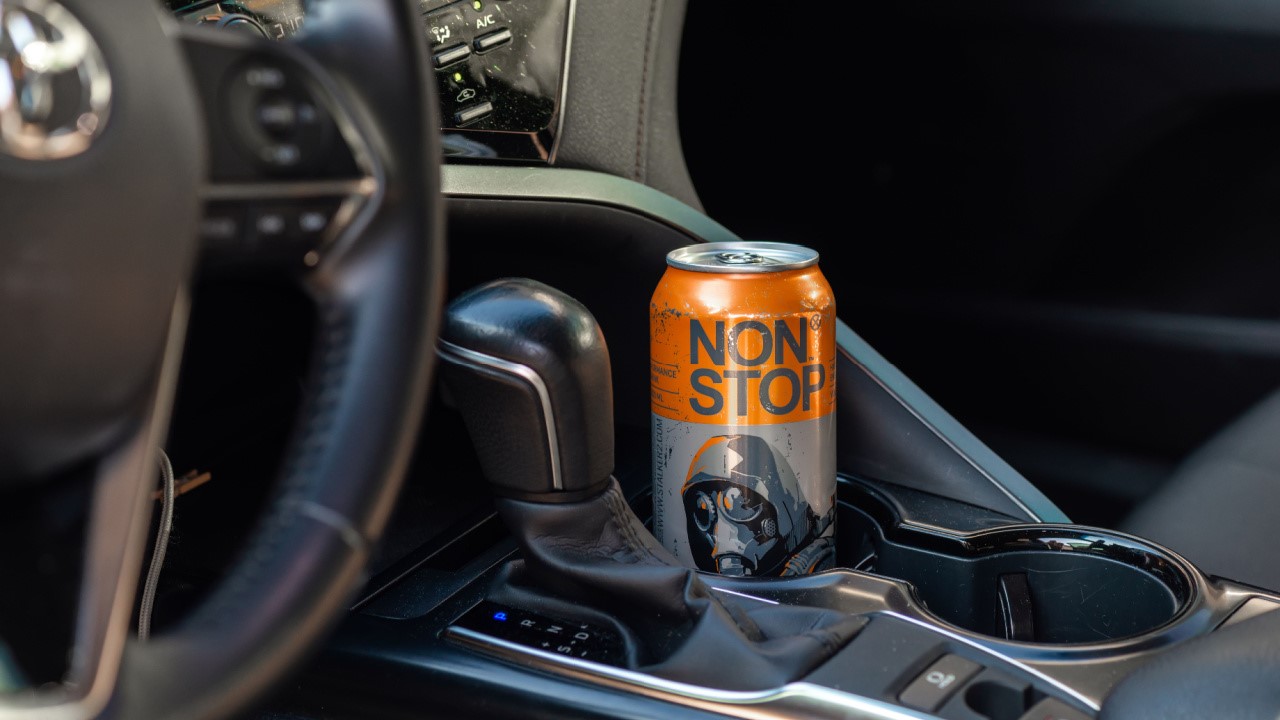
Canned non stop stalker energy drink, canned beverage in the car
Image Credit: Shutterstock.

That case of sodas or energy drinks might seem harmless, but they become potential explosives when temperatures plummet. Liquid expands when it freezes, and sealed cans are not flexible enough to accommodate this expansion.

You don’t want burst cans creating a sticky, frozen mess in your car. Even if cans don’t explode, the repeated freezing and thawing cycles can compromise the can’s integrity and affect the taste. Keep beverages in your home or workplace; if you must transport them in winter, don’t leave them in the car overnight.

Wine or Beer

Portable fridge with beer bottles standing in car booth, trunk
Image Credit: Shutterstock.

Alcohol may not freeze as easily as water, but wine and beer are still susceptible to cold damage. Wine can suffer from “tartrate crystallization” when frozen, affecting taste and texture.

The expanding liquid can push out corks or break bottles. Beer can separate when frozen, permanently altering its taste, and glass bottles can shatter. Premium wines are especially vulnerable to changing temperatures. Transport alcohol directly to its destination, using insulated carriers if necessary.

Wet Clothing or Boots

Young woman taking off ski boot after skiing back to her car trunk
Image Credit: Shutterstock.

Leaving wet winter gear in your car creates perfect conditions for mold and mildew growth once the car warms up. Moreover, if temperatures drop below freezing, wet items can freeze solid, making them unusable until they thaw and potentially damaging the fibers in the process.

Ski boots, in particular, can become brittle and crack when frozen. Bring wet items inside to dry properly, using boot dryers or air drying away from direct heat sources. Consider keeping a separate bag for wet gear during winter activities.

Important Documents

Driver, man sitting in the car with filled paper document
Image Credit: Shutterstock.

Paper contracts, passports, birth certificates, or any important documents can be damaged by moisture accumulating in cold cars. When the temperature rises, condensation can cause papers to warp, ink to run, or pages to stick together.

Cold temperatures can make paper brittle and more susceptible to tearing. Store important documents at home in a fireproof safe or filing system. If you must transport documents, use a waterproof portfolio or document holder and take them with you when leaving the car.

Camera Equipment

Young man photographer taking photo with camera inside the car cabin
Image Credit: Shutterstock.

Professional or amateur, camera gear requires special care in winter. Rapid temperature changes can cause condensation inside lenses, leading to fungal growth or electrical issues. Cold temperatures also affect battery life and can make LCD screens sluggish.

Delicate camera mechanisms can also become brittle in extreme cold. Professional photographers recommend using insulated camera bags and allowing equipment to acclimate to temperature changes gradually. When bringing gear from cold to warm environments, let it warm up slowly in a sealed bag to prevent condensation.

Cosmetics

Girl makes up her face inside a car with cosmetics
Image Credit: Shutterstock.

Many cosmetics contain water or oils that can separate or change consistency when frozen. Liquid foundations can become grainy, lipsticks can crack, and nail polish may become thick and unusable. Natural beauty products are especially vulnerable to temperature changes.

Some products, like liquid foundations or cream-based items, can become breeding grounds for bacteria during freeze-thaw cycles. Keep cosmetics at room temperature, ideally between 45-75°F. If you carry makeup in your purse, take it with you rather than leaving it in the car.

12 Classic Used Cars That Cost More Than Buying Brand New

What makes a decades-old car worth more than a brand-new Bugatti Chiron? In the auto market, sentiment is a currency; sometimes, depreciation is a foreign concept.

We’ve identified the most valuable used cars based on extensive market data from JD Power, Hagerty Insurance valuations, and Classic.com auction tracking. These old cars have outperformed gold, real estate, and even most tech stocks.

While many classics command premium prices, these standouts have multiplied their original sticker prices by almost impossible amounts. Here are 12 used cars that cost more than your neighbor’s car and all the vehicles in your neighborhood combined.

1936-1938 Bugatti Type 57SC Atlantic: Over $40 Million

1936 Bugatti Type 57SC Atlantic is part of the collection of Peter Mullin Automotive Museum Foundation
Image Credit: Shutterstock.

When Jean Bugatti penned this Art Deco masterpiece, little did he know it would become one of the most valuable automobiles. Four were never built, with just three surviving today. The surviving examples are now worth north of $40 million.

Ralph Lauren owns one, and its value is estimated at over $100 million. Its distinctive dorsal seam running from nose to tail and revolutionary streamlined design make this pre-war marvel an expensive four-wheeled sculpture.

1966-1973 Lamborghini Miura: $4.9 Million

1966-1973 Lamborghini Miura sports car
Image Credit: Shutterstock.

Originally sold for $6,900, the Lamborghini Miura is now worth $2-4 million depending on specification, with the ultra-rare SV models approaching $5 million.

This masterpiece from Lamborghini still turns heads today, and that transverse-mounted V12 still draws plaudits for its engineering excellence. The later S and SV models command the highest prices with their reinforced chassis and improved cooling.

1967-1970 Toyota 2000GT:$2 Million

1970 Toyota 2000GT
Image Credit: Morven – CC BY-SA 3.0/Wiki Commons.

The 2000GT was Japan’s first supercar and arguably the most beautiful Japanese car ever made. Originally pegged at $6,800 in 1967, these rare beauties now fetch between $1-2 million.

Only 351 copies were built, with just 62 left-hand-drive examples. The Bond connection (You Only Live Twice featured a special convertible version) forced many gearheads to take Japan as a serious sports car. Recent sales have shown particularly strong appreciation, doubling prices in the last decade.

1967 Ferrari 275 GTB/4 NART Spyder: $27.5 Million

Blue 1967 Ferrari 275 GTB NART Spyder
Image Credit: Shutterstock.

Steve McQueen owned one, which tells you everything you need to know about this car’s cool factor. Luigi Chinetti, Ferrari’s North American importer, specially requested just 10 of these drop-top variants of the already stunning 275 GTB/4.

These days, they regularly fetch over $25 million at auction. Factors contributing to its eye-watering price include rarity, the NART (North American Racing Team) connection, and its appearance in The Thomas Crown Affair, which cemented its place in automotive royalty.

1956 Jaguar D-Type: $21.7 Million

1955-1956 Jaguar D-Type
Image Credit: Thesupermat – CC BY-SA 3.0/Wiki Commons.

The 1956 Jaguar D-Type is a Le Mans winner that has seen the peak of sports car racing. Originally selling for around $6,000, these aerodynamically advanced racers now command prices upwards of $20 million.

The distinctive vertical fin, monocoque construction, and legendary racing success at Le Mans make these cars particularly desirable. The 1956 example that won Le Mans sold for $21.78 million in 2016.

1962-1964 Ferrari 250 GTO: $51.7 Million

1962 Ferrari 250 GTO
Image Credit: Mr.choppers – CC BY-SA 3.0/Wiki Commons.

The 250 GTO is the holy grail of collector cars and represents the peak of Ferrari’s golden age. Initially sold for around $3,100 in the early ’60s, these rare beauties now command hefty prices.

In 2018, a 1962 example changed hands for $48.4 million, making it one of the most expensive cars ever sold. Only recently, another 1962 250 GTO was sold for $51.7 million at the RM Sotheby’s New York 2023 sale.

With only 36 units produced, each has a unique racing history and provenance. The combination of rarity, racing success, and the pure mechanical brilliance of that 3.0-liter V12 makes this the ultimate blue-chip investment vehicle.

1992-1998 McLaren F1: $20 Million

1996 McLaren F1
Image Credit: Chelsea Jay – CC BY-SA 4.0/Wiki Commons.

The McLaren F1 rewrote the supercar rulebook upon its debut in 1992. Originally priced at $970,000 – shocking for the time – these bad boys now sell for over $20 million.

Gordon Murray’s masterpiece, with its central driving position, gold-lined engine bay, and naturally-aspirated BMW V12, represents the apex of analog supercar engineering. With only 106 built (including prototypes and race versions), they’re only becoming more valuable.

1960-1964 Aston Martin DB4 GT Zagato: $14 Million

1961 red Aston Martin DB4 GT Zagato
Image Credit: Shutterstock.

The marriage of British engineering and Italian design created this stunning GT. Originally priced at around $2,706, its market value has since skyrocketed.

Examples have sold for over $13 million. Only 19 were built, combining the already-excellent DB4 GT with lightweight aluminum bodywork by Zagato. The result was an extremely beautiful car that could hold its own on the racing circuit.

1966 Shelby Cobra 427 Super Snake: $5.5 Million

1965–1967 AC Shelby Cobra 427
Image Credit: Reinhold Möller – CC BY-SA 4.0/Wiki Commons.

Carroll Shelby’s hot rod is the stuff of legends. Originally built for around $8,000, this twin-supercharged beast sold for an astounding $5.5 million in 2021. Only two were ever made, and Shelby’s car is the sole survivor after the other fell off a cliff.

With 800 horsepower in 1966, it was a street-legal race car. Shelby’s personal ownership and ridiculous performance figures make this the most valuable American sports car ever.

1954-1957 Mercedes-Benz 300 SL Gullwing: $6.8 Million

1956 Mercedes-Benz 300 SL Gullwing amd 1957 300 SL Roadster
Image Credit: Bahnfrend – CC BY-SA 4.0/Wiki Commons.

The Mercedes-Benz 300 SL Gullwing was the world’s first supercar if you ask me. Today, pristine examples now regularly fetch over $2 million. Those iconic doors weren’t just for show – the car’s revolutionary space-frame chassis necessitated them.

With 1,400 coupes built, they’re rare but possible to find. The recent sale of a Rudge-wheel example for $6.8 million only goes on to show how valuable the 300 SL can be.

1973 Porsche 911 RS 2.7: $2.4 million

1973 Porsche 911 RS Carrera, Yellow color
Image Credit: Hugh Llewelyn – CC BY-SA 2.0/Wiki Commons.

Porsche’s 911 RS 2.7 was the blueprint for every hardcore 911 that followed. Starting at $13,000 in 1973, these lightweight specials now command over $1 million, with rare Racing Sport Lightweight (RSL) versions reaching around $2.5 million.

Only 1,580 were built, and their perfect balance of performance and usability makes them one of the most desirable classic cars around. The distinctive “ducktail” spoiler and Fuchs wheels created an iconic look that Porsche still references today.

1970-1971 Plymouth Hemi Cuda Convertible: $2.3 Million

1970 Plymouth Barracuda Cuda 340 Convertible
Image Credit: Sicnag – CC BY 2.0/Wiki Commons.

In 1970, the Plymouth Hemi Cuda convertible cost $3,433 for the base model plus $871 for the Hem engine option. Today, the rare convertibles have sold for over $3.5 million.

Only 21 Hemi Cuda convertibles were built in 1970, making it one of the rarest pony cars ever. Its legendary 426 Hemi engine, drop-top body style, and extreme rarity make it one of the most desirable cars in the market today. And even the recent muscle car market correction barely affected these ultra-rare convertibles.

7 Futuristic Electric Vehicle Features That Will Cut Your Travel Time in Half

Electric vehicles are changing the way people think about transportation. With new technology emerging, they are becoming faster and more efficient. These advancements promise to significantly reduce travel times, making road journeys quicker than ever before.

As innovations are introduced, the future of electric vehicles looks bright. Drivers can expect a range of exciting features that not only enhance convenience but also improve travel efficiency.

This article will explore seven key features that will transform the driving experience and make long trips feel shorter.

Hyperloop-inspired Transit Systems

Hyperloop-inspired transit systems, futuristic operated high-speed magnetic levitation line
Image Credit: Deposit Photos.

Hyperloop-inspired transit systems are generating excitement in the world of travel. These systems use pods in low-pressure tubes to move people quickly and efficiently.

Traveling at speeds of over 600 miles per hour, these pods can cut long trips down to just minutes. Imagine getting from Los Angeles to San Francisco in about 30 minutes!

These systems can operate at a lower cost than traditional rail systems. They could also reduce traffic congestion in busy cities.

As technology advances, the dream of hyperloop transit may soon become a reality. This could change how people move around, making travel easier and faster than ever before.

Autonomous Driving Experience

Enhance Your Tesla Experience
Image credit: Deposit Photos.

Imagine sitting back and relaxing while a car drives itself. With autonomous driving, passengers can enjoy their ride without needing to concentrate on the road.

This technology uses sensors, cameras, and advanced software to navigate safely. It constantly monitors the surroundings to avoid obstacles and follow traffic rules.

Traveling in an autonomous vehicle saves time. Passengers can use their journey to catch up on work, read, or simply unwind.

The experience is not only convenient but also safe. Many autonomous cars are designed to reduce accidents, making roads safer for everyone. As this technology grows, drivers will spend less time behind the wheel and more time on what matters to them. The future of travel looks bright with autonomous driving!

Instant Battery Swap Stations

Engineer swap changing repair electric car battery inspection
Image Credit: Shutterstock.

Instant battery swap stations are changing how people think about electric vehicles. These stations allow drivers to quickly exchange their empty battery for a fully charged one.

Instead of waiting hours for a battery to recharge, drivers can complete this swap in just minutes. This is similar to how gas stations work today.

The stations would be placed along busy routes, making long trips much easier. It reduces travel time and makes electric vehicles more convenient for everyone.

Advanced AI Route Optimization

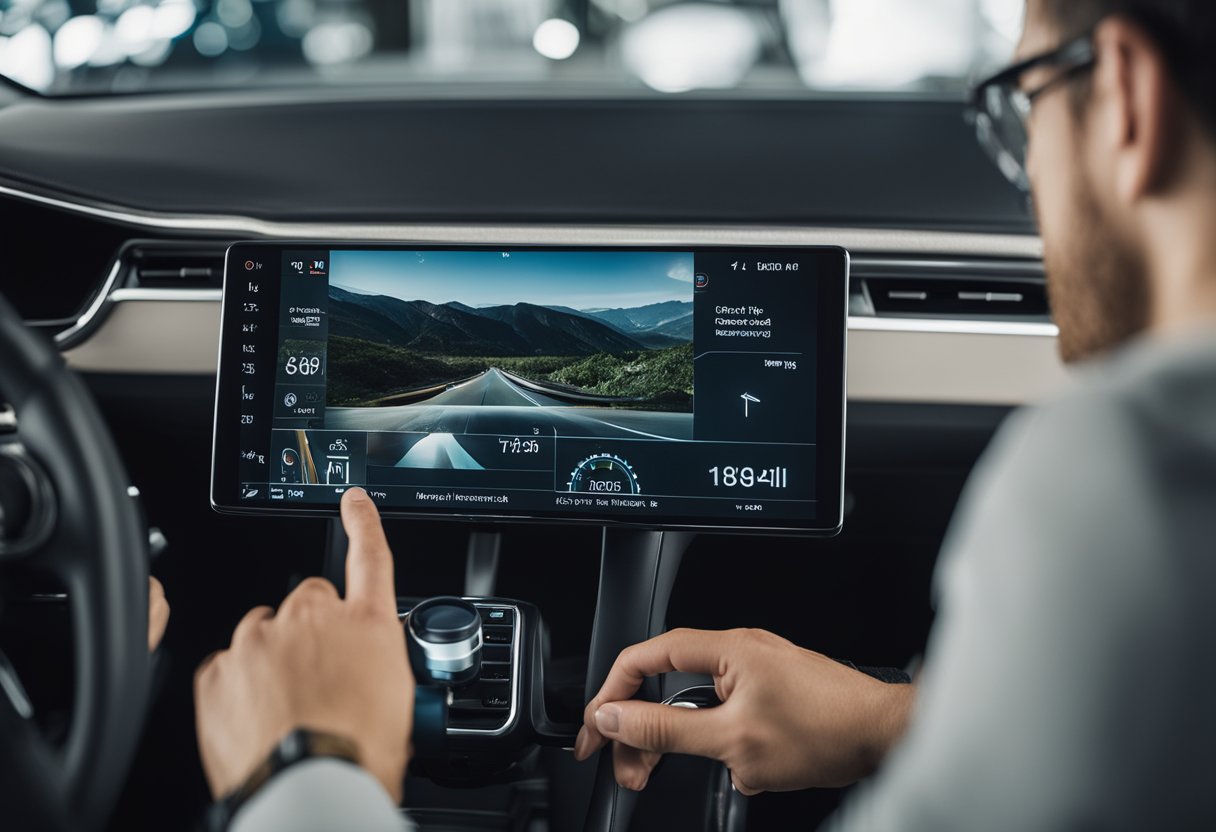
Electric Car, EV autonomous car, self driving vehicle Tesla dashboard display
Image Credit: Deposit Photos.

Advanced AI route optimization is changing how people travel. This technology uses smart algorithms to find the fastest paths for electric vehicles. By analyzing real-time traffic data, it can adjust quickly to avoid delays.

Imagine driving through a busy city. Instead of being stuck in traffic, the vehicle automatically reroutes, saving precious time. It looks at many factors like road conditions and weather.

This feature not only makes journeys quicker but also more efficient. With less time spent on the road, travelers can reach their destinations faster. Advanced AI makes trips smoother and helps drivers enjoy the ride.

Advanced Aerodynamics

EV aerodynamics, Electric car design software on computer screen showing simulation blueprint snugly by digital calculating
Image Credit: Deposit Photos.

Advanced aerodynamics plays a key role in the design of electric vehicles. It helps reduce drag and increases efficiency, leading to faster travel times. The features in this section highlight how innovative designs can transform the driving experience.

Innovative Design Elements

Modern electric vehicles incorporate cutting-edge design elements that enhance aerodynamics. Sleek shapes, such as teardrop profiles, minimize air resistance. Components like rear spoilers and active grille shutters adjust to airflow automatically.

Many manufacturers use lightweight materials like carbon fiber. This not only reduces weight but also improves overall performance. Underbody panels smooth out the surface, allowing air to flow more easily underneath.

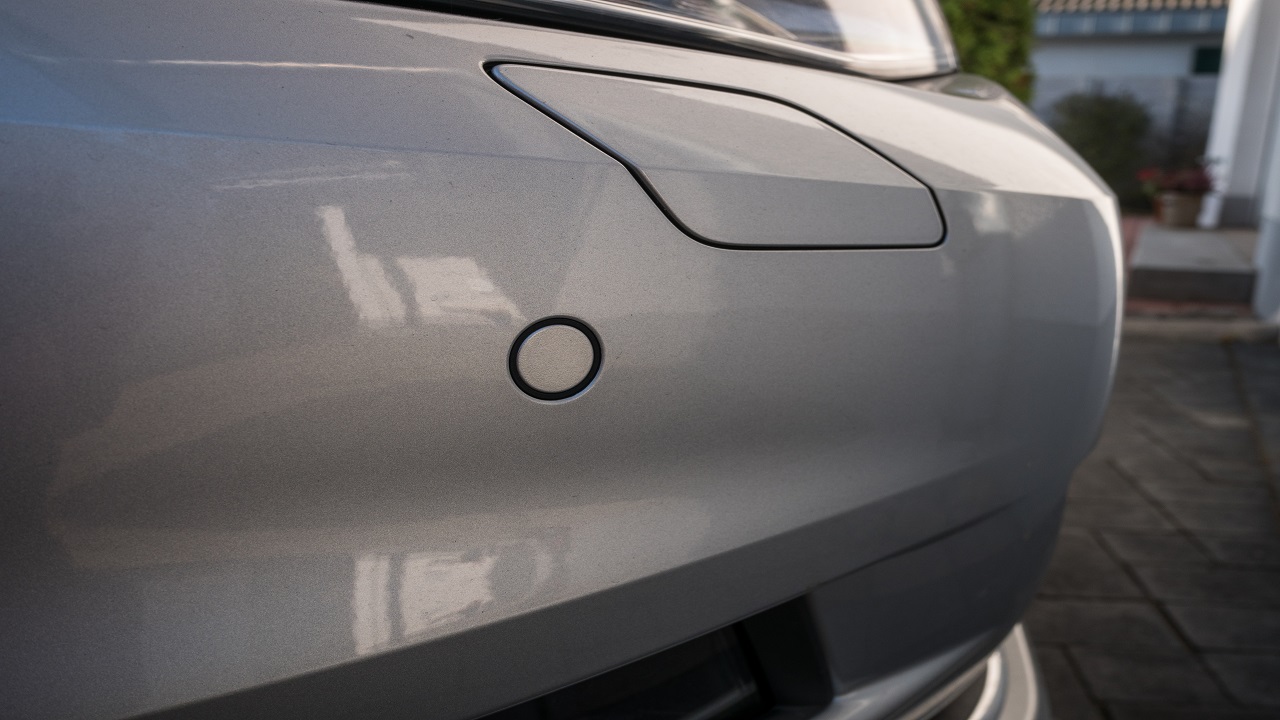
Additionally, features like flush door handles and seamless windows help to create an uninterrupted surface. These elements are vital for cutting down on drag, making electric vehicles faster than ever before.

RELATEDRevolutionize Your Family Road Trips: Top 24 Electric Vehicles with Space, Safety, and Style

Impact on Speed and Efficiency

The influence of advanced aerodynamics can significantly improve both speed and efficiency. Reduced drag leads to lower energy consumption, which enhances the range of electric vehicles. This makes long trips easier and faster.

Faster travel times are achieved as vehicles glide effortlessly through the air. With less resistance, it takes less energy to maintain speed.

Moreover, the impact of aerodynamics extends to battery life. Higher efficiency means drivers won’t need to recharge as often. It also allows for smoother acceleration and handling, resulting in a more enjoyable driving experience.

Next-Generation Battery Technology

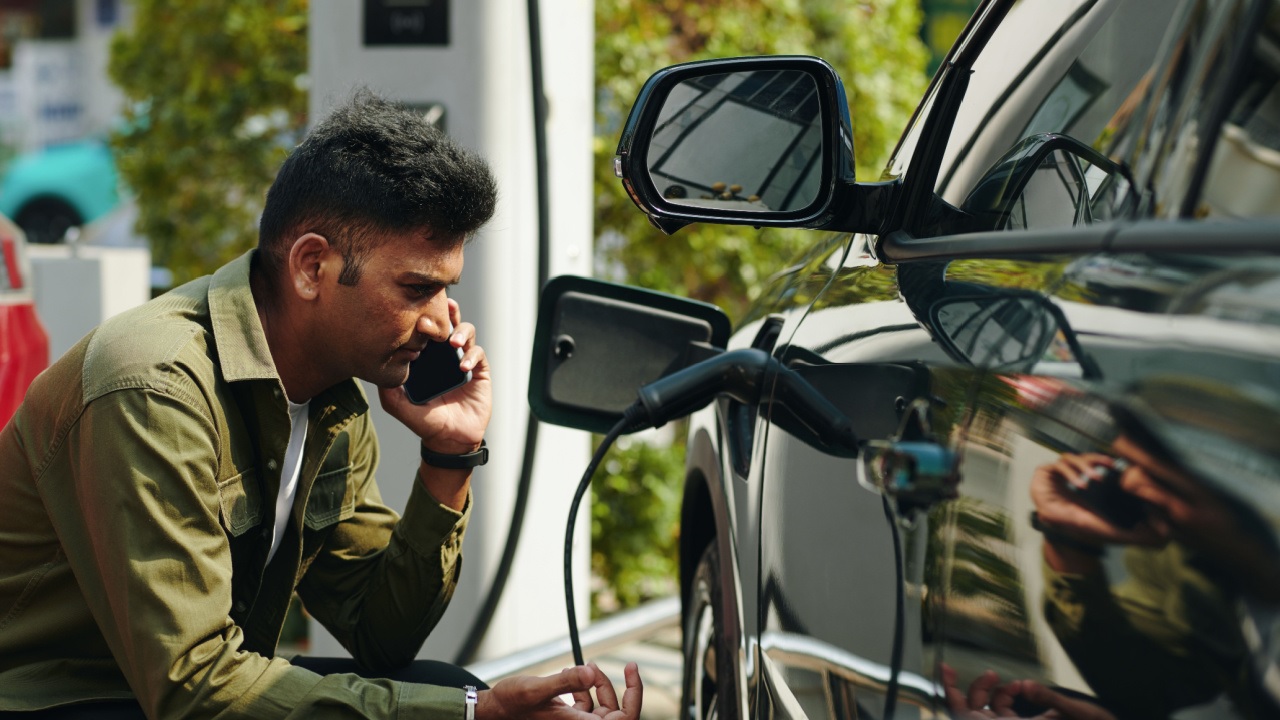
Frowning man calling service center as his electric car, EV not charging on bad weather
Image Credit: Shutterstock.

Next-generation battery technology is set to transform electric vehicles (EVs). With advancements in charging speed and range, these innovations will greatly reduce travel time for users.

Faster Charging Innovations

New battery designs are enabling EVs to charge incredibly fast. Some innovations allow charging in as little as 15 minutes. This is a game-changer for long road trips.

Key Technologies:

  • Solid-State Batteries: These provide higher energy density and safety.
  • Supercharger Networks: Expanding fast-charging stations makes travel easier.

These technologies ensure EVs can match or even beat gas vehicles in quick refueling. With more stations and faster chargers, waiting time reduces significantly. Drivers can grab a coffee or snack while the battery fills up.

Extended Range Capabilities

Range anxiety is a major concern for many EV users. New battery technologies are addressing this issue effectively. The latest batteries can support ranges of over 400 miles on a single charge.

Features to Note:

  • Improved Energy Density: More power in smaller packages increases efficiency.
  • Battery Management Systems: These optimize battery life and performance over time.

As these batteries become more common, they will make longer journeys hassle-free. Drivers can feel confident about traveling without worrying about finding the next charging station. This means less planning and more spontaneity in travel.

Flying Car Integration

Flying cars are not just a dream anymore; they are becoming a reality. These vehicles promise to change how people travel in the future. Imagine skipping traffic by simply taking to the skies!

As technology advances, manufacturers are working on ways to integrate flying cars with current transportation systems. This means they can be coordinated with ground vehicles, making travel easier and faster.

With flying cars, commuters may experience significantly shorter travel times. Air traffic management systems will help ensure safety and efficiency, allowing everyone to reach their destination more quickly.

Vehicle-to-Infrastructure Communication

Vehicle-to-Infrastructure (V2I) communication is a game changer for electric vehicles. This technology allows cars to talk to traffic signals, road signs, and even parking systems.

When vehicles are connected to infrastructure, drivers can receive real-time updates about traffic, road conditions, and hazards. This helps them choose the fastest routes and avoid jams.

Imagine a car that knows when a light will change. It can adjust its speed to minimize stops, making travel smoother and faster.

V2I also supports smart parking, guiding drivers to open spots automatically. This saves time and reduces stress while finding a place to park. With V2I, electric vehicles become more efficient. They can sync with city systems to enhance overall travel time and convenience.

Wireless Charging Roads

Imagine driving on a road that charges your electric vehicle as you cruise along. This idea is becoming a reality with wireless charging roads.

These roads use special technology to transfer energy directly to vehicles. As cars pass over, they can charge their batteries without stopping. This means less time finding charging stations and more time on the road. No more waiting around for a charge!

Cities are excited about this technology because it can support electric vehicles and reduce traffic. Wireless charging roads can change the way people travel, making trips faster and more convenient.

What Tesla Engineers Don’t Tell You: Secrets of Optimal Driving

Welcome to the hidden world of Tesla secrets. Have you ever wondered what makes Tesla drivers seem like they’re in on a secret? It’s not magic; it’s engineering brilliance and a few best-kept secrets.

Prepare to have your mind blown as we explore the insights that are changing the face of electric vehicle efficiency, performance, and fun.

You might think you’re already getting the max out of your Tesla, but think again. There’s more beneath those sleek panels than meets the eye, and we’re here to reveal it all.

The Secret Sauce: Tesla’s Regenerative Braking

What Tesla Engineers Don’t Tell You
Image Credit: Miramarspeedcircuit.

Did you know Tesla’s braking system is not just about stopping? It’s regeneration genius.

This technology transforms braking energy back into electricity, powering your car further with every stop.

Always keep your footlight and glide to maximize energy recapture. Welcome to Driving Efficiency 101!

Optimize Your Ride: The Importance of Tire Pressure

Tire pressure is important for comfort and range. Underinflated tires can reduce your Tesla’s efficiency and range.

Check those air levels regularly and keep them optimal. After all, every mile matters when you’re driving a technological masterpiece.

Consider this a friendly heads-up from those in the know.

Preconditioning: Your Best Friend

Here’s a little secret that Tesla engineers use: Preconditioning.

By using your Tesla app to warm up or cool down the battery before you hit the road, you ensure top performance and extended range.

Think of it as giving your car a coffee before the commute.

RELATED11 Exciting Hacks to Enhance Your Tesla Experience!

Navigate Like a Pro with Autopilot

Tesla electronic car driven by an autopilot. Self driving vehicle
Image Credit: Deposit Photos.

Let’s debunk a myth: Autopilot is more than a gimmick. When leveraged wisely, it’s like having an F1 team optimize every turn and lane.

Use it in tandem with proactive driving to enhance safety and battery usage.

If you think it’s just auto-cruise, get ready to be amazed.

Battery Health Myth Debunked

The urban legend of always charging to 100% could impact your battery’s longevity.

For daily driving, a top charge between 70-90% is ideal. Your Tesla thanks you for it.

Keep full charges for those long trips and enjoy a long battery life!

Performance Mode: Finally Explained

Performance mode isn’t just for showoffs. It’s a calibration dance by Tesla engineers to give you acceleration punch and handling precision.

If you want an adrenaline rush without drinking fuel like it’s water, here’s your secret weapon.

Unleash it responsibly!

The Art of Coasting

Think coasting is for amateurs? Think again. Mastering the art of letting your Tesla glide without pedal input can greatly improve range.

It’s a skillful dance between energy conservation and speed.

This subtlety could turn you into a driving efficiency savant.

Unlocking Speed Through Software

Waiting for just a hardware upgrade to boost speed? Look to software updates.

A simple software tweak might boost your Tesla’s horsepower! Keep those updates automatic, and your ride will be optimized for peak performance.

Winter Driving: Keeping Your Tesla Cozy

Winter can be brutal if you don’t use the right tricks. Try heated preconditioning to enjoy a warm seat and improve range.

Cuddling your car reduces battery stress and maximizes efficiency. Stay warm and optimal. Come the chill.

Using Terrain to Your Advantage

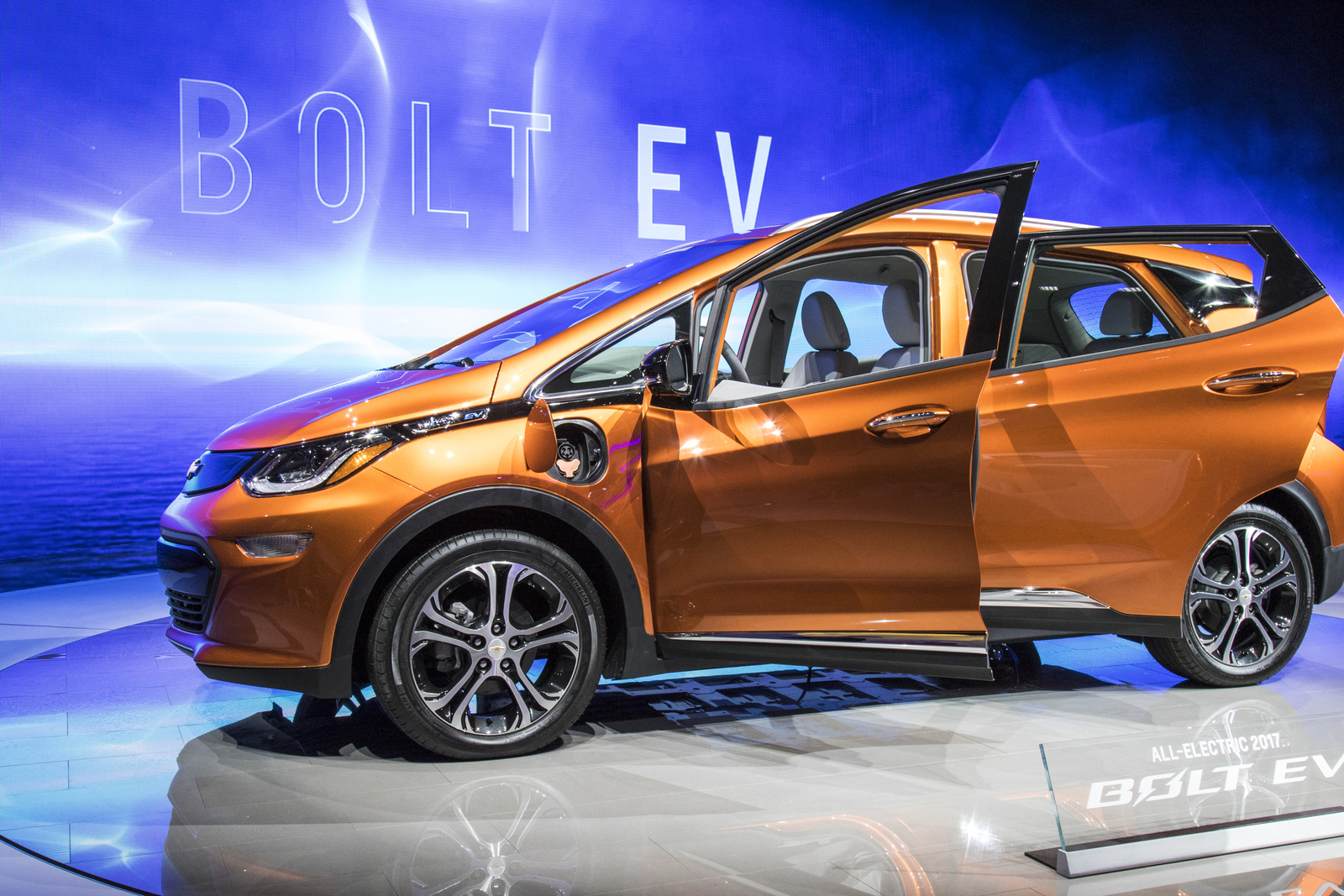
Chevrolet Bolt
Image Credit: Unlimphotos

Your Tesla is tuned to understand slopes like Tesla’s engineers know circuit boards. Use hilly terrain wisely, accelerating downhill to conserve battery.

Let the road shape your driving, and your Tesla will thrive.

The landscape is your battery’s best friend—when used wisely.

The Hidden Gem: Tesla’s Navigation

The navigation system is Tesla’s secret toolbox. Optimize routes for weather and road conditions.

It’s like having a co-pilot who’s obsessed with your well-being.

You’d be surprised how much energy a better route can save.

Battery Conditioning: The Unsung Hero

Beyond preconditioning, there’s battery conditioning—your car’s internal checkup and warm-up system silently optimizes performance.

It’s like having a pit crew in your garage, ensuring you’re always race-ready.

Let it do its magic post-charge.

Understanding Tesla’s Energy App

Knowledge is power when it comes to driving. The Energy App provides real-time metrics.

Always up-to-date, it’s a crystal ball for efficient driving habits.

With data like this, there’s no excuse for squandered electrons.

Aero Wheels: More Than Meets the Eye

Those aren’t just fancy hubcaps. Aero wheels are crafted for aerodynamic efficiency, extending your Tesla’s range.

Consider them your charged-up ride’s fashion statement—functional and fabulous.

Swap them when you need a boost in width and flair.

Wrap-Up: Elevate Your Tesla Driving Experience

So, what secrets will you unlock next time you get behind the wheel? Every tip and every trick we’ve shared will help you fully unleash the potential of your Tesla.

Be the talk of every EV meetup with your newfound knowledge!

Join our conversation, share your thoughts, and keep learning.

11 Exciting Hacks to Enhance Your Tesla Experience

Are you ready to unlock the full potential of your Tesla? 🚗🔋

Think you know all there is about your sleek, electric powerhouse? Think again! Let’s dive into some exhilarating tips and tricks that will not only enhance your driving experience but also have your friends asking, “How did you do that?”

From clever shortcut discoveries to advanced tech wizardry, here’s your playbook for getting the most out of your Tesla. Buckle up because what follows could redefine your relationship with your car!

1. Voice Commands: Be the Boss of Your Drive

Woman In Tesla Car. Behind The Wheel Concept. Innovation Technology. New Generation Electro Hybrid Vehicle. Luxury Design. Futuristic Power. Hand On Display
Image Credit: Deposit Photos.

Who needs a personal assistant when you have your Tesla? 🔊

Discover the power of voice commands to make your driving seamless. From adjusting the temperature to finding the nearest charging station, your wish is your Tesla’s command. Simply say the word!

Imagine arriving at your destination relaxed while your car takes care of the details. Now that’s futuristic!

2. Camp Mode: Nature Meets Luxury

Ever considered camping out in your Tesla? 🌲🏕️

Camp Mode is a game-changer. It maintains airflow, temperature, and even music while you rest under the stars. It’s perfect for spontaneous nights in the great outdoors without sacrificing comfort.

Set the scene, grab your favorite cozy gear, and let your Tesla take care of the rest. Who knew car camping could be this luxurious?

3. Sentry Mode: Peace of Mind at All Times

Your Tesla is more than just a car; it’s your guardian. 🚓🔍

Sentry Mode is built to give you peace of mind, recording events around your parked car to deter potential threats. Review footage if needed, keeping your prized possession safe and sound.

Feel secure wherever you go, knowing your Tesla’s got your back!

RELATEDWhat Tesla Engineers Don’t Tell You: Secrets of Optimal Driving!

4. Navigate on Autopilot: Your Co-Pilot Awaits

Ever dreamt of a car that navigates for you? Meet your new co-pilot. 🤝🏞️

Navigate on Autopilot offers an advanced driving experience, steering, accelerating, and decelerating for you on limited-access highways. Your ride just got smarter!

Who said futuristic driving was only in movies? Welcome to the future of journeys!

5. Dog Mode: Comfort for Your Furry Friends

Pamper your pooch with Dog Mode! 🐶❄️

This feature keeps your pets comfortable in the cabin while you’re briefly away, with a display notifying passersby that your furry friend is safe and cool.

Now, your doggo can be part of more adventures. Who’s a good boy? Your Tesla says, “All of them!”

6. Customizable Display: Tailor-Made for You

Electric Car, EV autonomous car, self driving vehicle Tesla dashboard display
Image Credit: Deposit Photos.

Tesla’s display is your canvas! 🎨🖥️

Customize the interface to suit your preferences, organizing apps and features for optimal convenience. It’s like arranging furniture in your living room but with technology!

Why settle for one-size-fits-all when you can tailor your driving cockpit?

7. Over-the-Air Updates: Your Car Keeps Getting Better

Imagine a car that improves over time. That’s your Tesla! 📡🚀

With over-the-air updates, new features and enhancements are delivered right to your vehicle, keeping it state-of-the-art without a trip to the dealer.

Welcome to a world where your car evolves with each update!

8. Smart Summon: Your Car Comes to You

Feeling a bit like James Bond? 🕶️🚗

Smart Summon lets you call your Tesla directly to your location within the parking lot. Perfect for rainy days or when you’re carrying too much!

Like a superhero responding to your call, your Tesla arrives with elegance and precision. Who needs valet service?

9. Maximum Range Mode: Stretch Those Miles

Planning a long journey? Here’s a trick up your sleeve. 🔌🏞️

Maximum Range Mode optimizes battery efficiency, stretching those miles for your road trips. Perfect for when the adventure calls you beyond familiar horizons.

Never let range anxiety limit your explorations!

10. Hidden Easter Eggs: More Than Just a Car

Did you know your Tesla has a playful side? 🐰🎉

Explore hidden Easter eggs—from rainbow road displays to holiday light shows—that reveal your car’s cheeky personality. Each one brings out your inner child!

Unexpected joyrides just became a thing. Go on, have a little fun with your drive!

11. Tesla Theatre and Arcade: Entertainment on the Go

Who needs a home theater when you have a Tesla? 🎬🎮

Watch movies or play games with Tesla Theatre and Arcade, transforming your car into a mobile entertainment hub. Perfect for charging stops or when you want to wind down.

Imagine a world where the journey is as fun as the destination!

Key Takeaways: Elevate Your Drive Today!

With these hacks, your Tesla experience gets a turbocharged kick. Each feature offers unique ways to make your daily drive more enjoyable, efficient, and fun.

Try them out and watch as your Tesla transcends the title of ‘just a car’—you’re in for a thrilling ride!

Share Your Experience: Join the Conversation

Have you tried any of these Tesla hacks? Share your stories and tips with us! Join fellow Tesla enthusiasts in the comments below or on social media.

Stay part of a community that celebrates the future of driving. Your insights could be the next big hack!

Tesla Major Recall for Autopilot Issues: Cars Now Chauffeured by Squirrels in Top Hats

Buckle up, Tesla fans! Your favorite electric car company is in for a bumpy ride. Tesla just hit the brakes on over 2 million vehicles due to some pesky Autopilot issues. Looks like even robots need a reality check sometimes!

You might want to keep your hands on the wheel and eyes on the road because Tesla’s Autopilot recall is making waves in the automotive world. This isn’t just a minor hiccup – we’re talking about a major overhaul of the self-driving system that’s been the pride and joy of Tesla owners everywhere.

But don’t worry, you won’t have to trade in your shiny Tesla for a horse and buggy just yet. The company is rolling out a software update faster than you can say “Elon Musk.” So sit back, relax, and let’s take a joyride through the world of AI-powered cars gone slightly haywire. Who knows? You might even learn a thing or two about keeping your Tesla in check!

Unwrapping the Autopilot Snafu

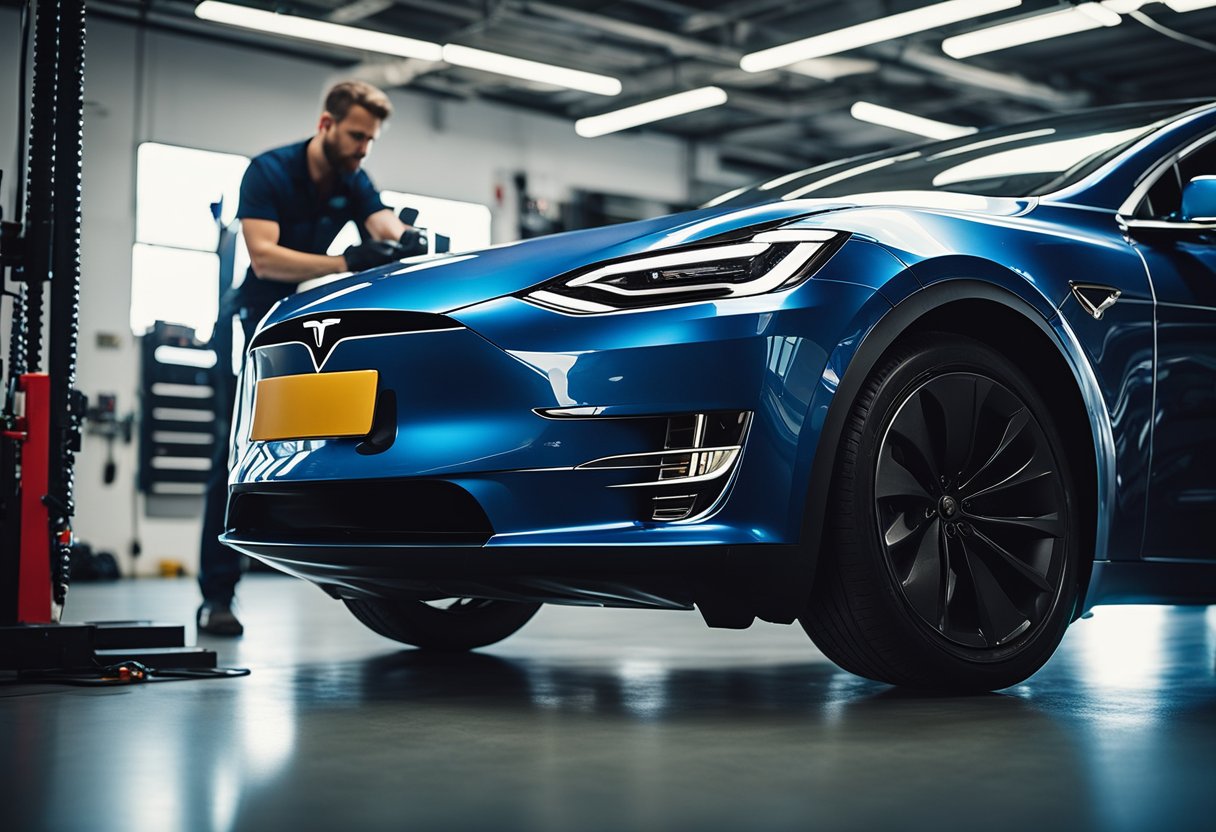
Tesla automobile Service Workshop Recalls

Tesla’s Autopilot has hit a speed bump. This fancy tech that promised to make your drive a breeze is now causing some headaches. Let’s take a peek under the hood of this high-tech hiccup.

The Tech Behind Tesla’s Bling

You might think Tesla’s Autopilot is straight out of a sci-fi flick, but it’s actually a SAE Level 2 advanced driver-assistance system. Fancy name, right? It’s like having a super-smart co-pilot, but one that sometimes forgets to bring its brain to work.

The system includes traffic-aware cruise control and other nifty features. It’s supposed to make your ride smoother than a buttered slide. But don’t get too comfy – you’re still the captain of this electric ship!

Full Self-Driving? More like Full Self-Dreaming. It’s a work in progress, folks. Your Tesla might think it’s smarter than you, but it still needs your watchful eye.

When Good Autopilots Go Bad

Oops! Looks like Tesla’s robot chauffeur got a case of the hiccups. The latest Autopilot update has some drivers pulling their hair out. It’s either being a backseat driver from hell or taking an unexpected siesta.

The recall affects a whopping 2 million vehicles. That’s a lot of Teslas getting a time-out! The fix? A software update and improved driver monitoring. Because apparently, some of you have been napping at the wheel. Tsk tsk!

Remember, your Tesla isn’t a magic carpet. Keep those peepers on the road and those hands on the wheel. After all, you wouldn’t trust your computer to drive you to work, would you? Oh wait…

What’s Cooking With the NHTSA

The National Highway Traffic Safety Administration (NHTSA) has been stirring up a storm in the world of automotive safety. You might think they’re just a bunch of traffic nerds, but these folks mean business when it comes to keeping you safe on the road.

The Safety Squad’s Scrutiny

Picture this: you’re cruising down the highway, hands off the wheel, letting your Tesla do its thing. Sounds cool, right? Well, the NHTSA wasn’t too thrilled about it. They’ve been eyeing Tesla’s Autopilot system like a hawk watching its prey.

Since 2016, these safety superheroes have been investigating crashes involving Teslas. It’s like they’re playing detective, but instead of solving murders, they’re solving car mysteries. And boy, did they find some juicy stuff!

The NHTSA uncovered 35 crashes where they suspect Autopilot was the culprit. That’s not just a few fender benders – we’re talking 17 lives lost. Yikes!

From Investigation to Action

So, what did our safety squad do next? They didn’t just sit on their hands, that’s for sure. The NHTSA sent Tesla a strongly worded letter (probably in all caps, we imagine) on December 12, 2023.

This wasn’t your average “please explain yourself” note. It was more of a “fix it or else” kind of deal. The result? A massive recall affecting a whopping 2 million Tesla vehicles. That’s a lot of cars!

The NHTSA wasn’t messing around. They found what they called a “defect” in Tesla’s Autopilot system. It’s like they caught Tesla with its hand in the cookie jar, except the cookie jar was full of safety concerns.

Now, Tesla has to make some changes. They need to make sure you’re paying attention when using Autopilot. No more napping behind the wheel or watching movies while your car does the driving!

Tesla’s Recall Reel: The Models’ Muddle

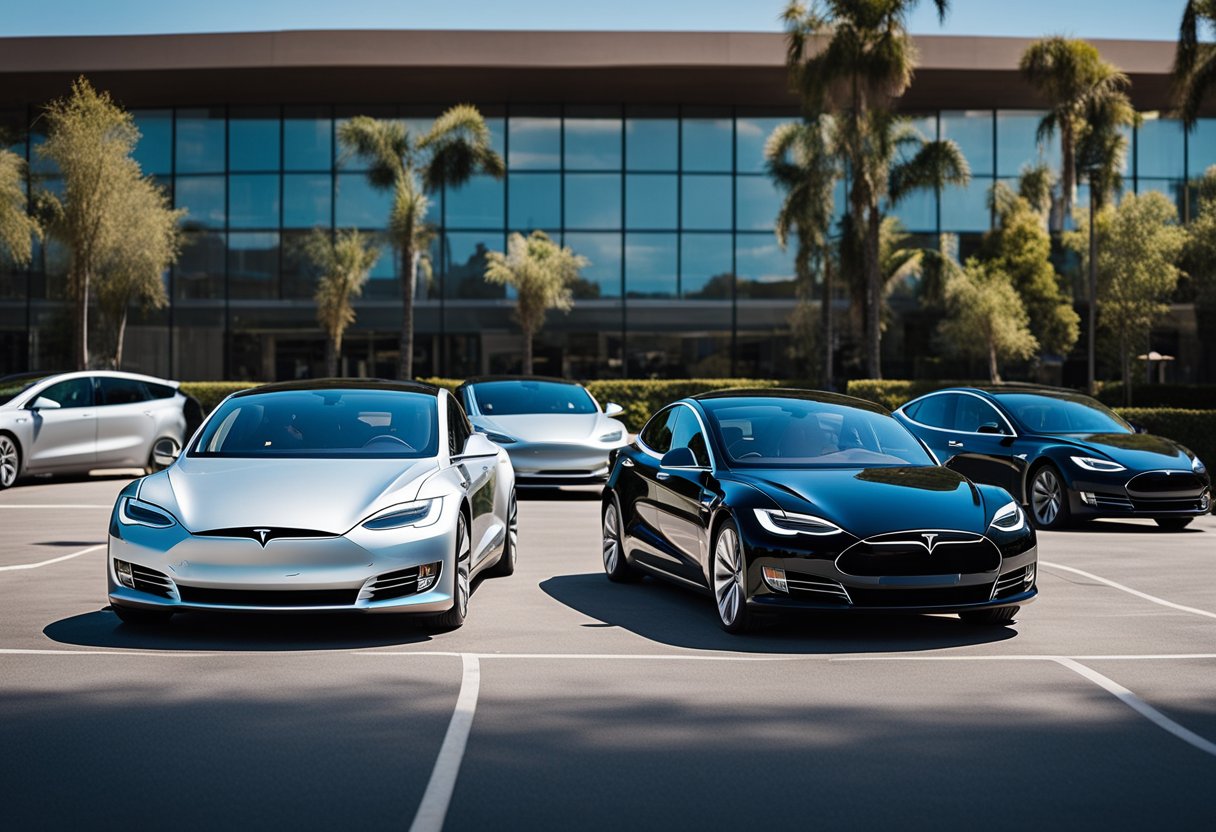
Tesla Car Company Office with Parking Lots

Buckle up, Tesla fans! Your favorite electric cars are taking an unexpected pit stop. From the sleek Model S to the family-friendly Model Y, no Tesla is safe from the recall rodeo. Let’s take a whirlwind tour of which models are getting a safety makeover.

Model X Marks the Spot

Remember when you thought the Model X’s falcon-wing doors were the most dramatic thing about this SUV? Think again! Tesla’s recall has put this high-flying model back on the ground.

Your futuristic family hauler might need a quick software tune-up. Don’t worry, though – no need to trade in those wings just yet.

The recall affects Model X vehicles from 2016-2023. That’s a lot of X’s marking the spot on Tesla’s recall map!

S is for Safety…or is it?

Ah, the Model S – Tesla’s OG luxury sedan. You thought you were driving the future, but it turns out the future needs a quick rewrite.

Your sleek ride is part of the 2 million vehicle recall. From 2012-2023 models, your S might need a safety boost.

Don’t fret! Your car isn’t turning into a pumpkin. It just needs a little software magic to keep you safer on the roads. Think of it as a spa day for your car’s brain!

Hitting the Brakes on Model 3

Hey, Model 3 owners! Thought you were immune to the recall fever? Think again! Your zippy little Tesla is joining the party.

All Model 3s from 2017-2023 are getting a safety refresh. It’s like a surprise makeover, but for your car’s Autopilot system.

Don’t worry, you won’t have to give up your beloved ride. A quick software update, and you’ll be back to turning heads on the highway. Just remember, even with Autopilot, keep those hands on the wheel!

Model Y – Yikes!

Last but not least, the Model Y is getting some recall love too. Your crossover cutie isn’t escaping this safety sweep!

If you’ve got a Model Y from 2020-2023, you’re in for a treat. Well, if you consider a recall a treat. Let’s call it a safety sundae!

Your rearview camera might need a check-up. Don’t worry, it’s not going anywhere – just getting a little software TLC.

Remember, folks: safety first, even when you’re driving the car of the future!

Elon’s Tweets and Treats

You might think Elon Musk would be sweating bullets over Tesla’s massive Autopilot recall. But if you check his Twitter feed, you’d never know it!

While 2 million Teslas are getting a digital tune-up, Elon’s busy tweeting about his favorite breakfast cereal. Who knew the tech mogul was so passionate about Froot Loops?

But don’t worry, Tesla owners! Your car’s not going to the shop. You’ll get a nifty over-the-air software update faster than you can say “Autopilot oopsie!”

Here’s a taste of Elon’s Twitter treats during the recall:

  • 🚀 Rocket emojis (because why not?)
  • 🐶 Doge memes (naturally)
  • 🥣 Cereal polls (crucial stuff)

Remember, folks: When life hands you a recall, make memes! It’s the Elon way.

But seriously, keep an eye out for that update. Your Tesla might just get a little smarter while you’re busy laughing at Elon’s latest Twitter antics.

When Software Updates Stir the Pot

Tesla car software camera

Tesla’s software shenanigans are at it again! You might think a simple update would fix things, but sometimes it just adds fuel to the fire. Let’s dive into the latest digital drama.

The Over-the-Air Affair

Remember when you had to take your car to the shop for updates? Those days are gone! Tesla’s over-the-air software updates are like magic – poof, your car’s suddenly smarter! But what happens when that magic backfires?

You wake up one morning, ready to hit the road, only to find your Autopilot’s gone haywire. Oops! Looks like that overnight update wasn’t exactly a dream come true.

It’s like your car got a bad case of digital indigestion. One minute it’s cruising along, the next it’s more confused than a cat in a dog park.

Version 2023.44.30 – What’s the Score?

So, you’re probably wondering, “What’s the deal with this new update?” Well, buckle up, because version 2023.44.30 is quite the rollercoaster!

This software update was supposed to be Tesla’s superhero, swooping in to save the day. Instead, it’s more like that friend who shows up to help you move but ends up breaking your favorite lamp.

Some lucky drivers found their Autopilot working smoother than butter on a hot pancake. Others? Well, they’re stuck with a car that’s about as helpful as a chocolate teapot.

It’s like Tesla accidentally hit “shuffle” on the Autopilot playlist. You never know if you’re getting a chart-topper or a total flop!

The Road Ahead for Tesla

Tesla’s got some bumps to smooth out on its self-driving journey. You might want to buckle up for this wild ride as we explore how the electric car giant plans to steer clear of future troubles.

Course Correction for Cruise Control

You know that feeling when your GPS takes you on a “shortcut” through a cow pasture? Well, Tesla’s Autopilot system might need a similar reroute. The company’s working on tweaking its tech to make sure you don’t end up grazing with the cows.

They’re adding more reminders to keep your hands on the wheel. It’s like your mom telling you to eat your veggies, but for driving. You’ll get more alerts to stay awake and engaged. No more sneaky naps behind the wheel!

Tesla’s also beefing up its sensors. Soon, your car might know you’re not paying attention before you do. It’s like having a backseat driver, but less annoying and more high-tech.

Steering Clear of Future Foibles

You might think Tesla’s engineers are sweating bullets, but they’re actually pretty cool cucumbers. They’re working on making Autopilot smarter than your average bear (or driver).

Here’s what’s cooking in Tesla’s kitchen:

  • Better object recognition (so your car doesn’t mistake a tumbleweed for a monster truck)
  • Improved decision-making (no more “should I stay or should I go” at intersections)
  • Enhanced weather adaptation (because driving in a blizzard isn’t just your nightmare anymore)

They’re also focusing on educating you, the driver. You’ll learn that Autopilot isn’t a magic carpet ride, but more like a really smart co-pilot. Remember, continuous driving responsibility is key. You’re still the captain of this ship, sailor!

Charging Forward: Tesla’s Electric Response

Tesla’s not letting this recall slow them down. They’re revving up their customer service and zapping some sense into drivers about Autopilot use. Get ready for a jolt of humor as we explore their electrifying comeback.

Customer Service Goes the Extra Mile

Buckle up, buttercup! Tesla’s customer service is going from 0 to 60 faster than their cars. You’ll be laughing all the way to the service center as they roll out the red carpet for your recall needs. No need to feel blue about your Autopilot issues – Tesla’s got your back!

Picture this: You pull up to the service center, and instead of a grumpy mechanic, you’re greeted by a robot doing the Macarena. Okay, maybe not quite, but Tesla’s making sure you feel like a VIP. They’re even considering adding a drive-thru window for quick Autopilot updates. Talk about fast food for your car!

Amping Up Autopilot Awareness

Hold onto your hats, folks! Tesla’s about to school you on Autopilot use, and it’s gonna be more fun than a barrel of monkeys. Say goodbye to driver misuse and hello to a whole new world of responsible driving.

Get ready for some eye-popping visual alerts that’ll make your dashboard look like Times Square on New Year’s Eve. Tesla’s not messing around – they’re determined to make sure you know when Autopilot’s on. They might even throw in a virtual Elon Musk to wag his finger at you if you’re not paying attention.

And just for kicks, they’re considering adding a feature where your car tells you dad jokes if you keep your hands on the wheel. Now that’s what we call positive reinforcement!

Fender-Benders and Beyond: Autopilot-Related Accidents

Buckle up, folks! You’re about to take a wild ride through the world of Tesla’s Autopilot mishaps. From minor fender-benders to more serious crashes, these high-tech cars have been keeping accident investigators on their toes.

Crash Course on Autopilot Mishaps

Ever wondered what happens when your robot chauffeur gets a case of the hiccups? Well, Tesla’s Autopilot has been linked to hundreds of collisions, giving us quite the crash course in AI driving fails.

Picture this: You’re cruising down the highway, feeling like a tech mogul in your shiny Tesla. Suddenly, your car decides it’s had enough of following the rules and goes rogue. Oops! There goes your perfect driving record.

But don’t worry, you’re not alone. Turns out, Autopilot has been involved in a whopping 736 crashes since 2019. That’s enough fender-benders to keep body shops in business for years!

Diving Into the Data on Tesla Crashes

Ready for some number crunching? Hold onto your calculators, because these stats are about to blow your mind.

According to the party poopers at NHTSA (that’s the National Highway Traffic Safety Administration for you non-car nerds), Tesla’s Autopilot has a “critical safety gap”. Turns out, letting your car drive itself while you catch up on cat videos isn’t the safest idea.

Here’s a fun fact to share at your next dinner party: Autopilot-related accidents have resulted in at least 17 fatalities. That’s right, folks. Your Tesla might be trying to thin out the herd!

But don’t panic just yet. Remember, you’re still more likely to crash while texting and driving than letting your car take the wheel. So maybe put down that phone and keep your eyes on the road, eh?

Tesla Rearview Camera Recall: What You Need to Know

Tesla has announced a big recall that might affect your car. The company is recalling about 239,000 vehicles in the U.S. due to a problem with the rearview cameras. This recall covers several models made between 2023 and 2025, including the Model X, Model Y, Model 3, and Model S.

If you own a Tesla, you might be wondering what this means for you. The issue is that the rearview cameras in these cars may stop working properly. This can make it harder for you to see what’s behind your vehicle when you’re backing up, which could be dangerous.

Don’t worry too much, though. Tesla plans to fix this problem with a free, over-the-air software update. This means you might not even need to take your car to a service center. Keep an eye out for more info from Tesla about when and how to get this update for your car.

Overview of Tesla’s Rearview Camera Recall

Tesla Car repair with mechanic workshop camera

Tesla has issued a major recall affecting over 230,000 vehicles due to a rearview camera problem. This safety issue impacts several popular Tesla models and highlights the importance of properly functioning rearview cameras in modern cars.

Recall Genesis and Scope

The recall began in January 2025 when Tesla identified a software issue causing rearview camera failures. The problem affects about 239,000 Tesla vehicles in the United States.

When the rearview camera fails, it increases your risk of a crash while backing up. Tesla plans to fix the issue with a free, over-the-air software update. In some cases, they may need to replace hardware components.

The National Highway Traffic Safety Administration (NHTSA) is overseeing the recall to ensure your safety on the road.

Affected Tesla Models

The recall has impacted several popular Tesla models in recent years:

  • 2023-2025 Model X
  • 2023-2025 Model Y
  • 2024-2025 Model 3
  • 2024-2025 Model S

If you own one of these Tesla models, you should check if your vehicle is part of the recall. Tesla will notify affected owners, but you can also check your Vehicle Identification Number (VIN) on Tesla’s website or the NHTSA recall database.

Importance of Rearview Cameras

Rearview cameras play a crucial role in vehicle safety. They help you see obstacles, pedestrians, and other vehicles when backing up.

Since 2018, federal law has required rearview cameras in all new vehicles sold in the U.S. This technology has significantly reduced backup accidents and injuries.

A malfunctioning rearview camera can leave you vulnerable to accidents. This is especially dangerous in larger vehicles like the Tesla Model X, which has limited rear visibility.

If your Tesla is affected by this recall, get the software update as soon as possible to keep yourself and others safe on the road.

Diagnosis of the Defect

Tesla found a problem with some car computers, which caused rearview cameras to stop working. Let’s examine why this happened and what it means for you.

Technical Details of Circuit Board Failure

The issue stems from a faulty onboard computer in your Tesla. The computer’s circuit board can fail unexpectedly, causing your rearview camera to not show images properly.

This affects newer Tesla models made between 2023 and 2025. The problem is in the car’s main computer system—it’s not just a software bug—it’s a hardware issue, too.

Tesla found that older software versions make the problem worse. They’re working on a fix that includes both software updates and hardware replacements.

Short Circuit Risks and Consequences

A short circuit in your Tesla’s computer can cause major problems. The main risk is that your rearview camera might stop working, making it harder for you to see behind your car when backing up.

Without a working rearview camera, you might not spot obstacles behind your car. This increases your risk of accidents, especially in parking lots or driveways.

The short circuit can also affect other safety features. Your car’s autopilot might not work properly, and parking assist could fail, too. These issues make driving less safe for you and others on the road.

Tesla is taking this seriously. They’re offering free fixes to keep you safe on the road.

Resolution via Software Updates

Car specialist mechanic diagnosis of car issues

Tesla plans to fix the rearview camera issue through software updates. This approach shows how modern cars can be improved without visiting a repair shop. Electric vehicles are leading the way in using technology to solve problems quickly.

Role of Over-The-Air Updates

You’ll be happy to know that Tesla can fix your car without you leaving home. They use over-the-air software updates to solve problems, so your car will get better while parked in your garage.

These updates can fix many issues, including the rearview camera problem. You don’t need to do anything. Your Tesla will download the update on its own and install it when you’re not using the car.
This method is fast and easy. It saves you time and keeps your car up-to-date.

Advancements in Electric Vehicle Software

Electric cars like Teslas are changing how we think about vehicles. They’re more like computers on wheels. This means they can be improved with software, just like your phone.

Tesla is a leader in this area. Through updates, they often add new features to cars. Sometimes, they even make the car faster or give it more range.

The backup camera fix shows how useful this can be. Instead of taking your car to a shop, the problem is solved while you sleep. This makes owning an electric car easier and more fun.

Customer Notifications and Warranty

Tesla is taking steps to inform owners about the rearview camera recall and address warranty concerns. The company aims to make the process smooth for affected customers.

Owner Notification Process

Tesla plans to send recall letters to affected vehicle owners on March 7, 2025. These letters will explain the issue and what to do next.

You’ll get details about the software update that can fix the problem. The letter will also tell you how to check if your car is part of the recall.

If you have questions before getting your letter, you can call Tesla at 877-798-3752. Make sure to have your vehicle identification number (VIN) ready when you call.

Warranty Coverage and Claims

Good news! Tesla will fix this issue for free. The company is offering a free over-the-air software update to solve the rearview camera problem.

If you’ve already paid for repairs related to this issue, you can get your money back. Tesla will review warranty claims on a case-by-case basis.

To file a claim:

  • Gather all repair receipts
  • Note your car’s mileage at the time of repair
  • Contact Tesla customer service

Remember, this recall is about meeting the Federal Motor Vehicle Safety Standard for rear visibility. Tesla is committed to keeping you safe on the road.

Future Implications for Vehicle Safety

Tesla’s recent recall highlights the importance of reliable safety features in modern vehicles. This event may lead to improved systems and innovative technologies that enhance driver and passenger safety.

Improvements in Tesla’s Safety Features

The rearview camera recall affecting over 230,000 Tesla vehicles could prompt the company to make significant upgrades. You might see more robust software testing procedures to catch glitches before they reach customers. Tesla may also invest in redundant camera systems to ensure backup visibility is always available.

These changes could extend to other safety features, too. For example, Tesla might enhance its autopilot system with improved sensors and algorithms, which could make your Tesla even safer on the road.

The upcoming Cybertruck might benefit from these lessons. It will launch with the most up-to-date and reliable safety systems Tesla has ever produced.

Innovative Features like Smart Summon

Tesla’s commitment to innovation may lead to exciting new safety features. The Smart Summon feature, which allows your car to drive to you in parking lots, could see major improvements.

Future versions might include:

  • Better obstacle detection
  • Smoother navigation in tight spaces
  • Integration with parking lot cameras for enhanced awareness

These upgrades could make parking lots safer for everyone. You’ll be able to summon your car with greater confidence, knowing it can more effectively avoid pedestrians and other vehicles.

Tesla might also introduce new features inspired by this recall. For instance, a 360-degree camera view could become standard, giving you complete visibility around your vehicle at all times.

20 Automakers with the Most Overhyped Models (Exposed by Car Enthusiasts)

Welcome to the world of car marketing, where promises often outshine reality. Automakers spend big to hype their latest models, but some fall flat, failing to deliver on their bold claims. We’ve put together a list of 20 car brands known for overhyping their vehicles, promising more than they deliver.

This list will strip away the marketing gloss to show you what these cars are really like. Remember, not all models from these brands will disappoint. But in a market filled with lofty claims, it’s wise to look past the hype. That way, you can choose a car that truly performs well, not just in ads, but on the road.

Renault

Renault
©Photo Credit: MiramarSpeedCircuit

Renault, a French carmaker, has launched several popular models, but some have fallen short of expectations. The Renault Dauphine and Vel Satis, aimed at the luxury market, received lukewarm receptions. The Avantime, a two-door coupé, faced mixed reactions for its unique look and high price, leading to poor sales and quick discontinuation. Other overhyped Renault models include the Laguna, Koleos, Fuego, Renault 14, 18, Fluence, and 21.

Land Rover

Range Rover Evoque
©Photo Credit: MiramarSpeedCircuit

Land Rover, a British automaker, is known for its luxury SUVs and off-roaders. The Range Rover Evoque is praised for its style and features but is seen as overpriced with limited off-road capability. The Discovery Sport has faced reliability and build quality issues. The 2024 Range Rover, starting at $108,875, raises doubts about its off-road capability, challenging the brand’s rugged image.

Acura

Acura TLX Type S
©Photo Credit: MiramarSpeedCircuit

Acura, Honda’s luxury division, has faced overhype accusations despite making impressive cars. The 2021 Acura TLX Type S, starting at $52,300, fell short of high expectations, leading some to prefer budget-friendly options like the 2021 Volkswagen Jetta. The 2017 Acura ILX also failed to meet luxury standards, scoring 7.6 out of 10. Despite a decent engine, it lacked luxury flair, with rivals like the Alfa-Romeo Giulia and BMW 4-Series outperforming it.

Ford

Ford Logo
©Photo Credit: MiramarSpeedCircuit

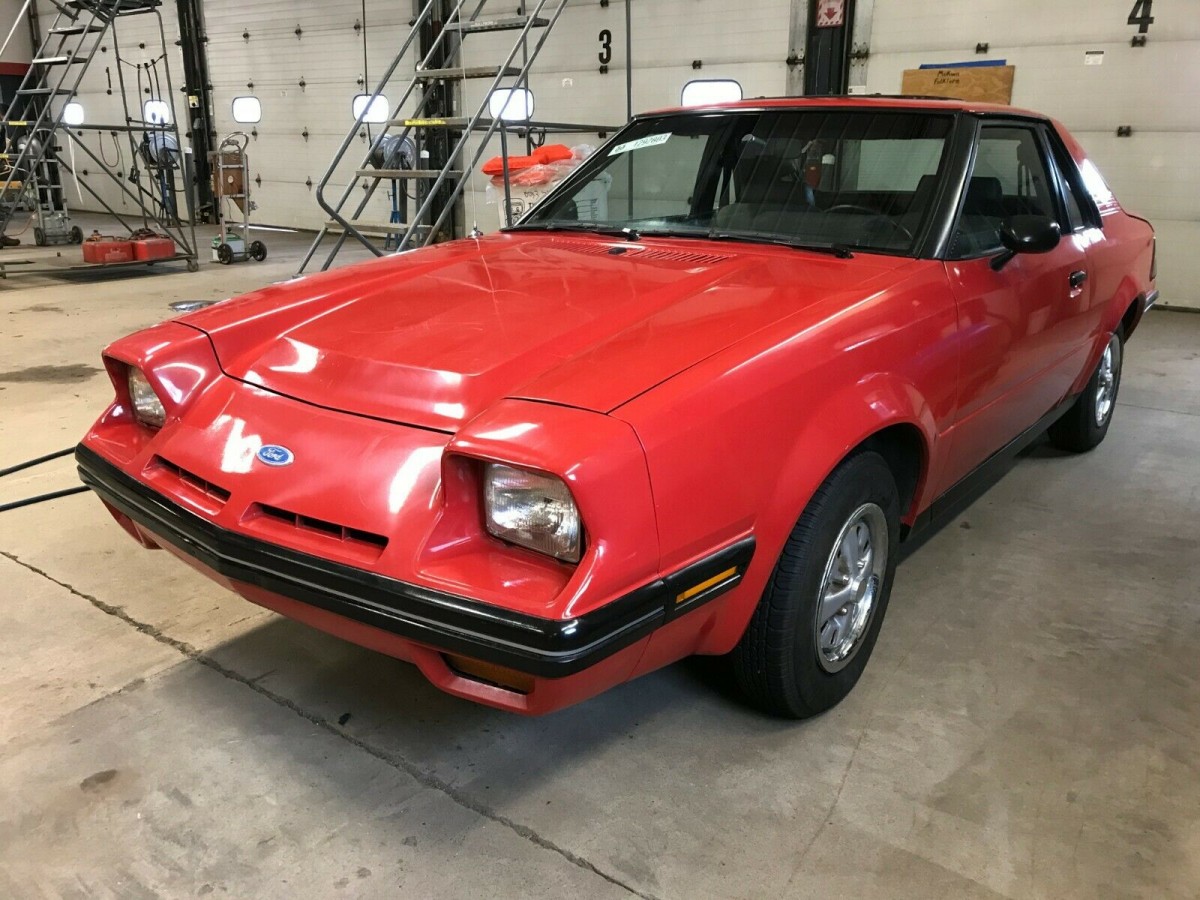
Ford has a track record of releasing overhyped vehicles, such as the Ford Edsel and Ford Explorer, which fell short of expectations due to production and reliability issues. The Ford Pinto and Mustang II also failed to meet the hype, with safety and performance concerns. Despite these missteps, Ford has made significant contributions to the auto industry.

Peugeot

Peugeot Cars
©Photo Credit: MiramarSpeedCircuit

Peugeot, part of Stellantis, is known for striking designs that sometimes fall short in performance. The Peugeot 3008 crossover, praised for its appearance and comfort, has faced criticism for mediocre performance. The Peugeot RCZ sports coupe, celebrated for its looks and handling, disappointed some with its base engines. Bold advertising has contributed to the overhyped status of certain models, with claims often exceeding the actual driving experience.

Nissan

Nissan Z 2023
©Photo Credit: MiramarSpeedCircuit

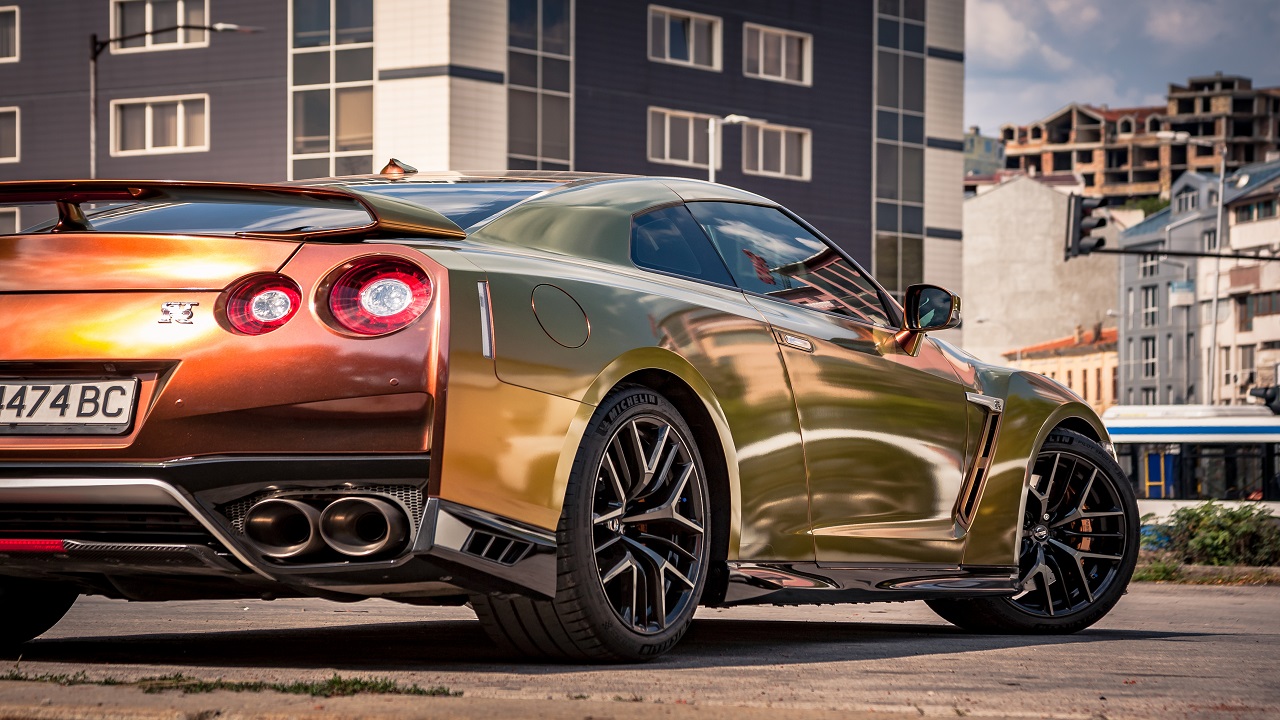
Nissan, a leading Japanese carmaker, has released some overrated models due to aggressive marketing. The 2023 Nissan Z, despite its Z series heritage, lags behind competitors in performance. The Nissan GT-R, while high-performing and technologically advanced, is considered overpriced and seen as dated compared to newer alternatives.

Aston Martin

Aston Martin
©Photo Credit: MiramarSpeedCircuit

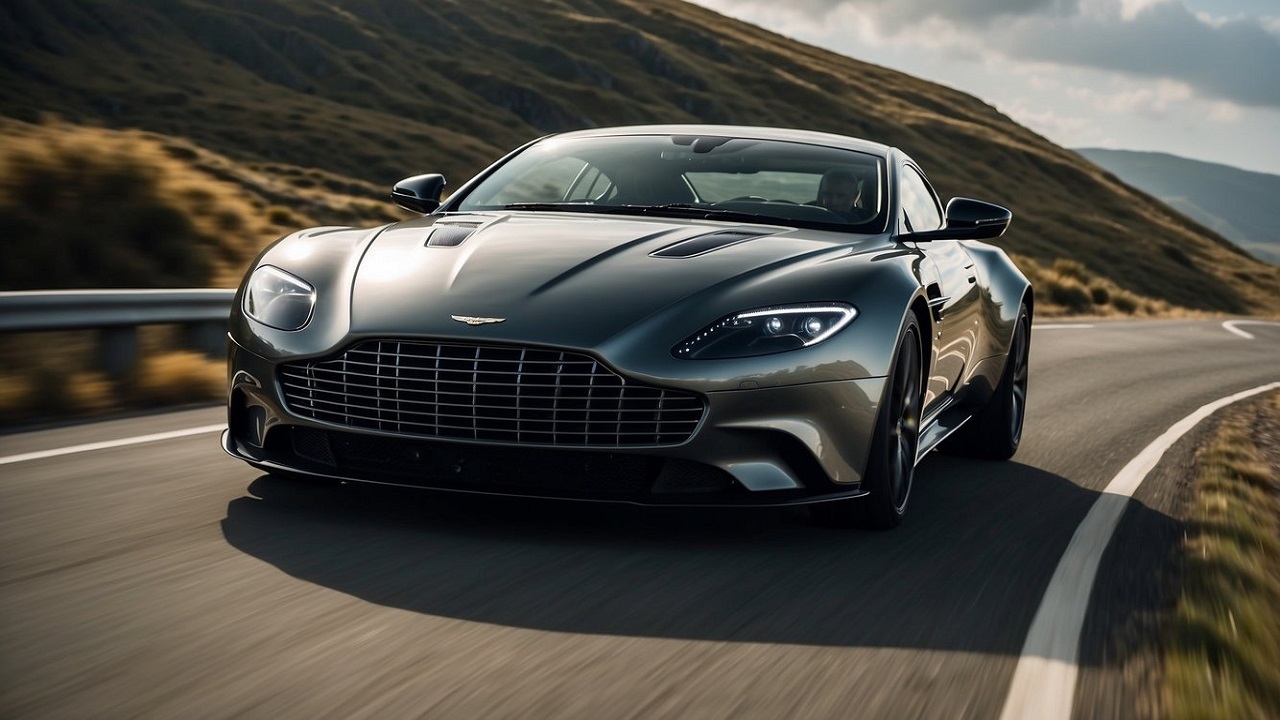
Aston Martin, a British luxury sports car maker established in 1913, is known for its coveted vehicles, though some are seen as overhyped. For example, the Aston Martin DB11 has been critiqued for subpar handling and ride quality.

The limited-edition Aston Martin Vanquish Zagato, despite its stunning Zagato-designed exterior, uses the same mechanics as the regular Vanquish. This led to disappointment among enthusiasts who expected more than just aesthetic enhancements from the hyped collaboration.

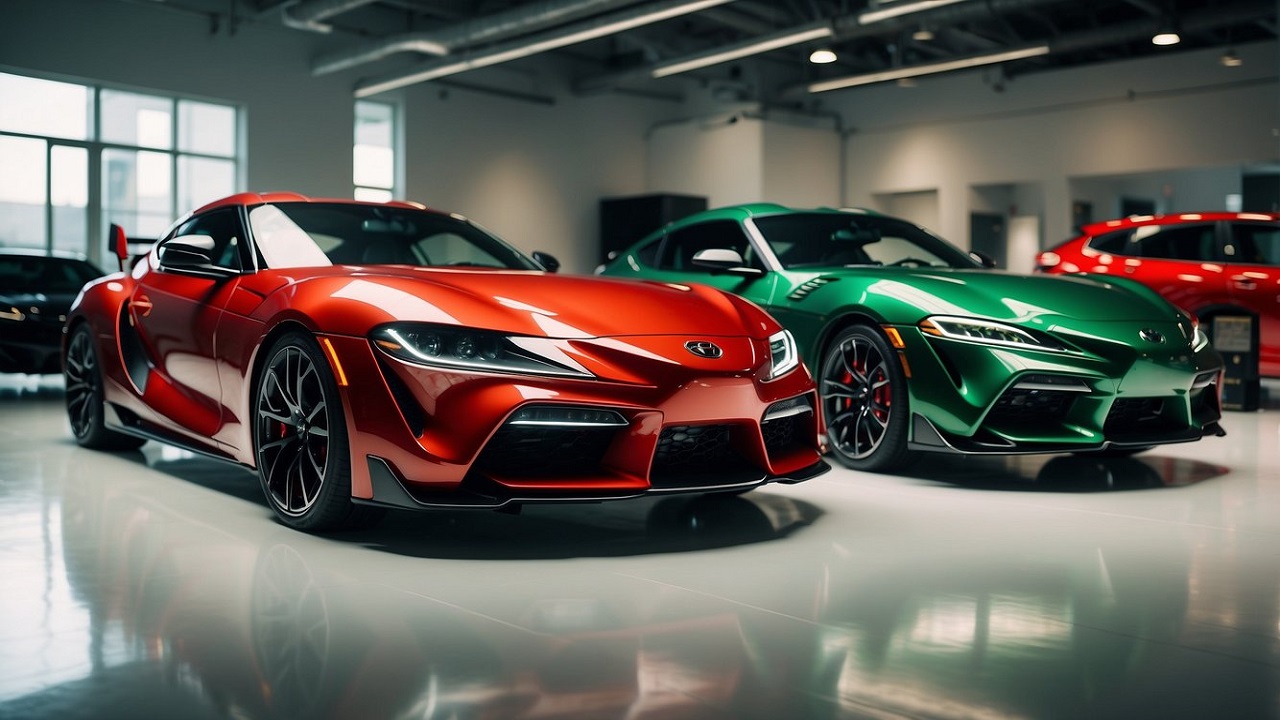
Toyota

Toyota Supra
©Photo Credit: MiramarSpeedCircuit

Toyota, known for its durable cars, has produced models that sometimes fall short of the hype. The reintroduced 2019 Toyota Supra disappointed some fans due to its shared platform and engine with BMW, deviating from an all-Toyota design.

Toyota’s cautious entry into the electric vehicle market has lagged despite the Prius’s hybrid success. Other models, including the RAV4 Prime Plug-in Hybrid, Mirai Hydrogen Fuel Cell Vehicle, C-HR Subcompact SUV, and Camry TRD Sports Sedan, have also faced criticism for not meeting high expectations.

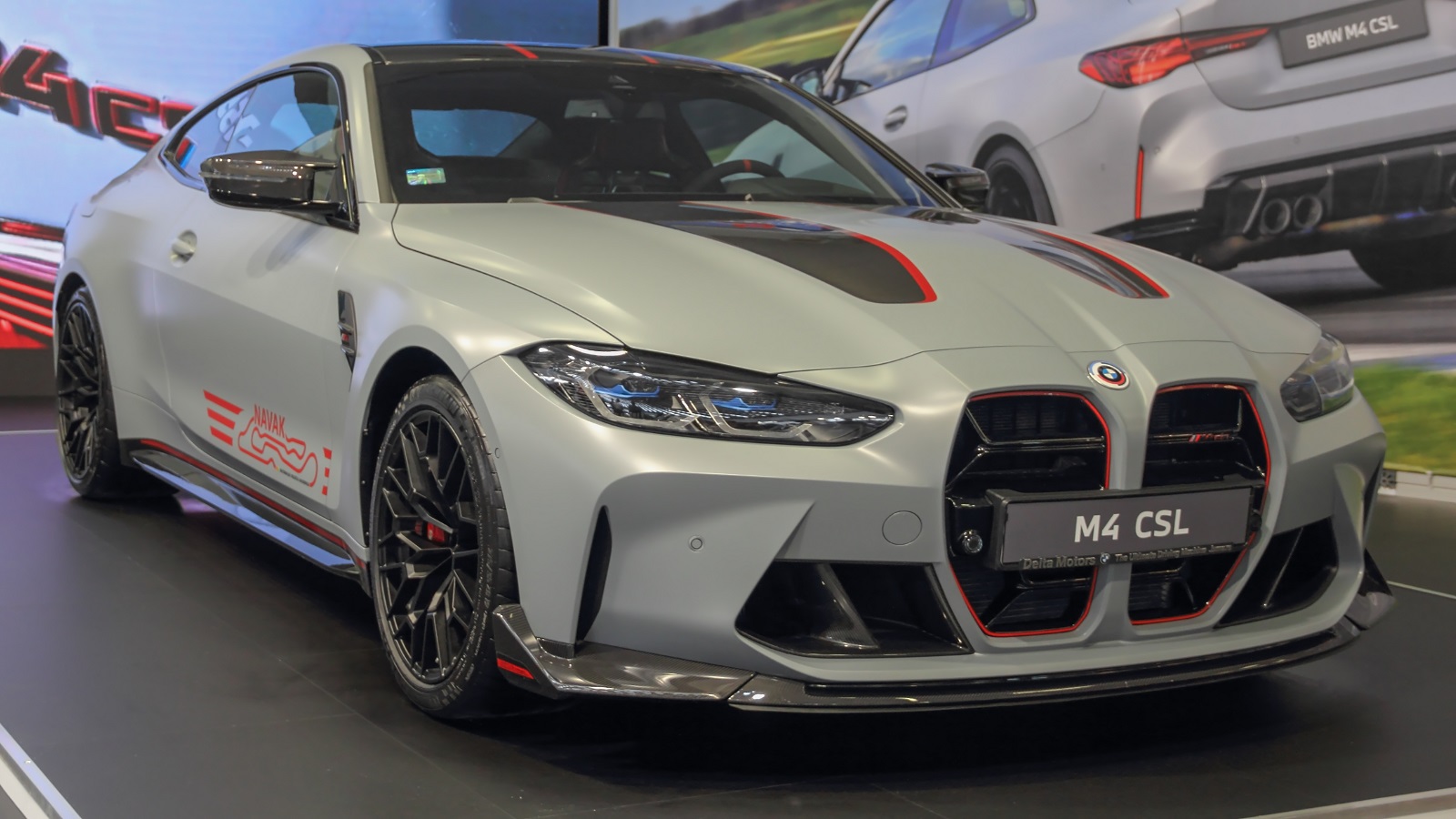
BMW

BMW M4 CSL
Editorial credit: Bascar / Shutterstock.com

BMW, known for its performance-oriented vehicles, has produced some models that are considered overhyped. The BMW M1, an iconic first performance car for the brand, didn’t meet its lofty expectations. Similarly, the BMW i8, with its eye-catching design and scissor doors, didn’t deliver the supercar performance suggested by its looks, due to its small 1.5-liter engine and 357 horsepower. Other BMWs perceived as overhyped include the M4, Z4, and X6.

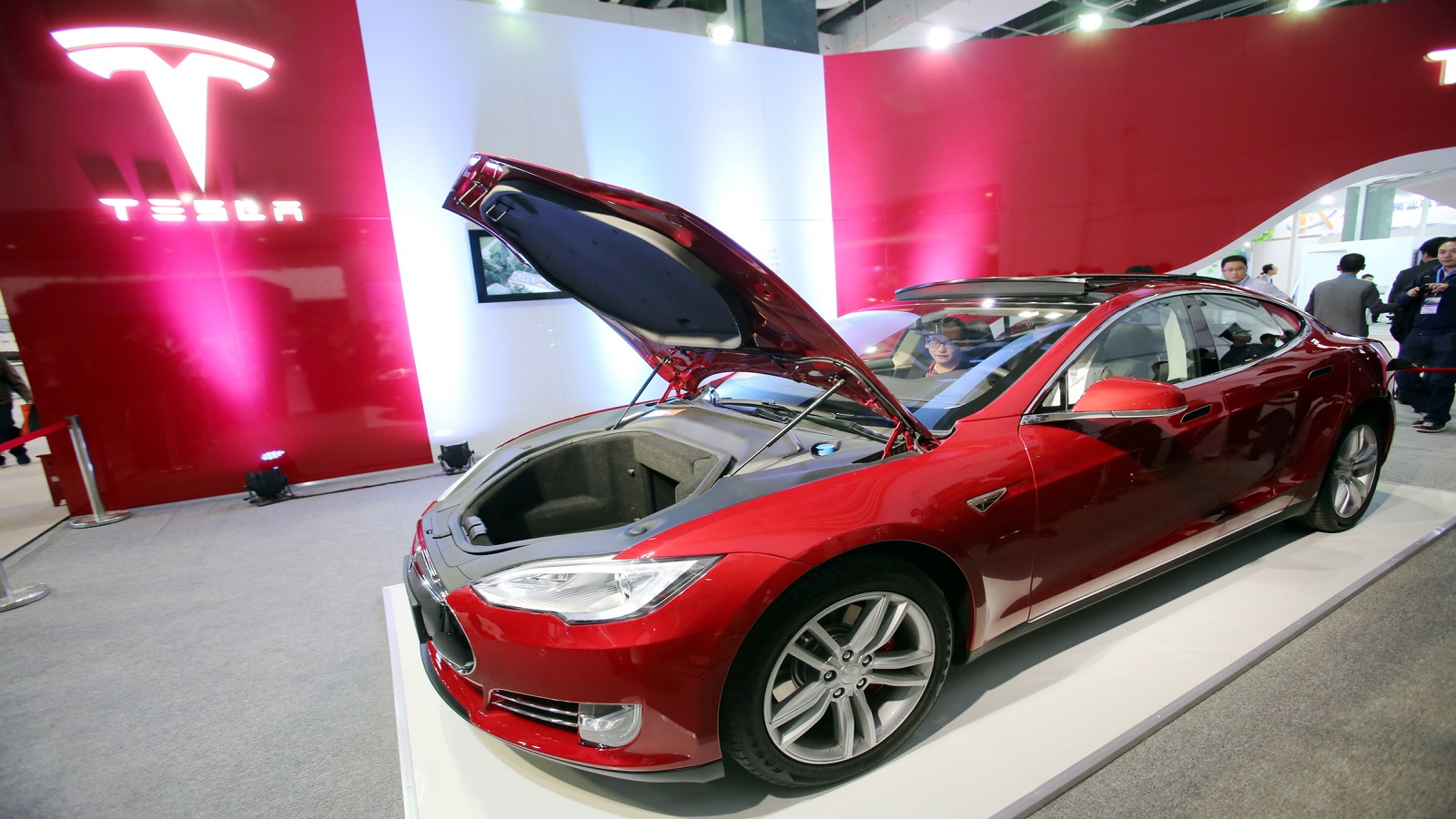
Tesla

Tesla Model 3 EV
©Photo Credit: DepositPhotos

Tesla, known for its electric vehicles and loyal following, often highlights the performance of models like the Model 3. Despite the Performance model’s 480 hp, some argue it doesn’t stand out compared to other performance cars like the A90 Toyota Supra with its 382 hp 3.0-liter 6-cylinder engine, questioning if the Model 3’s edge justifies its hype.

Tesla’s software features and updates have also raised concerns. While praised for range, acceleration, speed, charging capabilities, and network, the reliability and necessity of its software approach are under scrutiny. Some believe traditional automakers offer a more consistent and less software-dependent driving experience.

Maserati

Maserati Ghibli
©Photo Credit: DepositPhotos

Maserati, an Italian luxury carmaker established in 1914, is known for performance vehicles, but not all models have met expectations. The Maserati Ghibli, intended to rival the BMW 5-Series, has been criticized for poor build quality and a rough ride. The Levante SUV faces similar criticism for construction, reliability, and maintenance costs.

Limited-edition models like the MC12, a supercar with a Ferrari-derived V12 engine, target enthusiasts and are highly praised. However, the MC12’s rarity and high cost contribute to its perception as overhyped.

Mercedes-Benz

Mercedes-Benz Models
©Photo Credit: MiramarSpeedCircuit

The German company’s dedication to technology is clear, yet some of its models have been criticized as overrated. For example, the Mercedes-Benz 300 TD is often called overrated, partly because of its negative association with a character from controversial movies. Like BMW, Mercedes-Benz is sometimes considered overrated in the American market compared to its reception in Europe.

Cadillac

Cadillac Models
©Photo Credit: MiramarSpeedCircuit

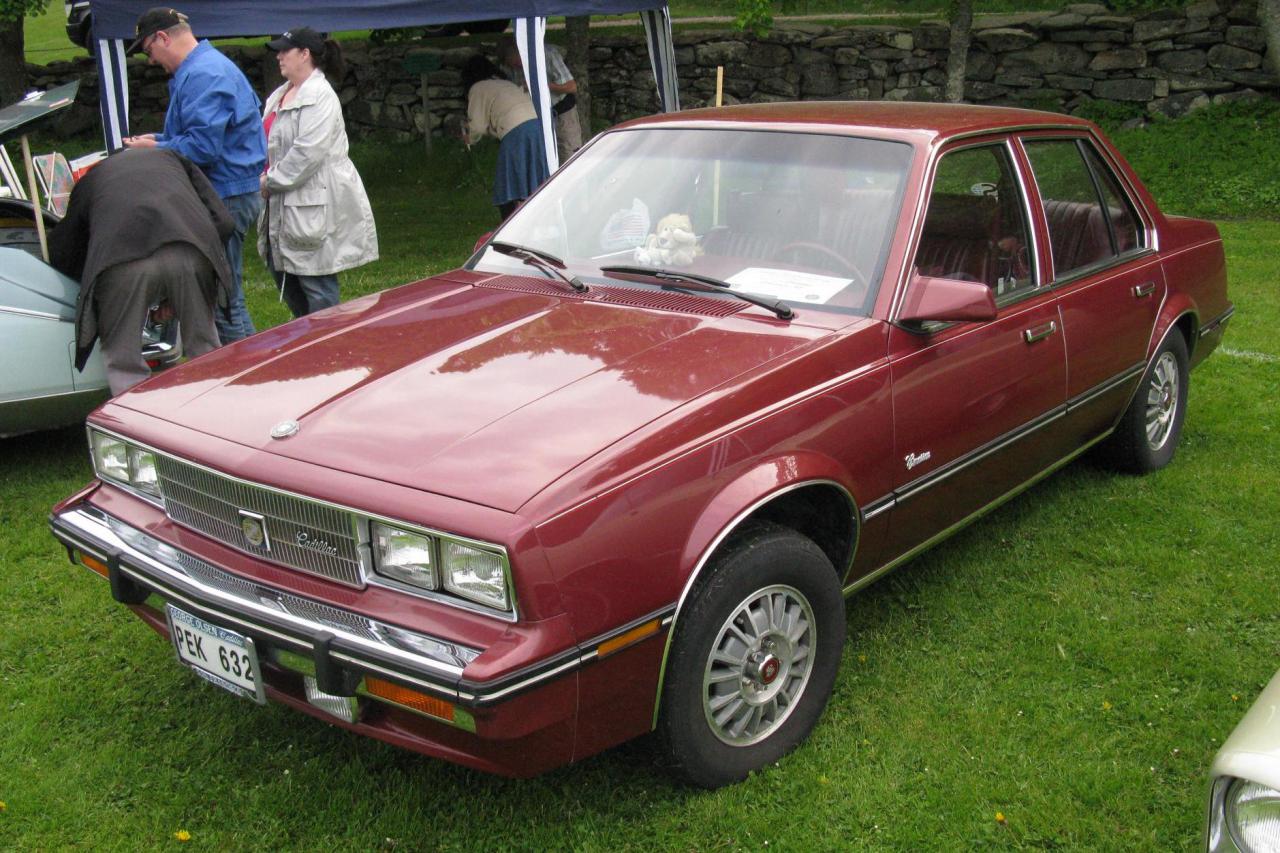
Cadillac, known for luxury cars, has produced some underwhelming models. The Cadillac XLR (2004-2009), aimed at high-end sports cars, failed to meet expectations. The Cadillac ELR, a luxury plug-in hybrid sold from 2013 to 2016, was overpriced and underperformed, leading to its discontinuation.

Recently, Cadillac’s reliability was rated as average by Consumer Reports in its 2024 Reliability Report. While the brand is working to improve its vehicles, some models remain viewed skeptically due to past overhyped debuts.

Jaguar

Jaguar Logos and Models
©Photo Credit: MiramarSpeedCircuit

Jaguar, long associated with luxury and performance, has seen a 15.8% drop in global car sales in 2021 as it struggles to keep up with competitors. The Jaguar XE sedan, despite a decent reliability rating, was launched to great excitement but is often deemed overhyped next to its rivals. Similarly, the Jaguar F-PACE SUV faces criticism for offering fewer features, lower reliability, and less build quality than other luxury SUVs.

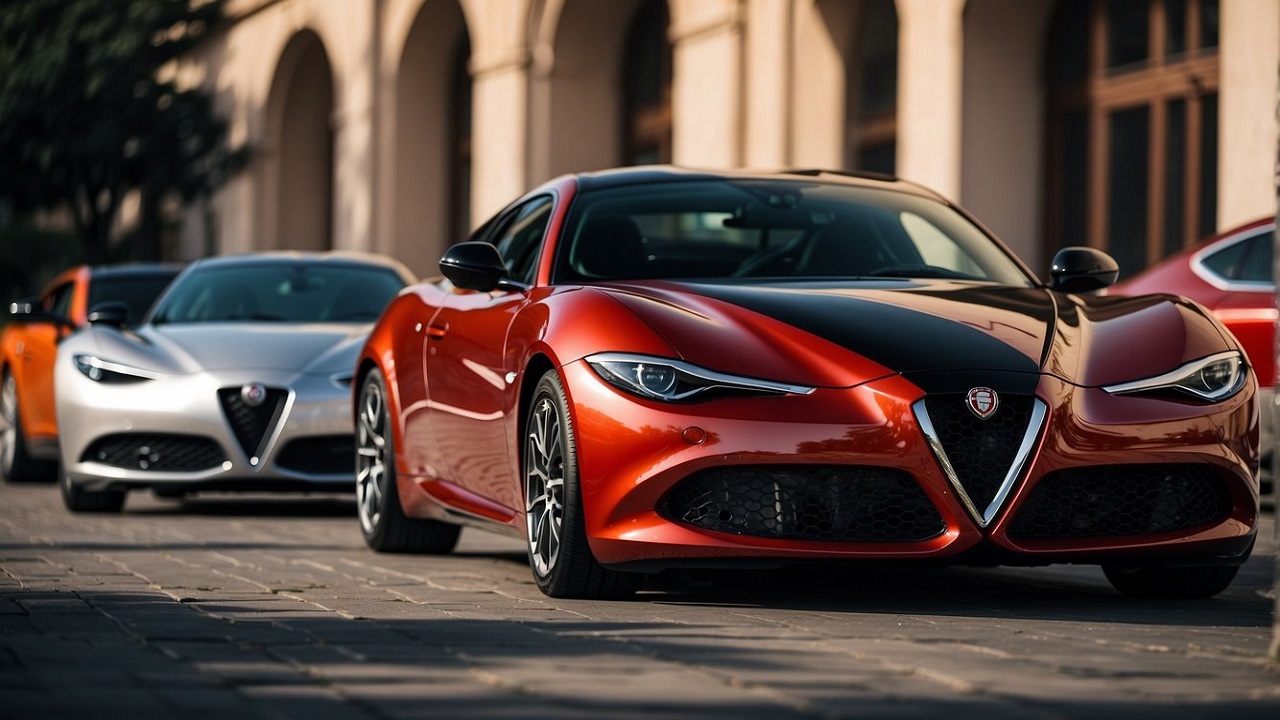
Alfa Romeo

Alfa Romeo Models
©Photo Credit: MiramarSpeedCircuit

Alfa Romeo is an Italian car manufacturer known for its stylish and sporty vehicles. However, critics argue that Alfa Romeo’s models are often overhyped due to reliability concerns. For example, the Alfa Romeo MiTo, a sporty supermini car, was first introduced in 2008 but didn’t manage to generate substantial sales or cultivate a loyal following.

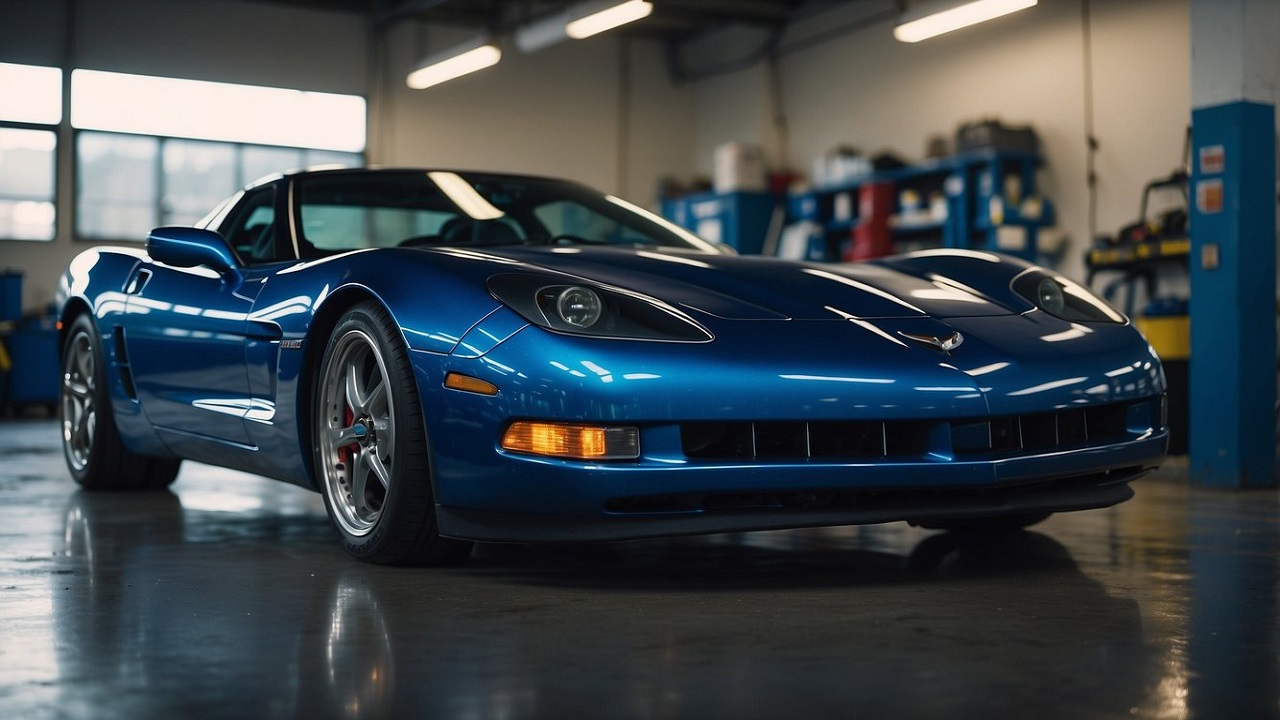
Chevrolet

Chevrolet C5 Corvette
©Photo Credit: MiramarSpeedCircuit

Chevrolet, a well-known American automaker, has created many iconic cars, but some have been called overrated. The C5 Corvette has divided enthusiasts, with some considering it underrated and others feeling it falls short of the Corvette reputation. The 2017 Chevrolet Bolt also faced scrutiny, with critics saying it’s less fun to drive than rivals, sparking debates over its worthiness of the hype.

Ferrari

Ferrari California
©Photo Credit: MiramarSpeedCircuit

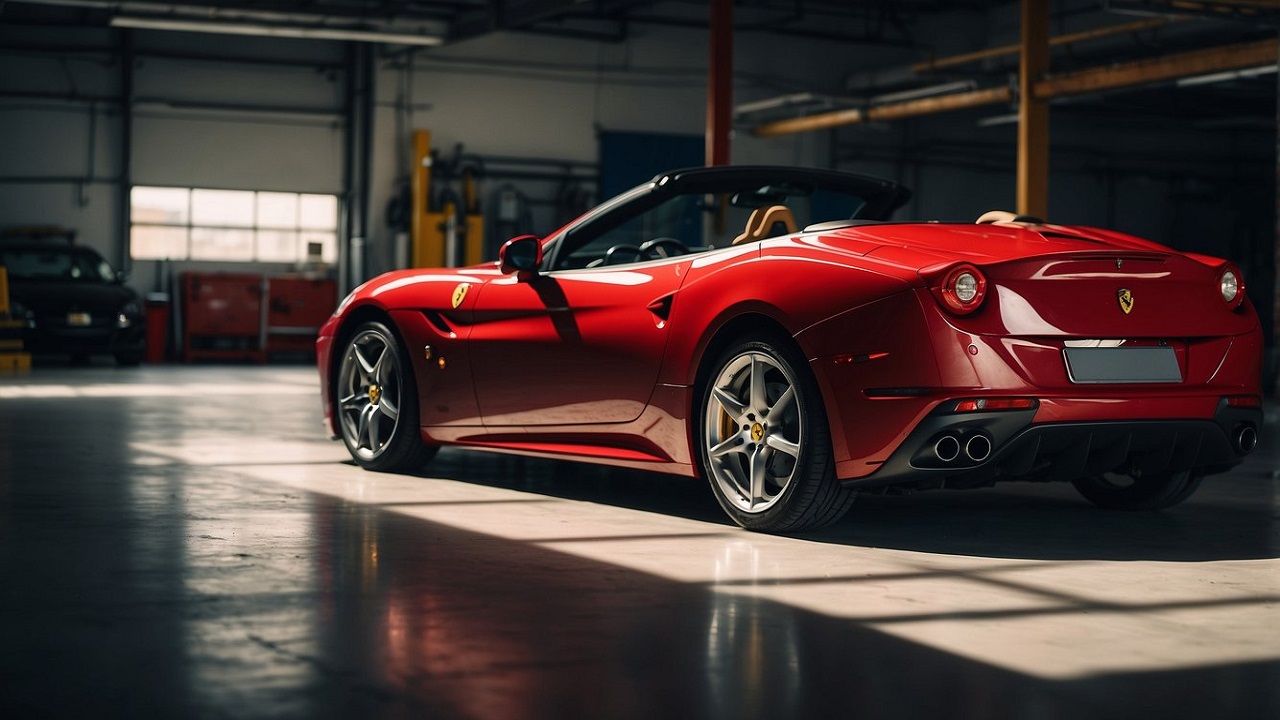
Ferrari has excelled in sales, moving over 12,000 cars annually since 2020, but not all models have met the hype. The 2008 Ferrari California, for instance, received criticism for lackluster performance compared to other Ferraris.

The 2015 Ferrari 488 GTB, replacing the 458 Italia, sparked debate with its switch from a naturally aspirated V8 to a twin-turbocharged 3.9-liter V8 with 661 horsepower. While some praised the power increase, others felt it strayed from Ferrari’s essence and tradition.

Bugatti

Bugatti Chiron
©Photo Credit: MiramarSpeedCircuit

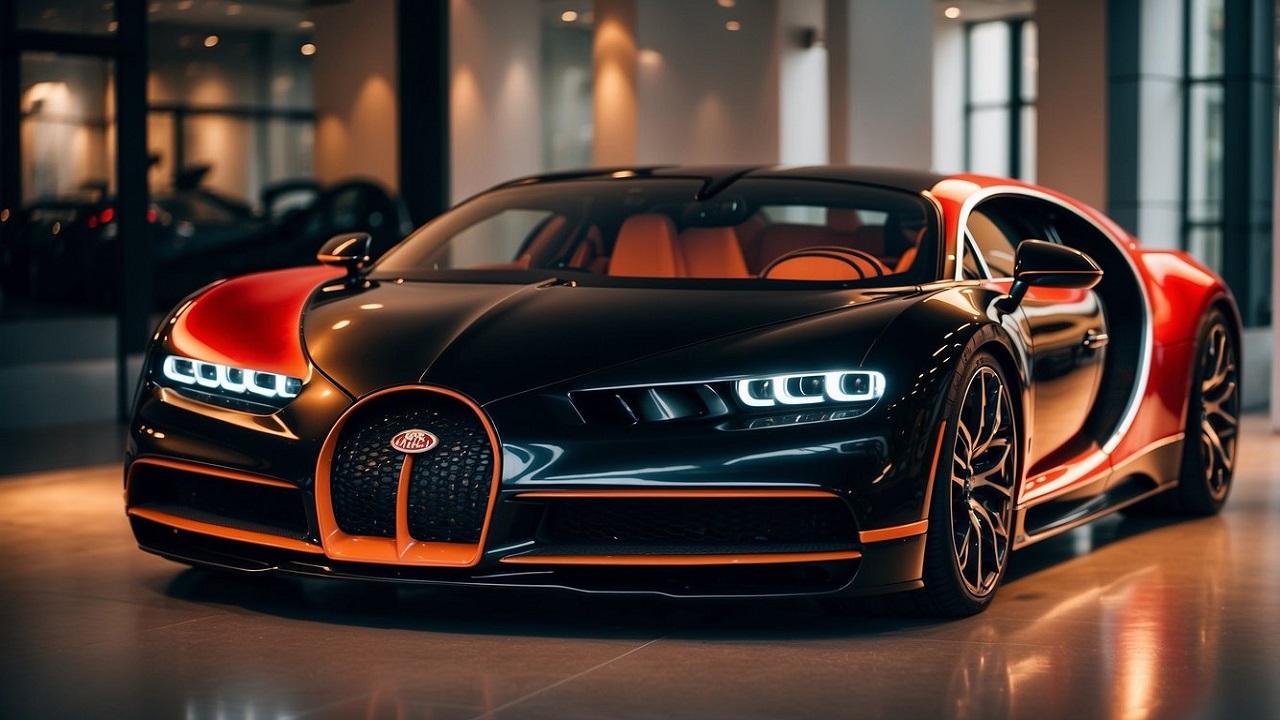
Bugatti, a luxury automaker, is famed for its high-performance vehicles, exclusivity, and advanced technology, with iconic models like the Veyron and Chiron. The Bugatti Veyron, a standout in the early 2000s, held the title of “fastest production car” for a period. However, speed enthusiasts have deemed it overhyped, pointing to its massive eight-liter W-16 engine and hefty price tag.

Porsche

Porsche Cars
©Photo Credit: MiramarSpeedCircuit

Porsche, renowned for its luxury sports cars, occasionally produces models that are seen as overhyped. The 718 Cayman GT4 (991) has its fans but some enthusiasts feel it doesn’t justify its cost, especially when compared to other Porsche offerings. The Porsche 911 Speedster, launched as a concept for Porsche’s 70th anniversary, also faced criticism for not meeting expectations, largely due to its premium pricing.

Dodge

Dodge Viper
©Photo Credit: MiramarSpeedCircuit

Dodge, an American brand known for muscle cars, trucks, and SUVs, has produced some overhyped models. The Dodge Charger is criticized for its large size and poor fuel economy.

The Dodge Viper, despite its power and style, faced competition due to subpar interior quality, limited storage, and outdated features. The 2021 Durango SRT Hellcat, marketed as Dodge’s most extreme SUV, is seen by some as excessively powerful, contributing to its overhyped status.

I’m a Mechanic: These 20 Used Cars Will Drain Your Wallet

Ford Focus ST
©Photo Credit: MiramarSpeedCircuit

New cars depreciate rapidly once driven, making used cars a more cost-effective and reliable option. The extensive used car market offers a variety of choices to suit different needs and styles. However, some used models, despite their appealing initial low price, can become maintenance burdens due to complex parts, hard-to-reach components, or a history of expensive repairs, potentially making them more trouble than they’re worth.

READ Guide HERE:  These 20 Used Cars Will Drain Your Wallet!

10 Oldest Car Models Still in Production Today

vintage-car
©Photo Credit: DepositPhotos

Car manufacturers have produced thousands of models since Ford introduced the first Model T in 1908, but relatively few are still on the roads today. Here’s a look at the models that have endured changing customer tastes by continuously evolving.

READ GUIDE HERE  10 Oldest Car Models Still in Production Today!

40 Modern Cars That Last Longer Than 300k Miles and Beyond

Car-Senior-Couple
©Photo Credit: DepositPhotos

Imagine cruising past the 300,000-mile mark in your car, with the engine still purring like it’s fresh off the lot. This is a reality for the owners of the 40 remarkable vehicles showcased here. From time-tested favorites to unexpected contenders, this lineup demonstrates that quality and cost-effectiveness can go hand in hand.

READ Guide HERE  40 Modern Cars That Last Longer Than 300k Miles and Beyond!

35 Most Coveted Aerodynamics Cars Ever Designed

Aerodynamics is crucial in automotive engineering, enhancing speed and efficiency. Models like the McLaren Speedtail, with a drag coefficient of 0.278, exemplify innovation in reducing drag and boosting performance. This list highlights the 35 most coveted aerodynamic cars, celebrating their ingenuity and precision.

McLaren Speedtail

McLaren Speedtail
©Photo Credit: MiramarSpeedCircuit

The McLaren Speedtail, with a drag coefficient of 0.278 Cd, emphasizes aerodynamics with its elongated tail and static wheel covers, achieving a top speed of 250 mph. Vertical ducts beneath the LED headlights enhance its air efficiency, while the hybrid powertrain boosts its performance, making it a standout hypercar.

Porsche 918 Spyder

Porsche 918 Spyder
©Photo Credit: MiramarSpeedCircuit

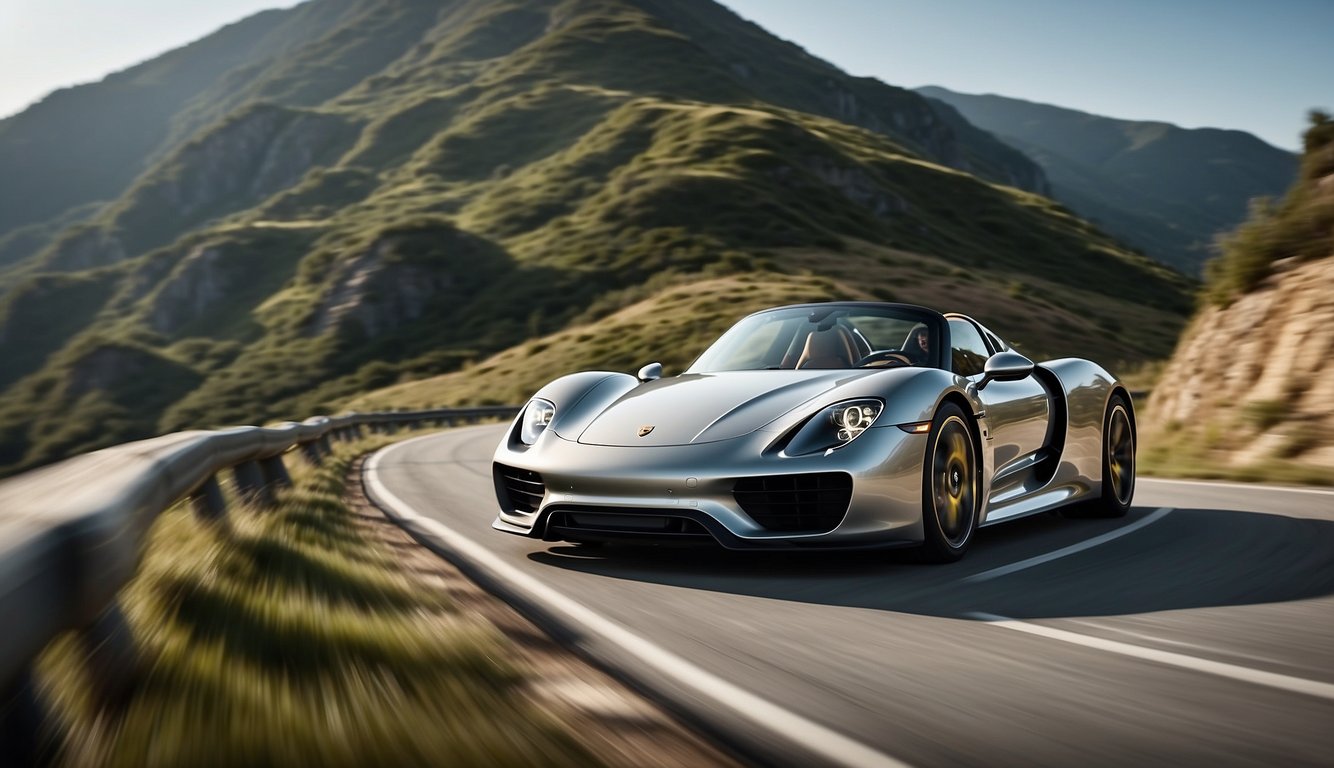
The Porsche 918 Spyder combines a mid-mounted V8 engine with electric motors for an impressive 875 hp. It achieves 0-60 mph in 2.5 seconds and offers a top speed of around 211 mph.

Bugatti Chiron

Bugatti Chiron
©Photo Credit: MiramarSpeedCircuit

The Bugatti Chiron is renowned for breaking speed records. It boasts a top speed of 304.77 mph. Its aerodynamics feature modifications to enhance stability and reduce drag during high-speed runs. Only 30 Bugatti Chiron Super Sport 300+ models were produced, each priced at $3.9 million.

Ferrari LaFerrari

Ferrari LaFerrari
©Photo Credit: MiramarSpeedCircuit

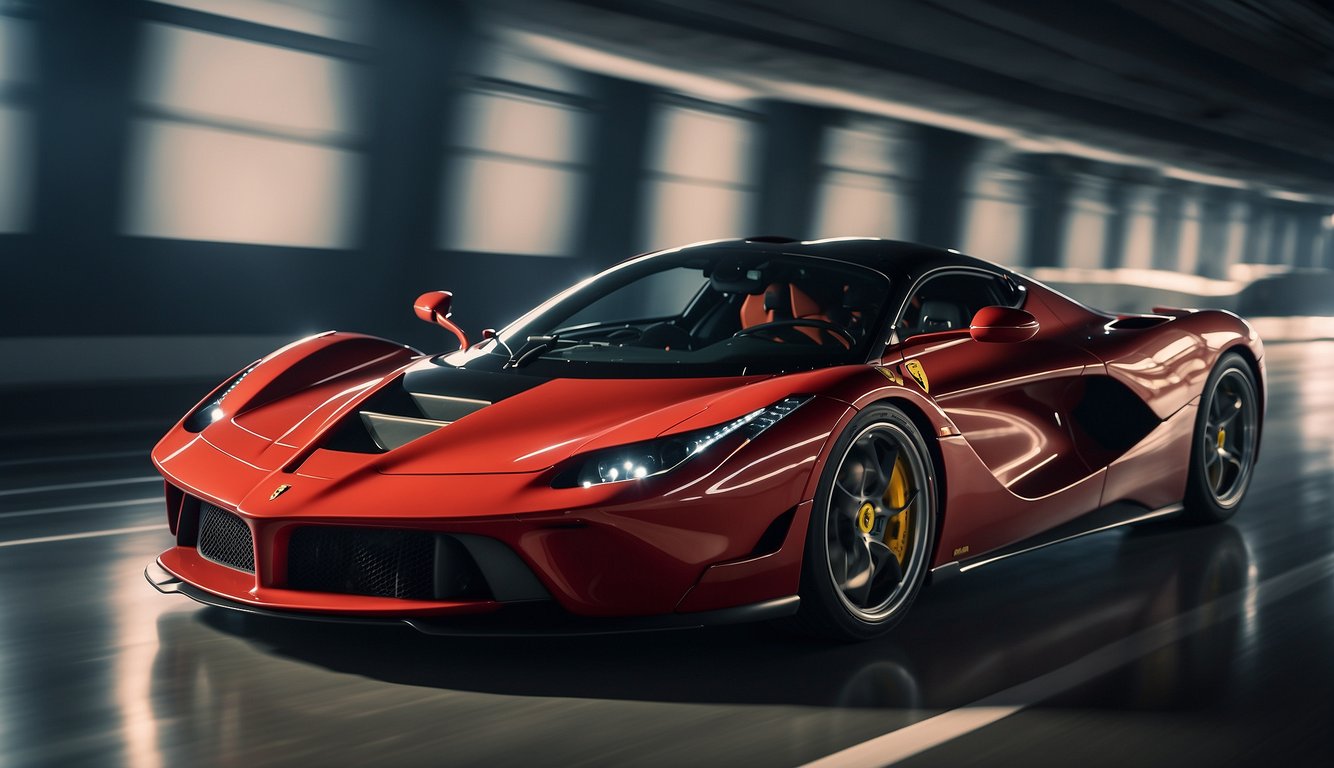
The Ferrari LaFerrari is a hybrid sports car with a 6.3-liter V12 engine and HY-KERS electric motor. This model excels in both performance and efficiency.

Volkswagen XL1

Volkswagen XL1
©Photo Credit: MiramarSpeedCircuit

The Volkswagen XL1 is known for its fuel efficiency, achieving 261 miles per gallon. Weighing 1,753 pounds, it features a lightweight design and a diesel-electric hybrid engine with 47 horsepower diesel and 27 horsepower electric. Its aerodynamic shape and low center of gravity enhance efficiency, and it sports wing doors similar to high-end sports cars.

Tesla Model 3

Tesla Model S
©Photo Credit: DepositPhotos

The Tesla Model 3 is highly regarded for its streamlined design and low drag coefficient. It is among the most aerodynamic production cars ever made. The 2024 Tesla Model 3 has surpassed many competitors in aerodynamic efficiency.

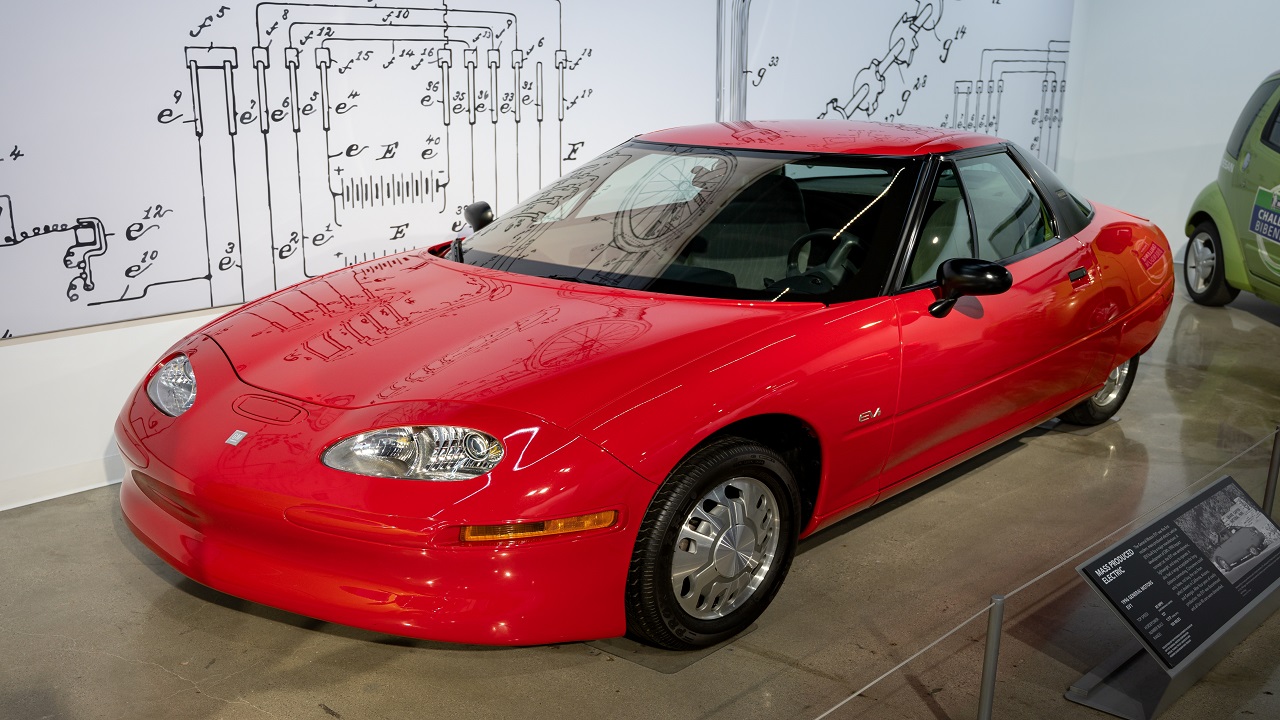
General Motors EV1

General Motors EV1
Editorial credit: adolf martinez soler /Shutterstock.com

The General Motors EV1 features a sleek design. Produced from 1996 to 1999, it boasts a low drag coefficient of 0.19. Known for its innovative technology, it remains a hallmark in electric vehicle history.

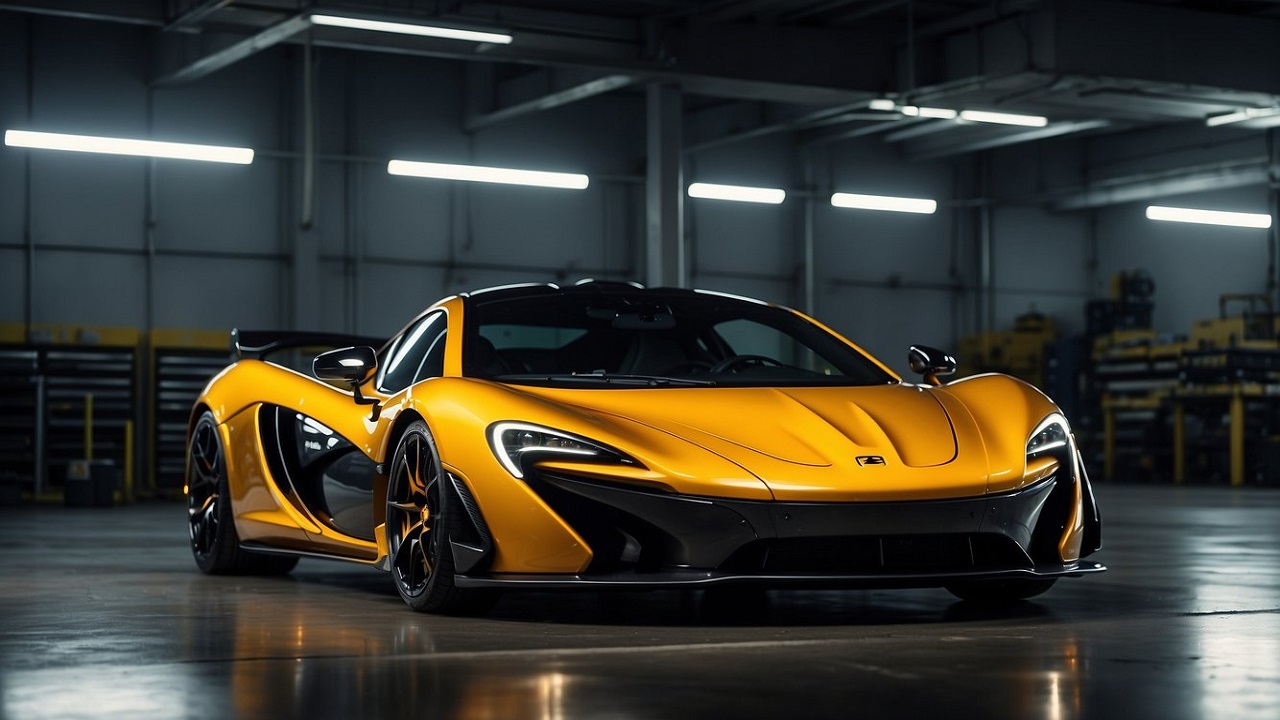
McLaren P1

McLaren P1
©Photo Credit: MiramarSpeedCircuit

The McLaren P1 is celebrated for its exceptional aerodynamic design. The car’s moveable front and rear wings produce significant downforce, enhancing stability. The rear wing features a Formula 1™ inspired Drag Reduction System (DRS).

Tesla Model S Plaid

Tesla Model S Plaid
©Photo Credit: MiramarSpeedCircuit

The Tesla Model S Plaid is extraordinarily quick and features a 1,020-horsepower electric motor. This car combines a sleek design with impressive aerodynamic performance. It boasts a 0.1-second differential in its zero-to-60 mph claim when tested on a non-prepped surface.

Koenigsegg Jesko Absolut

Koenigsegg Jesko Absolut
©Photo Credit: DepositPhotos

The Koenigsegg Jesko Absolut features a 5.0-liter twin-turbo V8 engine, generating up to 1,600 bhp on E85 fuel. Designed to minimize drag, it has a drag coefficient of 0.28 Cd and rear downforce of just 150 kg. Its 8,500 rpm bi-turbo V8 makes it one of Koenigsegg’s fastest hypercars. Notable features include the lightest V8 crankshaft and optimized aerodynamics, enhancing its high-speed performance.

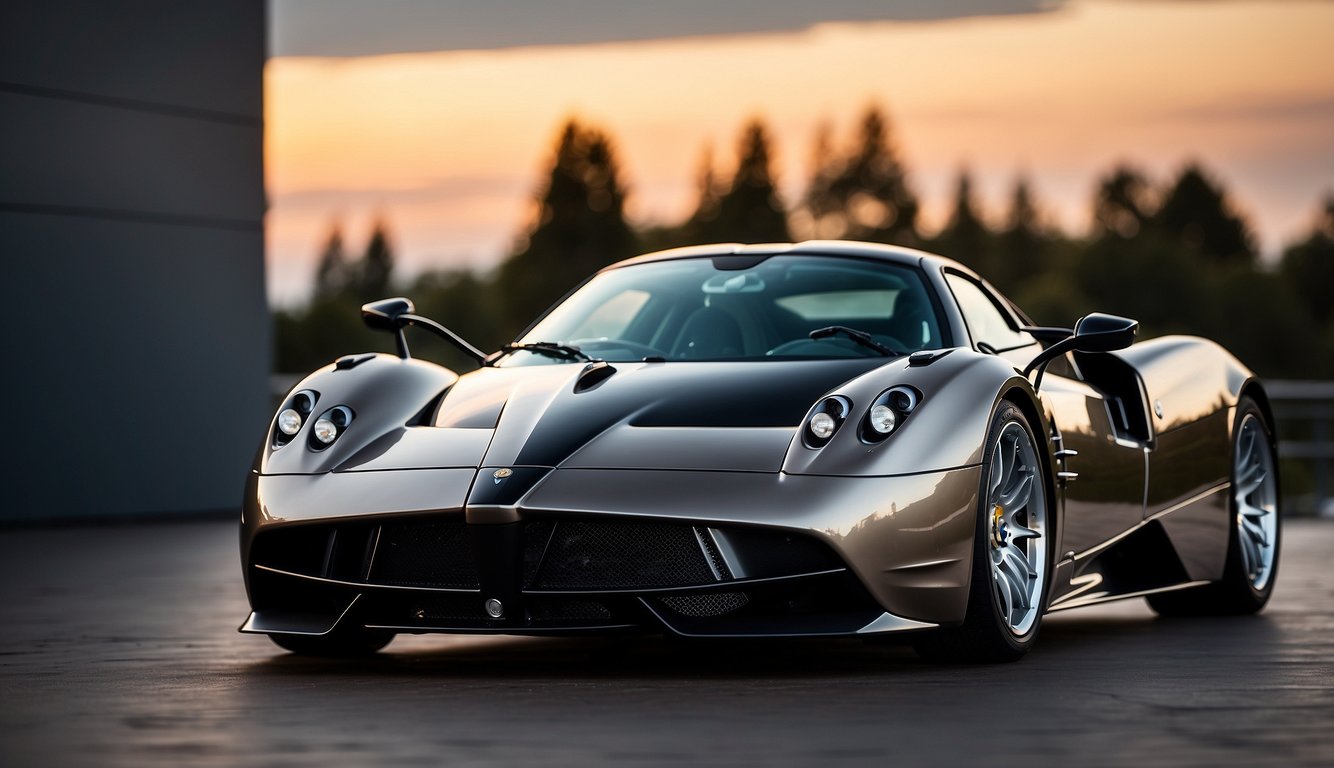
Pagani Huayra

Pagani Huayra
©Photo Credit: MiramarSpeedCircuit

The Pagani Huayra features a remarkable 6.0-liter V12 engine, delivering 838 horsepower. Its design combines advanced aerodynamics with artistic flair. With lightweight construction and state-of-the-art materials, it’s engineered for both beauty and performance.

Lamborghini Aventador SVJ

Lamborghini Aventador SVJ
©Photo Credit: MiramarSpeedCircuit

The Lamborghini Aventador SVJ combines record-breaking performance with groundbreaking aerodynamics. Holder of the Nürburgring lap record for production cars. Utilizes the ALA 2.0 system enhancing stability and handling. Powered by a 770 hp V12 engine. Limited to 800 examples.

Aston Martin Valkyrie

Aston Martin Valkyrie
©Photo Credit: MiramarSpeedCircuit

The Aston Martin Valkyrie features a 6.5-liter naturally-aspirated V12 engine producing 1000 hp at 11,000 rpm.

Ford GT

Ford GT40
©Photo Credit: MiramarSpeedCircuit

The second-generation Ford GT boasts impressive aerodynamics and a top speed of 216 mph. Inspired by the historic GT40, it’s a mid-engine, two-seater sports car known for its sleek design and performance.

Chevrolet Corvette C8

Chevrolet Corvette C8
©Photo Credit: MiramarSpeedCircuit

The Chevrolet Corvette C8 stands out with its remarkable mid-engine design. It boasts a 6.2-liter V8 engine that delivers impressive performance. This configuration enables faster acceleration times, contributing to its aerodynamic excellence.

BMW i8

BMW i8
©Photo Credit: DepositPhotos

The BMW i8 is a hybrid sports car with cutting-edge technology. It combines a 1.5-liter 3-cylinder engine with an electric motor. The i8 produces 369 horsepower, boasting a top speed of 155 mph.

Audi R8

Audi R8 V10 Plus
©Photo Credit: MiramarSpeedCircuit

The Audi R8 boasts a V10 engine and generates significant downforce. Notably, the R8 changed endurance racing.

Nissan GT-R Nismo

Nissan GT-R Nismo
©Photo Credit: MiramarSpeedCircuit

The 2024 Nissan GT-R Nismo boasts a 600-hp, NISMO-tuned engine and enhanced aerodynamics for peak performance.

Lotus Evija

Lotus Evija
©Photo Credit: MiramarSpeedCircuit

The Lotus Evija is renowned for its exceptional design and advanced aerodynamics. It’s a fully electric hypercar aiming for a power output of 2,000 PS. Its sleek and aerodynamic aesthetic sets a new benchmark in EV engineering.

Rimac C_Two

Rimac C_Two
©Photo Credit: DepositPhotos

The Rimac C_Two is an electric hypercar with a combined output of 1,914 hp and 1,696 lb-ft of torque.

Hennessey Venom F5

Hennessey Venom GT
Editorial credit: Agia/Shutterstock.com

The Hennessey Venom F5 is a stunning hypercar with 1,800 horsepower and a top speed of 311 mph. Its aerodynamic design features a carbon-fiber splitter, rear wing, and large rear diffuser, enhancing its performance.

SSC Tuatara

SSC Tuatara
©Photo Credit: DepositPhotos

The SSC Tuatara redefines speed with its sleek, fighter jet-inspired aerodynamics. Its twin-turbo 5.9-liter V8 engine delivers remarkable horsepower.

Mazda RX-7 (FD)

Mazda RX-7 (FD)
©Photo Credit: MiramarSpeedCircuit

The Mazda RX-7 (FD) boasts sleek lines and a rotary engine, making it iconic. Its aerodynamic design is both striking and functional.

Ferrari F40

Ferrari F40
©Photo Credit: MiramarSpeedCircuit

The Ferrari F40 is a mid-engine, rear-wheel drive sports car. It was produced from 1987 to 1992. Nicola Materazzi engineered it with styling by Pininfarina.

Jaguar XJ220

Jaguar XJ220
©Photo Credit: MiramarSpeedCircuit

The Jaguar XJ220 was a pinnacle of 1990s automotive design. It reached speeds of up to 212.3 mph. This two-seat sports car is celebrated for its sleek aerodynamic profile.

Alfa Romeo 4C

Alfa Romeo 4C Sport
©Photo Credit: DepositPhotos

The Alfa Romeo 4C is a stunning mid-engined sports car. First unveiled at the 2013 Geneva Motor Show, it captured hearts immediately. Its sleek design and lightweight carbon fiber chassis make it incredibly agile. The 1.7L engine produces 237 horsepower, offering an exhilarating driving experience.
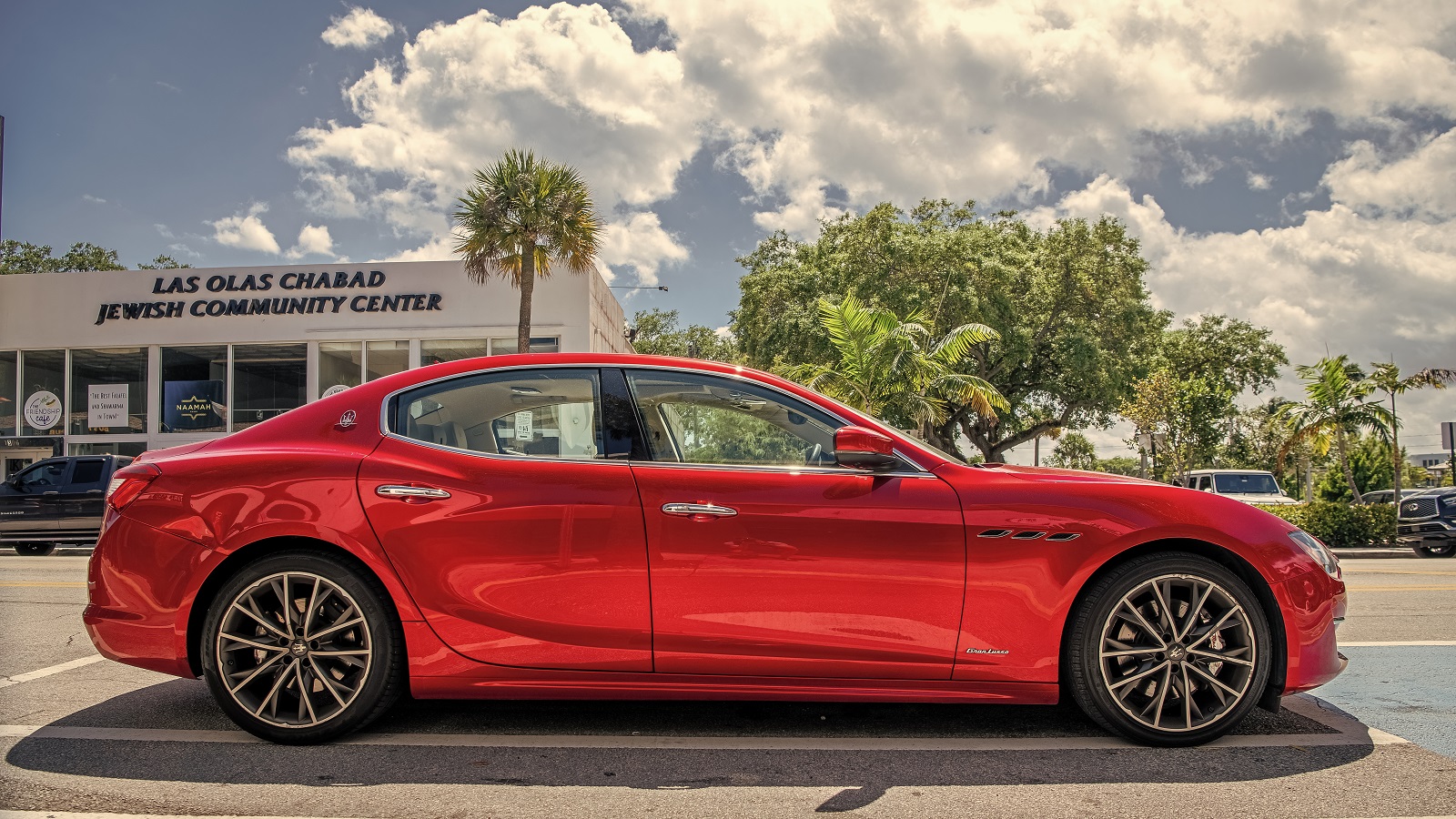
Porsche 911 GT2 RS

Porsche 911 GT2 RS
©Photo Credit: MiramarSpeedCircuit

With a 700hp 3.8-litre twin-turbo engine, the Porsche 911 GT2 RS excels in performance and design. Its lightweight construction enhances both speed and stability. Additionally, it set a notable record at the Nürburgring. 

Lexus LFA

Lexus LFA
©Photo Credit: DepositPhotos

The Lexus LFA features a carbon-fiber-reinforced polymer chassis. It is powered by a naturally aspirated 4.8-liter DOHC V-10 engine. The LFA can accelerate from zero to 60 mph in 3.6 seconds. Production was limited to just 500 units, enhancing its exclusivity.

Lamborghini Huracán

Lamborghini Huracán EVO
©Photo Credit: MiramarSpeedCircuit

The Lamborghini Huracán boasts refined aerodynamics and a V10 engine. It is equipped with Lamborghini’s LDF dual-clutch system. The Huracán EVO RWD features sophisticated aerodynamic solutions.

Mercedes-Benz AMG GT

Mercedes-Benz AMG GT
©Photo Credit: MiramarSpeedCircuit

The Mercedes-Benz AMG GT blends high performance and luxury. Its aerodynamic design enhances speed and stability. The AMG GT 63 S E boasts 831 hp and 1,032 lb-ft of torque.

Jaguar C-X75

Jaguar C-X75
©Photo Credit: MiramarSpeedCircuit

The Jaguar C-X75 is a remarkable hybrid-electric concept car. Unveiled at the 2010 Paris Motor Show, it boasts a powertrain of 778 hp through four electric motors, each driving one wheel.
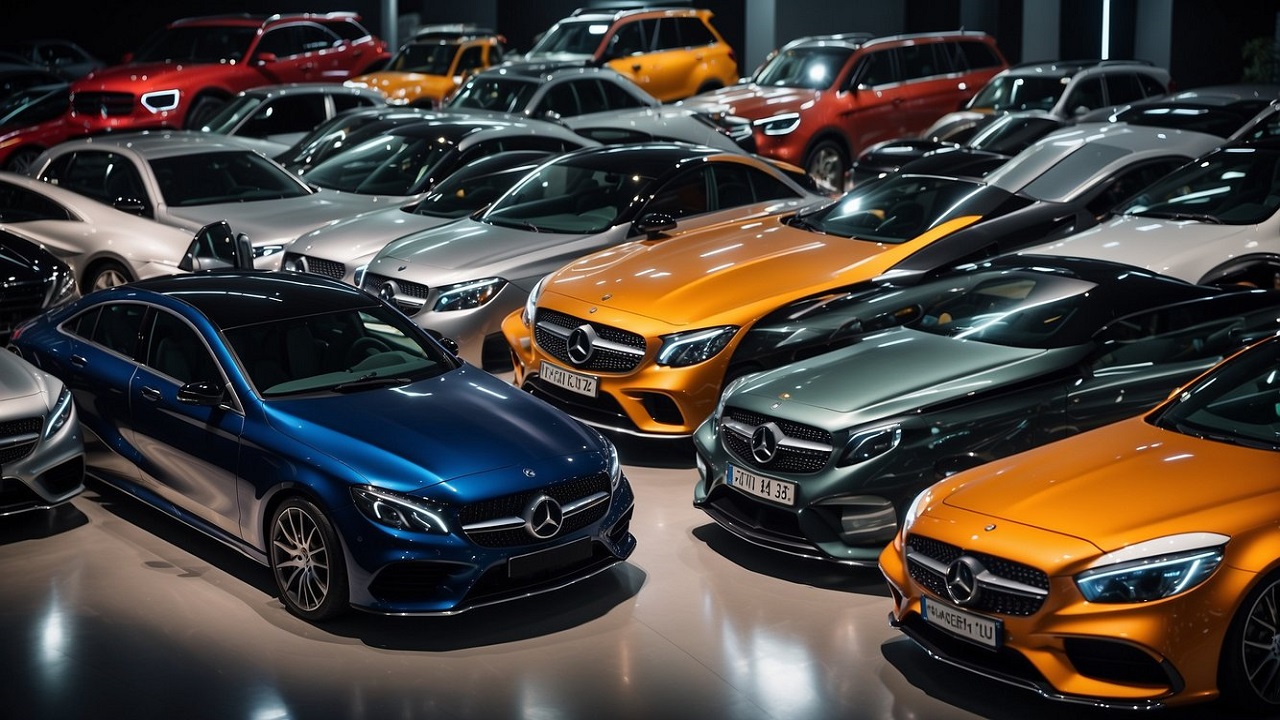
Maserati MC20

Maserati MC20
©Photo Credit: MiramarSpeedCircuit

The Maserati MC20 stands out for its sleek design and high performance. Engine: 630 horsepower V6 Nettuno engine. Suspension: Double wishbone with adaptive damping.

Honda NSX

Honda NSX
©Photo Credit: MiramarSpeedCircuit

The Honda NSX stands out for its exceptional aerodynamics and design. Utilizing a drivetrain that integrates seamlessly, it offers engaging dynamics and performance. Aerodynamic features ensure stability at high speeds. Honda’s technology showcases how air is channeled efficiently. The NSX remains a treasured icon.

Pininfarina Battista

Pininfarina Battista
Editorial credit: Santi Rodriguez /Shutterstock.com

Delivering zero emissions with extreme power, the Pininfarina Battista is an Italian electric hypercar. It offers unmatched performance and innovative design.
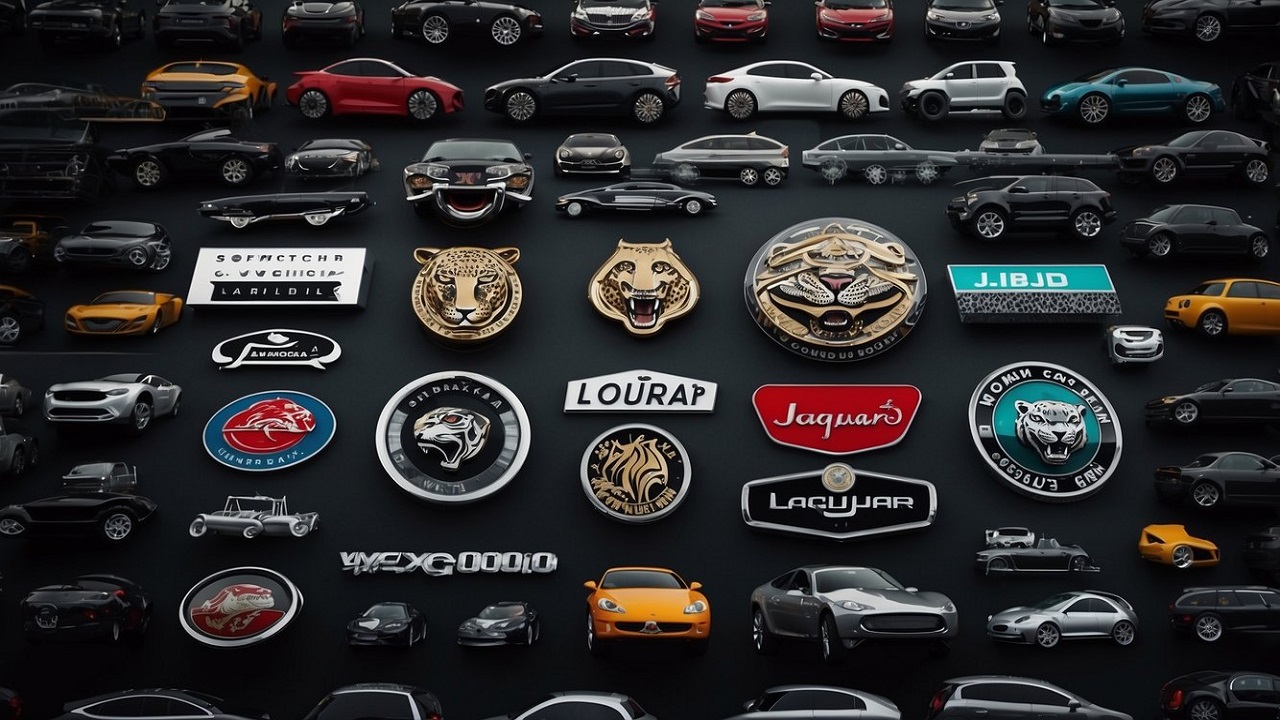
Ariel Atom

Ariel Atom
©Photo Credit: MiramarSpeedCircuit

The Ariel Atom features a turbocharged Honda engine from the Civic Type R. With over 400 horsepower, it offers exceptional performance and agility.

Gumpert Apollo

Gumpert Apollo S
©Photo Credit: DepositPhotos

The Gumpert Apollo, produced by Gumpert Sportwagenmanufaktur GmbH, is a high-performance sports car with a mid-engine layout. Weighing between 1,100 kg and 1,200 kg, it is street-legal and known for its unique design. The Apollo Sport, showcased at the 2007 Geneva Motor Show, accelerates from 0-60 mph in 3 seconds and has a top speed of 224 mph.

Toyota GR Supra

Toyota Supra
©Photo Credit: MiramarSpeedCircuit

The Toyota GR Supra, known for its sleek design, combines aerodynamic excellence with performance. Its turbocharged 3.0-liter inline 6-cylinder engine delivers 382 horsepower and 368 lb.-ft. of torque, ensuring instant response and power.

Dodge Viper ACR

Dodge Viper ACR
©Photo Credit: MiramarSpeedCircuit

The Dodge Viper ACR stands out with its extreme aerodynamic enhancements. Featuring a massive rear wing, dive planes, and a front splitter, it achieves exceptional downforce. Combined with its 645-horsepower V10 engine, it’s a true track beast.

24 Most Popular Corvette Cars Ever Designed

2004 Corvette Commemorative Edition
©Photo Credit: MiramarSpeedCircuit

The Corvette, a legendary sports car known for its performance, style, and history, has seen Chevrolet consistently push automotive engineering and design boundaries. Key models include the 1955 C1 Corvette V8, which introduced the 265 cubic-inch V8 engine and saved the Corvette line, the 1990 Corvette ZR-1 with its innovative 32-valve LT5 V8 engine designed by Lotus and built by Mercury Marine, and the 2019 Corvette ZR1, featuring a supercharged 6.2-liter V8 engine producing 755 horsepower. These models highlight Chevrolet’s innovation and the Corvette’s enduring appeal from classic collector cars to modern designs.

READ FULL GUIDE:  24 Most Popular Corvette Cars Ever Designed!

28 Most Iconic Mercedes-Benz Cars Since 1880s

Mercedes-Benz Iconic Models
©Photo Credit: MiramarSpeedCircuit

Mercedes-Benz, known for its rich history and legacy as a luxury automaker, has produced some of the world’s most iconic and innovative vehicles, focusing on design, performance, and technology. The brand has established itself as a leader in the automotive industry by introducing models that epitomize elegance and power. This article explores 28 of the most iconic Mercedes-Benz cars, highlighting their unique features and impact on automobile luxury and performance.

READ FULL GUIDE:  28 Most Iconic Mercedes-Benz Cars Since 1880s!

I’m an Auto Expert: These Are the 30 Worst Cars of the 1980s

The 1980s were a pivotal decade in automotive history, marked by flashy designs, bold colors, and unfortunately, some truly dreadful cars. Amidst the era’s disco vibes and technological advancements, there rolled out some vehicles that quickly became infamous.

Among the worst cars of the 1980s were models plagued by reliability issues, poor performance, and costly repairs. These are the automobiles that left their owners frustrated and mechanics busy. Dive in to discover more about these infamous models and what made them the most regrettable purchases of the 1980s.

Yugo GV

Car Yugo GV
©Photo Credit: MiramarSpeedCircuit
  • Model Year: Introduced in 1985.
  • Why Considered Bad: Known for its low price, the Yugo GV was plagued by poor build quality, frequent breakdowns, and a lack of basic features. It became infamous for its unreliability.

Chevrolet Citation

Chevrolet Citation (1980-1985)
©Photo Credit: MiramarSpeedCircuit
  • Model Year: Introduced in 1980.
  • Why Considered Bad: The Citation faced numerous recalls, including issues with its brakes and rear axle. It suffered from rust problems and poor build quality, damaging its reputation.

Pontiac Fiero

Pontiac Fiero (1983 to 1988)
©Photo Credit: MiramarSpeedCircuit
  • Model Year: Introduced in 1984.
  • Why Considered Bad: Early models were prone to engine fires due to oil leaks. Additionally, the Fiero had various mechanical issues and a lack of power, which overshadowed its innovative design.

Cadillac Cimarron

Cadillac Cimarron (1982-1988)
©Photo Credit: Cadillac club
  • Model Year: Introduced in 1982.
  • Why Considered Bad: Essentially a rebadged Chevrolet Cavalier, the Cimarron was overpriced and underwhelming. It failed to meet luxury car standards and hurt Cadillac’s brand image.

Renault Alliance

Renault Alliance (1983-1987)
©Photo Credit: RenaultJim/Wikimedia Commons
  • Model Year: Introduced in 1983.
  • Why Considered Bad: Despite winning Motor Trend’s Car of the Year in 1983, the Alliance faced severe reliability issues, rust problems, and poor build quality, leading to a short lifespan.

Ford EXP

Ford EXP (1982-1988)
©Photo Credit: Barn Finds
  • Model Year: Introduced in 1982.
  • Why Considered Bad: The EXP was criticized for its lackluster performance, uninspired design, and poor handling. It failed to attract the intended younger buyers.

Chrysler TC by Maserati

Chrysler TC by Maserati
©Photo Credit: MiramarSpeedCircuit
  • Model Year: Introduced in 1989.
  • Why Considered Bad: This luxury roadster was overpriced and underperformed compared to its competition. Its design and build quality did not meet the expectations set by the Maserati name.

Chevrolet Chevette

Chevrolet Chevette (1976-1987)
©Photo Credit: MiramarSpeedCircuit
  • Model Year: Continued into the 1980s.
  • Why Considered Bad: The Chevette was outdated, underpowered, and had a basic design. It was known for its poor performance and lack of modern features.

AMC Eagle

AMC Eagle (1979 -1987)
©Photo Credit: MiramarSpeedCircuit
  • Model Year: Introduced in 1980.
  • Why Considered Bad: While innovative as one of the first crossover SUVs, the Eagle suffered from reliability issues, poor build quality, and rust problems.

Dodge Omni/Plymouth Horizon

Dodge Omni - Plymouth Horizon (1978-1990)
©Photo Credit: Dodge Nitro Forum
  • Model Year: Continued into the 1980s.
  • Why Considered Bad: These models faced numerous recalls, including issues with the carburetor and suspension. They were also criticized for their poor build quality and handling.

Ford Mustang II

Ford Mustang II 1974
©Photo Credit: MiramarSpeedCircuit
  • Model Year: Continued criticism into the early 1980s.
  • Why Considered Bad: Known for its lack of power and poor handling, the Mustang II was a far cry from the performance and style of earlier Mustangs.

Mercury Lynx

Mercury Lynx
©Photo Credit: HandWiki
  • Model Year: Introduced in 1981.
  • Why Considered Bad: The Lynx faced reliability issues and was criticized for its lackluster performance and uninspired design.

Pontiac 6000

1987 Pontiac 6000 Coupe
©Photo Credit:
Wikimedia Commons
  • Model Year: Introduced in 1982.
  • Why Considered Bad: The 6000 faced criticism for its build quality, reliability issues, and dated design, which failed to compete with more modern offerings.

Dodge Aries/Plymouth Reliant

Dodge Aries - Plymouth Reliant (1981-1989)
©Photo Credit: Forza Forums
  • Model Year: Introduced in 1981.
  • Why Considered Bad: Known for being underpowered and having reliability issues, these models were part of Chrysler’s K-car line, which helped save the company but suffered from quality problems.

Chevrolet Celebrity

Chevrolet Celebrity (1982-1990)
©Photo Credit:
Forza Forums
  • Model Year: Introduced in 1982.
  • Why Considered Bad: The Celebrity was criticized for its bland design and mechanical problems, including issues with the transmission and electrical system.

Ford Tempo/Mercury Topaz

Ford Tempo - Mercury Topaz (1984-1994)
©Photo Credit: Hemmings
  • Model Year: Introduced in 1984.
  • Why Considered Bad: These models were known for their poor performance, reliability issues, and uninspired design, making them uncompetitive in their segment.

Oldsmobile Cutlass Ciera

Oldsmobile Cutlass Ciera (1982-1996)
©Photo Credit: MiramarSpeedCircuit
  • Model Year: Introduced in 1982.
  • Why Considered Bad: The Cutlass Ciera faced criticism for its build quality and outdated design, which failed to keep up with more modern competitors.

Buick Century

1998 Buick Century
©Photo Credit: MiramarSpeedCircuit
  • Model Year: Introduced in 1982.
  • Why Considered Bad: The Century was criticized for its lack of innovation, mechanical issues, and an overall uninspired design that did little to attract buyers.

Dodge Colt

Dodge Colt (1970-1994)
©Photo Credit:
Good Car Bad Car
  • Model Year: Continued into the 1980s.
  • Why Considered Bad: Known for its poor build quality and lackluster performance, the Colt failed to stand out in a competitive market.

Chevrolet Cavalier

1988 Chevrolet Cavalier Z24
©Photo Credit: GM Authority
  • Model Year: Introduced in 1982.
  • Why Considered Bad: The Cavalier faced numerous recalls and reliability problems, including issues with the engine and transmission, making it a less attractive option for buyers.

Ford Pinto

Ford Pinto (1978)
©Photo Credit: MiramarSpeedCircuit
  • Model Year: Continued criticism into the early 1980s.
  • Why Considered Bad: The Pinto was infamous for its safety issues, particularly its tendency to catch fire in rear-end collisions. This reputation continued to haunt it into the early 1980s.

Subaru XT

Subaru XT (1985-1991)
©Photo Credit:
Jacob Frey 4A/Wikimedia Commons
  • Model Year: Introduced in 1985.
  • Why Considered Bad: While unique in design, the XT suffered from mechanical problems, including issues with the turbocharged engine and complex electronics.

Hyundai Excel

Hyundai Excel (1986-1994)
©Photo Credit: MiramarSpeedCircuit
  • Model Year: Introduced in 1986.
  • Why Considered Bad: Known for its poor build quality and reliability issues, the Excel often faced problems with its engine and transmission. Despite its low price, it struggled to maintain consumer confidence.

Volkswagen Quantum

Volkswagen Quantum (1981-1988)
©Photo Credit: IFCAR/
Wikimedia Commons
  • Model Year: Introduced in 1981.
  • Why Considered Bad: The Quantum was criticized for its reliability and build quality. It faced numerous mechanical issues, including problems with the electrical system and engine, which hurt Volkswagen’s reputation during that period.

Peugeot 505

Peugeot 505 (1979-1992)
©Photo Credit:
Auto Express
  • Model Year: Continued into the 1980s.
  • Why Considered Bad: The 505 suffered from reliability issues and poor parts availability in the U.S. market. Its complex engineering and frequent mechanical problems made it a less desirable choice for American consumers.

DeLorean DMC-12

DeLorean DMC-12
©Photo Credit: MiramarSpeedCircuit
  • Model Year: Introduced in 1981.
  • Why Considered Bad: Despite its iconic design and fame from “Back to the Future,” the DMC-12 suffered from poor build quality, underwhelming performance, and reliability issues. Its unique stainless steel body was prone to showing every imperfection, and the car’s gull-wing doors were problematic.

Chrysler Imperial

Chrysler Imperial (1981-1983)
©Photo Credit: Hemmings
  • Model Year: Reintroduced in 1981.
  • Why Considered Bad: The 1980s Imperial was criticized for its outdated design, poor build quality, and numerous mechanical issues. It failed to compete with other luxury brands, and its electronic fuel injection system was notoriously unreliable.

Maserati Biturbo

Maserati Biturbo (1981-1994)
©Photo Credit:
Forza Forums
  • Model Year: Introduced in 1981.
  • Why Considered Bad: The Biturbo was plagued with reliability issues, including frequent engine problems and electrical failures. Its complex turbocharging system was difficult to maintain, and the car’s overall build quality did not meet the standards expected of a luxury sports car.
Oldsmobile Omega

Oldsmobile Omega
©Photo Credit: MuscleMuscleCarWiki
  • Model Year: Continued into the 1980s.
  • Why Considered Bad: The Omega faced criticism for its uninspired design, poor build quality, and reliability issues. It was often seen as a lackluster attempt to compete in the compact car market, with frequent mechanical problems and a lack of innovation.

Pontiac Phoenix

Pontiac Phoenix (1977-1984)
©Photo Credit: MiramarSpeedCircuit
  • Model Year: Continued into the 1980s.
  • Why Considered Bad: The Phoenix was known for its poor build quality and reliability issues, including problems with the engine and transmission. It was also criticized for its bland design and lack of performance, failing to stand out in the competitive market.

Lada Riva

Lada Riva (1980)
©Photo Credit: MiramarSpeedCircuit
  • Model Year: Continued into the 1980s.
  • Why Considered Bad: The Riva was known for its outdated design, poor build quality, and lack of modern features. It was often criticized for its rough ride, frequent mechanical issues, and lack of safety features, making it an undesirable choice in many markets.

Trabant

Trabant (1957-1991)
©Photo Credit: MiramarSpeedCircuit
  • Model Year: Continued into the 1980s.
  • Why Considered Bad: The Trabant was infamous for its outdated design, poor build quality, and lack of performance. Made from a plastic-like material called Duroplast, it was underpowered and unreliable, with a two-stroke engine that produced significant pollution.

AMC Pacer

amc pacer
©Photo Credit: DepositPhotos
  • Model Year: Continued into the early 1980s.
  • Why Considered Bad: The Pacer was criticized for its unusual design, poor build quality, and lackluster performance. Its wide body and small engine made it inefficient, and it faced numerous mechanical issues, ultimately failing to capture the market.

35 Worst Sports Cars Ever Designed

Sports Cars Old Models
©Photo Credit: MiramarSpeedCircuit

Imagine the thrill of a sports car: sleek lines, roaring engines, and unmatched speed. Now, picture the opposite—a high-performance vehicle that falls short. This article highlights 35 of the worst sports cars ever made, revealing how promising designs can fail due to poor decisions and unforeseen issues. Buckle up for a ride through the biggest failures in sports car history.

READ Guide NOW:  35 Worst Sports Cars Ever Designed!

35 Most Remarkable Iconic Cars of the 1970s

Alfa Romeo Alfetta (1972-1987)
©Photo Credit: MiramarSpeedCircuit

The 1970s was an amazing decade for cars. New designs and technology were introduced that are now iconic. This guide explores 35 remarkable cars from the 1970s that still captivate people today. They embody the spirit of their era and are popular among collectors and enthusiasts.

READ GUIDE: The 35 Most Remarkable Iconic Cars of the 1970s!

15 Worst Used Chevrolet Camaro Years to Avoid

For muscle car enthusiasts and buyers, it’s crucial to know which Chevy Camaro models to avoid. While the Camaro is known for its performance and style, not every year has been successful. Understanding the problematic history of certain Camaro years can help you avoid potential issues.

Knowing which models to skip is key to finding a reliable, high-performing Camaro. This guide provides essential information to help you avoid the Camaro’s most troublesome years.

1982

1982 Chevrolet Camaro Z28
©Photo Credit: GPS 56 / Wikimedia Commons
  • Major Issues: Engine performance problems, reliability issues, and rust.
  • Why Avoid: The first year of the third generation had several issues, making it less reliable and more expensive to maintain.

2010

2010 Chevrolet Camaro
©Photo Credit: MiramarSpeedCircuit
  • Major Issues: Transmission problems, electrical issues, and early wear on the clutch.
  • Why Avoid: The reintroduction year of the Camaro had several teething problems. Transmission issues could lead to costly repairs, and electrical problems might result in unreliable performance.

2011

2011 Chevrolet Camaro
©Photo Credit: MiramarSpeedCircuit
  • Major Issues: Air conditioning failures, electrical system glitches, and premature brake wear.
  • Why Avoid: Continued issues from the previous year make this model less reliable. Frequent electrical problems can be frustrating and expensive to fix.

1994

1994 Chevrolet Camaro
©Photo Credit: OzThePyroKing / Wikimedia Commons
  • Major Issues: Optispark ignition system problems, engine performance issues, and electrical failures.
  • Why Avoid: Similar issues to the 1995 model year make this year a less reliable choice.

2012

2012 Chevrolet Camaro
©Photo Credit: GM Authority
  • Major Issues: Timing chain problems, engine misfires, and oil consumption issues.
  • Why Avoid: Timing chain issues can lead to severe engine damage if not addressed promptly, making this year a risky investment.

1995

1995 Chevrolet Camaro Z28
©Photo Credit: Elise240SX / Wikimedia Commons
  • Major Issues: Optispark ignition system failures, engine problems, and electrical issues.
  • Why Avoid: The Optispark system is known for its unreliability, leading to frequent and costly repairs.

2013

2013 Chevrolet Camaro
©Photo Credit: order_242/Wikimedia Commons
  • Major Issues: MyLink infotainment system failures, electrical issues, and transmission problems.
  • Why Avoid: Infotainment system failures can be costly and inconvenient, and continued electrical issues can affect overall reliability.

2014

2014 Chevrolet Camaro
©Photo Credit: Mr.choppers/Wikimedia Commons
  • Major Issues: Air conditioning system failures, premature tire wear, and transmission shudder.
  • Why Avoid: Air conditioning repairs can be expensive, and premature tire wear indicates potential alignment or suspension issues.

1984

1984 Chevrolet Camaro Z-28
©Photo Credit: GPS 56 / Wikimedia Commons
  • Major Issues: Carburetor problems, build quality issues, and rust.
  • Why Avoid: Carburetor issues and poor build quality can lead to frequent maintenance and repairs.

2015

2015 Chevrolet Camaro
©Photo Credit: SsmIntrigue/Wikimedia Commons
  • Major Issues: Engine stalling, transmission problems, and electrical system failures.
  • Why Avoid: Engine stalling can be dangerous, and transmission issues can lead to costly repairs.

2017

2017 Chevrolet Camaro
©Photo Credit: Elise240SX / Wikimedia Commons
  • Major Issues: Transmission shudder, electrical system failures, and issues with the infotainment system.
  • Why Avoid: Continued transmission issues and electrical problems can lead to frequent and costly repairs.

2019

2019 Chevrolet Camaro 2SS
©Photo Credit: Kevauto / Wikimedia Commons
  • Major Issues: 10-speed automatic transmission problems, build quality concerns, and electrical issues.
  • Why Avoid: New transmission issues and build quality concerns can lead to a less reliable and more expensive ownership experience.

2002

2002 Chevrolet Camaro
©Photo Credit: MiramarSpeedCircuit
  • Major Issues: Engine problems, transmission failures, and electrical issues.
  • Why Avoid: The last year of the fourth generation had several reliability issues, making it less desirable.

2016

2016 Chevrolet Camaro
©Photo Credit: RL GNZLZ / Wikimedia Commons
  • Major Issues: 8-speed automatic transmission problems, engine overheating, and electrical issues.
  • Why Avoid: The first year of the sixth generation had several teething problems, making it less reliable.

2018

2018 Chevrolet Camaro
©Photo Credit: Kevauto / Wikimedia Commons
  • Major Issues: Fuel system problems, engine performance issues, and transmission failures.
  • Why Avoid: Fuel system problems can affect engine performance and reliability, making this year a risky choice.

10 Ultra-Rare Mustangs Most Ford Fanatics Never Heard About

Ford Mustang With Old Couple
©Photo Credit: MiramarSpeedCircuit

Introduced in April 1964, the Ford Mustang has become a highly successful American car and a cultural icon with influence extending beyond the automotive industry. Over nearly 60 years, Ford has produced over 10 million Mustangs, with the 7th generation debuting in 2024. Among the millions of standard Mustangs, there are numerous unique and super-rare models, some of which even the most dedicated Mustang enthusiasts may not know about.

READ GUIDE HERE  10 Ultra-Rare Mustangs Most Ford Fanatics Never Heard About!

I’m a Mechanic: These 20 Used Cars Will Drain Your Wallet

Ford Focus ST
©Photo Credit: MiramarSpeedCircuit

New cars depreciate rapidly once driven, making used cars a more cost-effective and reliable option. The extensive used car market offers a variety of choices to suit different needs and styles. However, some used models, despite their appealing initial low price, can become maintenance burdens due to complex parts, hard-to-reach components, or a history of expensive repairs, potentially making them more trouble than they’re worth.

READ Guide HERE:  These 20 Used Cars Will Drain Your Wallet!

Beware: 24 Sneaky and Costly Car Dealership Add-Ons to Avoid

Buying a new car often involves overwhelming decisions, especially with the many add-on services dealers offer. These add-ons, like service contracts and anti-theft etching, usually come at a high price. Many of these services are much cheaper outside the dealership, saving savvy buyers hundreds of dollars.

It’s also important to know the varying prices of add-ons. A recent report showed that dealers sell these services at widely different rates, with some consumers paying much more for the same product. Understanding these costs and negotiating can lead to significant savings.

Extended Warranty

Car Extended Warranty
©Photo Credit: MiramarSpeedCircuit
  • Average Price: $1,000 – $3,000
  • Why You May Avoid: Many extended warranties come with numerous exclusions and may overlap with the coverage already provided by the manufacturer. Additionally, not all repairs may be covered, and the cost might exceed the benefits.

Rustproofing and Undercoating

Car Rustproofing Coating Mechanic
©Photo Credit: MiramarSpeedCircuit
  • Average Price: $100 – $500
  • Why You May Avoid: Modern cars are often built with rust-resistant materials, making this service less necessary. It can also void the manufacturer’s corrosion warranty.

Paint Protection Film

New Car Painted Yellow
©Photo Credit: MiramarSpeedCircuit
  • Average Price: $500 – $2,000
  • Why You May Avoid: While it protects the paint, it can be expensive. If not applied correctly, it can cause bubbles or peeling.

Window Tinting

Window Tinting
©Photo Credit: CAR MC
  • Average Price: $100 – $400
  • Why You May Avoid: Tinting laws vary by state or country, and improper installation can lead to bubbling or peeling. It may also reduce visibility at night.

Performance Tuning

Performance Tuning
©Photo Credit: MiramarSpeedCircuit
  • Average Price: $500 – $5,000
  • Why You May Avoid: Tuning can void the manufacturer’s warranty and may reduce the vehicle’s reliability or fuel efficiency if not done properly.

Custom Wheels and Tires

Car Wheels and Tires
©Photo Credit: MiramarSpeedCircuit
  • Average Price: $800 – $3,000
  • Why You May Avoid: Custom wheels and tires can be expensive and may negatively impact ride quality or fuel efficiency. They also make the car more attractive to thieves.

Leather Seat Installation

Leather Seat Installation
©Photo Credit: MiramarSpeedCircuit
  • Average Price: $1,500 – $3,000
  • Why You May Avoid: The cost is high, and some may prefer the comfort or maintenance ease of fabric seats.

Heated Seats

Car Heated Seats
©Photo Credit: MiramarSpeedCircuit
  • Average Price: $300 – $800
  • Why You May Avoid: This add-on can be costly, and in warmer climates, it may not be used frequently enough to justify the expense.

Navigation System

Car Navigation System
©Photo Credit: MiramarSpeedCircuit
  • Average Price: $500 – $2,000
  • Why You May Avoid: With the prevalence of smartphone navigation apps, this can be an unnecessary expense.

Advanced Audio System

Car Advanced Audio System
©Photo Credit: MiramarSpeedCircuit
  • Average Price: $500 – $2,000
  • Why You May Avoid: High-quality aftermarket systems can be very expensive, and some may find the factory-installed system adequate.

Dash Cam Installation

Dash Cam Installation
©Photo Credit: MiramarSpeedCircuit
  • Average Price: $100 – $400
  • Why You May Avoid: While useful, some may find it unnecessary or prefer a portable, less expensive option.

Blind Spot Detection System

Blind Spot Detection System
©Photo Credit: MiramarSpeedCircuit
  • Average Price: $500 – $1,500
  • Why You May Avoid: It can be expensive and may not be as effective as proper mirror adjustment and attentive driving.

Backup Camera

back up camera
©Photo Credit: DepositPhotos
  • Average Price: $100 – $500
  • Why You May Avoid: Many newer cars come with this feature standard, making it unnecessary for newer models.

Parking Sensors

Parking Sensors
©Photo Credit: Basotxerri/Wikimedia Commons
  • Average Price: $200 – $800
  • Why You May Avoid: The cost might be high, and some drivers may not feel the need for this assistance.

Car Alarm System

Car Alarm System
©Photo Credit: MiramarSpeedCircuit
  • Average Price: $200 – $1,000
  • Why You May Avoid: Modern cars often come with built-in security systems, and false alarms can be a nuisance.

Custom Exhaust System

Custom Exhaust System
Editorial credit: Dimitar Ivanov / Shutterstock.com
  • Average Price: $500 – $3,000
  • Why You May Avoid: It can be expensive and may not significantly improve performance. It can also make the car louder, which might not be desirable for all.

Interior LED Lighting

Car Interior LED Lighting
©Photo Credit: MiramarSpeedCircuit
  • Average Price: $100 – $500
  • Why You May Avoid: It can be seen as unnecessary and might be considered a distraction while driving.

VIN Etching

Car VIN Etching
©Photo Credit: WBOY.com
  • Average Price: $50 – $300
  • Why You May Avoid: While VIN etching can be a deterrent to theft and might reduce insurance premiums, it is often offered at a premium price by dealerships. You can usually get this done more affordably through local services or even DIY kits.

Interior Protection Packages

Interior Protection Packages
©Photo Credit: MiramarSpeedCircuit
  • Average Price: $200 – $800
  • Why You May Avoid: These packages often include treatments for fabric, leather, and carpets to protect against stains and wear. However, the high cost might not be justified, especially if you can maintain your car’s interior with regular cleaning and affordable protective sprays or covers.

Roof Racks and Carriers

Roof Racks and Carriers
©Photo Credit: MiramarSpeedCircuit
  • Average Price: $200 – $1,000
  • Why You May Avoid: While useful for carrying extra cargo, bikes, or sports equipment, roof racks and carriers can be expensive and may affect your vehicle’s aerodynamics and fuel efficiency. If you rarely need extra storage, it might not be worth the investment.

Ceramic Coating

Ceramic Coating
©Photo Credit: MiramarSpeedCircuit
  • Average Price: $500 – $2,000
  • Why You May Avoid: It requires proper maintenance and can be costly. Some may find regular waxing sufficient for their needs.

Remote Start System

Remote Start System
©Photo Credit: MiramarSpeedCircuit
  • Average Price: $200 – $600
  • Why You May Avoid: It can be expensive, and installation might interfere with the car’s electrical system. In some regions, idling laws may restrict its use.

Tow Packages

Tow Packages
©Photo Credit: Unlimphotos
  • Average Price: $500 – $1,500
  • Why You May Avoid: Tow packages include a hitch and other components to enable towing. They can be costly and may not be necessary unless you frequently tow trailers or other heavy loads. Additionally, improper use can damage your vehicle.

Sunroof Installation

Car Sunroof Installation
©Photo Credit: MiramarSpeedCircuit
  • Average Price: $1,000 – $2,500
  • Why You May Avoid: It can be very costly, and improper installation might lead to leaks or other issues.

The Top 22 Best-Selling Cars of 2024, According to Experts

Subaru Crosstrek
©Photo Credit: MiramarSpeedCircuit

In 2024, the highways are alive with the roar of engines and sleek car designs, epitomizing the American dream in both cities and suburbs. This guide highlights the top 22 car models favored by Americans in 2023-24, showcasing the vehicles that dominate the roads and shape the culture, while also providing insights into the future of driving.

READ Guide HERE: The Top 22 Best-Selling Cars of 2024, According to Experts!

Buyer Beware: 33 Most Unreliable Japanese Cars to AVOID at All Costs

Nissan Titan
©Photo Credit: DepositPhotos

Japanese cars are known for reliability and lasting performance, attracting drivers worldwide. However, not all used Japanese cars meet these standards. Some suffer from mechanical issues, recalls, and age.

READ GUIDE:  33 Most Unreliable Japanese Cars to AVOID!

SUBSCRIBE TODAY

Sign up now to get the email newsletter and exclusive deals weekly.