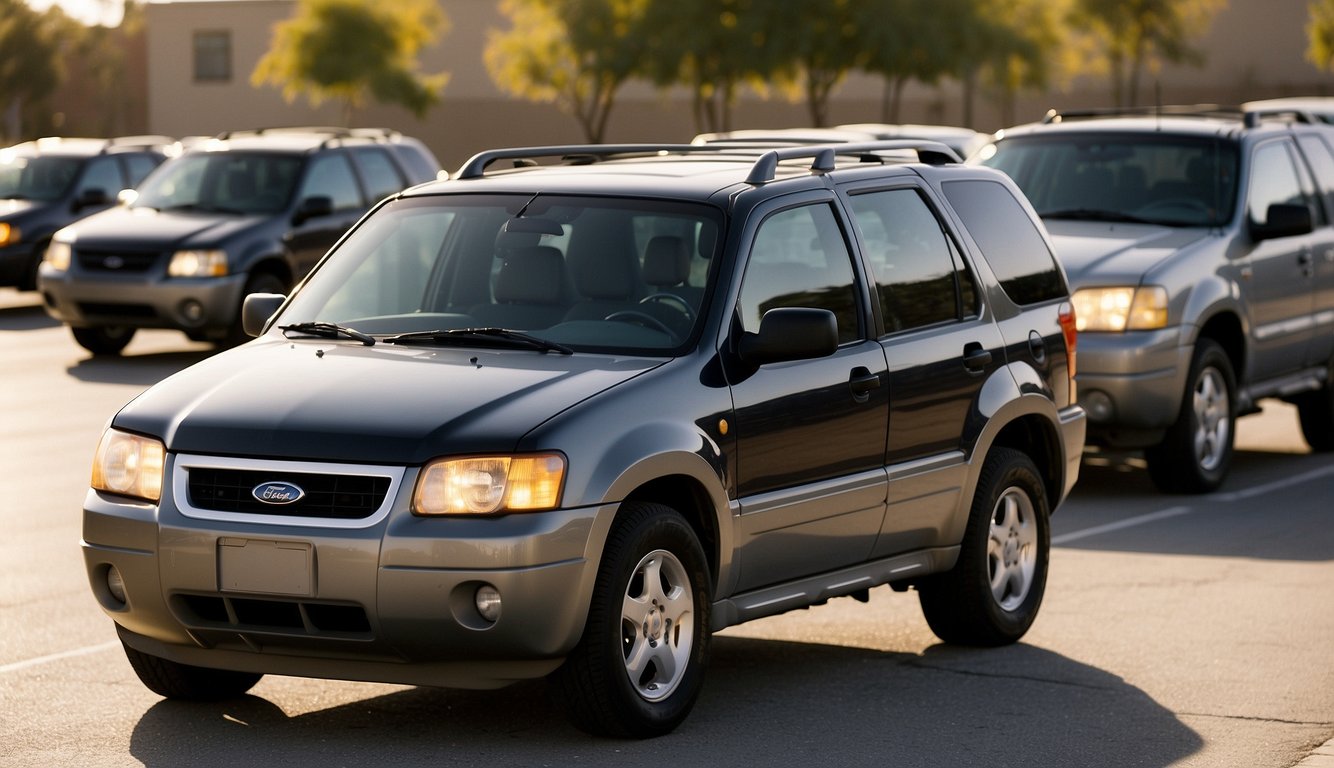
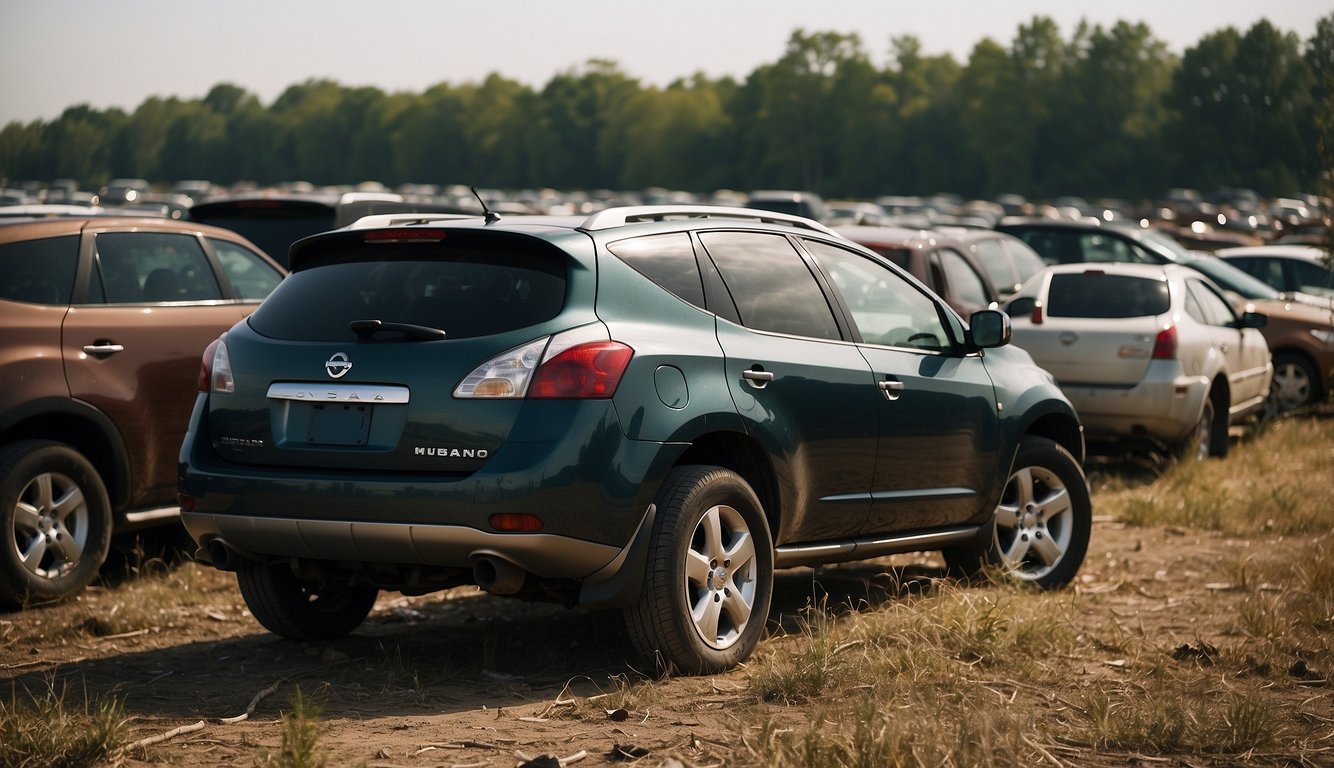
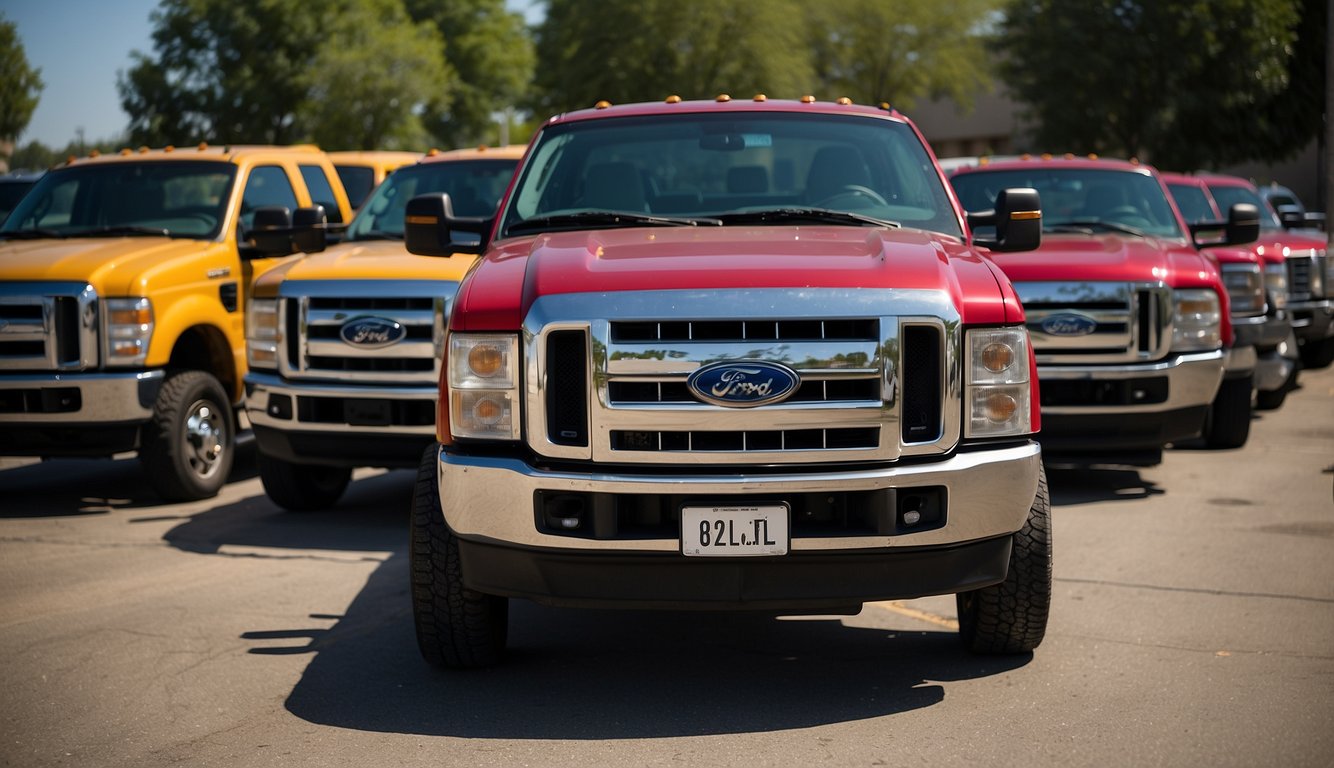
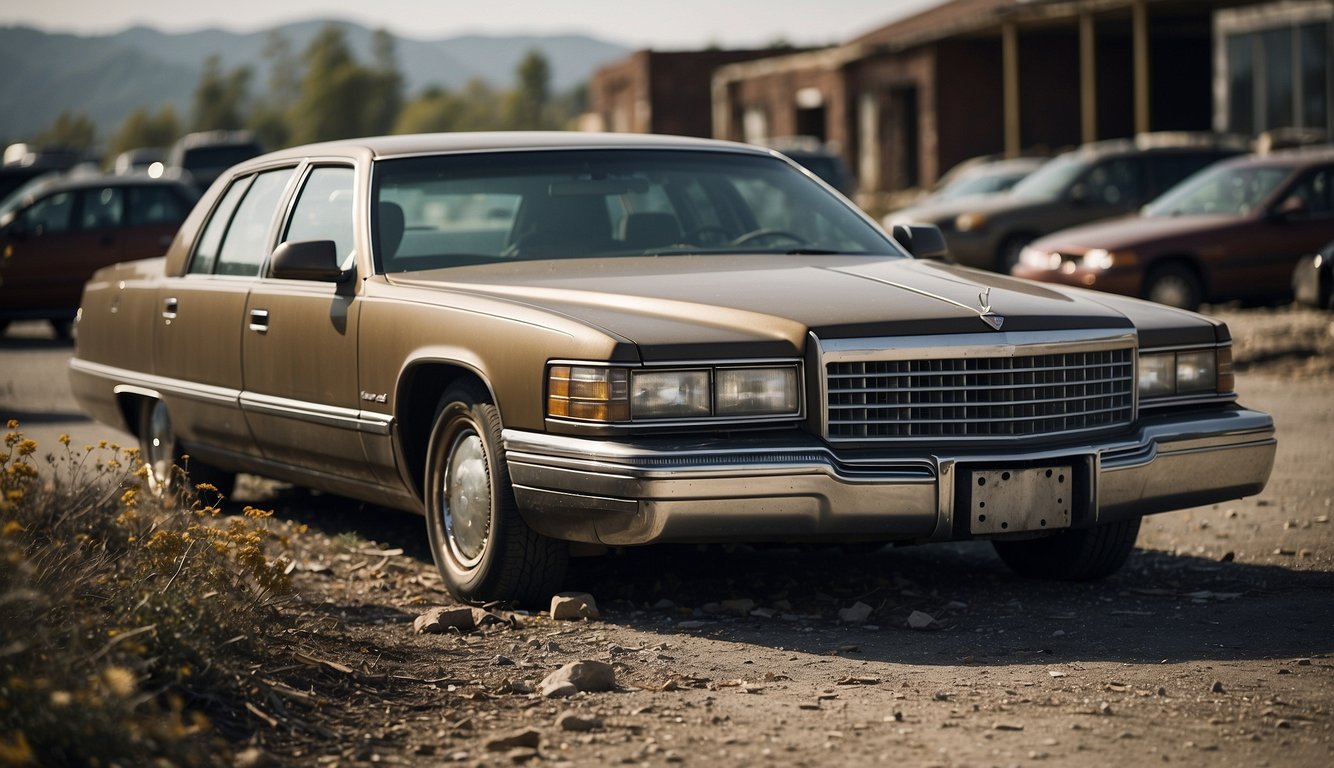
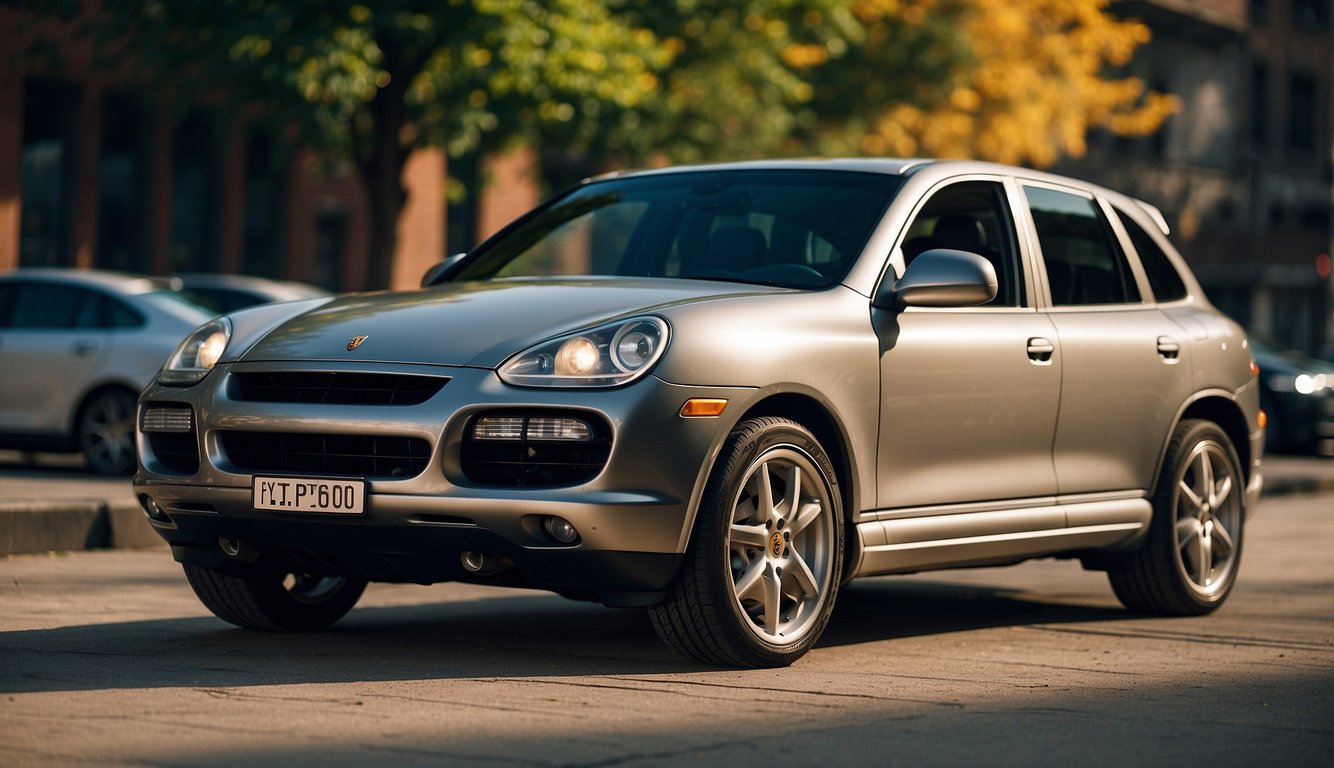
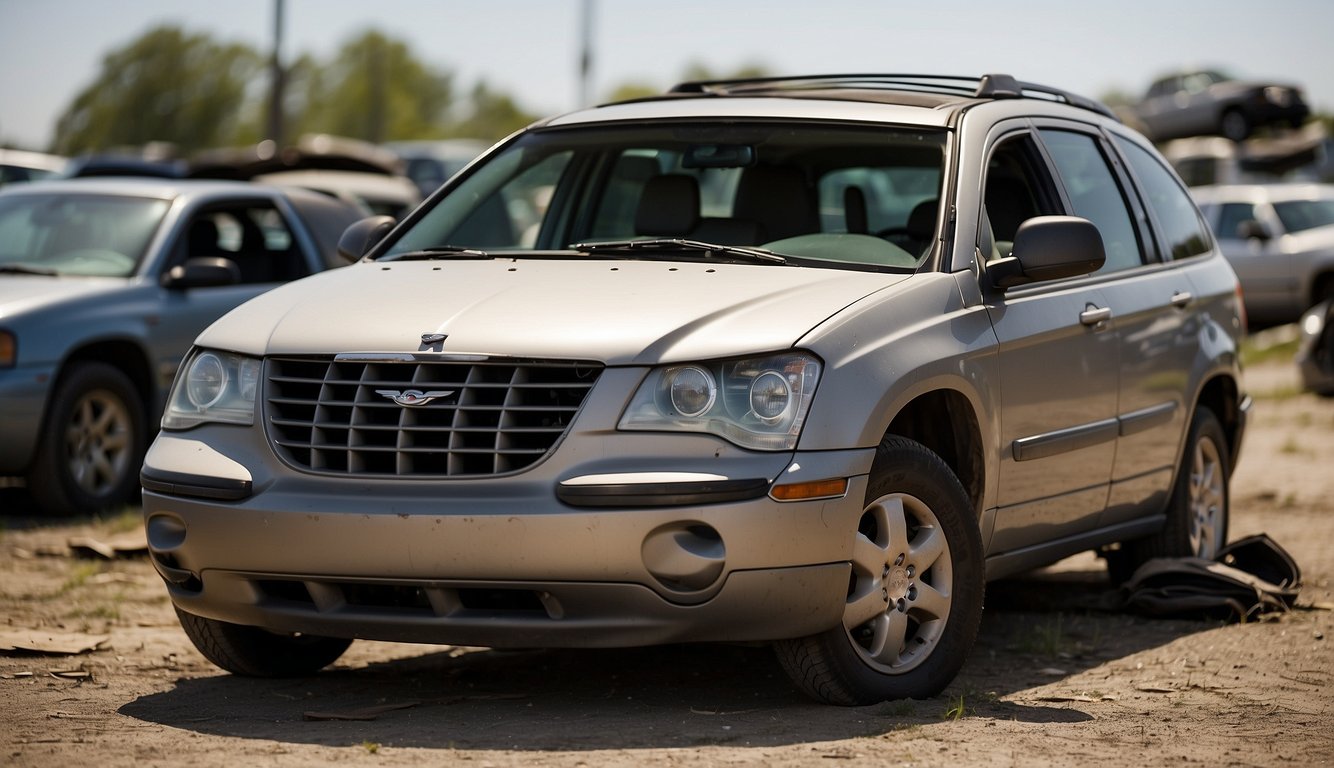
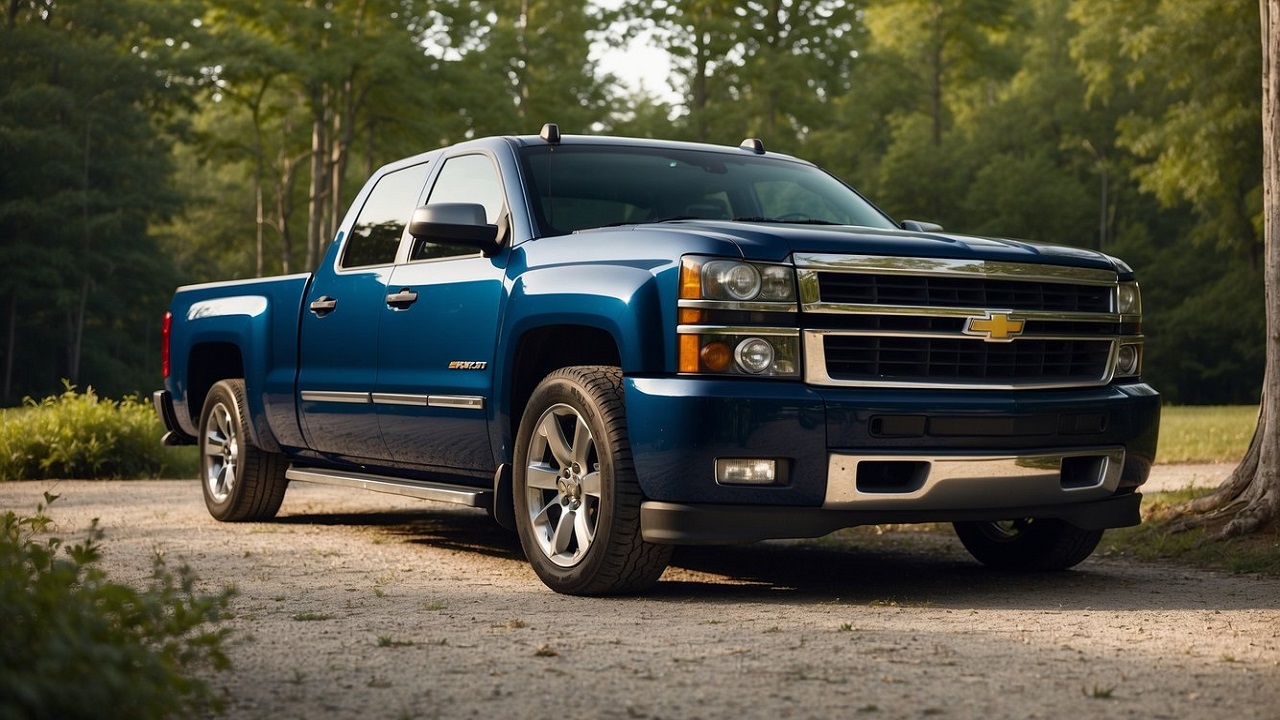
Buyer Beware: 33 Most Unreliable Japanese Cars to AVOID at All Costs

Japanese cars are known for reliability and lasting performance, attracting drivers worldwide. However, not every used Japanese car meets these high standards. Some have been marred by mechanical issues, recalls, and age.

This article is your guide to the used Japanese car market, pinpointing 35 models to avoid due to their failure to uphold the reputation of their brand.

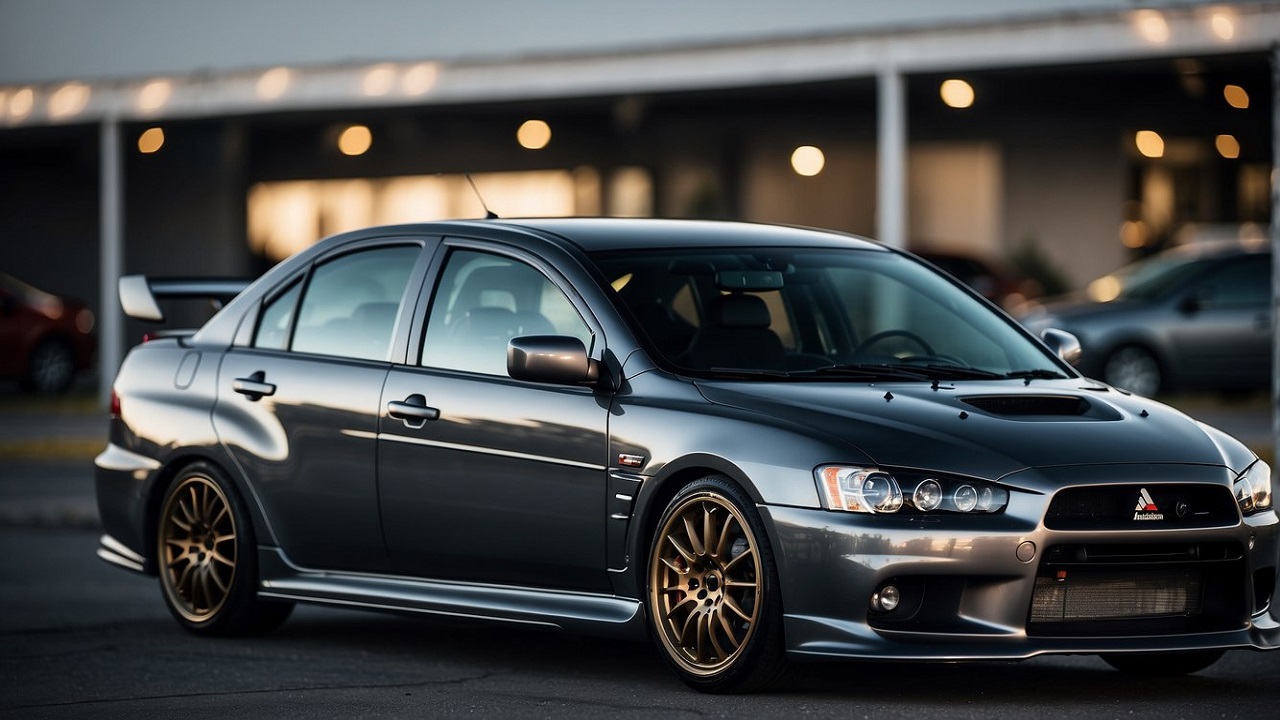
Mitsubishi Mirage (2014-2015)

Mitsubishi Mirage
©Photo Credit: DepositPhotos

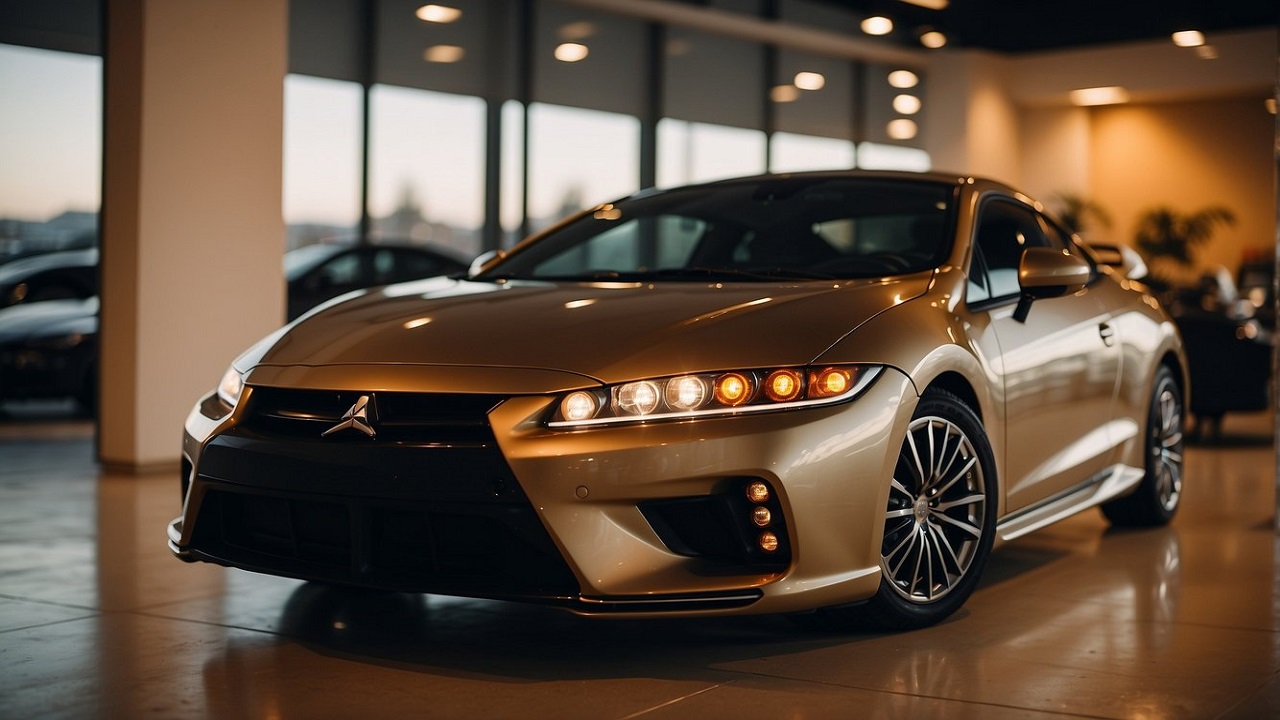
The 2014-2015 Mitsubishi Mirage is known for poor performance, a noisy cabin, and a low-quality interior. This subcompact car has a weak engine and below-average fuel economy for its class.

Nissan Versa (early 2010s)

Nissan Almera Versa
©Photo Credit: Unlimphotos

Early 2010s models of the Nissan Versa are prone to transmission issues, particularly in the automatic transmission variants. The CVT in these models is notorious for premature failure.

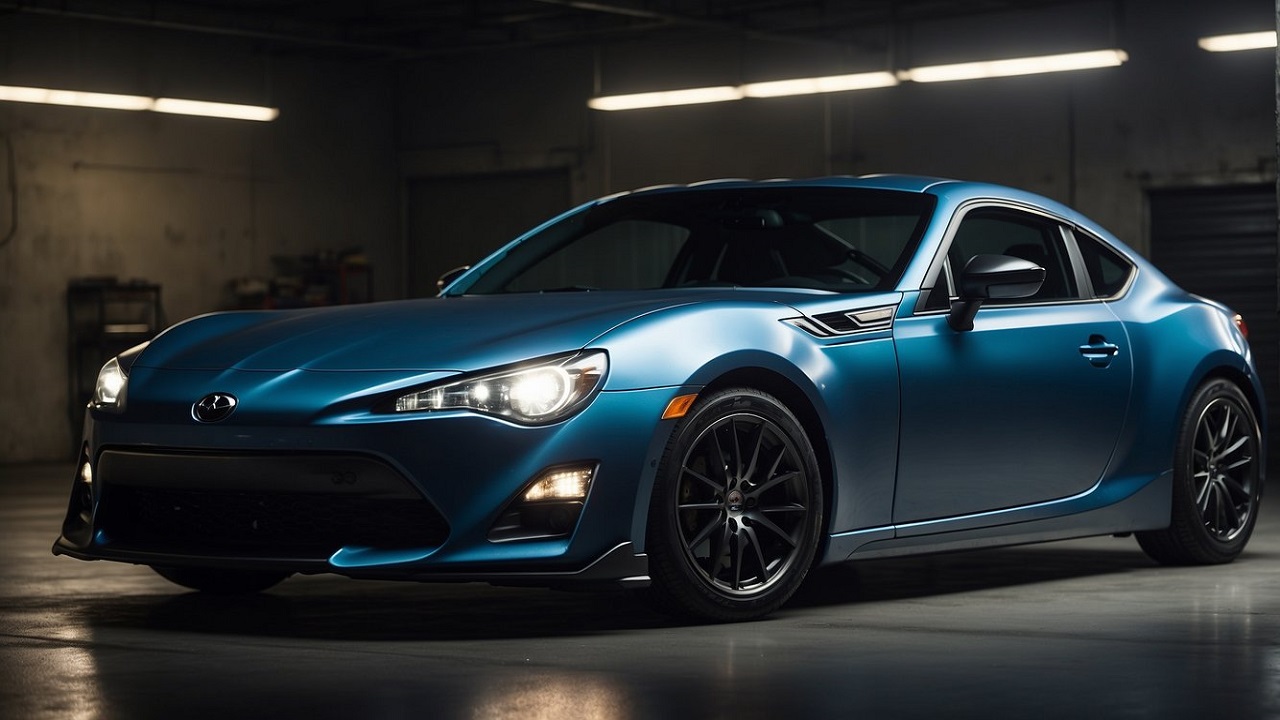
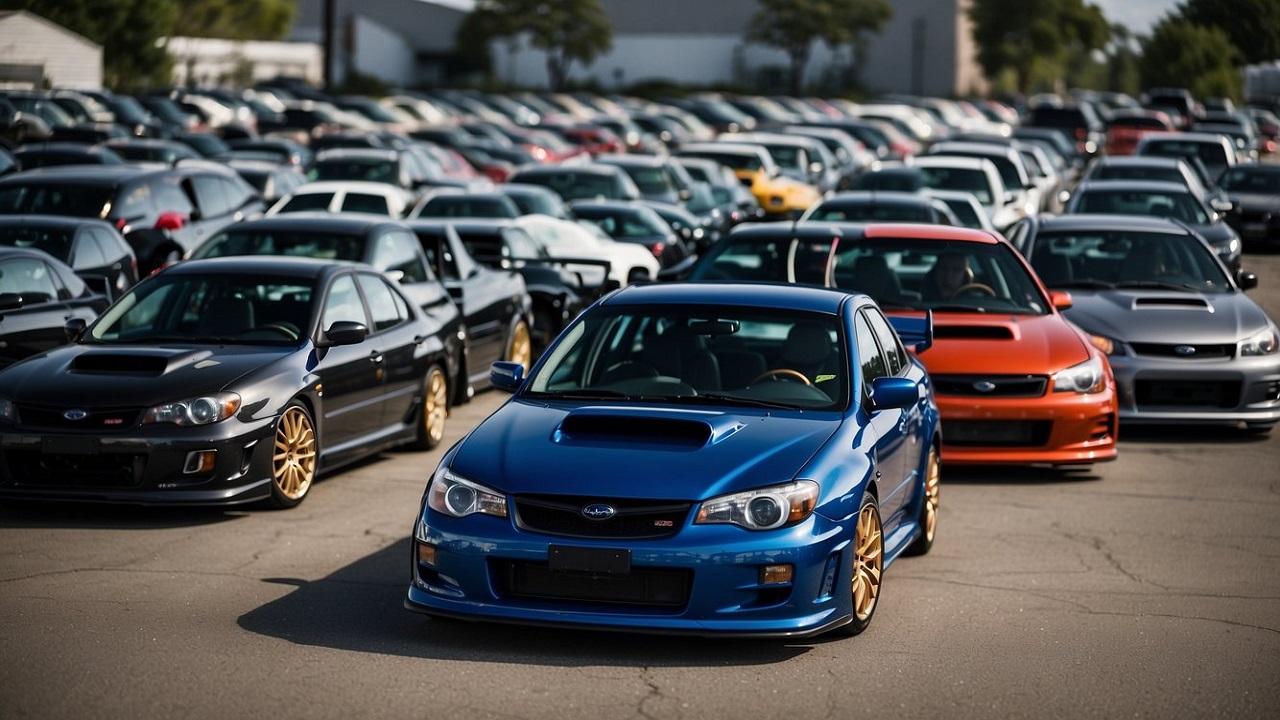
Subaru WRX/STI (2006-2007)

Subaru WRX STI
©Photo Credit: MiramarSpeedCircuit

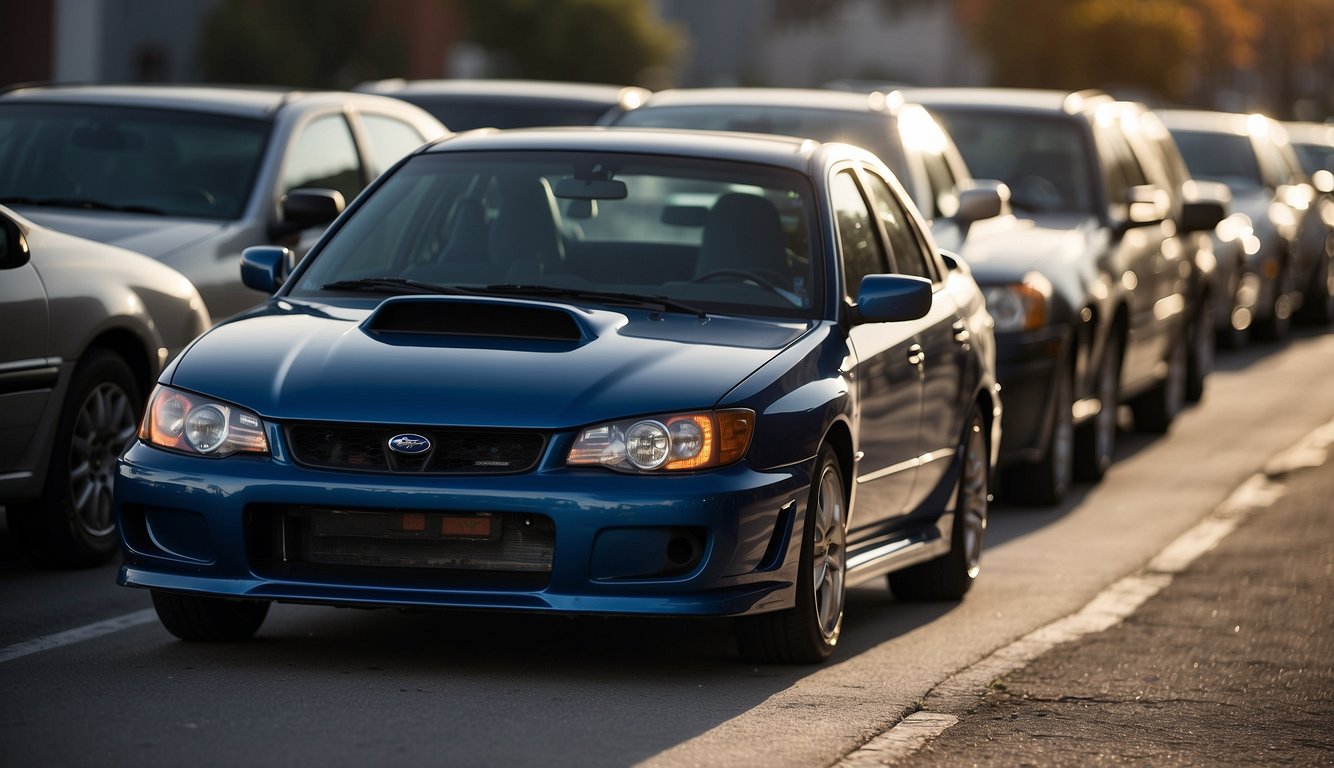
The 2006-2007 Subaru WRX/STI models are known for head gasket issues and excessive oil consumption. Adding to the maintenance concerns, the turbocharger on the STI version has been reported to have reliability issues.

RelatedSubaru WRX Best Year: Most Reliable Choice for Performance!

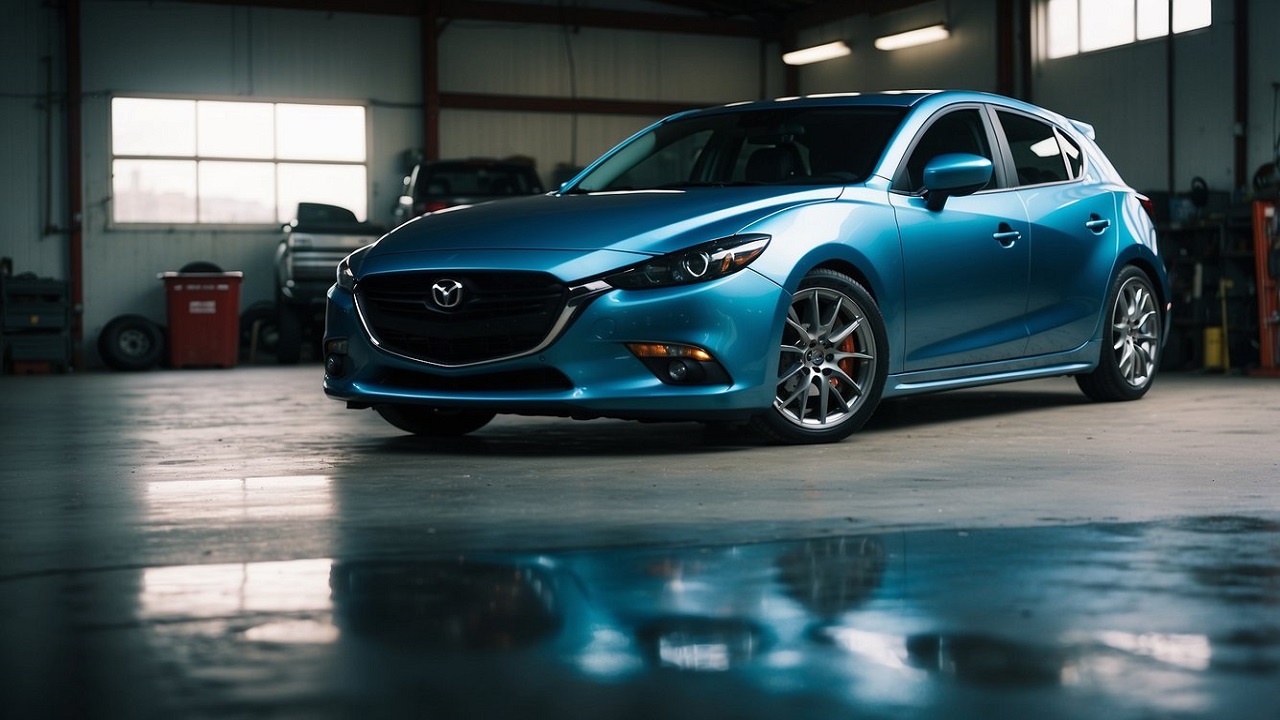
Mazda RX-8 (2004-2008)
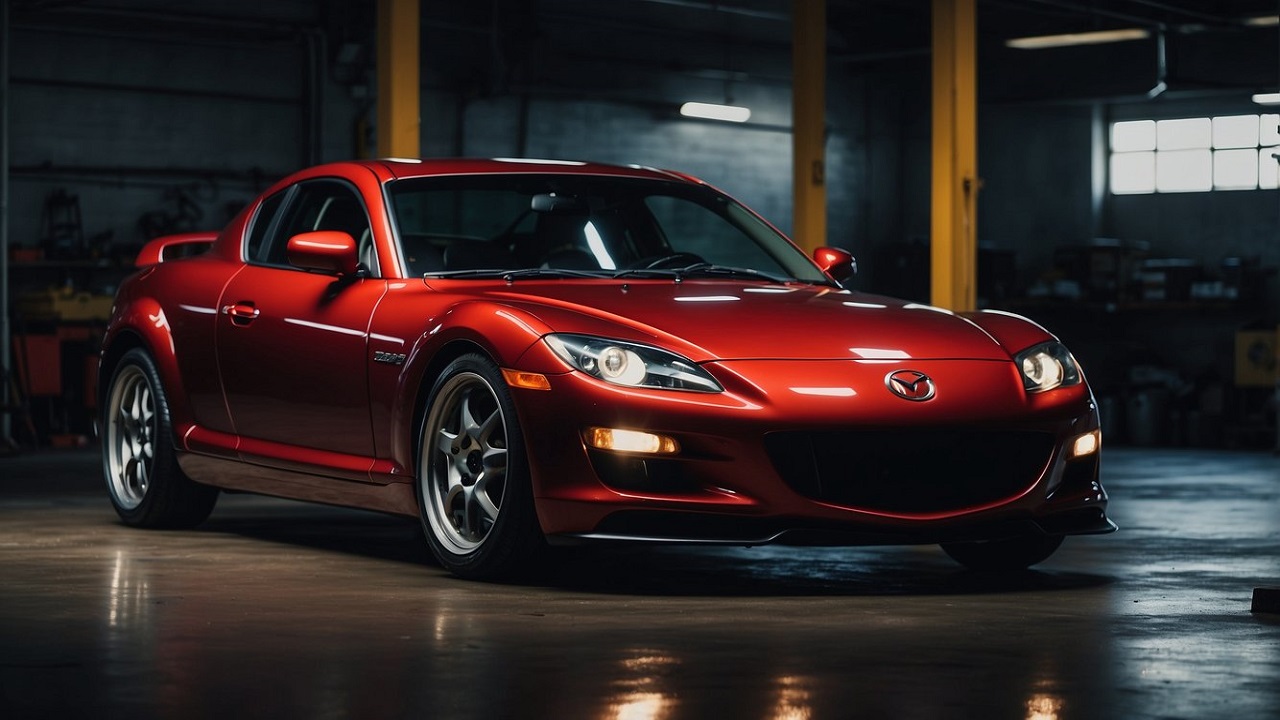
Mazda RX-8 2004
©Photo Credit: MiramarSpeedCircuit

The Mazda RX-8 is a unique sports car with a rotary engine, but it’s plagued by poor gas mileage, high oil consumption, and premature engine failures. This model also suffers from weak torque, making daily driving less enjoyable.

Nissan Pathfinder (2005-2007, 2013-2014)

Nissan Pathfinder
©Photo Credit: MiramarSpeedCircuit

The Nissan Pathfinder from 2005-2007 and 2013-2014 suffer from transmission issues, such as the notorious radiator leak, which leads to coolant mixing with the transmission fluid and causing costly repairs.

RelatedHere Are The Best Year for Nissan Pathfinder Used Models!

Suzuki Forenza (2004-2008)
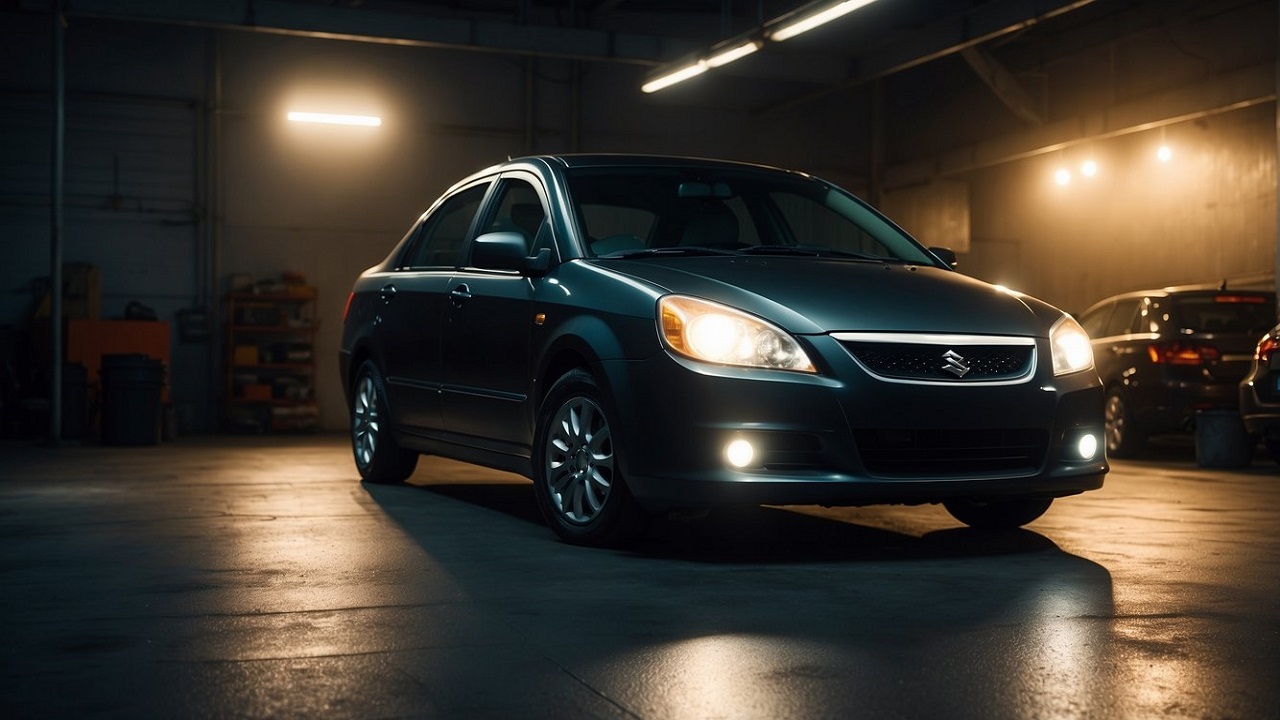
Suzuki Forenza 2004
©Photo Credit: MiramarSpeedCircuit

The Suzuki Forenza is a compact car with numerous complaints related to poor build quality, electrical issues, and problems with the timing belt and head gasket.

Nissan Quest (2004-2009)
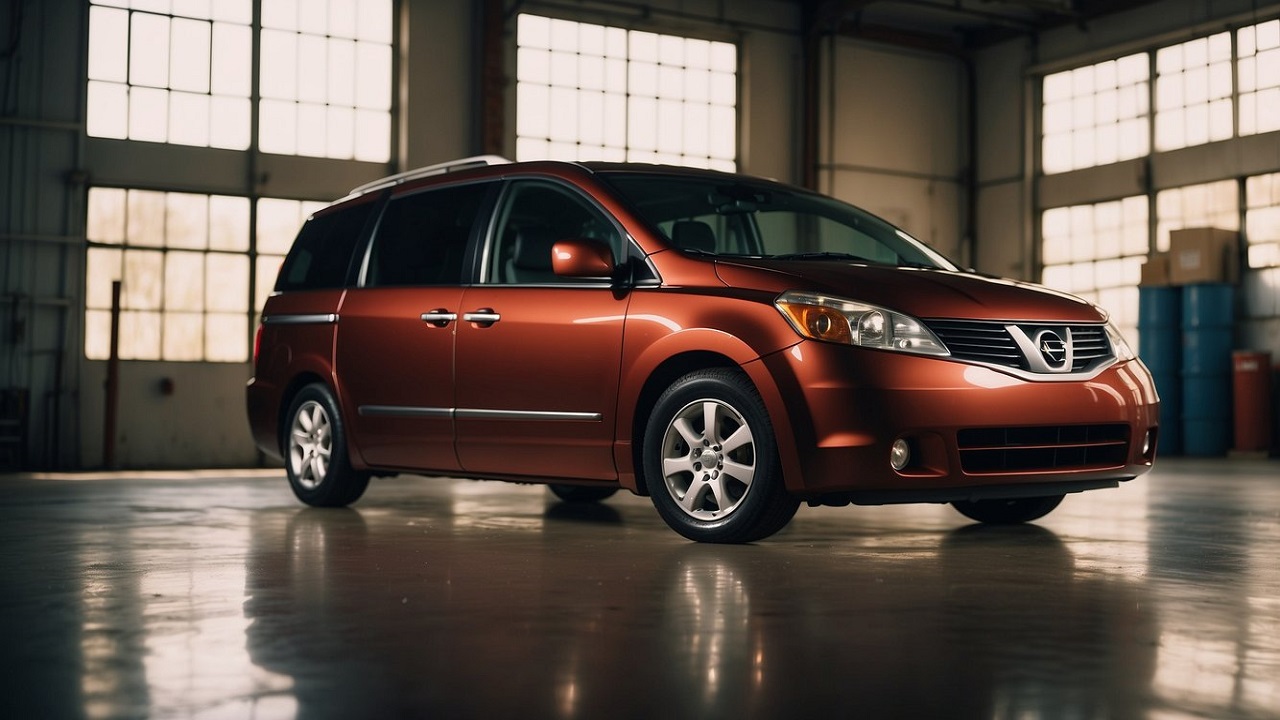
Nissan Quest 2004
©Photo Credit: MiramarSpeedCircuit

The Nissan Quest minivan from 2004-2009 has experienced problems with brakes, transmission, and engine performance. Moreover, they have less interior space and versatility than other minivans in their class.

Mitsubishi Outlander (2003-2009)
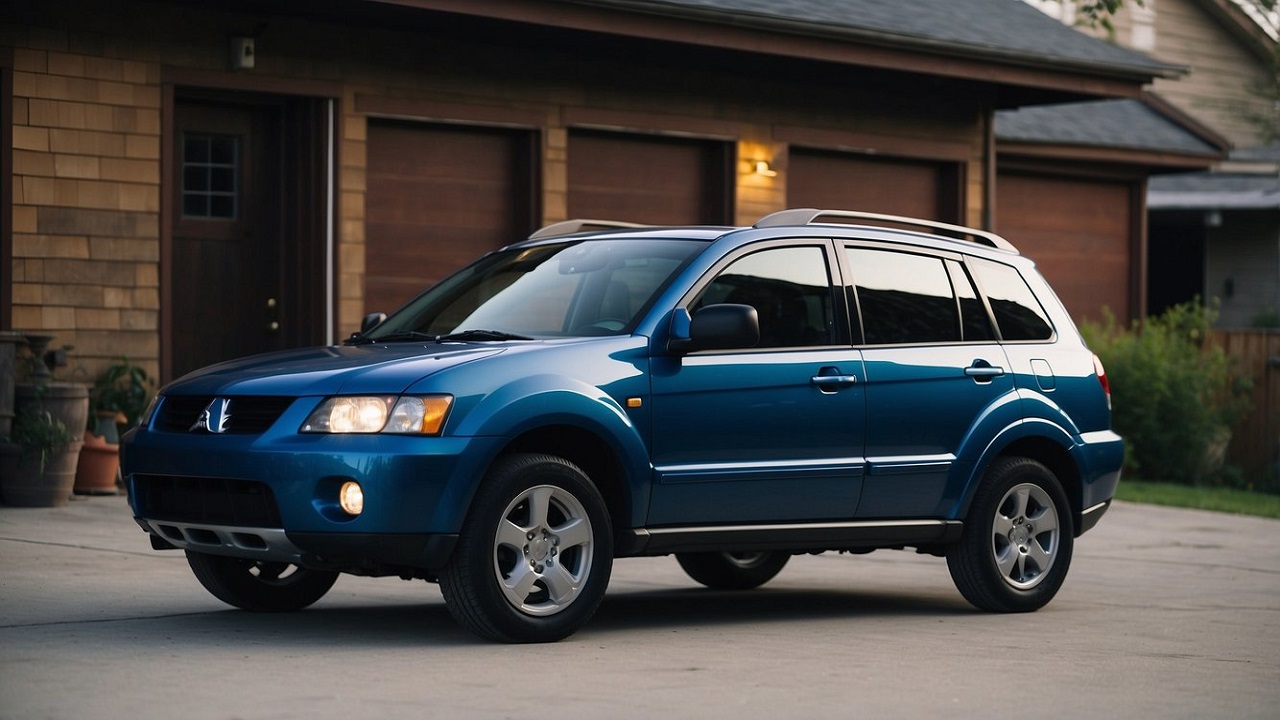
Mitsubishi Outlander 2003
©Photo Credit: MiramarSpeedCircuit

The 2003-2009 Mitsubishi Outlander models are known for various issues, including transmission problems, excessive oil consumption, and premature tire wear.

RelatedBest and Worst Mitsubishi Outlander Years to Buy!

Mazda CX-7 (2007-2012)

Mazda CX-7 2007
©Photo Credit: MiramarSpeedCircuit

The Mazda CX-7 from 2007-2012 has had a string of issues with the turbocharger and engine, along with poor fuel economy for its class.

Honda Civic (2001-2005)
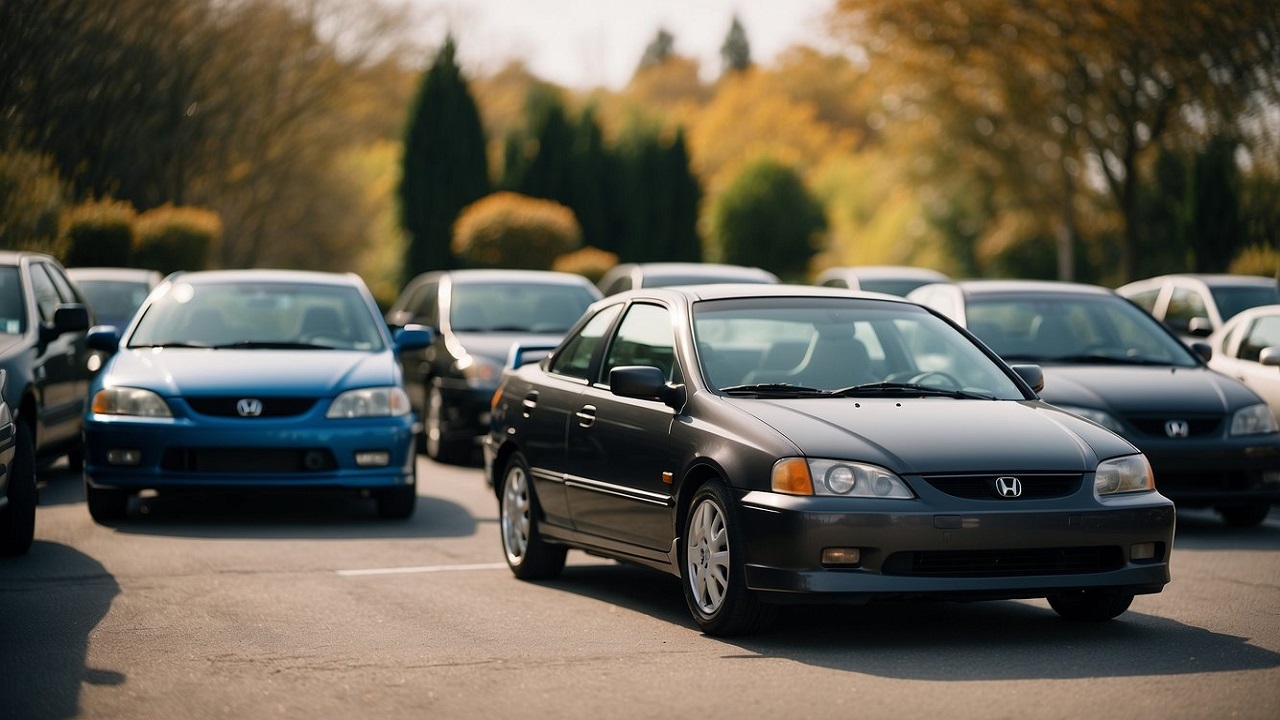
Honda Civic (2001-2005)
©Photo Credit: MiramarSpeedCircuit

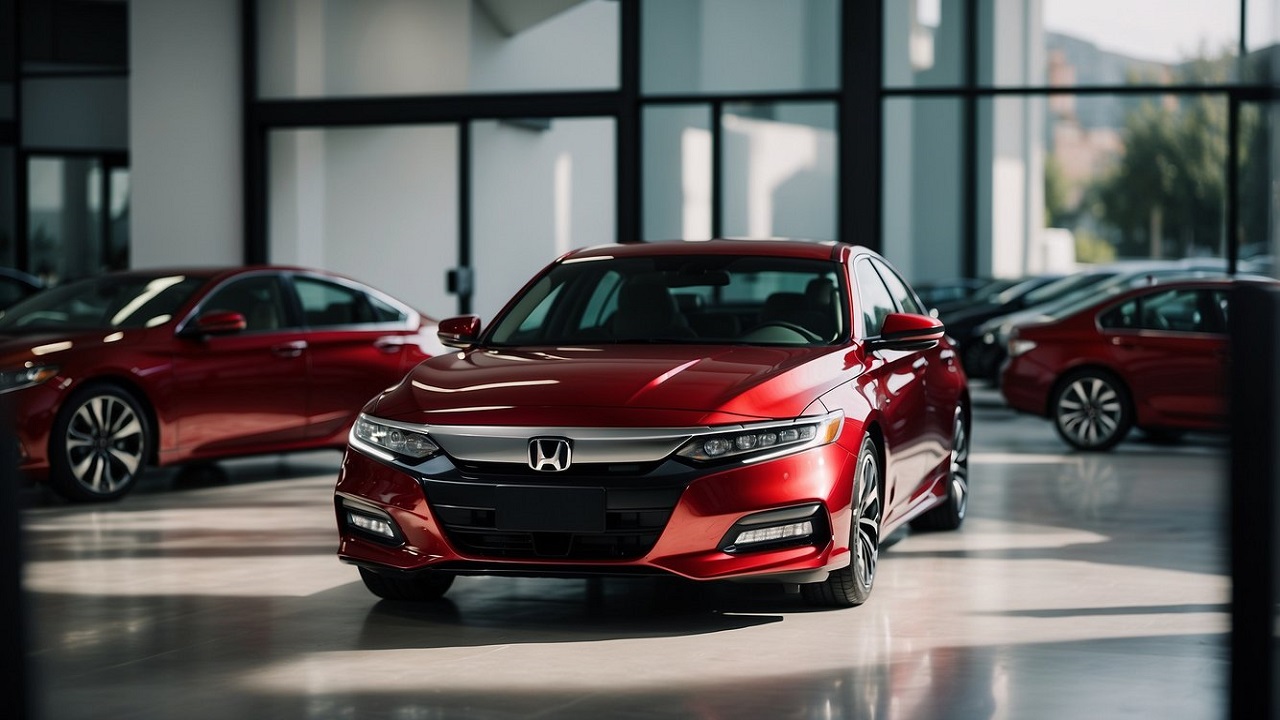
Avoid the seventh-generation Honda Civic, especially the 2001-2005 models. The 2001 Civic is notorious for recalls, transmission, safety, and engine issues. The 2006 model suffers from suspension problems, while the 2007 Civic has paint and engine malfunctions.

Additionally, the 2003-2005 Civics, especially hybrids, faced battery issues. The 2001 and 2002 models are particularly problematic with transmission failures, airbag issues, and paint defects.

Toyota RAV4 (2001-2003)

Toyota RAV4
©Photo Credit: MiramarSpeedCircuit

First, many owners report that engines consume excessive oil. Transmission issues include gear-shifting hesitation and power loss. Additionally, early 2000s RAV4s often have a spare tire on the rear door, which can hinder access to the cargo area. The 2001-2003 models are also prone to a failing tire mount, potentially leading to a detached spare tire.

Subaru Forester (2009-2010)
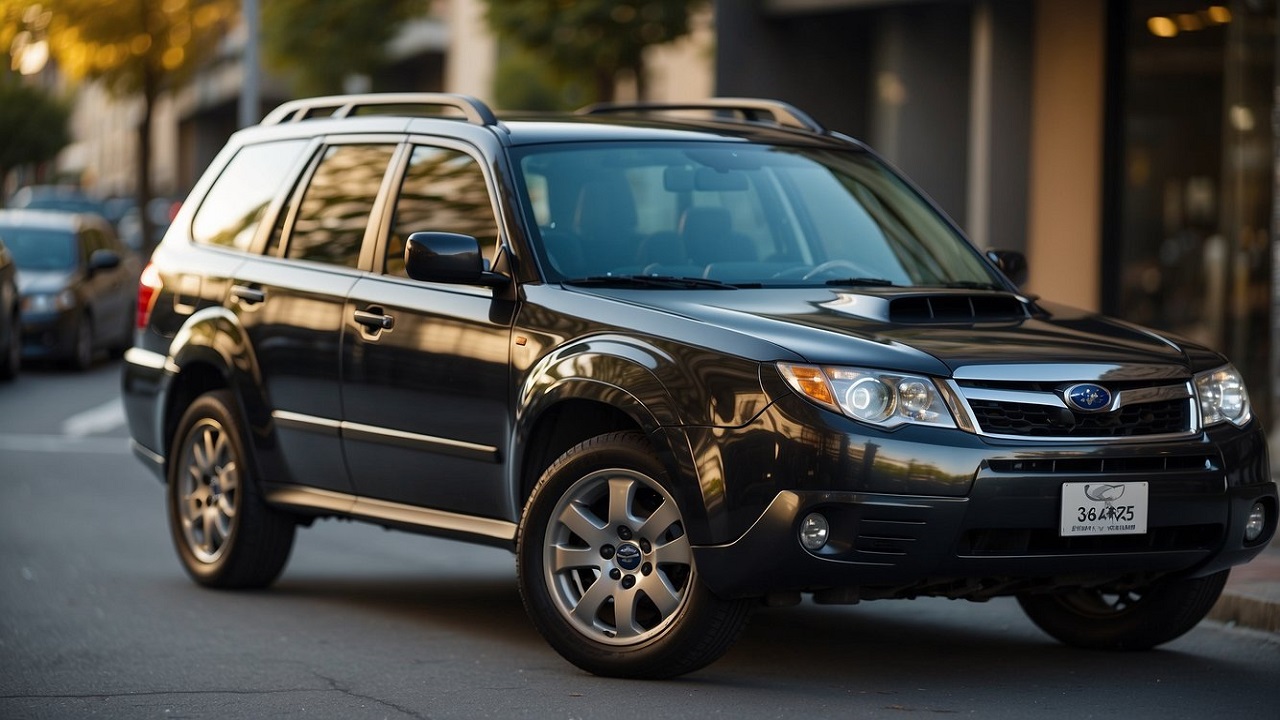
Subaru Forester (2009-2010)
©Photo Credit: MiramarSpeedCircuit

One of the most significant problems reported about the 2009-2010 Subaru Forester was related to leaking brake fluids due to a gap in the fuel tank protector.

Nissan Altima (2002-2006)

Nissan Altima (2002-2006)
©Photo Credit: MiramarSpeedCircuit

During this time, a significant issue was excessive oil consumption leading to engine failure. Altima owners often had to replace engines at an average cost exceeding $3,300. Faulty camshaft position sensors also led to stalling and poor performance.

Toyota Matrix (2003-2006)

Toyota Matrix (2003-2006)
©Photo Credit: MiramarSpeedCircuit

The 2003 model year had oil leaks, issues with the 1ZZ-FE engine, and airbag faults. The 2006 Matrix experienced excessive oil consumption, transmission problems, and various electrical system glitches.

Infiniti QX56 (2004-2010)
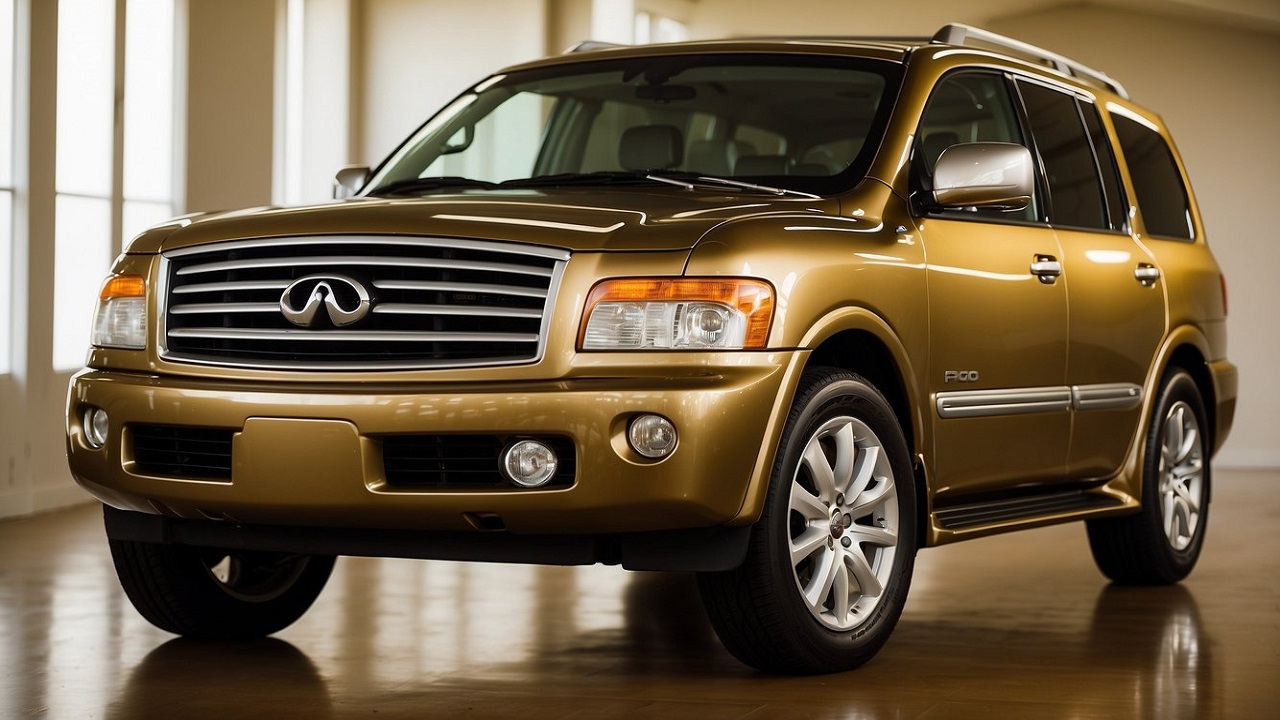
Infiniti QX56 (2004-2010)
©Photo Credit: MiramarSpeedCircuit

In 2004, the model faced service brake and airbag issues. The 2005 version had fuel system problems and electrical power loss. The 2006 model suffered from equipment and powertrain issues.

Acura TL (1999, 2003-2007)
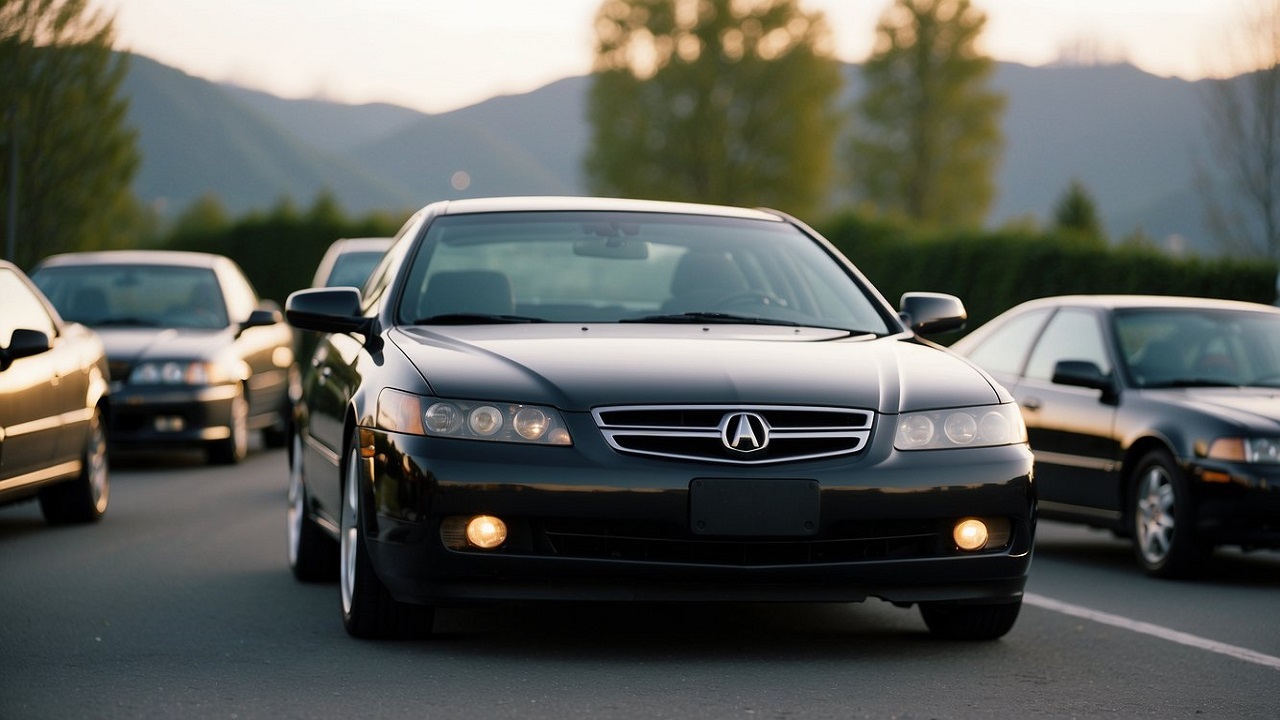
Acura TL (2003-2007)
©Photo Credit: MiramarSpeedCircuit

The 1999 Acura TL had a fuel pump relay issue leading to engine stalls during operation, risking driver and passenger safety. The 2003-2007 models experienced excessive oil consumption, transmission failures, and transmission cooler problems.

Mitsubishi Lancer (2002-2006, 2008-2009)
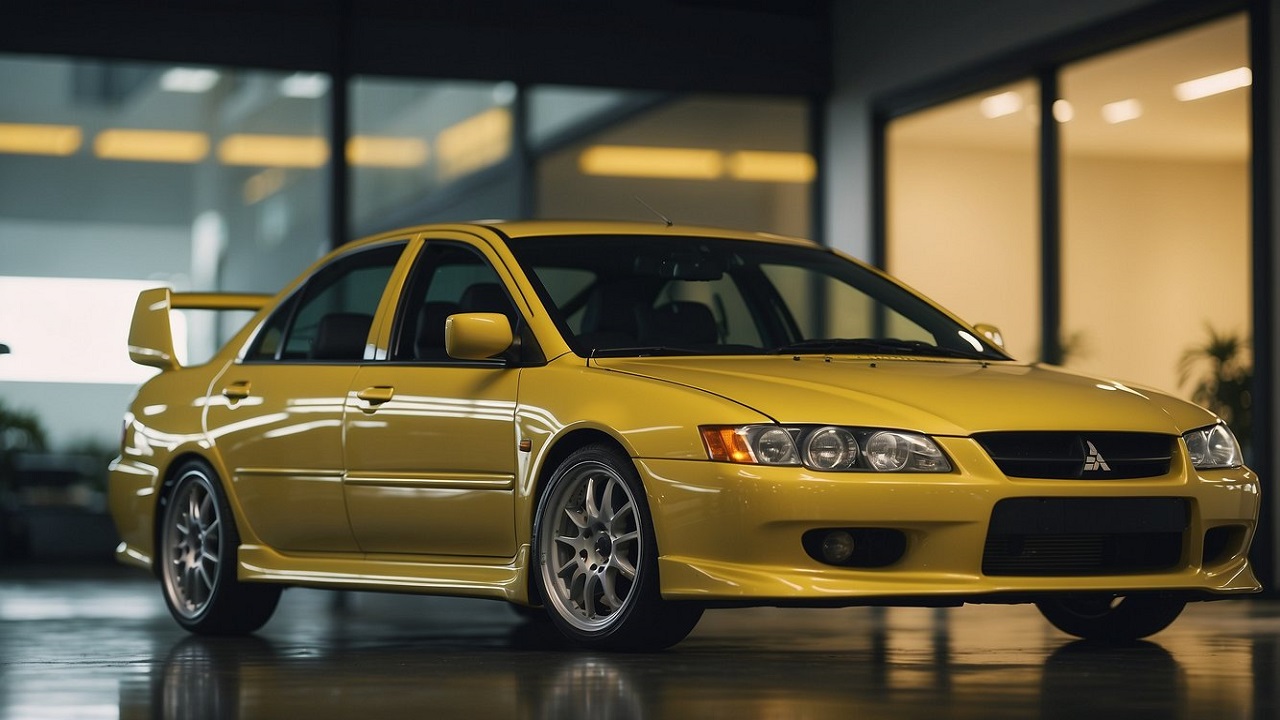
Mitsubishi Lancer 2002
©Photo Credit: MiramarSpeedCircuit

The 2002-2006 Lancer models were affected by the Takata airbag recall, particularly the 2004-2006 Lancer Evolution and the 2004 Lancer Sportback. Other issues included transmission failures, engine overheating, weak suspension, early clutch wear, and timing belt tensioner failures. The 2008-2009 models suffered from excessive oil consumption and timing belt failures.

Subaru Impreza (2008-2009)

Subaru Impreza (2008-2009)
©Photo Credit: MiramarSpeedCircuit

With 297 NHTSA complaints and 15 recalls, the 2008 Impreza have windshields and windows issues as well engine Problems like snapping of timing belts and head gasket failures, electrical and suspension issues

Nissan Juke (2011-2013)

Nissan Juke (2011-2013)
©Photo Credit: MiramarSpeedCircuit

The 2011-2013 Nissan Juke models are prone to early Continuously Variable Transmission (CVT) failure, resulting in expensive repairs or replacements. This CVT issue can lead to poor acceleration and driving experience. Additionally, these models consume oil excessively and incur costly engine repairs.

Toyota Prius (2010-2011)

Toyota Prius (2010-2011)
©Photo Credit: MiramarSpeedCircuit

These models was fraught with excessive oil consumption with some owners reported engine damage. There were also issues with headlight malfunctioning or blowing out.

Mitsubishi Eclipse (2000-2005)

Mitsubishi Eclipse (2000-2005)
©Photo Credit: MiramarSpeedCircuit

The 2000-2005 Mitsubishi Eclipse has significant transmission issues, including slipping, shifting difficulties, and complete failure. Owners also report idle control problems, causing starting issues and inconsistent idle speeds. Furthermore, components like valve covers are prone to oil leaks, risking engine damage if ignored.

Honda Odyssey (1999-2004)

Honda Odyssey (1999-2004)
©Photo Credit: MiramarSpeedCircuit

The 1999-2004 Honda Odyssey models, particularly the 2001, 2003, and 2007 years, suffer from transmission issues like slipping and hard shifting. Engine problems in these models also lead to costly repairs, alongside reports of peeling and chipping paint.

Mazda Tribute (2001-2008)

Mazda Tribute (2001-2008)
©Photo Credit: MiramarSpeedCircuit

The Tribute’s fuel efficiency lagged behind competitors in the compact SUV category. It also faced reliability issues, including transmission and power steering problems. Additionally, rust commonly appeared above the rear wheels, especially in areas with severe weather.

Subaru Outback (2000-2004)
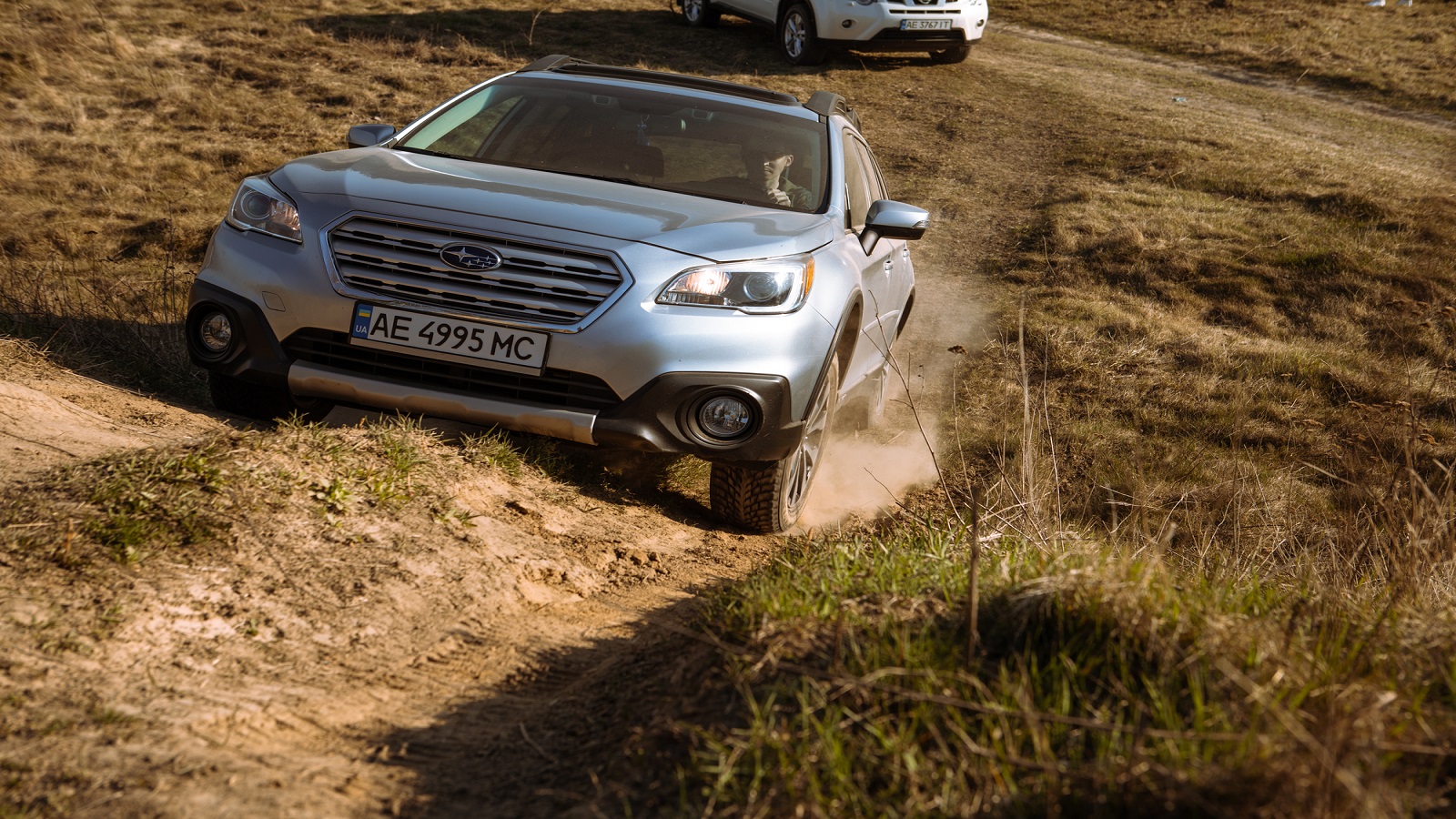
Subaru Outback
©Photo Credit: DepositPhotos

Common issues include head gasket leaks and cooling system failures, often due to a faulty water pump that doesn’t circulate coolant properly. Additional problems are excessive oil consumption, transmission troubles, and timing belt failures.

Nissan Maxima (2004-2008)
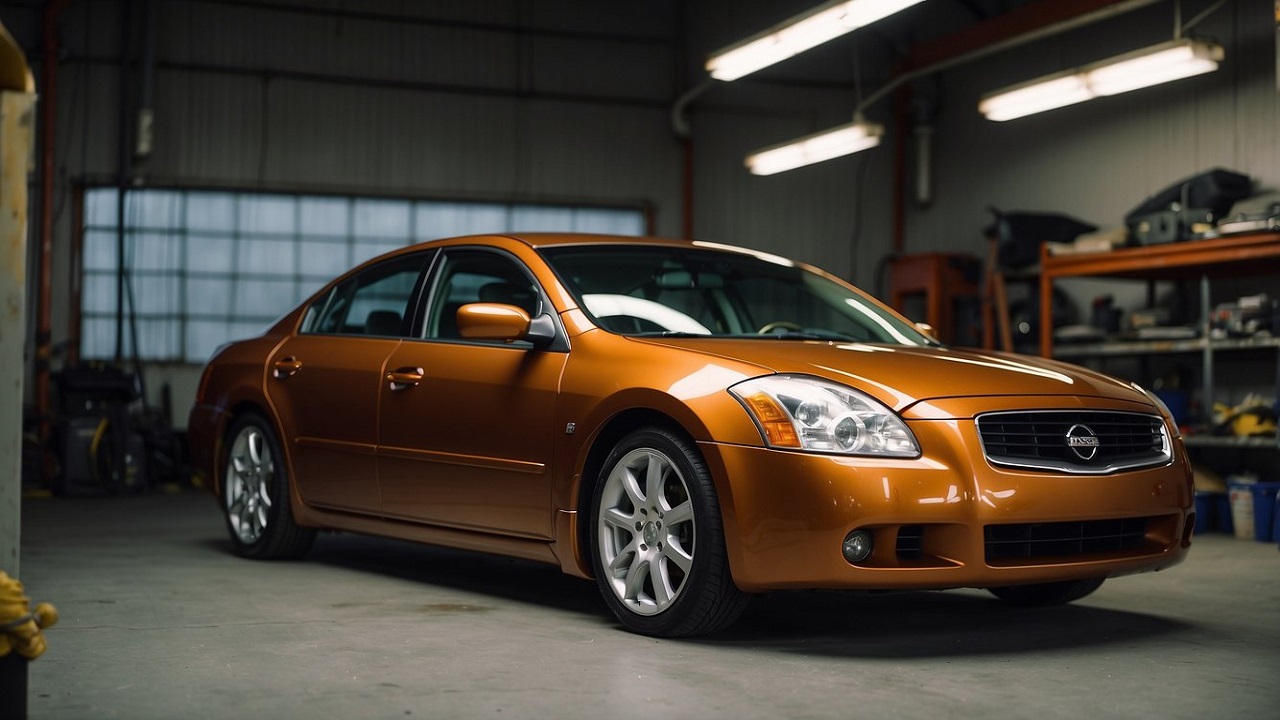
Nissan Maxima (2004-2008)
©Photo Credit: MiramarSpeedCircuit

The 2004-2008 Nissan Maxima often has costly transmission malfunctions and failures. Other frequent problems include steering difficulties, fuel delivery issues, and catalytic converter and ignition coil troubles.

Suzuki XL7 (2001-2006)

Suzuki XL7 (2001-2006)
©Photo Credit: MiramarSpeedCircuit

One of the main concerns with this particular model is its engine performance like labored passing power, making acceleration and highway merging difficult.

Nissan Murano (2003-2007)

Nissan Murano (2003-2007)
©Photo Credit: MiramarSpeedCircuit

A common issue is engine mount failure, with rubber mounts losing elasticity over time. Specifically, the 2003-2007 models had CVT problems, leading to slipping, shuddering, and complete failure.

Toyota Sienna (2004-2010)
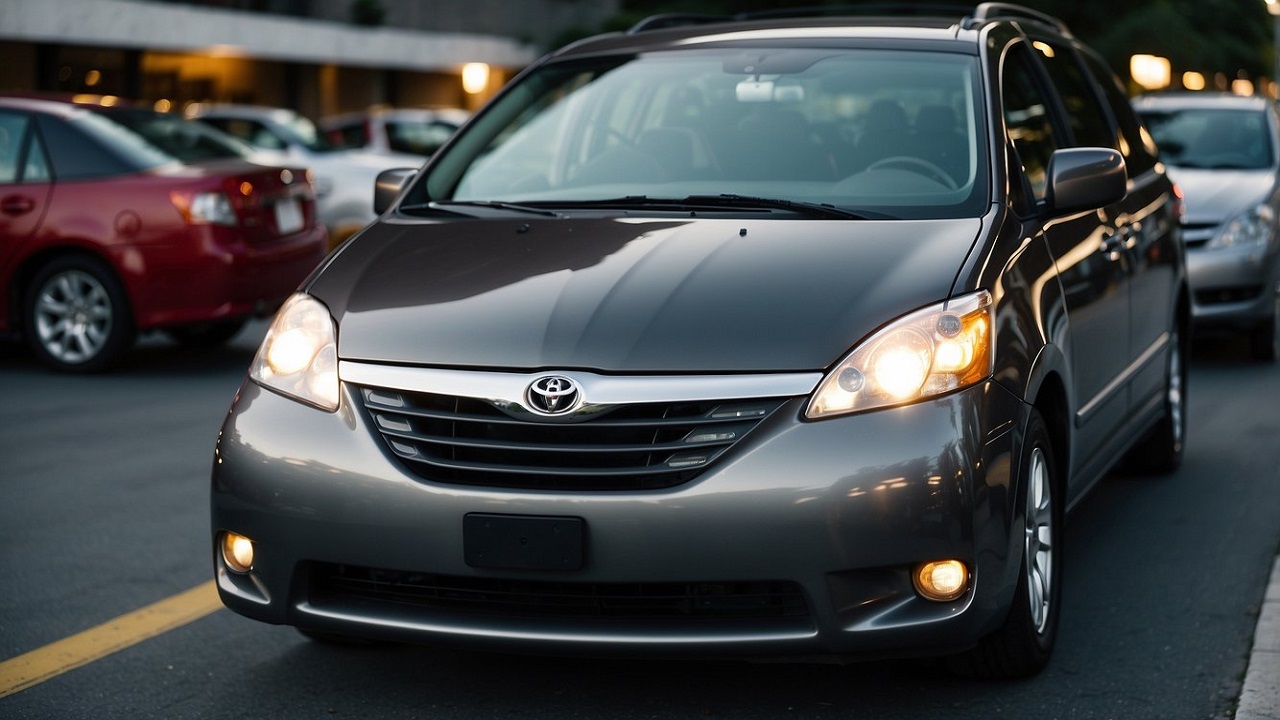
Toyota Sienna (2004-2010)
©Photo Credit: MiramarSpeedCircuit

The 2004-2007 Siennas commonly experienced transmission failure. Additionally, the 2006-2008 models had electrical issues affecting airbags, automatic sliding doors, and seat belts.

Mazda 5 (2006-2010)

Mazda 5 (2006-2010)
©Photo Credit: MiramarSpeedCircuit

The 2006 and 2008 models are the worst in this range, and the 2010 model should also be avoided. They suffer from transmission problems, such as rough shifting and failures, and premature suspension wear. Additionally, these models have problematic brakes, including squeaking and a spongy pedal feel.

Nissan Titan (earlier models)
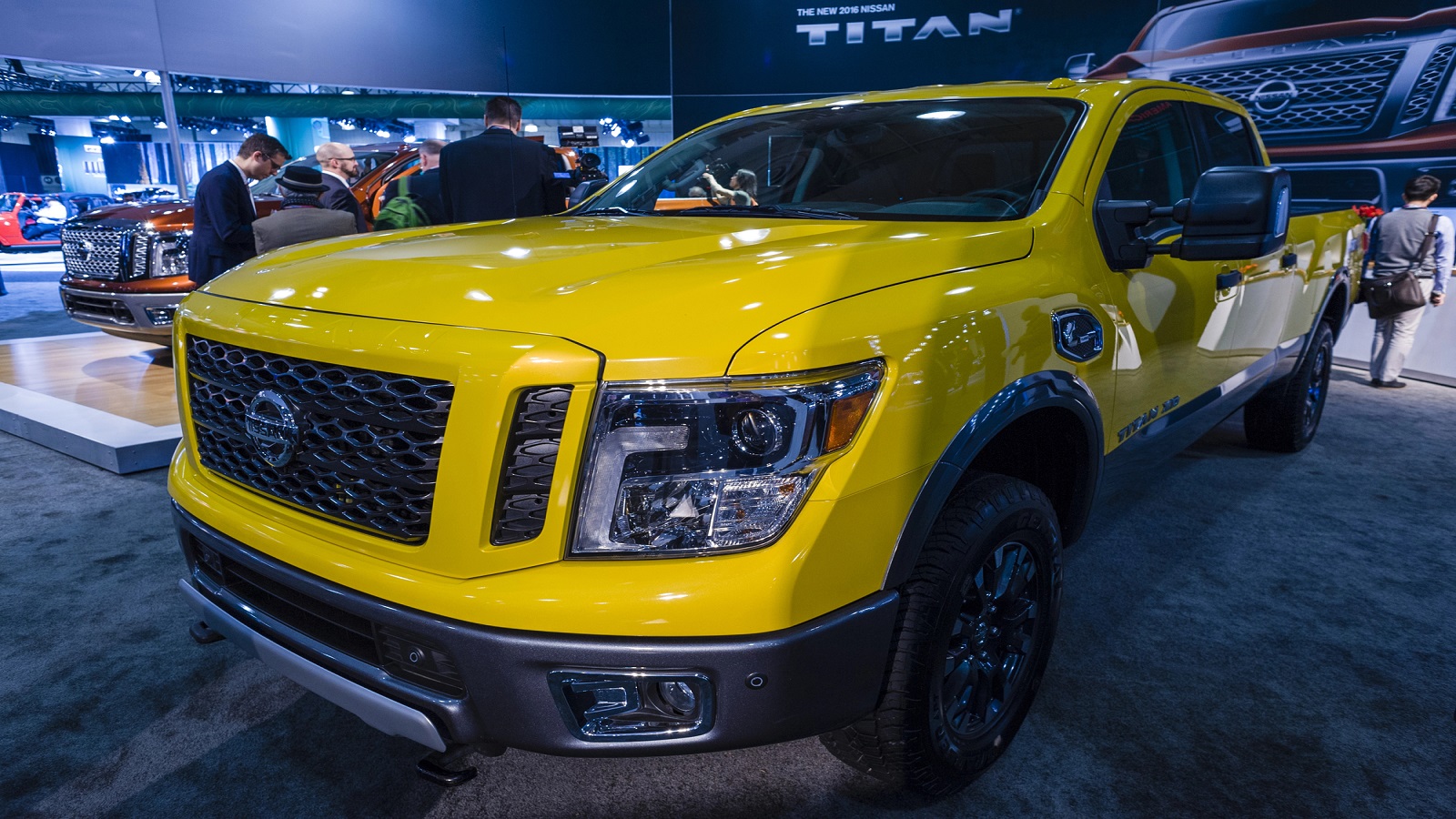
Nissan Titan
©Photo Credit: DepositPhotos

The Nissan Titan, recognized for its sturdiness, has had its share of problems, especially the 2004-2006 and 2008 first-generation models. Notable issues include rear axle failures, coolant leaks into the transmission, brake malfunctions, and faults in the ignition system and emission canister.

Honda CR-V (2002-2006)

Honda CR-V (2002-2006)
©Photo Credit: MiramarSpeedCircuit

The 2002-2006 Honda CR-Vs often face automatic transmission failure and air conditioning system or compressor failure, resulting in expensive repairs. The all-wheel drive system also wears out and fails over time, necessitating costly repairs or replacement.

Nissan Xterra (2005-2009)

Nissan Xterra (2005-2009)
©Photo Credit: MiramarSpeedCircuit

One major problem plaguing these years was a commonly reported radiator defect, which often caused coolant to leak into the transmission fluid, leading to severe mechanical failure.

Isuzu Axiom

Isuzu Axiom
©Photo Credit: MiramarSpeedCircuit

The Isuzu Axiom suffers from subpar build quality, engine troubles, and transmission issues. Furthermore, Isuzu has ceased its operations in North America, making parts and service more difficult to find.

Mitsubishi Montero (2001-2006)

Mitsubishi Montero (2001-2006)
©Photo Credit: MiramarSpeedCircuit

A major drawback of this model is its lower power output compared to other SUVs. Additionally, its fuel economy is a concern since it requires premium unleaded gasoline, which increases maintenance costs.

[ie-slider id=’1′]
28 Cars Average-Income Earners Must Avoid

Driving off the lot in a new car feels great, but for average earners, it’s a major financial choice that can make or break your budget. Some cars seem like a deal but end up costing more in the long run due to high depreciation, maintenance, and other hidden expenses.

This article steers you clear of 28 cars that might seem tempting but are bad news for your wallet. We’ll explain how these models can end up costing you more and threaten your financial stability. Get ready for a straightforward look at the cars that don’t measure up in terms of reliability, resale value, and overall ownership costs.

Tesla Model S Plaid

Tesla Model X Plaid
©Photo Credit: MiramarSpeedCircuit

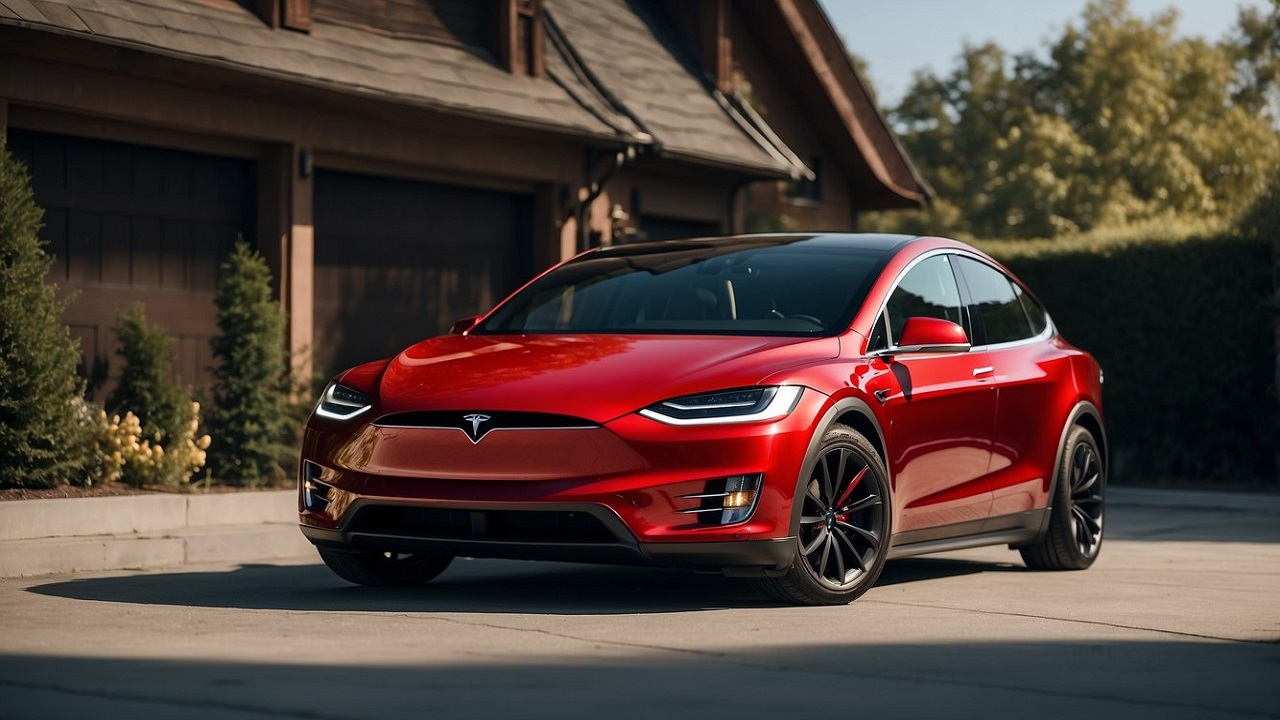
The Tesla Model S Plaid, with its 1,020 horsepower, hits 0 to 60 mph in just under 2 seconds, ranking it among the fastest production cars. Yet, its high cost may deter average earners. Additionally, some early owners report missing features and interior lights.

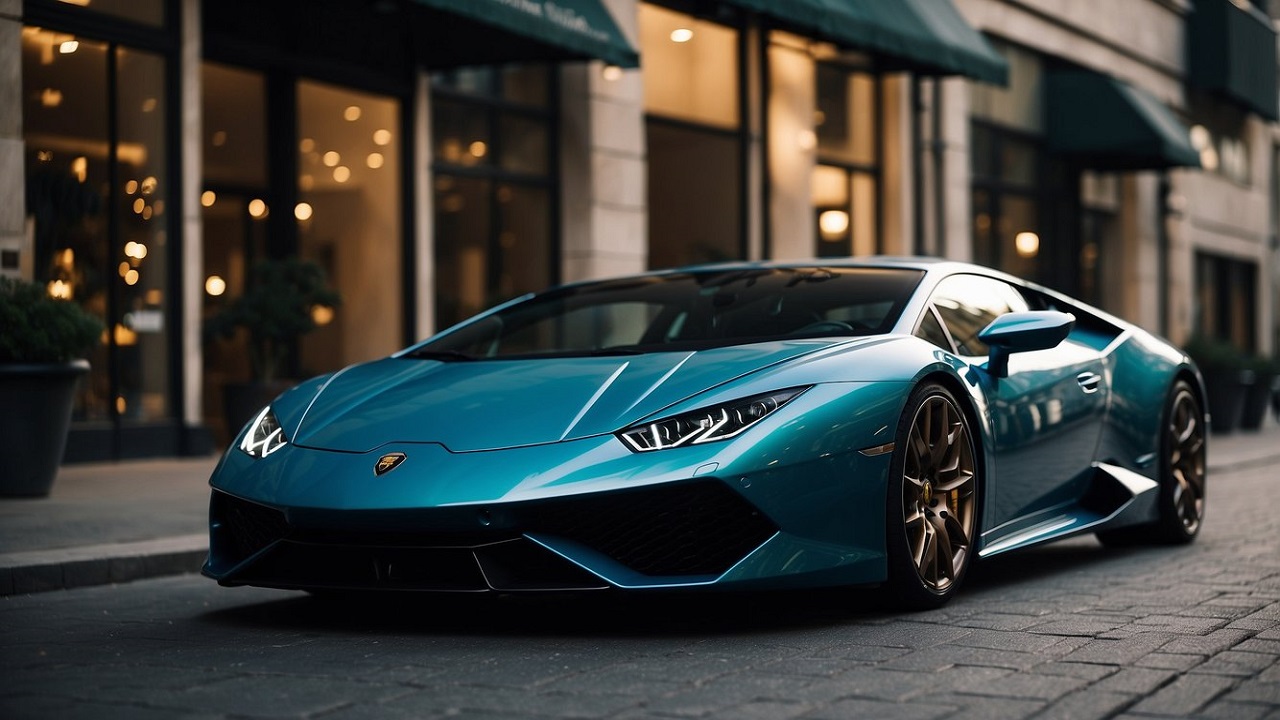
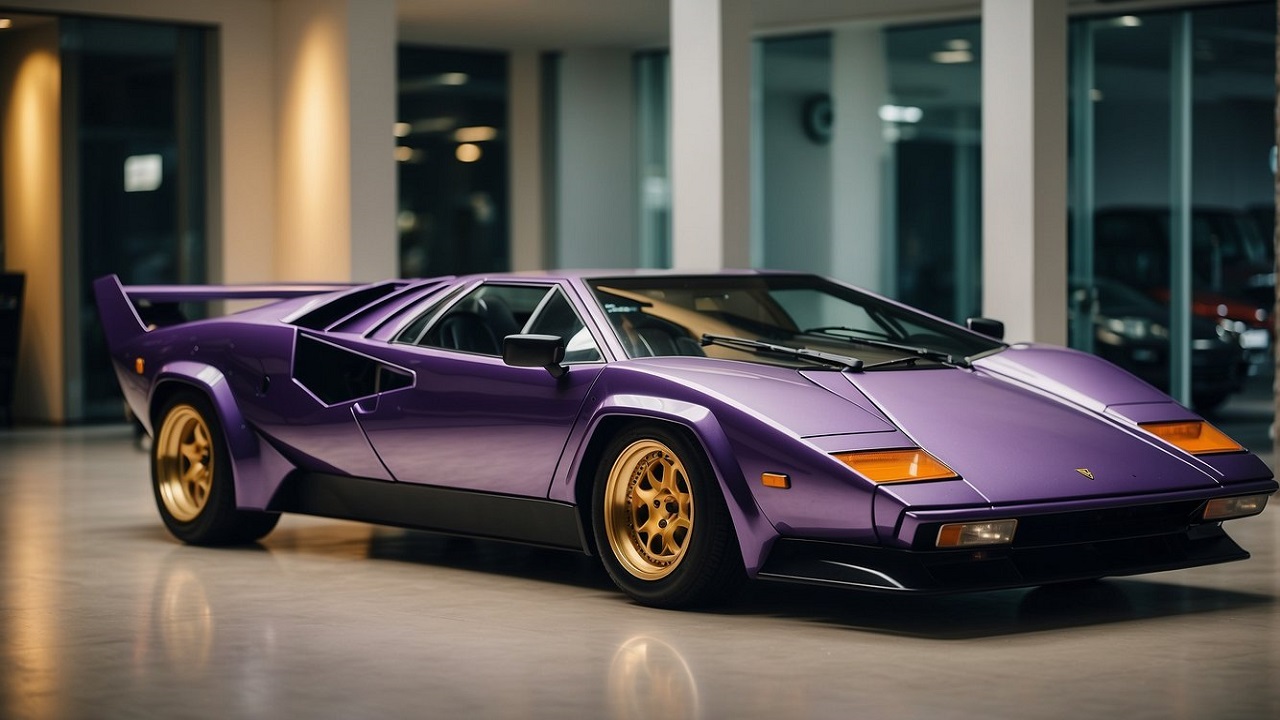
Lamborghini Huracán

Lamborghini Huracán
©Photo Credit: MiramarSpeedCircuit

The 2021 Huracán starts at about $333,633. Despite great performance, it’s impractical for daily use due to its low front end that scrapes on speed bumps and steep driveways.

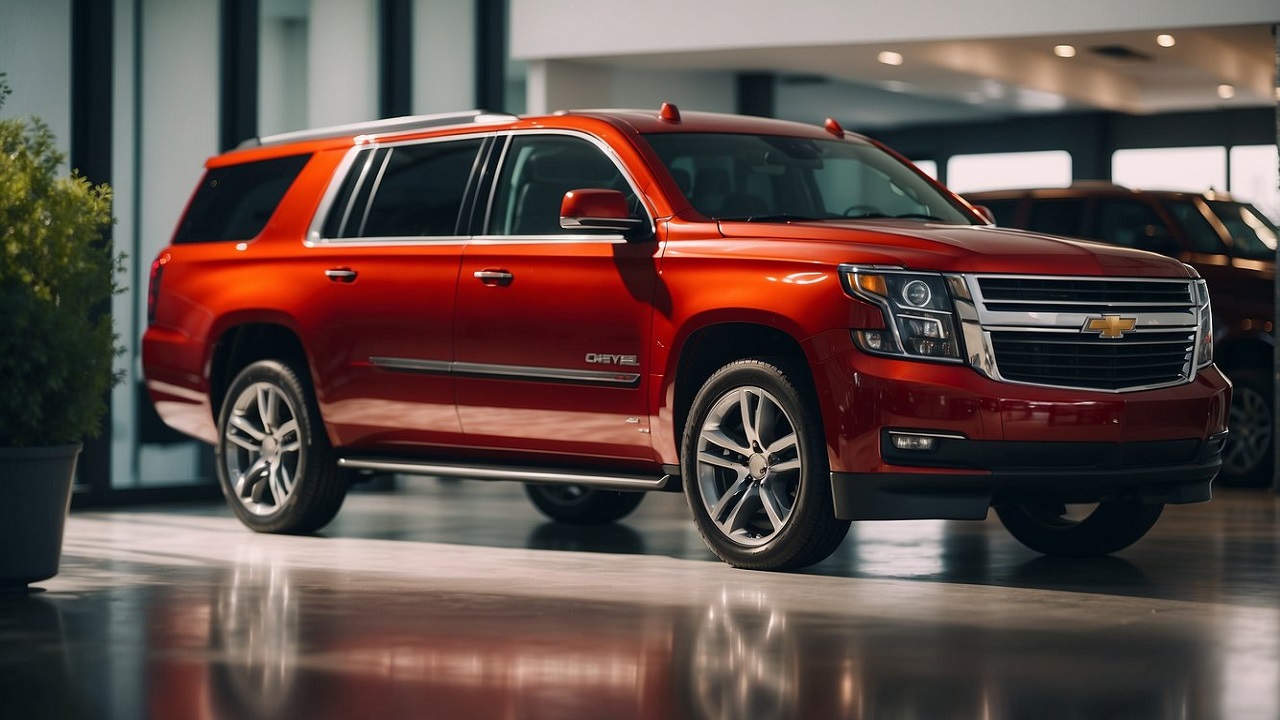
Chevrolet Suburban

Chevrolet Suburban
©Photo Credit: MiramarSpeedCircuit

The Chevrolet Suburban has high fuel consumption and is costly to maintain and insure. Moreover, while it has a mix of reliable models, it’s best to avoid the 2001-2005, 2007, and 2009 models due to transmission problems and engine longevity issues.

RelatedHere Are The Best Years for Chevy Suburban and Reliable Used Versions!

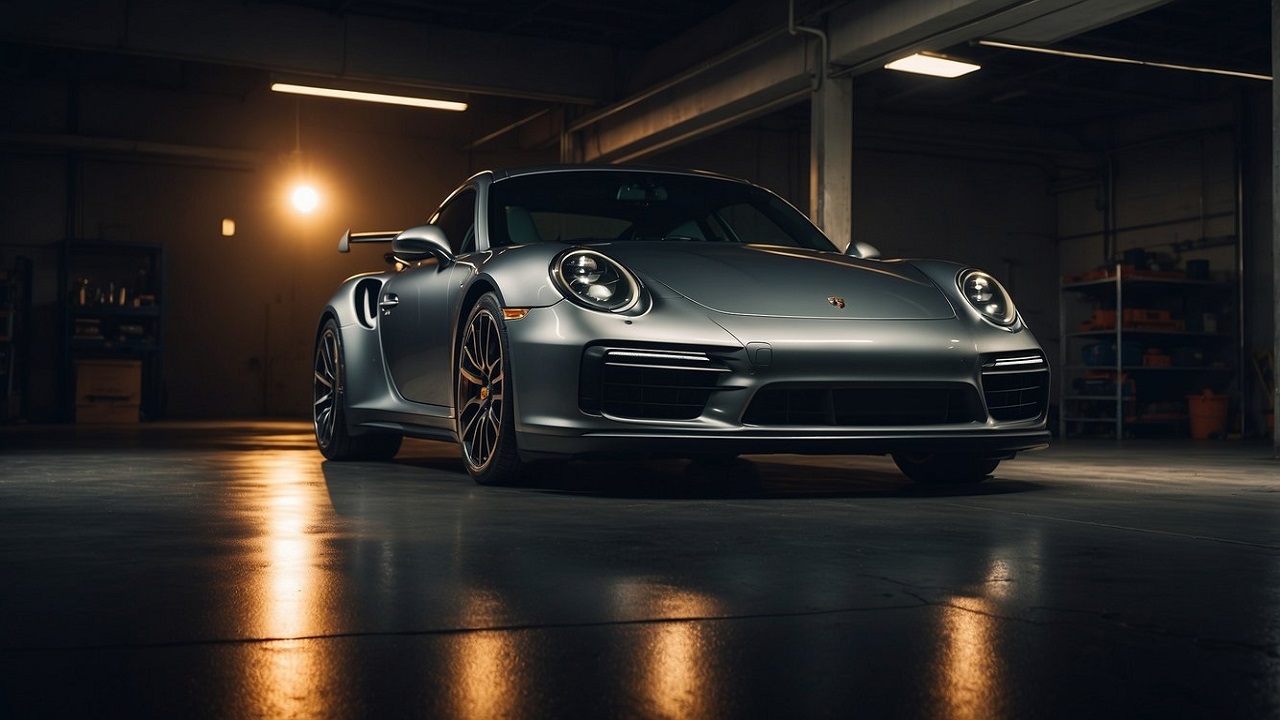
Porsche 911 Turbo

Porsche 911 Turbo
©Photo Credit: MiramarSpeedCircuit

The Porsche 911 Turbo is a luxurious vehicle that average earners should avoid. With its high price, it’s not an ideal choice for budget-conscious drivers. Despite its performance and features, the Porsche 911 Turbo also experiences depreciation, which may lead to financial concerns for owners.

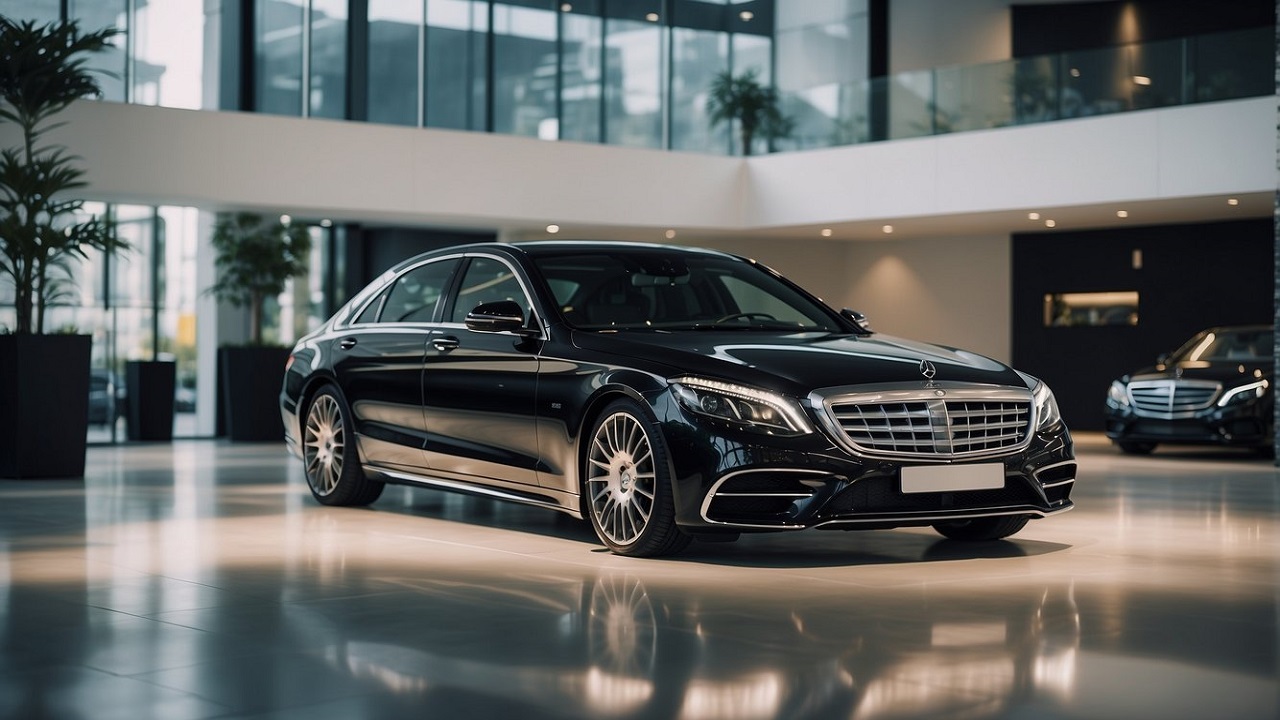
Mercedes-Benz S-Class

Mercedes-Benz S-Class
©Photo Credit: MiramarSpeedCircuit

The Mercedes-Benz S-Class, while luxurious, has steep purchase and maintenance costs.

Related10 Mercedes S Class Problems, Top Issues and Best S-Class to Buy Used!

BMW 7 Series

BMW 7 Series
©Photo Credit: DepositPhotos

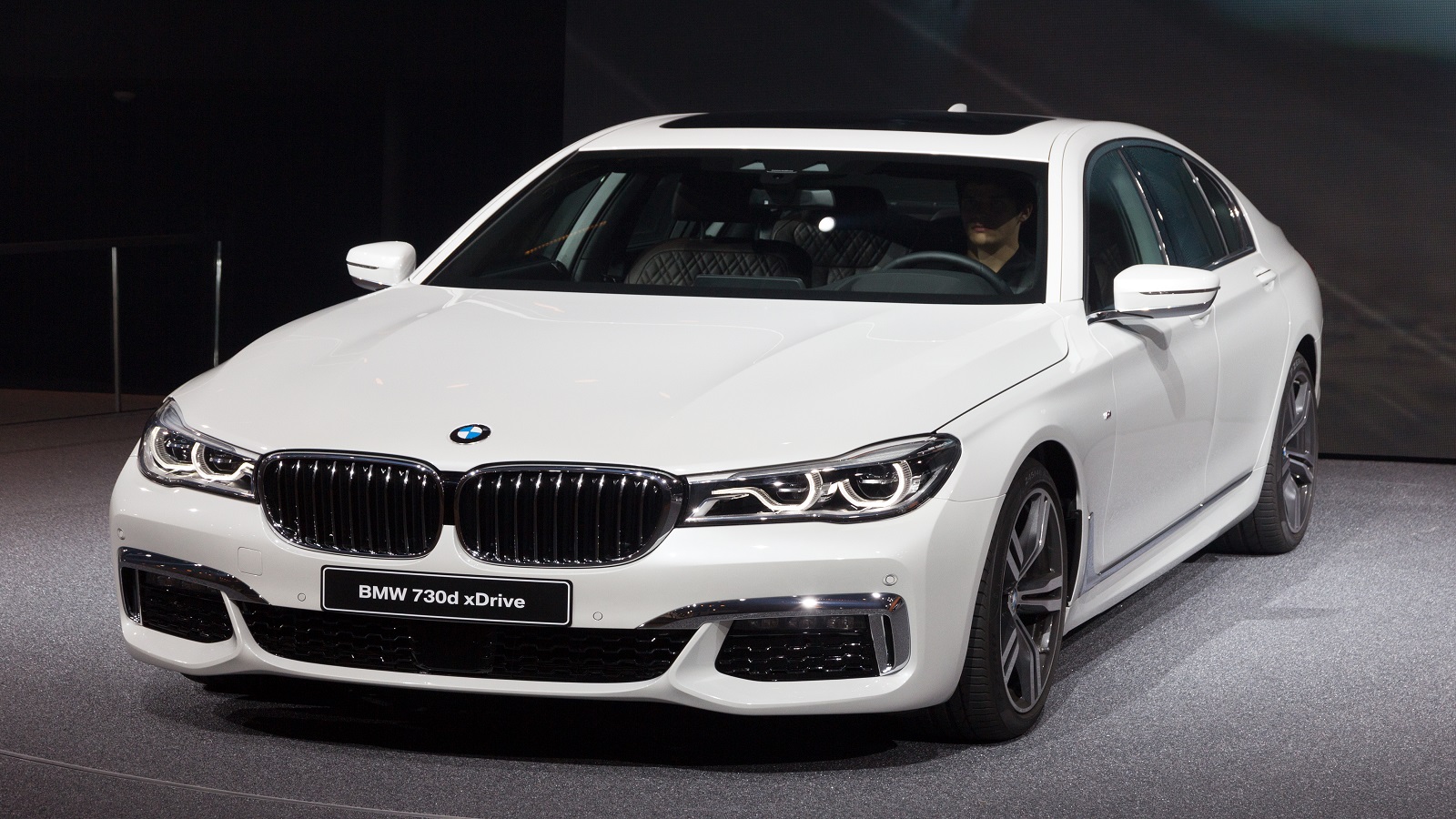
The BMW 7 Series, a prestigious luxury sedan with advanced technology, also has high purchase and maintenance costs.

Mercedes-Benz SL

Mercedes-Benz SL
©Photo Credit: MiramarSpeedCircuit

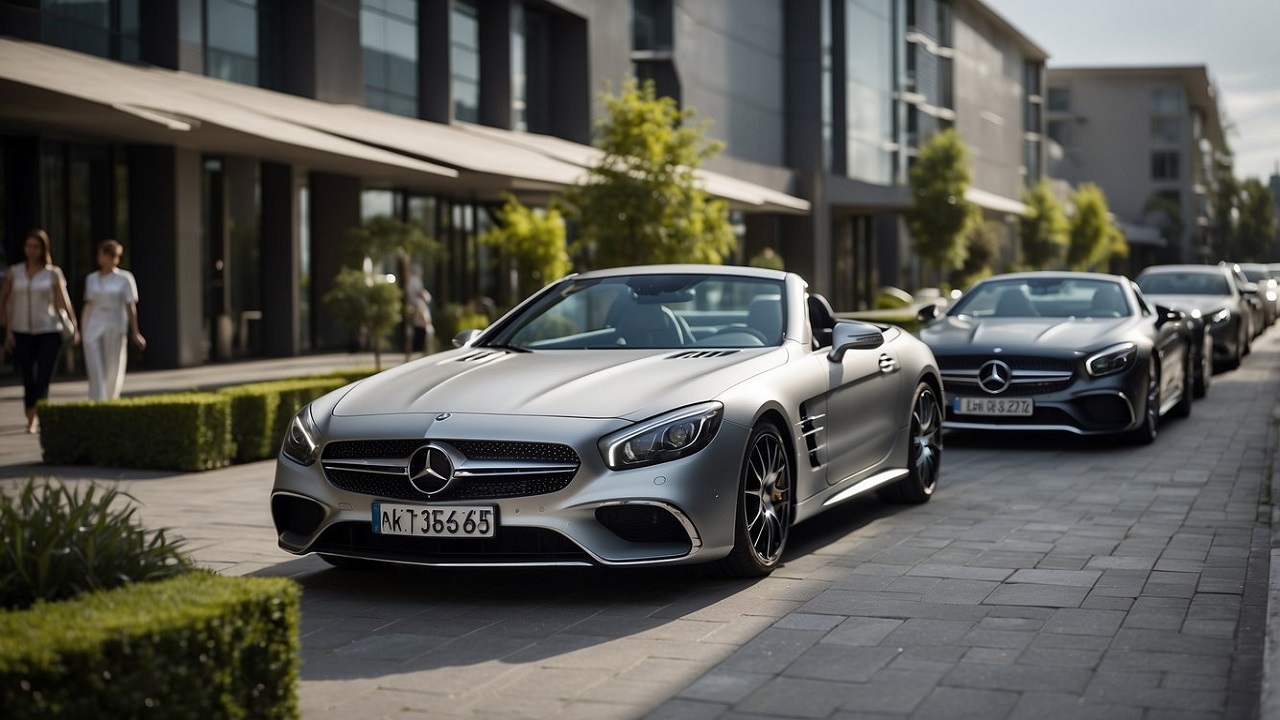
The Mercedes-Benz SL, with its steep initial costs and known reliability issues in the 2002-2012 R230 models, is not ideal for average earners. The SL’s powerful engines, such as the 6.0-liter V12 in the 2012-2019 SL 65 AMG, result in high maintenance and fuel costs.

Ford Expedition

Ford Expedition
©Photo Credit: DepositPhotos

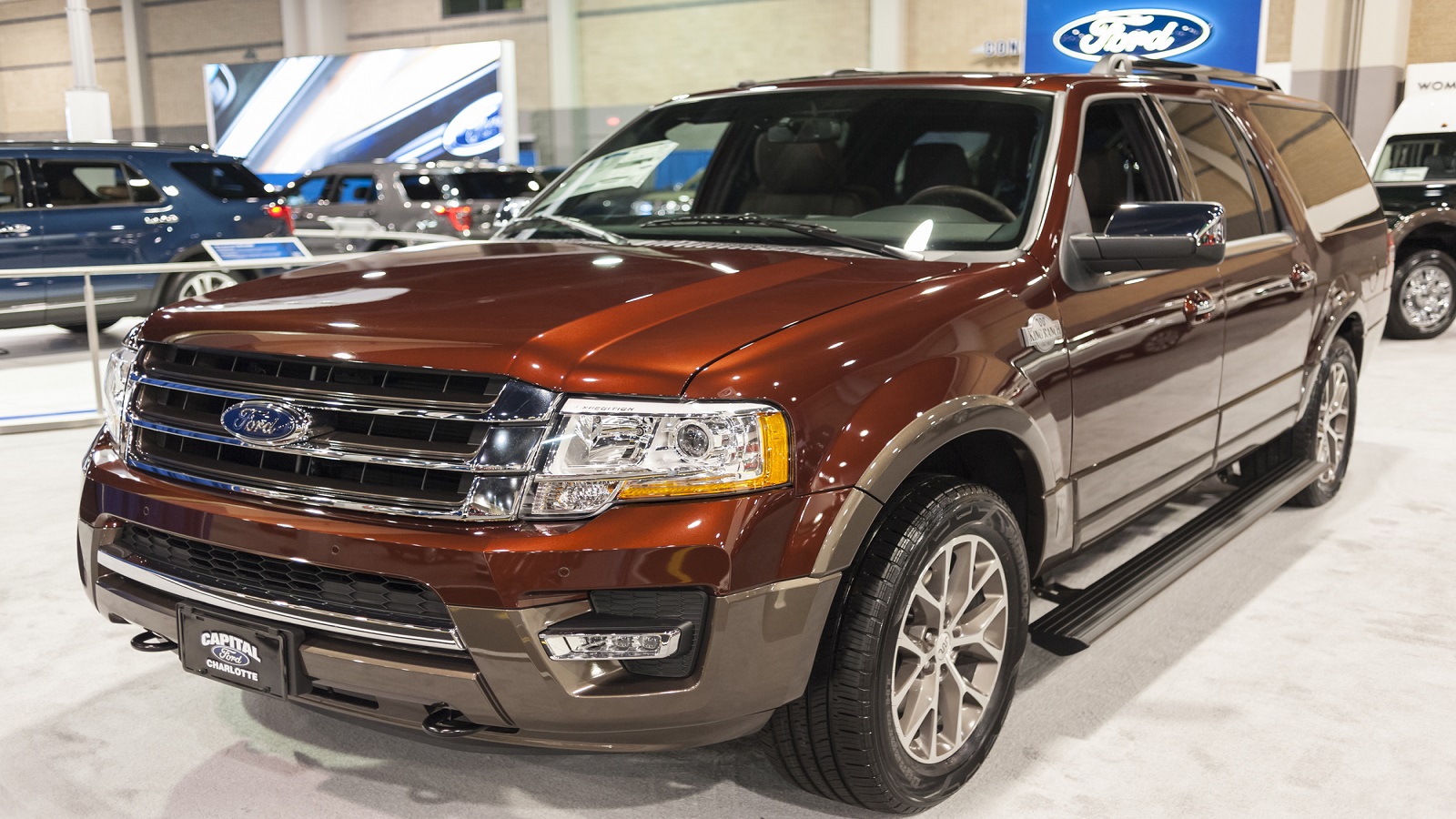
The Ford Expedition has had strong model years in 2022, 2021, 2020, and 2019, but all models incur high running costs and pricey repairs and parts.

RelatedBest Year for Ford Expedition and Reliable Used Models!

Audi A8

Audi A8
©Photo Credit: MiramarSpeedCircuit

The Audi A8, a luxury sedan, is costly to buy, insure, and maintain. Models from 2003 to 2005 are particularly known for reliability issues and driver complaints.

Dodge Challenger Hellcat

Dodge Challenger Hellcat
©Photo Credit: MiramarSpeedCircuit

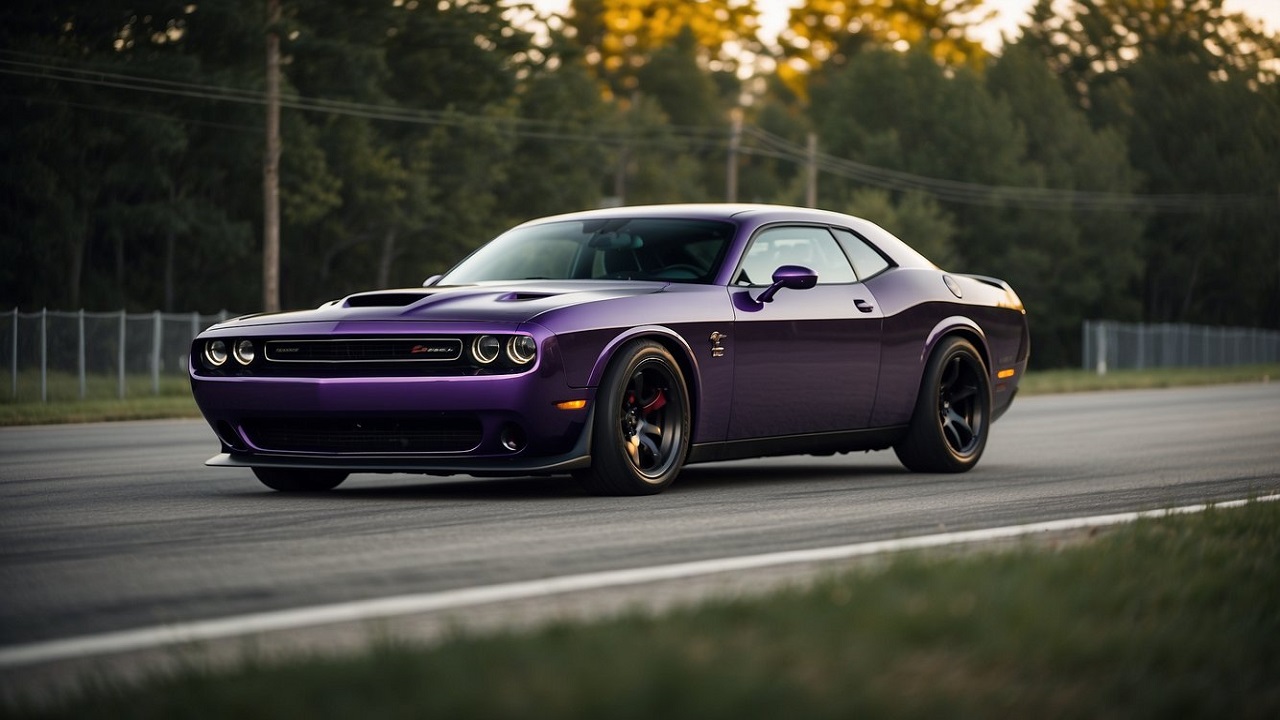
The Hellcat’s steep insurance rates can strain finances. Caution is crucial when driving one due to its potential for high speeds that could result in legal trouble or danger. It’s prudent for average earners to steer clear of the Dodge Challenger Hellcat.

Rolls-Royce Phantom

Rolls-Royce Phantom
©Photo Credit: MiramarSpeedCircuit

The Rolls-Royce Phantom exudes luxury but is out of reach for the average earner with a base price around $450,000 and $500,000 for the extended version. Maintenance can cost about $4,000 annually, with insurance exceeding $1,400 a month. Given these costs, average earners should bypass the Phantom for more affordable choices.

Bentley Mulsanne

Bentley Mulsanne
©Photo Credit: MiramarSpeedCircuit

The Bentley Mulsanne, starting at $316,525 for the 2020 model, offers luxury but is impractical for average earners due to its high price and fuel consumption.

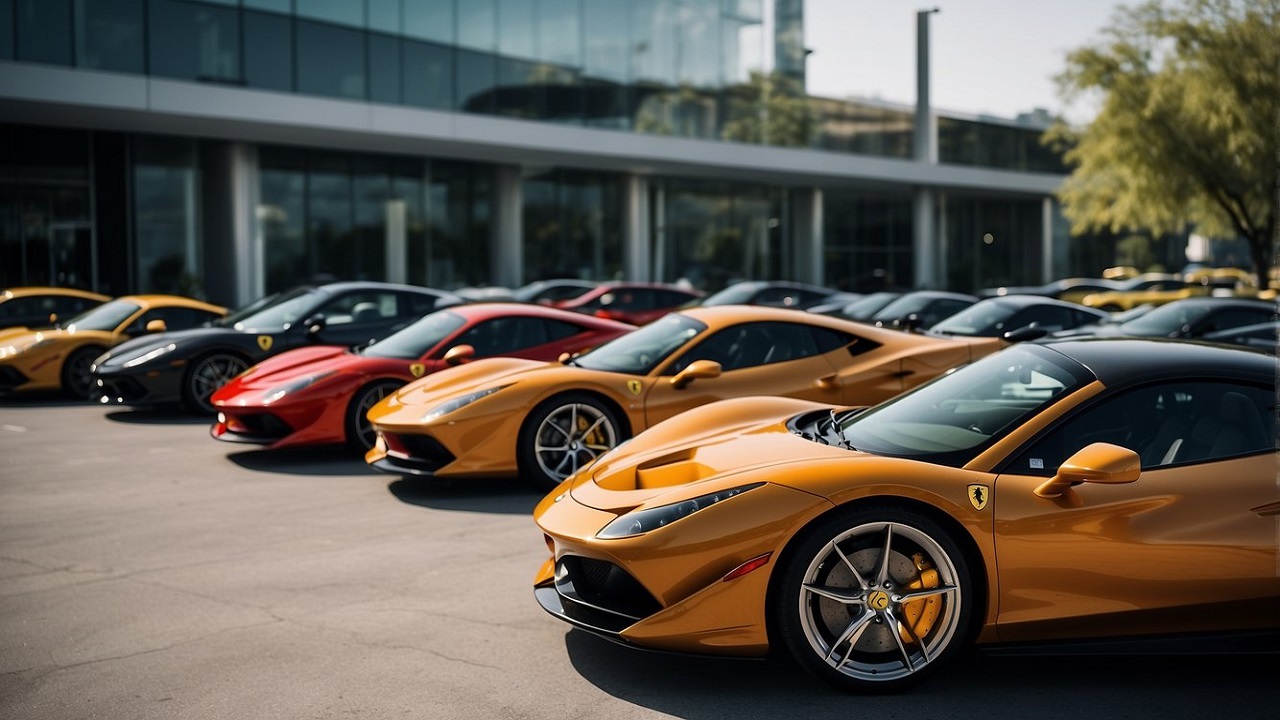
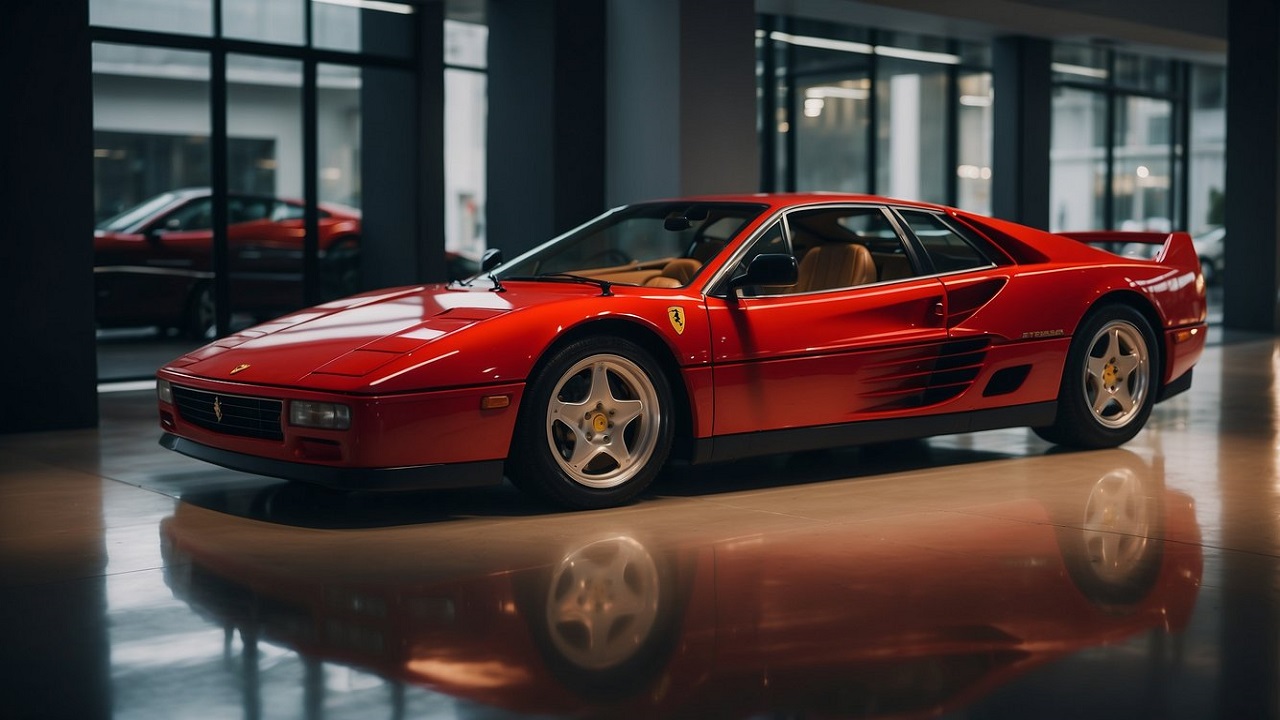
Ferrari F8 Tributo

Ferrari F8 Tributo Lineup
©Photo Credit: MiramarSpeedCircuit

Beyond the budget of most average earners, these cars have steep prices and insurance rates, along with poor fuel efficiency, resulting in higher ongoing costs.

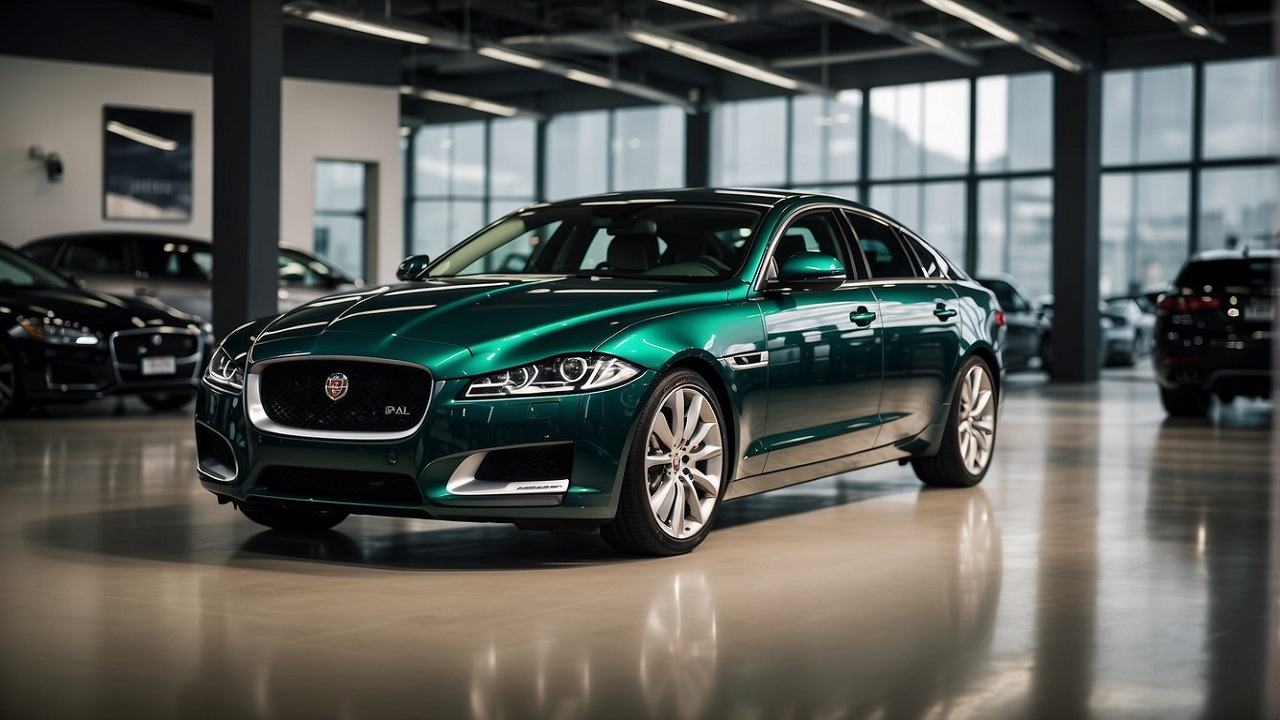
Jaguar XF

Jaguar XF
©Photo Credit: MiramarSpeedCircuit

Expensive parts and repairs, a history of unreliability, and issues with older models like those from 2009 to 2011.

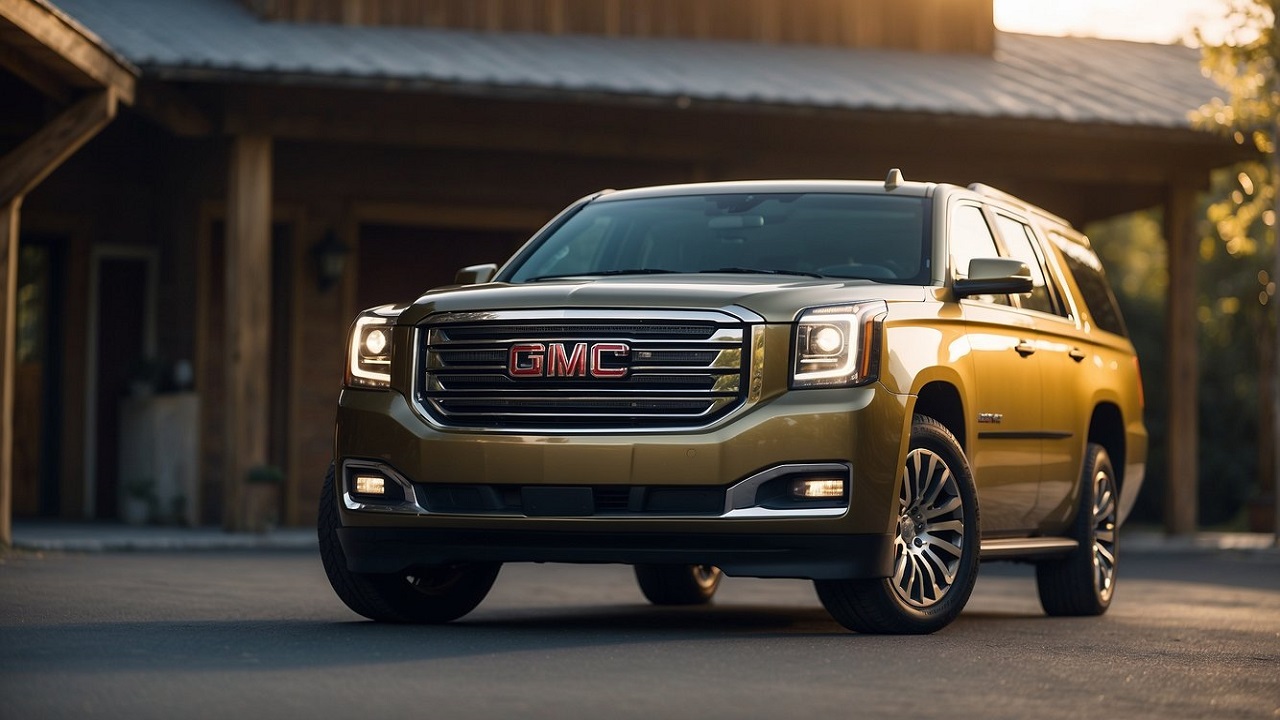
GMC Yukon XL

GMC Yukon XL
©Photo Credit: MiramarSpeedCircuit

The GMC Yukon XL, a full-size SUV, suffers from poor fuel economy and expensive maintenance and insurance, which can strain even upper-class budgets. Average earners should particularly avoid model years 1999, 2001, 2003, 2004, 2005, 2007, 2015, and 2016 due to reliability and safety issues.

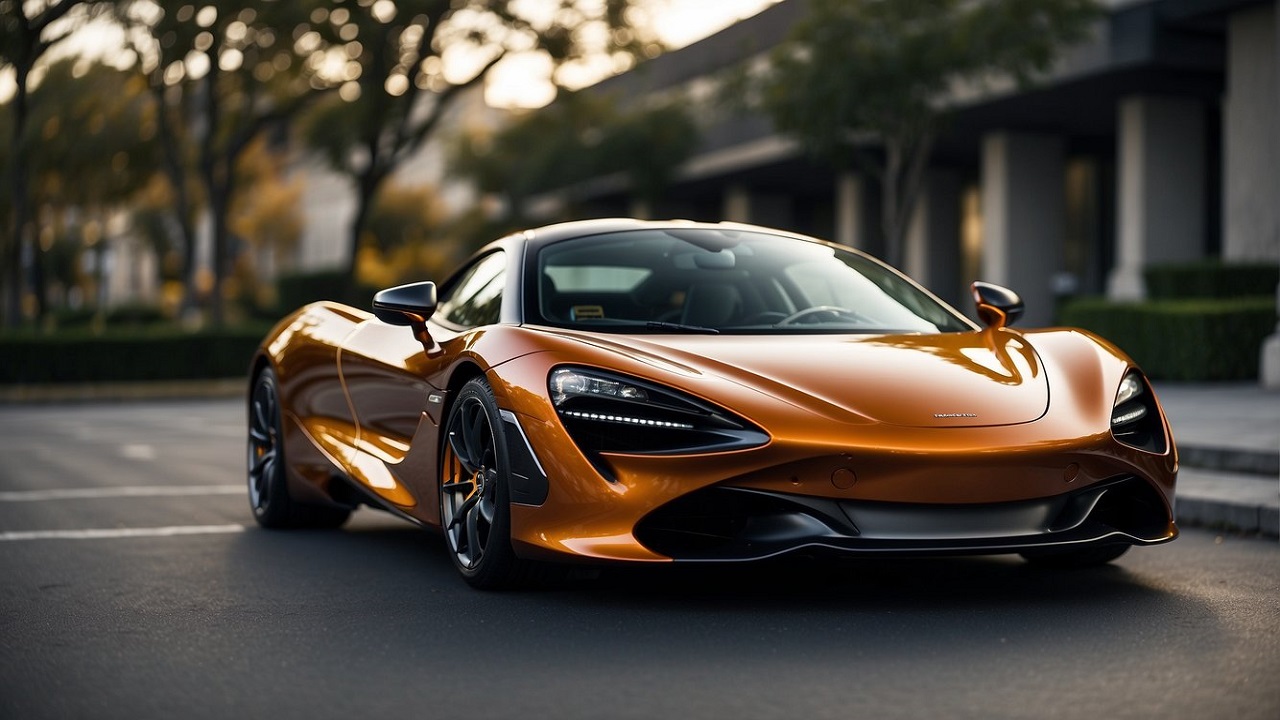
McLaren 720S

McLaren 720S
©Photo Credit: MiramarSpeedCircuit

The McLaren 720S is an incredible supercar, but it may not be the best choice for average earners. With a staggering performance, the 720S can hit 62 mph in just 2.9 seconds. However, its high price tag and costly maintenance make it an impractical option for most people.

Audi e-tron

Audi e-tron
©Photo Credit: MiramarSpeedCircuit

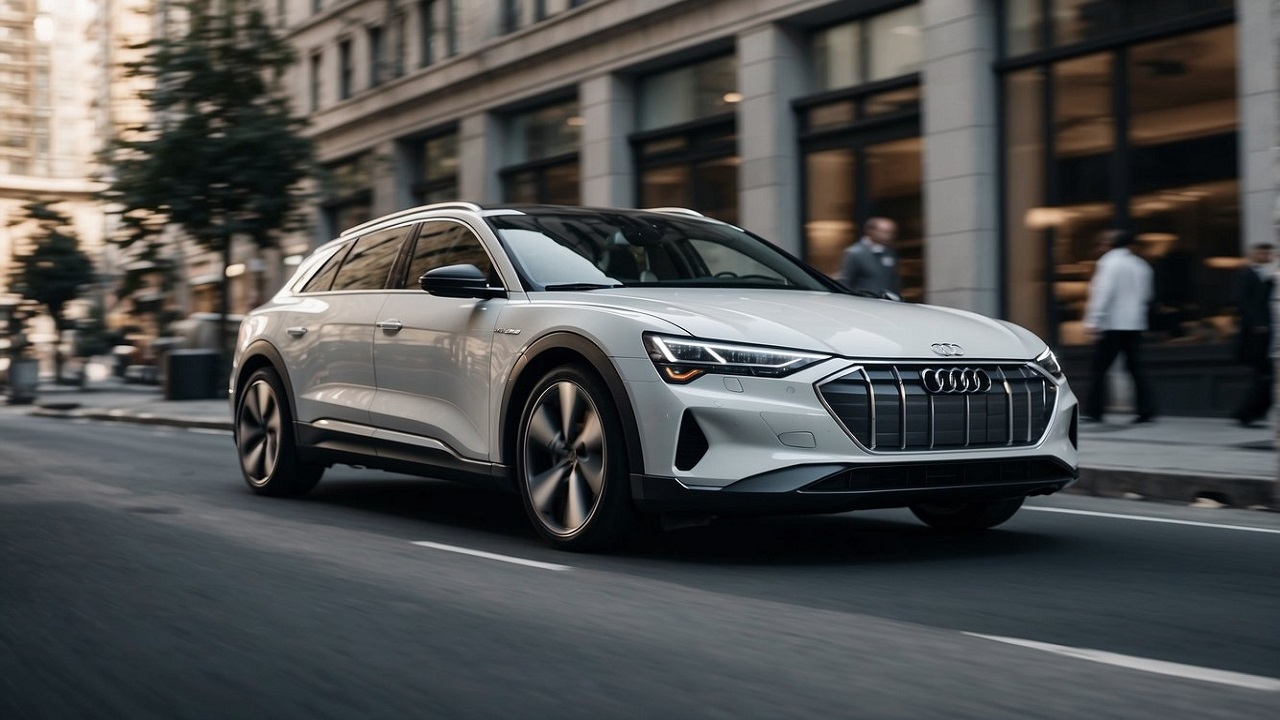
The Audi e-tron, an electric SUV, isn’t ideal for average earners because of its rapid depreciation. Used e-trons can be found at much lower prices within a few years. Its range, averaging 344 km, is also less than competitors like the BMW iX, which may be limiting for some drivers.

Range Rover

Range Rover Evoque
©Photo Credit: MiramarSpeedCircuit

Range Rovers offer luxury and off-road prowess but aren’t the best for average earners, with high fuel use and expensive maintenance. Models from 2014, 2006-2008, and 2003-2004 are notably less reliable.

Alfa Romeo Giulia Quadrifoglio

Alfa Romeo Giulia Quadrifoglio
©Photo Credit: MiramarSpeedCircuit

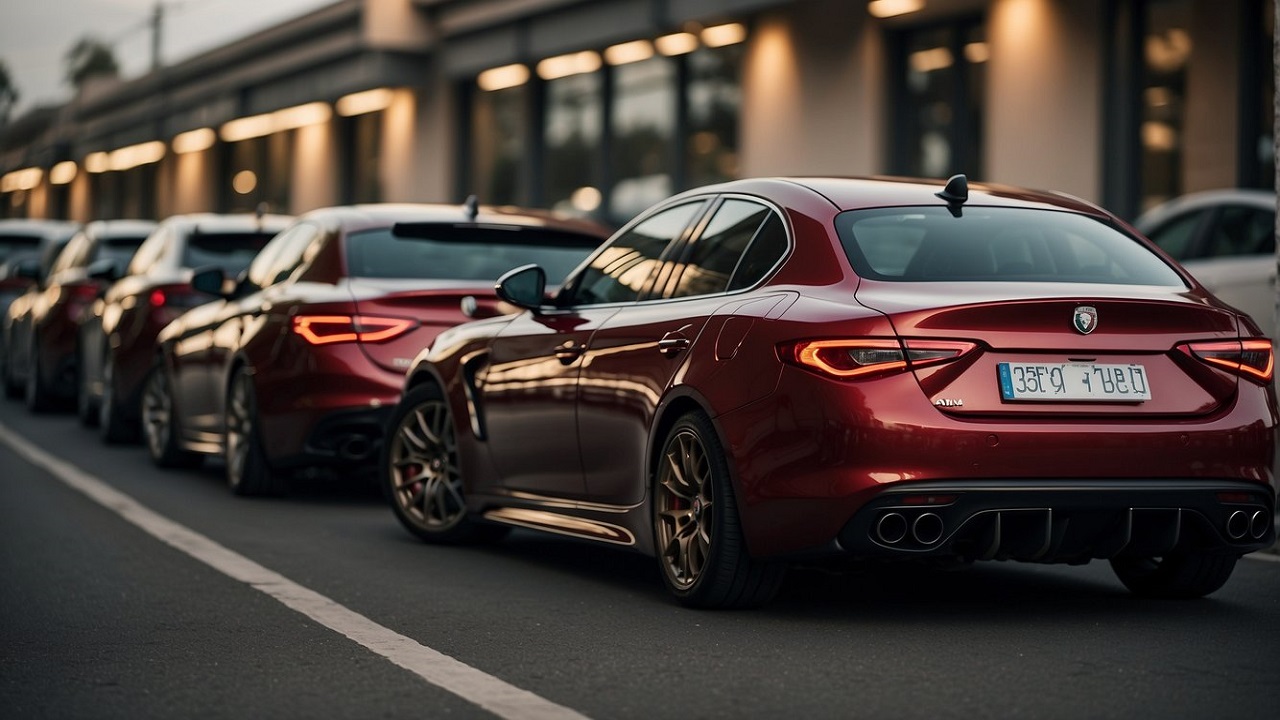
The Alfa Romeo Giulia Quadrifoglio, an Italian luxury sports sedan, may not suit average earners with its $76,345 starting price and high ownership costs. Its fuel consumption and 15.3-gallon tank could lead to more frequent and costly fill-ups.

Cadillac Escalade

Cadillac Escalade
©Photo Credit: MiramarSpeedCircuit

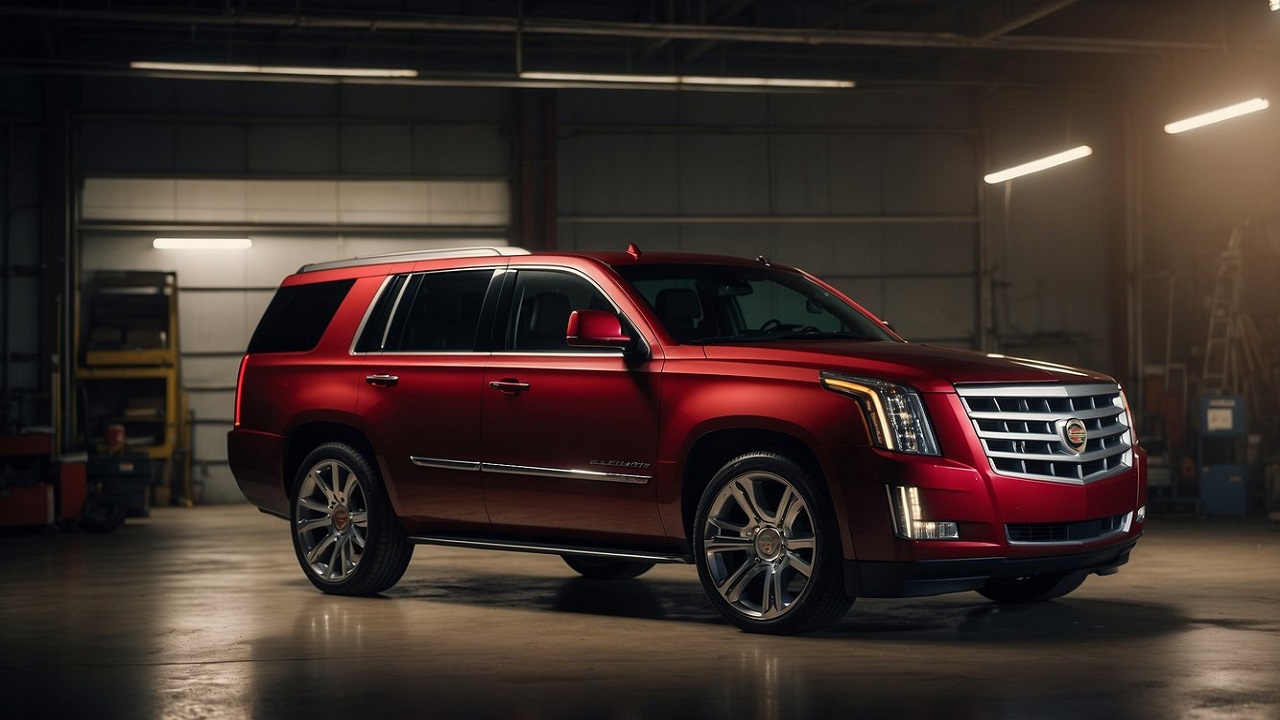
Thinking about a Cadillac Escalade? Its high gas usage and costly repairs might deter the average buyer. The worst years—2007, 2008, 2010, 2015, and 2016—have seen issues like electrical fires and multiple NHTSA complaints.

Ford F-350

Ford F-350
©Photo Credit: MiramarSpeedCircuit

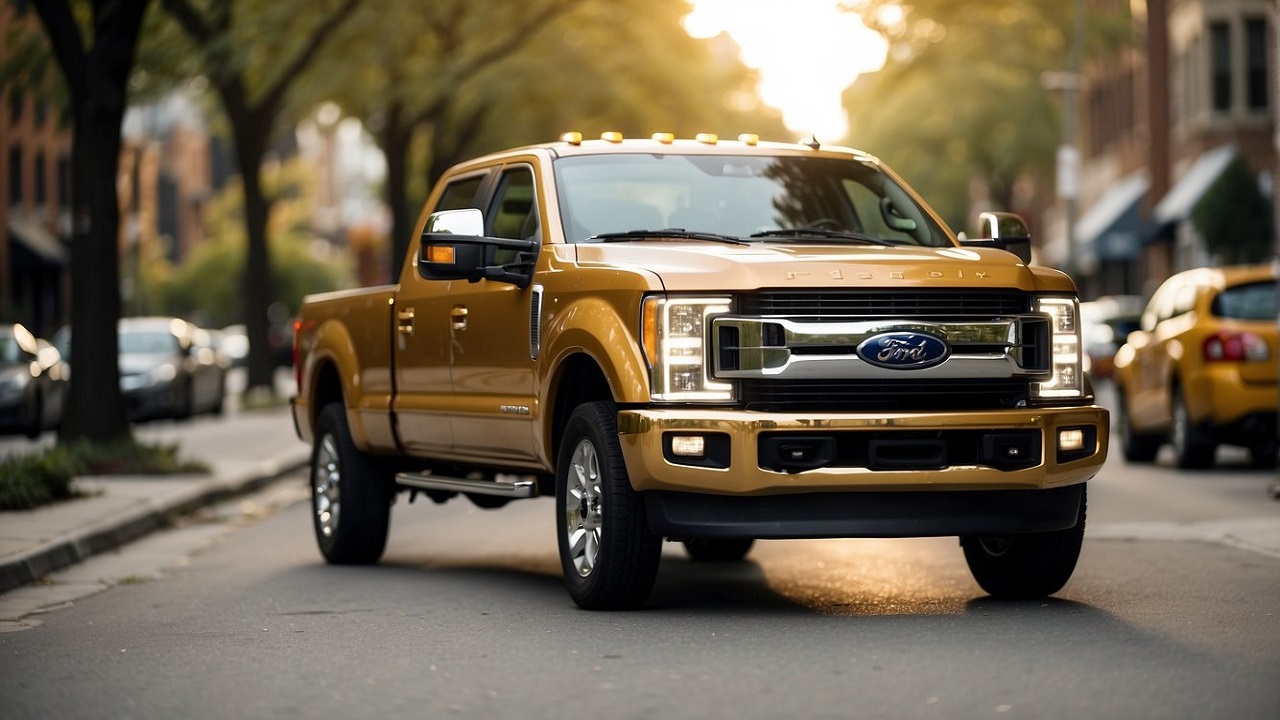
Unless required for work, the Ford F-350 is costly to fuel and maintain. Problematic model years—2003-2008, 2001, 2013, 2015, and 2017—should be avoided by average earners.

Maserati Ghibli

Maserati Ghibli
©Photo Credit: MiramarSpeedCircuit

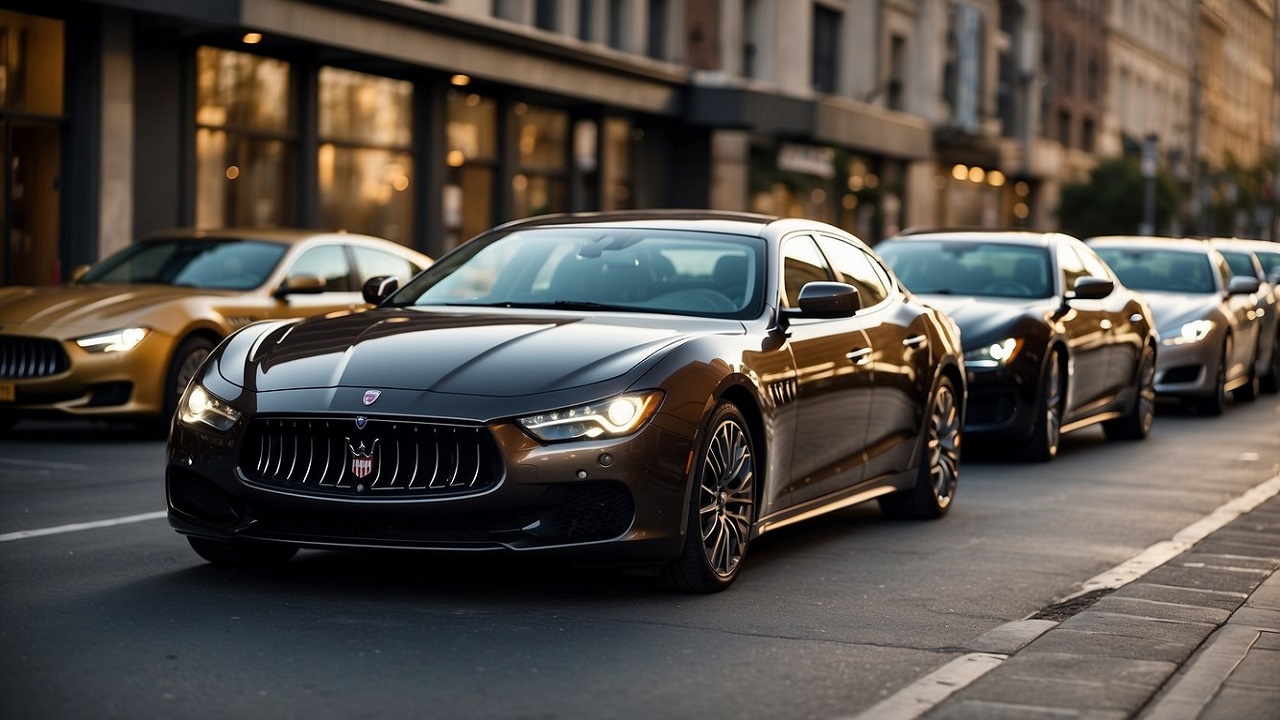
The Maserati Ghibli is a luxurious and alluring sports sedan. With a captivating design and powerful performance, it’s a dream car for many. However, the Ghibli comes with a high price tag of $460,000 – not suitable for average earners.

Ram 3500

Ram 3500
©Photo Credit: MiramarSpeedCircuit

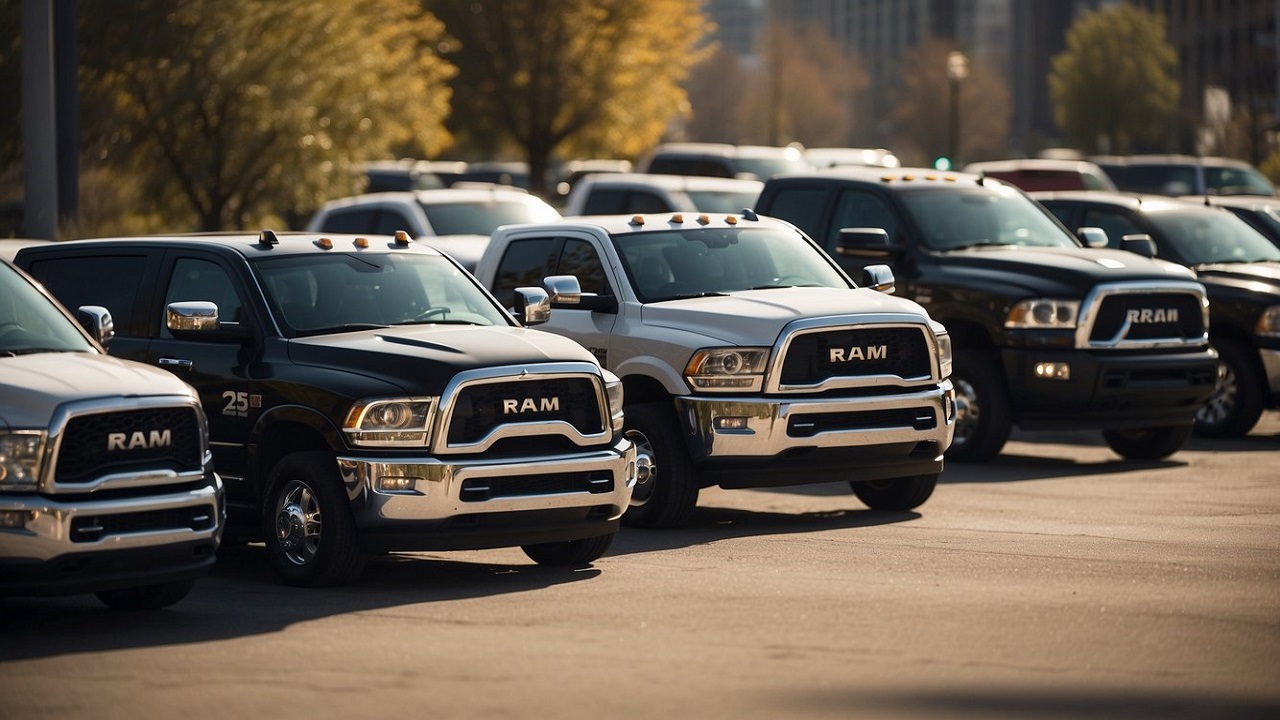
Similar to the F-350, the Ram 3500 may only be valuable for middle-class business use due to its high fuel and maintenance costs.

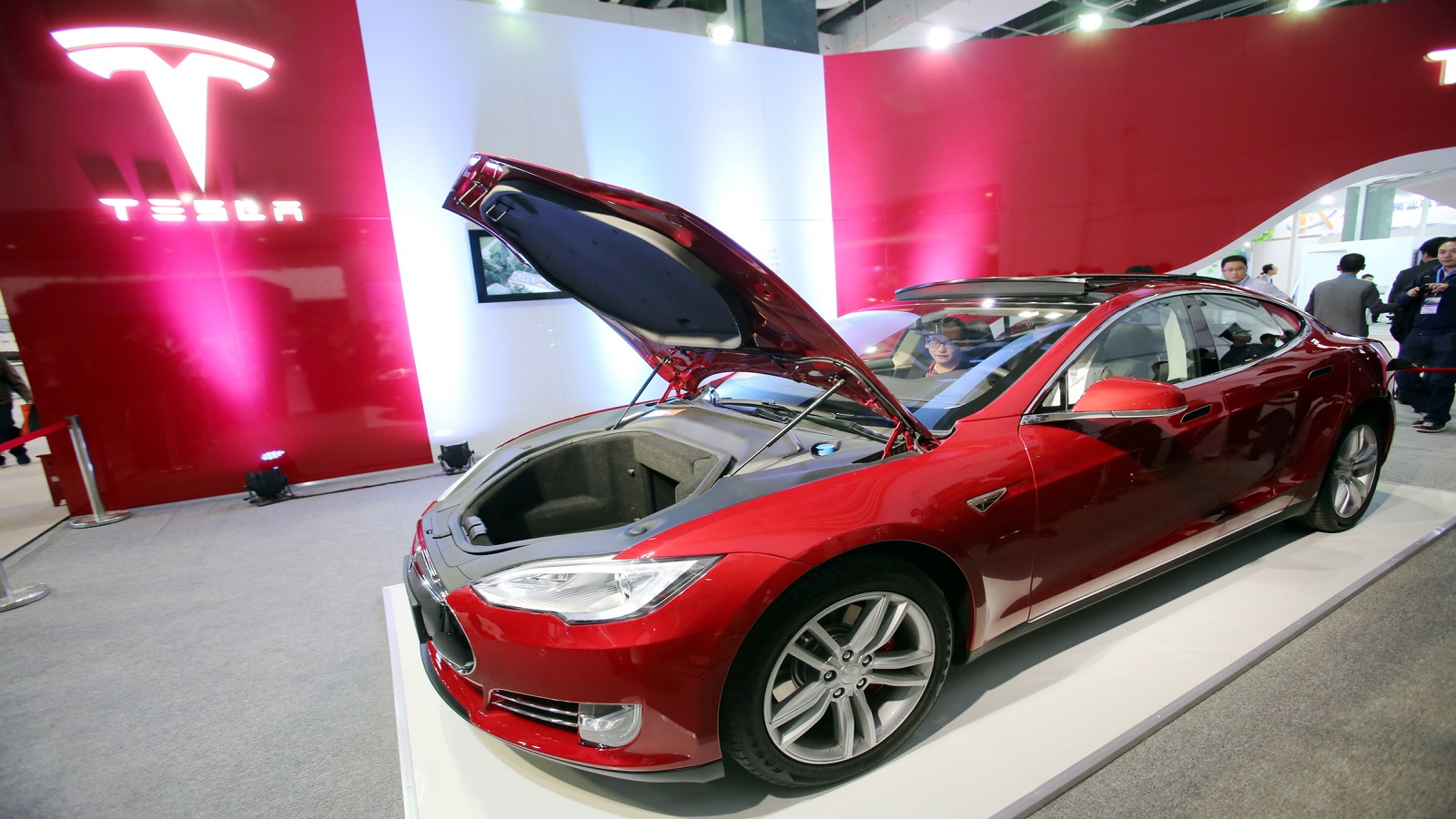
Tesla Model S

Tesla Model S
©Photo Credit: MiramarSpeedCircuit

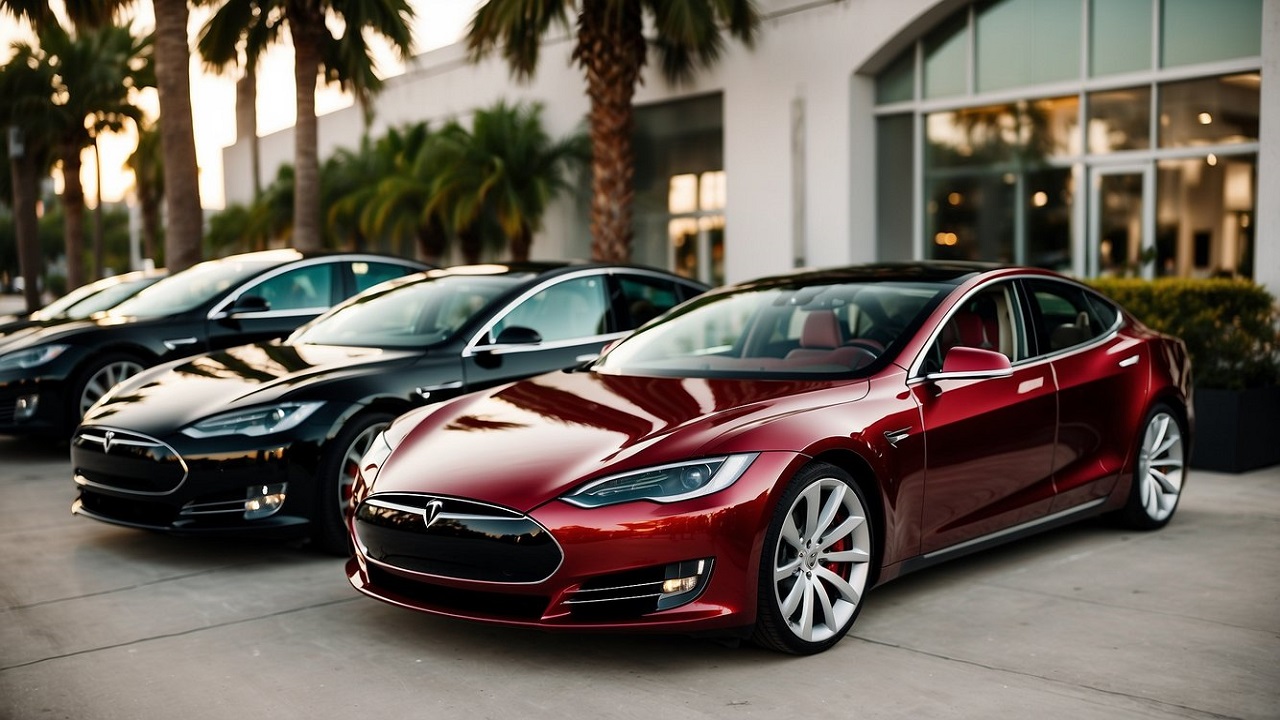
The Tesla Model S, costly to purchase, may not be suitable for average earners due to reported issues in certain years. The 2013 Model S, in particular, had various problems including accessory malfunctions, electrical glitches, suspension failures, and transmission issues.

Porsche Taycan

Porsche Taycan
©Photo Credit: MiramarSpeedCircuit

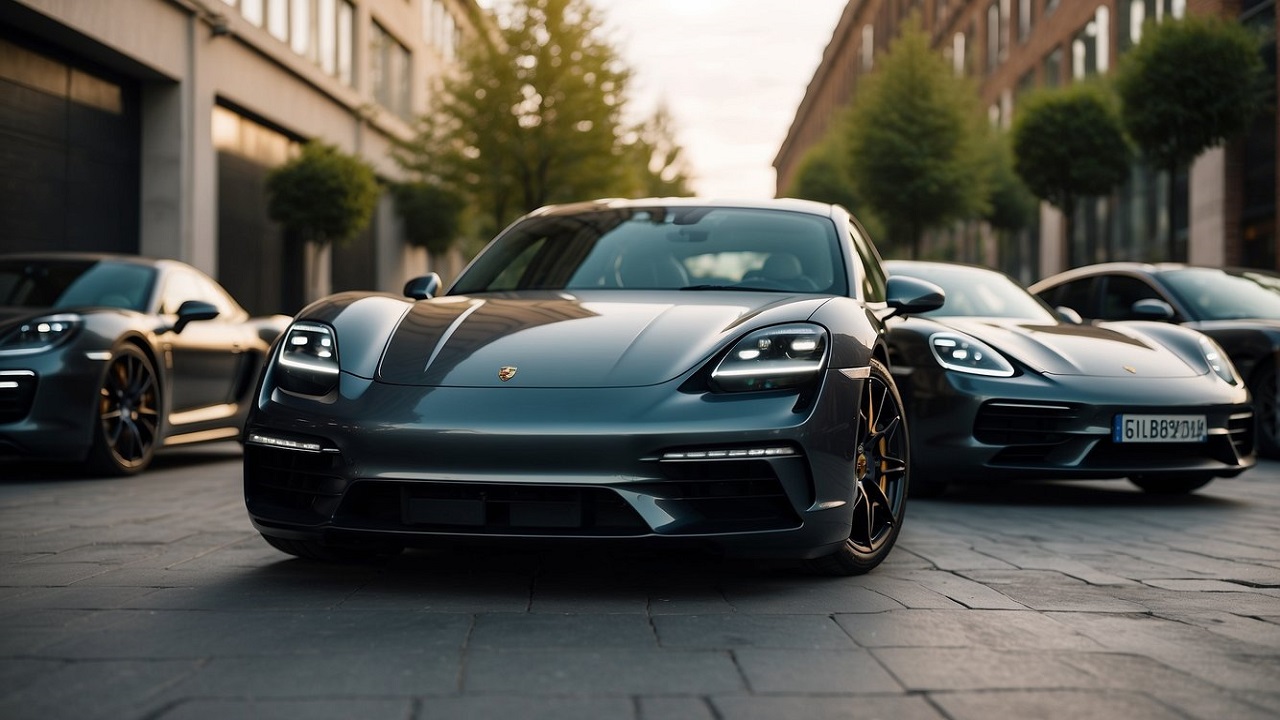
The Porsche Taycan is a luxurious electric vehicle, though not affordable for average earners. It’s expensive to buy, to maintain, and insure.

BMW 6 Series Convertible

BMW 6 Series Convertible
©Photo Credit: MiramarSpeedCircuit

The BMW 6 Series Convertible, with its diesel engine, is great for cruising but its high price and maintenance costs, especially for the convertible top, may be prohibitive for the average buyer. It’s worth noting that its average lifespan is around 12 years or 120,000 miles.

Chevrolet Corvette

Chevrolet Corvette
©Photo Credit: MiramarSpeedCircuit

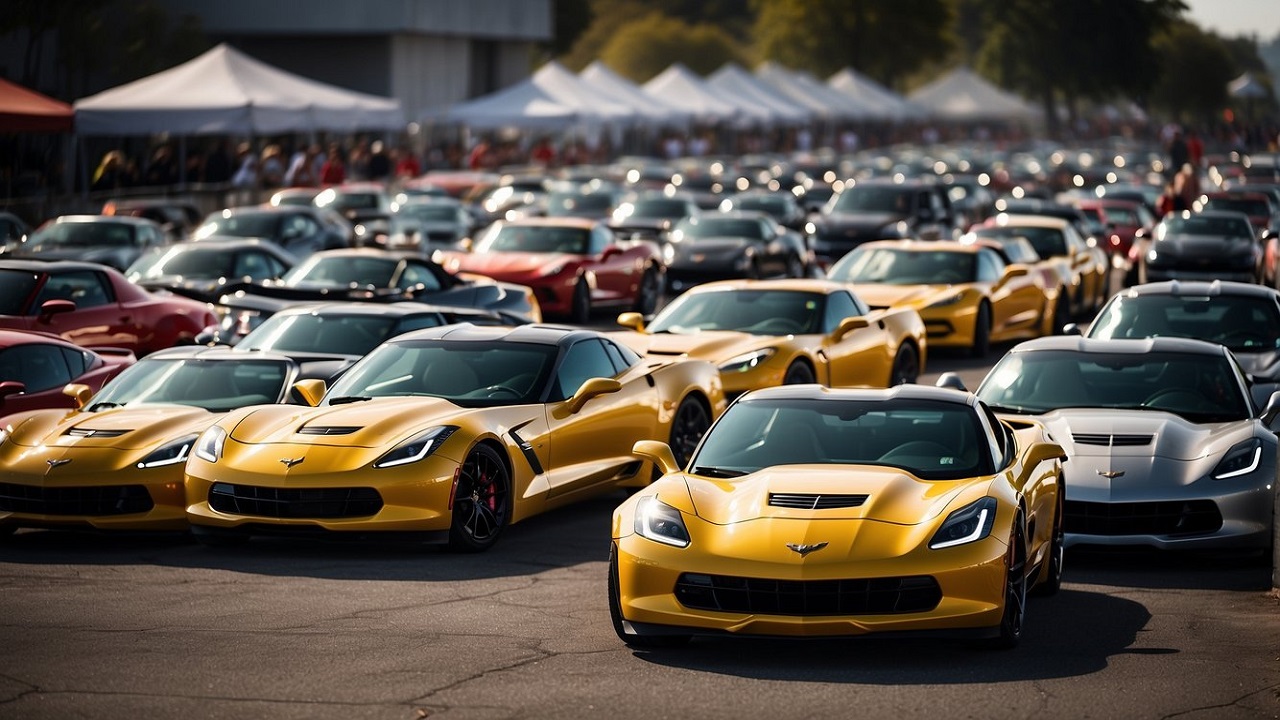
The Chevrolet Corvette, a well-known sports car, is sleek and powerful but starts at $59,995, making it expensive for those with a modest income. Owners should budget about $1,000 for biennial repairs and maintenance.

Ferrari 488

Ferrari 488
©Photo Credit: MiramarSpeedCircuit

The Ferrari 488, while impressive, isn’t suitable for average earners. It costs between $200,000 and $300,000 used, and is very expensive to buy, maintain, and insure. Its depreciation rate is also a factor, despite its unmatched performance.

[ie-slider id=’1′]
Timeless BUICK Cars Designed to Last Forever

Slide into the driver’s seat of a classic Buick and feel the reliable engine come to life. In the used car market, reliability is key, and Buick has a solid reputation for building cars that last. We’re showcasing 20 Buick models that have proven their durability over the years.

From the sleek LeSabre to the sporty Regal, and the robust Enclave and Encore SUVs, these Buicks are more than just vehicles; they’re dependable partners for the road. Let’s take a closer look at what makes these particular Buicks the best choices for used car buyers looking for quality and endurance.

1998 Buick Century

1998 Buick Century
©Photo Credit: MiramarSpeedCircuit

The 1998 Buick Century is renowned for its reliability and comfort. With a 3.1-liter V6 engine, it offers a smooth ride. Owners praise its solid construction and enduring performance, with few reported problems over time. This model includes power windows, cruise control, and an AM/FM stereo, making it a practical and comfortable option for drivers.

2000 Buick LeSabre

Buick LeSabre 2000
©Photo Credit: MiramarSpeedCircuit

The 2000 Buick LeSabre is highly reliable, benefiting from a redesign that enhanced its performance. It features a smooth ride, a pleasant and roomy interior, ideal for families and long drives. Its robust 3.8L V6 engine delivers sufficient power and responsiveness, contributing to the car’s durability and value retention.

Related:  These Are the Older FORD Cars Built to Last FOREVER!

2002 Buick Regal

2002 Buick Regal
©Photo Credit: MiramarSpeedCircuit

The 2002 Buick Regal boasts reliability and smooth performance, powered by a 3800 Series II V6 engine. It offers a spacious and comfortable interior, making it a great choice for those needing a dependable car with ample room. The seats provide good support and the cabin layout is intuitive. Safety-wise, the 2002 Regal comes with airbags, antilock brakes, and traction control.

Related:  22 Classic Chevrolet Cars Engineered to Last Forever!

1999 Buick Park Avenue

1999 Buick Park
©Photo Credit: MiramarSpeedCircuit

The 1999 Buick Park Avenue is favored by enthusiasts for its reliability and spacious, comfortable interior, paired with a strong performance that drivers appreciate. Its performance is anchored by a robust 3.8-liter V6 engine, delivering a smooth ride with low maintenance costs. Known for sturdy construction and durability, the Park Avenue stands out for its longevity.

The interior offers luxury with leather seats, wood grain accents, and intuitive controls. It also provides plenty of room for passengers and cargo, combining comfort with utility.

2003 Buick LeSabre

2003 Buick LeSabre
©Photo Credit: MiramarSpeedCircuit

The 2003 Buick LeSabre stands out for its reliability and comfort. It offers a spacious interior and a smooth ride, appealing to those seeking a trustworthy older model. Its 3.8-liter V6 engine is key to the LeSabre’s performance, providing good acceleration and fuel efficiency for everyday use.

Safety-wise, the 2003 LeSabre scores a 4.25 out of 5 safety rating owners trust it to perform reliably in various driving conditions. The car comes with anti-lock brakes, traction control, and dual front airbags standard, offering solid protection for drivers and passengers.

Related:  17 Unique Reasons Why Toyota Engines Are So Reliable and Long-Lasting!

2007 Buick Lucerne

2007 Buick Lucerne
©Photo Credit: MiramarSpeedCircuit

The 2007 Buick Lucerne earns high marks for reliability, with only 164 complaints registered with the National Highway Traffic Safety Administration. It features a 3.8-L V6 engine for smooth performance. The Lucerne’s lasting reliability can be attributed to few electrical problems. Despite some stalling and ignition issues, which were addressed in a 2014 recall, the car remains dependable.

Owners have noted better fuel efficiency than advertised, with some getting up to 20.2 mpg in the city and over 34 mpg on the highway. With its comfortable interior and sturdy performance, the 2007 Lucerne stands out as a solid choice for those in the market for a reliable, affordable used car. Its track record shows fewer problems than many of its competitors, reinforcing its appeal to budget-conscious buyers.

1997 Buick Riviera

1997 Buick Riviera
©Photo Credit: MiramarSpeedCircuit

The 1997 Buick Riviera stands out for its reliability among older Buick models, thanks to its robust and efficient Supercharged 2dr Coupe engine. With some owners reporting up to 191,000 miles, the car’s longevity is notable. The Riviera’s interior is both comfortable and stylish, featuring a striking combination of a light blue exterior and dark blue leather seats.

It also maintains solid safety ratings, ensuring it’s a secure option for both families and individual drivers. Low repair costs contribute to the Riviera’s appeal, with some owners only needing to replace the water pump even after 14 years of ownership. Its reputation for minimal maintenance needs makes it an excellent choice for those seeking a reliable and visually appealing vehicle.

2004 Buick Rainier

2004 Buick Rainier
©Photo Credit: MiramarSpeedCircuit

The 2004 Buick Rainier is recognized for its dependable performance, powered by a 4.2L inline-6 engine that provides steady power. Its comfortable ride and upscale interior make it a solid choice for a reliable used Buick. While some owners have noted issues with the 2004 Rainier, the vehicle is generally praised for its great fuel efficiency and consistent reliability.

2005 Buick Terraza

2005 Buick Terraza
©Photo Credit: MiramarSpeedCircuit

The 2005 Buick Terraza is a dependable minivan recognized for its comfort, spaciousness, and family-oriented features. It comes with a 3.5L 6-cylinder engine that offers enough power for everyday use.

Safety-wise, the 2005 Terraza performs well, with strong NHTSA crash test results, including a 5-star rating for frontal impacts and a 4-star rating for side impacts, providing a safe driving experience for families. The Terraza is also fuel-efficient, averaging 26 mpg on long drives, which is beneficial for those looking to reduce fuel expenses and extend their travel between fill-ups.

1995 Buick Regal

1995 Buick Regal
©Photo Credit: MiramarSpeedCircuit

The 1995 Regal’s reliability stemmed from its robust construction using high-quality materials, designed to endure over time. Its straightforward mechanical design simplified maintenance and repairs. Safety-wise, the 1995 Buick Regal included anti-lock brakes, airbags, and child safety locks as standard features.

The Regal was also fuel-efficient, with an EPA-estimated 25 MPG combined, which was particularly cost-effective given the lower gas prices of the mid-1990s. Its smooth and comfortable ride added to its appeal during that period.

2006 Buick Rendezvous

2006 Buick Rendezvous
©Photo Credit: MiramarSpeedCircuit

The 2006 Buick Rendezvous, with its 3.5L V6 engine, provides a smooth driving experience and is known for its reliability, earning an average 4.3 out of 5 stars from 46 reviews.

Efficiency meets space in this model, with fuel economy at 17-18 MPG in the city and 25-27 MPG on the highway, making it suitable for family travel. It seats up to 7 passengers comfortably, with generous room for cargo. Safety in the 2006 Rendezvous is covered with anti-lock brakes, traction control, and multiple airbags, ensuring a stable and secure ride across different driving conditions.

2001 Buick LeSabre

2001 Buick LeSabre
©Photo Credit: MiramarSpeedCircuit

The 2001 Buick LeSabre is recognized for its reliability and solid performance, featuring a robust 3.8-liter V6 engine that handles diverse driving conditions well. Owners on Cars.com highlight its roomy interior and smooth ride. This full-size sedan boasts a commendable fuel efficiency with 24.5 MPG combined. Safety improvements further bolster the 2001 LeSabre’s dependability.

1996 Buick Roadmaster

1996 Buick Roadmaster
©Photo Credit: MiramarSpeedCircuit

Its durable construction and potent engine ranked it highly in its era. The vehicle sports a striking exterior with a long hood, broad chrome grille, and iconic ‘VentiPorts’ for added elegance. A strong V8 engine under the hood enhances reliability and provides a smooth ride. Standard safety features like anti-lock brakes and airbags offer driver and passenger security.

2003 Buick Century

2003 Buick Century
©Photo Credit: MiramarSpeedCircuit

The 2003 Buick Century is praised for its comfort and reliability. This midsize sedan seats six, ideal for families needing space.

It’s powered by a 3.1L V6 engine that strikes a balance between performance and fuel efficiency, suitable for daily drives and road trips. Owners report few maintenance problems with the 2003 Century, attributing its longevity to regular servicing. Its affordability also makes it attractive to buyers seeking a dependable used car.

2008 Buick Enclave

2008 Buick Enclave
©Photo Credit: MiramarSpeedCircuit

The 2008 Buick Enclave stands out for its reliable 3.6-liter V6 engine, providing strong performance and a smooth ride. It’s a solid pick for those in search of a dependable used Buick.

Inside, the Enclave is spacious for both people and cargo, equipped with safety features like stability control and airbags for a secure drive. It also offers good fuel efficiency, enhancing its value. The Enclave’s exterior design is elegant, and its high-quality construction ensures lasting performance and reliability over time.

2004 Buick Park Avenue

2004 Buick Park Avenue
©Photo Credit: MiramarSpeedCircuit

The 2004 Buick Park Avenue is a reliable older model, with a 3.8L V6 engine that balances comfort and performance. Most consumers commend its fuel efficiency, smooth ride, and seating capacity, all key to its dependability. Safety-wise, the 2004 Park Avenue is well-regarded, featuring anti-lock brakes, front-impact airbags, and daytime running lights, offering drivers added confidence on the road.

1994 Buick Skylark

1994 Buick Skylark
©Photo Credit: MiramarSpeedCircuit

The car’s reputation for durability helped maintain Buick’s status as a maker of reliable family vehicles. It featured a 3.1-liter V6 engine known for its longevity. Consumer reviews on Edmunds affirm its dependability, with Carsurvey.org noting a 1994 Buick Skylark Limited exceeding 271,000 miles. The 1994 Skylark’s enduring design showcases Buick’s commitment to building cars that last.

2002 Buick Lesabre

2002 Buick Lesabre
©Photo Credit: MiramarSpeedCircuit

The 2002 Buick LeSabre is praised for its dependability and smooth drive, equipped with a 3.8L V6 engine that offers a good mix of power and fuel efficiency.

The car’s V6 engine is a key factor in its reliability, delivering enough power and torque for sustained highway driving and known for its longevity and minimal maintenance needs. Its reliability is further enhanced by a roomy and comfortable interior, a solid array of standard features, and excellent safety ratings.

2005 Buick LaCrosse

2005 Buick LaCrosse
©Photo Credit: MiramarSpeedCircuit

The 2005 Buick LaCrosse is recognized for its dependability and comfortable ride, featuring a 3.8L V6 engine that balances smooth acceleration with fuel efficiency. Its roomy interior and quiet cabin improve the driving experience.

Safety features like anti-lock brakes, front-impact airbags, and traction control enhance the LaCrosse’s reliability. The suspension system also ensures a stable ride across different driving conditions.

1998 Buick Regal

1998 Buick Regal
©Photo Credit: MiramarSpeedCircuit

The 1998 Buick Regal is recognized for its reliability, sturdy build, and strong 3.8L V6 engine, which offers a mix of power and fuel efficiency.

The car’s dependability is largely due to its durable engine, known for exceeding 200,000 miles with few issues and requiring little maintenance. Its spacious interior provides comfort for passengers on long trips, and safety is addressed with features like dual airbags and anti-lock brakes, contributing to a safer ride.

33 Marvelous Cars that Surprisingly Let Everyone Down

Picture a world where every car is iconic. But back in reality, many models fail and vanish after one generation, leaving behind a legacy of what could have been. We’re spotlighting 33 such cars that didn’t make it.

We’ll explore the missteps in innovation, divisive designs, and overreaching ambitions that led to their downfall. Yet, not all is lost. Some of these discontinued cars have gained cult status, becoming treasures for collectors and car lovers. Join us as we investigate how their end marked the start of a new chapter in car culture.

Plymouth Prowler (1997)

Plymouth Prowler Grey
©Photo Credit: DepositPhotos

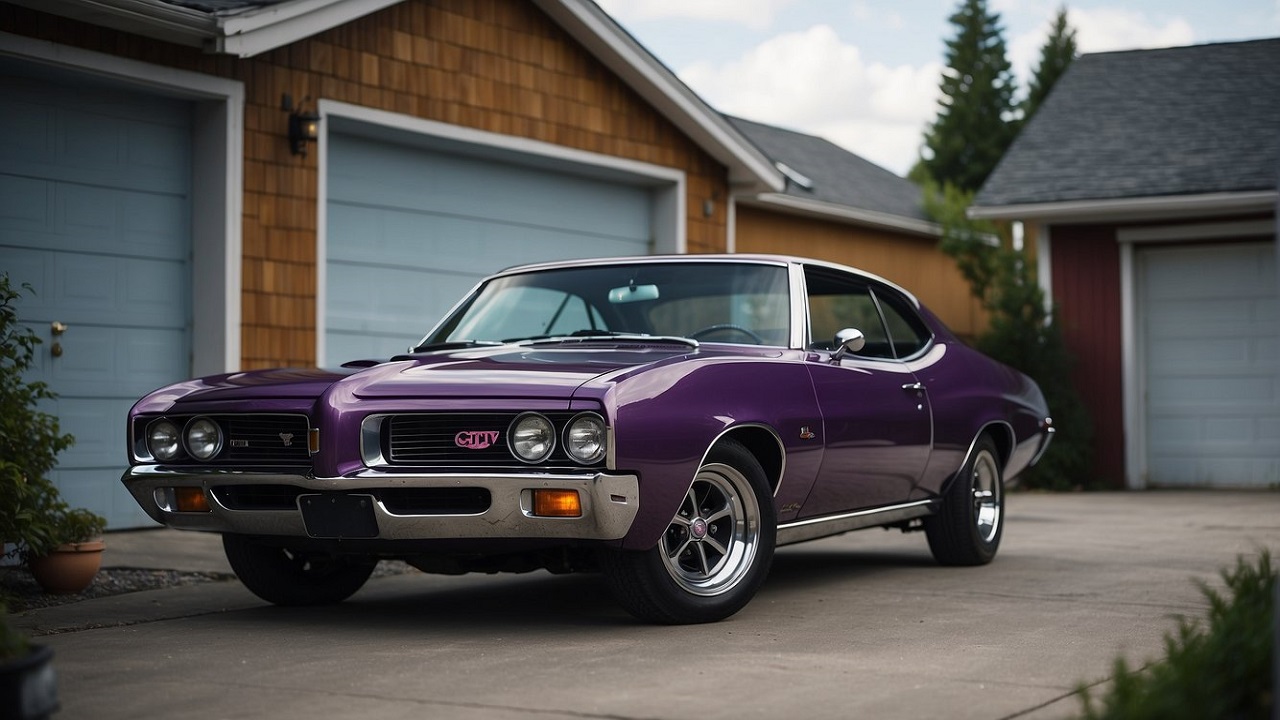
The Plymouth Prowler debuted in 1997 as a unique, retro-styled sports car. Its production lasted only until 2002, with 11,702 units manufactured. The car’s striking appearance featured a purple metallic paint and innovative use of 400 kilograms of aluminium.

Chevrolet SSR (2003-2006)

Chevrolet SSR (2003-2006)
©Photo Credit: MiramarSpeedCircuit

The Chevrolet SSR was a unique, short-lived vehicle produced from 2003 to 2006. With its retro looks, this versatile car combined elements of a pickup truck and a convertible, featuring a retractable hardtop. The SSR’s rarity and distinctive design still hold appeal for collectors today.

Lincoln Blackwood (2002)

Lincoln Blackwood (2002)
©Photo Credit: MiramarSpeedCircuit

The Lincoln Blackwood was a luxury pickup truck from Ford Motor Company’s Lincoln division. Launched in 2002, it aimed to provide elegance and power. However, the Blackwood’s limited production run made it a rare vehicle, with only 3,300 examples built. Despite its upscale appeal, the Blackwood failed to capture a significant market share, resulting in its discontinuation after just a single model year.

Honda Element (2003-2011)

Honda Element (2003-2011)
©Photo Credit: MiramarSpeedCircuit

The Honda Element was a popular compact crossover SUV introduced in 2003 and discontinued in 2011. Aimed at a younger market with its boxy design and washable interior, the Element eventually fell out of favor as market trends shifted.

Chrysler Crossfire (2004-2008)

Chrysler Crossfire (2004-2008)
©Photo Credit: MiramarSpeedCircuit

The Chrysler Crossfire was a two-seat sports car, introduced in 2004 and discontinued in 2008. Manufactured by Karmann in Germany, it shared 80% of its components with the first-generation Mercedes-Benz SLK. Unfortunately, the Crossfire had some common problems reported by many owners, contributing to its short lifespan and discontinuation after just one generation.

Related10 Oldest Car Models Still in Production Today!

Dodge Magnum (2005-2008)

Dodge Magnum (2005-2008)
©Photo Credit: MiramarSpeedCircuit

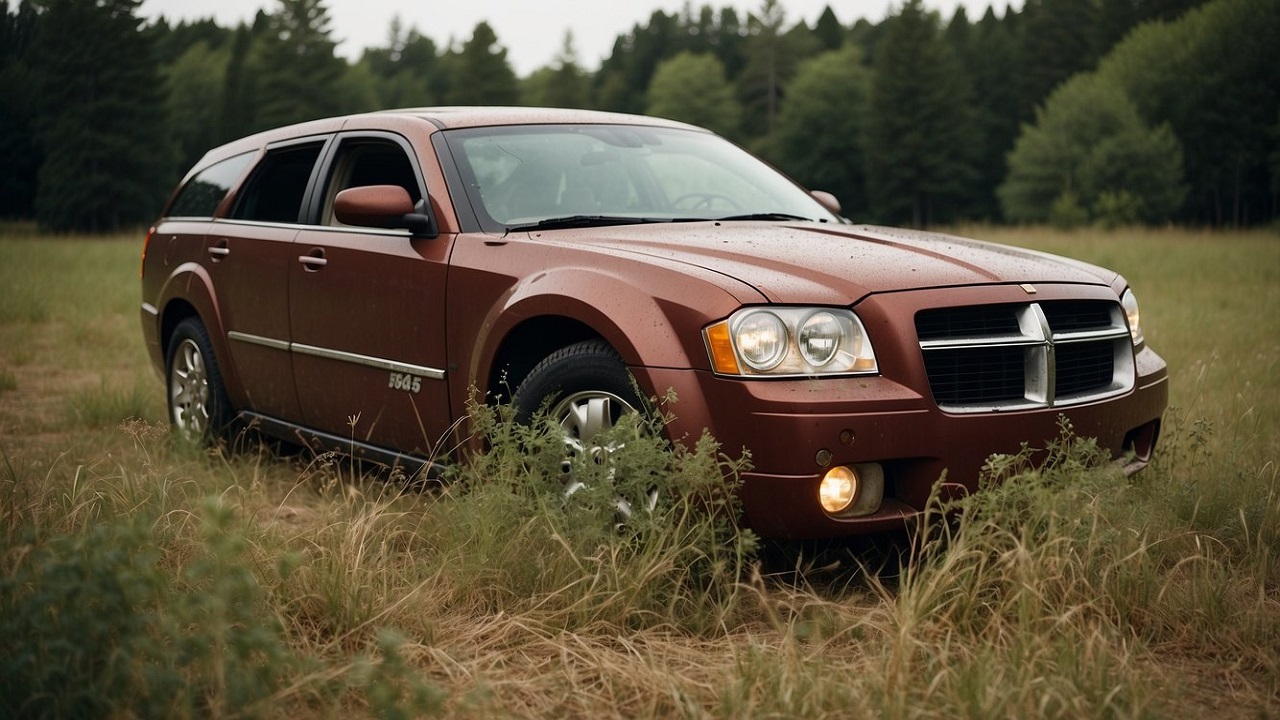
The Dodge Magnum was a unique muscle wagon that captured attention between 2005 and 2008. It featured a bold design with aggressive, low-slung bodywork and flared fenders. During its short run, the Magnum offered various powertrains, including a high-performance V8 engine in the R/T model. Unfortunately, it also had some reliability issues, like sudden engine shutdowns.

Hummer H2 (2003-2009)

Hummer H2 (2003-2009)
©Photo Credit: MiramarSpeedCircuit

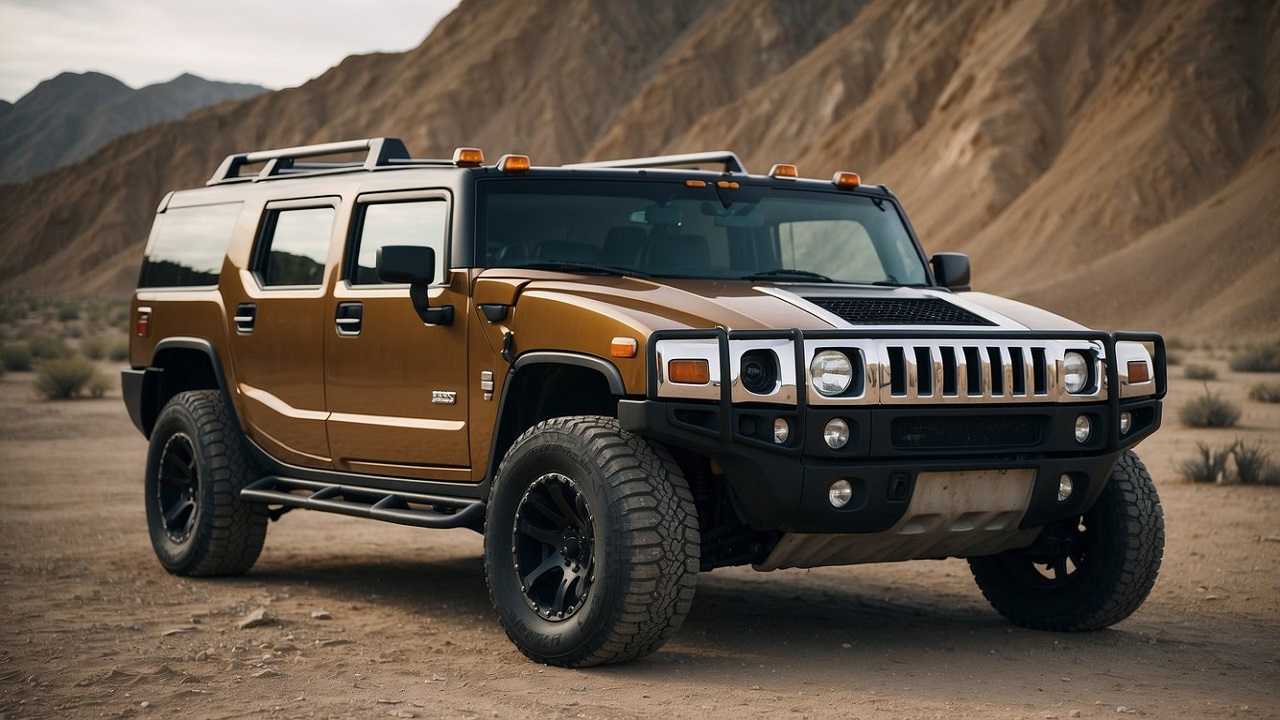
The Hummer H2, a bold SUV by General Motors, debuted in 2002 and was discontinued in 2009. It was known for its military-style design and off-road prowess. However, it didn’t progress beyond its first generation due to its poor fuel economy and the global financial crisis’s impact. Despite facing reliability issues, including faulty actuators, gas cap troubles, and engine problems, the H2 maintains a unique place in automotive history.

Related20 Affordable Classic Cars That Are Hidden Gems In The Market!

Fisker Karma (2011-2012)

Fisker Karma (2011-2012)
©Photo Credit: MiramarSpeedCircuit

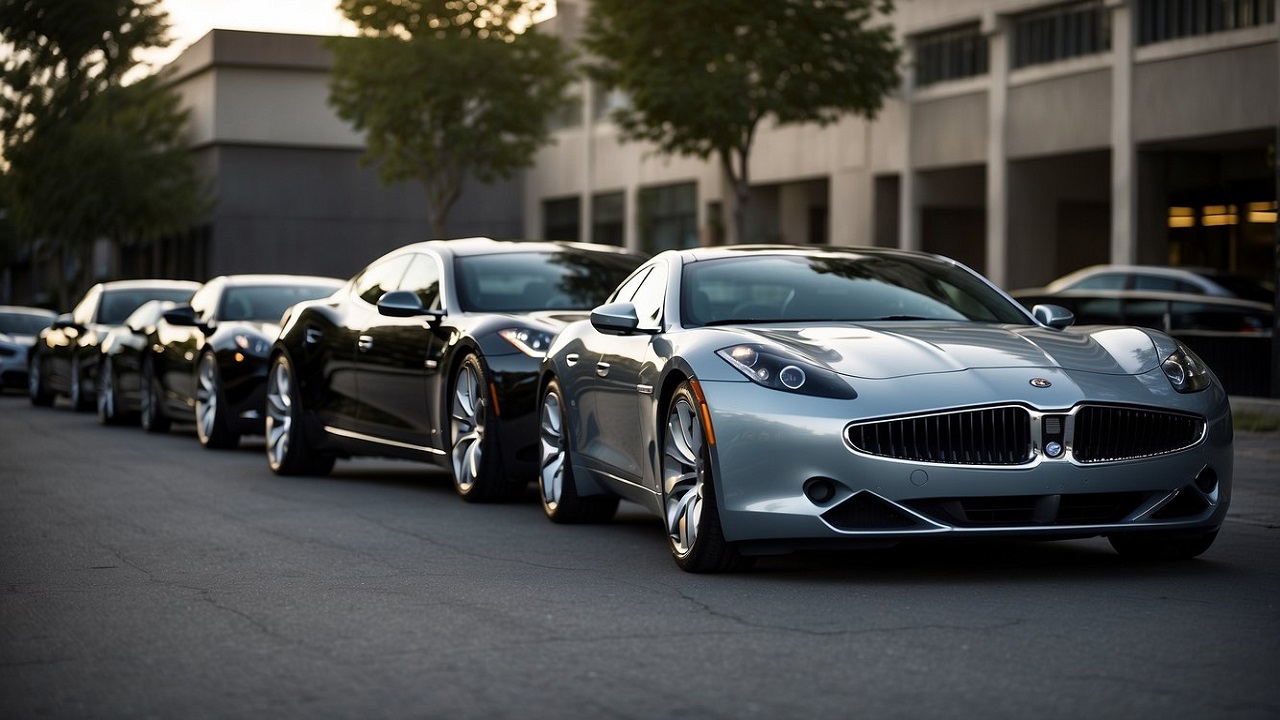
The Fisker Karma was a luxury plug-in range-extended electric sports sedan produced between 2011 and 2012. It had a unique design and was manufactured in Finland. The EPA rated the Karma at 52 mpg-e in all-electric mode. However, its acceleration was not particularly nippy, taking 6.1 seconds to reach 60 mph. Despite its innovation, the Fisker Karma had a short lifespan and didn’t make it past its first generation.

Related10 Ultra-Rare Mustangs Most Ford Fanatics Never Heard About!

Scion xB (2004-2015)

Scion xB (2004-2015)
©Photo Credit: MiramarSpeedCircuit

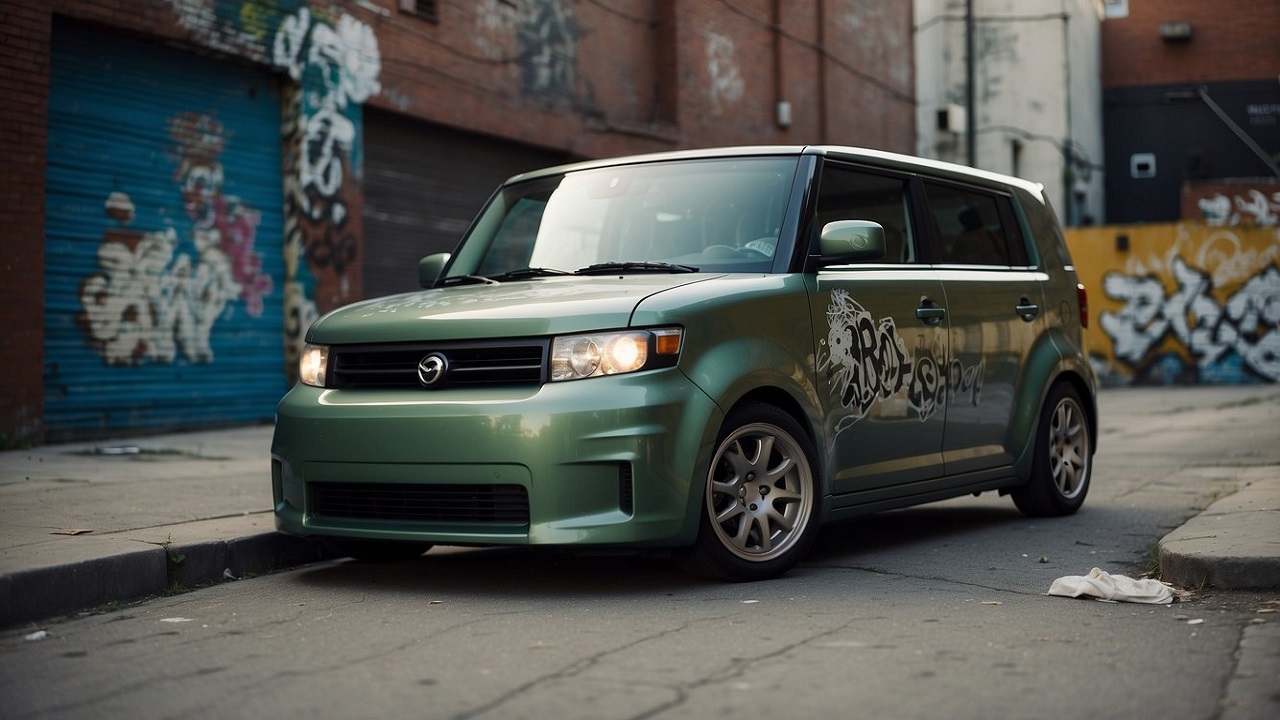
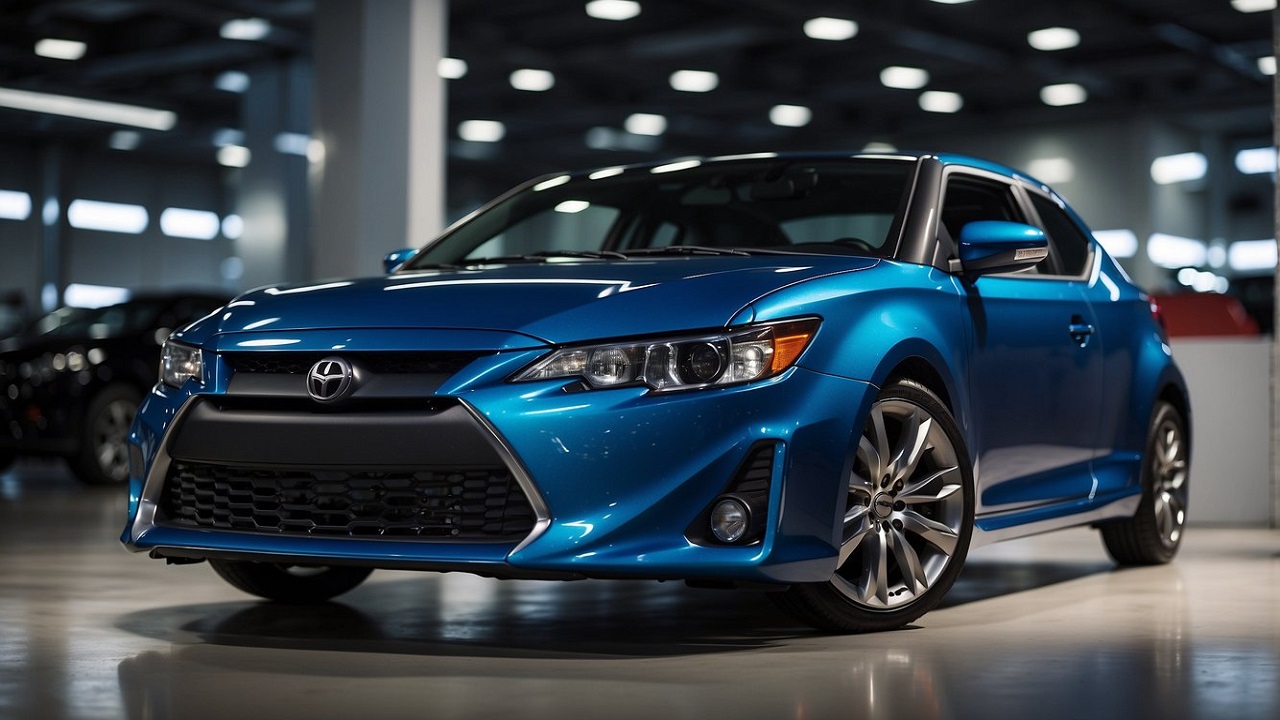
The Scion xB, recognizable for its boxy shape, was produced from 2004 to 2015 as part of Toyota’s Scion brand, aimed at younger consumers. Sales dipped with the second generation, partly due to extended intervals between updates, leading to its discontinuation.

Saab 9-4X (2011-2012)

Saab 9-4X (2011-2012)
©Photo Credit: MiramarSpeedCircuit

The Saab 9-4X was a short-lived crossover SUV produced between 2011 and 2012. It shared many features with the Cadillac SRX but had a distinctly Swedish touch in its design. With only 814 units produced, its rarity appeals to Saab enthusiasts. Unfortunately, Saab’s financial troubles brought its production to a premature halt, making it a single-generation model.

Related17 Unique Reasons Why Toyota Engines Are So Reliable and Long-Lasting!

Dodge Viper (1992-2017)

Dodge Viper (1992-2017)
©Photo Credit: MiramarSpeedCircuit

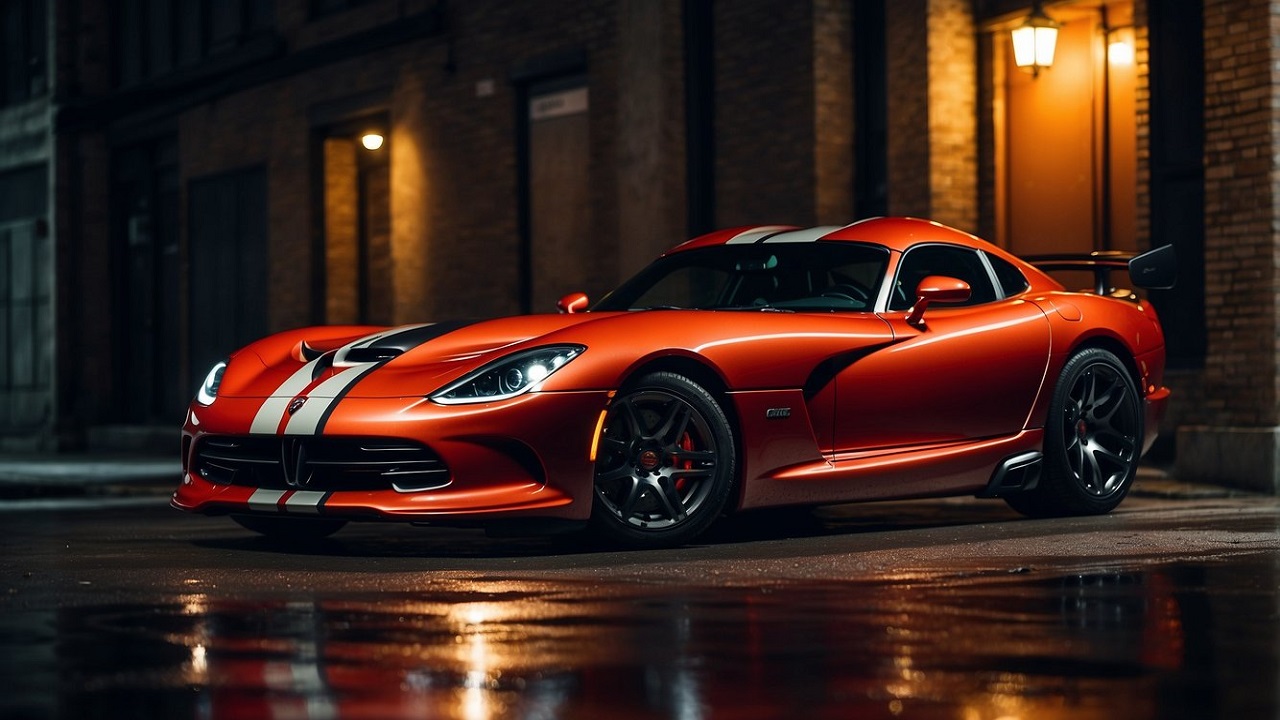
The Dodge Viper, a high-performance sports car, was made from 1992 to 2017. It was known for its bold design and powerful performance. Production ended in August 2017, but the Viper remains an icon among car enthusiasts.

Saturn Astra (2008-2009)

Saturn Astra (2008-2009)
©Photo Credit: MiramarSpeedCircuit

The Saturn Astra (2008-2009) was a compact car introduced by Saturn, a subsidiary of General Motors. It was a rebadged Opel Astra, brought to the North American market in an effort to revive the Saturn brand. Unfortunately, the Astra couldn’t meet the expectations and was discontinued after just two model years. It’s now an obscure footnote in automotive history.

Cadillac ELR (2014-2016)

Cadillac ELR (2014-2016) Red
©Photo Credit: MiramarSpeedCircuit

The Cadillac ELR, a luxury plug-in hybrid coupe, was produced only for the 2014 and 2016 model years. It offered an all-electric range of 37-39 miles and a top speed of 106 mph. Its steep price and unfavorable comparisons to the Chevrolet Volt, a more economical alternative, contributed to its short-lived production.

Acura ZDX (2010-2013)

Acura ZDX (2010-2013)
©Photo Credit: MiramarSpeedCircuit

The Acura ZDX was a unique, mid-size luxury crossover SUV with a sloping rear roofline. Launched in 2010, it featured a 3.7-liter V6 engine producing 300 horsepower. With its distinct design and limited production, the ZDX remains an underappreciated gem. However, its high price and niche market led to its discontinuation after just one generation in 2013.

Hyundai Equus (2011-2016)

Hyundai Equus (2011-2016)
©Photo Credit: MiramarSpeedCircuit

Hyundai launched the Equus in 2011, aiming to rival luxury sedans from Mercedes-Benz and BMW. Its peak years were 2012, 2015, and 2016, but it was discontinued after its first generation in 2016. The Equus is noted for its foray into the luxury market, yet it fell short of matching the prestige and allure of established luxury brands.

Jaguar X-Type (2001-2009)

Jaguar X-Type (2001-2009)
©Photo Credit: MiramarSpeedCircuit

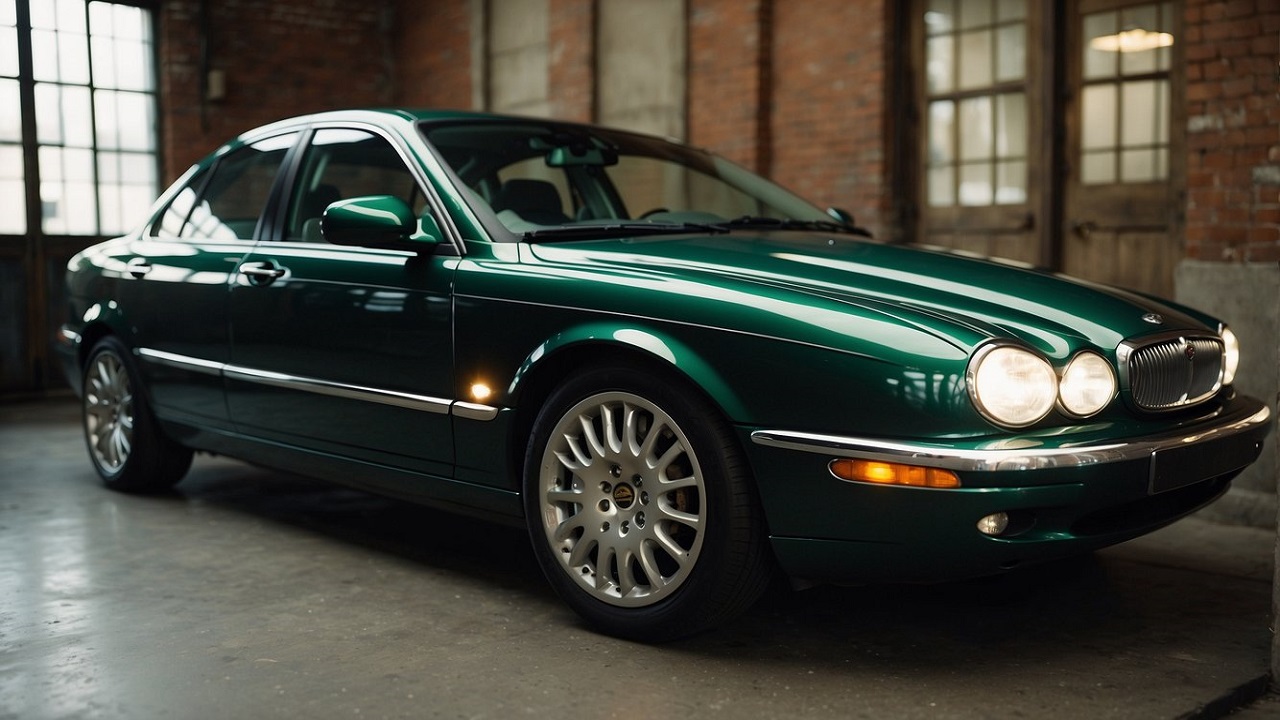
The Jaguar X-Type, produced from 2001 to 2009, was Jaguar’s attempt to enter the compact-executive market segment. Despite its ambitious goals, sales did not reach expectations, with yearly figures struggling to hit half the targeted amount. The X-Type was ultimately discontinued after its first generation.

Dodge Dart (2013-2016)

Dodge Dart (2013-2016)
©Photo Credit: MiramarSpeedCircuit

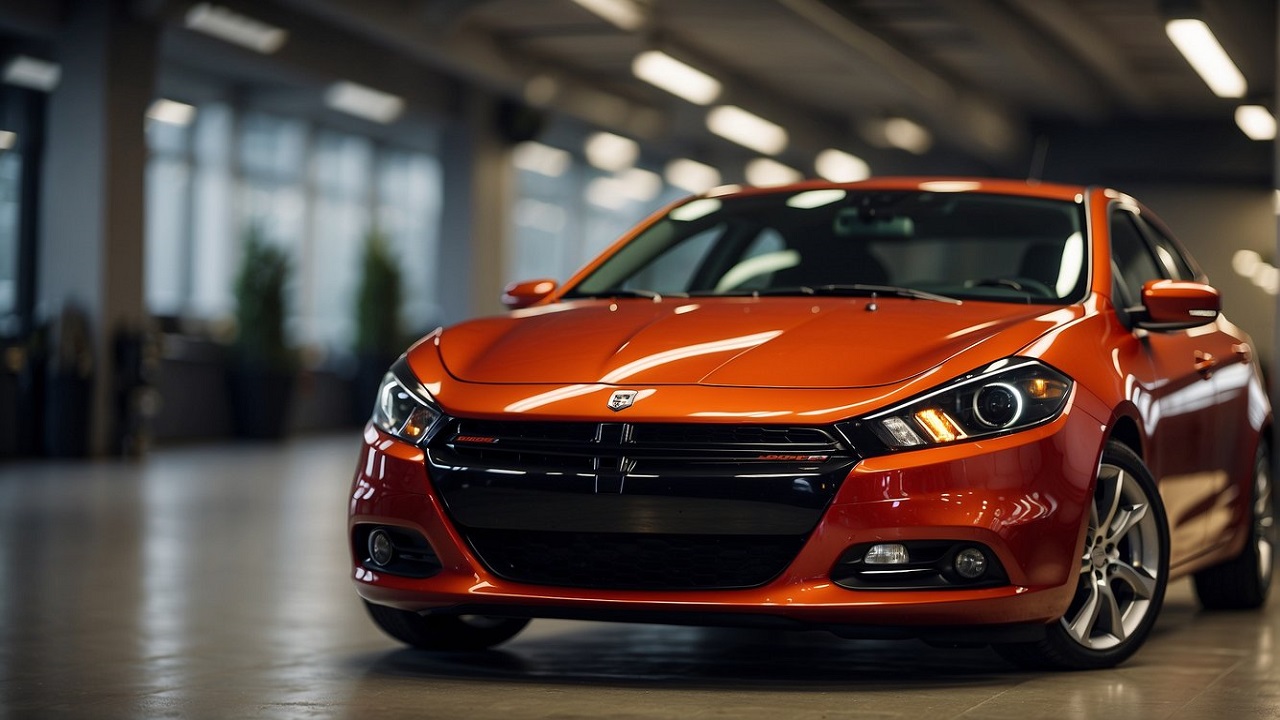
The Dodge Dart had a short-lived run from 2013 to 2016, and didn’t make it past its first generation. It was a compact car, touted for its reliability and designed for fuel efficiency. However, some owners experienced issues with the vehicle, such as the engine shutting off while driving. Additionally, the 1st-generation Dart has earned a relatively low reliability ranking among Dodge models.

Lexus HS 250h (2010-2012)

Lexus HS 250h (2010)
©Photo Credit: media.lexus.ca

The Lexus HS 250h was a compact executive car introduced in 2009. As a fuel-efficient hybrid, it was designed to offer luxury and performance. The HS 250h was equipped with a 2.4L engine and hybrid system, achieving 35 MPG combined. In terms of acceleration, it went from 0-60 MPH in 8.4 seconds, faster than its sibling, the Toyota Prius. However, due to lackluster sales and evolving market tastes, the HS 250h was discontinued in 2012.

Mitsubishi Raider (2006-2009)

Mitsubishi Raider (2006-2009)
©Photo Credit: MiramarSpeedCircuit

The Mitsubishi Raider was a short-lived pickup truck, only produced from 2006 to 2009. It was available in two cab configurations: the Extended and Double Cab, with both V6 and V8 engine options. The Raider met its demise, primarily due to low sales in comparison to competitors like the Toyota Tacoma.

Mercury Mariner (2005-2011)

Mercury Mariner (2005-2011)
©Photo Credit: MiramarSpeedCircuit

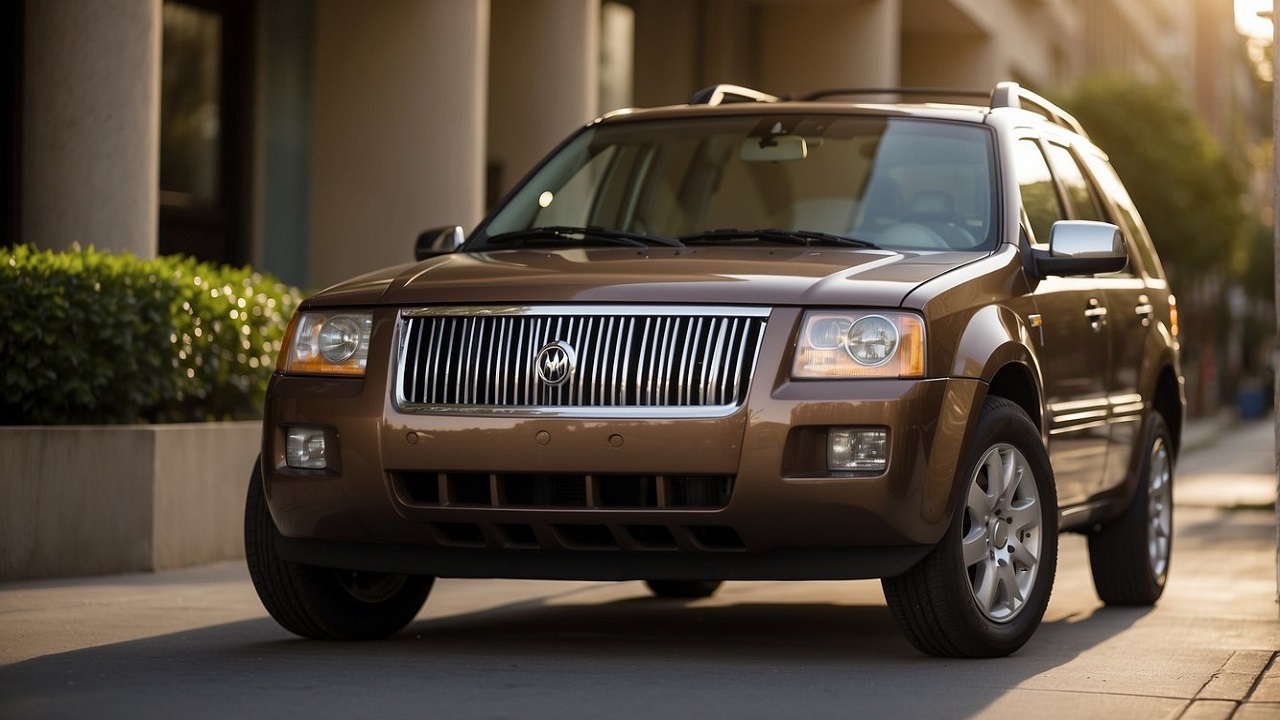
The Mercury Mariner was a compact crossover SUV introduced in 2005. Sharing its platform with the Mazda Tribute and Ford Escape, it aimed to provide a more upscale option for buyers. The 2005 and 2006 models experienced powertrain issues, more notably – transmission failures and rough shifting. These problems have marked these years as the worst in the first generation.

Suzuki Kizashi (2010-2013)

Suzuki Kizashi (2010-2013)
©Photo Credit: MiramarSpeedCircuit

The Suzuki Kizashi was a mid-size car that made its debut in 2009. It featured a 2.4-liter engine with 185 horsepower and 170 lb-ft of torque. However, the Kizashi only lasted for one generation (2010-2013) due to low sales and Suzuki’s withdrawal from the US market. The Kizashi was considered a promising yet short-lived model in Suzuki’s lineup.

Volvo C30 (2008-2013)

Volvo C30 (2008-2013)
©Photo Credit: MiramarSpeedCircuit

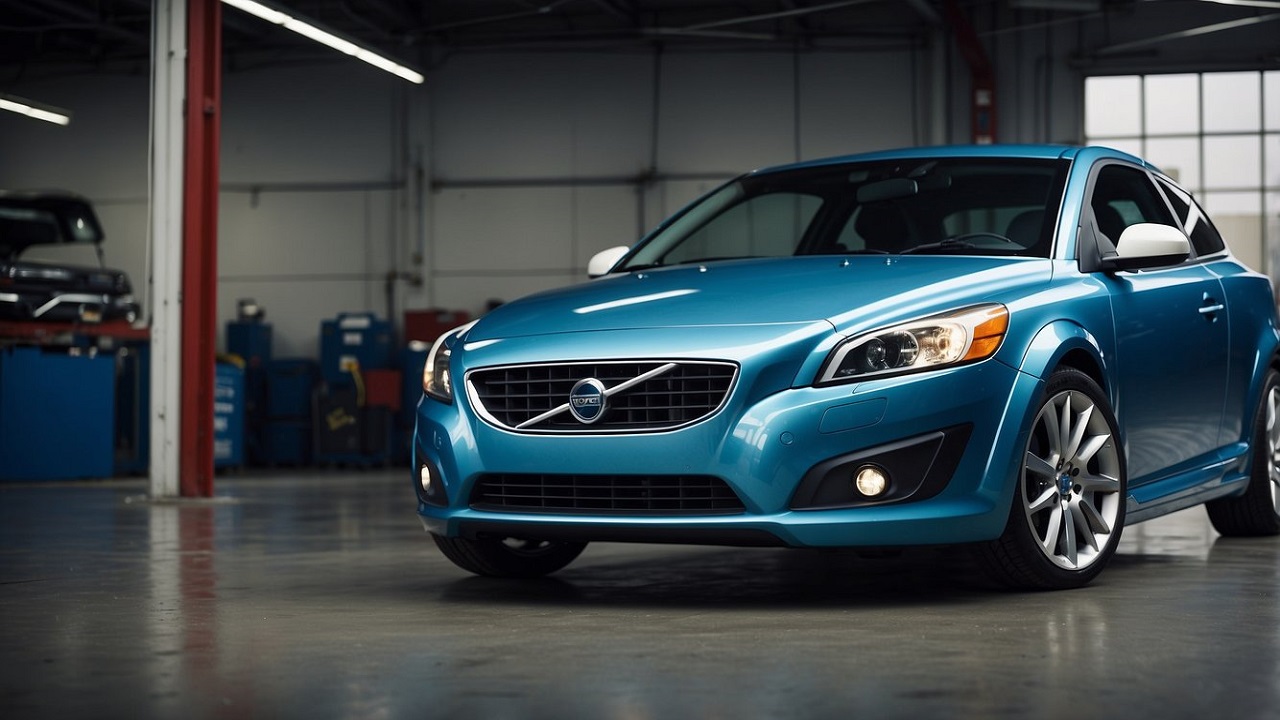
The Volvo C30 is a three-door, front-engine, front-wheel-drive premium compact hatchback that was manufactured and marketed by Volvo Cars from 2008 to 2013. This car was part of the Volvo S40/V50/C70 range and shared the same Ford C1/Volvo P1 platform. Volvo stopped production of the C30, marking the end of its first and only generation.

Chevrolet Beretta (1987-1996)

Chevrolet Beretta (1987-1996)
©Photo Credit: forums.forza.net

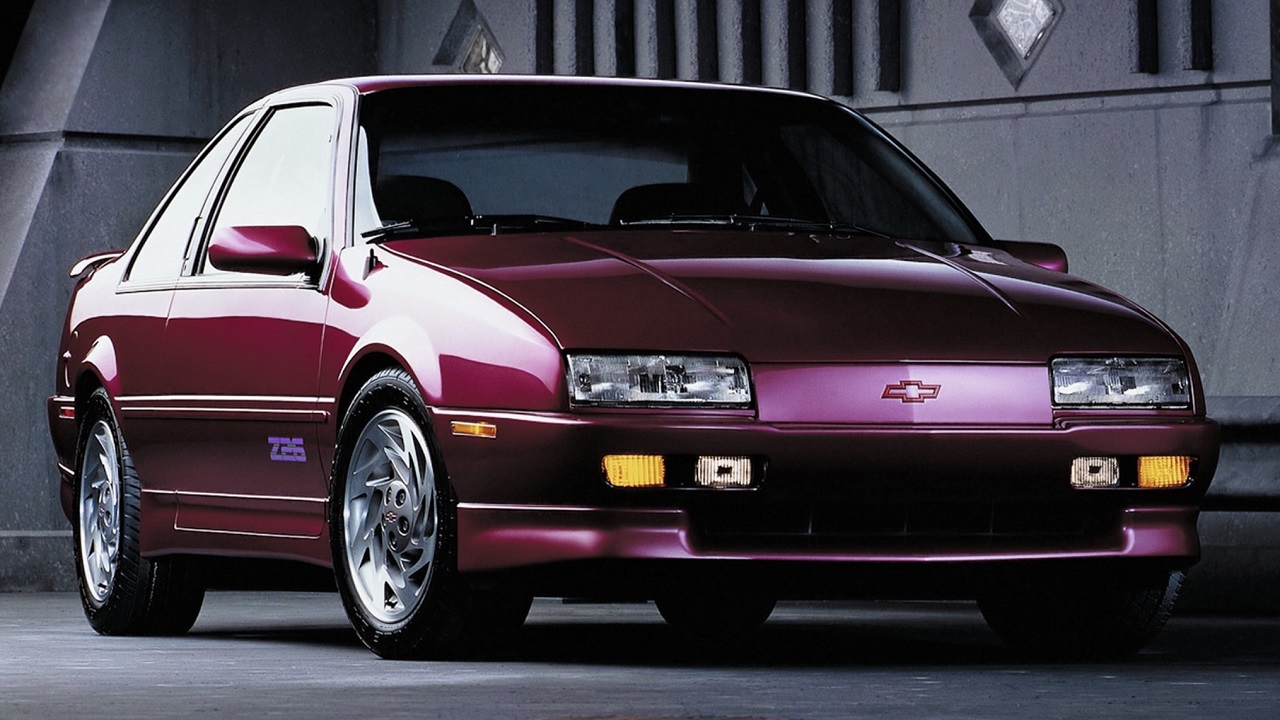
The Chevrolet Beretta was a coupé produced from 1987 to 1996, a striking exterior but a lackluster engine. The General Motors’ 2.0-liter four-cylinder LL8 was the initial offering. However, various engines were offered throughout its lifetime, such as 2.2, 2.3 (“Quad Four”), and 3.1-liter options. Unfortunately, it didn’t gain enough traction to continue past its first generation.

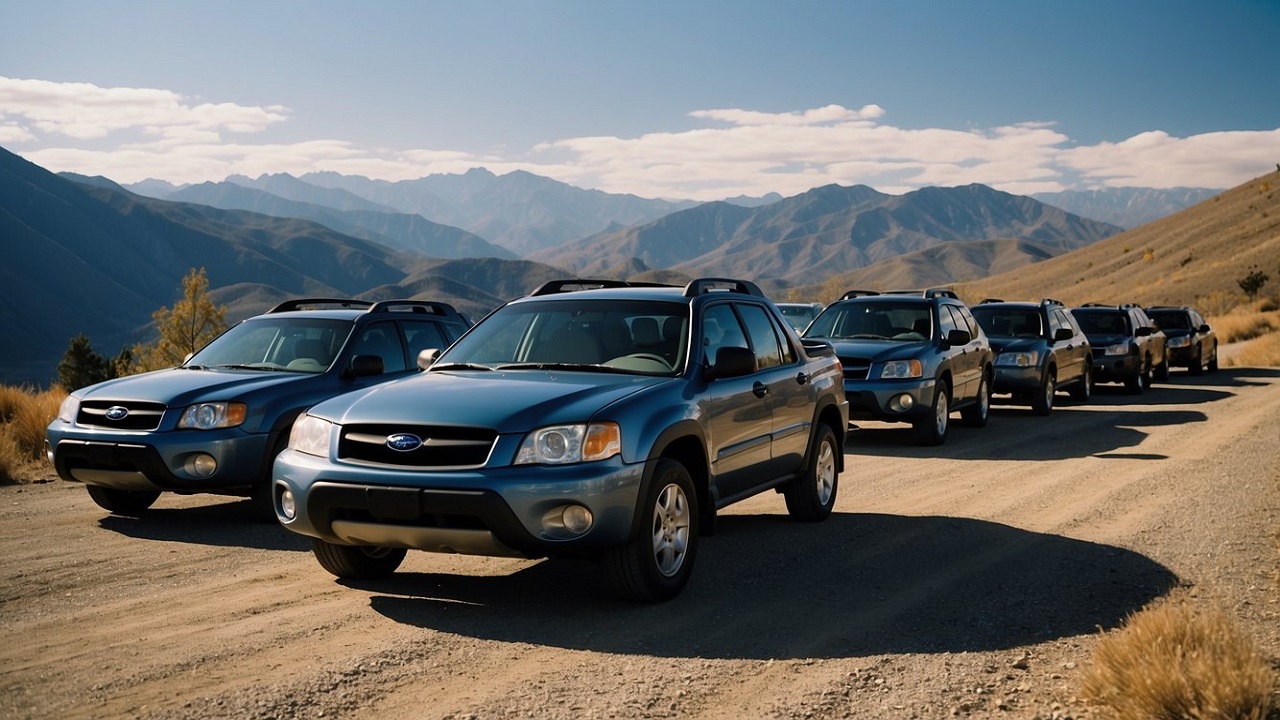
Subaru Baja (2003-2006)

Subaru Baja (2003-2006)
©Photo Credit: MiramarSpeedCircuit

The Subaru Baja was a unique car-truck hybrid produced between 2003 and 2006. It combined the comfort of a four-door sedan with the utility of a compact truck bed. Although innovative, the Baja did not garner impressive sales, with only 10,694 units sold in 2003, leading to its discontinuation after just one generation.

Pontiac Fiero (1983 to 1988)

Pontiac Fiero (1983 to 1988)
©Photo Credit: MiramarSpeedCircuit

Launched in 1983, the Fiero promised to be a stylish, affordable car with innovative production techniques. Expectations were high, however, due to a series of issues and fierce competition from other sports cars in the market. it was discontinued after just one generation in 1988.

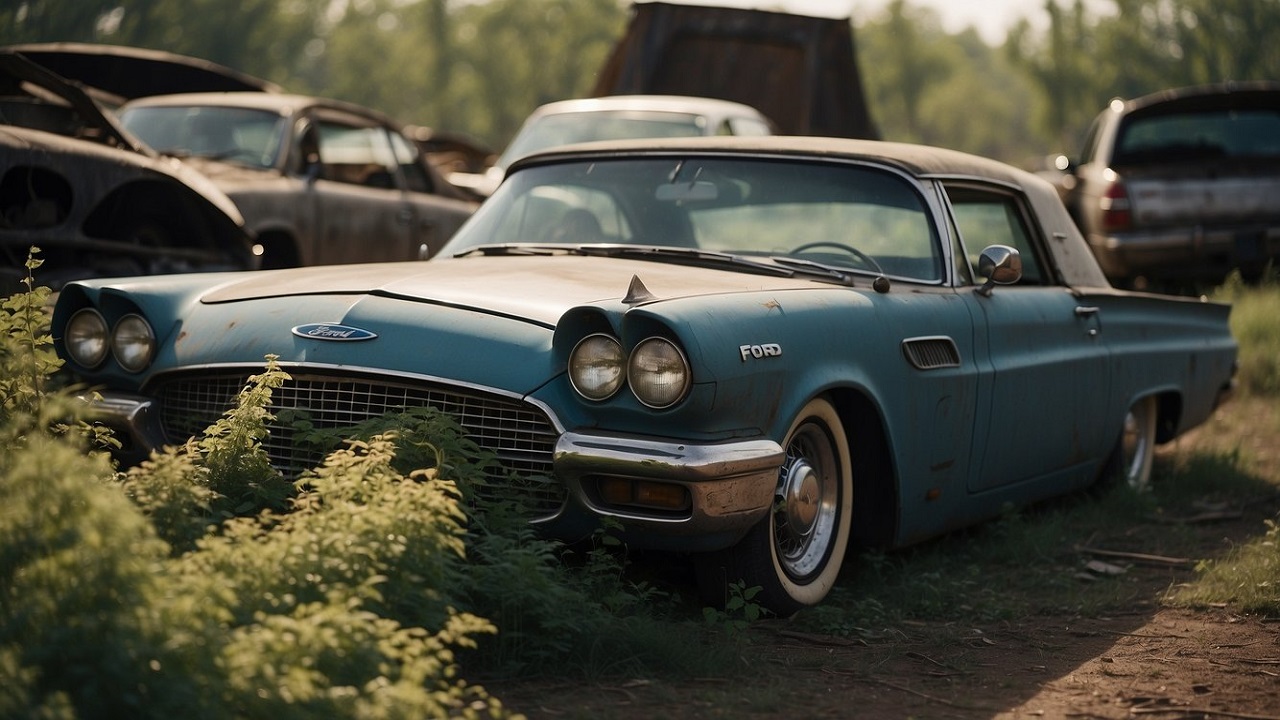
Ford Thunderbird

Ford Thunderbird Old Model
©Photo Credit: MiramarSpeedCircuit

The Ford Thunderbird was a two-seat convertible produced from 1955 to 1957. Initially designed as a response to the Chevrolet Corvette. Despite its iconic beginnings, the Thunderbird eventually cycled through subsequent generations, gradually increasing in size and straying from its initial concept. The first generation remains a beloved classic today.

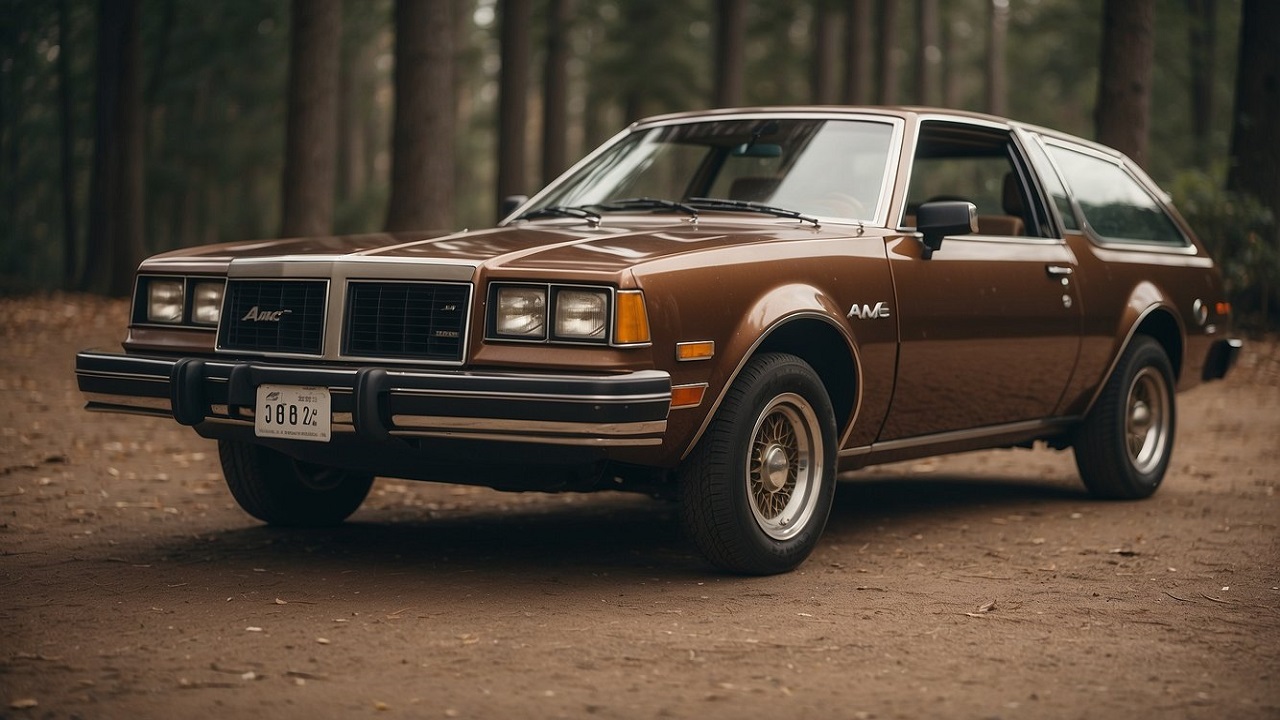
AMC Eagle (1979 -1987)

AMC Eagle (1979 -1987)
©Photo Credit: MiramarSpeedCircuit

The AMC Eagle was a unique compact four-wheel drive car produced by American Motors Corporation (AMC) between 1979 and 1987. Despite its innovative design, sales for the first three years dwindled, and Renault’s merger with AMC in 1983 also affected its marketing. Finally, Chrysler acquired AMC in 1987, leaving the Eagle with only the station wagon model before discontinuing it entirely.

Chrysler Airflow

1934 Chrysler Airflow
©Photo Credit: MiramarSpeedCircuit

The Chrysler Airflow was a full-size car produced from 1934 to 1937. It was America’s first attempt at a streamlined automobile. However, it turned out to be a commercial failure. Despite its innovative design, the Airflow did not resonate with buyers. Today, it remains a significant example in automotive history as a pioneering aerodynamic car.

Toyota FJ Cruiser

Toyota FJ Cruiser
©Photo Credit: DepositPhotos

The Toyota FJ Cruiser, a retro-styled SUV, debuted in 2006 and was praised for its off-road prowess and distinctive design. It was discontinued in the US after one generation in 2014. The FJ Cruiser has since become a collector’s favorite, illustrating the automotive industry’s rapid evolution.

Honda S2000

Honda S2000
©Photo Credit: DepositPhotos

The Honda S2000, a front-mid engine roadster, was made from 1999 to 2009. It featured a 2.0-liter engine with 240 horsepower and revved up to 9,000 rpm. Enthusiasts praised its performance and handling. In 2004, the updated AP2 model came out with a 2.2-liter engine. Despite its appeal, sales declined, and the S2000 ended after one generation. However, it retains a dedicated fan base.

AMC Pacer

amc pacer
©Photo Credit: DepositPhotos

The AMC Pacer is a two-door compact car produced by American Motors Corporation from 1975 to 1980. With its rounded shape and large glass area, the Pacer stood out among other cars. Due to several mistakes, the Pacer played a part in American Motors’ demise. Despite its uniqueness, the Pacer only lasted one generation, and its brief time in the spotlight ended.

Pontiac Aztek (2001-2005)

Pontiac Aztek Brown
©Photo Credit: MiramarSpeedCircuit

The Pontiac Aztek, produced from 2001 to 2005, was General Motors’ attempt at a daring mid-size crossover SUV. Its polarizing design turned off many buyers. It shared the stage with its twin, the Buick Rendezvous, and offered a V-6 engine with both front-wheel and optional all-wheel drive.

Its sales fell short, hitting just ⅓ of the targeted volume. Even a hasty design refresh couldn’t save it, and the Aztek became a one-generation wonder.

Saturn Ion

Saturn Ion
©Photo Credit: MiramarSpeedCircuit

The Saturn Ion, produced from 2003 to 2007, succeeded the S-Series and was followed by the Astra in 2008. Manufactured on GM’s Delta platform, it was the final Saturn passenger car made in Spring Hill, Tennessee. The 2006 Ion was marketed as an economical option, priced between $2,557 and $4,768, but it had a tight interior and minimal tech. Reliability concerns impacted its popularity.

22 Cars Crafted for the Wealthy, Yet Despised by the Public

For the wealthy, a luxury car isn’t simply transportation; it’s an engineering masterpiece and a symbol of elite status. From the $28 million Rolls-Royce Boat Tail to the formidable $2.8 million Koenigsegg Jesko, these cars are the envy of many but owned by few.

However, for those less affluent, these luxury vehicles are stark reminders of society’s deep economic divisions. The polished exteriors and thunderous engines represent a gap in wealth and status as much as they do in automotive luxury. Join us as we explore the exclusive collections of the ultra-rich, featuring 22 luxury cars that are both coveted and controversial.

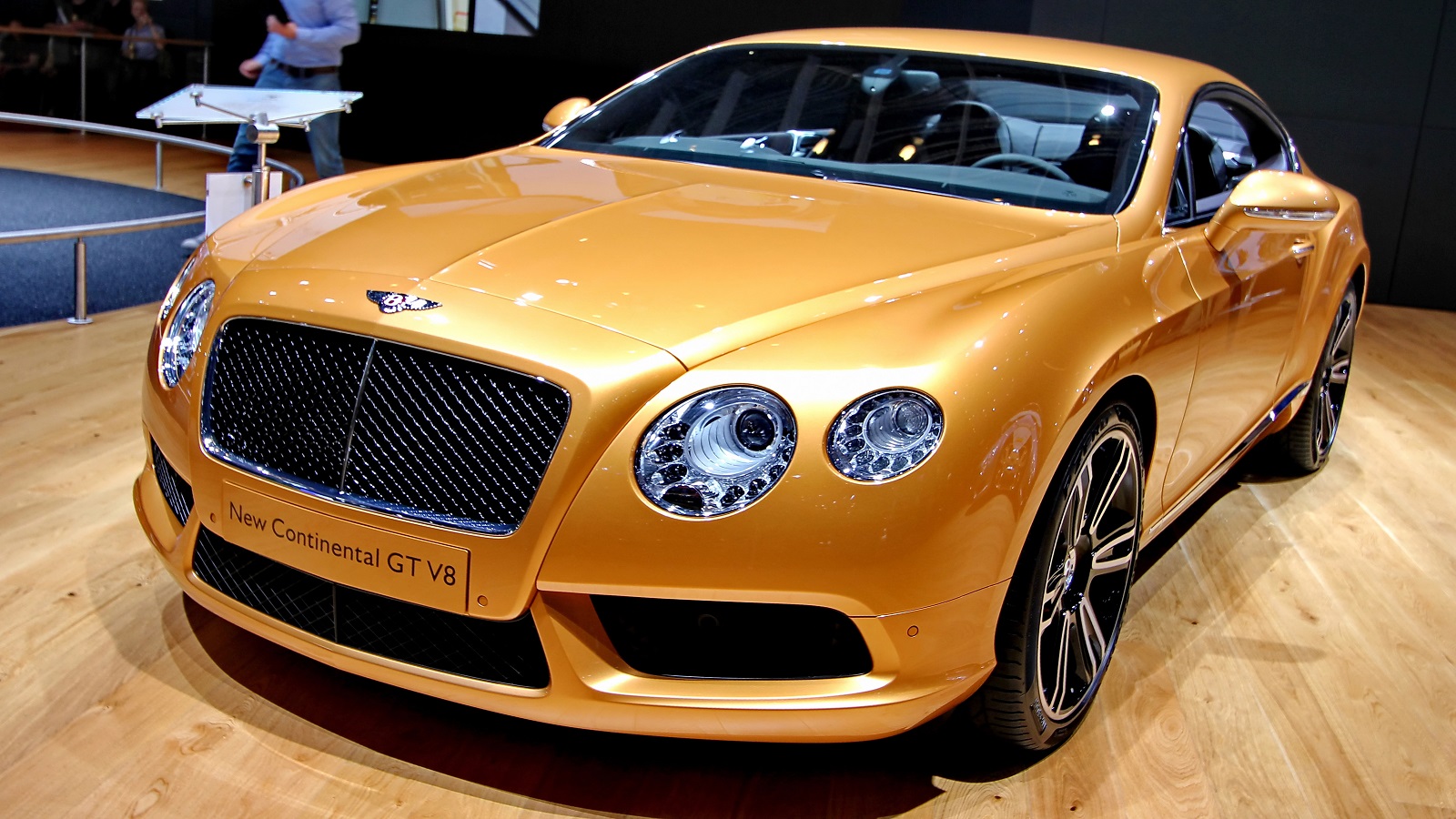
Bentley Continental GT

Bentley Continental GT v8
©Photo Credit: DepositPhotos

The Bentley Continental GT, recognized for its luxury and craftsmanship, costs on average $277,625 for the coupe and $305,125 for the convertible. Its steep price and maintenance costs, which further the divide between wealthy and poor, have made it a status symbol for the rich and a target of resentment for the underprivileged.

Ferrari F8 Tributo

Ferrari F8 Tributo
©Photo Credit: MiramarSpeedCircuit

Equipped with a unique 3.9-liter twin-turbo V8 engine, it pays homage to the most powerful V8 in Ferrari history. The average current price for the F8 Tributo is around $328,292. On average, yearly maintenance for this luxury sports car can range from $2,000 to $5,000. This cost includes scheduled servicing, maintenance, and any necessary repairs.

Related12 Overpriced Sedan Cars That Aren’t Worth Your Money!

Aston Martin Vantage

Aston Martin Vantage
©Photo Credit: MiramarSpeedCircuit

The Aston Martin Vantage is a luxurious sports car, with eye-catching design, powerful performance, and prestigious brand reputation. The Vantage has a current average price of $194,400. Yearly maintenance cost average $2,500, making it even more unattainable for the majority of the population.

RelatedTop 35 Affordable Cars That Are Surprisingly Fast!

Lamborghini Huracán EVO

Lamborghini Huracán EVO
©Photo Credit: MiramarSpeedCircuit

The aerodynamic, Y-shaped Lamborghini impresses wealthy enthusiasts as the brand’s top model. Its sleek design and craftsmanship make it a symbol of wealth and luxury. As the most satisfying Lamborghini on sale, it attracts attention wherever it goes. In the USA, it’s priced at about $261,274 with yearly maintenance around $3,000. Its cost highlights the stark wealth disparity, sparking debate across social classes.

RelatedThese are the Top 21 Toyota Engines of All Time!

Rolls-Royce Phantom

Rolls-Royce Phantom
©Photo Credit: MiramarSpeedCircuit

The Rolls-Royce Phantom epitomizes luxury and sophistication. In the USA, it starts at $450,000 with annual maintenance costs over $10,000.

The Phantom boasts a twin-turbo V-12 engine that ensures smooth, powerful performance. It’s available in two models: the standard and the Extended Wheelbase (EWB), with the latter starting at $500,000. Despite its grandeur, the Phantom faces criticism as an emblem of wealth disparity, its lavishness highlighting the widening rift between the rich and the poor.

Porsche Taycan Turbo S

Porsche Taycan Turbo S
©Photo Credit: MiramarSpeedCircuit

The Porsche Taycan Turbo S is an all-electric sports car that boasts an impressive design and unmatched performance. With a jaw-dropping acceleration of 0-60 mph in 2.6 seconds and up to 750 hp, it is undoubtedly a desirable vehicle for those seeking luxury and adrenaline.

Mercedes-Benz Maybach S-Class

Mercedes-Benz Maybach S-Class
©Photo Credit: MiramarSpeedCircuit

The Mercedes-Benz Maybach S-Class, a luxury car with high-end features and materials, focuses on rear passenger comfort. It’s priced around $232,750. Its allure for the affluent comes from exclusive options like Maybach champagne flutes, costing about $3,200, and the executive rear seat package, highlighting its exclusivity.

BMW 8 Series

BMW 8 Series
©Photo Credit: MiramarSpeedCircuit

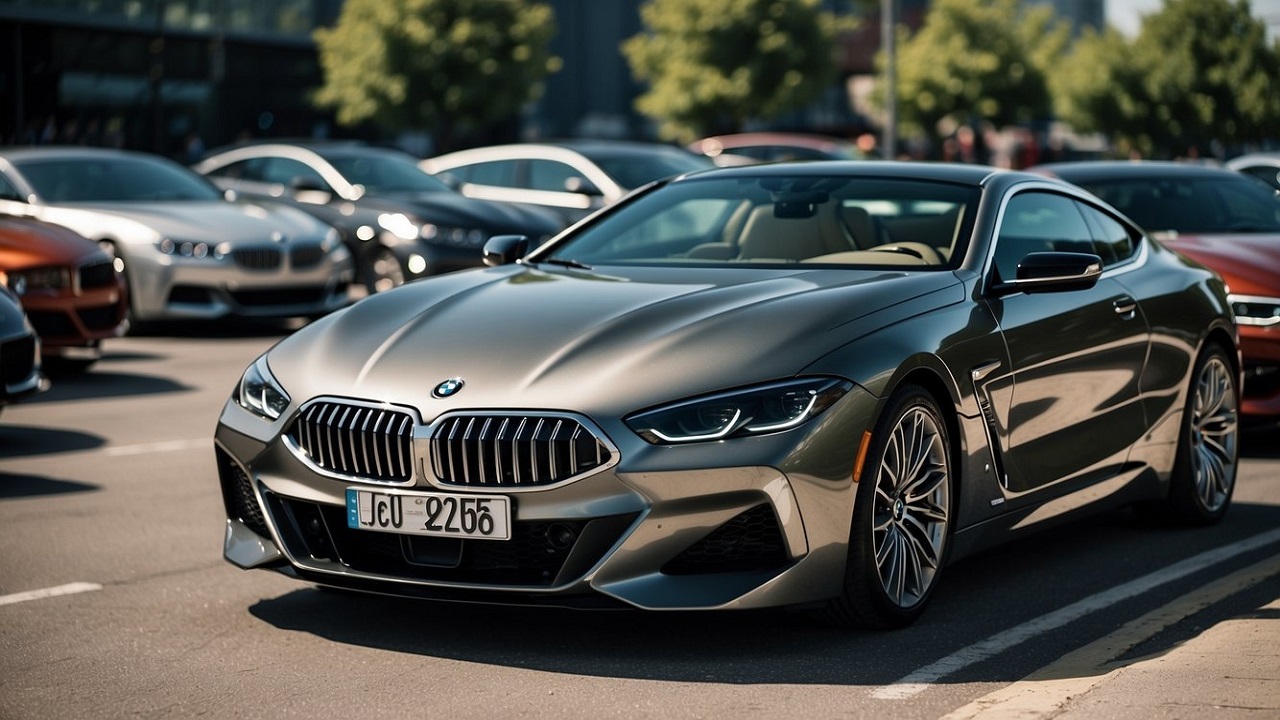
The BMW 8 Series, available as a Coupe, Gran Coupe, and Convertible, combines style, performance, and luxury, attracting wealthy buyers. However, its opulence and the lifestyle it represents can highlight economic divides, causing resentment.

Audi R8

Audi R8 Red
©Photo Credit: MiramarSpeedCircuit

The Audi R8 is a luxury sports car loved by wealthy individuals for its sleek design, powerful performance, and precise handling. The R8’s price starts at an astonishing $158,600 for the coupe version and can go up to $209,700 for all-wheel-drive variants. The convertible body style adds an extra $12,400 to the cost. Given such a price tag, it’s not surprising that those who can’t afford it may envy this luxury car.

Lexus LC

Lexus LC
©Photo Credit: MiramarSpeedCircuit

The Lexus LC, a luxury coupe, stands out for its style and performance, priced at about $99,800 with annual maintenance around $1,200. Attracting the wealthy with its quality build and advanced safety, the Lexus LC offers both engineering excellence and long-term reliability.

Tesla Model X Plaid

Tesla Model X Plaid
©Photo Credit: MiramarSpeedCircuit

The Tesla Model X Plaid, a high-end electric SUV, appeals to affluent buyers at about $119,990 in the USA. With a tri-motor all-wheel drive and over 1,000 horsepower, it accelerates from 0 to 60 mph in 2.5 seconds, showcasing its speed and power.

Land Rover Range Rover SV Autobiography

Land Rover Range Rover SV Autobiography
©Photo Credit: MiramarSpeedCircuit

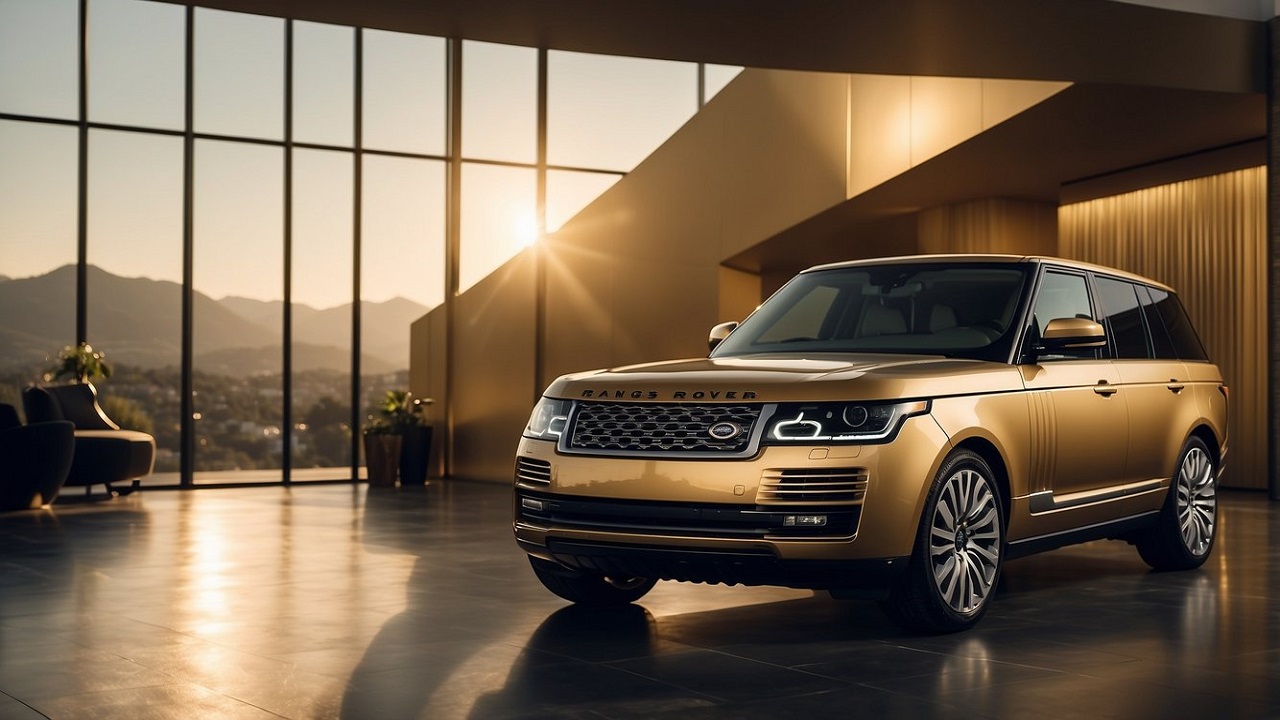
The Land Rover Range Rover SV Autobiography, a luxury SUV, blends performance, off-road prowess, and comfort starting at $209,000. It features cutting-edge technology, entertainment systems, and safety features for a superior drive. Custom lighting, premium sound, and high-end materials enhance its appeal to affluent customers.

Cadillac CT6-V

Cadillac CT6-V
©Photo Credit: MiramarSpeedCircuit

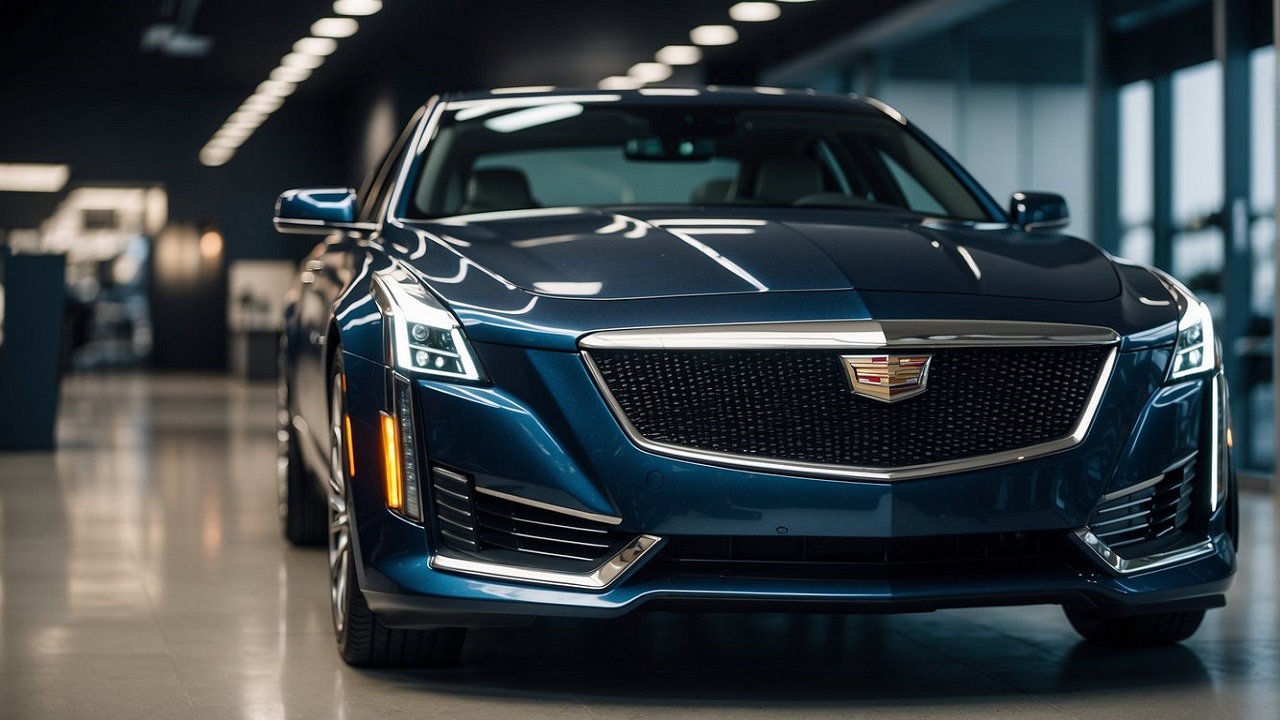
The Cadillac CT6-V is a luxurious high-performance car that has caught the attention of wealthy individuals. The average current price is around $110,000. Average cost of yearly maintenance is upwards of $1,200, which again, can be difficult for those with lower incomes to reconcile.

Jaguar F-Type

Jaguar F-Type Red
©Photo Credit: MiramarSpeedCircuit

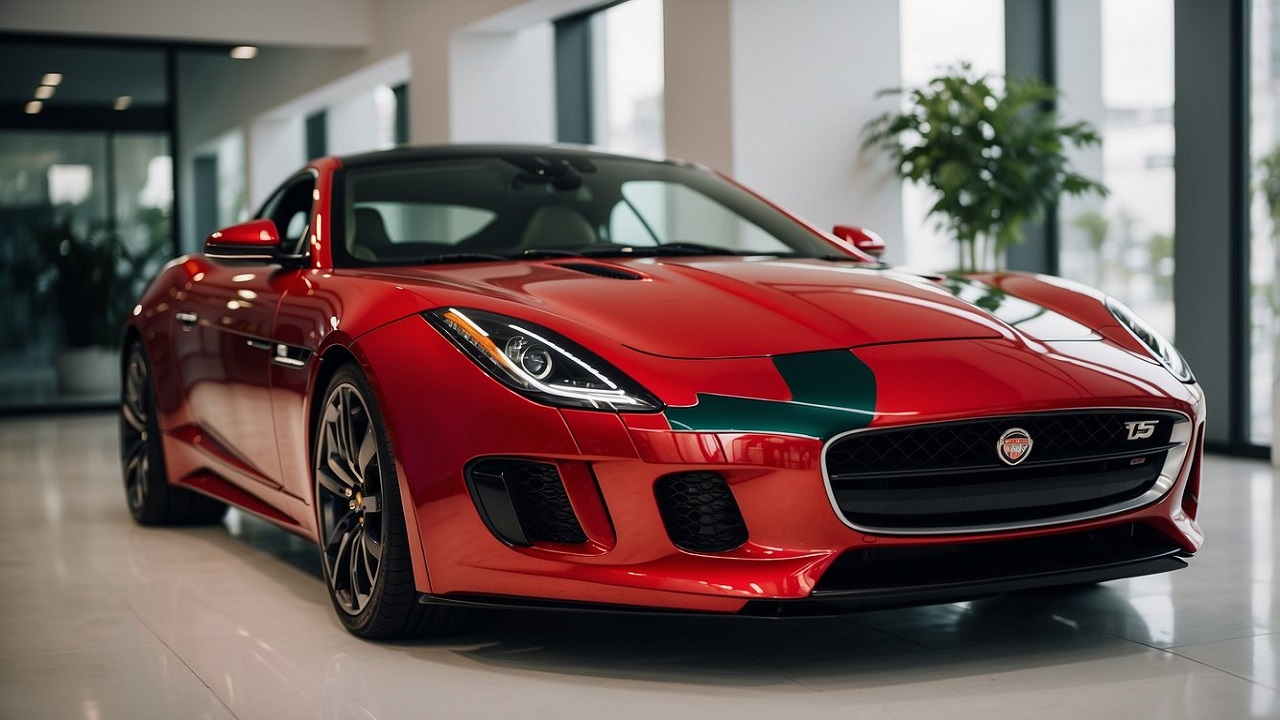
The Jaguar F-Type, a luxury sports car, is favored by the affluent for its design and performance, with prices in the USA ranging from $74,675 to $109,775 based on trim and options. It averages about $1,000 in annual maintenance costs.

Bentley Mulsanne

Bentley Mulsanne
©Photo Credit: MiramarSpeedCircuit

The Bentley Mulsanne, a pinnacle of luxury cars, combines tradition with contemporary design. Handcrafted for prestige and elegance, it’s priced at about $300,000, with annual maintenance around $3,000. It’s seen by the less affluent as a symbol of excess and wealth inequality.

Lamborghini Aventador

Lamborghini Aventador
©Photo Credit: MiramarSpeedCircuit

The Lamborghini Aventador, a mid-engine sports car, has epitomized luxury since 2011. It costs around $400,000 in the US, with annual maintenance close to $5,000. Available in various models, including the limited edition Aventador SVJ, this high-performance version is known for its powerful engine roar and thrilling drive.

Ferrari 812 Superfast

Ferrari 812 Superfast
©Photo Credit: MiramarSpeedCircuit

The Ferrari 812 Superfast is a front-engine, rear-wheel-drive grand touring car that has captured the attention of the wealthy due to its exhilarating performance and luxurious features. In addition to its extraordinary engine and performance capabilities, the 812 Superfast also offers drivers an exquisite interior designed to provide optimal comfort and luxury. Its current average stands at around $335,000. with about $7,000 in yearly maintenance cost.

Bugatti Chiron

Bugatti Chiron
©Photo Credit: MiramarSpeedCircuit

The Bugatti Chiron, known for luxury and power, commands attention with performance and steep prices, averaging $3,300,000 to $3,900,000 in the US. Recent special editions, like the Chiron Profilée, sold for an eye-watering $10.78 million, exacerbating resentment among those less affluent.

Audi R8 V10 Plus

Audi R8 V10 Plus
©Photo Credit: MiramarSpeedCircuit

The Audi R8 V10 Plus is a stunning luxury car with a mix of exceptional performance and cutting-edge technology. The average current price for this model in the USA is around $253,290, with a yearly maintenance cost hovering around $3,000.

Maserati Quattroporte

Maserati Quattroporte
©Photo Credit: MiramarSpeedCircuit

The Maserati Quattroporte is a luxurious Italian sedan that has been a symbol of wealth and success since its introduction in the 1960s. In the USA, the average current price for a 2023 Maserati Quattroporte ranges from $106,695 to $155,195. The average cost of yearly maintenance is around $1,475.

Maserati GranTurismo

Maserati GranTurismo
©Photo Credit: MiramarSpeedCircuit

The 2024 Maserati GranTurismo, an Italian luxury sports car, offers a sleek design and two trims: the Modena and the performance-oriented Trofeo. Prices range from $159,995 to $191,995, with high yearly maintenance costs. Its exclusivity and luxury appeal to the wealthy, remaining out of reach for many.

Aston Martin DBS Superleggera

Aston Martin DBS Superleggera
©Photo Credit: MiramarSpeedCircuit

The Aston Martin DBS Superleggera is a stunning example of luxury and performance. The average current price starts at $319,125 and can go up to $337,525, depending on the trim and optional features chosen.

23 Surprising Drawbacks of Aluminum Cars

Think about a world where sleek, shiny cars zip down the highway with an almost space-age grace, their aluminium bodies glinting in the sun. At first glance, it seems like a no-brainer to craft vehicles from this lightweight, fuel-saving metal.

Yet, the reality of automotive design is far more complex than it appears. Beneath the shimmering surface of aluminium lies a web of engineering challenges, economic decisions, and trade-offs that have steered manufacturers.

Engineering Challenges

Female Engineers Shattering Stereotypes in the Auto Industry
©Photo Credit: DepositPhotos

Using aluminum in car manufacturing presents engineering challenges, such as more complex assembly and the need for specialized techniques and equipment compared to steel. Nevertheless, automakers are increasingly adopting aluminum for its lightness and fuel efficiency benefits. Collaboration between the aluminum industry and car manufacturers is key to overcoming these challenges and improving future vehicles.

Cost Implications

Cost implications
©Photo Credit: Unlimphotos

Aluminum costs more than steel, increasing production costs that may be passed on to consumers. Joining aluminum parts is also more complex and costly. It’s important to consider the financial implications of opting for aluminum vehicles.

Low Melting Point

Car Steel Aluminium Melting
©Photo Credit: DepositPhotos

Cars aren’t made entirely of aluminum because it has a lower melting point than metals such as iron and steel, weakening at high temperatures and potentially damaging the engine or compromising safety.

Melting points:

  • Aluminum: 660°C
  • Iron: 1530°C
  • Cast Iron: 1260°C
  • High Carbon Steel: 1353°C.

Thermal Expansion

Thermal Expansion
©Photo Credit: DepositPhotos

Aluminum has a higher coefficient of thermal expansion, which can lead to dimensional stability issues in varied temperature conditions. Aluminum’s thermal expansion coefficient is higher than steel’s, which means it expands more when heated. This difference in thermal expansion can lead to misalignments in car components, affecting its safety and performance over time.

Strength and Durability

Strength and Durability
©Photo Credit: DepositPhotos

Steel’s strength and energy absorption make it ideal for durable, accident-resistant cars and it resists daily wear better than aluminum. However, aluminum’s lighter weight improves fuel efficiency and performance, advantages that are significant in electric vehicles.

Manufacturing Complexity

Robotic arms assemble car parts
©Photo Credit: miramarspeedcircuit

Aluminum parts necessitate specific manufacturing techniques like forging or extrusion, complicating production. With vehicles combining steel, aluminum, and carbon fiber, the variety of material grades and gauges grows, adding complexity to design and manufacturing. Manufacturers must select the right aluminum alloys for different car parts. For instance, Tesla uses an 8-mm extruded aluminum sheet to protect its battery compartment.

Noise and Vibration

Car Noise With Man Driving
©Photo Credit: DepositPhotos

Aluminum may not dampen noise and vibration as effectively as steel, potentially leading to a noisier ride. You might hear more road noise, and feel vibrations from the engine or suspension while driving.

Market Demand

Car Market Demand
©Photo Credit: Deposit Photos

Consumer preference for steel-bodied cars is high, driven by cost-effectiveness, especially as aluminum prices have risen. Automakers choose alternative materials to keep cars affordable. Buyers often seek the traditional feel of steel. Moreover, aluminum production emits more greenhouse gases, raising environmental concerns.

Material Sourcing

Material Sourcing
©Photo Credit: Unlimphotos

Refining aluminum for automotive use is more energy-intensive than producing steel. For electric vehicles, manufacturers often use new aluminum to avoid contamination and downcycling issues, resulting in higher embodied GHG emissions.

Repair and Maintenance

Repair and Maintenance
©Photo Credit: DepositPhotos

Aluminum is harder and costlier to repair than steel, impacting total ownership costs. Its sensitivity to heat requires repair shops to use special tools and methods to prevent further damage or corrosion. Because aluminum is less pliable than steel, even minor dent repairs can be more complex, potentially necessitating more preventive maintenance to sidestep hefty repair bills.

Rust Resistance

Rust Resistance Car
©Photo Credit: miramarspeedcircuit

Aluminium offers excellent rust resistance for your car. This lightweight metal forms a protective layer, called aluminium oxide, when exposed to air. This layer acts as a barrier, preventing corrosive substances from reaching the car’s surface. However, it can still corrode or experience galvanic corrosion when in contact with other metals, which can lead to maintenance issues.

Recycling Infrastructure

A recycling facility
©Photo Credit: miramarspeedcircuit

The existing recycling infrastructure is more optimized for steel than for aluminum, which can affect the end-of-life vehicle processing. The REALCAR project made significant strides in recycling aluminium in cars. However, many other materials commonly used in vehicles may not have as efficient recycling processes.

Material Stiffness

Material Stiffness
©Photo Credit: miramarspeedcircuit

Steel typically provides greater stiffness, crucial for a vehicle’s structural integrity, as aluminum deforms more easily under force. Stiffness is key in cars for safety and performance, with stiffer materials like steel offering better durability against wear and tear over time.

Design Flexibility

Design Flexibility
©Photo Credit: Unlimphotos

Steel provides a broad array of design possibilities, beneficial for automakers. Achieving complex shapes is more challenging with aluminum than with steel, and aluminum offers fewer joining options, complicating assembly. Also, aluminum-intensive vehicles need more gauge/grade combinations, adding to the complexity. These factors explain why cars aren’t usually made entirely of aluminum.

Painting and Coating

A car being painted and coated
©Photo Credit: MiramarSpeedCircuit

Applying paint and coatings to aluminum can be more challenging due to its surface properties, which can have a significant impact on their longevity. Properly applied paint adds a layer of protection, preventing moisture from reaching the metal and causing rust.

Impact on Tooling

Impact on Tooling
©Photo Credit: Deposit Photos

Manufacturing with aluminum may necessitate specialized tooling, resulting in extra investment. Tools and dies wear out quicker with aluminum, requiring more frequent replacements. Choosing the right lubricants and coolants is critical to minimize tool wear and ensure quality results.

Combustion Engine Vehicles

Combustion Engine
©Photo Credit: Unlimphotos

For traditional internal combustion engine vehicles, the weight savings from aluminum might not justify the cost, though this is changing with the rise of electric vehicles. Traditional ICE cars rely on heavy steel frames, making them heavier than electric vehicles (EVs). In contrast, aluminium is a cost-effective and environmentally friendly material that can help to make vehicles lighter and more efficient.

Industry Standards

Industry Standards
©Photo Credit: Deposit Photos

The automotive industry is built on steel, and switching to aluminum would mean overhauling standards and regulations.

Cars aren’t primarily made of aluminum due to, Cost: Aluminum often costs more than steel. Fabrication: Aluminum manufacturing can demand new methods and equipment. Yet, aluminum’s presence in vehicles is increasing, so watch for evolving industry standards.

Availability of Skilled Labor

Manufacturing
©Photo Credit: DepositPhotos

Manufacturers often struggle to find workers skilled in aluminum fabrication, as labor expertise greatly influences material choice in car production. Fortunately, alternatives like steel or carbon fiber exist, each requiring unique skills. Investing in workforce training is vital for efficient and sustainable production.

Weight Distribution

Car Weight Distribution
©Photo Credit: Unlimphotos

Although aluminum is lighter than steel, it complicates achieving optimal weight distribution in a car, which is key for handling and performance. Balanced weight is essential for stability and control, contributing to the decision not to make cars entirely of aluminum.

Supply Chain

Car Parts Materials Supply Chain
©Photo Credit: MiramarSpeedCircuit

The steel supply chain is more established, often providing greater stability and predictability than aluminum’s. Despite aluminum’s popularity for being lightweight, it faces ethical concerns, including reports of forced labor in its production. These ethical issues are important to consider, and the complexity of the aluminum supply chain can complicate sourcing and material management.

Energy Absorption

Car accidents
©Photo Credit: DepositPhotos

In collisions, steel often absorbs more energy than aluminum, although advancements in engineering have enhanced aluminum’s protective capabilities. Research from SaeMobilus indicates that “steel absorbed up to 20 times more energy than reinforced plastics and twice that of aluminum for the same thickness. While aluminum absorbed more energy by weight, steel proved to be more cost-effective.”

Tradition and Heritage

A vintage car show with classic models
©Photo Credit: MiramarSpeedCircuit

Steel’s dominance in car construction is rooted in tradition, and manufacturers are reluctant to switch to alternatives like aluminum without clear benefits in performance or cost. Steel’s strength, durability, and sense of solidity appeal to many, especially classic car enthusiasts. Moving to aluminum could alter the driving experience, potentially deterring these consumers.

Electric Vehicles and Aluminum Use

Electric vehicles surrounded by discarded aluminum parts
©Photo Credit: MiramarSpeedCircuit

Aluminum is poised to be crucial in electric vehicles (EVs), especially for battery technology. Lighter aluminum parts can make batteries more advanced, enhancing EV energy efficiency and range.

In terms of sustainability, aluminum is beneficial for EV production due to its light weight, durability, and recyclability, contributing to a more eco-friendly automotive industry. This allows EV drivers to appreciate a reduced environmental impact.

These are the Top 21 Toyota Engines of All Time

Discover the power and reliability at the core of Toyota’s engineering excellence. These engines are more than just machinery; they’re icons of innovation. With decades of superior performance, Toyota engines are benchmarks in the automotive world.

Join us as we reveal the top 21 Toyota engines that have made a lasting impact on the industry. This guide is your access to the engines that have propelled Toyota to the forefront of automotive excellence. Get ready for a deep dive into the powerhouses that have defined Toyota’s pursuit of perfection.

Discovering Toyota’s Greatest Engines

Car engine production
©Photo Credit: DepositPhotos

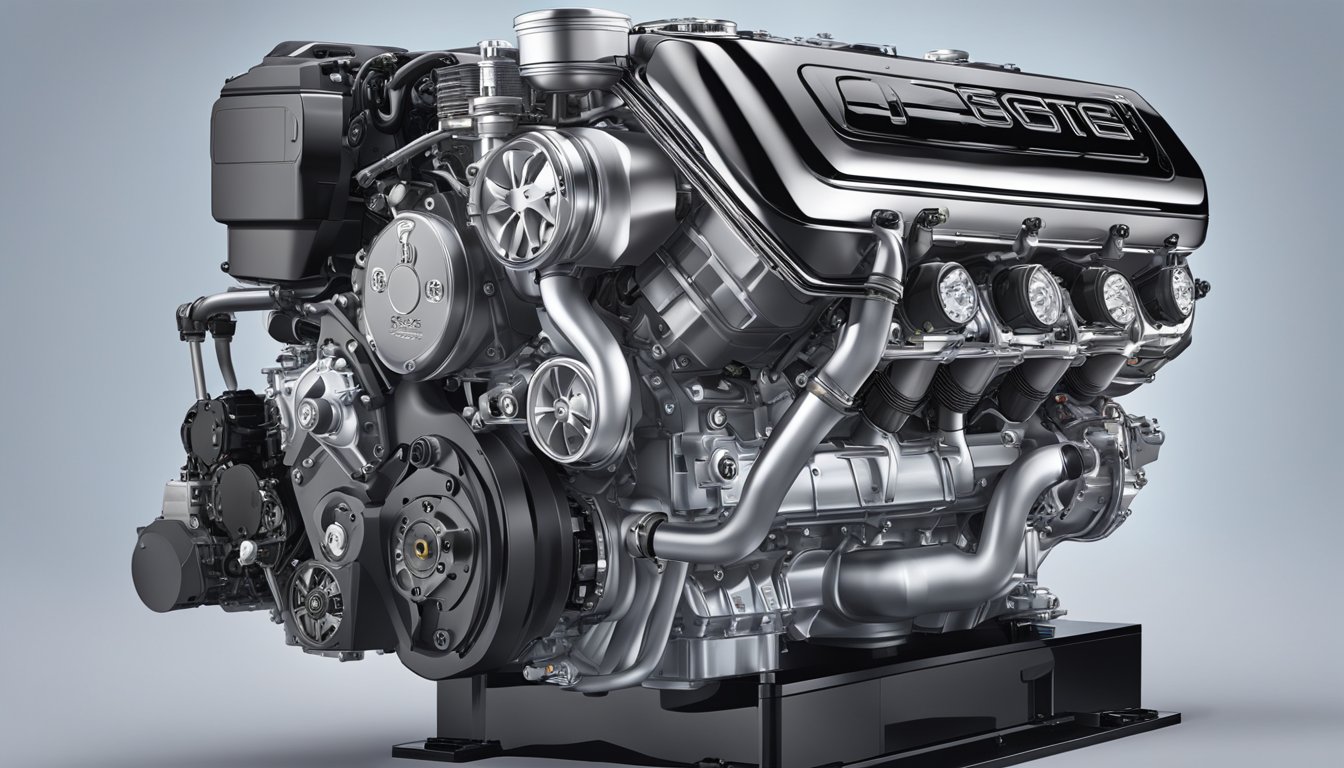
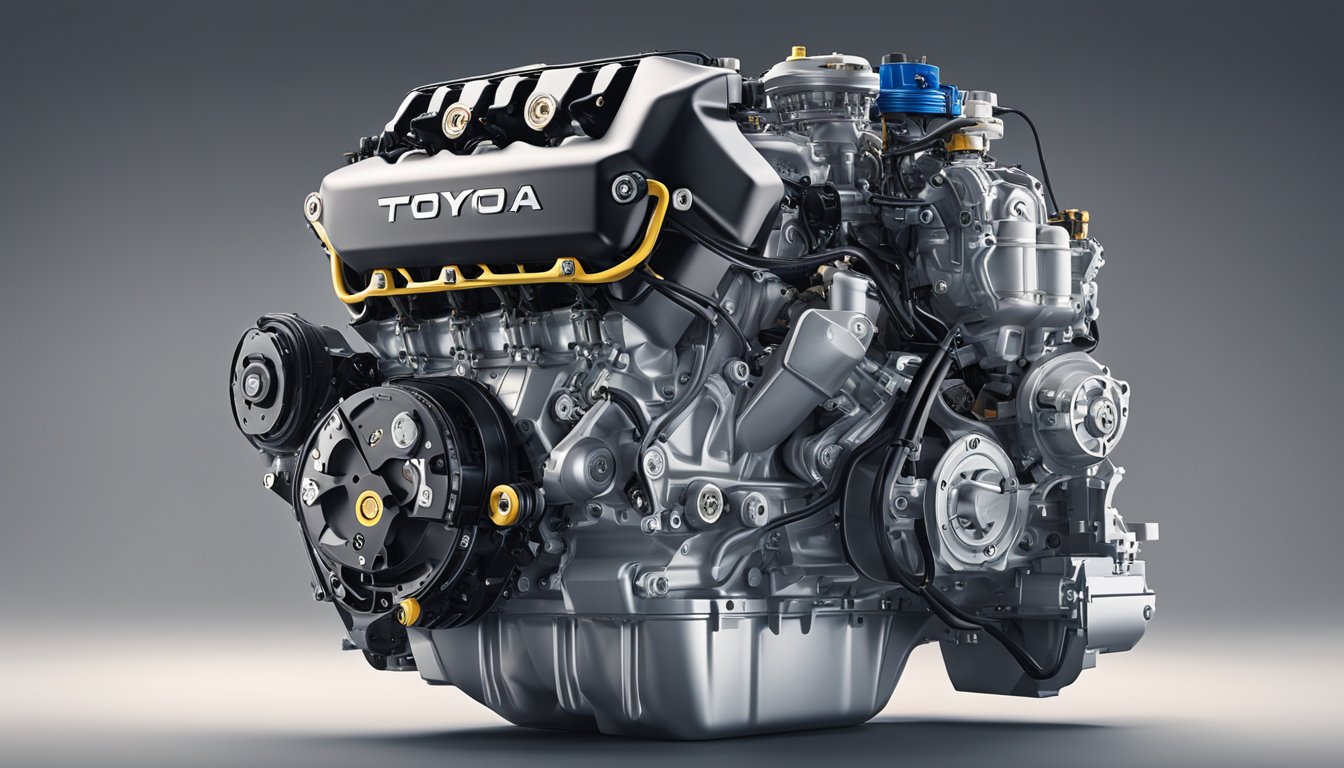
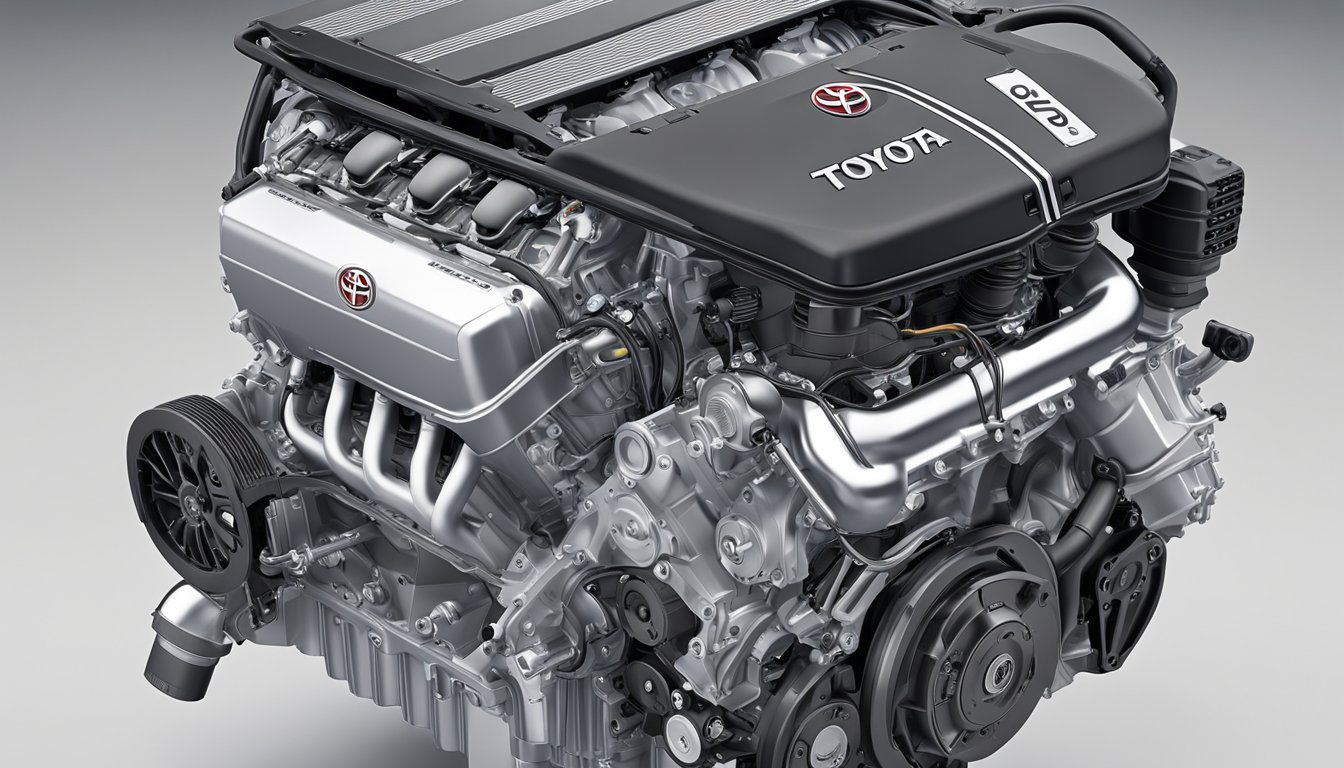
Toyota has crafted numerous standout engines over time. Notably, the 2JZ-GTE and 1JZ-GTE powered the iconic Toyota Supra. The versatile 2GR-FE V6 has propelled everything from family sedans to the Lexus LFA supercar.

In partnership with Yamaha, Toyota developed the 1LR-GUE for the LFA, delivering exceptional power and torque. And the 3S-GTE engine, known for its use in the performance-focused Celica, is another highlight. Dive into these engines to appreciate Toyota’s dedication to quality and high performance.

The Versatile 3S-GTE

Car Engine Internal combustion
©Photo Credit: DepositPhotos

Produced in the 1980s and 1990s, the turbocharged 3S-GTE inline-4 engine features a durable cast iron block and aluminum cylinder heads. Its reliability and power made it popular in both racing and street vehicles. Key specs include a 2.0L turbocharged inline-4 setup, with a DOHC 16-valve design.

Over its lifespan, the 3S-GTE saw several updates, with the first generation delivering 182 HP and 184 lb-ft of torque, and the fifth generation reaching 256 HP and 239 lb-ft of torque, catering to performance-minded Toyota fans. The 3S-GTE is found in vehicles like the Toyota Celica, MR2, and Caldina, where its size and power make it ideal for both sports cars and sedans, offering reliable and exhilarating performance.

The Iconic 2JZ-GTE

A 2JZ-GTE engine
©Photo Credit: miramarspeedcircuit

The 2JZ-GTE stands out as one of Toyota’s most renowned engines. Introduced in the early ’90s, it gained fame for its performance and dependability, thanks to its inline-six, twin-turbo setup that captivated car lovers and tuners. This engine powers the legendary Toyota Supra and has been used in other models like the Toyota Aristo (Lexus GS). Known for handling high power, the 2JZ-GTE is a favorite in the racing and tuning scenes.

Toyota 4A-GE

Toyota Corolla Engine 4A-GE
©Photo Credit: DepositPhotos

The Toyota 4A-GE, developed in the early 1980s, stands out for its high performance in a compact and lightweight form. Renowned for its twin-cam, fuel-injected setup, it can rev up to 7,500 RPM and offers advanced technology with a broad application range.

Initially powering iconic models like the Toyota Corolla Levin, Sprinter Trueno, and MR2, the 4A-GE came in 16-valve and later 20-valve versions, with Toyota’s Variable Valve Timing enhancing its performance and efficiency. The engine rose to fame with the AE86 Toyota Corolla, a nimble, rear-wheel-drive car that earned a dedicated fan base for its engaging and high-revving performance.

Legendary 1LR-GUE V10

The powerful 1LR-GUE V10 engine
©Photo Credit: miramarspeedcircuit

The Toyota and Yamaha collaboration brought the world the 1LR-GUE V10, an engine celebrated for its standout features and performance.

Its lightweight, compact build is ideal for high-performance cars. The 1LR-GUE V10 is also known for its distinctive, harmonious sound. The Lexus LFA supercar, a limited production model with just 500 units, was the prestigious vehicle equipped with this engine. With the 1LR-GUE V10, the LFA secured its status as an engineering triumph.

Revolutionary 2GR-FE V6

The powerful 2GR-FE V6 engine
©Photo Credit: miramarspeedcircuit

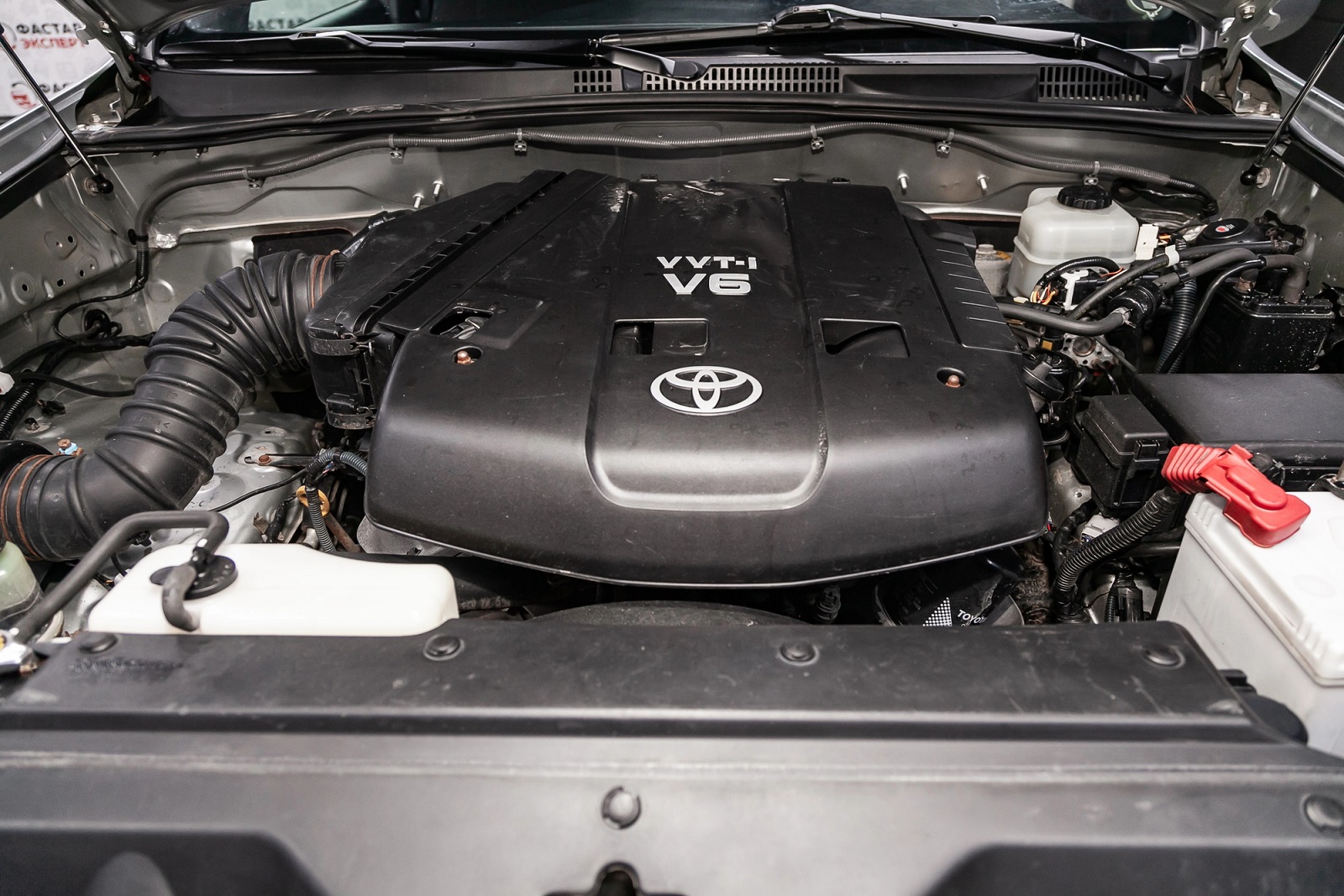
The 2GR-FE engine, launched in 2003, stands out in Toyota’s lineup as the most powerful GR V6 engine, with outputs from 268 to 314 hp.

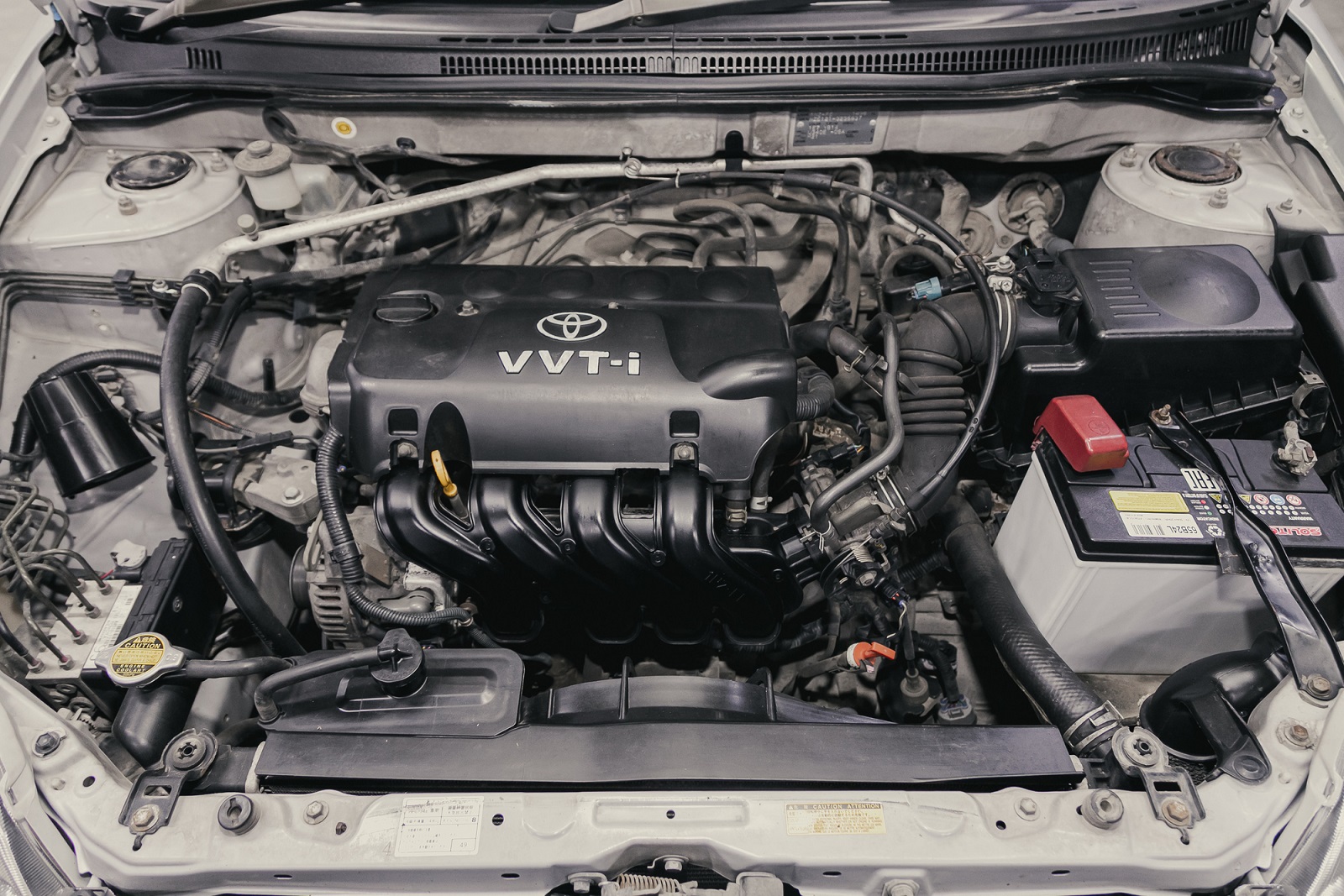
Incorporating Toyota’s VVT-i system, it features variable valve timing with a timing chain for enhanced performance. Its aluminum construction ensures a balance of power, efficiency, and durability, making it both potent and reliable.

This V6 engine powers a range of Toyota and Lexus models, including the 2005-2012 Avalon, 2006-2011 RAV4, and the Lexus RX350. Versatile across minivans, sedans, and sports cars, the 2GR-FE has established itself as a dependable engine for modern vehicles.

Toyota 22R-E

Car Engine Open Parts
©Photo Credit: DepositPhotos

The Toyota 22R-E, part of the R-family, debuted in 1983 and was produced until 1995. Its hemispherical combustion chamber design, akin to the Chrysler Hemi, enhanced its performance and efficiency.

This engine, with a cast-iron block and aluminum cylinder head, is a 2.4 L straight-four naturally aspirated gasoline engine. It has a single overhead camshaft and two valves per cylinder, with efficient cross-flow heads and a 3.5-inch stroke for solid torque. The 22R-E powered various Toyota pickup trucks and SUVs, including the 4Runner, Hilux, and Celica.

Toyota 3B Diesel

A Toyota 3B Diesel engine
©Photo Credit: miramarspeedcircuit

The Toyota 3B Diesel engine, a standout in the B engine family, is celebrated for its balance of power and efficiency. Known for exceptional durability, it’s often cited as Toyota’s most reliable engine. While not the fastest, it excels in low-RPM torque.

This 3.4-liter inline-four diesel engine is recognized for its dependability and solid performance. The 3B Diesel was primarily used in Land Cruisers, especially the J40 series, matching the vehicle’s off-road capabilities with an engine built to last.

Toyota 1UZ-FE

The Toyota 1UZ-FE engine
©Photo Credit: miramarspeedcircuit

The Toyota 1UZ-FE, introduced in 1989, is a 4.0-liter V8 engine renowned for its reliability and performance. Its aluminum block and heads make it light and efficient.

Notable for its 32-valve design and smooth operation, the 1UZ-FE is favored in luxury cars and SUVs. This V8 is celebrated for its durability and has been a staple in Toyota’s high-end vehicles.

Toyota 1GR-FE

The Toyota 1GR-FE engine
©Photo Credit: miramarspeedcircuit

The Toyota 1GR-FE, launched in 2002 and part of the GR engine family, is a 4.0-liter naturally aspirated V6 known for its efficiency. Featuring a 60-degree V6 configuration, dual overhead camshafts, and electronic fuel injection, it delivers strong performance. Its narrow-angle DOHC design focuses on fuel economy while maintaining power. Additionally, variable valve timing on the intake improves adaptability to different driving conditions.

Toyota 2ZZ-GE

Toyota Corolla engine
©Photo Credit: DepositPhotos

The 2ZZ-GE engine features an 82.0 mm bore and an 85.0 mm stroke with a compression ratio of 11.5:1. Its design includes lightweight connecting rods that minimize mass and friction for better performance and efficiency.

With a die-cast aluminum block and aluminum DOHC 4-valve cylinder heads, it reflects Toyota’s dedication to quality engineering. The 2ZZ-GE propels vehicles like the Toyota Celica GT-S and the Lotus Elise and Exige, enhancing their performance with its power.

Toyota 1NZ-FE

Toyota yaris engine
©Photo Credit: DepositPhotos

The Toyota 1NZ-FE, built at Toyota’s Kamigo Plant, is a lightweight aluminum, straight-four, naturally aspirated gasoline engine. It’s found in models like the Prius, Yaris, and Vitz. With a 1.5-liter capacity and DOHC, it delivers efficient power. This fuel-efficient engine includes the VVT-i system, enhancing performance and fuel economy across different driving scenarios. Its reliability and versatility place it among the top 15 Toyota engines.

Toyota 1HD-FTE

Toyota Land Cruiser engine
©Photo Credit: DepositPhotos

Toyota began using turbocharged diesel engines in Australia in the 1980s, introducing the 12HT in the 60 Series Land Cruiser models. The 1HD-FTE stands out as a six-cylinder turbocharged diesel with a water-cooled four-stroke cycle. It has a cast-iron block, 94 mm bores, and a 100 mm stroke, totaling 4,164 cc. With an 18.8:1 compression ratio, it produces 167 hp and 380 Nm of torque.

Key features include a SOHC design with 24 valves and electronic fuel injection, enhancing reliability and performance. The 1HD-FTE is primarily found in the Toyota Land Cruiser series, prized by enthusiasts and off-roaders for its robustness and maintenance ease.

Toyota 7M-GTE

Car Engine Parts Opened
©Photo Credit: DepositPhotos

In 1986, Toyota launched the 7M-GTE engine, their premier performance engine of the era. This turbocharged inline-six was notable for its time. With DOHC and a 3.0L configuration, it delivered 232 HP at 5,600 RPM and 240 lb-ft of torque at 4,000 RPM.

The 7M-GTE powered the third-generation Toyota Supra (A70) from 1986 to 1992. As Toyota’s leading performance engine then, it could reach up to 500 horsepower with modifications.

Toyota 5VZ-FE

The Toyota 5VZ-FE engine
©Photo Credit: miramarspeedcircuit

The Toyota 5VZ-FE, a 3.4L V6 engine, debuted in 1996 as the successor to the 3VZ-FE. It retains the cast iron block but has a larger bore, increasing displacement from 3.0L to 3.4L. This engine offers a balance of performance and durability with its 60-degree V configuration and aluminum DOHC heads. It’s been used in reliable Toyota models like the Tacoma, 4Runner, and Hilux.

Toyota 2AR-FE

Toyota Camry engine
©Photo Credit: DepositPhotos

The Toyota 2AR-FE, launched in 2008 for the RAV4, is part of the AR family of Inline-4 engines. It features a die-cast aluminum block and aluminum DOHC head, offering lightness and strength. The engine includes Dual VVT-i to boost efficiency and power. It’s found in a variety of models worldwide, such as the Toyota Camry, RAV4, Alphard, Vellfire, Scion tC, and Lexus ES 250, particularly from 2008 to 2018.

Toyota 3A Engine

Toyota 3A Engine
©Photo Credit: DepositPhotos

The Toyota 3A Engine, produced from 1979 to 1989, succeeded Toyota’s inaugural A engine, the 1A. All 3A variants featured belt-driven eight-valve SOHC designs. This 1.5 L engine provided 71 PS (52 kW) at 5,600 rpm and 108 Nm of torque at 3,800 rpm, with a 9.0:1 compression ratio. It powered the AL12 Tercel from 1979 to 1982 outside Japan.

Toyota 1JZ-GTE

Old car engine
©Photo Credit: DepositPhotos

The Toyota 1JZ-GTE, part of the JZ engine family, is a high-performance twin-turbocharged engine introduced in 1990. Its standout performance comes from dual CT12A turbochargers at a 10 psi boost, coupled with forged rods and pistons for an 8.5:1 compression ratio. This engine powers sports models like the Toyota Mark II, Supra, and Soarer.

Toyota 3UZ-FE

Car and Van Engine gasoline
©Photo Credit: DepositPhotos

The Toyota 3UZ-FE, from the UZ engine family, is a 32-valve V8 with quad camshafts, noted for its performance and reliability. Its aluminum build ensures lightness and strength, and its fuel injection technology enhances efficiency and response. This engine powers luxury and SUV models such as the Lexus LS 430, SC 430, and GS 430, gaining acclaim for its reliability and versatile design.

Toyota 1FZ-FE

Toyota Land Cruiser Engine 1FZ-FE
©Photo Credit: DepositPhotos

The Toyota 1FZ-FE, dating back to the 1980s, is a 4.5 L straight-six gasoline engine known for balancing performance and efficiency. Its cast-iron block and aluminum head merge durability with lightness, enhancing efficiency.

This reliable engine powers the Toyota Land Cruiser, a legendary off-roader. The 1FZ-FE is celebrated for its capability in harsh terrains and demanding urban environments.

Toyota 2H Engine

Toyota LandCruiser 2H Engine
©Photo Credit: DepositPhotos

The Toyota 2H engine, launched in 1980, is known for its reliability and fuel efficiency in Land Cruiser models. Valued for its long-lasting durability and economical operation, the 2H is a 4.0 L inline 6-cylinder diesel engine, ideal for off-road challenges.

It excels in low-end torque, aiding in steep climbs and heavy towing. With a 12-valve OHV layout, 91 mm bore, and 102 mm stroke, it has a 20.7:1 compression ratio, delivering 105 horsepower at 3,500 rpm and 177 lb-ft of torque at 2,000 rpm. The 2H engine is found in Toyota Land Cruiser HJ60 and HJ61 models, suited for tough driving conditions.

The Dependable F Engine Series

Can and Truck Engine Opened
©Photo Credit: DepositPhotos

In the late 1940s, Toyota began targeting international markets, leading to the creation of the original F engine. This 3.9-liter carbureted gasoline engine generated 105 to 125 horsepower and 189-209 lb·ft of torque at 2000 rpm, earning global recognition for its durability and power.

The F engines powered Toyota vehicles like the renowned Land Cruiser, enhancing the series’ reputation for reliability and strength. They are also user-friendly for maintenance, appealing to DIY enthusiasts.

Mastery of Diverse Displacements

Toyota Lineup Cars
©Photo Credit: MiramarSpeedCircuit

Four-Cylinder Excellence: Toyota’s expertise in four-cylinder engines is evident in models like the 1980s 1.6-liter 4A-GE, a twin-cam, fuel-injected engine known for its performance.

Robust V6 and V8 Families: Beyond four-cylinders, Toyota has successfully developed efficient and reliable V6 and V8 engines, powering a range of luxury and performance vehicles.

Small But Mighty: Three-Cylinder: Toyota’s three-cylinder engines prioritize efficiency, lightness, and power in a compact form, suited for city cars and reflecting Toyota’s versatile engineering.

Top 35 Affordable Cars That Are Surprisingly Fast

Imagine the thrill of driving a fast car without the hefty price tag. This article introduces 35 affordable cars that deliver speed without breaking the bank.

The automotive industry has ushered in an era of cost-effective performance. Manufacturers have created vehicles that offer both power and affordability. Our list includes a selection of the best budget-friendly cars, from agile compacts to powerful sedans, all without sacrificing performance for price.

Subaru BRZ

Subaru BRZ
©Photo Credit: MiramarSpeedCircuit

The 2024 Subaru BRZ is an affordable sports car that offer impressive performance and handling. With its naturally-aspirated 2.4-liter boxer engines producing 228 horsepower, this rear-wheel-drive coupe promise an enjoyable driving experience. In terms of design, this model features aggressive yet sleek styling, keeping its appeal to driving enthusiasts.

Ford Mustang Ecoboost

Ford Mustang Ecoboost
©Photo Credit: MiramarSpeedCircuit

The 2024 Ford Mustang Ecoboost stands out as an affordable, fast model in Ford’s legendary lineup. Powered by a turbocharged 2.3-liter EcoBoost engine, it delivers a solid 350 horsepower while maintaining respectable fuel efficiency. Its impressive performance, paired with its iconic design, makes the Ecoboost a favorite among car enthusiasts.

Chevrolet Sonic RS

Chevrolet Sonic
©Photo Credit: MiramarSpeedCircuit

The Chevrolet Sonic RS is an excellent choice for those looking for a compact car with a sporty edge. Equipped with a turbocharged 1.4-liter engine, it delivers quick acceleration while maintaining fuel efficiency.

Volkswagen GTI and Golf R

Volkswagen Golf R
©Photo Credit: MiramarSpeedCircuit

For those looking for a performance bargain with added practicality, the 2024 Volkswagen GTI and Golf R should not be overlooked. The GTI is powered by a 2.0-liter turbocharged engine producing 241 horsepower, while the Golf R boasts 315 horsepower. Both hatchbacks provide ample cargo space and their sophisticated European styling make them attractive options for drivers seeking performance without compromising on pragmatism.

Nissan Sentra SE-R Spec V

©Photo Credit: MiramarSpeedCircuit

For a sporty compact sedan, the Nissan Sentra SE-R Spec V offers commendable performance, featuring a 2.5-liter engine, sport-tuned suspension, and aggressive styling. It’s a solid choice for those needing a practical daily driver with a hint of excitement.

Chevrolet Camaro

2002 Chevrolet Camaro
©Photo Credit: MiramarSpeedCircuit

Last but not least, the 2024 Chevrolet Camaro is a powerful, American muscle car at an accessible price point. It offers multiple engine options, starting with a 2.0-liter turbocharged engine delivering 275 horsepower, up to a roaring 6.2-liter V8 with an impressive 455 horsepower. Combining sleek, modern design elements with its traditional muscle car heritage, the Camaro is an appealing choice for those seeking a fast, yet affordable car.

Volkswagen Jetta GLI

Volkswagen Jetta GLI
©Photo Credit: MiramarSpeedCircuit

The Volkswagen Jetta GLI delivers a sporty ride at an affordable price. This compact sedan features a turbocharged 2.0-liter engine with 228 horsepower. Inside, comfortable seating and quality materials create a premium atmosphere. Its sharp handling makes it fun to drive on winding roads. For performance and value, the Jetta GLI is an excellent pick for budget-conscious enthusiasts.

Honda Civic Si

Honda Civic Si
©Photo Credit: MiramarSpeedCircuit

The Honda Civic Si stands out as an affordable hot hatch, combining reliability with a fun driving experience. At the heart of this sports compact is a 1.5-liter turbocharged engine with 205 horsepower. Its sport-tuned suspension and responsive steering provide excellent handling. The Si also boasts distinct features like a body kit, red accent stitching, and a rear spoiler. It’s a top choice for drivers who prioritize performance and dependability.

Hyundai Elantra N

©Photo Credit: MiramarSpeedCircuit

Rounding out the hot hatch segment, the 2024 Hyundai Elantra N redefines sporty compacts. It’s equipped with a 2.0-liter turbocharged engine pushing out 276 horsepower and a sport-tuned suspension for nimble handling. The interior is modern, with plenty of tech features. The Elantra N is ideal for enthusiasts seeking excitement without a high cost.

Porsche Boxster and Acura Type S

Porsche Boxster
©Photo Credit: MiramarSpeedCircuit

The Porsche Boxster is a symbol of accessible performance, blending power, agility, and design. Its mid-engine configuration and dynamic drive make it a prime entry point into sports cars. Conversely, the Acura Type S offers a cost-effective option for performance seekers, providing a practical yet spirited drive, similar to the Acura Integra.

Key features of the Porsche Boxster, Mid-engine design, Superior handling, Classic sports car look and Strong resale value. The Acura Type S features comes with affordable performance, available in models like the Integra, sporty aesthetics and drive and reliable and pragmatic.

2024 Nissan Z: Iconic And Accessible

Nissan Z 2023
©Photo Credit: MiramarSpeedCircuit

The 2024 Nissan Z is an iconic sports car that offers impressive performance at an accessible price point. Under the hood, Nissan’s latest iteration of the Z series boasts a powerful turbocharged V6 engine that delivers quick acceleration and an engaging driving experience. Its aggressive styling and modern features make it an attractive option for those seeking speed on a budget.

Toyota GR86: Agile Sports Coupe

Toyota GR 86
©Photo Credit: MiramarSpeedCircuit

The Toyota GR86 is an agile sports coupe that delivers excellent performance and handling, all at an approachable price point. With a naturally aspirated engine and rear-wheel drive, the GR86 is a driver’s car that can hold its own against more expensive rivals.

Dodge Neon SRT4

Dodge Neon SRT4
©Photo Credit: MiramarSpeedCircuit

The Dodge Neon SRT4 is a budget-friendly performance car, offering impressive power and acceleration. Its turbocharged engine and front-wheel drive configuration give this compact sedan a competitive edge in the affordable performance market.

E39 BMW 540i

E39 BMW 540i
©Photo Credit: MiramarSpeedCircuit

The E39 BMW 540i is a luxury performance sedan that boasts a powerful V8 engine, responsive handling, and a well-appointed interior. Its performance rivals that of many contemporary sports cars, making it a remarkable value for those seeking a fast, comfortable ride.

Lexus LS400

Lexus LS400
©Photo Credit: DepositPhotos

The Lexus LS400 is a luxurious and powerful sedan. Its reliability and smooth ride make it a popular choice for those seeking high-end performance without breaking the bank. The LS400’s V8 engine offers ample power, enabling drivers to enjoy spirited driving without compromising comfort.

Jaguar XJR

Jaguar XJR
©Photo Credit: MiramarSpeedCircuit

The Jaguar XJR is a luxurious and powerful sedan with a classic British design. Its supercharged V8 engine delivers impressive performance, while its sumptuous interior and numerous features ensure a comfortable and enjoyable ride for occupants.

BMW 330i

BMW 330e
©Photo Credit: DepositPhotos

The BMW 330i is a balanced and responsive sports sedan. With its turbocharged engine and rear-wheel-drive configuration, the 330i offers impressive performance and outstanding handling, making it an excellent option for those seeking a fast yet refined driving experience.

Infinity G35 Coupe

Infinity G35 Coupe
©Photo Credit: MiramarSpeedCircuit

The Infinity G35 Coupe is a stylish and powerful sports car with a well-appointed interior. Its rear-wheel-drive configuration and potent V6 engine provide a winning combination of performance and luxury.

Ford Fiesta ST

Ford Fiesta ST
©Photo Credit: MiramarSpeedCircuit

The Ford Fiesta ST is a sporty and versatile hot hatch, offering impressive performance and a fun driving experience. Its nimble handling and turbocharged engine make it a compelling option for enthusiasts looking for an affordable and engaging ride.

Mini Cooper S

Mini Cooper S
©Photo Credit: MiramarSpeedCircuit

The Mini Cooper S combines its iconic styling with impressive performance in a compact and agile package. Its turbocharged engine and nimble handling make it an ideal choice for those looking for a fun, affordable driving experience.

Hyundai Veloster N

Hyundai Veloster N
©Photo Credit: MiramarSpeedCircuit

The Hyundai Veloster N is a compact sports car that delivers thrilling performance at an affordable price. Its turbocharged engine and sport-tuned suspension provide an engaging driving experience, making the Veloster N an unexpected contender in the fast, cheap car market.

2023 Nissan 400Z

Nissan 400Z
©Photo Credit: MiramarSpeedCircuit

Nissan is set to launch the 2023 Nissan 400Z, a successor to their popular Z sports car lineup. With a rumored twin-turbo V6 engine and rear-wheel-drive, it’s expected to offer impressive performance at an accessible price.

Audi S3

Audi S3
©Photo Credit: MiramarSpeedCircuit

The Audi S3 is a luxury compact sedan that combines impressive performance in a refined package. With a turbocharged 2.0-liter engine and all-wheel-drive, it’s a great choice for those seeking a perfect balance of speed and comfort.

Kia Forte GT

Kia Forte GT
©Photo Credit: MiramarSpeedCircuit

Kia’s entry into the affordable-performance market, the Kia Forte GT, offers a turbocharged 1.6-liter engine, sport-tuned suspension, and a sleek design. An excellent choice for budget-conscious enthusiasts looking for a fun daily driver.

Mitsubishi Lancer Evolution

Mitsubishi Lancer Evolution
©Photo Credit: MiramarSpeedCircuit

Although no longer in production, the Mitsubishi Lancer Evolution is a legendary car in the affordable performance segment. Renowned for its turbocharged 2.0-liter engine, all-wheel-drive system, and rally-inspired handling, it’s still a popular choice for car enthusiasts.

Scion FR-S

Scion FR-S
©Photo Credit: MiramarSpeedCircuit

The Scion FR-S is another affordable sports car, co-developed with Subaru and essentially identical to the Subaru BRZ. This rear-wheel-drive coupe features a naturally aspirated 2.0-liter engine and well-balanced handling, suitable for both daily driving and spirited weekend cruises.

Chevrolet Cobalt SS

Chevrolet Cobalt SS
©Photo Credit: MiramarSpeedCircuit

Introduced in the mid-2000s, the Chevrolet Cobalt SS delivered impressive performance for its price range, with a turbocharged 2.0-liter engine, sport-tuned suspension, and sharp handling. It has become a favorite for budget-oriented enthusiasts and autocross competitors.

Ford Focus ST

Ford Focus ST
©Photo Credit: MiramarSpeedCircuit

The Ford Focus ST, Ford’s performance-oriented hatchback, offers a turbocharged 2.0-liter engine, front-wheel-drive, and agile handling. Its combination of practicality and grin-inducing capabilities earned it a dedicated fan base among hot hatch enthusiasts.

MazdaSpeed3

MazdaSpeed3
©Photo Credit: MiramarSpeedCircuit

Another hot hatch option for affordable performance is the MazdaSpeed3. Its blend of power, sportiness, and practicality have made it a favorite among car enthusiasts seeking both fun and versatility.

Pontiac GTO

Pontiac GTO
©Photo Credit: MiramarSpeedCircuit

Before Pontiac’s demise, the GTO made a comeback with powerful V8 performance and rear-wheel-drive, marking a return to classic American muscle car roots. Although production has ceased, it remains a sought-after option in the used-car market.

Scion tC

Scion tC
©Photo Credit: MiramarSpeedCircuit

The Scion tC is a budget-friendly sports coupe with a peppy engine and attractive design. It offers a great mix of economy and enjoyment, making it perfect for style-conscious enthusiasts looking for some excitement without breaking the bank.

Mitsubishi Eclipse GT

Mitsubishi Eclipse GT
©Photo Credit: MiramarSpeedCircuit

The Mitsubishi Eclipse GT is a sporty coupe with a powerful V6 engine and reasonable price tag. Its eye-catching design and enjoyable driving experience make it a popular choice among budget-conscious enthusiasts.

Honda Accord V6

Honda Accord V6
©Photo Credit: MiramarSpeedCircuit

Known for its reliability and practicality, the Honda Accord V6 also offers a surprisingly impressive performance option. The V6 engine provides ample power to make this family sedan an enjoyable and speedy choice.

Saturn Ion Red Line

Saturn Ion Red Line
©Photo Credit: MiramarSpeedCircuit

The Saturn Ion Red Line is a sporty, affordable compact car with a supercharged 2.0-liter engine. Although no longer in production, it remains a unique option for those seeking something different with a touch of performance.

Mazda MX-5 Miata: Lightweight Fun

Mazda MX-5
©Photo Credit: DepositPhotos

The Mazda MX-5 Miata is a lightweight, fun-to-drive roadster that offers impressive performance at an affordable price. Its nimble handling and peppy engine make it a favorite among enthusiasts. The Miata’s sleek design and rear-wheel drive configuration ensure a thrilling driving experience.

Chevrolet Cruze RS

Chevrolet Cruze RS
©Photo Credit: MiramarSpeedCircuit

The Chevrolet Cruze RS is a compact sedan with an optional turbocharged engine and stylish design. A great mix of efficiency and fun, the Cruze RS deftly straddles the line between economy and excitement.

Hyundai Genesis Coupe

Hyundai Genesis Coupe
©Photo Credit: MiramarSpeedCircuit

Rounding out our list is the Hyundai Genesis Coupe, a rear-wheel-drive sports car at an affordable price. It offers an enjoyable driving experience, with a choice between a turbocharged four-cylinder or powerful V6 engine.

Speed Doesn’t Have to Break the Bank

Lamborghini Aventador
©Photo Credit: MiramarSpeedCircuit

Getting a fast car on a budget is easier than you might think. There are plenty of affordable options that deliver speed without costing a fortune, including sport sedans, hot hatchbacks, and muscle cars. Here’s a look at some cost-effective choices for speed enthusiasts.

The Mazda MX-5 Miata is known for its performance and has a starting price of about $28,050. For an eco-friendly performance car, the Chevrolet Bolt EV scores 9.0 out of 10 in performance and is priced at $26,500. In the muscle car category, the Chevrolet Camaro starts at roughly $30,900 with a performance score of 9.2 out of 10.

The Volkswagen GTI is priced at $30,530 and matches the Camaro’s performance score. For a classic fast car experience, the Nissan 350Z offers the thrill of speed with a powerful V6 engine at a lower cost than the newer 400Z.

38 Car Recalls Linked to Deaths and Injuries That Shocked the World

Picture this: You’re driving your new car, its engine humming smoothly, when suddenly, it goes quiet – a defect has surfaced, threatening your safety. This scenario is not mere fiction; it’s a chapter from the real-life drama of automotive recalls. In this article, we’ll look at 38 significant car recalls that have rocked the industry and made us rethink our trust in modern vehicles.

These stories, marked by design flaws and the quest for safety, will alter your perspective on cars. We’ll dissect the industry’s commitment to excellence and safety, showing how these pivotal moments have driven innovation and solidified the relationship between manufacturers, regulators, and drivers. Get ready for a revealing journey.

Ford Transmission Recall (1980)

Ford Cars Recall 1980s
©Photo Credit: MiramarSpeedCircuit

In 1980, Ford faced a significant problem with its C-3, C-4, C-6, FMX, and JATCO automatic transmissions slipping from park to reverse due to a design flaw. The NHTSA received roughly 23,000 complaints. Ford circumvented a large-scale recall by issuing warning labels for the affected vehicles, marking a notable event in automotive history.

Audi 5000 (1986)

Audi 5000 (1986)
©Photo Credit: MiramarSpeedCircuit

In 1986, the Audi 5000 faced a significant recall issue due to sudden acceleration problems. The National Highway Traffic Safety Administration prompted the recall, as it was linked to over 200 injuries and four deaths. The recall covered 1978 through 1986 models, with automatic transmission being the primary factor. This incident led to a consumer panic, which severely impacted Audi’s sales in the US for nearly two decades.

Honda Fit Recall (2014)

Honda Fit Junkyard Accidented (2014)
©Photo Credit: MiramarSpeedCircuit

In 2014, Honda recalled the Honda Fit due to airbag propellants sensitive to temperature fluctuations, humidity, and heat, which could cause inflator explosions and metal shrapnel injuries or fatalities. The NHTSA issued recall ID 18V661000 for this issue. Honda provided repairs to ensure customer safety.

Ford Explorer Firestone Tires (2000)

Wornout Car Tires
©Photo Credit: MiramarSpeedCircuit

In 2000, Ford Explorer SUVs and Firestone tires were at the center of a major recall due to tread separation that resulted in accidents and fatalities. The recall involved 6.5 million tires, primarily fitted on 1995-1998 Ford Explorers. The failures were linked to manufacturing processes and usage patterns, with Ford recommending tire pressures of 26 to 30 psi, while Firestone advised 30 psi.

Takata Airbag Recall

A car with a deployed Takata airbag
©Photo Credit: MiramarSpeedCircuit

The Takata Airbag Recall stands out in automotive history. It covers models from 2002 to 2015 and involves 67 million airbags, including those in Ferraris. The airbags could deploy with excessive force, leading to injuries or fatalities. Automakers have been actively resolving this significant safety concern.

Toyota Unintended Acceleration (2009)

A Toyota car speeding out of control
©Photo Credit: MiramarSpeedCircuit

The 2009 Toyota unintended acceleration crisis, triggered by a fatal Lexus sedan accident, prompted a recall of 4.2 million vehicles. Subsequent U.S. government and media investigations followed. Toyota took the lessons seriously and worked to fix the problem.

Chevrolet Cobalt (2010)

©Photo Credit: MiramarSpeedCircuit

In 2014, the 2010 Chevrolet Cobalt was part of a major recall for ignition switch problems, affecting over 2.1 million vehicles. The defect led to stalling and airbag failures. Chevrolet responded by replacing the faulty switches to restore the Cobalt’s reliability.

GM’s 2014 Ignition Switch Recall

©Photo Credit: MiramarSpeedCircuit

In 2014, General Motors (GM) faced a major scandal involving a faulty ignition switch. The issue had wide-reaching implications, prompting the recall of millions of vehicles across multiple models.

The initial recall, in February 2014, affected about 800,000 small cars. However, GM continued to recall more cars over the next months, eventually involving nearly 30 million vehicles. The problem with the faulty ignition switches was that they could shut off the engine during movement, disabling the airbags.

Ford Pinto (1978)

©Photo Credit: MiramarSpeedCircuit

In 1978, Ford faced a massive recall of 1.5 million Pintos due to fuel tank issues. This recall shocked the automotive world as the Pinto was a popular subcompact car. The main problem was the positioning of the fuel tank, which made it vulnerable to fires during rear-end collisions. Ford took action by recalling Pintos and Mercury Bobcats, fixing the fuel tank flaw.

Ford Cruise Control Recall (1996)

A car swerving on the highway
©Photo Credit: MiramarSpeedCircuit

In 1996, Ford recalled numerous vehicles, including F150, F250, and F350 trucks, due to faulty cruise control deactivation switches that risked causing fires. The remedy involved replacing the switches to secure the cruise control system’s safety. Ford aimed to restore consumer confidence by addressing the issue promptly.

Toyota Floor Mat Recall (2009)

Toyota Floor Mat
©Photo Credit: MiramarSpeedCircuit

In 2009, Toyota faced a major recall which involved 3.8 million vehicles due to an issue with floor mats. The problem arose from all-weather floor mats getting stuck and causing accelerator pedals to jam. This resulted in several accidents, even leading to a tragic, fatal incident.

Honda Airbag Recall (2008)

Damaged airbag
©Photo Credit: DepositPhotos

In 2008, Honda encountered a serious issue with its airbags, resulting in multiple recalls. The initial 2016 recall impacted 341,444 vehicles from 2008 to 2010, including the 2008 Honda Accord. The airbag control units were prone to corrosion, potentially causing deployment failure. These Takata-supplied airbags risked explosive deployment, leading to severe injuries or deaths. This recall was part of the broader Takata Airbag Recall affecting various automakers.

Volkswagen Diesel Emissions (2015)

A line of Volkswagen cars
©Photo Credit: MiramarSpeedCircuit

In September 2015, the Volkswagen emissions scandal, also known as Dieselgate, shocked the automotive world. Volkswagen was accused of using illegal software to evade diesel emissions standards. This deception affected around 550,000 vehicles sold in the United States. VW faced a global recall of 8.5 million cars. The case had severe consequences for the company, leading to executive resignations and damage to their reputation.

Hyundai and Kia Engine Recalls (2015-2021)

Hyundai and Kia Engine
©Photo Credit: MiramarSpeedCircuit

Between 2015 and 2021, Hyundai and Kia faced a series of engine-related recalls that impacted millions of vehicles. The recalls were primarily due to the risk of engine compartment fires. Owners were advised to park their cars outdoors and check if their vehicle was affected by the recall. The National Highway Traffic Safety Administration (NHTSA) also imposed consent orders on both automakers.

As a result, Hyundai and Kia entered into settlement agreements, covering a total of 4.2 million affected vehicles. These recalls and settlements significantly impacted the reputation of the two Korean automakers.

Jeep Fuel Tank Recall (2013)

©Photo Credit: MiramarSpeedCircuit

In 2013, Jeep faced a major recall involving their fuel tanks. The issue affected Jeep Wrangler and Jeep Grand Cherokee models from 2011 to 2013. Specific vehicles, such as those equipped with a 3.6L engine and an automatic transmission, were impacted. This recall was due to potential fuel tank leaks, posing a serious safety risk for customers.

Audi/Volkswagen Emissions Recall (2016)

A line of Audi and Volkswagen cars
©Photo Credit: MiramarSpeedCircuit

In 2016, Audi/Volkswagen faced a massive emissions recall involving 550,000 diesel vehicles in the US. A software cheating device circumvented emissions control. The scandal, known as Dieselgate impacted the brand’s reputation and led to fines and compensation efforts.

BMW Battery Connector Recall (2012)

Car Battery Connector
©Photo Credit: MiramarSpeedCircuit

In 2012, BMW recalled about 570,000 vehicles, including the 3 Series, 1 Series, and Z4, due to a battery connector issue. Cable connectors and a fuse-box terminal were degrading, leading to electrical failures. The fix required inspecting and replacing battery cable connectors to prevent risks. BMW owners were encouraged to visit authorized dealers for the necessary repairs.

Ford Fire Hazard Recall (2009)

Ford Car Fore Incident
©Photo Credit: MiramarSpeedCircuit

In 2009, Ford experienced the largest single recall in its history. Approximately 4.5 million vehicles were affected due to a fire hazard caused by a faulty switch. This recall raised serious safety concerns among car owners. Ford quickly acted to address the issue, highlighting the company’s commitment to customer safety.

Mitsubishi Montero Rollover (2001)

Mitsubishi Montero
Ford Car Fore Incident

In 2001, the Mitsubishi Montero faced a major recall due to a rollover risk. The National Highway Traffic Safety Administration (NHTSA) discovered a design issue that affected vehicle stability, increasing the chances of rollover accidents. Mitsubishi issued recalls to address the problem, ensuring the safety of Montero drivers. Follow-up inspections were conducted to guarantee the effectiveness of the changes made.

Toyota Rusted Frame Recall (2009)

©Photo Credit: MiramarSpeedCircuit

In 2009, Toyota’s Tacoma models, particularly from 2005 to 2010, experienced severe frame rusting, compromising safety and performance, especially in cold climates with heavy road salt use. Toyota responded by providing frame inspections and repairs, highlighting the critical nature of vehicle safety and automaker accountability.

Honda Odyssey Recall (2013)

A Honda Odyssey
©Photo Credit: MiramarSpeedCircuit

In 2013, the Honda Odyssey faced a recall due to safety concerns. The issue affected the 2012-2013 model years of the Odyssey, as well as other vehicles like the CR-V and Acura. During this recall, repairs were provided free of charge at authorized Honda dealers. Additionally, the National Highway Traffic Safety Administration offered a hotline for further information on the recall.

Chrysler Minivan Latch Recall (1995)

Minivan Latch Door
©Photo Credit: MiramarSpeedCircuit

In 1995, Chrysler recalled about 4.5 million minivans, including the Dodge Caravan, Plymouth Voyager, and Chrysler Town and Country, due to a faulty rear latch. The weak latch could cause the liftgate to open in crashes. Chrysler replaced the latches with a more robust mechanism from the 1995 models after 37 deaths and 98 injuries were reported from ejections.

Fiat Chrysler Gear Shifter Recall (2016)

Car Gear Shifter
©Photo Credit: DepositPhotos

In 2016, Fiat Chrysler recalled 1.1 million cars due to gear shift confusion. The issue affected Chrysler 300s, Dodge Chargers, and Jeep Grand Cherokees. This confusion led to accidents and even a tragic incident involving “Star Trek” actor Anton Yelchin. Fiat Chrysler took steps to speed up the recall and fix the confusing gear shifters, prioritizing consumer safety.

Subaru Brake Line Recall (2014)

A row of Subaru cars lined up
©Photo Credit: MiramarSpeedCircuit

In 2014, Subaru recalled 660,000 vehicles in the U.S. for brake line corrosion, potentially increasing stopping distances and crash risks. Models involved were the 2005-2009 Outback and Legacy, 2008-2011 Impreza, 2008-2014 WRX/STI, and 2009-2013 Forester. This recall expanded on a May 2013 action, adding more inspections and remedies.

GM Power Window Recall (2008)

A car window shattering
©Photo Credit: MiramarSpeedCircuit

In 2008, General Motors (GM) had to recall thousands of vehicles due to a power window defect. Driver-side door master power window switch modules were prone to melting and catching fire. The risk was significant enough to call for a large-scale recall.

Ford Steering Wheel Recall (2018)

ford steering wheel
©Photo Credit: DepositPhotos

In 2018, Ford recalled 1.4 million vehicles due to steering wheels that could become loose or detach. The affected models were the 2014-2018 Ford Fusion and Lincoln MKZ sedans. The recall addressed serious safety risks associated with losing steering control.

Toyota Power Window Recall (2015)

©Photo Credit: MiramarSpeedCircuit

In 2015, Toyota recalled 6.5 million vehicles globally for a defective power window switch with fire risk, marking its fourth such recall. Affected vehicles were primarily from 2005 to 2010. Insufficient grease in the switch could lead to overheating and fire. Toyota’s solution was to apply heat-resistant grease and install retention clips to keep the switch assembly clear of debris.

Fiat Chrysler Hacking Recall (2015)

Fiat Chrysler Cars
©Photo Credit: MiramarSpeedCircuit

In 2015, Fiat Chrysler recalled around 1.4 million vehicles to address a software vulnerability that could allow hacking, following an incident where a car was remotely controlled by hackers. The vehicles received a software update to improve security and prevent future breaches, underscoring the importance of cybersecurity in today’s vehicles.

BMW EGR Cooler Recall (2018)

A line of BMW cars
©Photo Credit: MiramarSpeedCircuit

In 2018, BMW issued a recall for Exhaust Gas Recirculation (EGR) coolers in certain diesel-engine vehicles. This defect posed a risk of engine fires, alarming the automotive world. The recall affected Model Year 2013-2018 BMW vehicles with the N47T diesel engine. Owners received notices in early 2022 for free EGR cooler replacements.

Toyota Prius Software Recall (2014)

Software
©Photo Credit: DepositPhotos

In 2014, Toyota recalled about 1.9 million Prius vehicles globally, from model years 2010 to 2014, due to a hybrid system software defect that could cause stalling. The proactive recall aimed to prevent accidents and safeguard drivers.

Ford Door Latch Recall (2016)

A car door latch fails,
©Photo Credit: MiramarSpeedCircuit

In 2016, Ford faced a major recall involving around 2.2 million vehicles due to faulty door latches. Models affected included 2011-2016 Ford Fiesta, 2013-2014 Fusion, and 2013-2014 Lincoln MKZ. The issue with these door latches was that they could become unlatched while driving. This was a significant safety concern, causing many to react with alarm.

GM SUV Recall for Fire Risk (2012)

A GM SUV engulfed in flames
©Photo Credit: MiramarSpeedCircuit

In 2012, General Motors recalled nearly 250,000 SUVs due to an electrical problem with the potential to cause fires. This large-scale recall impacted multiple models and alarmed the automotive world.

Subaru Air Pump Recall (2016)

A crowded auto repair shop
©Photo Credit: MiramarSpeedCircuit

In 2016, Subaru recalled over 100,000 vehicles due to a faulty secondary air pump. Affected models included turbocharged versions of the Legacy, Outback, Impreza, and Forester. These faulty pumps were at risk of melting and catching fire. The replacement process took about 30 minutes to an hour. Subaru’s effort to prioritize safety helped maintain its brand reputation.

Chevrolet Bolt EV Battery Fires (2020)

Chevrolet Bolt EV
©Photo Credit: MiramarSpeedCircuit

In 2020, Chevrolet Bolt EV battery fires due to two rare defects in the same battery cell prompted GM to recall 2017-2022 Bolt EVs and 2022 Bolt EUVs. Despite challenges and some owner noncompliance, GM persists in resolving the issue to ensure safety.

Tesla Autopilot Crashes (2016-present)

Tesla cars crashing
Chevrolet Bolt EV

Tesla has faced scrutiny for its Autopilot and Full Self-Driving systems. Inattention and inadequate technology have contributed to incidents. The recall aimed to address these issues.

Chevrolet Pickup Recall (1993)

Chevrolet Pickup
©Photo Credit: MiramarSpeedCircuit

In 1993, Chevrolet experienced a significant recall for its C/K 1500 pickup trucks. This recall impacted many owners and brought attention to potential safety risks. The National Highway Traffic Safety Administration (NHTSA) listed the complete details of the recalls that affected a large number of trucks on the road.

Nissan Takata Airbags (2013-2018)

Nissan cars with open hoods
Chevrolet Bolt EV

From 2013 to 2018, Nissan recalled vehicles with Takata airbags, mainly from 2002 to 2015, due to the risk of explosive deployment and potential serious injuries or deaths. Nissan offered free replacements of the front driver airbag inflators starting May 25, as part of a wider issue impacting multiple car brands.

Mercedes-Benz Sunroof Recall (2017)

A fleet of Mercedes-Benz cars
©Photo Credit: MiramarSpeedCircuit

In 2017, Mercedes-Benz recalled around 17,000 vehicles due to sunroof problems. The issue involved the panoramic sunroofs detaching and potentially flying off while driving, creating a safety hazard. This recall affected various models, focusing primarily on the C-Class variants. The friendly folks at Mercedes worked diligently to resolve this concern and address customer complaints.

24 Amazing Cars That Were Rejected Due to Poor Engines

Imagine the roar and power of an engine, the rush of acceleration – these sensations make cars legendary. However, not all engines deliver. Consider cars that looked promising but disappointed with lackluster engines. We’re spotlighting 24 such vehicles, designed for greatness but ultimately let down by their engines.

Dive into automotive history with us as we uncover the stories of potential icons that turned into warnings. These cars, despite their sleek looks and advanced features, fell short because of engines that failed to perform.

2002-2007 Mini Cooper

2002-2007 Mini Coopers
©Photo Credit: MiramarSpeedCircuit

Early Mini Coopers suffered from timing chain tensioner failures, causing slack and potential severe engine damage. The clutch also wore out prematurely across 15 model years (2002-2016) at around 66,000 miles on average. Additionally, power steering pump issues led to recalls in first-generation models and the 2012 variant.

1999-2003 Chevrolet Silverado

A 1999-2003 Chevrolet Silverado
©Photo Credit: MiramarSpeedCircuit

The 1999-2003 Chevrolet Silverado had engine issues, including excessive oil burning that could cause low oil levels and damage if unchecked. Owners reported weak acceleration and power loss, hindering off-road performance and tire traction on wet grass. The truck also hesitated and stumbled when picking up speed after cruising, which was especially aggravating in stop-and-go traffic.

2000-2003 Ford Focus

2000-2003 Ford Focus
©Photo Credit: MiramarSpeedCircuit

The common 2.0-liter Zetec engine had issues such as valve seat drops, leading to major engine damage. Ignition problems and engine failures were also prevalent, particularly in models from 2012 to 2014. Ford Focus owners should be aware of these potential costly and inconvenient problems.

2001-2006 Audi A4

2001-2006 Audi A4
©Photo Credit: MiramarSpeedCircuit

Engines often developed oil sludge, risking engine failure without regular, correct oil changes. The 2001-2006 Audi A4 also had high-pressure fuel pump issues, affecting performance and reliability. Additionally, the A4 had acceleration delays from a stop, concerning drivers. These problems, even in well-maintained cars, hurt its reputation with enthusiasts.

2007-2010 BMW 335i

A BMW 335i
©Photo Credit: MiramarSpeedCircuit

The 2007-2010 BMW 335i came with the powerful N54 engine. However, owners reported high-pressure fuel pump failures which could lead to a loss of power and stalling, and some even experienced a recall. Considering these issues, it is advisable to opt for a 2011 or newer model for a smoother, worry-free ride.

2002-2009 Subaru Impreza WRX

2002-2009 Subaru Impreza WRX
©Photo Credit: MiramarSpeedCircuit

The 2002-2009 Subaru Impreza WRX, with its turbocharged engine, often suffered from head gasket failures, risking coolant-oil mixture, overheating, and engine damage. Its idle vacuum often fell between 40KPa and 60KPa, resulting in a rough idle. Drivers also experienced sudden bogging and power loss, detracting from the driving experience.

2001-2004 Toyota RAV4

Toyota RAV4
©Photo Credit: MiramarSpeedCircuit

The 2001-2004 Toyota RAV4 models had engine problems, including excessive oil consumption in the 2.4-liter engine from 2004. They also had faulty transmission control modules that led to erratic shifting and potential transmission failure, which diminished the model’s popularity.

2005-2010 Chevrolet Cobalt

2010 Chevrolet Cobalt
©Photo Credit: MiramarSpeedCircuit

From 2005 to 2010, the Chevrolet Cobalt was recalled for a defective ignition switch that could shut off the engine, causing power loss and raising the accident risk. Cobalt owners also dealt with engine stalls, power steering failures, and airbag issues. A recall for a faulty power-steering system affected 2007-2009 models. GM received significant backlash for its delayed response to these dangerous defects.

2001-2004 Ford Escape

©Photo Credit: MiramarSpeedCircuit

The Ford Escape faced ignition coil failures leading to engine misfires, rough idling, and stalling. Recalls affected V6 models with cruise control due to potential throttle sticking from insufficient clearance between the engine cover and speed control cable connector. Additionally, these models were susceptible to rust on subframes, compromising reliability. Corroded wheel wells and shock towers often necessitated professional repair.

2003-2007 Nissan Murano

Nissan Murano
©Photo Credit: MiramarSpeedCircuit

Nissan Murano models equipped with CVT transmissions had failures that could lead to a loss of power and the need for costly transmission replacements. This failure was seen in certain models manufactured between 2003 and 2015, and resulted from the engine mounts’ rubber construction, which wore down over time and lost elasticity, eventually failing to function optimally.

2006-2011 Hyundai Sonata

2006-2011 Hyundai Sonatas
©Photo Credit: MiramarSpeedCircuit

The 2006-2011 Hyundai Sonata faced some engine issues, particularly with its 2.0L and 2.4L Theta II gasoline direct injection engines. Owners reported problems like stalling, low power output, and even engine failures. Hyundai later settled a class action lawsuit for specific models, including the Sonata.

2008-2010 Ford F-350

2008-2010 Ford F-350 trucks
©Photo Credit: MiramarSpeedCircuit

The 2008-2010 Ford F-350 experienced some issues, particularly with the 6.4L Power Stroke diesel engine. Common problems included DPF issues and steering gear problems, which led to recall alerts. It was also faced with fuel system that could lead to reduced engine performance and potential engine failure.

2003-2005 Land Rover Freelander

 Land Rover Freelander
©Photo Credit: MiramarSpeedCircuit

The 2003-2005 Land Rover Freelander faced issues related to its engine. Common problems included coolant leakage and engine overheating, that could lead to a blown head gasket and significant engine seizure and damage. According to The Center for Auto Safety, acceleration hesitation sometimes occurred at low speeds. The Freelander’s head gasket repeatedly lost antifreeze, raising concerns.

2001-2006 Honda Civic

Honda Civics
©Photo Credit: MiramarSpeedCircuit

The Honda Civic had a manufacturing defect that could cause the engine block to crack, leading to coolant leaks and engine overheating. The 2001 model had transmission problems, faulty airbags, and paint defects. Later years also experienced issues, but the 2001 model was particularly problematic.

2007-2012 Mazda CX-7

A Mazda CX-7
©Photo Credit: MiramarSpeedCircuit

Mazda CX-7 models experienced turbocharger and engine failures, often necessitating full engine replacements. The L3T (Turbo) 2.3L engine did not meet evaporative emission standards, prompting Mazda to recall and reprogram the Powertrain Control Module (PCM) on vehicles made from February 14, 2006, to April 26, 2012.

There were also recalls for faulty passenger-side airbag inflators. These engine problems and recalls led to the CX-7’s discontinuation and poor standing with car enthusiasts.

2008-2011 Mercedes C300

2008-2011 Mercedes C300
©Photo Credit: MiramarSpeedCircuit

Mercedes C300 models had balance shaft gear issues that could wear prematurely, leading to timing issues and potential engine failure. Many owners also reported weak tensioner which caused rattling noise and decreased engine performance, as well, valve lifter ticking, often annoying sound due to faulty valve lifters. With these flaws, many buyers looked elsewhere for better-engineered options.

2002-2008 Jaguar X-Type

A sleek, silver Jaguar X-Type
©Photo Credit: MiramarSpeedCircuit

Jaguar X-Type vehicles had issues with oil pan gasket leaks and timing chain tensioners that could fail, potentially leading to engine timing problems. Despite the variety of engine options, Jaguar reported losses of €4,690 per vehicle produced. One reason – the X-Type failed to meet performance expectations for a luxury sports sedan.

2007-2012 Dodge Caliber

A row of Dodge Caliber cars
©Photo Credit: MiramarSpeedCircuit

The 2007-2012 Dodge Caliber encountered various engine-related issues throughout its production. Key problems included engine not turning over or starting and engine cradle rotting. Another concern was the subframe, with a rusted-out subframe causing a loss of control. These issues diminished the reliability and appeal of the Dodge Caliber.

2005-2008 Ford Mustang

A lineup of 2005-2008 Ford Mustangs
©Photo Credit: MiramarSpeedCircuit

The 2005-2008 Ford Mustang models had engine issues, including defective fuel tanks and EGR sensor malfunctions, leading to recalls for the 2005 Mustang. Despite these problems, the car’s classic look kept it popular among fans.

The models suffered from MAP and DPFE sensor issues, impacting both the Cologne V6 and the 4.6-liter V8 Bullitt and pre-2011 GT models. Some resolved these problems by replacing the engine control sensor. The 2005 Mustang also had fuel tank filling difficulties, with pumps shutting off prematurely, mainly in vehicles built before April 26, 2005. Despite the flaws, the Mustang’s retro style and distinct driving experience continued to attract enthusiasts.

2006-2008 Volkswagen Passat

2006-2008 Volkswagen Passat cars
©Photo Credit: MiramarSpeedCircuit

A common problem was the airbag light turning on, especially in the 2010-2018 models. Some Passats also experienced engine failure due to oil pump bolt issues, affecting cars under 14k mileage. Lastly, poor engine performance appeared in the 2008 model, with an average of 91,390 miles on the odometer. These factors led to the rejection of the 2006-2008 Passat due to poor engines.

2000-2004 Cadillac DeVille

A 2000-2004 Cadillac DeVille
©Photo Credit: MiramarSpeedCircuit

Cadillac DeVille models with the Northstar engine were notorious for head gasket failures, which could cause engine overheating and significant repair costs. Further, the DeVille’s oxygen sensors were prone to failure, disrupting the optimal air-fuel mixture, and affecting gas mileage.

2003-2006 Porsche Cayenne

A 2003-2006 Porsche Cayenne
©Photo Credit: MiramarSpeedCircuit

From 2003 to 2006, Porsche Cayenne owners dealt with plastic coolant pipes that could degrade, leak, and cause engine overheating and failure, resulting in a class action lawsuit that affected 42,000 owners of V8 models. Additionally, these vehicles experienced engine overheating at 15,000 miles, engine failures at 40,000 miles, and early brake wear by 20,000 miles.

2004-2006 Chrysler Pacifica

2004-2006 Chrysler Pacifica
©Photo Credit: MiramarSpeedCircuit

Chrysler Pacifica models had issues with engine cradle corrosion that could compromise the structural integrity of the engine mount area. Although stylish, the engine in 2004-2006 Chrysler Pacifica faced reliability issues, causing its rejection among car enthusiasts.

2001-2005 Kia Rio

A pile of 2001-2005 Kia Rio cars
©Photo Credit: MiramarSpeedCircuit

Kia Rio models had timing belts that could fail, potentially causing valves to collide with pistons and leading to severe engine damage. These compact cars received criticism for issues such as the check engine light turning on and becoming difficult to diagnose. These issues were especially common in models made between 2001 and 2008, leading to recalls.

22 Classic Chevrolet Cars Engineered to Last Forever

Envision a sleek car that’s more than just looks – it’s a piece of history with proven reliability. Chevrolet, or Chevy, is more than a brand; it’s an automotive legacy. Over the years, Chevy has released a range of models, each with a reputation for dependability.

This article spotlights the 22 most reliable older Chevy models that have stood the test of time. These vehicles have proven their mettle and showcase Chevy’s lasting impact on the auto industry. From classic trucks to modern electric vehicles, Chevy offers variety. Join us as we explore these icons that are not just dependable cars but also emblems of American heritage.

2007 Chevrolet Silverado 1500

2007 Chevrolet Silverado 1500
©Photo Credit: MiramarSpeedCircuit

The 2007 Chevrolet Silverado 1500 boasts a reliability rating of 4.0 out of 5.0, known for its sturdiness. It features a robust V8 engine, delivering strong performance and towing capabilities. The 2007 model sees better build quality and interior upgrades, with comfortable seating and plenty of storage. It also includes enhanced safety features like stability control and side curtain airbags.

2009 Chevrolet Impala

2009 Chevrolet Impala
©Photo Credit: MiramarSpeedCircuit

The 2009 Chevrolet Impala is recognized for its dependability and smooth ride. Its 3.5L V6 engine provides consistent performance, appealing to those in the market for an older Chevy. However, be aware of issues with the air conditioning and door locks, which, while not major, can affect comfort. Be prepared for maintenance such as replacing the engine front gasket ($750), engine mounts ($350), and axle shaft seals (~$150) after 100,000 miles.

2005 Chevrolet Tahoe

2005 Chevrolet Tahoe
©Photo Credit: MiramarSpeedCircuit

The 2005 Chevrolet Tahoe is reliable, with a robust Vortec 5300 V8 engine and a reputation for surpassing 200,000 miles with routine care. It offers a smooth ride, generous storage, and features suited for families. With a towing capacity of 7,200 pounds, it’s also ideal for hauling heavy loads. Standard safety features include anti-lock brakes, stability control, and multiple airbags. Key attributes of the 2005 Tahoe are its high mileage potential, comfortable interior, comprehensive safety, and strong towing capabilities.

1996 Chevrolet Caprice

1996 Chevrolet Caprice
©Photo Credit: MiramarSpeedCircuit

The 1996 Chevrolet Caprice, known for its reliability and sturdy build, boasts a 5.7-liter V8 engine that delivers both power and efficiency. This spacious and comfortable sedan from General Motors exudes American luxury, with power steering for a smooth ride. Details are available in the 1996 Chevrolet Caprice Catalog. The model is known for its sturdy construction and longevity, though the 4.3-liter V8 may present issues in high-mileage vehicles, as noted in a consumer review. For reliability, the 5.7-liter V8 is the recommended choice.

2006 Chevrolet Suburban

2006 Chevrolet Suburban
©Photo Credit: MiramarSpeedCircuit

The 2006 Chevrolet Suburban stands out as a dependable choice in Chevy’s SUV range, praised for its performance and lasting build. It features a roomy interior and comfortable ride, making it a practical option for families.

Under the hood, the robust Vortec 5.3L V8 engine delivers sufficient power and torque, complemented by a four-speed automatic transmission for smooth handling. The Suburban’s durability is enhanced by its sturdy construction and proven longevity, often requiring just basic maintenance and routine part replacements. With a solid chassis, it’s well-equipped to handle inclement weather and challenging driving conditions.

2006 Chevrolet Silverado 1500

Chevrolet Silverado 1500
©Photo Credit: MiramarSpeedCircuit

The 2006 Chevrolet Silverado 1500 is a reliable older model known for strong performance and longevity. It features a 4.3L V6 engine with 195 horsepower and 260 lb.-ft. of torque, suitable for diverse demands. With a towing capacity of up to 10,000 pounds, the Silverado 1500 outperforms many competitors, making it a top pick for heavy hauling.

1997 Chevrolet Astro

1997 Chevrolet Astro
©Photo Credit: MiramarSpeedCircuit

The 1997 Chevrolet Astro is a dependable minivan with ample space, offering practicality and a smooth ride. Its durability made it a notable choice in its era. Equipped with a 4.3 L Vortec V6 engine, the Astro is both reliable and fuel-efficient.

Its reputation for reliability is bolstered by affordable maintenance costs. Owners find it easy to upkeep with a low ownership cost. The Astro’s spacious and adaptable interior suits large families or cargo, enhancing its versatility.

2003 Chevrolet Malibu

2003 Chevrolet Malibu
©Photo Credit: MiramarSpeedCircuit

The 2003 Chevrolet Malibu is valued for its comfort and reliability, attributed to its durability, low upkeep costs, and affordable price. It’s powered by a 3.1-liter V6 engine that offers enough power for a smooth ride. The Malibu also boasts a spacious interior, ample trunk space, and comfortable seats.

2000 Chevrolet S-10

2000 Chevrolet S-10
©Photo Credit: MiramarSpeedCircuit

The 2000 Chevrolet S-10 is known for its dependability among older Chevy models, thanks in part to its 2.2L 4-cylinder engine that strikes a balance between performance and fuel economy. Reviewers commend the S-10 for its comfortable interior and appealing design. It’s also cost-effective, with an original MSRP between $13,140 and $24,887, and low long-term ownership costs. Its lasting popularity over twenty years underscores its reliability as a compact truck.

2004 Chevrolet Impala

2004 Chevrolet Impala
©Photo Credit: MiramarSpeedCircuit

The 2004 Chevrolet Impala is recognized for its reliability, equipped with a 180 hp 3.4L V6 or a stronger 200 hp 3.8L V6 in the Impala SS, both paired with a 4-speed automatic transmission for a smooth driving experience. The 2004 Impala also features modern safety options like traction control and anti-lock brakes, emphasizing both driver enjoyment and safety.

1998 Chevrolet Tahoe

1998 Chevrolet Tahoe
©Photo Credit: MiramarSpeedCircuit

The 1998 Chevrolet Tahoe is renowned for its reliability and strong performance, thanks to its durable 5.7L Vortec V8 engine. The Tahoe also offers a spacious interior for passengers and cargo, and a sturdy suspension system for a smooth ride in various conditions.

1999 Chevrolet Silverado 1500

1999 Chevrolet Silverado 1500
©Photo Credit: MiramarSpeedCircuit

The 1999 Chevrolet Silverado 1500 is known for its dependability, featuring a robust 5.3L V8 engine with notable performance for its age. The engine’s durability enhances the truck’s reliability, appealing to used vehicle buyers. Its longevity is due to sturdy construction and straightforward design. Owners often report minimal issues even after extensive mileage. The Silverado is also easy to maintain with readily available spare parts.

1995 Chevrolet Suburban

1995 Chevrolet Suburban
©Photo Credit: MiramarSpeedCircuit

The 1995 Chevrolet Suburban is a reliable choice for family transport, with a strong 5.7L V8 engine providing power and durability. Known for its long-lasting build, the 1995 Suburban is a smart pick for those favoring older models, thanks to its sturdy construction and quality materials.

2003 Chevrolet Silverado 2500HD

2003 Chevrolet Silverado 2500HD
©Photo Credit: MiramarSpeedCircuit

The 2003 Chevrolet Silverado 2500HD is known for its reliability, strong build, and powerful 6.0-L V8 engine, proving durable over time. This truck boasts a high towing capacity, appealing to those with heavy hauling needs. The 6.0-L V8 engine delivers sufficient power for daily drives and off-road challenges. As an older model, the Silverado 2500HD has fewer electronic components, enhancing its dependability. Many owners report years of reliable service.

2001 Chevrolet Blazer

2001 Chevrolet Blazer
©Photo Credit: MiramarSpeedCircuit

The 2001 Chevrolet Blazer is a midsize SUV with a comfortable ride and flexible interior. Its 4.3L V6 engine is durable and performs well off-road. It seats five and has ample cargo space, suited for outdoor enthusiasts. Features include straightforward climate control, power windows, and cloth seats, with options like leather seating and a premium sound system available.

2002 Chevrolet Prizm

2002 Chevrolet Prizm
©Photo Credit: MiramarSpeedCircuit

The 2002 Chevrolet Prizm is recognized for its reliability, thanks to its 1.8L 4-cylinder engine. Owners often report it running beyond 190,000 miles with regular maintenance. Offered in Base and LSi trims, the Prizm had starting MSRPs of $14,330 and $16,395, respectively. Its durability is partly due to its shared platform with the Toyota Corolla, including the engine, leveraging Toyota’s reputable quality.

2005 Chevrolet Colorado

Chevrolet Colorado
©Photo Credit: MiramarSpeedCircuit

The 2005 Chevrolet Colorado is noted for its reliability and sturdiness. With engine choices of a 2.8L 4-cylinder or a 3.5L 5-cylinder, it balances performance and fuel economy.

The 2005 model introduced new features and multiple trims for customization, including power windows, air conditioning, cruise control, and CD stereos. Safety was a priority, with standard anti-lock brakes, available side curtain airbags, and a robust frame. It earned a four-star NHTSA crash test rating, reinforcing its status as a dependable used pickup.

1994 Chevrolet S-10 Blazer

Chevrolet S-10 Blazer
©Photo Credit: MiramarSpeedCircuit

The 1994 Chevrolet S-10 Blazer is a dependable classic SUV with a robust 4.3-liter V6 engine and solid construction, delivering good performance for its era.

Key points of the 1994 S-10 Blazer include:

  • Durability: Its strong frame is capable of enduring tough off-road use.
  • Engine: The 4.3L V6 is powerful, suited for those needing a steadfast vehicle.
  • Value: It’s an affordable option for a reliable SUV.
  • Fuel Efficiency: It achieves 22-25 mpg on the highway, reducing long-term costs.

2006 Chevrolet Monte Carlo

2006 Chevrolet Monte Carlo
©Photo Credit: MiramarSpeedCircuit

The 2006 Chevrolet Monte Carlo is valued for its reliability and sleek design, bolstered by a selection of three engines, including a 5.3-liter V-8 in the SS model with Displacement On Demand for better fuel efficiency without sacrificing performance.

The model also boasts a comfortable interior with spacious seating and legroom, alongside safety features like front airbags, available side impact airbags, and daytime running lights for a safe driving experience.

2007 Chevrolet Avalanche

2007 Chevrolet Avalanche
©Photo Credit: MiramarSpeedCircuit

The 2007 Chevrolet Avalanche is highly reliable, thanks to its robust 5.3L V8 engine that delivers strong and smooth performance. Its standout feature is the versatile Midgate system, which allows for both passenger comfort and substantial cargo space, adapting to daily drives or weekend getaways.

2002 Chevrolet Camaro

2002 Chevrolet Camaro
©Photo Credit: MiramarSpeedCircuit

The 2002 Chevrolet Camaro is recognized for its reliability, with a durable 5.7L V8 engine delivering strong performance and low maintenance costs. The build quality of the 2002 Camaro is notable, featuring a solid body with a timeless design. The interior offers comfort and space, ensuring a pleasant driving experience.

2001 Chevrolet Silverado 2500

2001 Chevrolet Silverado 2500
©Photo Credit: MiramarSpeedCircuit

The 2001 Chevrolet Silverado 2500 is recognized for its durability and reliability, largely due to its potent 6.0L V8 engine that delivers consistent performance for diverse tasks. Key attributes of the 2001 Silverado 2500 are its robust engine, solid construction, towing and hauling proficiency, and comfortable ride. These features have made it a preferred option for those seeking a dependable work truck.

Top 20 Iconic Cars Boasting the Most Devoted CULT Followings

Cars are more than transport; they reflect our identity, preferences, and beliefs. Some have developed a fan base that’s less about admiration and more about devotion, becoming cult classics. We’re showcasing 20 such cars and the reasons behind their enthusiastic followings.

Cult cars range from sporty convertibles to unique compacts, united by the fervor they spark among owners and fans. Often, their appeal lies not in specs but in their singular allure and the feelings they stir. In this list of 20 cult cars with significant followings, remember that these vehicles stand out for their distinct qualities, heritage, or cultural significance. Let’s explore what makes them special.

Ford Mustang

Ford Mustang Convertible
©Photo Credit: MiramarSpeedCircuit

The Ford Mustang, an American classic with a cult following, has been a staple since 1964. It revolutionized the car market by offering affordable, powerful, and stylish sports cars. The Mustang has evolved across multiple generations, each featuring unique designs and technical upgrades.

Popular Ford Mustang models include – First Generation (1964-1973), Second Generation (1974-1978), Third Generation (1979-1993), Fourth Generation (1994-2004), Fifth Generation (2005-2014) and Sixth Generation (2015-present). Notable for special editions and models like the Shelby GT500 and Boss 302, the Mustang remains a favorite among car enthusiasts worldwide.

Volkswagen Beetle

Volkswagen Beetle
©Photo Credit: MiramarSpeedCircuit

The Volkswagen Beetle, with its unique shape and dependable performance, has a dedicated cult following. It’s one of the world’s most iconic cars, praised for its air-cooled engine and fuel efficiency. The Beetle’s lasting popularity comes from its straightforward mechanics, easy maintenance, and the nostalgic charm it holds for fans.

Renault 4L

Renault 4L
©Photo Credit: MiramarSpeedCircuit

Launched in 1962 and produced until 1992, the Renault 4L, dubbed the “blue jeans car” for its ubiquity among French mailmen and police, outdid its rival, the Citroën 2CV, to become the top-selling French car ever with over 8 million made.

Recently, the Renault 4L has been reimagined as an electric vehicle, with the Renault 4Ever Trophy concept featuring a rugged, rally-inspired design and electric drive. The 4L maintains its cult status and remains an important automotive icon.

Chevrolet Camaro

Chevy Camaro 3rd Gen
©Photo Credit: MiramarSpeedCircuit

The Chevrolet Camaro, an American icon since 1966, has earned its status as a cult classic among muscle car fans. Like the Mustang, the Camaro has undergone several updates across generations while retaining its core appeal.

Chevrolet Camaro generations, First Generation (1967-1969), Second Generation (1970-1981), Third Generation (1982-1992), Fourth Generation (1993-2002), Fifth Generation (2010-2015) and Sixth Generation (2016-present). The Camaro’s legacy extends to motorsports, especially in the Trans-Am Series, enhancing its reputation and cult status.

RelatedHere are The Worst Used Chevy Camaro Years to Avoid!

DeLorean DMC-12

DeLorean DMC-12
©Photo Credit: MiramarSpeedCircuit

The DeLorean DMC-12 commands a strong cult following for its distinctive gull-wing doors, stainless steel body, and role in the “Back to the Future” movies. Produced by the American DeLorean Motor Company, this rear-engined sports coupe is a collector’s favorite due to its unique design and controversial history. Despite production ending in the early 1980s, the DeLorean remains a prized possession for enthusiasts and collectors.

Chevrolet Corvette

Chevrolet Corvette
©Photo Credit: MiramarSpeedCircuit

Since its debut in 1953, the Corvette has amassed a dedicated following that values its performance, style, and legacy. Known for its speed and striking looks, the Corvette continues to captivate collectors and enthusiasts. Its range of models and customization choices provides a personalized driving experience.

Corvette owners frequently become devoted fans, engaging in clubs, shows, and online forums to connect with like-minded individuals. This loyal community underscores the Corvette’s lasting allure in the car world.

Fiat 500

Fiat 500
©Photo Credit: MiramarSpeedCircuit

The Italian Fiat 500 is a beloved city car with a significant cult following. Its compact size, endearing design, and fuel efficiency make it ideal for city driving. Manufactured from 1957 to 1975, the classic Fiat 500 achieved iconic status and stands as a testament to Italian automotive creativity. Modern versions still attract drivers globally with their vintage charm and economy. The Fiat 500’s enduring popularity cements its status as a cult classic.

Porsche 911

Porsche 911
Sport car hub / Shutterstock.com

The Porsche 911, a renowned German sports car, boasts a storied past and a dedicated following. Enthusiasts praise its performance, handling, and distinct design. The 2005-2012 Porsche 911 (997) Carrera 4S is noted for its suitability for daily use and its 3.8-liter, 385-hp engine. The latest 911 Turbo and Turbo S models from the 992 series feature a potent 3.7-liter flat-six engine with all-wheel drive.

The 911 has cemented its supercar status through continuous evolution. The original 1963 Porsche 901 gained acclaim for its pioneering design and performance, while the once-criticized Porsche 911 (996) is now valued for its unique qualities.

Mazda MX-5

Mazda MX-5
©Photo Credit: DepositPhotos

The Mazda MX-5 Miata is a revered lightweight roadster with a loyal following. Since its 1989 debut, it has charmed drivers with its rear-wheel drive and balanced handling. Japanese craftsmanship adds reliability and durability.

MX-5 generations are, NA (1989-1997): The classic with pop-up headlights, NB (1998-2005): Updated while retaining its essence, NC (2005-2015): Stronger and bigger, with an optional hardtop and ND (2015-present): Back to basics with a focus on lightness. Its fun-to-drive nature and affordability have made the MX-5 a staple in motorsports, from autocross to endurance racing, continuing to win over car lovers.

Mini Cooper

Mini Cooper
©Photo Credit: MiramarSpeedCircuit

The Mini Cooper, known for its affordability and dependability, amassed a significant cult following. Created during Britain’s 1950s fuel crisis, the original Mini was produced for 41 years, epitomizing efficiency, enjoyment, and style.

Key traits of the Mini Cooper are its small stature, clever engineering, and agile handling. Its reliability and cost-effectiveness have made it a favorite among car fans, solidifying its classic status. Appearances in films like “The Italian Job” and “Mr. Bean” have further enhanced its cult appeal.

Volkswagen Golf

Volkswagen Golf
©Photo Credit: MiramarSpeedCircuit

The Volkswagen Golf, with a strong cult following, emerged as the successor to the iconic Beetle, offering affordability and reliability. It has evolved through multiple generations, appealing to diverse driver preferences.

The Golf is favored for its reliability, fuel economy, and reasonable pricing. Fans appreciate its, Various engine choices, Modern design, Advanced safety features and Roomy and adaptable interior. These qualities have made the Golf a leader in its segment, rivaling other popular cars. Volkswagen has expanded the line with high-performance models like the Golf GTI and Golf R, further attracting car enthusiasts.

Ferrari Testarossa

Ferrari Testarossa
©Photo Credit: MiramarSpeedCircuit

The Ferrari Testarossa stands as an icon among supercars with its standout design and superb handling. Introduced in the 1980s, this Italian marvel drew global attention with its signature side strakes and broad rear stance. Its 4.9-liter flat-12 engine delivers 390 horsepower, pushing top speeds near 180 mph. The Testarossa has built a devoted fan base over time, securing its place as a classic in the supercar realm.

Lamborghini Countach

Lamborghini Countach
©Photo Credit: MiramarSpeedCircuit

The Lamborghini Countach, a legendary supercar with a cult following, made its debut in the 1970s. This Italian stunner, with its radical wedge shape and scissor doors, quickly became an emblem of car luxury. Its robust V12 engine propelled it to speeds over 190 mph. The Countach’s blend of cutting-edge design, sheer speed, and excellent handling has endeared it to car enthusiasts and collectors alike.

Tesla Model S

Tesla Model S
©Photo Credit: DepositPhotos

Since its 2012 launch, the Tesla Model S has amassed a notable following, spearheading a new chapter in automotive progress with its electric power and performance. The Model S stands out for its sleek design, extended range, and advanced features like a large touchscreen and Autopilot capabilities.

Tesla’s fast-paced innovation and commitment to electric vehicles have cultivated a community of fans who support sustainable transport. Continuous battery enhancements and software updates keep the Model S at the forefront of automotive innovation, securing its potential for lasting cult appeal.

Jeep Wrangler

Jeep Wrangler
©Photo Credit: DepositPhotos

The Jeep Wrangler is an off-road icon with a dedicated fanbase. Known for its rugged design, impressive off-road capabilities, and customizable features, the Wrangler has developed a loyal following among those who love adventure and exploration.

Datsun 510

Datsun 510
©Photo Credit: MiramarSpeedCircuit

Released in the late 1960s, the Datsun 510, a classic Japanese car, is affectionately known as the “poor man’s BMW” for its similarities to the BMW 1600. Key features included its affordability, with prices starting at $1,890, and notable performance for a budget car.

The 510 quickly earned a following for its independent rear suspension, four-wheel disc brakes, and engine choices like the 1600SSS. Its cult status endures, with enthusiasts regularly gathering to honor this Japanese automotive staple.

Subaru Impreza WRX/STi

Subaru Impreza WRX - STi
©Photo Credit: MiramarSpeedCircuit

The Subaru Impreza WRX/STi is a hit with car enthusiasts, earning a cult following through its World Rally Championship victories and ties to famed driver Colin McRae. Its blend of performance, all-wheel drive, and unique boxer engine has drawn a loyal fan base. Standout models include the Impreza 555, recognized for its blue and gold colors, and the Cosworth CS400, known for its specialized engineering enhancements.

Ford Fiesta ST

Ford Fiesta 1.5 TDCI
©Photo Credit: MiramarSpeedCircuit

The Fiesta ST’s impressive performance and affordability have cultivated a passionate fan base. Enthusiasts love its quick 0-60 mph acceleration, clocked by Ford at 6.7 seconds. Different model years offered engines like the recent 1.5-liter three-cylinder turbo without diminishing its fun-to-drive reputation. Owners often modify their Fiesta STs with aftermarket parts, boosting both performance and looks. This commitment solidifies the Ford Fiesta ST as a cult favorite among car fans.

BMW M series

BMW M4 CSL
Editorial credit: Bascar / Shutterstock.com

Car enthusiasts worldwide value iconic M series cars for their power, precision, and style. Standouts include the E46 M3 CS, a rarer, stronger variant of the M3 loved for its manual transmission, nimble handling, and distinct design. The F90 M5 is renowned as the quickest M car to date.

The BMW M series also boasts a storied motorsport legacy, with race legends like the M1 Procar, M3 DTM E30, and V12 LMR highlighting its track dominance. Learn more about these famed racers here.

Citroën 2CV

Citroën 2CV
©Photo Credit: MiramarSpeedCircuit

The Citroën 2CV, a classic French car, commands a dedicated following. Designed for affordability and functionality, this front-wheel-drive car is prized for its charm, simplicity, and durability.

Debuting at the 1948 Paris Motor Show, the 2CV won immediate media acclaim. Over its 42-year run, the Citroën 2CV transitioned from a utilitarian vehicle to a cherished automotive icon, with its distinctive design and dependable performance endearing it to car lovers.

[ie-slider id=’2′]
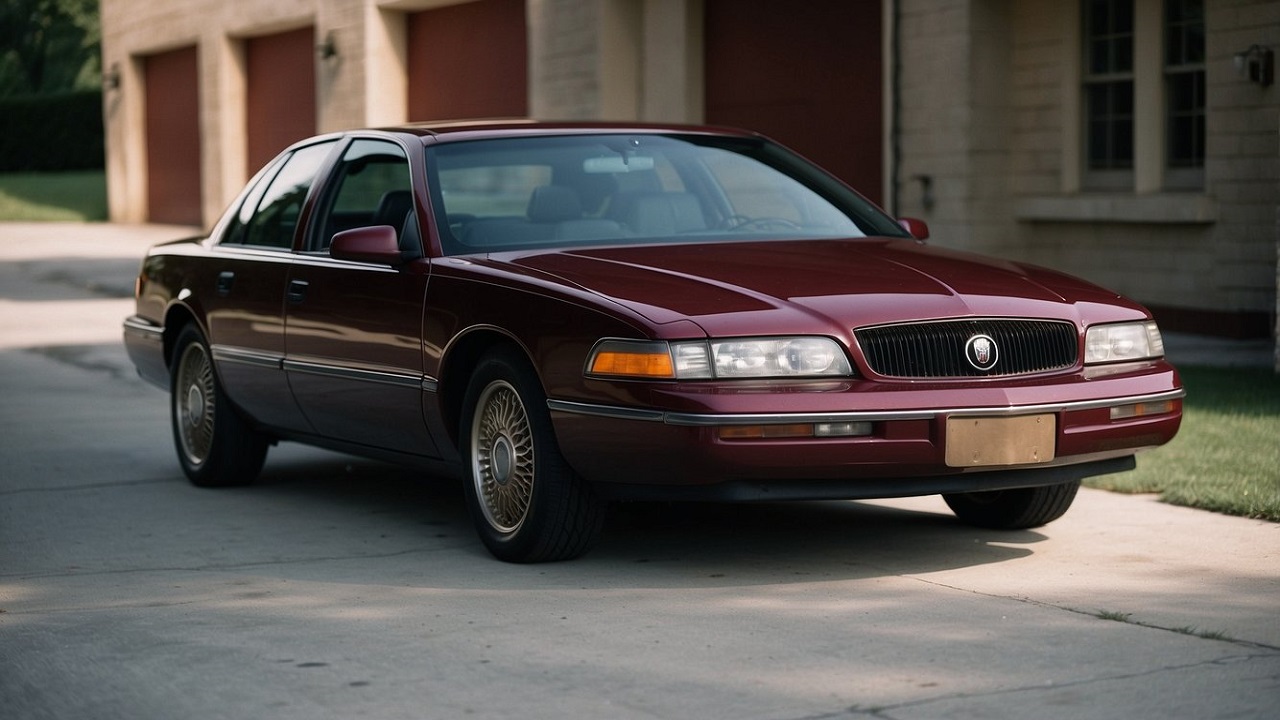
SUBSCRIBE TODAY

Sign up now to get the email newsletter and exclusive deals weekly.