Best Cruises for Kids (That Parents Will Love Too!)

Family vacations are often the highlight of the year for kids. Once school is out, you can find families worldwide packing their suitcases and loading up for this year’s epic adventure.

Families need a vacation that will entertain all family members, from toddlers to grandparents. They also need an affordable vacation that is fun and safe and allows a bit of adventure and some relaxation, too. They need a family cruise!

How To Find the Best Cruises for Kids

The Family Travel Association (FTA), along with NYU School of Professional Studies, Jonathan M. Tisch Center of Hospitality, and Edinburgh Napier University, conducted a large-scale study of over 3900 families regarding their travel plans and revealed that 81% of parents plan to travel with their children in the next year.

Results from the study also noted that 84% of parents acknowledged that family travel helps make their children more adaptable and open to new experiences, 62% recognize that travel gives kids a more positive outlook on life, and 61% say it helps kids with their social skills.

Cruises are wonderful family vacation options that are mostly all-inclusive, allow families to explore new places, and create memories to last a lifetime, all while being relatively affordable.  Not all cruises are created equally, so we will walk you through the important things to look for in a cruise for kids, things to avoid when choosing a family cruise, and some of our family’s favorite cruise lines and destinations.

RELATED:   Hunting For A Family Car? Here Are 15 Cars For Two Kids or Growing Family!

What To Look For in Cruises for Kids

Family Cruise Mother With Kid on Ship
Photo Credit @UnlimPhotos

When looking for a cruise the whole family will enjoy, you have a few things to consider. You’ll want to look at kids club options on board for each cruise line. Most cruise lines have kids’ clubs that are divided into different age groups. The clubs offer supervised activities that are age-appropriate, including dance classes, arts and crafts, video games, and scavenger hunts. Kids clubs are great places for kids to make new friends and have fun on sea days, but they also offer parents time to relax kid-free while knowing they are taken care of and safely looked after by staff members.

Look at each ship you are considering and see if they have dedicated “kid areas” like splash zones, pools, basketball courts, mini-golf courses, and play areas. Some of the newer and larger cruise ships, like Royal Caribbeans’ Wonder of the Seas, include activities like zip lines, water slides, a rock climbing wall, and surf simulators. Depending on the age of your children, you’ll want to be sure the ship has the types of activities your child will enjoy.

Safety and Other Considerations

Safety and security are important factors to look at when selecting a cruise for kids. Do they have lifeguards? What are the checkout procedures for kids’ clubs? What are the safety procedures if there is an emergency and you are away from the kids? Ensure you are aware of and comfortable with the policies of the cruise line you are considering.

Dining options are also important to consider when choosing a cruise for your family vacation. Consider cruise lines that offer kid-friendly menus, flexible dining times, and special dietary accommodations to cater to your children’s preferences and needs. Depending on your family’s style you may look into dining requirements such as dress code as well.

Family accommodations are offered on some cruise ships and can make your vacation more pleasant by offering additional bedding, space, and sometimes extra bathroom space, which can be a real blessing when trying to get 5 or 6 people ready and out the door in the morning. Some cruise ships offer family areas of the ship that offer a separate lobby area where families can meet with other families, play games, and have snacks.

What To Avoid When Booking Cruises for Kids

When looking for things to avoid on a family cruise, these are just guidelines, as every family will have different needs and interests.  Traditionally, three or 4-day-long cruises are considered party ships or “booze cruises.” This is especially true for ships sailing from Los Angeles to Mexico and from Miami to the Bahamas over weekends. If you don’t like your family around this kind of atmosphere, choosing a longer cruise is a good idea.

Choosing an older or smaller ship often leaves you with fewer onboard activities for families. While small ships can create an intimate and cozy environment, this is often more appropriate for adults sailing without children.

Itineraries Matter When Selecting a Family Cruise

Consider your children’s ages and interest levels, and keep your budget in mind, too. An Alaskan cruise is wonderful with jaw-dropping scenery and bucket list-type excursions, however, they come with a steep price tag and often less kid-friendly activities.  Mediterranean cruises are not only packed full of idyllic ports of call but historical sites too.

If your children aren’t old enough to appreciate or aren’t interested in touring ruins and historical locations, this itinerary might not be your best choice. The Caribbean and the Bahamas offer plenty of sun, sand, and family fun activities at every turn especially if you find an itinerary that stops on one of the cruise line-owned private islands.

Best Cruise Lines for Kids

While there are no wrong choices here, some cruise lines cater more to families with children than others. Luxury lines such as Celebrity, Princess Cruises, Cunard, and Viking may not appeal to the younger crowd, whereas family-friendly lines such as Royal Caribbean, Norwegian, Carnival, and Disney cater to families and kids of all ages.

Best Budget-Friendly Cruiseline for Kids- Carnival

Carnival Cruise Line is an affordable, family-friendly option with over 25 ships in their fleet and varied itineraries to meet every family’s wishes. Try booking one of the new and larger ships, such as the Panorama, Celebration, or Jubilee. These ships have waterslides, BOLT rollercoaster at sea, a Sports Square with basketball, ping pong, a ropes course, and mini golf. Multiple dining options are available, as well as youth programs for both younger children and teens.

Book a room in the Family Harbor area to be surrounded by other families, spacious staterooms, and other exclusive amenities specific to the Family Harbor Suites.

Best Moderate Cruiseline for Kids – Royal Caribbean

Royal Caribbean is a wonderful option for families looking for the biggest and newest ships on the high seas. The newest ship is the Icon of the Seas, and it is huge! This ship has the largest waterpark at sea, featuring six record-breaking slides. You can spend sea days playing at Surfside, the family-only play area featuring pools, food, and games.

Book a room with a balcony for views at sea, or save a few dollars and book an interior room with a virtual balcony. Royal Caribbean has numerous dining options and plenty of room to spread out and keep the entire family entertained. Cruises on Royal Caribbean tend to be slightly more pricey than Carnival but are still affordable for a family cruise.

Best Luxury Cruiseline for Kids- Disney Cruise Line

Family cruises
Photo Credit @UnlimPhotos

Disney Cruise Line is the gold standard for cruising with kids. The ships are elegantly appointed, the food is incredible, customer service is second to none, and, of course, there are sprinkles of Disney Magic throughout.  Don’t worry though; it’s subtle Disney, not loud in-your-face Disney. Kids of all ages will be entertained by special character meetings and themed restaurants. The kids’ clubs are wonderful; you may find your little ones begging to stay and play. This works out well for adults since Disney has adults-only areas of the ship where you can enjoy a little peace (and a mojito) near the adult-only pools or the Rainforest Room, one of my favorite splurges.

Watch for special itineraries such as Pixar, Star Wars, or Marvel Day at Sea. These special itineraries have a full day devoted to the theme with additional characters, themed meals, movies, and the opportunity to dress up as your favorite character if you want.  Caribbean and Bahamas itineraries also include Pirate Night, where the ship will be taken over by pirates, and in the evening, you can watch the only fireworks at sea.

Best Cruise Itineraries for Kids

When searching for an itinerary for your family vacation, I recommend finding a sailing that has a mix of interesting ports of call and a few sea days as well.  This allows your family to explore new places and downtime to relax and enjoy the amenities of the ship.

Carnival Cruise Line

Our favorite cruise itinerary on Carnival was a 7-day Western Caribbean. The ship left from Miami and had two sea days and ports of call in Cozumel, Mexico; Belize City, Belize, Roatan, Honduras; and Georgetown, Grand Cayman.  We loved this itinerary as it had a little something for everyone. We had a relaxing beach day in Cozumel, explored Mayan ruins in Belize, held sloths, went ziplining in Roatan, and visited Stingray City in Grand Cayman. Even though it was eight years ago, the kids still talk about this trip all the time.

Royal Caribbean Cruise Line

On Royal Caribbean, I recommend an itinerary that includes a stop at the private island Perfect Day at Coco Cay.  Perfect Day at Coco Cay is a private island where you can enjoy a water park, snorkeling, sunbathing, or even rent a private bungalow with a butler for the day. The 7-day Eastern Caribbean + Perfect Day departs from Miami and has stops in San Juan, Puerto Rico, Phillipsburg St Maarten, and Perfect Day at Coco Cay with two sea days.

San Juan is such a fun city to explore, and you can spend the day wandering cobblestone streets past colorful buildings, exploring military forts, or head to the beach and lounge on perfect sand against crystal clear water. St Martin/St Maarten is unique because two countries claim this small island.  One half of the island is Dutch, and the other is French.  You can spend time on both during a cruise stop.  Be sure and stop at Maho Beach on the Dutch side to watch planes fly overhead (very low) to land at the airport across the street, then head to the French side for incredible food and shopping options.

Disney Cruise Line

Our favorite Disney itineraries are also in the Caribbean, as we can experience pirate night and a stop at Castaway Cay, which is Disney’s private island in the Bahamas. Our favorite itinerary was an Eastern Caribbean route that started in Port Canaveral and visited Tortola, St Thomas, and Castaway Cay. Castaway is the perfect beach day where you can snorkel, play, or relax all while enjoying free food on the island.

In Tortola, you can experience the history of pirates and enjoy the beautiful water; we opted to head to Virgin Gorda to visit the Baths at Devils Bay National Park.  St Thomas is a ton of fun. We’ve enjoyed horseback riding and swimming at Megans Bay, and we’ve taken the ferry over to St John to visit Virgin Islands National Park.

You can’t go wrong with a family cruise. When you factor in the cost of food, lodging, and transportation to different locations, the cruise fare is quite reasonable. On board the ship, there are activities (and relaxation) for everyone, with family time as you enjoy dinner together. In port, you can explore, adventure, and create memories together. Oh, and one more bonus: your kids’ phones won’t have Wifi, so they may even talk to you occasionally!

This article originally appeared on Travel Binger.

10 Outdoor Adventures To Try With Your Kids Today

Why is it so essential to share outdoor adventures with kids? Not only does it limit screen time and increase physical activities, but it creates a framework for family outings that can last long into adulthood. What starts as a hobby can become a cherished family tradition passed down through the generations.

Your children will not only be entertained, but they’ll learn life skills for problem-solving and emerge with a confidence that’s forged in challenges. As a participating adult, you get your steps in instead of watching from the sidelines in a lawn chair. Your kids can see you as strong and capable, not a chauffeur with snacks. 

Our list of ten outdoor adventures to do with your kids highlights activities suitable for the entire family. Everybody can participate and have fun in safe and collaborative excursions on their family vacations. Together, you can reap the benefits of transformative adventures while building an indelible family bond.

Skiing

Family in winter skiing
Photo Credit @UnlimPhotos

I’ve taught skiing professionally for over twenty years, and there’s a right way and a wrong way to take your kids skiing. Skiing is inherently expensive, so don’t try to save money by giving your kids lousy gear you would never use. You can rent a complete kid’s outerwear kit for under $30 per day. That’s a bargain compared to paying for a ski lesson only to have your kid stay inside and drink hot chocolate because they got too cold.

Once you get a line on good gear, pick a kid-friendly mountain like Deer Valley Utah. Named “Best In Family Ski Experience” for 2023 by the Wall Street Journal, Deer Valley offers good snow, grooming, and a smooth terrain progression from beginner to advanced slopes. They also have a top-notch ski school, short lines, and user-friendly dining experiences. The “Deer Valley Difference” is a service-oriented policy that reduces your stress and task loading, leaving more time for you to focus on family and fun.

This brings us to the next point—focus on your family. You can carve your tracks in the freshly groomed morning snow while the fam is in ski school. Be there to pick them up on time after their lessons. Take them out for a yummy lunch. Then, spend some time practicing what they learned on an age-appropriate slope. Ski school should be more than bougie child care, it should enable the family to ski together.

Scuba Diving

Children’s natural curiosity and affinity to learn new skills make them some of the best scuba divers. They also naturally use less air underwater and require less buoyancy compensation. You must have a certain lung capacity to clear a snorkel, but anybody can breathe from a regulator.

PADI offers pool classes for children eight and older, but once they turn ten, they’re eligible for a Junior Open Water Diver course. When they turn fifteen, that course automatically transfers to an Open Water Diver certification. Diving is more a mental exercise than a physical challenge, so junior divers have no problems keeping up with their parents as they share a passion.

Here’s the real kicker (pun intended)—if your kids get hooked on diving, they’ll always want to blow bubbles with you. Kids under fifteen must dive with an adult, and everybody should have a dive buddy they’re comfortable with. Plus, once they leave the nest, they must dive regularly to stay current on their certifications. They’ll be begging to keep coming on family-dive vacations, and diving is something you can keep doing with your kids well into your retirement years.

Here are some considerations for diving with kids:

  • Avoid drift dives so your group naturally stays together
  • Look for good visibility so you can see them wandering off
  • Dive in warm water because little ones have difficulty keeping their body heat
  • Boat dives are better than shore dives
  • Go on trips with plenty of dive master support
  • Given these constraints, the Aqua Cat liveaboard in the Bahamas might be the ideal place to take kids diving because it checks all the boxes and has incredible shore excursions when it’s time for a surface break.

Surfing or Boogie Boarding

Surfing is another sport where weight works against you. Everybody is learning how to surf on an eight-inch foamy these days these days. Kids will have no problem popping up on that. With their dimensions, that board is like a barn door. They could probably do a handstand and balance on the board if it wasn’t leashed to their ankles.

Like skiing, there are some pretty good children’s surf classes available. You should consider taking one or two yourself because your kids will be out surfing you in no time. Boogie boarding is a pretty good “surfing lite” alternative. You don’t have to pop up, but you still learn to read and catch waves. A boogie board might be just the tool you need in case your kids (or you) need to equalize family surfing skills.

Once you get your bottom turn, it’s time to head out to the lineup. Here’s another chance to equalize the activity because you chose your wave. You don’t have to jump on every jumbo board breaker you see. You can pick and choose your waves and philosophize on your board between sets. 

Rope Course or Zip Lines

There’s a reason jungle gyms have been standard playground equipment forever. Kids love climbing. With their strength-to-weight ratio, it’s easy to see why. They can scamper up just about anything like wild monkeys, which isn’t too far from the truth.

Rope courses are an excellent way to play outdoors with your family because you’re safe once you clip in until you leave the structure. Your length will help you with some moves, and your kids’ strength will help them with others.

Zip lines are another arial element where kids thrive. Every zipline is different, so be sure to check for age restrictions before finalizing plans. You don’t want to fall victim to the dreaded “You must be this tall to ride this ride” situation.

Climbing or Bouldering

Climbing indoors is a lot like a ropes course because it’s a controlled environment. You can even book classes. But once you go outdoors, it’s an entirely different ballgame. In particular, you have to figure out if your kids can belay you.

Generally, you have two types of safety systems—top ropes or lead climbing. When you’re lead climbing, you clip the rope into protection as you ascend, and you have a chance of taking a dynamic fall. That’s why a single-pitch top rope anchor is a great place to start. You can find auto belay systems if you don’t fully trust your belayer, but you still need to feel comfortable getting off rope if you get stuck.

Bouldering is a great way to get kids climbing outdoors because you don’t have to mess with a rope or belay. This makes everything easier, and less expensive. You might have a hard time keeping up with your kids, but everyone will have fun participating.

Hiking

Kids and hiking go together like peanut butter and jelly. Kiddos can find and fidget all day long as long as you don’t run out of snacks or water. The key is to pick the right trail. Be careful with planning loops and shuttles where you have to keep walking. It’s easier to hike an out-and-back where you aren’t forced to make miles.

Waterfall hikes in the Smokies are examples of the perfect trails for kids. They’re short and shady, with lots to see and do along the way. Once you get back to Gatlinburg, you can take in some treats to make it a dreamy day.

Geocaching

The trick to taking kids hiking is to make a game out of everything. I’ve personally gotten a lot of mileage out of the “find the roundest rock” game, but kids these days are getting way too sophisticated for that. That’s where geocaching comes in.

Over a century ago, there was a hide-and-seek game called Letterboxing, where participants found items solely on clues and conjecture. Finding 100 caches was often enough to be considered a master. With GPS on mobile devices, there are more than 3 million active caches worldwide.

Geocaching is a game that can grow with you. At first, it’s about finding someone else’s toys and trinkets. Soon, you’re building your stash with clever clues and consummate prizes.

Camping

Family Camping
Photo Credit @Deposit Photos

I’ve slept outside in dozens of configurations, but I’m still not 100% sure what camping is. Maybe that’s the beauty of the “sport.” There’s no wrong way to do it. Whether it’s an excuse to eat smores and burn things or a logistical solution to some grand adventure, it’s still camping.

The key to camping with your kids is to take them outside their comfort zone while keeping them comfortable. There’s no reason to be cold, wet, or hungry. Those are planning failures. Hearing the creatures of the night wake up and watching a new day dawn in the great outdoors are adventures into new and uncharted territory.

Paddling

Who says kids don’t behave better after a good paddling? Human-powered watercraft is an incredible tool to access the outdoors with kids. Local canoe liveries have all the gear and goods required to get you out on the water, including accurate knowledge about how long the trips should take and potential challenges you’ll encounter along the way. All a kid needs to do to complete the journey is stay in the boat. However, for parents’ sanity, plan plenty of time outside of the boat, swimming, snacking, splashing, and slowly working your way downstream.

After a while, consider making that big step and planning an overnight adventure. You can take extra gear, food, water, and even the children themselves on boats and access places just a little off the beaten path. Start small, like an out-and-back paddle to boat-in camping. Maybe try a circuit camp route on flat water then work in complicating factors, like river runs or rapids, when you feel comfortable.

Biking

With e-bikes, tandems, and trailers, it’s easy to get kids traveling down the trail under slightly less than their own power. The trick is picking the right trail. There are two basic choices: urban adventures and park playtime.

For urban adventures, you want a bike trail with plenty to see and do along the way. Biking in Madison, Wisconsin, shows what’s possible. There are over 200 miles of trails in Madison, and their Madison By Bike app offers you ways to access the neighborhoods off the trail for ice cream, museums, and boating.

Biking in Gulf State Park, Alabama, is an ideal park ride. Twenty-six miles of trail inside the park take you to climbing walls, three-legged alligators, and much more. Then, when you get off the bike, you’re ready for camping, paddling, and maybe even scuba diving.

Outdoor Adventures With Kids

You might have noticed a theme with all of these adventures: keep the kids comfortable and entertained, and you have a chance. Pick places that are easy to get into (and out of) at first, and utilize professionals to ease you into the activity. Start small, and keep building to bigger and bolder adventures.

There are a lot of pitfalls you’ll encounter along the way, but don’t be discouraged. If you look at these challenges correctly, that’s half the reason you go. You could stay home and eat snacks on the couch, but you wouldn’t learn that you could overcome these obstacles and find a way to have fun together in nature.

This article originally appeared on Travel Binger.

Roofless Marvels: The Ultimate Guide to the Best & Worst Convertible Cars

The convertible car is a quintessential product that represents freedom, excitement, and a carefree lifestyle for many. The feelings convertible cars evoke are a major part of their appeal to drivers of all ages. However, not all convertibles are created equal.

What separates the best convertible cars from the worst include factors ranging from style and reliability to performance and safety. Even some of the priciest models can fail to live up to the hype. The best convertible cars meet or exceed the buyers‘ expectations, while the worst fall by the wayside.

Worst: 2005 Chrysler PT Cruiser

The original PT Cruiser offered little for buyers to get excited about with its odd retro design and even stranger color options like dark plum and electric blue. Its conversion to a soft top didn’t improve its aesthetics. If anything, a drop-top made it look more silly than it already did. As far as convertible cars go, the PT Cruiser was an all-around disappointment.

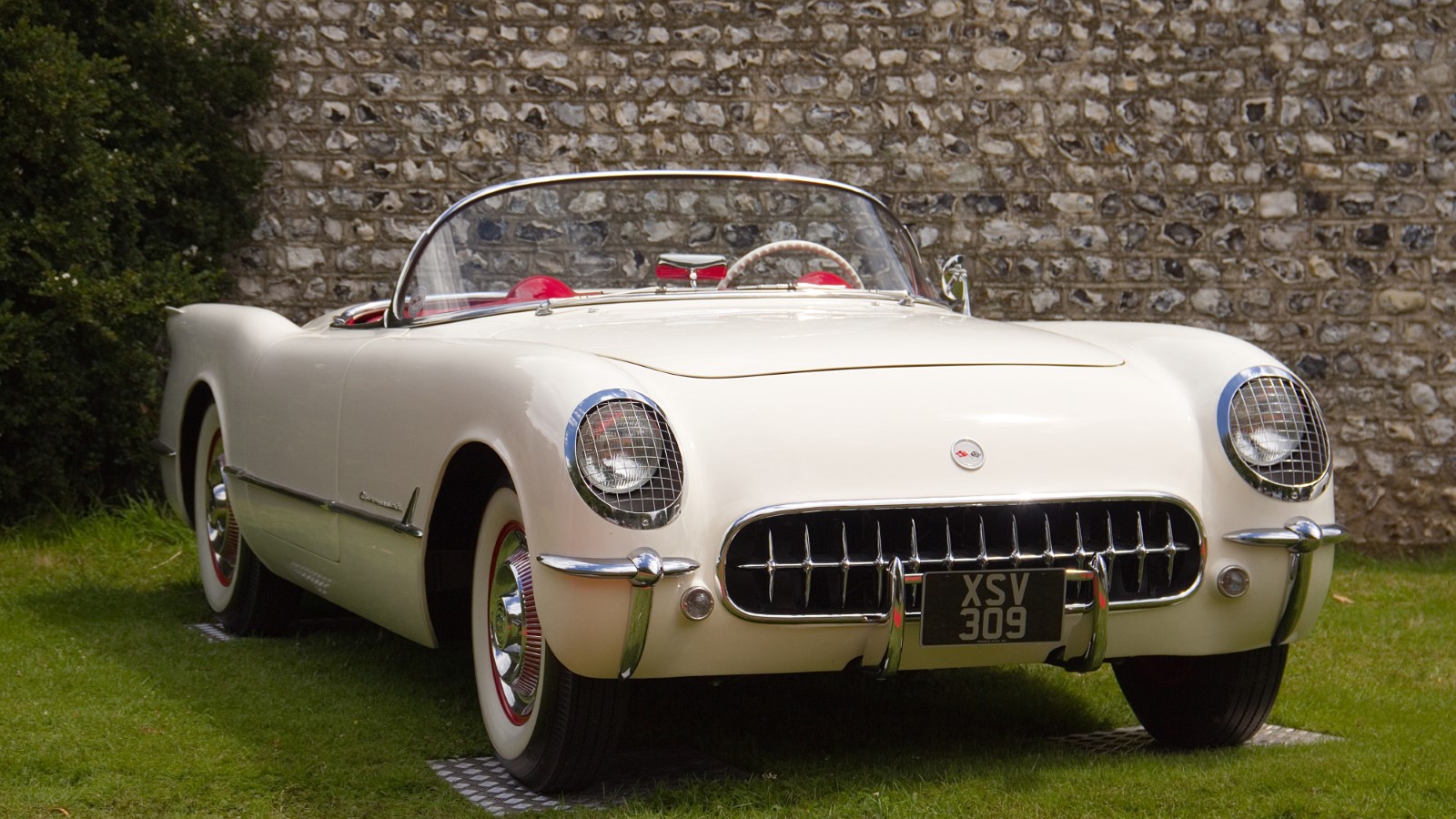
Best: 1955 Chevrolet Corvette

chrisjj / Shutterstock.com

By 1955, the Chevrolet Corvette had been on the market for a few years, tearing up the roads like a pure sports car should. The 1955 model changed the game when General Motors (GM) replaced the V6 engine with a much more powerful V8.

This move was so well-received that 90 percent of buyers requested this upgrade. Since then, the Corvette has been a wildly popular car and a classic symbol of American freedom.

Worst: 1995 Suzuki X-90

It’s perfectly understandable if buyers eyed the Suzuki X-90 with more than a bit of confusion. It looked like an unsuccessful hybrid between a pickup truck, a sports utility vehicle (SUV), and a convertible car. Suzuki’s two-door and four-door Sidekick SUV models were popular during the late 1980s through the 1990s, making the entry of the X-90 into the auto market all the more baffling. Not surprisingly, Suzuki stopped producing the X-90 in 1997.

Best: 1955 Ford Thunderbird

The 1950s were the era of the sports car, and Ford’s entry into that niche market, the 1955 Thunderbird convertible, hit all the marks. The two-seater Thunderbird delighted drivers as a luxurious ride made for speed with its V8 engine. Ford exponentially outsold their direct competitor, the Corvette. But the latter was harder to come by since Chevrolet only produced 700 of their in-demand roadsters.

Worst: 2011 Lexus IS-C

Lexus has a well-deserved reputation for beautifully designed, stylish luxury vehicles with impeccable lines. That formula for near-perfection certainly wasn’t followed during the design process of the 2011 Lexus IS convertible. It looks like a typical Lexus from the front, but the vehicle’s rear looks cut into half the size it should have been. This model is a rare misstep for the automaker, who should have known better than to put this vehicle out there for sale.

Best: 1976 Cadillac Eldorado

Cadillac announced that 1976 would be the final year it produced the reliable Eldorado luxury vehicle, selling about 14,000 of the super-long convertibles that year. Because 1976 was also America’s 200th anniversary, Cadillac built 200 limited special Bicentennial editions, selling all but one, which the company retained. Cadillac revived the model in 1984, only to be unsuccessfully sued by irate buyers of the 1976 release who thought they had purchased a collector’s item.

Worst: 2003 Chevy SSR

Despite its fully retractable hard roof and powerful V8 engine, the SSR’s appearance made consumers look twice – but not in a good way. Its retro body with modern elements gave it a weird presentation that didn’t strike a chord with buyers, not to mention the hard-to-justify cost of more than $40,000. The Chevy SSR was little more than a small pickup truck with a convertible top and a big price tag.

Best: 2001 Dodge Viper RT-10

If the first generation of the Dodge Viper didn’t meet safety expectations, then the second generation, including the 2001 model, cleaned up its act. Unlike earlier versions of the Viper, the 2001 roadsters were equipped with airbags, an anti-lock braking system (ABS), and a better suspension, all necessities for a car with a powerful V10 engine.

Worst: 2011 Nissan Murano CrossCabriolet

The Nissan Murano was and is a beautifully made luxury SUV. For reasons unknown to the rest of the world, someone at Nissan had the idea to turn their SUV into a convertible by adding a retractable soft top. The automaker made the vehicle appear far less luxurious than the classic Murano models. Mercifully, it’s no longer in production.

Best: 1970 Plymouth HEMI ‘Cuda

Plymouth only produced 14 soft-top 1970 HEMI ‘Cudas, making them one of the rarest vehicles in the world. The HEMI ‘Cuda is considered by many to be one of the top muscle cars ever built. Collectors wanting to buy one of these classic cars better prepare to shell out serious money, as they easily sell for six and seven figures since they are so difficult to find.

Worst: 2005 Nissan Micra C+C

Another design misstep for Nissan was the Micra C+C. The convertible’s seating capacity was a two-seater with a small bench in the back seat that couldn’t possibly seat other passengers. If that wasn’t enough, it wasn’t a very attractive-looking vehicle. It appeared as if the front and rear of two different car models were fused to create the Micra C+C, giving the exterior an off-putting look.

Best: 1987 Porsche 911 Turbo Cabriolet

While the 1987 Porsche 911 Turbo Cabriolet is at the more expensive end of the luxury car market, its reputation for reliability and functionality is well worth the cost. For Porsche enthusiasts, the 911 Turbo, with its distinctive shape and top-notch performance, is the template for the other models. It’s also a fun car to take out on the open road.

Worst: 2016 Smart ForTwo

Smart cars are known for their distinctive diminutive size, decent gas mileage, and ease of parking. However, their small size means they provide very little protection in a collision. The same applies to the Smart ForTwo convertible. It doesn’t rapidly accelerate when driving after coming to a stop and has rough gear changes that make shifting uncomfortable for the car’s occupants. A car should offer a better ride than a golf cart.

Best: 1979 Ferrari 308 GTS

Ferrari Rental
credit @Deposit Photos

The name of this specific Ferrari may be obscure. But it should be familiar to Generation X and baby boomers as one of the cars driven by television private investigator Thomas Magnum from the show Magnum PI. The original 308 GTS entered the market in 1977 with a top speed of 157 miles per hour (mph). The Ferrari 308 GTS is the ideal convertible for buyers wanting to live out their dreams of living that Magnum life.

Worst: 2004 MINI Convertible

Buyers expect the MINI line of vehicles to be of a certain quality since they are a member of the BMW family of cars. The MINI brand is generally solid and reliable, but there have been numerous complaints about the difficulty owners experience with the convertible’s soft top. This issue may sound trivial until someone tries to close the top before rain or other inclement weather.

Best: 2023 Mazda Miata

Buyers looking for a quality, affordable convertible can look as far as the Mazda Miata. The most recent generation was released in 2016 but has had updates to the vehicle to improve its performance, including increased power. Other two-seater convertible cars are available at much higher prices than the Miata, making this model even more appealing. The Mazda Miata has been around for over 30 years, and that says a lot about its performance and reliability.

Worst: 1997 Plymouth Prowler

The Plymouth Prowler’s cool retro design set the stage for it to be the convertible car to own. While it closely resembled the hot rod vehicles of the 1930s, its power and performance were more similar to a go-kart than a racing car. Thanks to the V6 engine, it took 7.2 seconds to go from 0 to 60 mph. It could have been much more popular if the automaker had equipped the Prowler with a V8 engine.

Best: 2012 Bugatti Veyron 16.4 Grand Sport Vitesse

The 2012 Bugatti Veyron 16.4 Grand Sport Vitesse defines opulence with a price tag of just under $2.5 million. Powered by a 16-cylinder engine that goes up to 255 mph, it still holds the crown as the fastest roadster in the world more than 11 years after entering the auto market. The Grand Sport Vitesse is the convertible version of its predecessor, the Bugatti Veyron 16.4 Super Sport.

Worst: 1987 Cadillac Allanté

It’s hard to believe that the same company that created the highly regarded Cadillac Eldorado was responsible for the Cadillac Allanté. Designed as a competitor to the Mercedes-Benz 380 SL, the Allanté couldn’t measure up to its rival thanks to problems with the soft top, hard seats, and lower speed. Making matters worse, while the more expensive Cadillacs sold in the $30,000 range during that time, the Allanté’s price came in at more than $54,000. The high price tag wasn’t worth all the baggage saddled on this vehicle.

This article originally appeared on Wealth of Geeks. and Hello Sensible.

What Is a One Ton Truck: A Complete Guide

So, you were looking for a powerful truck to tow your travel trailer and were told that a one-ton pickup truck would be an excellent candidate.

But what is a one ton truck, and would it be a good match for your towing or carrying needs?

That’s a great question to ask and a very critical consideration because your truck needs to be able to tow things safely.

Today, I’ll walk you through what there is to know about the one-ton pickup truck, including its payload and towing capacity

Ready to be enlightened? Let’s begin!

What Is a One Ton Truck?

what is a one ton truck
©Photo Credit: Deposit Photos

A 1-ton truck is the father of all light-duty pickup trucks, but its true meaning has given people the slip for many years. There’s a good reason for that. There have been significant changes in number classification throughout the years.

Those who have gotten used to the former meaning of a “one-ton truck” will also find that there has been a shift in these categorizations.

Speaking of how powerhouse pickups are categorized today, there’s 1500, 2500, and 3500. The 1-ton class is the most powerful of the trio, capable of carrying more than 20,000 pounds of payload.

It didn’t used to be that way, though. Back then, a one-ton truck had a maximum payload capacity of 2,000 pounds, making it a mere lightweight compared to its modern cousins.

The One-Ton Truck History

During the First and Second World Wars, those in the army were the only ones using one- and two-ton trucks. They were primarily used for transportation, moving supplies, and storing and moving artillery and ammunition.

Back then, it was rare for private citizens to own these trucks. The times have since changed. Not only are one-ton trucks available commercially, but there are now different types of light-duty trucks to choose from.

As mentioned previously, the classic one-ton pickup truck only had a maximum payload capacity of 907 kilograms or 2,000 pounds.

What does that truly mean? You may ask.

What Is Payload Capacity?

Payload capacity is a key consideration when shopping for a truck. It determines one of the most crucial abilities of a truck and is linked to other important abilities, such as towing capacity.

Basically, it is the maximum weight a truck can safely carry. A common misconception is that payload capacity refers to the heaviest weight that can be carried safely in the truck bed, but that isn’t the case.

Payload is inclusive of the passengers, water, oil, gear, fuel, and pretty much everything else that’s in the truck. If your truck is carrying it, then it counts as payload.

The Present-Day Definition of One-Ton Truck Based on Payload Capacity

one ton pickup
©Photo Credit: Deposit Photos

The one-ton truck does not mean the same across the board because manufacturers tend to use different payload conversions.

But while there is no strict payload capacity rating that applies to all, there is no drastic difference between how companies define their one-ton trucks. 

A more general term for a one-ton truck used across the truck segment is “medium-duty class.” It refers to trucks with a gross vehicle weight rating (GVWR) between 10,001 and 16,000 pounds.

According to federal classifications, this would encompass class three and four pickup trucks. GVWR takes into account the weight of the vehicle, passengers, fuel, oil, and anything else that adds to the truck’s weight that it can safely carry.

The traditional one-ton truck payload capacity of 2,000 pounds is a thing of the past. The one-ton pickup trucks of today can carry so much more than that.

Most can carry a 4,000-pound payload with ease, and some can carry 7,000 without breaking a sweat. Then, there are the latest one-top pickup models that have a maximum payload capacity just shy of 40,000 pounds.

These numbers are only going to get higher, seeing as manufacturers keep improving their light-duty trucks’ towing and carrying capabilities.

There is also a lack of standardization in the truck segment to prevent companies from taking liberties in these areas.

Thus, the true definition of a truck’s capacity is determined by its published GVWR or towing capacity and payload rating.

Buying a 1-Ton Pickup Truck

When you plan to get a one-ton pickup truck, there are some considerations to keep in mind, such as the essential features and drawbacks of owning one.

Features to Look Into

GVWR and payload capacity aside, you might also want to look at the following features when shopping for a one-ton truck:

  • Dual rear wheels
  • Gas and diesel alternatives
  • Powertrains
  • Four-wheel drive.

Drawbacks of Owning a One Ton Truck

Then, there are the disadvantages that often come with having a one-ton truck, such as:

  • Can make learning to drive a challenge because of their size and bulk
  • Poor fuel efficiency because of its size and power
  • Relatively less comfortable than smaller, lighter trucks
  • Expensive

Weight and Power of the 1-Ton Pickup Truck

Depending on the company and legal limits, a 1-ton truck can weigh about 9,900 pounds. On the other hand, the powertrain determines the weight they can tow.

There are one-ton trucks that can tow more than 35,000 pounds, such as those outfitted with the diesel powertrain.

Of course, other specs are worth looking at, whether they’re related to your purpose. After all, you may need a one-ton truck for more than towing or carrying.

Can It Pull a Fifth Wheel?

Since we’re discussing weight and power, let’s tackle whether or not one-ton pickups can safely pull a fifth wheel.

As much as we would like to have a straightforward “yes” or “no” answer to this, it would actually depend on a specific truck’s payload capacity.

What your truck is carrying at that very moment, and we mean everything, including passengers, determines whether it is capable of pulling a fifth wheel.

There are also some pretty heavy fifth wheels out there, so it’s not all up to the truck.

Some fifth wheels are huge and hold full-size washing machines, dryers, several beds, dishwashers, large holding tanks, and different types of furniture.

That’s practically an entire house that has to be distributed across the truck via the kingpin or fifth-wheel connection.

How Much Can Your One-Ton Truck Tow?

To compute the towing capacity of your one-ton pickup truck, you will need to consider both the GVWR of your truck and the gross weight of whatever you plan on pulling behind.

In many cases, that could be a trailer. So let’s use that as our example.

If your truck has a GVWR of 16,000 pounds and the trailer you’re planning to tow has a gross weight of 11,000, you will require a commercial driver’s license (CDL).

That said, if you keep the gross combined vehicle weight rating (GCVWR) within 26,000 (e.g. 16,000 GVWR and 10,000 CDL), there will be no need for a CDL.

1-Ton Truck Options

There are actually quite a few trucks that fit the 2,000-pound or up payload capacity, including some by the most popular manufacturers today.

Automobile companies known for their super-size pickup truck lines are Toyota, Dodge, Ram, and Ford. Some best-selling models today that you can choose from are:

  • Ford F-350 Super Duty
  • Ford F-450 Super Duty Truck
  • Chevrolet Silverado 3500HD
  • RAM 3500
  • RAM 4500

1-Ton Truck Pricing

half ton truck
©Photo Credit: Deposit Photos

If you plan to add a one-ton pickup truck to your car collection, one of the latest models could set you back at $35,000.

Unless you’re swimming in cash, that’s a lot of money. But you likely already know that’s what it will come down to, so choose your model carefully.

Additional features, like a power stroke diesel engine on a Ford pickup truck, could easily translate to $10,500 on top of the $35,000.

And a feature-packed Ford F-350? That’s an easy 90 grand off your bank account.

The 1-Ton Truck for Your Needs

So what is a one ton truck? The 1-ton trucks of today are of a different breed. If you’re used to the former classifications of these trucks, you will find that manufacturers are fond of taking liberties with their super trucks.

These trucks are now stronger, so they’re suited for specific purposes. That said, there should be no drastic differences between the top brands aside from the labeling (for example, 350 for another brand, while 3500 for Chevy).

The top brands should also have different one-ton truck alternatives like gas and diesel models and basic and additional features.

One thing these trucks have in common that may not necessarily be to your liking is the “ride.” You may find them less comfortable (for long rides, in particular) compared to the lighter pickups because of their size and bulk.

Discover Worst Ford EcoSport Problems and Reliability Issues Years to Avoid

Are you in the market for a used car? If you’re considering the Ford EcoSport, you need to know which model years to avoid like the plague.

While the EcoSport is a stylish subcompact crossover SUV with a flexible interior and impressive fuel economy, not all model years are created equal.

In fact, if you’re looking for a reliable ride that won’t give you headaches, you’ll want to steer clear of the 2014 and 2018 EcoSport models.

These years have been plagued with issues like faulty audio systems, shuddering when coming to a stop, and overall poor reliability.

But don’t worry, armed with this knowledge, you can confidently navigate the used car market and find the perfect Ford EcoSport that won’t let you down.

Ford EcoSport History

Ford EcoSport Problems
©Photo Credit: Deposit Photos

Introduced in 2003, the Ford EcoSport is a popular subcompact SUV that stands out in the increasingly saturated SUV market.

Since its debut, the EcoSport has evolved through several generations, and today, numerous Ford EcoSport models are available for you to choose from.

Initially designed for the Brazilian market, Ford expanded the EcoSport’s presence to other regions, including the European market in 2013.

In 2018, the subcompact SUV made its way to the American market, offering an attractive option for buyers looking for a smaller, efficient, yet versatile SUV.

Throughout its history, Ford has incorporated various updates and improvements for the EcoSport.

However, not all model years are created equal as you’ll be fine to steer clear of the 2014 and 2018 Ford EcoSport models.

These years have reported the most complaints, with issues such as an unreliable audio system and the vehicle shuddering when coming to a stop.

On the other hand, the 2017, 2012, 2020, and 2013 Ford EcoSport models have proven to be more reliable. These years offer a better driving experience and fewer critical component issues compared to the worst years.

The Model Years to Avoid

Common Problems

Which are the model years with frequent issues? The 2014 and 2018 EcoSport models are known for their common problems, and you are better off avoiding them.

The 2014 model year had the most complaints, starting with an unreliable audio system that could lead to inconvenience.

More concerning, this model displayed a tendency to shudder when coming to a stop, which is quite alarming, especially for a vehicle with as low as 5,000 miles.

The 2018 model also faced several issues, such as:

  • Engine problems
  • Transmission issues
  • Poor-quality interior materials

Major Issues

Besides the common problems mentioned above, the 2014 and 2018 models were plagued by more severe issues that impact the Ford EcoSport’s reliability and performance.

In the 2014 model, the following major issues were reported:

  • Failed transmission control module
  • Engine stalls or cuts out while driving
  • Transmission shudders violently at low speeds

Similarly, the 2018 Ford EcoSport experienced significant problems, including:

  • Unresponsive touchscreen infotainment system
  • Premature brake wear
  • Engine overheating

When shopping for a used Ford EcoSport, it’s essential to prioritize reliability and performance.

By avoiding the 2014 and 2018 models, you can steer clear of common and major issues that plagued these vehicles. Instead, consider more reliable EcoSport models like those from 2017, 2020, or 2021 to ensure a better overall experience.

Transmission and Engine Issues

There are certain year models that you should be aware of due to transmission and engine issues.

Some of the main concerns include automatic transmission, EcoBoost, engine failure, low oil pressure, and engine problems.

In some 2014 and 2018 Ford EcoSport models, you may encounter an issue with the car shuddering when you come to a stop.

This is primarily linked to the automatic transmission and may impact your driving experience.

  • 2014: Unreliable audio system, car shuddering
  • 2018: Car shuddering

Moving on to the engine, there have been reports about the 2018 and 2019 EcoSport models experiencing issues with the oil pump belt tensioner. This can lead to engine failure and low oil pressure.

Unfortunately, the only solution to this problem is replacing the entire engine, which can be both expensive and time-consuming.

Interior and Audio Problems

Some year models – particularly, the 2014 and 2018 models – have been known to suffer from various interior and audio-related issues.

As a potential buyer, you should be aware of the common complaints, so you can make an informed decision and avoid any potential headaches down the road.

Lack of comfort in the rear seats

One issue you may encounter is the lack of comfort in the rear seats. The second-row seats could be particularly uncomfortable for taller passengers due to limited legroom and headroom.

Additionally, the seating position might be too upright, causing discomfort during long drives. While these concerns may not be deal-breakers, they are worth considering if regular rear seat usage is important to you.

Unreliability of the audio system

Another common complaint mentioned by owners is the unreliability of the audio system.

The sound system in the 2014 Ford EcoSport models has been reported to have problems such as inconsistent volume levels, sudden loss of audio, and audio skipping during playback.

If you appreciate good audio quality and a hassle-free listening experience, it’s worth keeping these potential issues in mind.

As you continue your search for the ideal used Ford EcoSport, remember to carefully assess the condition of the interior and audio system during a test drive. By doing this, you can better understand if the vehicle meets your needs and expectations before making a purchase.

Pay special attention to the sound system’s performance and the comfort of the rear seats, as these are areas where some EcoSport models have had issues in the past.

Best Model Years to Buy, Used

Good news is that there are a few model years that stand out as the best options. These years have proven to be reliable and come with minimal complaints.

Let’s take a closer look at each one, so you can make an informed decision on your used Ford EcoSport purchase.

  • 2012 Ford EcoSport: This 2012 model is highly regarded for its offering of excellent design, new technology, and a focus on safety. With its 1.0-liter EcoBoost engine, you’ll be getting both efficiency and power, making it a great choice for your next vehicle.
  • 2016 Ford EcoSport: Another solid option is the 2016 EcoSport. This model year has received no complaints, making it a safe and dependable option when buying used.
  • 2017 Ford EcoSport: The 2017 model is also highly recommended due to its reliability and performance. Like the 2016, it has no consumer complaints, so you can feel confident in your purchase.
  • 2020 Ford EcoSport: For a more recent option, consider the 2020 EcoSport. This model year has proven to be reliable and well-performing, with no known issues. Plus, its up-to-date technology and features are an added bonus.

Comparing Ford EcoSport Models

In this section, we’ll discuss the different trim levels and alternative Ford SUVs available in the market.

Trim Levels

Ford offers the EcoSport in four main trim levels: S, SE, Titanium, and SES. Each of these trims comes with its own set of features and options:

  • S: The base S trim provides essential features such as a rearview camera, Ford’s SYNC infotainment system, Apple CarPlay and Android Auto compatibility, and more. This trim level is ideal if you’re looking for a budget-friendly option.
  • SE: The SE trim offers additional features such as a power sunroof, heated front seats, and a larger touchscreen infotainment system. This could be an excellent choice if you want some added comfort and convenience.
  • Titanium: The upscale Titanium trim focuses on luxury, including leather seats, a premium sound system, and advanced safety features. It may be a good fit for those who prioritize style and elegance in their ride.
  • SES: The sporty SES trim comes with a more powerful engine, sports-tuned suspension, and unique styling elements. If you’re looking for a more performance-oriented EcoSport, this could be your pick.

Alternative Ford SUVs

If you’re willing to explore other options within the Ford lineup, there are several alternative SUVs that may cater to your needs:

  • Ford Puma: A subcompact SUV that’s similar in size to the EcoSport but comes with a more advanced infotainment system and larger cargo space.
  • Ford Edge: This midsize SUV offers more room and improved engine options compared to the EcoSport, making the Ford Edge suitable for families or those who need more power.

When choosing a used Ford EcoSport or any other Ford SUV, it’s crucial to consider factors like fuel economy, size, and features.

Keep in mind that models from 2014 and 2018 had the most complaints, so it’s wise to look for alternatives in other years when buying your used EcoSport. Happy car hunting!

Close Rivals and Competition

Nissan Kicks

The Nissan Kicks is a popular competitor in the subcompact SUV area. Its performance and fuel efficiency make it an attractive option for buyers.

With its lower starting price compared to the EcoSport, you might find the Kicks appealing if you’re on a tight budget.

Additionally, the Kicks offers a smooth and comfortable ride, which is something to consider if you often drive long distances. Here are Kicks SUVs to avoid.

Mazda CX-3

The Mazda CX-3 is another strong competitor to the Ford EcoSport. Known for its sporty driving experience and attractive exterior design, the CX-3 can be an enticing choice for those who prioritize style and on-road performance.

The Mazda CX-3’s interior is often praised for its quality, making it a great option if you value comfort and well-built cabin. However some Mazda CX-3 models have problems to avoid.

Kia Niro

If you’re looking for a more eco-friendly alternative, the Kia Niro should be on your radar, though some Niro versions are not dependable.

This hybrid subcompact SUV offers excellent fuel economy and comes equipped with various desirable features, giving it an edge over the EcoSport for some buyers.

Keep in mind that the Niro’s starting price is higher than the EcoSport, but you may find the cost difference justifiable given the benefits it provides.

Honda HR-V

The Honda HR-V has established itself as a reliable and practical choice in the subcompact SUV market. It boasts a spacious interior, impressive cargo space, and a reputation for reliability.

Its better fuel efficiency compared to the EcoSport makes it a popular choice for cost-conscious buyers. The Honda HR-V could be an excellent pick if you seek versatility and dependability in your vehicle, but be avoiding Honda HR-V versions with issues will save of headaches.

Toyota C-HR

Lastly, the Toyota C-HR brings a unique, eye-catching design as well as a reputation for dependability to the table.

While C-HR performance may not be class-leading, its combination of reliability, style, and comfort can make it an attractive alternative to the EcoSport. It’s worth checking out the C-HR if you value Toyota’s reputation for quality and durability.

Test Drive and Purchase Considerations

When looking to buy a used Ford EcoSport, it’s essential to consider a few factors during your test drive and purchase process to ensure you’re getting the best vehicle for your needs.

First and foremost, avoid purchasing a used EcoSport from 2014 and 2018 as these are known to have the most complaints, including issues with the audio system and car shuddering when coming to a stop.

During your test drive, pay attention to the engine power and average mpg of the vehicle. The base S model comes with a non-turbo four-cylinder engine that provides adequate performance for daily driving.

Compare the EcoSport’s cubic feet of cargo space with competitors like the Citroen C3 Aircross and newer models like the 2021 Ford Escape or 2020 Ford Edge to see if it meets your storage needs.

When searching for a used EcoSport, explore different locations and dealerships to get a broader view of the used car market.

Don’t be afraid to travel a bit further to find a low-mileage vehicle in excellent condition.

You might also want to consider similar vehicles like a used Ford Escape, which offers more space and better fuel efficiency.

Before finalizing your purchase, ensure the car has a clean history and hasn’t had any issues prior to the sale.

Have a trusted mechanic inspect the vehicle for any potential problems or maintenance concerns that could arise in the future.

By keeping these factors in mind during your test drive and purchase process, you’ll be better equipped to find the perfect Ford EcoSport that suits your needs and offers a reliable and enjoyable driving experience.

Additional Information and Resources

It’s important to know the average mileage and build quality when considering a used EcoSport.

For a more comprehensive view, check the National Highway Traffic Safety Administration (NHTSA) website for any government fees or applicable manufacturer incentives tied to the EcoSport. The NHTSA also offers data on the EcoSport’s safety ratings and any recalls.

Furthermore, consider the total cost of ownership, which includes auto insurance and applicable tax. Keep in mind that manufacturer incentive data might not be up-to-date, and the absolute accuracy of information can vary depending on the time of your request.

Categories SUV

Discover The Worst Nissan Murano Years to Avoid and Bad Reliability Models

Looking to hit the road in a pre-owned a fairly used mid-size crossover SUV this year? We present a very popular SUV car in this segment – the Nissan Murano?

You’ll want to make sure you steer clear of the problematic years that could leave you stranded with costly repairs.

Don’t let faulty visor clips, catalytic converter issues, or excessive oil consumption ruin your driving experience.

The Auto Renting Tutors team have done the research for you and pinpointed the Nissan Murano years to avoid at all costs: 2004, 2005, 2007, 2009, and 2015.

But don’t worry, we’ve got you covered. Read on to discover the Nissan Murano best years models that perform the best, ensuring you’ll enjoy a smooth ride for years to come.

TIP: Get to read more tips and guides on our online resources!

Nissan Murano Overview

Worst Nissan Murano Years to Avoid
©Photo Credit: Deposit Photos

The Nissan Murano is a popular mid-size crossover SUV that has been on the market since 2003.

Over the years, it has undergone several changes, improvements, and updates as it transitioned through three generations. In this section, we’ll provide a brief overview of each generation.

First Generation (2003-2007)

The first generation of the Nissan Murano was introduced in 2003 and featured a unique blend of style and performance. It was available in two trims: the base S and the more upscale SE models.

The main powertrain offered was a strong 3.5-liter V6 engine, paired with a continuously variable transmission (CVT).

During this time, there were some issues with certain model years. Specifically, you should avoid the 2004 model due to a high number of problems with the door handle.

Other years to be cautious with include 2005, 2006, and 2007 – which have reported various issues, but not as severe as the 2004 model.

RELATED: Best and Worst Nissan Armada Years to Avoid!

Second Generation (2009-2014)

After a brief hiatus in 2008, the Nissan Murano returned with its second generation in 2009. Built on a new platform, this generation brought a more refined design, updated technology, and improved handling to the midsize SUV market.

During this generation, the 2009 and 2010 models are generally considered reliable; however, the 2011 model had some issues that you may want to be aware of.

The 2012 to 2014 models, on the other hand, are generally well-regarded for their reliability and performance.

Third Generation (2015-present)

The third and current generation of the Nissan Murano made its debut in 2015 with a striking new design and an array of advanced features.

Throughout this generation, the Murano continued to be a competitive player in the midsize SUV segment.

However, it is worth noting that the 2015 model received the highest number of consumer complaints among all model years due to the severity of certain problems and high repair costs.

As a result, it’s best to avoid the 2015 Nissan Murano. Fortunately, models from 2016 to 2021 have improved in terms of reliability and come with fewer reported issues.

Our team recently published a comparison between Nissan Murano vs Rogue based off many facts you’d love to discover.

Here Are The Murano Years to Avoid

When considering a Nissan Murano, it’s important to know which model years to avoid due to common issues and problems. Here are the specific years you should be cautious of:

  • 2003: While this model year is not directly mentioned among the search results, it is the beginning of the first generation Murano (2003-2007), and you should be cautious about this entire generation.
  • 2004: This year had numerous complaints, with 970+ reported and four recalls. Issues included body and paint problems, such as rusting of the undercarriage and peeling off the chrome paint on the grills.
  • 2005: This model year is another one to watch out for, as it continued to experience similar issues as the 2004 model.
  • 2006: The 2006 Nissan Murano also faced problems, adding to the list of years to avoid.
  • 2007: While not specifically mentioned in the search results, it is part of the first generation Murano and shares similar issues with the 2005 and 2006 models.
  • 2009: This year had a break in issues but still experienced enough problems to be included in the years to avoid.
  • 2013: This model year is not mentioned in the search results, so it’s possible that it could be a safer option, but further research would be needed to confirm this.
  • 2015: Among the more recent models, the 2015 Murano faced issues making it another year to avoid.

When shopping for a Nissan Murano, steer clear of the 2004, 2005, 2006, 2007, 2009, and 2015 models, and instead focus on the 2010-2014 and 2017-2020 models for a more reliable and enjoyable experience.

Common Problems

Transmission Issues

In Nissan Murano years to avoid, such as 2004-2007, 2009, and 2015, you might encounter some transmission problems. Some drivers have complained about acceleration issues and vibrations, particularly in the older models.

If you notice any abnormalities with your transmission, it’s essential to get it checked as soon as possible. Failure to address these concerns could lead to further damage and costly repairs.

Engine Problems

Some years of the Nissan Murano have seen issues with their V6 engines, including excessive oil consumption and problems with the catalytic converter.

Make sure to stay on top of your vehicle’s maintenance, check the oil level regularly, and be aware of any unusual smells or performance changes. Keeping your engine in good shape will ensure a safer and more reliable driving experience.

Interior Accessories Problems

Certain Murano years have some complaints about interior accessories, such as faulty visor clips and broken seat frames.

While these issues might not directly impact your safety, they can detract from the overall enjoyment of your vehicle.

Pay attention to the interior components of your Murano and address any problems as they arise to ensure a comfortable driving experience.

Steering and Handling Issues

Some Murano owners have reported issues with steering and handling, such as overly sensitive power steering or a lack of response from the ABS.

These problems can make for a difficult driving experience and potentially endanger your safety. It’s important to stay vigilant about the way your car feels on the road and consult a mechanic if something doesn’t feel right.

Oil Consumption Issues

As mentioned earlier, some Murano models may suffer from excessive oil consumption. This issue can affect the overall performance and reliability of your vehicle.

To prevent any long-term damage, be sure to monitor your oil levels regularly and address any discrepancies as soon as possible.

Brake Problems

Finally, certain Murano years might have problems with their brakes, such as premature wear or inadequate stopping power during emergency braking situations.

Your brakes are a critical safety feature, so it’s essential to keep them in good working order. Regularly check your brakes for wear and replace them as needed to ensure a safe driving experience.

Recalls and Safety Concerns

  • NHTSA Safety Ratings

It’s important to be aware of safety ratings and concerns associated with different model years.

The National Highway Traffic Safety Administration (NHTSA) is a reliable source for safety ratings of vehicles, including the Murano.

  • Recall Notices and Repairs

Nissan Murano has experienced its share of recalls throughout different model years. There have been 21 recalls over 14 model years, often due to safety concerns. Notably, the 2003 and 2005 models had six recalls for transverse link problems.

The 2006 Nissan Murano had four recalls issued by NHTSA, mainly due to safety concerns arising from faulty steering, interior, engine, drivetrain, and transmission systems. One common issue reported by consumers is power steering fluid leakage.

Recalls are an important aspect of vehicle ownership, as they’re prompted by safety concerns identified by either NHTSA or Nissan itself. Repairs during recalls are typically free, ensuring your vehicle’s safety without any additional costs on your end.

When considering a Nissan Murano, keep these main safety concerns in mind:

  • Soft brake pedal: This issue can diminish braking effectiveness and may lead to accidents due to increased stopping distance.
  • Reliability score: Murano’s reliability score is an indicator of its performance over time, incorporating factors like recalls and reported issues.
  • ABS controller malfunctioning: This problem can impact the vehicle’s anti-lock brakes, resulting in decreased braking efficiency and a higher risk of accidents.

In order to avoid potential safety hazards and ensure your Murano’s longevity, stay vigilant for any recalls and have them addressed immediately.

Additionally, familiarize yourself with the safety features present across different Murano years and prioritize models that offer more advanced safety options to ensure a secure driving experience.

Here are The Murano Best Years to Buy, Used

Some of the best years to buy a Nissan Murano, based on reliability and customer satisfaction, include:

2010 – 2014

The 2010 to 2014 Murano models offer a great balance between performance and reliability. These years had fewer reported issues and higher ratings compared to the earlier models.

Notably, the 2013 Nissan Murano received high ratings in JD Power and has a low number of complaints on Car Complaints.

2017 – 2020

The 2017 to 2020 Muranos also have good reputations, with fewer flaws reported by owners.

These years benefit from the improvements made in the 3rd generation and offer sleek looks, sporty SUV performance, and the option for Platinum trim levels.

Consumer Reviews and Ratings

The consumer reviews and ratings present valuable insights into the performance, comfort, and quality of the vehicle, as well as any potential issues with repair costs and reliability scores.

Car Complaints

For a more extensive analysis of different model years, you can explore resources like Car Complaints, which allows you to compare various Nissan Murano model years side by side. Keep in mind that some model years have more reported problems, which may worsen the vehicle’s overall reliability score.

Based on Edmunds Consumer Reviews, the 2021 Nissan Murano has a 4.4 out of 5-star rating, with most owners praising the comfortable seating and overall comfort of the vehicle. However, some users have experienced minor issues impacting their overall satisfaction.

On the bright side, the best years for the Nissan Murano, are from 2010 to 2014 and from 2017 to 2020, as these models have fewer issues and higher ratings.

The 2013 Murano, in particular, has high ratings in JD Power and a low number of complaints on Car Complaints.

Additionally, don’t forget to consult Consumer Reports for an in-depth review of the Nissan Murano’s reliability and performance across model years. This resource can offer you comprehensive data to help you make an informed decision about which Nissan Murano is the perfect fit for your needs.

By researching and comparing different model years and consumer reviews, you can ensure your Nissan Murano experience is as enjoyable and trouble-free as possible.

Categories SUV

Here Are the Common Cadillac XT5 Problems and Years to Avoid

Are you in the market for a compact crossover luxury SUV that delivers power and reliability with a blend of beauty and a roomy cargo area? If yes, you may even love a used Cadillac XT5 SUV!

We understand that buying a vehicle like the Cadillac XT5 is a significant investment, and you want to be sure that you’re making the right choice, so this guide reveals both the model years to avoid and the best XT5 years.l

With our guide, you’ll be able to navigate the potential setbacks and make an informed decision as we show you the most common issues associated with this luxury SUV, providing you with the confidence you need to make an informed decision.

You deserve access to honest and reliable information, and we’re committed to providing just that. So, keep reading and discover how to tackle potential challenges head-on.

Common Problems with Cadillac XT5

Cadillac XT5 Problems to avoid
©Photo Credit: Deposit Photos

Acceleration Issues

You may experience some hesitation during acceleration in your Cadillac XT5.

The 2023 model comes with a standard 2.0-liter turbocharged four-cylinder engine, producing 235 hp and 258 lb-ft of torque, which could cause the issue.

The acceleration issues can affect the overall driving experience and may require some engine tuning or further investigation. Learn more about Cadillac XT5 vs XT4 interior differences!

Suspension and Steering Problems

Suspension and steering issues are another area of concern in the Cadillac XT5. Although not mentioned in recent complaints, it’s essential to be mindful of unusual noises, vibrations, or steering difficulties.

If you detect any of these symptoms, it’s vital to consult with a technician to help diagnose and fix the issues with your vehicle’s suspension and steering systems.

Brake Fluid Leaks and Traction Control Issues

Your Cadillac XT5 might experience brake fluid leaks, an issue in earlier models. This issue can lead to more significant problems with the vehicle’s brakes and traction control systems.

Inspect the brake fluid levels regularly and check for any signs of leaks underneath your car.

If you notice a decrease in fluid levels or evidence of leakage, it’s essential to address the issue promptly to prevent potential traction control malfunctions or braking issues.

Interior Issues

As a luxury car owner, you expect a high-quality interior from your Cadillac XT5. However, you may encounter some interior issues, such as noise from the sunroof or other minor complaints.

Although this information is not explicitly mentioned in the search results, it’s crucial to maintain the vehicle’s interior and address any problems as they arise.

Addressing these common issues with your Cadillac XT5 and staying aware of any recent problem trends can ensure that your vehicle remains reliable and performs optimally.

Regular maintenance and addressing concerns will help protect your investment and provide an enjoyable driving experience.

Here are The Model Years to Avoid

The Cadillac XT5 models to avoid are the 2017 and the 2020 versions.

Each of these model years has its own set of problems, making them a less reliable choice than other years.

2017 Cadillac XT5

The 2017 Cadillac XT5 is known to face problems with transmission shifting. Owners have reported rough shifting, hesitation, or complete transmission failure.

It can lead to a less-than-enjoyable driving experience and costly repair bills. In addition to transmission issues, the 2017 model also faces some brake fluid leaks, which can affect the braking performance and lead to potential safety concerns.

2020 Cadillac XT5

The 2020 Cadillac XT5 may also be less desirable due to reported electrical problems.

These issues can affect the vehicle’s performance and may result in unexpected breakdowns, leaving you stranded or experiencing many troublesome symptoms.

Avoid this model year to save yourself from the stress of dealing with these potential problems.

2019, 2021, 2022, and 2023

While the 2019, 2021, 2022, and 2023 Cadillac XT5 models are considered more reliable, it’s still important to do extensive research and consider your unique needs and preferences before purchasing.

Remember, when looking for a Cadillac XT5, it’s best to be mindful of the model years discussed here and focus on those with a proven track record for reliability and satisfaction.

Comparisons and Trends

Cadillac XT5 vs GMC Acadia

When comparing the Cadillac XT5 to the GMC Acadia, it is helpful to consider problem trends and complaint data for these luxury SUVs.

Both vehicles have their fair share of issues, but evaluating them is vital so you’re well-informed before making a decision. Alternatively, we revealed detailed pros and cons for the GMC Acadia used vehicle.

The Cadillac XT5 experienced problems with the AF50-8 transmission shifting roughly and complete transmission failure in the 2017-2018 models.

In addition, issues like electrical problems, a failing AC, and brake fluid leaks have been reported. The 2020 model faced problems with shattering sunroofs and engine stalling.

On the other hand, the GMC Acadia has bad years to avoid due to many reported sets of issues. Some common problems include transmission failures, engine issues, and electrical problems.

Analyzing automotive defect patterns can help you determine which vehicle is better based on your preferences and requirements.

2023 Cadillac XT5 Updates

The 2023 Cadillac XT5 has improved but still has a couple of persistent issues.

The standard model features a 2.0-liter turbocharged four-cylinder engine producing 235 hp and 258 lb-ft of torque.

In terms of problem trends for the 2023 model, two significant issues remain unresolved:

  • Engine options: While the standard engine is good for daily driving, it might not provide the performance some drivers seek. Consider upgrading if you’re after more power.
  • Unaddressed Issues: Despite the improvements, some previous concerns may persist in the 2023 Cadillac XT5, so monitoring user reviews and automotive defect patterns is essential.

As a prospective buyer, you should consider these factors and stay informed of the latest developments in luxury SUVs.

Ultimately, your choice will depend on your priorities, expectations, and willingness to compromise on specific features or issues.

Resources for Cadillac XT5 Problems

CarComplaints.com

CarComplaints.com is a great resource for finding information about Cadillac XT5 problems. This website features user-reported issues with various vehicle models, including the XT5.

By exploring this site, you can get an idea of the most common issues and the model years with the highest number of complaints.

You can also find details about problems, potential solutions, and customer feedback.

Automotive Complaint Resource

Here is another useful resource for researching Cadillac XT5 problems. This website lists common issues associated with the XT5, such as transmission problems, electrical issues, and brake fluid leaks.

By browsing this site, you can educate yourself about the challenges you may face as an XT5 owner and be better prepared to address them.

Lemon Law Information

Lemon laws are designed to protect consumers from purchasing defective vehicles.

If you’re concerned about potential Cadillac XT5 problems, it’s essential to familiarize yourself with lemon law information in your state.

A good starting point is the National Lemon Law Center, which provides information about lemon laws in each state and resources to help you navigate the process if you believe you have a lemon.

Remember, researching vehicle problems is essential when considering a new or used car, especially with models like the Cadillac XT5 that have known issues.

Utilizing these resources can help you decide which vehicle is right for you and provide peace of mind in your purchase.

Safety Features and Issues

The Cadillac XT5 offers many safety features to ensure a comfortable and secure driving experience. However, you must know your potential issues in certain areas.

Tires and Tire Pressure Monitoring System

Your XT5 has a reliable Tire Pressure Monitoring System (TPMS) that alerts you when the tire pressure is low.

Maintaining proper tire pressure is important for better fuel efficiency, improved handling, and extended tire life.

Additionally, ensure you regularly check your tires for wear and tear, as uneven wear or damage can compromise your vehicle’s safety.

Fog Lights and Lane-Keeping Assist

Fog lights in your XT5 improve visibility during poor weather conditions, like fog or heavy rain.

However, it’s essential to ensure they’re functioning correctly, as poorly functioning lights can make driving in challenging conditions even more difficult.

The Lane-Keeping Assist feature helps you stay safely in your lane by gently guiding the steering if you unintentionally drift.

It would help if you did not solely rely on this system and should always stay focused on the road to avoid potential accidents.

Automatic Shift Lock and Anti-Lock Brakes

The automatic shift lock in your XT5 prevents the vehicle from shifting out of the Park position unless the brake pedal is pressed.

This feature helps avoid unintended acceleration or crashes, but checking your brakes is crucial to ensure they’re in good working condition.

Your XT5 is also equipped with Anti-Lock Brakes (ABS) and a speed sensor, providing improved control over the vehicle during sudden stops or on slippery surfaces.

However, regular brake system inspections will help prevent potential issues and maintain optimal performance.

Remember, no system is infallible, and your safe driving habits are the most critical factor in preventing accidents.

Safety and Reliability Ratings

Regarding the Cadillac XT5, you’ll want to pay attention to safety and reliability ratings. Certain model years have performed better than others in this regard.

One source that provides useful information on reliability is Consumer Reports.

According to their ratings, the 2023 XT5 is expected to have about average reliability compared to other new cars. This rating is based on data collected from the 2020, 2021, and 2022 models.

Now, let’s talk about safety. The 2023 Cadillac XT5 has not faced any safety recalls issued by the National Highway Traffic Safety Administration. It’s always good to know that the vehicle you’re considering has a clean recall history.

Moreover, the XT5 has a reliability score of 86/100, which is a pretty solid rating. It puts the XT5 among the top midsize SUVs that are reliable.

However, it’s essential to remember that not all model years have met consumer expectations.

Warranty and Recalls

Your XT5 comes with a limited powertrain warranty, offering coverage for specific components and systems in your vehicle.

Certain model years of the XT5 have had recall issues, such as the 2022 Cadillac XT5, which experienced a recall due to a fuel tank rollover valve problem.

Staying informed about recalls can help ensure your vehicle remains safe and reliable. It’s important to remember that while the limited warranty covers most components of your vehicle, the powertrain warranty specifically focuses on the engine, transmission, and other vital systems.

These warranties are typically offered for a specific period or mileage, so check the exact terms and conditions when purchasing your XT5.

However, not all XT5 model years have faced recall issues. Some of the best years to consider for this vehicle include 2018, 2019, 2021, 2022, and 2023.

These years have fewer reported problems and generally provide a more enjoyable driving experience. To make the most of your warranties and stay informed about recalls, be sure to:

  • Regularly check for updates on XT5 recalls from reputable sources like Cars.com.
  • Keep records of your XT5’s service history and repairs.
  • Contact your dealership or Cadillac customer service if you have questions or concerns about a recall or warranty issue

By staying informed about warranty and recall information, you can ensure that your Cadillac XT5 remains safe, reliable, and enjoyable to drive.

Remember that knowledge is power, and understanding your vehicle’s coverage and potential issues can help you make the best decisions regarding maintenance and vehicle ownership.

Closest Competitors

This section will discuss four popular luxury SUVs that may be on your radar: Audi Q5, BMW X3, Volvo XC60, and Infiniti QX50.

Audi Q5

The Audi Q5 is a well-rounded competitor, offering a comfortable ride and impressive handling. Its upscale and sophisticated interior makes you feel pampered on every journey as you drive in one of the most reliable Audi Q5 vehicles.

The Q5 is also known for its advanced technology features, providing seamless connectivity and entertainment options.

However, the cargo space may be slightly smaller than that of the XT5, so consider your storage needs. Here are a few Audi Q5 years to avoid.

BMW X3

The BMW X3 is another strong competitor focusing on performance and driving dynamics. Its exceptional handling, and powerful engine options make it a blast to drive.

The interior is luxurious, and the infotainment system stands out for its user-friendly design. The X3 also excels in safety and driver assistance features, protecting you on the road.

Volvo XC60

The Volvo XC60 is a stylish and comfortable option known for its elegant Scandinavian design and focus on safety.

It offers a smooth and relaxing driving experience, with plenty of advanced driver assistance features to keep you secure.

The XC60’s interior is luxurious and spacious, with high-quality materials and an intuitive infotainment system. One XC60 downside might be the slightly higher price point, but you might find the overall experience worth it.

Infiniti QX50

Finally, the Infiniti QX50 stands out for its distinctive design and emphasis on comfort. Its quiet and smooth ride provides a relaxing driving experience, while the interior features attractive styling and user-friendly controls.

The QX50’s engine is powerful, and its fuel economy is competitive in its class. However, the cargo space might be smaller than the XT5, so consider how important storage is to your decision. Discover a few Infiniti QX50 years to avoid today!

These competitors each offer unique strengths and weaknesses, so it’s essential to carefully compare them to the Cadillac XT5 before making a final choice.

Categories SUV

What Does the 1500 Mean on a Truck?

If you’re in the market for a powerhouse pickup, you may ask yourself “What does the 1500 mean on a truck?” In your quest to understand this number, you will find that there are other numbers associated with these four-wheeled dynamos: 2500 and 3500.

But what do these numbers represent? That’s what I’ll help you find out today.

Decoding 1500, 2500, and 3500 Pickup Truck Numbers

what does the 1500 mean on a truck
©Photo Credit: Deposit Photos

Used widely by a number of truck manufacturers to represent payload capacity are the numbers 1500, 2500, and 3500. You’ll notice these numbers more in companies like Ford, RAM, Chevy, and GMC, which are known for their powerful pickups.

Back then, the number 1000 represented half-ton trucks that could haul a thousand pounds of payload. Three-quarter tons or 1500 trucks could carry 1,500 pounds of payload, and a one-ton or 2000 truck could take on 2,000 pounds of payload.

That was then; the modern scene works a little bit differently. Today, the half-ton truck is 1500, the three-quarter-ton is 2500, and the one-ton is 3500.

What the Numbers Mean Today

For three decades, the C10, D100, and F-100 were the standard bearers for trucks with 1000-pound payloads. Their popularity reached new heights in the 80s when almost all truck owners in America wanted their truck beds to be able to accommodate more stuff.

While these trucks set the standard for 1000 trucks, it was the F-150 that reigned supreme in the 1500 classification. Despite having one less zero to its name, truck owners found it effortlessly lived up to its three-quarter-ton-truck label.

Heavy duty trucks were usually denoted by the numbers 2500 or 3500 to indicate how much larger their payload capacities were. True to the modern scene, manufacturers also removed one zero from these numbers, turning 2500 into 250 and 3500 into 350.

Trucks classified as 3500 or 350 are true beasts, with hauling capacities reaching 5,000 pounds. The 2500 or 250 trucks also hold impressive carrying strength, with a capacity to carry over 3,500 pounds. 

That said, it’s important to remember that payload and towing are not synonymous, though a higher payload capacity is necessary for towing heavier stuff.

Where It All Started

A trio of world-renowned automobile companies began the power pickup trend. Not only did this trend stick, but these numbers have also become an integral part of branding since then.

Here are the specific contributions of each of the companies:

Ford

Back in the 1950s, Ford used to label their trucks F-1 to F-8. It represents an ascending order of payload capacity that starts at 1000 pounds and ends at a staggering 22,000 pounds for F-7 and F-8 models.

Ford then began adding zeros to these classifications, so the F-1 became the F-100, and so on. The 80s was the year the company retired the F-100 to make way for the standard, full-sized F-150 that we all know and love today.

Chevrolet

Chevy jumped on the bandwagon in 1959, launching their C/K truck series that continued production for about three decades. Until the year 2002, the word “truck” was represented either by the letter “C” or “K” in Chevy speak.

C meant you had a two-wheel drive, and K meant it was a four-wheel drive. To make matters confusing, C10 denoted a half-ton truck and C-20 represented a three-quarter-ton truck.

Then, you had a K-20, a four-wheel-drive, three-quarter-ton truck. The company’s flagship powerhouse pickup is the Silverado, which easily holds its own against Ford’s F-150 and GMC’s Sierra.

Both the Silverado and Sierra hold a hauling capacity range between 1,750 and 2,280 pounds.

Dodge 

Dodge came up with its own series of Power Wagons classified under D, C, or MD. Before the sub-brands and naming conventions, the popular RAM was once a Dodge truck. Post-2009, Dodge is used for minivans, SUVs, and cars, while RAM is exclusive for trucks. 

The RAM trucks of today hold more hauling capacity than the numbers attached to their names suggest. For example, the RAM 1500 can carry up to 2,300 pounds of load in its bed. So, it’s not a mere half-ton truck like it would have been in other brands.

Half-Ton Pickups, Three-Quarter Ton Pickups, and One-Ton Pickups

medium pickup truck
©Photo Credit: Deposit Photos

Among today’s popular truck models classified as half-ton pickups or light-duty pickups are the RAM Silverado, Ford F-150, GMC Sierra 1500, and Chevy Silverado 1500. Toyota and Nissan also have their own entry for half-ton pickup trucks in the Tundra and Titan, respectively.

Millions of half-ton pickups are sold in the United States each year, and it accounts for two-thirds of the country’s light vehicle sales.

Then, there are the three-quarter-ton pickup trucks or the heavy-duty pickups like the Silverado 2500, Sierra 2500, RAM 2500, and Super Duty F-250. Truck enthusiasts often refer to these as the 2500 series pickup trucks.

Like Toyota, Nissan doesn’t technically offer a three-quarter ton entry. That said, the brand offers a truck model called Titan XD, which is a more capable version than the Titan 1500.

Generally, these trucks run on automatic transmissions and are powered by diesel, but they may also come with a large gasoline engine size. Lastly, we have the one-ton pickup trucks, the most popular of which being the Super Duty F-350, Sierra 3500, and Silverado 3500.

Nissan and Toyota have zero entries for this category. Any bigger than these pickups, and you may need to start checking out special dealerships for trucks aimed at commercial buyers.

Do the Numbers Match the Actual Payload Capacity?

More often than not, these trucks’ true payloads are grossly underrated by their classifications. For example, half-ton trucks actually have close to a 1,500-pound payload capacity.

Three-quarter-ton trucks might be able to take on a ton-and-a-half on their bed. On the other hand, one-ton pickups should be able to haul two tons of payload safely.

What About Electric Pickups?

Electric pickups like the F-150 Lightning and GMC Hummer EV are classified as light-duty trucks. That is despite them easily having more than a 1,000-pound payload capacity.

However, the GMC Hummer EV is quite a unique case. Its curb weight of 9,000 pounds is as heavy or even heavier than the curb weight of many three-quarter-ton pickup trucks and even some one-ton pickups.

That means the parent company of GMC, GM, can skip the publishing efficiency ratings with the Environmental Protection Agency (EPA).

What The Future Holds for Pickup Truck Numbers

There is no telling what direction car manufacturers will go with these numbers. However, if you take history into account, these classifications don’t look like they’ll change any time soon. Aside from the historical significance of these figures, they’ve become integral to branding.

Consumers feel a certain level of pride at having a specific number attached to their pickup, especially if it’s a higher number. The larger the number, the more powerful the pickup truck. Ergo, the “tougher” and “cooler” the owner.

It’s hard to call the Silverado 1500, Sierra 1500, or Ford F-150 anything else. These are some of the United States’ top-selling light-duty pickups. You don’t want to mess with anything that has gotten these trucks to this point.

All the latest models of these trucks were rolled out in recent years, and nothing indicates that things will change anytime soon.

What Does the 1500 Mean on a Truck: In Conclusion

So, what does the 1500 mean on a truck? Looking at history, the meaning of the numbers hasn’t changed much.

It was and still is an indication of the truck’s payload capacity—not engine size or towing capacity, but payload capacity. There are special cases here and there, and there’s Ford, which removes one zero from the number series.

However, you can take these numbers to mean the same across the board. They’re an awesome branding strategy, too, since many consumers tend to consider that number a main consideration when shopping for pickup trucks.

There is a “coolness” factor attached to those numbers that many in the truck segment have grown accustomed to.

Here are Worst Years Mazda CX-5 Years to Avoid, CX 5 Problems & Best Reliability by Year

The Mazda CX-5 is relatively new boy in the compact SUV market designed with adaptive cruise control for safety, infotainment features like apple carplay so it has quickly catch with older brands.

The CX-5 is not only competing favorably with top older compact SUV like the Toyota RAV4 and Honda CR-V, so shopping for used but reliable car is possible, but you must also be aware of the worst years.

However, not all Mazda CX-5 models are made of equal standards as some model years have experienced common problems and few serious issues that will set you back!

This guide contain facts about Mazda CX-5 years to avoid, pointing out exact concerns, few important common problems associated with specific years.

Our goal is ultimately to help you steer clear of potential regrets, avoid loss of investments, endless repairs, and help you make a sound decision to nail down a reliable Mazda CX5 when shopping for your own compact SUV for that satisfying driving experience you’d been dreaming of.

TIPS:  Our in house researched published details bets and worst years of Honda CR-V models and years with best reliability for Toyota RAV4 to buy!

The Worst Years are: 2014, 2016, and 2018

Mazda CX-5
©Photo Credit: Deposit Photos

It is crucial for potential buyers to identify the Mazda CX-5 years that are best to avoid. The years to watch out for include 2014, 2016, and 2018.

These years are known for a range of issues that may affect the vehicle’s reliability and overall satisfaction for the owner.

Reliability and Most Common Problems

Some of the most common problems reported by Mazda CX-5 owners span across different years and models. These include:

  • TCM (Transmission Control Module) software errors
  • Faulty ignition system causing electrical issues with engine shut off
  • Headlights, taillights, and daytime running light (DRL) issues, particularly in the 2016 model
  • Windshield problems

Electrical Problems

Electrical issues have been identified as one of the common issues affecting Mazda CX-5 vehicles across various years.

Problems with headlights, taillights, and daytime running lights (DRL) are especially prominent in the 2016 model. Owners have reported a loss of brightness, intermittent failure, and flickering in these light components.

Brake Problems

Brake problems, such as premature brake wear and failure, have been reported in some Mazda CX-5 models, particularly the 2016 version. With some vehicles experiencing brake issues at around 27,000 miles, this has raised concerns for owners and potential buyers.

Transmission

Although transmission problems are not widespread across all Mazda CX-5 models, they have been reported in some cases.

Transmission Control Module software issues have been a concern for some owners, leading to poor engine response and shifting difficulties.

TIPS:  Our in house researchers recently shared this well received MAZDA battle: The 2023 complete differences between CX 5 vs CX 50 Mazdas! And the best and worst Mazda5 problems to avoid and models with issues!

Best Years to Buy and Why

Some of the best years to purchase Mazda CX5 include:

  • 2017: Major design improvements, introduction of active safety features, and a more upmarket feel.
  • 2019 and 2020: Enhanced standard features, turbocharged engine option, and emphasis on comfort and quietness.
  • 2021: High reliability, outstanding performance, and superior safety features.

The above listed years have stood out as exceptionally noteworthy in terms of reliability, consumer satisfaction, and overall performance. So, buying from within those years will land you a reliable compact crossover SUV will be enjoy.

The CX-5 2021 model year brought out the most improvement among used CX5 in the areas of performance, fuel efficiency, and safety features improvement. We just posted Mazda CX 5 gas mileage on our resource.

Plus, it comes with a well-rounded package, offering the perfect balance between comfort and handling with attendant 1000 of glowing reviews from Consumer Reports for its reliability and owner satisfaction. Read it here!

The 2019 and 2020 CX-5 models also brought out higher levels upgrades and features as well increased value for the price.

They were designed for owners who desire comfortable driving experiences with the great improvement on quietness and smoothness. And if you add the option of a turbocharged engine, the overall performance was taken a step higher!

The 2017 model came before best years of 2019 and 2020, but it did very well but few complaints, encouraging customer satisfaction and reliability ratings.

The 2017 CX5 was not only better then older versions in terms of design and sophistication, but comes with many new safety features and a quieter cabin, making it an appealing choice for Mazda freaks.

TIPS: Discover these negative and worst Mazda CX-7 problems and equally the bad Mazda Tribute problems and common solutions!

Standard and Safety Features

The Mazda CX-5 comes with a variety of standard and safety features that make it an attractive choice for consumers. Let’s reveal details about  the infotainment system, adaptive cruise control, lane departure warning, and rear cross-traffic alert.

  • Infotainment System

The Mazda CX-5 is equipped with an intuitive infotainment system, which includes features such as Bluetooth connectivity, navigation, and a user-friendly touchscreen interface.

It allows drivers to keep their eyes on the road while staying connected and informed. Additionally, the system supports Apple CarPlay and Android Auto, allowing for seamless integration of smartphones.

  • Adaptive Cruise Control

Adaptive cruise control is one of the Mazda CX-5’s safety features that contributes to a more comfortable driving experience.

This advanced system automatically adjusts the vehicle’s speed to maintain a safe following distance from the car ahead. It effectively reduces driver fatigue on long drives and helps prevent rear-end collisions.

  • Lane Departure Warning

The Mazda CX-5 includes a lane departure warning system to improve highway safety.

This feature monitors the vehicle’s position within its lane, and if the system detects an unintentional drift, it will alert the driver with visual and audible warnings. Lane departure warning can help prevent accidents caused by distracted or fatigued driving.

  • Rear Cross-Traffic Alert

Rear cross-traffic alert is another standard safety feature in the Mazda CX-5. When the vehicle is in reverse, sensors monitor approaching traffic from both sides.

If the system detects a vehicle approaching, it will send an alert to the driver, helping to prevent accidents while backing out of parking spaces and driveways.

The Mazda CX-5’s standard and safety features have been recognized by organizations such as the National Highway Traffic Safety Administration (NHTSA), contributing to its positive reputation among consumers.

Comparing Models and Generations

Second Generation

The second generation of the Mazda CX-5 started with the 2017 model year and brought about significant improvements over the first generation.

Notable updates include a more refined interior, enhanced driving dynamics, and additional advanced safety features.

These improvements make the second generation Mazda CX-5 more attractive in comparison to both its predecessor and competitors like the Toyota RAV4 and Honda CR-V.

Older Models

The 2014 and 2016 of the first generation had some issues, like there were reported electrical issues for 2014 and the 2016 model suffered from daytime running light failures.

Pre-2017 models also lack some of the advanced technology features found in more recent models, making them less appealing to those looking for a more tech-savvy SUV experience.

The Newer Models

Starting with the 2018 Mazda CX-5, the SUV saw continuous improvements in both technology and performance.

Some standout features in 2018, 2019, 2020, and 2021 models include updated infotainment systems, enhanced safety features, and superior driving dynamics. These enhancements have successfully addressed previous concerns with the first-generation models.

Pros of newer models:

  • Improved technology offerings
  • More refined interiors
  • Advanced safety features
  • Better driving experience

When shopping for a used Mazda CX-5, keeping the differences between the first and second generations in mind can help guide a decision.

The second generation models offer significantly more advantages in terms of technology, safety, and driving dynamics compared to their predecessors.

Buying a Used Mazda CX-5

  • Used Car Considerations

As mention few times above, the 2014 and 2016 model years are the ones to avoid and generally pay attention to any potential issues.

Also ensure to test drive it and thoroughly inspect the car for any signs of damage, wear, or questionable maintenance history.

Feel free to ask the seller any questions about the vehicle, and don’t hesitate to request service records to ensure the car has been well-maintained.

  • Common Issues to Look For

The 2015 and 2016 models have a higher number of consumer complaints, with random windshield cracks and daytime running light failure being among the most significant issues.

As a new buyer, you should keep this in mind and inspect the car for any signs of these issues during the test drive.

Better you focus more on the brighter and more reliable model years 2013, 2017, 2020, and 2021 Mazda CX-5. When well-maintained, a Mazda CX-5 can last up to 250,000 miles with the original engine parts.

The summary is to test drive the vehicle, and be aware of potential issues. By doing your due diligence and checking for common problems, you can make a more informed decision and increase your chances of finding a reliable and enjoyable vehicle.

Additional Features and Options

  • Interior Comfort and Space

The Mazda CX-5 offers a comfortable and spacious interior that caters to both the driver and passengers. Leather seats are available in higher trims, providing a premium feel to the cabin.

The front seats offer ample space and support, while the rear seats can comfortably accommodate adult passengers on longer trips.

The Mazda CX-5 cargo space delivers a respectable amount of room for its class. With the rear seats in place, you can expect a decent amount of storage for luggage or groceries.

Folding down the rear seats can further expand the cargo space, making it more versatile for carrying larger items.

  • Fuel Efficiency and Costs

One of the key strengths of the Mazda CX5 is its fuel efficiency. The SkyActiv engine technology helps the vehicle achieve impressive mileage, making it an economical choice for daily commuting or long-distance driving.

Exact fuel efficiency numbers may vary depending on the model year and engine option, but generally, the Mazda CX-5 performs well in this category.

While fuel costs play a significant role in the overall ownership experience, it’s essential to consider other expenses such as insurance, maintenance, and potential repairs. As a compact SUV, the Mazda CX-5’s costs should be relatively affordable compared to larger or luxury SUVs.

  • Technology Enhancements

The brand has gone through many technology enhancements over the years, making it more connected and convenient for drivers.

The integration of Apple CarPlay and Android Auto has been a game-changer, allowing owners to seamlessly connect their smartphones and access various apps, navigation, and entertainment options through the vehicle’s infotainment system.

Other available technology features include advanced safety systems such as lane keep assist, pedestrian detection, forward collision warning, adaptive cruise control, and lane departure warning, as seen in the 2020 and 2021 models. These features work together to create a safer and more enjoyable driving experience.

A Quick Mazda CX-5 Overview

The Compact SUV

This compact SUV was first manufactured and sold in year, 2013 with interior seat for up to 5 persons, offering very stylish and comfortable ride for lovers, friends and families alike.

It competes favorably with older brands like the Toyota RAV4 and Honda CR-V giving you more choice and options to spend wisely. Check out the Toyota RAV4 top and best years to buy with confidence.

Engine Options

When it comes to the Mazda CX-5, potential buyers have three engine options to choose from:

  • 2.0L SKYACTIV-G: A 2.0-liter, 4-cylinder gasoline engine offering 155 horsepower and 150 pound-feet of torque. This engine is known for its fuel efficiency and smooth performance. Here is more info about sizes of gas tank for CX-5 models!
  • 2.5L SKYACTIV-G: For those seeking more power, the 2.5-liter, 4-cylinder gasoline engine delivers 187 horsepower and 186 pound-feet of torque. This engine strikes a balance between performance and fuel economy.
  • 2.2L SKYACTIV-D: The 2.2-liter, 4-cylinder diesel engine option provides 173 horsepower and a robust 310 pound-feet of torque. Although diesel-powered vehicles aren’t as popular in some markets, this option provides an alternative to those seeking a different kind of performance and fuel efficiency.

Trim Levels

With the Mazda brand, you have few trim levels options for the CX-5 model, so there are more options and features to suit your desires and driving preferences:

  • Sport: The base model comes standard with features like 17-inch alloy wheels, a 7-inch touchscreen infotainment system, and LED headlights.
  • Touring: Upgrading to the Touring trim adds dual-zone automatic climate control, keyless entry, and a six-speaker audio system.
  • Grand Touring: The more luxurious Grand Touring trim includes 19-inch alloy wheels, leather upholstery, and a premium Bose audio system with 10 speakers.
  • Grand Touring Reserve: Exclusive to the 2.5L turbocharged engine, this trim level features all-wheel drive as standard, along with heated and ventilated front seats.
  • Signature: The top-of-the-line Signature trim adds premium touches like ambient interior lighting, genuine wood trim, and a surround-view parking camera system.

Let’s summarize again. Remember the Mazda CX-5 is not just a well received and popular compacts SUV for even second hand used value, it however, has some worst years you must avoid, due to reliability issues.

Your best bet to secure your investment and avoid headaches, unending repair costs is to purchase a model from any of the best model years!

Categories SUV

Are There Penalty for Unauthorized Driver of Rental Car?

Do you need an additional driver to drive your rental car? You also need to know if there is any penalty from the rental car company if a person is not authorized to operate the rental car.

One of the frequent questions we often receive is, ‘Can someone else drive my rental car?’

Some readers are concerned about what insurance covers additional drivers and a myriad of queries about specific auto companies’ policies, such as Hertz’s additional driver fee policy, enterprise additional driver charges and many related questions.

Now we provide a solid response to the above; I also share specifics of what happens if an unauthorized driver drives a rental car and a few legal perspectives.

Are There Penalty For Unauthorized Drivers of Rental Vehicles?

Female driver shows a card
©Photo Credit: Deposit Photos

The costs and terms of adding another driver to the auto rental agreement vary by the rental car company. The fact is, you could get fined for violating an additional driver policy. 

Here are some of the policies of top rental car companies in the U.S. concerning additional drivers for their fleet of vehicle models.

  • Alamo rental car company

The daily charge for additional drivers using Alamo rental car company fleet stands at $15 for each vehicle nationwide except in New York, which is $5 per vehicle. 

Your spouse or partner will be exempted from these charges but, like all additional persons, must fulfill two conditions:

  • Meet the same age requirement.
  • Have a valid driver’s license.


Any extra driver seeking permission to drive must show up during vehicle rental.
Please comply with these terms to ensure that you can add another driver to the rental contract.

  • Avis 

Avis rental company allows you to add a maximum of two drivers to their contract, both being at least 25 years old and possessing a valid driver’s license. 

Partners, spouses, and family members (as well as employers and employees, provided it’s a business trip) are exempted from the $13 daily fee. It is worth noting that this price varies across U.S. states.

  • Budget

Budget categorizes additional-drivers with pre-authorization into three: spouse or partner of the customer, employer or employee, and companion driver with a disability. 

All three are exempted from the usual fee allotted to additional vehicle drivers. Additional are deemed “qualified” by being at least 25 years old and having a clean driving record, among other things.

These auto terms must be complied with, as driving without fulfilling them would be tantamount to stealing.

Rent a car signage
©Photo Credit: Deposit Photos

  • Enterprise

Additional operators are subject to a daily charge of $15 in other states and $5 in New York. They are also subject to other contractual conditions, such as meeting the age requirement and presenting a valid driver’s license.

 Spouses and partners of the renter are exempted from paying this fee. These contractual terms are to be adhered to as a violation would mean giving the company carte blanche to put you on their “Do Not Rent” list.

  • Hertz

One must fulfil specific terms and conditions to add a driver to a Hertz agreement. One such is to present a valid driver’s license at the same location. 

The other is to meet the same age requirement. Hertz also limits the number of extra drivers to that of available passenger seats in the rental car.

  • National

National requires additional operators to pay a daily fee of $15 except spouses, immediate family members, business associates, and customers’ driving companions. 

In line with this, they must also meet other terms and conditions, such as rental driving age (25 years) and possess a valid driver’s license. Penalties for violation of terms include blacklisting and civil suits.

Below is a tabular representation of top companies and their respective rates for additional pilots.

Company Additional Driver Fee
Alamo $10 daily (New York, $5)
Avis $13 daily 
Budget $13 daily ($65 maximum fee)
Enterprise $15 daily ($5 in New York)
Hertz $13.50 daily ($189 maximum)
National $12 daily

Can Someone Else Drive My Rental Car Enterprise?

Yes, Enterprise does allow another operator to drive their cars. But the additional authorized driver should:

  • Meet the rental-age requirements
  • Have a driver’s license
  • Meet with the company at the time of renting.

Moreover, Enterprise will charge you $5 per day in New York and $15 in other cities for every additional approved driver. 

The company only allows spouses or domestic partners to drive the car without being charged extra.

Also, suppose you are the renter’s business partner, commercial (corporate) or employee, or a fellow associate of Enterprise; in that case, you’ll be exempted from paying the additional fee, while the rest will be charged according to the rental contract.

Does My Insurance Cover Additional Driver on Car Renting?

Additional persons would each have full insurance coverage once included in the contract, indicating they have the right to operate the vehicle. 

However, it is essential to note that your car insurance covers you and you alone, as this differs from car sharing. 

Thus, a driver not included in the rental car policy would not be shielded by your insurance as he was not authorized to operate the vehicle in the first place. Some liabilities and benefits could be voided if an unauthorized driver uses the car.

What Happens If an Another Driver Drives Rental Cars?

If a driver is not presented and authorized by the company and drives the car, it will violate the contract. In other words, an unauthorized driver terminates the contract, and you may be liable to pay damages.

Thus, in case of an accident, the driver won’t be eligible for the company’s insurance benefits and will have to pay directly for the damages to the rental car. 

Moreover, the contract breach may also lead to any legal action in a district court (in some protracted cases in the high court) taken by the Enterprise against the renter if they fail to oblige by the contract.

Can I Rent a Car for a Different Person?

Yes, you can rent a car for someone, but not directly in their name. Most companies require you – the client, to be present at the time of the agreement.

If you are looking to rent a car for someone else and the individual is not present at the time of rental, you can add their name as an “additional driver” into the deal. 

As long as the additional driver has a valid driver’s license and is of the right age to rent a car, there shouldn’t be any problems along the way!

Are There Hertz Additional Driver Fines or Fees?

Is Hertz’s additional driver policy really strict? Cost-wise, certainly. Hertz charges the highest daily fee and a high limit of $189 for additional! Before the fee reduces, you’d need to rent a car for 14 days. 

Additionally, adding an extra driver should be easy if they meet Hertz’s requirements.

Can Additional Driver Return Rental Car?

Yes, they can return a rental car; even earlier return is allowed. While they may not be the actual renter, their names are included in the undertaking, so they could legally return the rental vehicle. 

In reality, anyone can return a rented vehicle as long as there is no damage. The only thing that matters is that the company got their car back.

The Policy of Driving Rental Car By Different Man – General Legal Perspective

Back view of couple in a car
©Photo Credit: Deposit Photos

Most companies permit their clients to include additional identified pilots in a hire. In the United States, letting an unauthorized person drive is a violation of the rent agreement and a subsequent breach of its terms from a legal perspective. 

The reason is that the additional driver was not included in the rental document- and not what you paid for. In the eyes of the law, unauthorized drivers getting behind the wheel is tantamount to car theft.

Depending on the other road users’ insurance coverage, you may be liable for any damage to the rental car as the legal renter.

 Your written agreement is with the car agency, not your “friend.” Besides, you risk being blocklisted, which is certainly not worth it.

FAQ about unauthorized driver

Can I rent a car for someone else?

You cannot rent a car for someone else in your name, but you may be able to add an additional driver to your rental agreement. The person who has reserved the rental must be the one to pick it up, and they must provide a credit or debit card in their name.

However, some rental companies allow for certain people, such as spouses, partners, or employees, to drive the rented vehicle at no additional cost. It’s always a good idea to check with your rental company for their specific policies on adding additional drivers.

Rental car accident implications and contract

What happened with an unauthorized driver involved in an accident? In the case of an accident involving an additional driver behind the wheel, you, as the legal customer, will be personally liable for all damage repair costs, even if you paid for insurance through the rental car company.

What is Alamo extra driver cost vs Budget?

Alamo Vs Budget additional driver terms. The terms of both companies concerning extra pilots are similar. Both companies pre-authorize spouses, immediate family members, and employer/employees as additional, provided they meet the usual age requirement and present a valid driver’s license.

The Budget only allows two extra operators outside these categories. The major difference is in price, as Budget charges a daily fee of $13, with a maximum of $65, whereas Alamo charges $15.

Can a different fellow drive my rental car, Budget?

Yes, Budget does allow someone else to drive, but the driver must be authorized by the company prior, have a driver’s license, and meet the required age. Moreover, you’ll be charged extra for the additional driver.

Any additional operator Budget has not authorized is not allowed to drive the car, and if they do, it will be considered a breach.

Which car-company does not charge for additional drivers?

Alamo, Enterprise, Avis, Budget, National, and Fox are some companies that do not charge additional driver’s fees for domestic partners and spouses of the customer. However, persons who fall outside the category will also be charged for it.

Can I always avoid car rental additional driver fees?

It is possible to avoid additional driver fees. Begin by checking the state legislation. California forbids any additional driver fee, and states like Wisconsin, Illinois, Iowa, Missouri, New York, and Texas make charging more for a spouse illegal.

Furthermore, check the company policies, as most car companies have policies that exclude specific categories of additionals from payment. These categories include the renter’s spouse, family member, employer/employee, and disability driver.

Summary of unauthorized driving of rental car!

Although adding an extra driver to a rental car is not illegal, adding an unauthorized person to operate the vehicle is considered illegal by any rental car company. 

Consider all the options above before adding an extra driver to drive your rented car to save money, avoid legal trouble, and still get the necessary coverage.

The Worst Hyundai Elantra Years to Avoid Vs Best Best Car With Good Reliability Scores!

Since its inception, the Hyundai Elantra compact car, has continue to deliver top quality beauty, fuel efficiency, exterior style, and affordability.

Buying the latest 2023 model is almost a sure investment which comes with even better intelligent innovations inside and out, however getting a used Hyundai Elantra is different kettle of fish!

First, you must learn which year model to avoid totally and used best years for Hyundai Elantra car models to skim for a gold based on most reliable and performance.

Secondly, this article contain every expert information to help you make informed decision to discover dependable, less problematic used H Elantra models and get the best value for your money.

The Worst Hyundai Elantra Years to Avoid

Hyundai Elantra Years to Avoid
©Photo Credit: Deposit Photos

Look below to discover the list of model years reported to have several reliability issues and exact problems ascribed to each:

  • 2009 Hyundai Elantra: The 2009 model suffered from engine problems, causing poor performance and potentially leading to expensive repairs. We advise against purchasing this year.
  • 2010 Hyundai Elantra: Issues have been reported with this model’s braking system and suspension, affecting the overall safety and comfort of the vehicle.
  • 2012 Hyundai Elantra: The 2012 model experienced electrical problems, resulting in engine-related concerns that could lead to costly repairs.
  • 2013 Hyundai Elantra: The 2013 Hyundai Elantra is known for engine failure and electrical glitches, making it a year to avoid.
  • 2017 Hyundai Elantra: This model has presented issues with peeling paint, stuck doors, poor lighting, and persistent engine knock. Due to these concerns, it’s advisable to steer clear of the 2017 Elantra.

By familiarizing yourself with the problematic Hyundai Elantra years listed above, you’ll be better equipped to make informed decisions when searching for a reliable and cost-effective used vehicle.

Common Problems and Major Issues

Let’s now delve into specific  common problems and major issues including engine problems, transmission issues, and electrical system problems:

Engine Problems

One of the most frequent issues with the Hyundai Elantra is engine failure, particularly in the 2013 and 2017 models.

Engine problems can range from minor to severe, with the average cost for repairs varying depending on the specific issue.

Some engine problems you might encounter include oil leaks, oil consumption, and a persistent engine knock. To prevent these issues, it’s essential to regularly maintain your vehicle, such as scheduling timely oil changes and following the manufacturer’s recommended maintenance schedule.

Transmission Issues

Another common problem among Hyundai Elantra years to avoid is transmission issues, which may include slipping out of gear, fatal failure, and rough shifting.

These issues tend to occur after approximately 60,000 miles and have an average repair cost of around $2,000.

To keep your transmission in good condition, consider doing the following:

  • Regularly check your transmission fluid levels.
  • Replace the transmission fluid as per the manufacturer’s recommended service intervals.
  • Avoid aggressive driving, which can place additional stress on the transmission.

Electrical System Problems

Electrical system problems involve airbag malfunctions and the SRS light on the dashboard, and the notorious power steering problem caused by a malfunctioning electrical steering assist system.

In order to address these electrical issues:

  • Look for signs of electrical system wear and tear, like frayed wires or loose connectors.
  • Have a qualified technician diagnose and repair any issues promptly.
  • Avoid aftermarket electrical components, as they can sometimes cause more problems than they solve.

EDITOR TIPS: Our researchers published our findings about pros and cons of used Hyundai Tucson and reliability and performance issues!

The Most Reliable and Best Hyundai Elantra Years and Models

There are those years with great hope, boasting of many models with outstanding pre-owned Hyundai Elantra, including the 1998, 2004-2006, 2015, 2016 models.

The 2015 and 2016 Elantras are most reliable, providing great performance and efficiency. However if you prefer to go back to the fourth-generation model years (2007 – 2010), then 2007 model is often hailed as one of the best choices.

When it comes to the fifth-generation Elantras, the best model is typically the 2010 model. While some issues have been reported for this year, they are far less common than for other fifth-generation years.

With an improved budget, consider opting for a sixth-generation Elantra if possible, as they generally offer improved reliability.

Elantra Hybrid

When you’re exploring environmentally-friendly Hyundai Elantra options, the Elantra Hybrid is definitely worth considering.

Newer Hyundai Elantras, particularly starting from 2019 onwards, have been continuously improving in terms of both reliability and eco-friendliness.

The Elantra Hybrid comes in various trims, such as the Blue and Limited trims, which offer exceptional fuel efficiency without compromising on style or performance.

This way, you not only get an environmentally-friendly vehicle but also the added value of a reliable Hyundai Elantra year.

So, while looking for the best Hyundai Elantra years and models to fit your needs, keep in mind these reliable years and the eco-friendly Elantra Hybrid option. They’ve proven to be wise choices for drivers in search of both reliability and value.

Safety Features and Driver Assistance Systems

  • Forward Collision-Avoidance Assist

The Hyundai Elantra comes equipped with Forward Collision-Avoidance Assist (FCA). This feature uses sensors to detect vehicles in front of you and warns you of potential collisions.

If necessary, the system may automatically apply the brakes to avoid or mitigate a crash. This helps you maintain a safe distance from other vehicles and react better in emergency situations.

  • Lane Keeping Assist

Lane Keeping Assist (LKA) is another valuable feature for your Hyundai Elantra. It helps you stay in your lane by monitoring road markings and gently steering the vehicle back into its lane if you start to drift. This can be especially beneficial on long drives or when you’re feeling fatigued.

  • Pedestrian Detection

Pedestrian Detection is an essential part of the Elantra’s safety features. It works in conjunction with the Forward Collision-Avoidance Assist to detect pedestrians in your path.

If a collision is imminent, the system warns you and may automatically apply brakes, helping to prevent accidents involving pedestrians.

  • Adaptive Cruise Control

To make highway driving more comfortable, the Hyundai Elantra offers Adaptive Cruise Control (ACC).

This advanced system maintains a set speed and adjusts it as needed to keep a safe following distance from the vehicle in front of you. It can even come to a complete stop and resume your set speed when traffic starts moving again.

  • Driver Attention Warning

The Driver Attention Warning (DAW) system monitors your driving patterns and alerts you if it detects signs of fatigue or inattention.

This helpful reminder can support safe driving habits and reduce the likelihood of accidents caused by drowsy or distracted driving.

Comparisons with Other Cars

This beautiful compact car definitely has some rivals from top brands across the world. Let’s consider few of those, below:

Honda Civic

The Honda Civic is known for its excellent fuel efficiency, sporty handling, and solid reputation for reliability, but the Elantra is a bit cheaper, longer warranty, and attractive styling.

Toyota Corolla

The Toyota Corolla is known for its impressive long-term reliability, overall low cost of ownership, and comfortable ride.

The Elantra has a more stylish design and a longer warranty, it’s essential to weigh these factors against the proven reliability of the Corolla.

Hyundai Sonata

The Hyundai Sonata is a larger sibling to the Elantra, offering a more extensive range of features and a more spacious interior.

Sonata has a reputation for being more upscale than the Elantra, but it also comes with a higher price tag and slightly more luxurious driving experience. Some of the Hyundai Sonata years to avoid are 2011, 2012, 2006.

Hyundai Accent

The Hyundai Accent is a smaller and more budget-friendly option then Elantra and Sonata. Accent is a compact car with excellent fuel efficiency and a lower starting price.

However, it’s worth noting that the Accent doesn’t offer as many features or as sophisticated a design as the Elantra. Some of the Hyundai Accent years to avoid are 2002, 2004, 2009.

Buying Advice

New Elantra

When considering a new Hyundai Elantra, it’s important to take a test drive and evaluate the vehicle’s performance, efficiency, and safety features.

Speak with the sales team to ensure you’re getting the best deal possible and don’t be afraid to ask questions.

Here are some tips when looking for a new Elantra:

  • Research the available trim levels and feature packages to find the best fit for your needs
  • If fuel efficiency is a priority, opt for a model with the Eco option
  • Discuss warranty options and services offered by the dealership for added peace of mind

Used Hyundai Elantra

As revraled above, buying a used Hyundai Elantra demands you must be aware of model years to avoid like 2013 and 2017 reported to experienced engine failure, electrical glitches, and peeling paint.

The 2010 is a good choice for an older sedan. Do consider these factors before flipping your wallet open for a pre-owned Hyundai Elantra:

  • Inspect the vehicle’s maintenance records and ask about any mechanical repairs or replacements
  • Test drive the car to ensure it drives smoothly and responds well to your input
  • Have a trusted mechanic inspect the car for any potential issues

Features and Trim Levels

  • Standard Features

As a Hyundai Elantra owner, you’ll enjoy a variety of standard features in most models.

These may include a touchscreen infotainment system, rearview camera, and advanced safety features such as lane-keep assist and forward-collision warning.

In addition, you can expect good fuel economy, comfortable driving, and reliable performance.

  • Android Auto and Apple CarPlay

Many trim levels of the Hyundai Elantra offer Android Auto and Apple CarPlay functionality, allowing easy integration of your smartphone for navigation, music, and hands-free communication.

Having this feature at your disposal in your Elantra will make your driving experience more seamless and enjoyable.

  • Limited Models

For those interested in the Limited trim, you can expect luxurious features such as leather seats, a sunroof, and a premium audio system.

Limited models also include advanced safety features like rear cross-traffic alert, blind-spot monitoring, and adaptive cruise control, ensuring a safer driving experience.

  • Elantra SE

The base 2023 Hyundai Elantra SE offers a starting price of just under $20,000, with impressive performance and styling.

However, it may lack certain amenities such as heated seats and side mirrors. Upgrading to the SEL trim or opting for optional packages might be necessary for these features.

  • SEL and Sport

The Elantra SEL adds dual-zone climate control, keyless entry, push-button start, remote start, and a hands-free trunk lid release to the mix.

If you’re looking for sportier performance and added features, the Elantra Sport includes a more powerful engine, sport-tuned suspension, and larger alloy wheels.

Overall, while each Hyundai Elantra trim level offers its own unique benefits, it’s important to consider the specific features that matter most to you when making your decision.

Fuel Economy and Cost of Ownership

Fuel Costs

You want a sedan car that is fuel-efficient with good gas mileage like the 1998 Elantra offering amazing fuel efficiency rating of around 32 mpg on the highway.

Here are some recent Elantra models and their fuel economy ratings for your reference:

  • 2021 Hyundai Elantra: 33 mpg city / 43 mpg highway
  • 2020 Hyundai Elantra: 31 mpg city / 41 mpg highway
  • 2019 Hyundai Elantra: 28 mpg city / 37 mpg highway

Maintenance Costs

Another important aspect is the vehicle’s maintenance costs. The Elantra has a low cost of ownership, with repairs and maintenance costs that are generally lower than other vehicles in its class.

And, models from 1997, 1998, and 1999 have been known to be quite reliable, despite some reported transmission issues in certain years with high repair costs, the Elantra is generally reliable for many owners.

Testimonials and Real-Life Experiences

Crash Friday Afternoon

On a Friday afternoon, a female driver and her 3-year-old daughter were involved in a serious car accident while they were in their Hyundai Elantra. Despite the severity of the crash, the little girl survived but suffered from brain injuries.

The Columbia County Sheriff’s Office arrived on the scene to manage the situation and to ensure the safety of the passengers involved in the accident.

As a Hyundai Elantra driver yourself, you should be aware of the potential risks and dangers on the road, as well as the importance of adhering to safety measures.

Elantra Driver’s Experiences

  • As a motorist, Vicky experienced a felicitous encounter with her vehicle. She acknowledges the dependability and fuel efficiency of her automobile, which consequently produces long-term monetary savings.
  • Andrew, another Elantra possessor, expressed his discontent with a particular model year. He disclosed that the 2013 Elantra encountered engine predicaments that necessitated a complete engine replacement, culminating in a burdensome $4,000 reparation.
  • Lady Joy, an Elantra operator for five years, extols the car for its suitability as a daily driver with adequate capacity for four passengers. By sidestepping problematic model years like the 2013 Elantra, she encountered little to no dependability issues.

As you contemplate procuring or persisting with your Hyundai Elantra, actual accounts from other drivers can offer invaluable insights into what to anticipate with your vehicle.

Keep these anecdotes and endorsements in consideration, along with your own individual experiences, as you voyage as an Elantra driver.

Discover Subaru Outback Years to Avoid Vs Most Reliable Subaru Outback Best Years!

The Subaru Outback is a standard, popular midsize SUV that has continued to gain positive reputation among families and corporate companies.

An all-wheel-drive small SUV, known for its reliability and versatility boasting of huge cabinet of awards for safety and performance.

Based on these qualities, you’re also ready to shop for a used or pre-owned Outback, but before you finalized your shopping, some factors must be considered.

Which is the most reliable and Subaru Outback Best Years to buy? This question is vital because some previous Subaru Outback models were prone to problems such as transmission issues, defective piston rings, engine problems and excessive oil consumption, among other issues we shall discuss detail, below

Carefully read through this guide to get latest information about which Outback to avoid and Subaru Outback best years to spend your budget on!

These are Subaru Outback Best Years, Used

Subaru Outback Years to Avoid
©Photo Credit: Deposit Photos

According to different sources, the following years are considered the best years for the Subaru Outback:

  • 2003-2004
  • 2005-2009
  • 2012-2014
  • 2021-2022

These years stand out as the most reliable Subaru Outback years due to almost perfect reliability, performance, and overall quality. Specifically, the 2005-2009 models focused on performance by introducing the turbocharged XT version with 250 horsepower and a 2.5L engine.

Worst Outback Model Years to Avoid

The worst model years for the Subaru Outback that you may want to avoid are as follows:

  • 2010-2011
  • 2017-2020

The above stated are the Subaru Outback years to avoid due to several reported common problems and lower-than-average reliability scores.

For instance, the 2010-2011 years faced issues with the head gaskets, while the 2017-2020 models were known for having transmission problems.

Most Common Problems and Issues

Transmission Problems

Subaru Outback models from 2010 to 2013 have common transmission issues, particularly in the automatic transmission.

These problems include faulty torque converters, severe jerking, shuddering, and complete transmission failure.

Most of these issues occur at higher mileages, around 90,000 miles or more and been reported to occur to both manual and automatic transmissions have been reported to experience issues during this period.

Engine Problems

One of the most serious issues with certain Subaru Outback years is engine failure due to defective piston rings.

These faulty parts can cause excessive oil consumption and leaks into the cylinders. The 2013 model year has been particularly affected by this issue, as well as other engine problems like delayed acceleration, engine noises, and cruise control faults.

Electrical Issues

Some Subaru Outback models have seen a high frequency of electrical problems, including battery failures.

The years 2017, 2018, and 2019 have shown the most common electrical issues, affecting reliability and overall satisfaction for some owners.

Infotainment System

The infotainment system found in certain Subaru Outback models can also present some issues including software glitches or unresponsive touchscreens.

Generations and Subaru Outback Models

The Subaru Outback has gone through several generational changes since its introduction, with each generation bringing new features and improvements.

Third Generation (2004 and 2009)

The third generation of the Subaru Outback was produced between 2004 and 2009. During this time, the Outback wagon was available in various trims such as the base model, Outback Limited, and Outback Premium.

The vehicles in this generation were equipped with terrain tires, making them suitable for various road conditions.

  • Updated design to improve the rugged look
  • Available 4-cylinder and 6-cylinder engines
  • Advanced safety features for its time

Despite these improvements, the third-generation Outbacks experienced a few issues. However, these issues were less prominent compared to other generations.

Fourth Generation (2010-2014)

The fourth generation – 2010-2014 continued to build on the previous models’ success, with the introduction of the Subaru Legacy Outback.

This generation expanded on user convenience and improved fuel efficiency, attracting more buyers to the Subaru brand, with these features:

  • Newer and more efficient engine options
  • Refined interior and exterior design
  • Enhanced driving experience

However, some Subaru vehicles in this generation experienced issues with their engines, leading to a class-action lawsuit. The affected years to avoid in this generation are 2011 and 2013, as they faced the most complaints regarding engine problems.

Sixth Generation (2015-2019)

The sixth-generation Subaru Outback spanned between 2015-2019, parading many new updates and advancements compared to previous generations.

With an increased focus on performance, safety, and connectivity, the Outback continued to be a popular choice for consumers:

  • Updates to the infotainment system
  • Advanced driver assistance technology
  • Improved driving dynamics

Despite the overall improvements, the 6th gen has had issues with unintended acceleration. Experts speculate that the safety risk problem may be associated with an inadequate fault system or faulty brake override system.

Subaru Outback Reliability by Year and Safety Ratings

The is brand has overall high safety and reliable ratings, but discuss Subaru Outback reliability by year drawing facts from credible platforms, including Consumer Reports and National Highway Traffic Safety Administration (NHTSA).

The models from 2000-2018 have struggled with overheating issues, mainly due to a failing cooling system. These problems can manifest themselves as broken radiators, coolant leaks, and broken thermostats.

Conversely, the 2005 Subaru Outback is considered the best year due to its improved performance and stylish redesign. It appears that the Outback’s third generation marked a significant improvement in the vehicle’s reliability.

Some notes about safety ratings

In terms of safety ratings, the Insurance Institute for Highway Safety (IIHS) has consistently awarded the Subaru Outback with high ratings in crash tests.

The 2023 Subaru Outback has not had any safety recalls issued by the National Highway Traffic Safety Administration (NHTSA). And, the 2023 model comes with a three-year/36,000-mile limited warranty and a five-year/60,000-mile powertrain warranty according to U.S. News.

As with any vehicle purchase, you should consider issues and recalls associated with the Subaru Outback SUV before purchase.

Factors to Consider When Buying a Used Subaru Outback

When searching for a used Subaru Outback, there are several factors to keep in mind.

  • Model year

First, consider the specific model year you’re interested in. While many Outbacks are reliable, some years are better than others. For example, it is advisable to avoid the 2013 model and the 2006 model, as they have been reported to have some issues.

  • Low mileage and history

Make buying a vehicle with a low mileage Outback a priority because they usually have fewer mechanical problems.

Additionally, it’s essential to inquire about the maintenance history and previous owners, as well-maintained vehicles are far more likely to last longer.

  • Interior space

Interior space is also an essential factor, with the Outback offering ample room for passengers and cargo. If you’re looking for a used car with excellent fuel economy, the 2016 model is a standout option, boasting a combined 24 mpg.

Potential Red Flags

Be cautious when considering used Outbacks with a CVT transmission, as these models may need costly repairs. It’s crucial to take the vehicle for a test drive to ensure the transmission is functioning correctly.

Another issue to look out for is excessive rust, which can plague older Subaru models. Inspect the undercarriage and suspension components to ensure that rust hasn’t compromised the overall integrity of the vehicle.

Also, be mindful of any potential oil leaks, particularly in models with the 2.5-liter turbocharged engine, as these can lead to more significant issues down the line.

Maintenance and Care

One of the essential components of the Outback is its 2.5-liter engine. Over time, this engine can experience problems if it isn’t properly maintained.

One of the main issues that can arise in this engine is related to oil consumption. To avoid this problem, regular oil changes are recommended.

By performing timely oil changes, you can ensure the engine stays lubricated and operating at an optimal level. Keep an eye on the oil level, and if it appears the engine is consuming too much oil, consult a professional mechanic for proper guidance.

In addition to oil changes, the transmission system of the Subaru Outback can also experience wear and tear over time.

Transmission failure is a common problem in some of the older Outback models, so regular transmission fluid changes and check-ups can help prolong its lifespan.

As station wagons, Subaru Outbacks can handle various types of terrain, but exposing the engine block to extreme conditions without proper care can lead to complications.

To prevent issues within the engine block, make periodic checks for coolant leaks, thermostat functionality, and other critical components.

Regular maintenance should also include the inspection and cleaning of the combustion chamber. Keeping the combustion chamber in good condition can help minimize the risk of performance and efficiency issues in the engine.

Here is a simple list of maintenance tasks for Subaru Outback owners:

  • Regular oil changes
  • Periodic transmission fluid changes
  • Checking coolant levels and thermostat functionality
  • Enspecting and cleaning the combustion chamber

Comparison with Other Vehicles

We published a comparison between Subaru Outback with close competitor using important factors, including fuel economy, reliability, and common issues, among others.

Model Fuel Economy (MPG) Reliability Price for New Price for Used
Subaru Outback 26 city / 33 highway Above average $26,795 $10,000 – $40,000
Toyota 4Runner 16 city / 19 highway Above average $37,565 $20,000 – $50,000
Jeep Grand Cherokee 19 city / 26 highway Average $35,390 $15,000 – $45,000
Hyundai Santa Cruz 21 city / 27 highway Average $23,990 $25,000 – $40,000
Audi A4 Allroad 24 city / 30 highway Above average $45,700 $25,000 – $60,000
Volvo V60 Cross Country 22 city / 31 highway Above average $46,450 $25,000 – $55,000


Toyota 4Runner:

The 4Runner is a traditional body-on-frame SUV that offers more off-road capability than the Outback, but Outback delivers fuel economy and a more comfortable ride on paved roads. Click to discover the 4Runner best used models.

Jeep Grand Cherokee:

The Grand Cherokee, a traditional SUV, boasts of its off-road proficiency. Its lavish interior design surpasses that of the Outback.

Nonetheless, it comes with a higher price tag. On the other hand, the Outback excels in terms of cargo capacity and fuel efficiency.

Hyundai Santa Cruz:

Enter the Hyundai Santa Cruz, a newcomer in the market that muddles the line between pickup trucks and SUVs. It may not match the off-road capabilities and cargo space of the Outback, but it compensates with its sleek design and affordable cost.

Audi A4 Allroad:

The Audi A4 Allroad, a luxury wagon, takes the lead in terms of superior performance and deluxe interior compared to the Outback.

However, this comes at a steeper price point, and it also boasts of a smaller cargo area. In contrast, the Outback outperforms the A4 Allroad when it comes to fuel economy and off-road proficiency. Here are Audi Allroad issues to avoid.

Volvo V60 Cross Country:

The Volvo V60 Cross Country, another luxury wagon that competes with the Outback, flaunts a more sophisticated interior design and superior performance.

Nevertheless, this elevated experience is accompanied by a higher cost. Meanwhile, the Outback remains a frontrunner in terms of fuel efficiency and off-road capability.

FAQ:

What is Subaru lemon years?

Subaru lemon years refer to those production years when the Subaru Outback exhibited a higher frequency of issues or problems compared to other years.

The years to avoid are 2013, 2011, 2017, 2018, and 2019. These years have shown a higher frequency of transmission problems, engine issues, battery failures, and other general complaints that made them less desirable compared to other Outback production years.

Which Subaru Outback is best?

There are several excellent Subaru Outback production years to consider. We ask you focus on these  best Subaru Outback model years to buy:

  • 2001 to 2004 Subaru Outback
  • 2005 to 2010 Subaru Outback
  • 2012 Subaru Outback
  • 2019 to 2022 Subaru Outback

The listed best years have far less customer negative reports, fewer complaints and generally score high in reliability ratings.

Categories SUV

SUBSCRIBE TODAY

Sign up now to get the email newsletter and exclusive deals weekly.