What Are The Audi E Tron Problems and Major Concerns For Used Models?

Are you ready to take the leap into the world of electric vehicles? The Audi E-Tron is a sleek and cutting-edge SUV that’s making waves in the industry.

But before you make the switch, it’s important to know about some of the common issues that have come up with this advanced technology.

One of the most frequent problems reported with the E-Tron is related to its battery and charging system, which can make it tricky to manage your vehicle’s power needs.

And, according to the Driver Adviser, sensitive sensors on the doors and tailgate may also be a concern.

But don’t worry – being informed about these matters can help you make an educated decision on whether the E-Tron is the right fit for you, and how to address any problems that may arise.

So, follow this detailed electric car tips, and explore what you need to know to maximize your enjoyment of this exciting electric SUV.
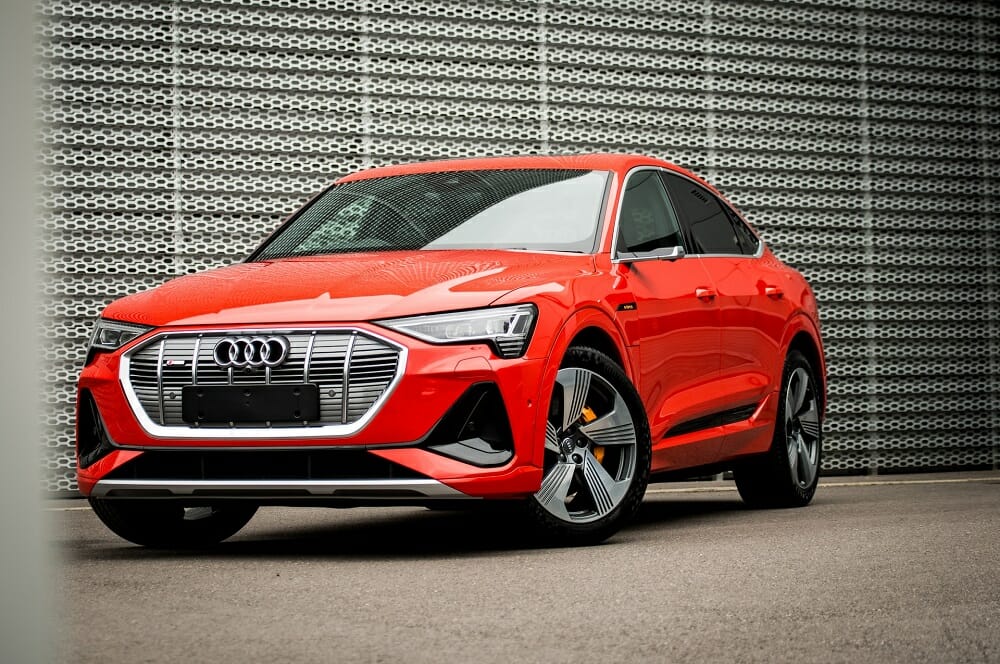
Audi E Tron problems

Common Audi E Tron Problems

Braking Issues

One of the common problems you might experience with your Audi e-tron is related to its braking system.

Some owners have reported issues such as a spongy brake pedal feel and inconsistent braking performance. To ensure your safety, it’s crucial to keep an eye on any brake-related issues and have them checked by a professional whenever necessary.

Software Problems

Another common issue with the Audi e-tron is software-related glitches. As an EV, the e-tron relies heavily on software for its various systems, and sometimes these systems may malfunction or need updates.

Common software problems can include the infotainment system crashing, connectivity issues with the MyAudi App, and charging-related errors. To minimize these issues, it’s essential to stay up-to-date with software updates and contact your dealership for assistance when needed.

Electrical Issues

Electrical issues are also something you might encounter with your e-tron. Some of the reported problems include malfunctions in the electrical system, such as issues with the MMI screen and rattling noises from inside the cabin.

In case you experience any electrical problems, it’s best to have them inspected by a qualified technician to prevent further complications.

High Voltage System

The high voltage system is a vital component of your Audi e-tron, and there have been some reported issues related to this system.

Some owners have experienced moisture build-up, which can lead to failures in the high voltage system and, in rare cases, even increase the risk of a fire. Always monitor your e-tron’s high voltage system for any signs of issues, and consult a professional if you notice anything unusual.

Coolant Leaks

Lastly, coolant leaks can be a problem for Audi e-tron owners. The vehicle has been known to suffer from water leaks into the cabin and battery compartment, with the most common entry points being around the mirrors, the sunroof, the passenger footwell, and the tailgate.

Regularly inspect your e-tron for any signs of water intrusion and have any leaks repaired promptly to avoid further potential damage.

Recalls and Safety Concerns

Loss of ABS and Stability Control

You may have come across reports of Audi E-Tron vehicles experiencing a loss of ABS and stability control.

Such issues can pose a significant safety concern, as they directly impact the vehicle’s braking and handling capabilities.

While no specific recall or NHTSA complaint has been found in the provided search results, it’s essential to keep an eye on any developments in this area and be aware of potential risks.

Fire Hazard

Audi has voluntarily recalled some E-Tron SUVs over battery issues that could cause fires, although none have been reported so far.

The recall affects 1,644 E-Tron electric vehicles. If you own an E-Tron, it’s essential to check for recall notifications and ensure your vehicle’s battery system is functioning correctly and safely.

Suspension Problems

Some users have reported suspension problems with the E-Tron, especially regarding the vehicle’s roof rails, which cause vibrations between 60-50 MPH.

While this may not be a direct safety concern, it can potentially affect the overall driving experience and comfort. It’s essential to keep an eye on the issue and address any concerns with your local dealership.

By staying informed about recalls, concerns, and safety issues involving your Audi E-Tron, you can ensure your vehicle operates safely and efficiently.

Always keep an eye out for any updates or announcements from the manufacturer regarding recalls, safety concerns, or NHTSA complaints.

Potential Audi E Tron Problems

Acceleration and Powertrain

When it comes to acceleration and powertrain, the Audi E Tron is a powerful electric SUV. However, you may experience some potential problems. Some common issues with the powertrain include:

  • Software-related problems that affect the vehicle’s power distribution
  • Reduced battery performance, leading to lower range and diminished acceleration

It’s essential to pay attention to these issues and schedule regular check-ups with your dealership or local workshop to ensure optimal performance.

Cargo Space and Tailgate

As an owner of the Audi E Tron, you’ll appreciate its ample cargo space. However, it’s important to be aware of potential problems with the tailgate.

Hatching, closing, and faulty latches have been reported by some users. Regular inspections and prompt repair or maintenance can help safeguard against these issues and keep your tailgate functioning optimally.

Suspension and Ride Quality

The Audi E Tron offers a comfortable ride and dynamic suspension system. That said, potential problems with the suspension and braking system may arise:

  • Moisture build-up, which can impact the suspension system’s performance
  • Software glitches that affect the stability and ride quality of the E Tron

Don’t ignore any unusual noises coming from your suspension or changes in ride quality. It’s crucial to have your vehicle checked by a professional to ensure a smooth and comfortable driving experience.

Safety Features and Reliability

This section will discuss a few aspects of the e-tron, focusing on airbags and seat belts, automatic emergency braking, range, and electric system.

Air Bags and Seat Belts

Your Audi e-tron is equipped with multiple airbags to protect you and your passengers in case of a collision.

These airbags include frontal, side-impact, and curtain airbags that will deploy based on the severity and location of the impact. Additionally, the e-tron comes with advanced seat belts that feature pre-tensioners and force-limiters, ensuring optimal safety and comfort during an accident.

Automatic Emergency Braking

One of the key safety features you’ll find in the Audi e-tron is Automatic Emergency Braking (AEB).

This advanced technology uses sensors to detect potential collisions, alerting you with both visual and audible warnings.

If you don’t react in time, the AEB system can apply the brakes for you to avoid or reduce the impact severity. This technology helps ensure your peace of mind while driving your electric vehicle.

Range and Electric System

The range of your Audi e-tron is a crucial factor, as it determines how far you can travel on a single charge.

The model variations offer different ranges, with most averaging around 222 miles on a single full charge.

Charging times may vary, but a fast-charging station can replenish 80% of the battery in as little as 30 minutes, allowing you to get back on the road quickly.

The e-tron’s electric system is designed for efficiency and reliability, making it a solid choice as a luxury electric vehicle.

However, it’s essential to keep in mind that some problems can arise with any electric vehicle, and the Audi e-tron may have its share of complaints and issues as well.

Regular maintenance and timely addressing of any concerns can help you keep your e-tron running smoothly and reliably.

Overall, the Audi e-tron is a stylish and safe electric vehicle option, with impressive safety features and generally reliable electric systems.

Other Miscellaneous Issues

Moisture and Sunroof

In some cases, Audi e-tron owners have experienced issues with moisture build-up. Moisture can affect multiple components of the vehicle, including its electrical system and cabin comfort.

It’s essential for you to check for signs of moisture build-up regularly and address any concerns promptly.

Additionally, sunroof problems have also been reported on some e-tron models. Make sure your sunroof is functioning properly and be aware of any possible leaks or malfunctions.

Warning Lights

Like any vehicle, the Audi e-tron is equipped with various warning lights to alert you of potential issues.

Some common warning lights that may appear on your e-tron include issues with the fuel/propulsion system, vehicle speed control, and wiring.

These warning lights serve as an early indicator of a problem that requires your attention. It’s important to take your e-tron to an authorized Audi dealer or workshop for diagnostic testing and resolution upon noticing any warning lights.

Manufacturer Communications

Audi e-tron owners have reported several recalls and technical service bulletins (TSBs) related to the vehicle.

One notable recall was for the 2022 model year, in which the rear-view camera was found to be troublesome. In addition to recalls, TSBs have been issued concerning problems with the powertrain, electrical system, and suspension, among others.

Always stay informed about manufacturer communications and address any recalls or TSBs promptly to ensure your e-tron remains safe and reliable.

Audi E Tron Competitors

Hyundai Ioniq 5

When you’re comparing the Audi E Tron to its competitors, the Hyundai Ioniq 5 is a solid contender.

This all-electric vehicle boasts an impressive range and quick charging capabilities.

You’ll find a spacious interior and cutting-edge technology features that make it a comfortable ride for both drivers and passengers. Here complete Hyundai Ioniq 5 problems and issues.

Some key similarities and differences between the Ioniq 5 and the E Tron include:

  • Both vehicles offer all-electric powertrains
  • The Ioniq 5 has a longer range on a single charge
  • The E Tron has a more premium interior and overall finish

Kia EV6

Another competitor to the Audi E Tron is the Kia EV6. This electric vehicle offers a sleek design and impressive performance.

It has a longer driving range than the E Tron and similar fast-charging capabilities. Here are detailed Kia EV6 problems models!

Comparing the two, you’ll notice:

  • The EV6 has a slightly lower price point, making it more accessible
  • Both vehicles offer advanced technology and safety features
  • The E Tron boasts a more luxurious interior

Genesis GV60

Lastly, the Genesis GV60 is another competitor worth considering. This luxury electric SUV offers a blend of power and sophistication. It shares similarities with the E Tron in terms of its premium materials and advanced technology features.

Here are some key points to compare when looking at the GV60 and the E Tron:

  • Both vehicles cater to the luxury market with high-quality interiors
  • The GV60 may offer a more powerful electric motor
  • The E Tron has been on the market longer, making it a more established option

In all of these comparisons, it’s essential to keep in mind that the Audi E Tron has experienced some problems such as software glitches and issues with the rear-view camera.

Audi Q8 Problems: Common Issues and Solutions Explored

Are you an Audi Q8 owner wondering about the common issues you might experience with your luxury vehicle?

Every vehicle has its own set of common issues, and it’s essential to stay informed. In this article, we’ll guide you through the most common problems reported by Audi Q8 owners, their causes, and possible solutions.

From suspension issues affecting tire wear and handling to problems with Audi’s start-stop technology, we’ll explore the details and help you address these concerns promptly.

Remember, being aware of these Audi Q8 problems will ensure a safe and enjoyable driving experience. So, let’s dive into the details and discover what you need to know as an Audi Q8 owner.

Audi Q8 problems

Audi Q8 Common Problems

This section will discuss the most prevalent issues in the areas of engine, electrical system, and steering problems.

Engine Issues

The Audi Q8 has faced some engine problems which have resulted in complaints from owners.

One of the main issues is the start/stop system that can cause the engine to disengage before the vehicle comes to a halt. This may result in sudden stalling as well. It’s essential to be aware of this problem and take necessary precautions.

Electrical System Problems

While the electrical system in the Audi Q8 is generally reliable, there have been reports of issues concerning the infotainment system.

Some owners find the system to be slow in responding to inputs or freezing altogether. Also, connectivity problems with Apple CarPlay and Android Auto have been reported. It’s essential to keep your Audi Q8’s software updated to minimize these issues.

Steering Problems

Steering problems in the Audi Q8 can be attributed to the front suspension and increased tire wear. These issues can result in worsened handling and steering response. To avoid these problems:

  • Keep a close eye on your tire condition and replace them as necessary
  • Maintain proper tire pressure to ensure optimal handling and even wear
  • Schedule regular inspections of your vehicle’s suspension system

By being aware of these common problems and taking the necessary steps to address them, you can ensure a better experience with your Audi Q8.

Audi Q8 Years to Avoid

Here’s a quick rundown of the years to avoid and the problems you might encounter.

2019 Audi Q8

The 2019 model is considered the worst model year for the Q8, mainly because it’s the first model year of this vehicle.

As with any new model, some kinks need to be worked out, and you might encounter the following problems:

  • Leaking sunroof
  • Difficulty accelerating from low speeds
  • Instances of the engine shutting off when decelerating
  • Pre Sense malfunction

Other Model Years

There aren’t any other specific model years with widespread issues, but there are some recurring problems that have been reported:

  • Start-stop feature not working properly
  • Infotainment system issues, such as difficulty activating Sirius XM

In general, when considering an Audi Q8, always research and be alert for any signs of these recurring issues regardless of the model year. This way, you can avoid any surprises and have confidence in your vehicle purchase.

Comparing Audi Q8 and Q7

Both models have their own set of pros and cons, so understanding their differences can help you make a more informed decision.

The Audi Q7 is known for its more practical size and family-friendly design. It has three rows of seating, making it a great option for larger families or those who often have extra passengers. Get to more Audi Q7 best years to buy and own.

On the other hand, the Audi Q8 is more focused on style and performance, with sportier design elements and a slightly wider, lower stance. It has two rows of seating, prioritizing comfort and luxury over passenger capacity.

When it comes to performance, both the Q7 and Q8 can come equipped with a 3.0-liter turbo V6 engine, offering identical performance specs when fitted with this option.

However, the Q7 also has a base-level four-cylinder engine option, making it more versatile in terms of powertrains. The Q8 is exclusively offered with a V6 engine.

Here’s a quick comparison table to show the main facts:

Feature Audi Q7 Audi Q8
No. of Rows 3 2
Length Longer than Q8 Shorter than Q7
Width Narrower than Q8 Wider than Q7
Engine Options 2.0-Liter 4-cylinder, 3.0-Liter V6 3.0-Liter V6

When it comes to common problems, the Audi Q8 has been reported to have issues with its front suspension, specifically the front shock absorber fork.

Driving Experience and Safety Concerns

As an Audi Q8 driver, you might encounter some issues that could affect your driving experience and safety.

One common problem is with the engine, where it may shut off during acceleration or deceleration, especially in the 2019, 2021, and 2022 model years.

Imagine driving at highway speeds and suddenly losing power for 2-3 seconds – it can be a nerve-wracking experience!

Your Audi Q8 is equipped with various safety features that aim to provide a more secure driving experience.

However, there may be room for improvement, as J.D. Power has given the 2023 Q8 only 71/100 for quality and reliability.

When it comes to steering, you might find that it provides relatively precise control, contributing to the Q8’s sporty driving characteristics. While it’s important to stay aware of possible issues, responsive steering is a key advantage of the Audi Q8.

An essential safety feature in your Q8 is the lane-keeping assist, which helps to detect unintended lane departures.

It can gently guide you back into your lane with subtle steering corrections. However, be sure not to rely solely on this feature, as you should always maintain full control of your vehicle and be prepared to make adjustments manually.

While driving the Q8, it’s crucial to stay aware of potential issues and remain vigilant in maintaining the vehicle’s overall performance and safety.

Keep in mind that despite these concerns, many drivers still enjoy the Audi Q8 for its luxurious interior, smooth ride, and agile handling.

Recalls and Class-Action Lawsuits

In recent years, Audi has faced a few issues with the Audi Q8 model, including recalls and class-action lawsuits.

One notable example is a class-action lawsuit involving 2012-2017 Audi models with 2.0L turbocharged engines allegedly plagued by piston defects. As a Q8 owner, you may want to be aware of these problems and keep track of any relevant information.

In addition to the lawsuit, there have been recalls affecting the Audi Q8. For example, Audi issued a recall for certain 2020-2021 Q7 and 2019-2021 Q8 SUVs due to a faulty fuel pump that could cause sudden loss of engine power or vehicle breakdown.

Additionally, a separate recall involved over 40,000 Audi vehicles to fix a faulty suspension component, which could lead to loss of vehicle control while driving.

To stay informed on any potential recalls for your Audi Q8, be sure to visit the National Highway Traffic Safety Administration (NHTSA) website.

By entering your vehicle’s VIN on the website, you can access relevant information on the recalls associated with your specific model. Regularly checking for new recalls and updates can help ensure the safety and performance of your Audi Q8.

Audi Q8 Maintenance Cost and Repair

Transmission Fluid Issues

The Audi Q8 can sometimes experience transmission fluid issues. One common problem is the factory-fitted faulty transmission oil join, which can potentially lead to oil leaks.

To avoid any damages to your transmission, make sure to monitor the oil levels and address any leaks as soon as possible.

Tire Wear

Just like any vehicle, the Audi Q8’s tires can undergo wear and tear over time. To ensure your Q8 performs optimally and safely, it’s crucial to regularly check your tire pressure and alignment.

Keep an eye out for any signs of uneven tire wear, as this could indicate a suspension or alignment problem, which may require a visit to a mechanic.

Start/Stop System

The Audi Q8 is equipped with a start/stop system that aims to conserve fuel when idling. While this system can save you money and contribute to environmental sustainability, it’s essential to understand how it works and learn to troubleshoot any issues that may arise.

Remember, the maintenance cost of an Audi Q8 during its first 10 years of service is approximately $12,551, which is lower than the industry average for luxury SUV models by around $3,163. This figure includes the 36.25% chance of requiring a major repair during that time.

Audi Q8’s PainRank and Reliability Ratings

When it comes to the Audi Q8, you might be curious about its PainRank and reliability ratings. Thankfully, we’ve got some information to help shed light on this luxury SUV’s performance in these areas.

The PainRank™ system is used to evaluate car models based on various factors affecting their overall reliability. In this case, the Audi Q8 ranks 8th in overall reliability out of 19 Audi models.

This rating signals that the Q8 has its fair share of issues, but it’s not the least reliable model in the Audi lineup.

One of the most common problems with the Audi Q8 is related to the start/stop system; the engine may disengage before the car comes to a complete halt.

This system has also been known to cause the Q8 to stall, a concern that led to a class-action lawsuit (which has been dismissed).

Another area where the Q8 may face reliability concerns is in its electrical system. Be sure to examine any potential electrical issues before making a purchasing decision.

So, if you’re considering buying an Audi Q8, it’s essential to be aware of these potential problems. Many owners have positive experiences with their Q8s, but being prepared for possible issues can save you time and frustration down the road.

Audi Q8 Competition

This section will provide brief comparisons with some noteworthy rivals, such as the Infiniti QX60, Volvo XC90, BMW X6, Range Rover Sport, and Acura RDX.

Infiniti QX60

The Infiniti QX60 is a more affordable option when compared to the Audi Q8, but it also offers less power and performance.

The QX60’s interior is well-appointed, though it may not match the Audi’s sophistication. However, both vehicles exhibit some common problems, such as premature tire wear and occasional electronic malfunctions.

Volvo XC90

The Volvo XC90 brings a strong reputation for safety to the table in this audi q8 comparison. The design language is more understated than the Q8, and it also offers a spacious interior with an optional third-row seat.

Both SUVs have faced some issues with their advanced driver assistance systems, including reports of lane-keeping assist glitches. However some Volvo XC-90 cars have engine issues.

BMW X6

When looking at audi q8 rivals, the BMW X6 stands out with its bold, coupé-like styling and sportier driving dynamics.

Although the Audi Q8 and BMW X6 share some similar problems, such as gearbox leaks and accelerated tire wear, you’ll find that both cars exhibit remarkable build quality and luxurious appointments.

Are you also wondering if Is BMW X4 the same size as X6 and what constitute any major differences? Go check that guide out!

Range Rover Sport

The Range Rover Sport is a popular choice for audi q8 competitors, offering true off-road capability alongside luxurious amenities.

While both the Q8 and Range Rover Sport have cutting-edge technology, both Q8 and Rover Sport experienced some electronic issues related to sensors and infotainment systems. However, both vehicles provide excellent performance and handling on various terrains.

Acura RDX

Lastly, the Acura RDX is a more budget-friendly option within the luxury SUV segment, but it may not provide the same level of opulence as the Audi Q8.

In terms of common problems, both vehicles face occasional electronic glitches and suspension issues. The RDX may not match the Q8 in terms of performance and standout design, but it still offers a comfortable and smooth driving experience.

Categories SUV

Audi Q3 Problems: Common Issues and Solutions for Drivers

Are you considering purchasing a luxury SUV like the Audi Q3? This compact SUV is known for its style and comfort, but as with any vehicle, it’s essential to be aware of any potential issues.

From electrical to transmission concerns, we’ll explore the most common problems reported by Q3 owners and help you know what to look for during a pre-purchase inspection.

Despite these reported issues, the Audi Q3 continues to impress drivers with its luxury features and compact size.

By staying informed and considering the frequency and severity of problems, you can better assess how the Q3 suits your lifestyle and transportation needs.

So, let’s show you more details and discover what you need to know before purchasing an Audi Q3.

Audi Q3 problems

Audi Q3 Reliability and Common Complaints

Let’s start with top common complaints related to the Audi Q3, including transmission problems, timing chain issues, sunroof problems, and electrical problems.

Audi Q3 Transmission Problems

You may encounter transmission problems in your Audi Q3. While these issues are not widespread, it’s essential to keep an eye out for any signs of trouble, such as erratic shifting or slipping gears.

Make sure to regularly service your vehicle and address any issues as soon as they arise to maintain optimal performance.

Timing Chain Issues

One of the most common problems with the Audi Q3 is related to the timing chain. The 2.0-liter EA888 engine may experience tensioner problems, causing the chain to become loose.

This could potentially result in catastrophic engine failure. Be aware of any unusual noises in the engine or the “Check Engine” light on your dashboard, as they could be indications of timing chain problems.

Sunroof Problems

Sunroof problems have also been reported in some Audi Q3 models. These issues may include leaking, binding, or even jamming of the sunroof mechanism.

Regular cleaning and maintenance of the sunroof’s drainage channels can help prevent these problems from occurring. If you notice any issues with your sunroof, consult your local Audi dealer for a proper diagnosis and repair.

Audi Q3 Electrical Problems

Lastly, Audi Q3 owners may also face some electrical problems. These can range from minor inconveniences, such as malfunctioning interior lights, to more serious issues like electrical system failures.

To address electrical problems, check for any recalls related to your specific model, as the National Highway Traffic Safety Administration may have issued mandatory fixes for known issues.

Additionally, it’s always a good idea to regularly inspect your vehicle’s electrical components and address any warning signs as soon as they become apparent.

By staying informed of these common complaints and maintaining your Audi Q3 through regular servicing and inspections, you can ensure that your vehicle remains reliable and enjoyable to drive.

Recalls and Safety Concerns

Doors and Ball Joints

You, as an Audi Q3 owner or potential buyer, should pay attention to recalls and safety concerns, especially surrounding doors and ball joints.

In some cases, there have been manufacturing defects with the doors, which can lead to unexpected openings or difficulties in closing them properly.

In addition to that, there have been instances where ball joints have experienced excessive wear or failure, causing steering issues or even accidents.

Keep an eye on any recall notices issued by the National Highway Traffic Safety Administration (NHTSA), especially those related to your Audi Q3’s doors and ball joints, to ensure your vehicle remains safe to drive.

Forward Collision Avoidance System

The forward collision avoidance system in the Audi Q3 is designed to prevent accidents by detecting potential collisions and alerting the driver or even applying the brakes automatically.

However, there have been cases where this system has experienced malfunctions or false alarms, possibly leading to unnecessary braking or confusion for the driver.

Remember to stay up-to-date on the latest Audi Q3 recalls and safety notices, as some of them may directly address issues with the forward collision avoidance system.

Parking Brake

Lastly, another area of concern for the Audi Q3 is the parking brake. There have been instances where the parking brake fails to engage properly, leading to the vehicle rolling away if parked on an incline.

This poses a significant safety risk for you and your vehicle, so it’s essential to be aware of any recalls or issues related to the parking brake.

Costs, Quality, and Warranty

The 2023 Audi Q3 has received positive reliability reviews and Audi has established itself as a brand that emphasizes quality.

Your Audi Q3 comes with a limited warranty that covers 4 years or 50,000 miles, whichever comes first.

This comprehensive warranty offers peace of mind for you, as it ensures that any manufacturing-related issues will be taken care of by the manufacturer.

Additionally, Audi provides a 1-year/10,000-mile schedule maintenance plan at no additional cost to you, which helps you keep your Q3 in top condition during that period.

In terms of resale value, Audi vehicles are known for holding their value relatively well, especially compared to some other luxury brands.

Thus, when it comes time to sell your Audi Q3 or trade it in, you can expect a decent return. However, it’s essential to keep in mind factors like overall vehicle condition, mileage, and market demand that influence resale value.

When looking for an Audi Q3 for sale, don’t just focus on the sticker price. Instead, consider the total cost of ownership. This includes factors such as:

  • Fuel expenses
  • Maintenance costs
  • Insurance premiums

By considering the total cost of ownership, you’ll have a better understanding of the true expenses associated with owning and driving an Audi Q3.

User Experiences and Online Resources

Car Complaints and Problem Trends

As an Audi Q3 driver, you might be interested in other drivers’ experiences with this vehicle. One useful resource is carcomplaints.com, where you can find a detailed record of users’ experiences, complaints, and trends regarding various vehicle components and specific problems.

This website collects data from drivers to identify and report automotive defect patterns that might be useful for you to know. The information provided is designed to help Audi Q3 owners and potential buyers to make better-informed decisions about their vehicles.

Social Media Discussions

Engaging in social media discussions can also be a valuable way to hear about the experiences of other Audi Q3 drivers and share yours in return.

You can join automotive groups on Facebook, follow car enthusiasts or experts on Twitter, or even participate in Google+ communities dedicated to vehicles like the Audi Q3.

These online discussions provide insights into common concerns, personal experiences, tips, and relevant news updates that can help you stay informed and connected with other Audi Q3 fans.

Audi Q3 Competitors

When comparing the Audi Q3 to its rivals, it’s essential to take a look at some of its main competitors: the Volvo XC40, Acura RDX, BMW X1, and Buick Envision.

Volvo XC40

The Volvo XC40 is known for its sleek design, high-quality interior materials, and user-friendly tech features.

Similar to the Audi Q3, the XC40 offers a comfortable ride, though it boasts slightly more cargo space. Both vehicles have reported electrical issues, but the XC40 has a reliable reputation overall.

When it comes to performance, the XC40’s base engine offers similar horsepower to the Q3, but you might find the Volvo a bit more fuel-efficient.

Acura RDX

The Acura RDX stands out for its potent engine and sporty handling. While both the Audi Q3 and Acura RDX offer luxurious interiors, the RDX is roomier for passengers.

One common problem that both vehicles may share is with their transmissions. When comparing performance, the RDX has a more powerful base engine than the Q3, but some drivers may find the Audi’s ride more refined and comfortable.

BMW X1

The BMW X1 is a strong competitor in the luxury subcompact SUV class, known for its agile handling and sporty performance. Like the Audi Q3, the X1 features a stylish interior and a myriad of tech features.

However, the BMW X1 offers more cargo space and a slightly more engaging driving experience. When it comes to common problems, both the Q3 and BMW X1 have experienced engine-related issues.

Overall, the choice between these two German rivals may come down to personal preference and priorities.

Buick Envision

Lastly, the Buick Envision provides a comfortable and quiet ride with a stylish, upscale cabin. Similar to the Audi Q3, the Envision features an array of standard safety and technology features.

Although the Envision’s base engine is less powerful than the Q3’s, the Buick offers a smoother ride overall. In comparison, the Envision has shown fewer common problems than the Q3. However, the Q3 may have a slight edge in terms of performance and interior quality.

As you explore each of these vehicles, you’ll find that each has its strengths and weaknesses, much like the Audi Q3.

Categories SUV

Audi Q5 Years to Avoid – Here Are the Worst Models!

Are you in the market for a luxury SUV like the Audi Q5? With its impressive features and performance, this SUV can be an excellent choice for your driving needs.

However, not all model years are created equal, and it’s essential to understand which years to avoid. In this article, we’ll guide you through the Audi Q5 years to avoid, helping you make a more informed decision when buying your next car.

From excessive oil consumption to chronic problems with airbags, fuel systems, and sunroofs, we’ll explore the potential issues and help you find the spot between value and reliability.

So, let’s start revealing each vital motorcar nugget to identifying and buying a sweet used Audi Q5. You’ll be proud to show off an enjoyable driving experience. Also, discover what year Audi Q5 is most reliable for owning or investing.

Audi Q5 years to avoid

Which Audi Q5 Years to Avoid and Why?

Worst Years for Audi Q5

There are a few years of the Audi Q5 that have more significant issues than others:

  • 2011 Audi Q5: According to NHTSA, this model year has the most complaints within the first-generation Q5 (2009-2017). These problems primarily impact its safety rating.
  • 2012 Audi Q5: This year stands out as one to avoid due to numerous reported issues. Owners experienced electrical as well as steering problems unique to this model year.
  • 2014 Audi Q5: We suggest staying clear of the 2014 year due to oil consumption issues and steering problems, which can make ownership a headache.
  • 2018 Audi Q5: Although a new generation, this model suffers occasional electrical glitches.

Reported Problems

Let’s take a closer look at some of the most common problems with these problematic Audi Q5 models:

  • Oil Consumption: The 2014 Audi Q5 has been reported to have oil consumption issues, requiring you to monitor and refill oil levels more frequently.
  • Steering Problems: 2012 and 2014 Audi Q5 models suffer from steering problems and issues ranging from noisy to unresponsive.
  • Electrical Issues: Both the 2012 and 2018 Audi Q5 models have experienced various electrical problems. It could mean anything from glitches in the infotainment system to more serious concerns, like electrical system failures.

Armed with this information, you can now make a more informed decision when considering an Audi Q5, potentially avoiding years with troublesome histories.

Common Issues

Engine Problems

Audi Q5 has had its share of engine issues, particularly in the 2011-2012 and 2013 models, which experienced defective timing chains and excessive oil consumption.

When the timing chain fails, it can cause severe damage to your engine. Be aware that excessive oil consumption could mean frequently topping off your oil and monitoring the vehicle’s oil levels.

Power Steering Failure

Power steering failure has not been reported as a common issue in the Audi Q5. However, always pay attention to unusual noises when turning the steering wheel and seek professional help.

Transmission Problems

While transmission problems are not explicitly mentioned as a common issue for the Audi Q5, it’s essential to look for any signs of trouble, such as sluggish shifting, grinding noises, or a delayed response when shifting gears.

Fuel System Troubles

The fuel pump flange has been known to crack in some 2013 to 2017 Q5s, causing fuel leakage. A broken fuel pump flange might lead to dangerous situations, so if you notice any fuel odor or see leaks, make sure to have it checked and repaired as soon as possible.

Brake Wear

Though brake wear is not explicitly mentioned for the Audi Q5, it’s vital to be aware of your vehicle’s brake system’s condition. Regularly monitor the brake pad thickness and replace them as necessary to ensure your safety on the road.

Electrical Problems

Electrical problems are not widely reported among Audi Q5s, but watching for warning lights or strange behavior with the vehicle’s electronics is always good. If you experience any issues, consult a mechanic to investigate and address the problem.

Sunroof Leakage

Sunroof leakage has been reported in some Q5s due to a lousy sunroof drainage design. If you notice any water leaks or dampness in your car caused by the sunroof drainage issue, be sure to have it fixed to avoid further complications like damaged electrical components or mold growth.

Recalls and Safety Concerns

NHTSA Recalls

Your Audi Q5 might face some recalls that pertain to its safety features. The National Highway Traffic Safety Administration (NHTSA) monitors these recalls.

Specific model years could have higher recalls, like the 2010 Audi Q5, which faced airbags, seatbelts, and fuel systems issues. The 2022 Audi Q5 also had 5 NHTSA recalls.

It’s essential to be aware of NHTSA recalls impacting your vehicle and to promptly address them to ensure your safety on the road.

Airbags

Some common Audi Q5 problems include airbag issues. Faulty airbags won’t deploy correctly in case of an accident, potentially leading to severe injuries.

You should stay vigilant about any recalls concerning airbag systems and follow the recommended actions to address these issues.

Seatbelts

Seatbelts are another critical safety component of your Audi Q5. There have been reports of seatbelt troubles, especially in the 2010 Q5 model.

These issues could pose a risk to you and your passengers in case of an accident. Look for any recalls involving seatbelts and ensure that you repair or replace the affected components as needed.

Remember that recalls and technical service bulletins (TSBs) are crucial in maintaining the safety features of your Audi Q5.

Reliability and Reviews

CarComplaints.com Rankings

Unfortunately, there isn’t enough data on CarComplaints.com regarding Audi Q5 to provide a comprehensive rating. However, you can still explore general Audi rankings and reports to understand the brand’s reliability.

The Best Years for Used Models

On the other hand, the best model years of the Q5 are 2023, 2022, 2020, 2019, 2017

Some key takeaways for the best and worst Audi Q5 years are:

  • Best Years: 2023, 2022, 2020, 2019, 2017
  • Worst Years: 2011, 2012, 2010, 2018

Owner Satisfaction

Owner satisfaction plays a crucial role in determining the overall reliability of a vehicle. According to Vehicle History ratings, the 2020 Audi Q5 has a slightly better-than-average reliability rating, with user reviews giving it a score of 4.67 out of 5.

Audi received the 2020 J.D. Power Quality and Performance Awards as a brand, earning rave reviews from its owners for new and three-year-old vehicles.

This overall satisfaction contributes to the perception of Audi as a reliable brand and speaks positively about Q5’s continued development and improvements.

What is Audi Q5 Life Expectancy?

When it comes to the life expectancy of your Audi Q5, various factors come into play, such as the level of care, maintenance, and treatment.

An Audi Q5 can last 125,000 to 180,000 miles on average if you follow the suggested maintenance schedule and drive under normal conditions. To break it down further, moving an average of 13,500 miles per year, you can expect your Q5 to last between 10 to 13 years.

Now, achieving a longer lifespan for your Audi Q5 is not impossible. With excellent care and diligent maintenance, you might even hit 300,000 miles with your luxury SUV.

To ensure that your Audi Q5 stays in good condition for a significant number of miles, consider the following tips:

  • Regular oil changes: Follow the manufacturer’s recommended oil change intervals to keep your engine running smoothly.
  • Tire care: Rotate your tires and check their pressure to prevent uneven wear and improve fuel efficiency.
  • Timely inspections: Keep up to date with regular checkups to avoid significant issues down the line.
  • Brake maintenance: Replace brake pads and fluids to maintain optimal performance.

What is the Best Audi Q5 Engine?

In this section, I’ll discuss the most popular engine choices and what makes them stand out.

One popular choice is the 2.0-liter TFSI four-cylinder engine, known for its fuel efficiency and respectable performance.

This engine produces 248 horsepower and 273 lb-ft of torque, more than enough for daily driving and light towing. You’ll enjoy a comfortable and exhilarating ride with its smooth and responsive turbocharging.

Another option is the 3.0-liter V6 TFSI engine in the Audi SQ5 model. This engine offers more power and performance, producing 349 horsepower and 369 lb-ft of torque.

This engine might be your ideal choice if you’re looking for a sportier driving experience or have heavier towing needs. Remember that it may have a slightly higher fuel consumption than the 2.0-liter engine.

Audi also offers a plug-in hybrid option for environmentally-conscious drivers, with the Q5 55 TFSI combining a 2.0-liter TFSI engine and an electric motor.

This combination boasts 362 horsepower and 369 lb-ft of torque, providing an excellent blend of performance and efficiency.

The Q5 TFSI e allows for all-electric driving for short distances while still offering the flexibility of a gasoline engine for longer trips.

In summary, the best Audi Q5 engine for you will largely depend on your priorities and driving style:

  • For fuel efficiency and daily driving: 2.0-liter TFSI four-cylinder engine
  • For sporty performance and heavier towing: 3.0-liter V6 TFSI engine (SQ5)
  • For eco-conscious drivers and a blend of performance and efficiency: Q5 55 TFSI e (plug-in hybrid)

Audi Q5 Competition and Alternatives

This section will discuss some popular competitors to help you make an informed decision.

Subaru Outback

The Subaru Outback is a reliable alternative with its standard all-wheel drive and excellent fuel efficiency. Its spacious interior and extensive safety features make it a great family choice.

Although the Outback has fewer reported issues than the Audi Q5, it’s worth noting that some earlier models (2010-2014) experienced head gasket problems.

Acura RDX

Acura RDX offers sporty performance, a comfortable interior, and user-friendly tech features.

It’s optional all-wheel drive and an upscale design makes the RDX a solid option for luxury SUV seekers.

While the RDX typically has fewer common problems than the Q5, some 2013 models encountered transmission issues.

BMW X3

The BMW X3 is another worthy competitor in the luxury SUV segment. Its powerful engine options, spacious cabin, and well-appointed interior deliver a premium driving experience.

Compared to the Q5, the X3 has fewer reported problems, but some owners of the 2011 model experienced engine failure.

Cadillac XT5

If you’re interested in American luxury, the Cadillac XT5 offers a smooth ride, a high-quality interior, and numerous safety features.

However, it may have a different level of performance than its European competitors, such as the Q5 or X3. Common issues with the Cadillac XT5 include transmission problems in the 2017 model.

Volvo XC60

The Volvo XC60 stands out for its focus on safety and Scandinavian design. With its standard all-wheel drive and a range of fuel-efficient engines, the XC60 is an appealing option.

Although earlier models XC60 (2010-2012), had some electrical issues, the XC60 usually has fewer common problems than the Audi Q5.

As you search for the perfect luxury compact SUV, consider each alternative’s potential issues and benefits.

Categories SUV

Discover the Worst Audi Q7 Years to Avoid and Specific Problems

Are you in the market for a luxury SUV that offers style, performance, and comfort?

The Audi Q7 is undoubtedly one of the top contenders. However, not all model years are created equal, and some have been associated with more problems than others.

As a savvy car buyer, it’s essential to know which years to avoid to ensure a smooth and enjoyable driving experience.

By avoiding these problematic years, you’ll increase your chances of enjoying the full benefits that an Audi Q7 can offer, such as reliable performance, advanced features, and long-lasting durability the best year for Audi Q7 has to offer you.

So, let’s dive into the details and discover which Q7 model years to avoid and specific problems for each

Audi Q7 years to avoid

Audi Q7 Years to Avoid

As an enthusiast interested in the Audi Q7, it’s important to be aware of certain model years to avoid when looking for a used car. In this section, we will discuss some of the worst years for the Audi Q7 and common problems you should be aware of.

2006 and 2007 Audi Q7 Problems

The first generation of the Audi Q7 started with the 2006 and 2007 models. These early years were plagued with various issues:

  • Electrical problems, including faulty door locks and multimedia systems
  • Suspension and brake issues, causing poor ride quality and handling
  • Engine issues, such as oil leaks and timing chain tensioner failures

Before investing in a 2006 or 2007 Audi Q7, make sure to check the vehicle’s service history for signs of these common problems.

2015, 2016, and 2017 Audi Q7 Issues

The second-generation Audi Q7, introduced in 2015, came with its share of problems as well. Some of the problematic years include the 2015, 2016, and 2017 models. Keep an eye on these potential issues:

  • Water pump and thermostat failures, leading to engine overheating
  • Transmission issues, causing rough shifting and gear engagement problems
  • Faulty infotainment systems, resulting in limited connectivity and user frustration

These issues don’t affect every vehicle in these model years, but it’s worth checking for possible signs of trouble during your search.

Post 2017: 2019 and 2020 Q7 Concerns

While the 2019 and 2020 Audi Q7 models have shown improvements in reliability, it’s still important to be cautious. Some reported areas of concern include:

  • Power steering issues, causing difficulty in maneuvering the vehicle
  • Air suspension failures, resulting in decreased ride comfort
  • Software glitches in various vehicle systems, like engine management and safety features

Remember to double-check service records and vehicle history reports for any troubling signs associated with these potential issues.

In summary, the 2006, 2007, 2015, 2016, and 2017 Q7 models may have a higher likelihood of problems.

Common Problems and Complaints

In this section, we’ll look into several issues that Audi Q7 owners have experienced.

Engine and Transmission Issues

Fortunately, major engine and transmission problems are not very common in the Audi Q7.

However, some owners report cold start issues where the vehicle may buck and shudder during acceleration, and the idle can be erratic.

In such cases, diagnostic scanners may reveal misfire issues, usually involving specific cylinders. Stay aware of these potential problems, especially in the 2015 Audi Q7, which has known issues with its fuel and cooling systems.

Electrical Issues

Electrical problems are more prevalent in certain years of the Audi Q7, like the 2007 model.

Some owners have struggled with malfunctioning sensors, power accessories, and navigation systems. Always test electrical components thoroughly before committing to your purchase.

Suspension and Brake Problems

Some owners found issues with their Q7’s brakes and suspension systems. In some cases, premature wear or faulty components may lead to costly repairs.

While not extremely common, it’s essential to inspect and test these systems during a pre-purchase inspection.

Recalls and Lawsuits

Models between 2007 and 2017 have experienced lawsuits and recalls due to fuel leaks from the fuel pump flanges.

Start-stop technology defects have also been a source of concern, as the system may shut off power steering and brake systems at dangerous times.

Reliability and Maintenance

Timing Chain and Timing Belt

Your Audi Q7 features a timing chain instead of a timing belt. Timing chains generally require less frequent replacement than timing belts and are known for their durability.

However, it’s important to regularly check for wear in the timing chain components, as failing to address potential issues may lead to expensive engine repairs.

Factors Affecting Reliability

Proper maintenance is crucial for keeping your Audi Q7 running smoothly and reliably. Here are some key aspects to consider:

  • Regular oil changes: Ensuring your Q7’s engine oil is changed according to the recommended intervals will help extend its life and maintain optimal performance.
  • Routine inspections: Periodic check-ups by a professional mechanic can help identify potential issues before they escalate.
  • Quality replacement parts: When the need for repairs arises, always use OEM or high-quality aftermarket components.

Models and Technology

Performance and Fuel Economy

As explain above, he 2007 and 2017 models have faced issues with Audi’s start-stop system and fuel leaks from the fuel pump flanges.

But don’t worry – there are also plenty of robust and fuel-efficient models to choose from like the 2023, 2022, and 2020 models. Your driving experience can vary with different engines, so be sure to select one that matches your performance expectations.

Interior

Speaking of the interior, the Audi Q7 is renowned for its luxurious and comfortable cabin. Most models come outfitted with high-quality materials and the latest technology to enhance your driving experience.

Good news is that, some users have reported electrical system problems in the 2007 model. To avoid any potential frustration, it’s a good idea to research specific model years and their known interior issues, if any.

Cargo Space

If cargo space is essential for you, the Audi Q7 offers a spacious and flexible area for all your needs. Most models include a split-folding rear seat that can be adjusted to maximize carrying capacity.

Be sure to double-check cargo dimensions for the model years you’re considering, as dimensions may vary slightly.

Towing Capabilities

The Audi Q7 is also known for its impressive towing capabilities – a bonus for your weekend adventures or hauling needs.

Most models are equipped to handle heavy loads, it’s essential to verify the model’s specific towing package and capacity. Remember that exceeding your vehicle’s towing limit can lead to damage or compromise your safety.

Standard and Optional Features

As a luxury vehicle, the Audi Q7 is loaded with standard features that elevate your driving experience. Some highlights include ambient interior lighting, advanced infotainment systems, and a plethora of safety technologies.

When exploring various model years, be sure to examine the list of standard and optional features to ensure you’re choosing a well-equipped Q7 that aligns with your preferences.

Audi Q7 Competitors and Alternatives

In the luxury SUV sector, you might be curious about some alternatives to the Audi Q7. Here, we will discuss a few popular competitors, compare their differences and similarities, and mention a few common problems, allowing you to make an informed decision.

Range Rover Sport

The Range Rover Sport is a versatile and luxurious option known for its off-roading capabilities and sumptuous interior.

While it offers ample power and performance, it might not be as fuel-efficient as the Audi Q7. Both SUVs share a reputation for quality interiors and premium design.

Common problems with the Range Rover Sport include air suspension failures and occasionally problematic infotainment systems.

Volvo XC90

The Volvo XC90 is a top contender with its reputation for safety, elegant design, and comfortable interiors. The XC-90 Volvo stands out for its fuel-efficient engines and extended list of standard features.

Although the XC90 car might not have the performance edge as the Audi Q7, it’s worth considering if you prioritize safety and fuel economy. Common issues with the XC90 involve the infotainment screen and electronic module failures.

VW Touareg

The VW Touareg shares the same VW Group platform as the Audi Q7, and offers a luxurious and well-built interior.

It’s slightly smaller than the Q7, the Touareg still delivers a comfortable ride and strong performance. Common problems in the Touareg include electrical faults and issues with the air suspension. Read full VW Touareg years to avoid and other issues!

Audi Q5

If you’re drawn to Audi but looking for a smaller alternative to the Q7, the Audi Q5 might be your choice. This compact luxury SUV offers a sleek design, advanced technologies, and impressive performance especially if you buy one of the most reliable and best used Q5 Audi SUV products.

It’s a great option if you appreciate the Audi brand but don’t require the extra space provided by the Q7. Like the Q7, the Q5 has few common problems, but some owners report minor issues with the infotainment system and sensors.

Jeep Grand Cherokee

For those who desire strong performance and off-roading capabilities combined with luxury, the Jeep Grand Cherokee is a worthy competitor. Just limit your investment to secure one Grand Cherokee proven as best and reliable.

While its interior might not be as refined as the Q7, it offers a range of powerful engine options and rugged capability. Common problems with the Grand Cherokee include transmission issues, electrical problems, and general build quality concerns.

Audi Q7’s Best Years

Quality and Reliability

Based on various sources, the top-rated Audi Q7 years for quality and reliability are 2023, 2022, 2020, 2019, and 2011. These models have had fewer reported problems and received high praise from automotive experts.

Let’s discuss these years in more detail:

  • 2007 Audi Q7: This model year experienced problems with brakes and the electrical system, causing dissatisfaction among owners.
  • 2015 Audi Q7: Although not as problematic as the 2007 model, this Q7 year still suffered from occasional start-stop system issues.
  • 2017 Audi Q7: This model faced recalls due to fuel leaks from the fuel pump flanges, impacting its reliability.

Finding a Reliable Used Audi Q7

Focus on the best years mentioned above, but don’t limit yourself to those years alone.

Do your research and check for specific issues related to the model you’re interested in. Here are some tips to find a quality used Audi Q7:

  • Look for a well-maintained vehicle with complete service records.
  • Get a pre-purchase inspection from a trusted mechanic to ensure there are no underlying issues.
  • Check the 2011 Audi Q7 and 2014 Audi Q7 for any reported problems or recalls.
  • Test drive the vehicle to make sure it performs well and meets your expectations.

By following these guidelines and focusing on Audi Q7’s best years, you can increase your chances of finding a reliable, high-quality used Audi Q7 to enjoy for years to come.

Categories SUV

Which Infiniti QX50 Years to Avoid and Best Model Years?

Are you in the market for a pre-owned luxury SUV like the Infiniti QX50?

With its style, comfort, and performance, the QX50 can be an excellent choice for your driving needs.

However, not all model years are created equal, and knowing which years to avoid is essential.

In this article, you’ll learn the best and worst years for the Infiniti QX50, helping you make an informed decision and find a reliable model to suit your needs.

So, let’s buckle up and dive into the details of which QX50 model years to avoid and which ones to consider for a smooth and enjoyable driving experience.

infiniti qx50 model years

Infiniti QX50 Model Years to Avoid

Let’s cover the 2019, 2021, and 2020 Infiniti QX50 models and what makes them less desirable.

2019 Infiniti QX50

The 2019 Infiniti QX50 may be a better choice, as it is listed as one of the worst years in terms of customer complaints.

Although it is a redesign of its predecessor, this model might have some growing pains you’d like to avoid. Be cautious and closely inspect any potential issues before committing to this year’s model.

2021 Infiniti QX50

Despite some improvements, there may be better choices than the 2021 Infiniti QX50 due to its similarities to previous years’ models.

While it received design changes such as additional rear side airbags and side structure improvements to enhance occupant protection during crashes, this 2021 model might still inherit some known problems from earlier versions.

2020 Infiniti QX50

Regarding the 2020 model, there might be a need for more substantial updates or improvements compared to previous years.

This lack of innovation could cause the 2020 Infiniti QX50 to inherit problems from earlier models.

As with any vehicle purchase, ensure you carefully evaluate the model’s performance, reliability, and safety features to make an informed decision.

Common Problems

Fuel Economy Issues

One problem you might need help with specific Infiniti QX50 models is fuel economy issues.

Some QX50 models have experienced steering lock issues, engine noise, premature brake wear, burnt transmission fluid, and suspension problems. These issues might have an impact on the overall fuel efficiency of the vehicle.

To ensure optimal fuel economy for your Infiniti QX50, perform regular maintenance and address any potential problems immediately. Monitor your vehicle’s fuel consumption and check for signs of reduced fuel efficiency.

Handling Concerns

Another area where some Infiniti QX50 models might have concerns is handling. Many factors can influence your car’s handling, including tire pressure, suspension setup, and weight.

If your QX50 isn’t handling it the way it should, it’s essential to identify and address the root cause of the problem.

One way to maintain good handling in your vehicle is by making sure that the tires are properly inflated and balanced.

Also, ensure that your suspension components are in good working order and that any potential problems are fixed promptly.

Recall Information

As a potential Infiniti QX50 buyer, it’s crucial to be aware of any recall issues that may have affected previous model years.

According to an Infiniti QX50 recalls list, this model has had several recall issues. The largest recall occurred in 2019, addressing two common problems: Tires (1) and Air Bags (1). Additional recall information includes a Sensing System (1) issue.

In 2021, Infiniti issued a voluntary recall for sure 2021 Q50, QX50, Q60, and 2020 QX60 models to inspect the casting stamp of the front steering knuckles and rear axle housings. If identified as faulty, the dealer would replace these components at no cost to you.

When evaluating a specific model year, such as the 2016 Infiniti QX50, be aware that there have been four reported issues on various consumer websites. One notable issue is a swamped ICU unit, which can cost nearly $2,000 to fix. This problem occurs around an average mileage of 32,000 miles.

Infiniti QX50 Reliability Ratings and Reviews

J.D. Power Ratings

Unfortunately, no information regarding J.D. Power ratings for the Infiniti QX50 is available.

Car and Driver Review

According to a review from Car and Driver, you might experience some issues with the acceleration in the QX50.

One of their senior editors said, “Ask for moderate acceleration around town, and the QX50 alternately surges and sags, lunges and lags, like an excited puppy on a leash.” It might be something to consider when looking into the reliability of the Infiniti QX50.

As for other aspects of its reliability, it is worth checking out Consumer Reports for more details on its reliability ratings.

Be sure to read multiple reviews and consider various sources to understand Infiniti QX50’s reliability comprehensively.

Additionally, consider factors such as maintenance costs, warranty coverage, and the availability of replacement parts to ensure you make an informed decision when choosing the right vehicle.

Safety Features and Concerns

The Infiniti QX50 has various safety features to help you stay safe on the road.

We will discuss some of these features, including Blind Spot Warning, ProPilot Assist, Lane Departure Prevention, and Blind Spot Intervention.

Blind Spot Warning

Blind Spot Warning is a helpful safety feature found in the Infiniti QX50. It alerts you when a vehicle is in your blind spot by illuminating a warning light on the side mirrors.

It can help you avoid potential accidents when changing lanes. However, it’s essential to remember that this feature is an aid and not a substitute for personal responsibility. Always check your mirrors and blind-spots manually before making any lane changes.

ProPilot Assist

ProPilot Assist is an advanced driver assistance system available in the Infiniti QX50. It combines adaptive cruise control and lane-centering technology to help you maintain a set distance from the vehicle in front while keeping your car centered in its lane.

This feature can make long highway drives more comfortable and reduce fatigue. While convenient, stay attentive and keep your hands on the wheel, ready to take over if necessary.

Lane Departure Prevention

Lane Departure Prevention is another valuable safety feature in the Infiniti QX50. It uses cameras to monitor the road markings and can detect if your vehicle starts to drift out of its lane unintentionally.

If this happens, the system gently applies the brakes on one side of the car to guide you back into your lane.

It’s crucial to note that this feature is designed to assist you but not take complete control of your vehicle. It would help to stay alert and focused on the road ahead.

Blind Spot Intervention

Lastly, the Infiniti QX50 offers Blind Spot Intervention, which furthers blind-spot monitoring.

If the system detects that you are attempting to change lanes while another vehicle is in your blind-spot, it can intervene by gently applying the brakes and steering you back into your original route.

It can help prevent accidents caused by blind-spots. However, it’s crucial to remember that no system is perfect, and you should always double-check your blind spots before making any lane changes.

Infiniti QX50 Competitors

Acura RDX

The Acura RDX is a solid competitor you can consider when looking for a luxury compact SUV. It sports a comfortable interior and offers abundant safety features. However, a downside of the RDX is that the infotainment system can be challenging to use.

Volvo XC60

The Volvo XC60 is another alternative to the QX50 that you may find appealing. Its stylish design and top-tier safety features offer a well-rounded experience. Its plug-in hybrid option is also great for eco-conscious drivers. Here are the Volve XC60 model years to not buy used!

Audi Q5

Offering a comfortable ride and a refined interior, the Audi Q5 is worth considering if you’re in the market for a luxury compact SUV.

However, the Q5’s fuel efficiency leaves something to be desired compared to its competitors. Learn details used Audi Q5 years to steer clear of!

BMW X3

The BMW X3 boasts agile handling and powerful engine options, making it a favorite among driving enthusiasts.

While it’s quite engaging to drive, it might not be the best choice for you if you prioritize luxury and comfort over performance.

Cadillac XT5

Providing a spacious, upscale cabin and a smooth ride, the Cadillac XT5 may be suitable for drivers who value comfort and style.

On the flip side, XT5’s weak fuel efficiency and limited cargo space might be drawbacks for some users.

As you can see, the luxury compact SUV market has plenty of options. It’s crucial to weigh the pros and cons of each vehicle to determine which best suits your preferences and needs.

Categories SUV

Discover Worst Infiniti QX60 Years to Avoid, Most Common Problems and Complaints

Are you in the market for a used Infiniti QX60? This luxury SUV is known for its comfort and performance, but not all model years are created equal.

Some specific years are known for significant issues that can lead to expensive repairs and diminished reliability. Don’t worry, we’ve got you covered.

In this article, we’ll guide you through which Infiniti QX60 model years to avoid, so you can make a well-informed decision and find a QX60 that meets your expectations.

So, let’s dive into the details and discover which years to steer clear of when looking for the perfect Infiniti QX60 for your needs.

Infiniti QX60 Years to Avoid

In this section, we’ll discuss two Infiniti QX60 model years that stand out as less reliable and should be avoided: 2014 and 2015.

2014 Infiniti QX60

The 2014 Infiniti QX60 is one of the model years that consistently receives poor reliability ratings. Some common issues with the 2014 model include problems with the CVT transmission and excessive oil consumption. Additionally, owners have reported issues related to the braking system.

Given these potential issues, it’s best to avoid the 2014 Infiniti QX60 and consider more reliable options instead.

2015 Infiniti QX60

Similar to the 2014 model, the 2015 Infiniti QX60 has its fair share of problems, making it another year to avoid. One major concern with the 2015 QX60 is the poor performance of the CVT transmission.

Furthermore, owners have cited problems with the infotainment system and electrical system.

In order to prevent potential headaches and costly repairs down the road, it’s recommended to skip the 2015 Infiniti QX60 and search for more reliable model years.

By steering clear of the 2014 and 2015 Infiniti QX60 models, you’ll increase your chances of finding a more dependable and enjoyable vehicle.

Main Problems and Complaints

Transmission Issues

One common issue faced by Infiniti QX60 owners concerns the continuously variable transmission (CVT).

You may experience shuddering or shaking at low RPM, grinding and humming noises, hesitation, slipping during acceleration, or even a burnt rubber smell. In some cases, there have been reports of multiple transmission failures.

Engine Concerns

Engine-related problems in the Infiniti QX60 mainly revolve around oil sludge forming inside the engine block.

While this can sometimes be due to using the wrong type of engine oil or pouring expired engine oil, it’s still an issue that has been reported by drivers.

Interior and Electric System Faults

The Infiniti QX60 is known for its luxurious interior, but that doesn’t mean it’s free from faults.

Some common electric system complaints include problems with the rearview camera, adaptive cruise control, and heating system.

These issues can not only be frustrating but also costly to repair, considering the overall maintenance cost of this vehicle.

Safety Complaints

When it comes to safety, a few concerns have been raised about the Infiniti QX60. For instance, there have been reports of faulty airbags and issues with safety features like the blind-spot monitoring system.

Additionally, some drivers have experienced a sunroof cracking while driving, potentially leading to injury or even a car accident.

Keep in mind that these are some of the most common problems and complaints reported for the Infiniti QX60.

Recalls and Repairs

Notable Recalls

In the case of Infiniti QX60, there are a few years you should be cautious about, particularly the 2014, 2015, and 2017 models. Some of the notable recalls include the following:

  • 2014 and 2015 QX60: Users have reported recalls concerning the Occupant Classification System (OCS) of passenger airbags, where it fails to detect an adult occupant and doesn’t activate during an emergency. Another recall involved loose front hub assembly bolt..

Most Common Repairs

Here are some of the most common repairs Infiniti QX60 owners have encountered:

  • 2017 QX60: Drivers have reported issues such as oil sludge forming within the engine block, although this problem might stem from using the wrong choice of engine oil or pouring in expired oil. This model also has a few reports of hybrid propulsion issues.

Tips for handling Infiniti QX60 recalls and repairs

  • Stay informed by periodically checking the National Highway Traffic Safety Administration (NHTSA) website for recall information.
  • Keep track of your vehicle’s maintenance records to ensure you’re up-to-date with any recalls or repairs.
  • Consult with a certified Infiniti technician at your local dealer for any issues or suspicions regarding recalls or needed repairs.

Remember to always stay informed about the latest recalls pertaining to the Infiniti QX60 and don’t hesitate to seek professional help for any potential repairs.

Comparing Infiniti QX60 to Other SUV Models

In this section, we’ll briefly compare the QX60 to the Nissan Pathfinder, Acura MDX, Audi Q7, Lexus RX350, BMW X5, and Genesis GV80.

Nissan Pathfinder

The Nissan Pathfinder shares a common platform with the QX60, meaning you’ll find similarities in their performance and capabilities.

The Pathfinder, however, tends to be more budget-friendly, with a lower starting price. Both vehicles offer comfortable seating, but the QX60 offers more premium materials and a more refined interior.

Acura MDX

The Acura MDX is a close competitor to the QX60, with both vehicles aiming to provide luxury and performance.

The MDX takes things up a notch with a sportier driving experience and more standard safety features. The QX60, on the other hand, offers a smoother ride and a more luxurious interior but avoiding MDX’s problematic years is deliver better ride experience.

Audi Q7

The Audi Q7 is an upscale, three-row SUV that competes with the QX60 in terms of luxury and refinement. The best years Q7 cars offers even more options.

While the Q7 boasts a more engaging driving experience and cutting-edge technology, the QX60 holds its own with its comfortable cabin and elegant styling.

Both vehicles provide an enjoyable driving experience, but your choice may come down to your preferences for style and tech features. Here are Audi Q7 years to avoid publication.

Lexus RX350

Unlike the Infiniti QX60 which offers a third row, the Lexus RX350 seats only five passengers, providing a more comfortable and spacious experience.

However, the RX350 is known for its bulletproof reliability and comfortable, quiet ride. The QX60 offers more passenger space, and both vehicles deliver luxury and refinement in their interiors. Read about Lexus RX350 years to avoid.

BMW X5

The BMW X5 is a performance-oriented luxury SUV that offers a more engaging driving experience than the QX60.

With powerful engine options and agile handling, the X5 brings a sporty edge to the luxury SUV market with fewer X5 issues. The QX60 focuses more on comfort and ride quality, giving you a more relaxed experience on the road.

Genesis GV80

The Genesis GV80 is a newcomer to the luxury SUV segment, offering a fresh design and competitive features.

The GV80 feels more upscale than the QX60, with a modern, minimalist interior and advanced technology. We recommend you look up what are Genesis GV70 problems are?

However, the QX60 is the more proven option, with a history of delivering comfort, luxury, and reliability.

Safest and Most Reliable Infiniti QX60 Model Years

First and foremost, it’s recommended to avoid the 2014, 2015, and 2017 Infiniti QX60 models. These years have been reported to have more problems compared to other model years, which may result in costly repairs and inconvenience.

Now let’s talk about the best Infiniti QX60 years to consider:

  • 2016 Infiniti QX60: The 2016 model seems to be a more reliable option compared to its earlier counterparts. It brought improvements over the previous years by addressing transmission and paint issues reported in earlier models.
  • 2018 Infiniti QX60: The 2018 QX60 continued to improve on previous issues, ensuring a smoother ride and fewer maintenance-related concerns. This model offers better overall reliability than its predecessors.
  • 2019 Infiniti QX60: As the QX60 evolved, the 2019 model came with a refreshed design and upgraded technology features. This model year has demonstrated a consistent and reliable track record.

As for safety, the Infiniti QX60 has received positive ratings from the National Highway Traffic Safety Administration (NHTSA).

Models have been given a 5-star rating for the front passenger and overall side pole, reflecting its commitment to keeping passengers safe on the road.

What to Consider When Buying an Infiniti QX60

Let’s delve into some of the most important aspects, such as towing capacity, the 2022 model, and common user complaints.

The 2023 Infiniti QX60 offers a towing capacity of up to 6,000 pounds, which is an impressive figure for a midsize SUV. If you plan on using your vehicle for towing, it’s essential to keep this number in mind.

The 2022 Infiniti QX60 received a significant redesign with a modern-looking cabin, rich leather, and updated controls. As you compare the 2022 model with previous years, consider the upgrades that may appeal to your preferences.

When it comes to the Infiniti QX60’s lifespan, many modern SUVs can last well over 100,000 miles with proper care and maintenance. Be sure to look at the vehicle’s history and service records before making a decision.

Regarding user complaints, the 2017 QX60 has been known to have some issues and might be a model year to avoid. Be sure to research the specific model years and engines to make a well-informed decision.

As you consider your purchase, also take note of the cabin and cargo space. The QX60’s cabin features upscale materials and design with enough room for passengers and cargo. Comparing cargo space and seating arrangements will help ensure you choose the right fit for your needs.

Finally, consider the tire selection and torque when examining possible options. Properly selected tires can aid in the QX60’s performance and provide efficient traction for various driving conditions.

Additionally, understanding the engine’s torque capabilities will give you a better idea of the vehicle’s capabilities.

Categories SUV

Discover the Worst Used Infiniti QX80 Years to Avoid and Issues

Are you considering purchasing a luxury SUV like the Infiniti QX80? While this sleek and impressive vehicle has gained a considerable following, not all model years are created equal.

It’s essential to know which years to avoid. Don’t worry; I’ve got you covered.

In this article, we’ll explore the model years of the QX80 that could be better and which ones to consider for a smooth and enjoyable driving experience.

So, let’s dive into the details and discover which QX80 model years to avoid.

infiniti QX80 years to avoid

QX80 Years to Avoid

When considering an Infiniti QX80, there are a few specific model years that you should be cautious about. The years to keep an eye out for are:

  • 2004
  • 2005
  • 2006
  • 2011
  • 2014
  • 2019

I’ll investigate why you might want to avoid these model years.

2004, 2005, and 2006

During these years, the Infiniti QX80 was known as the QX56. Some owners reported engine problems such as cooling issues and timing belt or catalytic converter failure.

Although these models are relatively older, it’s still worth exercising caution when considering them.

2011

In 2011, the Infiniti QX80 continued to experience some issues. The most prominent issues in this model year include more persistent engine problems, similar to the ones seen in the 2004-2006 models.

Knowing about these potential engine problems can help you make a more informed decision.

2014

The 2014 Infiniti QX80 is another year to be wary of. It is known for having potential reliability issues compared to other years in its generation. Being educated about the 2014 Infiniti QX80 can save you from future headaches.

2019

Lastly, the 2019 Infiniti QX80 is another model year flagged for caution. While there aren’t specific details about the issues affecting this model, it’s still worth considering other years when looking at a preowned QX80. The 2019 model is one to avoid.

By being aware of these troublesome model years, you can make a more informed decision when purchasing an Infiniti QX80. Remember these years, and carefully weigh your options while you shop.

TIPS: See our detailed comparison between Infiniti QX80 vs. Nissan Armada guide here.

Common Problems and Reliability

Regarding the Infiniti QX80, there are specific years to avoid due to common problems and reliability concerns. This section explores these issues by breaking them down into sub-categories.

Engine Issues

The worst year for engine problems in an Infiniti QX80 is closely tied between the 2019 and 2014 models. Some typical issues for these years are:

  • Rattling noise from the engine
  • High fuel consumption
  • Timing chain issues
  • Exhaust manifold cracks

These issues may decrease performance and costly repairs if not addressed promptly.

Transmission Problems

QX80 owners have reported transmission-related problems in some models over the years, such as:

  • Transmission shudder
  • Difficulty in acceleration

While these issues aren’t widespread, it’s crucial to be aware of potential transmission problems in the Infiniti QX80 models, especially if you’re considering purchasing a used vehicle.

Rust and Build Quality

Some owners have reported rust and build quality concerns in their Infiniti QX80 models. While not widespread, these issues can affect the longevity of your vehicle and the resale value.

Inspecting any used QX80 thoroughly before purchasing and looking for any possible rust or build quality issues when considering a model year to avoid.

Despite these issues, the Infiniti QX80 has a fair reliability rating of 3.5/5 from RepairPal. It indicates that you may not necessarily encounter significant problems, but it’s essential to be informed about the issues that could arise.

By being aware of these potential problems and choosing the right model year, you can reduce your risk of costly repairs and enjoy your Infiniti QX80 to its fullest potential.

Recalls and Safety Concerns

One major recall issue you should be aware of when considering Infiniti QX80 years to avoid is the issue with backup cameras.

This issue affected the 2021 Infiniti QX80 models. A software error may deactivate the audio/video control unit screen, preventing the rear-view camera from displaying the image, which could lead to accidents.

Another recall involving the 2020-2021 Infiniti QX80 models concerns their V8 engines. These vehicles experienced a fuel system-related recall, which could pose a safety risk. It’s essential to be cautious with these models for that specific issue.

You need to know all Infiniti QX80 models’ safety features like blind-spot monitoring, emergency braking system, and forward emergency braking system. Always double-check if these features function correctly on the car you’re considering.

Here is a short list of other recalls and safety concerns based on the models:

  • 2019 Infiniti QX80: Sensing System Recall
  • 2014 Infiniti QX80: Common problems with fuel system (2), sensing system (2), airbags (1), and equipment (1).

To stay abreast of any safety recalls or concerns for the Infiniti QX80, you should visit the National Highway Traffic Safety Administration (NHTSA) website to search for any recent or ongoing issues. If you encounter any safety or recall problems, contact the NHTSA Vehicle Safety Hotline at 1-888-327-4236.

Consumer Reports and Reviews

You might be tempted by the attractive price tag and impressive features, but examining the vehicle’s reliability data is crucial.

For example, Consumer Reports has rated the 2023 Infiniti QX80 in terms of reliability. By analyzing their data and reading reviews about various model years, you can determine if it’s the right SUV for you.

If you compare the QX80 to other options within the same class, like the Lincoln Navigator, Audi, Acura MDX, Range Rover, or Lexus, you also want to check their respective reports. It will help you understand which brand offers the most reliable and convenient choice.

One of the primary sources of information in Consumer Reports comes from a questionnaire filled out by subscribers.

This survey collects data on their experiences, including complaints, uptime, downtime, and more. Using this input, Consumer Reports can confidently rate these car brands with a considerable sample size – ensuring statistical confidence.

As you go through reviews and gather more information, be cautious about any exaggerated or false claims. It’s essential to verify the source’s reliability and ensure it has an adequate sample size to provide an accurate representation.

Lastly, remember that there is no such thing as a perfect car. Every vehicle may encounter issues during its lifetime.

Fuel Economy and Efficiency

When considering the Infiniti QX80, it’s essential to know its fuel economy and efficiency. This large SUV is known for its luxurious interior and smooth ride but has a few drawbacks regarding gas mileage.

According to the EPA, the 2020 Infiniti QX80 has a combined fuel economy of 16 MPG, with 14 MPG in the city and 20 MPG on the highway.

Unfortunately, this makes the QX80 less fuel-efficient than many of its competitors in the large SUV segment.

To break it down further, here are some key points regarding the QX80’s fuel economy:

  • EPA Combined City/Hwy MPG: 16
  • EPA City MPG: 14
  • EPA Highway MPG: 20

As a result, you may spend more on fuel due to the QX80’s lower gas mileage compared to other options in the market.

Another factor to consider when considering the Infiniti QX80’s fuel efficiency is its engine. The QX80 features a 5.6-liter V8 engine mated to a seven-speed automatic transmission.

While this setup offers power and performance, it may contribute to the lower fuel economy figures.

Interior and Comfort Features

Regarding the Infiniti QX80, interior comfort, and features vary among model years. For instance, the 2023 Infiniti QX80 has spacious seating in its first and second rows, although the third row might be cramped for taller passengers.

The QX80’s dashboard provides a user-friendly interface that helps you easily navigate its controls.

Climb behind the wheel, and you’ll find an efficient climate control system to keep you comfortable throughout all seasons. The center console offers storage options while providing plenty of room for your belongings.

One downside of the QX80, especially in older models, is the lack of USB ports. It may make it challenging to charge multiple devices during your drive. Visibility could also be an issue in some years, as it varies based on the model’s design.

If you stumble upon a used QX80 with 22-inch wheels, you might experience more vibration while driving. It is due to larger wheels translating more road feedback into the cabin.

However, the QX80’s wheelbase of 121.1 inches contributes to a comfortable and stable ride experience overall.

When looking at different QX80 models, remember that their fuel pump performance may vary. Some users report issues with the fuel pump, causing reduced fuel efficiency and potential vehicle stalling.

In summary, pay close attention to the following features when considering an Infiniti QX80 for your next vehicle:

  • Climate controls
  • Dashboard layout
  • Third-row space
  • Wheel size (22-inch wheels vs. smaller wheels)
  • Wheelbase
  • Center console design
  • Fuel pump reliability
  • Vibration levels
  • USB port availability
  • Visibility

Infiniti QX80 Competitors & Alternatives

This section will compare the QX80 with the Cadillac Escalade, Lincoln Navigator, GMC Yukon, and Nissan Armada.

Cadillac Escalade

The Cadillac Escalade is a popular choice among luxury SUVs. It offers a spacious and comfortable interior, making it suitable for families. The Escalade’s performance is remarkable due to its powerful engine and towing capabilities.

However, there may be better choices for budget-conscious car buyers as it can be more expensive than the Infiniti QX80. Common problems with the Escalade include transmission and electrical issues, so be mindful of these when considering this model as an alternative.

Lincoln Navigator

Another competitor in the luxury SUV market is the Lincoln Navigator. This car model provides ample space for passengers and their cargo, making it an excellent choice for families.

In addition, the Navigator’s V6 engine is not as thirsty as the QX80’s V8, and its added horsepower helps it accelerate more swiftly.

However, some Lincoln Navigator owners have reported issues with the infotainment system and suspension, so consider this when comparing models.

GMC Yukon

The GMC Yukon is another alternative for car buyers interested in luxury SUVs. Its performance and towing capabilities are similar to the Infiniti QX80.

However, the GMC Yukon offers more room for passengers and cargo, making it an attractive option for families. Based on owner feedback, common Yukon problems include transmission, brake, and electrical issues.

Nissan Armada

Finally, the Nissan Armada is a more budget-friendly alternative to the Infiniti QX80. Despite being nearly identical to the QX80, the Armada offers significant savings for car buyers.

The performance of the Armada is comparable to that of the QX80, and it also has generous space for passengers and cargo. However, some Armada owners have reported vehicle suspension and electronics issues.

As you compare your options, consider the differences and similarities between the Infiniti QX80 and these competitors. By doing so, you’ll be better equipped to choose the luxury SUV that best suits your needs and priorities.

Categories SUV

Discover Infiniti QX56 Years to Avoid and Common Problems

Are you in the market for a luxurious and high-performance Infiniti QX56? While this SUV has earned a reputation for its luxury and performance, not all model years are created equal.

Knowing which years to avoid is essential to ensure you get the most reliable vehicle.

Don’t worry; I’ve got you covered. In this article, we’ll explore which Infiniti QX56 model years to avoid and which ones to consider for a smooth driving experience.

So, let’s dive into the details and discover which years to steer clear of when purchasing an Infiniti QX56.

Infiniti QX56 years to avoid

Years to Avoid: Infiniti QX56

2004-2008

During the 2004-2008 years, Infiniti QX56 owners reported several issues. One of the most common problems is the radiator fluid leaking into the transmission in the 2008 model.

This issue can cause significant damage to the transmission and may require costly repairs.

Another problem reported during this period was the brake booster’s malfunction. It can reduce braking capability, making you and your passengers unsafe.

Knowing the potential risks involved when purchasing an Infiniti QX56 from these years is important.

Moreover, the overall reliability of these models is lower compared to other years, making it essential to weigh the risks before making a purchase decision.

2011-2013

In the 2011-2013 Infiniti QX56 models, the most common problem is a failure of the fuel gauge system.

This issue can cause inaccurate fuel readings, leading to situations where your vehicle may run out of fuel or give you false information regarding the amount of fuel left in the tank.

An additional issue reported during this period is the seat memory sensor malfunction, causing inconvenience for you and your passengers.

The 2011 model holds the most complaints, so you should be cautious when considering these years for your purchase.

To recap, you need to carefully research the Infiniti QX56 models from 2004-2008 and 2011-2013 to understand the common issues and other potential risks involved fully.

Common Problems, Reliability Issues, and Complaints

This section will explore the common problems, reliability issues, and complaints associated with the Infiniti QX56.

Engine Problems

One common problem with the Infiniti QX56 is abnormal noise from the timing chain area.

Many owners have reported this issue, which can be a sign of more severe problems, so it’s crucial to have your car checked by a mechanic if you notice any such noises.

Transmission Issues

Transmission problems related to a cracked radiator have plagued some Infiniti QX56 owners.

The 2005 QX56 has been known to suffer from these issues, with an average cost of $3,900 to fix and occurring around 78,000 miles.

Another transmission-related issue is radiator leaks into the transmission in the 2008 QX56, so keep an eye out for any signs of transmission fluid mixing with coolant.

Rust Concerns

Although rust concerns are not as widespread in the Infiniti QX56, they are still something you should be mindful of.

Most vehicles are prone to rust after several years, especially if they have yet to be adequately maintained or exposed to harsh weather conditions.

Check the undercarriage and body of your QX56 for any signs of rust, as it can lead to more severe and costly damages if left untreated.

Recalls and Safety

Airbag Warning Light

One issue you might encounter with the Infiniti QX56 is related to the airbag warning light. Sometimes, this light may illuminate due to a malfunction in the airbag system.

It’s essential to address this issue promptly, as it can affect the performance of the airbags in the event of an accident. Remember that safety should be a priority when on the road.

Airbag Inflator

Another safety concern for the Infiniti QX56 is the airbag inflator. There have been recalls involving certain model years, such as 2013, where the airbag inflators may risk rupturing during a crash.

This defect could lead to potential injury or fatality. Check for any applicable recalls and address them immediately to ensure your safety.

Fuel Pressure Sensor

The Infiniti QX56’s fuel pressure sensor is another area that may cause concern. There have been instances of the fuel pressure sensor coming loose, potentially leading to a fuel leak.

Leaking fuel can increase the fire risk, posing a hazard to you and your passengers. Check online resources, such as the NHTSA website, to stay informed about any recalls related to the fuel pressure sensor.

Timing Chain

Lastly, the Infiniti QX56 has experienced issues with the timing chain. A faulty timing chain may result in engine noise and even potential engine failure.

Please pay attention to any abnormal noises or performance issues and address them promptly to keep your vehicle running smoothly.

In summary, when considering an Infiniti QX56, stay informed about recalls and safety concerns such as the airbag warning light, airbag inflator, fuel pressure sensor, and timing chain.

Reliability and Maintenance

Reliability Rating

RepairPal.com rates it 2.5 out of 5.0, ranking it 12th out of 19 luxury SUVs. JD Power also gives the 2011 Infiniti QX56 a quality and reliability score of 76 out of 100, considered average.

Mileage and Repairs

As you evaluate the QX56’s reliability, be aware of the potential issues that may arise with higher mileage. Although some owners have reported few problems after reaching 100,000 miles, certain model years have shown more issues than others.

Specifically, the 2004, 2005, and 2006 models of the Infiniti QX56 have been known to be the least reliable due to problems with service brakes, engines, and cooling systems.

These models also had the highest number of problems reported during the first year of ownership.

Expense to Maintain

Another factor to consider is the cost of maintenance and repairs for the Infiniti QX56.

This model has higher than average ownership costs, which may include routine maintenance and any potential repairs due to reliability issues.

It’s essential to consider whether the QX56 is the right vehicle for you and your budget.

Comparisons to Other Luxury SUVs

Let’s compare the Infiniti QX56 with other luxury SUVs in its class: Cadillac Escalade, Lincoln Navigator, Infiniti QX60, and Infiniti QX80.

Cadillac Escalade

When you think of a luxury SUV, the Cadillac Escalade might be one of the first vehicles that come to mind. It has a roomy and upscale interior, massive cargo space, and powerful engine options.

Compared to the Infiniti QX56, the Escalade offers more advanced technology and updated features. However, the QX56 and the Escalade share some common issues, such as relatively low fuel economy and occasionally dodgy reliability.

If you prioritize the latest technology and don’t mind the price tag, you might prefer the Cadillac Escalade over the QX56.

Lincoln Navigator

The Lincoln Navigator is another luxury SUV competitor. It boasts a spacious, high-quality interior, refined driving experience, and impressive towing capacity.

Compared to the Infiniti QX56, the Navigator provides more user-friendly technology and a stronger reputation for reliability.

Common problems for both the QX56 and Navigator are issues with interior finish quality and electrical glitches. As you weigh your options, consider the Navigator if you value a smooth ride and dependability.

Infiniti QX60

The Infiniti QX60 is a more direct comparison to the QX56, as they belong to the same brand and target similar audiences.

The QX60 offers a comfortable ride, optional second-row captain’s chairs, and a lower starting price than the QX56.

Some common issues for both models involve transmission problems and electrical issues QX60. If you’re looking for a more budget-friendly Infiniti SUV, the QX60 might be your better choice.

Infiniti QX80

Lastly, let’s look at the Infiniti QX80, an updated version of the QX56. The QX80 offers a more modern design, updated technology, and improved performance compared to its older counterpart.

Common problems the QX80 and QX56 share are electronic issues and interior finish concerns. Learn full Infiniti QX80 years to avoid facts,

If you’re interested in an Infiniti SUV with a more recent design and upgraded features, the QX80 might be the right choice. You may love to see the major differences and similarities between Infiniti QX80 and Nissan Armada SUVs here.

QX56 Performance and Specifications

Horsepower

The Infiniti QX56 is powered by a 5.6L V8 gas engine, which produces 400 horsepower at 5800 rpm. This engine provides a generous amount of power, making it suitable for city and highway driving.

You’ll enjoy a smooth and comfortable ride when behind the wheel of this luxury SUV.

0-60 and Quarter Mile Times

Regarding acceleration, the QX56 can go from 0 to 60 miles per hour (mph) in approximately 6.5 seconds.

While this may not be class-leading performance, it’s still impressive for a full-size luxury SUV with a robust V8 engine.

The quarter-mile time for the QX56 is also noteworthy, clocking in at around 15 seconds. It means that, in addition to having a comfortable ride, you can also enjoy a decent level of performance from your QX56.

In conclusion, the Infiniti QX56’s performance and specifications show that it offers a blend of power, comfort, and reliability.

With its powerful V8 engine, solid acceleration, and overall performance capabilities, the QX56 can deliver a satisfying driving experience, whether navigating the city streets or cruising on the highway.

Fuel Efficiency and Dimensions

MPG

When considering the fuel efficiency of the Infiniti QX56, you’ll find that the combined gas mileage for a 2008 model ranges from 14.5 miles per gallon (17.0 liters per 100 km) to 15 miles per gallon (16.5 liters per 100 km).

Furthermore, the city gas mileage for the same model is 12 miles per gallon (20.0 liters per 100 km). This vehicle’s 2013 QX56 2WD model has a fuel economy of 16 MPG combined, with 14 MPG in the city and 20 MPG on the highway.

Towing Capacity

The Infiniti QX56 has a powerful V8 engine, allowing it to tow quite a lot. To give you a better idea, the towing capacity for the 2013 QX56 is as follows:

  • Maximum towing capacity: 8,500 lbs

Ensure you also consider any additional factors, such as payload, that can impact the towing capacity of your specific QX56 model.

Dimensions

As for the dimensions of the Infiniti QX56, a 2008 model features the following measurements:

  • Length: 207.3 inches
  • Width: 79.3 inches
  • Height: 75.8 inches

When comparing these dimensions to the 2013 QX56 model, you’ll notice some slight differences:

  • Length: 208.3 inches
  • Width: 79.9 inches
  • Height: 75.8 inches

Additional Resources

Consumer Ratings

Checking consumer ratings can give you valuable insights into the overall satisfaction of Infiniti QX56 owners.

You can find ratings on various aspects, including performance, reliability, fuel economy, etc. Use these reviews to better understand potential issues with certain model years and identify which years may be best to avoid.

Press

Journalists and experts in the automotive industry often share their views on different vehicles, including positives and drawbacks.

Look for press articles discussing common issues, significant improvements in the Infiniti QX56, and other insights that can help narrow your search.

User Complaints

A vital resource for learning more about potential issues with the Infiniti QX56 is to review user complaints.

Drivers often share their experiences online, providing real-world details about their problems. Browse these complaints to be aware of common issues, such as radiator fluid leaks, outdated interior technology, etc.

Categories SUV

Discover Worst Volvo XC40 Years to Avoid and Reliability Issues

Are you considering purchasing a Volvo XC40? This compact luxury crossover SUV is known for its reliability and style, but not every model year is created equal.

To ensure you have the best possible driving experience, it’s essential to know which years to avoid. Don’t worry, we’ve got you covered.

In this article, we will guide you through the pros and cons of various XC40 years, shedding light on potential concerns and successes to help you choose an exceptional model that suits your needs and preferences.

So, let’s buckle up and dive into the auto buying details of which XC40 model years to avoid.

Worst Volvo XC40 Years to Avoid

XC40 Years to Avoid

Identifying Problematic Model Years

The Volvo company offers luxurious and reliable cars, some of its model years have a few issues. By researching and gathering information from sources like Consumer Reports and J.D. Power, you can make a well-informed decision.

2019 model

One of the XC40 years to avoid is the 2019 model. This year had problems with a loose brake pedal and reported issues with safety features such as emergency braking and pilot assist shutting off automatically.

Compared to its competitors like the Lexus UX, the 2019 XC40 may not be as refined or dependable. Checkout best and worst Lexus UX years and issues!

Another Volvo model year that has had some issues is the 2019 XC90. It had reports of electrical problems and engine issues. To ensure a smooth driving experience, you may want to steer clear of this model year as well.

When it comes to the Volvo XC60, the years to avoid are 2010 and 2011 models. These model years had problems with engine performance and electrical systems, which may not provide the quality and reliability you are looking for in a car.

Model Year to Avoid Problem
XC40 2019 Brake pedal, safety features
XC90 2019 Electrical, engine issues
XC60 2010, 2011 Engine performance, electrical


Common Issues in Volvo XC40 to Avoid

Engine and Powertrain Issues

While the Volvo XC40 is generally a reliable vehicle, there have been reports of engine and powertrain issues on some models.

Ensure that you pay attention to any unusual sounds, performance loss, or engine warning lights. If you notice any such problems, it’s essential to have a qualified mechanic assess the vehicle before proceeding.

Transmission Problems

The XC40’s transmission system is mostly trouble-free; however, some isolated cases might indicate potential issues.

Signs of transmission problems include delayed gear shifts, gear slipping, or other unusual operating behaviors. Promptly addressing these concerns can help prevent more significant damage and costly repairs.

Brake System Issues

Brake system issues are also a concern for some Volvo XC40 models. There have been recalls and complaints related to the braking system, particularly in the early 2019 model year.

When inspecting an XC40, check the brake pads and rotors for wear and ensure the braking system functions smoothly without any noise or vibration during operation.

Electronics and Tech Concerns

The XC40 is equipped with advanced electronics and technology features; however, it is not immune to glitches.

Issues reported with the 2022 XC40 include propulsion system problems, blind spot system issues, and rear camera malfunctions. It’s essential to thoroughly test these systems and resolve any concerns with updated software or replacement components as necessary.

Cabin and Interior Components

Lastly, be cautious about the cabin and interior components of the Volvo XC40. Some owners have reported windshield cracks within the first few months of ownership.

Additionally, pay attention to any unusual noises or loose components within the cabin, such as issues with door locks, belts, and sunroof operation.

Advice for Buying a Used Volvo XC40

Choosing a Reliable Model Year

Some consumers have faced reliability issues with certain years, so research is key. Look for model years with fewer reported problems or opt for a certified pre-owned XC40 to ensure you’re getting a reliable vehicle.

Inspection and History Reports

Before finalizing your used Volvo XC40 purchase, it’s crucial to obtain a thorough inspection and acquire history reports. Here are the steps to follow:

  • Pre-purchase inspection: Have a trusted mechanic perform a comprehensive inspection on your prospective vehicle. A certified pre-owned XC40 may already have a pre-purchase inspection completed.
  • Maintenance records: It’s also helpful to review the maintenance records of the car, which should be available from the seller or a certified example.

Handling Manufacturer’s and Extended Warranty

A significant aspect of buying a used Volvo XC40 is understanding the warranties offered:

  • Manufacturer’s warranty: If the car is still within its original warranty period, you’ll want to know the remaining coverage. Volvo’s standard warranty covers four years or 50,000 miles, whichever comes first.
  • Extended warranty: If you’re considering an extended warranty, weigh the costs and benefits. Ensure the coverage is comprehensive and that it complements your usage and maintenance habits.
  • Certified pre-owned warranty: A certified pre-owned (CPO) XC40 might include an additional warranty, which can provide peace of mind for buyers. Ensure you understand the terms of the CPO warranty and any potential remaining manufacturer’s warranty.

Safety and Performance Comparison

XC40 vs. XC60 and XC90

When it comes to safety, the Volvo XC40, XC60, and XC90 all offer a high level of protection for you and your passengers.

They are designed with a wide range of safety features such as automatic emergency braking, blind spot detection, lane departure warning, and lane departure prevention.

These features help keep you safe on the road by actively monitoring your surroundings and reacting to potential hazards.

As a compact SUV, the XC40 offers a unique balance of performance and practicality. Its turbocharged engine provides both power and efficiency, helping you enjoy a thrilling driving experience without sacrificing fuel economy.

In comparison, the larger XC60 and XC90 offer more space and comfort, but their increased size can result in less agile handling.

Here’s a quick comparison of these three models:

Feature XC40 XC60 XC90
Size Compact SUV Midsize SUV Full-size SUV
Engine Turbocharged Turbocharged Turbocharged
Safety Features Automatic emergency braking, blind spot detection, lane departure warning, lane departure prevention Same as XC40 Same as XC40
Handling Agile and responsive Balanced and composed Comfort-oriented

When deciding which Volvo crossover or luxury car is right for you, consider how important factors such as space, performance, and handling are to your driving experience. The smaller XC40 may be perfect for navigating tight city streets, while the larger XC60 and XC90 offer additional space and a more comfortable ride for longer family journeys.

Recharge: Volvo’s Electrification Efforts

Volvo is making strides in electrification with its Recharge lineup, and you might find yourself considering one of these eco-friendly models.

The XC40 Recharge, for example, is part of Volvo’s efforts to expand its electric vehicle offerings. The 2022 Volvo XC40 Recharge is an all-electric SUV that offers both practicality and performance.

With an estimated 208 miles of range on a single charge, you’ll have more than enough juice to tackle your daily tasks.

And is quite efficient; using a 240-volt household wallbox, it takes around eight hours to fully replenish an empty battery. If you have access to a DC fast charger, you can quickly recharge the battery from 10 to 80 percent.

The 2024 XC40 and C40 Recharge models are set to receive numerous updates, including new powertrains and faster charging capabilities. Expect a boost in range, with the rear-drive XC40 achieving up to 294 miles and the C40 managing an impressive 297 miles.

These models will also come equipped with a more powerful 82-kilowatt-hour battery pack that supports maximum charging rates of 200 kW.

One thing to keep in mind is that Volvo has not yet announced pricing for the 2024 models. However, it is worth noting that the starting price for the rear-drive XC40 Recharge is likely to remain similar to the current all-electric 40s.

As you consider the Volvo XC40 Recharge as a potential addition to your garage, it’s important to be aware of these advancements in Volvo’s electrification efforts.

With longer ranges, faster charging times, and continued model improvements, a Recharge vehicle might just be the perfect fit for your lifestyle.

Volvo XC40 Competitors

This section will cover some of the key competitors: Audi Q3, Hyundai Kona, Cadillac XT, and Subaru Forester. You’ll also find a brief comparison of their sizes in relation to the XC40.

Audi Q3

The Audi Q3 is a similarly sized luxury compact crossover that matches well with the Volvo XC40. It boasts a refined interior with high-quality materials and design, but it may be slightly more expensive than the XC40.

Some similarities between the two models include their advanced safety features and standard all-wheel-drive variants.

A notable difference includes a more potent engine in the Q3, which provides improved performance. Here are Audi Q3 problems facts!

Hyundai Kona

The Hyundai Kona might not seem like an obvious competitor due to its smaller size, but it’s worth considering for its excellent value proposition.

With a starting price significantly lower than the XC40, the Kona still offers impressive performance and a car-like driving experience.

It also provides decent all-wheel-drive capabilities. One key difference you’ll find in terms of size is that the Kona’s interior space falls short compared to the XC40.

Cadillac XT

Cadillac’s XT series offers several compact luxury crossovers, such as the XT4, which can be compared to the Volvo XC40.

With its American heritage, you will find a distinct design language and focus on comfort. The features and specifications of the Cadillac XT4 and XC40 are quite similar, but the Cadillac may come at a slightly higher price point.

Some common problems associated with both vehicles include infotainment issues and occasional build quality concerns. Discover complete Cadillac XT5 problems and common issues.

Subaru Forester

The Subaru Forester is another strong competitor that offers a spacious and practical interior with excellent standard all-wheel drive.

While not as luxurious as the Volvo XC40, the Forester emphasizes safety and reliability. In terms of size, both models are close, but the Forester offers slightly more cargo space and the best years for Subaru Forester are very popular.

Some common problems to be mindful of in both the Volvo XC40 and Subaru Forester negative issues, involve occasional transmission and electrical issues.

In terms of size, here’s a quick comparison table:

Model Length (inches) Width (inches) Height (inches)
Volvo XC40 174.2 73.3 65
Audi Q3 176.6 72.8 62.9
Hyundai Kona 164 70.9 61
Cadillac XT 181.1 74.5 64.1
Subaru Forester 182.1 71.5 67.5

Keep these competitors in mind while evaluating your options and exploring choices within the compact luxury crossover market.

Categories SUV

Here Are the Worst Volvo XC60 Years to Avoid and Specific Problems

Are you in the market for a used Volvo XC60? Before you make a purchase, it’s crucial to know which years to avoid.

While this reliable and comfortable SUV has earned a great reputation, certain models have had some notable drawbacks.

But don’t worry, as always, I’ve got you covered. By being aware of these specific years, you’ll save yourself the hassle of dealing with potential problems down the road.

So, buckle up and let’s dive into the details of which years to avoid when searching for your perfect Volvo XC60.

Volvo XC60 Years to Avoid

XC60 Model Years to Avoid and Why

Here’s a breakdown of the Volvo XC60 years to avoid and the reasons behind them:

2010 Volvo XC60

The 2010 XC60 is one model year that has received several complaints due to its unreliable engine and fuel pump issues. If you’re considering a 2010 Volvo XC60, be prepared for potential engine problems that may require costly repairs.

2015 Volvo XC60

Another year to steer clear of is the 2015 model. The 2015 Volvo XC60 has been reported to have engine issues like coolant leaking into the transmission, as well as interior accessory defects. These issues could affect the performance of the vehicle and possibly decrease its resale value.

2019 Volvo XC60

The 2019 Volvo XC60 is another year to avoid due to a higher rate of reported issues compared to other years. Some common problems experienced by owners include transmission glitches, electronic issues, and subpar cabin materials.

2020 Volvo XC60

Though not as widely reported, the 2020 Volvo XC60 has had a few complaints regarding software errors and airbag issues.

While not as problematic as some of the other years mentioned, it’s worth considering when looking at second-hand Volvo XC60 models.

By being aware of these XC60 years to avoid, you can make a more informed decision when purchasing a used Volvo XC60.

Common Volvo XC60 Issues

Engine Problems

One of the common issues in some Volvo XC60 models is excessive oil consumption, primarily affecting the first-generation vehicles with 6-cylinder and 4-cylinder engines.

This issue often occurs around 50,000 miles. Moreover, the 2010 Volvo XC60 has been reported to have a faulty engine, leading to various performance and reliability concerns for owners.

Transmission Issues

Some Volvo XC60 models, especially those with the eight-speed automatic transmission, may encounter transmission system problems. These issues can lead to poor shifting performance and, in some cases, necessitate costly repairs.

AC and Coolant Leaks

A prevalent problem in certain Volvo XC60s is leaking coolant. Coolant leaks can cause your vehicle’s temperature to rise, and if left unaddressed, they may result in severe engine damage.

It’s essential to regularly check your vehicle for any signs of leaks and address them as soon as possible.

Power Steering Failure

Power steering failure is another issue that some Volvo XC60 owners have experienced, which can lead to reduced vehicle control and a heightened risk of accidents.

A typical cause of power steering failure in the XC60 is a damaged high-pressure line.

Fuel Pump Issues

The 2010 Volvo XC60, in particular, has been reported to have fuel pump failures, and fixing this issue can be quite expensive, with repair costs reaching around $2,000.

Fuel pump issues can lead to significant performance problems and may even leave your car inoperable.

Electrical Issues

Volvo XC60s from certain model years, including 2010 and 2015, have been known to exhibit electrical issues.

Owners have reported problems with the vehicle’s tire pressure monitoring system and other electrical components, such as the satnav loading system.

Volvo XC60 Safety and Reliability

Safety Features

Your Volvo XC60 comes packed with a multitude of safety features, ensuring a secure ride for everyone on board.

Among its key safety offerings are the essential airbag systems and electronic stability control, helping you maintain control of your SUV in a variety of situations.

The second generation of the 60 series has become popular for its comprehensive safety features, making it a sought-after model for those who prioritize security in their vehicles.

NHTSA Ratings and Top Safety Pick

The Volvo XC60 has received high marks from the National Highway Traffic Safety Administration (NHTSA), which evaluates the safety of various vehicles.

In addition to its strong NHTSA ratings, this SUV has also been awarded the prestigious “Top Safety Pick” title by the Insurance Institute for Highway Safety (IIHS), further solidifying the XC60’s reputation as a dependable family vehicle.

Reliability Ratings

When it comes to reliability, there are a few Volvo XC60 years that you should steer clear of, including the 2010, 2015, and 2019 models.

These particular years have been known to suffer from certain issues that may result in costly repairs or reduced longevity. For the best years in terms of reliability, consider opting for newer or earlier models instead.

Despite these specific years to avoid, the Volvo XC60 has generally been a safe, reliable, and popular choice for drivers who seek a distinguished and secure vehicle.

The numerous safety features, excellent NHTSA ratings, and Top Safety Pick designation make it an attractive option for those in search of a dependable SUV for their family.

How Long Do Volvo XC60 Last?

A well-maintained Volvo XC60 can last around 200,000 to 250,000 miles, which translates to approximately 13 to 17 years if you drive 15,000 miles annually.

Your Volvo’s lifespan depends on your driving habits, regular maintenance, and how well you care for it.

When considering which years to avoid, it’s important to know that the 2010, 2015, and 2019 Volvo XC60 models have been reported to have more issues than other years. In particular, the 2010 model seems to have the most problems among these years.

Here are some potential issues with these specific years:

  • 2010 Volvo XC60: Frequent complaints include transmission and engine problems, as well as electrical issues.
  • 2015 Volvo XC60: The main concerns for this year are related to software glitches, leading to frustrating experiences for owners.
  • 2019 Volvo XC60: Although it has fewer reported issues than the other two years, it’s still worth being cautious due to some owners reporting problems with the touchscreen and infotainment system.

To ensure the longevity of your Volvo XC60, it’s crucial to:

  • Perform routine maintenance: Keep up with oil changes, tire rotations, and brake pad replacements to prevent any avoidable issues.
  • Drive conservatively: Avoid excessive acceleration and heavy braking to reduce wear and tear on your vehicle.
  • Fix issues immediately: If you notice any problems or warning lights, address them swiftly to prevent further damage.

Overview of Preferred XC60 Years

In this section, we’ll cover the ideal model years for performance and comfort, as well as the luxury and tech features available in these years.

Ideal Model Years for Performance and Comfort

As a luxury crossover SUV, the Volvo XC60 is known for its balance of performance and comfort. While some years may have had various issues, the following list points out the preferred Volvo XC60 years:

  • 2009 XC60: This year marked the debut of the Volvo XC60, offering a smooth ride coupled with a strong engine for a comfortable and responsive driving experience.
  • 2019 XC60: A great choice among used XC60 options, the 2019 model featured a 2.0-liter turbocharged engine, which provided excellent fuel efficiency and strong performance.
  • 2020 XC60: This model year continued to impress with enhanced tech features and the continued use of the 2.0-liter turbocharged engine for both performance and comfort.

Luxury and Tech Features

Let’s take a closer look at what makes the aforementioned model years stand out:

2009 XC60:

  • Well-appointed interior with quality materials
  • City Safety system introduced to prevent low-speed collisions
  • Consumer Reports praised the handling and comfort

2019 XC60:

  • Upgraded infotainment system with a 9-inch touch screen
  • Standard features such as a panoramic sunroof, smartphone integration, and a power liftgate
  • Optional extras like heated seats, a 360-degree camera, and a Harman Kardon audio system

2020 XC60:

  • Advanced safety features, such as adaptive cruise control and lane-keeping assist
  • Luxurious features like ventilated Nappa leather seats and a 12.3-inch digital driver display

As you can see, the 2009, 2019, and 2020 Volvo XC60 model years offer an excellent mix of performance, comfort, luxury, and tech features.

Comparing Volvo XC60 to Competitors

In this section, we will compare the Volvo XC60 to some of its main competitors, focusing on common problems and features.

Audi Q5

As a luxury compact SUV, the Audi Q5 offers a similar driving experience to your Volvo XC60. In terms of common problems, both vehicles have shown a pattern of electrical and infotainment system issues. Here are Audi Q5 common issues and years to avoid!

However, while the XC60 has had several problematic model years to avoid, such as 2010, 2015, and 2019, the Audi Q5 has a more consistent track record with fewer standout issues.

Jeep Wrangler

Jeep Wrangler, unlike the Volvo XC60, is more focused on off-road performance. With its rugged design and off-road capabilities, it’s a different beast compared to the XC60’s comfort and luxury focus.

While Wrangler’s common problems center around suspension and steering troubles, XC60 has more issues with electrical and infotainment systems. As a result, your priorities and preferences will play a significant role in choosing between these two vehicles.

BMW X3

Similar to the XC60, the BMW X3 is a luxury compact SUV with a reputation for comfort and performance. Common problems in the X3 include engine cooling and electronic issues compared to XC60’s range of complaints.

While the XC60 has standout problematic model years, the X3 tends to have a more consistent performance over time, giving you peace of mind when comparing the two.

Acura RDX

The Acura RDX is another luxury compact SUV that competes with your Volvo XC60. While both vehicles offer similar levels of comfort and luxury, they have different problem areas.

The RDX commonly encounters transmission troubles and infotainment system glitches, whereas the XC60 has a range of issues, including some problematic model years to look out for.

Comparing these two options will mainly come down to individual preferences and how comfortable you are with each brand’s common problems.

As you evaluate these competitors, remember to consider your specific needs and preferences, and do not hesitate to test-drive the vehicles to make an informed decision.

Categories SUV

Here Are The Worst Volvo XC90 Years to Avoid for Used Models

Are you considering purchasing a used Volvo XC90? It’s important to know which model years are best to avoid to make a more informed decision and save yourself from potential headaches down the road.

This article uncovers some of the worst Volvo XC90 years to keep off your shopping list. The Volvo XC90 has been a popular SUV since its introduction, but some years stand out as less reliable than others.

Specific model years are notorious for common issues, from transmission failure to electronic malfunctions, water leaks, engine failure, and faulty gearboxes.

Noteworthy model years to avoid are 2004, 2005, 2006, 2007, and 2016. By steering clear of these particular years, you’ll increase your chances of finding a reliable Volvo XC90 Best Year XC90 that will serve you well for years.

Remember that every used vehicle comes with its unique history and potential issues, so it’s crucial to thoroughly inspect any XC90 you’re considering, regardless of the model year.

Also, please consult with a trusted mechanic before finalizing your purchase, as they can help identify any signs of potential trouble. Get ready to make an informed decision, and happy car hunting!

Volvo XC90 years to avoid

Worst Years for Volvo XC90

First Generation Problems

The first generation of the Volvo XC90, which includes the years 2004, 2005, 2006, and 2007, faced various problems that made these years less desirable.

Here are some issues you may encounter with the first generation:

  • Transmission failure
  • Electronic malfunctions
  • Water leaks
  • Engine failure
  • Faulty gearboxes

These issues may result in costly repairs, and it’s essential to be aware of them when considering buying an XC90 from this generation.

Common Issues During Specific Years

Specific years within the first generation of the XC90 are known to have more problems than others. Below, we dive into specific issues you might face when owning these models:

2004 Volvo XC90:

  • Transmission failure
  • Persistent water leaks
  • Failure in the anti-lock braking system

2005 Volvo XC90:

  • Severe transmission failure (commonly around 101,000 miles)
  • Electronic problems

2006 Volvo XC90:

  • Transmission issues
  • Software glitches

2007 Volvo XC90:

  • Faulty gearboxes
  • Premature tire wear

While the 2009 Volvo XC90 is known to be one of the better models to own, as it features a powerful V8 engine and numerous safety features, you should still proceed with caution when buying a first-generation XC90.

Moreover, it’s worth noting that 2016 has a high number of registered complaints, making it another year to avoid when searching for a reliable Volvo XC90.

TIPS: Here is a complete list of Volvo’s smaller counterpart: The Volvo XC60 years to avoid and why?

Notable Issues

Transmission Failure

Transmission failure is one of the most serious issues reported by Volvo XC90 owners, especially in the 2005 model.

Many users have reported that as the vehicle approaches 100,000 miles, there is a high risk of the transmission failing.

When this problem occurs, a complete transmission replacement is necessary, which is expensive.

Engine Problems

Engine problems have also been reported, particularly in some of the worst years for the Volvo XC90.

These issues may vary significantly, from minor problems like oil leaks to severe cases like engine failure.

When facing significant engine problems, the only solution might be a complete replacement, which can be pricey.

Suspension and Brakes

Suspension and brake issues have been less commonly reported for the Volvo XC90.

However, ensuring the suspension and brakes are properly maintained and functioning before purchasing is still essential.

Regular inspections and timely repairs can ensure the reliability and quality of these critical systems.

Electrical System Issues

Some years show higher electrical system problems in the Volvo XC90.

These issues can range from minor inconveniences, like faulty indicator lights, to more severe problems, such as power shutdowns or loss of control over various electronic components.

Your awareness of these potential issues might help you avoid a troublesome purchase or, at the very least, prepare you for potential expenses.

Regular maintenance, timely repairs, and vigilance in choosing the right Volvo XC90 can provide a more enjoyable, reliable, high-quality ownership experience.

Recalls and Safety Updates

As a potential Volvo XC90 buyer, you must be aware of any recalls and safety updates for the vehicle.

Over the years, there have been recalls on specific XC90 models. Consider these when deciding which year of the vehicle to look for.

One notable recall affecting the 2021 Volvo XC90 involves the steering gear assembly.

Double screws assembled on top of each other could lead to steering issues. This recall affects a range of 2019-2022 Volvo models, including the XC90.

Other recalls you should be aware of include the 2020 Volvo XC90, which had four recalls in total. Some recalls pertain to the same issues mentioned above, while others are unique to different model years.

It’s essential to stay informed about any recalls and safety updates to ensure your Volvo XC90 has the best possible performance and safety features. Keep these aspects in mind:

  • Safety: Check if any recalls have affected the safety features of the XC90 model you are interested in.
  • Performance: Pay attention to the engine or transmission-related recalls that might impact the vehicle’s performance.
  • Safety features: Volvo has long been known for its focus on safety; however, recalls may still affect safety features.
  • Power: Issues with the engine or other power-related components could lead to recalls on specific XC90 models.
  • Recalls: It’s essential to stay informed about any recalls and safety updates for the Volvo XC90 to ensure you have a reliable and safe vehicle.

Volvo XC90 Best Years and Models

One of the best years to look for is the 2009 Volvo XC90. This model year offers an outstanding balance between earlier design years and more modern technologies, offering a reliable ride and fewer owner complaints.

Another top contender is the 2012 Volvo XC90. It features improved safety, suspension, and transmission updates, making it an excellent choice if you’re prioritizing performance and safety.

The 2014 model also stands out for its dependability and upgraded features.

For those who prefer the most recent models, the 2020 Volvo XC90 is praised for its advanced safety features, luxurious interior, and fuel-efficient engine options.

This model year ensures you enjoy the latest automotive technology while benefiting from the XC90’s renowned reliability.

To recap, here are the Volvo XC90 model years that you should consider:

  • 2009 Volvo XC90
  • 2012 Volvo XC90
  • 2014 Volvo XC90
  • 2020 Volvo XC90

While exploring these options, consider your interior and exterior design preferences, available features, and budget.

Buying a Used Volvo XC90

Common Problems to Look For

One of the main concerns is the T6 engine, which has been known to cause transmission problems, especially in earlier models. It’s highly recommended to avoid the T6 engine if possible.

In contrast, the 2.5T and V8 engines hold up better, and owners have reported being satisfied with their XC90s. Newer models, like those equipped with the 3.2 I6 engine, are also generally reliable.

When inspecting a used Volvo XC90, make sure to check the following:

  • Transmission: Look for any signs of slipping, jerking, or overheating in the transmission.
  • Electrical System: Check if all the interior and exterior lights, sensors, and infotainment systems function correctly.
  • Suspension: Listen for any unusual noises or clunks while driving, which could indicate worn or damaged suspension components.

What to Expect in Terms of Maintenance

A used Volvo XC90 will have an average maintenance and repair cost of $12,359 during its first ten years of service.

This exceeds the industry average for luxury SUV models by about $3,100. You should expect to invest in regular maintenance and repairs to keep your XC90 running smoothly. Some routine maintenance tasks include:

  • Regular oil changes
  • Changing air filters
  • Brake pad replacement
  • Tire rotation

Modern Features and Upgrades

Design and Styling

When it comes to your Volvo XC90, the design is both elegant and refined. With an eye-catching exterior and an upscale interior, you’ll appreciate the luxurious feeling every time you step inside.

The interior offers plenty of space for everyone, ensuring passengers enjoy a comfortable ride. Plus, with ample cargo space, you’ll never have to worry about fitting all your belongings.

Performance and Handling

As a driver, you’ll love the performance of the XC90’s powerful engines.

The smooth all-wheel drive system ensures optimal handling and traction, making it easy to conquer various road conditions.

The plug-in hybrid option also provides impressive fuel economy, allowing you to go further for less without sacrificing power.

Tech and Infotainment Options

Regarding tech features, your Volvo XC90 is focused on innovation.

The infotainment system has options to make your driving experience more enjoyable, including smartphone integration and premium audio.

You’ll appreciate the convenience of various driver-assistance features, too.

Comparing to Other Luxury SUVs

We’ll compare the Volvo XC90 to the BMW X7, Audi Q7, Acura MDX, Jeep Grand Cherokee, and Kia Sorento.

BMW X7

The BMW X7 is another luxury SUV option that you should consider, offering powerful engines and spacious interiors.

Pros:

  • A luxurious and spacious cabin
  • Wide variety of engine options
  • High-quality materials and finish
  • Strong performance

Cons:

Audi Q7

The Audi Q7 is a midsize luxury SUV that combines performance, comfort, and technology.

Pros:

  • Smooth and comfortable ride,
  • High-quality materials and luxurious interior,
  • Advanced technology and infotainment systems,
  • Standard all-wheel drive,
  • The Q7 Audi’s best models are a joy to ride.

Cons:

  • Limited cargo space compared to competitors
  • Fuel efficiency could be better,
  • Check full Audi Q7 years to avoid and why?

Acura MDX

When considering luxury SUVs, the Acura MDX offers a more budget-friendly option with a reputation for reliability.

Pros:

  • Attractive starting price for a luxury SUV
  • Reliable and well-regarded brand
  • Three rows of comfortable seating
  • Generous cargo capacity

Cons:

Jeep Grand Cherokee

The Jeep Grand Cherokee may not be a traditional luxury SUV, but it offers significant off-roading capabilities and a few Grand Cherokee lemon years.

Pros:

Cons:

  • Less refined interior compared to luxury competitors
  • Ride comfort can be harsh on rough roads
  • Limited third-row seating

Kia Sorento

The Kia Sorento is a mid-size SUV with exceptional value for the luxury segment, an extended warranty, standard driver-assist features, and Kia Sorento lemon years.

Pros:

Cons:

  • Less powerful engine options
  • Smaller cargo capacity compared to some competitors
  • Third-row seating may feel cramped.
Categories SUV

SUBSCRIBE TODAY

Sign up now to get the email newsletter and exclusive deals weekly.