What’s a Good Mileage for a Used Car? Here Are Essential Factors to Consider

Purchasing a used car can be an intelligent financial decision, but knowing what mileage is good for a used car or any pre-owned vehicle is essential.

Mileage plays a significant role in determining the car’s overall condition, performance, and potential lifespan.

While there’s no one-size-fits-all answer, understanding the general guidelines can help you choose the right used car.

A good rule of thumb is considering the car’s age and current mileage. Experts suggest a used car should have approximately 12,000 miles per year of ownership.

For instance, a five-year-old car with around 60,000 miles would be considered to have good mileage. Remember that other factors, like the car’s make and how well it has been maintained, may also impact your decision.
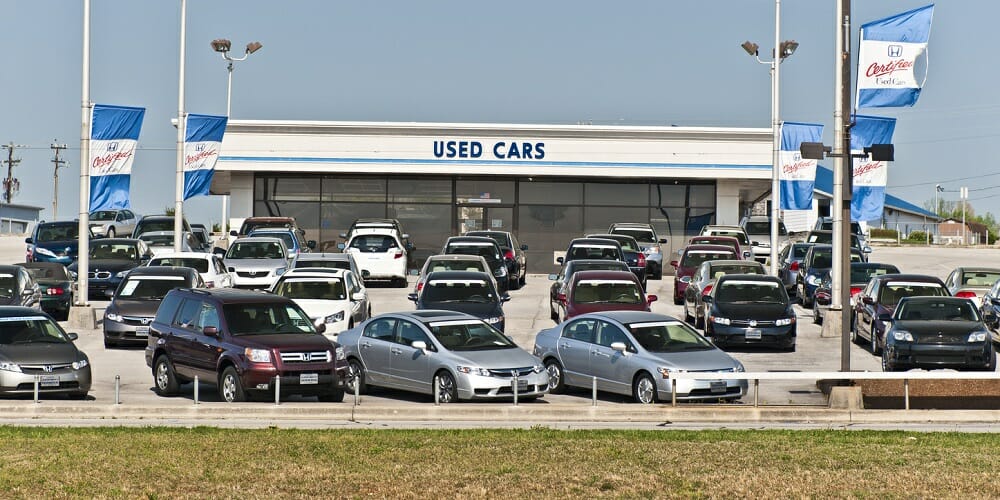
What's a good mileage for a used car?

Key Takeaways

  • Aim for a used car with approximately 12,000 miles per year of ownership.
  • Consider the car’s age and maintenance history alongside its mileage.
  • The make and model can also influence the longevity and performance of a used car.

Understanding Mileage in Used Cars

It’s a common belief that lower mileage indicates a better deal, but it can also lead to misconceptions about good mileage for a used car.

I will help you make sense of car mileage and guide you in determining what’s best for your specific needs.

Average benchmark

CarFax says the typical rule of thumb is about 12,000 miles added per year of ownership. If you’re viewing a 5-year-old vehicle, around 60,000 miles is a good benchmark.

It is only an average, and actual numbers can vary depending on factors like car condition, maintenance, and driving habits.

RELATED: Read my latest guide on how to jump start a car with a battery. Also, discover how long do car batteries last.

High mileage cars

Now, let’s discuss high-mileage cars. While they may be more affordable, high-mileage cars may have potential issues. It doesn’t mean you should shy away from them.

Thorough research and a pre-purchase inspection can help you avoid potential problems. Sometimes, well-maintained high-mileage cars can be more reliable than low-mileage cars that have yet to be maintained well.

Low mileage

Speaking of low mileage, it’s worth noting that a shallow odometer reading can be suspicious. Keep an eye out for the average mileage per year as you evaluate used cars.

Cars driven significantly less than 10,000 to 12,000 miles per year may not be the best choice, especially if there’s a lack of maintenance records or evidence of consistent use.

Understanding that good mileage only sometimes guarantees a trouble-free used car is essential. Prioritize the car’s maintenance history, condition, and age alongside mileage.

It’s always best to consult a trustworthy mechanic or expert when you need clarification on a car’s proper condition.

How Many Miles is Good For A Used Car?

So, what is good mileage for used car? A common rule of thumb is that a good mileage for a used car is roughly 12,000 miles added each year of ownership.

For example, if you’re checking out a 5-year-old vehicle, it should have about 60,000 miles on it. 

Remember that cars with very low mileage sitting idle for long periods can be more problematic than vehicles with continuous use – even with 200,000 miles or more, as posited by Forbes.

As a friendly reminder, always look for a used car with mileage that fits your needs and budget.

RELATED: Is 150K miles on a car bad or not? Discover how many miles should a 8 year old car have to be consider reliable?

The Significance of Car Age and Model Year

Age of a car

The age of a car can impact the likelihood of needing more expensive and frequent maintenance. Typically, vehicles over 100,000 miles may require more care than newer, low-mileage vehicles.

It’s interesting to note that, according to S&P Global Mobility Reports, the average age of a car on U.S. roads reached 12.2 years in 2021 – a new high.

Model year

Now, let’s discuss the model year. An older model year may not have all the latest safety features or technological advancements, which could affect your overall driving experience.

However, take your time to dismiss older models, as some can still offer reliability and performance. Remember to keep in mind that a well-maintained vehicle might be a better choice despite its age or mileage.

So, when looking for a used car, please pay attention to the car’s age and model year. Balance the significance of these factors by considering your personal needs and preferences. 

Used Cars and Their Value

Experts agree that a good rule of thumb for mileage on a used car is about 12,000 miles per year of ownership.

So, if you’re looking at a 5-year-old vehicle, it should have around 60,000 miles.

Remember that depreciation is a critical factor in the used car market, which can affect the price. A car’s value decreases over time, and the rate at which this happens may vary.

The sweet spot for a used car is often when the depreciation rate has slowed down, making the vehicle more affordable.

Your budget is essential when determining the best-used car for you. Investigating the prices and finding the balance between an affordable price and a good-quality vehicle with reasonable mileage is crucial.

Maintaining your car is essential in keeping its value, regardless of how expensive or cheap it was initially. Regular maintenance can contribute to a better resale value in the future.

Reliability and Performance Assessment

First, check the car’s mileage. A good rule of thumb is 12,000 miles driven per year. For example, a 5-year-old vehicle should have about 60,000 miles on it.

Consider the make and model – some automakers are known for producing more reliable vehicles. For instance, a Honda Civic is generally known to last and reliable, while BMW vehicles might need more maintenance.

Lastly, please pay attention to the car’s powertrain, as it plays a crucial role in performance and reliability.

Evaluating the Vehicle Condition

Always inspect for signs of wear and tear or any past accidents. Obtaining a vehicle history report is an excellent way to learn more about the car’s past.

Carefully examine the odometer for any discrepancies. In a well-maintained car, the condition speaks more than just mileage. So, prioritize a thorough check and take your time to make an informed decision.

Maintenance and Repair Considerations

A well-maintained car with a higher mileage can sometimes be better than a low-mileage car without proper care. Let’s explore some factors that can affect your decision.

Maintenance history and service records

It’s crucial to check the car’s maintenance history and service records before purchasing.

Look for cars that have had regular oil changes, tire rotations, and replacement of wear-and-tear items like brake pads and timing belts.

A vehicle with a thorough service record often reflects responsible ownership and may need fewer repairs in the long run.

Check the cost

Cost is another vital factor in your decision-making process. Remember that while a low-mileage car might seem like a good deal, maintenance and repair costs can add up if the previous owner needs to take proper care of the vehicle.

For example, you might replace tires or brake pads sooner than expected. It’s a good idea to research the potential maintenance costs of specific models to help guide your decision.

Immediate maintenance needs

While inspecting the car, pay attention to any immediate maintenance needs, such as tires, brakes, or a timing belt replacement.

Ideally, you want a car where the previous owner has already addressed these issues, so you don’t need to spend extra money on repairs shortly after purchasing the vehicle.

Some models require more frequent or expensive maintenance, so factoring in those costs when assessing a used car is essential.

What can you afford?

Lastly, remember to consider your ability to handle repairs and maintenance. If you’re comfortable performing basic tasks like oil changes and tire rotations, you can save money by doing these yourself.

On the other hand, if you lack experience in car maintenance, choosing a low-mileage car with fewer immediate needs or one known for its reliability and low-cost repairs might be a good idea.

Used Car Selection By Types

When considering buying a used car, looking at the various types available is essential. For example, SUVs offer more space and versatility for families.

On the other hand, minis are perfect for city driving, thanks to their compact size and fuel efficiency.

If you’re looking for a greener option, consider electric vehicles (EVs). They produce fewer emissions and can save you money on fuel costs. However, always check their battery life and charging infrastructure before committing.

Remember: ultimately, your choice depends on your needs and preferences!

Understanding Fuel Economy

When looking for a used car, it’s essential to consider its fuel economy. Fuel-efficient vehicles save you money on gas and reduce environmental impact.

Generally, hybrid and electric vehicles provide the best fuel economy, but many gas-powered cars achieve over 30 miles per gallon (mpg).

To determine if a used car has good mileage, divide the odometer reading by the car’s age in years. For instance, if you find a 5-year-old car with 60,000 miles, it follows the rule of thumb of 12,000 miles per year.

Frequently Asked Questions

Are 70,000 miles too much for a used car?

No, 70,000 miles isn’t too much for a used car. Many vehicles can last well over 100,000 miles with proper maintenance. When evaluating its condition, it’s essential to consider other factors like the vehicle’s age, brand, and maintenance history. So, don’t hesitate to consider a used car with around 70,000 miles.

What mileage should a 3-year-old car have?

A 3-year-old car should ideally have about 36,000 miles on it, based on the average American driver covering 12,000 miles a year. However, it’s essential to consider the vehicle’s overall condition and other factors beyond mileage that may impact your decision.

How many miles is considered too high for a used car?

While there isn’t a specific number, it’s essential to consider the car’s age, brand, and maintenance history. Some vehicles can last up to 200,000 miles or more if properly maintained. It may be worth looking into a model’s reliability ratings and consumer reviews to gauge what mileage might be too high.

What are the risks of buying an old car with low mileage?

An old car with low mileage might seem like a great deal, but it can have its share of problems. Cars sitting idle for extended periods may develop issues due to lack of use. Inspecting the vehicle thoroughly, even if the mileage is low, is essential to ensure you’re aware of any potential problems.

Should I consider a car with 250,000 miles?

It depends on the specific car and its maintenance history. Certain models with excellent reliability and proper care can still provide value even at high mileage. Remember to take extra caution when inspecting the vehicle and consider the higher likelihood of repairs and maintenance.

What’s the expected mileage for a 2007 car in 2023?

Assuming an average of 12,000 miles per year, a 2007 car in 2023 would be 16 years old with an expected mileage of around 192,000 miles. However, this number can vary depending on car usage and factors like road conditions, maintenance, and driving habits.

How Can I Negotiate a Lower Interest Rate on a Car? Easy Ideas to Save Money

Buying a car is a significant financial decision, and for many people, getting a car loan with the lowest possible interest rate is crucial to making this a wise investment.

Negotiating a lower interest rate on a car loan can save you thousands of dollars over the loan.

Understanding how interest rates work and what factors influence them will help you develop strategies to lower your interest rate effectively.

A strong credit score is among the most impactful in qualifying for a lower interest rate. It’s essential to check your credit score and maintain a good credit history before applying for a car loan.

Apart from that, it would help to familiarize yourself with the art of negotiation, choose the right car for your budget, and deal with car dealerships to benefit your financial position.

How Can I Negotiate a Lower Interest Rate on a Car

Key Takeaways

  • Lowering interest rates can save you thousands of dollars for a car loan.
  • A strong credit score and good credit history are crucial for qualifying for a lower interest rate.
  • Familiarize yourself with negotiation, car selection, and working with dealerships to achieve the best possible loan terms.
  • Choose from reputable and the best used car websites and online companies!

Understanding Car Loans

Car loans can be confusing, especially when negotiating the best interest rate.

When hunting for a good deal, it’s vital to understand how car loans work, including the factors that affect your interest rate.

First and foremost, it’s crucial to know your credit score. Your credit score significantly determines the interest rate you’ll receive for your car loan.

The experts at Experian.com posited that a higher credit score generally leads to a lower interest rate on your loan.

When considering a car loan, compare offers from different lenders to help you find the best loan terms and interest rates. And remember that your Annual Percentage Rate (APR) includes interest rate, loan term, and additional fees.

RELATED: Here are fresh tips to lease a car with the best deals. And why is this model the most expensive car in the world, and what are the average costs?

The loan term

The loan term refers to your time to pay off your car loan. Generally, a shorter loan term results in a lower interest rate but higher monthly payments.

Conversely, a longer loan term may have a higher interest rate but lower monthly payments. Be aware that a longer loan term means you’ll pay more interest overall.

Another crucial factor in negotiating a lower interest rate is the loan amount. The loan amount is the total amount you borrow minus any down payment.

Larger down payment

According to moneycrashers.com, a larger down payment can reduce your loan amount, enabling you to potentially negotiate a better interest rate.

Lastly, remember that your monthly payments consist of both principal and interest. The principal is the loan amount, while the interest is the extra cost of borrowing the money.

By focusing on negotiating a lower interest rate, you’ll ultimately reduce the overall cost of your car loan.

So, when looking for a car loan, always keep your credit score high, compare multiple offers, and consider different loan terms. This way, you’ll be better prepared to negotiate the best possible interest rate for your car loan, saving you money.

What Strategies Can Help Lower My Car Loan Interest Rate?

First, check your credit score, as it primarily affects the interest rates you qualify for. A higher credit score leads to lower interest rates. Next, shop around for lender offers and compare their rates.

Consider making a sizeable down payment for lower interest rates and opt for a shorter loan term.

These strategies help reduce your interest spend and result in a more manageable car loan experience. Discover these interests rates for pre-owned or used cars!

The Role of Credit in Financing

Your credit is crucial in determining your eligibility for lower interest rates when financing a car. A higher credit score makes lenders more confident in your ability to repay the loan, leading to better offers.

The Consumer Financial Protection Bureau advises you to obtain a copy of your credit report and review it for accuracy. Fix any errors and pay attention to factors affecting them negatively.

Next, find trustworthy financial institutions like credit unions, banks, or online lenders to explore car loan options.

Remember, credit unions tend to offer lower interest rates. Comparing quotes from multiple lenders helps you negotiate better deals. So, focus on improving your credit score and explore different financing options to secure the best possible rate.

The Art of Negotiation

When negotiating a lower interest rate on a car, it’s essential to understand the art of negotiation.

First, research the current market rates and study the car’s value to strengthen your bargaining power.

Remember, always be friendly during negotiations. Approach the dealer confidently and use phrases like “I’ve seen a better rate elsewhere, can you match or beat it?” It shows that you’re informed and serious about getting a fair deal.

By demonstrating your knowledge and maintaining a positive attitude, you can effectively negotiate a lower interest rate on your car.

Choosing the Right Car

When you’re ready to start car shopping, focus on finding the perfect new or used car. Research various brands and their market values to make an informed decision.

While looking at a car’s price, it’s essential to understand the difference between the MSRP (Manufacturer’s Suggested Retail Price) and the invoice price, which the dealer paid for the car.

This information will help you negotiate, allowing you to find the best deal and potentially negotiate a lower interest rate on your car.

Dealing with Car Dealerships

When you’re at a car dealership, remember that knowledge is power. Be prepared by researching the car and financing options beforehand.

Feel free to negotiate with the salesperson to get the best possible interest rate on the car loan. Exploring alternative financing options might also be helpful since dealer-arranged financing may only sometimes be the best deal.

By staying informed and confident, you’ll be better positioned to secure a favorable interest rate and save money on your car purchase.

Understanding Additional Costs

When purchasing a car, it’s crucial to consider additional costs like fees, taxes, and add-ons. Remember to factor in car insurance, as it’s an essential ongoing expense. You may also want to explore gap insurance for added protection.

Evaluate the value of extended warranties before purchasing, and always be aware of origination fees, document fees, and title expenses. Understanding these costs allows you to make informed decisions and negotiate better deals.

Financial Institutions and Auto Loans

When looking to negotiate a lower interest rate on a car, start by exploring different lenders for your auto loan. A good credit score is essential, giving you leverage while talking to lenders.

Ensure you research interest rates beforehand, as your credit score impacts your qualifying rates. It’s best to secure financing first to know your budget before shopping for a car.

Feel free to negotiate the interest rate with your dealer. Remember, every dollar saved counts in the long run.

Preparation Before Negotiation

Before negotiating a lower interest rate on a car, assess your budget to know your affordability. Explore various options and thoroughly research car prices, interest rates, and loan terms.

Websites like Consumer ReportsEdmunds, and Kelley Blue Book have reliable reviews to aid your decision-making process.

Getting preapproved for a car loan is crucial; it helps you understand your borrowing potential and boosts your confidence during loan negotiations. By being well-prepared, you can effectively negotiate a better deal on your car loan interest rate.

Strategies to Lower Interest Rates

Consider refinancing your auto loan to negotiate a lower interest rate on your car. By shopping around for better terms, you can potentially find significant savings. Ensure a good credit score is maintained, significantly impacting your eligibility for lower rates.

Additionally, look for lender-specific discounts or promotions that can help you save money. For example, some lenders offer lower interest rates if you sign up for auto-pay.

Remember, with research and persistence, you can secure more favorable terms for your car loan and start saving money today.

Dealing with Negative Equity

Dealing with negative equity in a car seems daunting but manageable. Begin by calculating the difference between your car’s current value and the remaining loan balance. It will help you determine your trade-in value.

If you find yourself with negative equity, explore options like continuing to pay off your current loan or rolling over the negative equity into a new auto loan when trading in your car.

Some routes may cost more, so be intelligent and cautious in your decision-making process.

Understanding the Loan-to-Value Ratio

When you’re looking to negotiate a lower interest rate on a car, it’s essential to understand the loan-to-value ratio (LTV).

The LTV is calculated by dividing the loan amount by the car’s value, expressed as a percentage. A lower LTV indicates a lower risk for the lender, which may result in better interest rates.

To achieve a favorable LTV, consider increasing your down payment or choosing a less expensive vehicle. A strategic approach to LTV can make your negotiations more effective and help you secure a lower interest rate.

Frequently Asked Questions

Can I negotiate with the dealership for a better rate?

Yes, you can negotiate with the dealership to get a better interest rate for your car loan. The interest rates are often negotiable, and the first-rate offer may differ from the lowest you qualify for. Know your credit score beforehand and shop for better offers to improve your chances.

Are online lenders an option for better rates?

Absolutely! Online lenders can often provide competitive rates since they have lower overhead costs. Be sure to compare offers from different lenders before deciding on the best one that suits your needs.

What factors affect the interest rate offered to me?

Several factors impact the interest rate you’re offered, including your credit score, income, loan term, and overall market conditions. A higher credit score typically leads to more favorable interest rates.

How can I improve my credit score for lower interest rates?

To improve your credit score, consistently pay bills on time, reduce debt, and avoid applying for new credit unless necessary. Monitor your credit regularly to spot errors and address any discrepancies promptly.

Is refinancing an option for reducing my car loan interest?

Refinancing your car loan can reduce your interest rates significantly if your credit score has improved since you acquired the loan. Research your options and compare various refinancing offers to make an informed decision.

How Many Miles Should an 8-Year-Old Car Have?

When you’re in the market for a used car, considering the age and mileage is crucial for making an informed decision.

An eight-year-old car might be a good choice, but understanding the ideal mileage can help you select the perfect vehicle.

Generally, a car that’s eight years old should have about 100,000 to 120,000 miles, although this number can vary depending on factors like maintenance history and driving habits.

It’s also essential to consider the car’s make and model, as some vehicles may hold up better over time and accumulated miles.

Additionally, inspecting the car’s physical condition and researching its safety features and any recalls can provide essential insights before purchasing.

How Many Miles Should an 8-Year-Old Car Have?

Key Takeaways

  • Expect an eight-year-old car to have around 100,000 to 120,000 miles.
  • Maintenance history and driving habits influence the ideal mileage.
  • When evaluating, consider the car’s make and model, physical condition, and safety features.
  • Choose only reputable dealers from the best-used car websites to avoid issues and losses!

Determining Mileage for Used Cars

Average Mileage for Age

When shopping for a used car, it’s essential to know the average mileage for its age. An 8-year-old car should have around 96,000 miles based on the national average of 12,000 miles yearly.

The Rule of Thumb for Mileage

The standard rule of thumb for used vehicles is approximately 12,000 miles annually. as per Carfax. So, when examining a used car, multiply its age by 12,000 to determine the expected mileage. It helps you assess whether the car’s mileage is within a reasonable range.

What Is A Reasonable Mileage For An 8-Year-Old Vehicle?

When looking for an 8-year-old vehicle, it’s essential to consider the mileage. A general rule of thumb is assuming most drivers cover around 12,000 miles yearly. So, for an 8-year-old car, a reasonable mileage would be 96,000 miles (12,000 x 8).

Remember this while hunting for your next used vehicle, as it will help ensure you’re getting a reliable ride.

RELATED: Discover the most expensive car in the world and why it costs so much. And how long do car batteries last and the best tips to make your batt last longer!

Understanding the Impact of Maintenance History

Routine Maintenance Importance

A well-maintained car can last longer and perform better. You must keep up with routine maintenance to ensure your 8-year-old car runs smoothly.

It includes oil changes, tire rotations, and inspecting belts and hoses to prevent issues with your engine and other components.

Servicing Record Check

Checking the service history of a car gives you insight into the car’s maintenance background. This information helps determine if the vehicle has been cared for properly throughout life.

By evaluating the service records, you can gain confidence in the car’s reliability and make an informed decision when purchasing or maintaining your older vehicle.

Examining the Physical Condition

Exterior Factors

When inspecting an 8-year-old car, you should be conscious of the overall condition of its exterior. Check for dings, scratches, and especially rust, as these can indicate potential issues.

Interior Well-being

As you assess the interior, pay attention to wear and tear on the upholstery, dashboard, and control buttons. This will give you an idea of how well the previous owner took care of the car.

Engine and Mechanical Components

Finally, remember to evaluate the engine and other mechanical parts, ensuring their proper function. A well-maintained engine suggests that you can trust the car’s reliability even if it has 120,000 miles on the clock.

Remember, keeping these factors in mind during your inspection will help you make an informed decision about any 8-year-old car.

The Role of Car Model and Make

Reliability of Different Models

When considering an 8-year-old car, It is crucial. Some brands, like Honda, are known for longevity and consistently high-mileage performance. Always check the vehicle history to ensure you’re getting a quality car.

High Mileage Car Models

Some car models tend to have higher mileage without compromising their performance. A well-maintained Honda, for example, can still provide reliable service even after accumulating a significant number of miles. Generally, an 8-year-old car should have around 96,000 miles on it.

Price Factors for Used Cars

Depreciation Effect

Regarding used cars, one primary factor affecting the price is depreciation. Your 8-year-old car, for example, would have already experienced significant depreciation, often over 1,000 dollars per year. You’ll pay less for it than a newer, used vehicle.

Fair Market Value of Used Cars

It’s essential to consider the fair market value when buying a used car, which depends on factors like mileage, year, make, model, and features.

On average, a used car gains around 12,000 miles per year. Therefore, your 8-year-old car should ideally have 96,000 miles on it.

The Importance of Test Driving

test drive is crucial when considering an 8-year-old car with miles on it. This step helps assess the vehicle’s performance in different driving conditions, ensuring it fits your needs and driving habits.

So, always make it a point to get behind the wheel and give the car a spin before making a decision.

Safety Features and Recalls

Older Cars Safety Features

Even if your car is 8 years old, it should have some essential safety features. The NHTSA advises constantly checking and maintaining child safety settings and ensuring your car’s airbags are in working order.

Check for Vehicle Recalls

Stay informed about vehicle recalls for your older car. Manufacturers must address defects for free if the car is less than 16 years old, so you can keep your vehicle safe.

Frequently Asked Questions

What is considered low mileage for an 8-year-old car?

For an 8-year-old car, low mileage would be significantly below the average of 120,000 miles. So, if you come across a vehicle with much less than this, it can be considered low mileage. Remember that a car’s condition is just as critical as its mileage.

How many miles should a used car have for each year?

The average yearly mileage for a car is around 15,000 miles, resulting in about 120,000 miles for an 8-year-old car. But remember, the actual mileage may vary depending on factors such as how well the vehicle was maintained and how much it was driven.

What mileage range is acceptable for a car around 8 years old?

A car around 8 years old with a mileage range of 90,000 to 150,000 miles can be considered acceptable. However, assessing the car’s overall condition and maintenance history is crucial to ensure it is still a worthwhile investment.

How can the age of a car affect its mileage expectation?

The age of a car can affect its expected mileage, as older cars may have been driven more or less compared to newer ones. Moreover, due to wear and tear, older cars might be more prone to mechanical issues. Ensuring regular maintenance and addressing any issues can help extend a car’s lifespan, regardless of age.

Are there recommended mileage limits for an 8-year-old car?

There isn’t a specific mileage limit recommended for an 8-year-old car, as each car’s condition varies. But, it’s essential to examine the car’s maintenance, performance history, and mileage to determine if it fits you well. Being aware of the average mileage for 8-year-old cars can assist you in making a well-informed decision.

Do Subarus or Toyotas Last Longer? Read This Simple Comparison!

Two brands often come to mind when choosing a reliable vehicle: Subaru and Toyota.

Both brands have reputations for building high-quality, durable, and long-lasting vehicles that cater to families and commuters alike.

There has always been a rivalry between these two automotive giants, known for their excellent performance metrics and reliability ratings.

Subaru boasts a remarkable statistic, with 98% of their vehicles sold in the last ten years still on the road today, reaching mileages between 150,000 and 200,000 miles without any issues.

On the other hand, Toyota has consistently been praised for its cars’ long-term dependability, often outlasting even their expectations.

As you can see, both brands have their merits, which raises the question: Do Subarus or Toyotas last longer?

Do Subarus or Toyotas Last Longer

Key Takeaways

  • Subaru and Toyota are both renowned for producing reliable, long-lasting vehicles.
  • The choice between these two brands depends on personal preferences and specific needs.
  • Consider factors such as performance, reliability, and lifespan when deciding.

Subaru Vs. Toyota: A Historical Comparison

When you compare Subaru and Toyota, you’ll find both brands are known for their reliability. However, Toyota has a slightly higher reliability rating of 4.0 out of 5.0, compared to Subaru’s 3.5 out of 5.0. This difference is mainly due to higher repair and maintenance costs for Subarus.

Moreover, while Subaru vehicles can last more than 15 years and reach 150,000 and 200,000 miles, Toyota cars generally have better durability.

Both brands have evolved, offering families and commuters vehicles that prioritize practicality.

Remember, when choosing between a Subaru or a Toyota, it’s essential to consider individual models and years, as not all Subaru or Toyota years and models are created equal. Research what fits your needs and preferences best.

Understanding Car Lifespans

What Is a Car’s Lifespan?

A car’s lifespan is measured in terms of mileage and years on the road. Generally, Subarus and Toyotas are known for their longevity.

Subarus can last around 200,000 to 250,000 miles and up to 10-13 years, while the average Toyota can last 15-20 years, with a few reaching 25 years or more.

Factors That Affect a Car’s Lifespan

There are several factors impacting your car’s lifespan:

  • Maintenance and care: Properly maintaining your vehicle helps extend its life.
  • Driving habits: Aggressive driving can wear out the car parts faster.
  • Climate: Severe weather can lead to corrosion and damage.

Remember, friendly care for your car will reward you with an extended lifespan.

Which Brand Has Better Reliability, Subaru or Toyota?

When comparing Subaru and Toyota, it’s crucial to consider reliability. Toyota has a reliability rating of 4.0 out of 5.0, ranking 8th out of 32 car brands, and an average annual repair and maintenance cost of $441.

On the other hand, Subaru has a reliability rating of 3.5 out of 5.0, ranking 14th out of 32 car brands, with an average annual repair and maintenance cost of $617.

In this comparison, Toyota takes the lead in reliability scores. While you can find individual models within each brand that may prove more or less durable, in general, Toyota vehicles tend to have slightly higher reliability ratings than Subaru cars.

In-Depth Analysis of Subaru Cars

Popular Subaru Models

Some popular Subaru models include the Impreza, Legacy, Forester, Outback, Crosstrek, Ascent, and the sporty WRX. These cars are well-regarded for their all-wheel drive (AWD) capabilities and reliable Boxer engines.

Maintenance Requirements for Subaru

Regular maintenance is crucial to keep your Subaru in top shape. And includes oil changes, tire rotations, and replacing filters. Staying current with these tasks will prolong the life of your Subaru and maintain its performance.

Issues and Repairs Common to Subaru

Despite their reliability, Subarus may face common issues such as excessive oil consumption and head gasket problems in specific models. Keeping up with maintenance work is essential to avoid these issues.

Subaru Engine Performance

Subarus are known for their unique Boxer engines, which provide a low center of gravity, improving handling, stability, and overall performance. By staying on top of regular maintenance, your Subaru’s engine should continue to perform well over time.

Safety Features of Subaru

Subaru cars prioritize safety by offering a variety of advanced features, such as the EyeSight Driver Assist Technology and the Subaru Symmetrical AWD system. These innovations help keep you and your passengers safe on the road.

In-Depth Analysis of Toyota Cars

Popular Toyota Models

Some popular Toyota models are the RAV4, Camry, and Prius. These models are known for their practicality and fuel efficiency.

Maintenance Requirements for Toyota

Required maintenance for Toyota cars generally includes regular oil changes, tire rotations, and inspections. Keeping up with these tasks will help prolong the life of your vehicle.

Issues and Repairs Common to Toyota

Like any car brand, Toyota cars may encounter some issues. However, they are generally considered to be reliable. Some typical repairs include brake replacements and electrical issues.

Toyota Engine Performance

Toyota engines are known for their balance of power and fuel efficiency. They are built to maintain optimal performance and long-lasting reliability.

Safety Features of Toyota

Toyota emphasizes safety through features like Toyota Safety Sense, which includes technologies like a pre-collision system, lane departure alert, and dynamic radar cruise control. These features help you stay safe on the road.

Comparing Subaru and Toyota

Price Comparison

When comparing the prices of Subaru and Toyota vehicles, you’ll notice that both brands offer a range of affordable options. However, Toyotas typically have a slightly lower starting price, making them a budget-friendly choice.

Safety Comparison

Both Subaru and Toyota are known for their emphasis on safety. Subaru’s Symmetrical All-Wheel Drive system comes standard on most models, offering increased handling capabilities in various conditions.

Toyota has a collection of advanced safety features called Toyota Safety Sense, which includes pedestrian detection, lane departure warning, and adaptive cruise control. Rest assured, you’re making a solid choice regarding safety with either brand.

Reliability Comparison

Toyota is often considered more reliable than Subaru. Consumer reports and J.D. Power rankings frequently place Toyota at the top.

Durability Comparison

Subaru vehicles are known for their off-road abilities and typically last up to 150,000 – 200,000 miles with proper maintenance. On the other hand, Toyota is often associated with cars reaching 300,000 miles without major repairs.

Performance Comparison

Regarding performance, Subaru’s focus on all-wheel drive and off-road capability make their vehicles favorites among outdoor enthusiasts.

Toyota has various models available, including hybrids and performance-oriented options. Ultimately, choosing between Subaru and Toyota for performance will depend on your specific needs and preferences.

Choosing Between Subaru and Toyota

What Do the Experts Say?

According to Autolist, Toyotas have slightly higher reliability ratings than Subaru cars. However, Subarus are known for their impressive longevity, with many vehicles surpassing 150,000 – 200,000 miles and lasting over 15 years.

Personal Preferences to Consider

Consider value, comfort, and price factors when comparing Subaru and Toyota. While Toyota may hold a slight edge in reliability, Subaru offers all-wheel drive on many models and unique features for off-road driving.

Considerations for Used Vehicles

If you’re shopping for a used vehicle, pay close attention to resale value and research the least reliable models from both brands. It can help you find the right balance between initial price and long-term reliability during your car shopping experience.

Frequently Asked Questions

Are Subaru vehicles safer compared to Toyotas?

Subaru vehicles are known for their excellent safety features and ratings. Similarly, Toyota cars also have a good reputation for safety. It’s important to compare specific models and their features to determine which is safer.

Do Subaru and Toyota share engine components?

Generally, Subaru and Toyota do not share engine components. However, exceptions exist, such as collaboration on the BRZ and 86 sports cars. Apart from these cases, the two brands use different engine designs and technologies.

How long can you expect a Toyota to last?

Toyotas are well-known for their reliability and long-lasting performance. You can expect a Toyota to last over 200,000 miles, receiving proper care and maintenance. Some Toyotas have even surpassed 300,000 miles with good care.

Which SUV performs better, Subaru or Toyota?

Both Subaru and Toyota offer excellent SUVs with varying capabilities and features. Subaru is known for its all-wheel-drive system and off-road capabilities, while Toyota SUVs are praised for their reliability and efficiency. Comparing specific models is crucial to determine the better performer for your needs.

Is maintenance cost higher for Subaru compared to Toyota?

Subaru maintenance cost can be slightly higher than Toyota’s due to the brand’s unique Boxer engine design, which often requires specialized tools and expertise. However, if you maintain regular maintenance, Subaru and Toyota have relatively low long-term ownership costs.

10 Best Used Minivan Under $5000 Budget for Average Families

Are you hunting for a minivan that won’t drain your bank account? Look no further – we’ve got you covered.

Finding a high-quality used minivan on a budget may seem impossible, but with some research and patience, you can score the perfect vehicle that ticks all your boxes.

We’ve done the legwork for you and compiled a list of the best-used minivans under $5,000. But don’t just focus on the price tag – reliability, safety features, and owner satisfaction ratings are crucial factors to consider when deciding.

From spacious interiors to smooth handling, we’ve got a variety of models that fit your budget and needs. So buckle up, and let’s explore the top choices for affordable, used minivans.

Finding a Reliable Minivan Under $5,000

Searching for a reliable minivan under $5,000 may seem challenging, but it’s achievable when you know what to look for.

Among the best-used minivans in this budget are the 2007 Chrysler Town & Country and the 2006 Honda Odyssey, thanks to their family-friendly design and safety features.

To find the perfect minivan for you, keep an eye out for models with:

  • High owner satisfaction ratings
  • Good safety ratings, such as IIHS or NHTSA scores
  • A well-maintained interior and exterior
  • A comprehensive service history

By focusing on these critical factors, you’re on your way to finding a reliable minivan under $5,000 ready to meet your family’s transportation needs.

Honda Odyssey (2005-2010) $3500-$5500

Honda Odyssey (2005-2010)

The Honda Odyssey (2005-2010) is an excellent choice if you’re looking for a reliable and affordable used minivan.

With its strong performance, good safety ratings, and high owner satisfaction, it’s no wonder the Odyssey has made a name for itself in the minivan market.

You’ll be pleased with the Odyssey’s powerful V6 engine that provides a smooth driving experience and spacious and comfortable seating for up to eight passengers. The fuel economy is also respectable, making it a practical choice for long road trips or daily errands.

Regarding reliability, the Honda Odyssey has a proven track record, and many of the models within this generation have continued to perform well beyond 100,000 miles.

With used Odyssey minivan options available under $5,000, you can find one that fits your budget without sacrificing quality or features. 

RELATED: These are the Honda Odyssey years to avoid!

Toyota Sienna (2004-2010) $4,000-$5,500

The Toyota Sienna is a popular option for those looking for a reliable and affordable used minivan. This best year Toyota Sienna generation (2004-2010) offers excellent performance, is known for its reliability, and can be found at an average price below $5,000.

Aside from its solid reputation, the Sienna offers numerous practical features, making it a top choice for families. With seating for up to eight passengers, you’ll have plenty of room for your loved ones and their gear.

The spacious interior can accommodate various seating configurations, making it easy to adapt to your needs.

Safety is another critical aspect when choosing a used minivan; the Toyota Sienna doesn’t disappoint. This model generation received high safety ratings from the Insurance Institute for Highway Safety (IIHS), providing peace of mind on the road.

Additionally, many Siennas from this generation come equipped with valuable safety features like electronic stability control, anti-lock brakes, and multiple airbags.

RELATED: These are the Toyota Sienna years to avoid!

Dodge Grand Caravan (2008-2015) $3,500-$5,000

Were you looking for a reliable and budget-friendly minivan option? Considering the Dodge Grand Caravan from 2008 to 2015 would be best. This model offers good performance and decent reliability, and you can often find it for an average price under $5,000.

The Dodge Grand Caravan is spacious, with seating for up to seven passengers and plenty of cargo space. Whether you need to haul the kids to soccer practice or take a family road trip, it’s an excellent option for your needs.

Stow ‘n Go seating

One noteworthy feature of the Grand Caravan is its user-friendly Stow ‘n Go seating. This allows you to easily fold the second and third-row seats into the floor when you need more cargo space—no more struggling to remove and store heavy seat cushions!

In terms of performance, the Grand Caravan provides a comfortable ride and decent handling. Although not the most fuel-efficient option, its V6 engine offers plenty of power, allowing you to merge onto highways and easily handle various driving situations.

There are various trim levels, like the SXT or American Value Package. Each has features, so consider your priorities while browsing listings, such as entertainment options or upgraded packages.

RELATED: These are the Dodge Grand Caravan best and worst years to avoid!

Chrysler Town & Country (2008-2016) $4,000-$5,700

Chrysler Town & Country (2008-2016)

The Chrysler Town & Country (2008-2016) is an excellent choice for a used minivan under $5,000. This minivan offers a comfortable and spacious interior, making it perfect for family road trips or daily commuting.

The reliability and performance are noteworthy, ensuring you get a dependable vehicle without breaking the bank. On average, you can expect to find a Chrysler Town & Country in this price range with around 200,000 miles!

The 2008-2016 Town & Country has several attractive features, like Stow ‘n Go seating, allowing you to easily fold the second and third-row seats into the floor to increase cargo space.

The minivan’s driving experience is smooth and quiet, making it feel like you’re driving a premium sedan rather than a family hauler.

For added convenience, most 2008-2016 models come equipped with user-friendly technology, such as a touchscreen infotainment system, Bluetooth connectivity, and a rearview camera. 

RELATED: These are the Chrysler Town and Country years to avoid!

Nissan Quest (2007-2010) $3,500-$4,700

The Nissan Quest during 2007-2010 is an excellent choice for a used minivan under $5,000. It offers a stylish design, comfortable ride, and adequate cargo space.

The 2007 Nissan Quest boasts enthusiast-oriented handling and performance with a V6 engine that provides eager acceleration.

The Quest’s reliability is generally good, though some owner-reported issues may exist, as found in these consumer reviews.

Despite these concerns, multiple listings for the Nissan Quest are available under $5,000, such as this 2007 Quest model for $4,995.

Kia Sedona (2008-2014) $3,500-$6,500

The Kia Sedona is an excellent choice for a used minivan under $5,000. Its reliability, performance, and safety ratings make it an excellent option for your family’s needs.

On average, you can find some best years for Kia Sedona, specifically 2008-2014 Sedona within your budget, giving you a practical and affordable vehicle.

The 2008 Sedona has impressive safety ratings, providing you peace of mind. It boasts a spacious interior and well-performing brakes, ensuring a comfortable ride for you and your passengers.

The Insurance Institute for Highway Safety (IIHS) awarded this model a good rating for front moderate overlap and side crash tests.

For a more recent option, consider the 2014 Kia Sedona. With a CARFAX value of around $8,210, it may be slightly above your $5,000 target, but it’s still a great deal. The 2014 model has a highly efficient V6 engine offers an ideal power and fuel economy balance.

RELATED: These are the Kia Sedona years to avoid!

Chevrolet Uplander (2006-2009) $3,700-$4,800

The Chevrolet Uplander is a practical option for a used minivan under $5,000. It offers an affordable, reliable, and efficient family transportation solution catering to your needs.

The Uplander’s performance is satisfactory for routine tasks, and its reliability ensures it won’t leave you stranded. With an average price of around $5,000, it offers excellent value for money.

Although the 2006 Chevrolet Uplander received negative reviews, many users appreciated its spaciousness, versatility, and comfortable ride. Its merits make the Chevrolet Uplander worth considering when looking for a used minivan on a budget.

Ford Freestar (2004-2007) $3,700-$4,800

The Ford Freestar is an excellent choice if you’re looking for a reliable and affordable used minivan. With its impressive safety ratings from the IIHS, this model provides a secure option for your family.

This minivan offers a comfortable ride and sufficient space for passengers and cargo. The 2004-2007 models feature third-row seating, making it ideal for larger families or those who need extra room for friends and belongings.

In terms of performance, the Ford Freestar is equipped with a powerful V6 engine, delivering a smooth and steady drive. These versatile minivans are also available in various trims, giving you options to fit your budget and preferences.

The average price under $5,000 makes it an attractive option. Be sure to check listings on Autotrader and CARFAX to find the best deals in your area.

Mazda MPV (2000-2006) $3,300-$4,000

The Mazda MPV is a fantastic option if you’re looking for an affordable, reliable, and spacious used minivan under $5,000. Its versatile design and performance make it popular among family car buyers.

With a reputation for reliability, the MPV’s 2000-2006 models are ideal for those searching for an affordable, long-lasting minivan.

It boasts a powerful engine that ensures a smooth driving experience. You can expect an average price of around $3,400, an excellent deal for a used minivan with these features.

Now, performance-wise, you’ll appreciate the MPV’s comfortable ride and impressive handling. Plus, the availability of all-wheel drive in some models will help you navigate more demanding driving conditions quickly and confidently.

Hyundai Entourage (2007-2009) $3,800-$5,700

The Hyundai Entourage is a great option if you’re looking for a reliable and affordable minivan under $5,000. During its production years from 2007 to 2009, this minivan received good reviews for its reliability, performance, and family-friendly features.

One of the best things about the Entourage is its abundant safety features. Equipped with a tire pressure warning system, multi-zone climate control, and rear alarms, this minivan keeps you and your passengers secure. It has an excellent crash test rating, ensuring peace of mind on the road.

Regarding performance, the Entourage boasts a 250 hp 3.8L V6 engine providing sufficient power to cruise on highways and city streets. The front-wheel drive and 4 doors make it a practical choice for families.

Categories VAN

How Many Miles Will A VW Atlas Last and Average Atlas Life Expectancy?

Are you looking for an SUV that can go the distance? Look no further than the Volkswagen Atlas. This sleek and roomy vehicle is built to last, but how far can you push it?

The answer may surprise you – a well-maintained Volkswagen Atlas can last 200,000 miles or more. That’s over 13 years of reliable driving, assuming you drive 15,000 miles yearly.

But don’t just take our word for it – proper maintenance and responsible driving habits are vital to unlocking the full potential of your Atlas.

Stick to recommended service schedules and treat your vehicle with care; it will reward you with miles of adventure and memories. 

RELATED: The Worst Vw Atlas Years to Avoid and Many Problems Revealed!

how many miles will a vw atlas last

How Many Miles Does a VW Atlas Last?

The lifespan of your VW Atlas dramatically depends on how well it’s maintained and driven.

A Volkswagen Atlas can last around 200,000 miles on average if correctly cared for and driven conservatively.

If you drive 15,000 miles annually, you can expect your VW Atlas to last over 13 years before requiring expensive or uneconomical repairs.

To ensure your vehicle lasts as long as possible, follow the manufacturer’s recommended maintenance schedule.

This will help prevent potential issues and keep your Atlas running smoothly. Some essential maintenance tasks to stay on top of include:

  • Regular oil changes
  • Keeping the proper tire pressure and alignment
  • Checking and replacing the brakes when needed
  • Servicing the transmission as recommended
  • Changing the air and fuel filters periodically

Additionally, consider external factors such as weather conditions and driving habits, as these can also influence the lifespan of your VW Atlas. It’s best to:

  • Avoid aggressive driving, such as hard acceleration and excessive speeding,
  • Give your engine time to warm up in cold weather before driving,
  • Drive steadily on long trips to reduce stress on the engine and transmission.

Maintenance and Lifespan of the VW Atlas

Routine Maintenance

Following the Volkswagen Atlas maintenance schedule is essential to keep your vehicle running smoothly. Some regular tasks involve oil changes, tire pressure checks, and brake pad inspections. Monitor your car’s components, such as the battery, wiper blades, and coolant level.

Longevity Estimations

On average, a well-maintained VW Atlas can last about 200,000 miles, giving you over 13 years of driving experience if traveling 15,000 miles per year.

Common Repairs and Issues

Though the Atlas has a reliable build, you may need help with occasional issues. Be aware that there is a 22.80% chance of a major repair during the first 10 years.

Some common concerns involve the transmission, engine, or brakes. In case of an accident, promptly consult your dealership or use your warranty coverage, if applicable.

Engine and Powertrain Details 

Transmission Performance

The VW Atlas has an eight-speed automatic transmission that provides smooth shifting and comfortable driving. With this transmission, you’ll enjoy a responsive ride and good acceleration.

Fuel Economy and Efficiency

Regarding fuel economy, there are more efficient vehicles in its class than the Atlas. It gets 13 miles per gallon in the city and 28 miles on the highway.

However, the newer model offers an improved EPA-estimated fuel economy of between 20 mpg and 23 mpg.

To better manage your fuel usage, the cruise control system allows you to maintain a steady pace while the optional adaptive cruise control adapts to changing traffic conditions. Your fuel tank’s capacity ensures adequate range for your trips.

How Long Does the Volkswagen Atlas Last Compared to Rival SUVs?

Comparison to Other Volkswagen SUVs

Compared to other Volkswagen SUVs, the Atlas is relatively new. As it has been around for a while, there is little long-term data on its longevity. However, you can expect the Volkswagen Atlas to last over 13 years when driving 15,000 miles per year.

Mazda CX-5

The Mazda CX-5 is known for its reliability and durability. It is challenging to directly compare the Atlas to the CX-5 as they are in slightly different market segments. The Atlas is a larger, three-row SUV, while the CX-5 is a smaller, two-row option.

Vs. Honda Pilot

The Honda Pilot is a direct competitor to the Atlas, as both are three-row SUVs. The Pilot has a well-established reputation for reliability and has consistently received high ratings. While the Atlas has a 13% reliability rating, the Pilot’s ratings are higher.

Key facts:

  • VW Atlas: 13% reliability rating
  • Honda Pilot: Higher reliability rating
Vehicle Reliability Rating
VW Atlas 13%
Honda Pilot Higher percent

Vs. Hyundai Santa Fe

The Hyundai Santa Fe is another SUV option; however, it is a two-row SUV, unlike the three-row Atlas. Hyundai has a reputation for producing reliable vehicles, often including a generous warranty, which may be a deciding factor for some buyers.

Comparing reliability is more problematic due to the different market segments they cater to. Checkout detailed best used Santa Fe cars to own.

Reliability Compared to 5 Other Midsize SUVs

When comparing the longevity of the Volkswagen Atlas to five other midsize SUVs like the Ford Edge, Toyota 4Runner, Toyota Highlander, Dodge Journey, and Dodge Nitro, it’s important to consider critical factors such as reliability and average lifespan.

Midsize SUV Avg. Lifespan Reliability Rating
VW Atlas 13 years* Moderate
Ford Edge 10-12 years Good
Toyota 4Runner 15 years Excellent
Toyota Highlander 14 years Excellent
Dodge Journey 9 years Fair
Dodge Nitro 9 years Fair

The Volkswagen Atlas can last over 13 years under average driving conditions, making it comparable to its competitors but not the most durable option. Toyota models, like the 4Runner and the Highlander, are the most reliable choices among these six midsize SUVs.

Remember that these numbers are rough estimates and can vary depending on how well you maintain your vehicle and the specific model year.

Frequently Asked Questions

What is the average lifespan of a VW Atlas?

The average lifespan of a Volkswagen Atlas is around 200,000 miles as long as it is properly maintained and driven conservatively. Driving 15,000 miles per year, your Atlas can last for over 13 years before requiring major repairs.

How reliable is the VW Atlas after 100,000 miles?

The reliability of the VW Atlas after 100,000 miles will depend on various factors such as maintenance, driving habits, and usage. Following the recommended maintenance schedule and addressing any issues early is essential to keep the vehicle in good condition.

Does the VW Atlas VR6 have better longevity?

There needs to be more information available to definitively say if the VW Atlas VR6 has better longevity than other Atlas variants. However, regular maintenance, proper care, and conservative driving can help maximize the lifespan of any vehicle, including the Atlas VR6.

What factors affect the mileage of the VW Atlas?

Key factors that impact the mileage of the VW Atlas include regular maintenance, driving habits, and environmental factors. Proper care, such as oil changes, tire rotations, and fluid top-ups, can significantly improve the vehicle’s longevity.

Additionally, driving at a consistent speed, avoiding sudden decelerations, and using recommended fuel types can all help maximize the life of your VW Atlas.

How does the VW Atlas compare to other SUVs in terms of durability?

The VW Atlas has been reported to have a 13% reliability rating compared to other SUVs in its class, ranking last among its competitors. It’s important to note that individual experiences and results may vary. Proper maintenance and care can ensure that your Atlas provides a dependable driving experience.

How can I maximize the lifespan of my VW Atlas?

To maximize the lifespan of your VW Atlas, follow the manufacturer’s recommended maintenance schedule, promptly address any mechanical issues, and drive conservatively. Taking care of your vehicle by keeping it clean, parked in a sheltered area, and using it within its intended design will also help prolong its life.

Categories SUV

Are Nissans as Good as Toyotas?

When choosing a reliable and practical vehicle, Nissan and Toyota are two brands that often come to mind.

Both automakers have a proven track record for producing high-quality cars, trucks, and SUVs that cater to a wide range of driver needs and preferences.

As you explore your options, you may wonder if Nissans are as good as Toyotas and how they compare performance, features, and overall value.

Nissan and Toyota have distinct strengths and characteristics, and your choice between them may be influenced by factors such as vehicle type, fuel economy, safety ratings, and price.

However, it’s essential to dig deeper into the details and evaluate each brand’s offerings regarding reliability, interior design, and additional features to determine which truly meets your needs and expectations.

Are Nissans as Good as Toyotas?

Key Takeaways

  • Nissans and Toyotas are known for their reliability and practicality, making comparing specific models and features essential.
  • Vehicle performance, fuel economy, and safety ratings are critical when choosing between Nissan and Toyota.
  • Ultimately, your decision may be influenced by price, interior design, and additional features that cater to your preferences.

Brand Overview

When exploring car options, you might wonder about Nissan and Toyota. Both brands are quite popular, providing reliable vehicles across different segments.

As a car buyer, it’s helpful to know that Toyota ranked second in reliability for 2021, while Nissan was in sixteenth place. With this information, you can make an informed decision on which vehicle meets your needs and expectations. Good luck with your car search!

Are Nissan Brand As Good As Toyota Vehicles

When comparing Nissan and Toyota, it’s important to remember that both brands offer practical and reliable vehicles.

Considering your options, consider Nissan’s strength in producing reliable compact, subcompact, and large SUVs.

In contrast, Toyota excels in making trustworthy compact and full-size pickup trucks, midsize SUVs, hybrid and electric SUVs, and various car sizes and types.

Generally, Toyota has a more extensive lineup of hybrid vehicles.

So, if you are eco-conscious, Toyota might be more suitable for your needs. However, both brands have advantages and specific models catering to different preferences and requirements.

Consider each vehicle’s reliability, price, and resale value when deciding.

Vehicle Types and Models

Explore their sedans, SUVs, trucks, hybrids, and electric vehicle offerings.

Sedans

When it comes to sedans, both Nissan and Toyota provide a variety of options. Nissan offers the compact Sentra, midsize Altima, and full-size Maxima. Here are the top-rated used Maxima models!

Toyota has the subcompact Yaris, the ever-popular compact Corolla, the midsize Camry, and the full-size Avalon. If you desire to own an old Avalon’t car, these models may be avoided!

Each model has unique features and capabilities catering to different drivers’ needs.

SUVs

SUVs are in high demand, and both automakers have an extensive lineup of options, from compact to large SUVs.

Nissan’s SUV lineup features the subcompact Kicks, the Rogue Sport, and the compact Rogue, followed by the midsize Murano and Pathfinder. For large SUVs, Nissan offers the Armada. Checkout worst and best years for Nissan Armada.

Toyota covers the subcompact SUV segment with the C-HR, the compact RAV4, and the midsize Highlander and 4Runner. For large SUVs, Toyota features the Sequoia.

Trucks

In the truck segment, both Nissan and Toyota have offerings in the form of compact and full-size pickups. The Nissan Frontier is their compact pickup, while the Titan takes the spot for the full-size model.

Toyota’s lineup includes the Tacoma as the compact pickup and the larger Tundra for the full-size category.

Hybrids

Toyota has long been a leader in hybrid technology, with the well-known Prius as its flagship model. They also offer the Camry Hybrid, Highlander Hybrid, and Venza.

Nissan has lagged slightly behind in this segment, but they offer a hybrid version of their popular Rogue SUV.

Electric Vehicles

In the world of electric vehicles, Nissan has been an early advocate with the introduction of the Nissan Leaf – with good and bad!

On the other hand, Toyota has yet to be as focused on electric cars, but they are expected to expand their electric vehicle offerings soon.

Both Nissan and Toyota have a wide range of options in sedans, SUVs, trucks, hybrids, and electric vehicles. It’s up to you to decide which brand and model best suits your needs and preferences.

Performance and Power

Nissan and Toyota offer a range of powerful engines but differ slightly in overall performance. Toyota generally provides a more balanced blend of power and efficiency, especially with their hybrid electric vehicles.

For acceleration, you’ll find that Toyota’s performance is often slightly ahead, providing a quicker response. On the other hand, Nissan may offer a more thrilling driving experience with its attention to engine power.

Remember that your driving needs and preferences will be essential in determining which brand suits you best. Have fun exploring these performance and power aspects!

Fuel Economy

When comparing Nissans and Toyotas, fuel economy plays a crucial role. Toyota vehicles generally boast better gas mileage than their Nissan counterparts. It is mainly due to their durable designs and efficient engine performance.

For example, some Toyota models like the Camry or Corolla consistently outperform Nissan models like the Altima or Sentra regarding gas mileage.

Safety Features and Ratings

Toyota Safety Sense

Toyota offers a suite of advanced safety features known as Toyota Safety Sense. This technology includes Pre-Collision System with Pedestrian Detection, Lane Departure Alert, and Dynamic Radar Cruise Control. These features aim to enhance your driving experience and safety.

Nissan Safety Shield

Similarly, Nissan provides their safety technology package called Nissan Safety Shield. It includes various features, such as Automatic Emergency Braking, Blind Spot Warning, and Rear Cross Traffic Alert. They’re designed to help you stay aware of your surroundings and avoid potential collisions.

Safety Scores

When comparing safety scores, Toyota and Nissan have earned acclaim for their dedication to safety systems. While these scores may vary depending on the models, you can feel confident that both brands prioritize your well-being on the road.

Reliability and Durability

Predicted Reliability Rating

When considering Nissan and Toyota vehicles, looking into their reliability and durability is essential.

Toyota’s reputation for reliability surpasses Nissan’s, offering more durable designs, better fuel economy, and engine performance. However, some Nissan models, like the Nissan Altima, have proven reliable too.

It’s essential to check the predicted reliability rating of the specific models you’re interested in. While both brands have pros and cons, your choice ultimately depends on your needs and preferences.

Interior and Design

You’ll notice that both brands offer stylish and comfortable interiors when comparing Nissan and Toyota. Nissan may have a slight edge in terms of design and high-quality materials.

However, Toyota’s popularity is driven by its commitment to cozy and functional interiors. In both cases, you can expect a pleasant experience that caters to your needs. Choose the one that suits your personal preferences and enjoy the ride.

Standard and Additional Features

When comparing Nissans and Toyotas, you’ll find similarities and differences in their standard and additional features.

Both brands offer Apple CarPlay and Android Auto compatibility in most models, making it convenient for you to connect your smartphone to the infotainment system.

Nissan vehicles tend to have a good range of standard features, while Toyotas sometimes offer more advanced features as typical, giving you more value for your money.

Keep this in mind while browsing your options, and remember to check the availability of desired features in the specific model you’re interested in.

Price and Affordability

You’ll notice value, price, and affordability differences when comparing Nissan and Toyota. It’s essential to consider these aspects to make an informed decision.

In general, Nissan offers more affordable options compared to Toyota. For example, the Nissan Altima has a lower starting price than the Toyota Camry.

The Toyota models can offer better fuel economy and lower maintenance costs, saving you money in the long run.

It’s essential to weigh your priorities and budget when choosing between these brands, as both have their strengths in terms of price and affordability.

Rankings

In a recent comparison of Nissan and Toyota vehicles, Nissan’s Kicks ranked 4th in subcompact SUVs, while Toyota’s C-HR was 14th.

However, RepairPal ranked Toyota 7th and Nissan 8th out of 10 brands in its 2019 reliability assessment. So in some cases, Nissans can be as good, if not better, than Toyotas.

Maintenance and Care

Regarding maintenance and care, Toyotas have a higher reliability rating than Nissans. It means lower expenses and more hassle-free ownership for you. A used Nissan can still offer good value, and dependability, incredibly well-maintained.

Remember, staying diligent with regular maintenance, regardless of whether you own a Nissan or Toyota, will go a long way in keeping your car running smoothly. Happy motoring!

For Families

When considering a vehicle for your family, both Nissan and Toyota offer spacious options with ample cargo space. The Rogue and Pathfinder are popular choices for families seeking comfort and convenience in the Nissan lineup.

On the other hand, Toyota’s Highlander and Sienna provide similar features and the brand’s renowned reliability. Whether you choose Nissan or Toyota, you can expect family-friendly features, ensuring a comfortable ride for everyone.

Frequently Asked Questions

Which car is more reliable, Nissan or Toyota?

Toyotas are generally considered more reliable than Nissans due to their longer-lasting reputation. However, it is important to compare specific models and years before deciding. Both brands have their strengths in terms of reliability, but Toyota often edges out Nissan.

How do Nissan and Toyota compare in resale value?

Toyota vehicles usually have higher resale value compared to their Nissan counterparts. Due to their well-known reliability, Toyotas retain their value better as they age, providing a better return on your investment.

What are the differences between Nissan and Toyota SUVs?

Both Nissan and Toyota offer a range of SUV models to cater to different needs. Toyota SUVs, such as the RAV4 and Highlander, have a reputation for reliability and safety. Like the Rogue and Murano, Nissan SUVs are known for their comfortable interiors and advanced technology features. Your choice will depend on your priorities and preferences.

How does Nissan’s reliability compare to Honda and Toyota?

Nissan needs to catch up with both Toyota and Honda regarding reliability. While Nissan makes competitive vehicles, Toyota and Honda are often seen as setting the standard for long-lasting and dependable vehicles, particularly in the compact and midsize car segments.

Which truck is better, Nissan or Toyota?

While Nissan offers solid pickups like the Frontier and Titan, Toyota’s Tundra and Tacoma models are generally considered more reliable and better overall options for those seeking a truck. Toyota trucks have a strong fan base, and their proven durability can make them a solid investment.

What are the price differences between Nissan and Toyota models?

Nissan models typically come with a lower starting price than Toyota models. However, Toyotas often have a higher resale value and might offer better long-term deals over the vehicle’s life. When comparing these two brands, weighing the price, options, and potential resale value is essential.

What Car Brand is Better than Honda? Exploring Your Options in a Friendly Way

The debate surrounding which car brand is better than Honda has piqued the interest of many.

Honda, known for building reliable, efficient, and quality vehicles, has been at the forefront of the automotive industry for several years.

However, the evolving market conditions and the emergence of new contenders have given rise to comparisons between Honda and other leading car manufacturers.

As you delve further into the topic of brands that could potentially be better than Honda, you may discover various factors, ranging from top models and their features to safety innovations and advanced technologies.

The competitive landscape constantly evolves as more carmakers invest in research and development to create cutting-edge vehicles and stay ahead of the curve.

Comparing Honda with other brands allows you to see where Honda truly stands in the grand scheme of things.

What Car Brand is Better than Honda

Key Takeaways

  • Emerging contenders have challenged Honda’s leading position in the automotive industry.
  • Comparing Honda with other brands helps you understand its strengths and weaknesses.
  • The evolving market conditions are driving carmakers to innovate and improve.

Honda’s Top Models and Their Features

In this section, we’ll explore some of Honda’s top models and their features so you can understand what makes these vehicles stand out from the competition.

Honda Accord Overview

The Honda Accord is a popular midsize sedan known for its comfortable and upscale cabin and fuel efficiency, especially in the Accord Hybrid model, according to cars.usnews.

You’ll surely enjoy a smooth ride with a spacious interior, advanced safety features, and a user-friendly infotainment system. Get a list of the best and most reliable Accord older models.

Detailed Look at Honda Civic

The Honda Civic is a versatile compact car with various trims catering to different preferences. You’ll appreciate its stylish exterior, sharp handling, and impressive fuel economy.

The Civic also boasts a spacious cabin with plenty of headroom and legroom for front and rear passengers. Plus, it has an array of safety features, making it an excellent choice for a compact car. Get a list of proven, reliable older and new Civic cars!

Walking Through Honda CR-V

As a top-selling compact SUV, the Honda CR-V offers ample cargo space, a high-quality interior, and impressive fuel efficiency.

Its standard safety features and comfortable ride make it an excellent choice for families or anyone seeking a reliable and practical vehicle. With the available all-wheel drive, you can confidently tackle various road conditions with a CRV car.

Experiencing Honda Pilot

If you need a larger SUV, the Honda Pilot is an excellent option with three rows of seating, accommodating up to eight people.

You’ll find plenty of cargo space and advanced safety features, making it ideal for family road trips. Its smooth ride and responsive handling add to the overall driving experience, while the available all-wheel drive system provides improved traction in tricky conditions.

Brief on Honda Ridgeline

The Honda Ridgeline offers a unique take on the segment for those seeking a reliable pickup truck. The Ridgeline stands out from the competition with a smooth and car-like ride, spacious cabin, and innovative features like the in-bed trunk and dual-action tailgate.

Its available all-wheel drive and impressive towing capacity makes it a practical choice for light-duty tasks, while its safety features and interior quality ensure a comfortable driving experience.

Comparing Honda with Other Brands

Honda vs Toyota

When comparing Honda to Toyota, you’ll find that both brands offer a variety of vehicles, including sedans, SUVs, and hybrids.

Toyota excels in the hybrid market with models like the Prius and Camry Hybrid, while Honda has the Accord Hybrid. Regarding the overall score of U.S. News, Toyota models like RAV4 and Camry generally have a slight edge over Honda’s offerings.

Honda vs Ram

As you compare Honda to Ram, remember that Ram focuses on trucks, whereas Honda offers a broader range of vehicles, including SUVs, sedans, and minivans. So, Honda may be more suitable for your daily driving needs when considering comfort and versatility.

Honda vs Hyundai

Like Honda, Hyundai offers various vehicle types, including SUVs and sedans. Hyundai’s Tucson rivals Honda’s CR-V in the compact SUV category. Both brands receive high marks for safety and interior comfort.

Honda vs Nissan

Lastly, when looking at Honda vs Nissan, you’ll find that both brands provide decent options for sedans, SUVs, and hybrids. The Nissan Rogue competes with Honda’s CR-V in the compact SUV segment.

You will want to consider factors like style, features, and personal preferences when choosing between these brands.

Safety Features in Honda

Honda is well-known for its commitment to vehicle safety. Their cars have various advanced safety features that help protect you and your passengers.

Some key highlights include adaptive cruise controlblind-spot monitoring, and rear cross-traffic alert.

Honda offers lane-keep assist to prevent unintentional drifting from your lane. This Motortrend article reports that the Insurance Institute for Highway Safety consistently gives Honda’s models’ high safety ratings, making them a top choice when considering safe car options.

Exploring Honda’s Hybrid and Electric Models

Honda offers a variety of hybrid and electric vehicles to cater to your needs. The 2022 Honda Accord Hybrid is a popular midsize sedan with a comfortable cabin and agile performance.

If you’re seeking a compact SUV, consider the 2023 Honda CR-V Hybrid. This model boasts standout style, incredible comfort, and eco-friendly driving. For a purely electric experience, the Honda E is a compact car with a friendly demeanor.

Remember, prioritizing electrification contributes to fuel savings and a greener future.

What Car Brand is Better Than Honda?

It’s challenging to pinpoint a brand better than Honda, as it largely depends on your priorities and preferences.

However, consider Mazda if you’re seeking a car with sportier handling. They offer stylish models and an engaging driving experience.

Another contender could be Hyundai, which emphasizes practicality, affordability, and solid build quality, giving you a reliable option.

Ultimately, it would help if you weighed your needs and researched further to find the brand that best suits you.

Frequently Asked Questions

Which is more reliable, Honda or Toyota?

Honda and Toyota are known for their reliability, but their rankings vary depending on the source. For instance, Honda achieves a reliability rating of 4.0 out of 5.0, ranking 1st out of 32 brands, while Toyota often ranks close behind.

Ultimately, it’s essential to consider specific models when comparing these brands since reliability can vary between different models.

What are the maintenance costs for Honda and Toyota cars?

The maintenance costs of Honda and Toyota cars tend to be quite similar. On average, Honda has an annual repair and maintenance cost of $428, which is relatively competitive compared to other car brands. Toyota maintenance costs are usually comparable, but specific prices vary between models.

How do Honda and Toyota sales compare?

In terms of sales performance, Honda and Toyota have succeeded with their famous models, such as the Honda Accord and Toyota Camry. In some instances, the Honda Accord has outperformed its rivals, thanks to its ample room, premium cabin appearance, and redesign for 2023.

Comparing Honda, Nissan, and Toyota, which is best?

It is a subjective question, as “best” can vary depending on your priorities and personal preferences. Each of these brands excels in specific areas; for example, Honda often ranks highly for reliability and affordability, Nissan is known for its innovative technology, and Toyota boasts fuel-efficient models. Considering the factors that matter most to you is crucial before deciding.

Which car brand is the most reliable?

Lexus is tied for the top spot as the best car brand in America, often performing well in survey rankings. However, car reliability can vary between specific models and brands, so it’s essential to research individual vehicles to determine their reliability before purchasing.

How do Nissan and Honda’s quality compare?

Nissan and Honda provide quality vehicles, but Honda typically edges out Nissan in certain aspects, such as reliability and consistency. While Nissan is known for its technological advancements, Honda’s cars tend to receive higher scores in quality and dependability.

Ultimately, it’s essential to compare specific models to determine which brand best aligns with your needs and preferences.

Unleash Your Inner Volkswagen Tiguan: The One Year Model You Can Trust

So, you’re thinking about buying a Volkswagen Tiguan, and you want to know which year model is the most reliable, the best year for Volkswagen Tiguan.

Well, you’ve come to the right place.

In this section, we’ll answer some of the most common questions about the Volkswagen Tiguan’s reliability and help you make an informed decision. You can check the list of Volkswagen Tiguan years to avoid peculiar issues!

Volkswagen Tiguan best years

Volkswagen Tiguan Reliability by Year – Best Years for the VW Tiguan

The VW Tiguan emerges as a sleek and spirited SUV offering meticulously crafted by the marque to deliver an exhilarating driving experience.

Whether your penchant leans towards swift highway escapades or leisurely traversing open highways, the Tiguan is a paragon of choice. We have meticulously curated the zenith of possibilities to aid you in selecting your best options:

  • The vintage charm of the 2014 Volkswagen Tiguan
  • The finesse of the 2015 Volkswagen Tiguan
  • The luxury embodied in the 2016 Volkswagen Tiguan
  • The sophistication of the 2017 Volkswagen Tiguan
  • The contemporary allure of the 2020 Volkswagen Tiguan
  • The cutting-edge 2021 Volkswagen Tiguan

For those aspiring for reliability in a Volkswagen Tiguan, these six selections stand as veritable stalwarts, poised to cater to your every need.

Repairs incurred by any automobile can exact a prohibitive financial toll. Therefore, opting for the paragon of dependability is judicious, mitigating the specter of complicated repairs. These exemplars have garnered the least vociferous dissent and scant reported concerns from the discerning online automotive community.

2023 – Most Reliable Year For The Vw Tiguan to Buy

According to our research, the 2023 Volkswagen Tiguan is currently the most reliable year model. It has received high marks in terms of owner feedback and professional reviews. The 2018 Volkswagen Tiguan is also a solid choice for reliability.

Are Volkswagen Tiguans Generally Reliable?

Yes, Volkswagen Tiguans are generally reliable. However, like any car, they do have their issues. It’s essential to research and make an informed decision before purchasing a used Volkswagen Tiguan.

Which Volkswagen Tiguan Years Are The Least Reliable?

The 2009, 2010, 2011, and 2015 Volkswagen Tiguans are the least reliable years. These models have had engine problems, cooling systems, and electrical systems. If you want to buy a used Volkswagen Tiguan, avoiding these years is best.

How much does a used Tiguan cost?

The 2017 Volkswagen Tiguan is an excellent choice for an affordable compact SUV. According to Consumer Reports, a 2017 Tiguan is currently valued between $15,825 and $19,800, making it quite budget-friendly.

Comparing it to a brand new 2022 Tiguan with a market value of $26,490 to $37,320, you’ll get a more reliable SUV at a lower price. So, with a used Tiguan, you can enjoy great features without breaking the bank.

Are Volkswagen Tiguans Expensive To Maintain?

The cost of maintaining a Volkswagen Tiguan can vary depending on the year and model. However, in general, Volkswagen Tiguans are considered relatively inexpensive to maintain. Routine maintenance, such as oil changes and tire rotations, can be done at a reasonable cost.

Which Volkswagen Is Most Reliable?

In addition to the Tiguan, the Volkswagen Golf and Passat are also known for their reliability. However, the Tiguan has received high marks for its reliability in recent years.

What Are The Most Common Volkswagen Tiguan Problems?

Some of the most common problems with the Volkswagen Tiguan include issues with the engine, transmission, and electrical systems. Additionally, some owners have reported problems with the brakes and suspension.

Is The Tiguan Really Worth It?

If you’re looking for a reliable and spacious crossover SUV, the Volkswagen Tiguan is worth considering.

It offers a comfortable ride, ample cargo space, and many safety features. However, it’s essential to research and make an informed decision before purchasing any car.

Frequently Asked Questions

How dependable is a pre-owned Tiguan?

A used Tiguan can be a reliable vehicle, but it largely depends on the specific model year and maintenance history. For example, the 2017 Tiguan model is considered a good choice, with impressive interior space and a smoother ride compared to previous years.

What common problems can I expect with pre-owned Tiguans?

Like any used vehicle, Tiguans may have some issues that are more common for specific model years. Some of the frequent issues include:

  • Engine or transmission problems in earlier models
  • Electronic component failures

Awareness of these issues and checking for them during a presale inspection can help avoid potential problems.

Which Tiguan edition has the top features?

The features of a Tiguan differ depending on the model year and trim level. However, the 2017 Tiguan is often praised for its integration of USB ports, Apple CarPlay, Android Auto, and smooth ride.

Which Tiguan year boasts the best engine?

The 2012 Volkswagen Tiguan is considered to have one of the best engines among the first-generation models. It has a turbocharged engine, plenty of power, and a well-mannered ride quality.

What should I keep an eye out for when purchasing a used Tiguan?

When shopping for a used Tiguan, consider the following:

  • Check the maintenance history
  • Inspect for any signs of engine or transmission issues
  • Ensure all electronic components are working correctly

Additionally, research the specific model year you’re interested in to see if there are any known problems or issues to watch out for.

Does a 2014 Tiguan make a solid choice?

While the 2014 Tiguan may not be the best model year available, it can still be a decent option for some buyers.

It’s essential to evaluate each used Tiguan individually, checking for any reported issues or known problems with the specific model year before deciding.

Key Takeaway

The 2023 Volkswagen Tiguan is currently the most reliable year model. However, the 2018 Volkswagen Tiguan is also a solid choice for reliability. Avoiding the 2009, 2010, 2011, and 2015 models is best when considering a used Volkswagen Tiguan.

While Volkswagen Tiguans are generally reliable, they have issues like any car. It’s essential to research and make an informed decision before purchasing a used Volkswagen Tiguan.

What Are Used Car Interest Rates?

Rev up your engines and get ready to hit the road in style! But you’ll need to determine the financing before you can cruise down the highway in your dream car.

Understanding interest rates is a crucial piece of the puzzle if you’re in the market for a used car. These rates vary widely depending on your credit score, loan term, and lender choice.

But don’t worry – with some research and some savvy shopping, and you can find the best financing options available and avoid any nasty surprises down the road.

Remember that used car interest rates are typically higher than those for new cars, thanks to the added risk for lenders.

But don’t let that slow you down – armed with knowledge and confidence, you’ll hit the road in no time.

What Are Used Car Interest Rates?

Understanding Used Car Interest Rates

Used car interest rates are an essential factor to consider when taking out a car loan. Interest rates determine the cost of borrowing money for your vehicle.

When shopping for a car loan, lenders typically offer auto loan rates based on your credit score, loan amount, and loan duration. A higher credit score often results in a lower interest rate, saving you money in the long run.

Remember that average car loan interest rates vary depending on the state of the economy, so it’s essential to stay informed and shop around for a competitive rate.

Consider loan terms, fees, and down payment when comparing loan offers. Remember, understanding used car interest rates can make the car-buying experience smoother and help you save money in the long run.

RELATED: Is it better to buy a new or used car today? Will car prices go down in 2023 2024 or remain stable?

Factors Influencing Interest Rates

Credit Score Impact

Your credit score plays a significant role in determining the interest rate for a used car loan. Borrowers with excellent credit tend to get lower interest rates, while those with fair or bad credit may face higher rates.

Maintaining a good FICO score helps you secure better loan terms.

Loan Term Considerations

The length of the loan affects your interest rate as well. Shorter repayment terms typically come with lower interest rates.

However, this also means higher monthly payments. Longer loan terms offer lower monthly payments but could increase interest rates overall. Learn what’s possible with a $50k car loan options.

Role of Down Payment

Making a sizable down payment reduces the risk for the lender, often resulting in better interest rates for you.

A larger down payment lowers the loan principal and, ultimately, the interest you’ll pay over time. Discover what credit score is possible with no down payment.

Federal Reserve Influence

The Federal Reserve plays a part in determining loan interest rates. Federal Reserve actions affect the cost of borrowing money, impacting auto loan rates.

Staying informed about the Fed’s decisions helps you understand fluctuations in interest rates and plan accordingly.

What is the Average Interest Rate on a Used Car Loan for 72 Months?

Your credit score is crucial in determining the rate you’ll receive.

For instance, if you have excellent credit, you might see an average used car loan interest rate of around 7.2% APR for new car loans and 11.1% APR for used car loans.

Remember that these rates can fluctuate, so shopping around and comparing offers from different lenders is essential.

Also, these numbers are strictly averages, and your specific situation and financial history will ultimately define your loan’s terms.

By researching different lenders and staying informed about the market, you can increase your chances of securing a favorable rate.

Stay within your budget and choose a loan term that aligns with your financial goals. Discover if you can negotiate a lower interest rate on a car!

Why are used vehicle interest rates so high?

Used cars typically have higher interest rates than new ones. The main reason for this is the uncertainty of their value. Since used cars vary in popularity and condition, their value can be more challenging to predict.

Lenders need to protect themselves against any potential drop in a vehicle’s value, so they charge higher interest rates on used car loans.

Another factor contributing to higher interest rates on used cars is the risk of repossession. Lenders view new cars as having a lower risk of repossession, which allows them to offer lower interest rates.

Unfortunately, this trend goes the other way with used cars, which pose more significant repossession risks for lenders.

Is 5% Interest on a Used Car Good?

A 5% interest rate on a used car loan is reasonable. Generally, the average interest rates for used car loans range from 6.58% for new cars to 11.17% for used cars.

Your credit score plays a significant role in determining the interest rate you receive.

With a good credit score, you may qualify for even lower rates. If you can secure a 5% interest rate, you have a strong credit profile, and lenders perceive you as a low-risk borrower.

Types of Lenders

Banks and Credit Unions

You can consider banks and credit unions when looking for a used car loan. Often, they have competitive interest rates and tend to serve their customers well. Credit unions might offer lower interest rates as they are not-for-profit organizations.

Online Lenders

Another option for a used car loan is online lenders. They provide convenience and flexibility, allowing you to apply for and track your loan from the comfort of your home.

Additionally, online lenders approve loans faster, making the car-buying process smoother. Here are more factors to look for when purchasing a used vehicle.

Different Loan Offers Available

New Cars vs. Used Cars

When looking for an auto loan, it’s essential to consider the differences in car loan interest rates for new cars and used cars.

New car loans tend to have lower interest rates than used ones. New vehicles are less risky for lenders, whereas used vehicles can have various issues that make them less reliable.

Prime vs. Non-Prime Loans

Prime loans are offered to borrowers with good credit scores and come with lower interest rates. On the other hand, non-prime loans are for those with lower credit scores and may have higher interest rates.

Subprime and Deep Subprime

If your credit score is below the threshold for a prime loan, you might qualify for a subprime or deep subprime loan.

These loans come with higher interest rates but can still help you purchase a vehicle if your credit could be better.

Super Prime Loans

Superprime loans offer the lowest interest rates for borrowers with excellent credit. Maintaining a high credit score can save money on your car loan by securing the best financing options.

Remember to compare different loan offers and choose the one that best suits your financial situation and needs.

Comparing Used Car Loan Rates

Be sure to explore the best auto loan rates available in the market.

Your credit score plays a significant role in determining your loan rate. So, maintaining a good credit history will help you secure a better auto loan rate.

Some lenders may offer rate discounts for things like setting up automatic payments or being a loyal customer. Feel free to ask for these benefits.

Your goal is to find the most favorable rates without compromising other important aspects, such as loan duration and flexibility.

Top Auto Loan Providers

Several top providers can help you secure a competitive interest rate. Experian offers valuable information on credit scores and how they affect used car loan rates.

If you’re seeking the best overall options, consider Consumers Credit Union. They provide rates as low as 5.94% with autopay and a minimum credit score 620.

Another popular choice is PenFed Credit Union, known for its various auto loan offerings and competitive rates.

Lastly, NerdWallet is an excellent resource to compare auto loans, rates, and lenders based on your credit score. With their help, you can find the best fit for your financial situation.

Common Loan Calculations

When considering a used car loan, it’s essential to understand the factors that impact the total cost. An auto loan calculator can help you estimate your monthly payment and overall expenses. Interest rates play a significant role in determining the total cost of your loan.

Typically, used car loans have higher APRs than new car loans. The APR range varies based on factors like your credit score and the lender. To secure the best possible rate, compare offers from multiple lenders.

Understanding the terms of your loan, such as the loan period and any additional fees, will also help you grasp the total cost of your loan.

Frequently Asked Questions

How do credit scores impact used car loan rates?

Your credit score plays a significant role in determining your used car loan rate. Generally, a higher credit score will result in lower interest rates, while lower scores may lead to higher rates. Lenders use credit scores to estimate risk and assess your loan repayment ability.

Which banks have the best interest rates for used cars?

Interest rates for used cars vary from one bank to another. It’s crucial to shop around and compare offers from different banks, online lenders, and auto dealerships to secure the best rate possible. Compare APRs, terms, and other fees to make an informed decision.

Are credit union rates typically lower for used auto loans?

Credit unions often offer lower interest rates for used car loans than banks and dealerships. Credit unions are nonprofit, member-owned institutions, which allows them to provide more competitive rates and personalized service to their members.

What factors affect interest rates on pre-owned vehicle financing?

Several factors can impact used car loan interest rates, including the age of the vehicle, loan term, credit score, and market conditions. When determining loan rates, lenders may also consider the borrower’s debt-to-income ratio, down payment, and the car’s make and model.

How do loan terms influence used car interest rates?

Loan terms can significantly affect your used car loan interest rate. Shorter terms often result in lower interest rates, posing less risk for the lender.

However, shorter loan terms may also mean higher monthly payments. On the other hand, longer terms usually come with higher rates but lower monthly payments.

Why are interest rates higher for older cars compared to new ones?

Interest rates are generally higher for older vehicles because they present a higher risk to lenders. Older cars have a higher likelihood of mechanical issues, which could lead to a higher repossession rate or decreased resale value. Additionally, lenders may consider the decreasing collateral value of the car when setting interest rates.

How Much Are Used Cars – A Smart Guide to Calculation and Budgeting

Are you tired of feeling like you’re hemorrhaging money every time you step onto a car lot?

Used cars may be the financial lifesaver you’ve been searching for! With price tags that can be significantly lower than their shiny new counterparts, buying used can be a smart move.

But with so many factors at play, how can you be sure you’re getting a fair deal? Don’t worry. We’ve got you covered.

Read on to learn about the key factors that impact used cars pricing and how you can use resources like Kelley Blue Book or Edmunds to ensure you’re not getting taken for a ride.

How to Determine the Price of a Used Car

Knowing its value is essential when you’re looking to buy or sell a used car. Fortunately, reliable tools like Kelley Blue Book and Edmunds True Market Value (TMV) can help.

These websites consider variables like make, model, age, condition, and location to provide an accurate estimation.

Kelley Blue Book offers a fair market range and a fair purchase price to give you a better understanding of what others are paying for similar cars in your area. They also provide a trade-in value if you swap your current vehicle for another.

Edmunds TMV is another reliable pricing system that calculates the average transaction price for new or used cars. Like Kelley Blue Book, Edmunds considers factors such as make, model, condition, and location when estimating a car’s value.

How Much Are Used Cars

Factors Affecting Used Car Pricing

Several factors significantly affect the pricing of used cars. Let’s delve into some of the significant factors that can impact the value of a used vehicle.

Age

The age of a car dramatically impacts its value. Generally, as a car gets older, its value depreciates. Older cars may need updated technology, higher mileage, and increased wear and tear.

So, if you’re looking at purchasing a used car, consider how the age of the vehicle may play a role in its price.

Make & Model

The make and model of a vehicle substantially impact its value. Certain brands and models have better reputations for reliability, performance, and resale value.

As a result, cars from more reputable or desired brands usually command higher prices. Keep that in mind when browsing through different used car options.

Mileage

Mileage is a significant factor in determining the value of a used car. Higher mileage cars have more wear and tear, leading to more costly repairs and decreased reliability.

Generally, a vehicle with lower mileage can be worth more than a similar one with higher mileage, so check the odometer before making any decisions.

Options & Style

The options and style of a used car can also affect its value. Popular features like sunroofs, leather seats, and advanced technology can increase the car’s value.

Additionally, certain body styles like sedans, SUVs, or trucks could gain or lose value depending on market trends.

Vehicle Condition

One of the most critical factors impacting used car prices is the vehicle’s condition. A well-maintained car, both cosmetically and mechanically, will command a higher value.

Elements like rust, dents, or worn tires can all negatively impact the vehicle’s value. When assessing a used car, inspect the interior and exterior condition and ask about any recent repairs.

Remember to consider these factors while searching for your perfect used car. By being informed, you’ll be able to find a quality vehicle at a fair price that suits your needs. 

What Is The Average Value Of A Used Car In USA?

Knowing the current market prices is essential when searching for a used car. According to Statista, the average selling price of used vehicles in the USA 2022 is around $30,700.

Remember that this value may vary depending on the car’s age, condition, and location.

For a better idea of what you can expect to pay, consider that one-to-five-year-old cars cost an average of $33,582 in December.

Note that the global microchip shortage has affected used car prices, so staying updated on market trends is essential.

As you continue your research, remember to use trusted resources like Kelley Blue Book when estimating the value of your ideal used car.

Where to Buy Used Cars

Are you looking for best places or platforms to buy a used car? You have several options. Dealerships often have a wide selection of used cars, and you can trade in your current vehicle to offset some of the costs.

Another option is CarMax, which offers a convenient online platform to browse and buy used cars with features like express pickup and delivery.

You can also find used cars from private sellers through websites like Autotrader, where you can filter listings by location, price, and vehicle type.

Remember, buying from a private seller may require extra diligence to ensure reliability and a fair price.

No matter where you buy, research vehicles, compare prices, and thoroughly inspect your potential purchase before finalizing the deal.

Used Car Market Trends

The average price in the used car market is around $27,000, with various factors influencing prices.

One tool you can use to estimate used car value is KBB.com (Kelley Blue Book), which offers data on trim-specific pricing, including full-size pickup trucks and electric vehicles.

For example, you might find a deal on an outgoing model of a 2023 Ford Mustang Mach-E as newer models arrive. Look for the best truck lease deals when shopping for your next vehicle.

Facts is, the used car market can fluctuate, so stay current on trends and always be aware of the margin of error when relying on surveys or other online resources.

How much should a 10-year-old car cost?

When considering a 10-year-old car, prices can vary significantly. On average, a decade-old vehicle may cost around $5,067.

Make, model, mileage, and condition factors can significantly affect the final price. Check the car’s reliability rating to ensure you’re making an intelligent investment.

Take time to research and compare prices to get the best deal. Remember, a well-maintained 10-year-old car can still be reliable while saving you money compared to purchasing a new one.

Frequently Asked Questions

How do I determine a fair price for a used car?

To determine a fair price for a used car, start by researching the make and model of the vehicle you’re interested in.

Look at similar listings in your area and take note of the average selling price. You can also use tools like the Kelley Blue Book to check the fair market range and fair purchase price.

Where can I find reliable used car valuations?

Reliable used car valuations can be found on websites such as Kelley Blue Book and NADA. These tools consider factors like the car’s age, condition, mileage, and features to provide an estimated value.

What is the impact of mileage on a used car’s value?

Mileage plays a significant role in determining a used car’s value. Generally, lower mileage cars are worth more than those with higher mileage due to reduced wear and tear on the vehicle.

However, it’s also crucial to consider factors like maintenance history and overall condition when assessing the impact of mileage on a car’s value.

How do I negotiate the price of a used car?

When negotiating the price of a used car, it’s essential to be well-informed about the vehicle’s value and have a clear understanding of how much you’re willing to pay.

Be prepared to walk away if the seller is unwilling to meet your desired price, and be bold and explore other options.

Do used car prices vary by location?

Yes, used car prices can vary by location due to differences in demand, availability, and regional market conditions. It’s a good idea to compare prices in different areas to understand the price range for the specific make and model you’re considering. Remember that it may be worthwhile to shop around before settling on a purchase.

What is Best Used Car to Buy in Year 2024?

Are you ready to embark on a thrilling journey towards owning your dream car? Cruising down the open road in a sleek and stylish vehicle is enough to make anyone’s heart race.

However, buying a used car can be daunting, with countless options and factors to consider. But fear not; we are here to guide you through this adventure and help you make the ultimate decision.

Let’s start by identifying your priorities: fuel efficiency, reliability, or top-notch safety features. With this knowledge, you can research and compare different models easily.

Get ready to find the perfect used car that fits your needs and budget – the ride of your life awaits!

Why Buy Used

When looking for a car, you may wonder why choosing a used car can be beneficial. Buying a used car is often considered a smart choice for multiple reasons. It can be easier on your budget, offering the best value for your money.

According to Bankrate, used cars typically experience less depreciation than new cars, so that you can save significantly on your purchase. 

With a lower price tag, you’re also likely to pay lower taxes and insurance premiums on a used car.

Many reliable options are available in the used car market, so feel free in your car-buying journey. Researching and comparing options can lead you to a great used car that suits your needs and budget. 

So, consider a used car for a friendlier, budget-conscious, and valuable choice in your car buying experience.

What is Best Used Car to Buy

Top Used Cars by Category in 2023-2024

This section will explore the top used cars for various categories. Remember that these selections are based on performance, reliability, and best value.

Sedans

You can’t go wrong with the Toyota Corolla regarding sedans. Known for its reliability, the Corolla offers a comfortable ride and excellent fuel efficiency. Interestingly, Corolla parades more best models years than worst models.

Another top choice in this category is the Chevrolet Impala, which provides ample interior space, a smooth ride, and a certified pre-owned vehicle option for added peace of mind. Discover these worst and best Impala years.

Hatchbacks

The Honda Fit is a top choice for those who prefer hatchbacks. The Fit also comes with a certified pre-owned vehicle option and offers a spacious interior and versatility. 

Its compact size, efficiency, and affordability make it an excellent value. Discover the detailed Honda Fit best models listed here.

Electric Vehicles

In the electric vehicle category, the Toyota Prius is a popular choice. With its impressive fuel economy and eco-friendly performance, the Prius is practical and environmentally conscious. 

Consider looking for a certified pre-owned Prius to ensure you get the best value and reliability.

Family Sedans

When it comes time to choose a family sedan, the Chevrolet Impala stands out once again. Its comfortable interior, ample trunk space, and certified pre-owned vehicle options make it perfect for families. Its overall reliability and affordability also provide great value in the long run.

Sports Cars

For those searching for a sporty ride, watch for used sports cars with excellent performance. While specific models may vary, you’ll want to look for cars that have been well-maintained and come with a solid track record of reliability.

Minivans

Minivans are often overlooked but offer great value and convenience for families. As you shop for used options, consider critical factors such as safety, reliability, and storage capacity. Look into certified pre-owned minivans for added peace of mind.

Wagons

Lastly, wagons are popular for those seeking versatility and cargo space. When browsing for used wagons, prioritize models that balance performance, reliability, and space to ensure your choice fits your needs perfectly.

RELATED: Find out what to do after buying a used car?

How to Find the Best Used Car Deals

Finding the best-used car deals can be a breeze with the right approach.

First, determine your budget and prioritize the features essential to your needs. Research various cars for sale within your price range, focusing on reliable models and brands.

Make sure to cast a wide net, be bold, and explore options beyond your local area. Online platforms enable you to compare car deals from multiple sources.

Remember, being flexible with make and model can increase your chances of finding your dream car within budget.

When exploring listings, consider key details and alerts for discounts or limited-time offers. Remember to dig into seller reputation and customer reviews to make informed decisions. 

Which One is the Best Second-Hand Car to Buy?

Chevrolet Silverado 1500

Certified pre-owned (CPO) cars offer an outstanding balance of reliability and affordability when considering a second-hand vehicle.

Reliability should be a top priority when choosing a used car. To help you make the right decision, the Chevrolet Silverado 1500 stands out as a solid option. Read more about the Chevrolet Silverado here.

This pickup truck is built to last and offers plenty of versatility with its crew cab configuration for family use.

Remember, a CPO vehicle can provide extra peace of mind when purchasing a certified used car. These vehicles have undergone rigorous inspections and often have an extended warranty, protecting your investment.

What used car has the least amount of problems?

Buick Encore

The Encore is known for its quiet interior and smooth transmission. This means you can enjoy a comfortable ride without worrying about excessive noise or gear shifts. 

The styling of the gauges and instruments is another aspect that owners appreciate in this vehicle.

By choosing the Buick Encore, you can have peace of mind knowing you’ve selected a vehicle with a solid track record for reliability. It’s a wise investment that can save you time and money on repairs. 

So, go ahead and give the Encore a test drive and see if it’s the perfect fit for you.

Reviews and Ratings

Look for vehicles with high ratings in reliability, such as the 2019 Kia Soul, which has a 90/100 J.D. Power Reliability Score.

Read reviews from experts and owners to understand the pros and cons of each car. Websites like Kelley Blue Book and Consumer Reports offer valuable insights into used cars.

 Remember, a friendly tone of voice and an open-minded approach will help you make the best decision for your needs.

Frequently Asked Questions

Most reliable used cars under $15,000?

If you’re looking for reliable used cars under $15,000, consider vehicles like the Toyota Corolla, Honda Civic, and Mazda3. These models have a reputation for excellent build quality and long-lasting performance.

Keep in mind, however, that prices vary based on factors such as location, condition, and car mileage, so it’s essential to do your research before purchasing.

Best Used Cars Under $30000 for 2023

You have a wide range of options for those with a budget of up to $30,000. The best ones include the Toyota Camry, Honda Accord, Lexus ES, and Acura TLX. These cars offer excellent reliability, fuel efficiency, and comfort for their price range.

Remember to check for added features such as advanced safety systems or updated infotainment devices to enhance your driving experience.

The best-used cars under 20000

A budget of $20,000 opens up an array of excellent choices like the Honda CR-V, Toyota RAV4, and Subaru Forester. These vehicles offer reliability, spacious interiors, fuel efficiency, and good resale value. Be sure to compare various models and consider your driving needs while making your decision.

What are the top used cars under $10,000?

Used car buyers on a tight budget can find good options under $10,000, such as the Ford Fiesta, Chevrolet Sonic, and Kia Soul.

Despite their low price, these vehicles offer reliability, low-cost maintenance, and fuel efficiency. However, it’s crucial to scrutinize each vehicle and verify its maintenance history to ensure it’s in good condition.

Which used cars have the least amount of problems?

If you’re looking for used cars with the least amount of problems, opt for vehicles from brands known for their reliability, such as Toyota, Honda, Mazda, and Subaru.

Some popular models include the Toyota Corolla, Honda Accord, and Mazda CX-5. These cars generally have fewer reported issues and lower repair costs than others.

How many miles is too many for a used car?

A general rule of thumb when evaluating the mileage of a used car is to consider anything over 150,000 miles as high mileage.

However, a well-maintained car with higher miles can still be an excellent purchase, especially if it comes from a reputable brand. To ensure longevity, insist on seeing maintenance records and inspecting the vehicle by a trusted mechanic.

What are the best websites for finding used cars?

Numerous websites help you find your ideal used car, such as AutoTrader, Cars.com, and CarGurus. These sites allow you to filter your search based on criteria such as make, model, price range, and location. 

In addition, they offer insights into vehicle history, estimated repair costs, and potential savings through financing options.

SUBSCRIBE TODAY

Sign up now to get the email newsletter and exclusive deals weekly.